

Booker T. Washington emerged as a prominent African American leader in the late 19th and early 20th centuries, advocating for a conciliatory approach toward the white majority. He prioritized vocational education for the black community over liberal arts and preferred behind-the-scenes influence to public protests against discrimination. While this strategy gained support from white politicians and businessmen, it sparked controversy among black intellectuals who criticized his reluctance to emphasize civil rights, fearing it would perpetuate segregation and second-class status for African Americans.
Booker T. Washington Books
Booker T. Washington was a pivotal American educator and author whose work championed the uplift and education of the African-American community during a transformative era. He articulated a philosophy centered on economic self-sufficiency and practical skills as pathways to progress and respectability. As a masterful orator, Washington possessed a unique ability to bridge divides, advocating for opportunities and development to white leaders and Black communities alike. His emphasis on incremental advancement and community building profoundly shaped the discourse on race relations and Black advancement in his time.



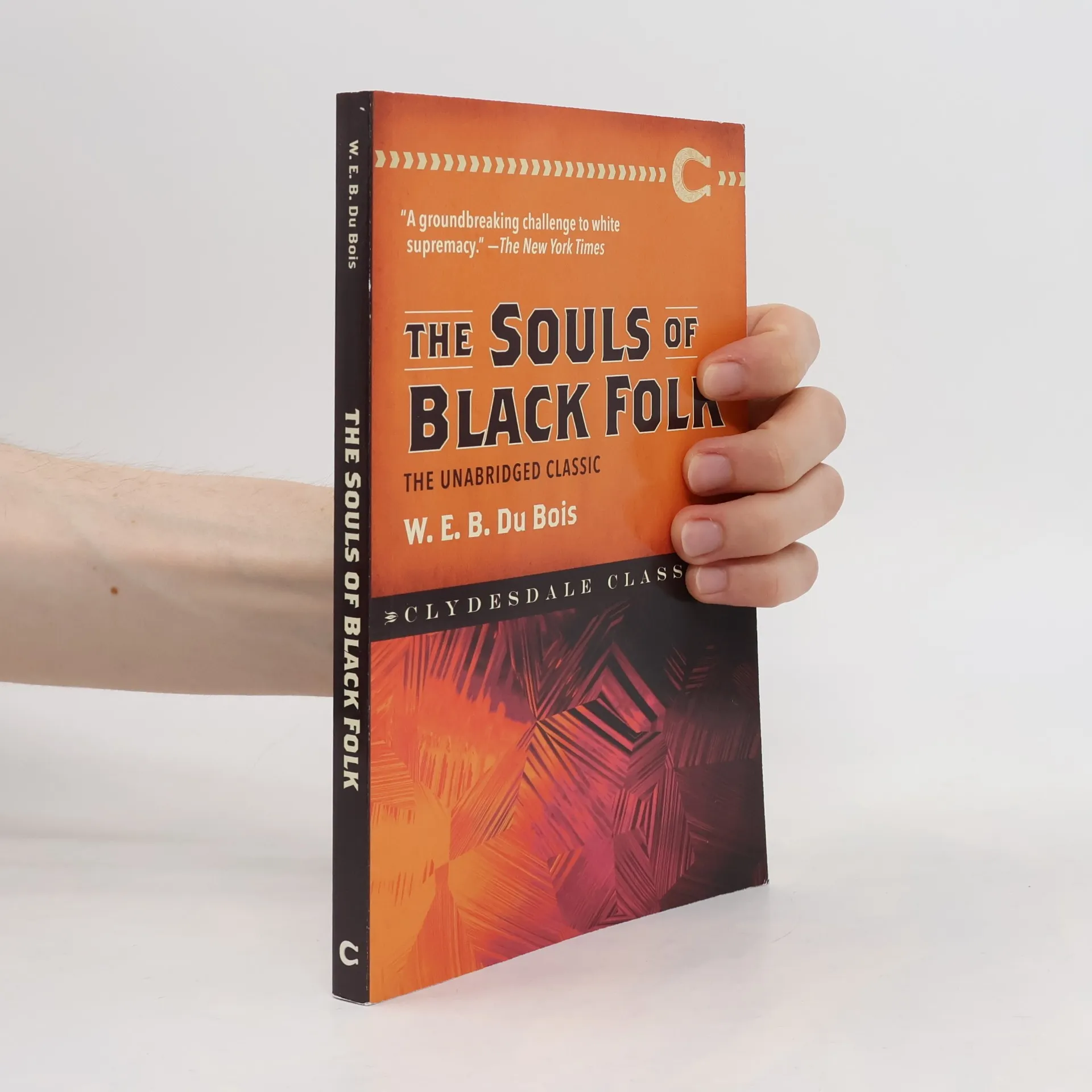
The Souls of Black Folk
- 192 pages
- 7 hours of reading
One of the Most Important Books on Civil Rights, Race, and Freedom Ever Written. “A groundbreaking challenge to white supremacy.” —The New York Times A classic work of American literature, African-American history, and sociology by W. E. B. Du Bois, The Souls of Black Folk is a monumental collection of essays that examines race and racism in America during the early 1900s and prior. Du Bois derived much of the book’s content from his own personal experience as an African-American living during these tumultuous times, which resulted in an expertly crafted firsthand account of the trials of oppression and segregation existing in America. Many of the book’s essays formulated Du Bois’s then-perceived radical thought and platform for change, and eventually became catalysts that sparked protest movements across the country. Containing some of the most revered work on the topic of race, this stunning new trade edition of The Souls of Black Folk is perfect for anyone interested in African-America literature and history.
Three negro classics
- 512 pages
- 18 hours of reading
UP FROM SLAVERY The autobiography of Booker T. Washington is a startling portrait of one of the great Americans of the late nineteenth and early twentieth century. The illegitimate son of a white man and a Negro slave, Washington, a man who struggled for his education, would go on to struggle for the dignity of all his people in a hostile and alien society. THE SOULS OF BLACK FOLK W.E.B. Du Bois's classic is a major sociological document and one of the momentous books in the mosaic of American literature. No other work has had greater influence on black thinking, and nowhere is the African-American's unique heritage and his kinship with all men so passionately described. THE AUTOBIOGRAPHY OF AN EX-COLORED MAN Originally published anonymously, James Weldon Johnson's penetrating work is a remarkable human account of the life of black Americans in the early twentieth century and a profound interpretation of his feelings towards the white man and towards members of his own race. No other book touches with such understanding and objectivity on the phenomenon once called "passing" in a white society. These three narratives, gathered together in Three Negro Classics, chronicle the remarkable evolution of African-American consciousness on both a personal and social level. Profound, intelligent, and insightful, they are as relevant today as they have ever been.
Story Of Slavery Hardcover
- 30 pages
- 2 hours of reading
Exploring the complexities of slavery, this essay by Booker T. Washington offers a reflective analysis on its impact. Originally published in 1913, it delves into the historical context and the enduring effects of slavery on society. Washington's insights provide a thought-provoking perspective on race relations and the journey toward equality, making it a significant contribution to discussions on American history and social justice.
This book is a reproduction of a historical work published by Megali, a publishing house dedicated to producing large print editions. The focus on accessibility aims to assist readers with impaired vision, ensuring that classic texts remain available and easy to read for a wider audience.
Negro In The South Hardcover
- 96 pages
- 4 hours of reading
The narrative explores the profound journey of a person who has experienced physical enslavement but has fiercely maintained their inner freedom and love for humanity. It emphasizes the importance of spiritual and intellectual independence, highlighting the struggle against external influences that seek to suppress one's quest for truth and personal integrity. The book delves into themes of resilience, self-empowerment, and the enduring human spirit in the face of oppression.
Seven Slave Narratives, seven books including
Narrative of the Life Of Frederick Douglass An American Slave; My Bondage and My Freedom; Twelve Years A Slave; The Interesting Narrative of the Life of Olaudah Equiano, or Gustavus Vassa, the African; Incide
- 1056 pages
- 37 hours of reading
The collection features seven powerful slave narratives that intertwine harrowing experiences with themes of resilience and hope. Each story offers a unique perspective on the struggles faced by individuals in the context of slavery, highlighting their courage and determination despite overwhelming adversity. These narratives serve as poignant reminders of the human spirit's ability to endure and inspire.
Character Building; Being addresses delivered on Sunday evenings to the students of Tuskegee institute
in large print
- 228 pages
- 8 hours of reading
The book is a reproduction of a historical work, designed specifically for accessibility. Published by Megali, it features large print to aid readers with impaired vision, ensuring that important historical texts remain available and easy to read for a wider audience. This initiative highlights the commitment to inclusivity in literature.
The Negro Problem
- 90 pages
- 4 hours of reading
The book addresses significant historical themes surrounding the Negro Problem, emphasizing its importance in human history. It has been carefully preserved and republished in a modern format to ensure clarity and readability for current and future generations. The text has been reformatted and retyped, avoiding scanned copies to enhance the reading experience.
Up from Slavery
- 150 pages
- 6 hours of reading
First published serially in the Christian newspaper "The Outlook" in 1900, "Up from Slavery" is the classic autobiography of one of the most controversial figures in American history, Booker T. Washington. "Up from Slavery," recounts Washington's rise from a Virginia tobacco farm slave to his long standing tenure as President of the famed Tuskegee Institute of Alabama. Booker T. Washington was instrumental in helping to establish schools specializing in vocational training for minorities in order to advance their position in society by obtaining marketable skills. Washington's message was one of the advancement of African Americans through economic empowerment for as he put it, "the individual who can do something that the world wants done will, in the end, make his way regardless of his race." While he has been described as an "accommodationist" and a "calculating realist," his message of self-empowerment has been a dramatic force in the fight for racial equality and shall forever be remembered in the annals of American history. This edition is printed on premium acid-free paper.
