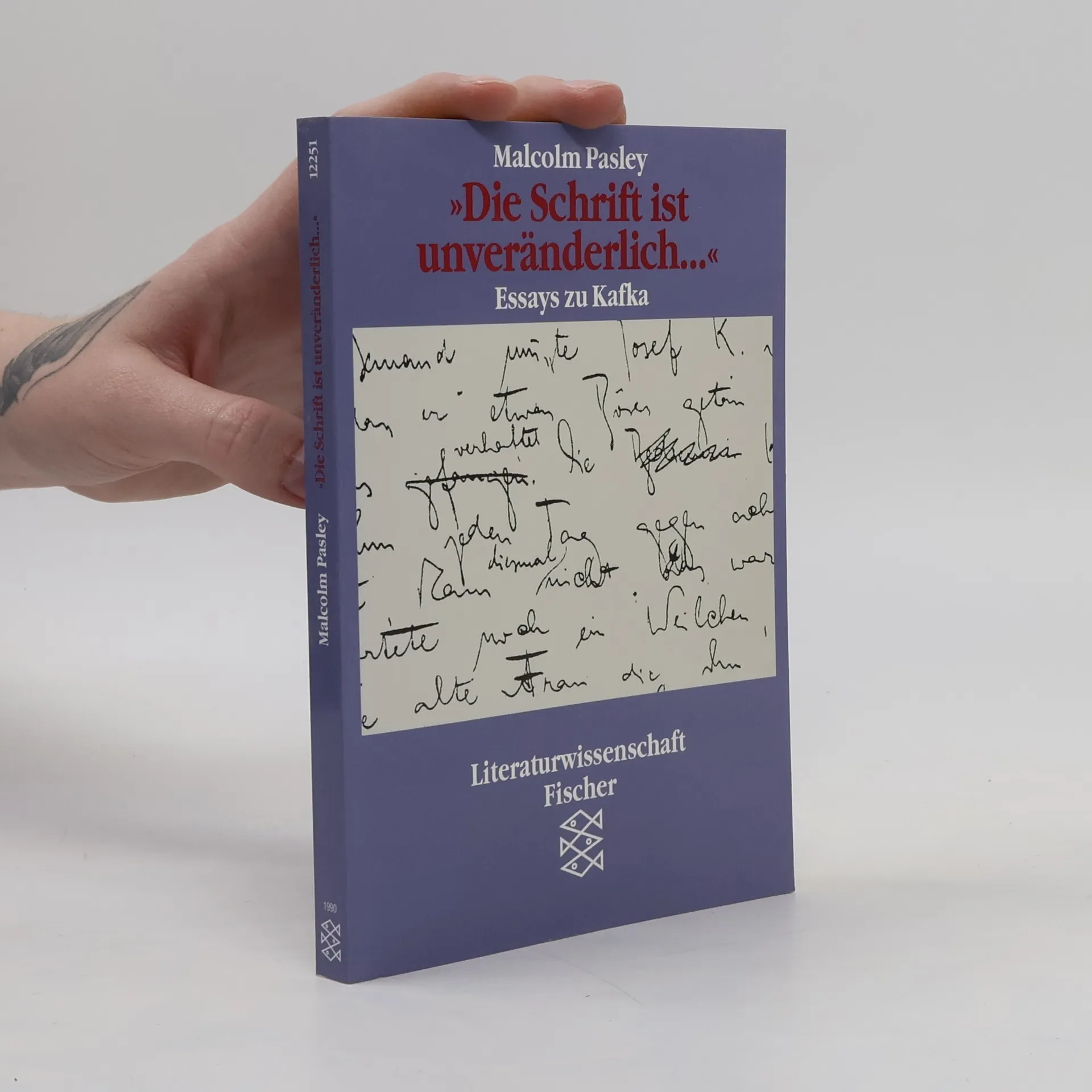
Sir John Malcolm Sabine Pasley was a literary scholar and Fellow of the British Academy, renowned for his dedicated work in publishing the writings of Franz Kafka. Following extensive negotiations, he personally took possession of Kafka's manuscripts that had been entrusted to Max Brod. In 1961, Pasley facilitated the transport of these significant literary works from Switzerland to the Bodleian Library at Oxford. His scholarly efforts were instrumental in preserving and disseminating Kafka's unique literary legacy.
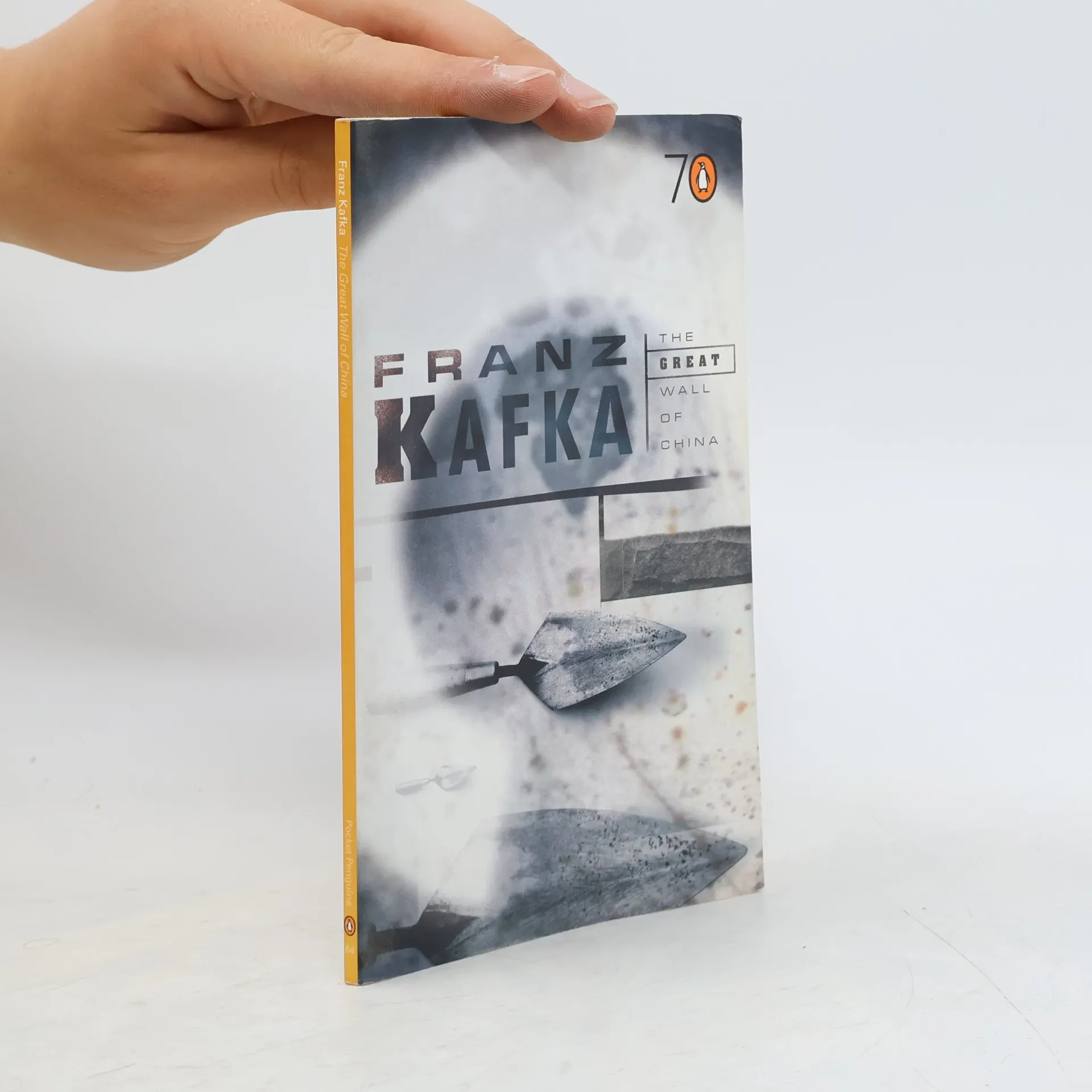
In May 2005 Penguin will publish 70 unique titles to celebrate the company's 70th birthday. The titles in the Pocket Penguins series are emblematic of the renowned breadth of quality of the Penguin list and will hark back to Penguin founder Allen Lane's vision of good books for all'. as among the greatest works of early twentieth-century literature. His most famous and influential work, Metamorphosis, depicting a man who wakes up to discover he has been turned into an insect, was first published by Penguin in 1961. These lucid stories and brief fables describe the cruel absurdities he believed dominate human life.
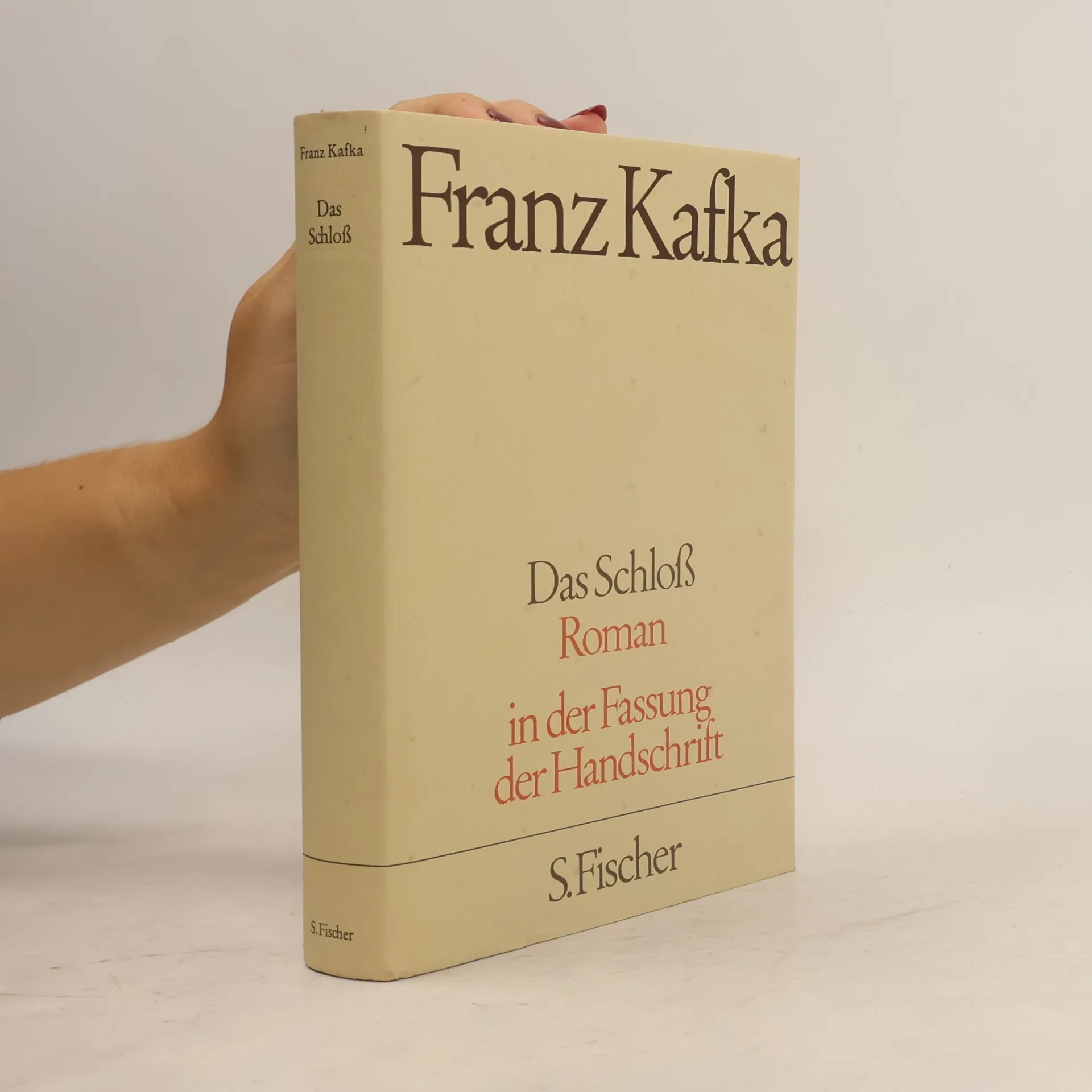
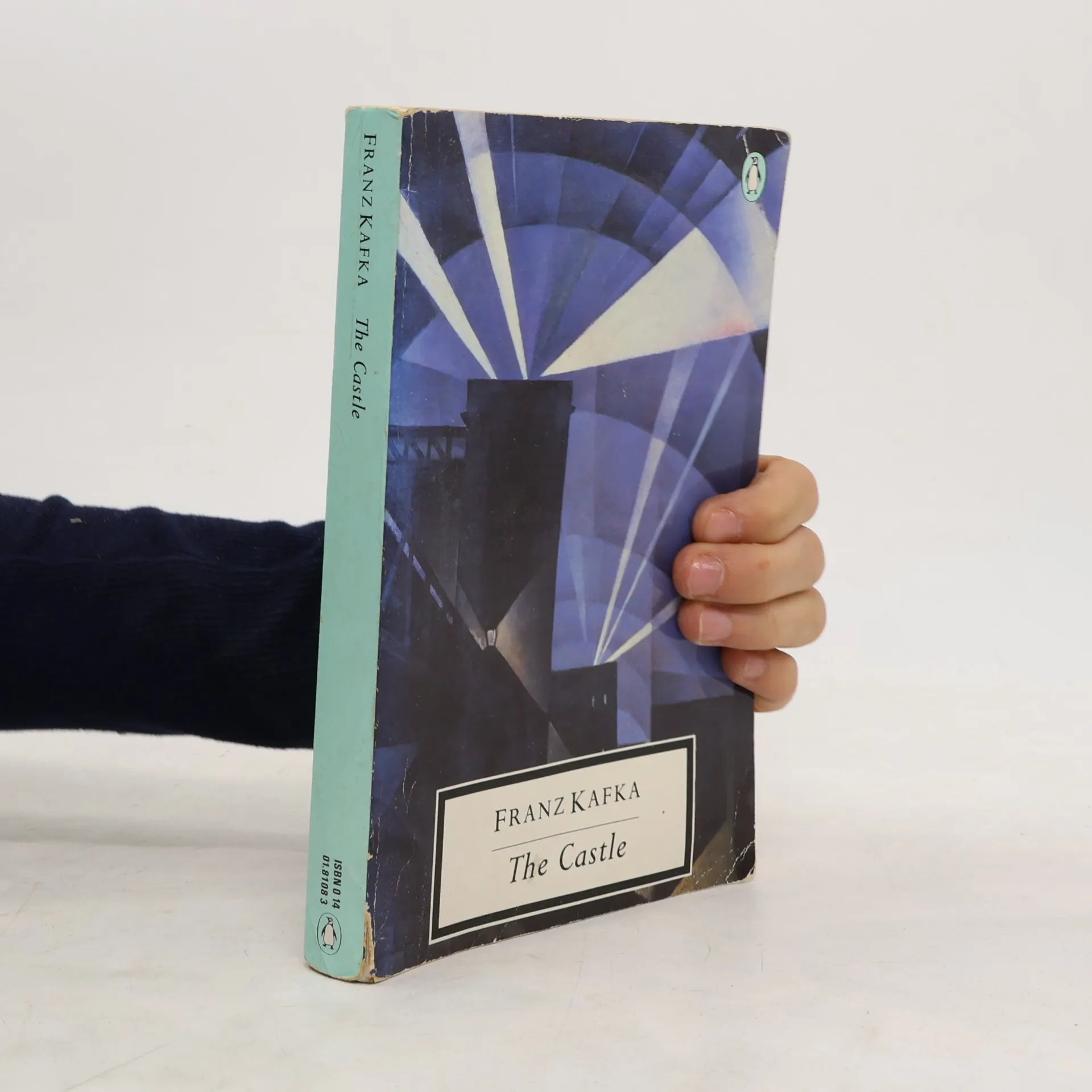
In The Castle, a protagonist, known only as K., struggles to gain access to the mysterious authorities of a castle who govern the village where he wants to work as a land surveyor. Kafka died before finishing the work, but suggested it would end with the Land Surveyor dying in the village; the castle notifying him on his death bed that his legal claim to live in the village was not valid, yet, taking certain auxiliary circumstances into account, he was permitted to live and work there.
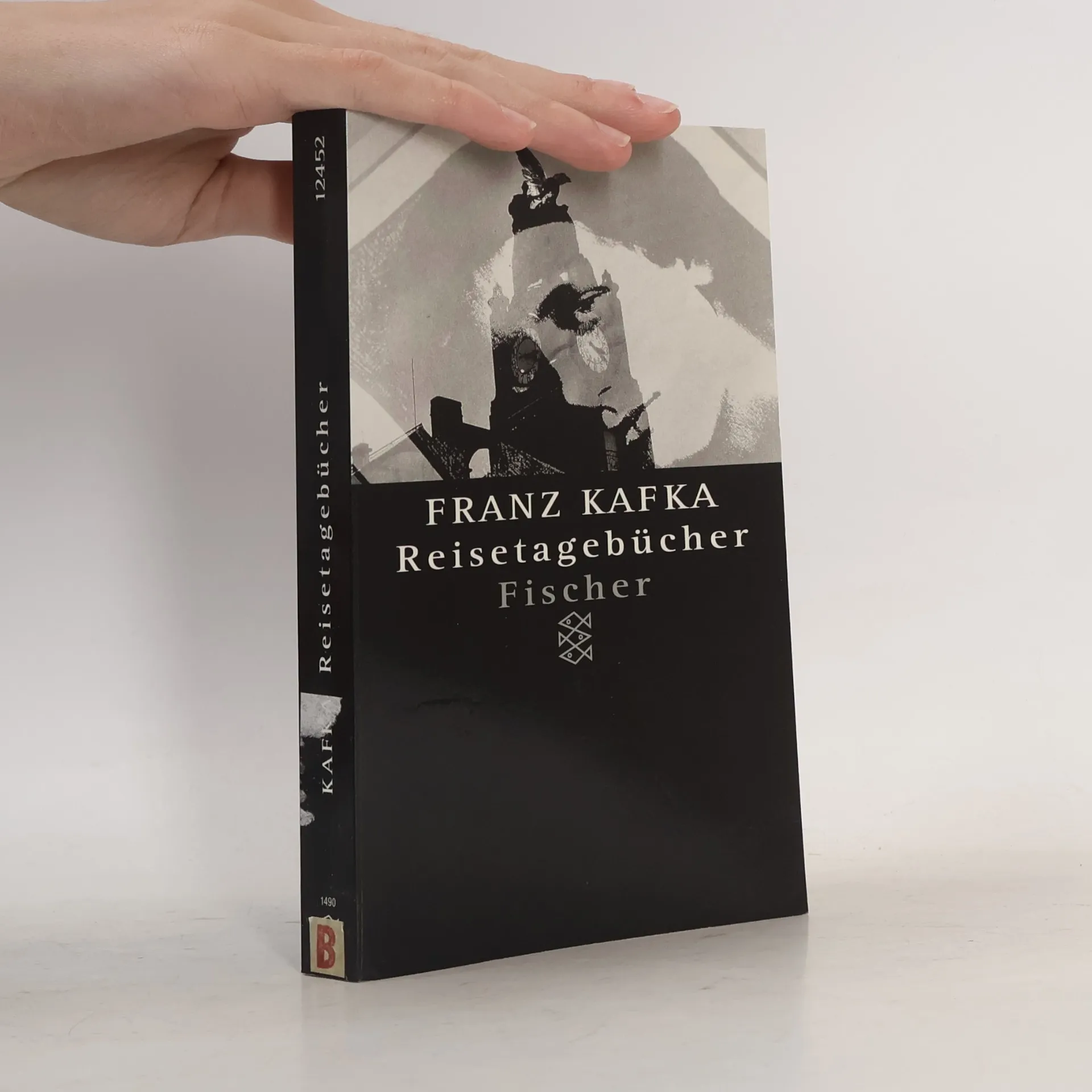
These diaries cover the years 1910 to 1923, the year before Kafka’s death at the age of forty. They provide a penetrating look into life in Prague and into Kafka’s accounts of his dreams, his feelings for the father he worshipped and the woman he could not bring himself to marry, his sense of guilt, and his feelings of being an outcast. They offer an account of a life of almost unbearable intensity. From the Trade Paperback edition. The Diaries of Franz Kafka 1910-13 translated from the German by Joseph Kresh The Diaries of Franz Kafka 1914-23 translated from the German by Martin Greenberg with the cooperation of Hannah Arendt
Translated and with a preface by Mark Harman Left unfinished by Kafka in 1922 and not published until 1926, two years after his death, The Castle is the haunting tale of K.’s relentless, unavailing struggle with an inscrutable authority in order to gain access to the Castle. Scrupulously following the fluidity and breathlessness of the sparsely punctuated original manuscript, Mark Harman’s new translation reveals levels of comedy, energy, and visual power previously unknown to English language readers.
Kafka betrachtet die Welt als jemand, der zurückgestoßen wurde, auf der Suche nach den Orten, wo der Kaiser residiert und unbekannte Gesetze wohnen. Er ist wie ein halb Erwachter, dessen Gedanken noch im gerade verflogenen Traum verweilen, in dem alle Rätsel gelöst schienen. Er glaubt, das Schlüsselwort fassen und schmecken zu können, doch die klare Figur, die die Welt im Zeichen des Geheimnisses bildet, entgleitet ihm. Verzweifelt versucht er, die auseinandergefallenen Teile zu erfassen, die sich in umgekehrter Weise wieder zu vereinen beginnen. Je weniger ihm die Rekonstruktion des verschwundenen Bildes gelingt, desto verzweifelter jagt er zwischen den Bruchstücken umher, um sie zu ordnen.
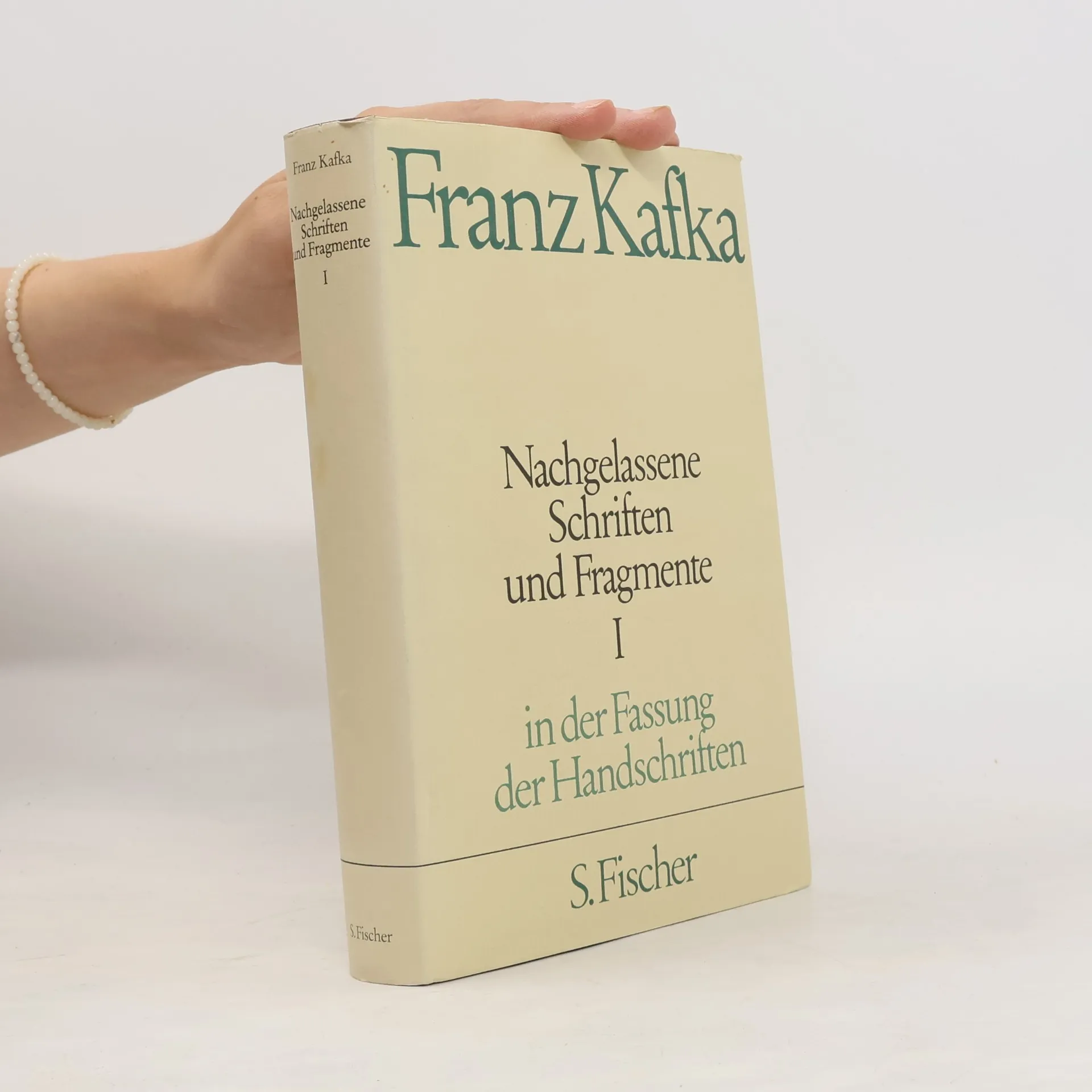
In diesem Band sind Texte aus Kafkas Nachlass versammelt, die bis Herbst 1917 entstanden sind, abgesehen von den Romanen „Der Verschollene“ und „Der Prozess“ sowie den Tagebüchern. Die Texte werden handschriftgemäß und in ihren ursprünglichen Kontexten präsentiert. Bekanntes und oft Kommentiertes zeigt sich hier in einem anderen Licht, als in der bisherigen Druckgeschichte. Was früher als einheitliches Textstück galt, entpuppt sich oft als zusammengesetztes Gebilde, das durch Kontamination, Umordnung oder das Weglassen von Passagen entstanden ist. Stattdessen finden sich hier die verschiedenen, sich vortastenden Ansätze zu Kafkas „work in progress“, die in den Handschriften zusammenstehen.