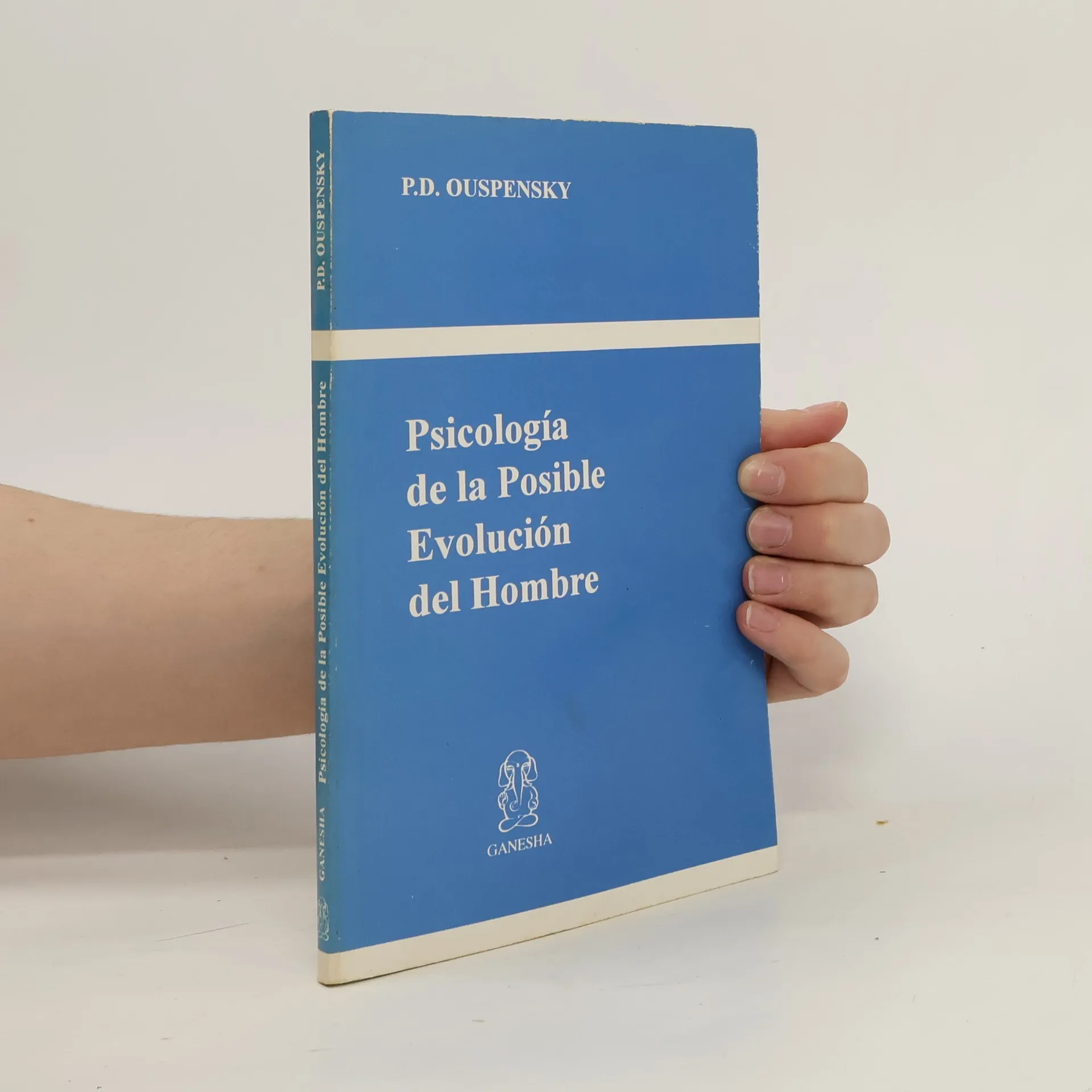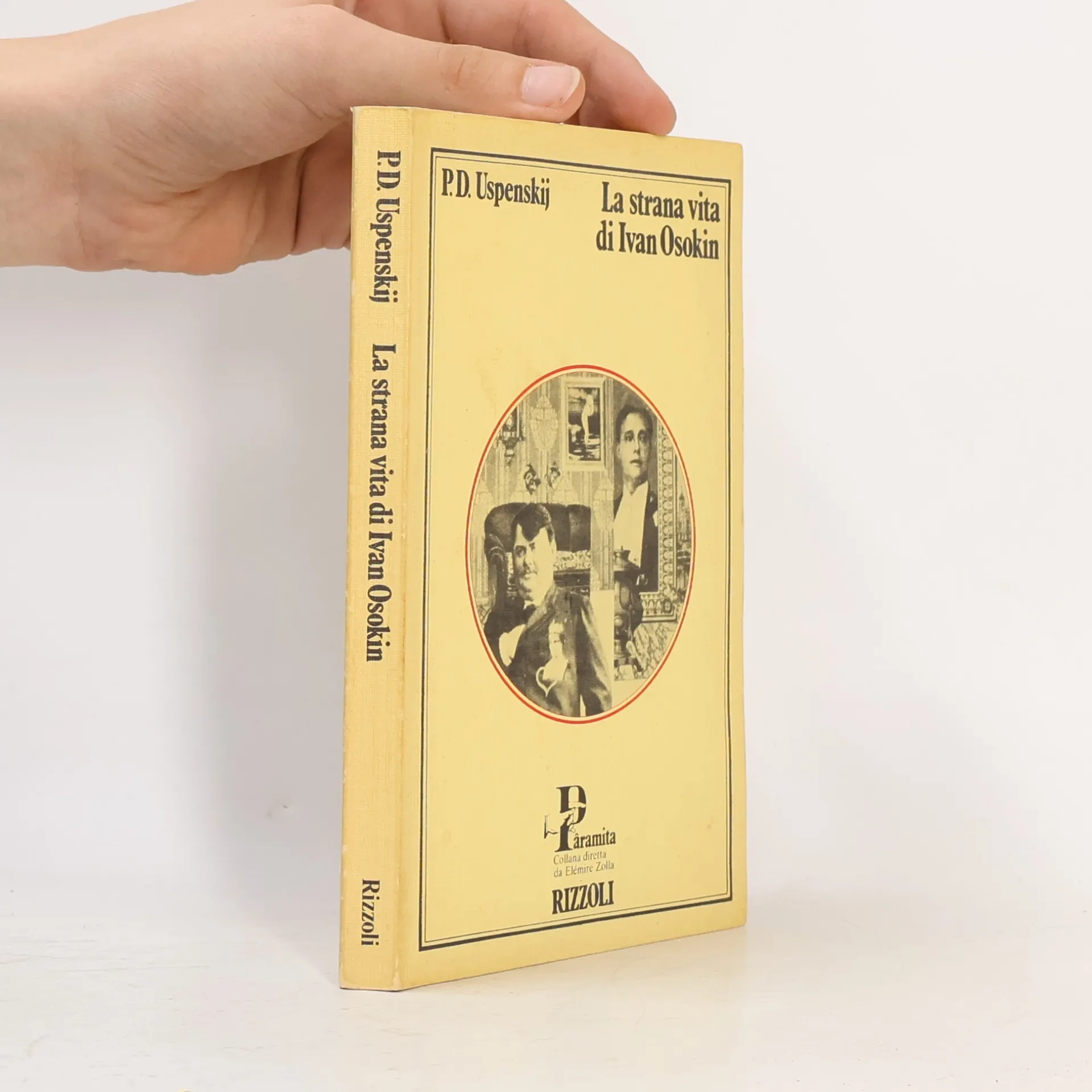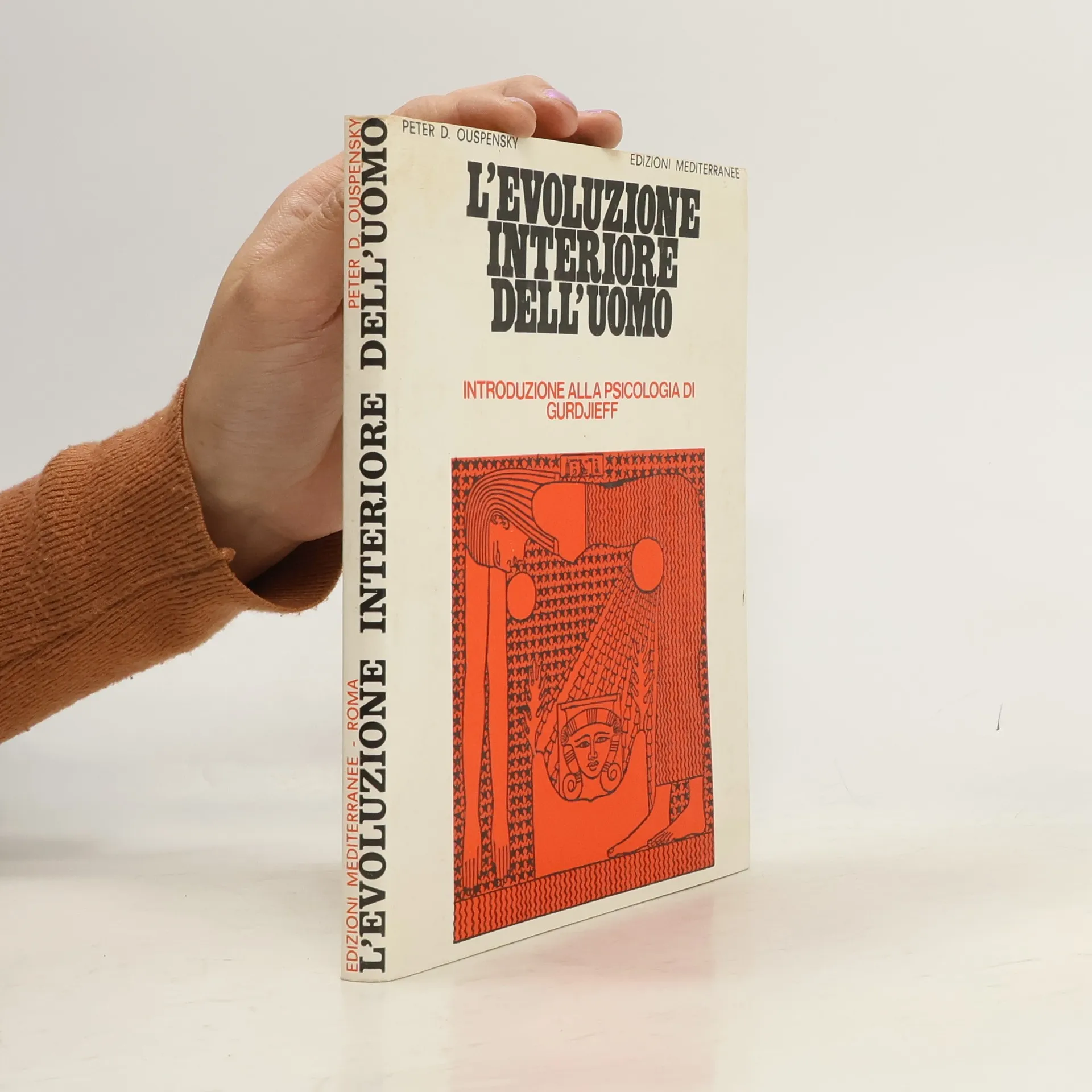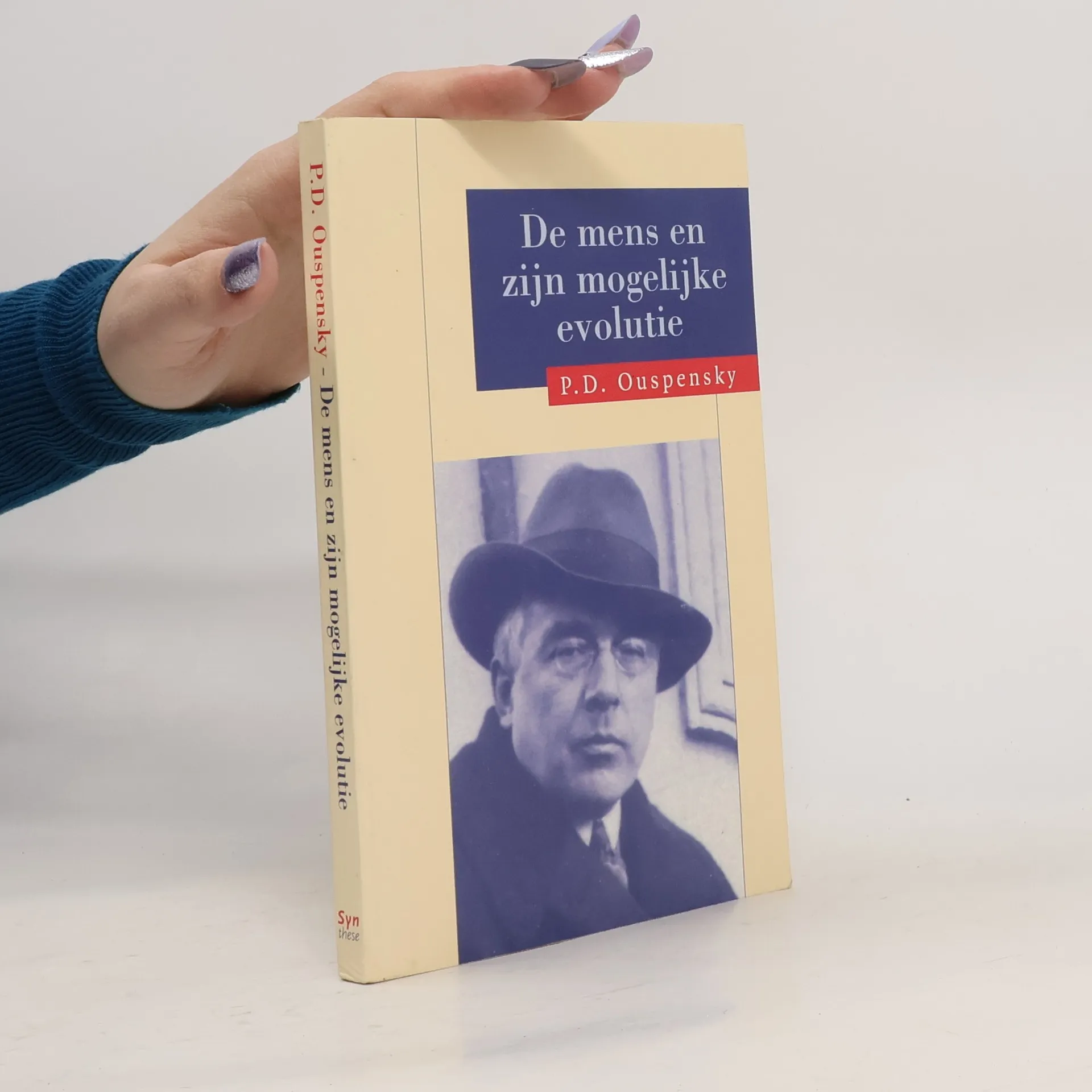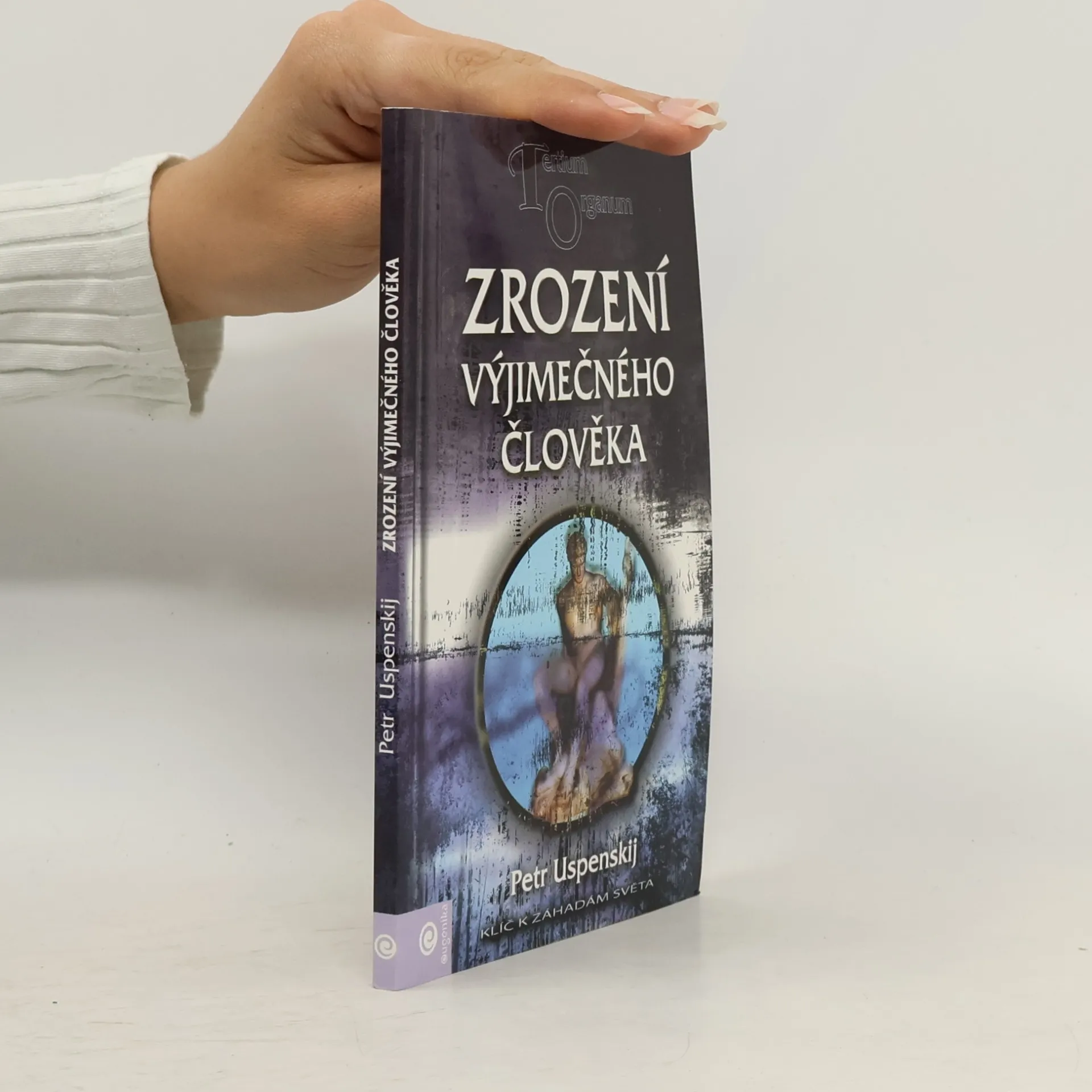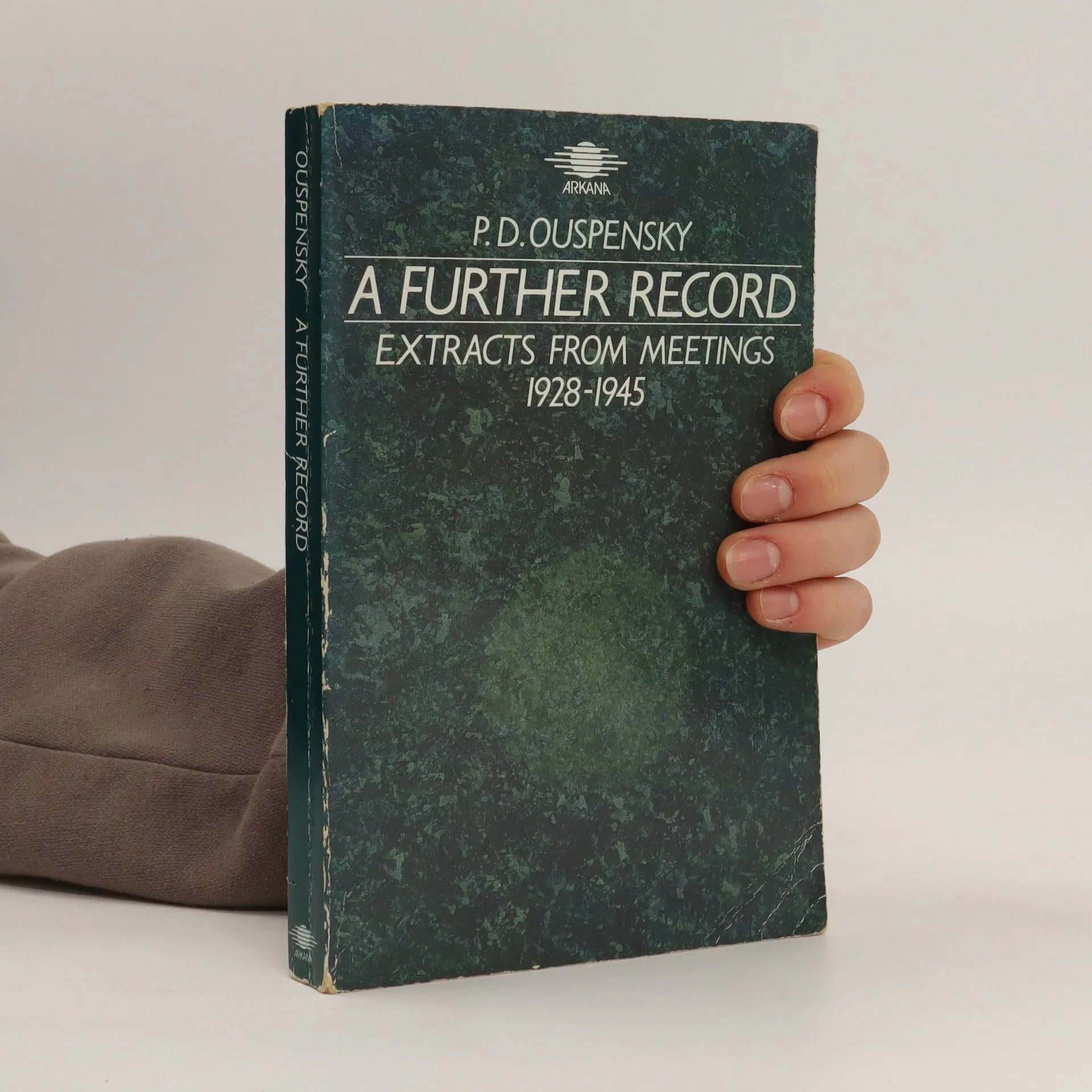
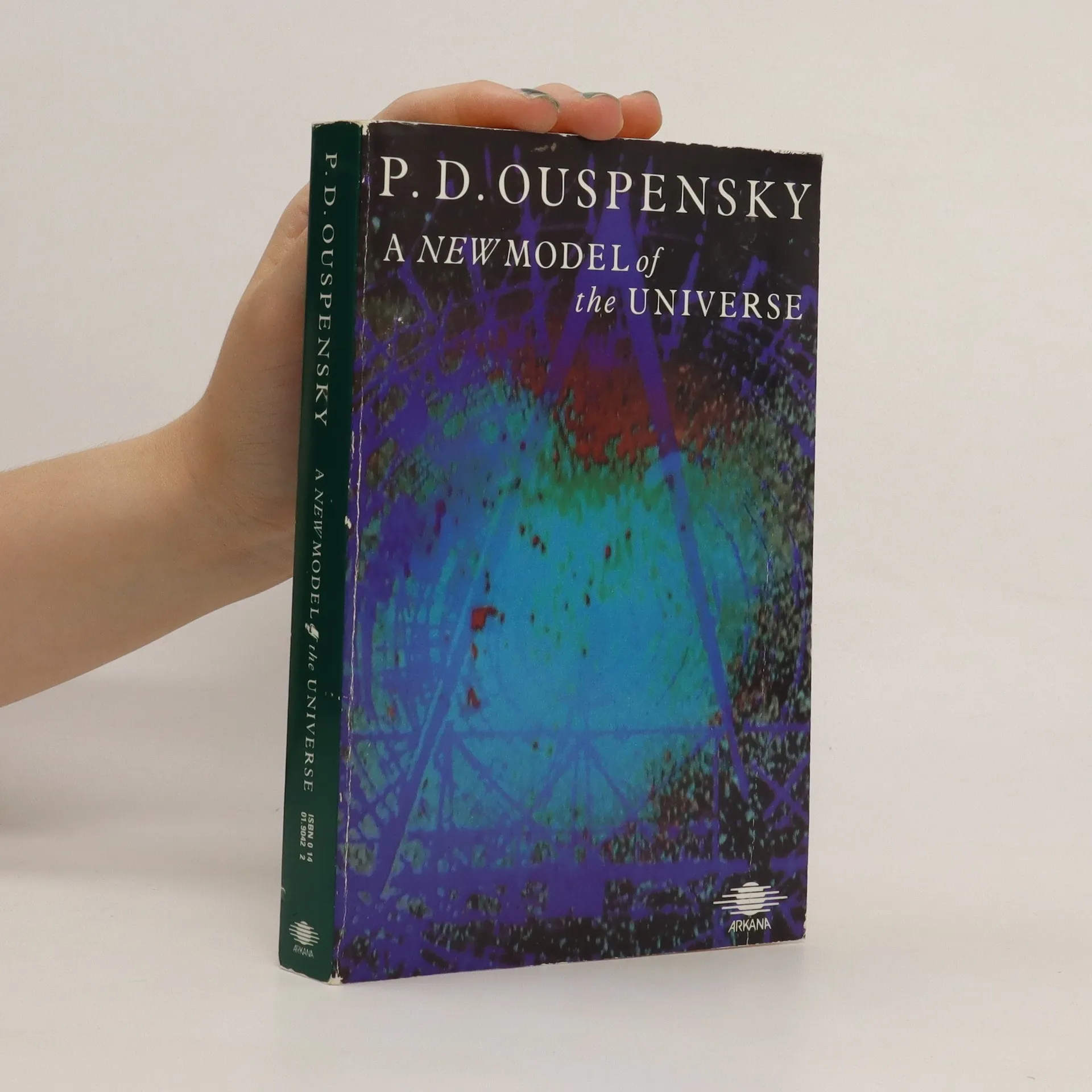
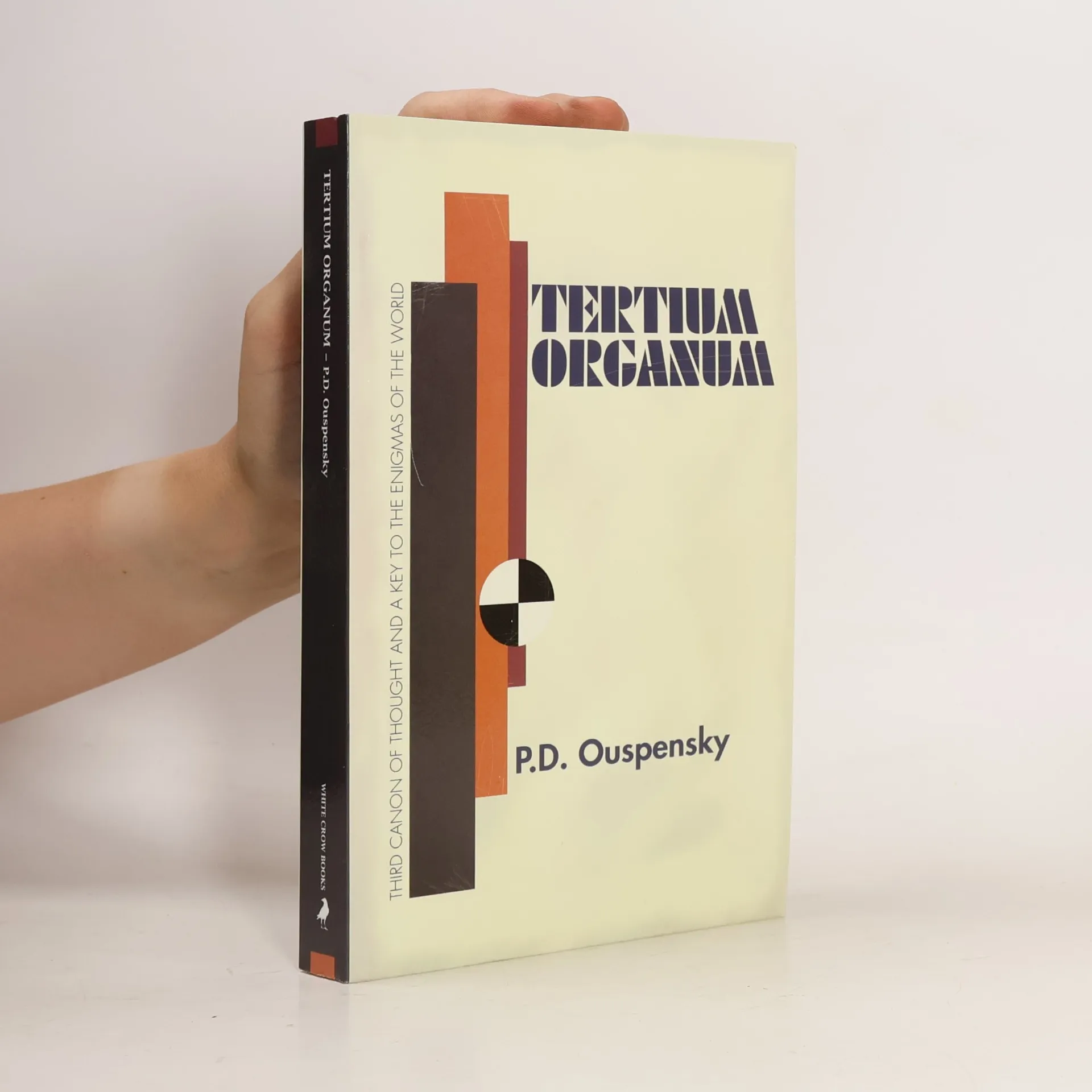
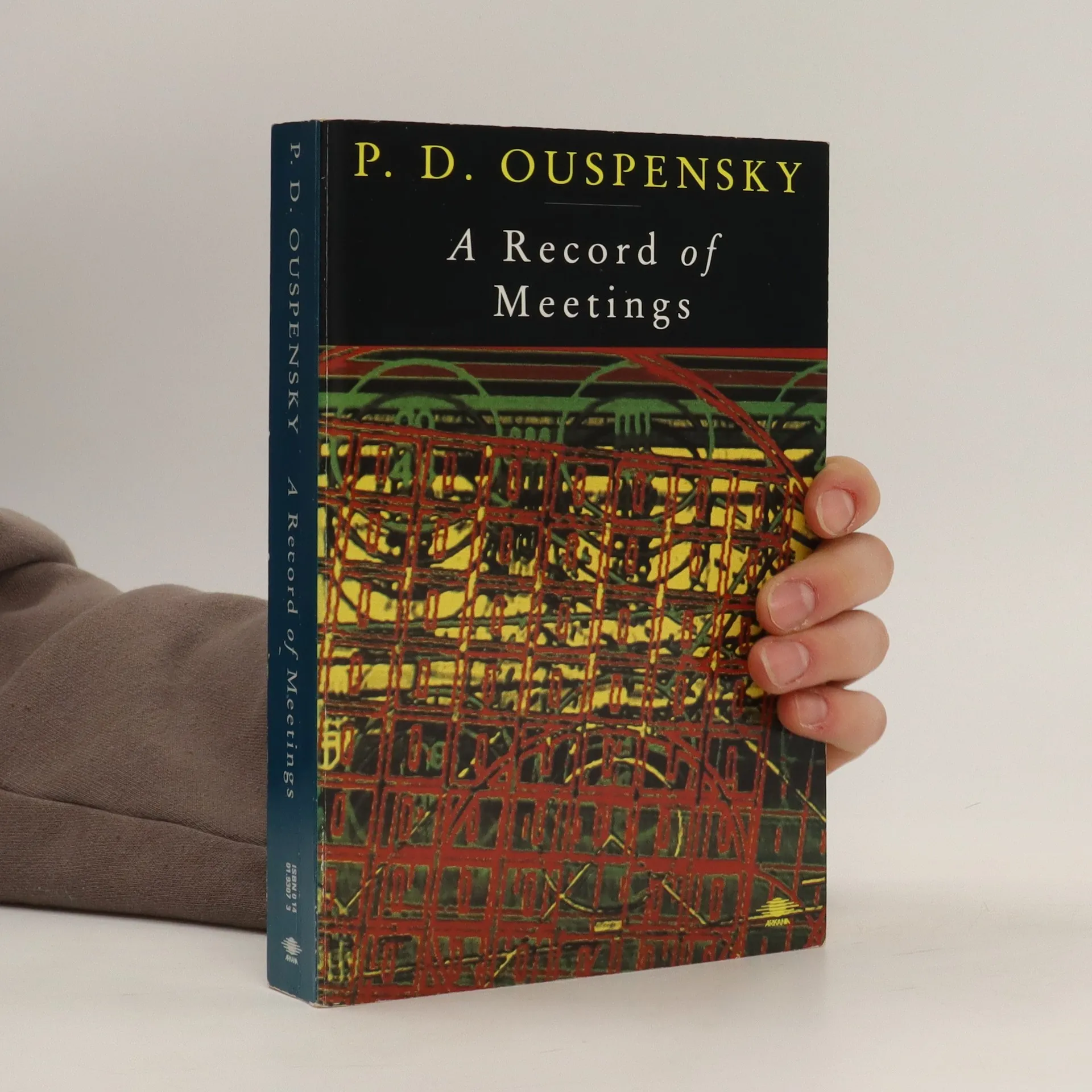
The collected transcripts of many lectures and meetings held by Ouspensky during the 1930s and 1940s deal with issues ranging from evolution, the will, the self, and religion to culture, thought, and intelligence.
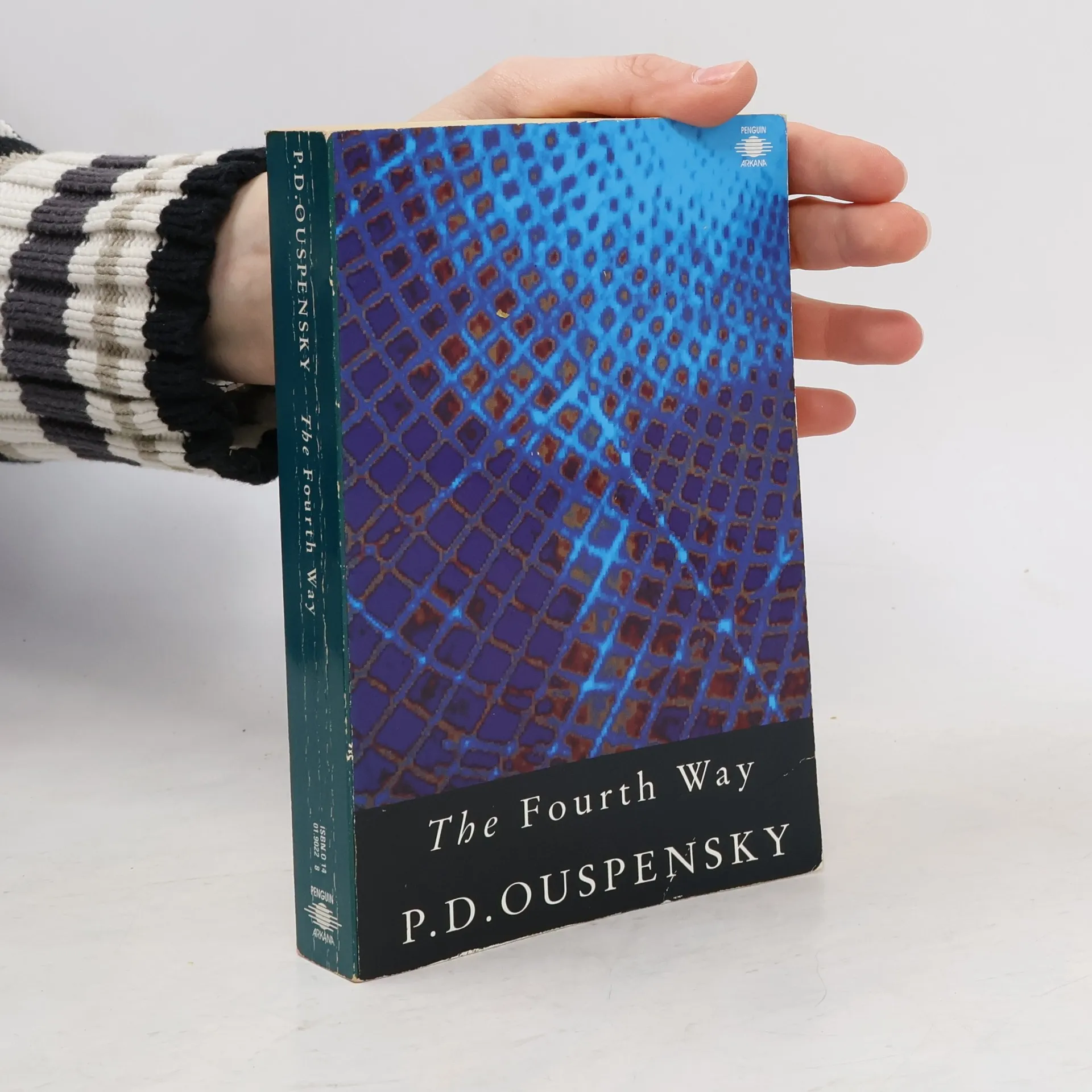
This text describes Gurdjieff's cosmology from Ouspensky's perspective as student, and shows how Ouspensky's formulation of his own ideas eventually led to his break with Gurdjieff. The book conveys a strong and lasting impression that not only did Ouspensky discover a real knowledge about man and his relationship with the universe, but that a practical cosmic teaching for the conduct of life is even now in existence.
Our edition is a new format; large paperback 160 x 230 mm, printed on off-white quality paper. Text is the same setting and page numbering as original edition. In the same format we published also A RECORD OF MEETINGS.
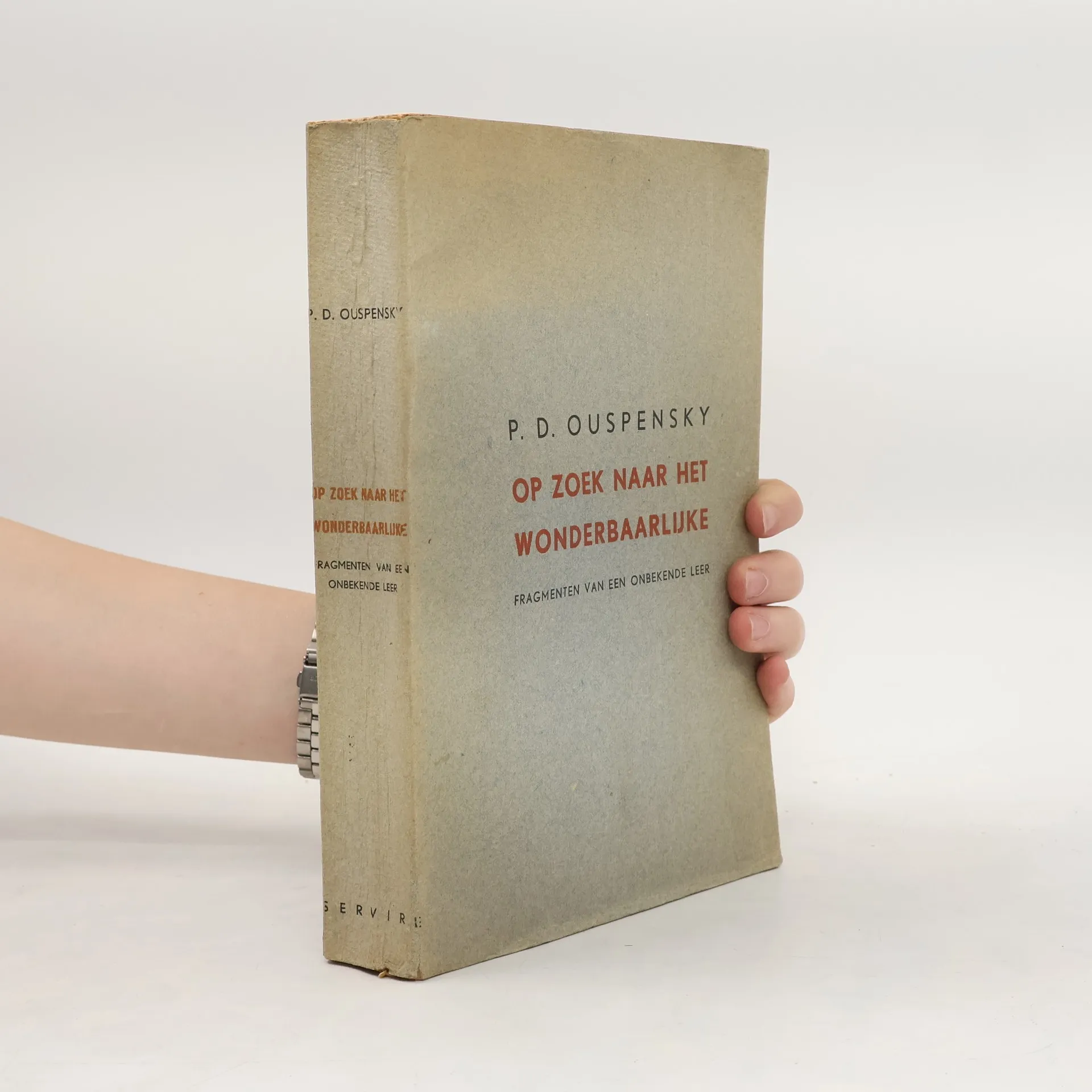
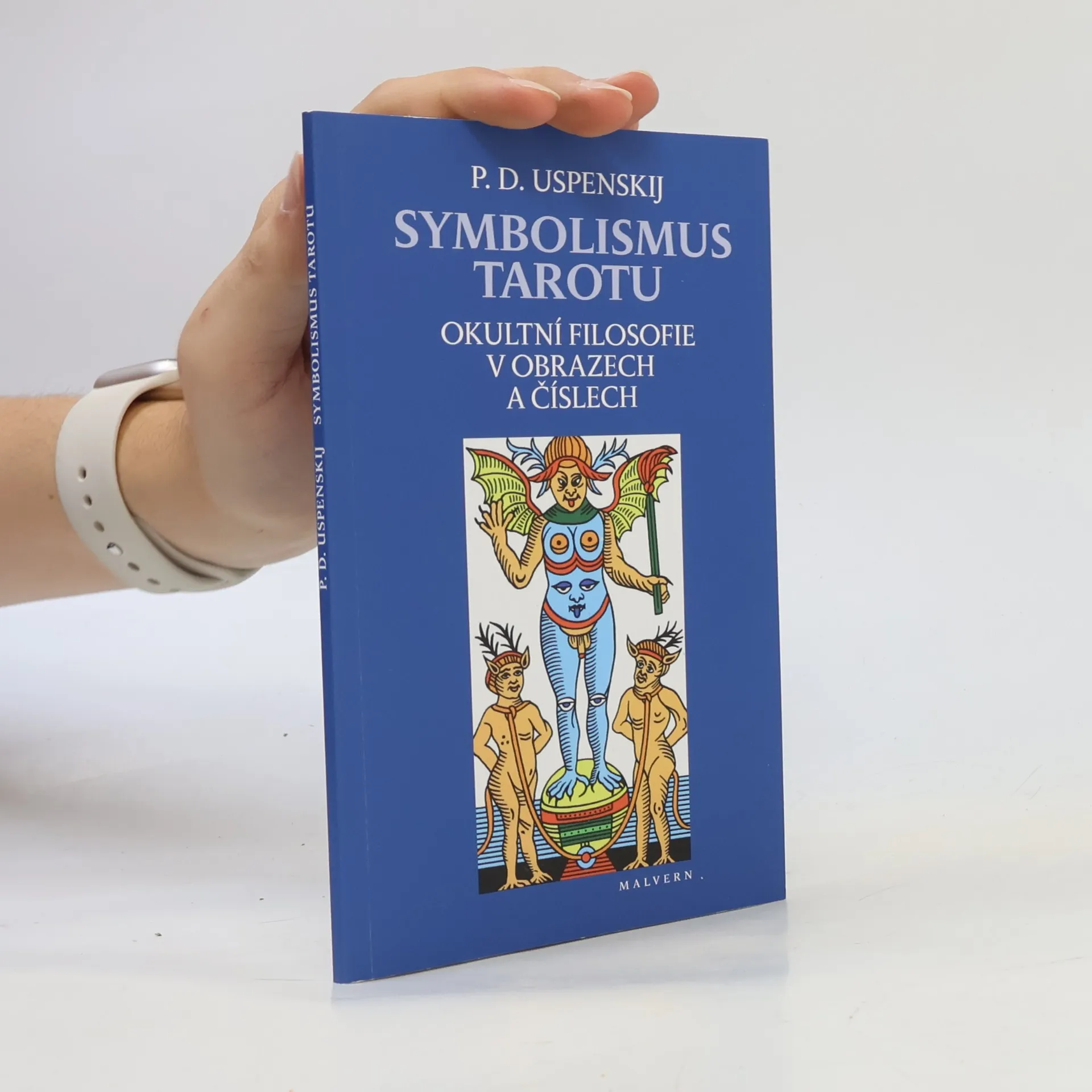
Peter D. Ouspensky (1878-1947) was a Russian thinker who popularized occult ideas in the early 20th century. His early work on tarot images utilized the Waite-Smith deck, laying the groundwork for his later explorations of G. I. Gurdjieff's concepts, notably in his posthumous book, "In Search of the Miraculous."
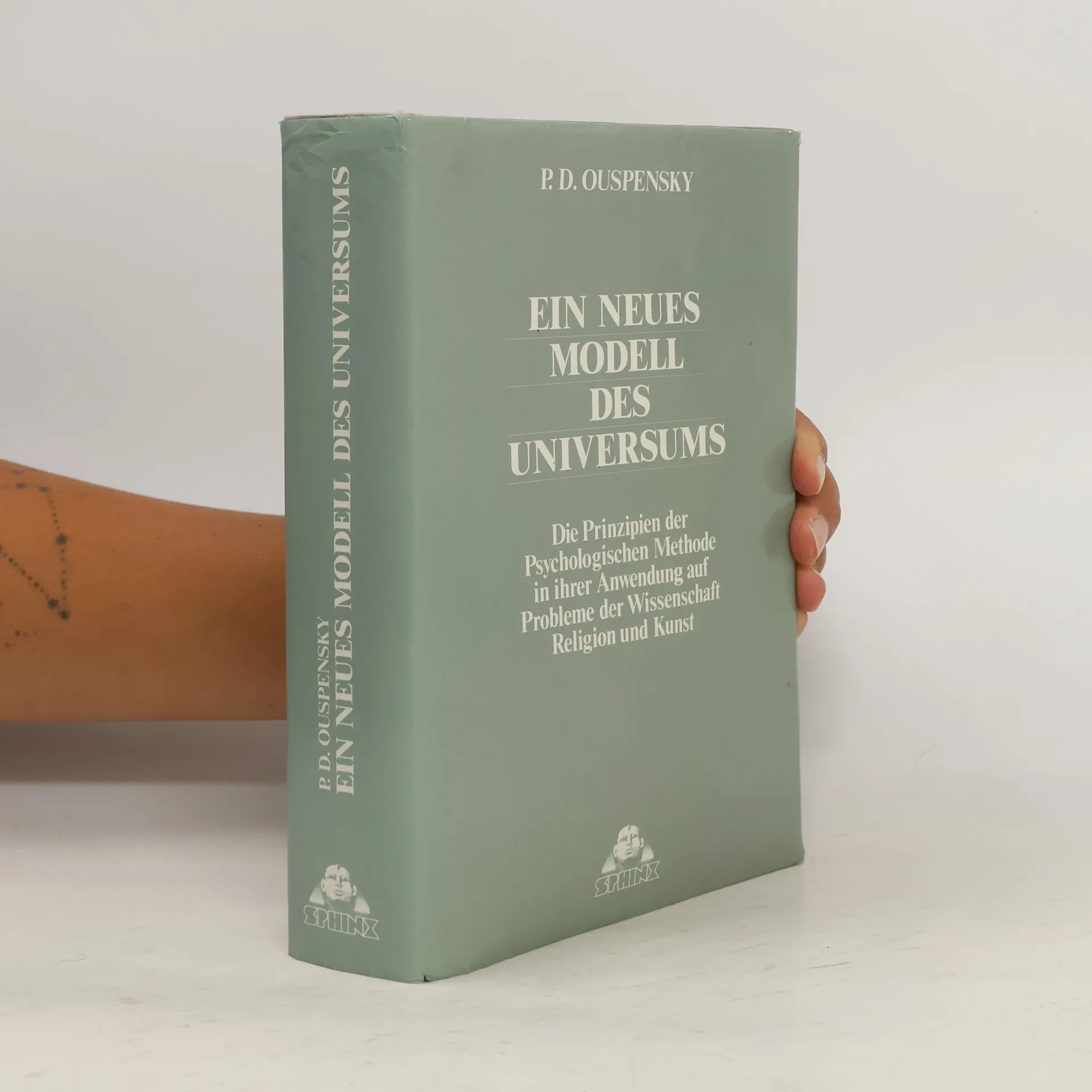
s/t: Principles of the psychological method in its application to problems of science, religion and art Preface Prefatory Note Introduction Esotericism and modern thought The fourth dimension Superman Christianity and the New Testament The symbolism of the Tarot What is yoga? On the study of dreams and on hypnotism Experimental mysticism In search of the miraculous A new model of the universe Eternal recurrence and the laws of Manu Sex and evolution Index
„Der Vierte Weg“ ist eine zentrale Quelle für die Weisheit von Georges I. Gurdjieff, zusammengestellt aus den Vorlesungen von Peter D. Ouspensky, dem wichtigsten Vermittler von Gurdjieffs Lehren. Gurdjieff beschreibt den „Vierten Weg“ als eine Integration der drei traditionellen spirituellen Wege: des Fakirs, des Mönches und des Yogis. Während diese Wege jeweils auf bestimmte Bewusstseinsformen fokussiert sind, bietet der „Vierte Weg“ eine umfassende Herangehensweise, die alle drei Gehirne des Menschen einbezieht und als effektiver erachtet wird. Dieser Weg erfordert kein spezifisches Umfeld wie Klöster oder Höhlen; er kann im Alltag praktiziert werden und hat das Potenzial, das gesamte Leben zu durchdringen. Zentrale Elemente sind die ständige Übung innerer Achtsamkeit und die Nicht-Identifikation mit persönlichen Vorlieben. Das Buch betont auch die Bedeutung einer inneren Schule, die Prinzipien des Lernens in Gruppen und die Notwendigkeit der Überprüfung des Gelernten durch die Schüler. Ouspensky hebt hervor, dass die wesentlichen Gedanken des Systems nicht ihm gehören, was ihm seinen Wert verleiht. „Der Vierte Weg“ ist ein Lehrbuch, das in Dialogform zwischen Ouspensky und seinen Schülern verfasst ist und die lebendige Auseinandersetzung mit spirituellen Fragen dokumentiert. Diese Ausgabe bringt die Lehren Gurdjieffs und Ouspenskys wieder in die deutsche Sprache.