Explore the latest books of this year!
Bookbot

Boris Groys

    March 19, 1947

    Boris Groys is a distinguished art critic, media theorist, and philosopher whose work investigates the intricate relationship between art, philosophy, and technology. Throughout his extensive academic career, marked by professorships at prestigious institutions globally, Groys delves deeply into themes of modernity, the artistic avant-garde, and the pervasive influence of media on contemporary thought. His theoretical frameworks offer profound insights into the complexities of artistic discourse and its evolution in the digital era. His contribution to literature lies in his persistent exploration of the boundaries between art and philosophy.

    Boris Groys
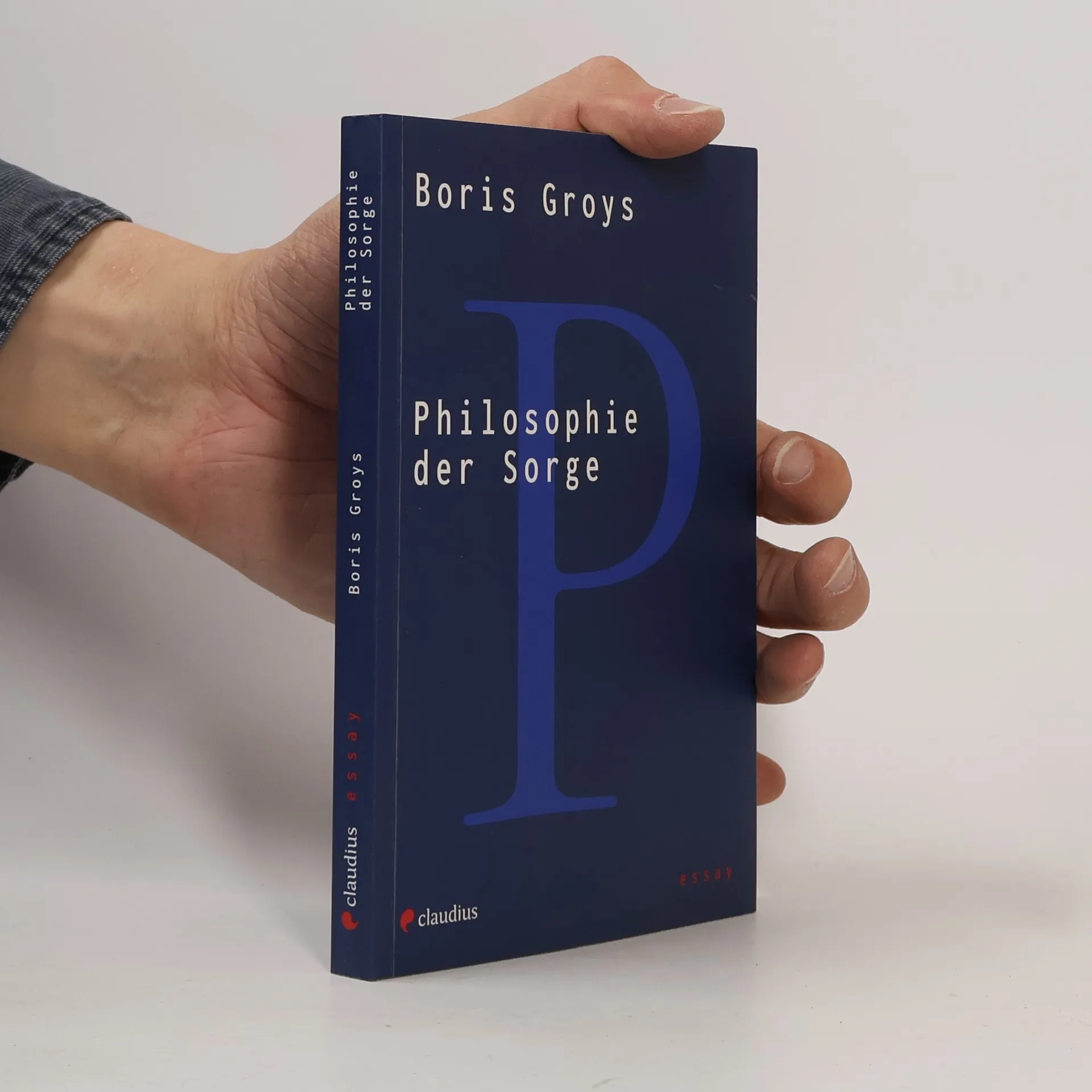
    Philosophy of Care
    Becoming an Artwork
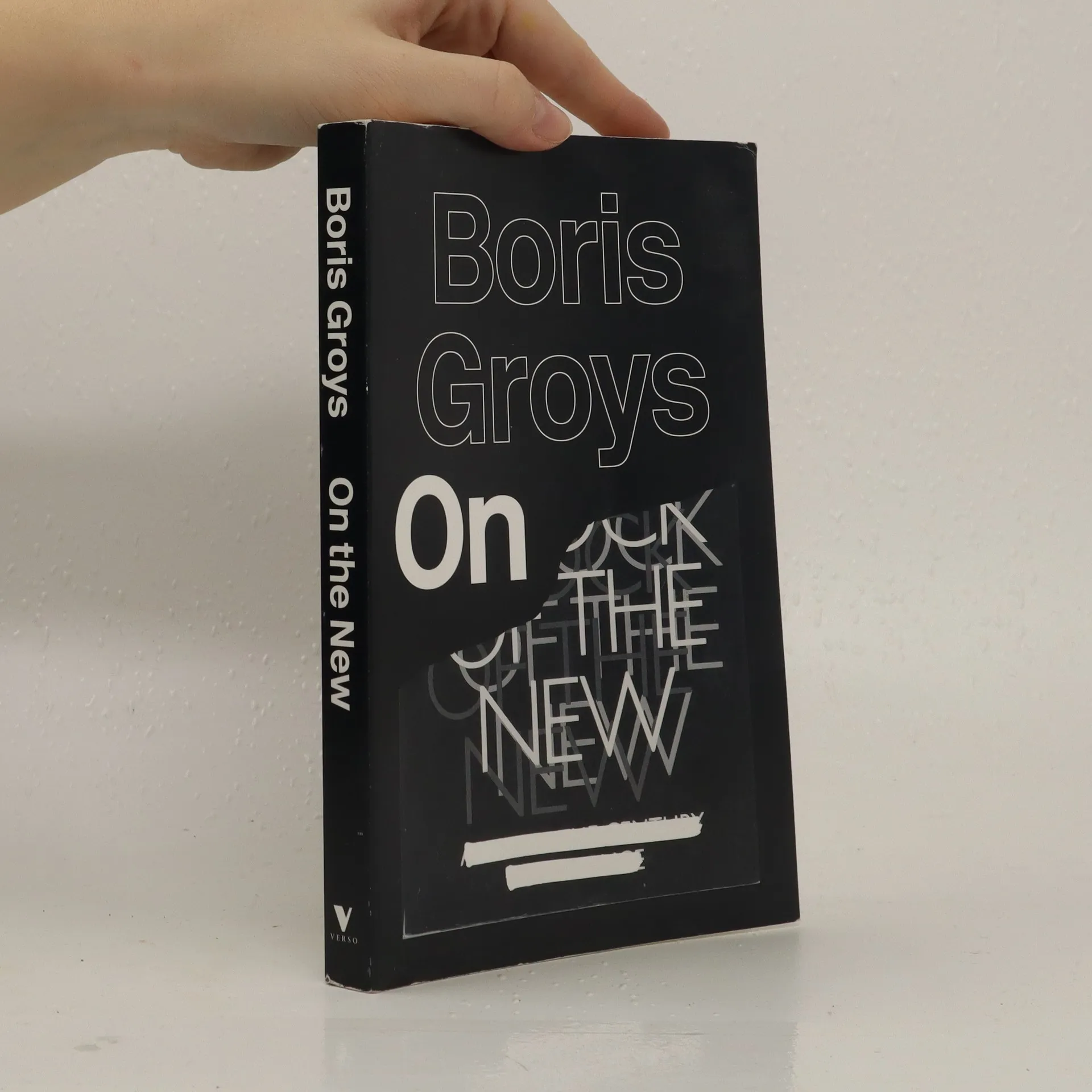
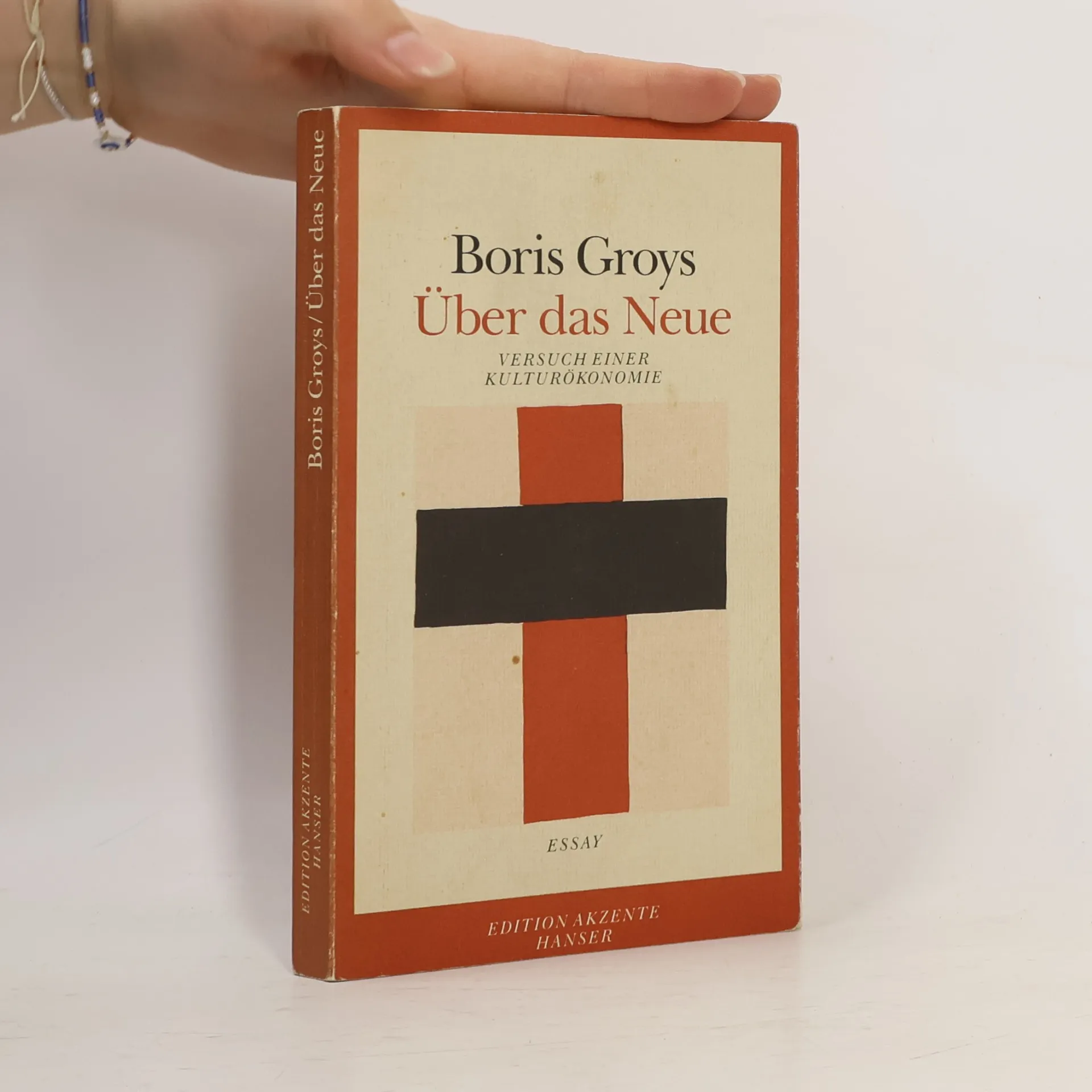
    On the new
    Art Power
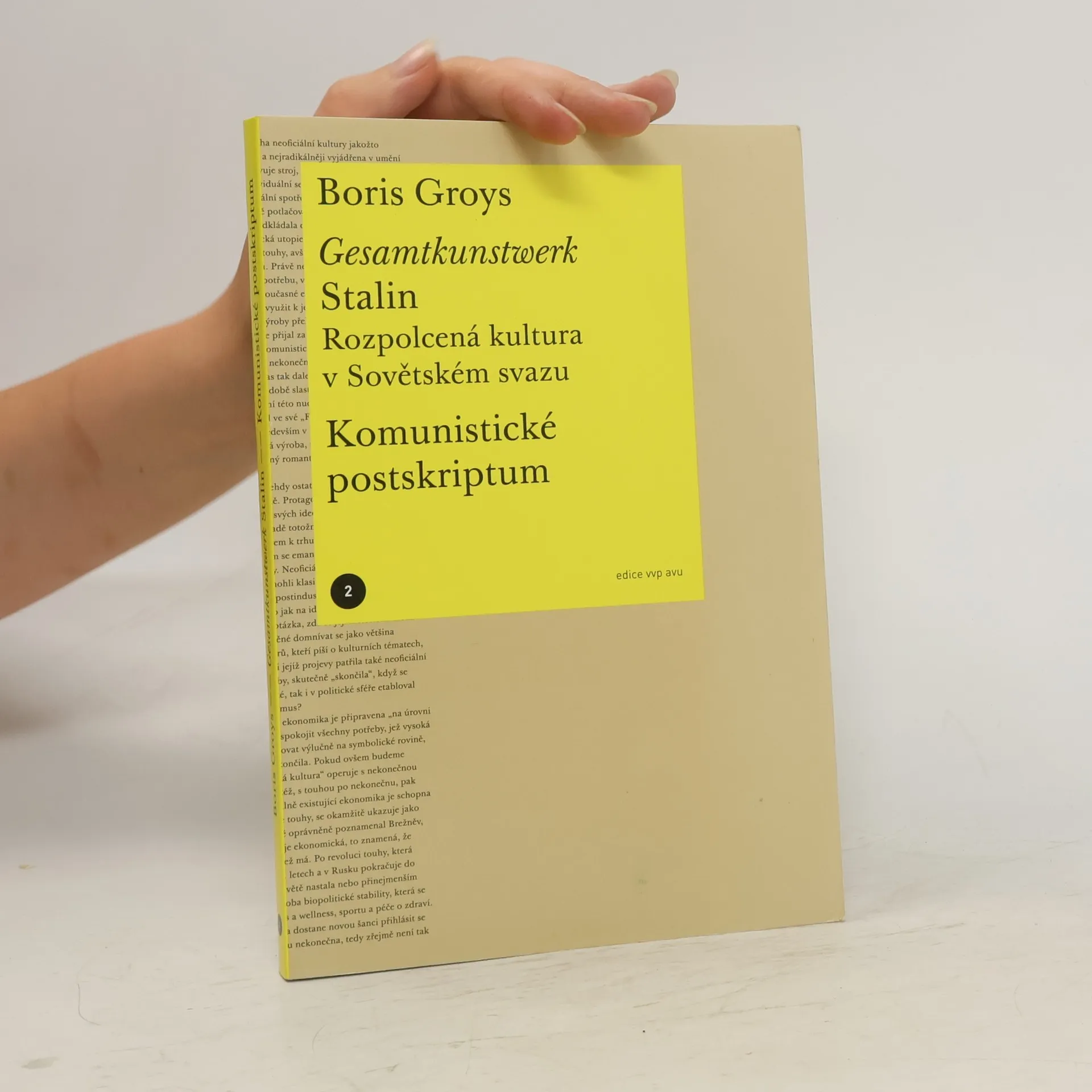
    The Communist Postscript
    Kazimir Malevič
    • A provocative essay on the relationship between communism, philosophy and language. Since Plato, philosophers have dreamed of establishing a rational state ruled through the power of language. In this radical and disturbing account of Soviet philosophy, Boris Groys argues that communism shares that dream and is best understood as an attempt to replace financial with linguistic bonds as the cement uniting society. The transformative power of language, the medium of equality, is the key to any new communist revolution.

      The Communist Postscript
    • Art Power

      • 224 pages
      • 8 hours of reading
      4.0(194)Add rating

      Art has its own power in the world, and is as much a force in the power play of global politics today as it once was in the arena of cold war politics. Art, argues the distinguished theoretician Boris Groys, is hardly a powerless commodity subject to the art market's fiats of inclusion and exclusion. In Art Power , Groys examines modern and contemporary art according to its ideological function. Art, Groys writes, is produced and brought before the public in two ways -- as a commodity and as a tool of political propaganda. In the contemporary art scene, very little attention is paid to the latter function. Arguing for the inclusion of politically motivated art in contemporary art discourse, Groys considers art produced under totalitarianism, Socialism, and post-Communism. He also considers today's mainstream Western art -- which he finds behaving more and more according the norms of ideological produced and exhibited for the masses at international exhibitions, biennials, and festivals. Contemporary art, Groys argues, demonstrates its power by appropriating the iconoclastic gestures directed against itself -- by positioning itself simultaneously as an image and as a critique of the image. In Art Power , Groys examines this fundamental appropriation that produces the paradoxical object of the modern artwork.

      Art Power
    • On the new

      • 208 pages
      • 8 hours of reading
      3.7(14)Add rating

      On the New looks at the economies of exchange and valuation that drive modern culture's key sites: the intellectual marketplace and the archive. As ideas move from one context to another, newness is created. This continuous shifting of the line that separates the valuable from the worthless, culture from profanity, is at the center of Boris Groys's investigation which aims to map the uncharted territory of what constitutes artistic innovation and what processes underpin its recognition and appropriation.

      On the new
    • Modern history is a history of aesthetizations - and every aesthetization raises a claim of protection. We aestheticize and want to protect almost everything, including Earth, oceans, the atmosphere, rare animal species and exotic plants. Humans are no exception. They also present themselves as objects of contemplation that deserve admiration and care. For some time, artists and intellectuals struggled for the sovereign right to present themselves to society in their own way - to become self-created works of art. Today everybody has not only a right but also an obligation to practice self-design. We are responsible for the way we present ourselves to others - and we cannot get rid of this aesthetic responsibility.However, we are not able to produce our own bodies. Before we begin to practice self-design, we find ourselves already designed by the gaze of others. That is why the practice of self-design mostly takes a critical and confrontational turn. We want to bring others to see us in the way we want to be seen - not only during our earthly life but also after our death. This is a complicated struggle, and the aim of this book is to describe and analyze it.

      Becoming an Artwork
    • Russian Cosmism

      • 264 pages
      • 10 hours of reading

      Exploring radical biopolitical utopianism, this collection features key texts from Russian Cosmism, many newly available in English. Emerging alongside Marxism, Cosmism sought transformative change, envisioning a world free from death and limitless in cosmic exploration. Founded by Nikolai Fedorov, this movement inspired a diverse array of artists and thinkers, influencing Soviet politics and technology until its suppression in the 1930s. As contemporary discussions merge philosophy with science, the relevance of these Cosmist ideas resurfaces, inviting renewed engagement.

      Russian Cosmism
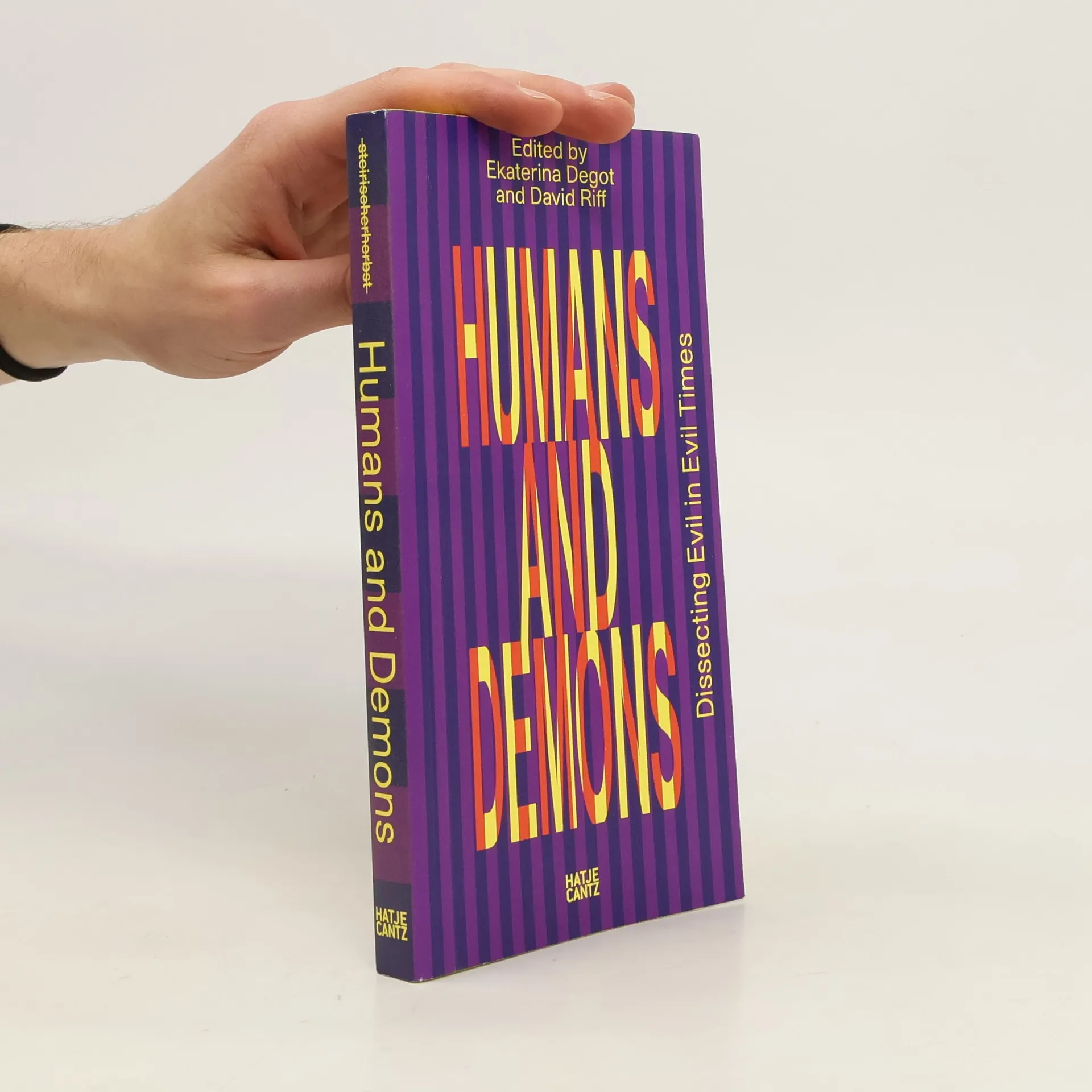
    • A grand hotel on the edge of the abyss? The phrase that provided the title and the agenda for steirischer herbst '19-Grand Hotel Abyss came from the pen of the philosopher Georg Lukacs. In the early 1930's he used this striking metaphor to describe the attitude of the European intellectual and cultural scene who continued to party in an uninhibited, hedonistic manner, despite the looming rise of fascism. Doomsday scenarios viewed from a snug sofa, along with the culinary and cultural comfort zones known as "Genusshauptstadte" (pleasure capitals), demonstrate that the apocalypse can be shaped in a thoroughly pleasant and exciting manner today. This reader, accompanying the 52nd edition of the steirischer herbst, tracks these observations and explores the actual relevance of this historical context, as well as the significance of critical artistic attitudes, in essays, artists' texts, and numerous illustrations.0 Every year for a month, steirischer herbst, the oldest interdisciplinary festival of contemporary art in Europe, turns the city of Graz and the province of Styria in Austria into a parcours of installative and performative works. Since 1968, the festival has offered a platform for public debates, critical positions, and dialogues between the arts.00Exhibition: City of Graz, Austria (19.09.-13.10.2019)

      steirischer herbst '19
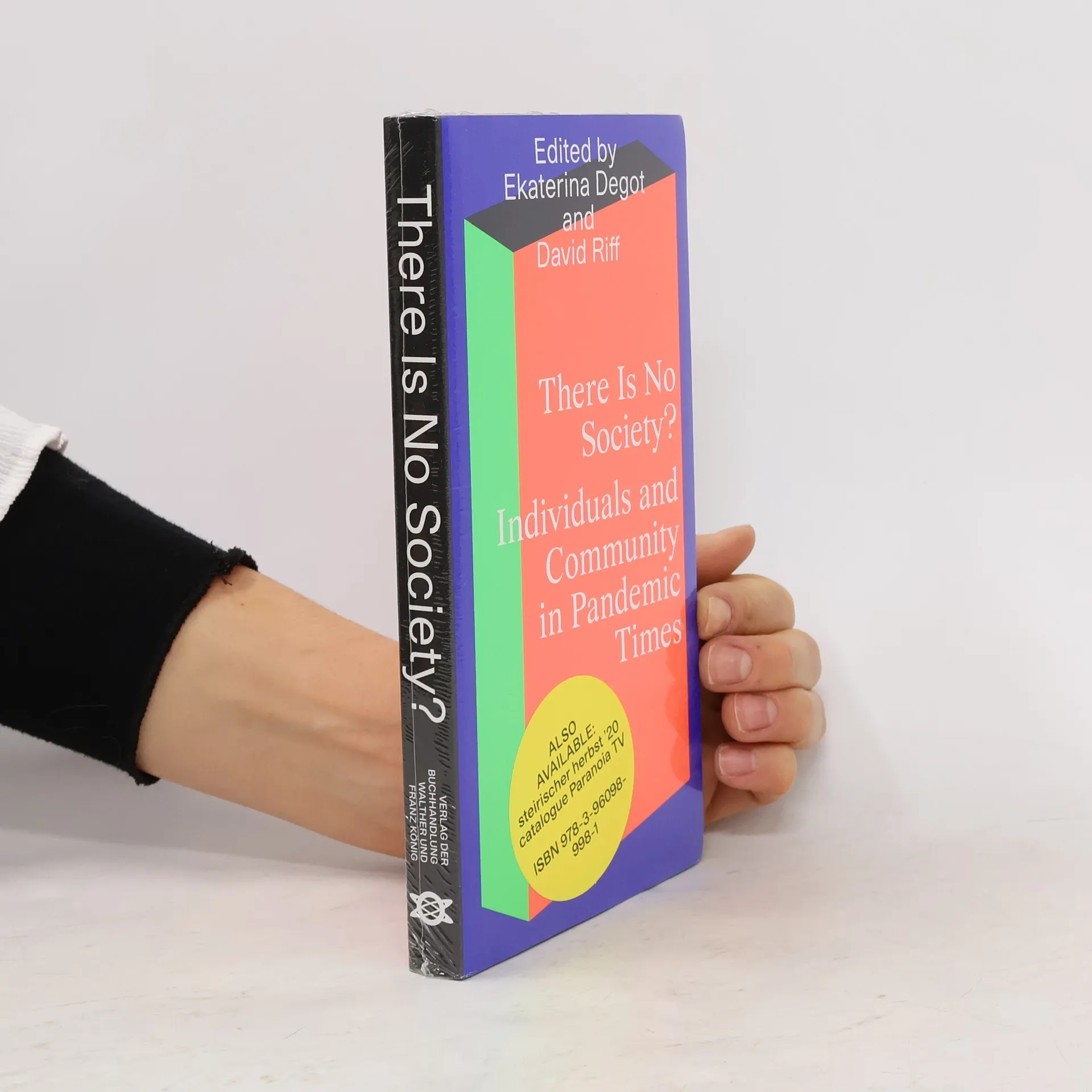
    • The success of ?social distancing? as a cure-all to the COVID-19 pandemic proves that neoliberalism has created an insurmountable distance to the very notion of society itself. This rejection is best embodied in Margaret Thatcher?s infamous dictum ?There is no society,? which supplies the title of this anthology, with a crucial question mark added. How can we deal with the paradoxical mix of solitude and imposed togetherness that the pandemic entails? How can culture and critical discourse even continue when public0space has been shut down upon the advice of epidemiologists? How do we grasp the new political constellations arising today? Such are the questions tackled by the authors of this anthology, based on the discussion program of the Paranoia TV edition of the steirischer herbst festival.00Exhibition: steirischer herbst ?20?Paranoia TV, Graz, Austria (2020).

      There Is No Society? Individuals and Community in Pandemic Times