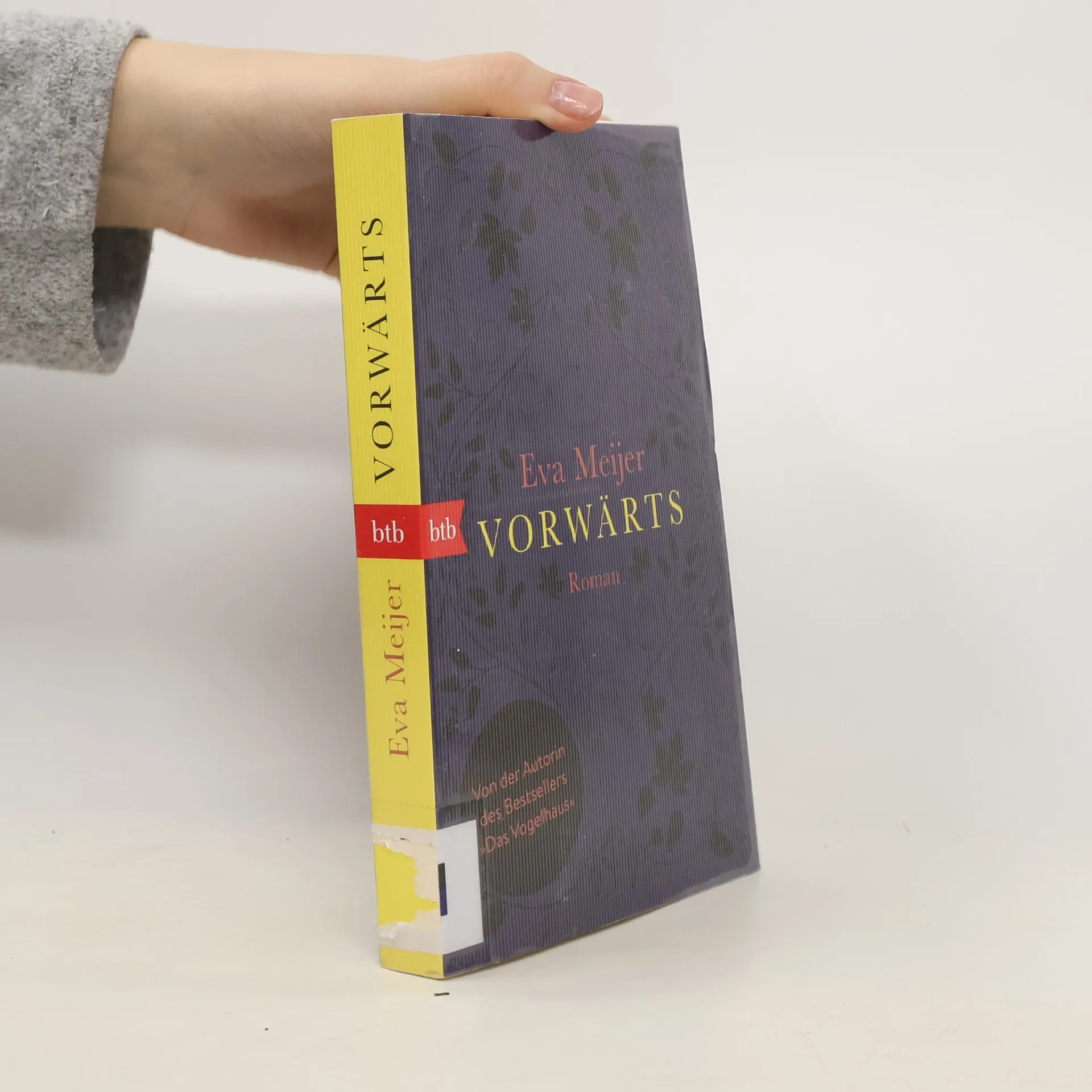
Klug, zeitgeistig und voller Esprit: der neue Roman von der Autorin des Bestsellers »Das Vogelhaus«. Eine Gruppe von Freunden verlässt in den 1920er-Jahren Paris, um eine Kommune auf dem Land zu gründen. In ihrem Wohnprojekt Der Grüne Weg wollen sie im Einklang mit der Natur leben. Mann und Frau sollen gleichberechtigt sein, sie verschreiben sich dem Vegetarismus, Naturismus und Anarchismus. Ein Jahrhundert später entdeckt die Philosophiestudentin Sam ein Tagebuch aus der damaligen Gemeinschaft und ist von dem Projekt fasziniert. Sam überzeugt ihre Partnerin und ein befreundetes Paar, von Amsterdam nach Friesland zu ziehen und auf einem Bauernhof ebenfalls ein neues, freies Leben zu beginnen. Doch schnell werden die hohen Ansprüche von der Wirklichkeit eingeholt, und sie müssen sich mit den Grenzen der freien Liebe und der Angst vor der Einsamkeit auseinandersetzen.
Eva Meijer Book order (chronological)
Eva Meijer is an artist, writer, and philosopher whose work spans various artistic disciplines. Her creative output often interrogates themes of communication and the voices of the marginalized, blending rigorous philosophical inquiry with diverse artistic expressions. Her writing challenges conventional perspectives, prompting readers to reconsider their understanding of the world and its inhabitants.


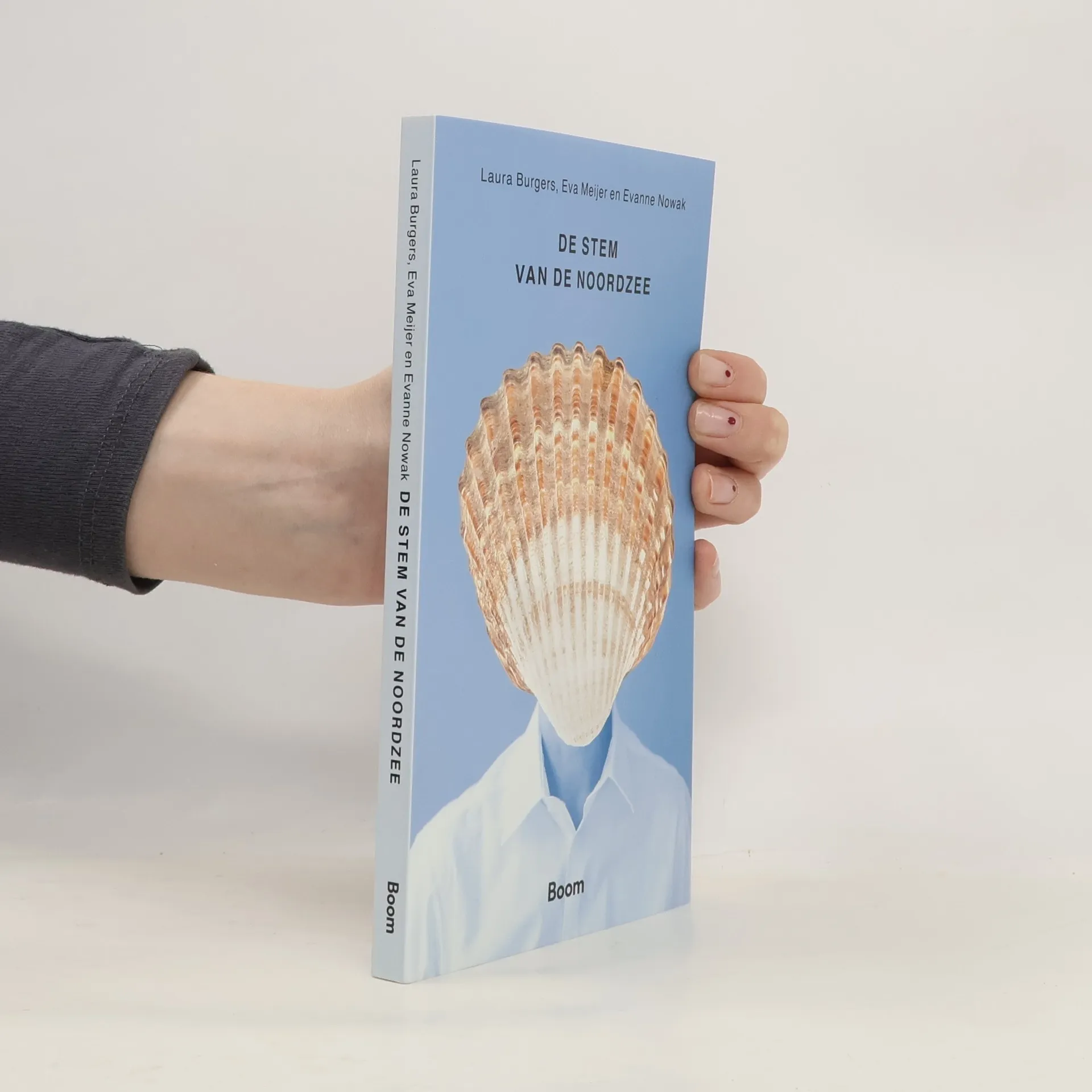


Zee nu is als de zee – grillig, woest en onvoorspelbaar, dreigend en uiteindelijk troostend. De mensen begrijpen langzaam de ernst van de situatie: de zee komt steeds verder het strand op. Een strandwandelaar voelt dat er iets mis is, maar wat? De zee wint dagelijks terrein, polders lopen vol, en de boulevard van Scheveningen staat blank. De minister-president houdt een persconferentie, en Defensie stuurt soldaten naar de dijken. Op Twitter roepen complotdenkers tot actie, terwijl de Action adverteert met een aanbieding voor reddingsvesten. Wetenschappers komen van ver om dit fenomeen te onderzoeken, en Duitsland biedt sportzalen aan voor geëvacueerde buren. De koning vertrekt naar zijn vakantiehuis in Mozambique. Ondertussen vragen herten zich af waar ze heen moeten, en de blijvers zetten hun kampement op daken in de Randstad. Als de evacuatie is voltooid en de laatste meeuwen vertrekken, volgen we activiste Arie, scholier Wilg en oceanograaf Paula van der Steen op hun tocht over de nieuwe zee. Hun reis onthult hoe het water hun kijk op de wereld verandert. Dit verhaal verkent het grootste gevaar van onze tijd, de relatie tussen Nederland en de natuur, en de noodzaak voor de mens om zichzelf opnieuw uit te vinden.
Die Grenzen meiner Sprache
Kleine philosophische Untersuchung zur Depression
- 144 pages
- 6 hours of reading
Über die heilende Kraft der Sprache, der Kunst, des Laufens, über Hunde und Katzen, über das Schweigen und Bäume im Winter. Depression gilt in Deutschland inzwischen als Volkskrankheit, über 5 Millionen Menschen erkranken jährlich daran. Die Philosophin Eva Meijer erzählt von ihrer eigenen Erfahrung mit Depression und kommt dabei zu erstaunlichen neuen Erkenntnissen. Mit den Mitteln der Philosophie, mit Verweisen auf Wittgenstein, Camus, Foucault u.v.a. erklärt und untersucht sie das Phänomen, nimmt der Depression den Schrecken und zeigt, wie die Beziehung zwischen Individuum und Welt, die bei der Krankheit verloren geht, auf vielfältige Weise wiederhergestellt werden kann und was das Leben lebenswert macht.
Een boek dat het beste uit de filosofie, de literatuur en het recht bij elkaar brengt om de Noordzee een eigen stem te geven. In het antropoceen zijn mensen, planten, dieren en dingen onlosmakelijk met elkaar verbonden. Dit vraagt om nieuwe vormen van vertegenwoordiging in politiek, recht, ethiek en taal. In opdracht van de Ambassade van de Noordzee onderzoeken de auteurs vanuit het idee van filosoof Bruno Latour om dieren en dingen een stem te geven, hoe de Noordzee over zichzelf zou kunnen beschikken. Evanne Nowak beschrijft dat we lijden aan ecological grief. We treuren om de teloorgang van de Noordzee. Hoe komen we uit onze ecologische rouw? We kunnen luisteren naar wat de dieren – de vissen, vogels, krabben van de Noordzee – ons te zeggen hebben, stelt filosoof Eva Meijer. We kunnen het gesprek met dieren aangaan en hun een stem geven. Hoe dat kan werken laat jurist Laura Burgers zien. Voor de dieren zou het handig zijn als de Noordzee een eigen rechtspersoon zou worden. Laura Burgers is jurist, auteur van jeugdromans, en is als expert werkzaam in het VN-programma Rights of Nature. Eva Meijer is filosoof, kunstenaar, muzikant en romanschrijver. Haar werk is in vele talen vertaald. Ze heeft een column in Trouw. Evanne Nowak werkt als programmamaker, curator en gespreksleider. Ze studeerde af als humanistisch geestelijk verzorger en organiseert workshops en gespreksgroepen rondom ecological grief.
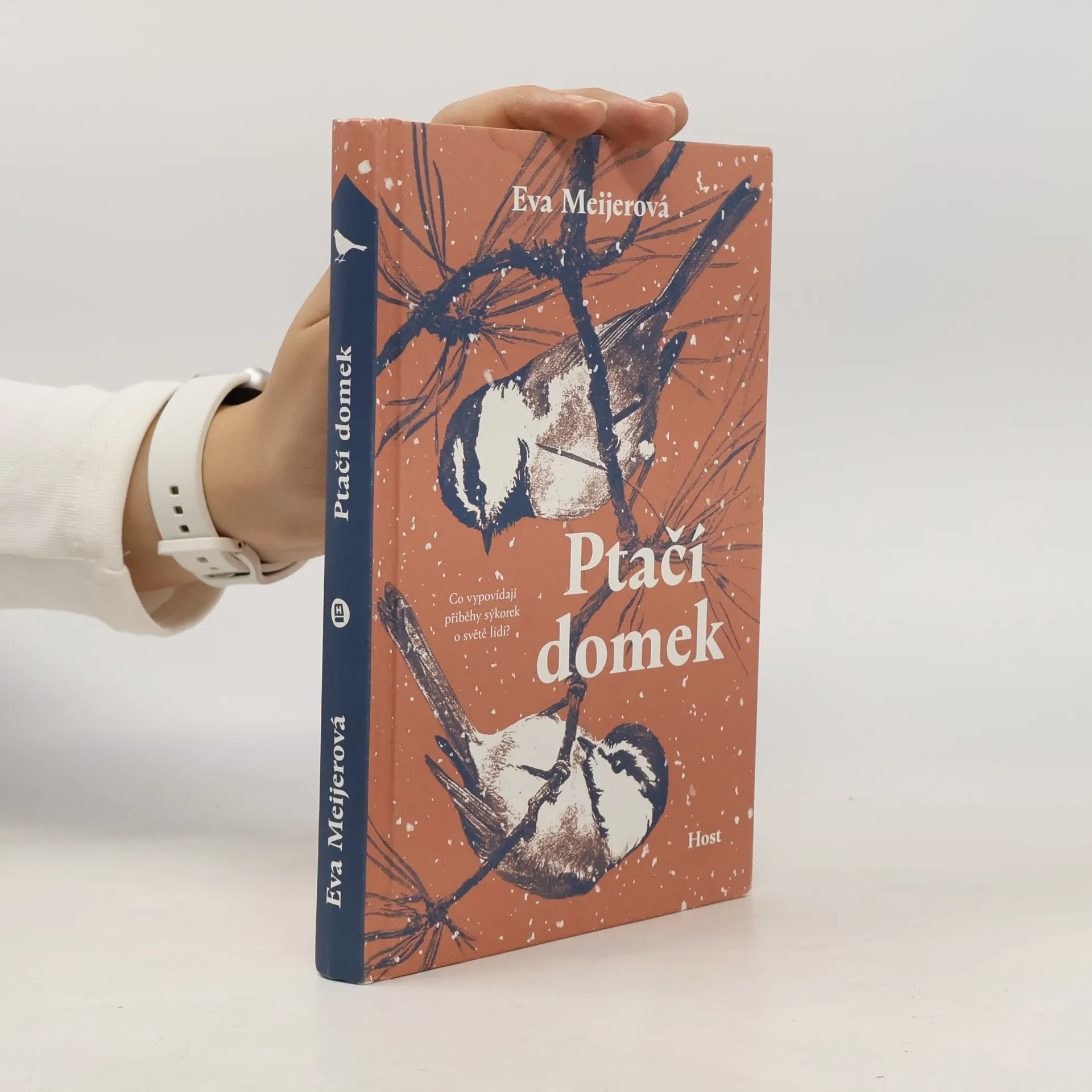
Žena žijící sama v malém domku na anglickém venkově se může zdát osamělá, ve skutečnosti se však nachází v té nejlepší společnosti. Len Howardová strávila polovinu života v domku na anglickém venkově. Napsala tam dva bestsellery o červenkách, vrabcích a dalších ptácích z okolí. Dnes tam její podivuhodný životní příběh připomíná už jen cedulka „Bird Cottage“. Okno ptačího domku bylo vždy otevřené, aby mohli vrabci a sýkorky přilétat, kdy se jim zachce, a přistávat na psacím stroji, jakmile k němu Len usedla. Ačkoli nebyla původní profesí bioložka, v padesátých letech minulého století se stala průkopnicí ve zkoumání ptáků: studovala je na základě důvěry a svobody, pozorovala jejich povahu a zvyky. Co přimělo Len k tomu, že radikálně změnila svůj život a vykročila mimo vyšlapané cesty? Co vypovídají příběhy sýkorek o světě lidí? A je vůbec možné vymanit se z očekávání druhých? Ptačí domek vypráví o hudbě a ptačím zpěvu, ale i o tom, co to znamená někam patřit.
Animal Languages
- 288 pages
- 11 hours of reading
A fascinating and philosophical exploration of animal intelligence and the way animals communicate with each other, and us.
Bird cottage
- 256 pages
- 9 hours of reading
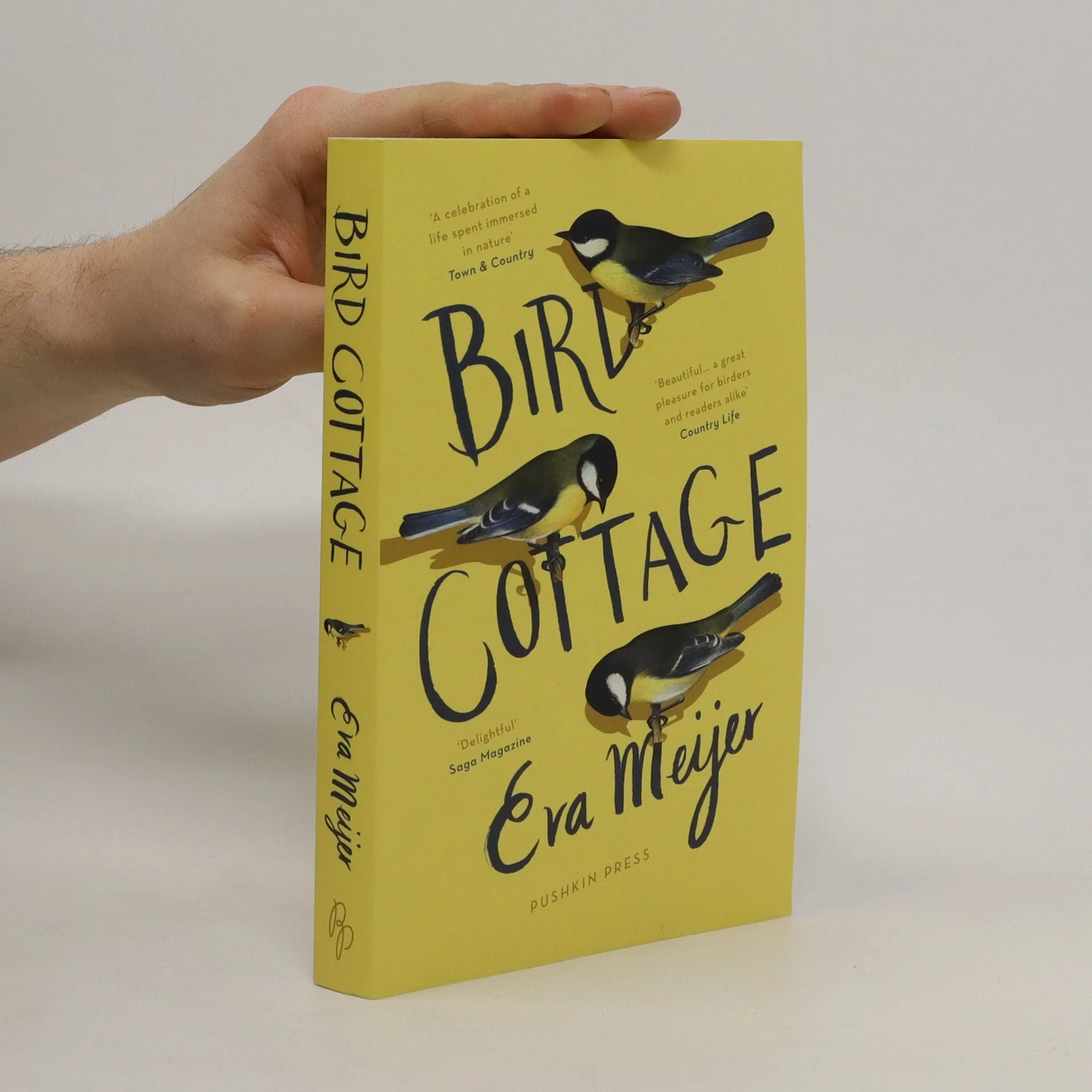
A novel based on the true story of a remarkable woman, her lifelong relationship with birds and the joy she drew from it Len Howard was forty years old when she decided to leave her London life and loves behind, retire to the English countryside and devote the rest of her days to her one true passion: birds. Moving to a small cottage in Sussex, she wrote two bestselling books, astonishing the world with her observations on the tits, robins, sparrows and other birds that lived nearby, flew freely in and out of her windows, and would even perch on her shoulder as she typed. This moving novel imagines the story of this remarkable woman's decision to defy society's expectations, and the joy she drew from her extraordinary relationship with the natural world.