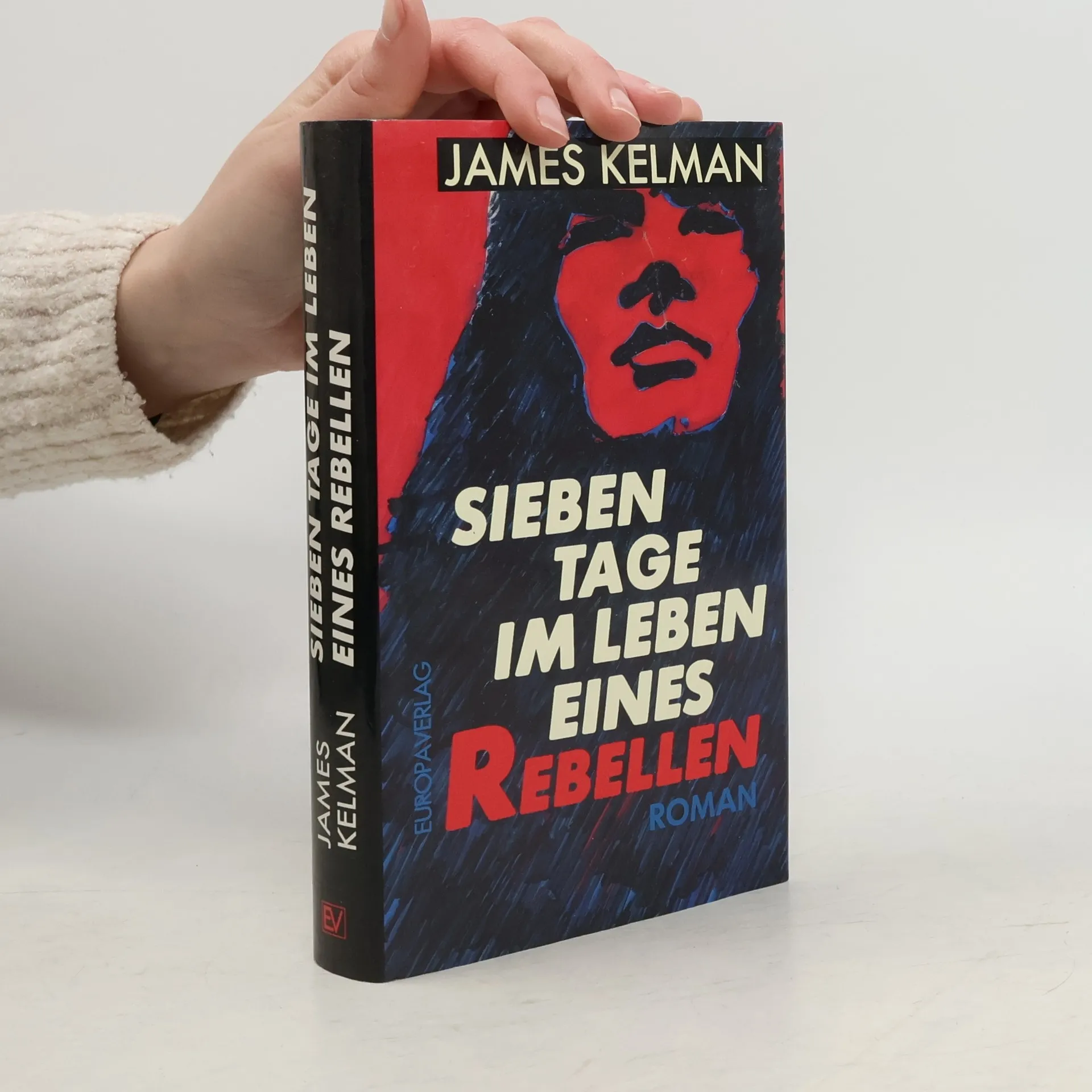
James Kelman's distinctive literary voice emerges directly from his own background and community. He is celebrated for his use of first-person internal monologues, rendered in a pared-down prose that authentically captures the cadences and speech patterns of Glaswegian vernacular. This commitment to writing from within his socio-cultural experience has profoundly influenced subsequent generations of Scottish novelists. Kelman's innovative style and dedication to representing his own people have cemented his significance in contemporary literature.
A collection of essays in which the author deals with a wide range of issues
literary, artistic, political and philosophical - Russian writers who
influenced him, the lives of the Impressionists, Chomsky's key role in 20th-
century thinking, the Caribbean Artists' Movement, and the struggling Scottish
steel industry.
Incendiary and heartrending, the sixteen essays in The State is Your Enemy lay bare government brutality against the working class, immigrants, asylum-seekers, ethnic minorities, and all who are deemed of “a lower order.” Drawing parallels between atrocities committed against the Kurds by the Turkish State, and the racist police brutality, and government sanctioned murders in the UK, James Kelman shatters the myth of Western exceptionalism, revealing the universality of terror campaigns levied against the most vulnerable, and calling on a global citizenship to stand in solidarity with victims of oppression. Kelman’s case against the Turkish and British governments is not just a litany of murders, or an impassioned plea—it is a cool-headed take down of the State and an essential primer for revolutionaries.
The world is full of information. What do we do when we get the information, when we have digested the information, what do we do then? Is there a point where ye say, yes, stop, now I shall move on.' James Kelman here offers something of why a book such of this is in front of the public. The State relies on our suffocation, that we cannot hope to learn 'the truth.' But whether we can or not is beside 'the point.' Finally, there is no 'point.' We must grasp the nettle, we assume control and go forward. Kelman says, 'I wanted to convey some of that sensibility with the idea of being in conversation with Noam Chomsky, of being in his presence, a sort of seminar. It is not influence. I dont see it as 'being influenced' by Chomsky. He belongs to the great tradition of teaching, of learning. We learn from him through what he does.' At its core, this exhilarating collection of essays, interviews, and correspondence - spanning the years 1988 through 2018, and reaching back a decade or more previous - is about the simple concept that ideas matter. And not only that ideas matter. But that ideasin this case, through the lens of two engaged intellectualsmutate, inform, inspire, and ultimately provide more fuel for thought, the actions that follow such thought, and for carrying on, and doing the work
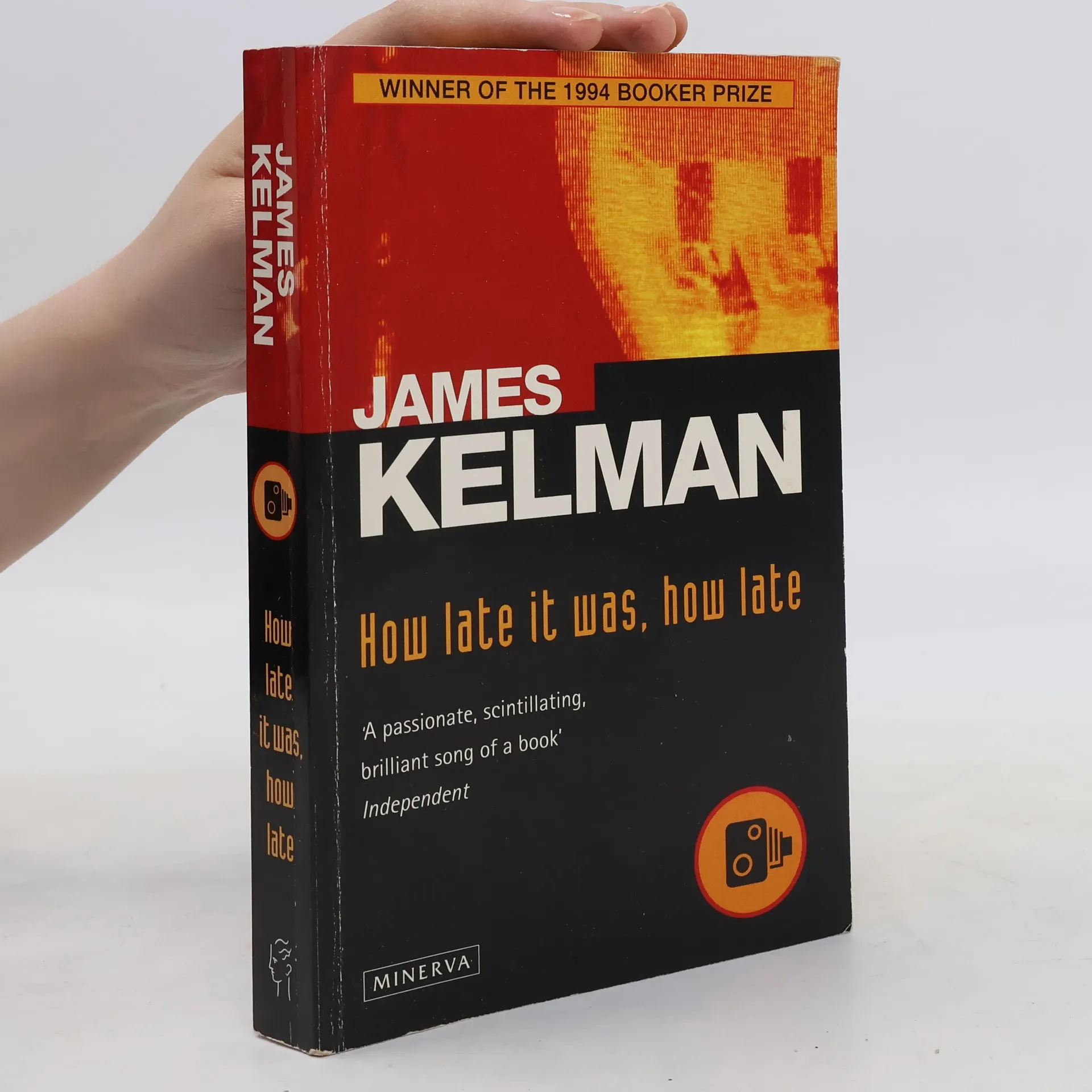
Tammas, a 20-year-old Glaswegian, is a loner and a compulsive gambler. Betting gives him as good a chance as any of discovering what he really seeks from life, since society offers him no prospect of a better alternative. James Kelman won the 1994 Booker Prize for "How Late it Was, How Late".
James Kelman's inimitable voice brings the stories of lost men to light in these twenty one tales of down on their luck antiheroes who wander, drink, hatch plans, ponder existence, and survive in an unwelcoming and often comic world. Keep Moving and No Questions is a collection of the finest examples of Kelman's facility with dialog, stream of conscious narrative, and sharp cultural observation. Class is always central in these brief glimpses of men abiding the hands they've been dealt. An ideal introduction to Kelman's work and a wonderful edition for fans and Kelman completionists, this lovely vollume will make clear why James Kelman is known as the greatest living modernist writer.
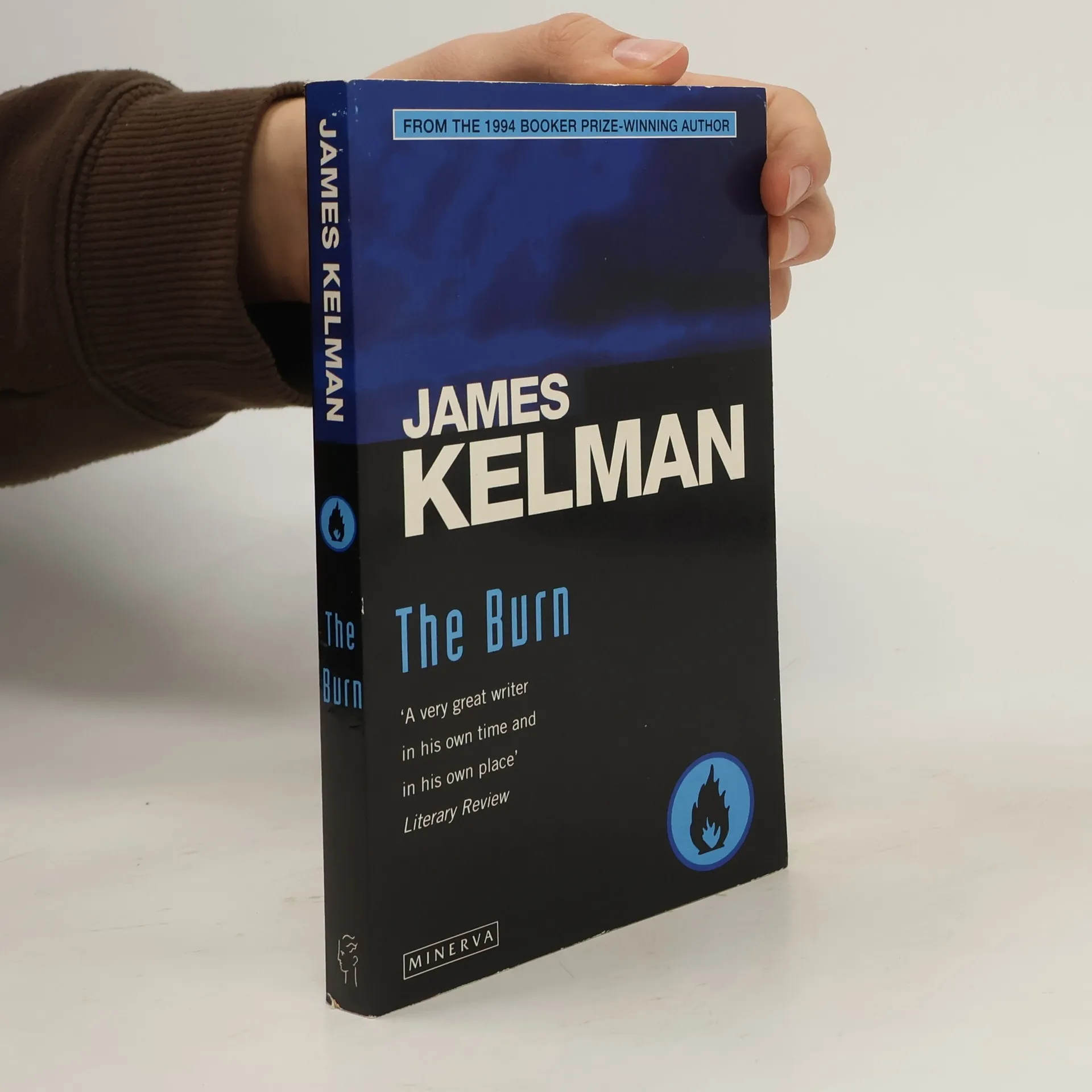
Passionate, exhilarating and darkly humorous, "The Burn" is an extraordinary collection of short stories by a master of paranoia and an unsurpassed prose stylist.
Jack Proctor, a celebrated older writer and curmudgeon, goes off to residency where he is to be an honored part of teaching and giving public readings, he soon finds the atmosphere of the literary world has changed since his last foray into the public sphere. Unknown to most, unable to work on his own writing, surrounded by a host of odd characters, would-be writers, antagonists, handlers, and members of the elite House of Art and Aesthetics, Proctor finds himself driven to distraction (literally in a very very tiny car). This is a story of a man attempting not to go mad when forced to stop his own writing in order to coach others to write. Proctor's tour of rural places, pubs, theaters, fancy parties, where he is to be headlining as a Banker-Prize-Winning-Author reads like a literary version of Spinal Tap. Uproariously funny, brilliantly philosophical, gorgeously written this is James Kelman at his best.
Not Not While the Giro is James Kelman's first major collection of short stories originally published by Polygon in 1983. The reader follows the lives of young men, social misfits, whose lives are spent waiting waiting for their next giro or menial job in the pub, the dole office, the snooker table and the greyhound track. This collection, written with irony and great tenderness, confirmed James Kelman's status as one of the most significant writers in the UK, and remains as powerful, relevant and truthful as it was in the early 1980s. -- Amazon.com
Each selection of stories is preceded by a detailed portrait, drawn by Gray, above a reproduction of the writer's signature. The collection ends, as do so many of Gray's books, with a chapter detailing how the book got written. Postscript is a detailed memoir of Gray and Kelman, among others, attending Philip Hobsbaum's writing group in the 70s and their friendship with Agnes Owens. Gray had agreed to produce another collection of short stories, but didn't have enough written to fill a book on his own. So he used his position to help friends that he thoughts deserved the boost of publication by a major London-based publishing house. His decision has since been vindicated and the collection is seen as an early display of three talents that would be of great importance to the boom in Scottish writing in the late-80s/early-90s. Owens has since had several well-received novels published and Kelman has won the Booker prize.
Featuring 35 short stories, this collection showcases works that evoke comparisons to literary giants like James Joyce and Kafka. Most of these stories are published in the U.S. for the first time, offering readers fresh perspectives and rich narratives that explore complex themes and human experiences. The blend of unique storytelling and profound insights makes this anthology a significant addition to contemporary literature.
Patrick Doyle, a Glasgow schoolteacher drowning in despair, can no longer control his students or his life and retreats into the world of corrugated cardboard pipes--a musical sanctuary of his own invention.
Jeremiah Brown, a 34-year-old Scot, gambler and drifter, has lived in the USA for several years, fathering a child by a now defunct relationship. He is about to make his first trip home in years when he recalls a time with his ex-girlfriend, and the memories then keep rolling.
Sammy's had a bad week - his wallet's gone, along with his new shoes, he's been arrested then beaten up by the police and thrown out on the street - and he's just gone blind. He remembers a row with his girlfriend, but she seems to have disappeared. Things aren't looking too good for Sammy and his problems have hardly begun
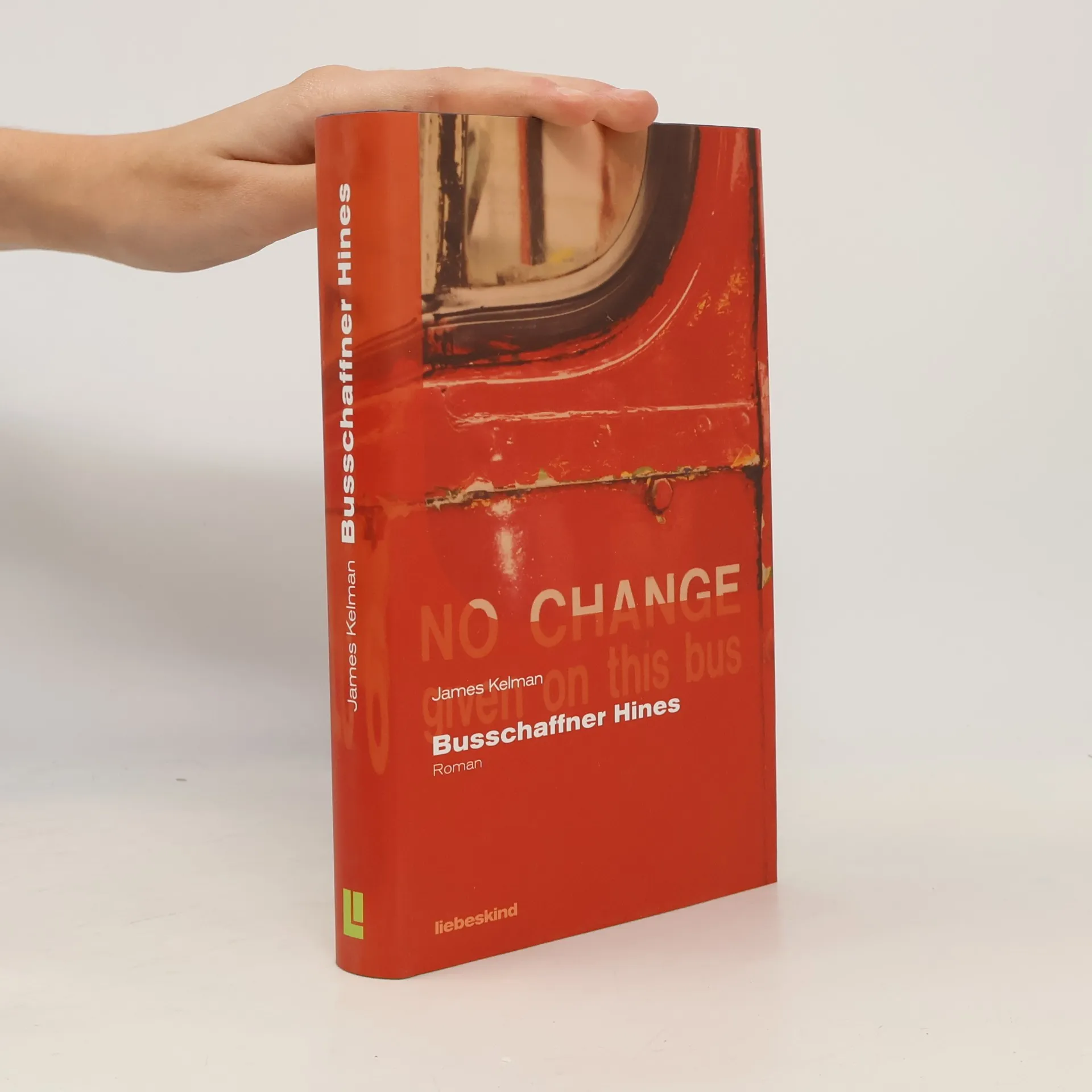
Robert Hines wünscht sich nichts sehnlicher, als vom Busschaffner zum Busfahrer aufzusteigen. In den Augen seiner Vorgesetzten jedoch findet er wenig Gnade, denn er tut sich schwer mit den Dienstvorschriften der Glasgower Verkehrsbetriebe. Mit dem Verkauf der Fahrkarten nimmt er es nicht so genau, oft tritt er seinen Dienst mit Verspätung an, und mit seinen Vorgesetzten streitet er sich tagtäglich herum ... Die komischen und traurigen Episoden im Leben des Busschaffners Hines erzählen von einer Welt, an der das Glück vorüberzugehen scheint ...
Tato chytrá knížka by neměla chybět v knihovničce malého sportovce. Přehledným způsobem vysvětluje základní pravidla fotbalu, seznamuje čtenáře s fotbalovým hřištěm, hráči, rozhodčími a popisuje důležité momenty hry. Text je doprovázen množstvím názorných ilustrací a pohyblivých 3D obrázků, kartiček a výsuvných vysvětlivek. Dítě tak zábavnou formou pozná zákonitosti a tajemství nejpopulárnějšího sportu na světě.