Doug Stanton is a celebrated journalist and author who excels at capturing pivotal moments when ordinary individuals are compelled to adapt and make extraordinary decisions. His work, often drawing on extensive experience and contacts within the U.S. military and government, delves into the depths of human resilience and transformation. Through compelling narratives, Stanton explores themes of change and courage in unexpected circumstances. His literary style is lauded for its depth and ability to illuminate profound human experiences.
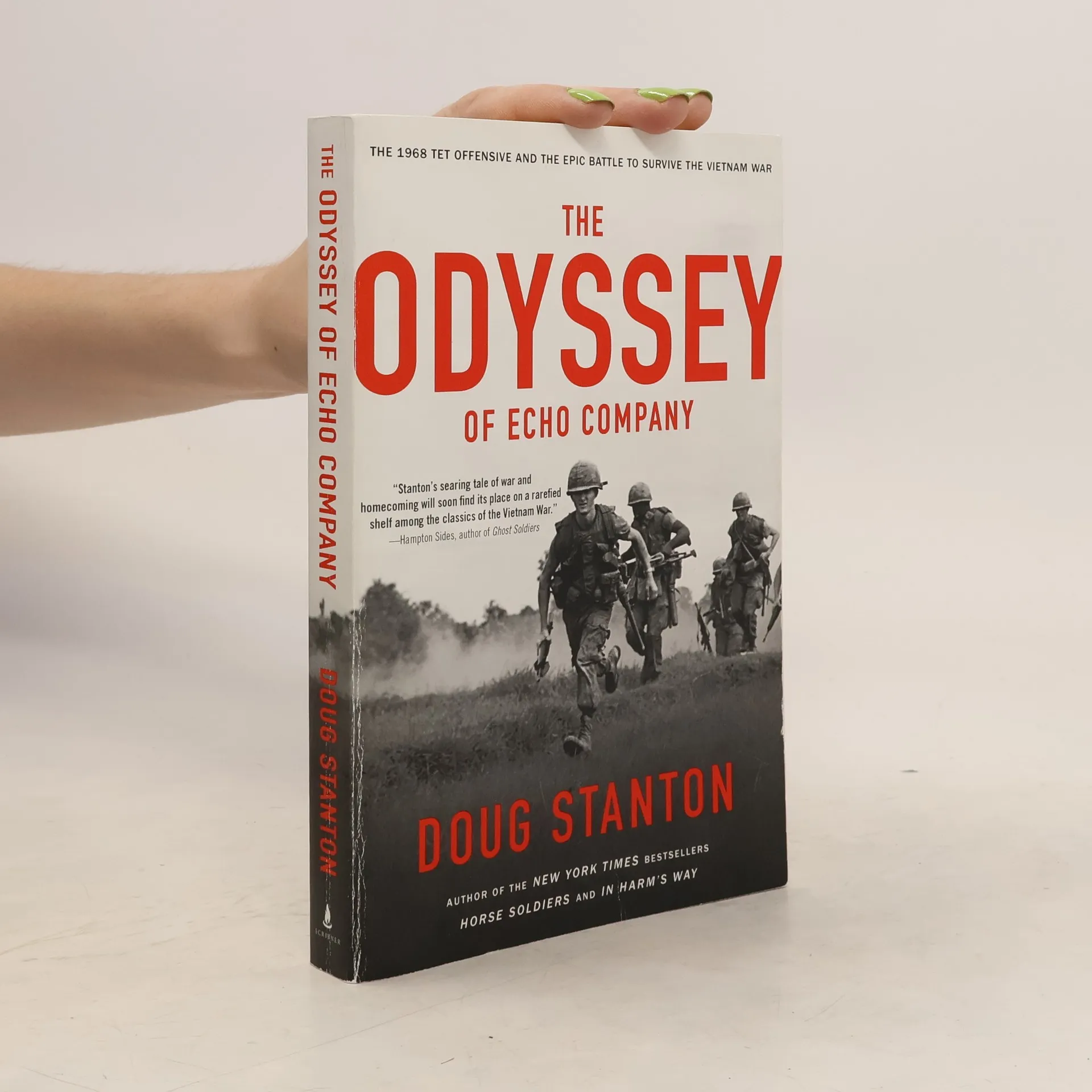
The 1968 Tet Offensive and the Epic Battle to Survive the Vietnam War
336 pages
12 hours of reading
Recognized as a standout in nonfiction, this book has received accolades from both Military Times and the Society of Midland Authors. It offers a compelling exploration of its subject, combining thorough research with engaging storytelling. Readers can expect insightful perspectives and a deep dive into the themes that resonate with military and broader societal issues, making it a significant contribution to contemporary literature.
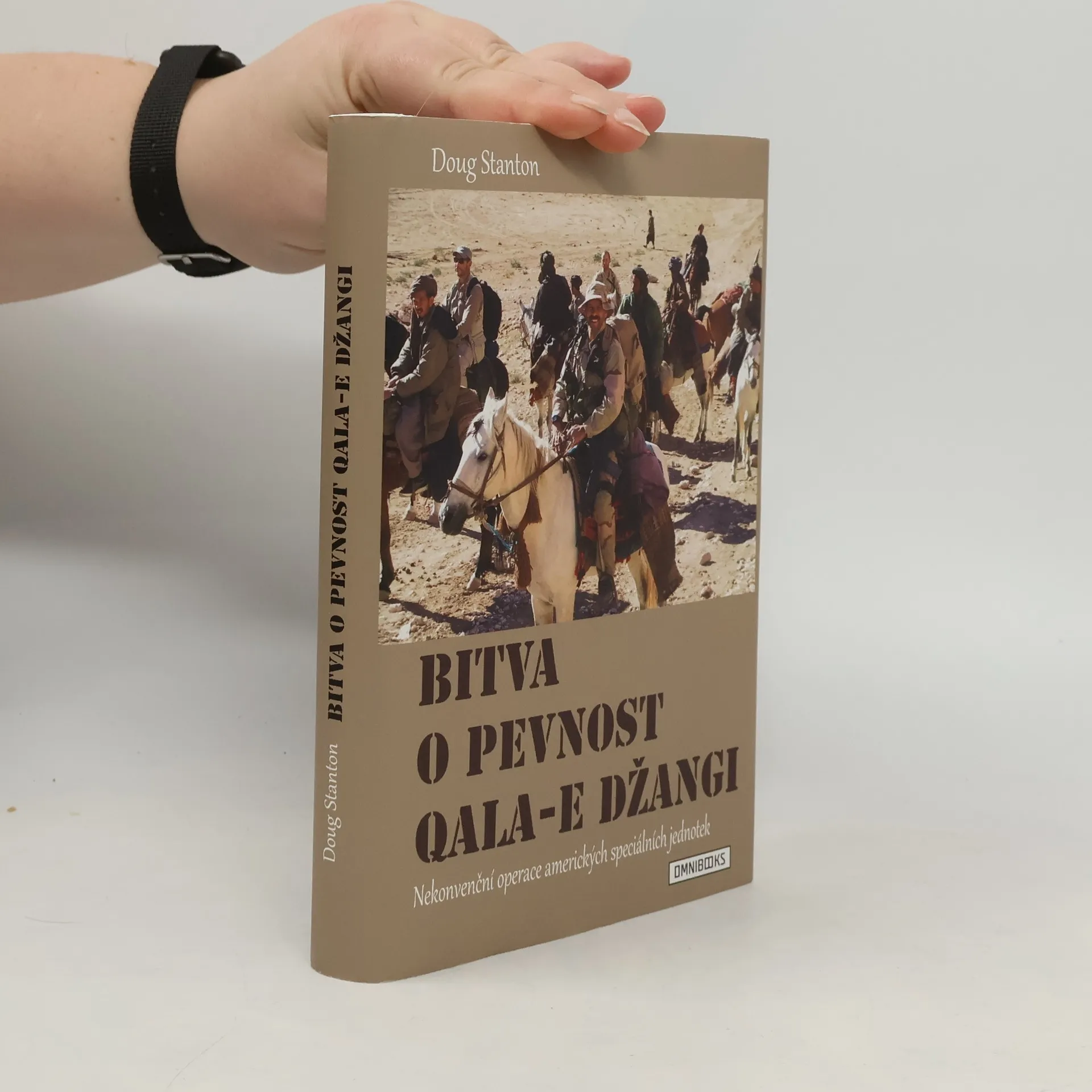
Dramatický příběh o malé skupině vojáků amerických speciálních jednotek, která po událostech 11. září 2001 tajně vstoupila do Afghánistánu a na koních se vydala do boje proti Tálibánu. Nepřítele, který měl čtyřicetinásobnou početní převahu, pronásledovala horským terénem a po řadě urputných bojů obsadila město Mazáre-e Šaríf, které bylo pro porážku Tálibánu strategicky důležité.
Jeho obyvatelé vítali vyčerpané Američany jako osvoboditele. Ovšem potom došlo k nečekanému zvratu. Během kapitulace asi pěti set Tálibánců byli američtí vojáci přepadeni ze zálohy. V ohromné pevnosti Qala-e Džangi bojovali proti mnohonásobné přesile o život. V sázce byl vojenský úspěch celé kampaně. Kdyby vojáci padli nebo byli zajati, mohlo by veškeré úsilí o porážku Tálibánu přijít vniveč. Ve snaze udržet pevnost podstoupili Američané jedny z nejtěžších bojů v městském prostředí v moderní době.
Tento příběh ukazuje, že kombinace prastarých strategií válčení na koních s moderními technologiemi leteckého bombardování může vést ke zdánlivě neuvěřitelným vojenským úspěchům. Důsledná snaha těchto vojáků na koních získat si přízeň obyvatel města a zabránit civilním obětem navíc poskytla cenné ponaučení pro pokračující americké nasazení v Afghánistánu.
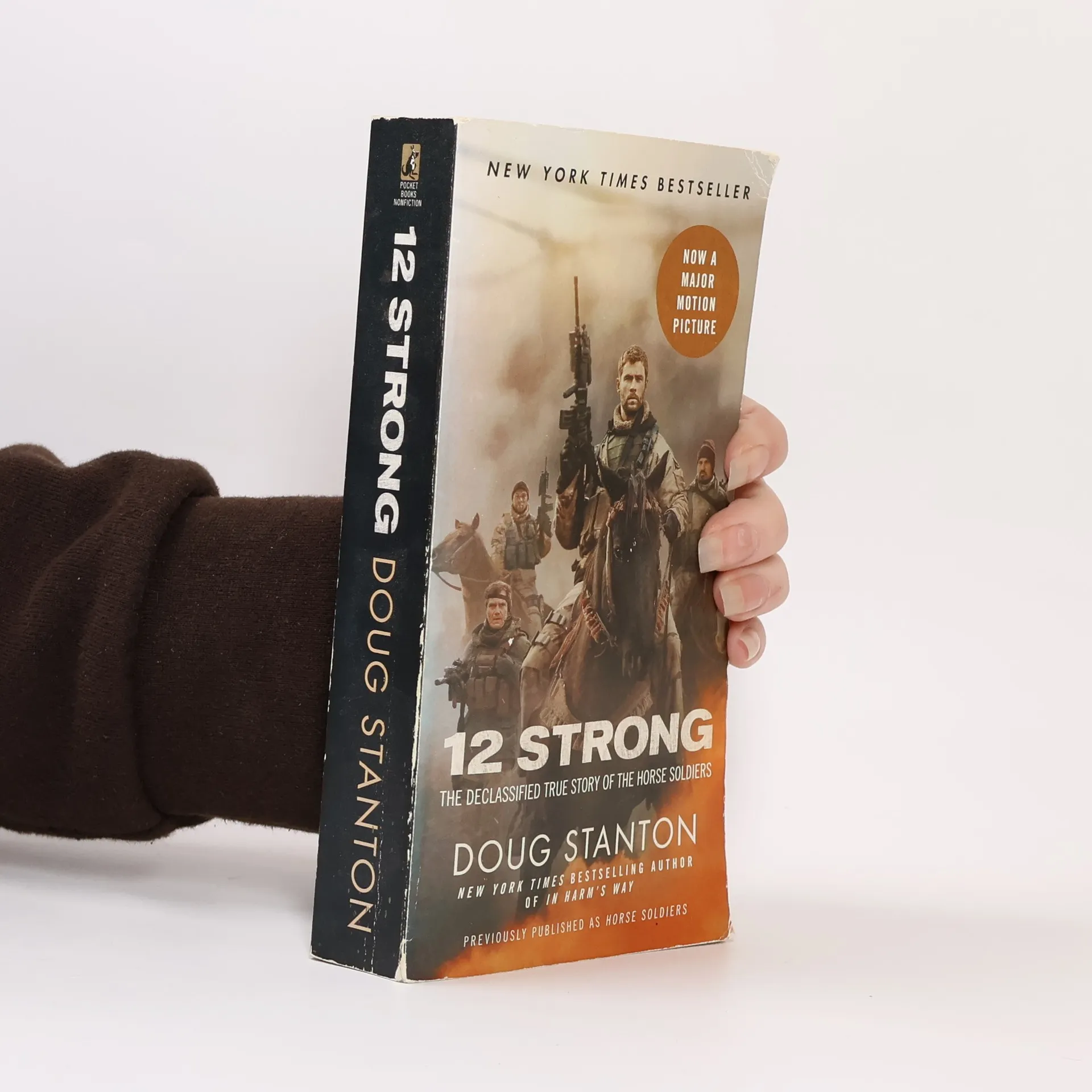
The Declassified True Story of the Horse Soldiers - Previously Published as Horse Soldiers
576 pages
21 hours of reading
The bestselling “spellbinding true-life story” recounts the journey of a United States Special Forces team deployed to Afghanistan in the aftermath of 9/11, overcoming tremendous challenges to become modern heroes. In the weeks following the attacks, a small group of Special Forces soldiers secretly entered Afghanistan, riding on horseback to pursue the Taliban across the rugged terrain. After intense battles, they captured the strategically vital city of Mazar-i-Sharif, welcomed as liberators by Afghans celebrating the fall of the Taliban regime. However, the situation took a dramatic turn when they were ambushed during the surrender of six hundred Taliban troops. Overpowered, the soldiers fought for their lives in the fortress Qala-i-Jangi, where the stakes were high; their survival was crucial for the success of the entire campaign. This deeply researched and beautifully written account is not merely a battle story but also highlights the impact on the home front. It presents a thrilling and inspiring tale of bravery and heroism against insurmountable odds, showcasing how a group of men on horseback achieved the impossible.
The Sinking of the USS Indianapolis and the Extraordinary Story of Its Survivors
368 pages
13 hours of reading
A harrowing, adrenaline-charged account of America's worst naval disaster — and of the heroism of the men who, against all odds, survived. Interweaving the stories of survivors, Doug Stanton has brought this astonishing human drama to life in a narrative that is at once immediate and timeless. The definitive account of a little-known chapter in World War II history, In Harm's Way is destined to become a classic tale of war, survival, and extraordinary courage.On July 30, 1945, the USS Indianapolis was torpedoed in the South Pacific by a Japanese submarine. An estimated 300 men were killed upon impact; close to 900 sailors were cast into the Pacific Ocean, where they remained undetected by the navy for nearly four days and nights. Battered by a savage sea, they struggled to stay alive, fighting off sharks, hypothermia, and dementia. The captain's subsequent court-martial left many questions unanswered: How did the navy fail to realize the Indianapolis was missing? And perhaps most amazing of all, how did these 317 men manage to survive?