"From Good King Wenceslas to the Good Soldier Svejk, this cultural dictionary is an intimate look at a people affectionately known for their storytelling humor (tlachani), suspicion of authority, and peaceful demeanor. Instead of the "greats" of Czech arts and letters that appear in standard histories or references, it describes such things as popular songs, movie stars, famous athletes, traditional dishes, and children's games that are second nature to every Czech." "In a country boasting the highest per capita consumption of beer (a bottle a day for every man woman and child), and where you once needed a handful of bony (coupons for imported goods) to buy a pair of Levi's, the Czech Republic today is a modern country of educated Europeans centered around Prague - one of the world's most beautiful capital cities. These contradictions all find a home in A Dictionary of Czech Popular Culture." "From Brno to Zizkov, Jan Hus to Vaclav Havel, this wry and stimulating collection of over 600 entries marks the first attempt at sewing together the patchwork of Czech culture with the hope of showing what is hezky cesky (nicely Czech) to the world at large." The dictionary is supplemented by over thirty lists on such topics as the most popular Czech song, novel, athlete, and food. It also includes other primary documents like historical calendars, school-leaving exams, and communist slogans.
Andrew Roberts Books
This author delves into history with the precision of an academic and the flair of a storyteller. Their works explore pivotal moments and figures that shaped the world, emphasizing the human element and interconnectedness. Through insightful analysis and a captivating style, complex historical events are made accessible to the contemporary reader. Their writings are valued for their depth, accuracy, and ability to draw readers into the narrative.

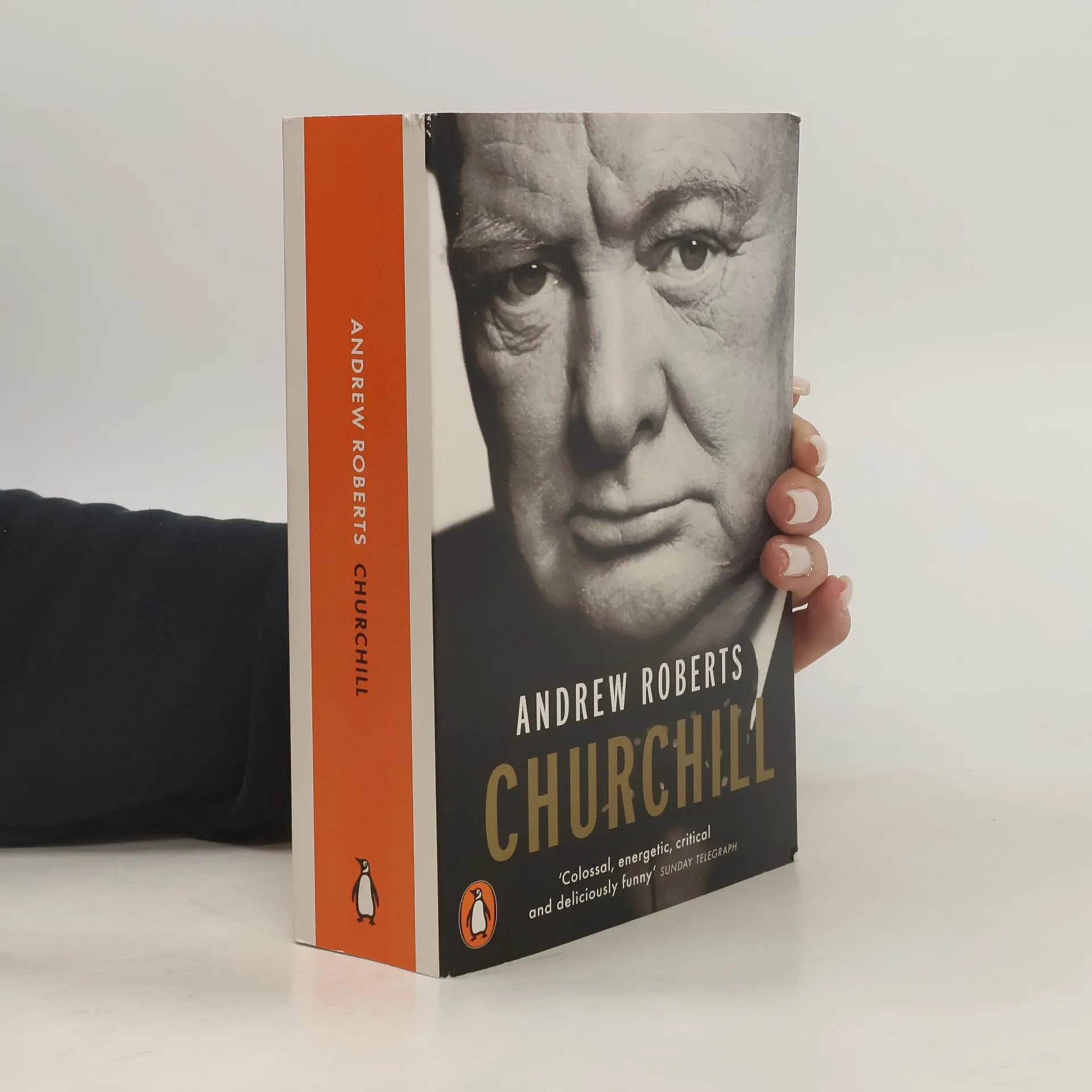

Churchill walking with destiny
- 1152 pages
- 41 hours of reading
Winston Churchill is a towering figure in twentieth-century British history, revered by many as the greatest man in the world by the time of his death in 1965. Andrew Roberts draws on over forty new sources, including King George VI's private diaries, to present a more intimate and persuasive portrayal than previous biographies. The work does not shy away from Churchill's faults, allowing readers to appreciate his virtues: his immense capacity for work and drink, his big-picture thinking, willingness to take risks, and presence in critical moments. His good humor in dire circumstances, strong friendships, and unexpected emotional outbursts are also highlighted. The biography delves into the roots of his personality, revealing a lifelong desire to please his father and an aristocratic disdain for others' opinions, alongside his love for the British Empire and a keen sense of history. During WWII, Churchill frequently summoned a young scientist for advice, who felt "recharged by a source of living power." Harry Hopkins, Roosevelt's emissary, noted that wherever Churchill was, there was a battlefront. Field Marshal Sir Alan Brooke, a key strategist and private critic, expressed gratitude for the opportunity to work alongside such a remarkable man, recognizing that "occasionally such supermen exist on this earth."
Challenging the common perception of George III as a tyrant, this book reveals him as a wise and humane ruler who faced numerous adversities. Historian Andrew Roberts delves into extensive unpublished correspondence, uncovering the complexities of the king's character and reign. The narrative critiques the biased portrayals by revolutionary figures like Thomas Paine and Thomas Jefferson, highlighting how their agendas shaped public opinion. Through meticulous research, the book aims to restore a more nuanced understanding of George III's legacy.
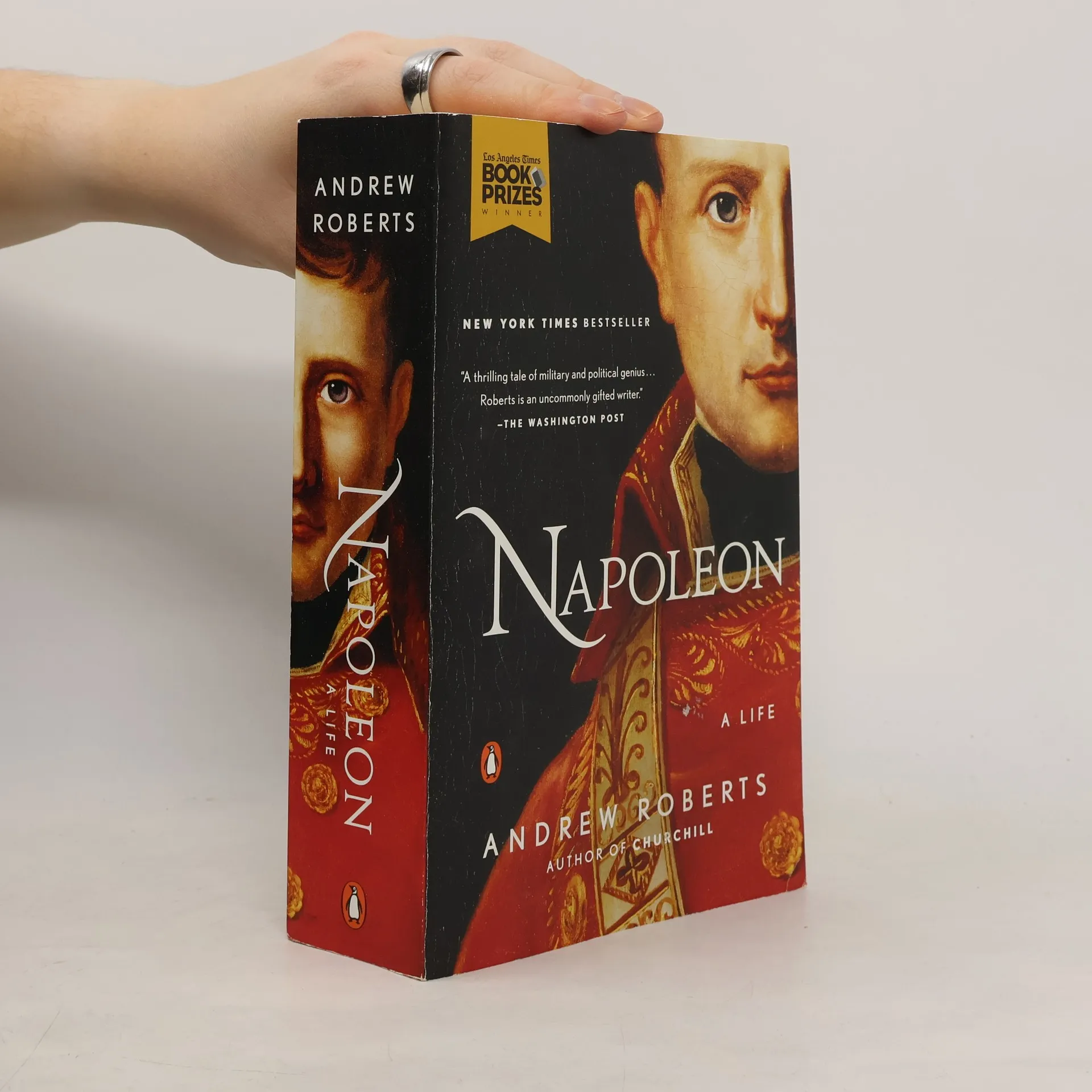
The biography delves into the life of a prominent soldier-statesman, showcasing his significant contributions and complex character. Written by an acclaimed author, it combines thorough research with engaging narrative, highlighting the subject's pivotal role in history. The book has received critical acclaim, winning multiple awards, including the LA Times Book Prize, and has been recognized as a New York Times bestseller, underscoring its impact and the author's expertise in historical storytelling.
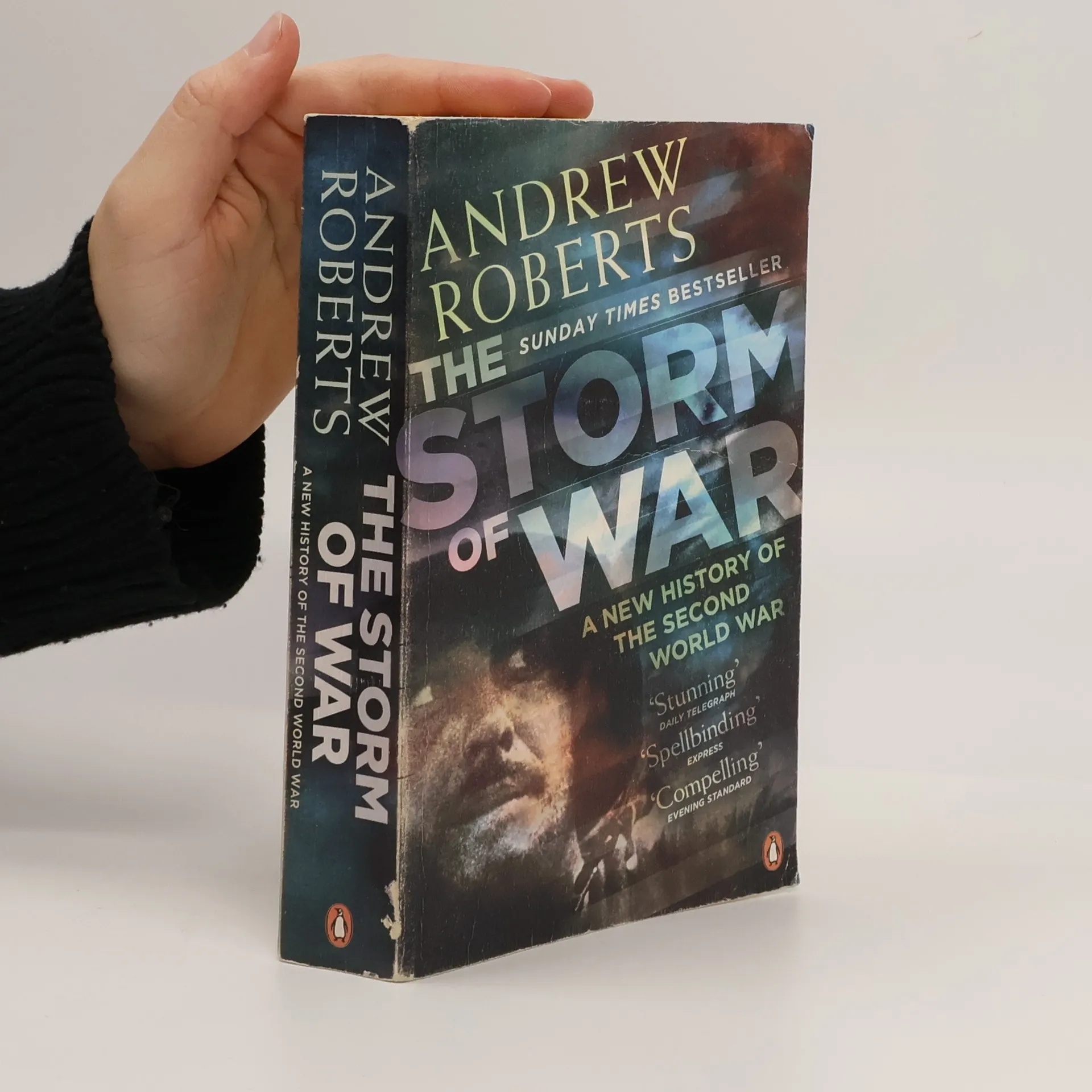
The Storm of War
- 768 pages
- 27 hours of reading
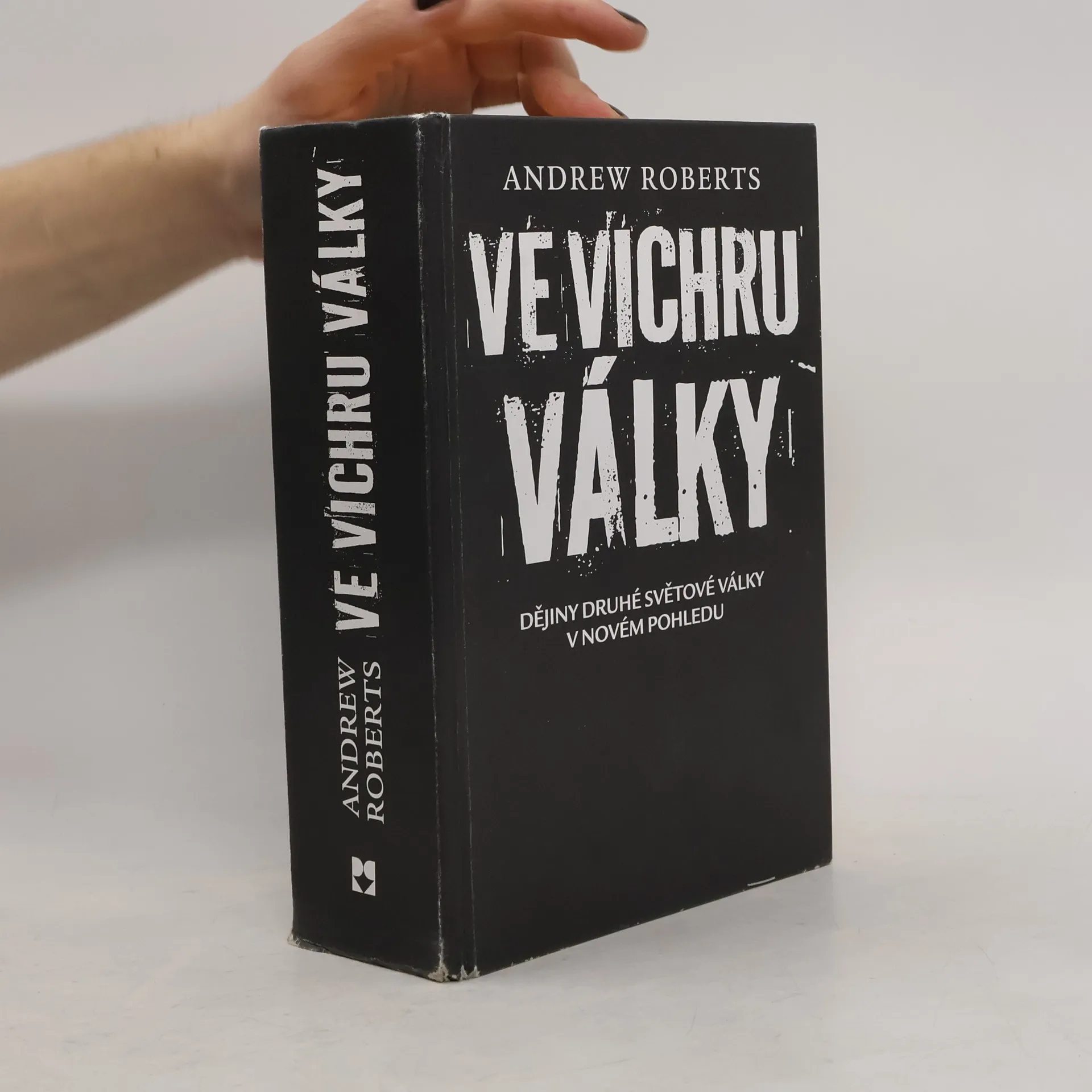
The Second World War lasted for 2,174 days and claimed the lives of over 50 million people. Why did it take the course that it did? Why did the Axis lose? And could they, with a different strategy, have won? This book tells the story of the war - and those who fought it.
Uganda
- 504 pages
- 18 hours of reading
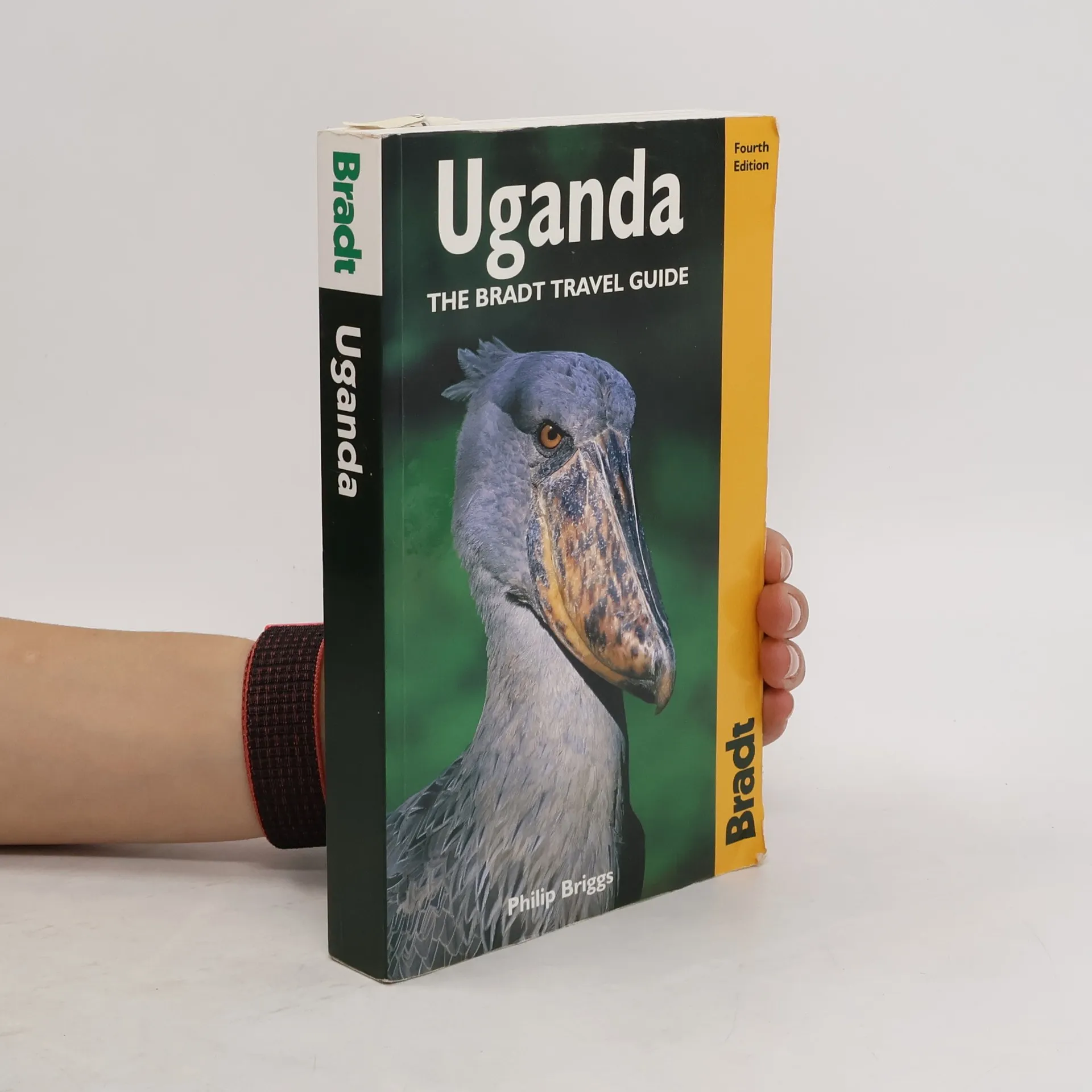
Uganda's natural history is legendary and this guide provides detailed coverage of all the species, including the rare mountain gorillas. It covers a wealth of practical information, as well as Uganda's attractions, from national parks and gorilla reserves to Lake Victoria and the Ssese Islands.
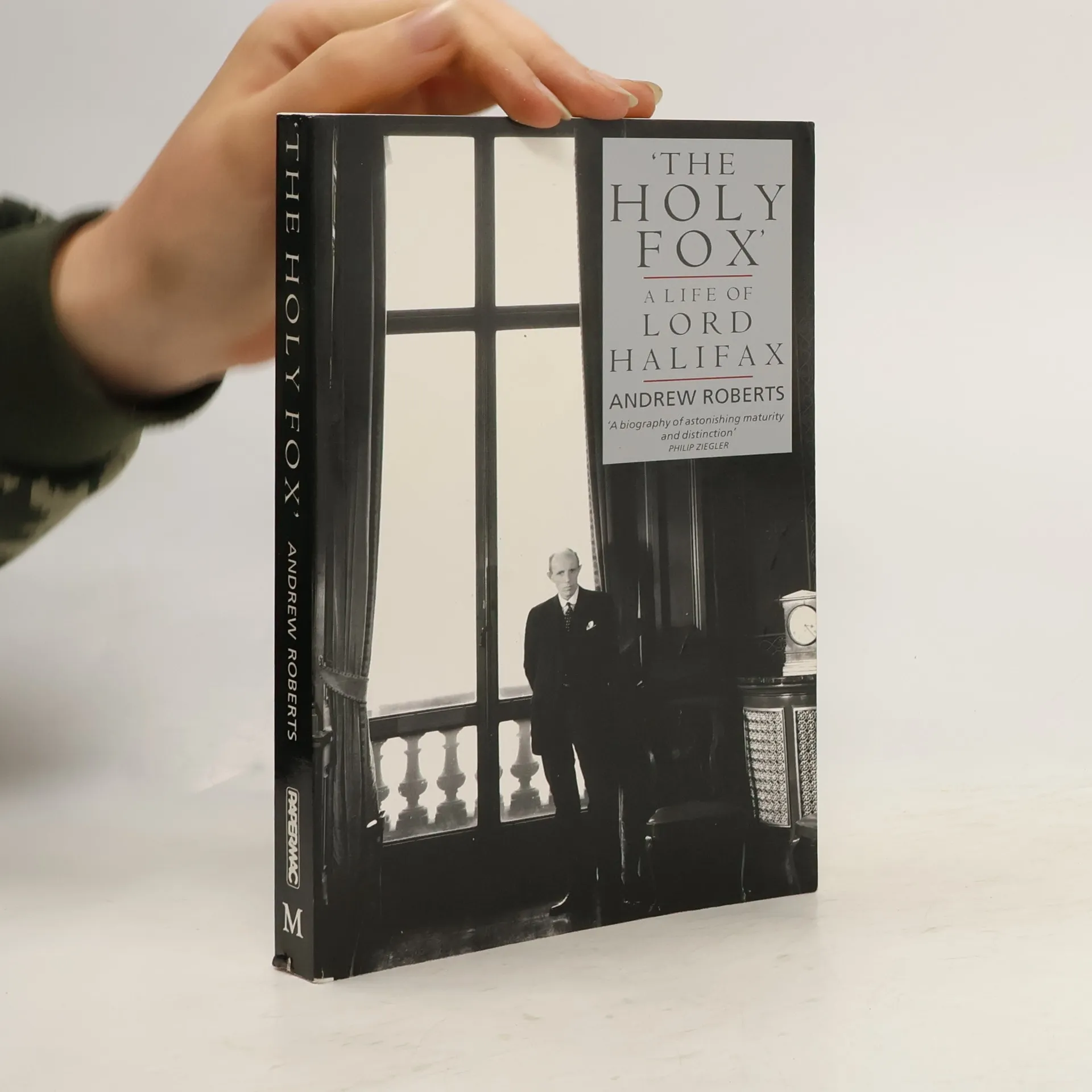
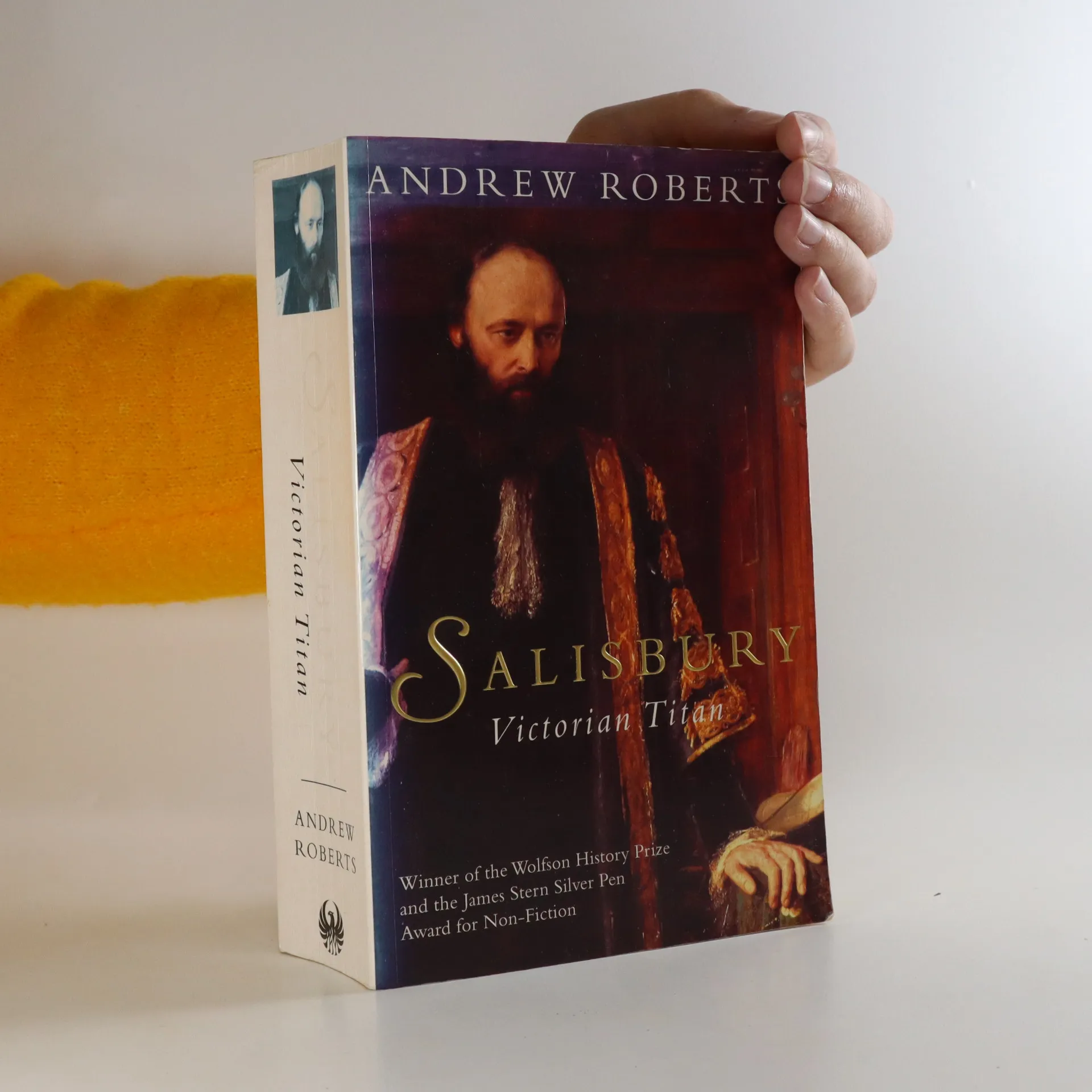
Edward Wood, 3rd Viscount Halifax, was a church-going, fox-hunting aristocat. It was his political guile that earned him his nickname. The author has had access to private documents which produce an interpretation at variance with the popular view of this influential politician.
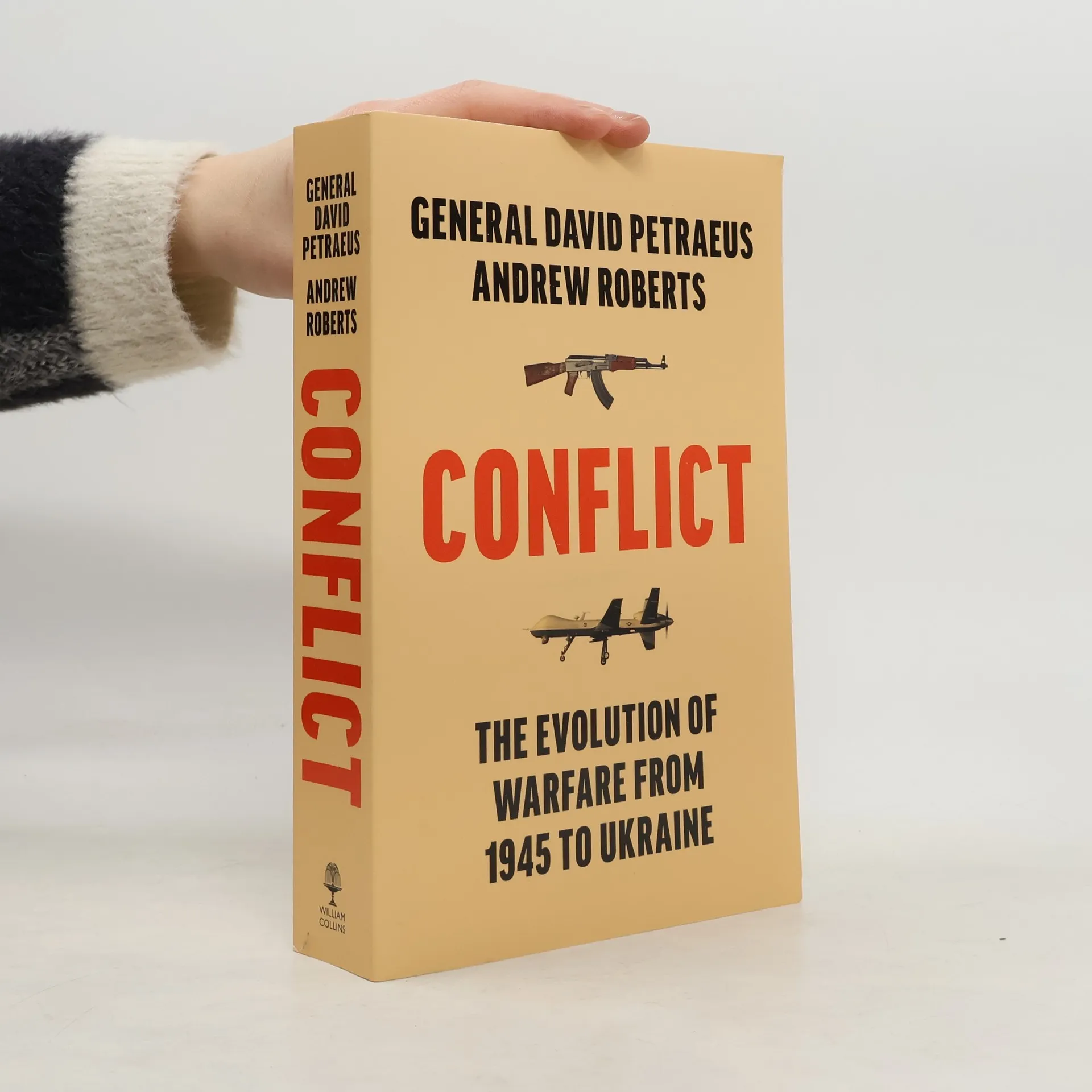
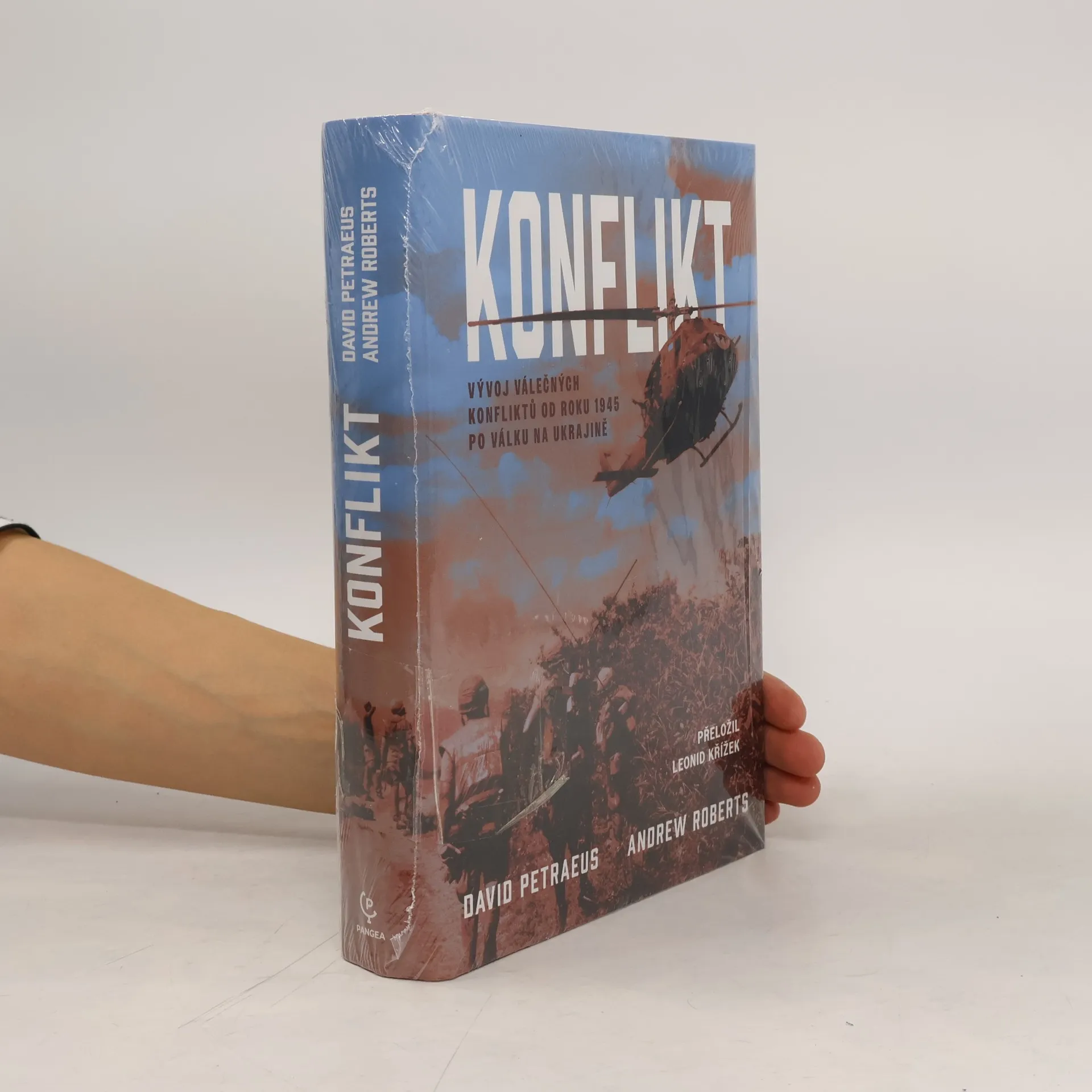
'A major book that will enlighten the layman and guide the statesman or geopolitical student' DR. HENRY KISSINGERTwo leading authorities - a bestselling historian and the outstanding battlefield commander and strategist of our time - collaborate on a landmark examination of war since 1945.
Elegy
- 304 pages
- 11 hours of reading
One of our finest narrative historians tells the shattering story of the blackest day in the history of the British army: the first day of the Somme Offensive, 1 July 1916.
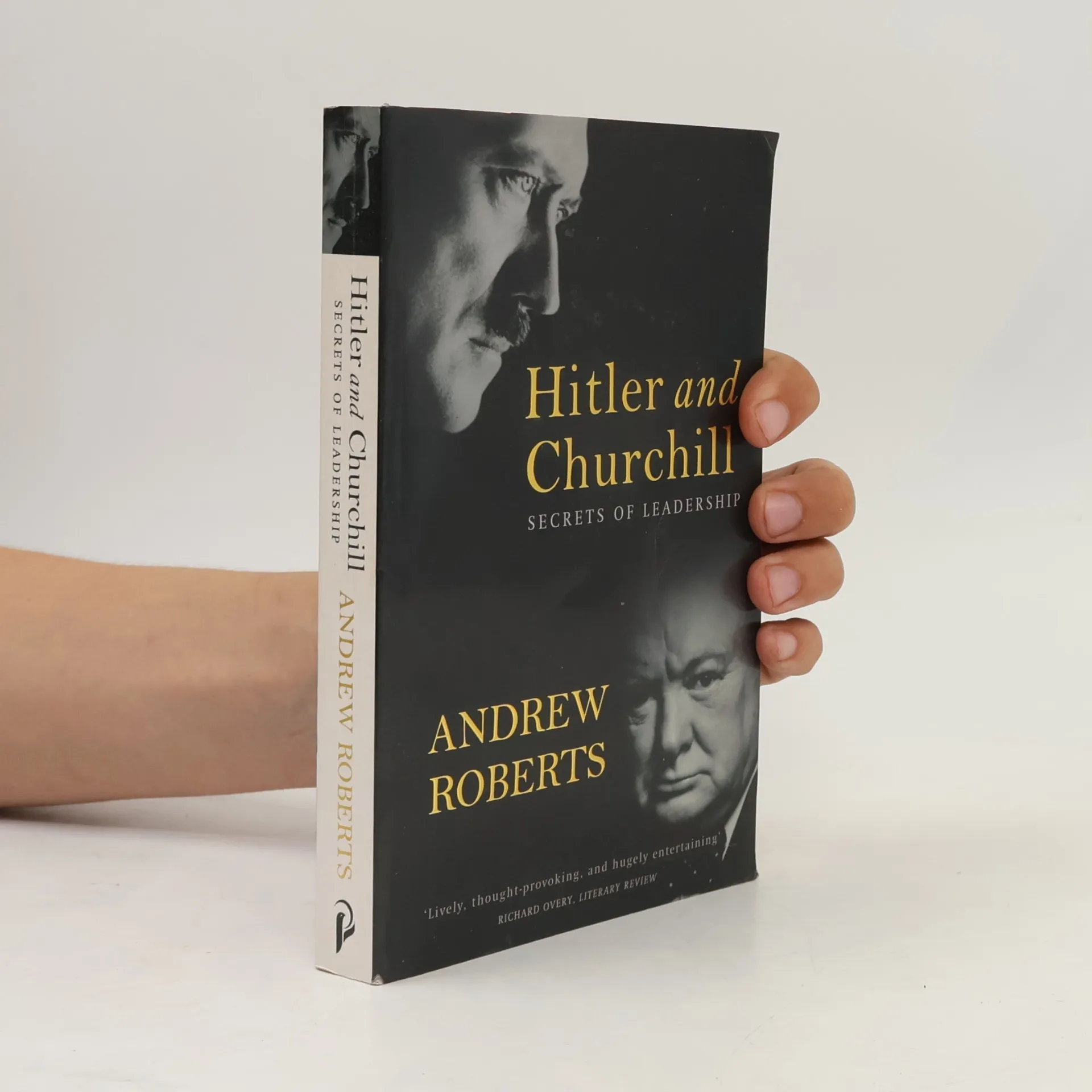
Hitler and Churchill
Secrets of Leadership
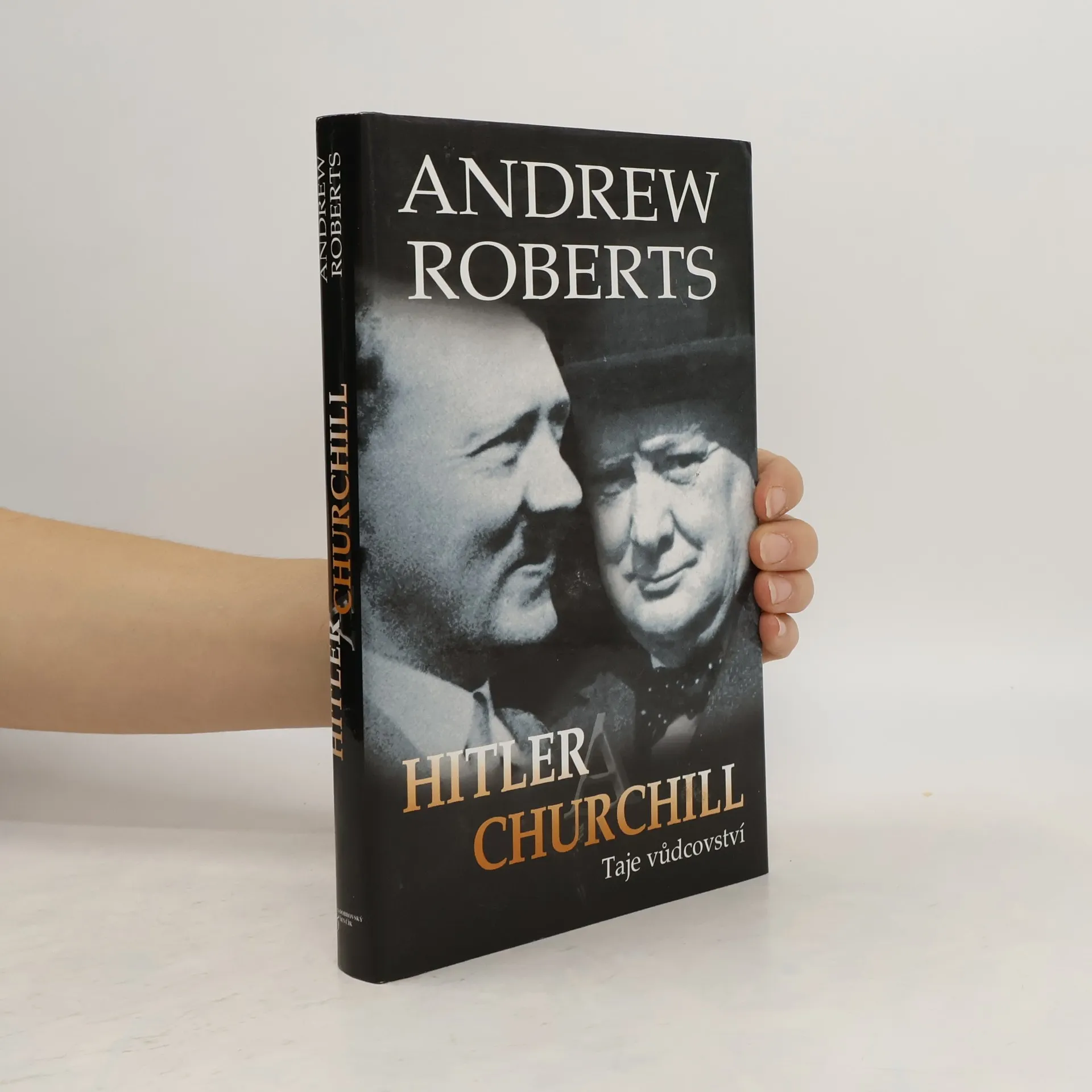
For all that Adolf Hitler was committed to destroying Civilisation and Winston Churchill was determined to save it, astonishingly these two men had some leadership techniques in common. Award-winning historian Andrew Roberts analyses the leadership secrets of these two completely different personalities as they both strove for the same ultimate objective-victory in the Second World War.
The Art of War
- 431 pages
- 16 hours of reading
Compiled by an exceptionally distinguished team of historians, this title is a magisterial survey of the military giants of the early modern and modern worlds.
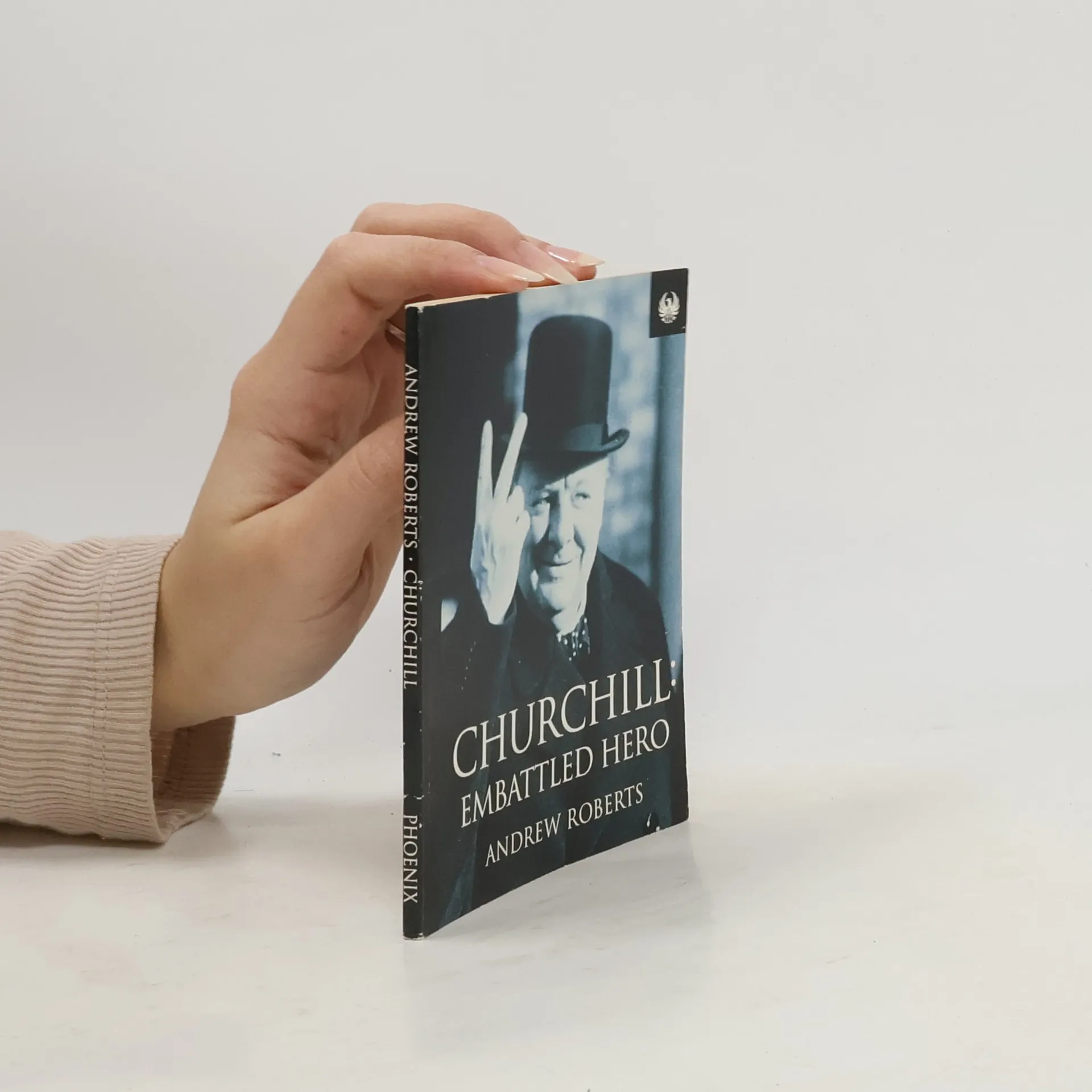
Learned, amusing, and acerbic. A very British book about a very British statesman and, above all, his enemies. From a ridiculed warmonger to a key figure in defeating Hitler and Prime Minister: when Chamberlain signed the Munich Agreement with Hitler in 1938, Churchill, then already 64 years old, was seen as a political failure. Two years later, he became the savior of the nation, embodying Britain's resistance against the Nazis. From 1940 to 1955, he led the Conservative Party and the country for nine years. However, during his era, Britain ultimately lost its status as a great power. Like the Cheshire Cat, only a broad grin remained. Andrew Roberts aims to capture the events of this period through incisive character portraits, arriving at provocative insights. He is not concerned with hero worship.
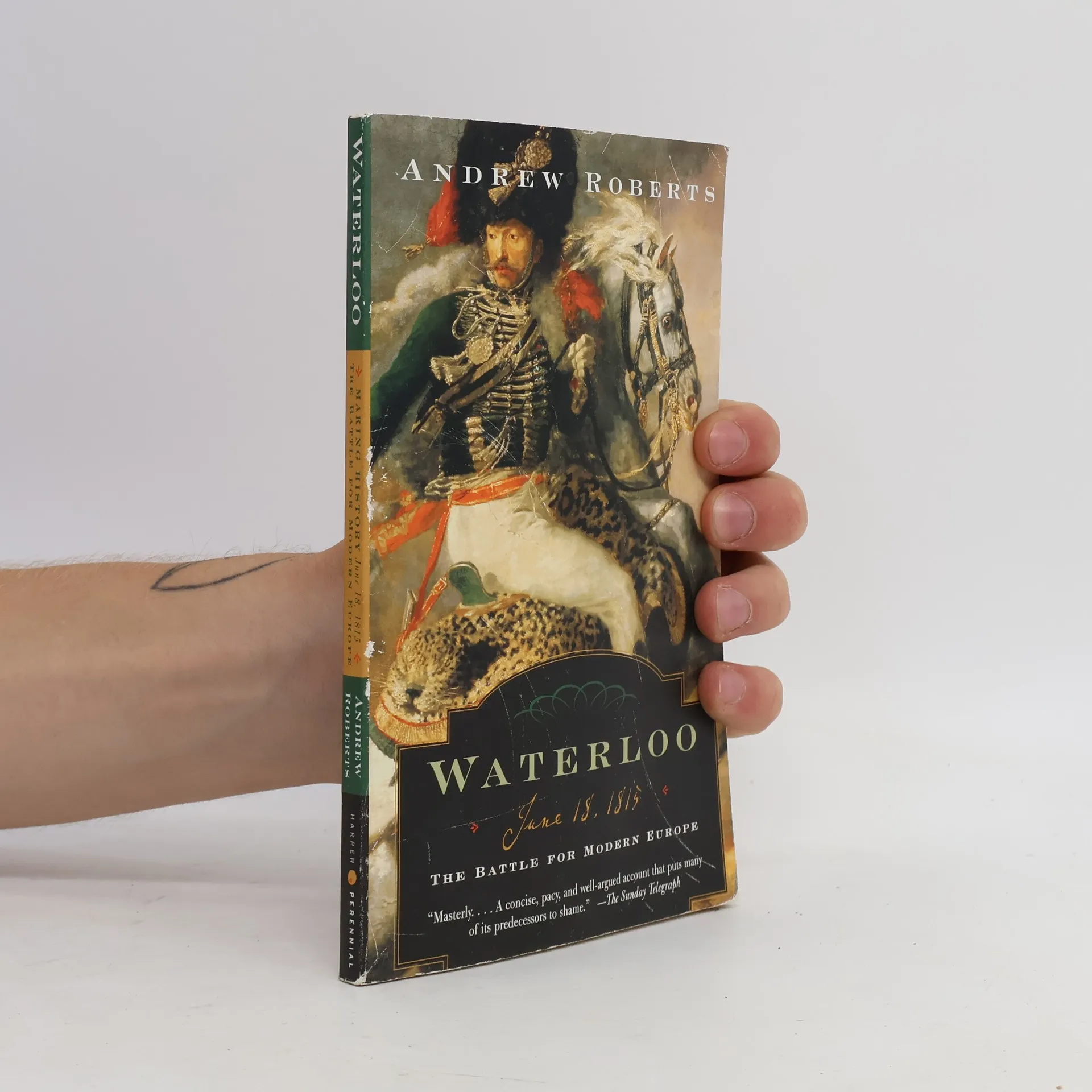
Waterloo
- 160 pages
- 6 hours of reading
On June 18, 1815, the Battle of Waterloo marked the end of the Napoleonic Wars. Andrew Roberts explores this pivotal moment, detailing the clash between Napoleon and the Duke of Wellington. His account combines political and strategic insights with new evidence, making "Waterloo" a compelling historical narrative.
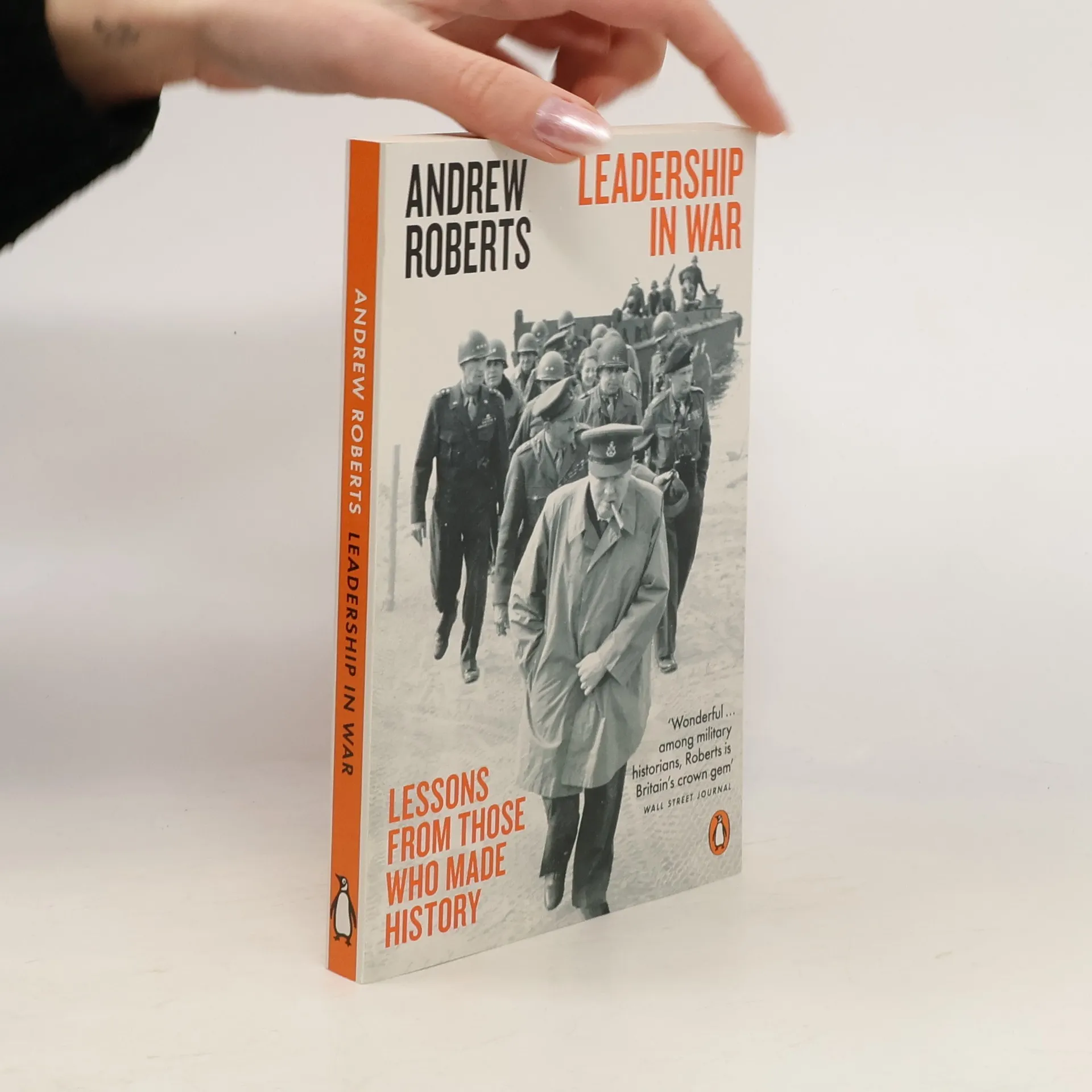
Leadership in War : Lessons from Those Who Made History
- 256 pages
- 9 hours of reading
Napoleon, Nelson, Churchill, Hitler, Stalin, Marshall, de Gaulle, Eisenhower and Thatcher: each of these leaders fundamentally shaped the outcome of the war their nation was embroiled in. How were they alike, and in what ways did they differ? Was their war leadership unique, or did these leaders have something in common, traits and techniques that transcend time and place and can be applied to the fundamental nature of conflict? Meticulously researched and compellingly written, Leadership in War presents readers with fresh, complex portraits of leaders who approached war with different tactics and different weapons, but with the common goal of success in the face of battle. Both inspiring and cautionary, these portraits offer important lessons on leadership in times of struggle. With his trademark verve and incisive observation, Roberts reveals the qualities that doom even the most promising leaders to failure, and the qualities that lead to victory. show less
The official biography of Lord Northcliffe, the founding father of the Daily Mail and the modern British press
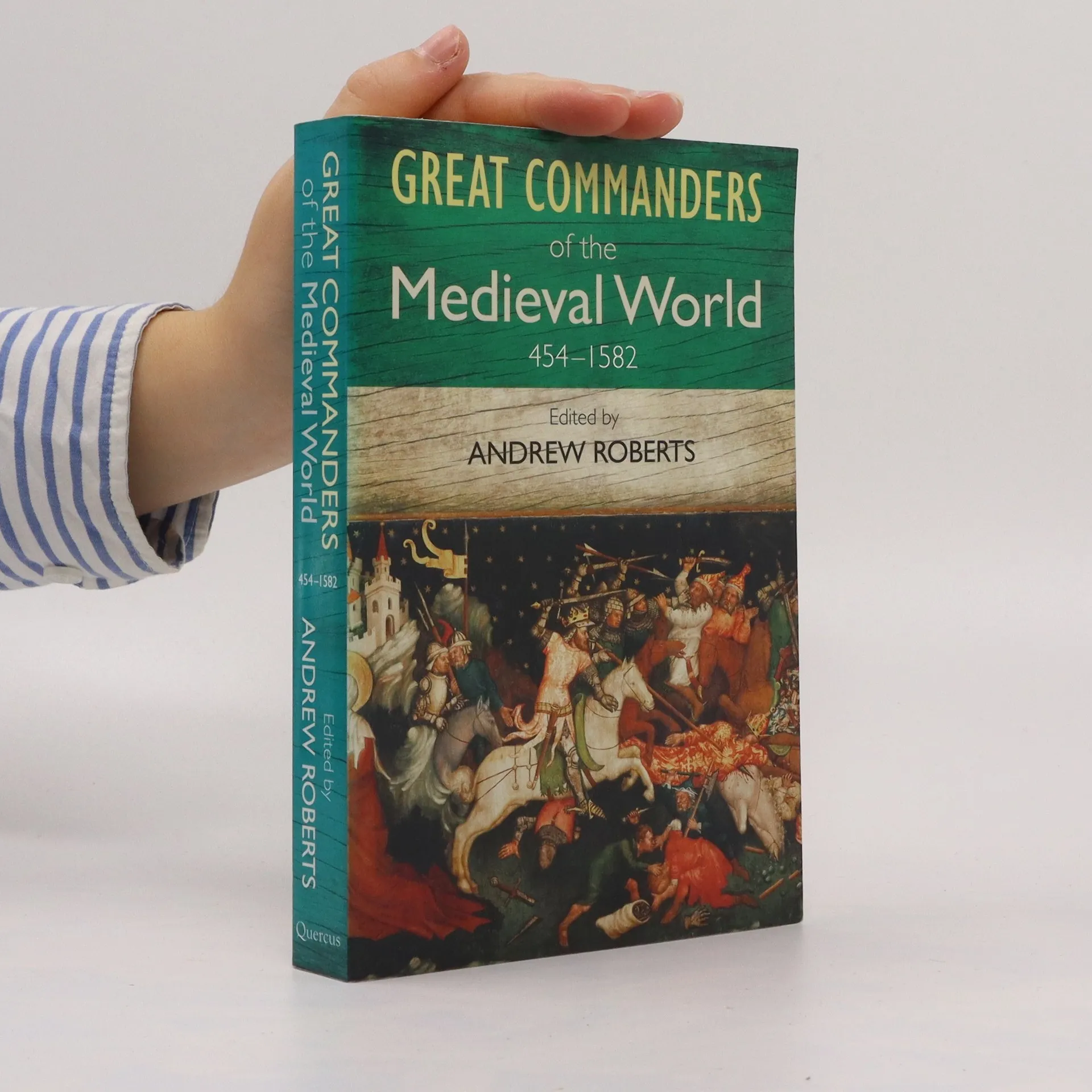
The Great Commanders of the Medieval World 454-1582
- 432 pages
- 16 hours of reading
How did Henry V of England achieve victory at Agincourt for the loss of a few hundred of his men, when the mounted French knights suffered casualties in the thousands? Why was Hernan Cortes able to lead a ragged band of men to bring down the extraordinary power of the Aztec empire? The answers to these and a myriad other fascinating questions can be found in Great Commanders of the Medieval World, a sumptuous chronological survey of the 25 greatest commanders of the medieval world
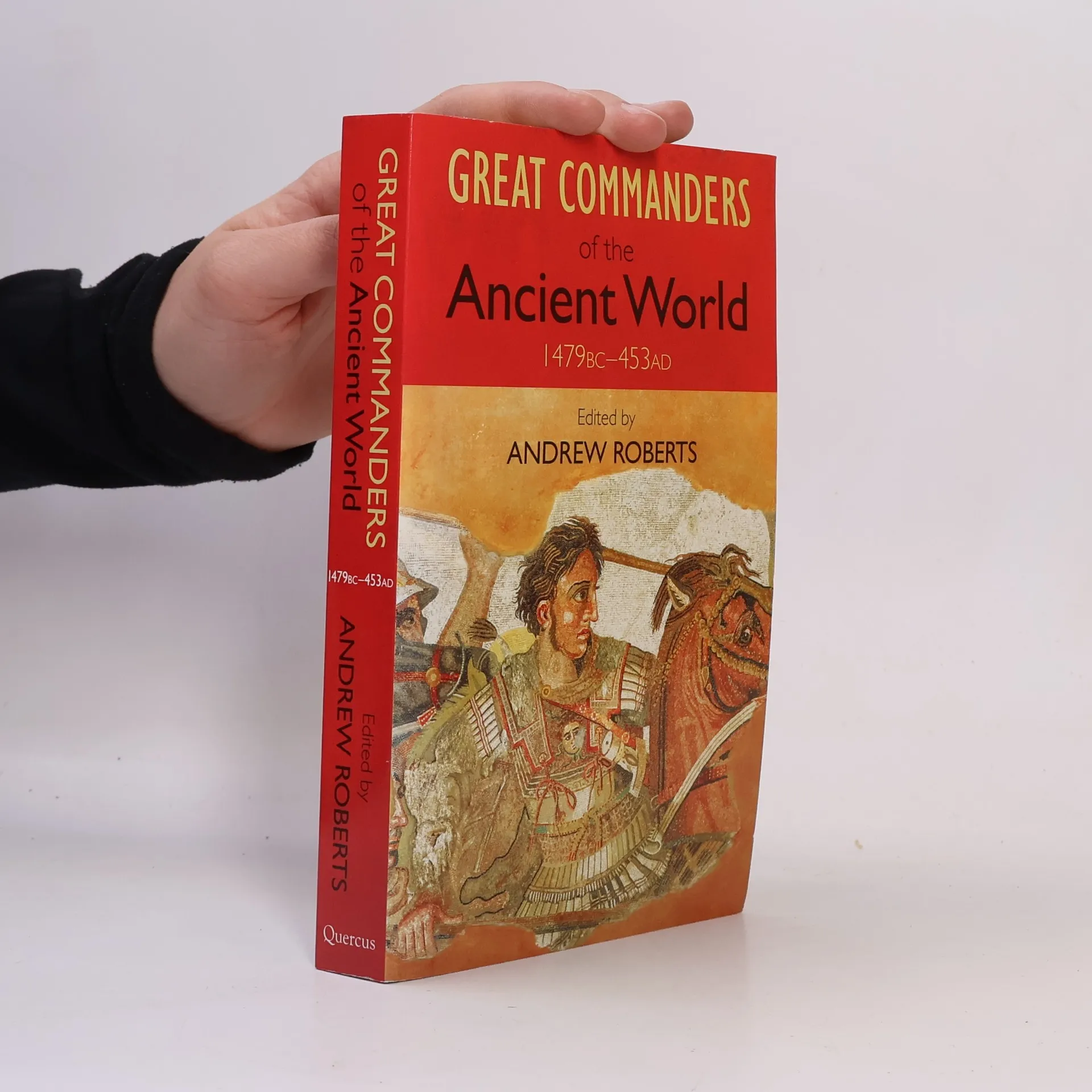
A magisterial survey of the military giants of the ancient world.
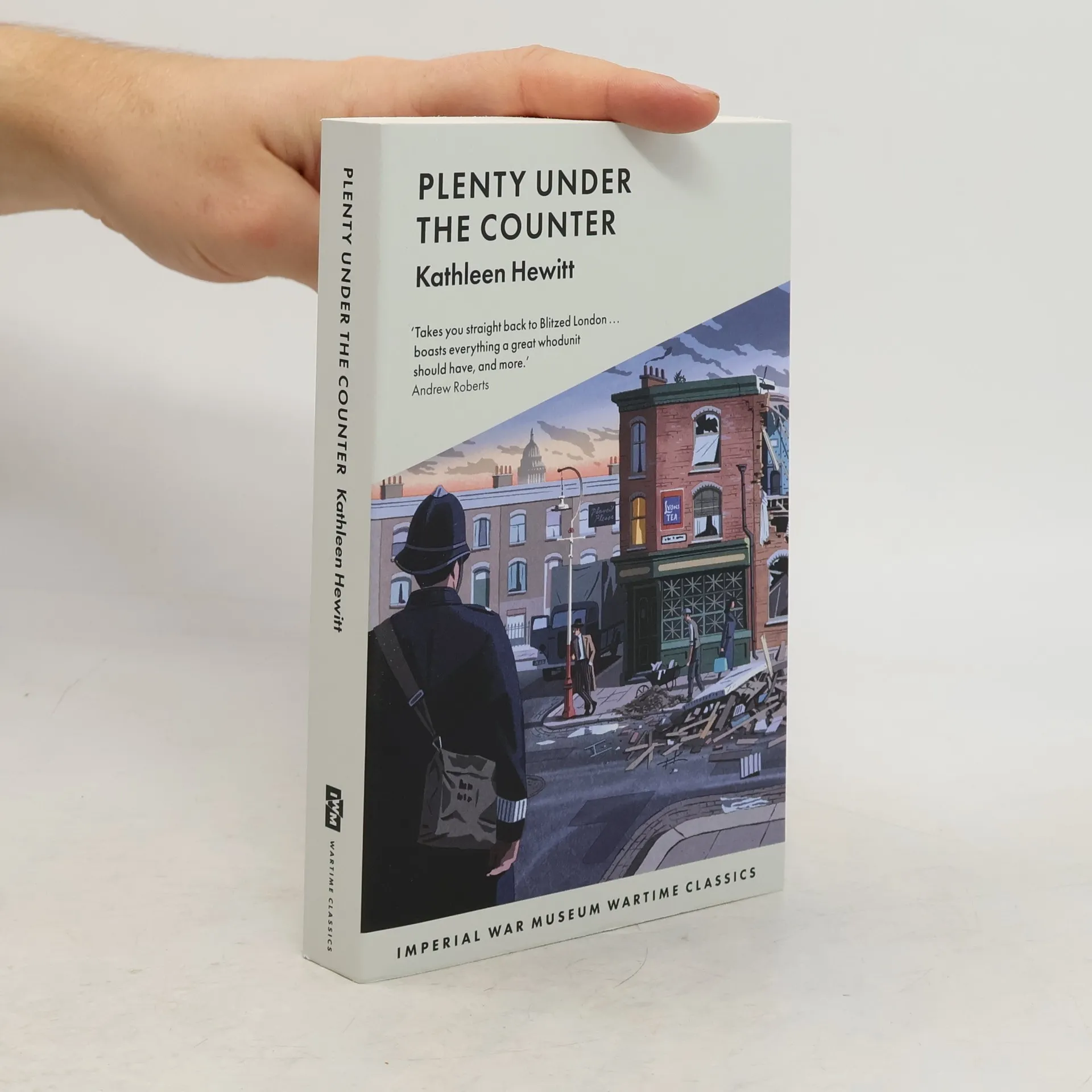
Imperial War Museum Wartime Classics: Plenty Under the Counter
- 240 pages
- 9 hours of reading
David hesitated. He knew the story well enough. He knew what had happened on the sunny Sunday morning of the outbreak of war, when the papers were too packed out with real news to have more than a line or so for the sudden death of the old Marquis of Leafe, in a flat in Jermyn Street. He knew that Miss Trindle had been the book-keeper at that shady block of flats, and that she had arrived in Terrapin Road within two hours of the Marquis’s death . . . London, 1942. Flight-Lieutenant David Heron, home on convalescent leave, awakes to the news that a murder victim has been discovered in the garden of his boarding house. With a week until his service resumes, David sets out to solve the murder. Drawn into a world of intrigue and double-dealing, he soon realizes that there is more to the inhabitants of the boarding house than meets the eye, and that wartime London is a place where opportunism and the black market are able to thrive. Can he solve the mystery before his return to the skies?
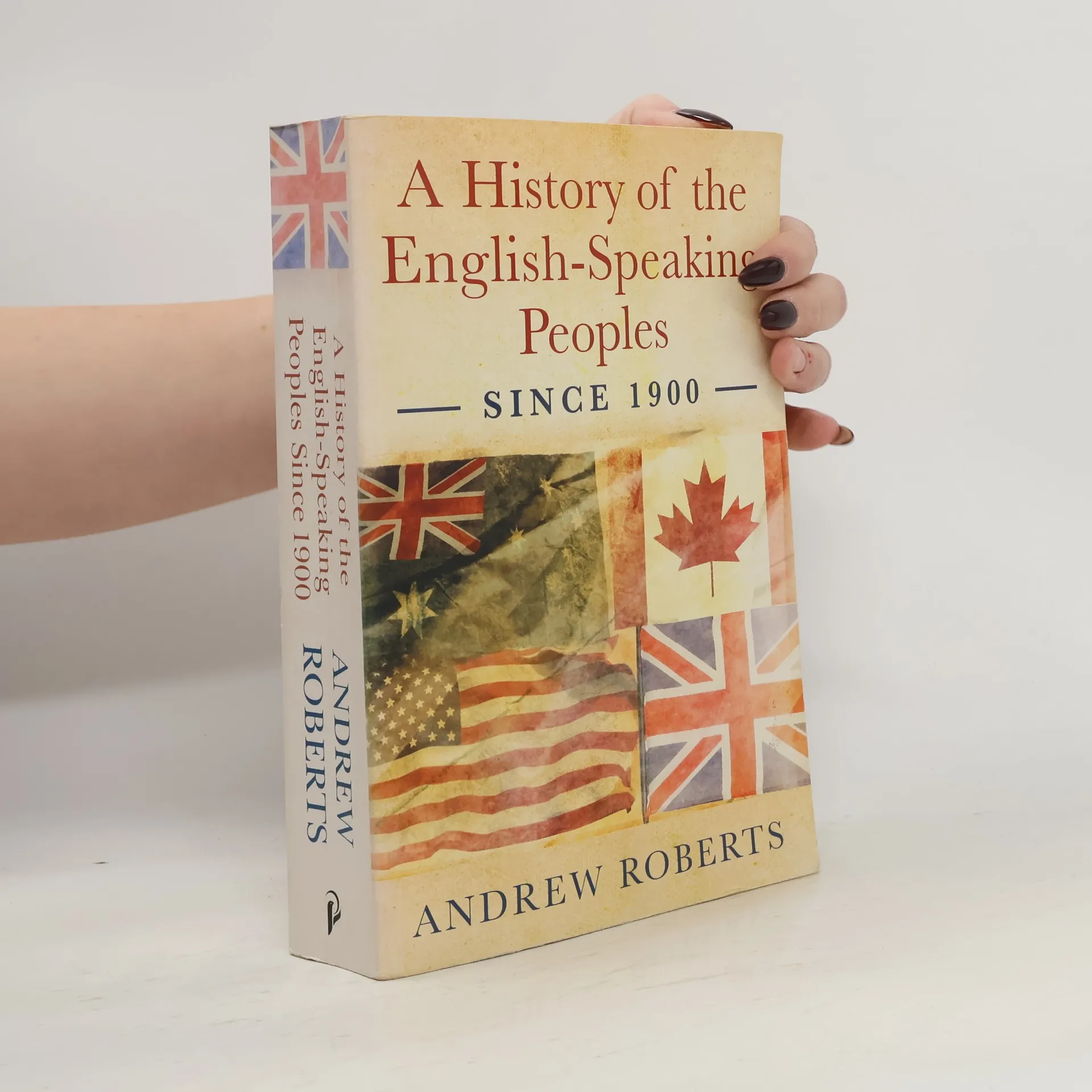
A History of the English-Speaking Peoples Since 1900
- 752 pages
- 27 hours of reading
Telling the story of the English-speaking people in the 20th century, this book covers the four world-historical struggles in which they have been engaged - the wars against German Nationalism, Axis Fascism, Soviet Communism & the War against Terror. It also deals with the cultural, & social history of the English global diaspora.
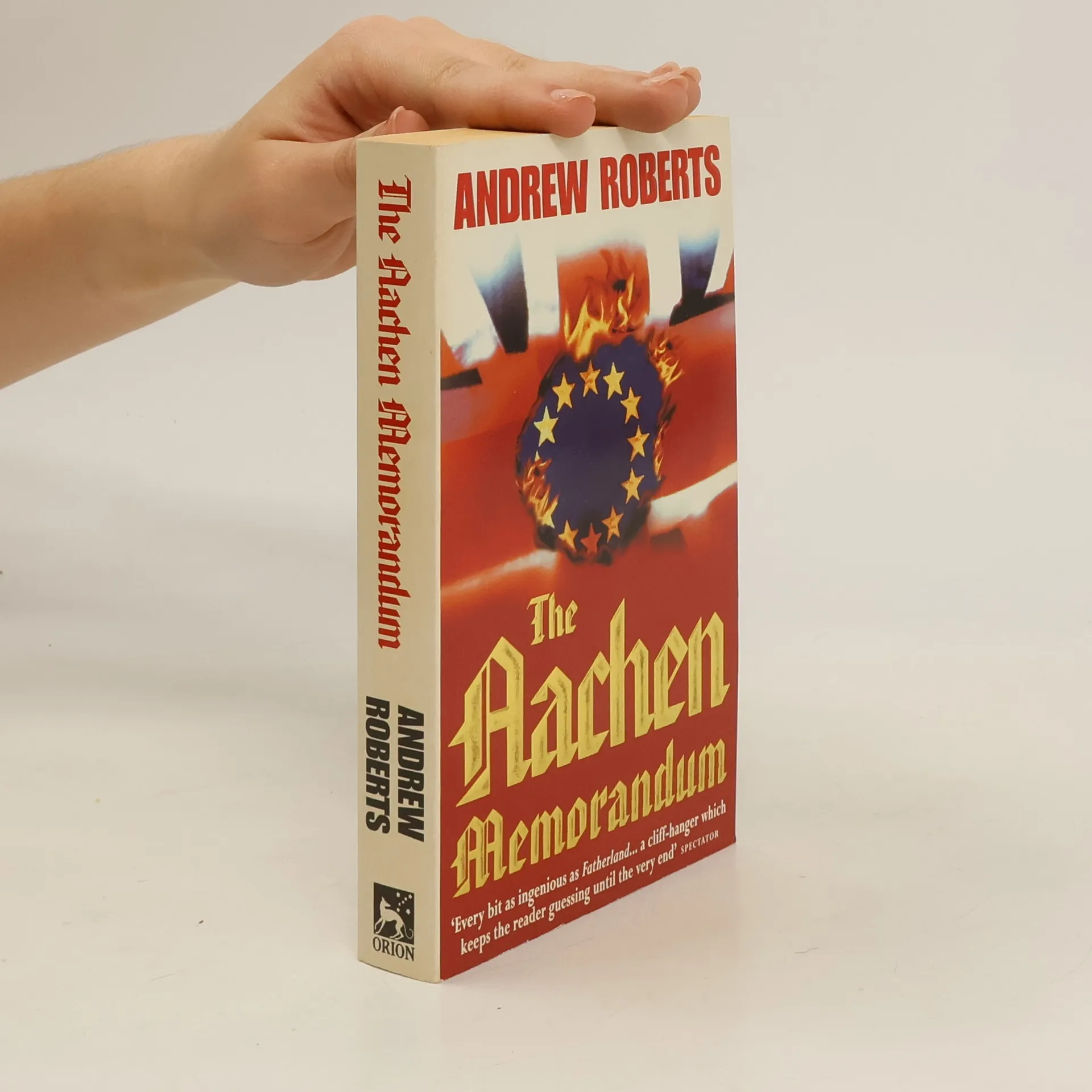
The Aachen Memorandum
- 352 pages
- 13 hours of reading
It is 2045. A Fellow of All Souls College, Oxford discovers that the Aachen Referendum, which created the European superstate 30 years earlier, was rigged by a conspiracy within the European Commission. He must get this evidence to King William V, but this becomes a very dangerous task.
Privacy in the Republic
- 200 pages
- 7 hours of reading
Focusing on the relationship between privacy and self-governance, this book challenges conventional views by exploring not just the value of privacy but also the methods for securing it. It emphasizes that privacy is essential for leading non-dominated lives, protecting individuals from external interference and manipulation. By integrating republican principles, the author proposes a democratic framework for privacy, highlighting the importance of citizen control over decisions impacting their personal space and autonomy.
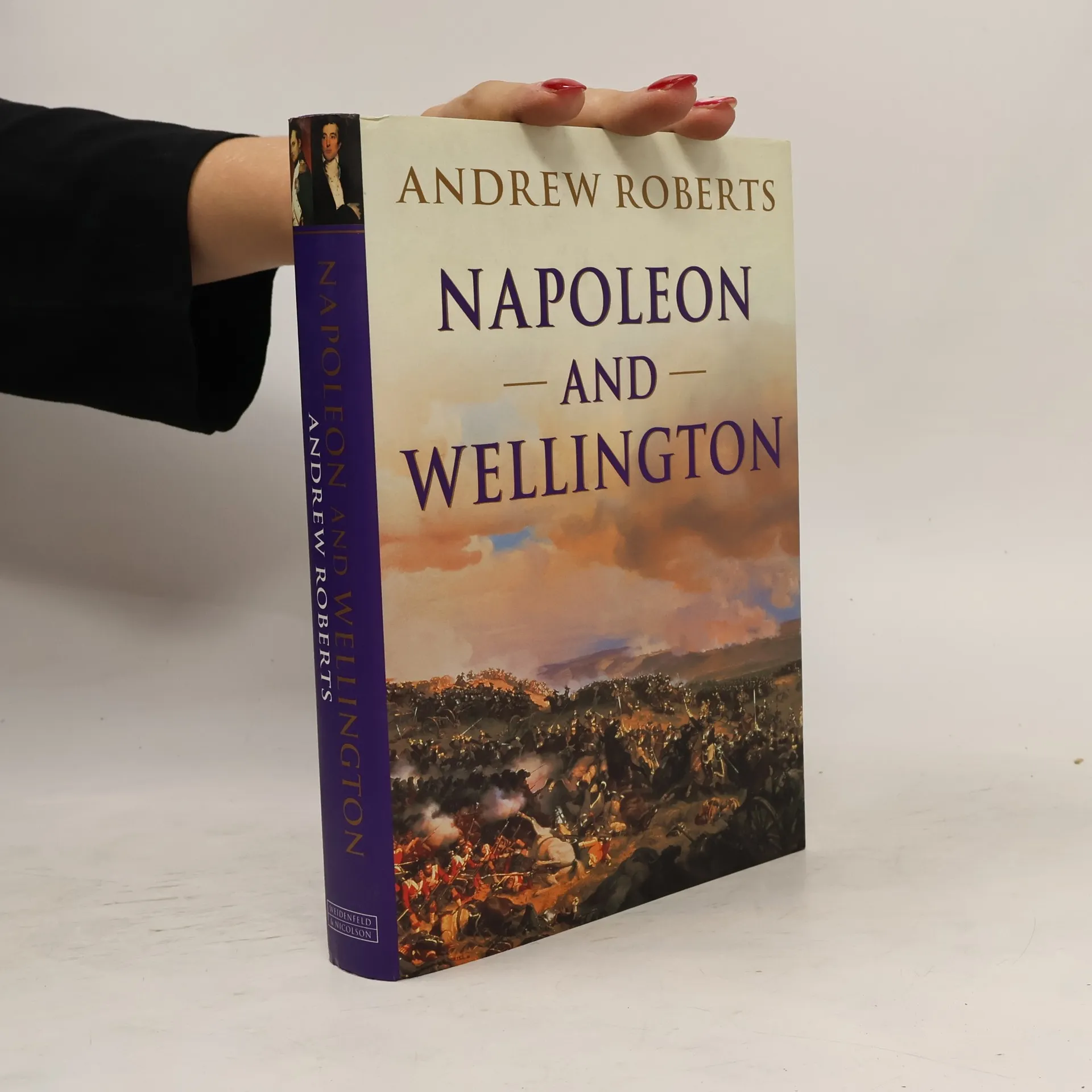
Napoleon and Wellington
- 350 pages
- 13 hours of reading
An alternate cover edition of ISBN 0297646079 / 9780297646075, 2007 edition, can be found here On the morning of the battle of Waterloo, the Emperor Napoleon declared that the Duke of Wellington was a bad general, the British were bad soldiers and that France could not fail to have an easy victory. Forever afterwards historians have accused him of gross overconfidence, and massively underestimating the calibre of the British commander opposed to him. Andrew Roberts presents this revisionist view of the relationship between the two greatest captains of their age. Napoleon, who was born in the same year as Wellington - 1769 - fought Wellington by proxy years earlier in the Peninsular War, praising his ruthlessness in private whilst publicly deriding him as a mere sepoy general. In contrast, Wellington publicly lauded Napoleon, saying that his presence on a battlefield was worth forty thousand men, but privately wrote long memoranda lambasting Napoleon's campaigning techniques. Although Wellington saved Napoleon from execution after Waterloo, Napoleon left money in his will to the man who had tried to assassinate Wellington.
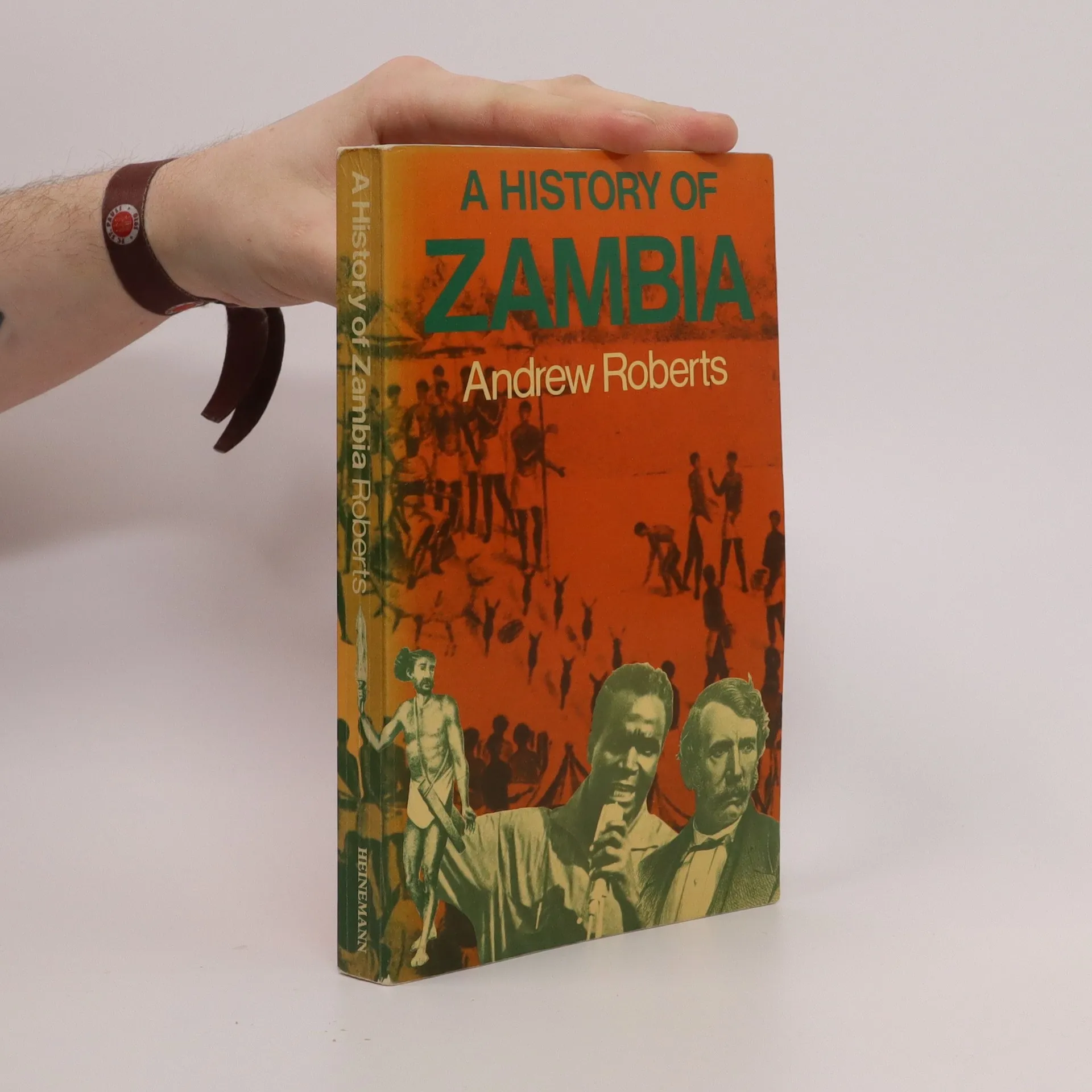
A definitive history of Zambian social and economic development begins in the Stone Age and extends through the first ten years of independence
From Steve McQueen's Mustang in "Bullitt" to 007's Aston Martins, and the veteran Darracq in "Genevieve" to the daredevil Mini Coopers in "The Italian Job," cars are the stars just as much as their human occupants in a number of films. This book reviews the good, the bad, and the ugly in car movies from both sides of the Atlantic. It's a feast of nostalgia for film buffs and motoring enthusiasts alike.
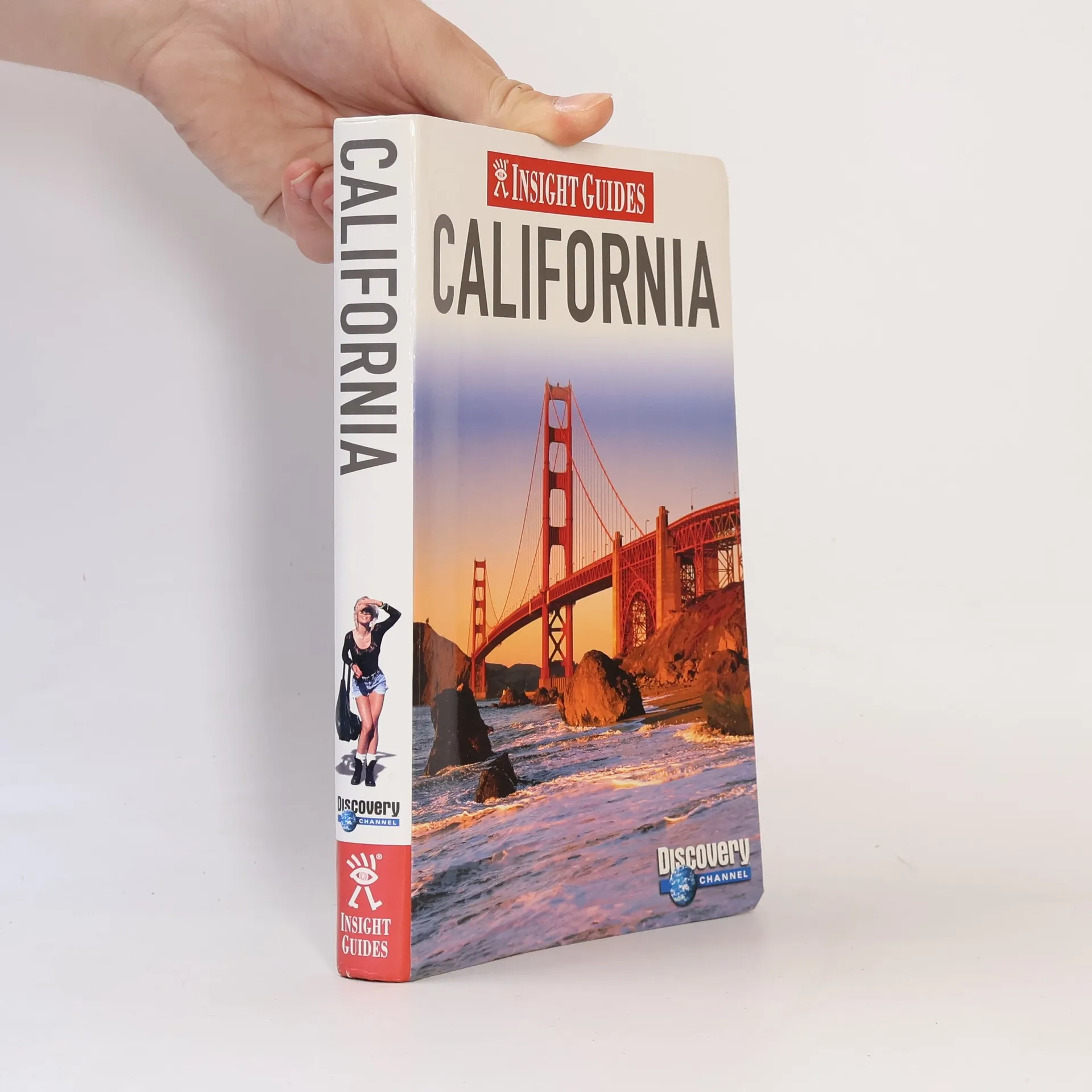
California Insight Guide
- 300 pages
- 11 hours of reading
Pub 2008-6-1 400 Insight Guides Fully revised and updated. this book includes a sectiondetailing Californias history. five features covering the stateslife and culture. ranging from Californian cuisine to itsever-present car culture. a region by region visitors guide to thesights. and a comprehensive Travel Tips section packed withessential contact addresses and numbers. This title also includeshundreds of full-colour photographs and 18 maps.
Get Work Done!
- 138 pages
- 5 hours of reading
Od Palackého k Babišovi - Česká politika 19. až 21. století
- 352 pages
- 13 hours of reading
Publikace autorů z Masarykovy univerzity v Brně představuje koncentrovaný pohled na současnost a minulost české politiky. Zachycuje klíčové vývojové trendy posledních desetiletí a století a také analyzuje, jak politiku a politický systém ovlivňuje dědictví z komunistické i předkomunistické éry. Autoři tím výrazně reflektují skutečnost, že v dramatických změnách sametové revoluce a následných letech je možné najít řadu souvislostí, které pomáhají vysvětlit dnešní stav naší politiky.
Hitler a Churchill : taje vůdcovství
- 182 pages
- 7 hours of reading
Britský historik konfrontuje politickou aktivitu dvou nesmiřitelných odpůrců - Hitlera a Churchilla. Interpretace politických metod, taktiky i triků, přesně řečeno vůdčích schopností, dvou klíčových politických činitelů minulého století. Autor dochází k závěru, že na psychiku a představivost lidí měl Hitler daleko silnější vliv než Churchill, neboť dokázal velice rafinovaně využívat negativní lidské emoce, zášť a závist, což mu umožnilo politický úspěch. Kalkulace s negativními lidskými emocemi však nikdy nebyla součástí Churchillovy politické aktivity... Srovnání principů politické aktivity u obou politiků.
Generál David Petraeus a oceňovaný historik Andrew Roberts v této komplexní studii zkoumají více než 70 let konfliktů a z aktuální analýzy minulosti vyvozují významné poznatky a ponaučení. Petraeus a Roberts na základě svých odlišných pohledů a odborných znalostí ukazují, jak často se znovu opakují kritické chyby a jak je pro státníky i generály náročné naučit se přizpůsobovat různým novým zbraňovým systémům, teoriím a strategiím. Mezi zkoumané konflikty autoři zařadili arabsko-izraelské války, korejskou a vietnamskou válku, obě války v Perském zálivu, balkánské války v bývalé Jugoslávii a sovětskou i koaliční válku v Afghánistánu, stejně jako partyzánské konflikty v Africe a Jižní Americe. Konflikt vrcholí odvážným pohledem na Putinovu katastrofální invazi na Ukrajinu, jež je další případovou studií tragických následků neochoty vůdců poučit se z historie. Nalezneme zde celou řadu bystrých postřehů podepřených moudrostí získanou zkušenostmi. Kniha "Konflikt" přináší nejen kritické zhodnocení naší nedávné minulosti, ale je také základní učebnicí moderního válčení, jež poskytuje zásadní znalosti nezbytné pro vedení boje dnes i pro pochopení toho, co přinesou nadcházející desetiletí.