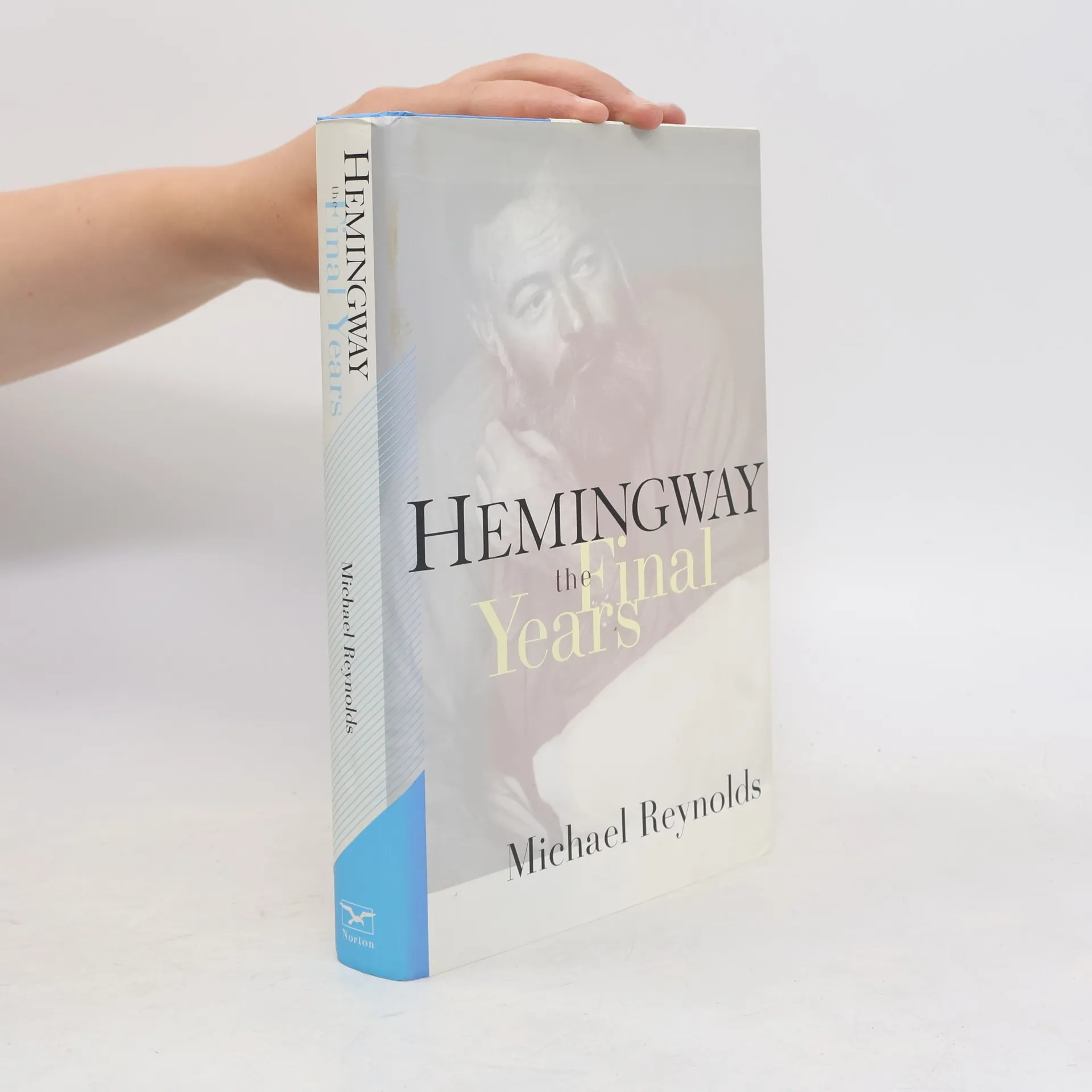
Drawn from newly available letters, recently published memoirs, interviews, and previously classified documents, a portrait of the author concentrates on Hemingway's last years
Michael Reynolds Books


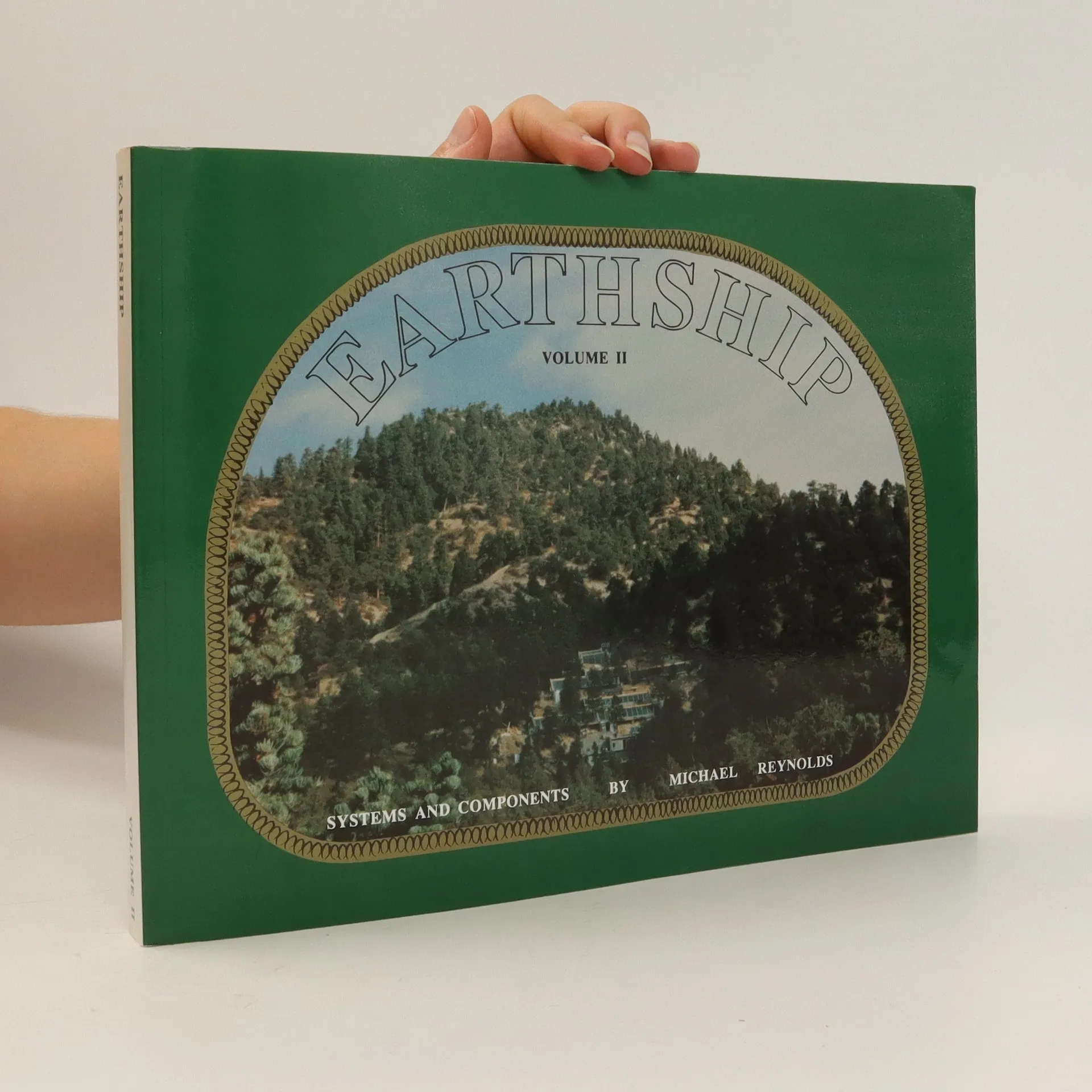
Earthship. Volume I: How to build your own
- 240 pages
- 9 hours of reading
"Imagine...living in a home that cost you nothing to heat or cool, building this home yourself, growing your own vegetables year round in this home, no utility bills, easily available 'limitless natural resources' to build this type of home, a more earth friendly civilization..." -- p [4] of cover.
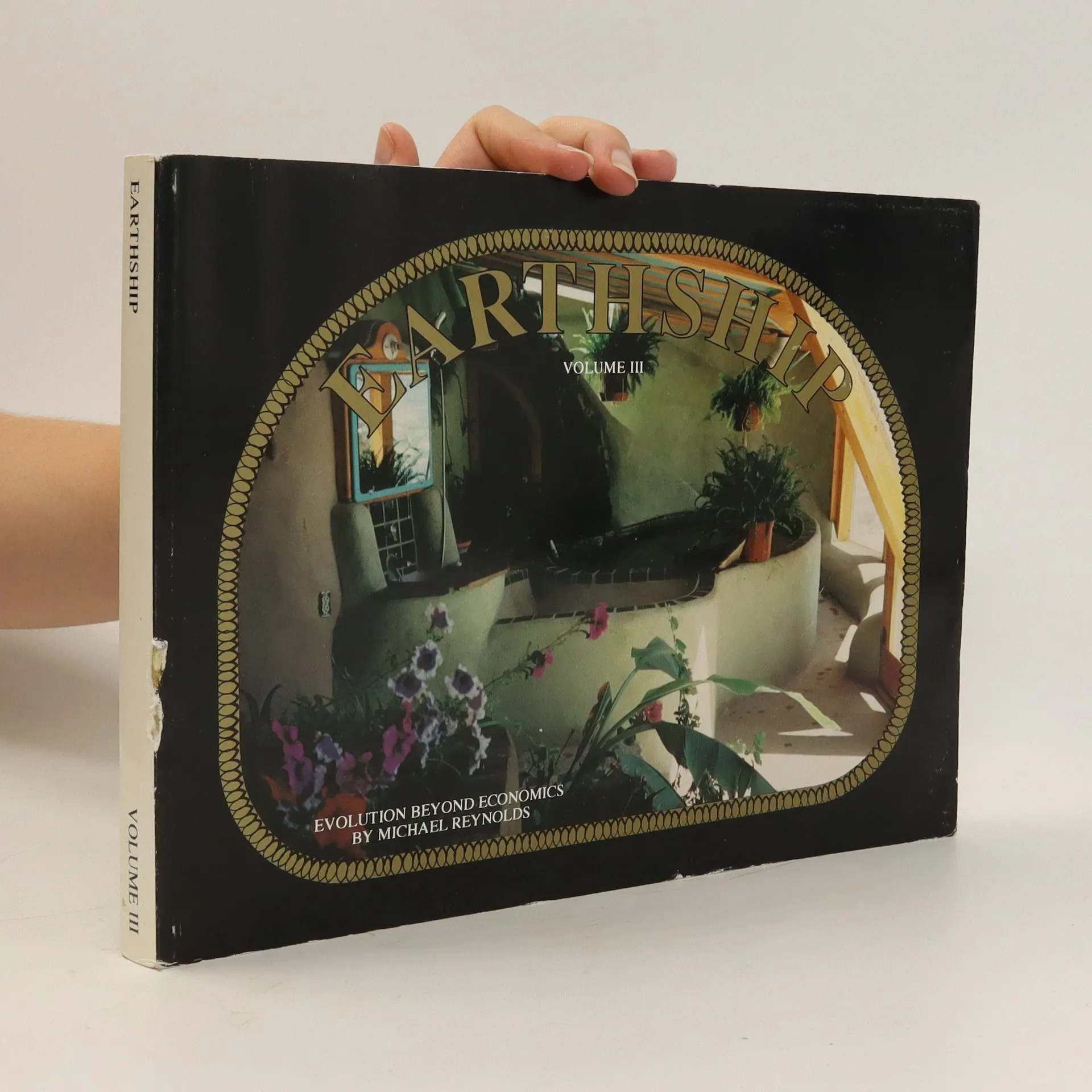
Earthship. Volume III: Evolution Beyond Economics
- 229 pages
- 9 hours of reading
Evolution Beyond Economics, Vol. 3 1/E by Michael Reynolds
Comfort in Any Climate
- 72 pages
- 3 hours of reading
Book by Reynolds, Michael
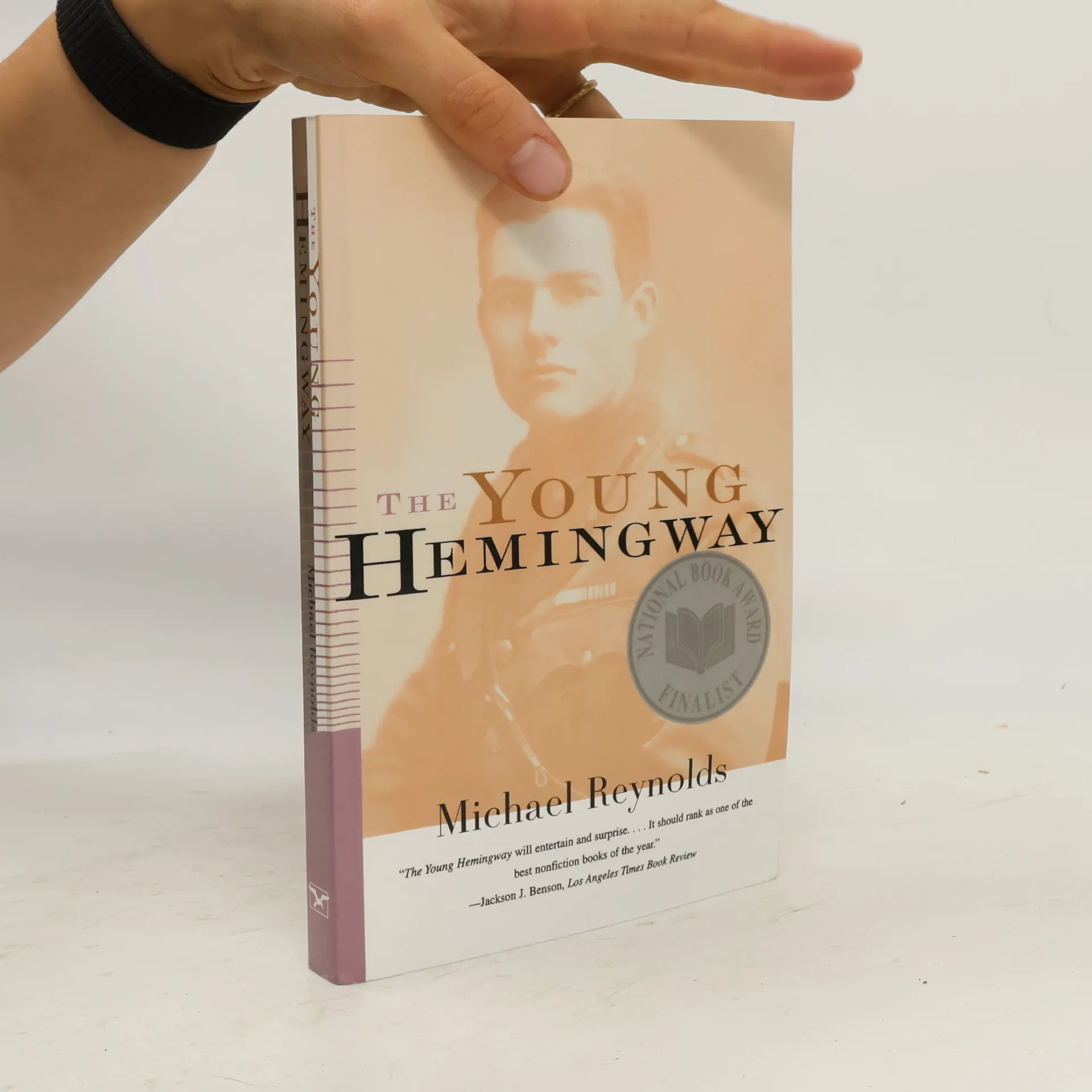
The Young Hemingway
- 291 pages
- 11 hours of reading
The Young Hemingway will entertain and surprise. Not only is it a significant contribution to Hemingway critical biography, but it should rank as one of the best nonfiction books of the year.-Los Angeles Times
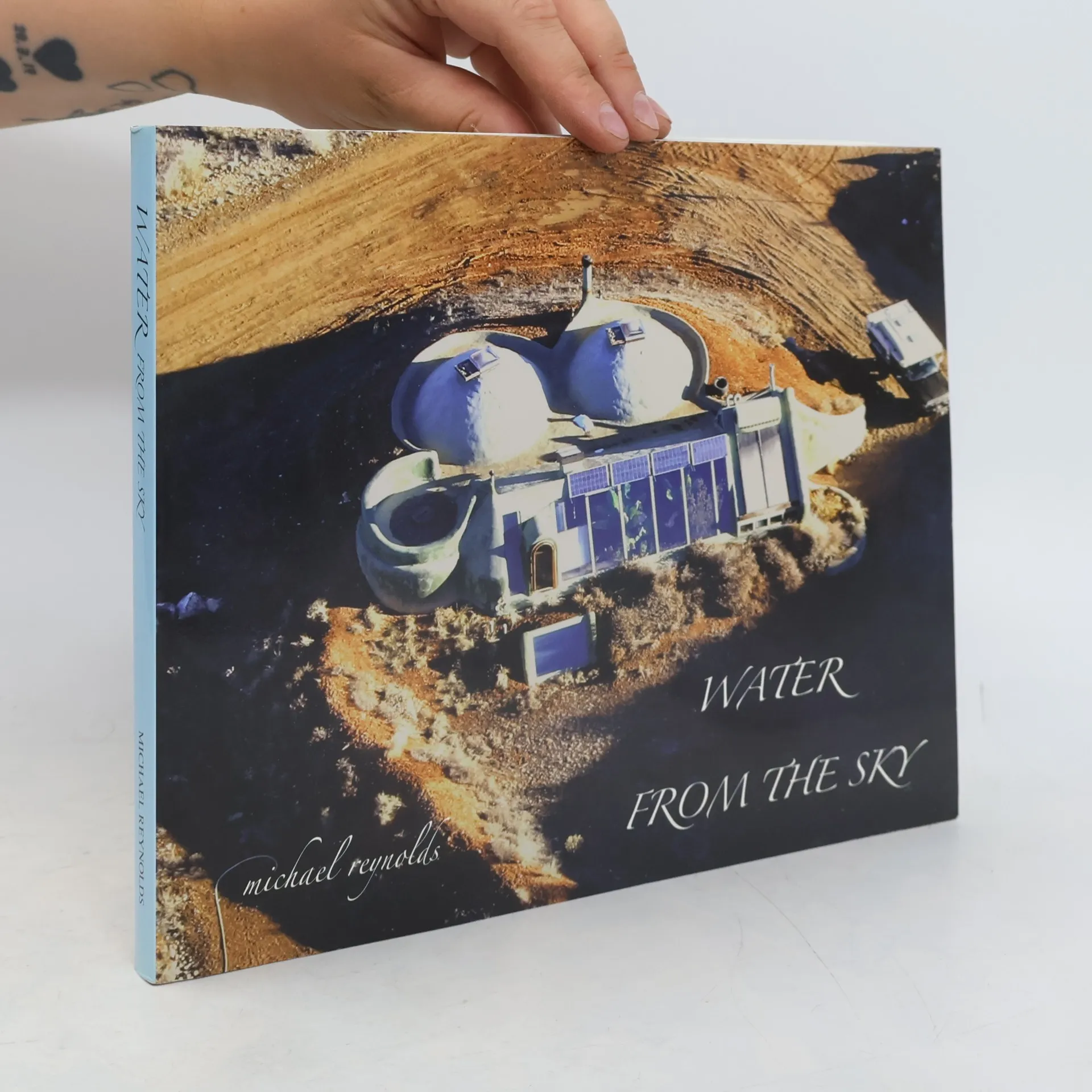
Water From The Sky
- 204 pages
- 8 hours of reading
Book by Reynolds, Michael
Ich hasse alle Männer. Die unfaßbare Geschichte einer Serienmörderin
- 298 pages
- 11 hours of reading
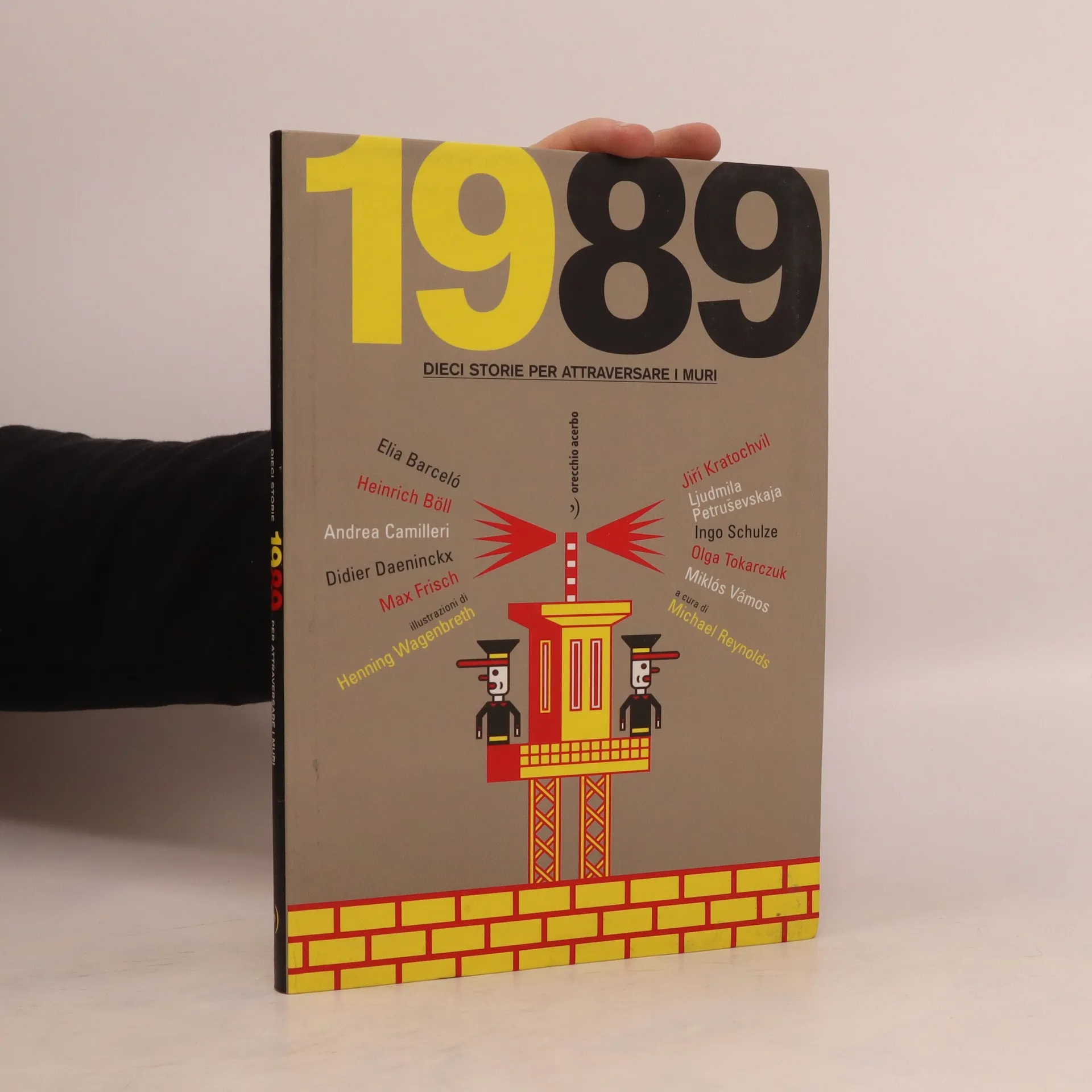
Israele-Cisgiordania. Stati Uniti-Messico. Corea del Nord-Corea del Sud. Cipro greca-Cipro turca. Spagna-Marocco. Arabia Saudita-Yemen. India-Pakistan. Thailandia-Malesia. Botswana-Zimbawe. Belfast. Bagdad. Hoek Van Holland. Padova. Famosi e quasi sconosciuti, grandi e piccoli, non c’è traccia di questi muri in “1989”. E nemmeno di quello di Berlino. Eppure sono loro i protagonisti indiscussi dei racconti. A guardarli, sembrano costruiti con mattoni, filo spinato, blocchi di cemento, corrente elettrica, sensori agli infrarossi. È solo apparenza. Tutti sono tenuti in piedi da un unico, misero impasto: diffidenza, egoismo, paura, odio. E mancanza d’immaginazione. La penna di dieci grandi scrittori e la matita di un altrettanto grande illustratore per un ideale, enorme graffito contro l’intolleranza. Per dieci racconti, ricchi di fantasia e colorate suggestioni, contro il tetro grigiore dei muri. Per nuovi, giovani architetti che alla ottusa rigidità dei muri sostituiscano l’acuta flessuosità dei ponti.