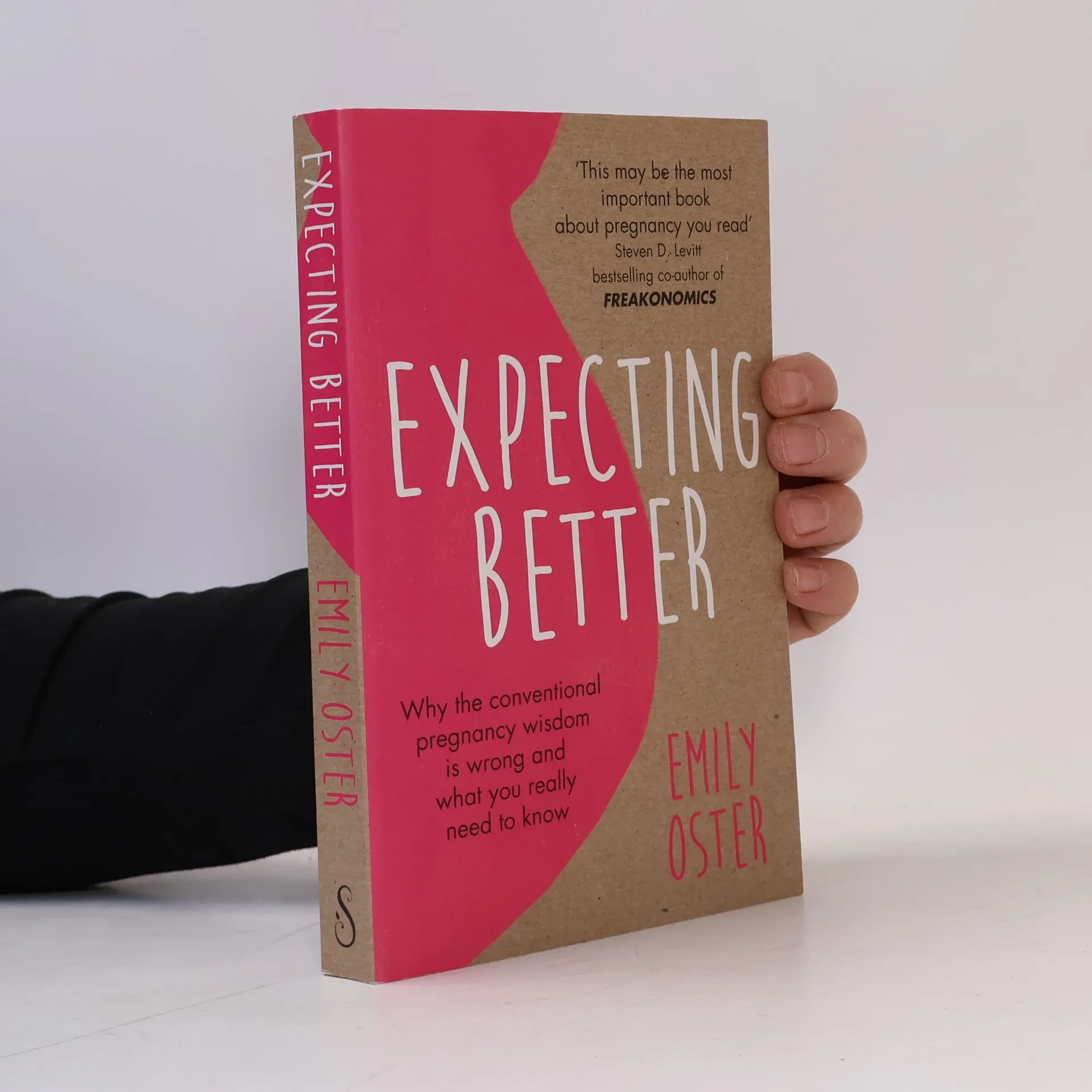
Expecting better
- 336 pages
- 12 hours of reading
A groundbreaking guide to pregnancy: empowers women with the facts and allows them to make their own decisions. FREAKANOMICS meets WHAT TO EXPECT WHEN YOU'RE EXPECTING.


Steve Levitt is an American economist renowned for his work on crime, particularly exploring the link between legalized abortion and crime rates. His approach leverages economic principles to analyze societal phenomena, uncovering unexpected correlations. With a knack for engaging storytelling, Levitt makes complex economic concepts accessible to a broad audience. His work encourages readers to think about the world in novel and unconventional ways.


A groundbreaking guide to pregnancy: empowers women with the facts and allows them to make their own decisions. FREAKANOMICS meets WHAT TO EXPECT WHEN YOU'RE EXPECTING.
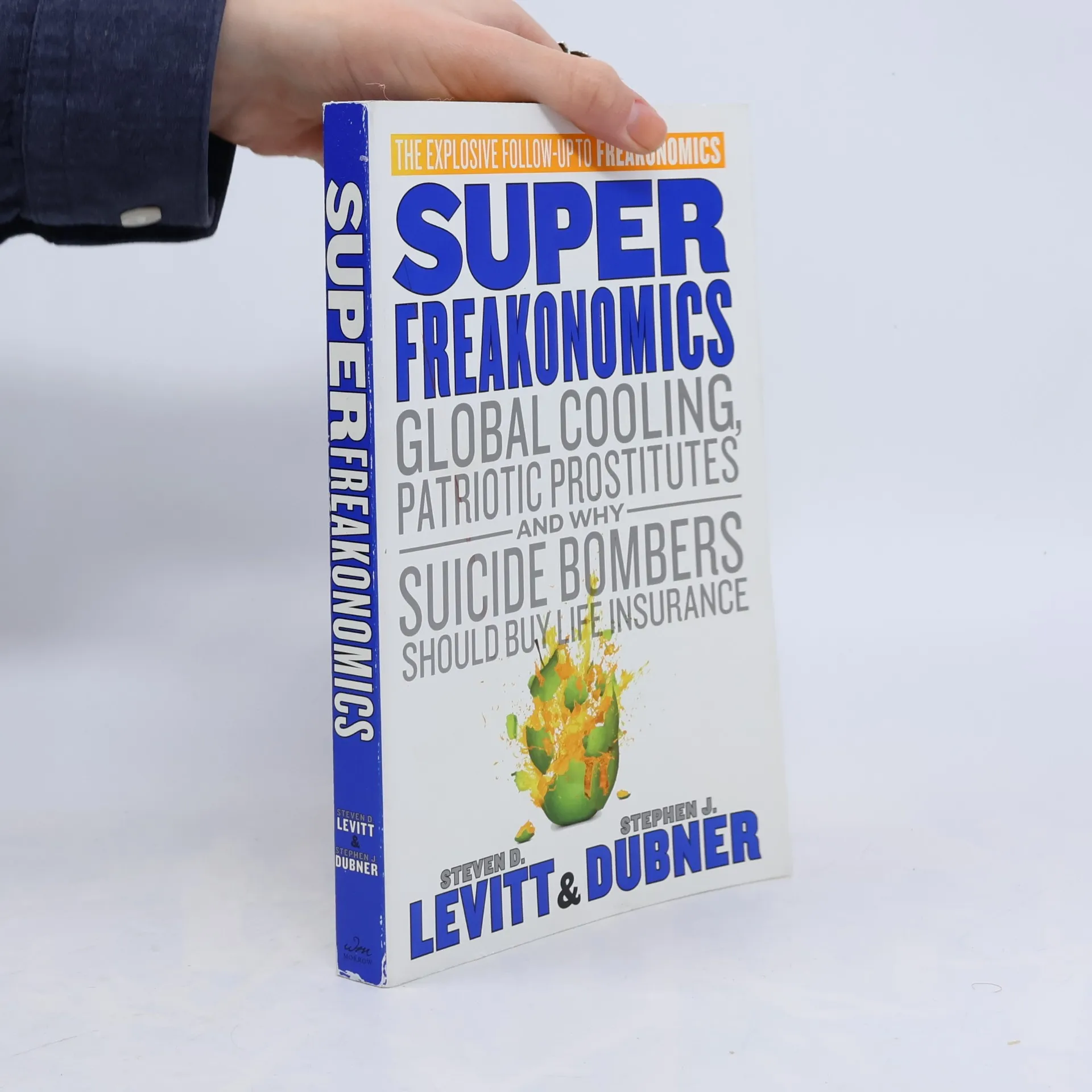
Freakonomics lived on the New York Times bestseller list for an astonishing two years. Now authors Steven D. Levitt and Stephen J. Dubner return with more iconoclastic insights and observations in SuperFreakonomics—the long awaited follow-up to their New York Times Notable blockbuster. Based on revolutionary research and original studies SuperFreakonomics promises to once again challenge our view of the way the world really works.
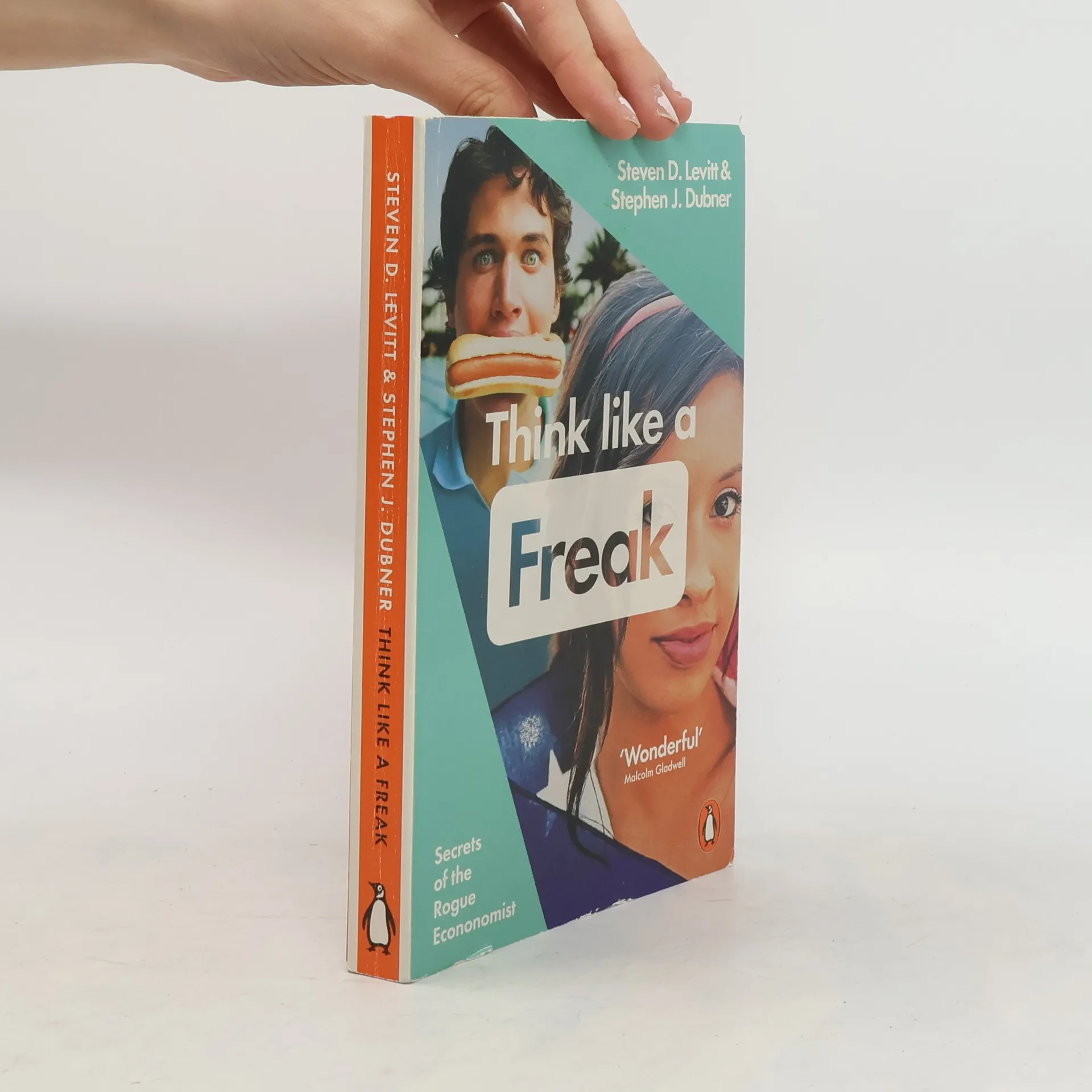
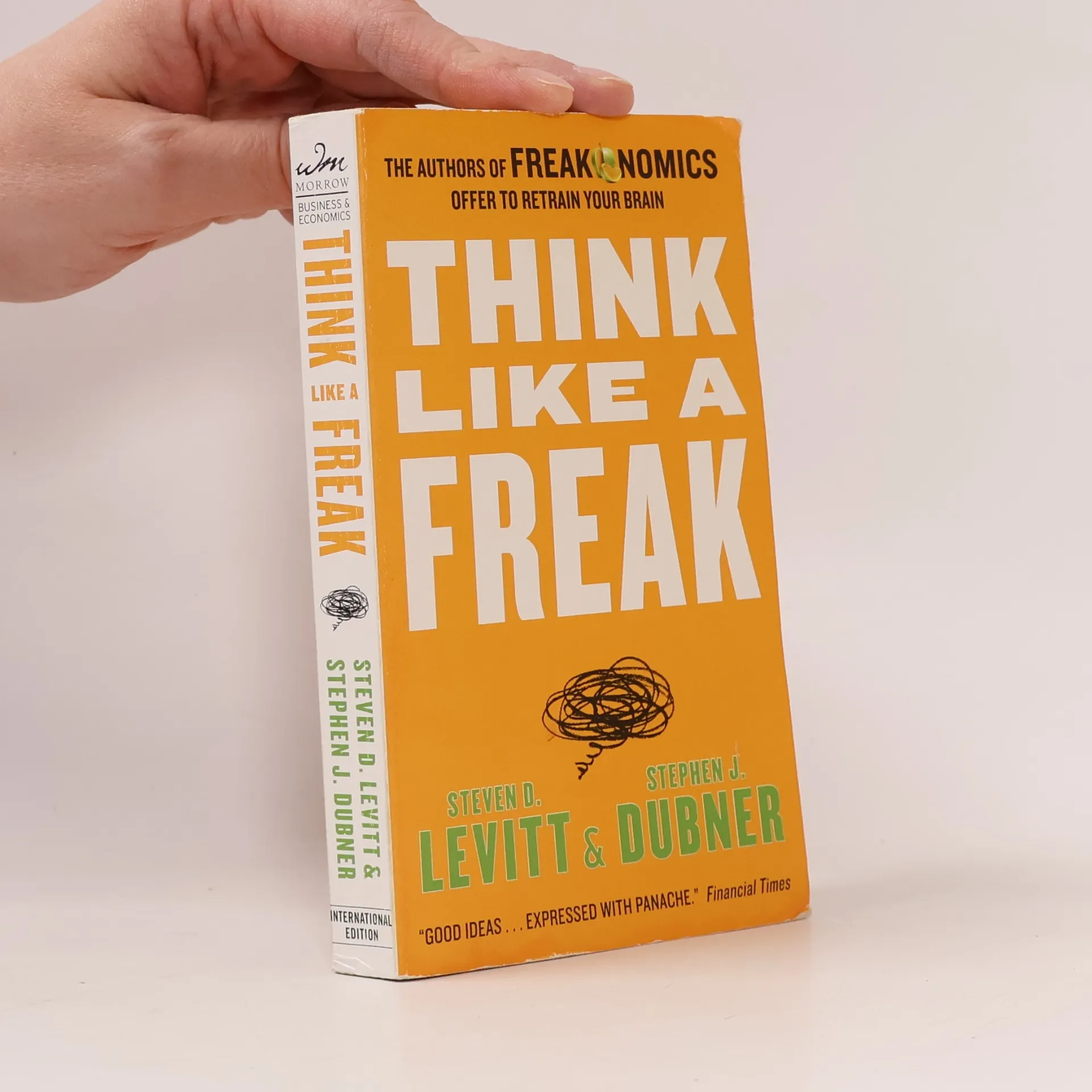
The New York Times bestselling Freakonomics transformed our perspective on the world by uncovering hidden truths. Following that, SuperFreakonomics, a documentary, and an award-winning podcast further expanded their reach. In their latest work, Steven D. Levitt and Stephen J. Dubner present a revolutionary guide to thinking differently. With their signature mix of engaging storytelling and unconventional analysis, they invite readers to adopt a more productive, creative, and rational mindset—essentially, to think like a Freak. Offering a blueprint for innovative problem-solving, Levitt and Dubner tackle diverse topics, from business and philanthropy to sports and politics, aiming to reshape your thinking. You'll discover intriguing anecdotes, such as a Japanese hot-dog-eating champion's secrets, an Australian doctor’s risky experiment, and the tactics of Nigerian scammers. Key steps to embrace this mindset include setting aside your moral compass to see problems clearly, admitting what you don’t know to facilitate learning, and thinking like a child to foster creativity. They emphasize understanding incentives, persuading skeptics, and recognizing the value of quitting when necessary. With their unique insights, Levitt and Dubner encourage you to view the world through a fresh lens, making this an enlightening and enjoyable read.
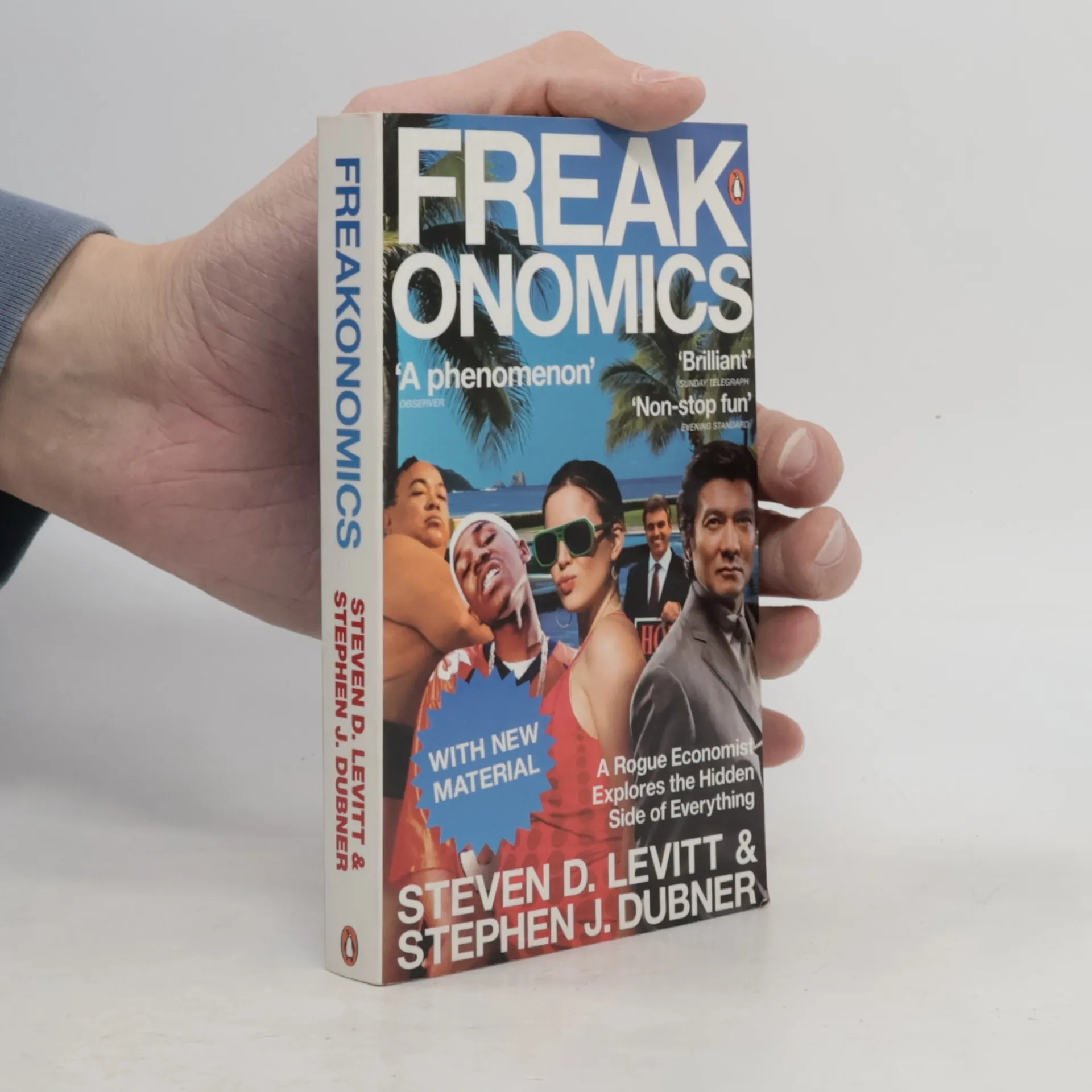
The answer: Freakonomics. It's at the heart of everything we do and the things that affect us daily, from sex to crime, parenting to politics, fat to cheating, fear to traffic jams. And it's all about using information about the world around us to get to the heart of what's really happening under the surface of everyday life. Now updated with the authors' New York Times columns and blog entries, this cult bestseller will show you how, by unravelling your life's secret codes, you can discover a totally new way of seeing the world.
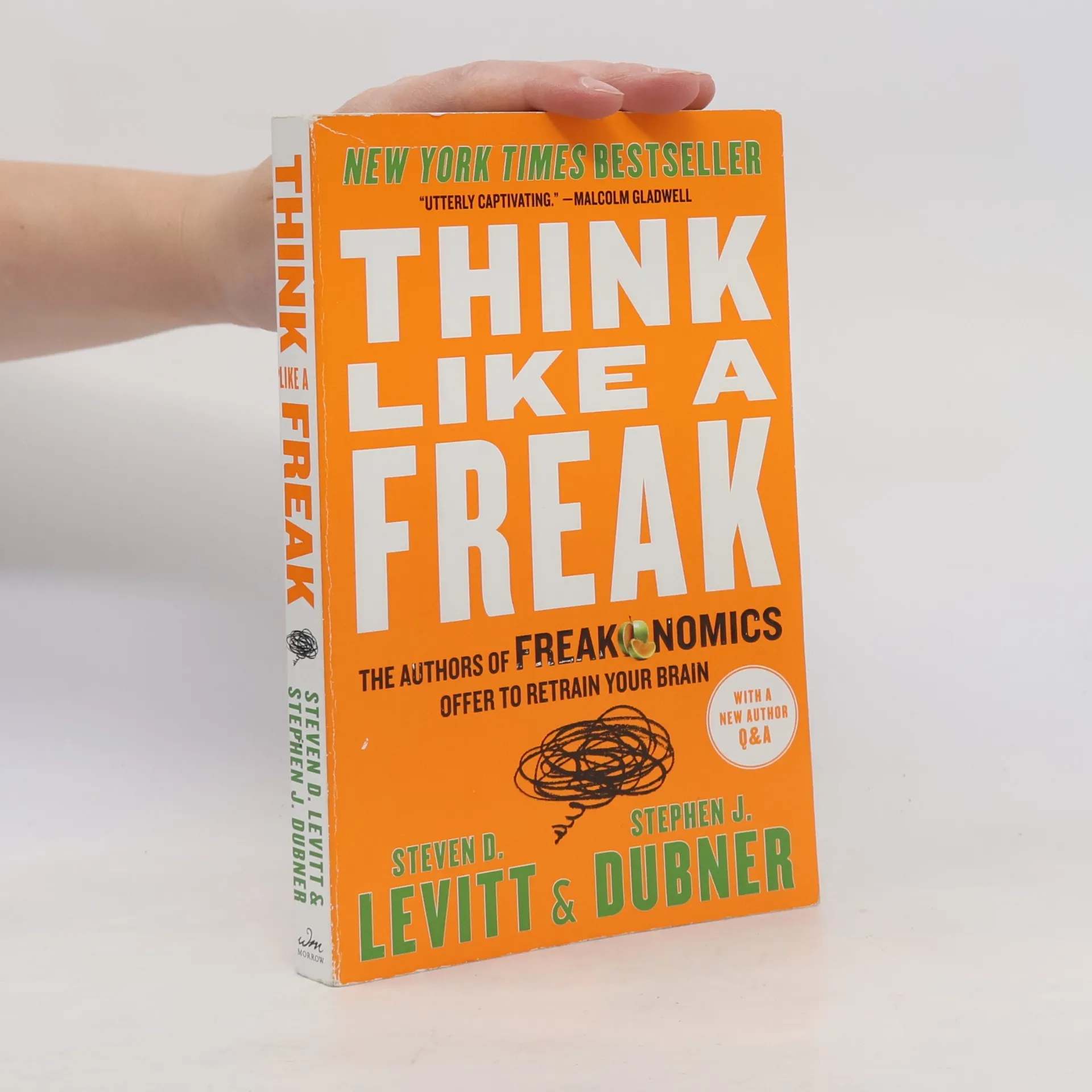
Now in Paperback—the New York Times bestseller—and follow up to the revolutionary bestsellers Freakonomics and SuperFreakonomics—with a new author Q&A. With their trademark blend of captivating storytelling and unconventional analysis, Steven D. Levitt and Stephen J. Dubner take us inside their thought process and teach us all how to think a bit more productively, more creatively, more rationally. In Think Like A Freak, they offer a blueprint for an entirely new way to solve problems, whether your interest lies in minor lifehacks or major global reforms. The topics range from business to philanthropy to sports to politics, all with the goal of retraining your brain. Along the way, you’ll learn the secrets of a Japanese hot-dog-eating champion, the reason an Australian doctor swallowed a batch of dangerous bacteria, and why Nigerian e-mail scammers make a point of saying they’re from Nigeria. Levitt and Dubner plainly see the world like no one else. Now you can too. Never before have such iconoclastic thinkers been so revealing—and so much fun to read.
Global Cooling, Patriotic Prostitutes, and Why Suicide Bombers Should Buy Life Insurance
The sequel to SuperFreakonomics expands on the original's exploration of unconventional economic theories and insights. It delves into intriguing topics, blending humor with serious analysis to challenge conventional wisdom. Readers can expect a deeper examination of social behavior, incentives, and the surprising ways in which people respond to various situations. This edition promises to engage and enlighten, making complex ideas accessible and entertaining.
The Freakonomics books have come to stand for challenging conventional wisdom; using data rather than emotion to answer questions. Now Levitt and Dubner have turned what they've learned into a readable and practical toolkit for thinking smarter, harder, and different - thinking, that is, like a Freak. Think Like a Freak offers rules like 'Put Your Moral Compass in Your Pocket,' 'The Upside of Quitting,' 'Just Because You're Great at Something Doesn't Mean You're Good at Everything,' and 'If You Have No Talent, Follow Levitt's Path to Success.'
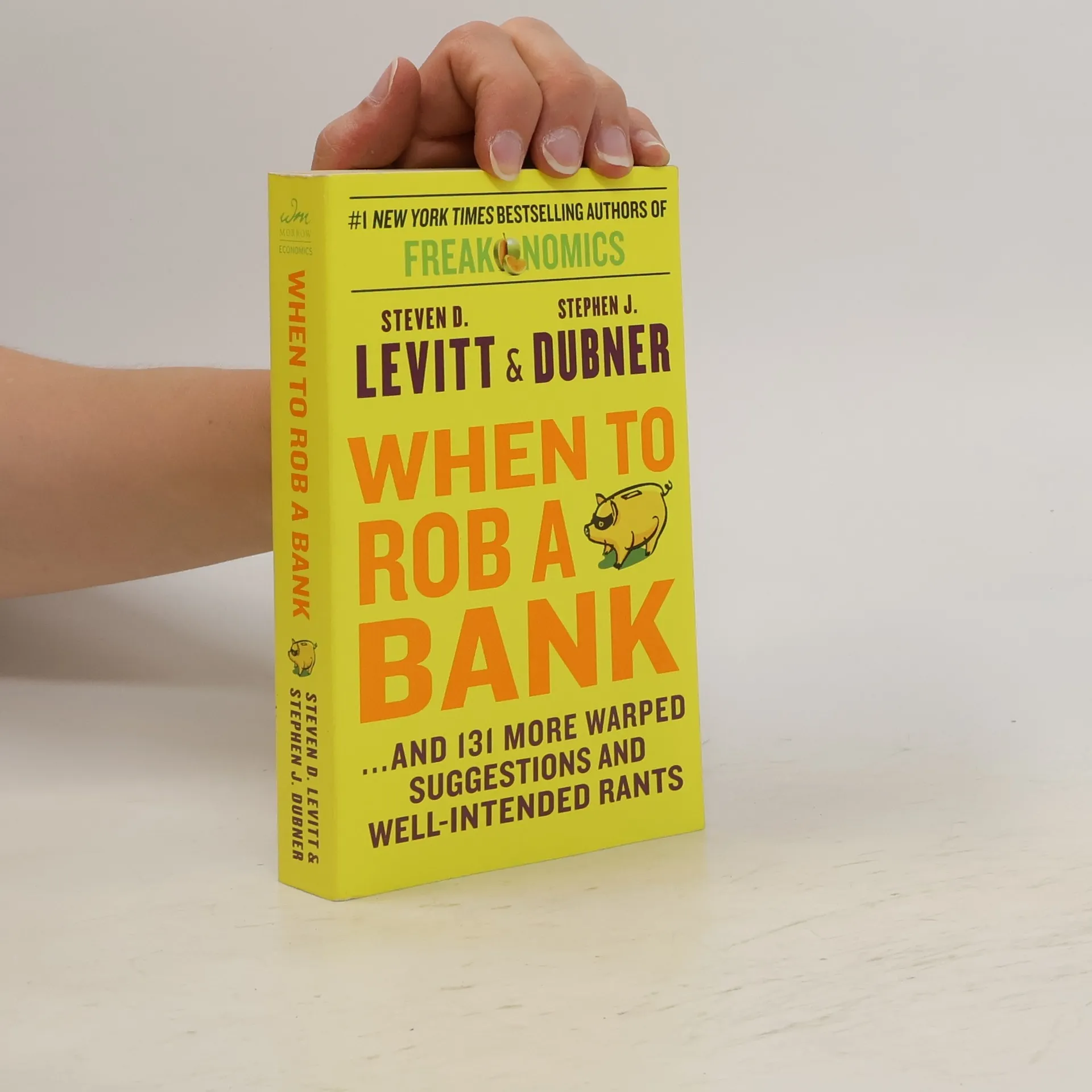
In celebration of the 10th anniversary of a landmark book, this curated collection from the most engaging economics blog offers a perfect solution for fans of the authors. Surprising, erudite, and witty, it showcases the brilliance that has made the authors an international sensation, with over 7 million books sold and 150 million podcast downloads. Since the original book's release, the authors have maintained a blog with a more casual and personal tone, posing offbeat questions like why flight attendants don’t receive tips, how a terrorist might plan an attack, and why KFC often runs out of fried chicken. Over the past decade, they have published more than 8,000 blog posts, many of which they admit were not their best work. However, they have carefully selected the finest entries for this collection. Readers will explore topics such as the nature of lies, effective strategies to reduce gun deaths, the controversial idea of a sex tax, and the humorous conclusion that robbing a bank is not worth the effort. Additionally, insights into the authors’ own interests, including gambling, golf, and the debate over the penny, add a personal touch to the collection.