John Julius Cooper, 2. Viscount NorwichBook order (chronological)
September 15, 1929 – June 1, 2018
This author became renowned as a historian and travel writer, whose works bring the past to life with vivid detail and clear narrative. With a deep interest in European history, his writings delve into the intricate stories of civilizations and their leaders. His style is characterized by an accessible approach to vast historical subjects, making his books engaging for a broad audience.
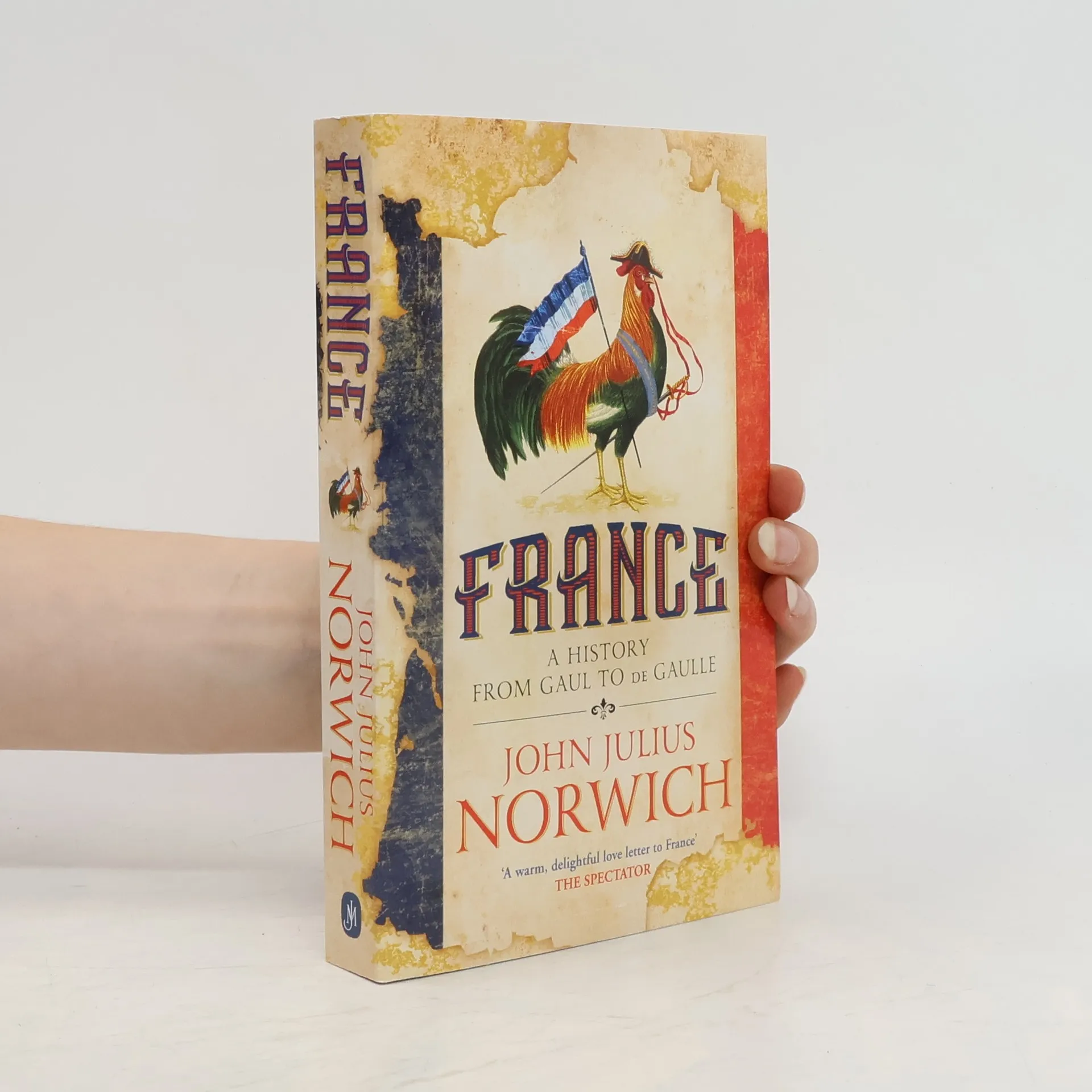
John Julius Norwich (at 88) has finally written the book he always wanted to write, the extremely colourful story of the country he loves best. From frowning Roman generals and belligerent Gallic chieftains, to Charlemagne (hated by generations of French children, taught that he invented schools) through Marie Antoinette and the storming of the Bastille to Vichy, the Resistance and beyond, France is packed with heroes and villains, adventures and battles, romance and revolution. Full of memorable stories and racy anecdotes, this is the perfect introduction to the country that has inspired the rest of the world to live, dress, eat -- and love -- better.
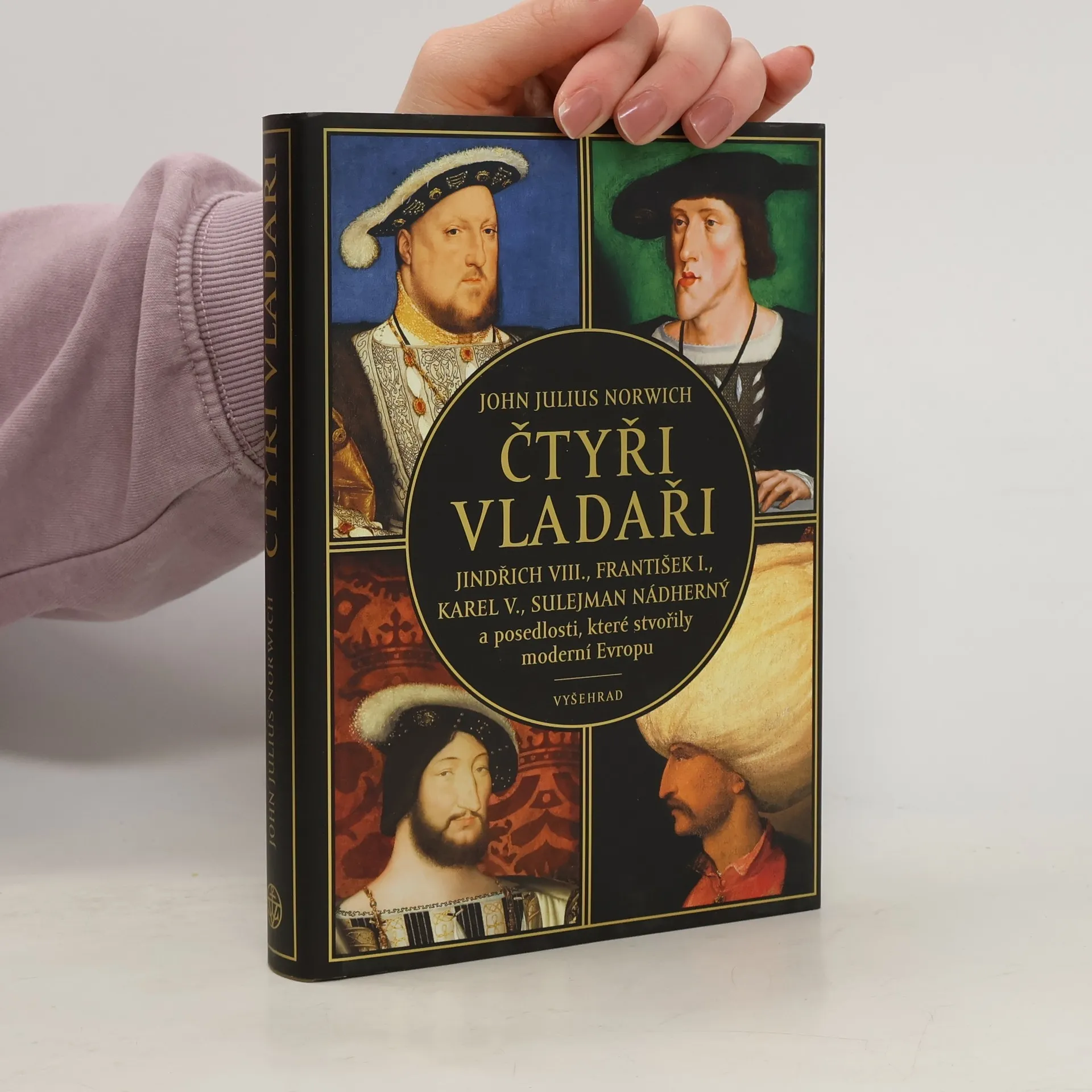
Jindřich VIII., František I., Karel V., Sulejman Nádherný
a posedlosti, které stvořily moderní Evropu
Kniha známého britského historika přináší barvitý a čtivý pohled na evropské dějiny 16. století perspektivou čtyř výjimečných panovníků. Narozeni během jediného desetiletí, překonávali anglický král Jindřich VIII., jeho francouzský současník František I., císař Karel z rodu Habsburků a osmanský sultán Sulejman, přezdívaný Nádherný, své současníky na evropských trůnech. Někdy spojenci, jindy rivalové, tito vladaři výrazně poznamenali dějiny evropského kontinentu a celého měnícího se světa na prahu novověku.
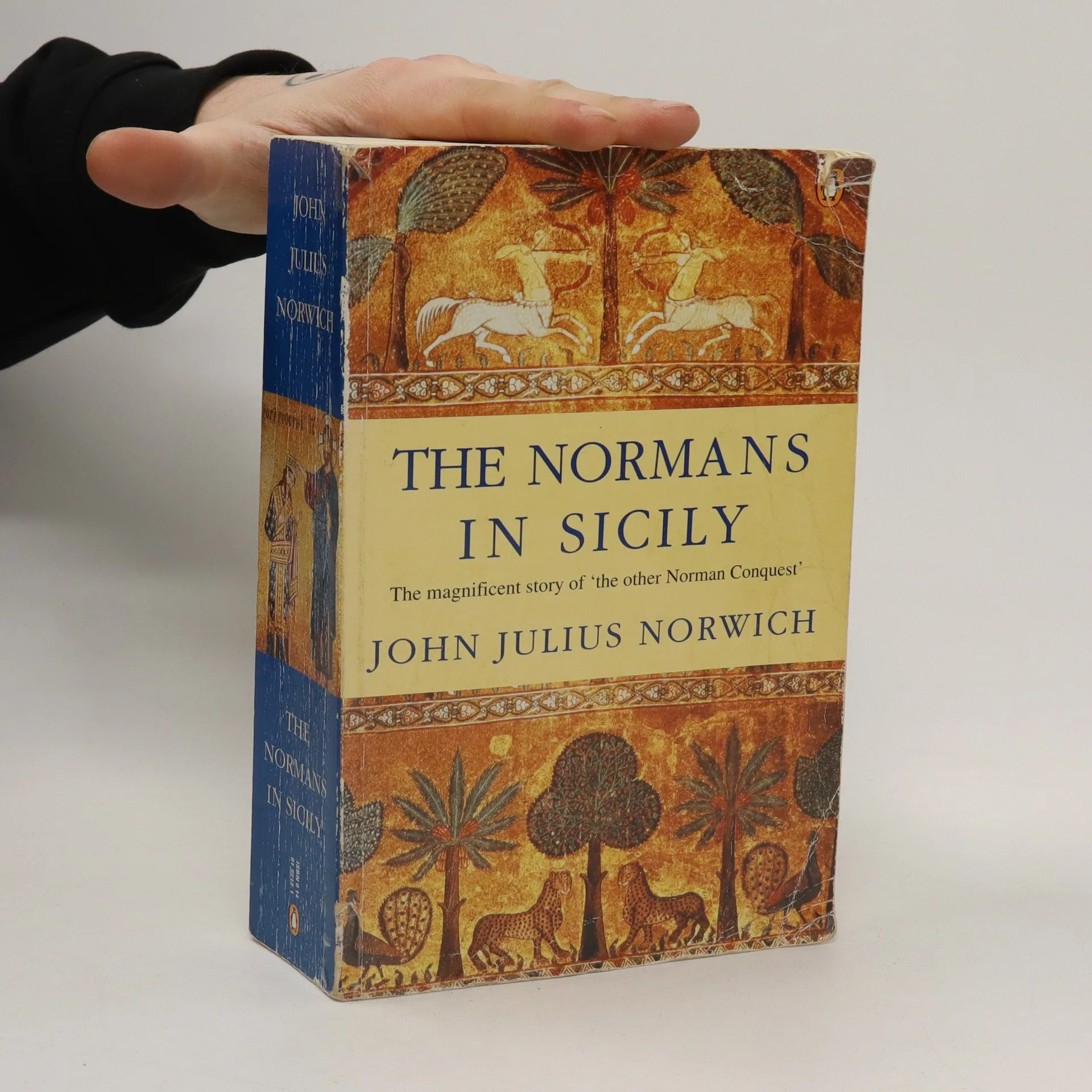
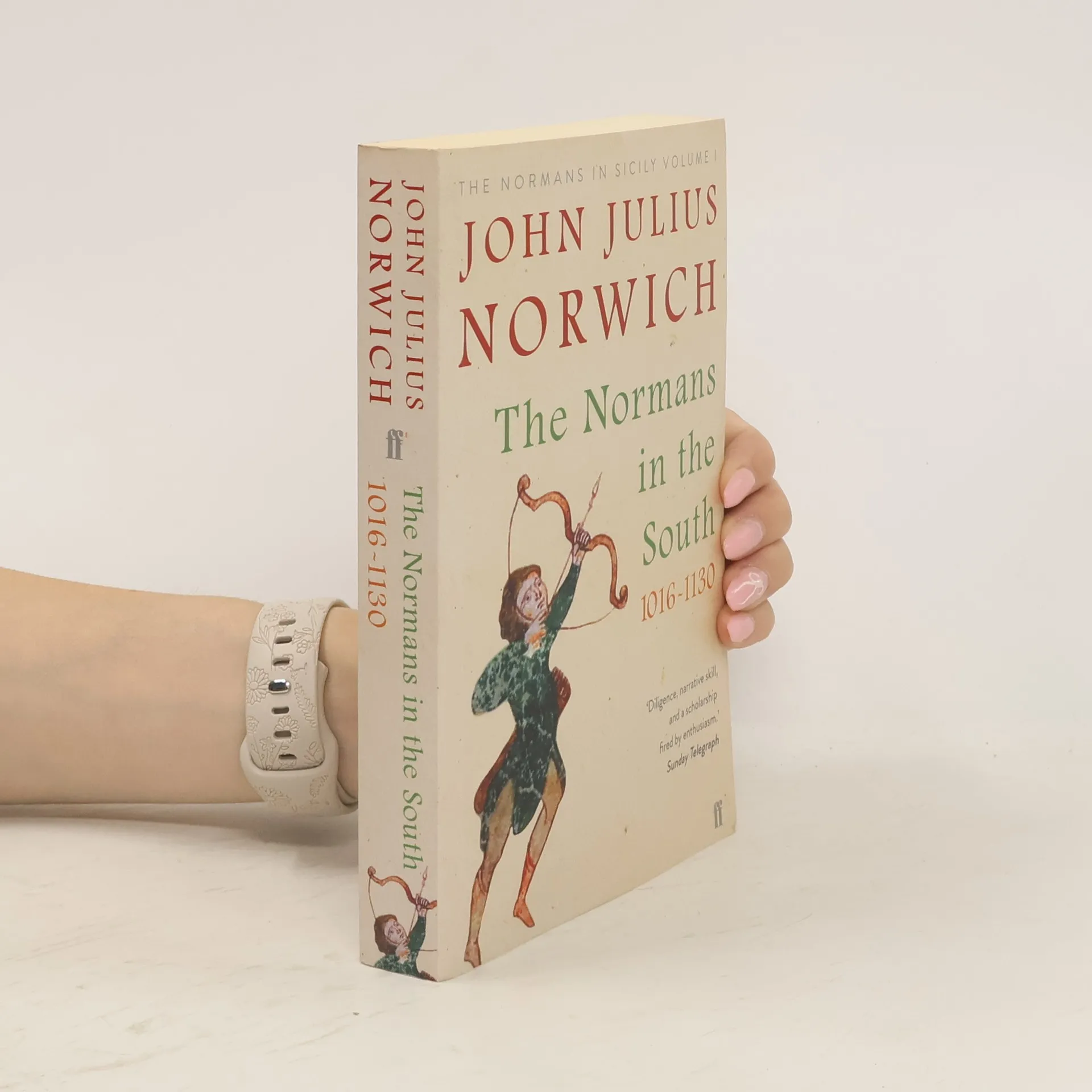
Chronicling the 'other Norman invasion', The Normans in the South is the epic
story of the House of Hauteville, and in particular Robert Guiscard, perhaps
the most extraordinary European adventurer between the times of Caesar and
Napoleon. In one year, 1084, he had both the Eastern and Western Emperors
retreating before him and one of the most formidable of medieval Popes in his
power. His brother, Roger, helped him to conquer Sicily from the Saracens, and
his nephew Roger II went on to create the cosmopolitan kingdom whose remaining
monuments still dazzle us today. The Normans in the South is the first of two
volumes that recount an extraordinary chapter in Italian history.
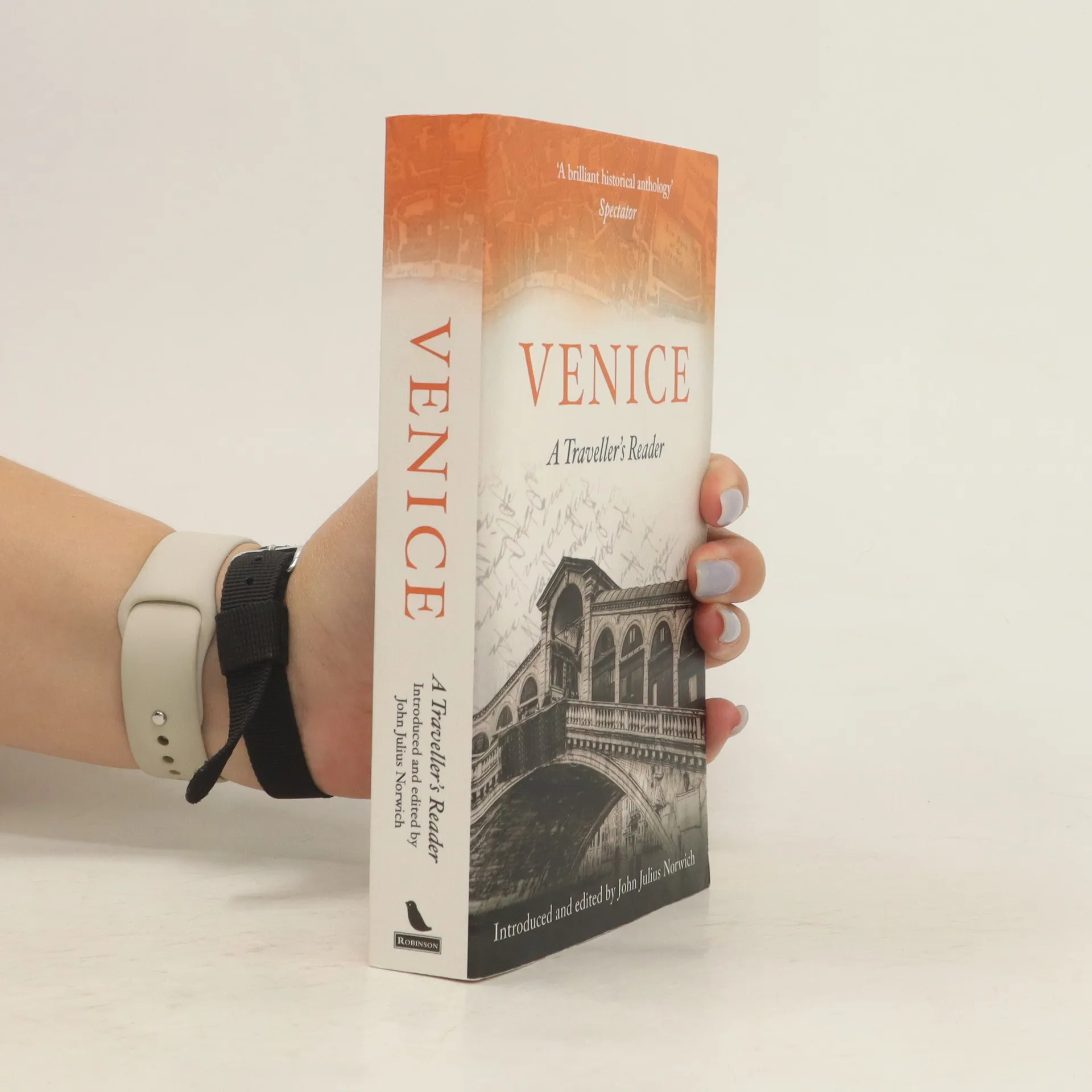
Henry James wrote of Venice: 'You desire to embrace it, to caress it, to possess it . . .' whereas Mark Twain found St Mark's 'so ugly . . . propped on its long row of thick-legged columns, its back knobbed with domes, it seems like a vast, warty bug taking a meditative walk'. Reactions to Venice have been, throughout the ages, astonishingly different. John Julius Norwich has put together a dazzling anthology, drawing on the writings of Byron, Goethe, Wagner, Casanova, Jan Morris, Robert Browning and Horace Walpole, among many others. The pieces range from the sixth century, when the early lagoon-dwellers lived 'like sea-birds in huts, built on heaps of osiers' to the exquisite city of eighteenth-century revellers and nineteenth-century art lovers. The city's many diferent guises are shown as both its citizens and visitors saw them. This wonderful volume from the Traveller's Reader series also contains maps, engravings and notes on history, art, architecture and everyday city life.
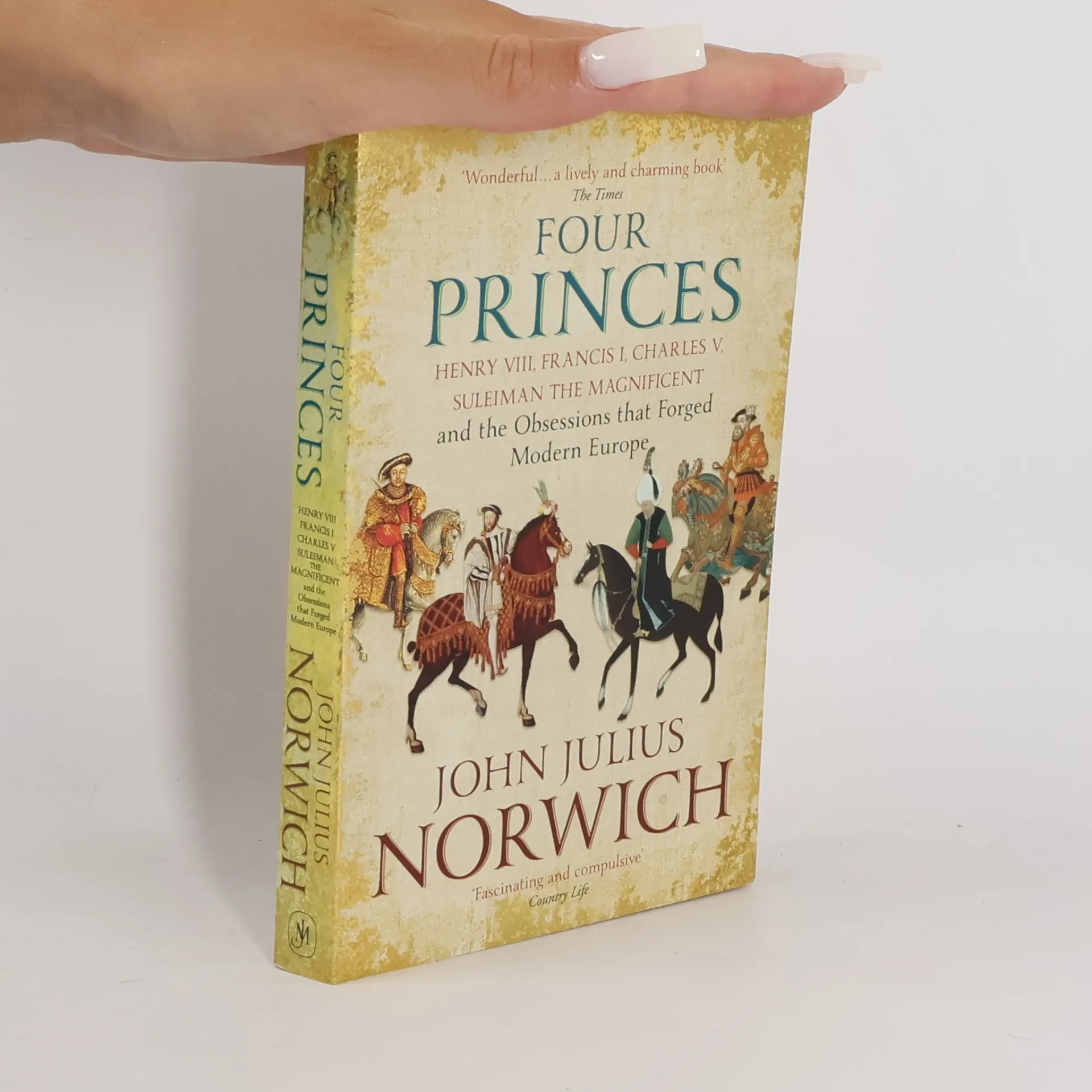
'Never before had the world seen four such giants co-existing. Sometimes friends, more often enemies, always rivals, these four men together held Europe in the hollow of their hands.' Four great princes - Henry VIII of England, Francis I of France, Charles V of Spain and Suleiman the Magnificent... číst celé
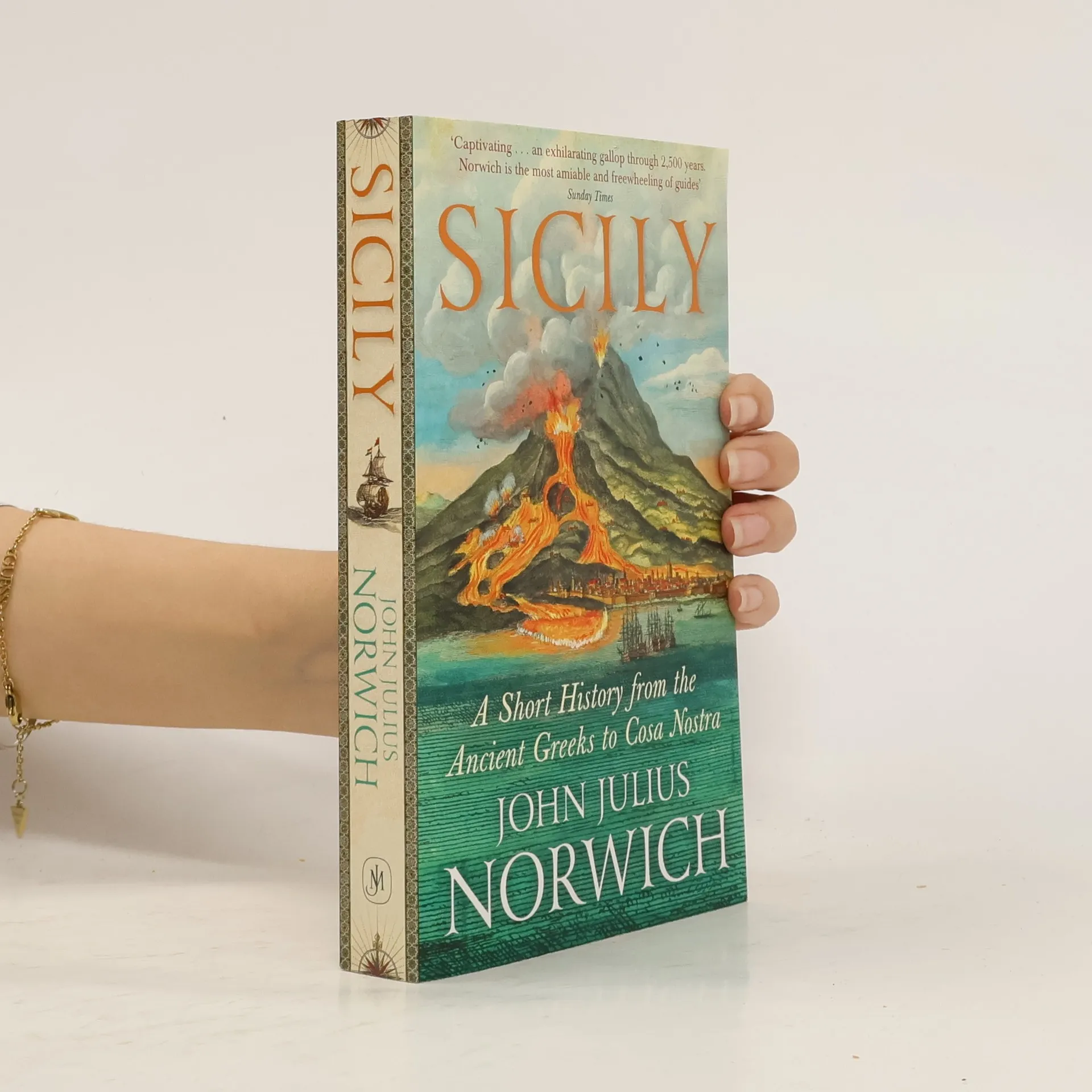
A colourful and lavishly illustrated history (fifty years in the making) of the Mediterranean's largest and most turbulent island from much-loved historian John Julius Norwich
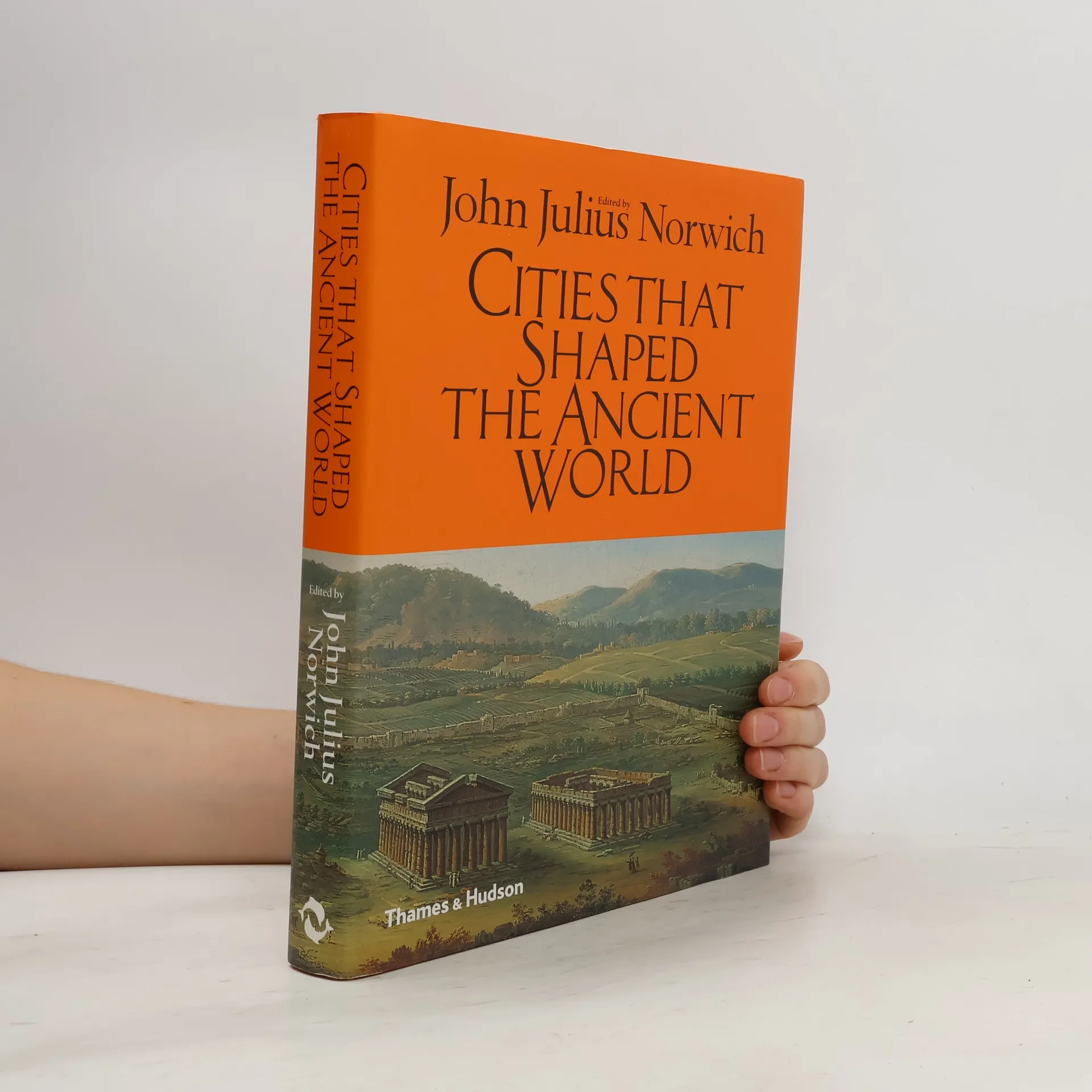
Today we take living in cities, with all their attractions and annoyances, for granted. But when did humans first come together to live in large groups, creating an urban landscape? What were these places like to inhabit? More than simply a history of ancient cities, this volume also reveals the art and architecture created by our ancestors, and provides a fascinating exploration of the origins of urbanism, politics, culture, and human interaction. Arranged geographically into five sections, Cities That Shaped the Ancient World takes a global view, beginning in the Near East with the earliest cities such as Ur and Babylon, Troy and Jerusalem. In Africa, the great cities of Ancient Egypt arose, such as Thebes and Amarna. Glorious European metropolises, including Athens and Rome, ringed the Mediterranean, but also stretched to Trier on the turbulent frontier of the Roman Empire. Asia had bustling commercial centers such as Mohenjodaro and Xianyang, while in the Americas the Mesoamerican and Peruvian cultures stamped their presence on the landscape, creating massive structures and extensive urban settlements in the deep jungles and high mountain ranges, including Caral and Teotihuacan. A team of expert historians and archaeologists with firsthand knowledge and deep appreciation of each site gives voices to these silent ruins, bringing them to life as the bustling state-of-the-art metropolises they once were.
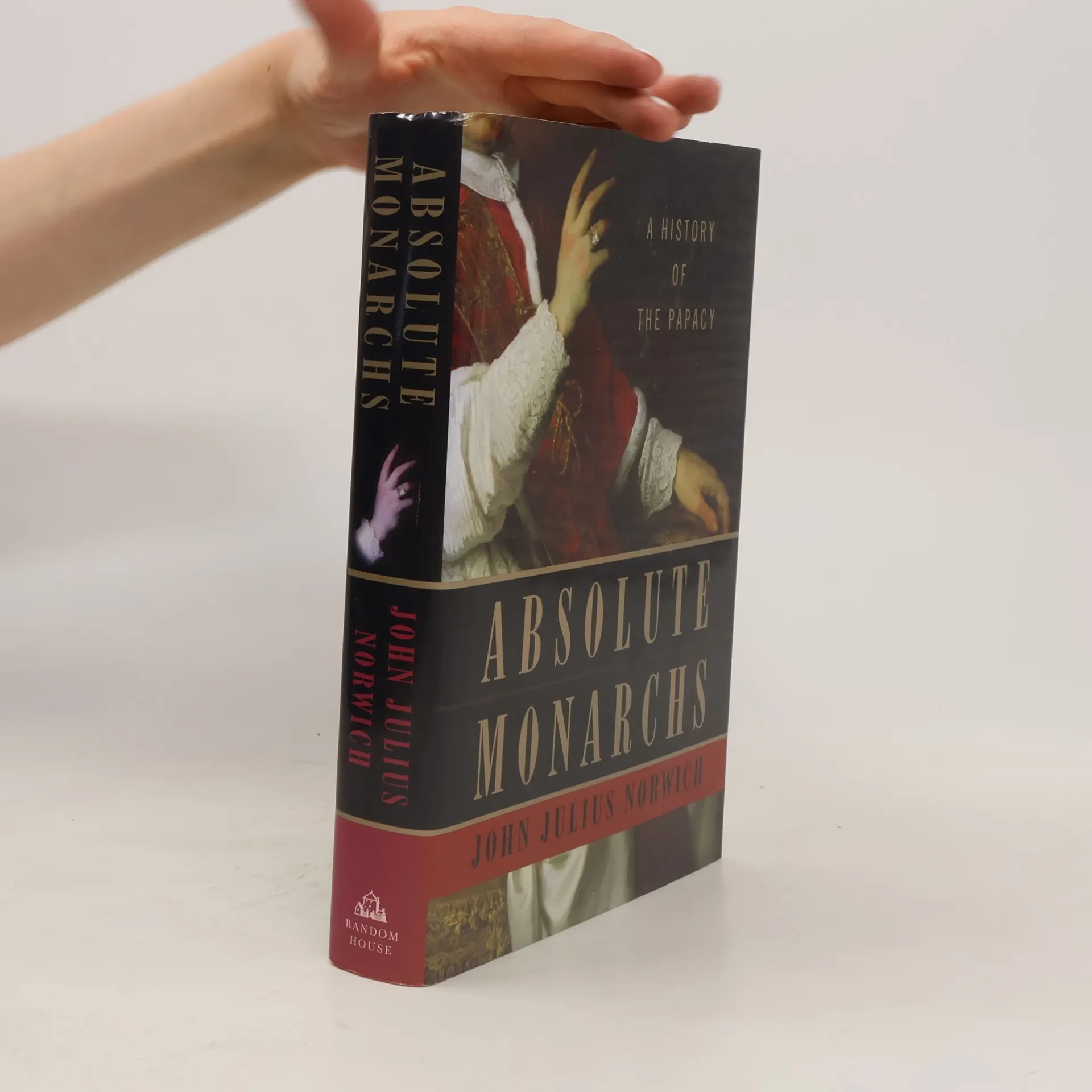
John Julius Norwich expertly examines the history of the oldest continuing
institution in the world, tracing the papal line down the centuries from St
Peter to the presentOf the 280-odd holders of the supreme office, some have
unquestionably been saints;
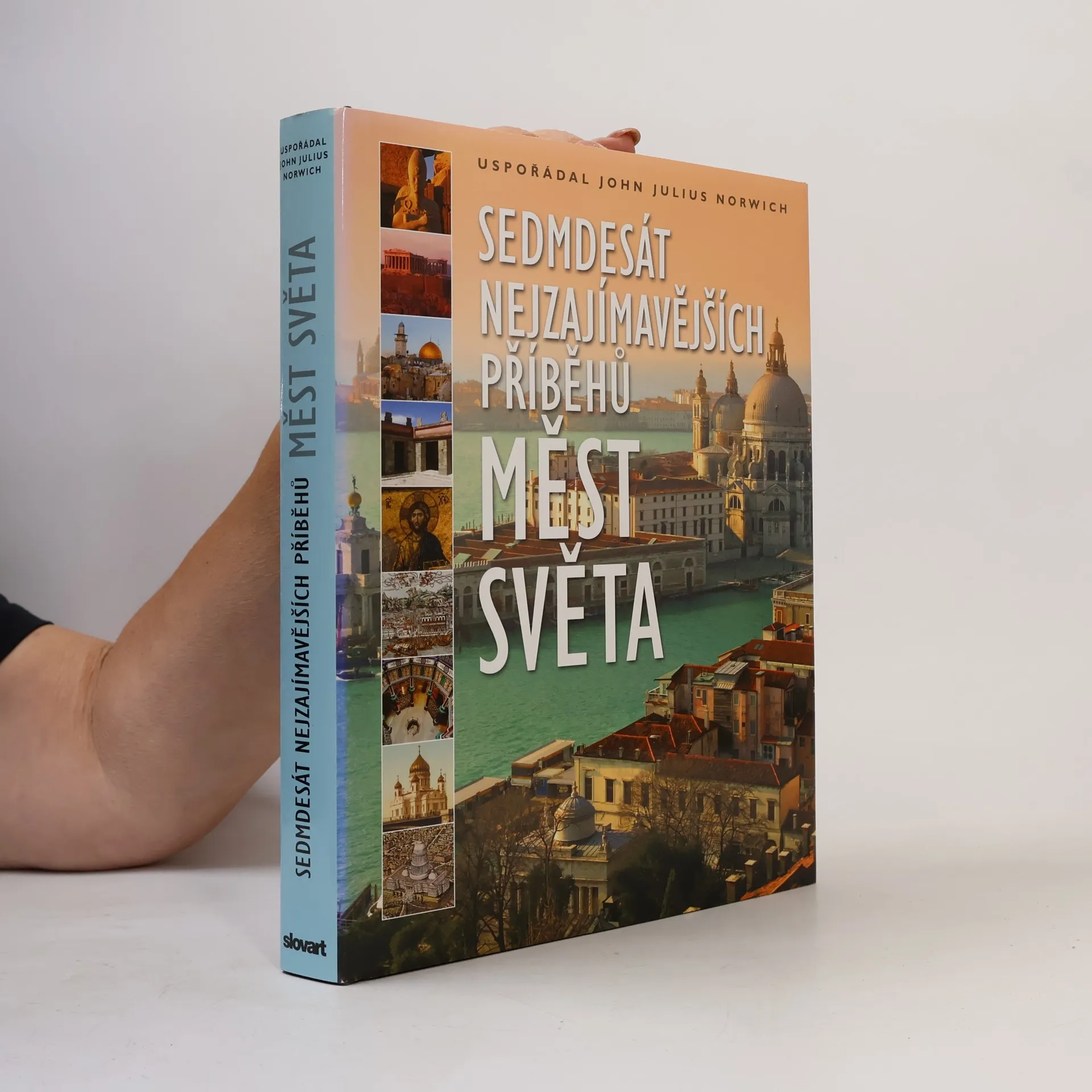
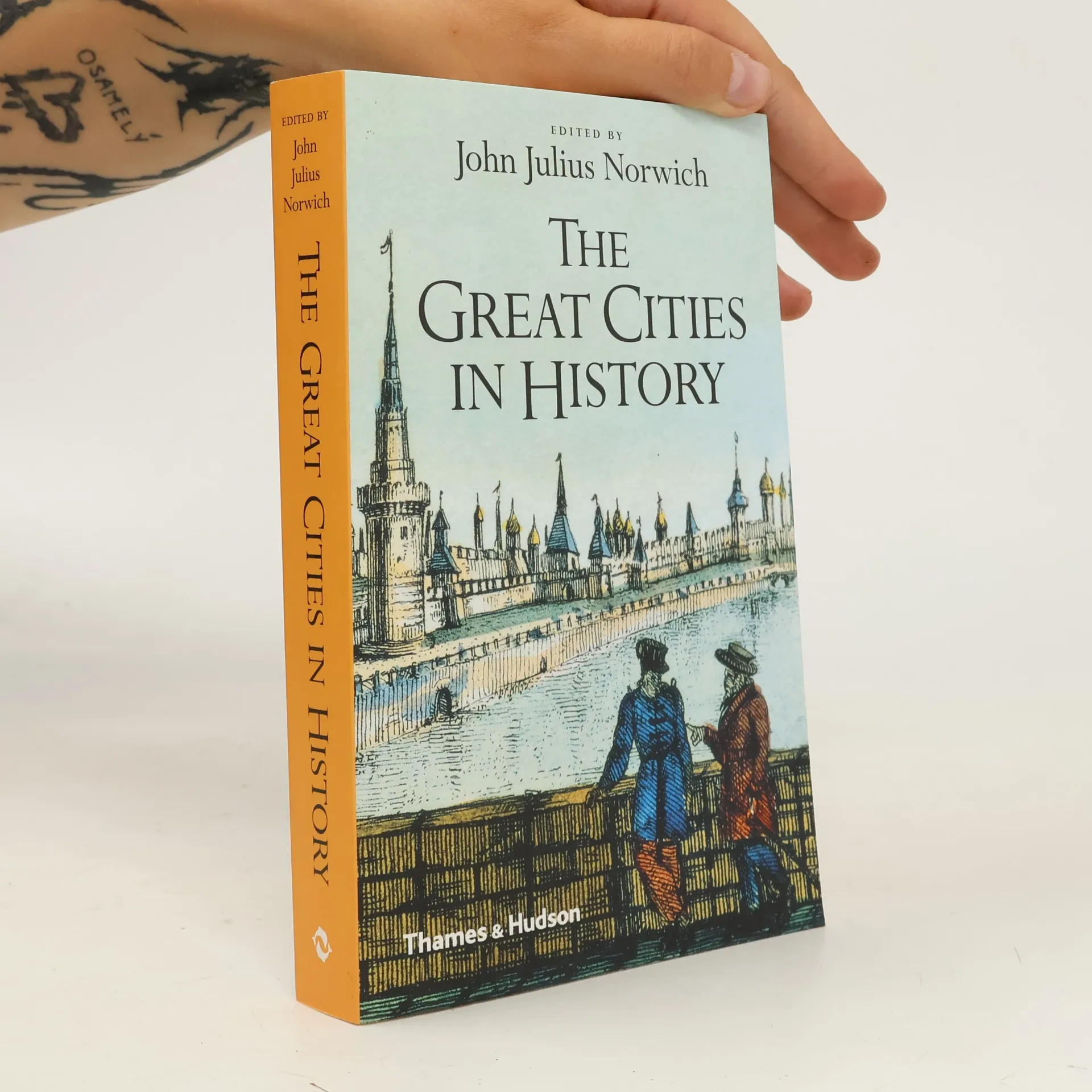
Od počátku urbanizace v Mezopotámii až k dnešním světovým metropolím ovlivnila velkoměsta rozvoj lidské civilizace – Babylon, Athény a Řím, Istanbul a Benátky, Timbuktu a Samarkand – názvy vonící dějinami a romantikou. Příběhy měst v čase, v dobách nejdávnějších od Uruku a Théb k Jeruzalému a Alexandrii, bájná města prvního tisíciletí – Damašek a Bagdád v období chalífátů, Čhang-an, metropole čínské dynastie Tchang. Středověk zažil růst mocných měst – Palerma a Paříže, Beninu v Africe a khmerského Angkoru. Počátek moderního světa pak představuje islámský Isfahán a Ágru i Prahu a Amsterdam v dobách jejich slávy až po Londýn, New York, Tokio, Barcelonu, Los Angeles a Sao Paulo. Souhvězdí více než padesáti význačných autorů evokuje charakter místa a vysvětluje důvody úspěchu města.
A transporting chronicle of the great cities throughout history, the new paperback format of this volume is perfect for readers of history and armchair travelers.
When on Christmas Day, 1130, Roger de Hauteville was crowned first King of
Sicily, the island entered a golden age. In this second volume of John Julius
Norwich's scintillating history of the Normans in Sicily, Norwich describes
the 'happiest and most glorious chapter of the island's history.'
The narrative weaves a vibrant tapestry of Mediterranean history, spanning from Ancient Egypt to 1919, and showcasing a diverse array of civilizations, including the Phoenicians, Greeks, Romans, and Byzantines. Norwich's engaging prose brings to life a range of historical figures, from cunning popes to valiant generals, as it chronicles epic events like sieges and the rise and fall of kingdoms. The book highlights the cultural richness and significant moments in cities like Constantinople and Venice, as well as the histories of Malta, Sicily, Crete, and Cyprus.
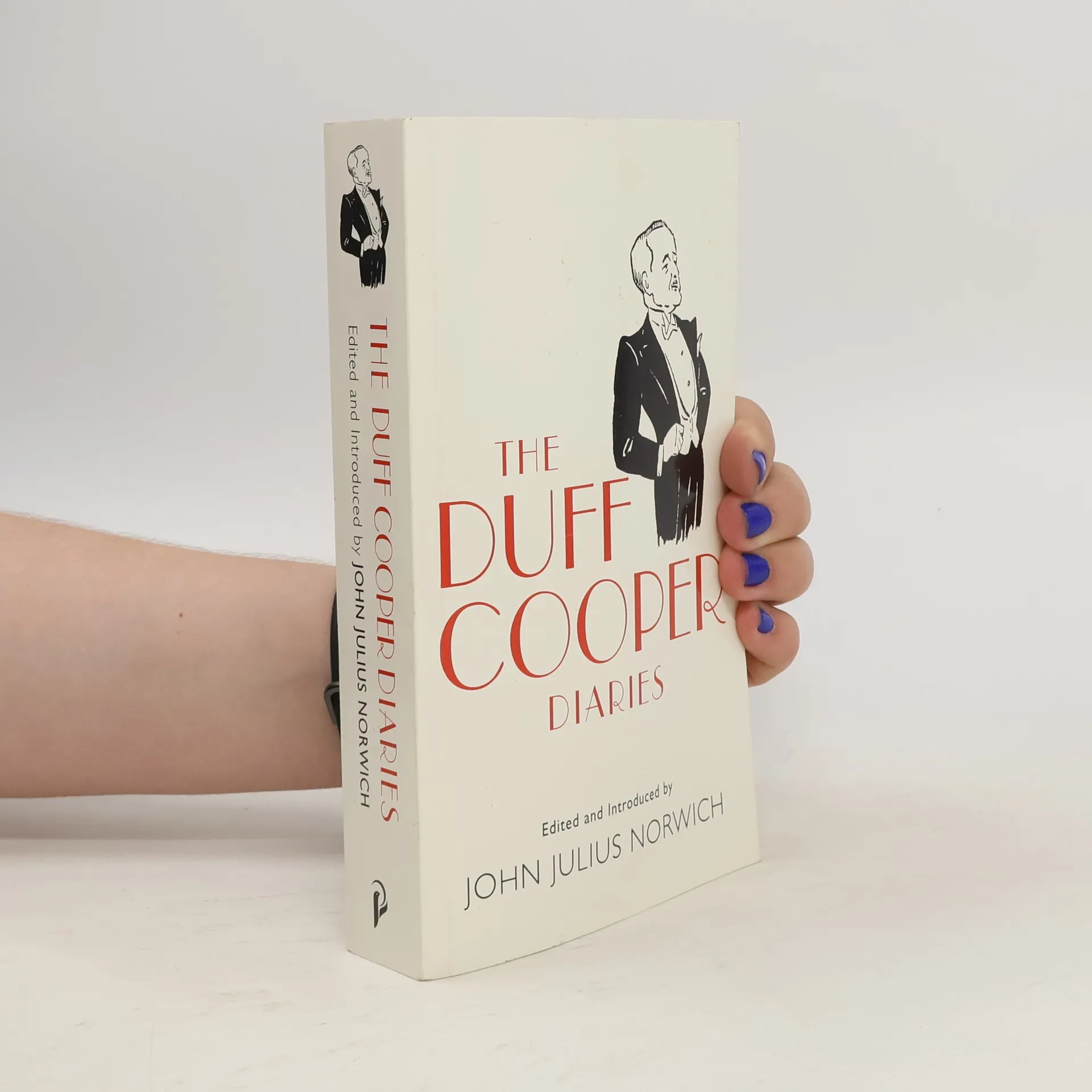
The long awaited and highly revealing diaries of the politician, diplomat, and socialite (married to Lady Diana Cooper) Duff Cooper was a first-rate witness of just about every significant event from 1914 to 1950. His diary includes some magnificent set pieces - as a young soldier at the end of WWI, as a politician during the General Strike of 1926, as King Edward VIII's friend at the time of the Abdication, and from Paris after the liberation in 1944, when he became British ambassador. If Duff Cooper's name has dimmed in the 50 years since his death, publication of these diaries will bring him to the fore once again. His family have long resisted publication - indeed Duff Cooper's nephew, the publisher Rupert Hart-Davis, was so shocked by the sexual revelations that he suggested to John Julius Norwich that it might be best for all concerned if they were burnt. Now, superbly edited by John Julius Norwich, who familial link ensures all kinds of additional information as footnotes, these diaries join the ranks.
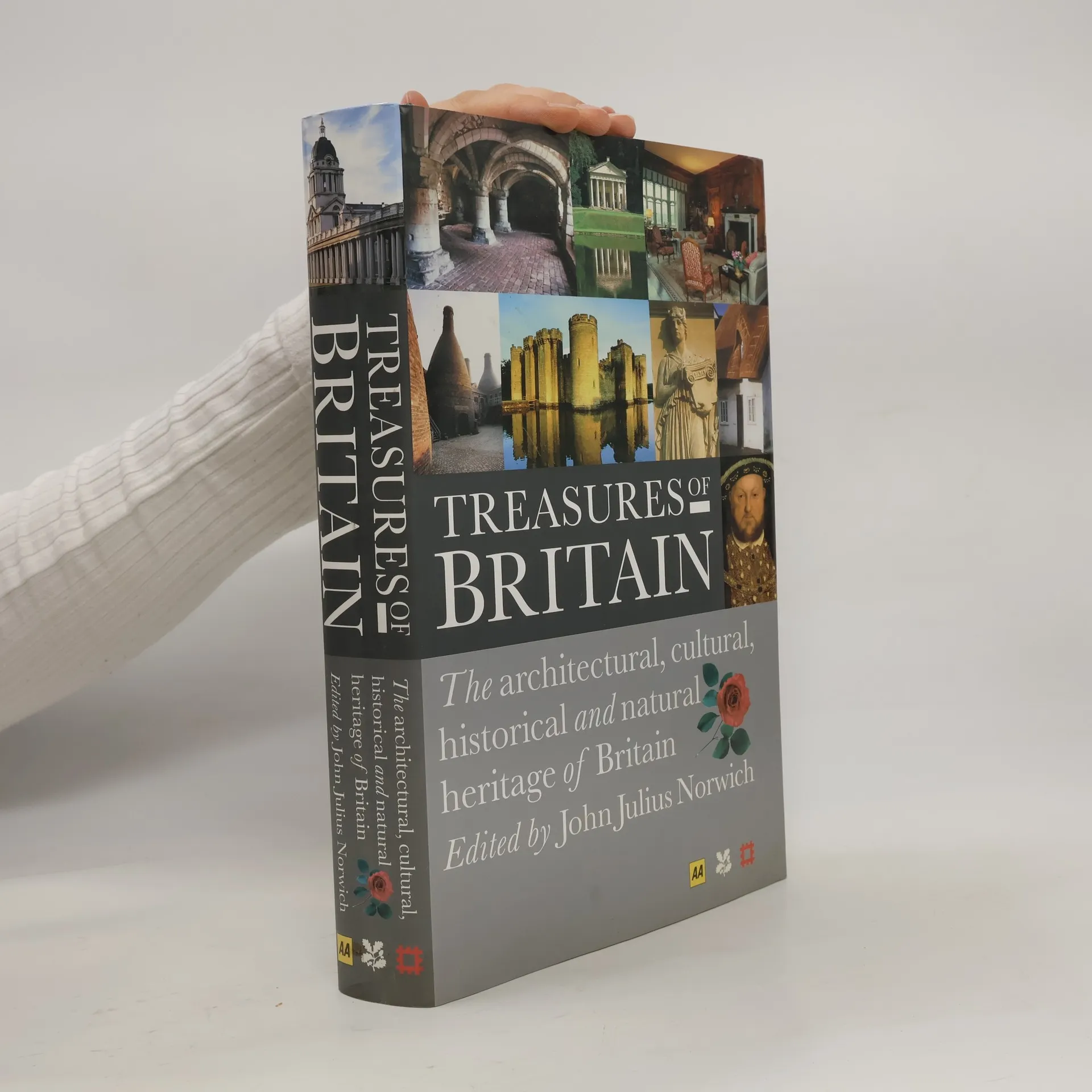
The Architectural, Cultural, Historical and Natural Heritage of Britain
705 pages
25 hours of reading
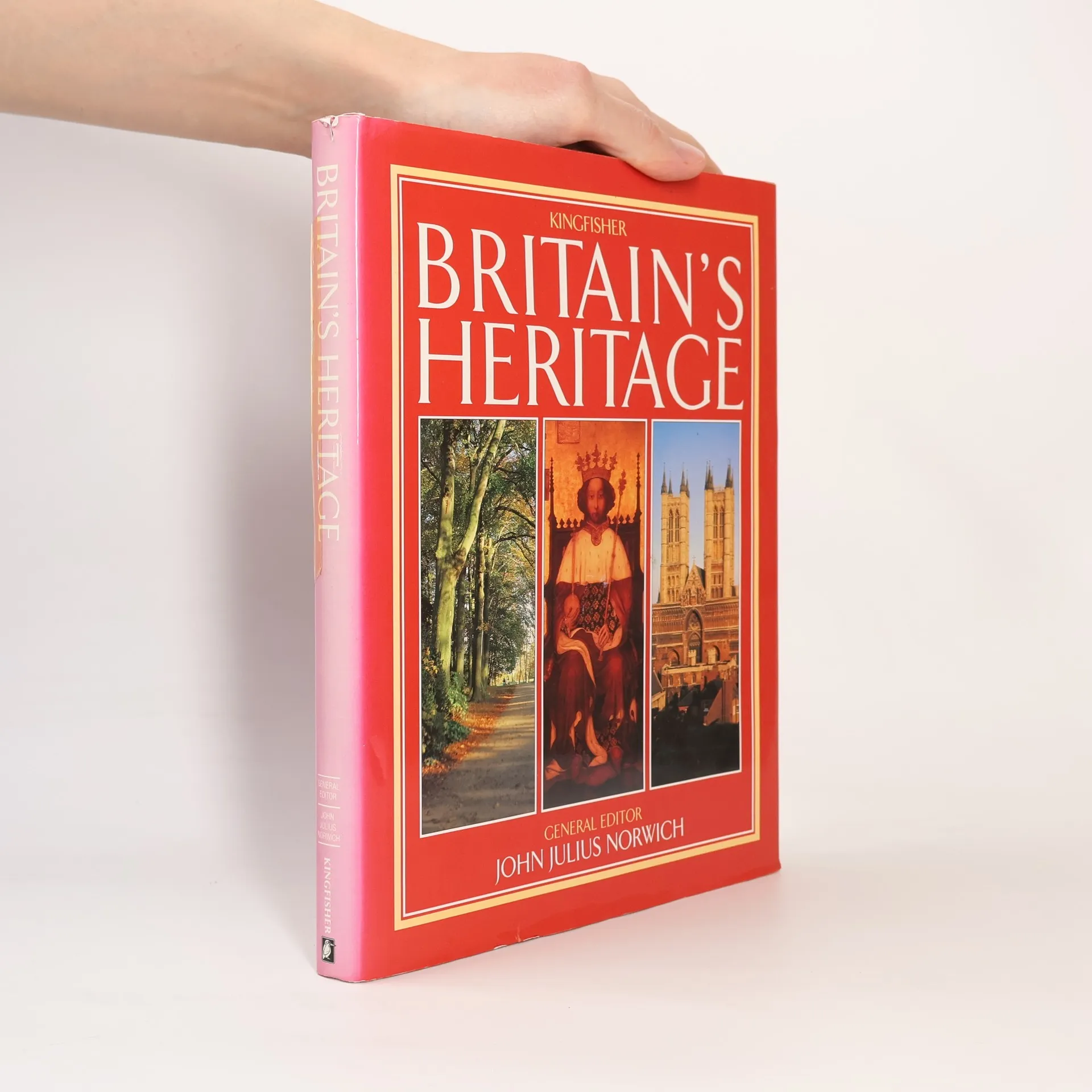
The most comprehensive illustrated guide to the art, architecture, and history of Britain ever produced. Written by a prestigious team of expert authors, Treasures of Britain includes over 2,000 alphabetical entries that describe England's heritage and landscape, from medieval churches and cathedrals to historic castles and stunning gardens. Lavishly illustrated with over 1,500 color photographs, this is an unrivaled volume, a classic source of information on Britain's past and present.
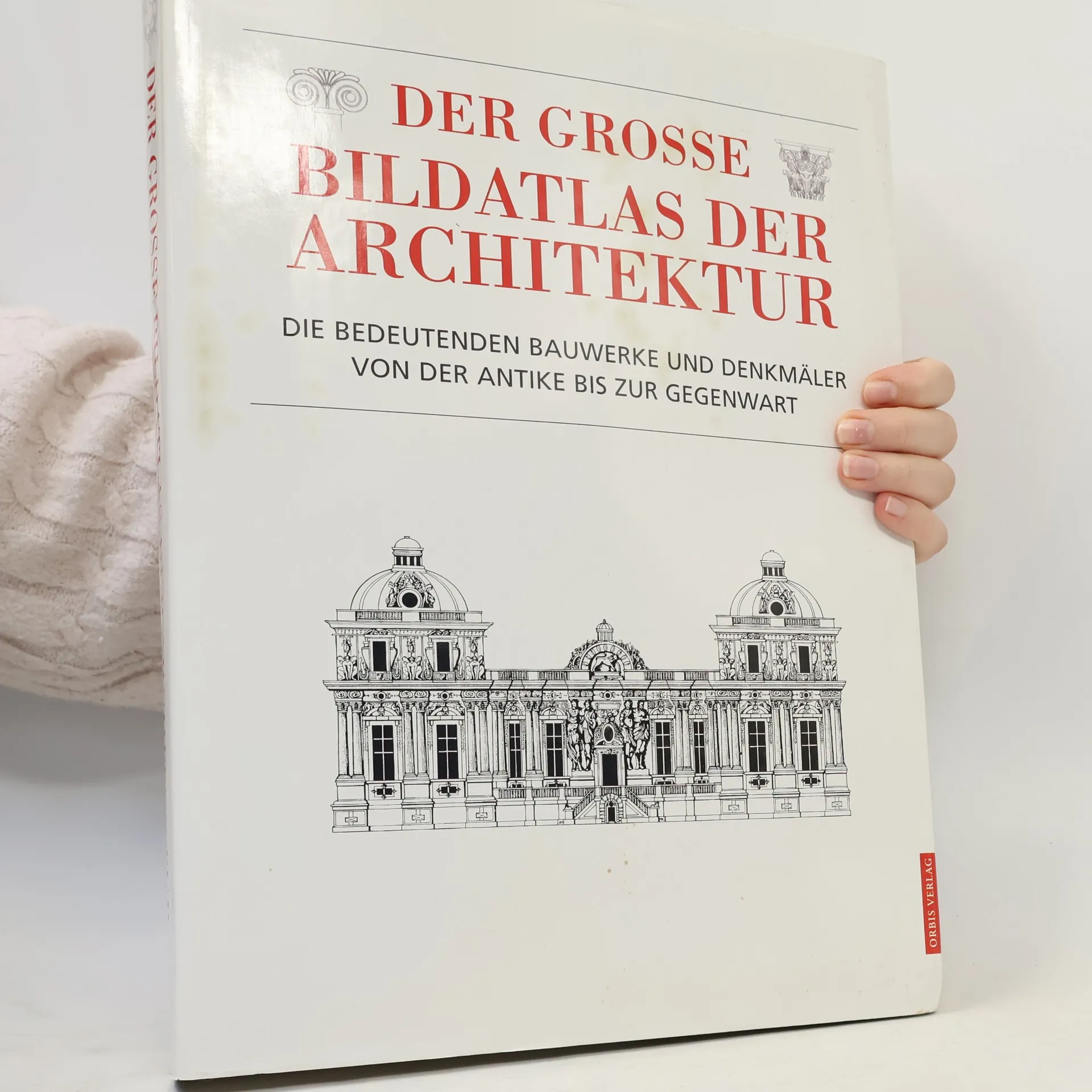
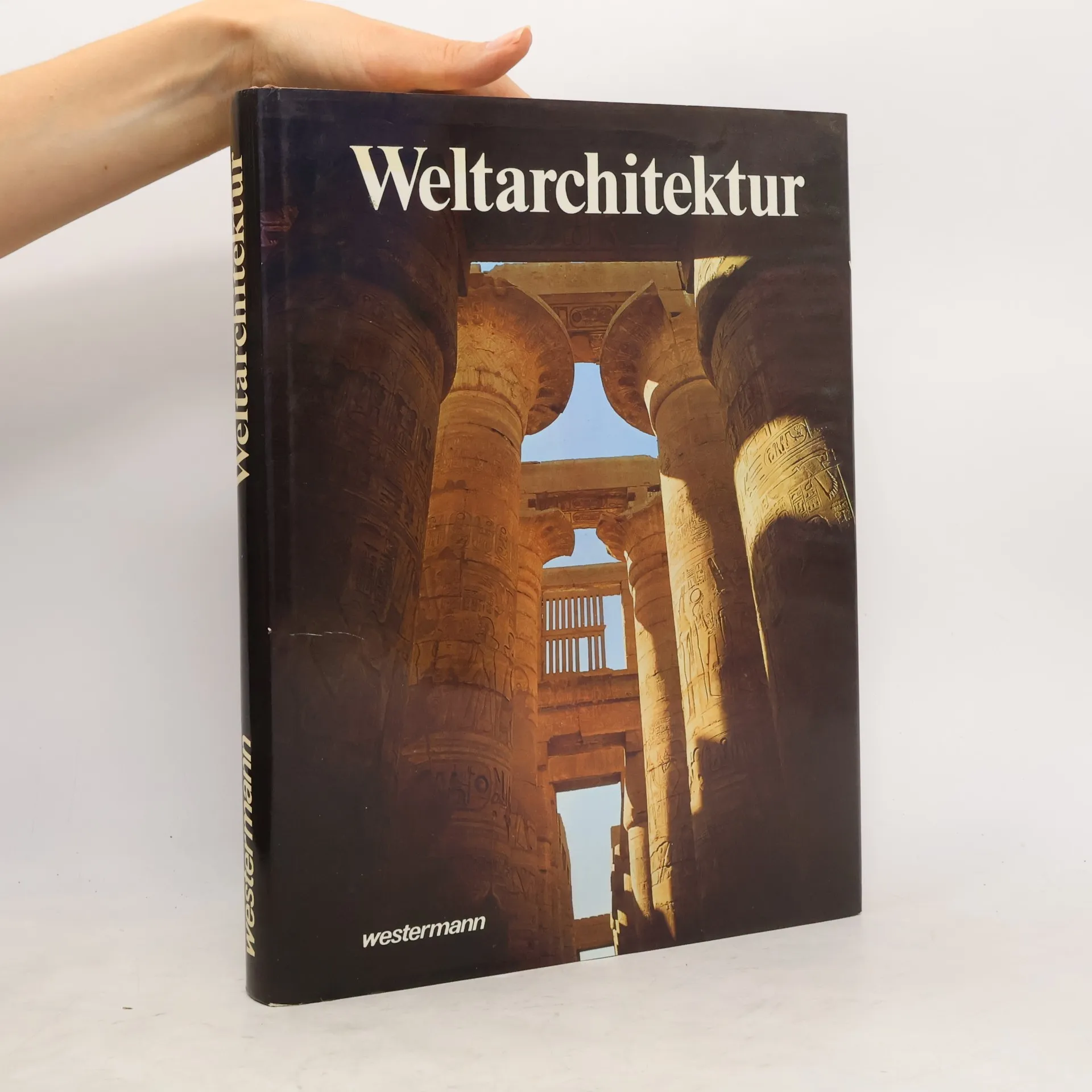
Debn Schwerpunkt bildet die europäische Architektur mit ihre antiken Vorbildern, ihre spätantike, mittelalterliche und klassiszistische Ausprägung bis hin zu modernen archi tektonischen Lösungen der westlichen Welt
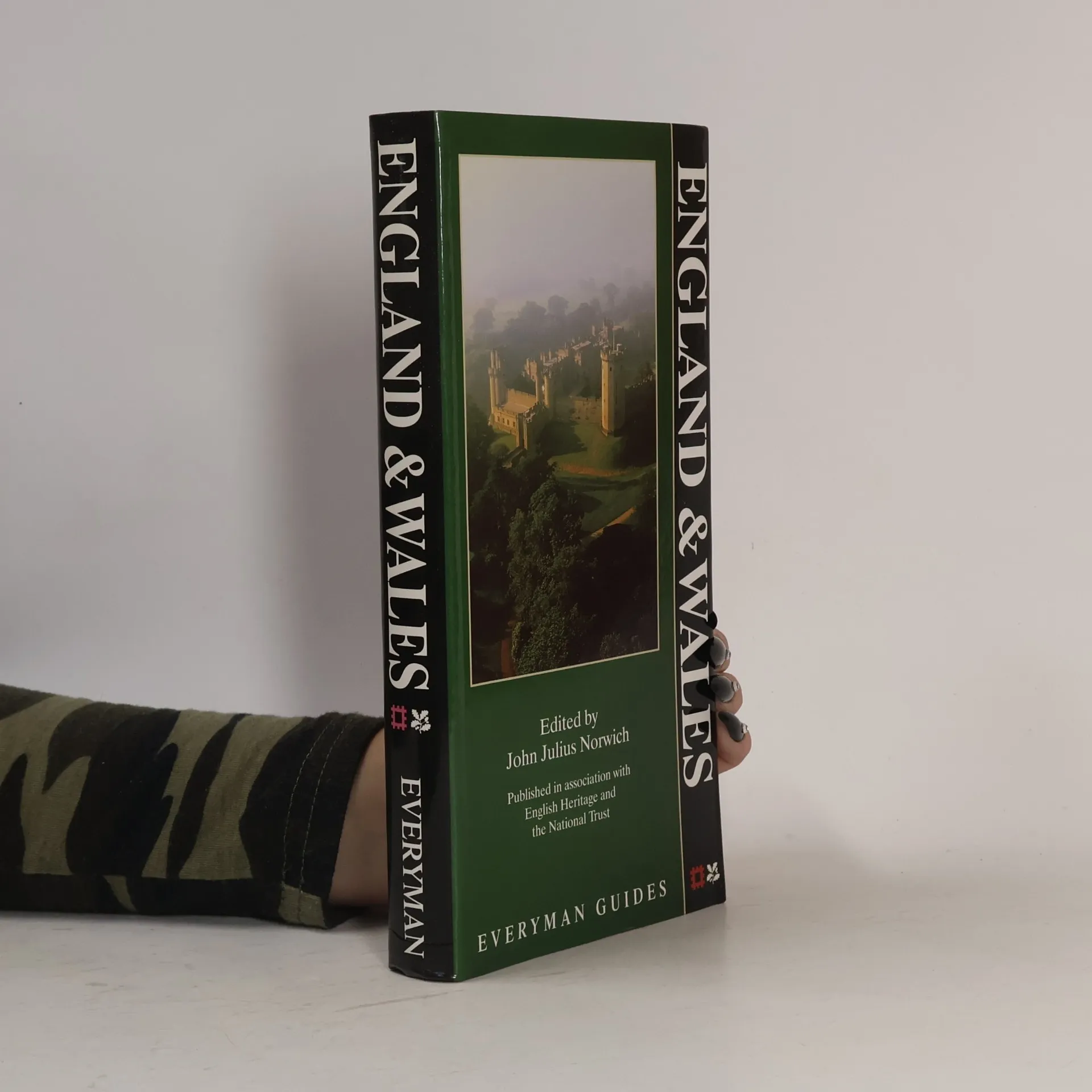
The Everyman Guide to England and Wales is highly illustrated and features maps, street plans, itineraries, accommodation and historical background information. The book is published in association with English Heritage and the National Trust.
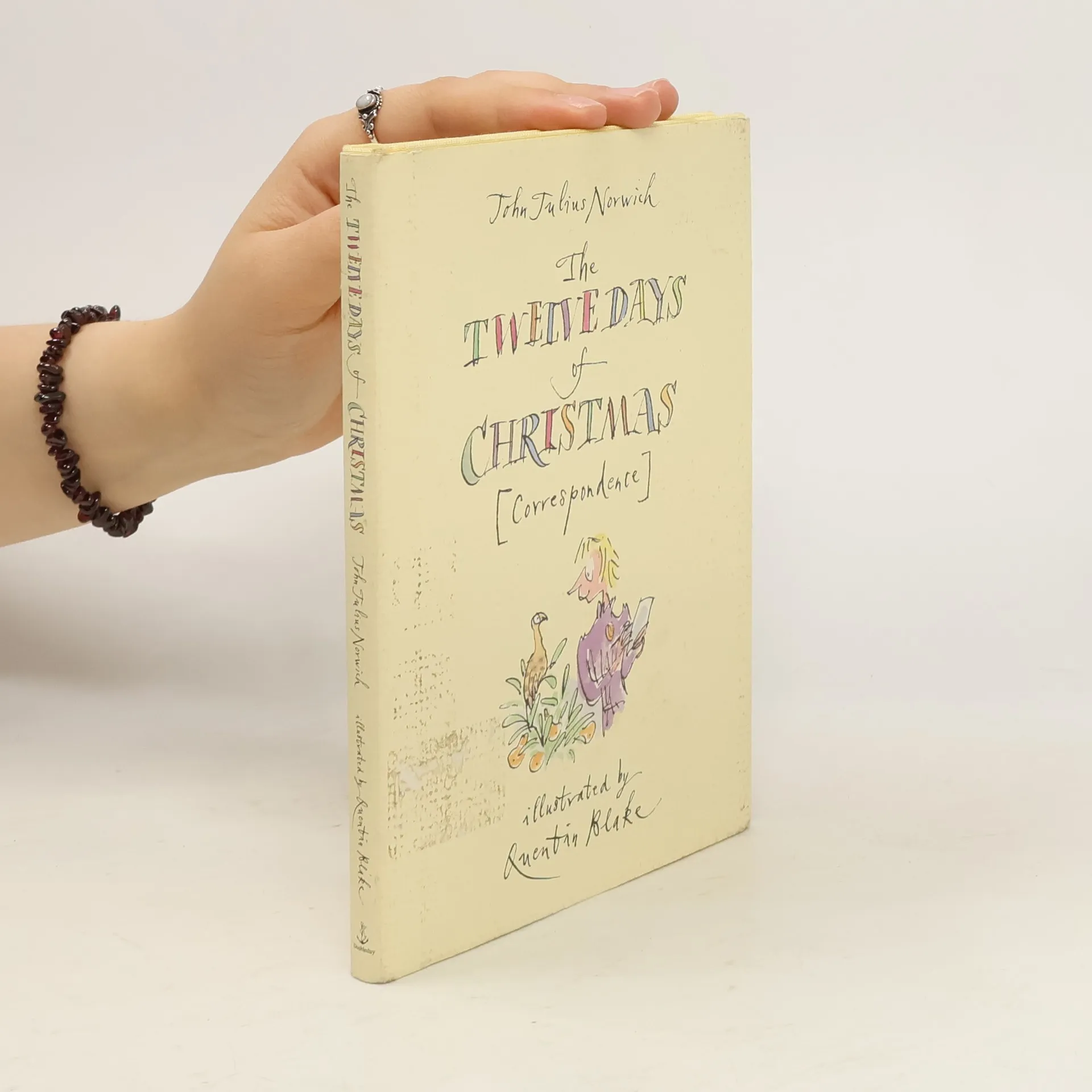
From the bestselling author of 'Christmas Crackers', 'The Twelve Days of Christmas' records the daily thank-you letters from one increasingly bemused young lady to her unseen admirer.
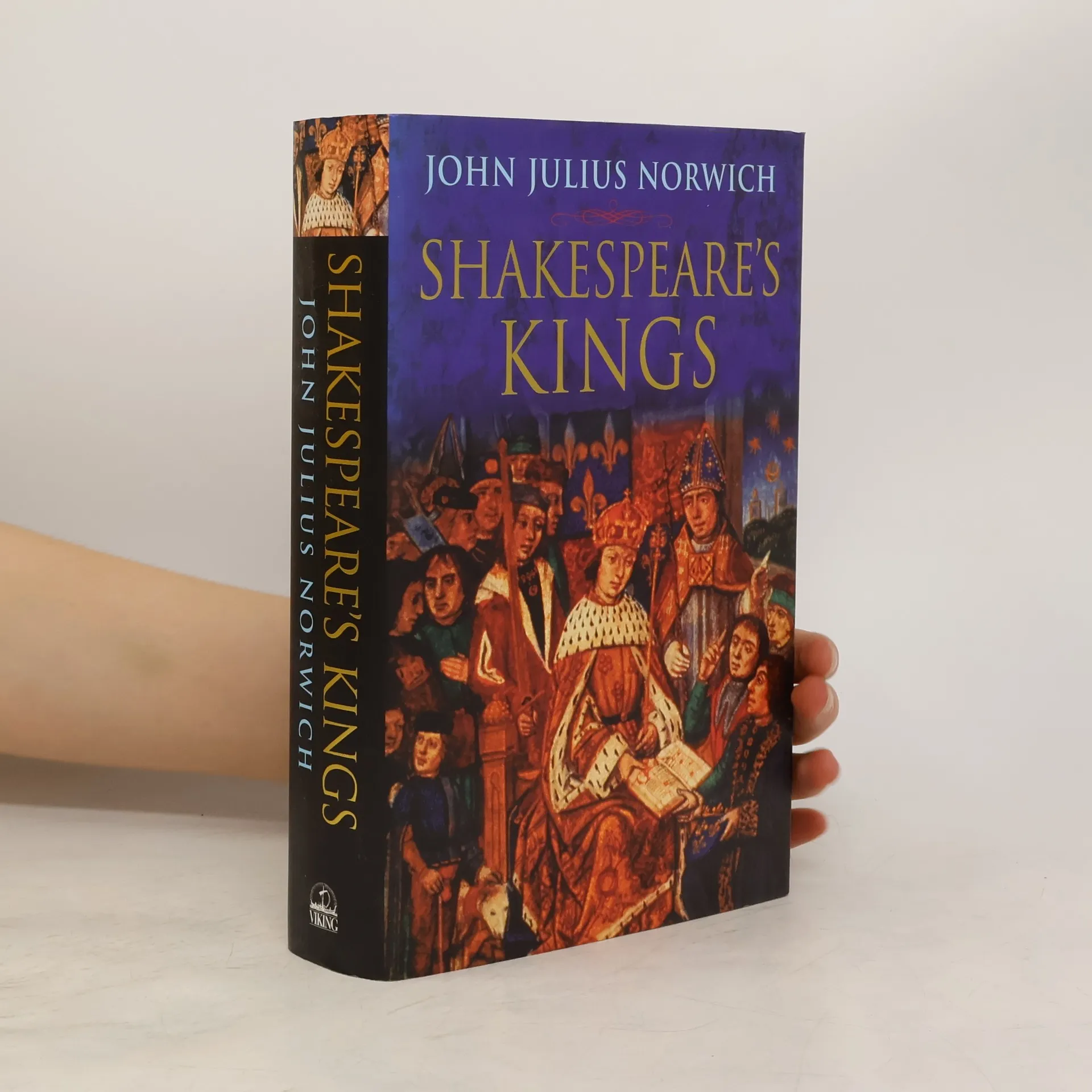
"John Julius Norwich tells the story of what really happened in the century and a half between 1337 and 1485 by examining the history plays, from the recently authenticated Edward III through to Richard III." "He establishes just how real Shakespeare's characters and events are and what liberties he took with the facts to improve the pace of the plays and to entertain his audience. Events include the Wars of the Roses, the death of the Princes in the Tower and the Battle of Bosworth."--BOOK JACKET
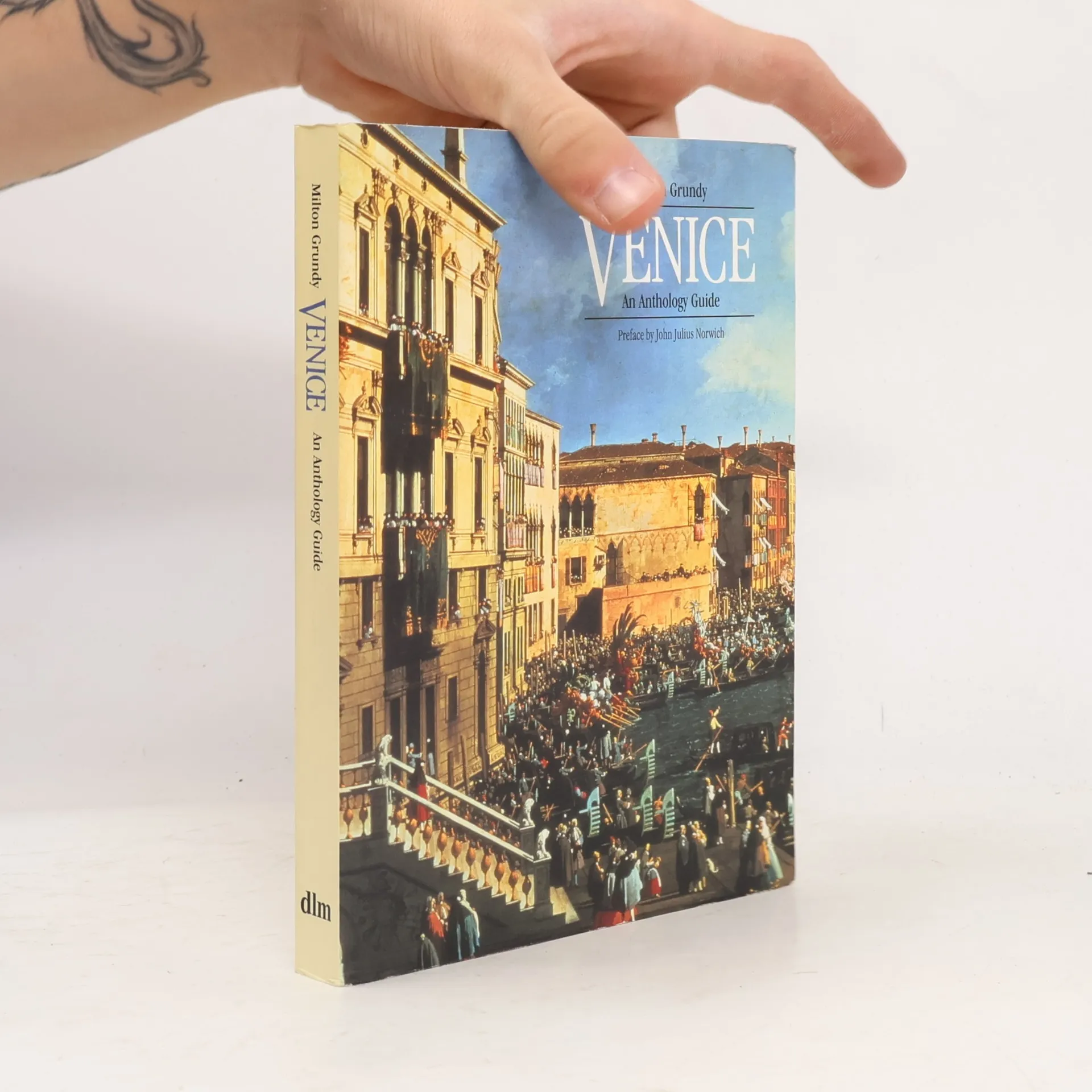
with a preface by John Julius Norwich Milton Grundy's perennially fresh classic travel guide to the city. It is unlike any other guide, for it conducts visitors round Venice using the observations and opinions of famous writers and art historians to enlighten them. Among the people it quotes are Vasari, Ruskin, Berenson, Wittkower, Dickens, Henry James, A.J.C. Hare, Otto Demus, Ernst Gombrich, Michael Levey, Cecil Gould, Hugh Honour and James Morris. A selection of new illustrations has been incorporated. clear maps, so that people can see the maximum number of sights they wish to in a limited time. Its coverage of Venice's rich store of paintings and sculpture is as full as that of its unique architecture. The illustrations are most of them taken from old engravings and, like the text, provide a fascinating historical perspective on the present-day versions of the scenes and buildings they represent.
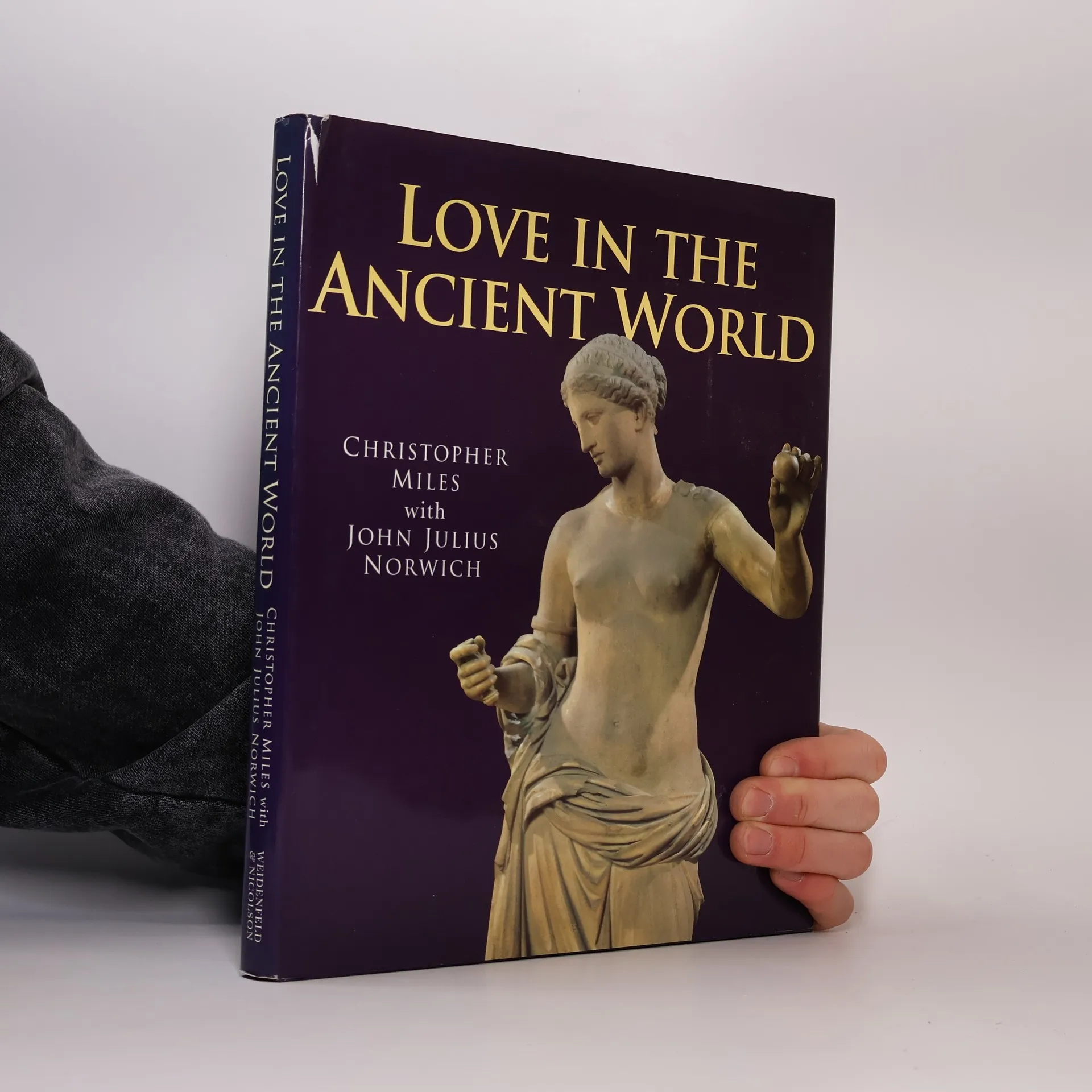
Travel back in time in search of long-lost attitudes on love and lust, passion and desire. Beautifully illustrated in full color, this fascinating exploration looks at how ancient civilizations regarded sex and sexuality before hedonism was curtailed by organized religion and relations between the sexes were complicated by a prevailing sense of guilt. Exquisite photographs showcase sculpture, pottery, paintings, and architecture that feature graphic representations of the human form and the art of love. By seeing how love was represented, communicated, commemorated, mythologized, and incorporated into worship from the earliest cave dwellers to the sophisticated Egyptian, Greek, and Roman societies, we can gain new perspectives on history as well as on our lives today. 176 pages (all in color), 9 x 11.
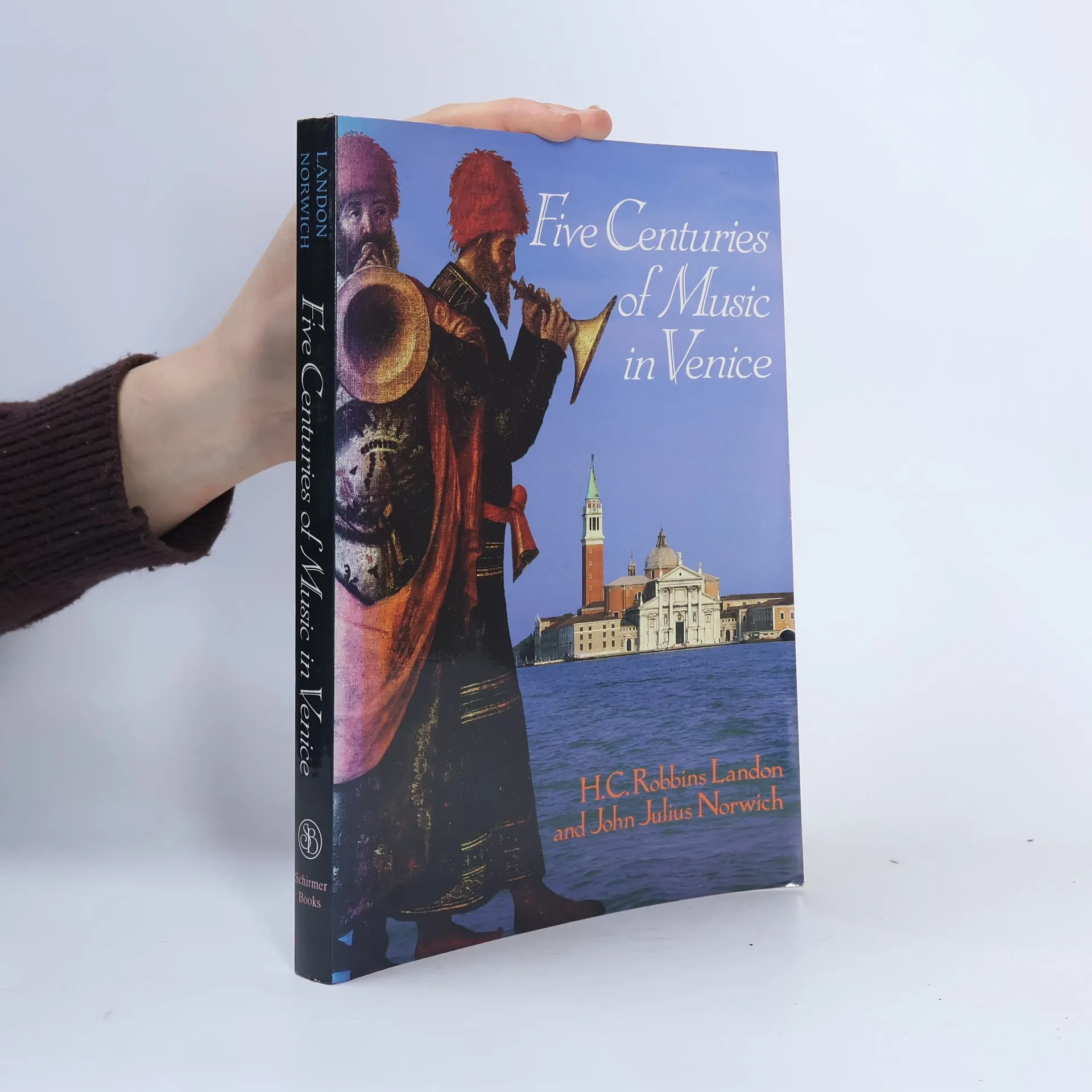
Music pervades the soul of Venice as surely as its canals penetrate the heart of the city. From Gabrieli, Monteverdi, Vivaldi, and Rossini to Verdi, Wagner, and Stravinsky, this great city has inspired and sheltered genius. Venice is a city in which music has accompanied every aspect of life, from religious and state ceremony to late-night revelry. This lavishly illustrated book examines the unique relationships between the life of Venice and the history of music.
This omnibus volume is made up of John Julius Norwich's first two works of history published 20 years ago - The Normans in the South and The Kingdom in the Sun. The books tell the story of the dazzling Norman kingdom of Sicily founded in the 11th century by an enterprising band of adventurers from Normandy under Robert Guiscard. The state they founded was outstanding in medieval civilization.
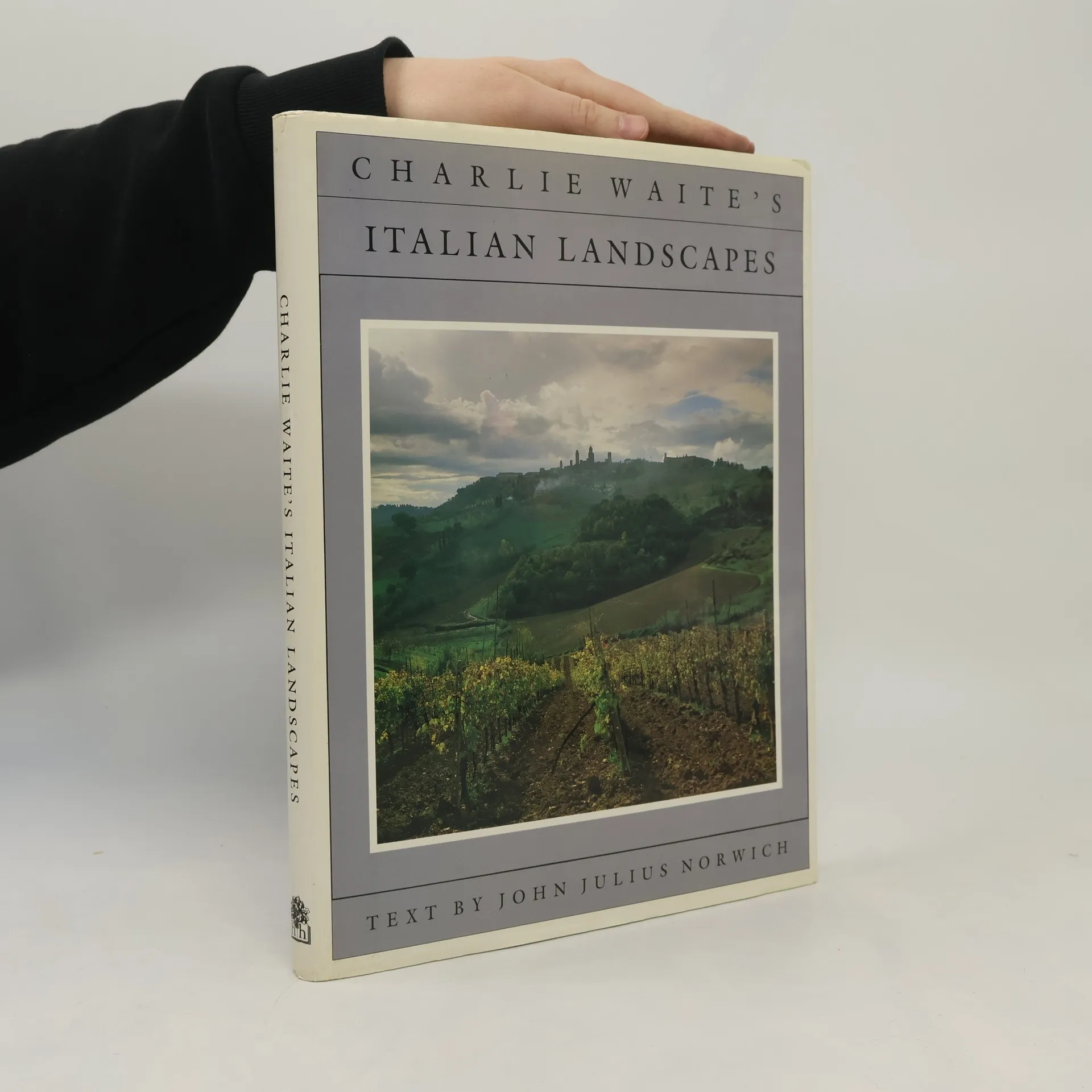
Italian landscapes as seen through the eyes of the photographer whose previous books include "The National Trust Book of Long Walks", "Long Walks in France", "Landscape in France" and "Landscape in Britain".
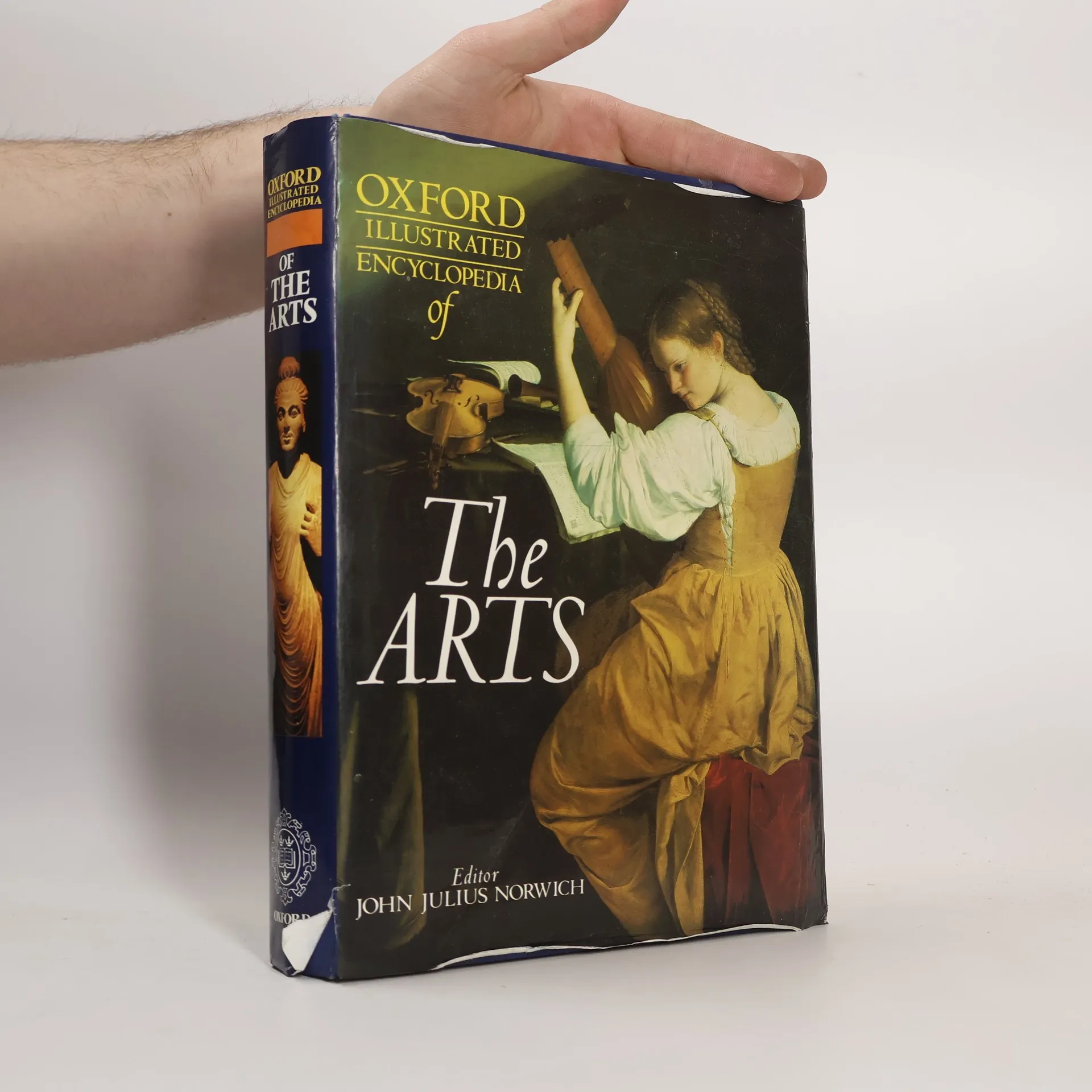
The most visually appealing of all eight volumes of the Oxford Illustrated Encyclopedia , this extensively illustrated volume offers a wealth of color photographs and drawings to match the exceptional breadth of its subject. With over 3,000 entries, it covers art, architecture, dance,decorative art, music, musical instruments, theatre, and literature from pre-history to the present. Including art from every continent, familiar and unfamiliar masterpieces, and descriptions of the world's greatest literary, artistic, and musical figures--ranging from Aeschylus to Louis Armstrongand Fred Astaire to Diane Arbus--this extensive reference is an indispensable introduction to the engaging world of the arts.
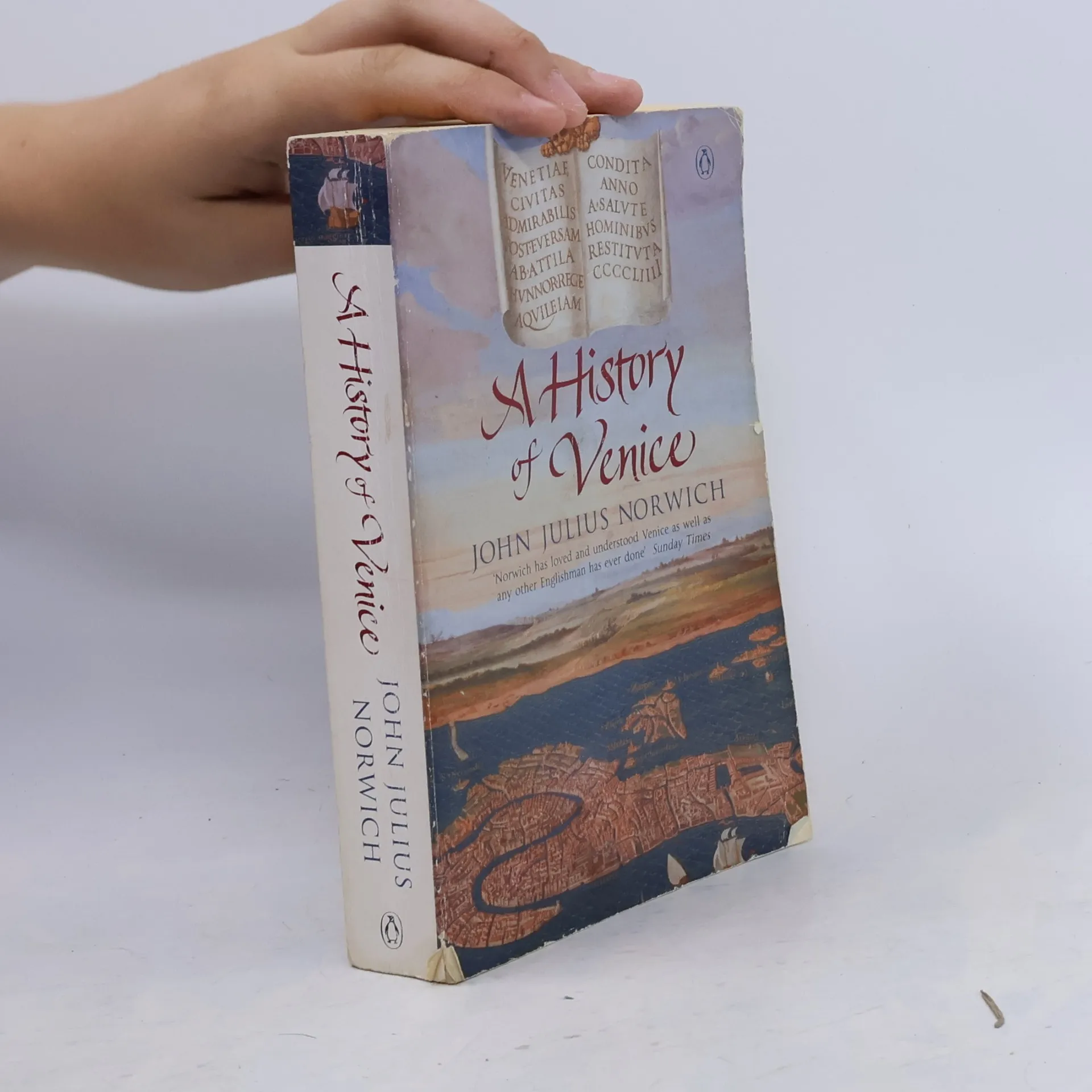
John Julius Norwich's dazzling history of Venice from its origins to its eighteenth century fall. 'Lord Norwich has loved and understood Venice as well as any other Englishman has ever done. He has put readers of his generation more in his debt than any other English writer' Peter Levi, The Sunday Times.
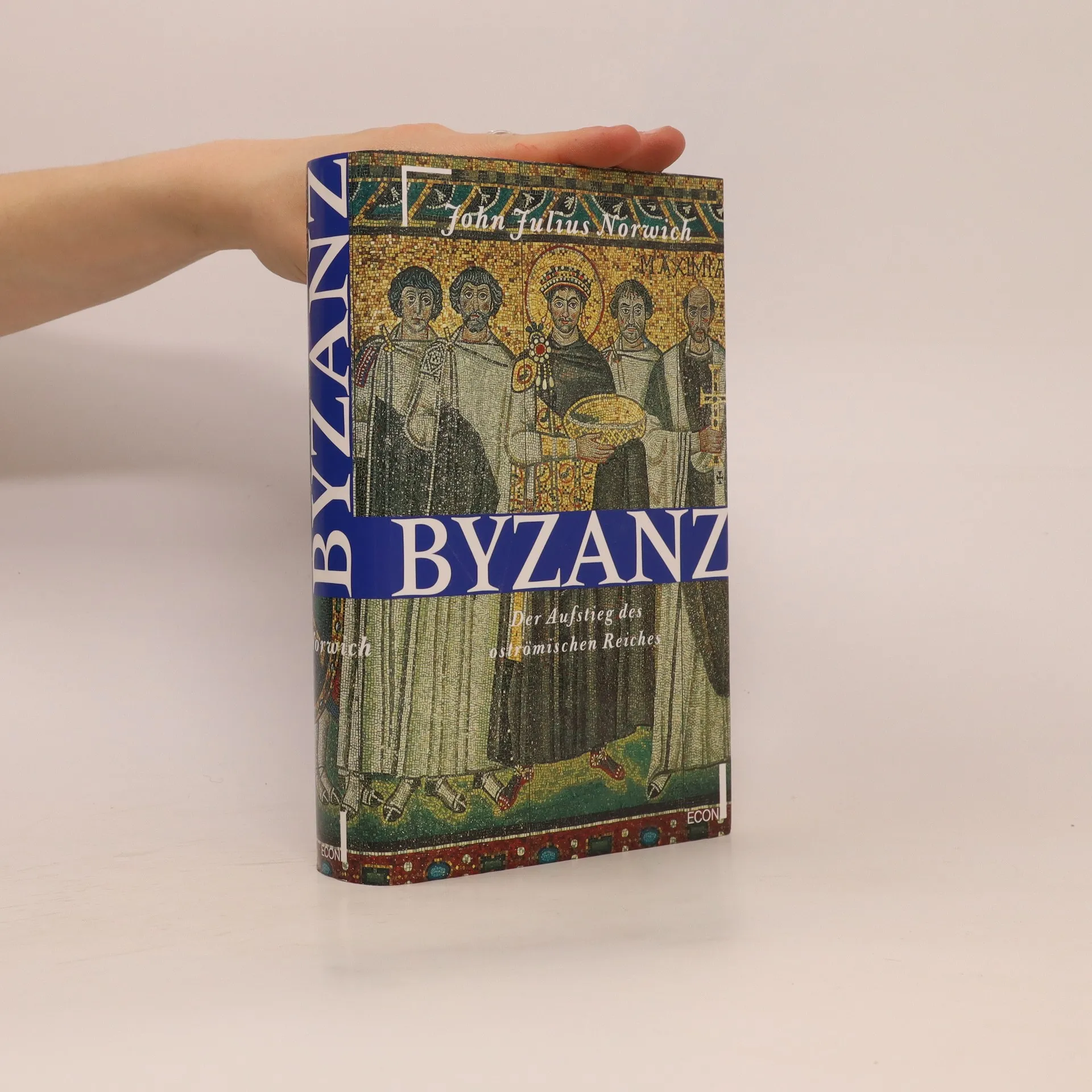
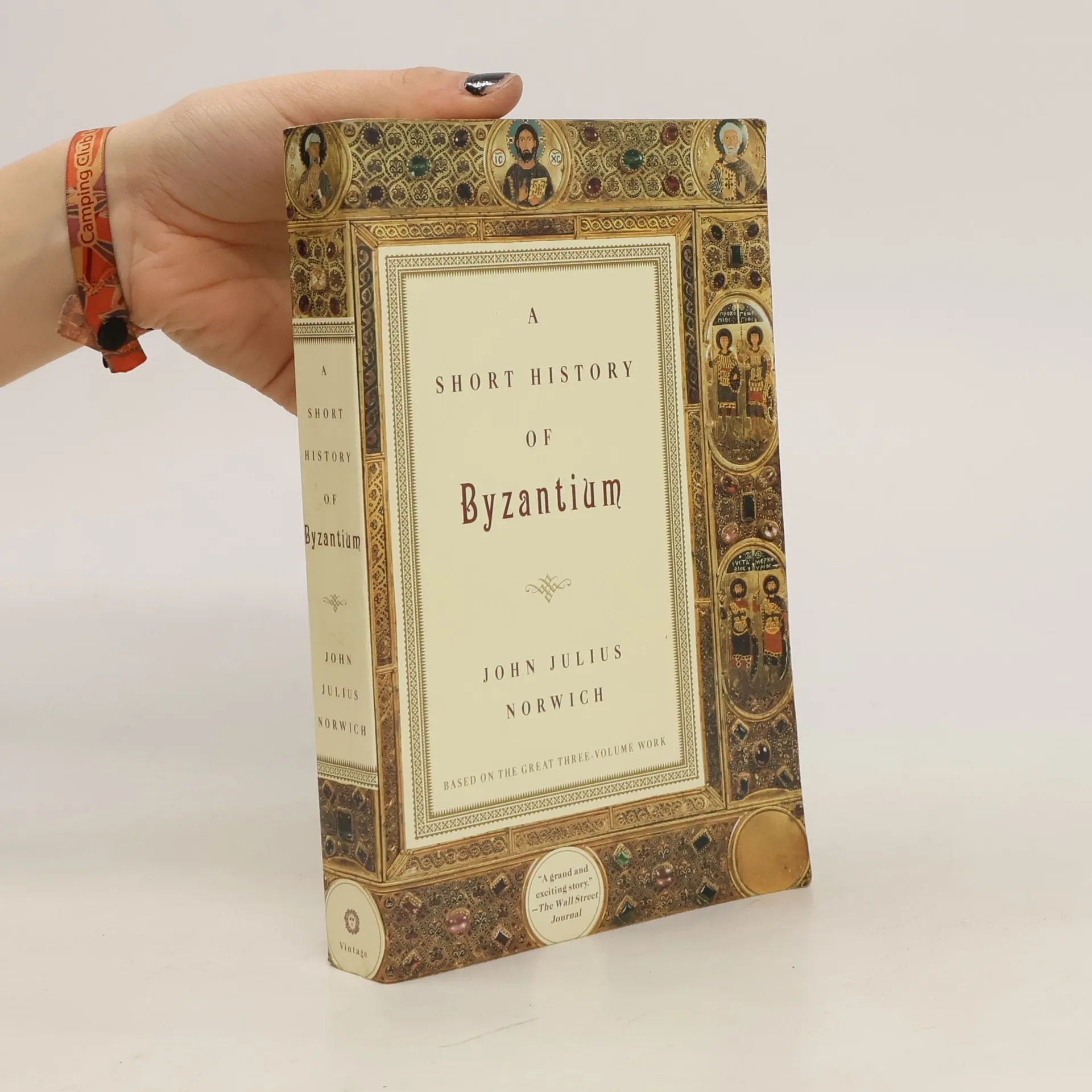
"Norwich is always on the lookout for the small but revealing details. . . . All of this he recounts in a style that consistently entertains."-- The New York Times Book ReviewIn this magisterial adaptation of his epic three-volume history of Byzantium, John Julius Norwich chronicles the world's longest-lived Christian empire. Beginning with Constantine the Great, who in a.d. 330 made Christianity the religion of his realm and then transferred its capital to the city that would bear his name, Norwich follows the course of eleven centuries of Byzantine statecraft and warfare, politics and theology, manners and art.In the pages of A Short History of Byzantium we encounter mystics and philosophers, eunuchs and barbarians, and rulers of fantastic erudition, piety, and degeneracy. We enter the life of an empire that could create some of the world's most transcendent religious art and then destroy it in the convulsions of fanaticism. Stylishly written and overflowing with drama, pathos, and wit, here is a matchless account of a lost civilization and its magnificent cultural legacy."Strange and fascinating . . . filled with drollery and horror." -- Boston Globe
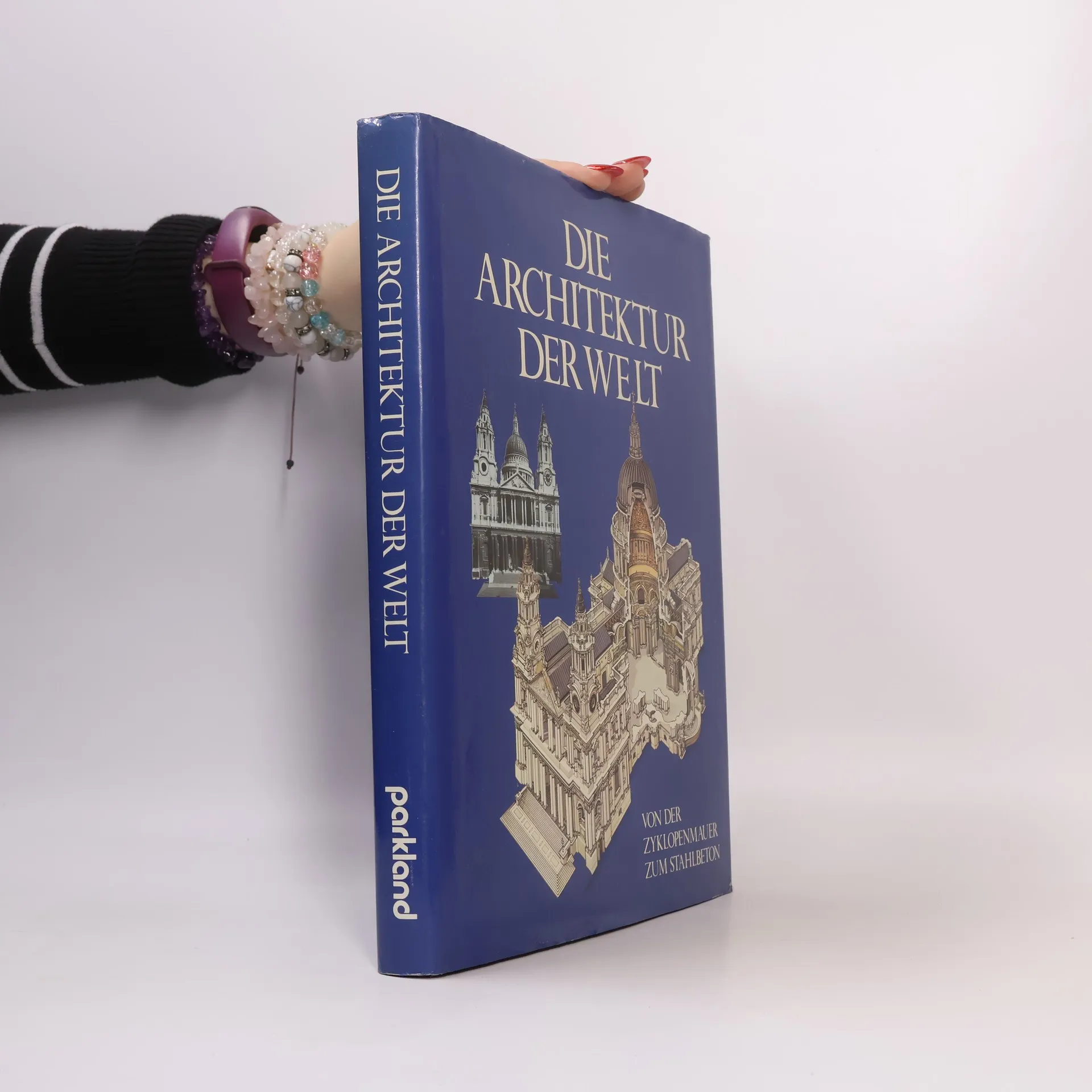
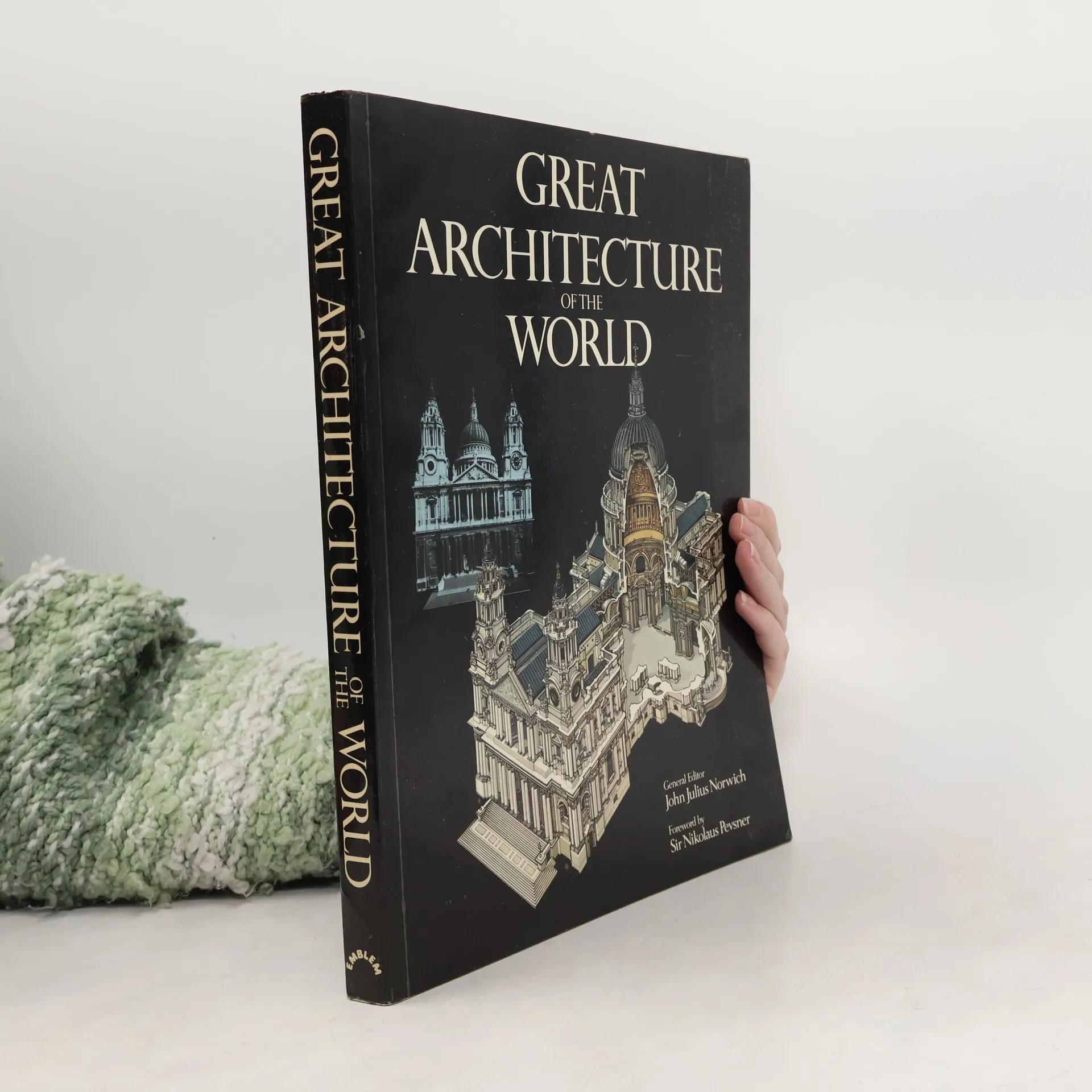
A history of architecture, spanning the pre-classical era to modern times, from the Far East to Europe and the Americas. The major sections cover: non-European civilizations; the ancient world; late antiquity and the early Middle Ages; the Middle Ages; the Age of Classicism; and the Modern Era.
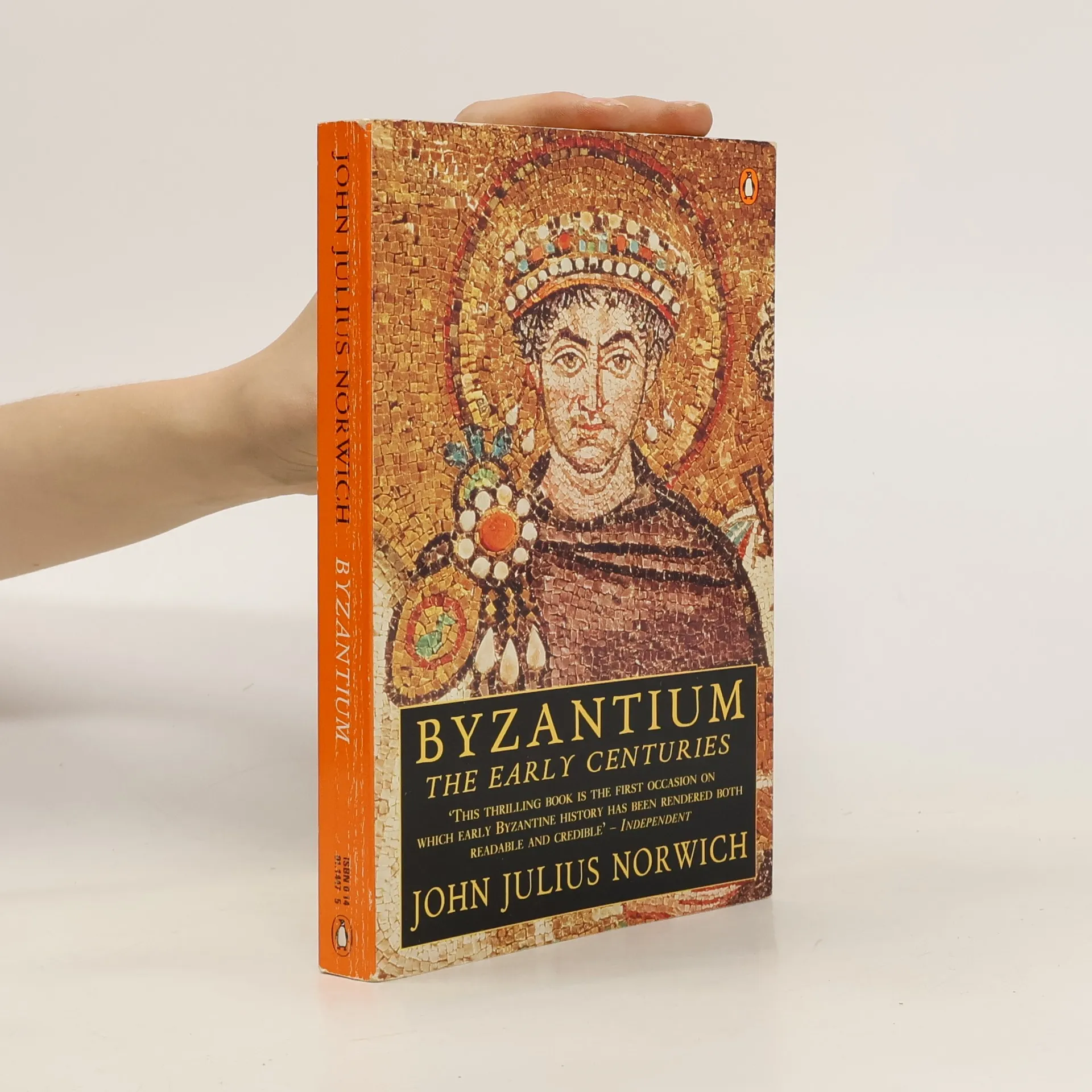
'He is brilliant ... He writes like the most cultivated modern diplomat attached by a freak of time to the Byzantine court, with intimate knowledge, tactful judgement and a consciousness of the surviving monuments' IndependentIn this exciting narrative history, John Julius Norwich, one of most accomplished popular historians, reveals the beginning of Byzantium. He tells of the five formative centuries of an empire that would enthral the western world for more than eleven hundred years.
75 of England's most attractive and historically significant sites, from Stonehenge, to Queen Victoria's Royal Palace at Osborne, are illustrated in this book which features photographs taken from a balloon. This unique viewpoint reveals much about the buildings and their geographical settings which is difficult to perceive from the ground, yet in considerably greater detail than conventional high-level aerial photographs. Almost all of the sites featured are in the care of English Heritage, an organization set up to protect England's inheritance of prehistoric and Roman remains, castles, abbeys, houses and gardens. An explanatory text by Nell Burton describes the significance of these landmarks and puts them into a clear historical perspective. Attention is focused on the Roman remains along Hadrian's Wall, on the ruined medieval abbeys which are dotted through the English countryside and on the huge variety of castle strongholds which reflect the bloodier side of England's past.
This work has been selected by scholars as being culturally important and is part of the knowledge base of civilization as we know it.This work is in the public domain in the United States of America, and possibly other nations. Within the United States, you may freely copy and distribute this work, as no entity (individual or corporate) has a copyright on the body of the work.Scholars believe, and we concur, that this work is important enough to be preserved, reproduced, and made generally available to the public. To ensure a quality reading experience, this work has been proofread and republished using a format that seamlessly blends the original graphical elements with text in an easy-to-read typeface.We appreciate your support of the preservation process, and thank you for being an important part of keeping this knowledge alive and relevant.
Here is a brilliantly accessible chronicle of the greatest monuments created by mankind, told by fourteen of the most distinguished architectural historians and beautifully illustrated with more than 800 original diagrams, annotated drawings, and photographs.