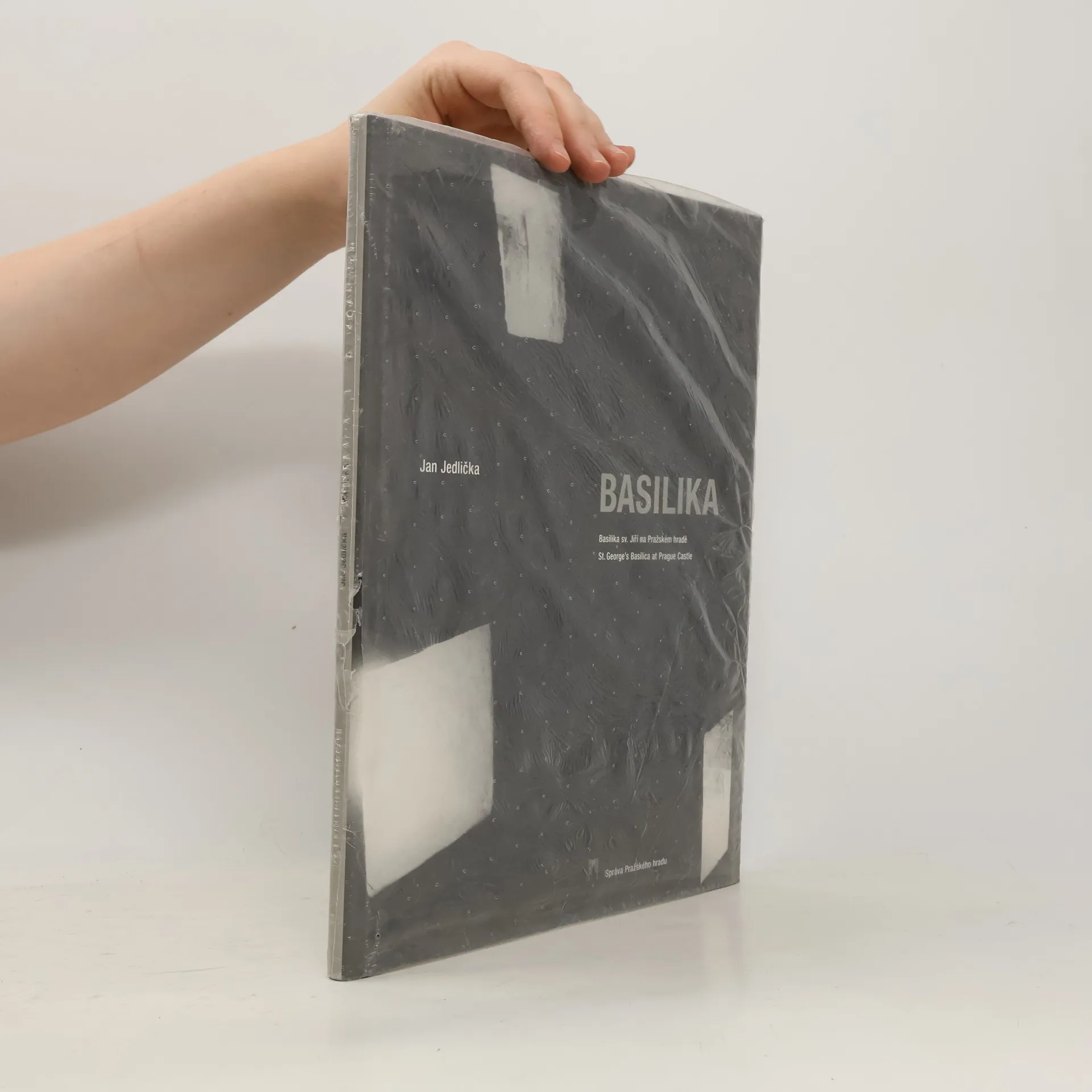
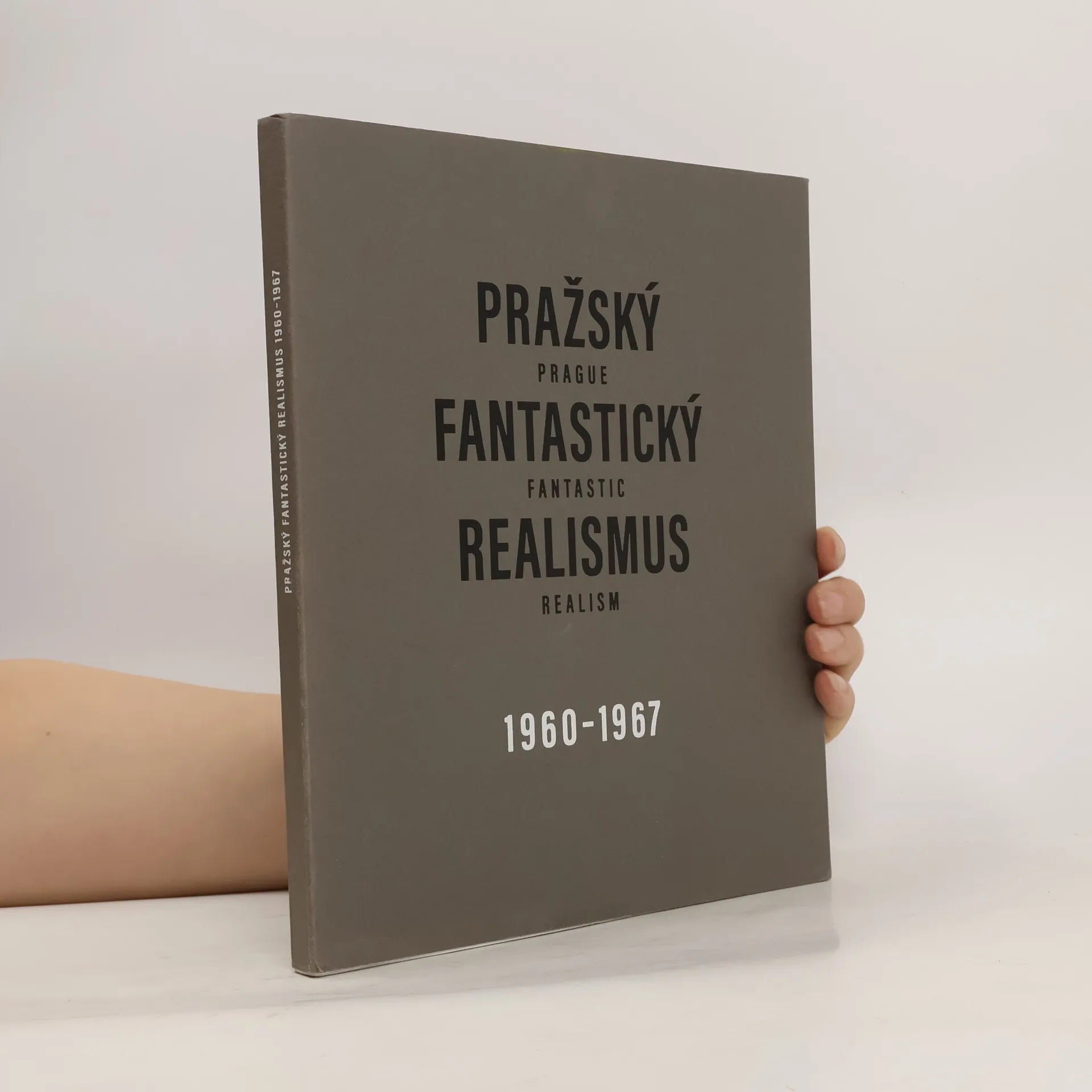
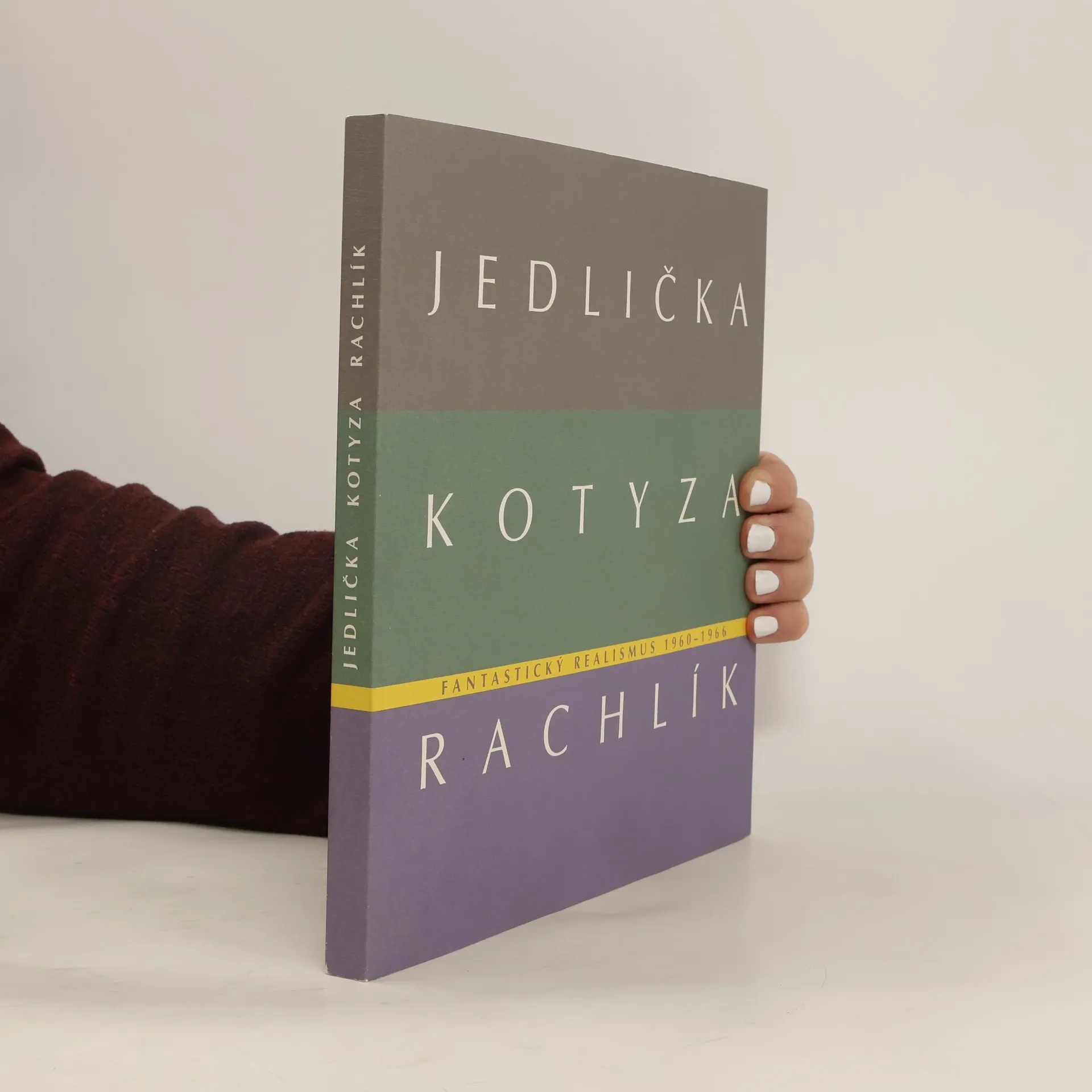
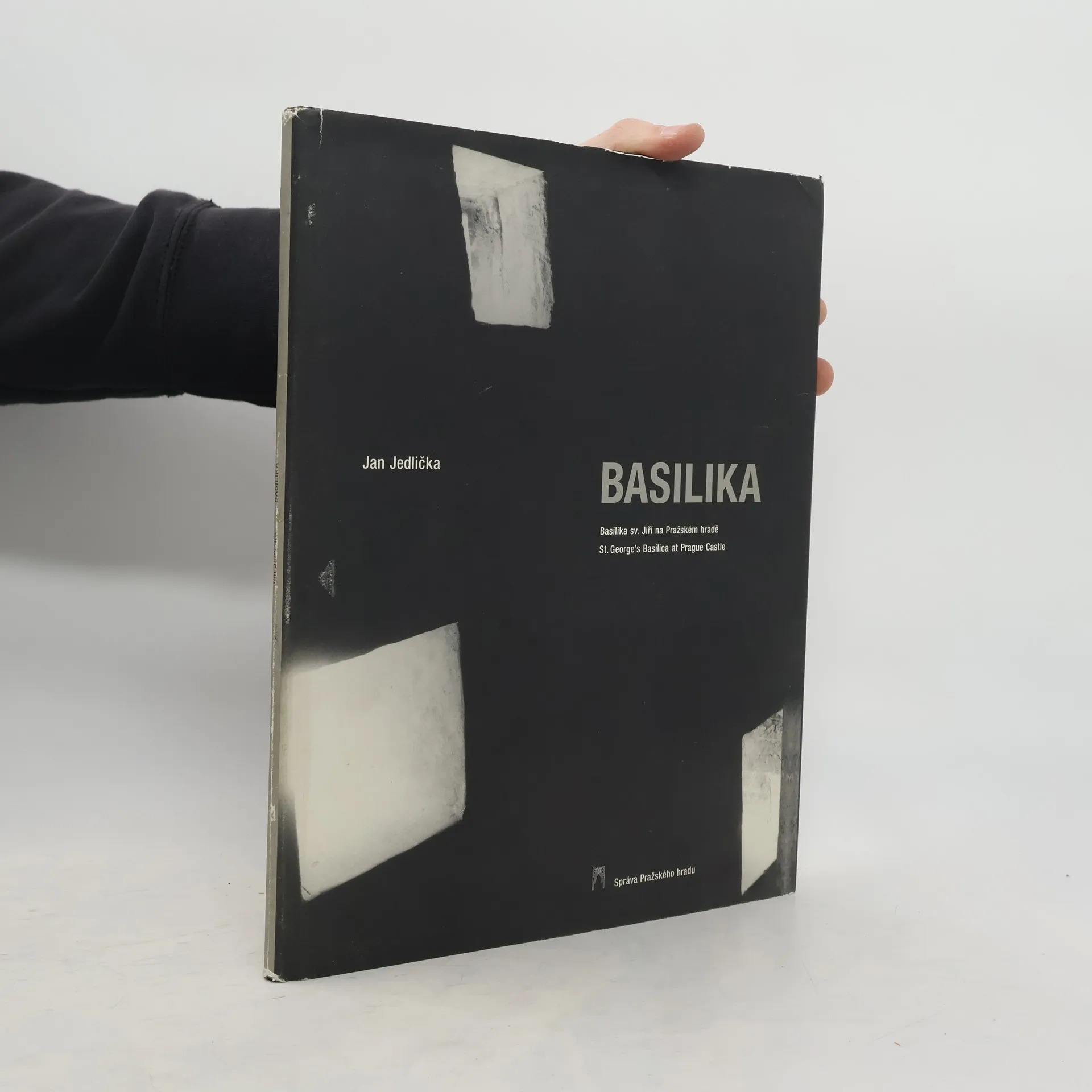
Jan Jedlička, Basilika
- 80 pages
- 3 hours of reading



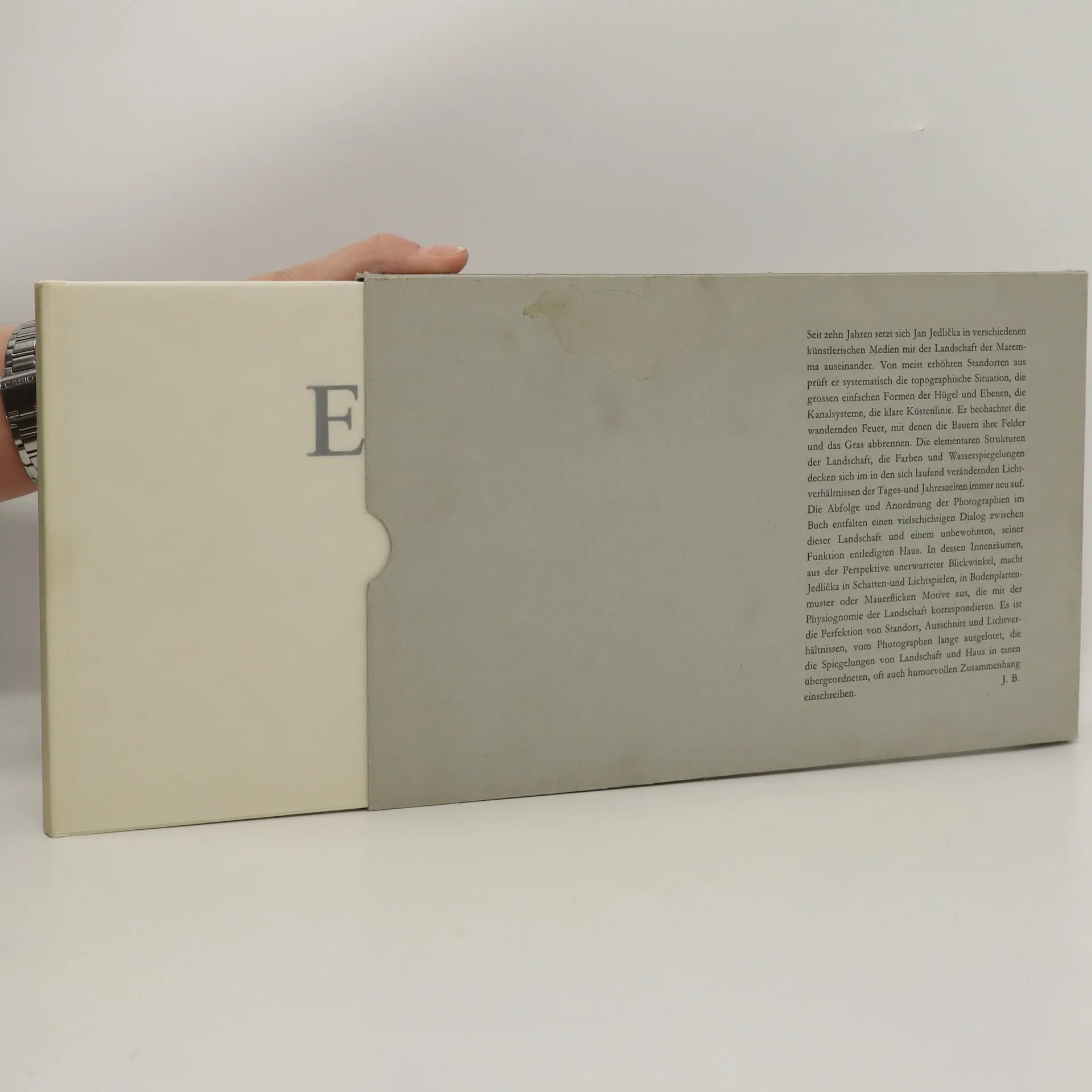
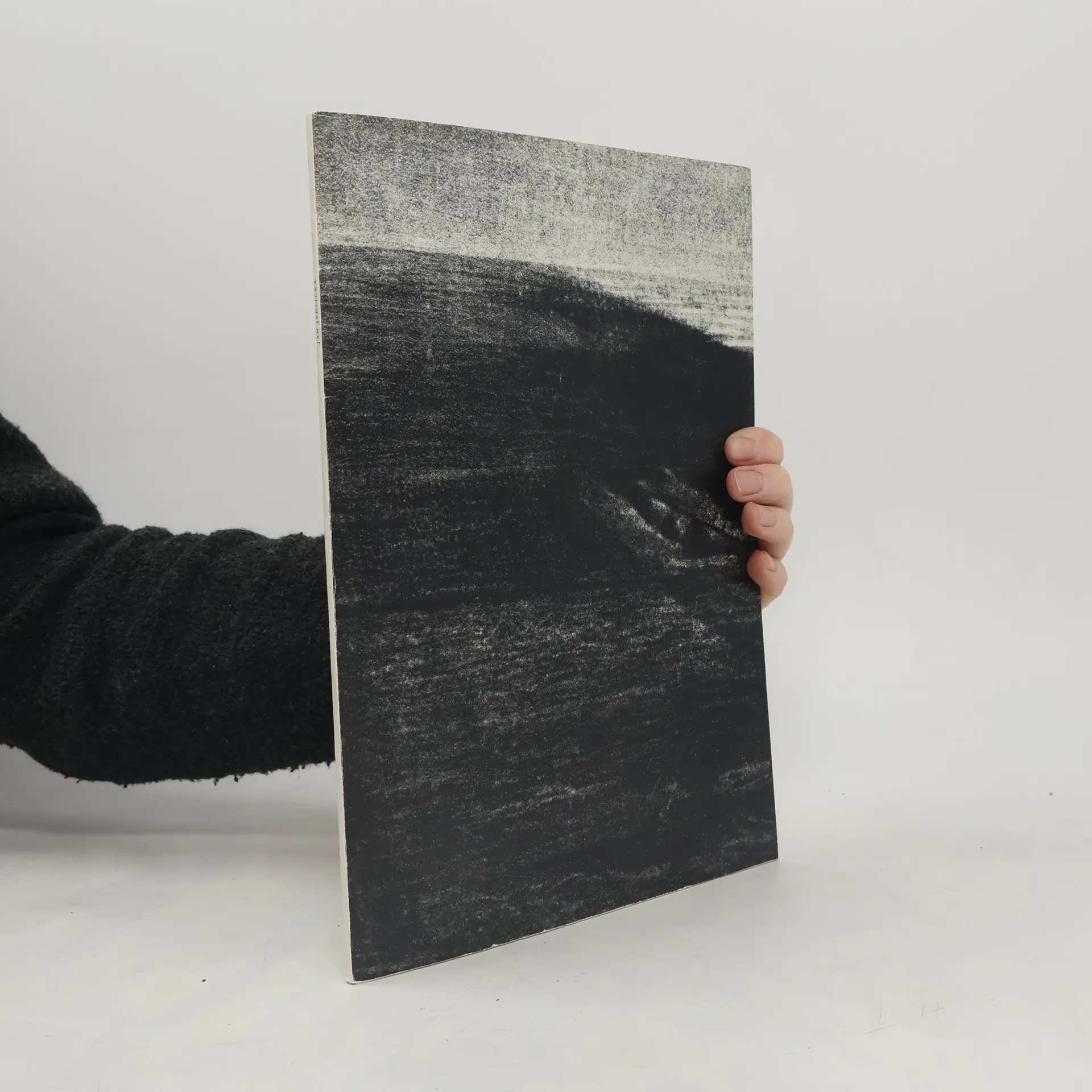
Pimenti e disegni, disegni cartografici, mezzetinte e stampe, fotografie, film e video = pigments and drawings, cartographic drawings, mezzotints and prints, photographs, films and video
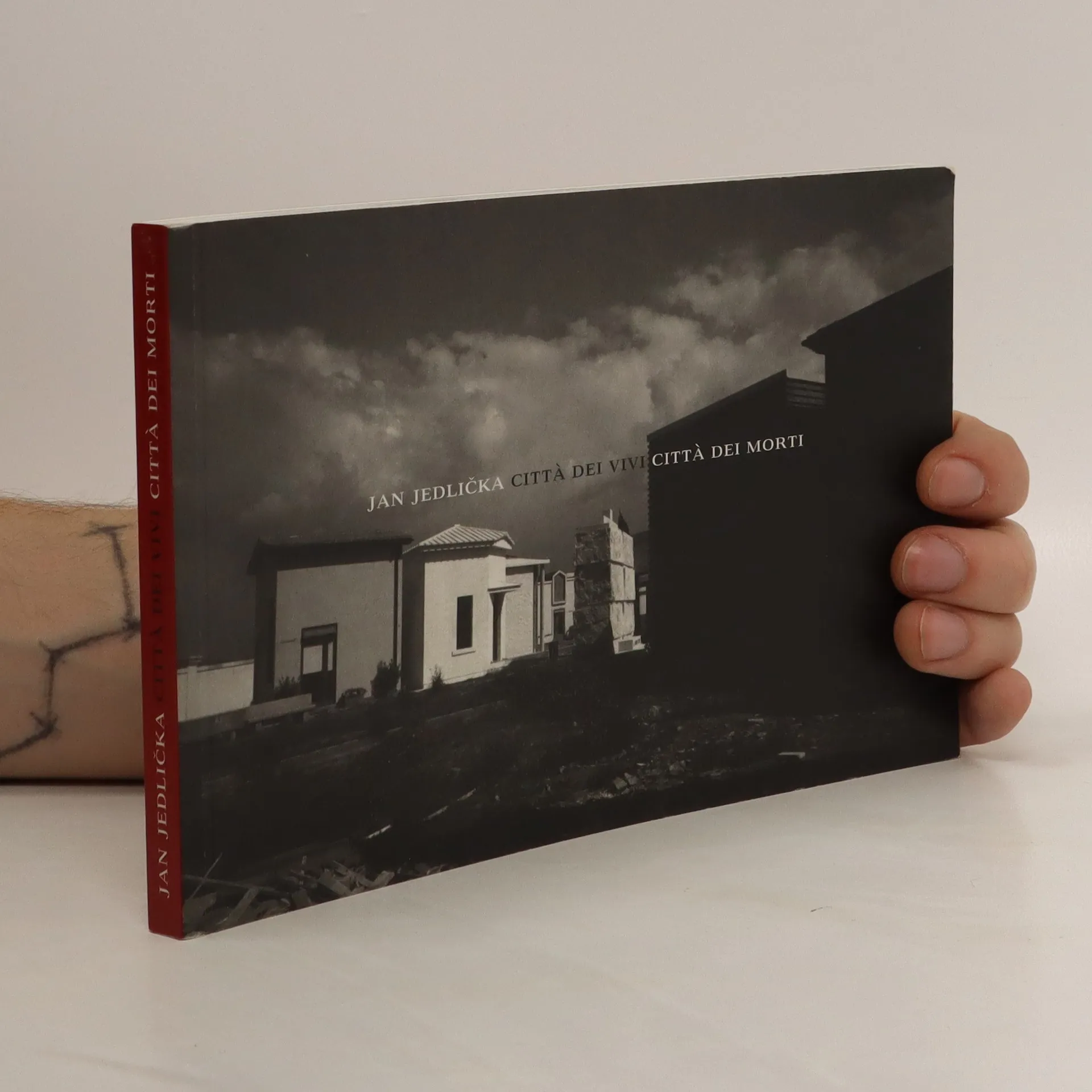
Jedlicka fotografiert im sachlich-dokumentarischen Stil eines Walker Evans' die Totenstadt in Grosseto, ein Friedhof, der in etruskischer Tradition wie eine Stadt erbaut ist. In die „Città dei morti“ mischt sich architektonisch immer mehr auch die „Città dei vivi“, die Stadt der Lebenden, deren neuere Bauten weniger den früheren Kapellen ähneln, sondern mit wohnlichem Interieur den modernen Lebensstil widerspiegeln und den Hinterbliebenen so den Schein des weiteren Zusammenlebens geben.
A new novel of the fantastic unknown. Eccentric Sunset Tuttle spent his life searching in vain for forms of alien life. Thirty years after his death, a stone tablet inscribed with cryptic, indecipherable symbols is found in the possession of Tuttle's onetime lover, and antiquities dealer Alex Benedict is anxious to discover what secret the tablet holds. It could be proof that Tuttle had found what he was looking for. To find out, Benedict and his assistant embark on their own voyage of discovery—one that will lead them directly into the path of a very determined assassin who doesn't want those secrets revealed.
Очаровательная сказка о зиме, страхе, блохах в шубке и великом дружбе, которая уже стала классикой чешской детской литературы. Даже спустя годы с момента первого издания она не утратила своего волшебства, оригинальности и юмора. История рассказывает о медведеводе Кубе, который путешествовал по миру со своим непослушным и привередливым медведем Кубулой. Чтобы немного укротить его, он придумал добродушное медвежье привидение Барбуху, которое должно было помочь ему в этом. И здесь начинается наш рассказ. Эта легендарная, по-прежнему живая и очаровательная книга представляет собой уникальное произведение, которое продолжает радовать читателей своим содержанием и иллюстрациями одного из самых популярных художников XX века – Ondřeje Sekory.
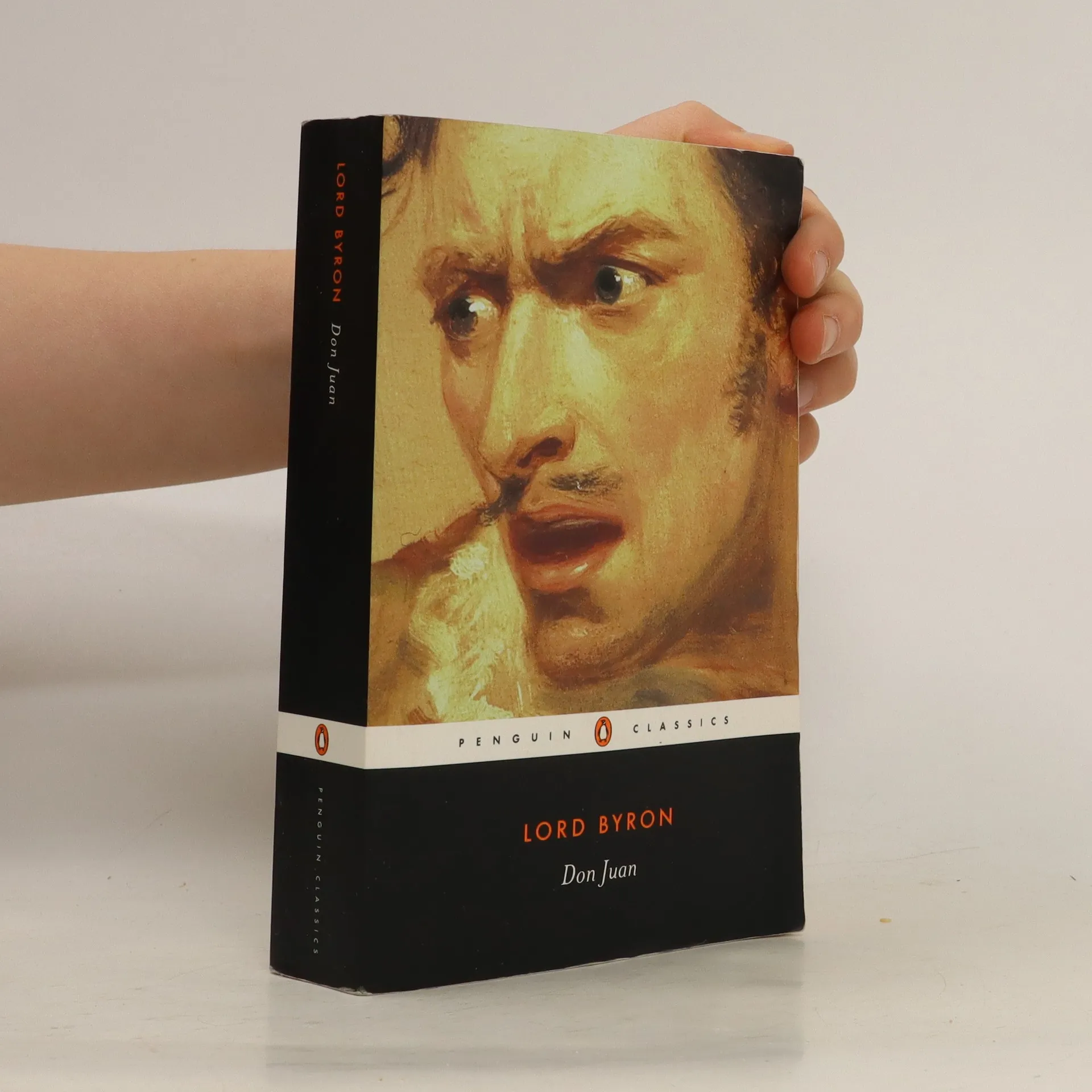
Probably few subjects fitted Byron's particular talents better than Don Juan.In this rambling, exuberant, conversational poem, the travels of Don Juan are used as a vehicle for some of the most lively and acute commentaries on human societies and behaviour in the language. The manner is what Goethe called 'a cultured comic language'-a genre which he regarded as not possible in Geman and which he felt Byron managed superbly.
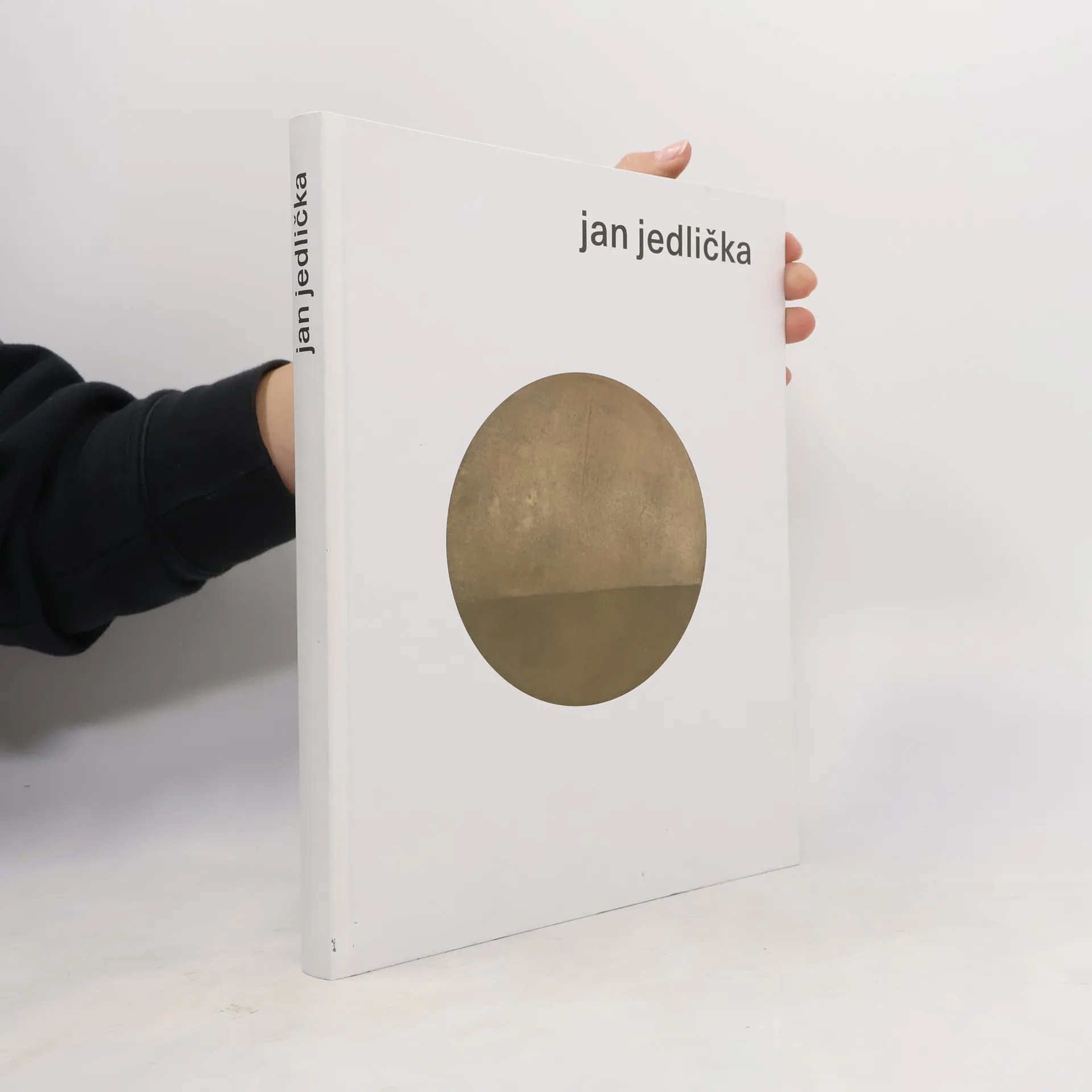
Katalog k výstavě Jan Jedlička plánované od 28. 4. 2021 v 2. patře Městské knihovny v Praze. Jan Jedlička je malířem, kreslířem, grafikem, fotografem a filmařem, ale také chodcem, pozorovatelem a médiem. Jeho obrazy jsou především záznamem toho, co prožívá při chůzi krajinou a v závislosti na jejích proměnách. Kombinováním nejrůznějších technik a médií vytváří vícevrstevnaté obrazy míst, sledovaných obvykle v dlouhých časových horizontech. Katalog, který doprovází monografickou výstavu, připravenou pro prostory Městské knihovny Galerie hlavního města Prahy, jako první představuje Jedličkovo dílo vcelku. Není koncipován chronologicky, ale jako mapování autorova pohybu krajinou a cestami různých uměleckých strategií. Protože každé Jedličkovo dílo je bez výjimky spojeno s určitým místem a časem, je také výběr děl tematicky členěn podle tří nejvýznamnějších geografických oblastí, v nichž autor pobýval: italská Maremma, Praha a některé oblasti britských ostrovů.