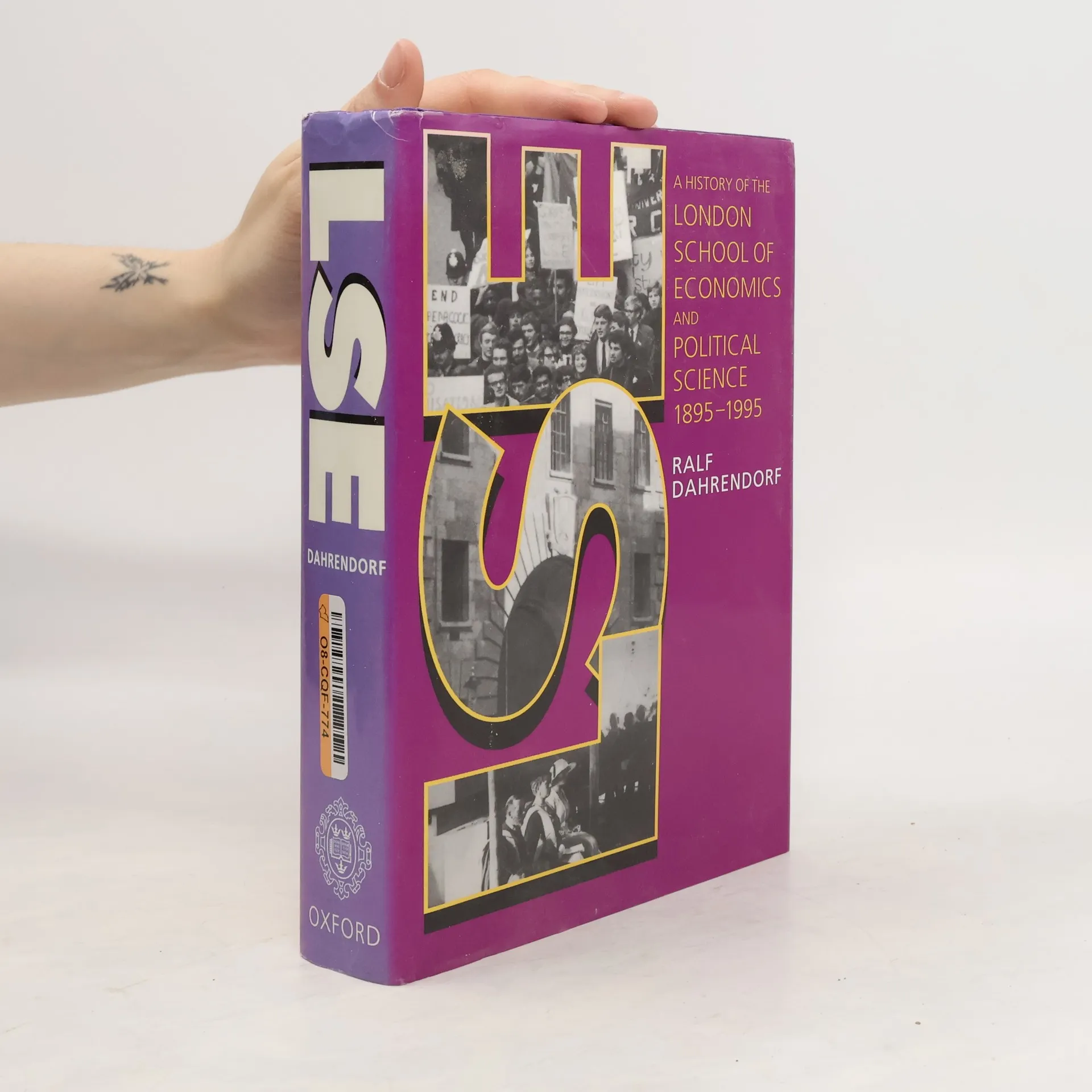
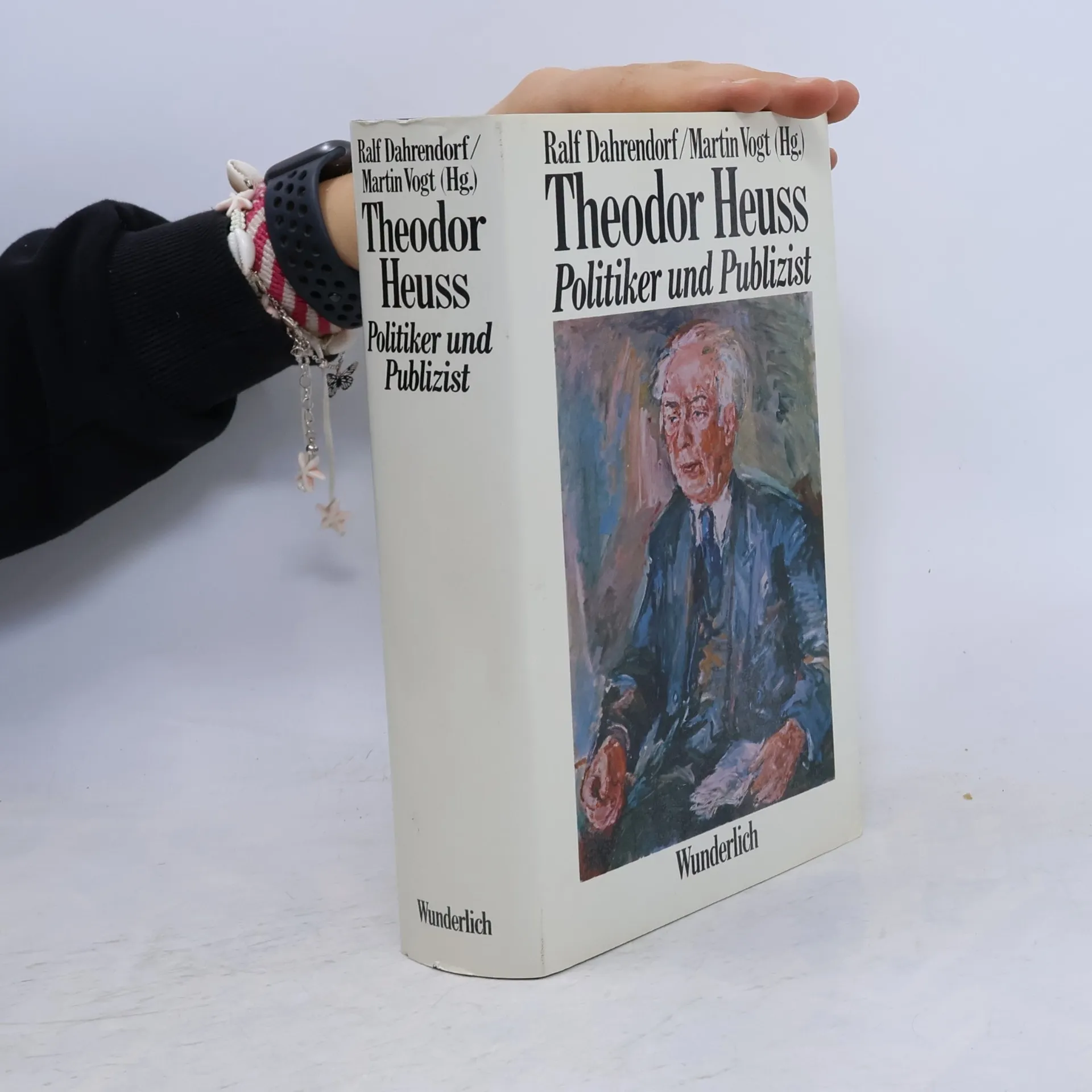
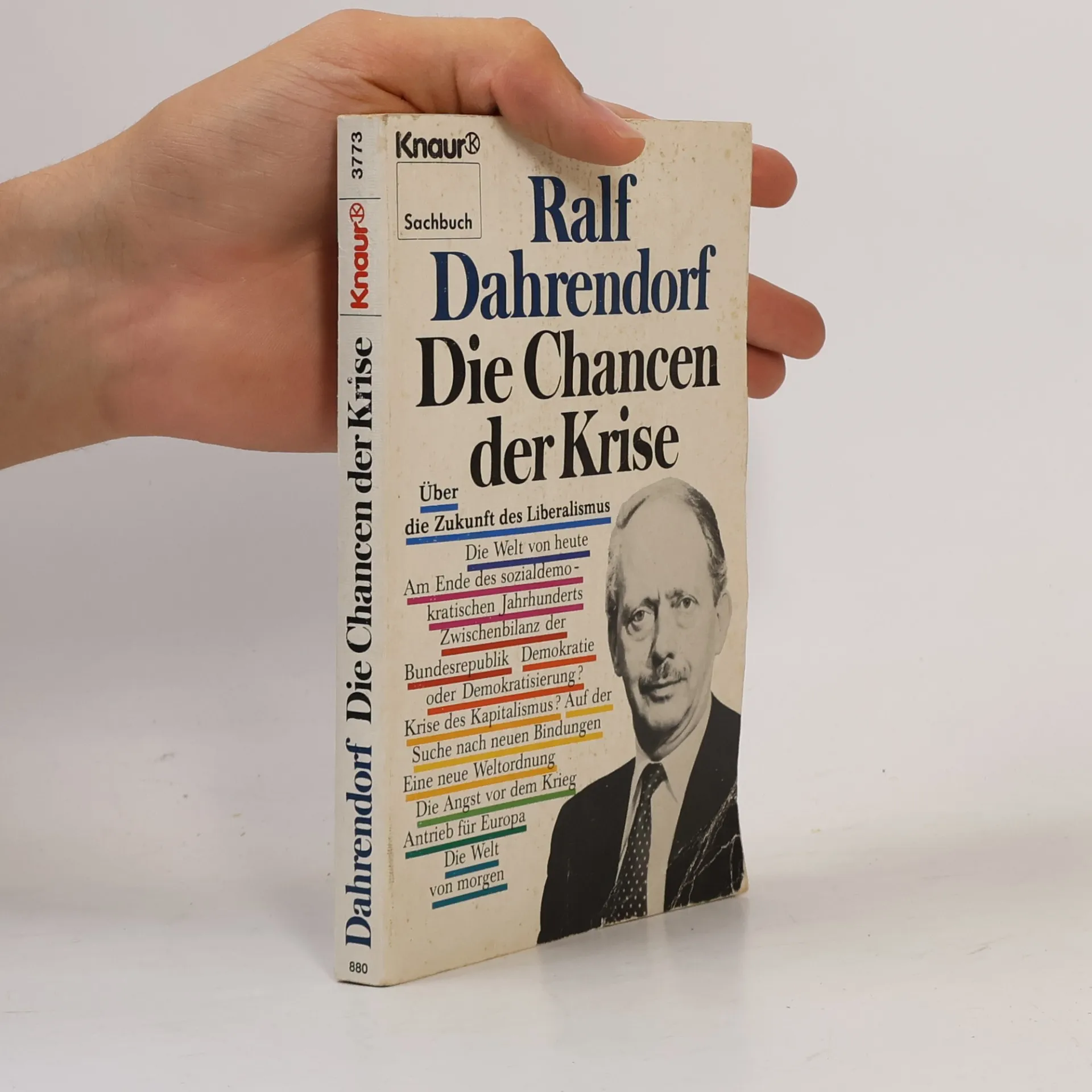
A History of the London School of Economics and Political Science, 1895-1995
632 pages
23 hours of reading
This is the first history of the LSE, one of the most famous academic institutions in the world. Ralf Dahrendorf, a former Director of the School, provides a comprehensive account of its first century, enlivened by his own personal insights. The story of the individuals who played a role inthe LSE's history is interwoven with the development of the social sciences in the twentieth century and an assessment of the LSE's world-wide links and influence.
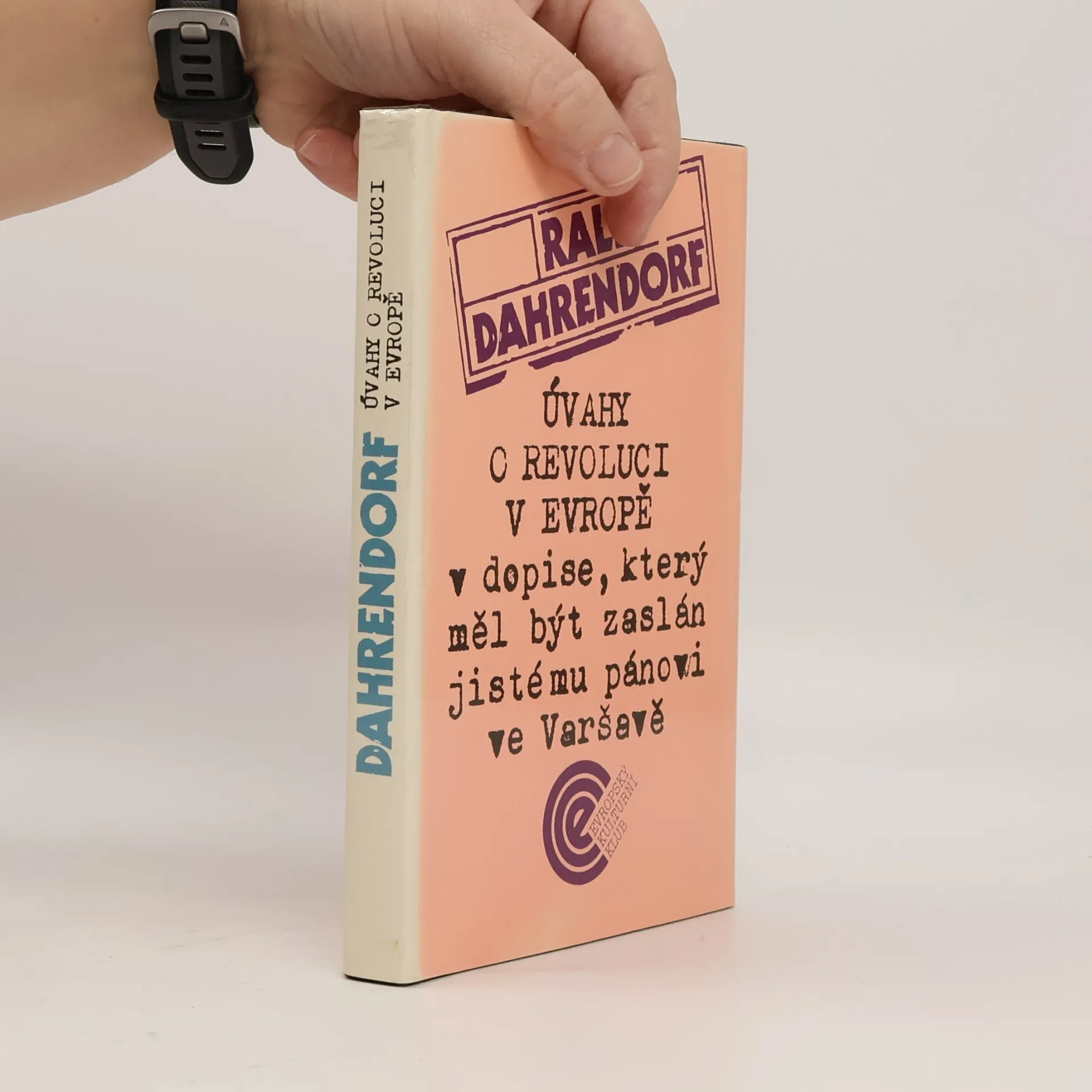
In a Letter Intended to Have Been Sent to a Gentleman in Warsaw
163 pages
6 hours of reading
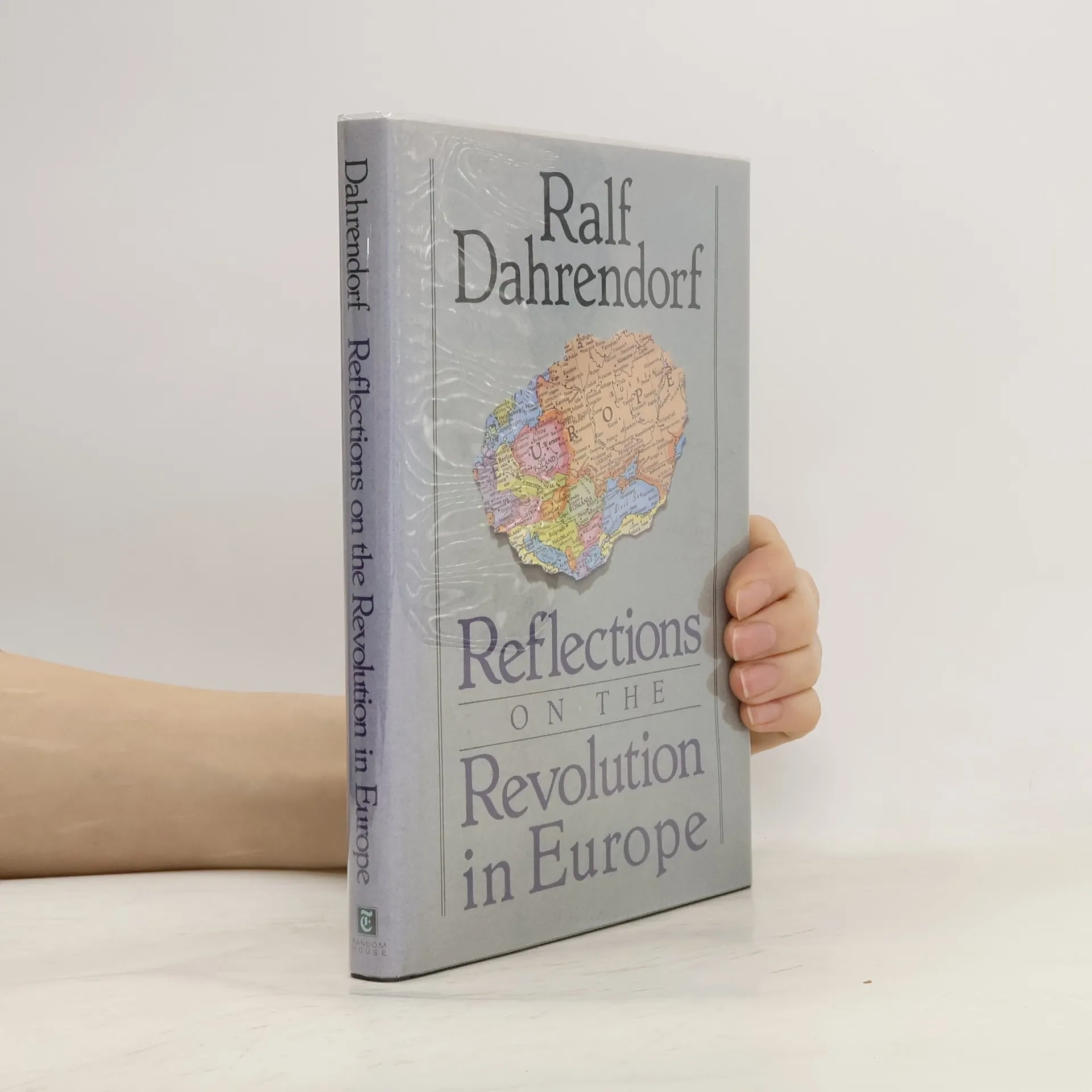
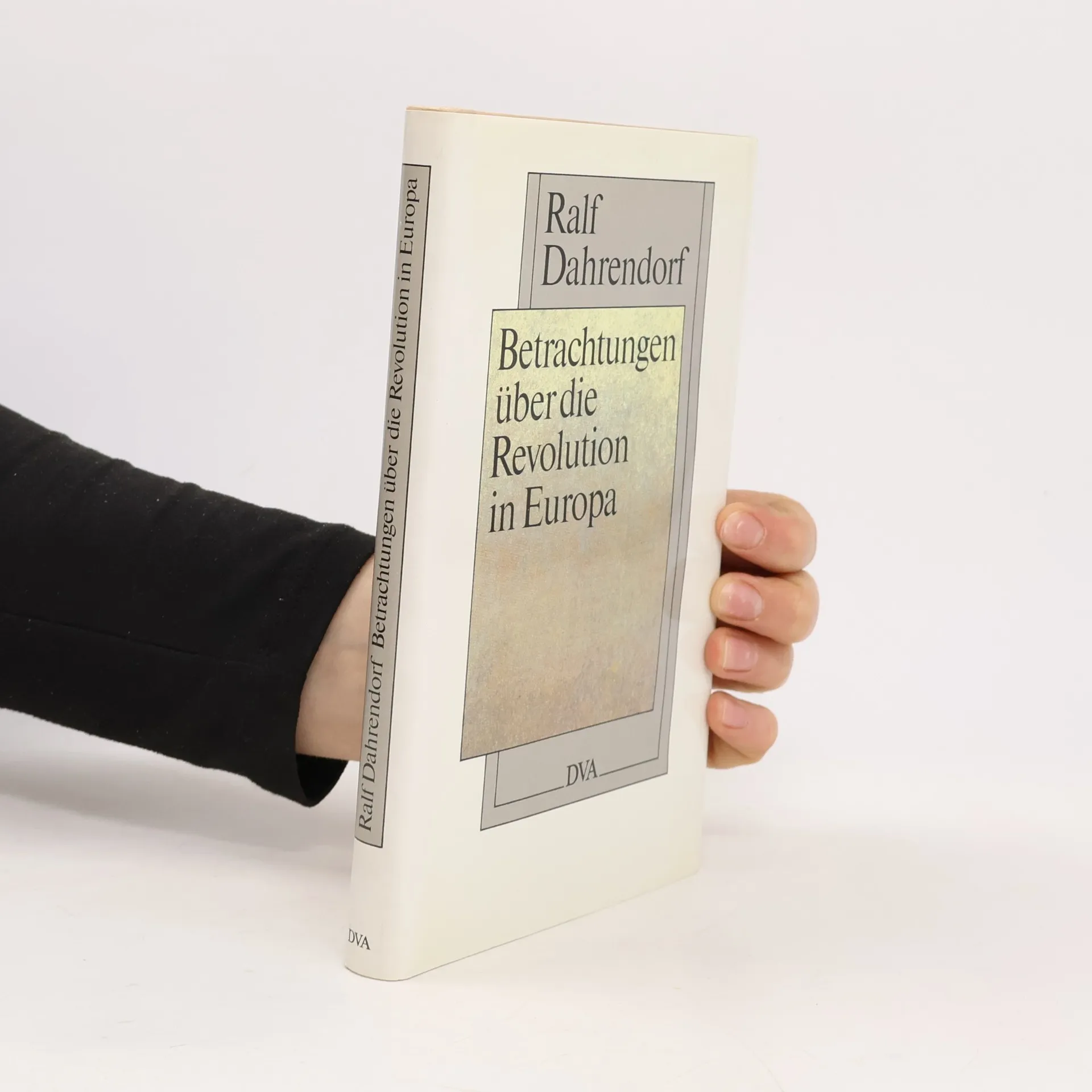
The fall of the Berlin Wall in 1989 marked the end of Europe's division into East and West, leading to a transformed world that contrasts sharply with the preceding forty years. This new Europe raises numerous questions about its future direction and implications. Are we witnessing the end of an era without a clear replacement for the previous dismal way of life? What impact will a market economy have on the social fabric of Central European countries, potentially enriching a few while impoverishing many? How can the rule of law be established in this evolving landscape?
In this insightful work, Ralf Dahrendorf, a prominent European scholar, explores these pressing issues. He interprets the developments in East Central Europe not as a triumph for either of the opposing social systems but as a preference for an open society over a closed one. Dahrendorf highlights the ongoing challenge of balancing economic growth with social justice while creating genuine democratic institutions.
This humane, skeptical, and anti-utopian book serves as a manifesto for radical liberalism, emphasizing that the social entitlements of citizenship are as crucial for progress as opportunities for choice. It offers a thoughtful analysis of change and geopolitics, pointing toward a new political framework for the twenty-first century.
This volume presents Homo Sociologicus, originally part of the Essays in the Theory of Society, featuring a new introduction by the author from its 1973 release. The work explores sociological concepts and theories, providing insights into social behavior and the role of individuals within society. It serves as a significant contribution to the understanding of social structures and interactions, making it a valuable resource for students and scholars of sociology.
Survival and Justice in a Changing World: The Reith Lectures
110 pages
4 hours of reading
The book presents Ralf Dahrendorf's influential Reith Lectures, focusing on the concept of new liberty and the need to adapt liberalism to address modern societal challenges. Through insightful exploration, Dahrendorf engages with contemporary issues, aiming to reshape liberal thought for a changing world.
The collection features ten essays exploring critical intersections of sociology and social philosophy, showcasing the author's profound understanding of historical context and political analysis. Originally published in 1968, these works reflect significant sociological insights and engage with pressing societal issues, highlighting the author's status as a prominent European theorist.
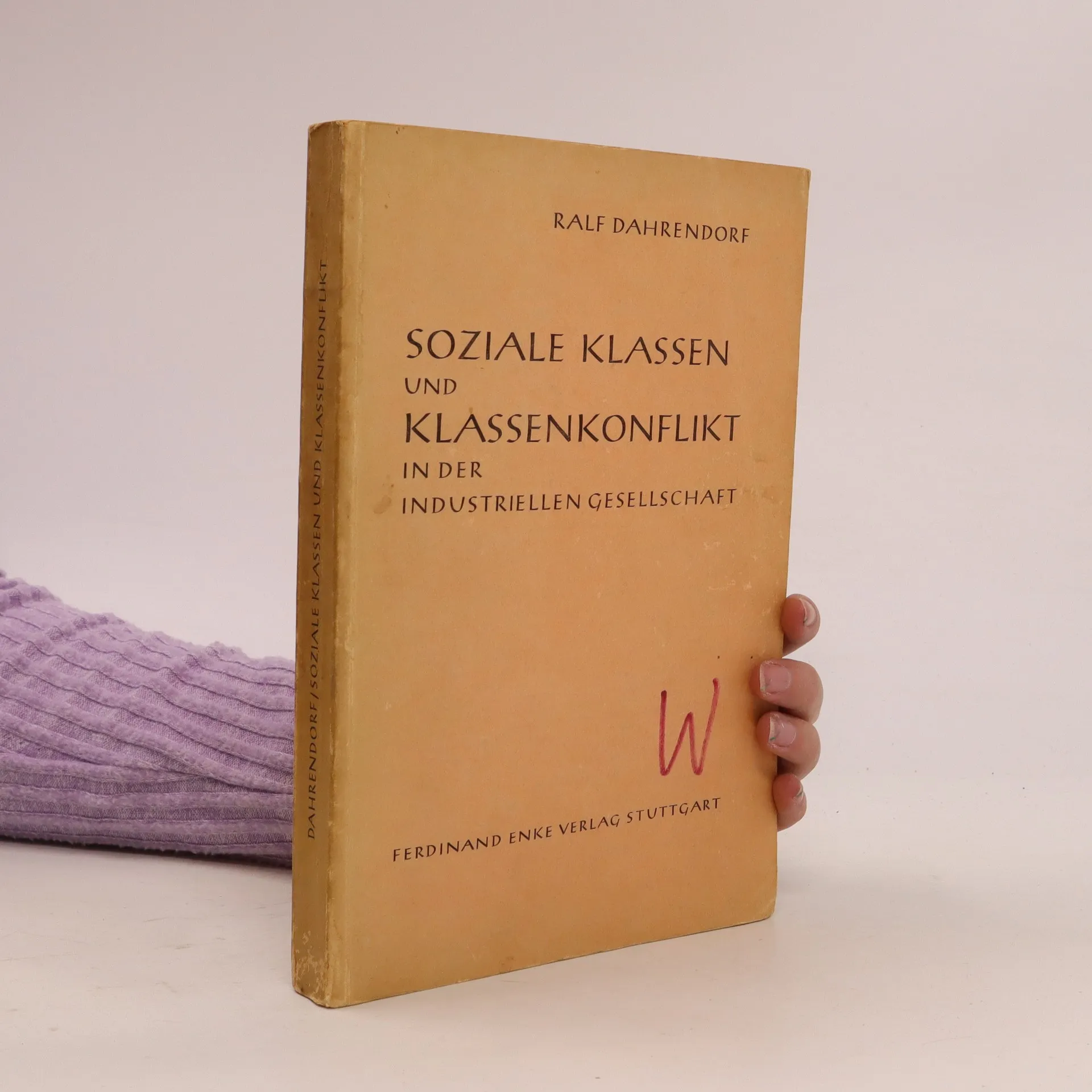
The book presents a groundbreaking theory of conflict within industrial society, developed through comprehensive analyses of various social phenomena. It explores the dynamics of social interactions and conflicts, offering insights into the underlying mechanisms that drive these issues. Originally published in 1959, it serves as a significant contribution to the understanding of societal structures and conflicts.
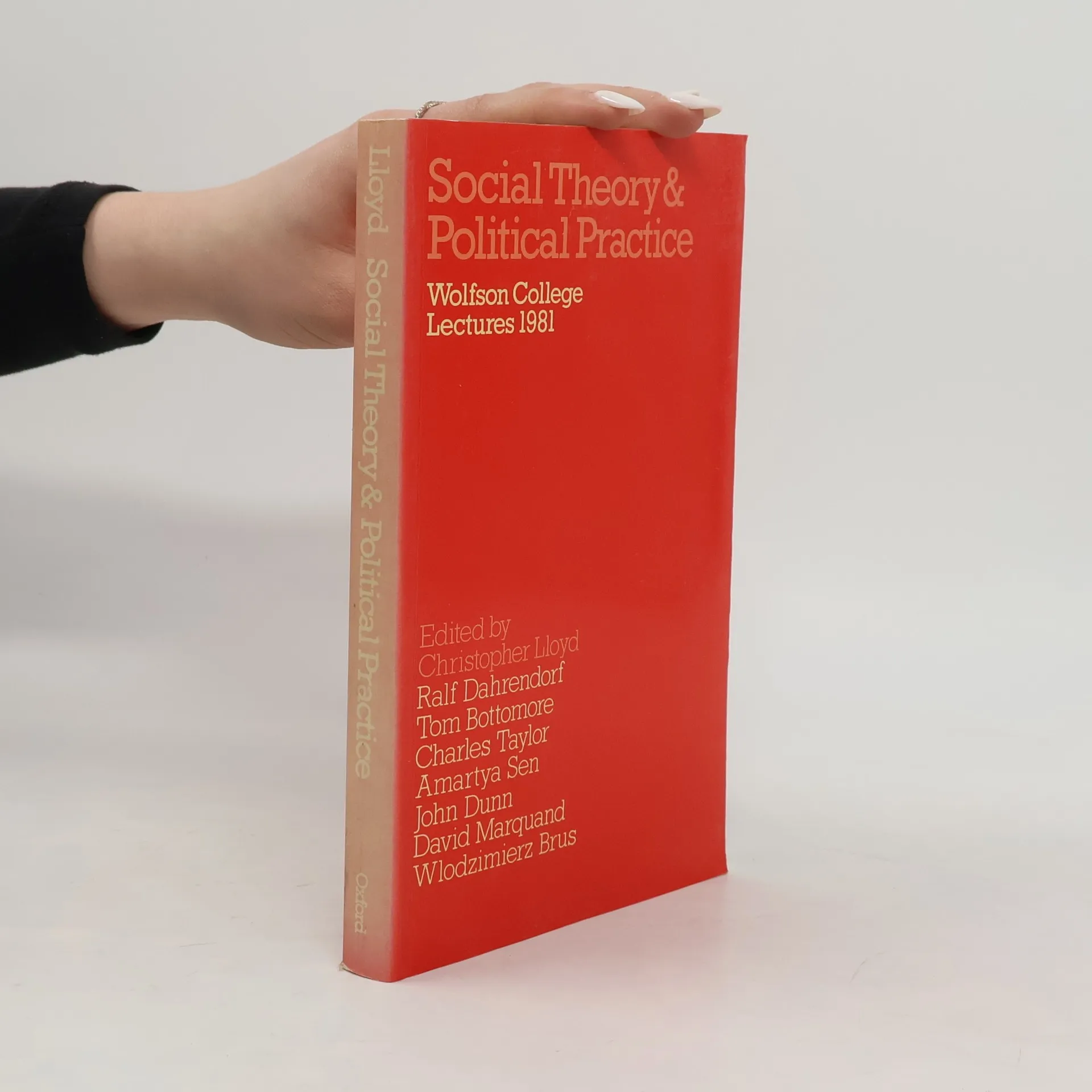
Wolfson College Lectures 1981: • Reflections on social theory and political practice — by Ralf Dahrendorf • Social theory and politics in the history of social theory — by Tom Bottomore • Political theory and practice — by Charles Taylor • Accounts, actions, and values : objectivity of social science — by Amartya Sen • Social theory, social understanding, and political action — by John Dunn • The collapse of consensus : ideology in British politics — by David Marquand • Marxism and Communism — by Wlodzimierz Brus
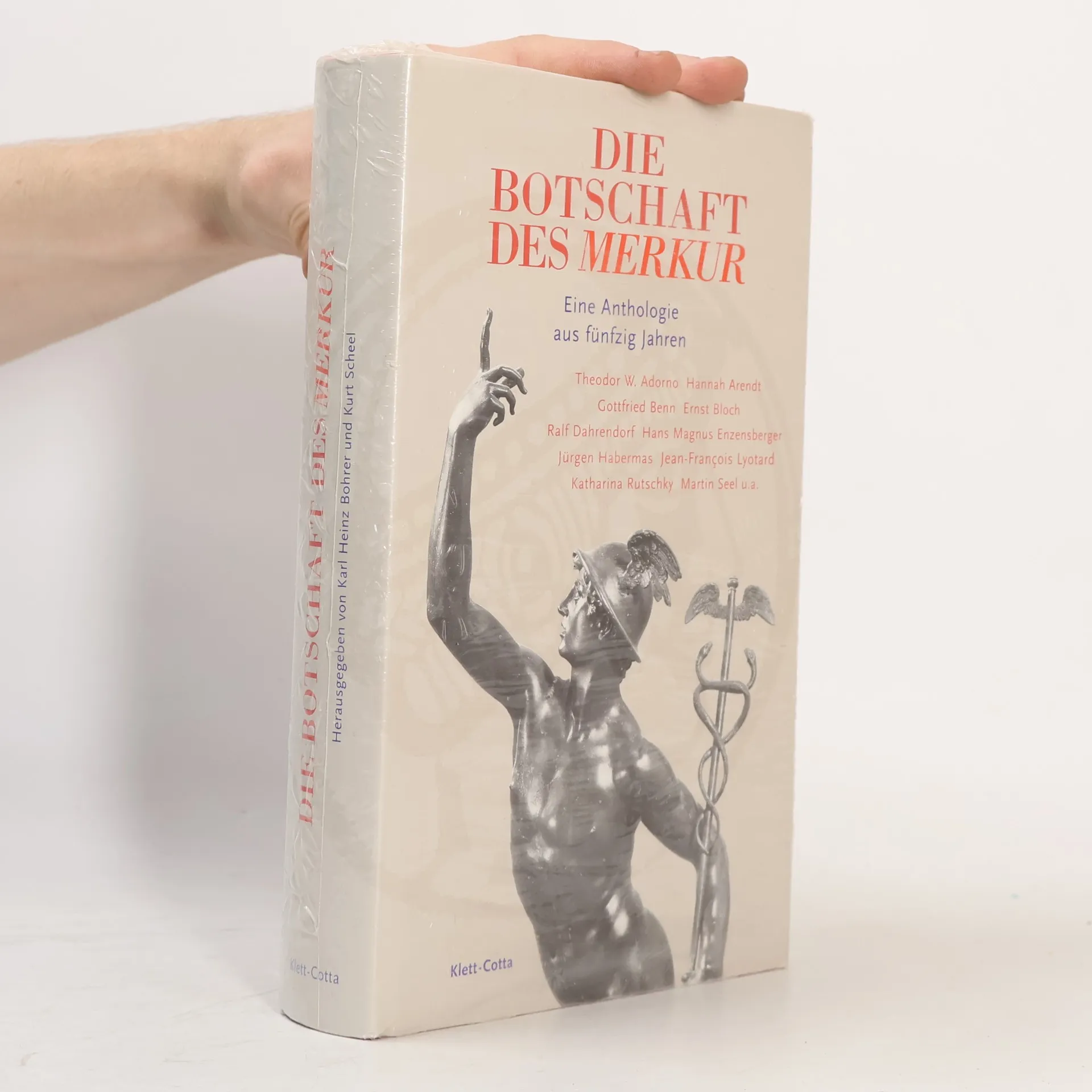
Mit Beiträgen von Theodor W. Adorno, Hannah Arendt, Jean Améry, Gottfried Benn, Hans Magnus Enzensberger, Jürgen Habermas, Ralf Dahrendorf, Ernst Bloch u. a.
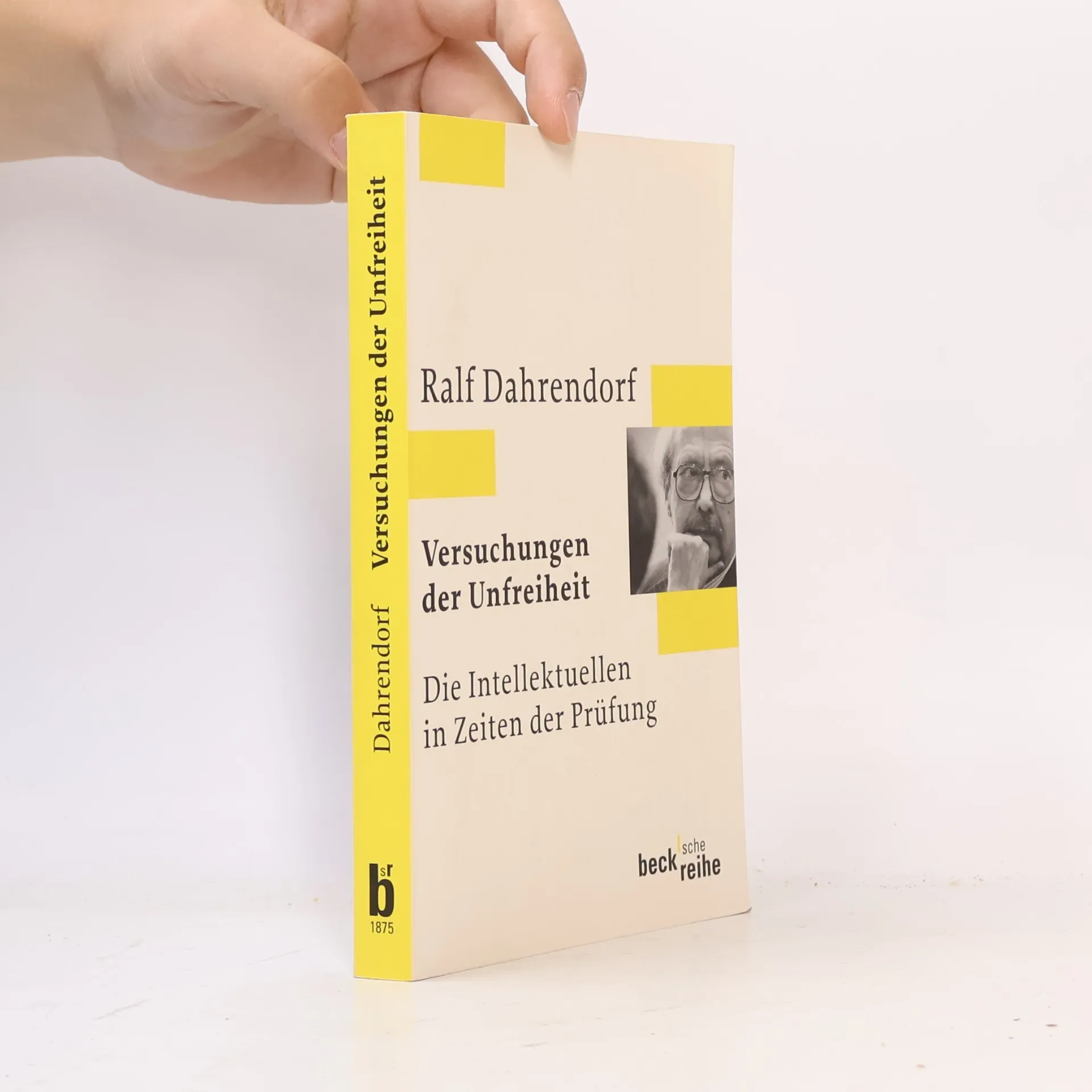
Ralf Dahrendorf lotet in diesem Band eine Fülle von beispielhaften Biographien aus, um die Ursachen für die Unversuchbarkeit des liberalen Geistes freizulegen: Karl Popper, Isaiah Berlin, Raymond Aron und Norberto Bobbio, Hannah Arendt, Theodor W. Adorno und George Orwell treten auf - aber auch kontrastierende Persönlichkeiten wie Martin Heidegger und Ernst Jünger, Jean-Paul Sartre, Manès Sperber, Arthur Koestler oder Georg Lukács. "Ralf Dahrendorf zeichnet das Porträt einer Generation von Intellektuellen, die der totalitären Versuchung widerstanden." Die Zeit "Eine Erkundungsreise zu den Quellen des liberalen Geistes." Hermann Glaser, Das Parlament "Es liegt etwas Tröstliches darin, dass Dahrendorf gezeigt hat, wie man im Rückblick auf das schreckliche 20. Jahrhundert auch ein Buch über den Anstand schreiben kann." Wolf Lepenies, Die Welt
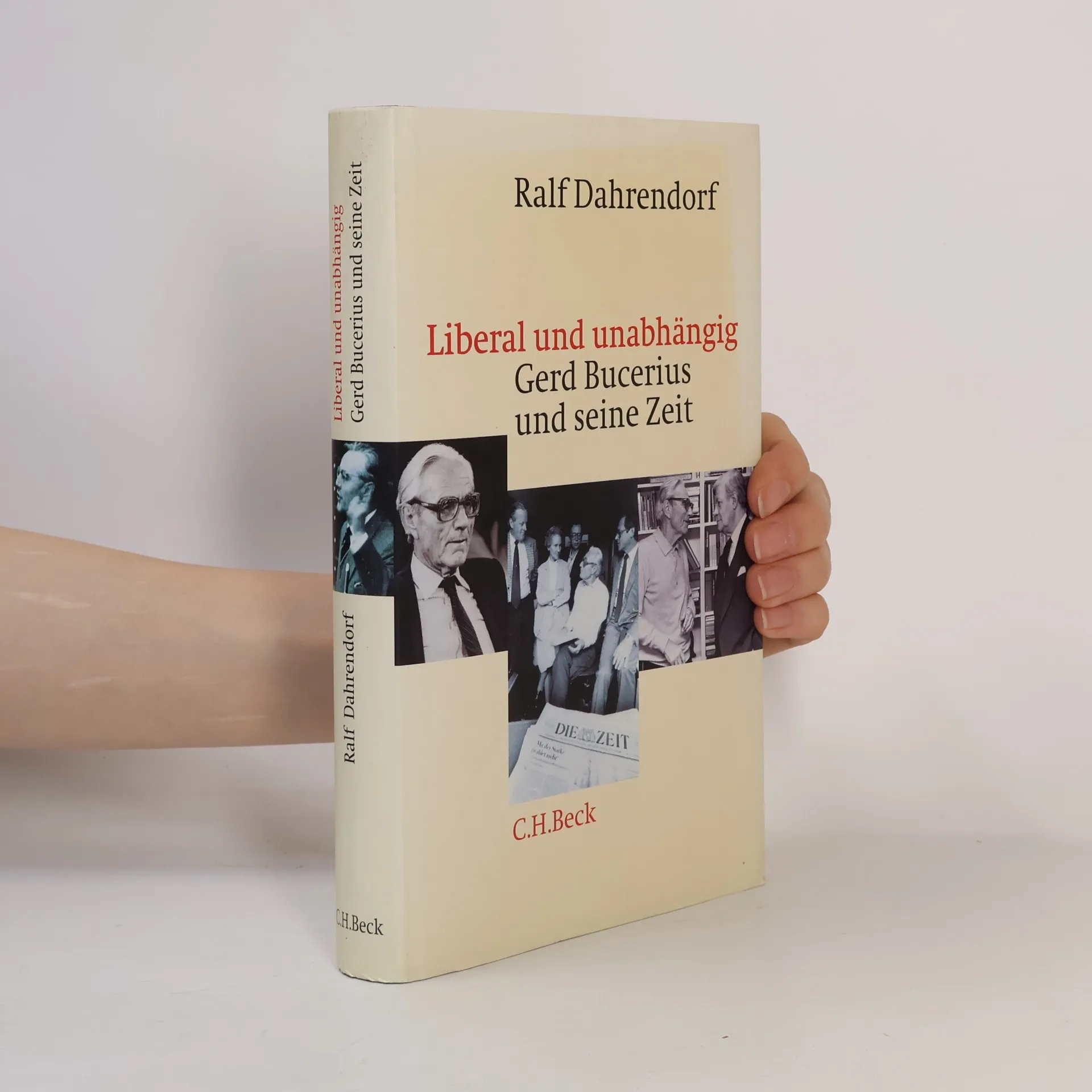
Lord Ralf Dahrendorf, Sozialwissenschaftler und liberaler Politiker, reflektiert in der Biographie des Hamburger Politikers und Verlegers Gerd Bucerius die deutsche Geschichte des 20. Jahrhunderts bis zur Wiedervereinigung. Bucerius, geboren 1906, war eine prägende Figur der Bundesrepublik und verkörperte die seltene Verbindung von risikobereitem Unternehmertum und kämpferischem Demokratieverständnis. Er erlebte das Scheitern der Weimarer Republik und die Zerstörung bürgerlicher Freiheiten im Dritten Reich. Als junger Anwalt, der mit einer Jüdin verheiratet war, setzte er sich mutig für die Rechte Verfolgter ein. Diese Erfahrungen prägten ihn als aktiven Gestalter und kritischen Beobachter des politischen Neubeginns nach 1945. Bucerius war CDU-Abgeordneter im Wirtschaftsrat und ab 1949 im Bundestag, wo er von einem Bewunderer zu einem scharfen Kritiker Konrad Adenauers wurde, während er Ludwig Erhard treu blieb. 1962 legte er sein Mandat nieder und verließ die CDU, als seine Unabhängigkeit als Verleger in Frage gestellt wurde. Er formte die 1946 mitbegründete Wochenzeitung „Die Zeit“ und das 1951 erworbene Magazin „Stern“ zu Instanzen eines unabhängig-kritischen Journalismus, die die politische Kultur der Bundesrepublik bis zur Wiedervereinigung prägten.
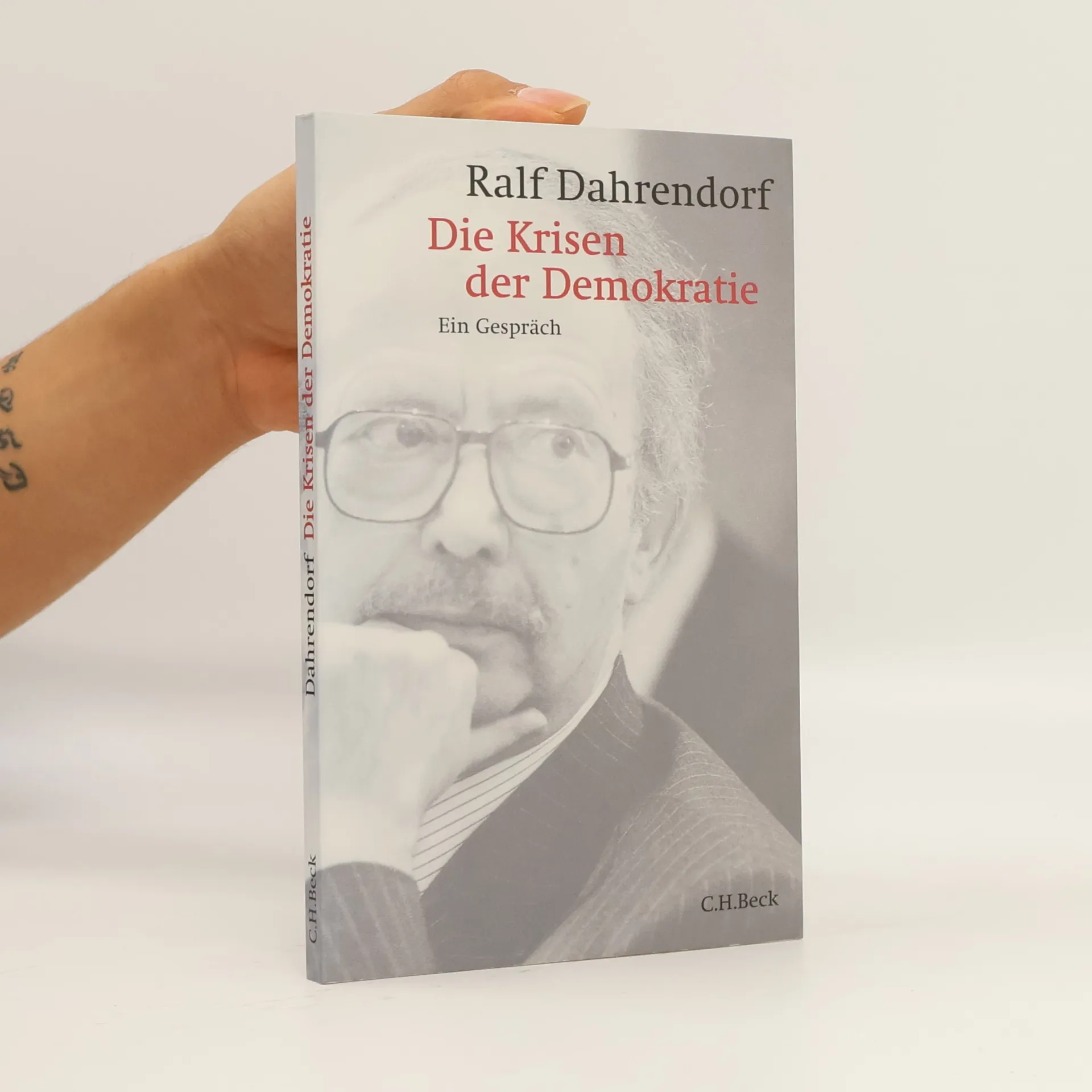
Ist die Demokratie am Ende? Hat sie eine Antwort auf die Globalisierung, durch die immer mehr Entscheidungen von größter Tragweite auf demokratisch nicht legitimierte politische Institutionen und auf nicht mehr kontrollierbare Großunternehmen verlagert werden? Wie geht sie mit den sozialen Folgen der wirtschaftlichen Globalisierung um, die den Verlierern weniger Chancen zu lassen scheinen, als sie das Proletariat am Beginn der Industrialisierung hatte? Wie wird sie mit den neuen populistischen Bewegungen eines Haider oder Bossi fertig? Wie kann man die zunehmende Apathie der Wähler aufheben, die nicht mehr die Chance sehen, ihrem Willen in demokratischen Prozessen politisch geltend zu machen? Schließlich: Wie könnte eine „neue Demokratie“ aussehen? Solchen und anderen Fragen gelten die zehn Gespräche, die Ralf Dahrendorf mit dem italienischen Journalisten Antonio Polito führt. In Wahrheit sind hier aber durch die Informationsdichte, die Präzision der Analysen, den Gedankenreichtum und den Mut zu eigenen Urteilen meisterhafte politische Essays entstanden. Hier spricht einer, der wie wenige die Qualifikation als Wissenschaftler, als Politiker und als brillanter Journalist in sich vereinigt.
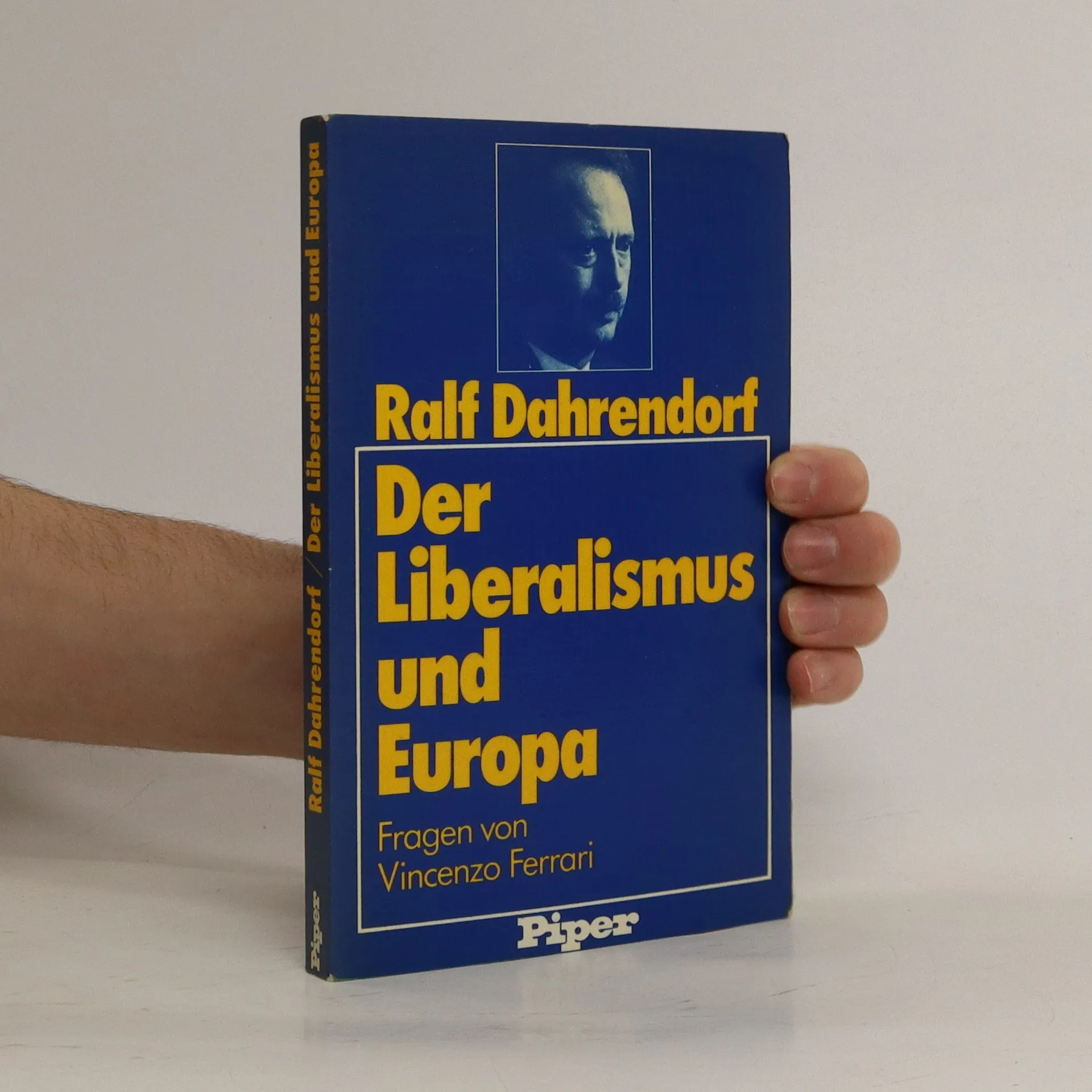
Ralf Dahrendorf präsentiert in diesem Buch eine Auswahl seiner bedeutendsten Reden und Essays der letzten 15 Jahre, die einen Einblick in seine Gedankenwelt bieten und gleichzeitig eine kritische Bilanz der weltpolitischen Entwicklungen seit 1989 ziehen. Während des Kalten Krieges erlebte die Geschichte einen künstlichen Stillstand, da West und Ost in einem umfassenden Wettbewerb der Systeme gefangen waren, der die Energie für Veränderungen absorbierte. Erst 1989, mit dem Fall der Mauer und der Auflösung des Sowjetsystems, kam es zu einem kraftvollen Wiederanlauf des historischen Prozesses. Heute, nach den Ereignissen des 11. Septembers sowie den Kriegen in Afghanistan und Irak, befinden wir uns in einer neuen globalen Epoche, deren Konturen sich langsam abzeichnen. Dahrendorf hat diesen dramatischen Wiederbeginn der Geschichte aufmerksam verfolgt und kommentiert, wobei ihn stets die zukünftige Bedeutung für eine offene Gesellschaft, die individuelle Freiheit und die Werte der liberalen Ordnung beschäftigt hat. In seinen brillanten Analysen zeigt er auf, was politische Essays leisten können: Sie bieten Orientierung in Zeiten des Wandels und betonen, dass das Engagement des Bürgers für eine bessere Gesellschaft auch in einer „Welt ohne Halt“ sinnvoll und möglich ist.
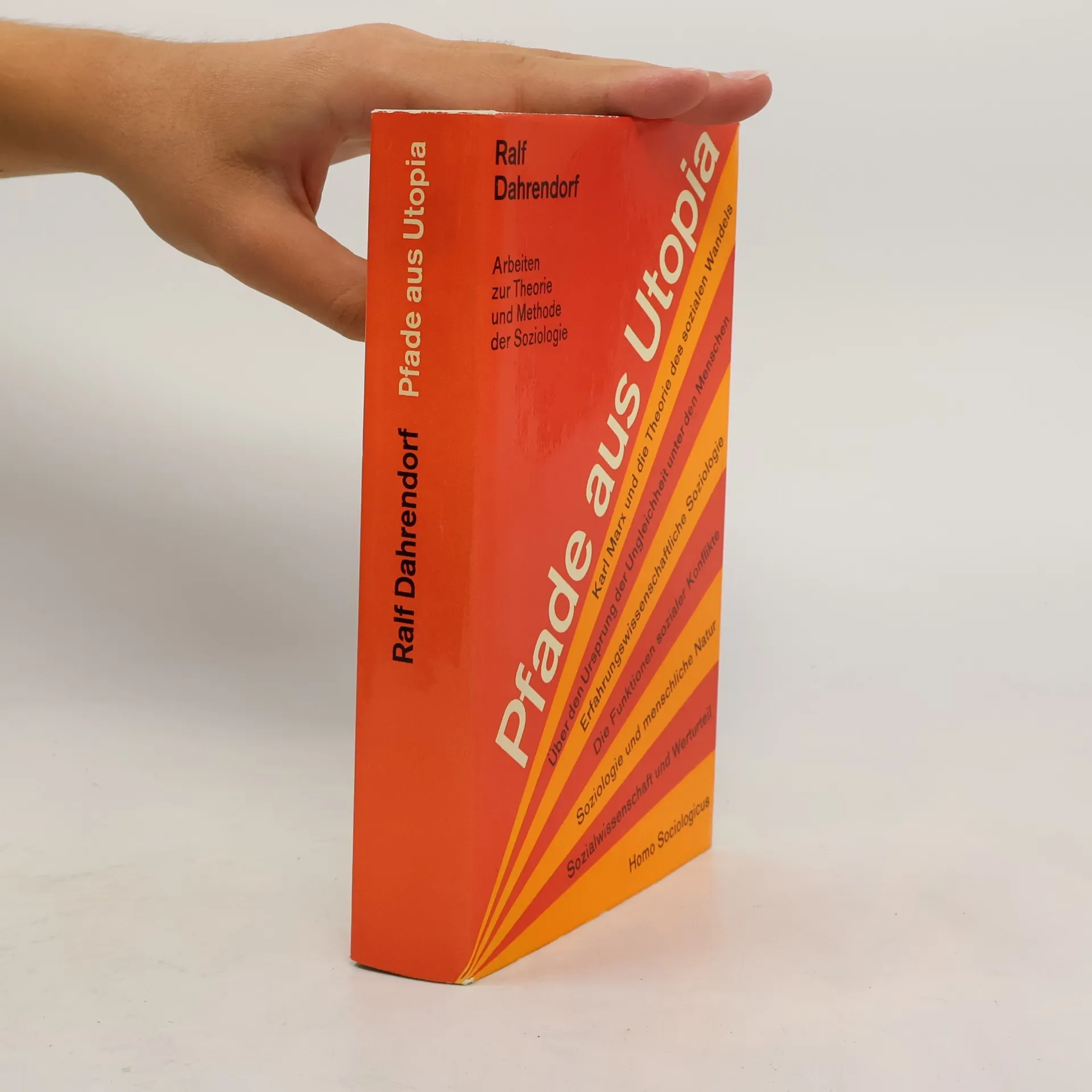
Sammelband der Werke eines der bedeutendsten Soziologen der Gegenwart, Professor an der London School of Economics Ralf Dahrendorf, der einem breiten Spektrum von Problemen der modernen soziologischen Theorie gewidmet ist. In der Arbeit wird der Status des soziologischen Wissens in den Geisteswissenschaften, die Besonderheiten des Menschenbildes, das in soziologischen Forschungen entsteht, die Rolle, die die deutsche theoretische Soziologie beim Sieg des Nationalsozialismus in Deutschland spielte, sowie der Einfluss von Marx auf das moderne soziale Denken betrachtet.
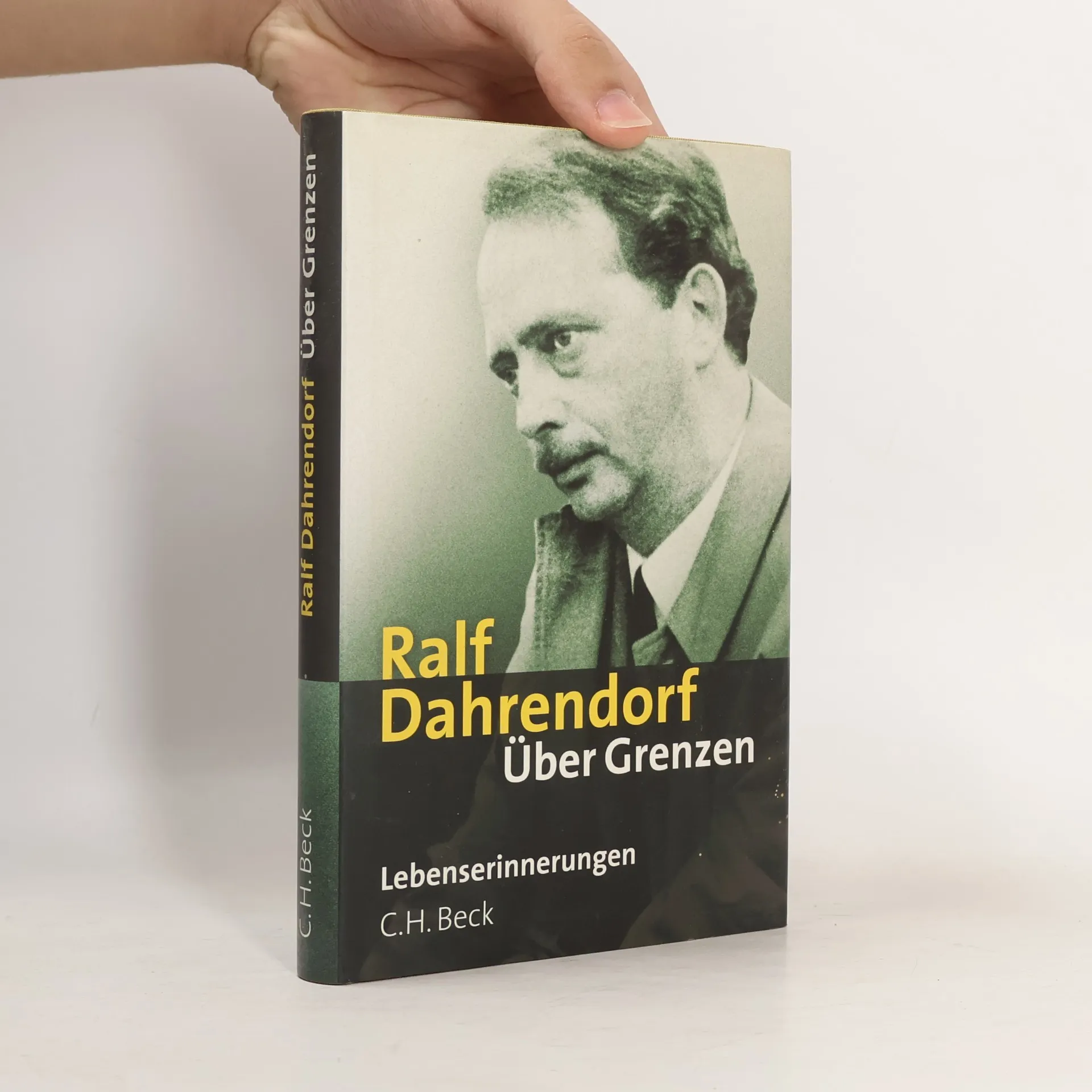
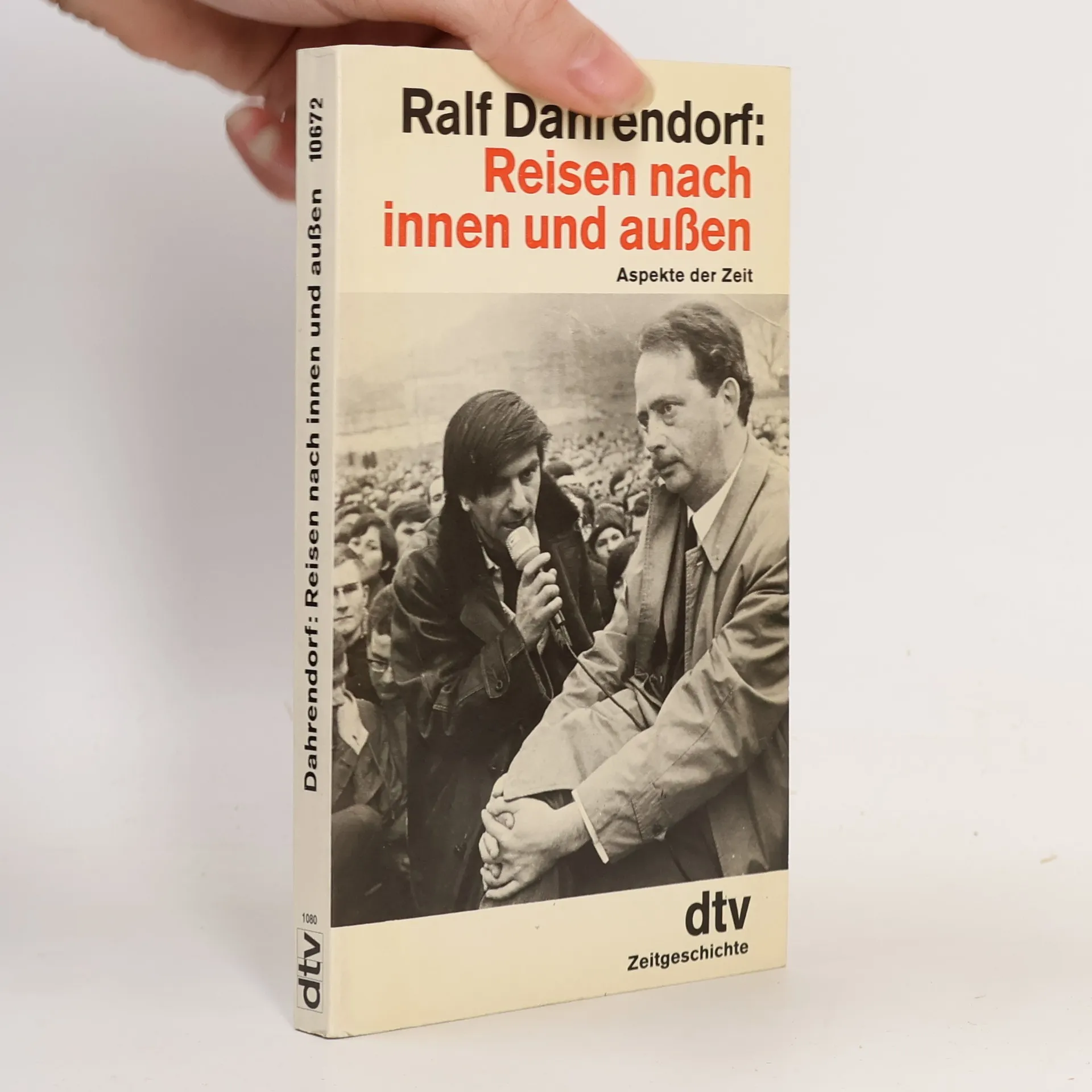
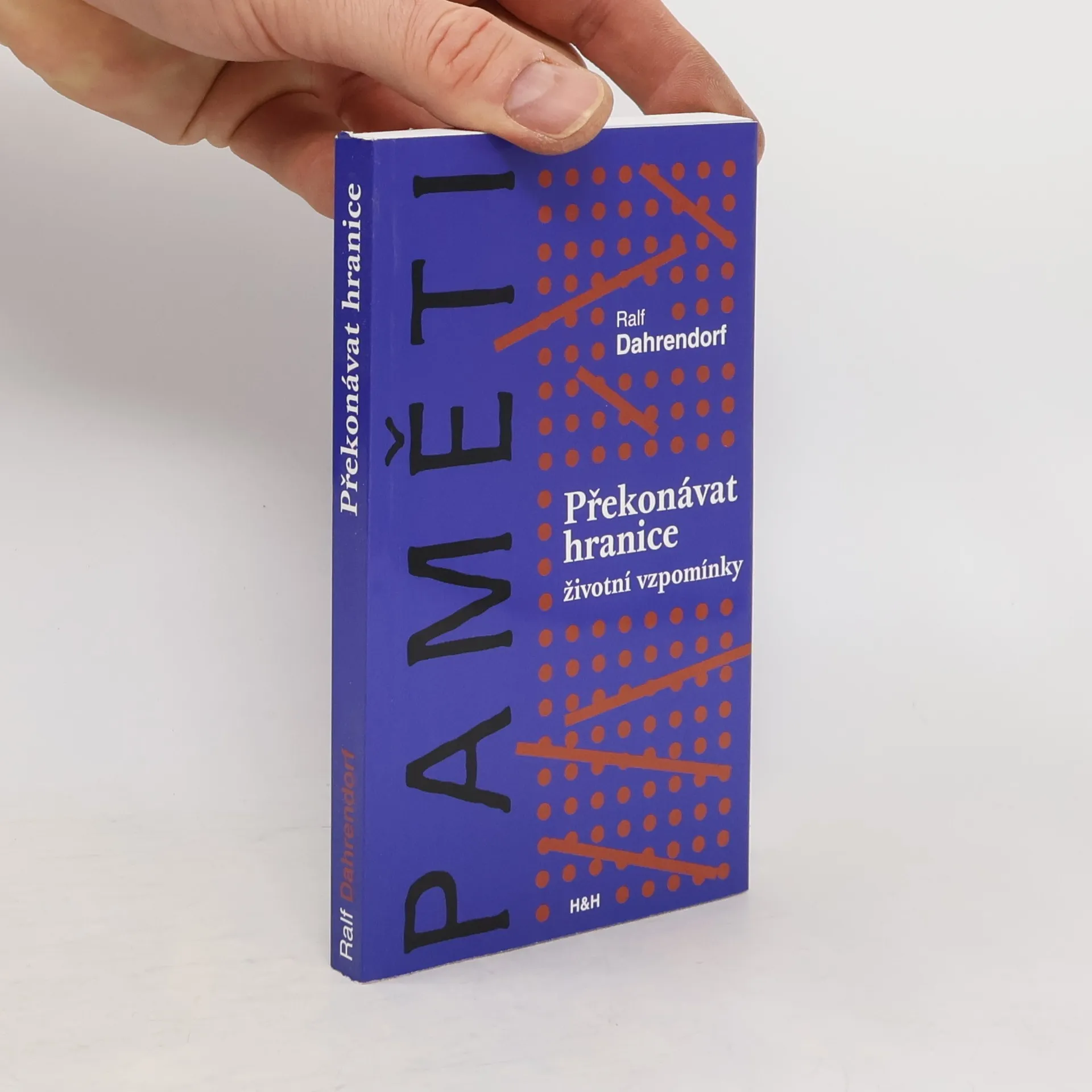
Manche Bilder von Ralf Dahrendorf haften im Gedächtnis, so das der Diskussion mit Rudi Dutschke auf dem Dach eines Fernsehwagens vor der Freiburger Stadthalle 1968, aber auch das des unbotmäßigen Europa-Kommissars und dann des britischen Lords. Woher kommt so ein Mann? In einem ungewöhnlichen Rückblick auf seine Anfänge erzählt Ralf Dahrendorf, warum für ihn das Jahr, in dem er 28 war, die Achsenzeit seines Lebens wurde. So hören wir von diversen Ansichten der Herkunft seiner Familie, seinem Elternhaus, seinem Vater, der sozialdemokratischer Reichstagsabgeordneter war, am Widerstand gegen Hitler teilnahm und vom Volksgerichtshof abgeurteilt wurde. Er beschreibt sein Aufwachsen in Nazi-Deutschland, und zwar als jemand, der nicht zum Auswandern gezwungen war, jedoch seinerseits in den Widerstand geriet, berichtet von der Stunde Null, dem Studium, dem Beginn seiner Karriere als Wissenschaftler, als Journalist, als Politiker. Ralf Dahrendorf mißtraut der großen Lebenserzählung, in der sich Ereignis an Ereignis knüpft und am Ende alles als konsequent und sinnvoll erscheint. Er ist ein Liebhaber der leisen Ironie und der Diskretion, und so bietet er, wie er selbst sagt, ein „Patchwork“. Aber, so muß man hinzufügen, es ist ein höchst kunstvolles Gewebe, das hier aus den Einzelstücken zusammengesetzt ist. „Über Grenzen“ ist nicht nur ein atmosphärisch dichter Lebensrückblick, es ist ein literarisches Buch.
2003. 8. 156 S., 2 Bl. (= Krupp-Vorlesungen zu Politik und Geschichte am Kulturwissenschaftlichen Institut im Wissenschaftszentrum Nordrhein-Westfalen; 3). Orig.-Pappband mit Orig.-Schutzumschlag.
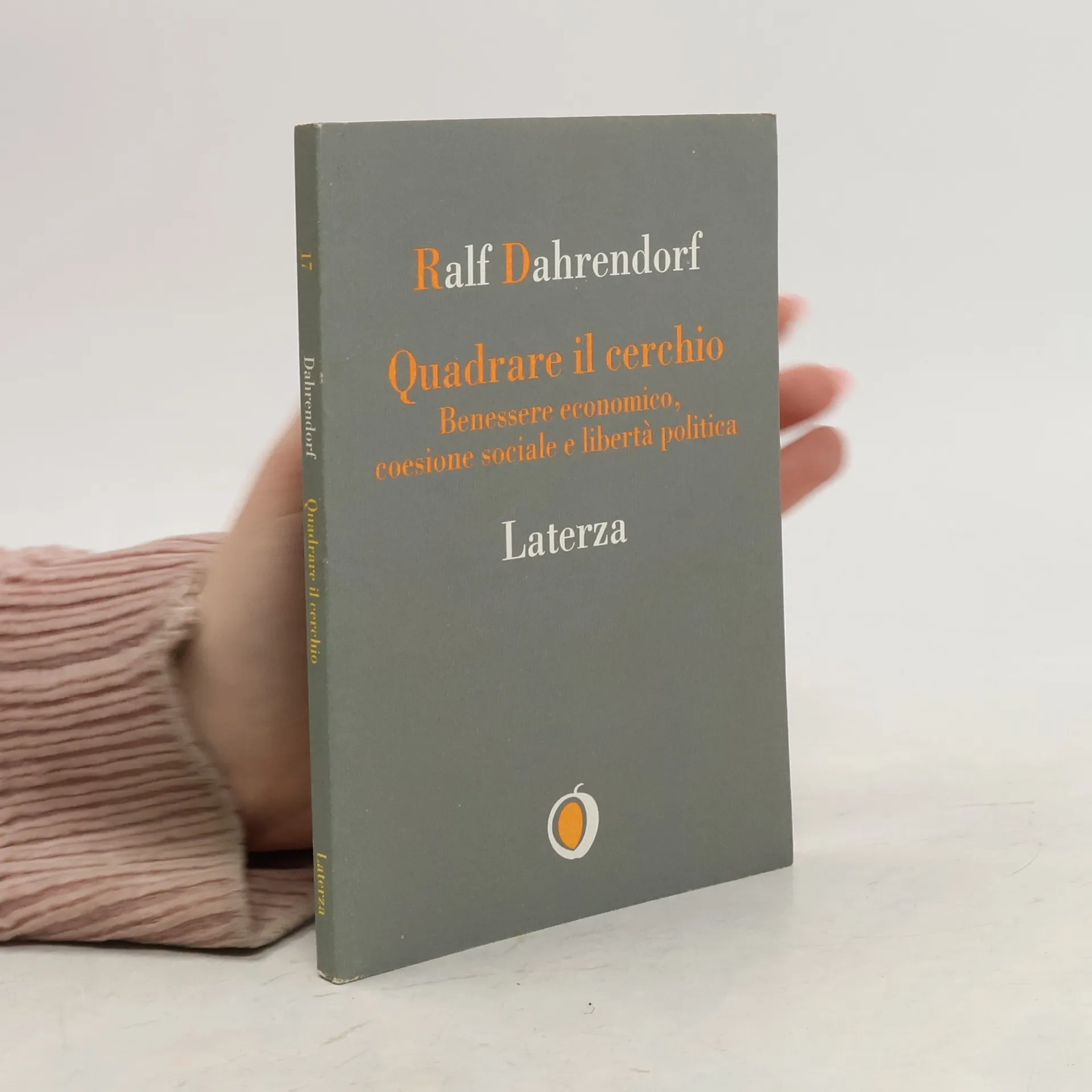
Benessere economico, coesione sociale e libertà politica
68 pages
3 hours of reading
La quadratura del cerchio presenta sei proposte viabili e congruenti, pertinenti per il mondo in generale, al fine di raggiungere un clima di fiducia in cui possano essere correlati il benessere economico, la coesione sociale e la libertà politica, obiettivo che si è senza dubbio costituito come la sfida da affrontare dalle società del presente secolo.
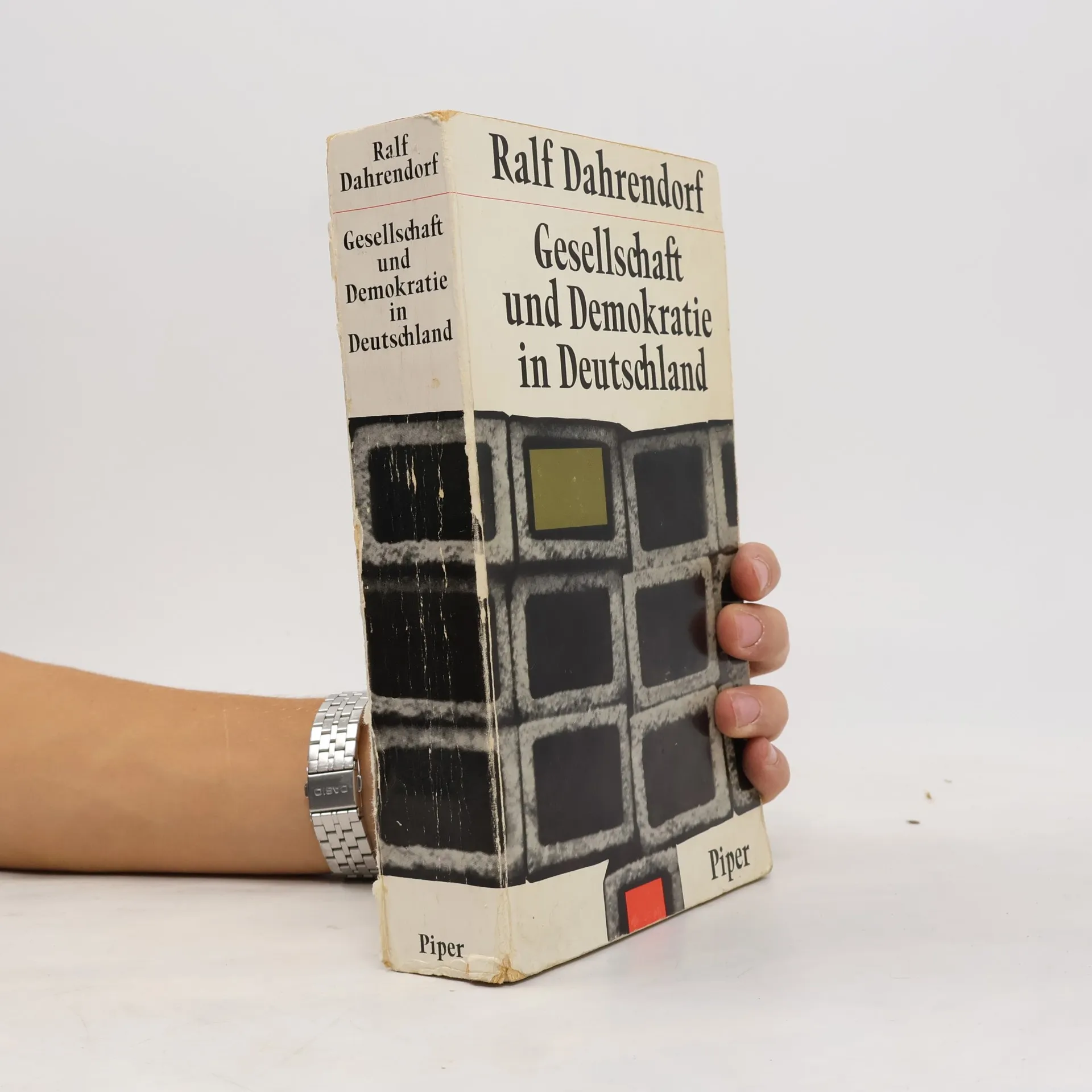
In dieser Studie bietet der Autor eine Übersicht über die deutsche Gesellschaft hinsichtlich der Struktur der verschiedenen sozialen Schichten und politischen Institutionen sowie der Geschichte der Demokratie in Deutschland. Er vereint zwei Themen in einer Analyse des zentralen politischen Problems der jüngeren deutschen Geschichte - warum die liberale Demokratie als politisches Prinzip und System bis vor kurzem keinen dauerhaften Fuß in dem Land fassen konnte.
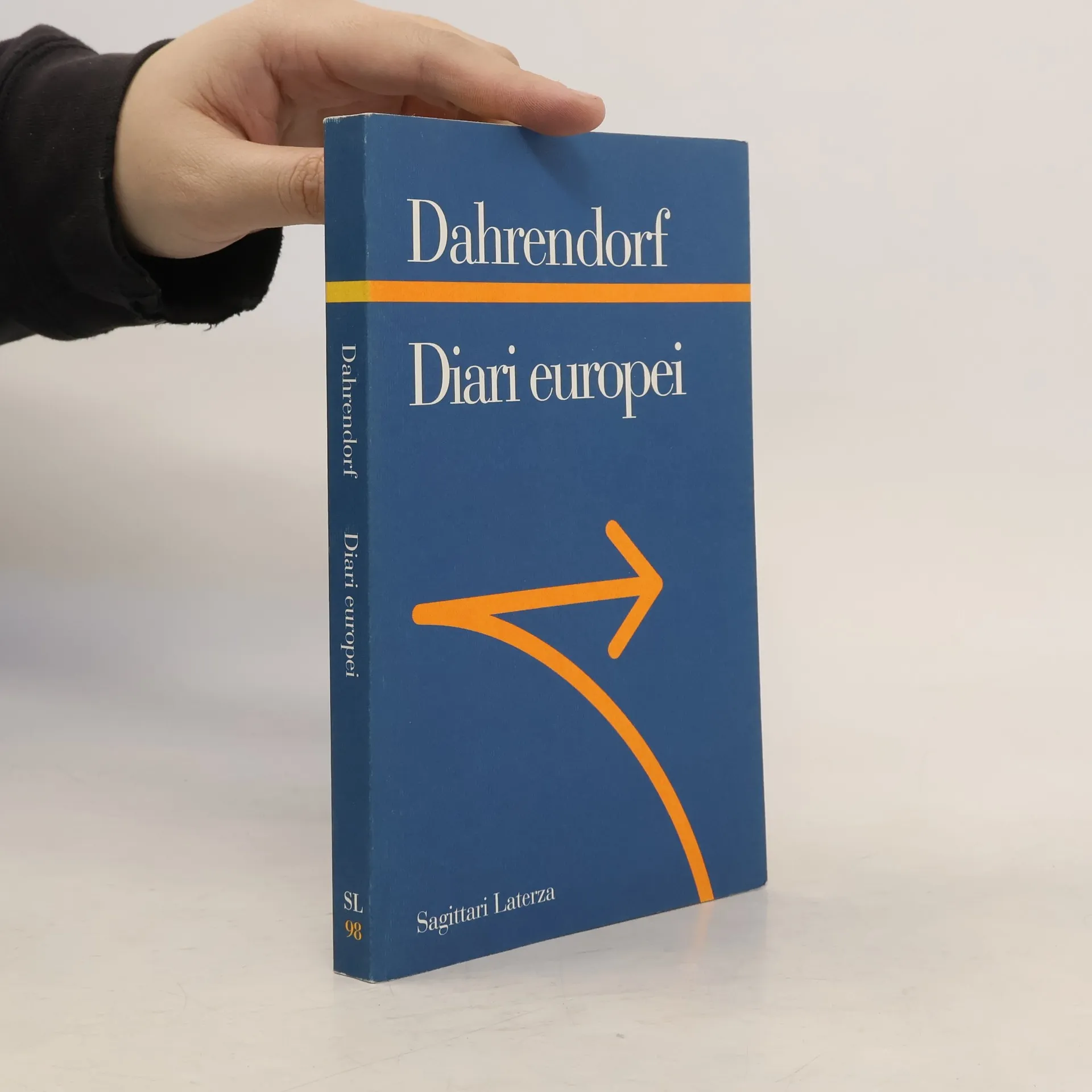
Temi politici, economici e sociali di grande attualità, filtrati attraverso la diretta esperienza di viaggiatore del mondo, quale Dahrendorf è sempre stato, e dei colloqui avuti negli ultimi anni con imprenditori, ministri e uomini politici.Un diario pubblico dove si affrontano questioni cruciali del nostro tempo, come gli sviluppi degli avvenimenti in Europa orientale, il ritorno della destra in Italia, le «chances» di Maastricht.
Ralf Dahrendorf lotet in diesem Band eine Fülle von beispielhaften Biographien aus, um die Ursachen für die Unversuchbarkeit des liberalen Geistes freizulegen: Karl Popper, Isaiah Berlin, Raymond Aron und Norberto Bobbio, Hannah Arendt, Theodor W. Adorno und George Orwell treten auf - aber auch kontrastierende Persönlichkeiten wie Martin Heidegger und Ernst Jünger, Jean-Paul Sartre, Manès Sperber, Arthur Koestler oder Georg Lukács. „Ralf Dahrendorf zeichnet das Porträt einer Generation von Intellektuellen, die der totalitären Versuchung widerstanden.“ Die Zeit „Eine Erkundungsreise zu den Quellen des liberalen Geistes.“ Hermann Glaser, Das Parlament „Es liegt etwas Tröstliches darin, dass Dahrendorf gezeigt hat, wie man im Rückblick auf das schreckliche 20. Jahrhundert auch ein Buch über den Anstand schreiben kann.“ Wolf Lepenies, Die Welt
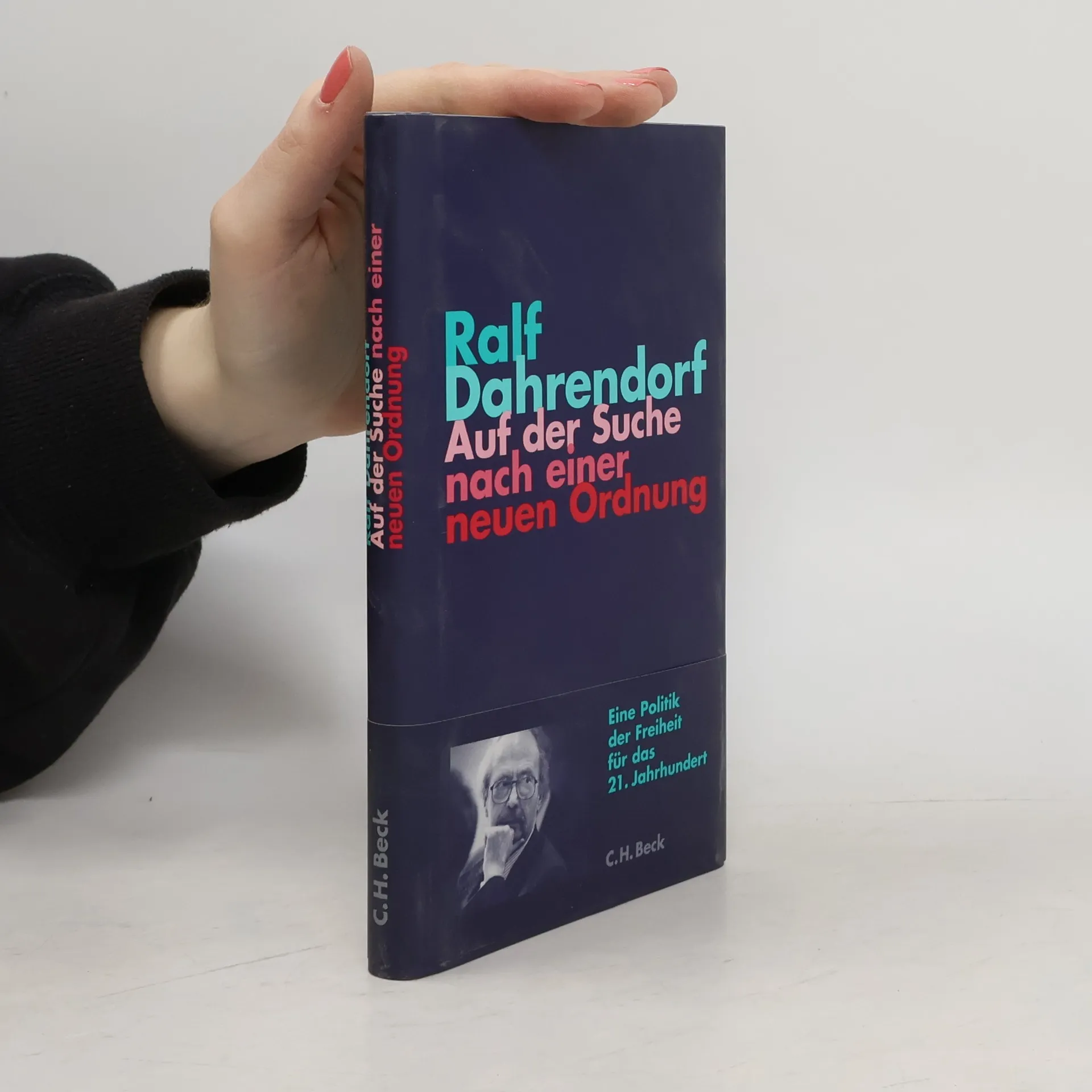
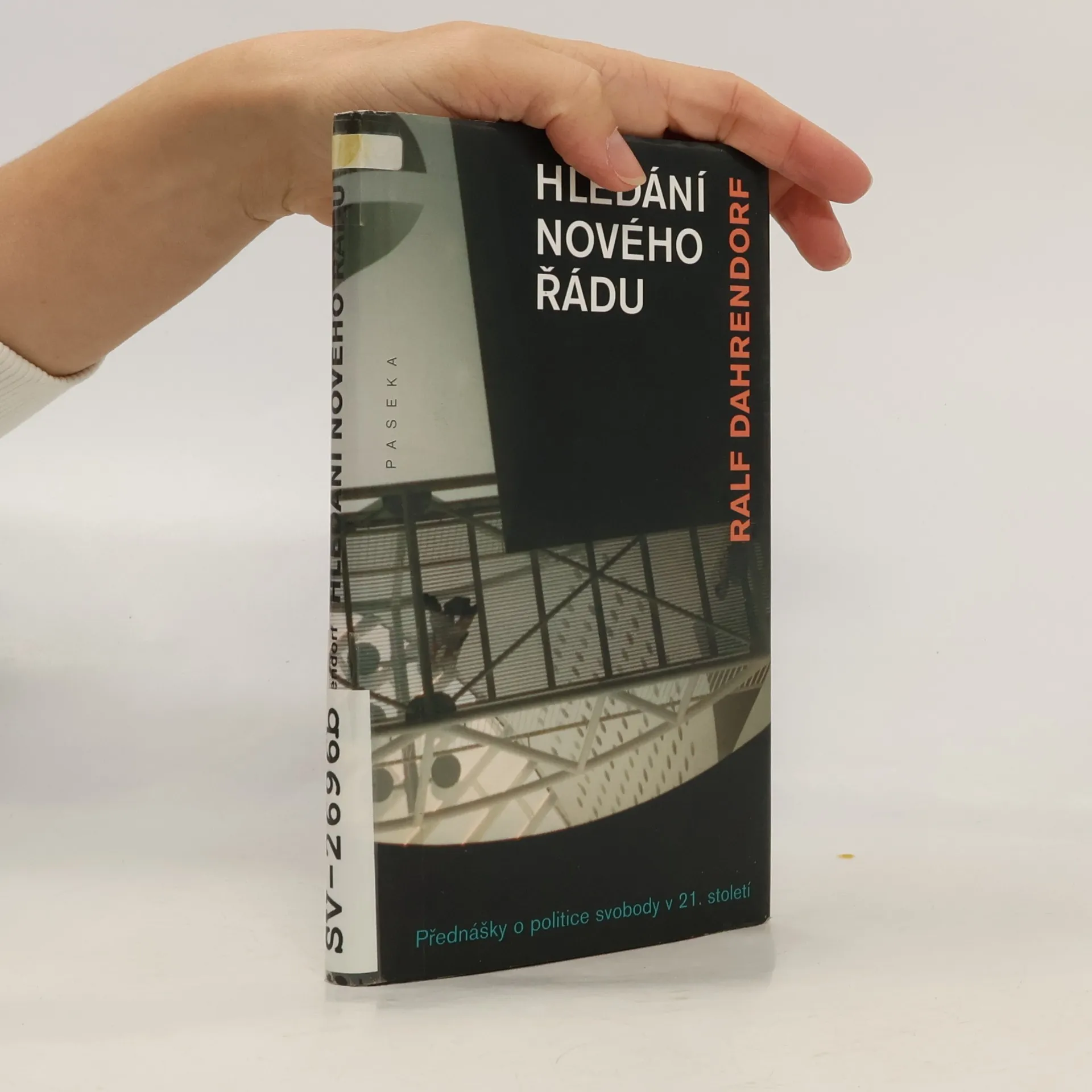
Vorlesungen zur Politik der Freiheit im 21. Jahrhundert
157 pages
6 hours of reading
In glänzenden Analysen stellt Ralf Dahrendorf dar, welche Gefahren der liberalen Ordnung in den demokratisch verfaßten Staaten drohen und welche Hindernisse ihrer Etablierung in Ländern im Wege stehen, die sie kaum oder nie gekannt haben. In den westlichen Demokratien ist die Freiheit durch die demokratischer Willensbildung entzogene Globalisierung und den neuen illiberalen Regionalismus bedroht, aber auch gefährdet duch einen politischen Autoritarismus und sein Pendant, die Apathie der Bürger. In der postkommunistischen Welt können die gerade zur Demokratie Bekehrten an ihr schon wieder zu zweifeln beginnen, weil der Wohlstand, den man mit einer demokratisschen Verfassung verschwistert glaubt, sich nicht einstellen will. In den Ländern der "Dritten Welt" schließlich können gerade die Modernisierungsprozesse mit ihren großen Verheißungen und kleinen Fortschritten gefährliche Gegenbewegungen bis hin zum religiösen Fundamentalismus und zum Terrorismus auslösen. Hier ist ein Buch entstanden, das von der wissenschaftlichen Kompetenz der Soziologen und der praktischen Erfahrung des Politikers lebt, präzise in seiner Analyse, unbestechlich in seinem Urteil, mutig in seinen Empfehlungen für einen Weg aus der Krise. Gerade weil Ralf Dahrendorf sich und seinen Lesern nichts vormacht, haben seine Ratschläge Gewicht. Es gibt derzeit kein anderes Buch, das so überzeugend eine Politik der Freiheit für das 21. Jahrhundert entwirft.
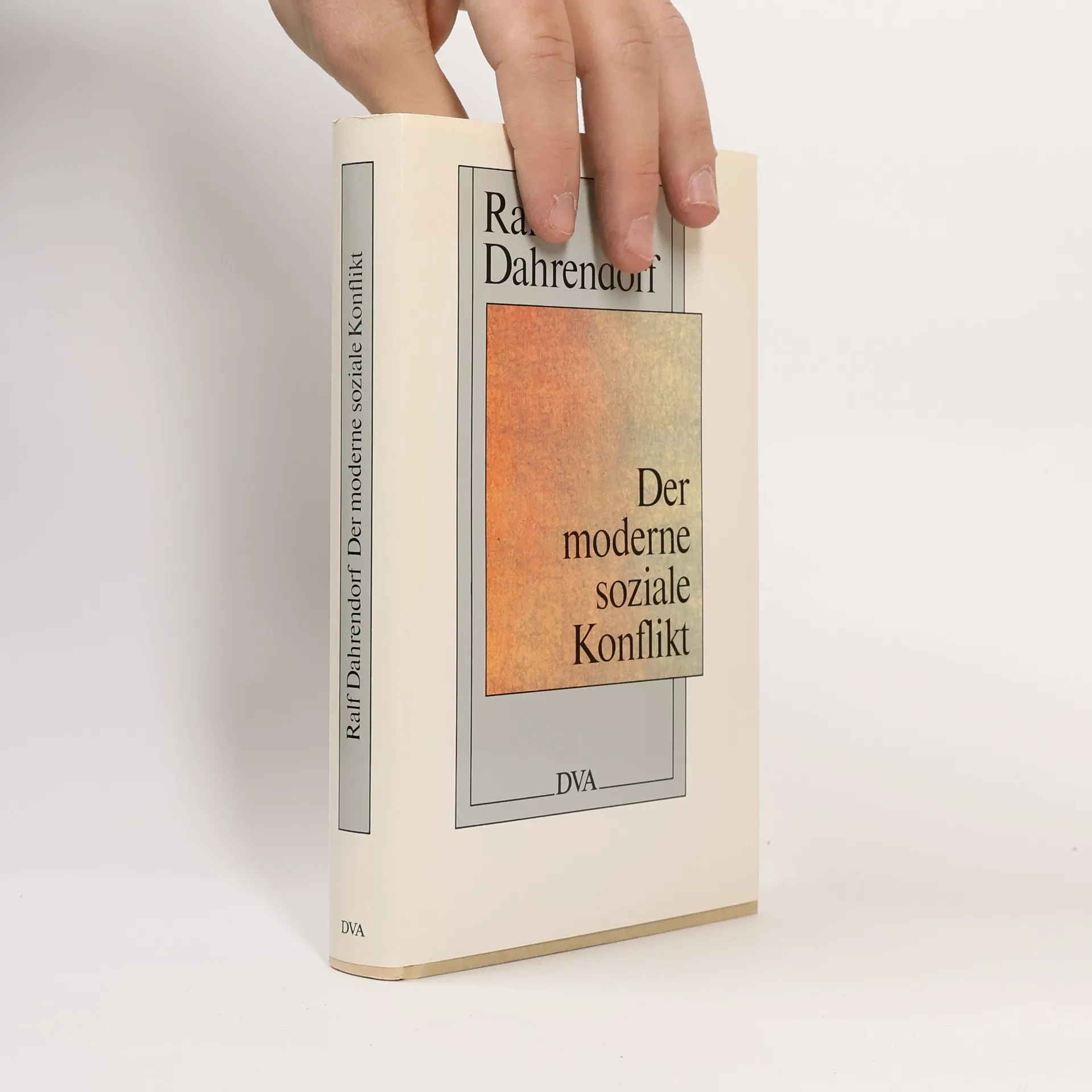
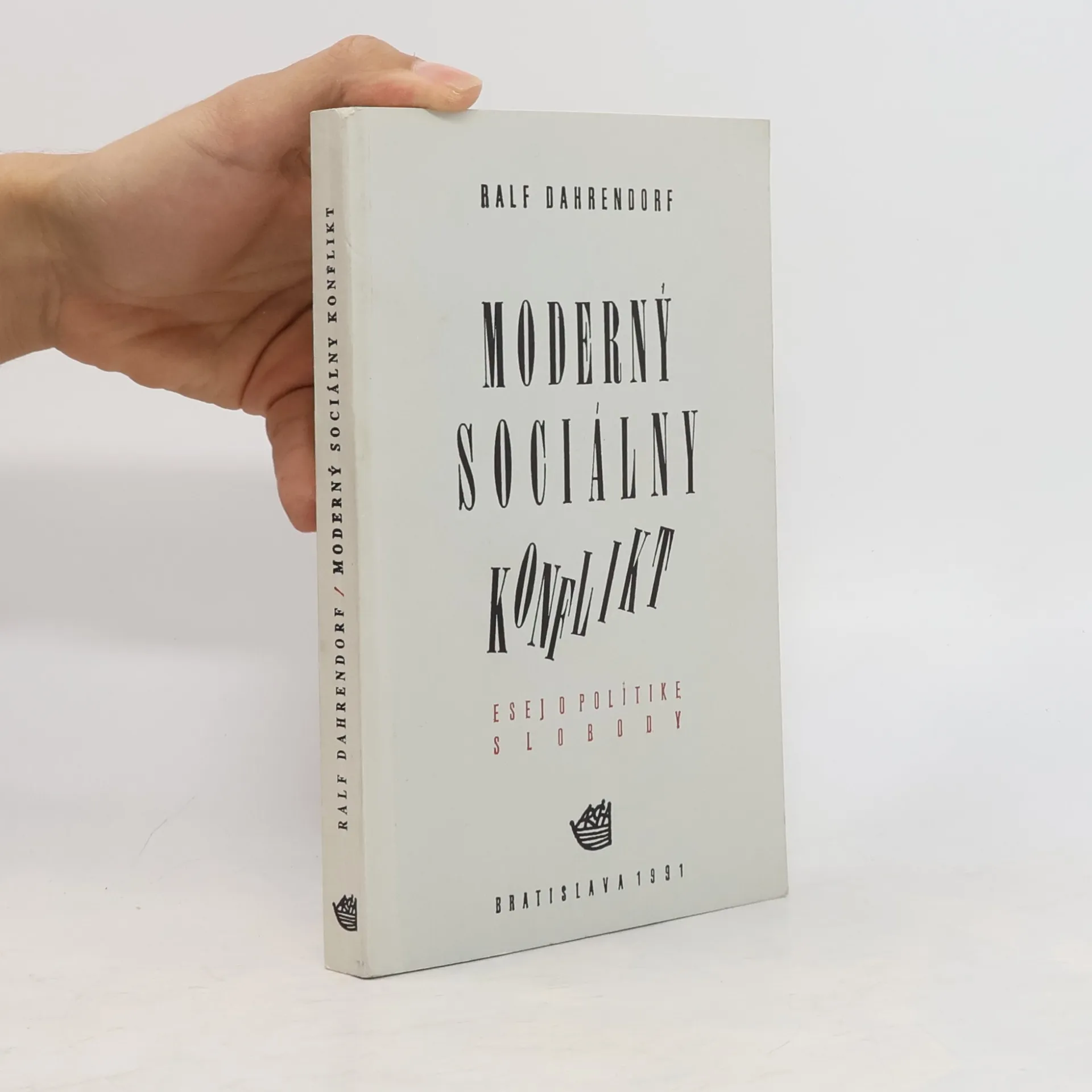
Der moderne soziale Konflikt bietet eine prägnante, autoritative und zugängliche Darstellung des aktuellen Stands der westlichen Demokratien, wie sie dorthin gelangten und wohin sie gehen müssen, um ihre politische und soziale Freiheit zu bewahren. Teil Geschichte, Teil Sozialanalyse, Teil engagierte Handlungsempfehlung ist dieses "Essay über die Politik der Freiheit" ein zeitgemäßer und wichtiger Beitrag zum Verständnis der modernen Welt von einem der bekanntesten Sozial- und Politikwissenschaftler unserer Zeit.
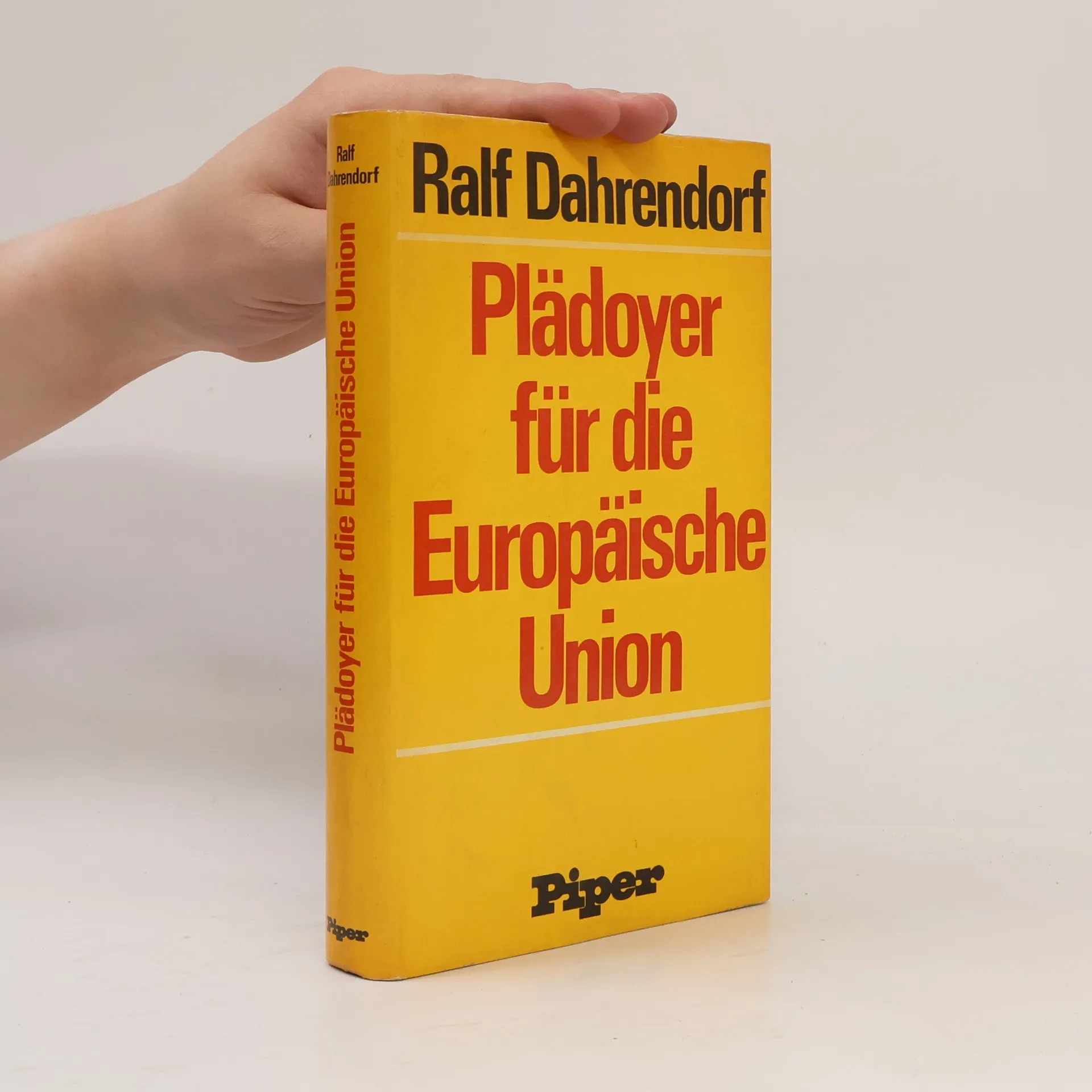
Dahrendorf, Ralf. Plädoyer für die Europäische Union. München, Zürich, Piper, 1973. 22 cm. 241 Seiten. Hardcover / Pappband mit Schutzumschlag. Sehr guter, nahezu neuwertiger Zustand mit nur ganz geringen Gebrauchsspuren. KEIN Mängelexemplar. KEINE Anstreichungen. KEIN Besitzvermerk oder sonstige Eintragungen. L'acquis communautaire oder die Errungenschaften der Europaeischen Gemeinschaft / Die Armen und die Schwellenlaender / Europa und die USA / etc. etc.
Autor vychází z konkrétních událostí, spojených s pádem komunistických režimů ve východní Evropě a odhaluje anatomii revolucí, jejich paradoxy, složitosti a perspektivy.
Světově známý sociolog, novinář a politik se vrací ke svému dětství a k začátkům své novinářské, vědecké i politické kariéry. Nejedná se o klasickou autobiografii nejen proto, že vyprávění končí ještě před autorovým věkem třiceti lety, ale také protože se Dahrendorf nesnaží svůj život podávat jako jeden souvislý příběh, jehož jednotlivé kapitoly na sebe harmonicky navazují. Dahrendorf, který strávil velkou část života v anglosaském prostředí, pochází z významné hamburské sociálnědemokratické rodiny. Velkou část knihy věnuje právě svým německým kořenům, otci, který byl poslancem říšského sněmu, odpůrcem a vězněm nacistického režimu a posléze významným politikem poválečného Německa, a svému mládí v pohnutých třicátých a čtyřicátých letech 20. století. Prozrazuje ale rovněž mnohé ze zákulisí univerzitního a politického života prvního desetiletí západoněmeckého státu, tedy života, jehož se sám velice aktivně účastnil. Přes záměrně mozaikovitý charakter Dahrendorfových vzpomínek se jedná o strhující vyprávění, v němž nechybí vážné momenty (včetně těch, kdy jde doslova o život), a autor čtenáře na mnoha místech překvapí schopností sebeironie a anglickým humorem.
Autor vychádza z východiska, že každá spoločnosť je založená na konflikte v medziľudských vzťahoch, a že kooperácia a solidarita nie sú prirodzené vlastnosti človeka, a preto musia byť vynucované normami a inštitúciami, a že každá spoločnosť drží pohromade len pod vplyvom nátlaku systému.
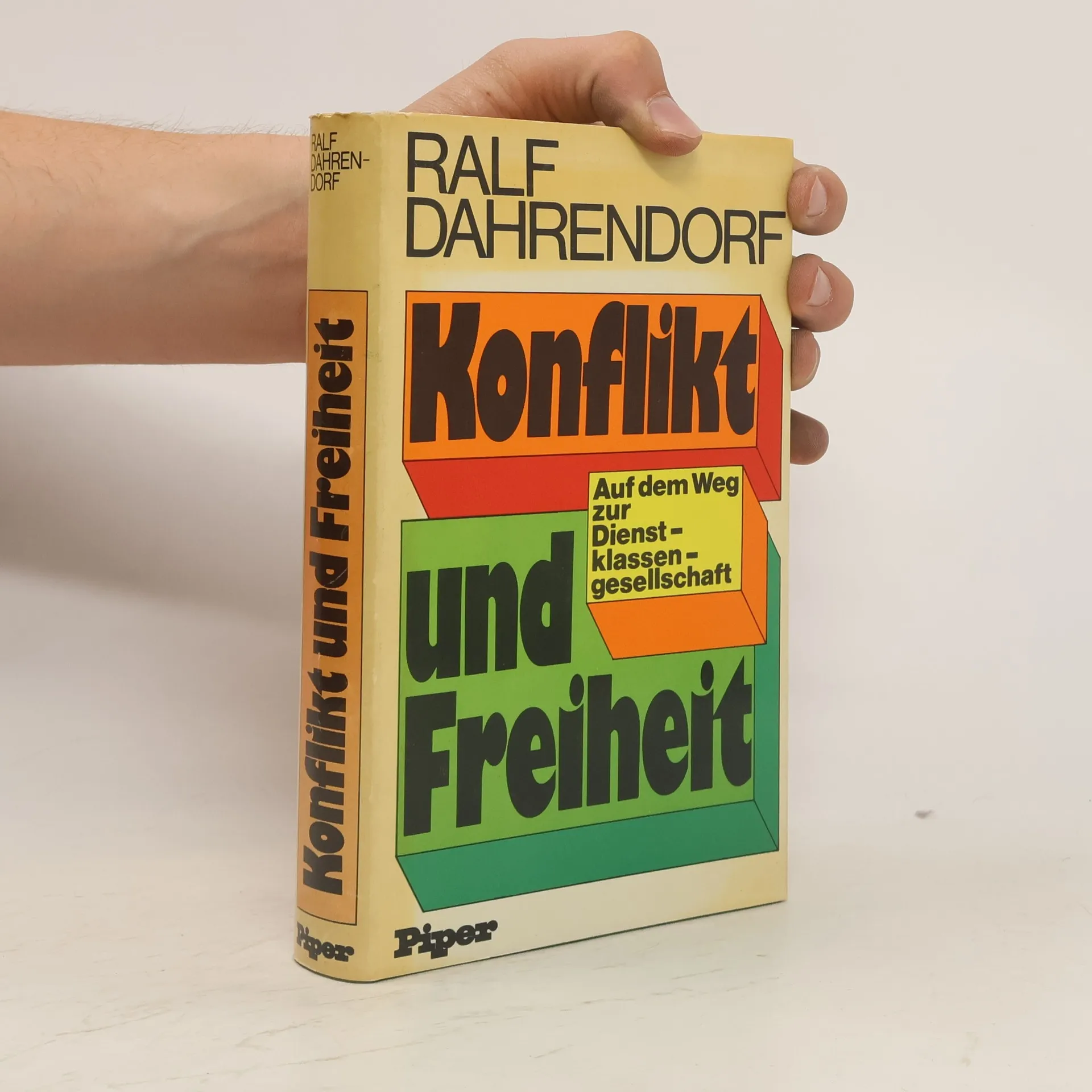
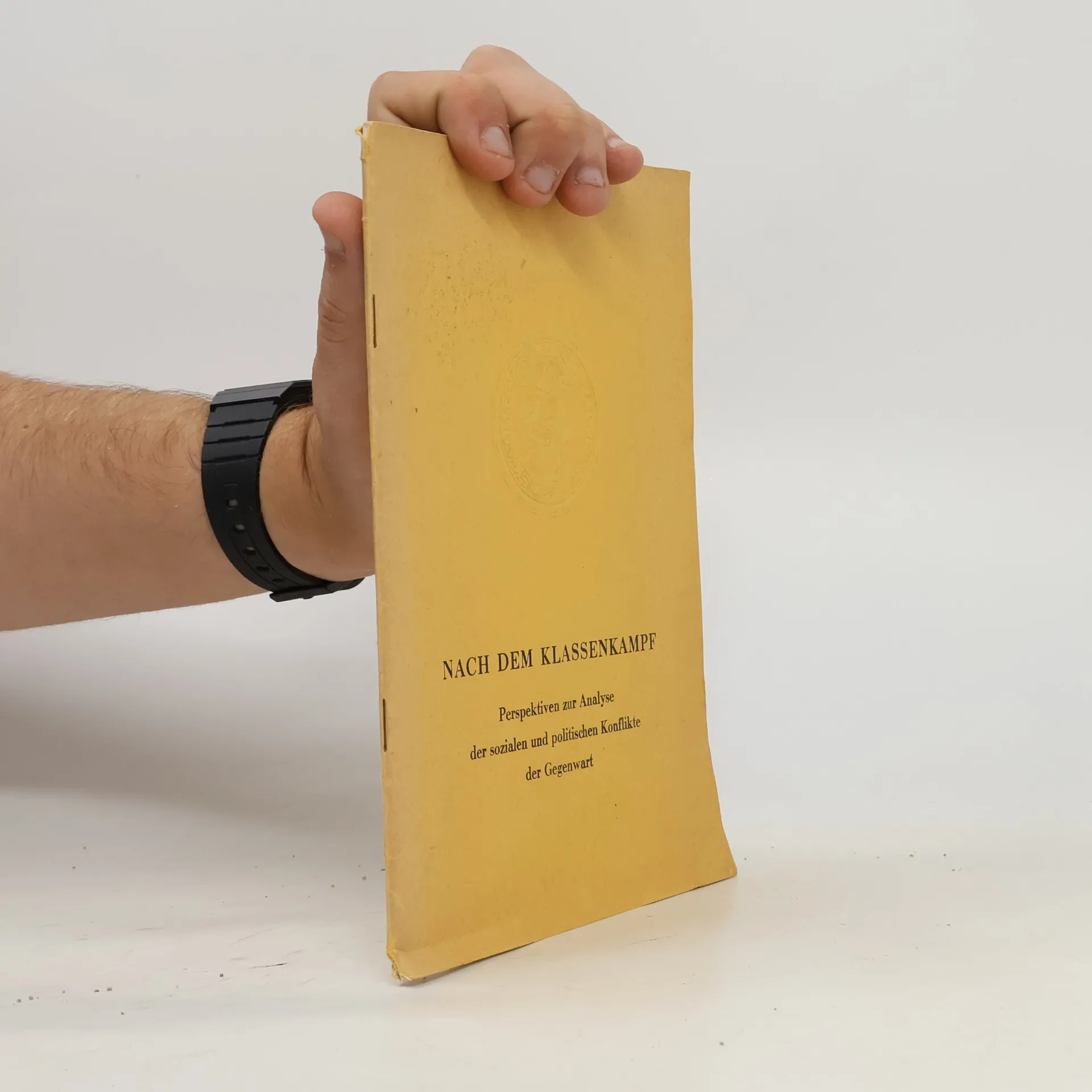
Dahrendorfovým hlavným záujmom je analýza príčin a dôsledkov premien modernej spoločnosti. Vychádza z toho, že konflikty sú zdrojom sociálnej zmeny a sú neodstraniteľnou súčasťou spoločenského života. Vývojom k modernej spoločnosti od tradičnej spoločnosti a jej triednych konfliktov poukázal na nový konflikt v modernej spoločnosti a to konflikt rozdelenia životných šancí.
R. Dahrendorf rozoznáva 2 konflikty:
1. Triedny konflikt v spoločnosti práce
2. Nový konflikt v spoločnosti informácií
Autor se zamýšlí nad hrozbami a nebezpečími, jimž jsou vystaveny moderní liberální demokracie a které vyplývají ze soudobých procesů "globalizace " ekonomiky a politiky, z "modernizace" společnosti a kultury a z "europeizace" původně rozděleného kontinentu. Ptá se, jak lze zachovat či zavést svobodu v dnešním nepřehledném a rozkolísaném světě, kde se kromě jiného rozmáhá regionalismus, nacionalismus a separatismus, kde převládá sklon k politickému autoritářství a apatii občanů a kde dochází k postmoderní relativizaci mravních norem a tradovaných institucí.