Alphonse Daudet was a French novelist whose works often delve into the complexities of human nature and societal illusions. With a masterful eye for detail and an ironic distance, he crafts characters grappling with ambition, desire, and the everyday struggles of life. His style is marked by its vibrancy, musicality, and an ability to capture the cadence of the French language. Daudet's writing explores themes of loneliness, social climbing and falling, and elusive dreams, often revealing the bittersweet truths of existence.
The novel follows Jack, a young orphan navigating the challenges of poverty and societal prejudice in 19th-century Paris. Through his coming-of-age journey, Jack encounters diverse characters, learning lessons about resilience, compassion, and friendship. Daudet vividly portrays the social injustices faced by the marginalized, exploring themes of class disparity and the human capacity for kindness. This poignant tale offers a gripping narrative that highlights the enduring strength of the human spirit in overcoming adversity, making it a timeless story for all readers.
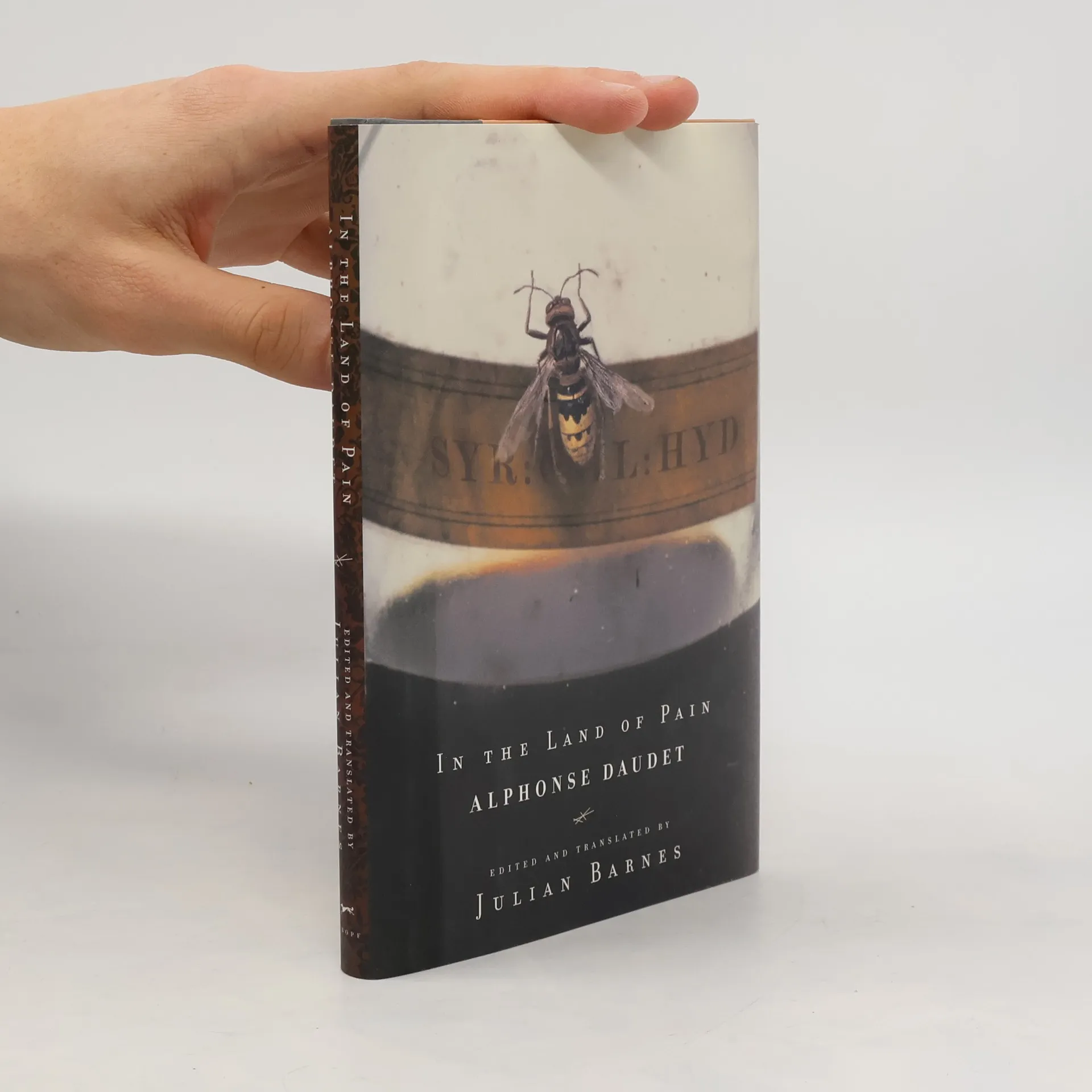
As Julian Barnes notes in his introduction to Alphonse Daudet’s La Doulou, the writer, who lived from 1840 to 1897, was once celebrated as a leading literary figure. Henry James referred to him as “the happiest novelist” and “the most charming story-teller” of his time. However, Daudet was also part of a tragic group of nineteenth-century French writers afflicted by syphilis. In the Land of Pain—notes toward an unwritten book—Daudet offers a poignant response to his illness.
With quick, incisive strokes, he details his symptoms, describing pain as a “one-man-band” and his treatments as “morphine nights” filled with sleeplessness and existential void. He reflects on his fears, seeking meaning in pain and urging it to be his philosophy and science. Daudet shares observations of fellow patients at spas, noting the cultural contrasts in their experiences, and he contemplates the deceptive nature of death, which seems to merely thin out life.
Barnes’s translation captures the essence of these notes, creating a record that is both shattering and lighthearted, haunting yet beguiling. This work reveals the dual nature of physical suffering—its banality and transformative power—while celebrating the complex resilience of the human spirit.
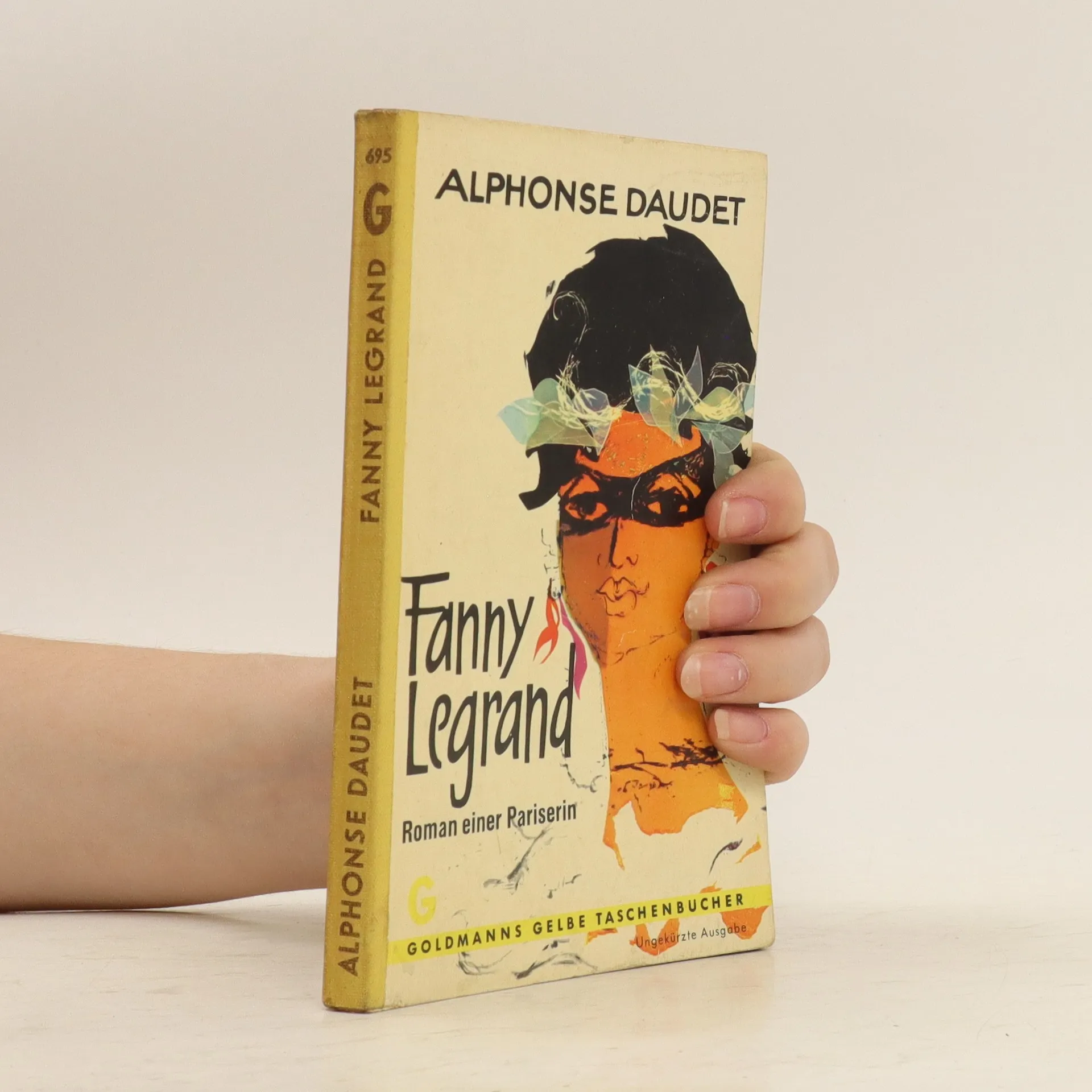
Passionate, calculating, only sometimes honourable but always honest, Fanny Legrand is one of the great female characters in literature.Nothing could be more shocking to Jean Gaussin, a serious young student from the provinces, than the moral swamp his mistress has been living in before they met. Sculptor’s model, poet’s muse, Fanny Legrand has seen and done it all in the twenty years since her first lover, Caoudal, cast in bronze the girl from the Paris gutter and named her Sappho. But revulsion is no match for lust; and little by little, despite continual outbreaks of rage and jealousy, Jean is able to live with Fanny’s disgraceful past, to find a certain pleasure in the degraded domesticity of their life together and even to feel a degree of pride in his new connections with famous men. The arrival on the scene of a marriageable young girl seems to offer Jean the escape route he needs...
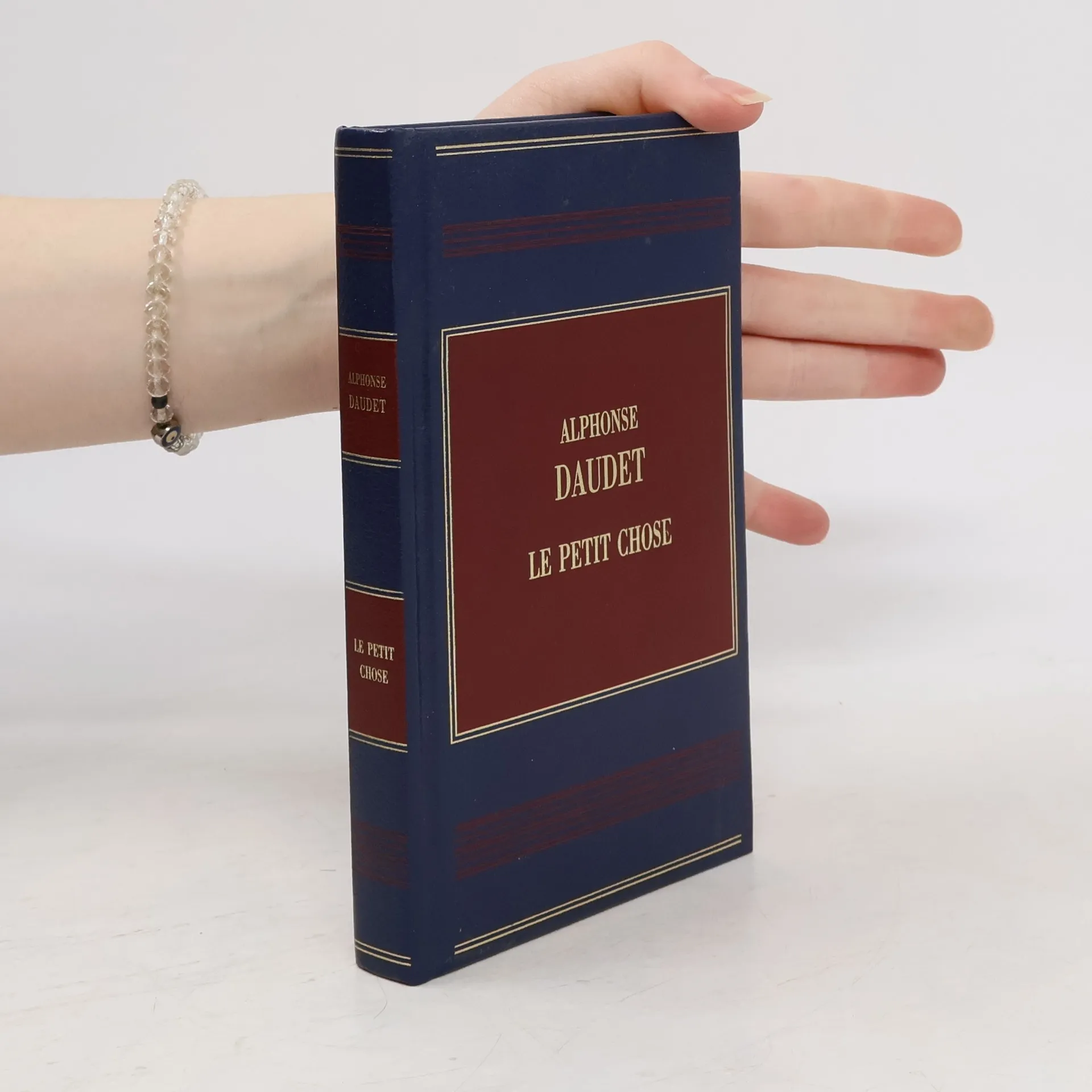
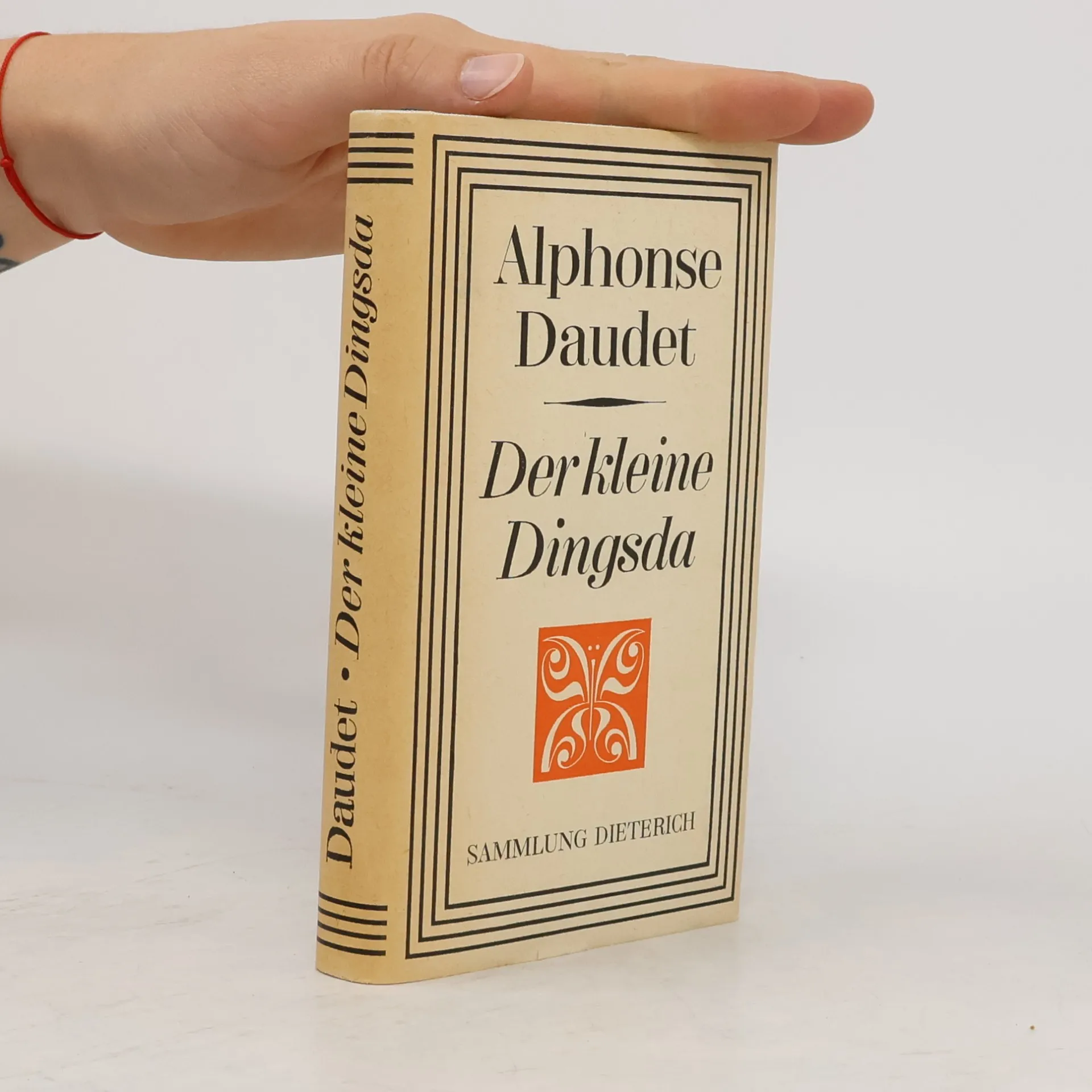
This first work by Alphonse Daudet draws heavily from the author's own biography. It follows Daniel Eyssette, a child from the South exiled in the fog of Lyon after his father's bankruptcy, who is derisively called "the little thing" by a professor. It also depicts his experiences as a terrified school monitor, a poor young man torn between dreams of glory and romantic temptations, wandering the streets of the capital. Characters such as the fearsome Mr. Viot, the unfortunate servant known as "the black-eyed one," the black woman Coucou-Blanc, and the tender older brother nicknamed "Mother Jacques" are vividly portrayed. While close in some respects to naturalism, Daudet's depiction of schools and literary bohemia is infused with the humor and poetry that made "Letters from My Mill" successful. A novel of a humiliated childhood, bearing a dark social vision and ambiguous morality that would resonate with Jules Vallès, "Le Petit Chose" remains a classic, straddling the worlds of Dickens and Zola.
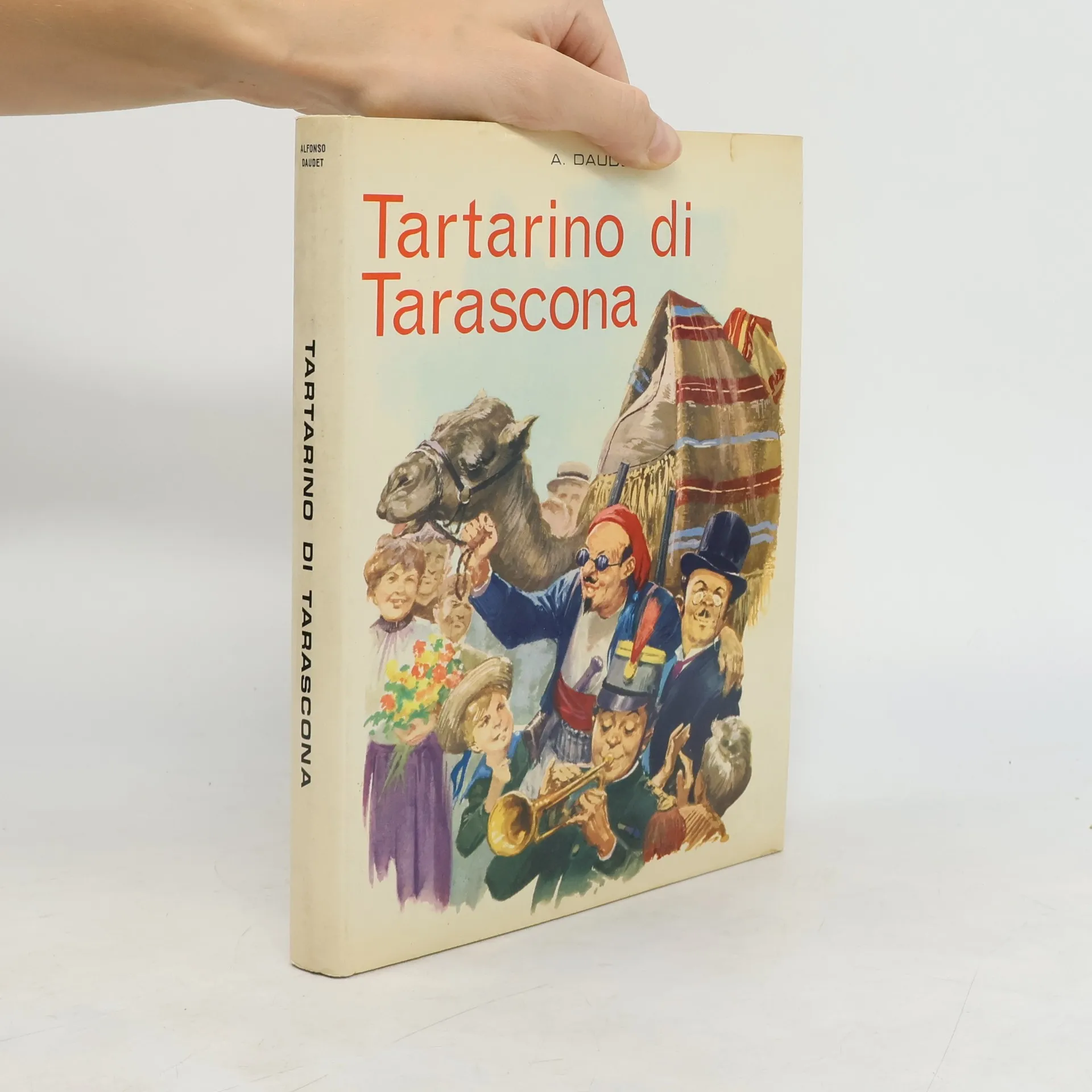
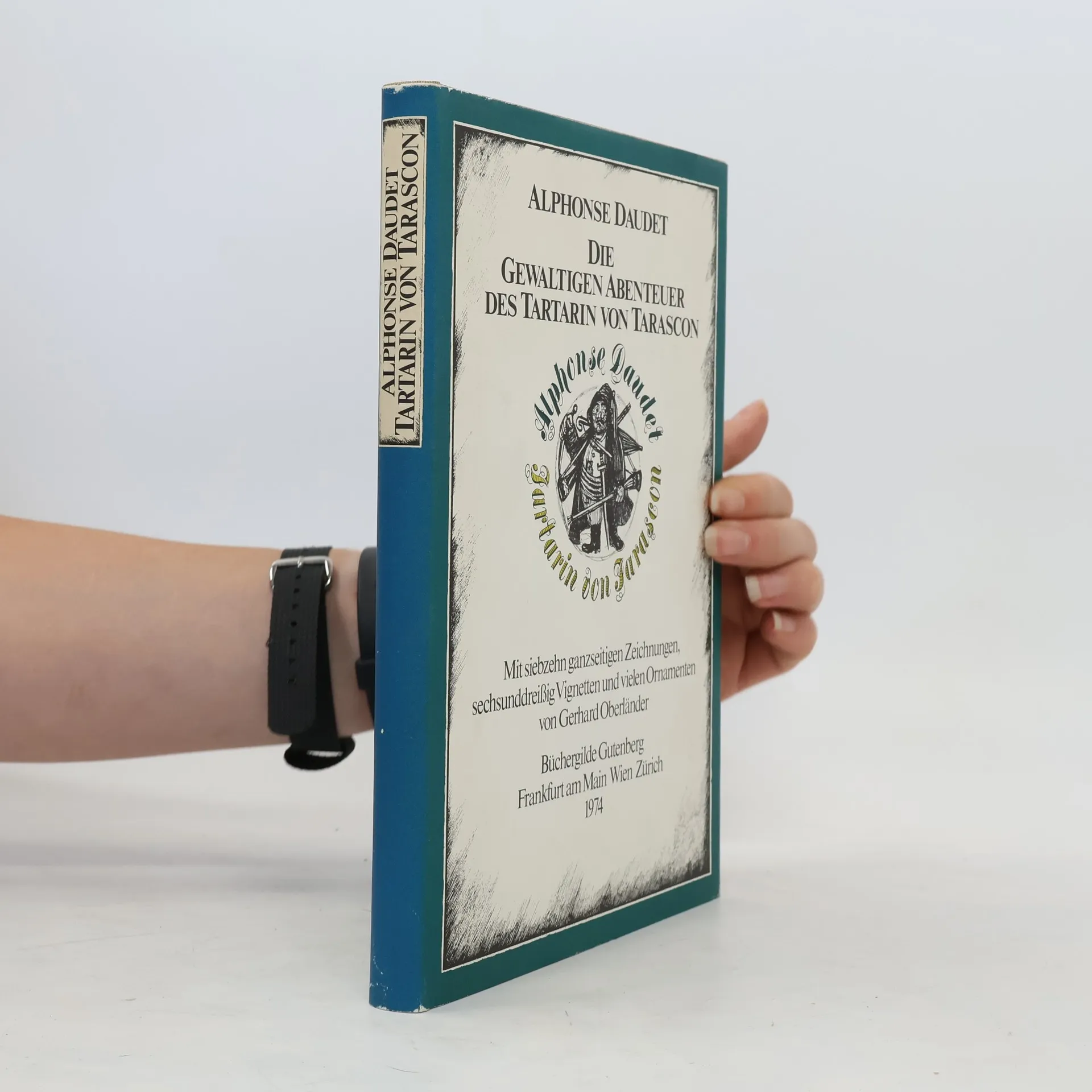
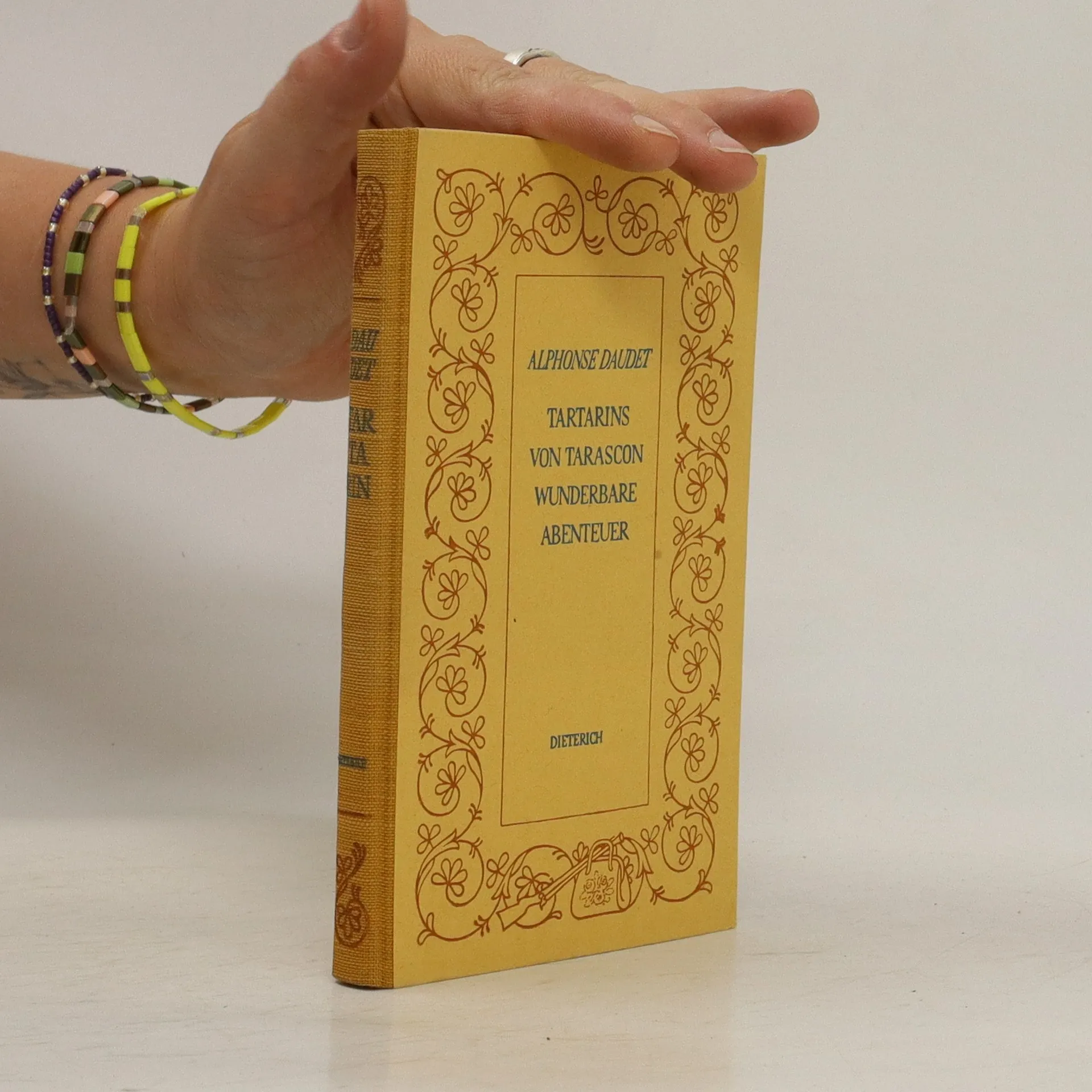
The story follows Tartarin, a character with an exaggerated sense of heroism, as he embarks on humorous adventures in the picturesque landscapes of Provence. Through satire and comedy, the novel cleverly critiques French society's quirks and idiosyncrasies. Daudet's lighthearted narrative explores themes of heroism, identity, and the human spirit, providing a joyful and imaginative escape for readers. With its vivid portrayal of Southern France and engaging storytelling, the book delivers a delightful blend of adventure and humor.
Tartarin Of Tarascon To Which Is Added Tartarin On The Alps
384 pages
14 hours of reading
The book is a facsimile reprint of a scarce antiquarian work, reflecting its historical significance. It may exhibit imperfections typical of older texts, including marks and notations. The publisher emphasizes its cultural importance and commitment to preserving literature by offering this high-quality edition that remains faithful to the original.
The narrative explores Alphonse Daudet's literary journey, highlighting his early works and the gradual recognition he gained as a novelist. His collection of poems, "Les Amoureuses," marked his entry into writing, while "Lettres de Mon Moulin" showcased his talent and drew significant attention. "Le Petit Chose," although not an immediate success, reflects his formative years with a blend of grace and pathos, offering insight into his life experiences and emotional depth. Daudet's evolution as a writer is underscored by his contributions to literature during the 19th century.
This edition focuses on making historical works accessible to individuals with impaired vision through large print. The publishing house Megali is dedicated to preserving and reproducing these important texts, ensuring that they remain available to a broader audience.
Translated by Laura Ensor, Illustrated by De Bieler, Myrbach and Rossi
142 pages
5 hours of reading
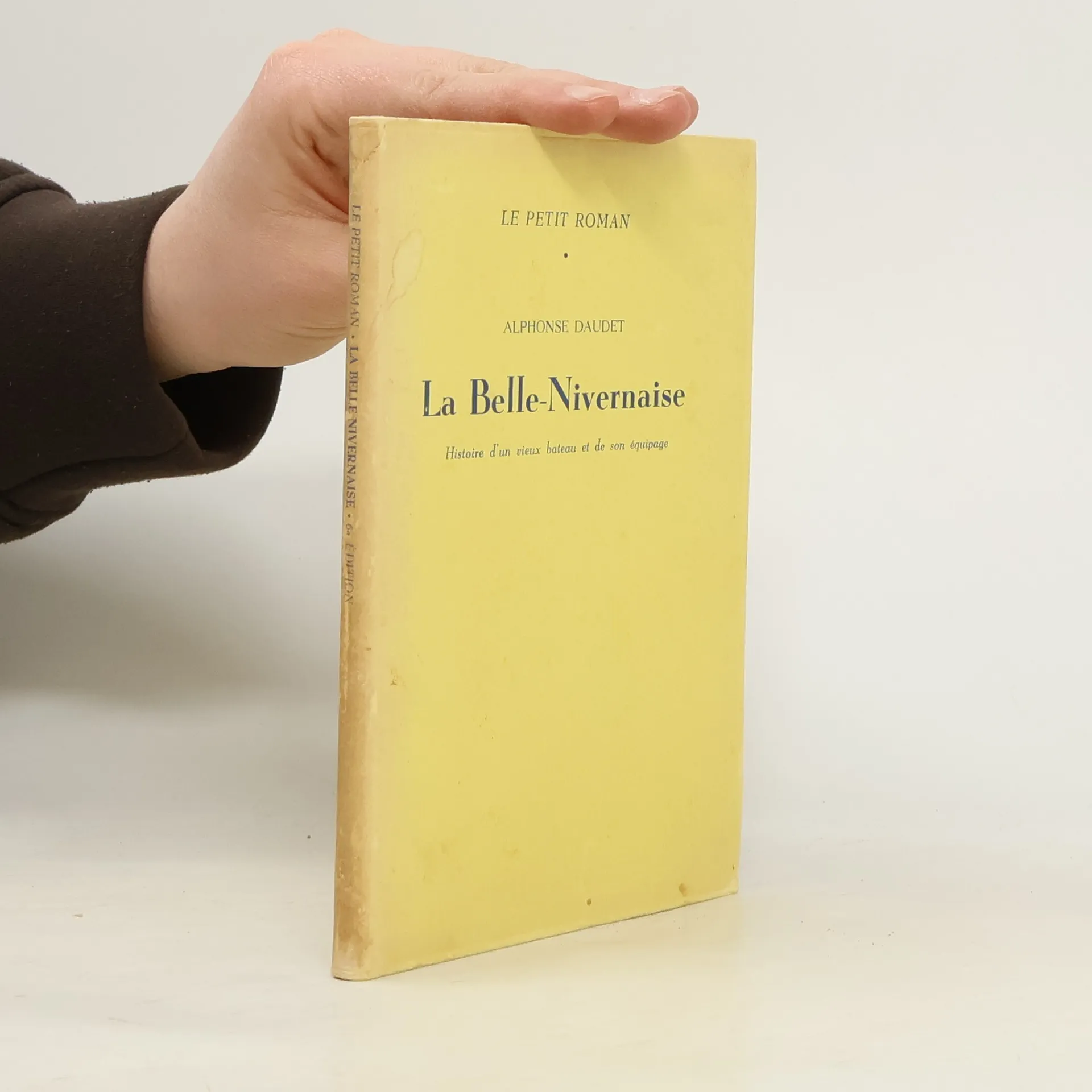
The narrative explores Alphonse Daudet's journey as a French novelist, highlighting his early works and growing recognition in literature. His collection of poems, Les Amoureuses, and his contributions to Le Figaro mark the beginning of his literary career. Notably, Lettres de Mon Moulin captures the charm of Provence, while Le Petit Chose reflects his own youth with grace and emotion, showcasing his distinctive storytelling style. Daudet's life and writings reveal a blend of personal experience and literary ambition that resonates with readers.
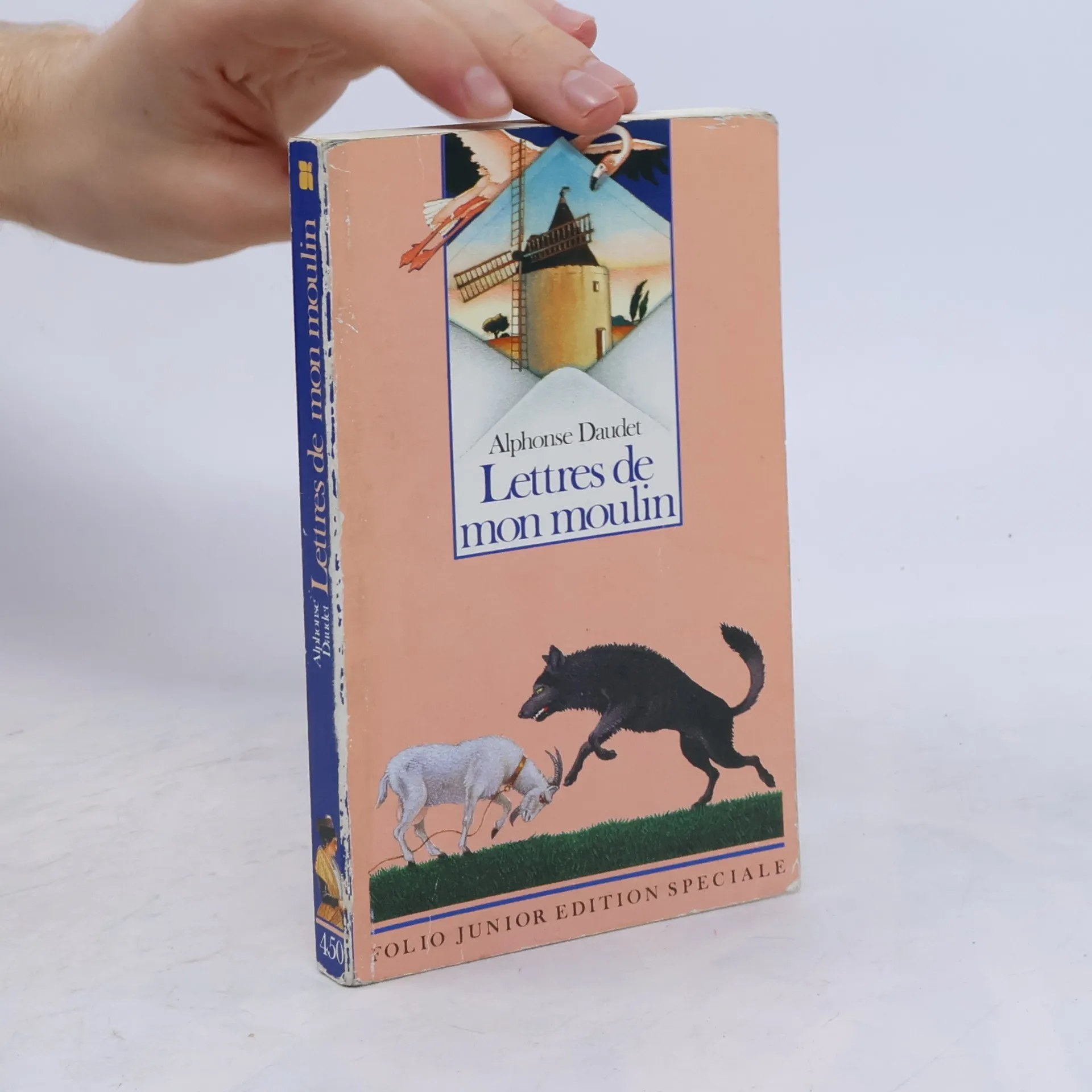
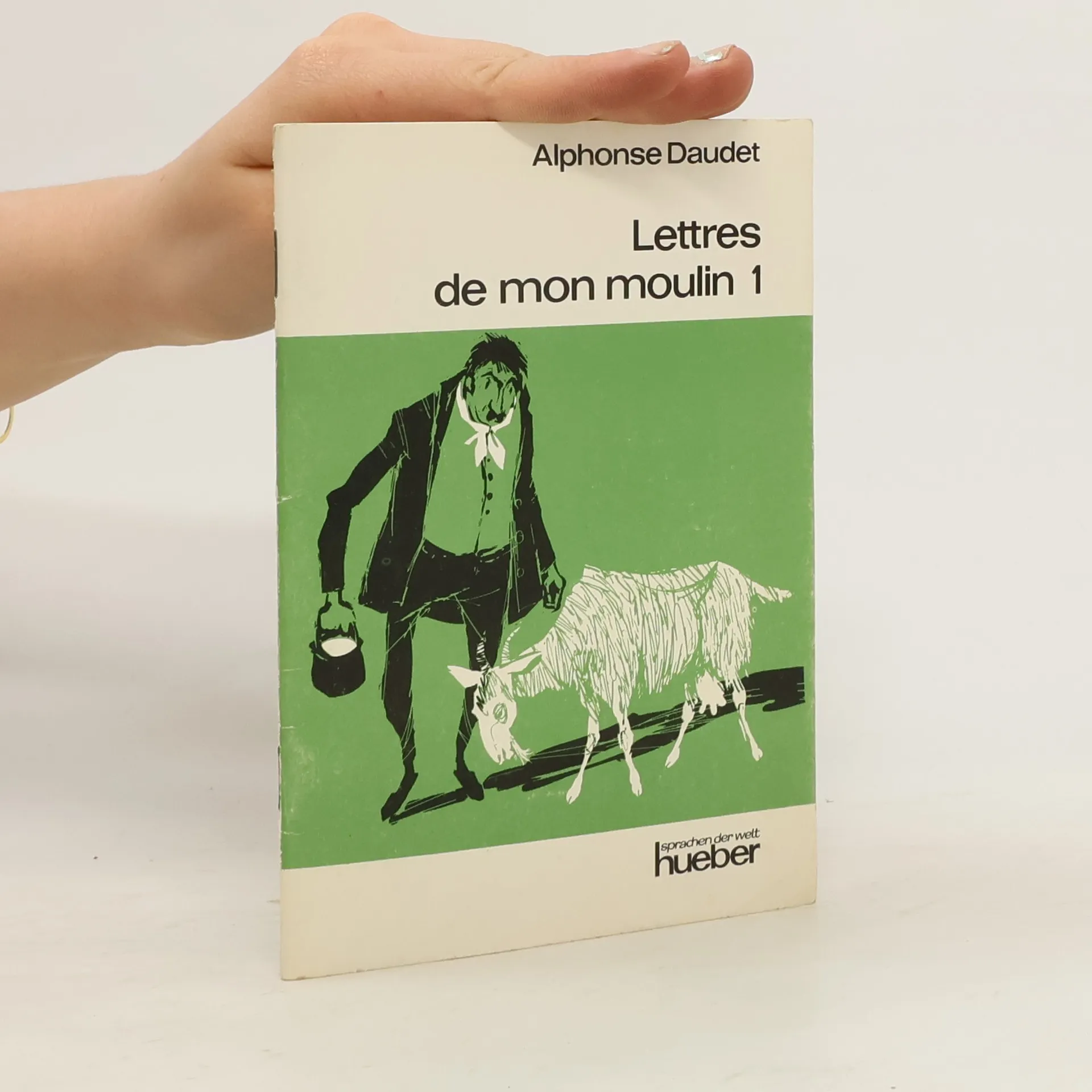
" Ah ! Gringoire, qu'elle était jolie la petite chèvre de M. Seguin ! qu'elle était jolie avec ses yeux doux, sa barbiche de sous-officier, ses sabots noirs et luisants, ses cornes zébrées et ses longs poils blancs qui lui faisaient une houppelande !... Un amour de petite chèvre... "
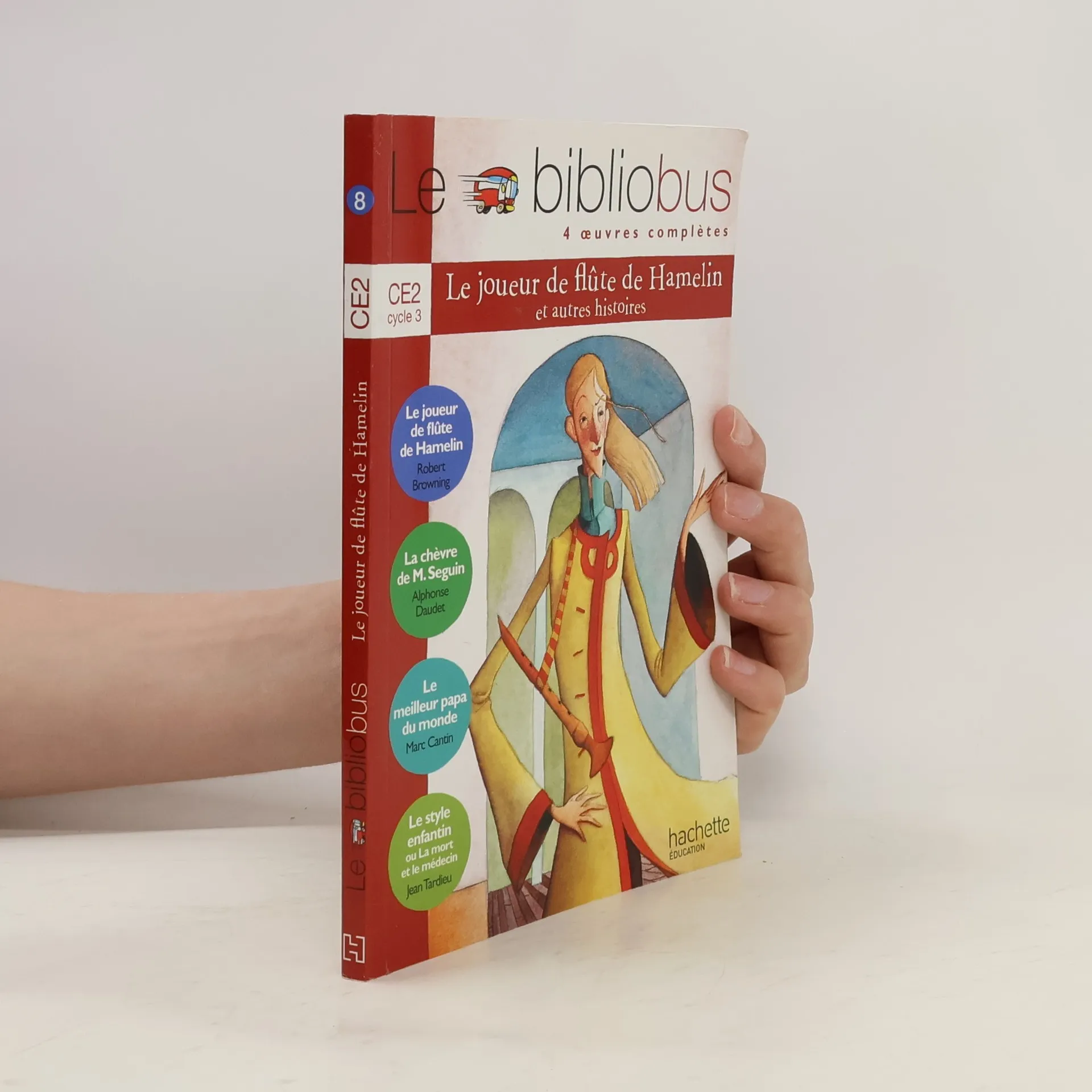
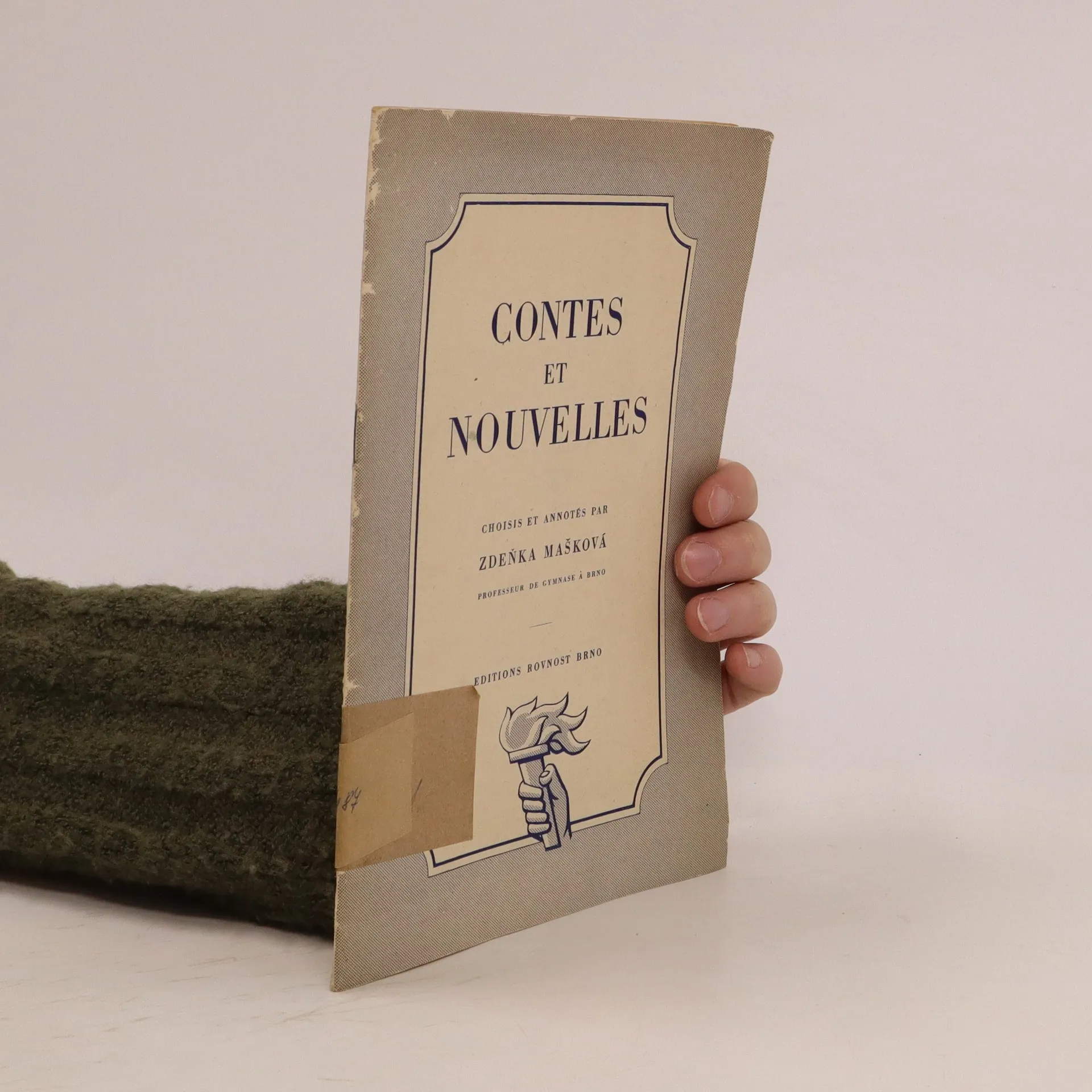
Un recueil de quatre oeuvres intégrales de littérature de jeunesse illustrées, pour lire, comprendre et échanger au CE2. Ce recueil regroupe quatre oeuvres intégrales : Contes : - Le Joueur de flûte de Hamelin de Robert Browning - La Chèvre de Monsieur Seguin d'Alphonse Daudet Roman et Récit illustré : - Le Meilleur Papa du monde de Marc Cantin Théâtre : - Le Style enfantin ou La mort et le Médecin de Jean Tardieu Chacun des textes proposés est : - annoté pour les mots requérant une définition ; - illustré en couleur au fil du texte.
Nikolaj Gogol (1809-1852) gilt als eigentlicher Begründer des sozialkritischen Realismus der russischen Literatur. Für Gogols Werk kennzeichnend ist einerseits die auf seine russische Mutter zurückgehende abgründige, apokalyptische Mystik und andererseits die auf die ukrainische Herkunft des Vaters fußende skurrile Leichtigkeit und Sinnfreudigkeit. Dabei tritt bei Gogol alle sinnliche Problematik als buntes äußeres Geschehen hervor. Eine sehr lesenswerte und gleichzeitig amüsante wie zu Herzen gehende Sammlung von Erzählungen und Kurzgeschichten des großen russischen Klassikers der Abgründe der menschlichen Seele, Nikolaij Gogol. Der Jahrmarkt von Sorotschinzy, Die Johannisnacht, Der verlorene Brief, Die Mainacht, Die Nase.
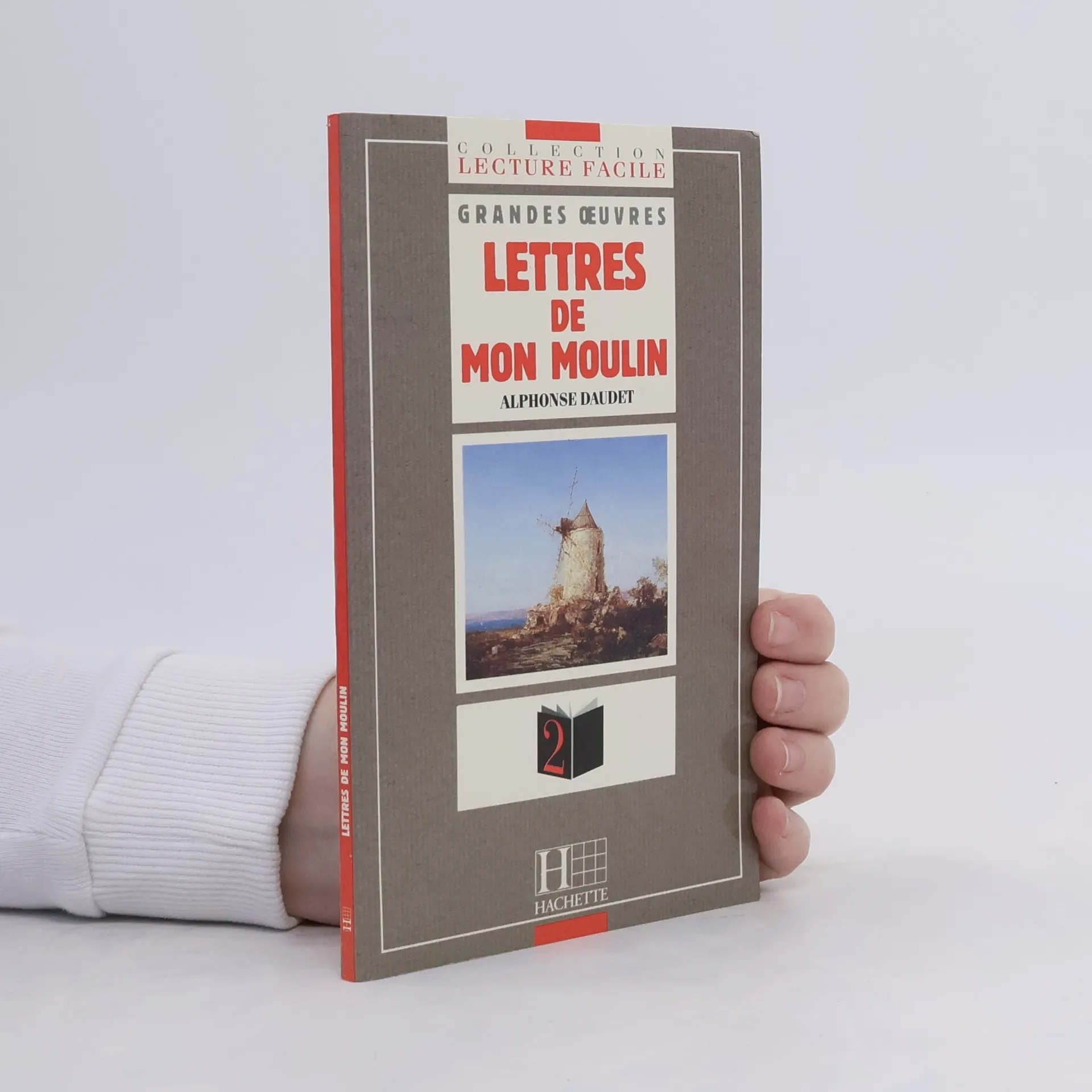
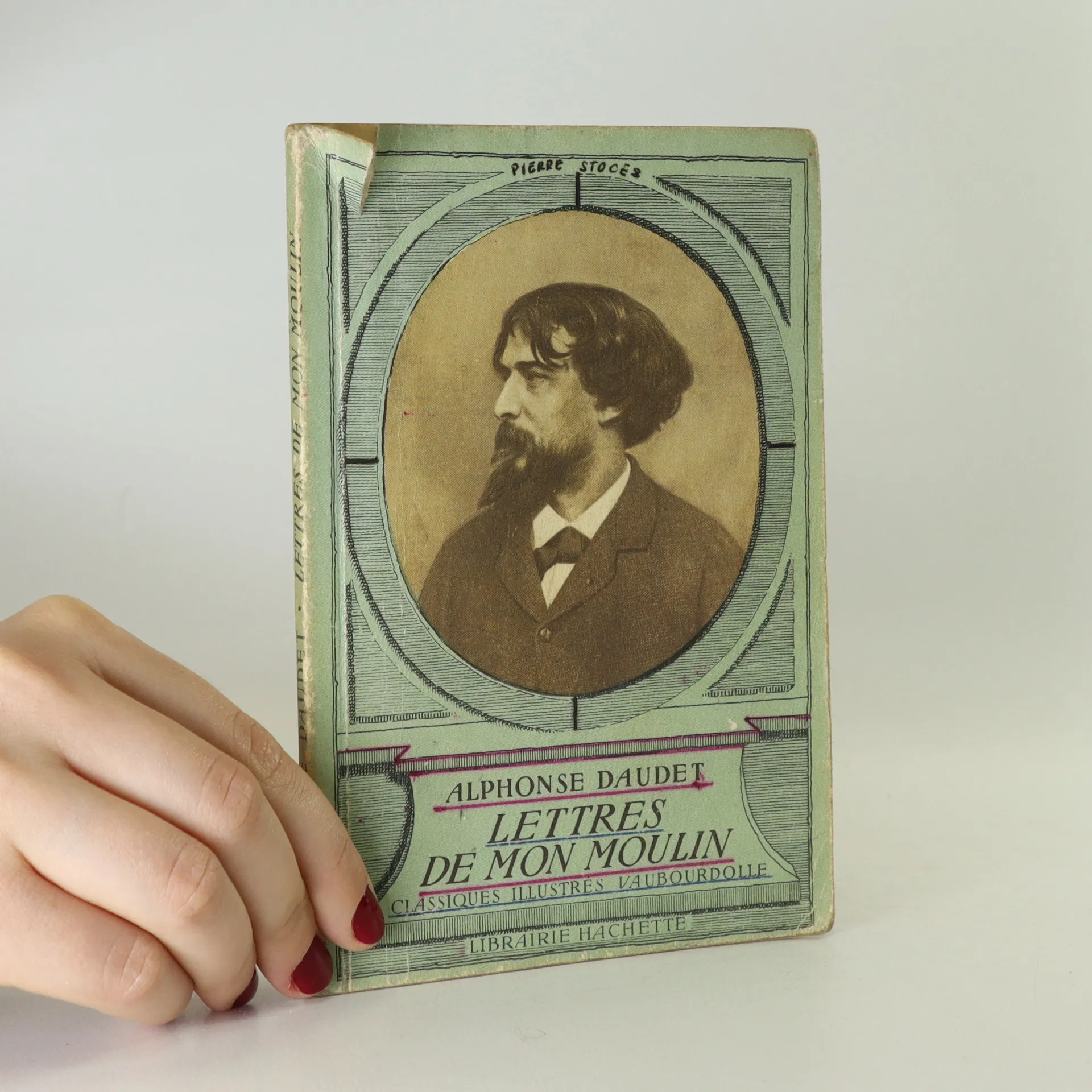
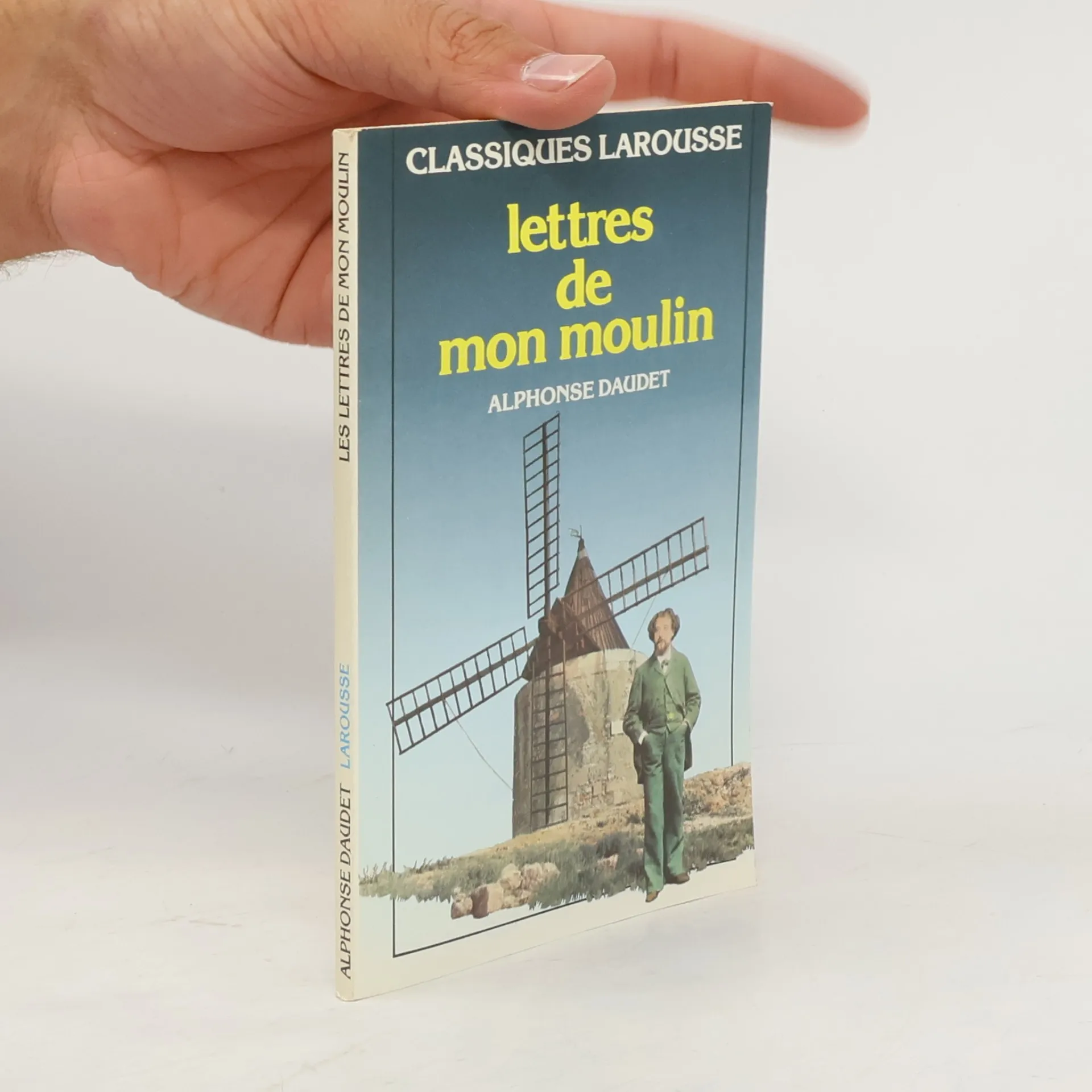
Le Sous-Préfet aux champs, Le Curé de Cucugnan, La Chèvre de M. Seguin : comme La Fontaine, Grimm ou Perrault, Daudet possédait le don suprême du conteur qui est de plaire à tous et de ne vieillir jamais. Les Lettres de mon moulin sont partie intégrante de notre folklore national au même titre que la Trilogie de Pagnol ou les Contes de ma mère l'Oye avec, en prime et en ligne d'horizon, la Provence des pins, des cigales, des lavandes, des moutons qui reviennent à l'automne «brouter bourgeoisement les petites collines grises que parfume le romarin» en gardant dans leur laine, «avec un parfum d'Alpe sauvage, un peu de cet air vif des montagnes qui grise et fait danser».
L'histoire est racontée à la première personne, s'adressant typiquement à un lecteur parisien. L'auteur, ayant quitté Paris, raconte de courtes histoires bucoliques sur sa nouvelle vie en Provence ainsi que ses voyages en Corse et en Algérie française. Considérées comme légères et souvent un peu sarcastiques, les histoires varient des événements quotidiens dans le sud de la France aux contes folkloriques provençaux, et présentent souvent des professions et des références faunales caractéristiques de la Provence.
Die Erzählung beleuchtet die emotionalen und psychologischen Auswirkungen einer Ehescheidung auf den Protagonisten, Regis de Fagan, einen Komödienautor. Nachdem seine unglückliche Ehe beendet ist, verwandelt sich seine anfängliche Erleichterung schnell in eine tiefe Traurigkeit über die Trennung von seinen beiden kleinen Töchtern, die bei der Mutter bleiben. Alphonse Daudet thematisiert eindringlich die Themen Verlust und Entfremdung, während er die komplexen Gefühle eines Vaters in einer schwierigen Lebenssituation einfängt.
Tartarin de Tarascon est le personnage principal, sous forme d'antiheros, d'une serie de romans d'Alphonse Daudet, dont le premier fut publie en 1872. Cependant, puisque de nombreuses reeditions du premier tome Aventures prodigieuses de Tartarin de Tarascon ont ete simplifiees en Tartarin de Tarascon, le titre est desormais indissociable de son personnage.
Nach dem Erfolg der beiden ersten Romane um den kleinbürgerlichen Möchtegernhelden Tartarin aus dem südfranzösischen Tarascon ließ Alphonse Daudet (1840-1897) im Jahr 1890 noch einen dritten und abschließenden Band erscheinen: In »Port Tarascon« bricht Tartarin auf, um in der Südsee auf den abgelegenen polynesischen Inseln eine eigene Kolonie inklusive Hauptstadt zu gründen. Doch auch dieser groß angelegte Plan scheitert erneut auf groteske Weise.
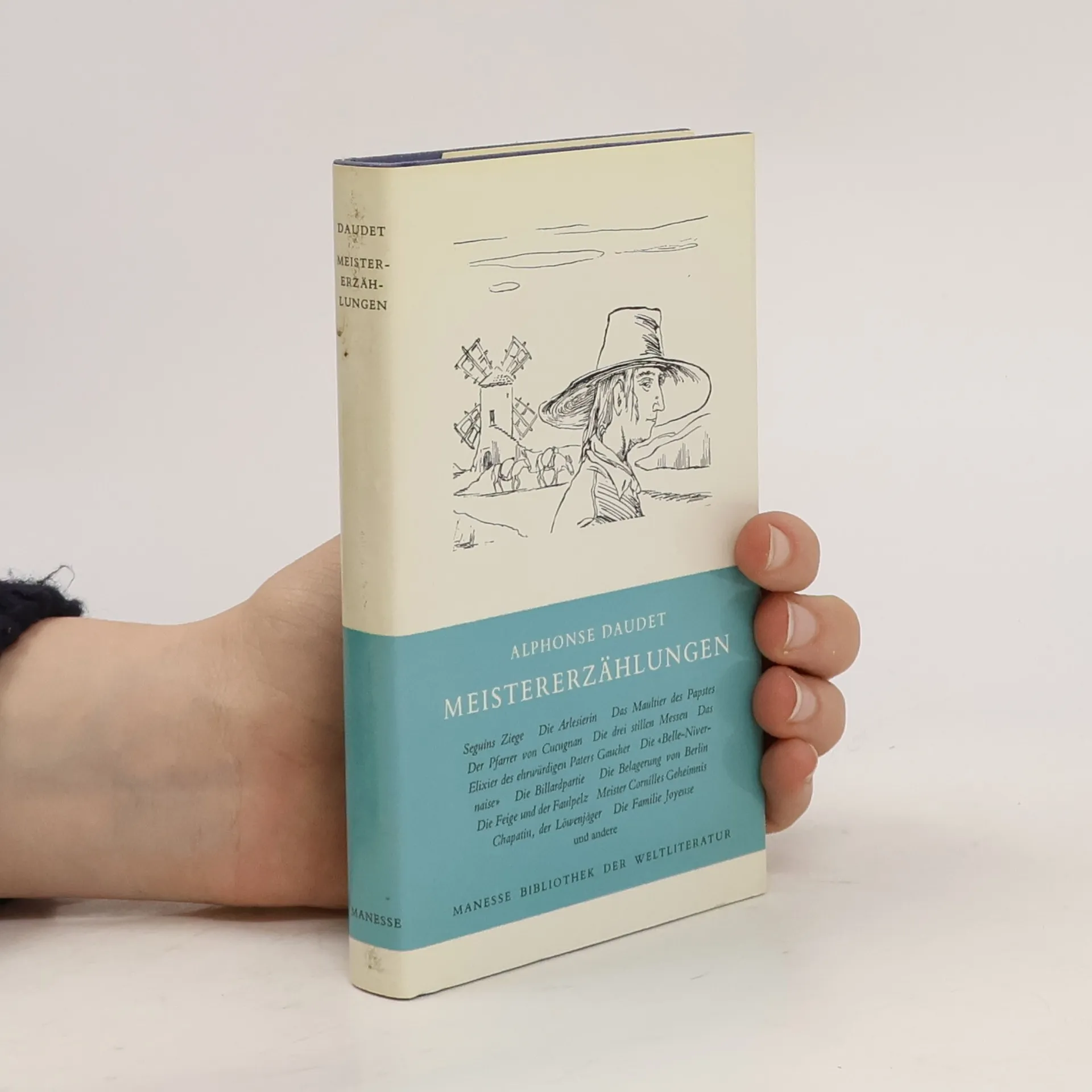
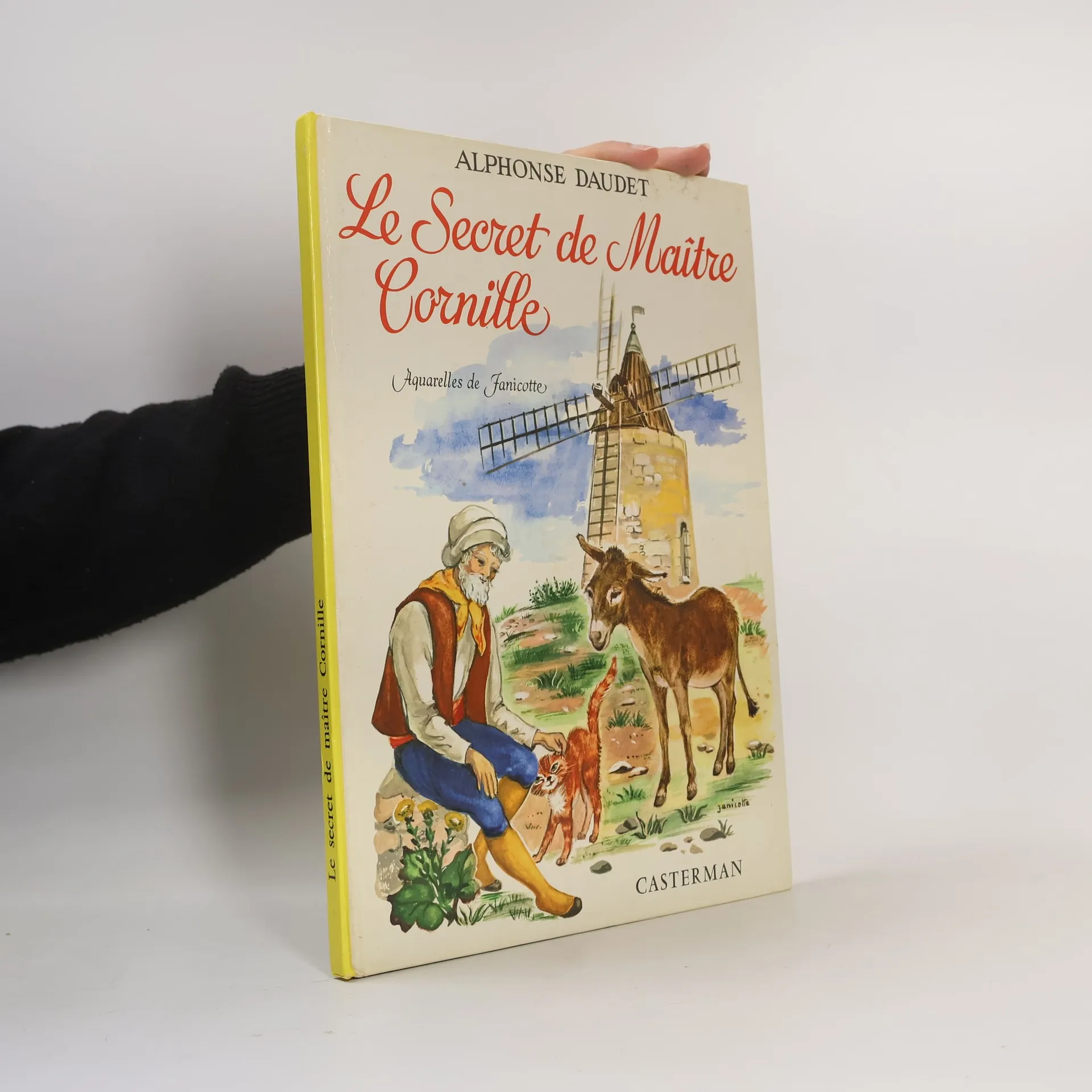
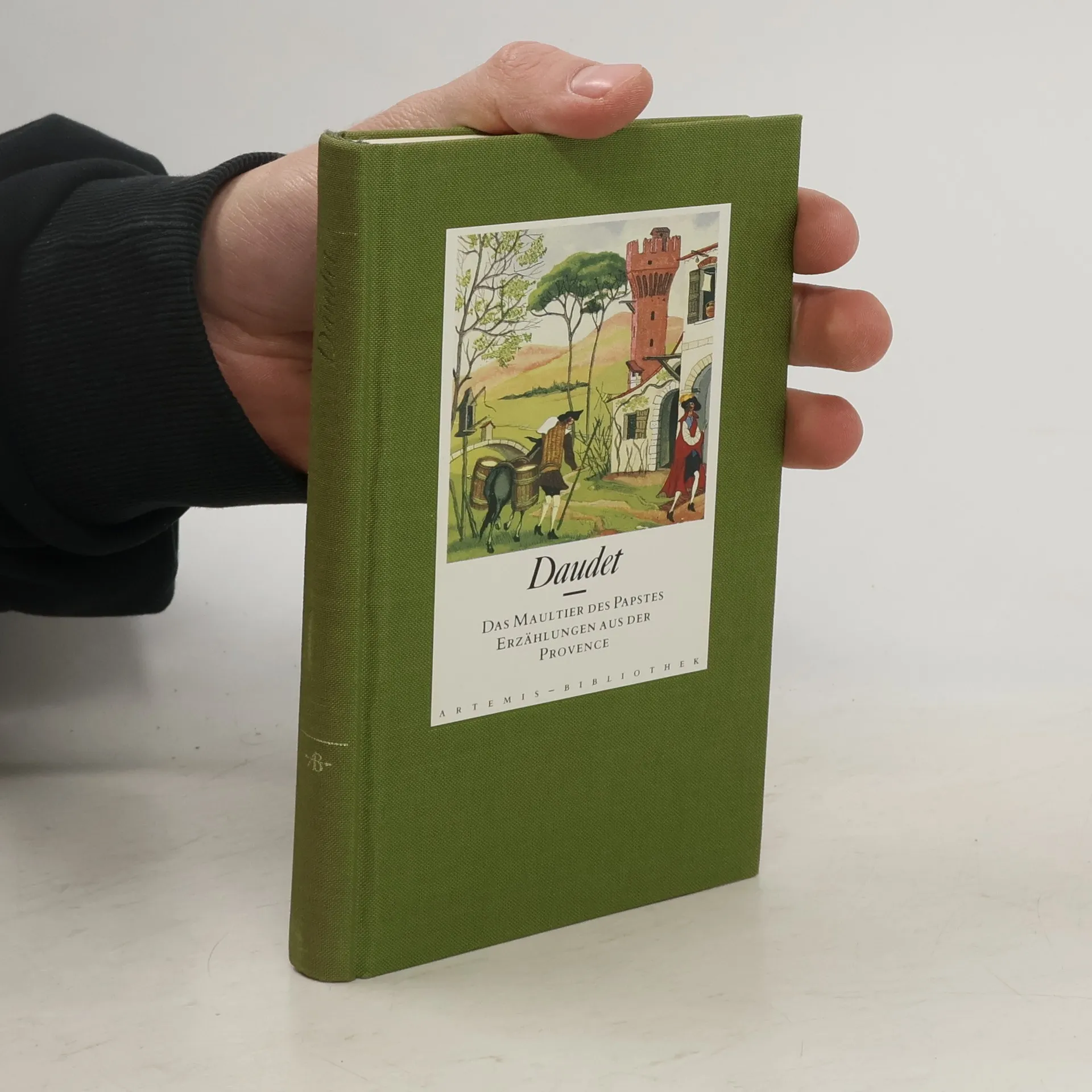
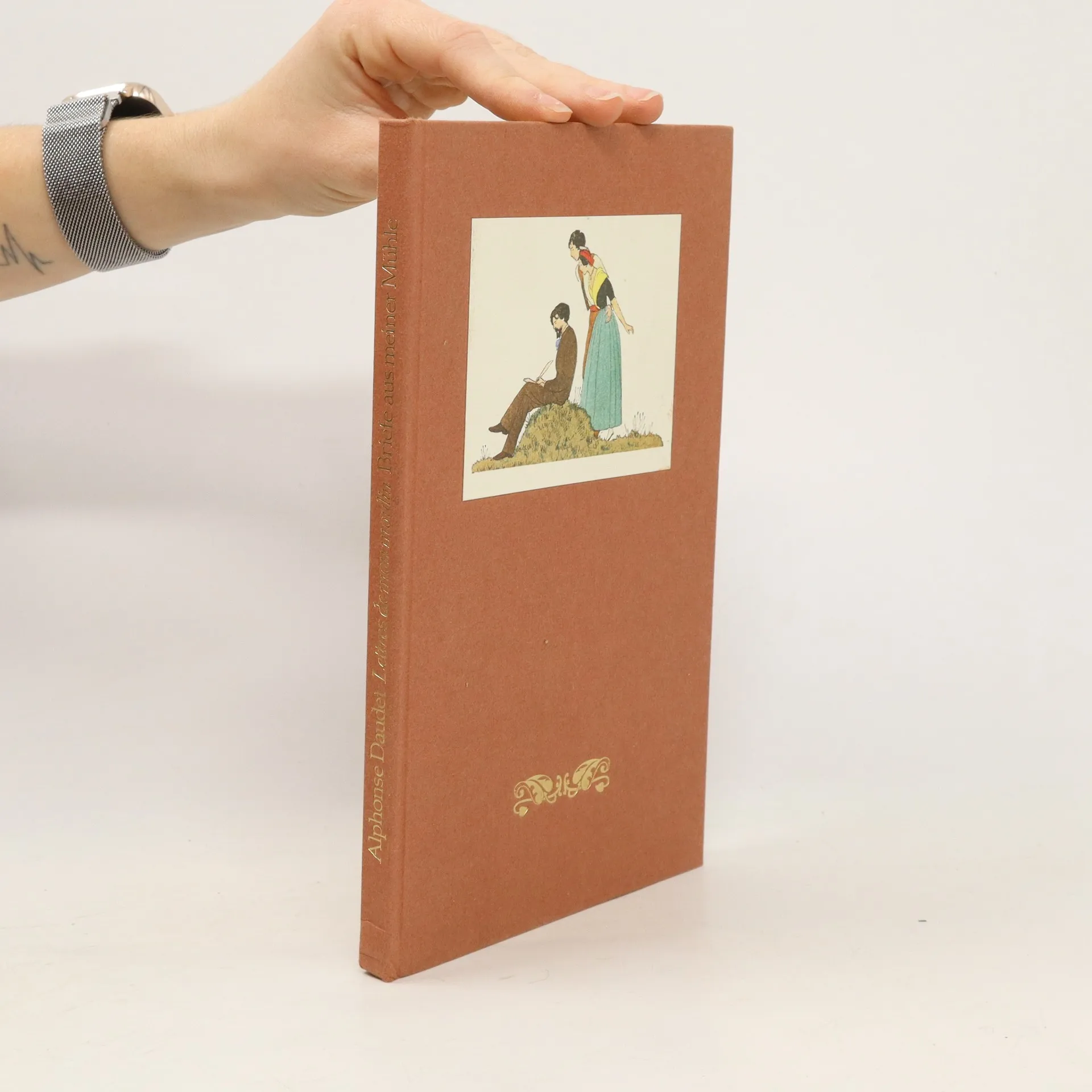
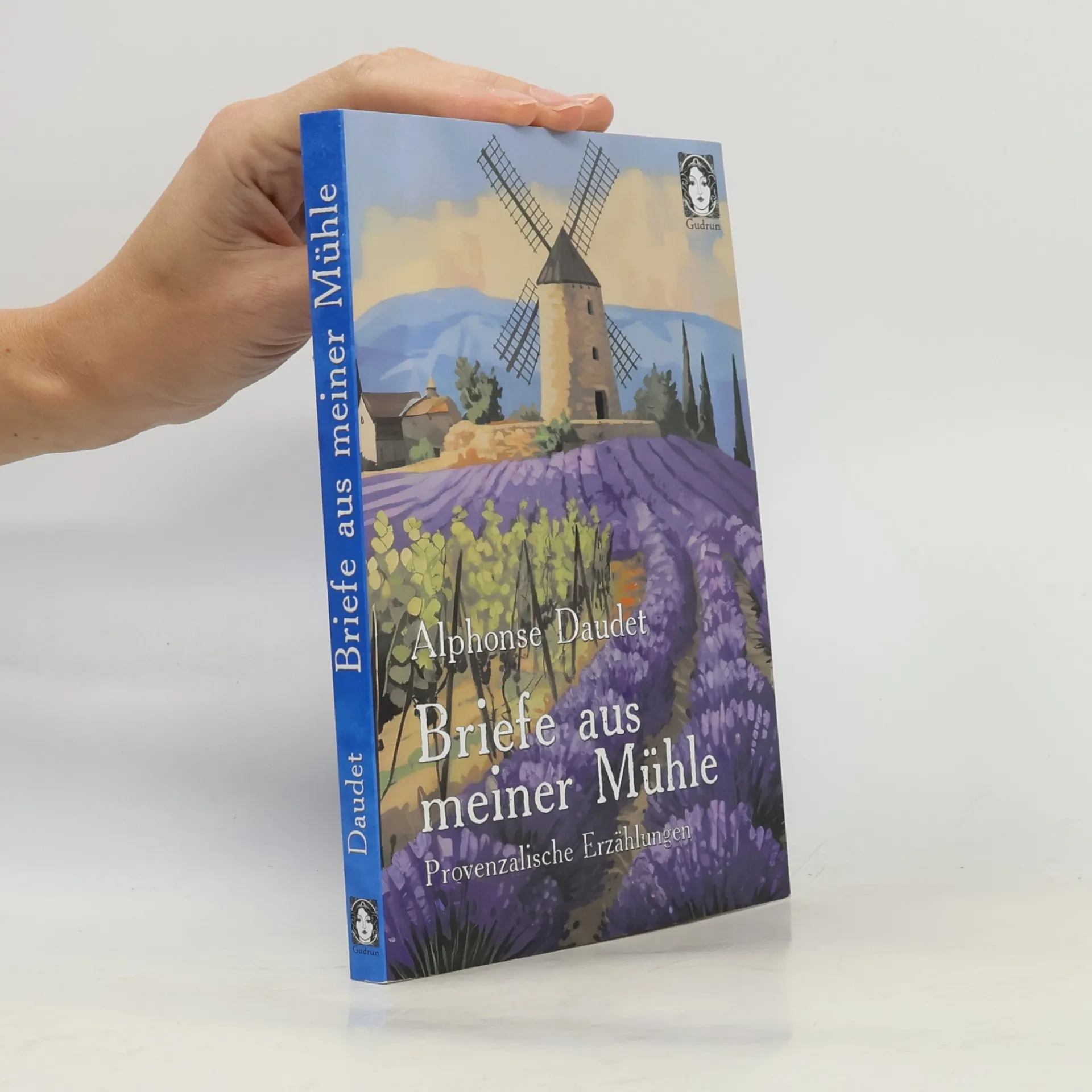
"Ich fühle mich so wohl in meiner Mühle! Das ist genau das Fleckchen Erde, das ich gesucht habe, ein duftendes, warmes Fleckchen, tausend Stunden von Zeitungen, Droschken und Nebel entfernt! ... Und was für schöne Dinge um mich herum! Ich bin kaum acht Tage hier, und schon ist mein Kopf voll von Eindrücken und Erinnerungen... Lass mich erzählen!" Alphonse Daudets 1869 erschienener Erzählband "Briefe aus meiner Mühle" gehört zu den reizvollsten Werken der modernen französischen Literatur und prägt bis heute unser Bild von der Provence und ihren Bewohnern. Meister Cornilles Geheimnis, Das Maultier des Papstes, Der Pfarrer von Cucugnan, Die drei niederen Messen und viele weitere Geschichten finden immer neue begeisterte Leserinnen und Leser und gehören heute zur Weltliteratur.