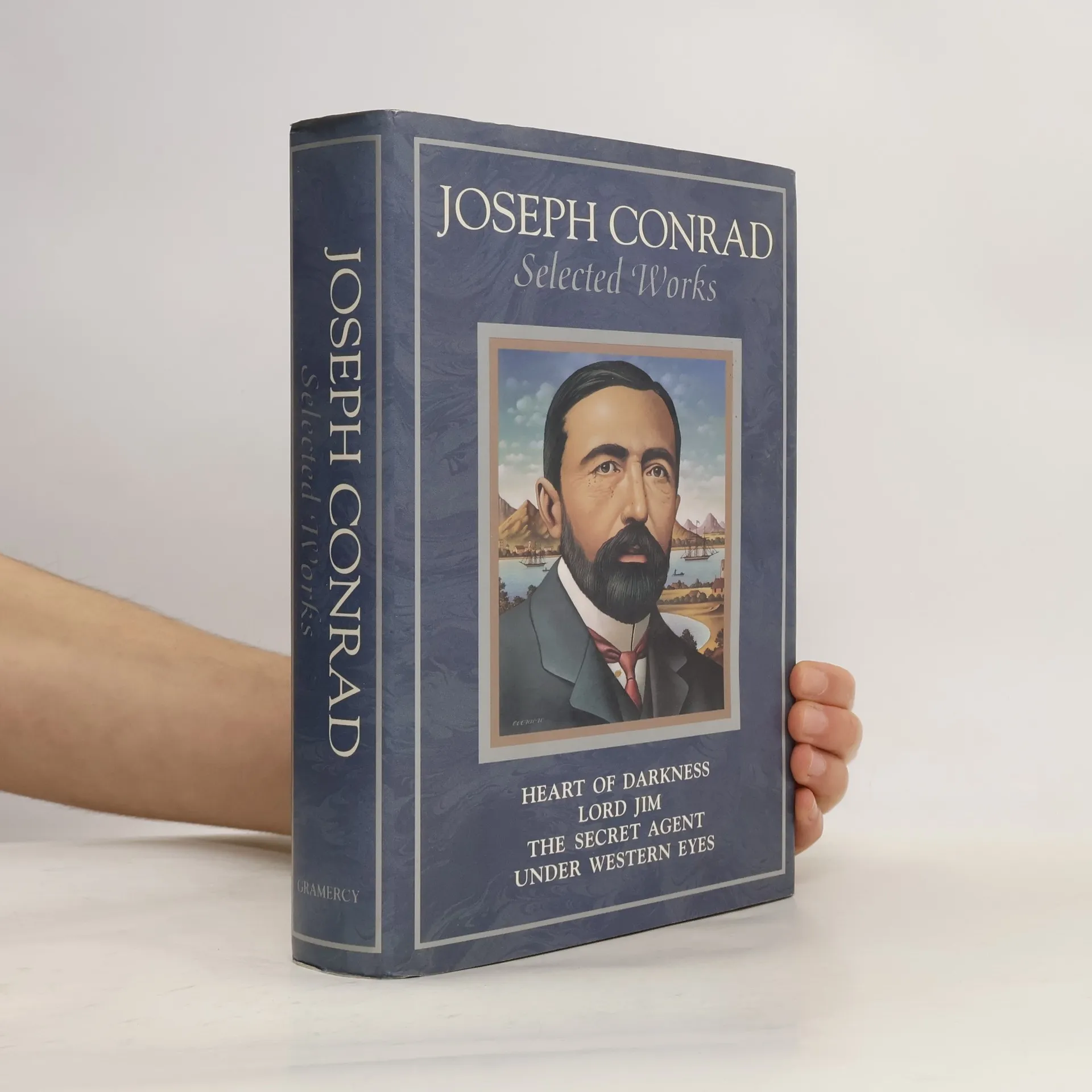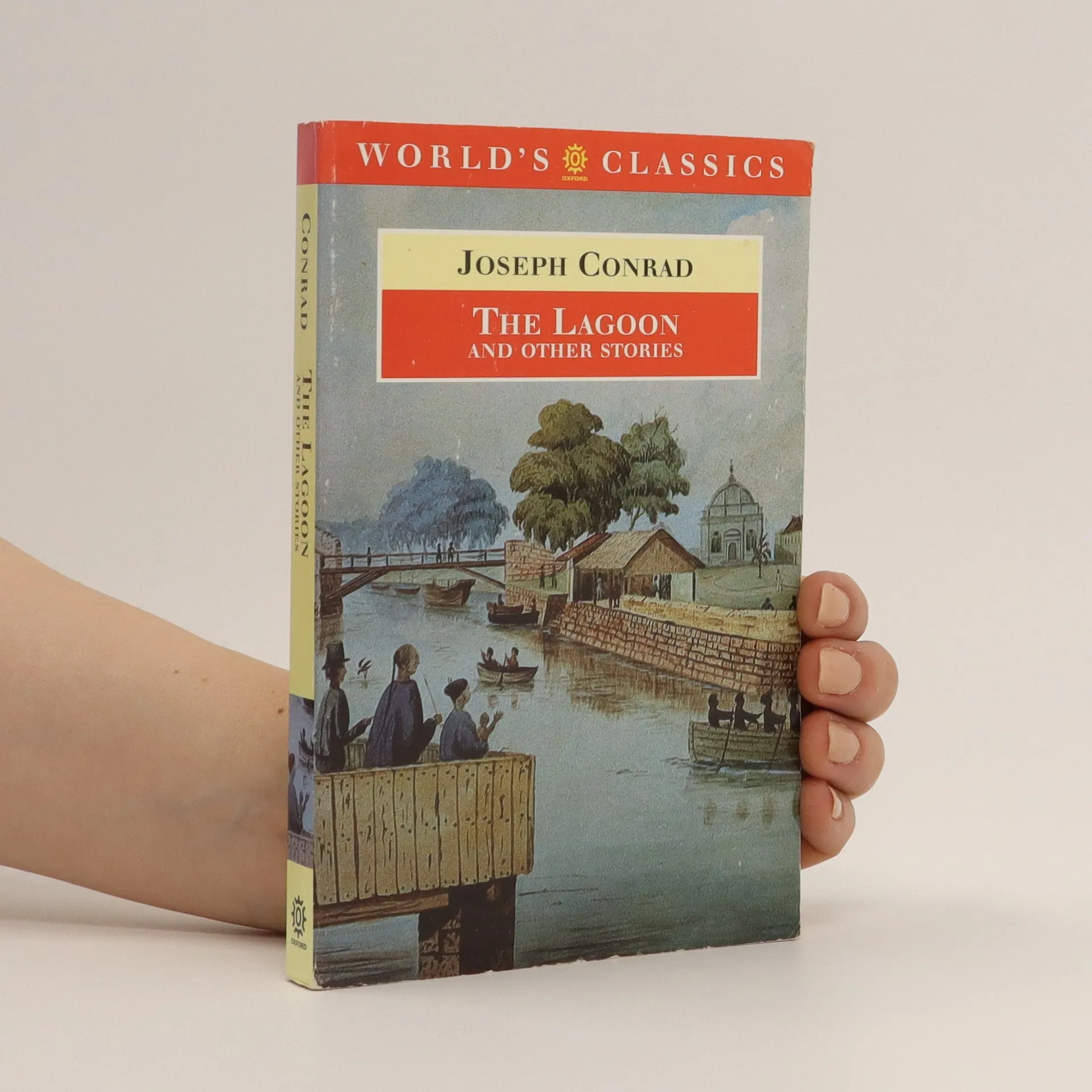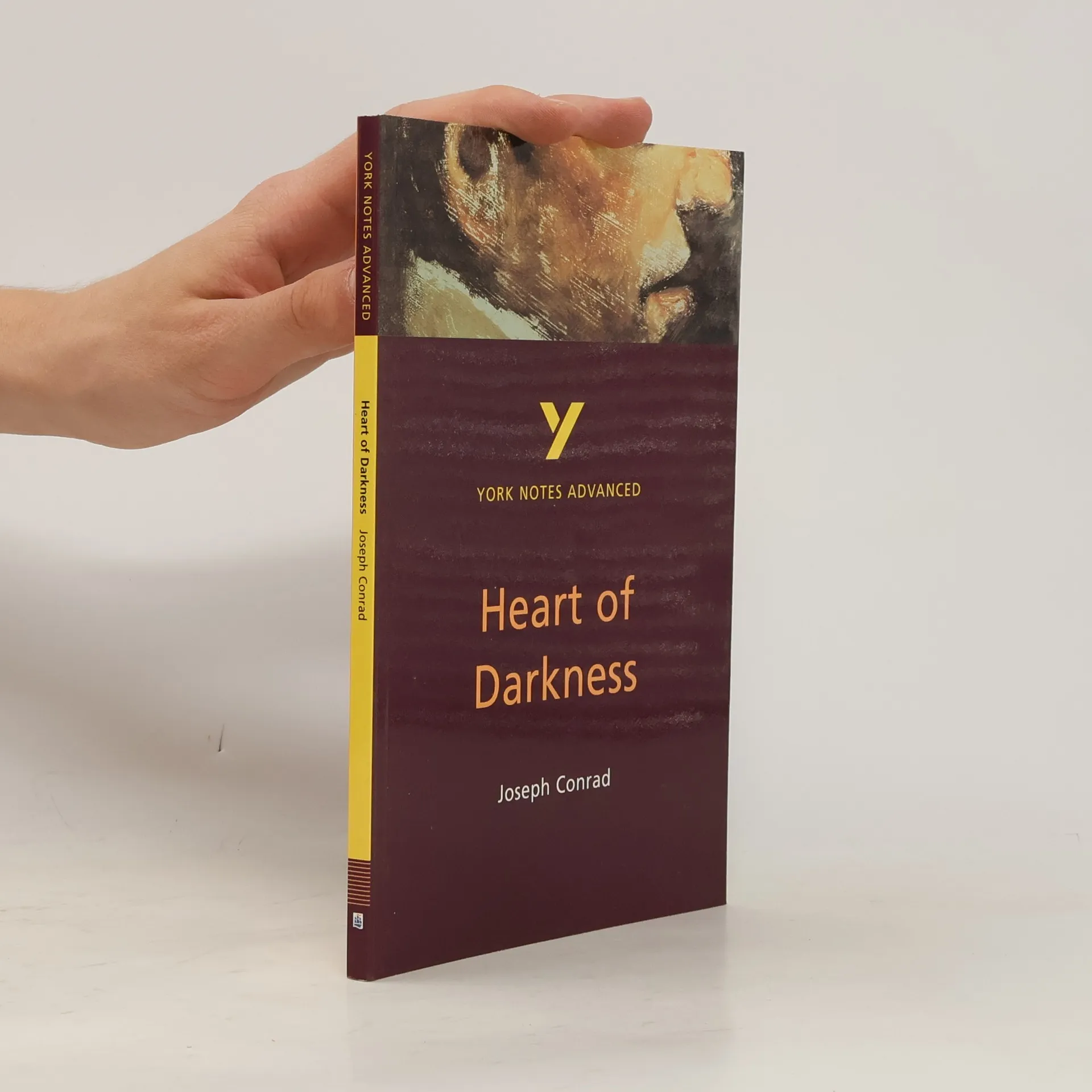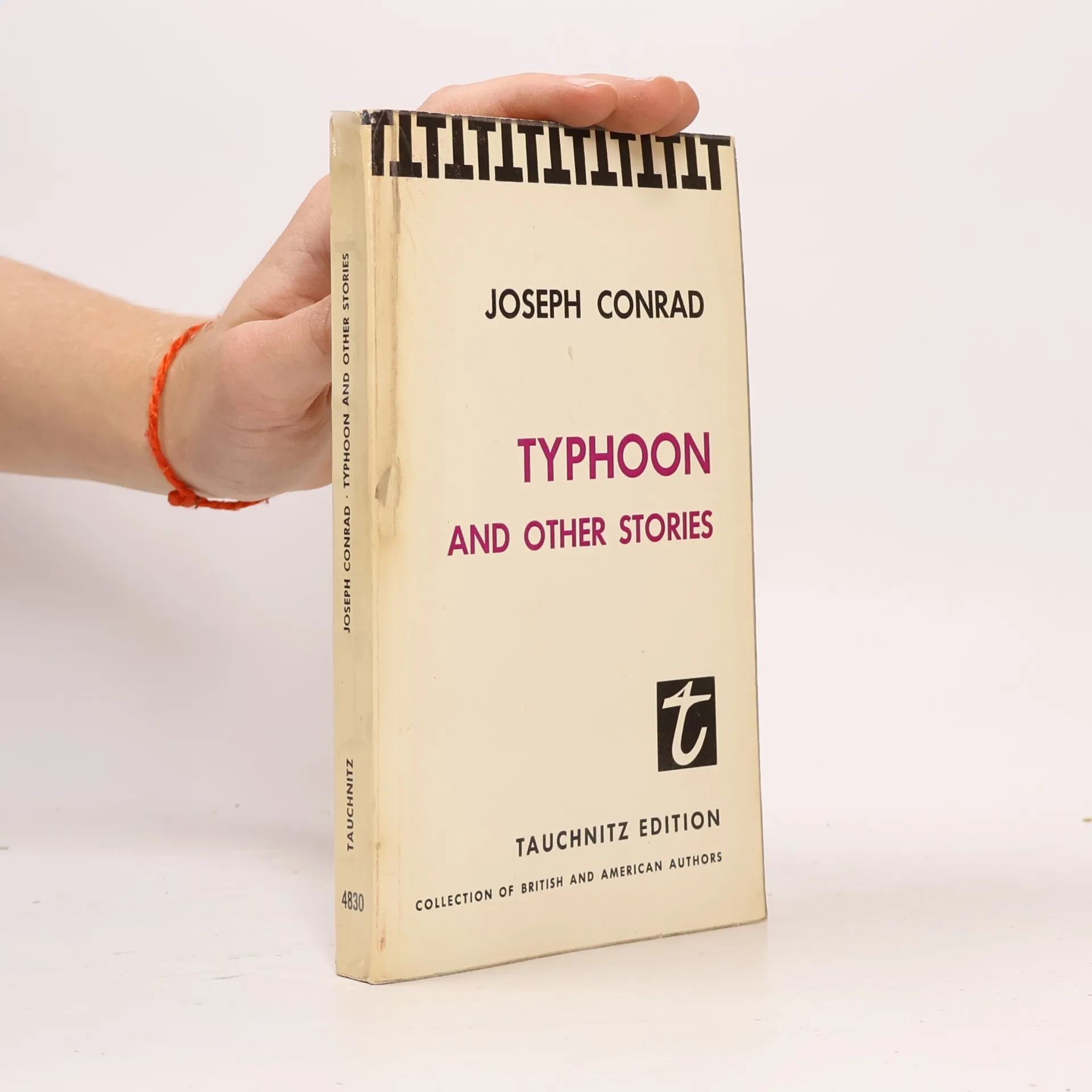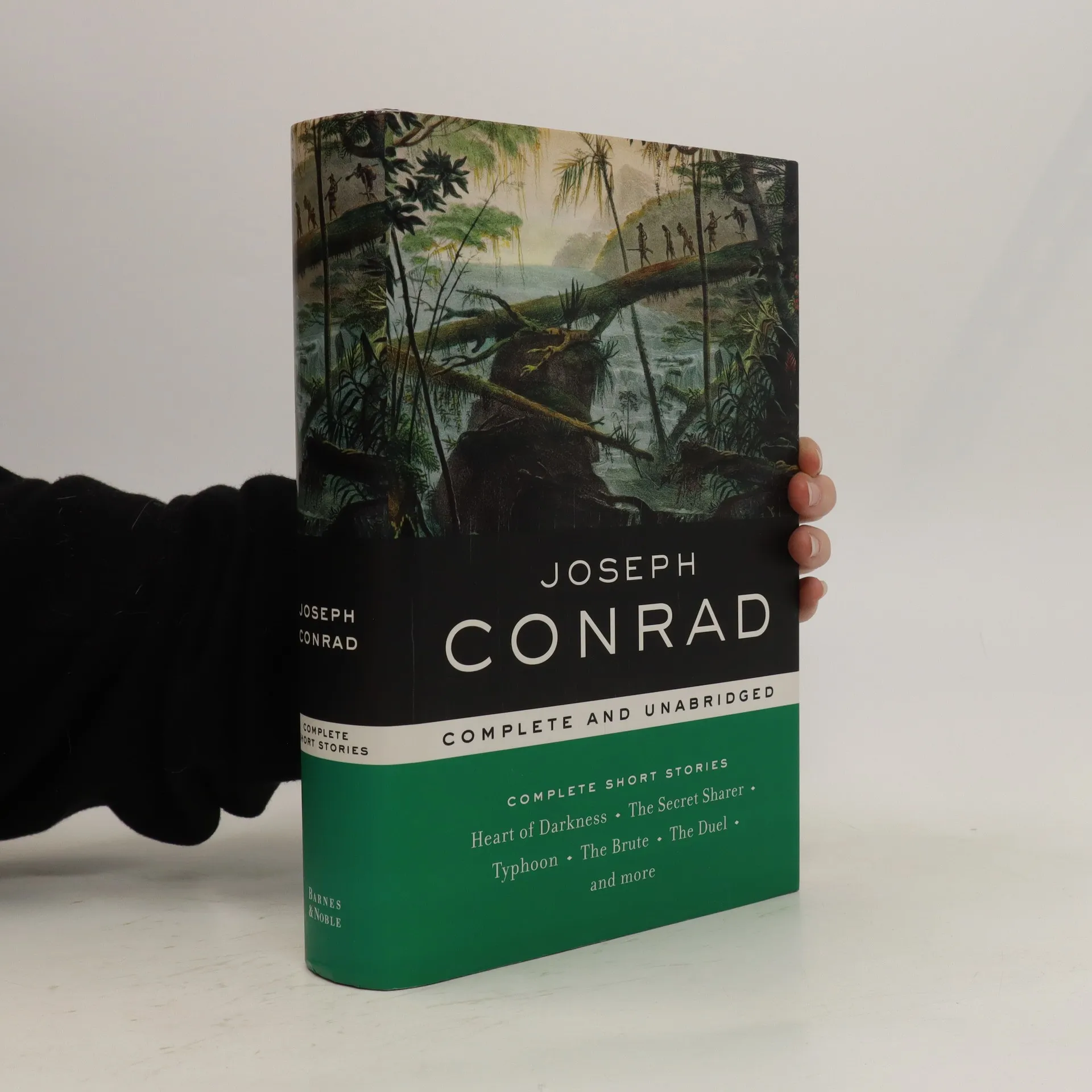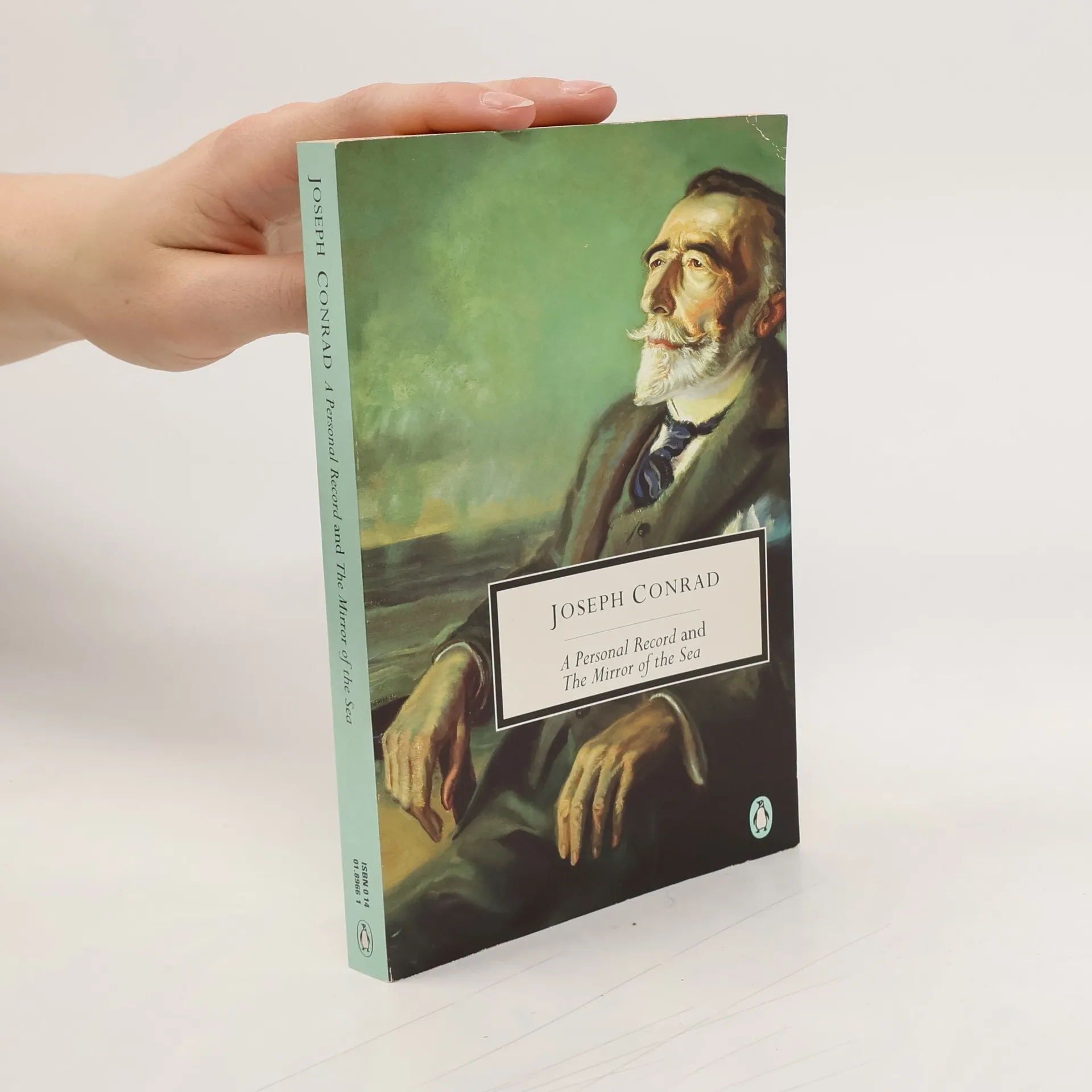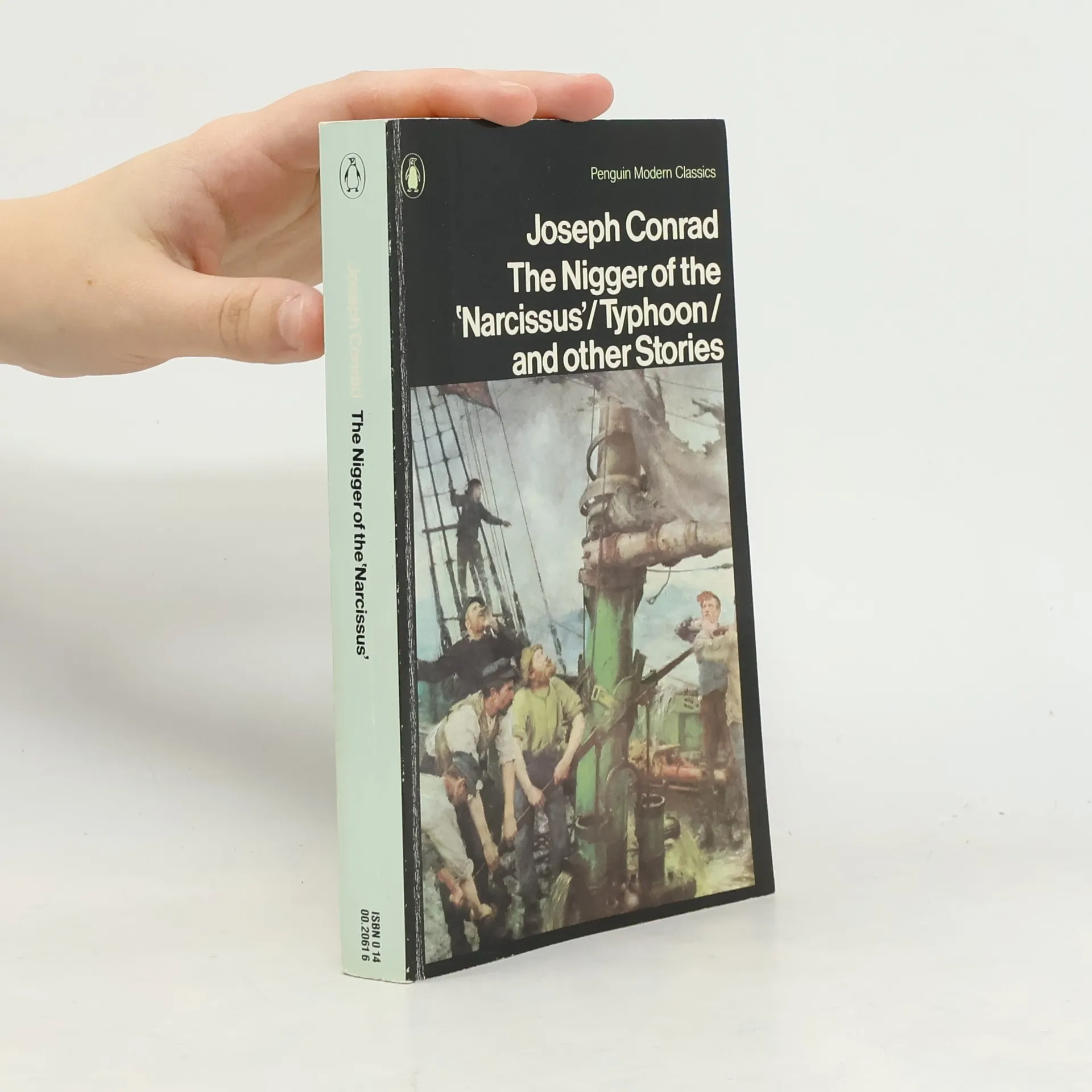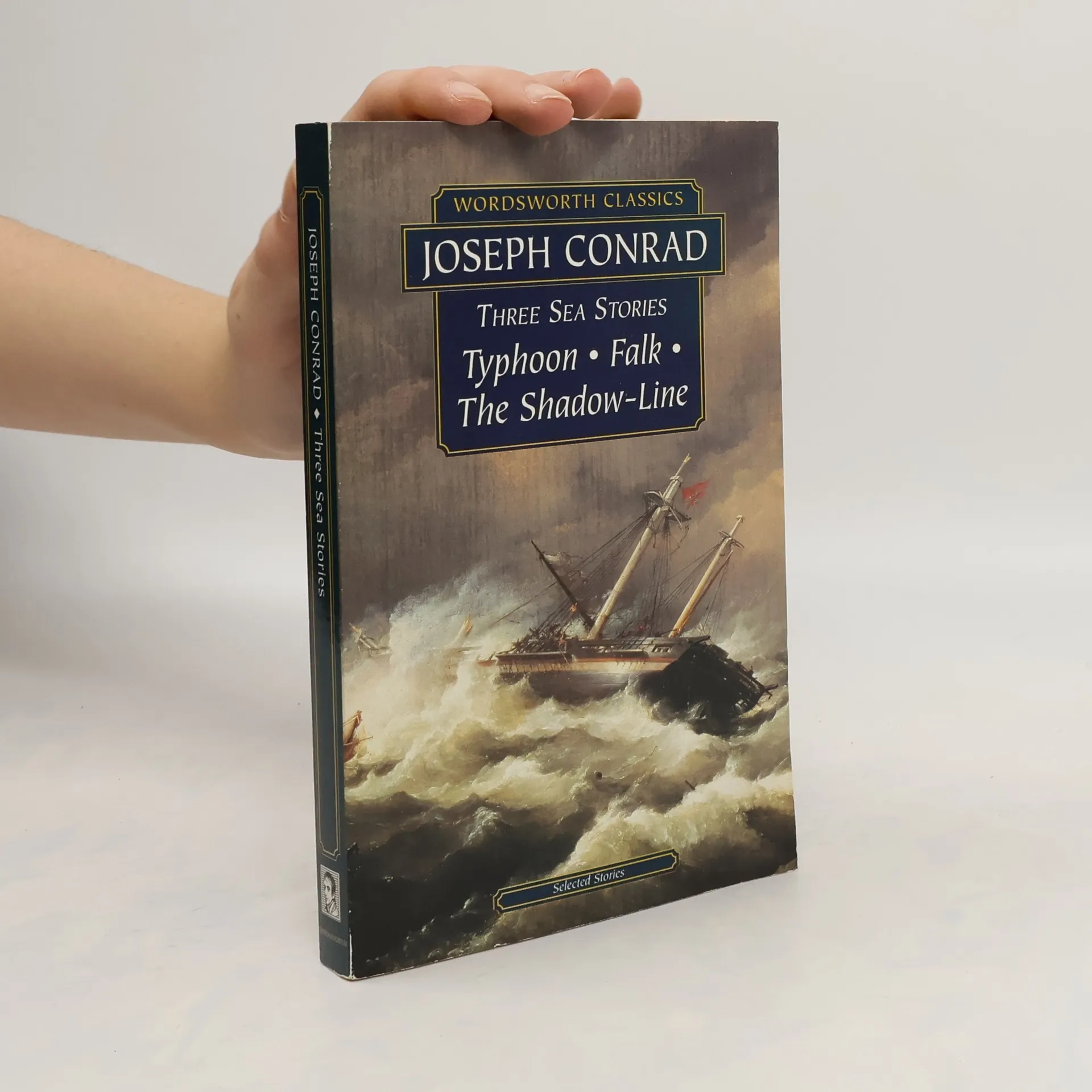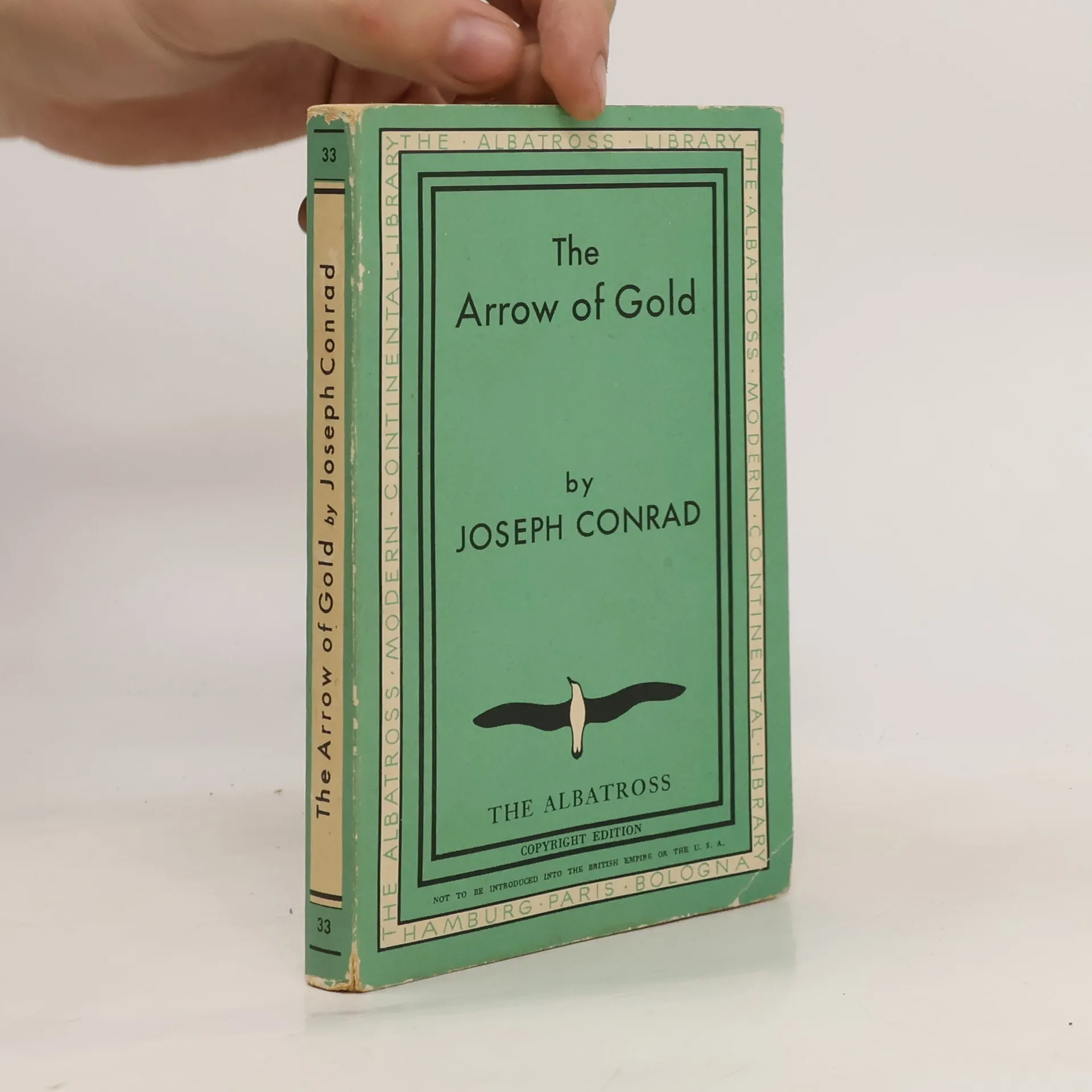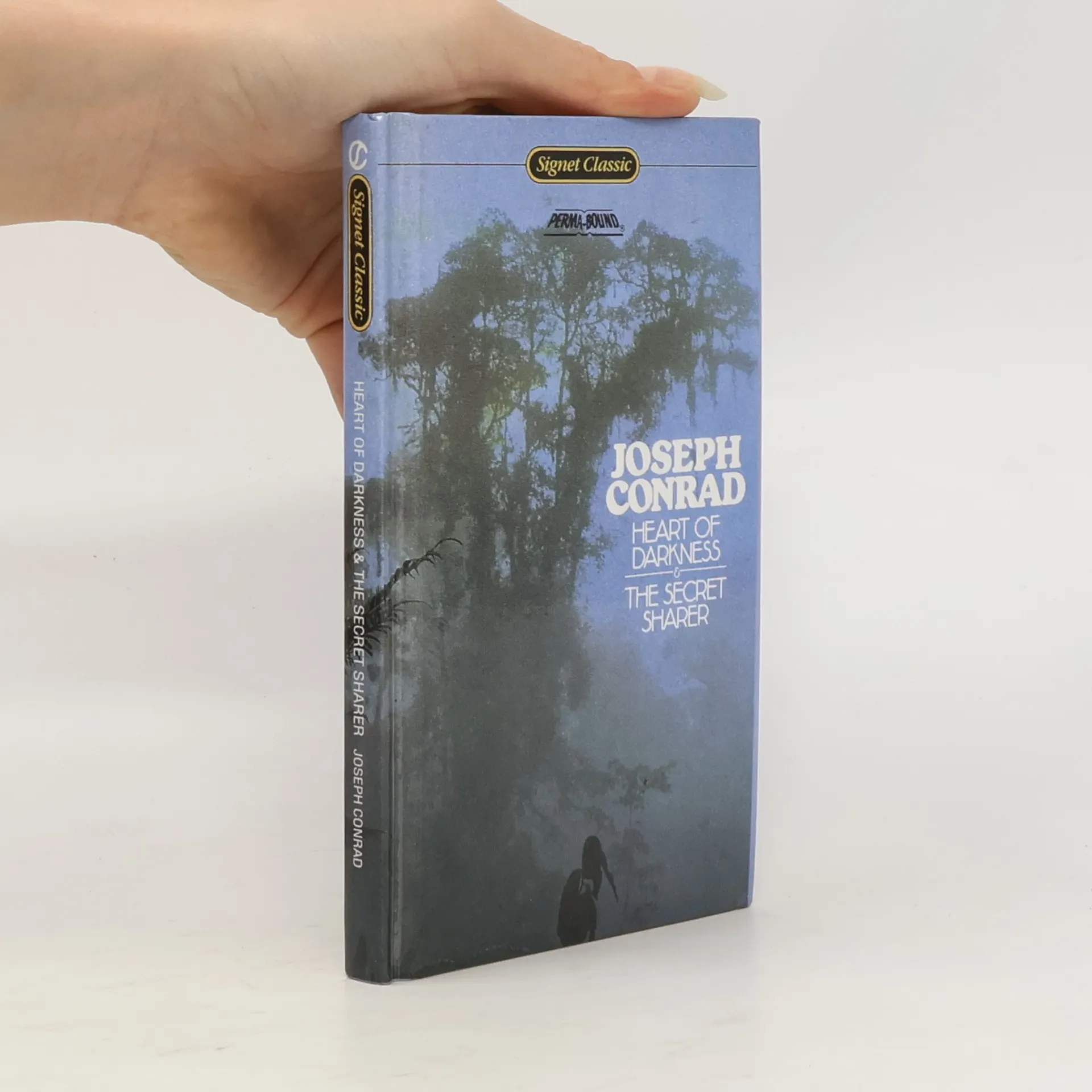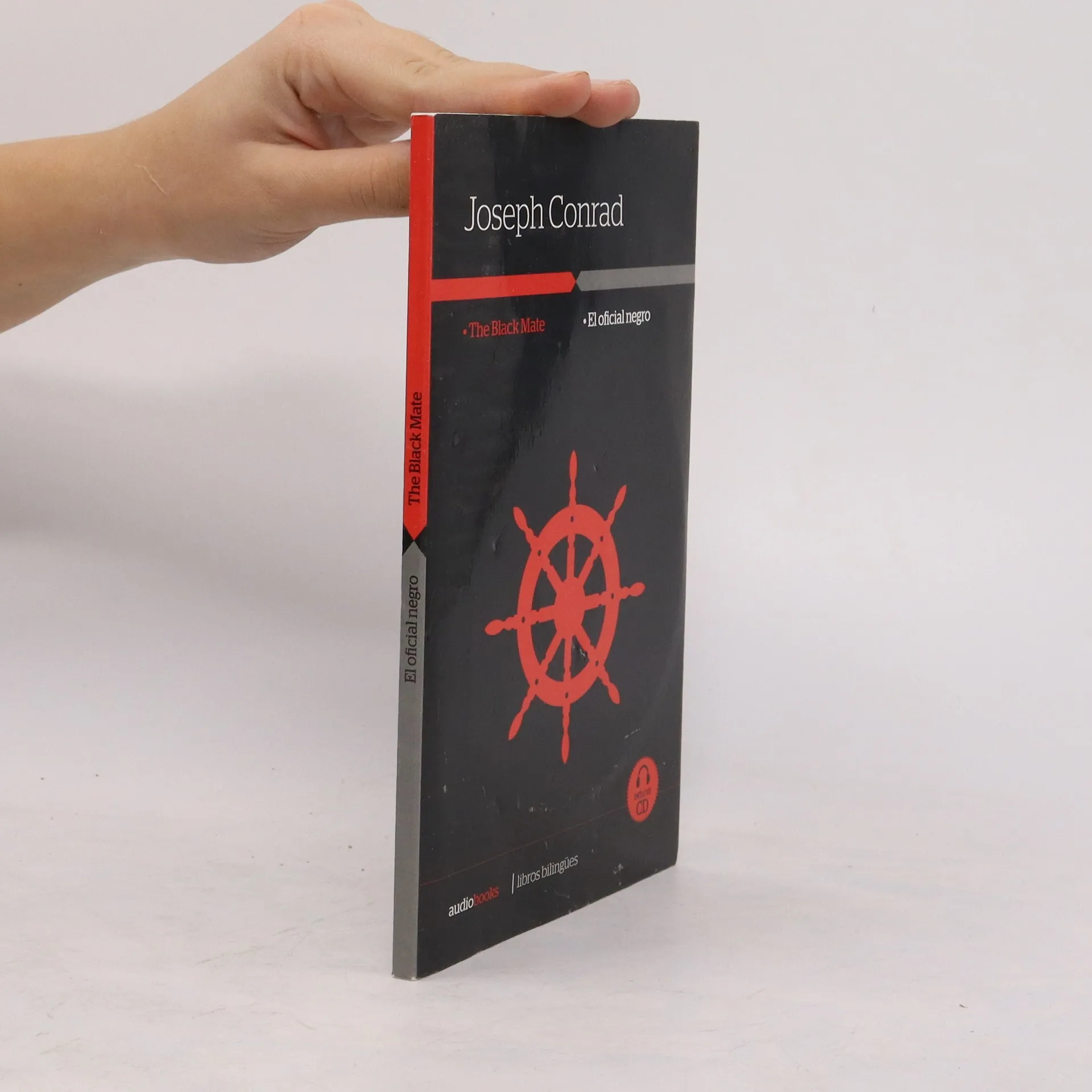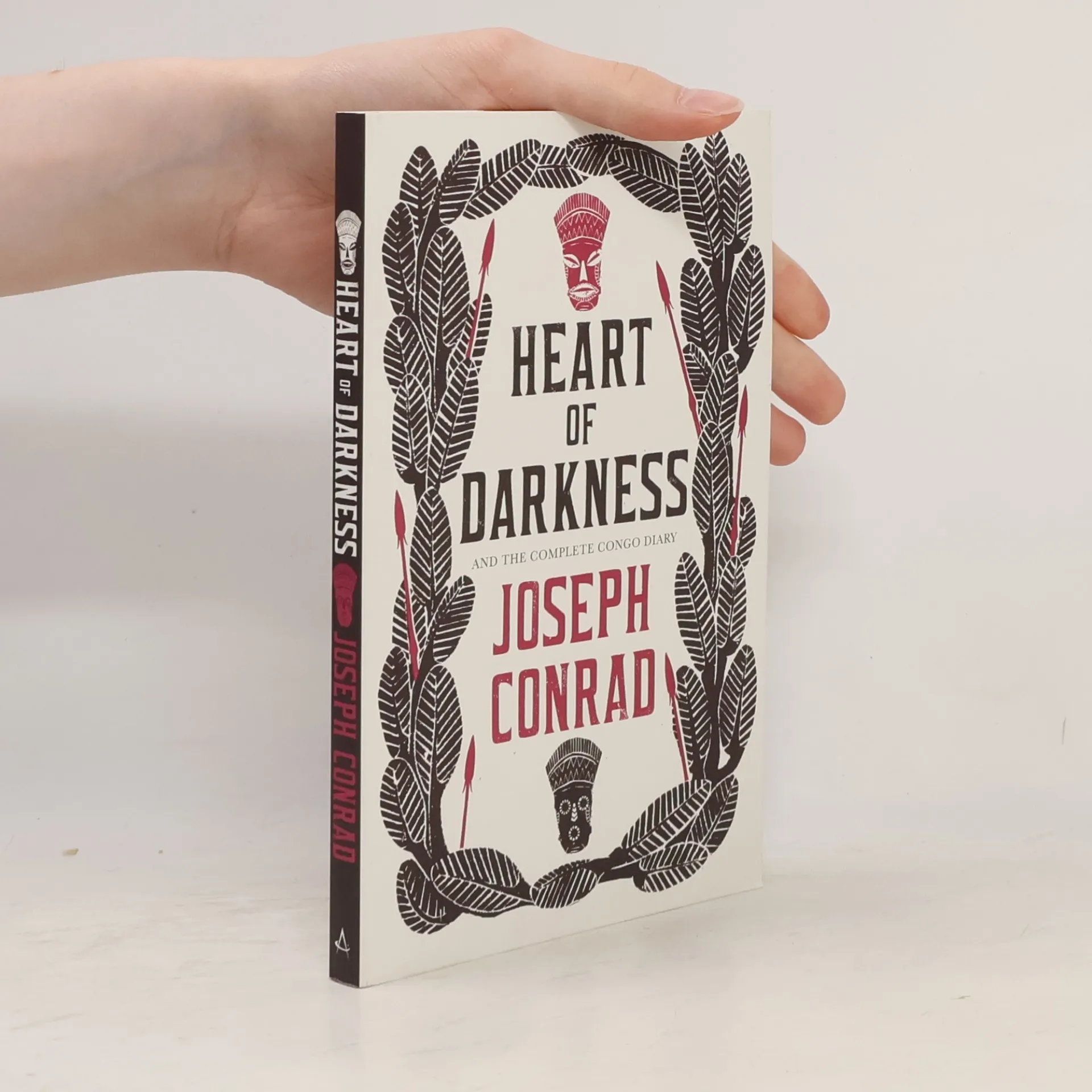

Joseph Conrad was a Polish-born English novelist celebrated for his profound explorations of the human psyche and the darker aspects of colonialism. Drawing heavily from his own seafaring experiences, his works delve into the complexities of morality and human nature under extreme duress. Conrad's distinctive voice emerged from a unique synthesis of French, Russian, and Polish literary sensibilities with his later mastery of English. He is lauded as one of the most powerful and insightful novelists in the English canon, offering readers deeply compelling and often disturbing fictional journeys.
Set aboard the Narcissus, a merchant ship journeying from Bombay to London, the novella explores the tensions among the crew as they grapple with the illness of a West Indian sailor suffering from tuberculosis. While some crew members exhibit compassion and take on additional duties to care for him, others question the severity of his condition, leading to a conflict that reveals deeper themes of humanity, duty, and the fragility of life at sea. Joseph Conrad delves into the complexities of human relationships in this poignant narrative.
This hardcover book is part of the TREDITION CLASSICS series, which aims to preserve and promote timeless works of classical literature that have been out of print for years. By reading these books, readers support the mission to save significant literary works from oblivion and make them available worldwide again.
Author Joseph Conrad described, in his essay collection The Mirror of the Sea, having, during his time in Marseilles, France, smuggling arms to Spain for the Carlist supporters of Carlos de Borbón y de Austria-Este.
Set against the backdrop of a revolutionary war, the narrative explores how ordinary lives can be transformed into remarkable stories through the actions of unique individuals. It examines the fleeting nature of fame, as many characters rise to prominence due to their vices, virtues, or significant deeds, only to fade from memory. General Santierra, a notable figure from South America, is highlighted for his role as a liberator from Spanish oppression, achieving a lasting legacy in history despite the ephemeral nature of his recognition.
Great Ghost Stories is a volume filled with strange sights, spirits, words and actions from beyond the grave.This rich and diverse collection brings together some of the best spooky writing of all time.
"Falk: A Reminiscence" tells the story of a young mariner who must take command of a ship in the Far East after the captain's death. Faced with a frail crew and no provisions, he forms a bond with Hermann, the captain of a nearby German ship. This minimalist narrative reflects Conard's own experiences at sea.
Joseph Conrad, a Polish-born novelist, is celebrated for his significant contributions to modernist literature despite learning English in his 20s. His narrative style features complex, anti-heroic characters and a unique prose that has influenced prominent writers like Hemingway and Lawrence. While some of his works exhibit romantic elements, his mastery lies in the exploration of moral ambiguity and human experience. Notable titles include Heart of Darkness, Lord Jim, and Victory, showcasing his literary prowess and lasting impact on English literature.
The mysteries of the sea have provided an endless course of fascination for generations of writers and some of the world's best sea stories from over 100 famous authors are collected together in this splendid anthology. The book contains renowned work by Defoe, Marryat, Poe, Dumas, Melville, Conrad, Stevenson and Irving, all of whom were inspired by the sea.There are mythical adventures drawn from legends such as The Odyssey, Beowulf and The Arabian Nights; awe-inspiring stories about deep-sea creatures such as Moby-Dick; and thrilling descriptions of maritime battles and escapes from such famous novels as Kidnapped, The Count of Monte Cristo, and Ben Hur.With stories from 20 countries, spanning more than 2000 years and unequalled for sheer narrative skill and drama, this stirring anthology filled with maritime exploits will make compulsive reading.
The book is a reproduction of a historical work, presented in large print to enhance accessibility for readers with impaired vision. Published by Megali, a company dedicated to making historical texts more readable, this edition aims to preserve the original content while catering to those who benefit from larger text formats.
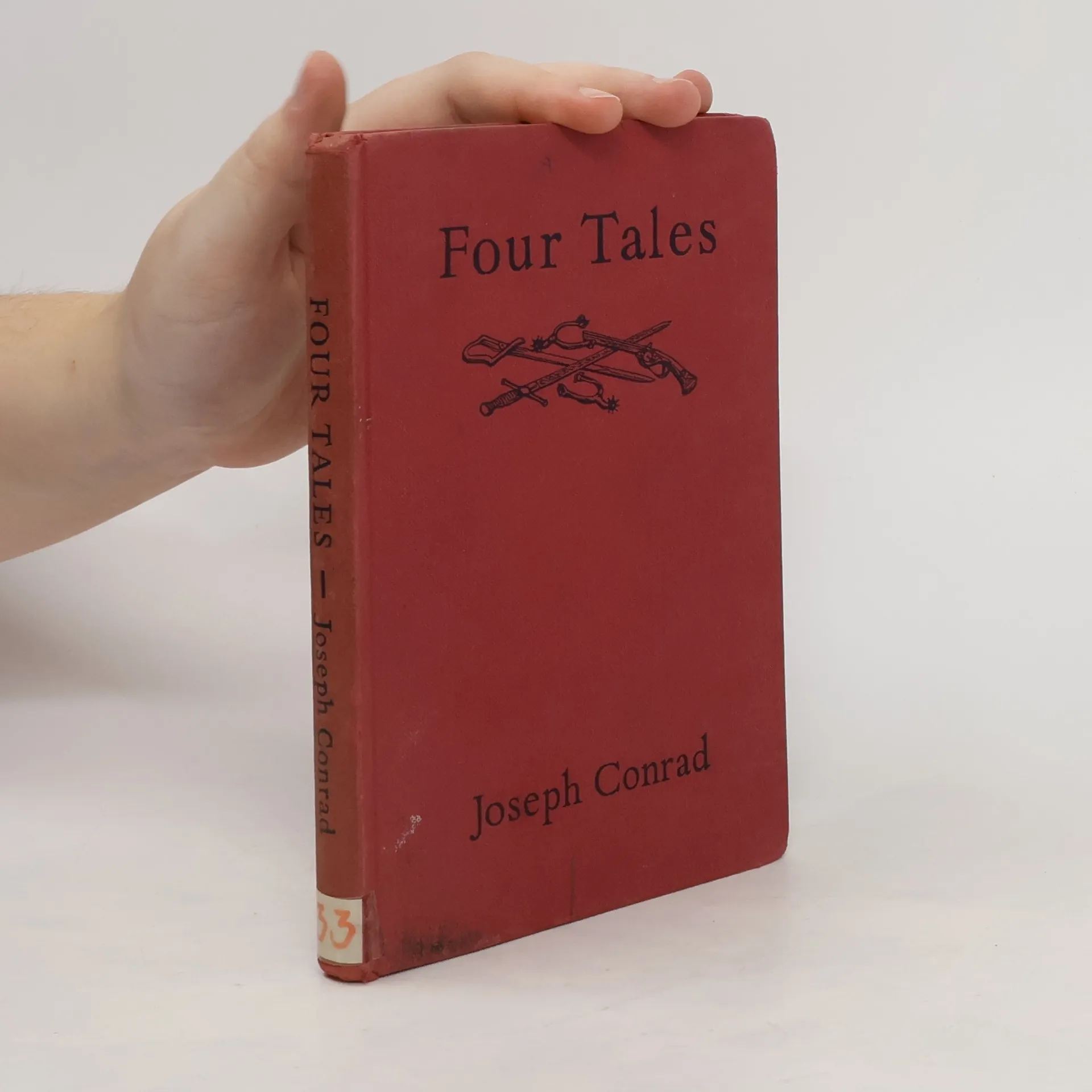
This selection of four tales by Conrad is about radical insecurity: lone human beings involuntarily forced into confrontation with a terrifying universe in which they can never be wholly at home. It leads with The End of the Tether and includes also The Duel, The Return, and Amy Foster - Sailor, Soldier, Rich Man, Immigrant. These powerful shorter works remind readers that Conrad is not just the teller of sea stories and tales of imperialist action, and not only the author of the ubiquitous Heart of Darkness. This is the Conrad who is master of the terror element - global crisis, individual test, and personal trauma - in modern literature.For over 100 years Oxford World's Classics has made available the widest range of literature from around the globe. Each affordable volume reflects Oxford's commitment to scholarship, providing the most accurate text plus a wealth of other valuable features, including expert introductions by leading authorities, helpful notes to clarify the text, up-to-date bibliographies for further study, and much more.
The four tales in this volume share autobiographical origins in Conrad's experience at sea and his exile from Poland, the country of his birth. Typhoon is the story of a steamship and her crew beset by tempest, and of the stolid captain whose dogged courage is tested to the limit. In Falk a taciturn young woman is bizarrely courted by a tug-boat master who is haunted by a terrible secret. Amy Foster tells of an emigrant Pole struggling to overcome isolation and prejudice in England. The final tale, The Secret Sharer , is Conrad's most famous short story, a masterpiece of suspense and ambiguity. Giving sanctuary to a fugitive sailor, a young sea-captain risks his ship and his command in order to save him. This revised edition uses the English first edition texts and has a new chronology and bibliography.
Exploring the intricacies of literature and society, this collection of essays by Joseph Conrad combines literary criticism with autobiographical reflections. Drawing from his life and travels, Conrad provides a unique perspective on English literature and the human condition. His thought-provoking insights delve into storytelling and the role of literature in shaping culture, inviting readers on a journey of self-discovery and intellectual exploration. With a masterful touch, Conrad's work remains a timeless resource for understanding both literature and life.
The only annotated edition available, An Outcast of the Islands (1896), Conrad's second novel, is a tale of intrigue in an eastern setting. Peter Willems, a clerk in Macassar, granted a "second chance" at a remote river trading post, falls ever more hopelessly into traps set by himself andothers. A parable of human frailty, with love and death the major players, this is a story of a man unable to understand others and fated never to possess his own soul.
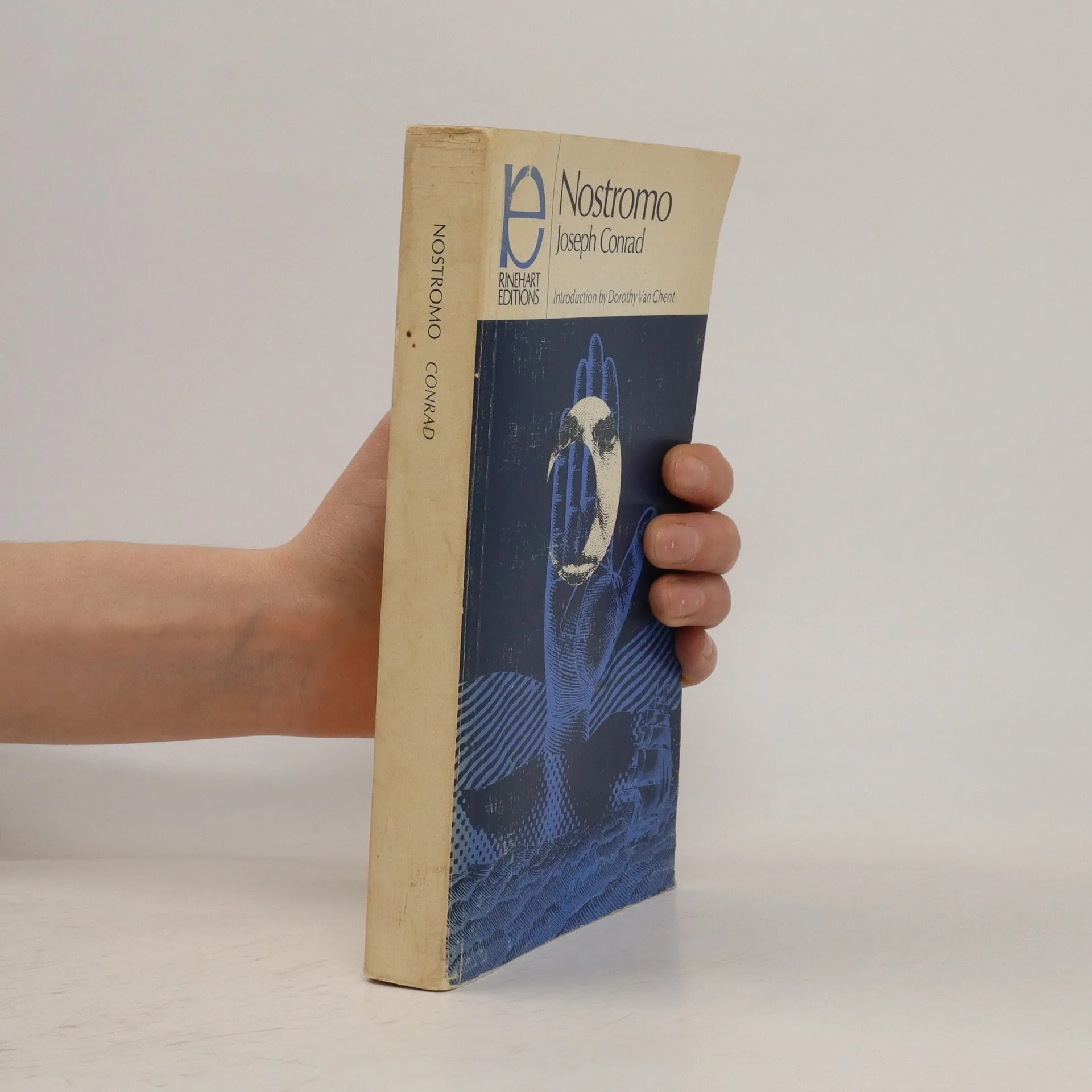
Lord Jim • Nostromo • The Secret Agent • & A Selection of Short Stories
1376 pages
49 hours of reading
Lord Jim, first published in 1900, confirmed Conrad's place in literature as one of the first 'modernists' of English letters. Set in the Malay Archipelago, not only does the novel provide a gripping account of maritime adventure and romance, but also an exotic tale of the East. Nostromo is the only man capable of the decisive action needed to save the silver of the San Tome mine and secure independence for Sulaco, Occidental Province of the Latin American state of Costaguana. Is his integrity as unassailable as everyone believes, or will his ideals, like those which have inspired the struggling state itself, buckle under economic and political pressure?The Secret Agent, Conrad's story of espionage and anarchists, tells of Winnie Verloc and her devotion to her peculiar and simple-minded brother, Stevie. Its savagely witty themes of human absurdity and misunderstanding are written in an ironic style that provokes both laughter and unease.This volume also includes a selection of Conrad's matchless short stories - Youth, Typhoon, Heart of Darkness, The End of the Tether and The Shadow-Line
Three novels, six major short works, and selections from Conrad's autobiographical writings. Includes LORD JIM, HEART OF DARKNESS, NOSTROMO, TYPHOON, THE SECRET SHARER, and other classics.
Joseph Conrad, a Polish-British writer, is celebrated for his profound contributions to English literature despite not mastering the language until adulthood. His works often feature nautical settings and explore the struggles of the human spirit against a backdrop of an indifferent universe. Conrad's unique perspective and masterful prose style have solidified his status as one of the greatest novelists in the English language.
This unique editon brings together twelve classic Conrad tales which mirror, in form and theme, Conrad's own ambiguous and hybrid status in imperial England. This edition is the first to reprint these stories as they first appeared in popular magazines of the time. William Atkinson'sintroduction explores the "double-voiced" nature of Conrad's narratives as well as his ironic treatment of the adventure-romance genre popularized by his contemporaries, Stevenson, Kipling, and Rider-Haggard.
Building on the formula of York Notes, this Advanced series introduces students to more sophisticated analysis and wider critical perspectives. The notes enable students to appreciate contrasting interpretations of the text and to develop their own critical thinking. Key features include: study methods; an introduction to the text; summaries with critical notes; themes and techniques; textual analysis of key passages; author biography; historical and literary background; modern and historical critical approaches; chronology; and glossary of literary terms.
Contains four stories, written between 1900 and 1902. One of them reveals the
differences between instinct and intelligence in a partnership vital to human
survival; and the other contains 'land-stories' that explore the utter
isolation of an East European emigrant in England and in the other, the plight
of a woman.
This vintage book comprises 'Confessions of an English Opium-Eater'; an autobiographical account of Thomas De Quincey's opium addiction and the effect that it had on his life. This text was the first major book that De Quincey published, and one that made him famous in a very short period of time. De Quincey's Confessions assumed an authoritative influence on the public, as well as scientific opinion of opium for several generations. It went through almost innumerable editions and revisions despite the fact that he was generally criticised for putting too much emphasis on the positive aspects of opium intoxication. Thomas Penson De Quincey (1785 1859) was an English essayist who was most renowned for writing this book. We are republishing this vintage work now in an affordable, modern edition complete with a new prefatory biography of the author."
To-morrow.--Amy Foster.--Youth: A narrative.--Heart of darkness.--The end of the tether.--Karain: A memory.--The idiots.--An outpost of progress.--The return.--The lagoon.--Gaspar Ruiz.--The informer.--The brute.--An anarchist.--The duel.--Il conde.--A smile of fortune.--The secret sharer.--Freya of the seven isles.--The planter of Malata.--The partner.--The inn of the two witches.--Because of the dollars.--The warrior's soul.--Prince Roman.--The tale.--The black mate.
"The three stories in this volume lay no claim to unity of artistic purpose. The only bond between them is that of the time in which they were written." Thus Conrad, in his Author's Note of 1917, qualifies his later statement that the stories represent the three ages of man--youth, maturity and age. Together on one volume we see that he did not set out to write about three separate periods of life, but rather that he wrote about life from three separate points of view.
Joseph Conrad is a largely enigmatic presence in his novels, but in A Personal Record he decided to introduce his readers to "the figure behind the veil". Almost equally revealing is The Mirror of the Sea, written in "tribute to the sea, its ships, and its men, to whom I remain indebted for so much which has gone to make me what I am". Both are full of Conrad's anecdotes and adventures about smuggling arms to Don Carlos, a claimant to the Spanish throne, and characters like the great-uncle who once had to eat a Lithuanian dog during Napoleon's retreat from Moscow. They also let us see inside the young man who broke with his Polish background and was deeply inspired by the resilience and devotion to duty of his fellow British sailors. Every page is filled with a powerful moral intelligence and sense of history.
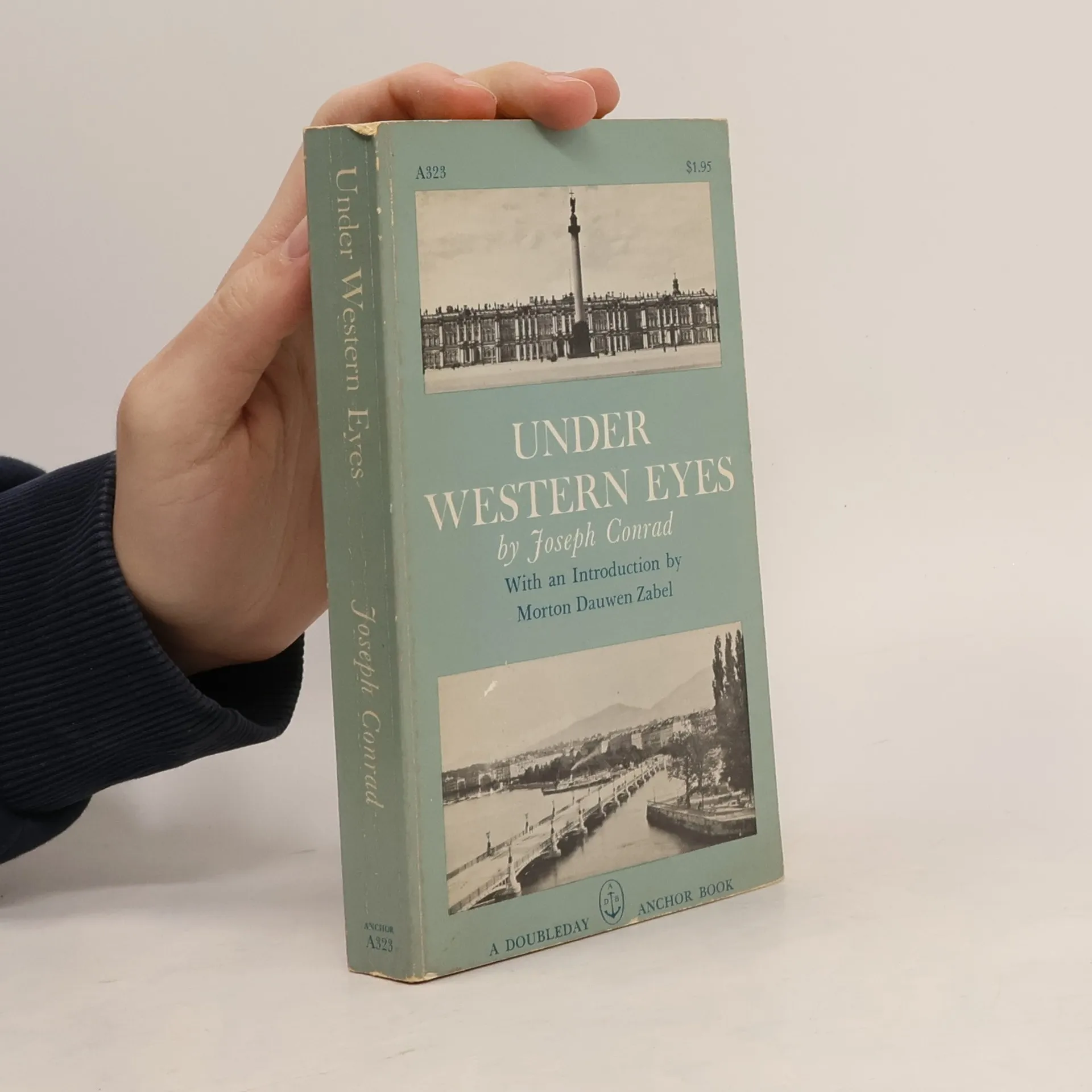
Acclaimed as one of Conrad's finest literary achievements, this gripping novel deftly depicts the political turmoil of nineteenth-century Russia and follows the dramatic developments in the life of a student, Razumov, as he prepares for a career in the czarist bureaucracy. In a plot that twists and turns, Razumov unwittingly becomes embroiled in a revolutionary conspiracy when he gives refuge to a fellow student who assassinated a public official. Increasingly enmeshed in the radical's political intrigue, he betrays the anarchist who had placed blind faith in him. The authorities then dispatch Razumov on a mission to spy on the revolutionary's sister and mother. A fascinating character study, Under Western Eyes hauntingly reveals Razumov's preoccupation with questions of decency and accountability when confronted by the equally powerful values of human integrity and moral strength.
When Phileas Fogg decides to travel around the world in eighty days, he says he's prepared for anything, but he never expects to be chased around the world by a policeman.
Great Crime Stories gathers together the best fictional stories of crime and criminals, of strange and horrible happenings, of ghosts and grisly deeds. There are beautifully crafted short stories by some of the giants of literature, as well as rediscovered gems by some of the well-known names of yesteryear. From Margery Allingham to Saki this is a collection that makes all the memorable features of the crime story and distills a heady brew that will satisfy the most discerning and demanding of readers.
"'Youth', Heart of Darkness and 'The End of the Tether' make up Conrad's most celebrated collection of short narratives. Heart of Darkness forms its sombre centrepiece: set in the Congo of the 1890s, this haunting and widely influential Modernist masterpiece explores the limits of human experience as well as the nightmarish realities and consequences of imperialism."
"The Nigger of the 'Narcissus' and Other Stories" is a collection of seven shorter works by Joseph Conrad. The titular story is the tale of James Wait, a West Indian black sailor on board the merchant ship 'Narcissus' who falls ill during a voyage from Bombay to London. In "Youth" we have a semi-autobiographical short story which tells the story of the first voyage of Charles Marlow, the narrator of Conrad's most famous novel "Heart of Darkness." In "An Outpost of Progress" we find Kayerts and Carlier, two European agents who have been assigned to a remote trading post in the African jungle. In "The Secret Sharer" we have the story of a nameless captain who discovers a stow-away clinging to the side of his ship and secretly brings him aboard and harbors him in his cabin. Also contained in this edition are the following other short stories: "Il Conde," "The Duel," and "The Lagoon." Fans of Conrad will delight in this classic collection of his shorter works.
Set against the backdrop of a village overshadowed by a vast bay, the narrative explores the arrival of a castaway, revealing the darker undercurrents of human nature and societal isolation. Through a realist lens, Conrad weaves irony and symbolism into the tale, contrasting the villagers' mundane existence with the broader world they cannot fully escape. The story challenges conventional adventure tropes, offering a profound commentary on belonging and alienation.
Edited and with an Introduction by Dr Keith Carabine, Chairperson of the Joseph Conrad Society of Great Britain.As these three specially commissioned stories amply demonstrate, Conrad is our greatest writer of the sea. His characters are tested by dramatic events 'that show in the light of day the inner worth of a man, the edge of his temper, and the fibre of his stuff; that reveal the quality of his resistance and the secret stuff of his pretences, not only to others but also to himself'. In Typhoon, Conrad's funniest story, Captain MacWhirr blunders into a hurricane that reveals the sea's treachery, violence and terror. Falk is desperate to get married, but first he must tell of his terrible experiences as sole survivor of a stricken ship that once drifted into the ice-caps of Antarctica. The Shadow-Line is a poignant and beautiful story. Written during the First World War and based on Conrad's fond evocation of his own first command, it expresses his solidarity with all who were obliged to cross in early youth the shadow-line of their war-torn generation.Includes a glossary of nautical terms.
On a rare impulse Swedish Baron and rootless drifter Axel Heyst, rescues a sea captain from his debts. This uncharacteristic act of kindness has unimagined and tragic repercussions for many people, with the reader being left to decide the nature and attainability of ultimate victory.
Ten years after is father is murdered by a brutal dictator, Englishman Charles Gould arrives in Costaguana to reopen the family silver mine. But instead of ushering in a shining era of prosperity and progress, the return of the silver engenders a new cycle of violence as Costaguana erupts in civil war, initiated by rival warlords determined to seize the mine ant its riches
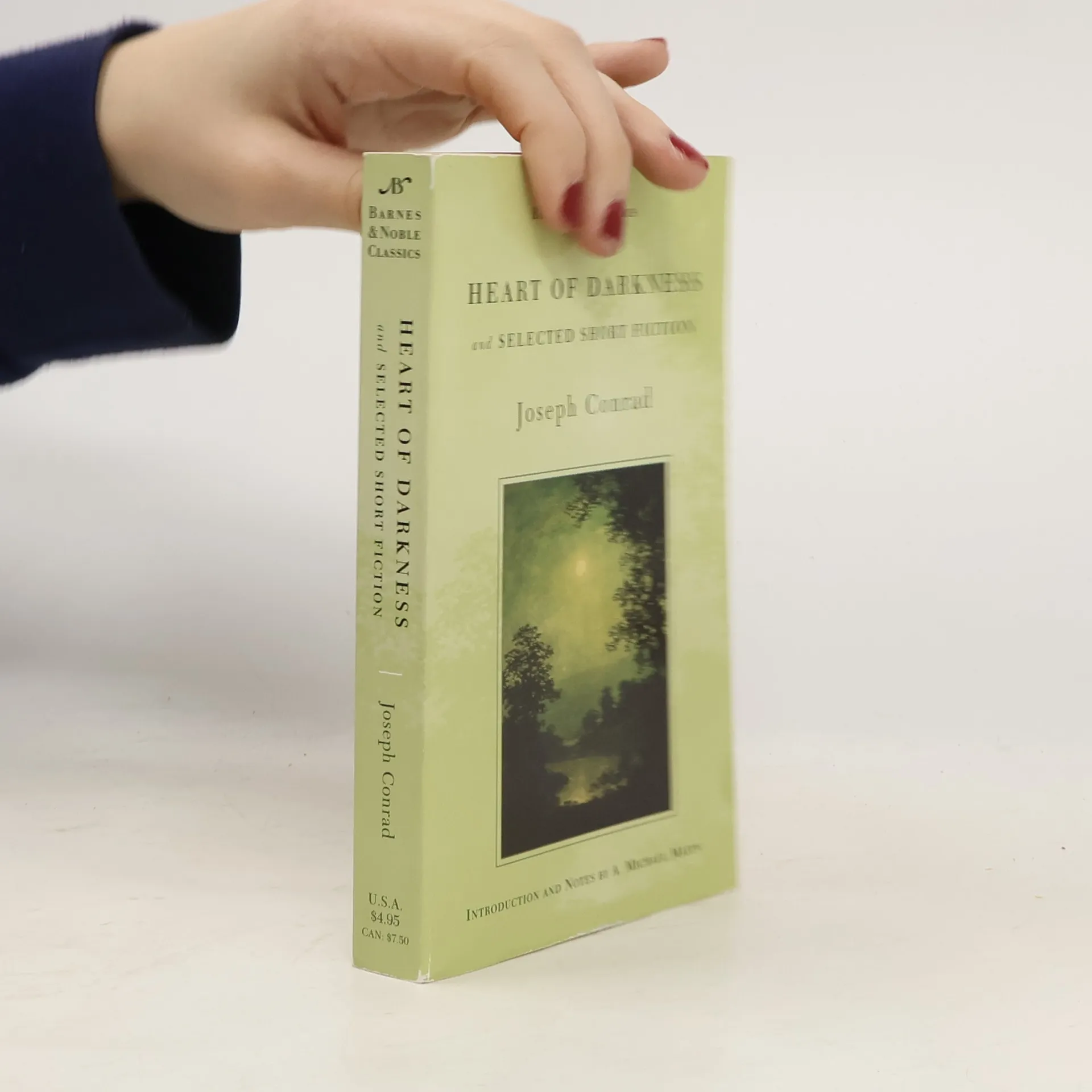
In "Heart of Darkness, Captain Marlowe must wend his way up the African Congo to recover the missing Colonel Kurtz in one of the greatest steamship adventures ever told. As Marlowe's ship Nellie scrapes along the Congo, the voyage into the human soul, like the morass of steaming foliage along the banks, becomes increasingly dark and perilous. In addition to the Marlowe tales "Heart of Darkness and "Youth, this new volume includes Conrad's classic doppelganger tale "The Secret Sharer and the lesser known "Amy Foster." Michael Matin is a professor in the English Department of Warren Wilson College in Asheville, North Carolina. Includes an Original Map of the Congo.
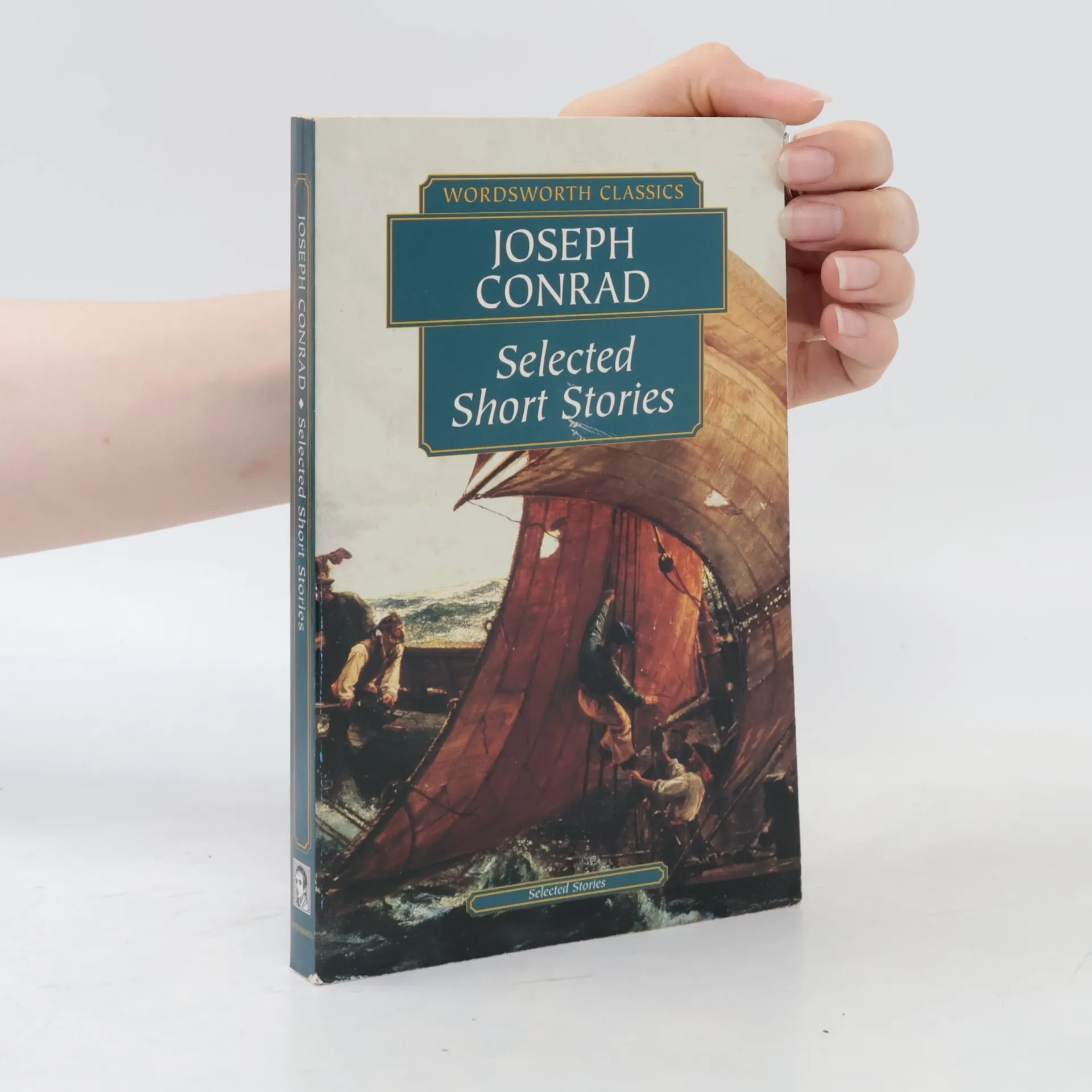
A selection of short stories including favourites such as Youth, a modern epic of the sea; The Secret Sharer, a thrilling psychological drama; An Outpost of Progress, a blackly comic prelude to Heart of Darkness; Amy Foster, a moving story of a shipwrecked, alienated Pole; and The Lagoon and Karain, two exotic, exciting Malay tales.
Joseph Conrad, a Polish-British writer, is celebrated for his profound contributions to English literature despite learning the language in his twenties. His works often feature nautical settings and explore the challenges faced by the human spirit against an indifferent universe. Conrad's unique prose style blends his non-English background with English literary traditions, making his narratives rich and compelling. His storytelling captures the complexities of human experience and the existential struggles within a vast, often unyielding world.
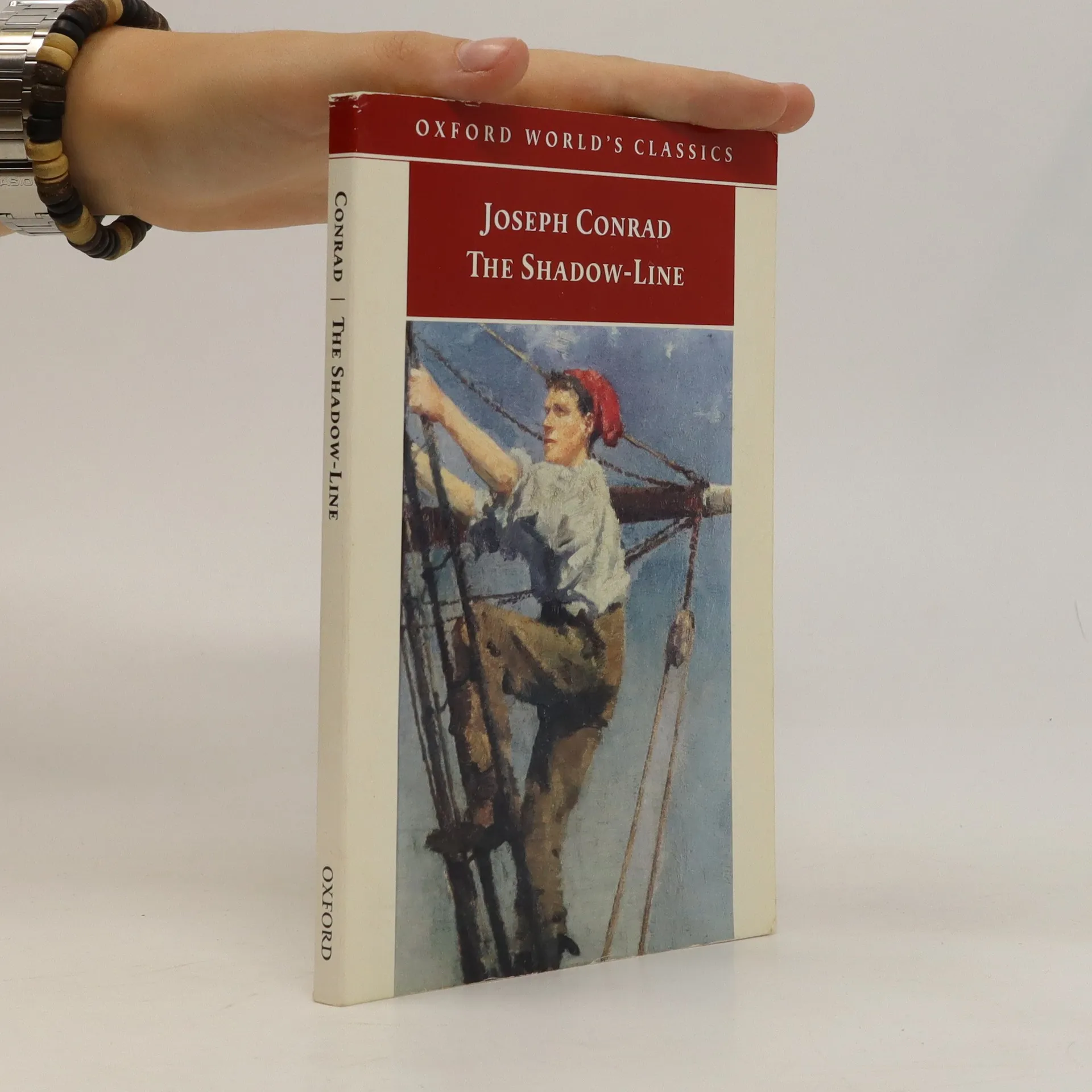
Written in 1915, The Shadow-Line is based upon events and experiences from twenty-seven years earlier to which Conrad returned obsessively in his fiction. A young sea captain's first command brings with it a succession of crises: his sea is becalmed, the crew laid low by fever, and his deranged first mate is convinced that the ship is haunted by the malignant spirit of a previous captain. This is indeed a work full of "sudden passions", in which Conrad is able to show how the full intensity of existence can be experienced by the man who, in the words of the older Captain Giles, is prepared to "stand up to his bad luck, to his mistakes, to his conscience." A subtle and penetrating analysis of the nature of manhood, The Shadow-Line investigates varieties of masculinity and desire in a subtext that counters the tale's seemingly conventional surface.
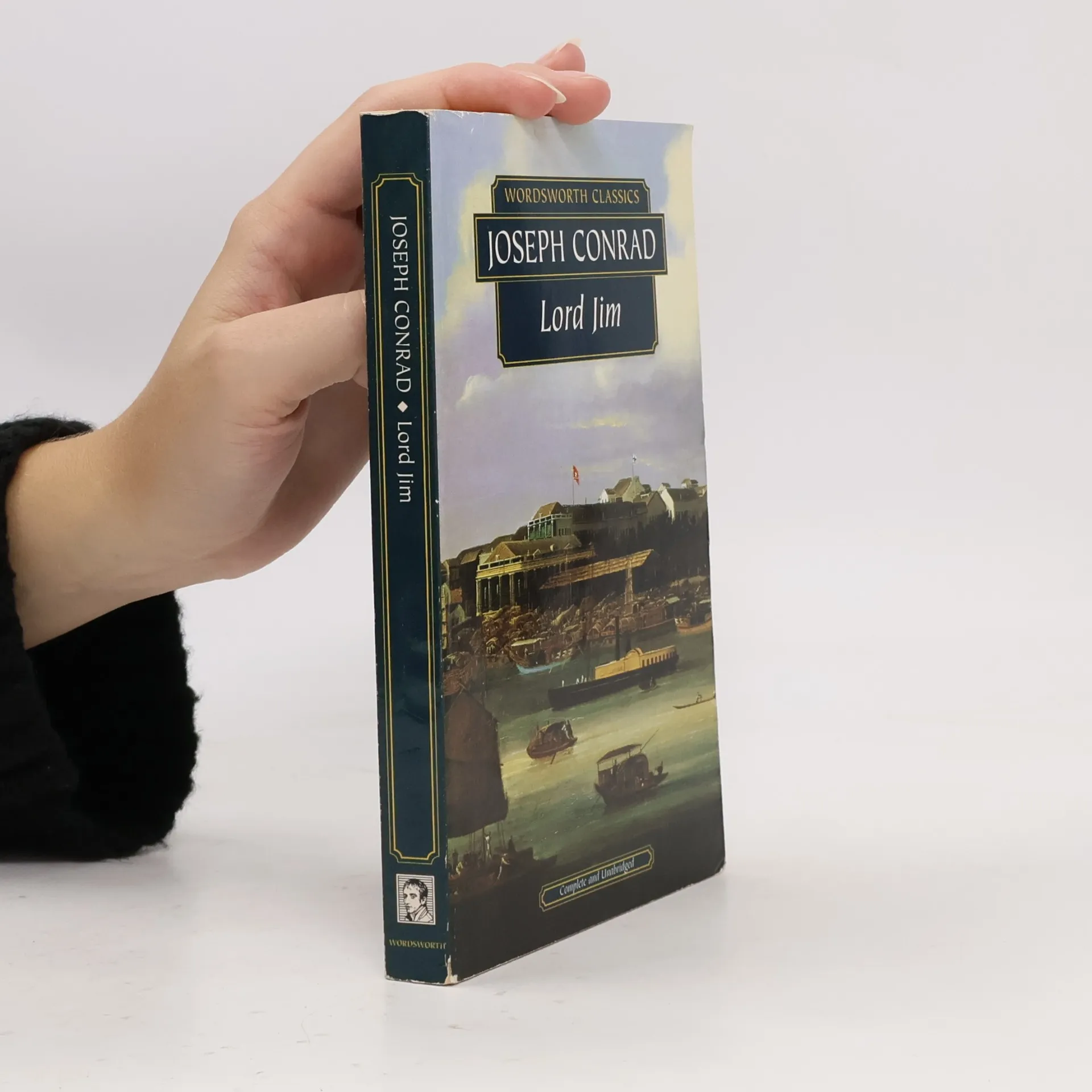
First published in 1900, Lord Jim established Conrad as one of the great storytellers of the twentieth century. Set in the Malay Archipelago, the novel not only provides a gripping account of maritime adventure and romance, but also an exotic tale of the East. Its themes also challenge the conventions of nineteenth-century adventure fiction, confirming Conrad's place in literature as one of the first 'modernists' of English letters.
The tale of a man's inability to escape his self-delusion and the tragic results that ensue, Almayer's Folly unfolds with the lush prose and keen psychological insights for which its author is renowned. Set in nineteenth-century Borneo, the novel recounts the brief rise and protracted fall of Kaspar Almayer, a Dutch merchant who has struggled for 25 years to practice his trade in the jungle. Only his daughter, Nina, brightens Almayer's embittered marriage to a Malayan, and he dreams of their triumphant return to civilization — a fantasy undermined by Almayer's own greed and prejudice. This tale of personal tragedy offers a wider perspective on the disastrous effects of colonialism, a view familiar to the author from the worldly wealth of experience he acquired in fifteen years of service as a merchant seaman. Conrad infused his first novel with many of the themes and settings that he would return to again and again in his later fiction: the clash of Western and Eastern cultures, the sovereignty of the natural world, and the consequences of cowardice and racism. A gripping and thought-provoking chronicle, Almayer's Folly abounds in the page-turning excitement that won Conrad his place among the greatest storytellers in English literature.
Political turmoil convulses 19th-century Russia, as Razumov, a young student preparing for a career in the czarist bureaucracy, unwittingly becomes embroiled in the assassination of a public official. Asked to spy on the family of the assassin — his close friend — he must come to terms with timeless questions of accountability and human integrity.
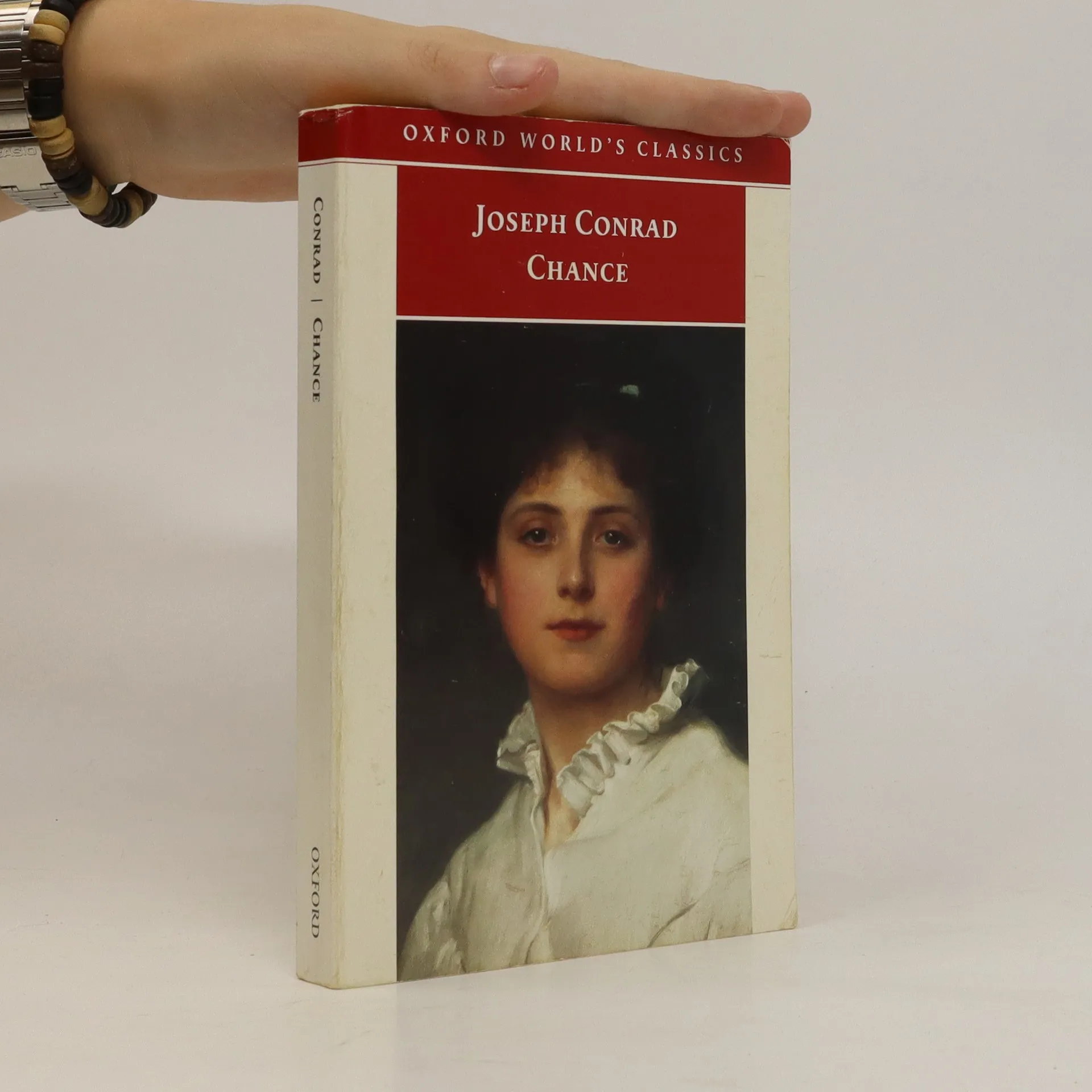
Chance tells the story of Flora de Barral, the vulnerable abandoned daughter of a bankrupt tycoon, who struggles to achieve dignity and happiness; 'no consideration, no delicacy, no tenderness, no scruples should stand in the way of a woman ... from taking the shortest cut towards securing for herself the easiest possible existence.’ It is narrated by different narrators, including Conrad's regular narrator, Charles Marlow, who describe and attempt to interpret various episodes in Flora’s life and is the only book to focus on a female character. Excerpt: I cannot say that any particular moral complexion has been put on this novel but I do not think that any body had detected in it an evil intention. And it is only for their intentions that men can be held respon sible. The ultimate effects of whatever they do are far beyond their control. In doing this book my in tention was to interest people in my Vision of things which is indissolubly allied to the style in which it is expressed. In other words I wanted to write a cer tain amount of pages in prose, which, strictly speaking, is my proper business. I have attended to it conscien tiously with the hope of being entertaining or at least not insufferably boring to my readers. I can not suf ficiently insist upon the truth that when I sit down to write my intentions are always blameless however de plorable the ultimate effect of the act may turn out to be.
Kolonialwarenhändler erschließen den Dschungel von Belgisch-Kongo im Dienste der Mächte Europas. Der berüchtigte Mr Kurtz, erfolgreichster aller Elfenbein-Lieferanten, beutet gnadenlos die Ureinwohner aus und lässt sich als Gott verehren. Zunehmend wird er Opfer seiner eigenen Allmachtsphantasien ... Der Horror lauert überall, wo der vermeintlich zivilisierte Westen glaubt, Heil bringen zu müssen.
Set against the backdrop of 1870s Marseille during the Third Carlist War, the novel explores a complex love triangle involving an unnamed narrator, Doña Rita, and Captain Blunt, a Confederate veteran. The narrative intertwines with the political intrigue surrounding the supporters of Carlos, Duke of Madrid, and features a character known as "Lord X," an arms smuggler reminiscent of a real-life Carlist politician. Themes of loyalty, love, and political tension unfold as the characters navigate their intertwined fates.
Almayer’s Folly , Joseph Conrad’s first novel, is a tale of personal tragedy as well as a broader meditation on the evils of colonialism. Set in the lush jungle of Borneo in the late 1800s, it tells of the Dutch merchant Kaspar Almayer, whose dreams of riches for his beloved daughter, Nina, collapse under the weight of his own greed and prejudice. Nadine Gordimer writes in her Introduction, “Conrad’s writing is lifelong questioning . . . What was ‘ Almayer’s Folly ’? The pretentious house never lived in? His obsession with gold? His obsessive love for his daughter, whose progenitors, the Malay race, he despised? All three?” Conrad established in Almayer’s Folly the themes of betrayal, isolation, and colonialism that he would explore throughout the rest of his life and work.
On sea, on land, at the edges of the colonial experience, Joseph Conrad's short stories offer a glimpse of the violence, the kindness, and the mystery at humanity's heart. 'The Lagoon' tells of love and its shadow, 'The Typhoon' of the gap between man and nature, while 'The Secret Sharer' provides a brilliant exploration of truth and trust.
WITH AN INTRODUCTION BY GILES FODENLondon is under threat. Frequent bomb
threats and disturbances interrupt the lives of the city's inhabitants, who
live in fear of the terrorists in their midst. He is the secret agent who is
given the mission to strike right at the heart of London's pride by blowing up
Greenwich Observatory.
A test of nerve in the Gulf of Siam A young man sets out on his first voyage as captain, aboard a vessel and among a crew that are equally unfamiliar to him. A mysterious night-swimmer climbs aboard, and, in keeping the presence of this fugitive a secret, the skipper risks both his captaincy and the safety of his ship. Many of Conrad's stories of suspense and adventure, including the collection 'Twixt Land and Sea, from which The Secret Sharer is taken, are published in Penguin.
Generally regarded as the pre-eminent work of Conrad's shorter fiction, 'Heart of Darkness' is a chilling tale of horror which, as the author intended, is capable of many interpretations.
When Charles Marlow travels to Africa to serve as steamboat pilot for an ivory-trading company, he learns he is to rendezvous with Kurtz, a trading-post agent held in high regard. But the deeper Marlow penetrates into the jungle, the grimmer the assessments of Kurtz become. Described by Conrad himself as "something quite on another plane than an anecdote of a man who went mad in the Centre of Africa," Heart of Darkness has long been regarded as a powerful appraisal of the fragility of civilization and the consequences of imperialism. This collection includes another five of Conrad's incomparable tales of adventure, including "The Secret Sharer," "Youth," and "Typhoon."
Penguin inaugurates a series of revised editions of Conrad's finest works, with new introductions Exploring the workings of consciousness as well as the grim realities of imperialism, Heart of Darkness tells of Marlow, a seaman and wanderer, who journeys into the heart of the African continent to discover how the enigmatic Kurtz has gained power over the local people.
With wide format pages to give generous margins for notes, the editor presents the latest Conrad scholarship in an introduction, and also includes notes, selected criticism and a chronology of the author's life and times.
This reproduction focuses on making historical works accessible to individuals with impaired vision through large print. Megali, the publishing house behind this initiative, emphasizes the importance of preserving and sharing these texts while ensuring readability for all.
Set in the fictional South American nation of Costaguana, this novel delves into the intricate interplay of political intrigue and moral dilemmas. It vividly portrays the seductive power of wealth, particularly through the allure of silver, while examining the depths of human ambition and the unpredictable nature of fate. Conrad invites readers to reflect on the complexities of the human psyche as characters navigate a landscape rife with ambition and moral ambiguity.
The narrative unfolds through the perspective of a chief mate sailing under Captain MacW--------, who initially feels empowered by his role. However, his confidence is shaken when he accidentally witnesses the captain in a vulnerable moment, revealing the latter's fragile state of mind. This incident creates tension as the mate grapples with the reality of his command and the captain's hidden struggles. The story explores themes of authority, perception, and the psychological pressures faced by those in leadership positions at sea.
Exploring Joseph Conrad's life, this autobiographical work offers insights into his early education in Russian Poland, maritime experiences in Marseille, and the impact of his uncle Tadeusz Bobrowski. Its digressive structure and unreliable narrative add to its unique charm, serving as a crucial contemporary source about Conrad's experiences and aspirations. The text reflects how he wished to be perceived by British readers, blending personal reminiscences with a rich atmospheric quality that enhances its artistic merit.
Focusing on accessibility, this publishing house specializes in reproducing historical works in large print, catering specifically to individuals with impaired vision. By enhancing readability, it aims to provide a more inclusive reading experience for all.
This book is a reproduction of a historical work, published by Megali, which focuses on making literature accessible through large print. It aims to assist readers with impaired vision, ensuring that they can enjoy and engage with classic texts comfortably. The initiative highlights the importance of inclusivity in reading and preserves the original content for contemporary audiences.
Joseph Conrad, a Polish-born novelist who became a prominent figure in British literature, is celebrated for his mastery of prose and complex narrative style. Despite learning English in his twenties, he emerged as a key forerunner of modernist literature, influencing notable authors like Hemingway and Lawrence. His works often feature anti-heroic characters and elements of romanticism, with acclaimed titles including Heart of Darkness and Lord Jim, showcasing his significant impact on literary modernism.
Megali focuses on making historical works accessible by producing them in large print, catering specifically to individuals with impaired vision. This commitment to inclusivity ensures that important texts can be enjoyed by a wider audience, preserving their historical significance while enhancing readability.
The book is a reproduction of a historical work, published by Megali, which focuses on making literature accessible to individuals with impaired vision through large print. This initiative highlights the importance of inclusivity in reading and preserves the original text for contemporary readers.
Set against a nautical backdrop, this one-act play explores the trials of the human spirit amidst an indifferent universe. Joseph Conrad, a Polish author who wrote in English, infuses the narrative with his unique tragic sensibility, reflecting his deep connections to both his homeland and adopted country. His mastery of prose and rich character development highlight the complexities of human experience, making this play a poignant addition to his celebrated body of work.
Focusing on accessibility, this book is a reproduction of a historical work presented in large print, catering specifically to individuals with impaired vision. Published by Megali, a house dedicated to making literature more accessible, it emphasizes the importance of inclusivity in reading, allowing a broader audience to engage with historical texts.
This book is a large print reproduction of a historical work, specifically designed to enhance accessibility for individuals with impaired vision. Published by Megali, a house dedicated to making historical texts more readable, it aims to preserve the original content while catering to the needs of readers who benefit from larger text formats.
The book is a reproduction of a historical work, published by Megali, a company dedicated to making literature accessible for individuals with impaired vision through large print formats. This initiative highlights the importance of inclusivity in reading, allowing a wider audience to engage with historical texts.
Set against the backdrop of a young man's inaugural voyage to the East, the story is narrated by Charles Marlow, a recurring character in Conrad's works. The narrative explores themes of youth and adventure, contrasting with the maturity and aging depicted in the other stories of the collection. This autobiographical tale, first published in 1898 and later included in a 1902 volume alongside "Heart of Darkness," marks a significant moment in Marlow's chronological development within Conrad's literary universe.
The publishing house Megali focuses on making historical works accessible by reproducing them in large print, catering specifically to individuals with impaired vision. This initiative emphasizes the importance of inclusivity in literature, allowing a broader audience to engage with historical texts.
Joseph Conrad, a Polish-born novelist who became a prominent figure in British literature, is celebrated for his mastery of prose and complex narrative style. Learning English in his 20s, he crafted influential works that blend romanticism with modernist themes. His anti-heroic characters and innovative storytelling have left a lasting impact on writers such as Hemingway and Lawrence. Notable titles include Heart of Darkness, Lord Jim, and Victory, showcasing his significant contributions to the evolution of modern literature.
The publishing house Megali focuses on reproducing historical works in large print, catering specifically to individuals with impaired vision. By enhancing accessibility, they aim to make classic literature more readable and enjoyable for a wider audience.
Joseph Conrad, a Polish-born novelist who became a prominent figure in English literature, is celebrated for his masterful prose and complex anti-heroic characters. Despite learning English in his 20s, he made significant contributions to modernist literature, influencing renowned authors like Hemingway and Lawrence. His works often blend romanticism with deep psychological insights. Notable titles include Heart of Darkness, Lord Jim, and Victory, showcasing his unique narrative style and exploration of moral ambiguity and human experience.
Exploring themes of morality, redemption, and honor, this novel immerses readers in a seafaring adventure set in exotic Eastern locales. Through a compelling narrative that mirrors the rhythm of the ocean, it delves into the complexities of human nature and the quest for personal integrity. Conrad's masterful storytelling invites reflection on the challenges of character and the pursuit of ideals amidst turbulent circumstances.
Joseph Conrad, a Polish-born novelist who became a prominent figure in English literature, is celebrated for his masterful prose and complex narrative style. Despite learning English in his 20s, he crafted influential works that often feature anti-heroic characters and elements of romanticism. His contributions laid the groundwork for modernist literature, impacting notable authors such as Hemingway and Lawrence. Key works include Heart of Darkness, Lord Jim, and Victory, showcasing his unique perspective and literary prowess.
Set against the backdrop of early 20th-century societal change, this quasi-science fiction novel explores the clash between traditional values and modern expediency. Through the metaphor of the "fourth dimension," it examines how a new generation, driven by self-interest, dismantles the old aristocratic order. The story follows an aspiring writer who undergoes a parallel transformation, grappling with feelings of loss as he navigates the corrupting influences of power and the shifting moral landscape.