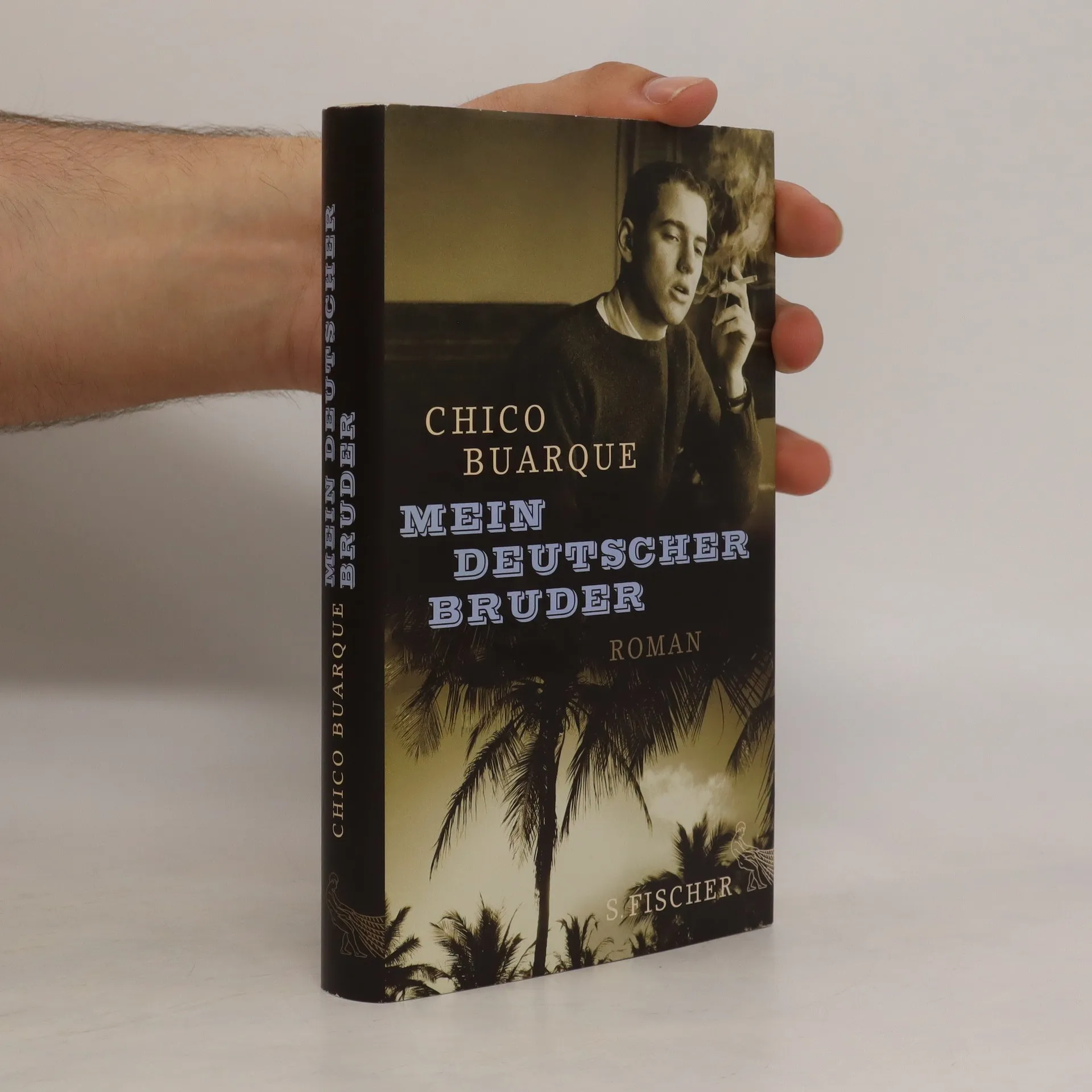
Rio de Janeiro - Berlin. Für Musikliebhaber und Liebhaber verrückter Lebensgeschichten. Der Brasilianer Chico Buarque, heute weltberühmter Samba-Sänger, steht am Anfang seiner Musikerkarriere, als er von seinem Halbbruder in Berlin erfährt. Dort lebte der Vater in den späten Zwanzigern und verschwieg, dass er fern von Rio einen Sohn hat. Also macht sich Chico selbst auf die Suche und findet die bezaubernd, verrückte Geschichte von Sergio Günther. Auch Sergio war Sänger, und zwar einer der bekanntesten der DDR. Mit brasilianischem Blick zeichnet Chico Buarque ein überraschendes und sehr persönliches Bild des ehemals geteilten Deutschlands.
Chico Buarque Book order (chronological)
June 19, 1944
Chico Buarque is a celebrated Brazilian artist, renowned primarily for his music, which often delivers astute social, economic, and cultural commentary on Brazil. His compositions are distinguished by clever wordplay and an undercurrent of melancholic introspection, exploring the complexities of the human condition. Beyond music, he has also distinguished himself as a playwright and novelist, showcasing a remarkable versatility and a keen engagement with societal issues. Buarque's artistic output reflects a profound literary sensibility and a unique perspective on the Brazilian experience.



Spilt Milk
- 177 pages
- 7 hours of reading
'I read Spilt Milk in a single night, awed and deeply moved...' Nicole KraussWinner of both of Brazil's major literary prizes, Spilt Milk is a visceral account of loss, memory and longing.
As Cem Melhores Crônicas Brasileiras
- 360 pages
- 13 hours of reading
Antologia organizada pelo jornalista e cronista Joaquim Ferreira dos Santos.
Budapest
- 183 pages
- 7 hours of reading
Fascinated by the Hungarian language - he is after all a man who lives by language, ghost writing speeches, advertisements, books - he spends the night watching television, trying to pick out words in this tongue, 'the only one the devil respects'. In charting the life of a Brazilian ghost writer enamoured with the Magyar, Chico Buarque has created his most original fiction yet. The novel coils round the reader like a magical snake from "The Arabian Nights". It is a storytelling labyrinth in Borges or Calvino mode, as Costa's myth-making, love-making and essays into another culture become mired in the world where celebrities make reputations and fortunes from the writing of anonymous others, where the reader is not sure what language, what reality is being offered.
Benjamin
- 196 pages
- 7 hours of reading
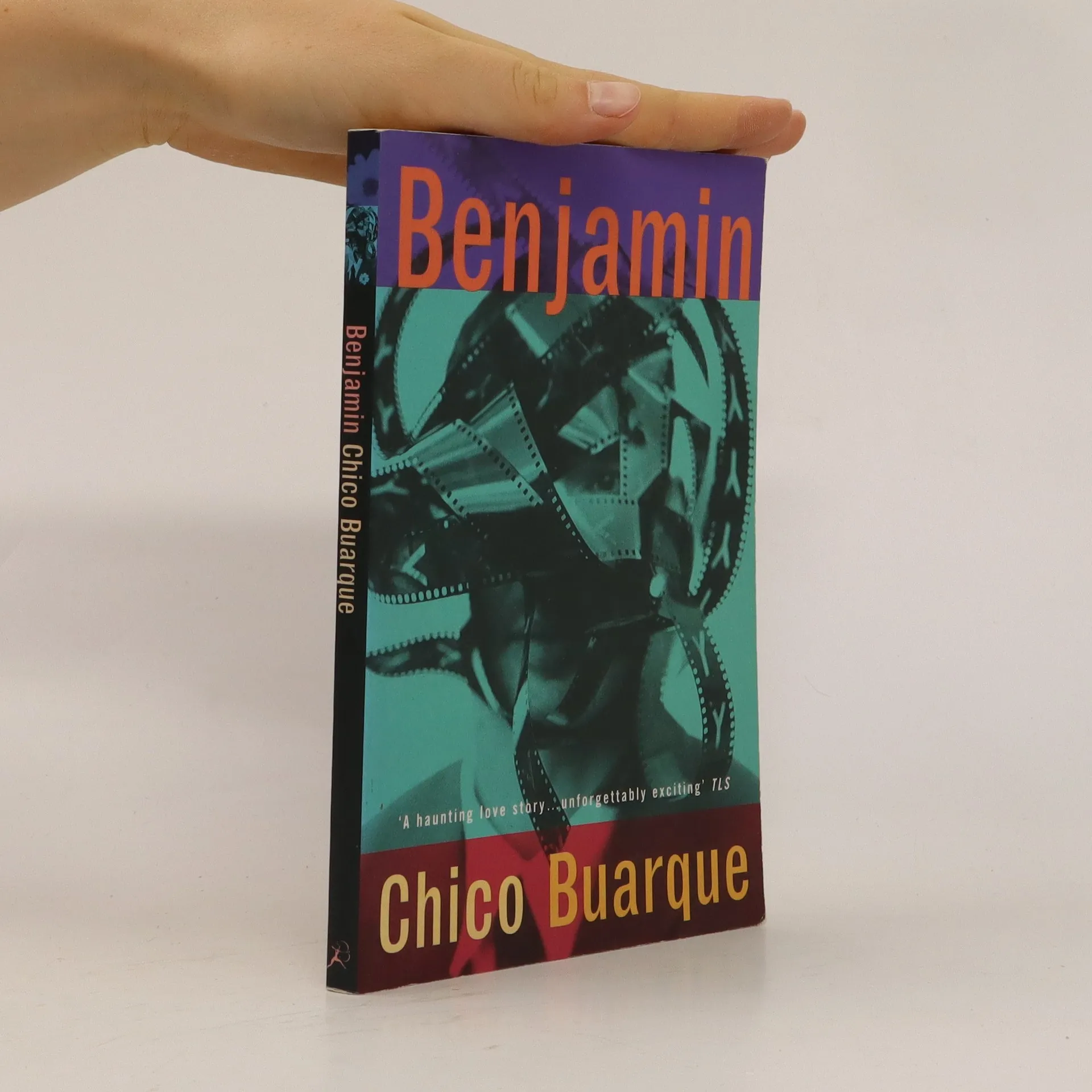
Photographic model turned minor actor Benjamin Zambraia feels mocked by his spurious sort of fame. He is also haunted by Castana Beatriz, a love he lost 30 years before, but whose double has begun to crop up around town. Could Arieta Muse be Castana's daughter?
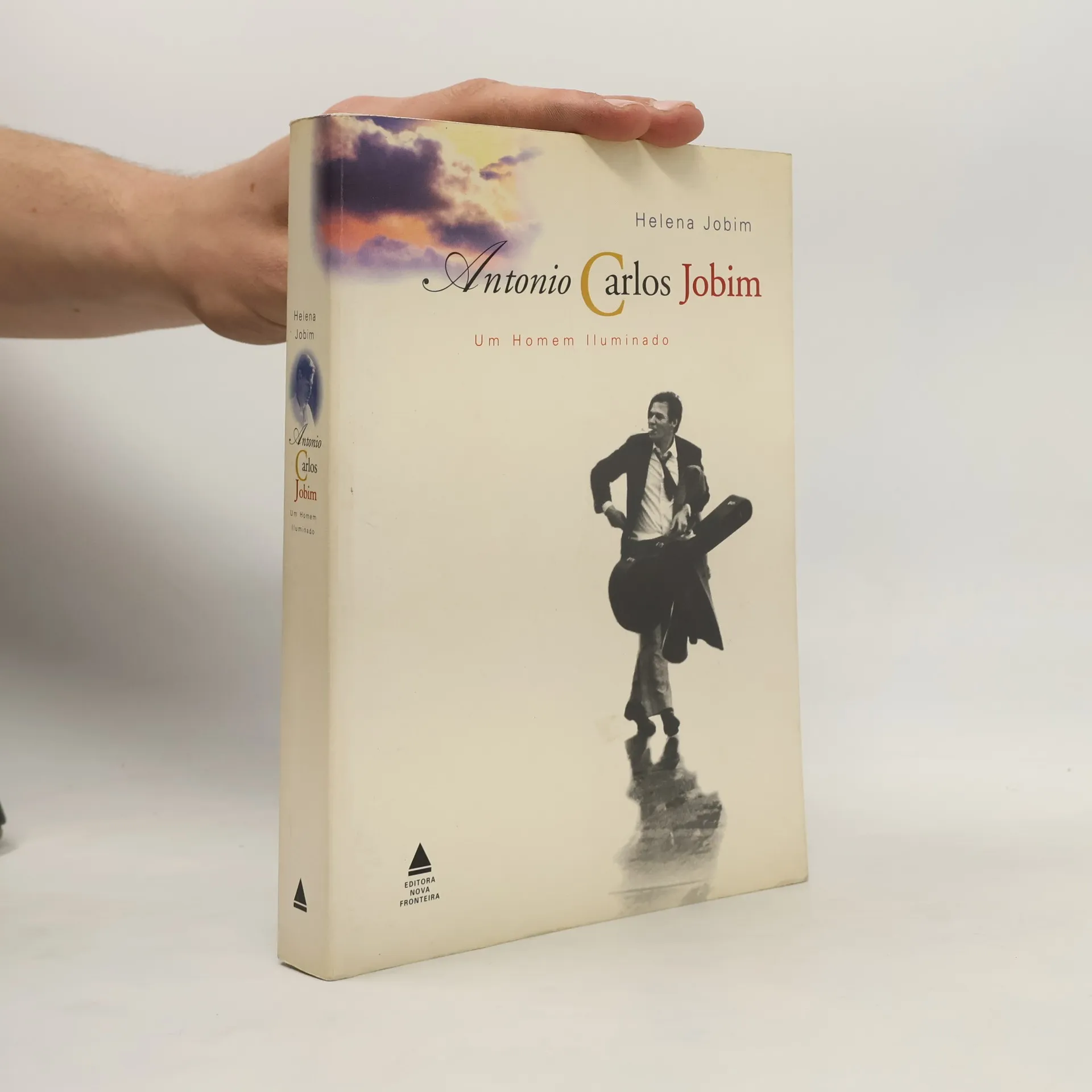
Charlie Byrd, Herbie Mann, and others brought in bags full of discs from a trip to Brazil in 1961. Stan Getz listened to them and recorded “Desafinado ” which stayed for 70 weeks on the Billboard charts. Since then, no one can deny bossa nova's global appeal and influence upon jazz and world music. While celebrating bossa nova's 50-year presence in the United States, we can learn more about the movement's champion, Jobim, through poet and novelist Helena Jobim's Antonio Carlos An Illuminated Man . His personal, intellectual, and professional history comes alive. With a vast, intimate, and revealing set of photographs, and an engaging, elegant and unique prose, this is the story of a true 20th-century's genius. Helena Jobim does justice to her brother's poetic voice. The composer of “Waters of March” read, questioned, and re-created the world he lived in not only through mesmerizing melodies, but also through down-to-earth poetry.The biography also reveals Antonio Carlos Jobim's serious ecological concerns. To his 400 songs of inexplicable grace he has added his own epigraph in An Illuminated Man : “Every time a tree is cut down here on Earth, I believe it will grow again somewhere else, in another world. So, when I die, it is to this place that I want to go, where forests live in peace.”
Der Gejagte
- 144 pages
- 6 hours of reading
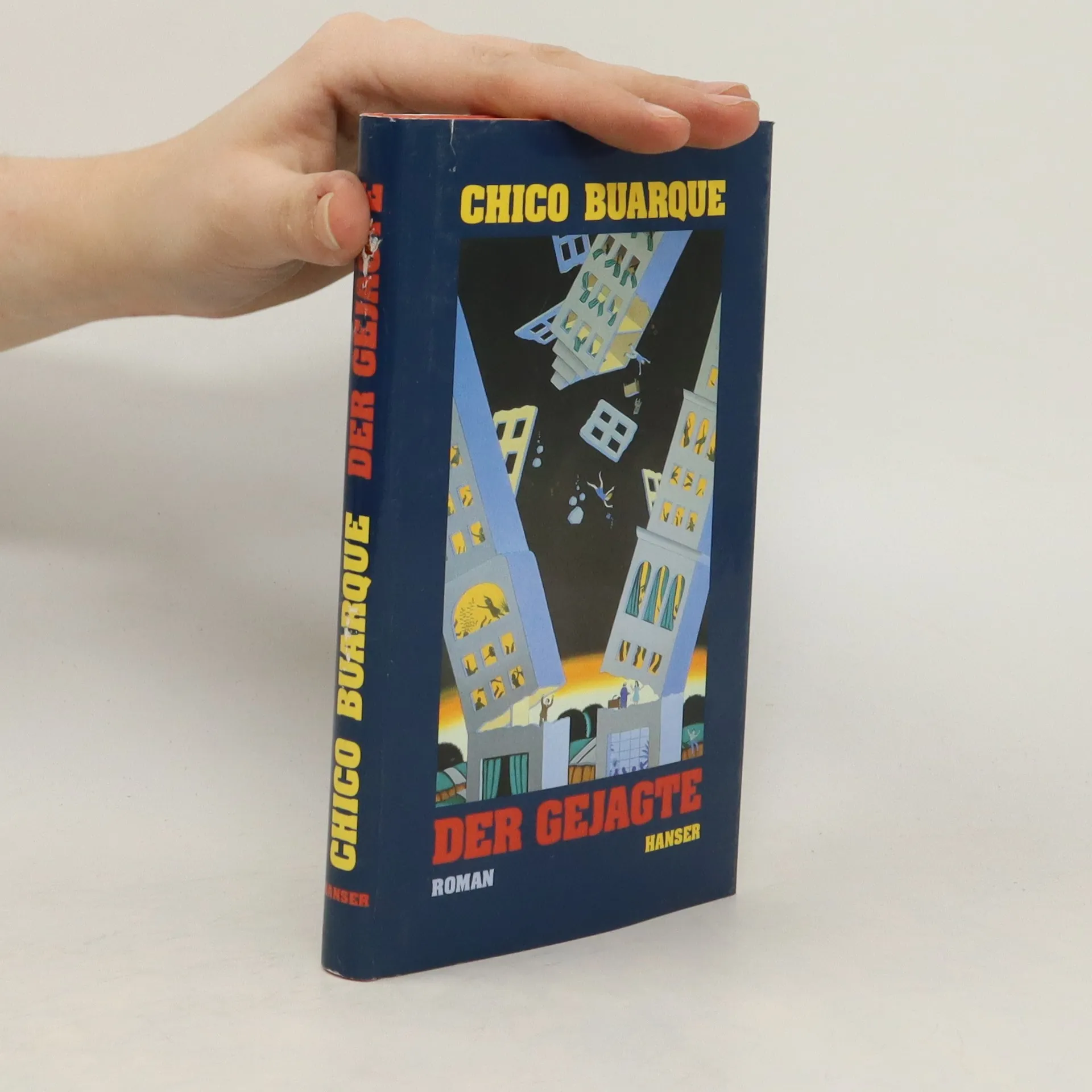
Ein Mann wird verfolgt, doch weiß er nicht, vor wem oder was er flieht. Seine Flucht führt ihn von der High-Society zu einem Schlupfwinkel in den Bergen, doch nirgends gelingt es ihm, sich der Gewalt zu entziehen, bis er schließlich selbst ein Verbrechen begeht. Dieser Roman des berühmten brasilianischen Sängers und Liedermachers führt uns ein Land vor, in dem Gewalt, von Opfern wie Tätern, als selbstverständlicher Bestandteil des Lebens betrachtet wird.