Explore the latest books of this year!
Bookbot

Michael J. Benton

    April 9, 1956

    Professor Michael J. Benton is a leading figure in vertebrate paleontology at the University of Bristol. His research delves into the fascinating worlds of early reptiles, the dinosaurs of the Triassic period, and the broad sweep of macroevolution. He directs a highly successful paleontology research group, fostering the next generation of scientists through his extensive supervision of doctoral students.

    Michael J. Benton
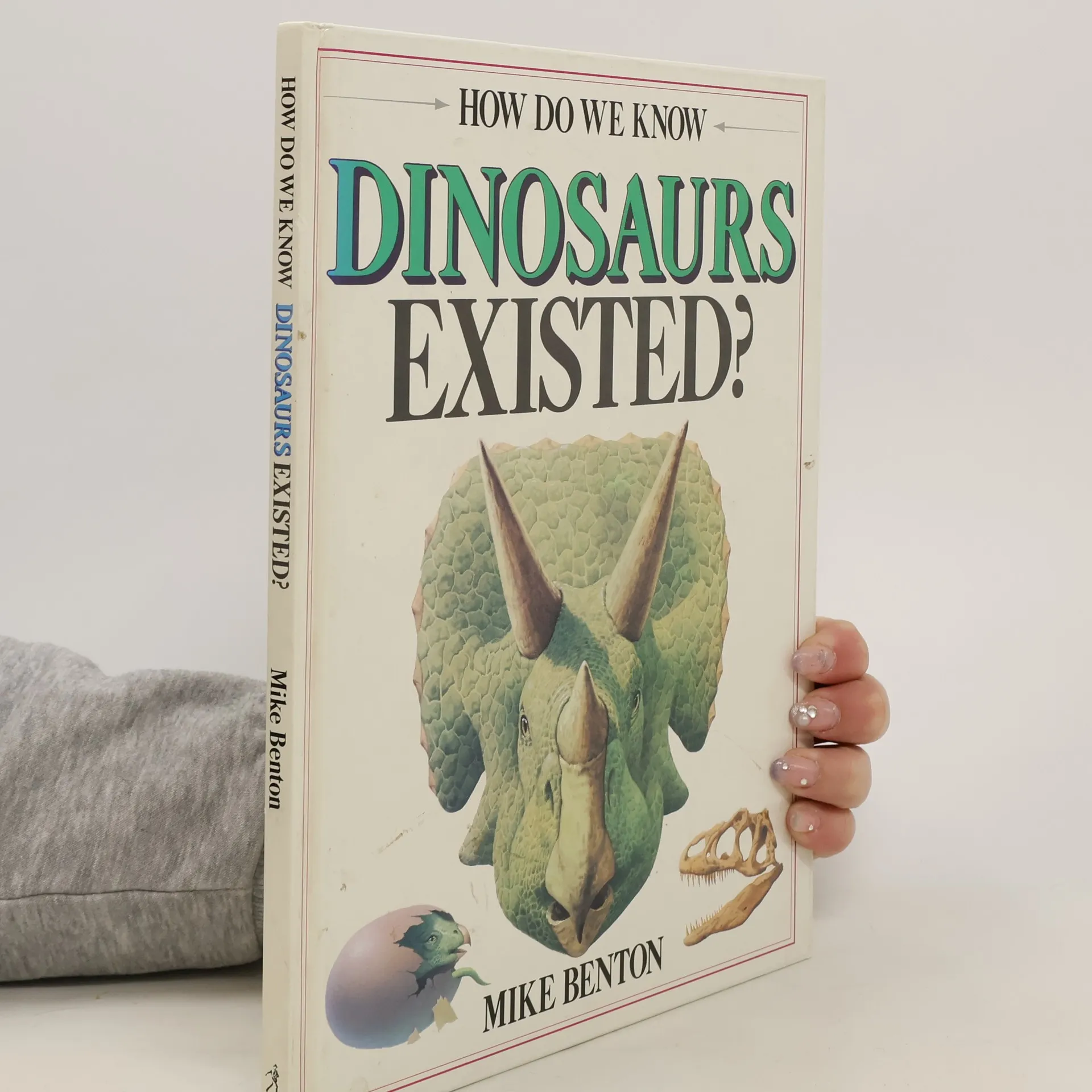
    How Do We Know Dinosaurs Existed?
    The dinosaurs rediscovered. How a scientific revolution is rewriting history
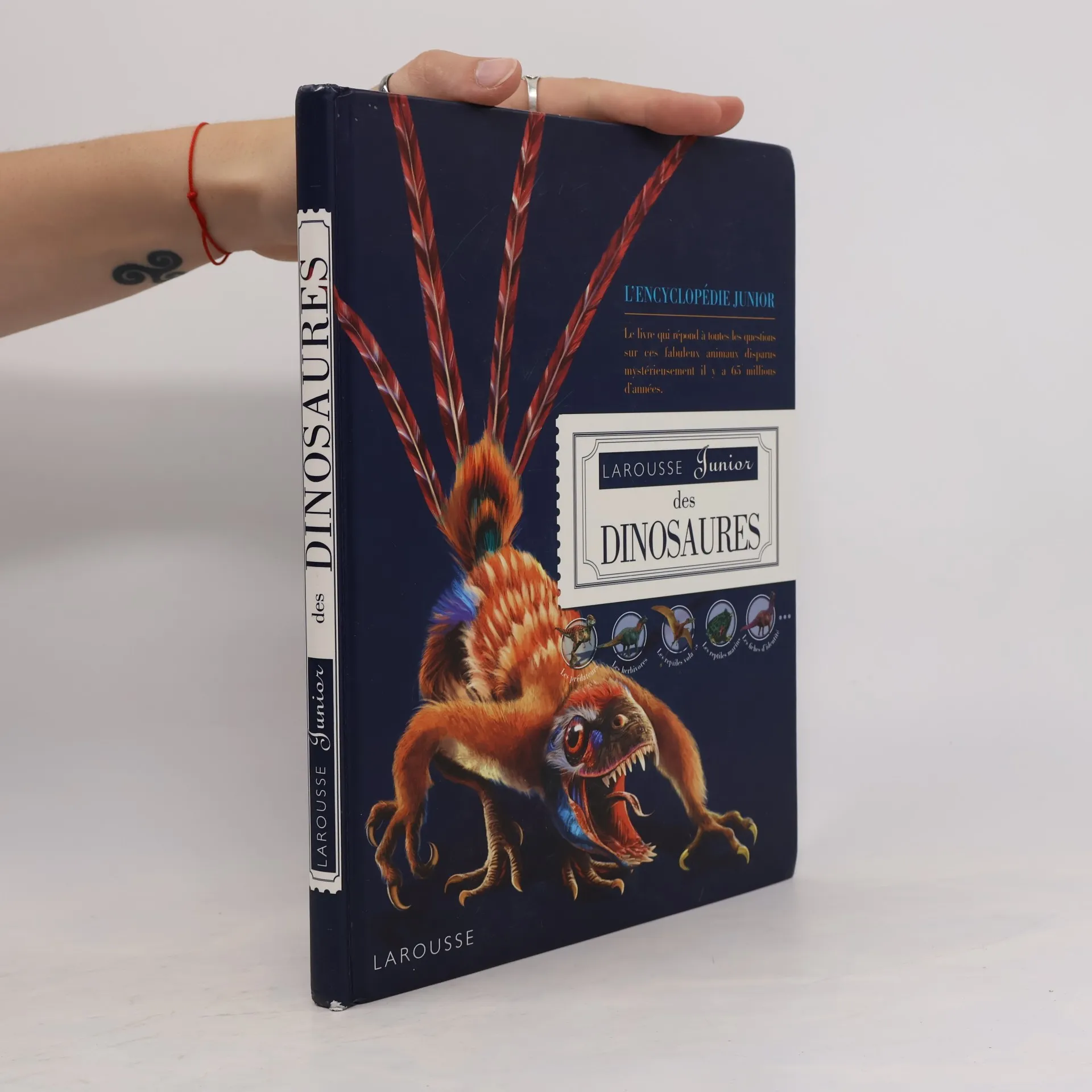
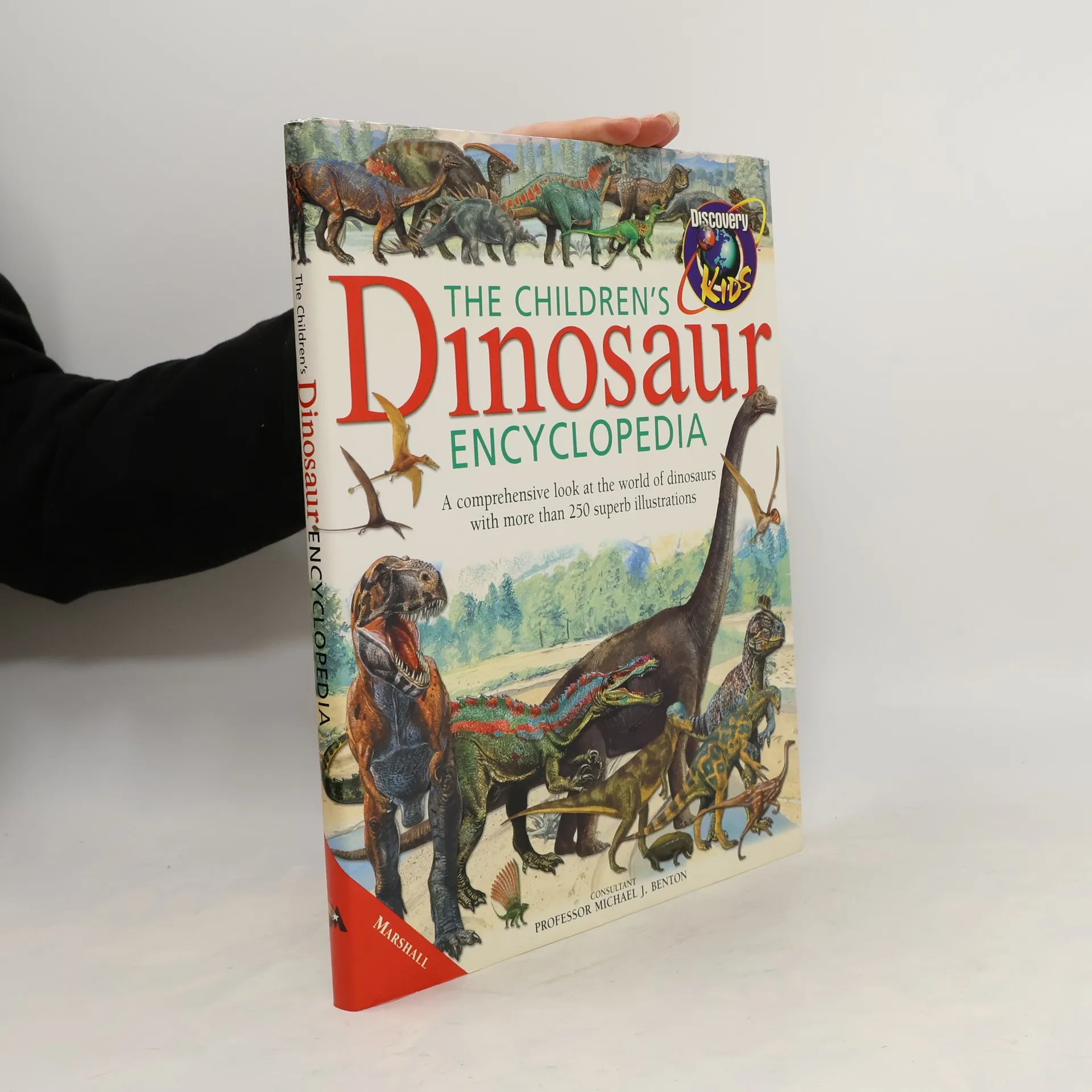
    The Children's Dinosaur Encyclopedia
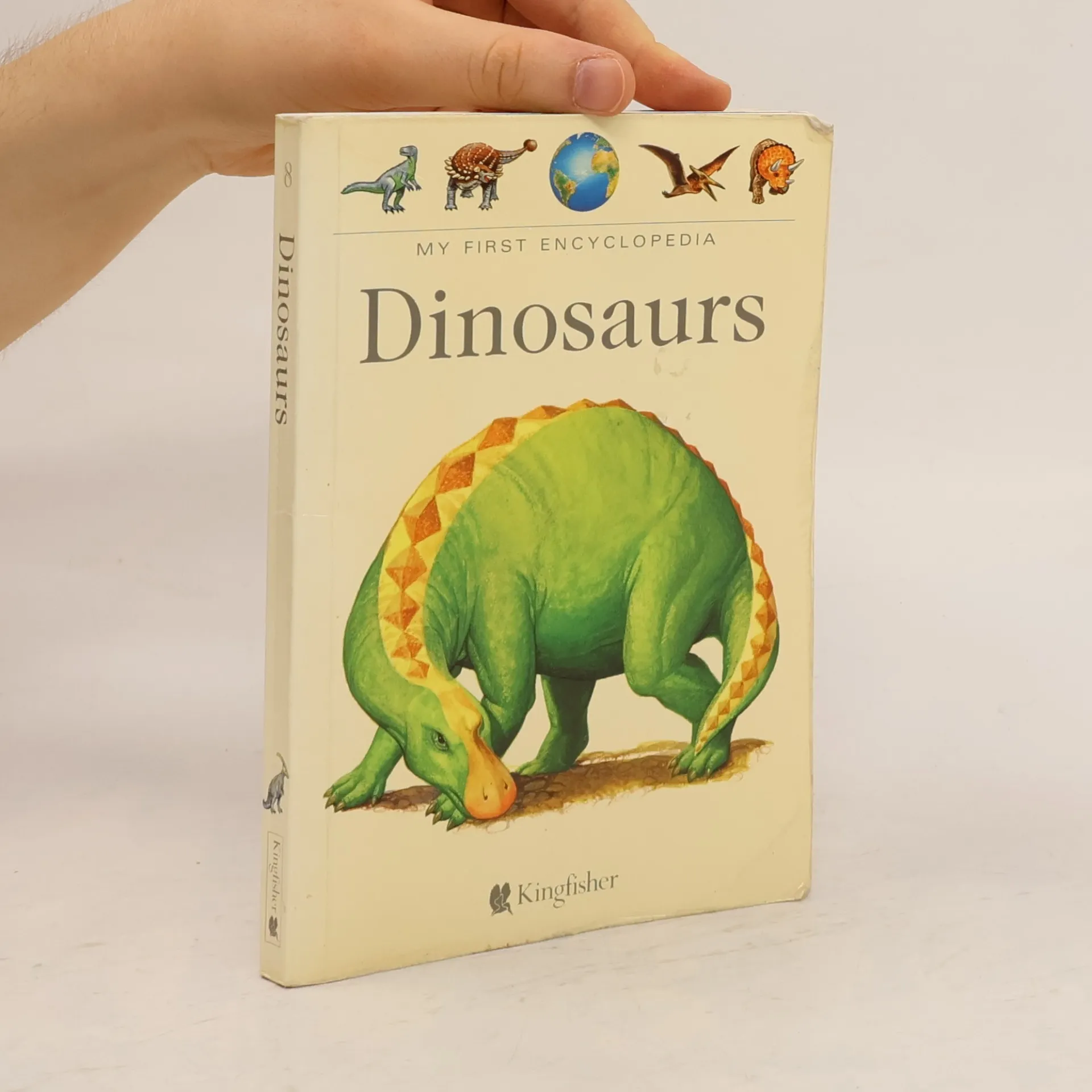
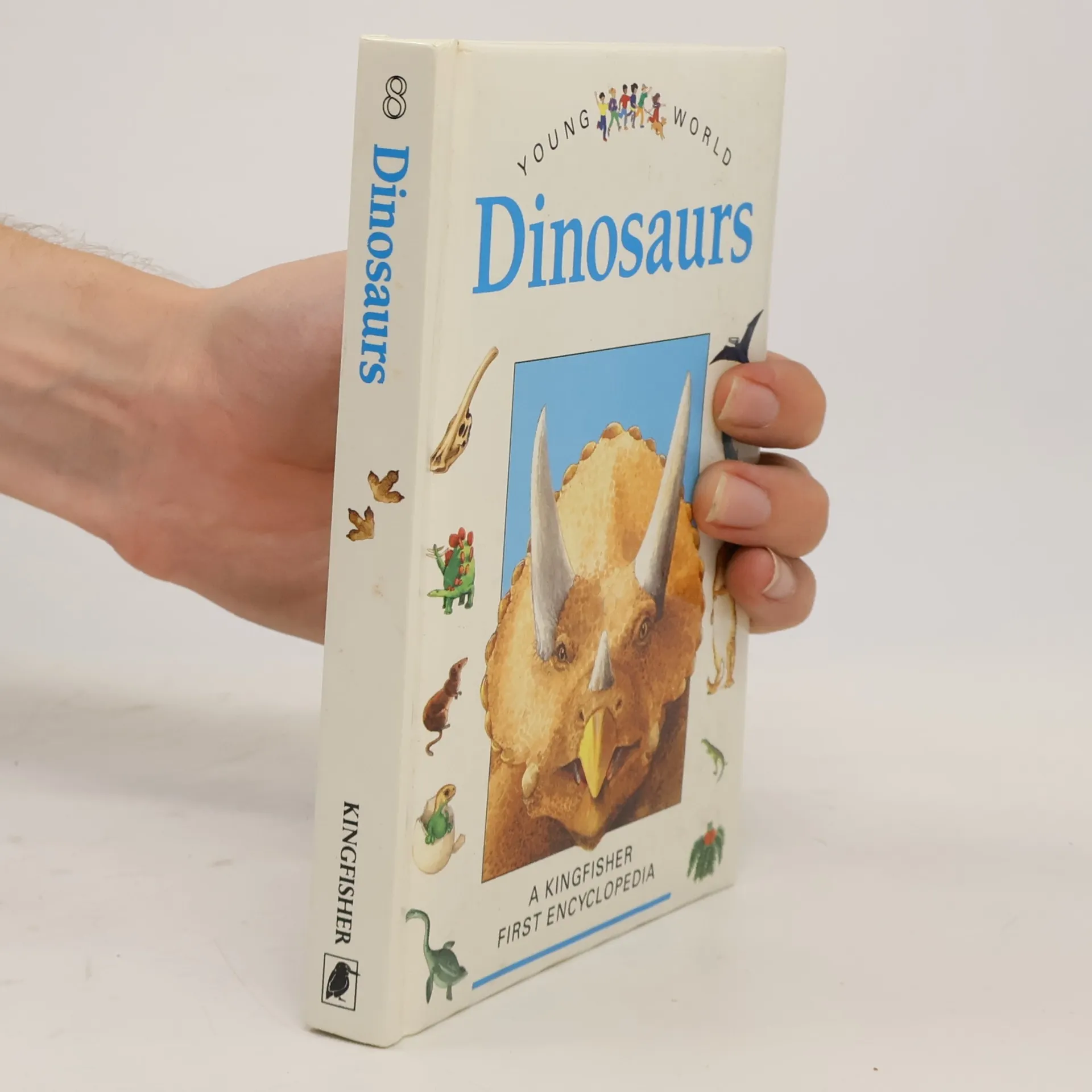
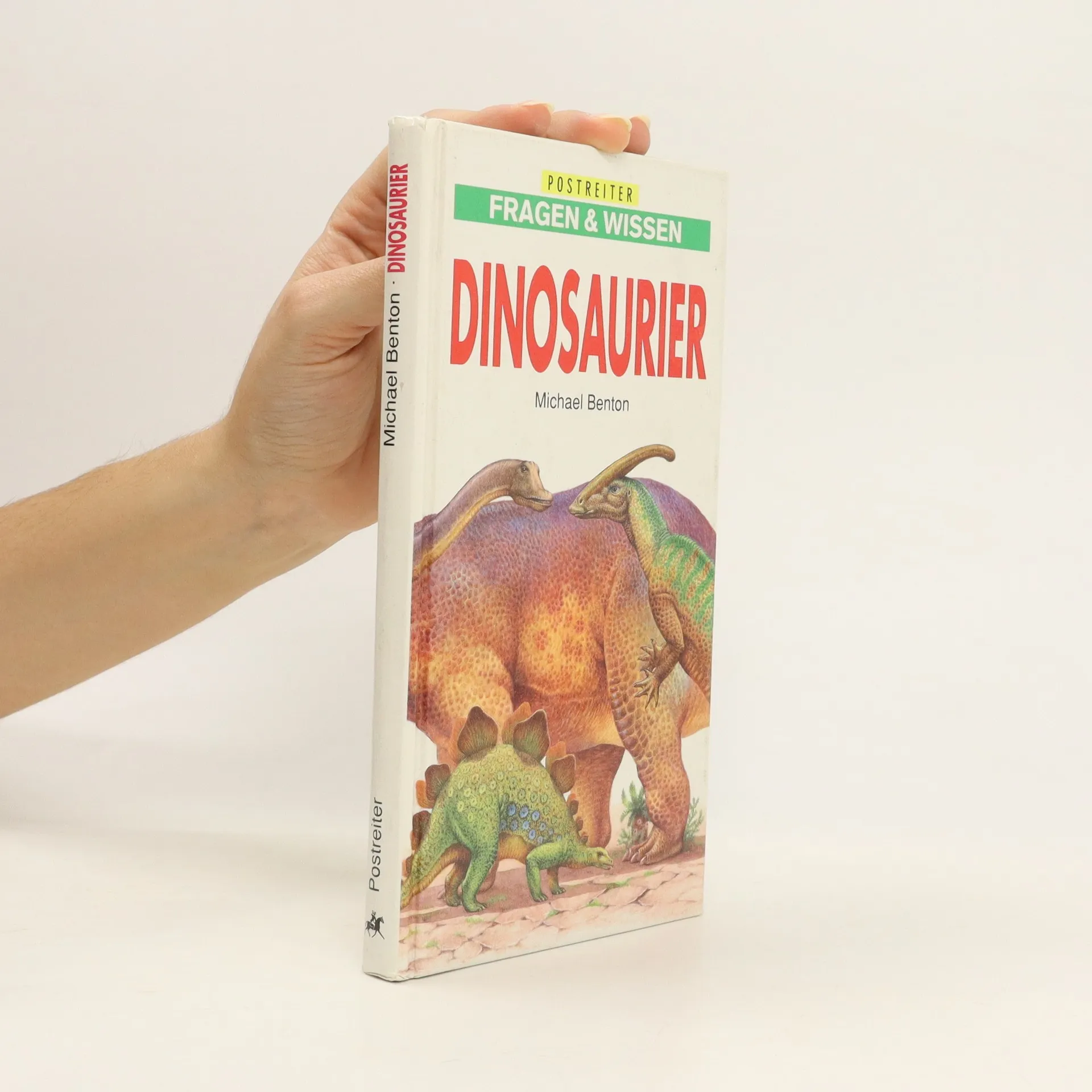
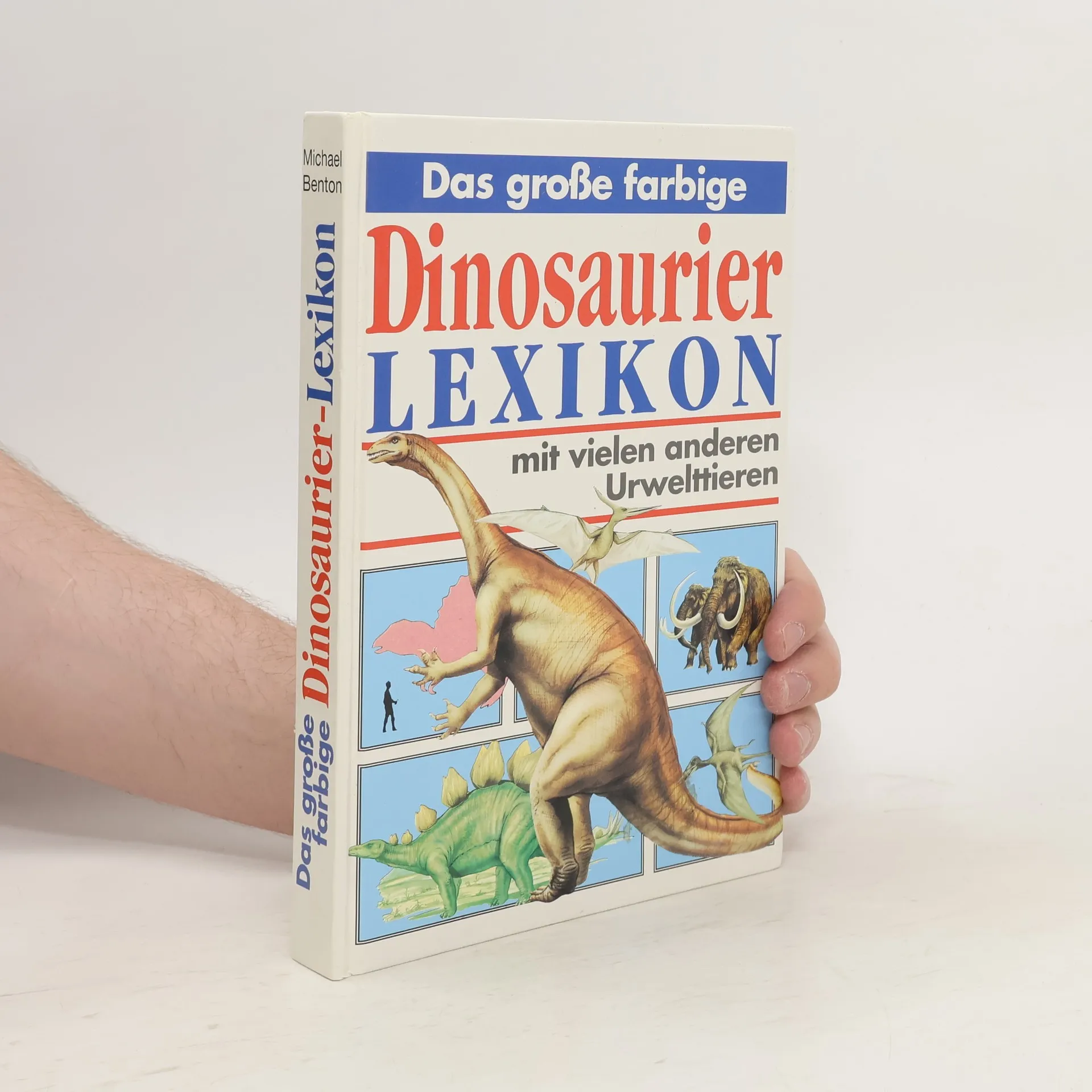
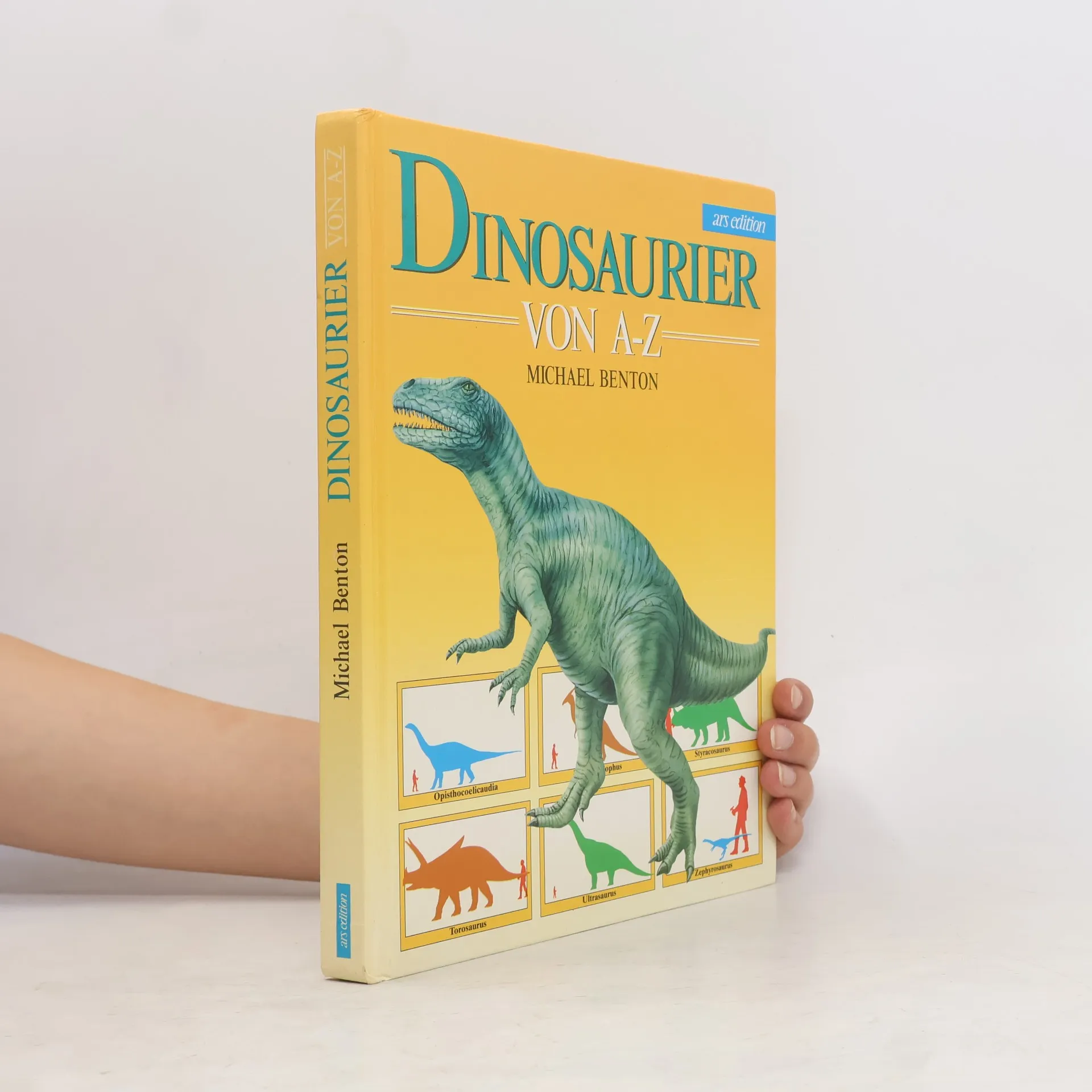
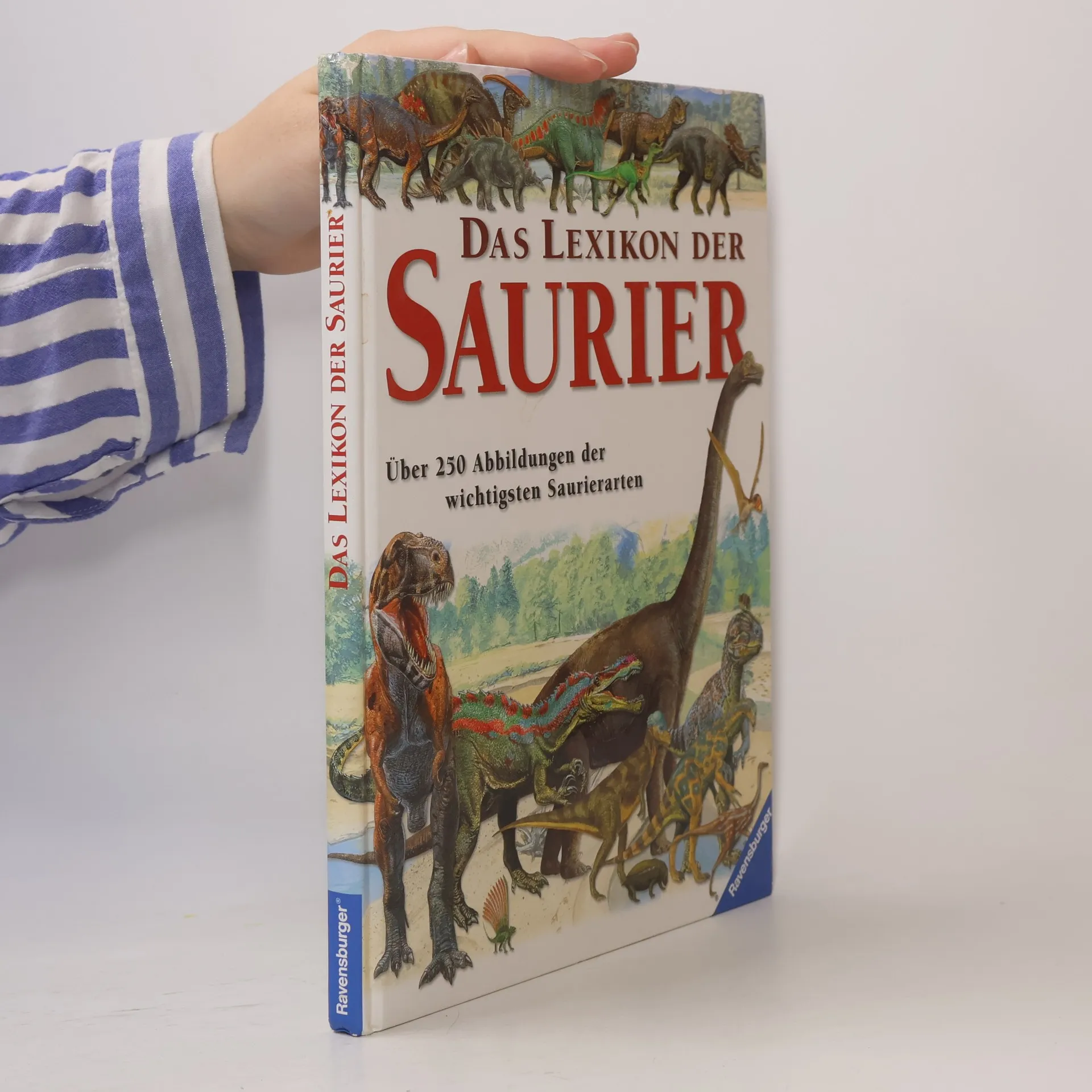
    Dinosaurs
    Dinosaur Behavior
    Dinosaur Paleobiology
    • Dinosaur Paleobiology

      • 352 pages
      • 13 hours of reading

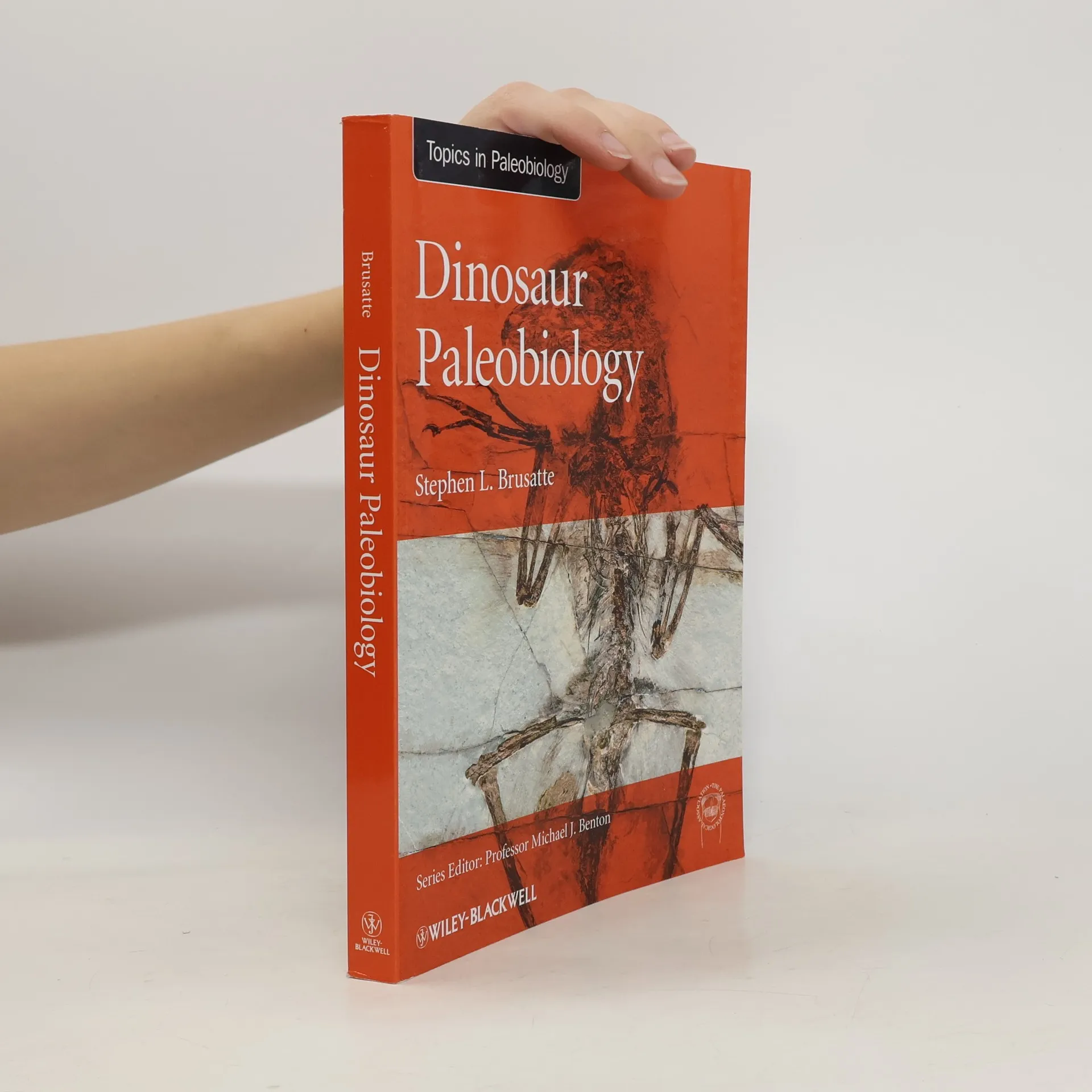
      The study of dinosaurs has seen a remarkable resurgence in recent decades, with advancements in understanding their anatomy, biology, and evolution. Paleontologists often possess more knowledge about 100-million-year-old dinosaurs than many current species. This book offers a contemporary overview of dinosaur science for students, researchers, and enthusiasts, covering the latest insights into dinosaur anatomy, phylogeny, and their evolution throughout the Mesozoic era. It emphasizes fossil evidence and methodologies that enable detailed studies of these ancient creatures. As scientific knowledge rapidly evolves, this work aims to summarize current dinosaur science in a technical yet accessible manner, enhanced by vivid photographs and illustrations. Part of the Topics in Paleobiology Series, published with the Palaeontological Association and edited by Professor Mike Benton from the University of Bristol, the series provides a comprehensive summary of existing knowledge, serves as a guide to primary literature, and points to future research directions. It includes volumes on specific groups and overarching themes like ecosystem evolution, significant historical events, climate change, and new techniques such as molecular paleontology. Authored by leading experts, the series targets advanced undergraduates, postgraduates, and researchers in paleontology and biological sciences. Additional resources are available online.

      Dinosaur Paleobiology
      4.6
    • Dinosaur Behavior

      • 224 pages
      • 8 hours of reading

      A stunningly illustrated guide to these extraordinary creatures from a world-renowned paleontologist Paleobiology has advanced from a speculative subject to a cutting-edge science. Today, researchers are applying the latest forensic technologies to the fossil record, revealing startling new insights into the lives of dinosaurs. This illustrated guide explores the behavior, evolution, physiology, and extinction of dinosaurs, taking readers inside the mysterious world of these marvelous animals. With specially commissioned illustrations by Bob Nicholls, Dinosaur Behavior explains how the dinosaurs lived and courted, fought and fed, signaled and interacted with each other, and much more. Features a wealth of breathtaking illustrations throughout Offers new perspectives on the prehistoric world inhabited by dinosaurs Sheds light on how dinosaurs actually looked, how they moved, and how fast they ran Explains the feeding habits of carnivores, herbivores, scavengers, and solitary hunters Discusses sight, hearing, smell, spatial orientation, and intelligence Brings to life the social behavior of dinosaurs, from mating and parenting to herd dynamics and migration Takes readers behind the scenes of the latest, most thrilling discoveries
      Dinosaur Behavior
      4.4
    • Dinosaurs

      • 224 pages
      • 8 hours of reading

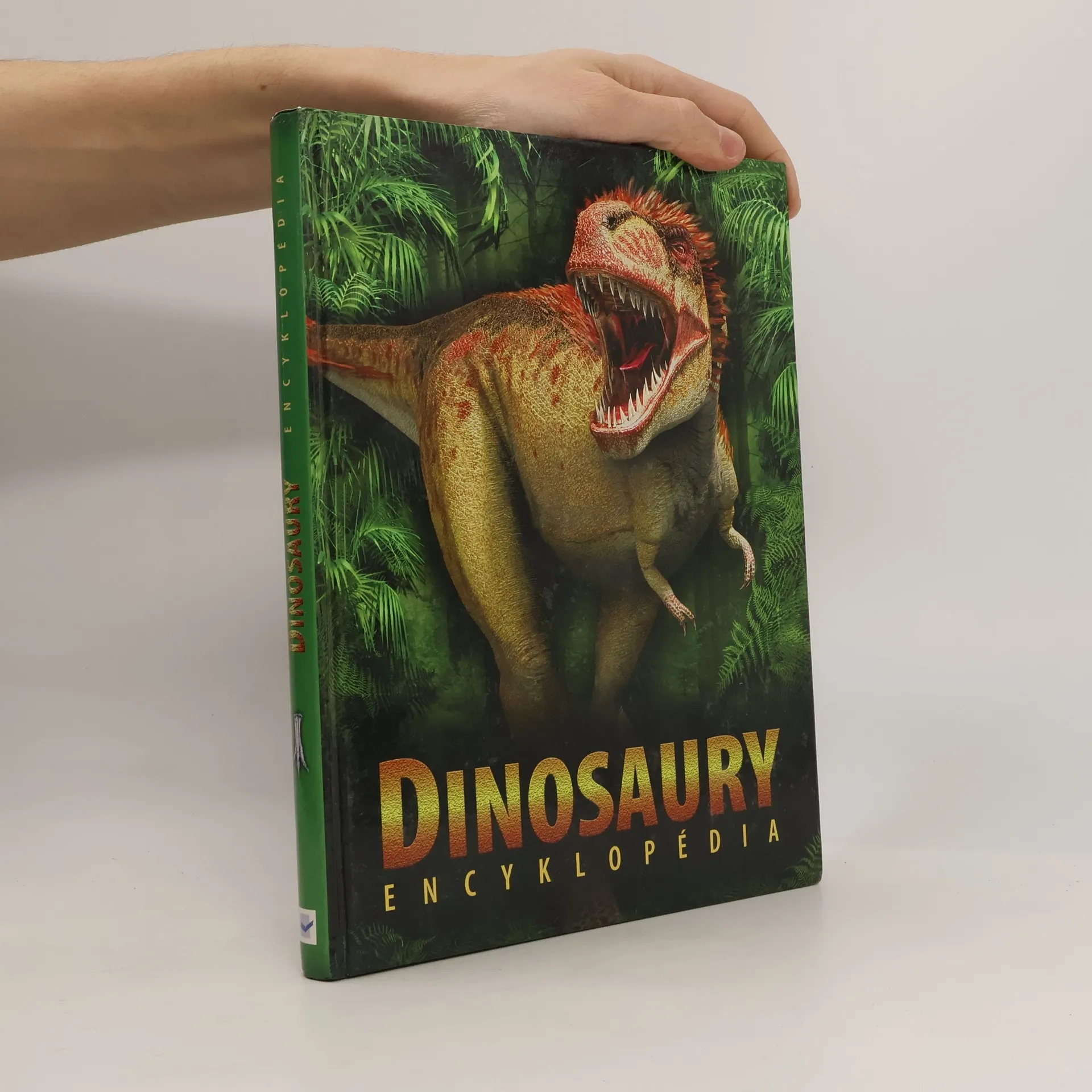
      "... Over 170 giant-sized and superbly detailed computer generated illustrations provide a stunning visual catalogue of dinosaurs, bringing the prehistoric world to life like never before. The text identifies each species - what they looked like, what they ate, how they lived and died...."--P. [4] cover.

      Dinosaurs
      4.4
    • The Children's Dinosaur Encyclopedia

      • 96 pages
      • 4 hours of reading

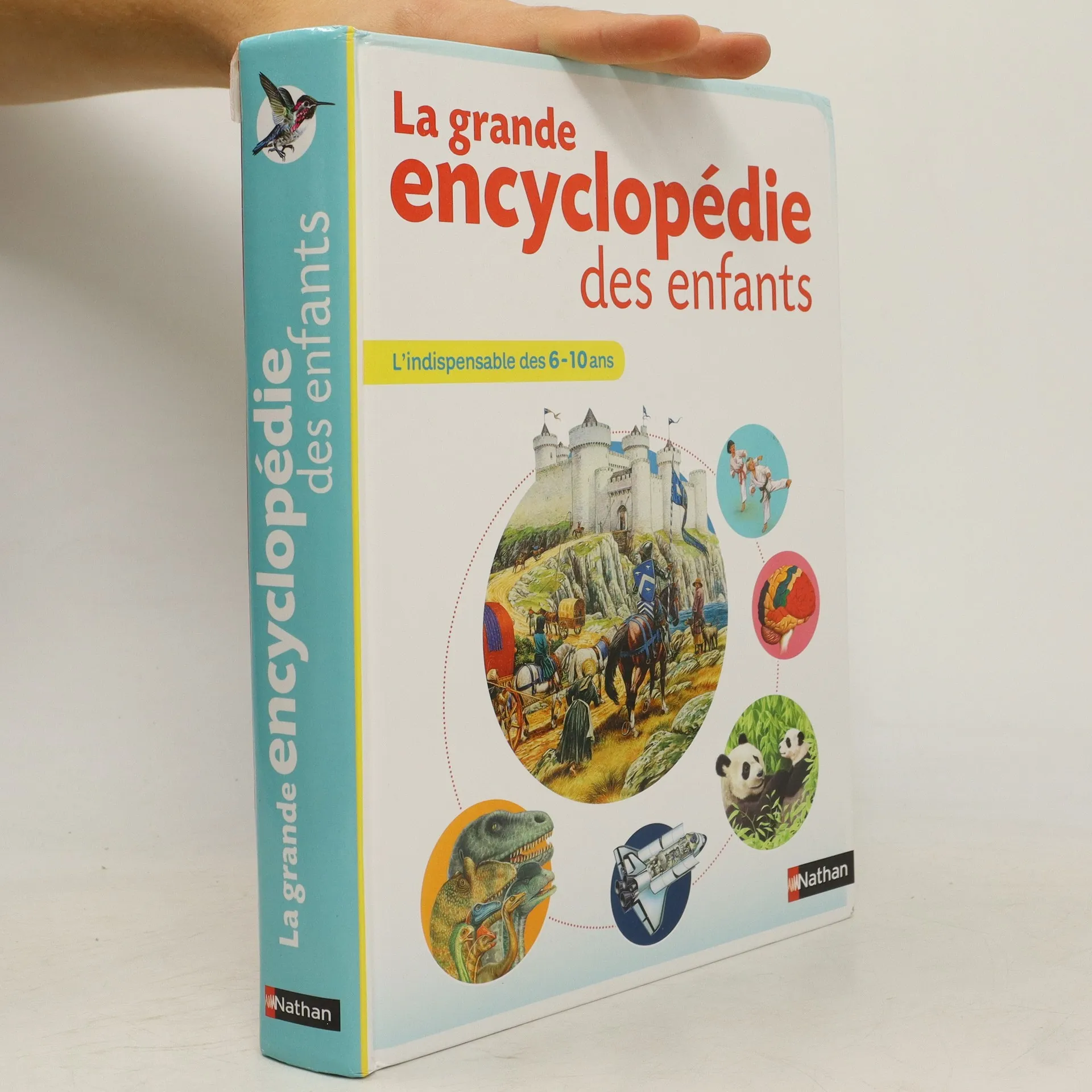
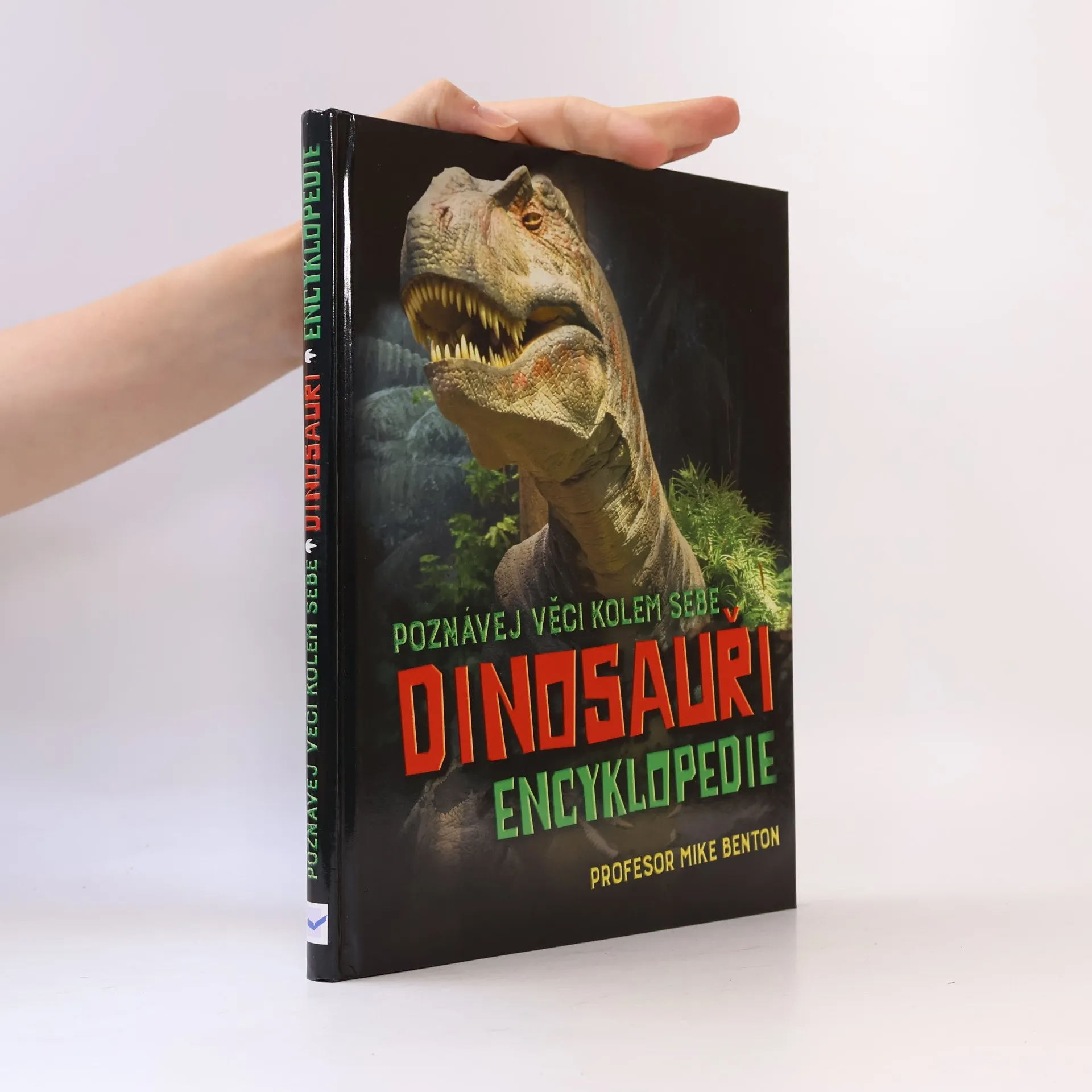
      A reference on dinosaurs for children. It contains all the information the young reader needs to understand the story of the dinosaur. Easy-to-follow coding on each section allows access to information and catalogue spreads provide facts and figures. Illustrated feature spreads concentrate on the specific questions most asked about these amazing reptiles.

      The Children's Dinosaur Encyclopedia
      4.5
    • How Do We Know Dinosaurs Existed?

      • 45 pages
      • 2 hours of reading

      Describes what the study of fossilized remains has told paleontologists about how dinosaurs moved, what colour they were, what they ate, if they slept, how they bred. Suggested level: intermediate, junior secondary.

      How Do We Know Dinosaurs Existed?
      5.0
    • Vertebrate Palaeontology

      • 480 pages
      • 17 hours of reading

      Focusing on the dynamic field of vertebrate palaeontology, this new edition highlights recent discoveries beyond just dinosaurs, emphasizing significant finds from China. It showcases the international breadth of the discipline, reflecting ongoing research and advancements that keep the subject vibrant and relevant.

      Vertebrate Palaeontology
      4.4
    • Pocket Dinosaurs

      • 192 pages
      • 7 hours of reading

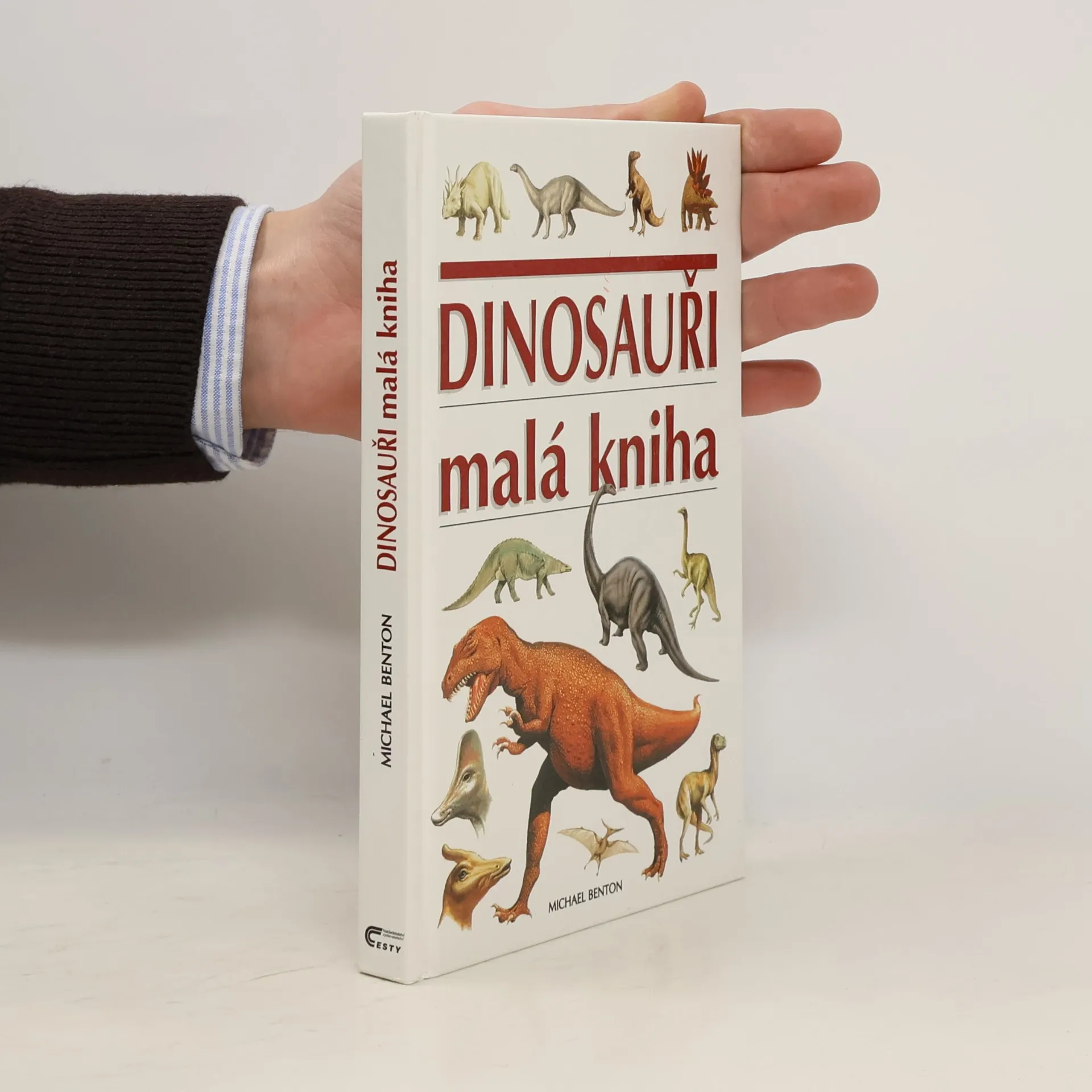
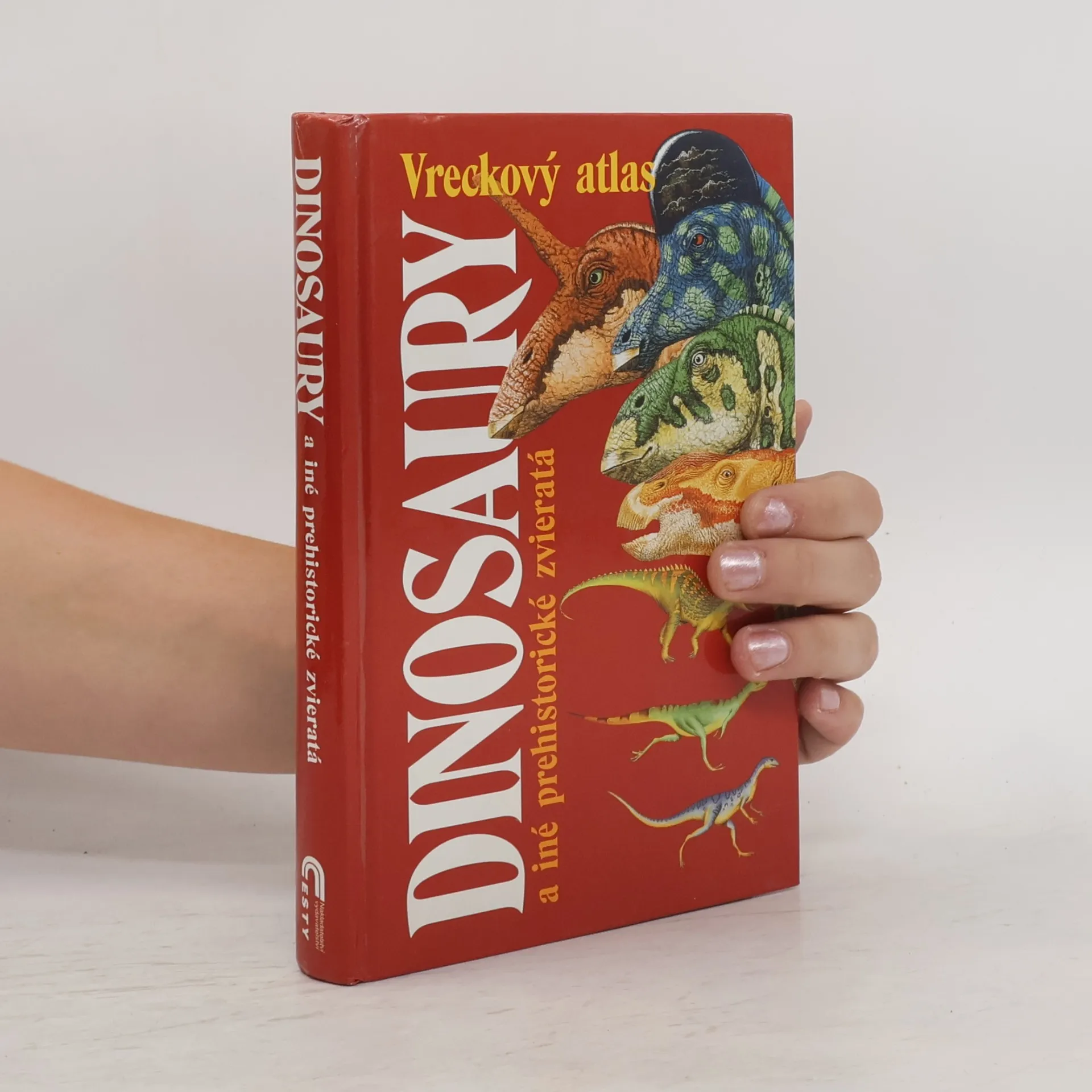
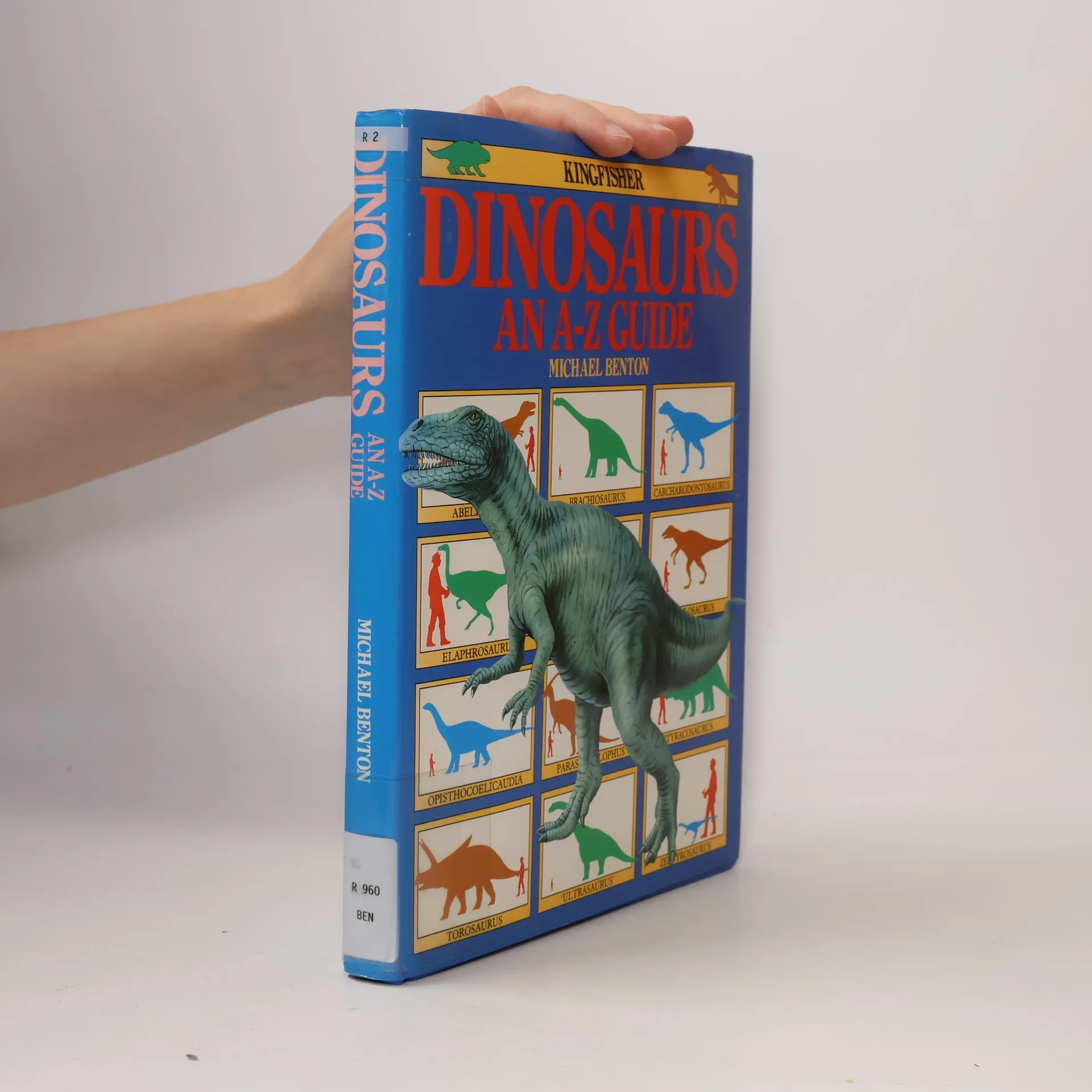
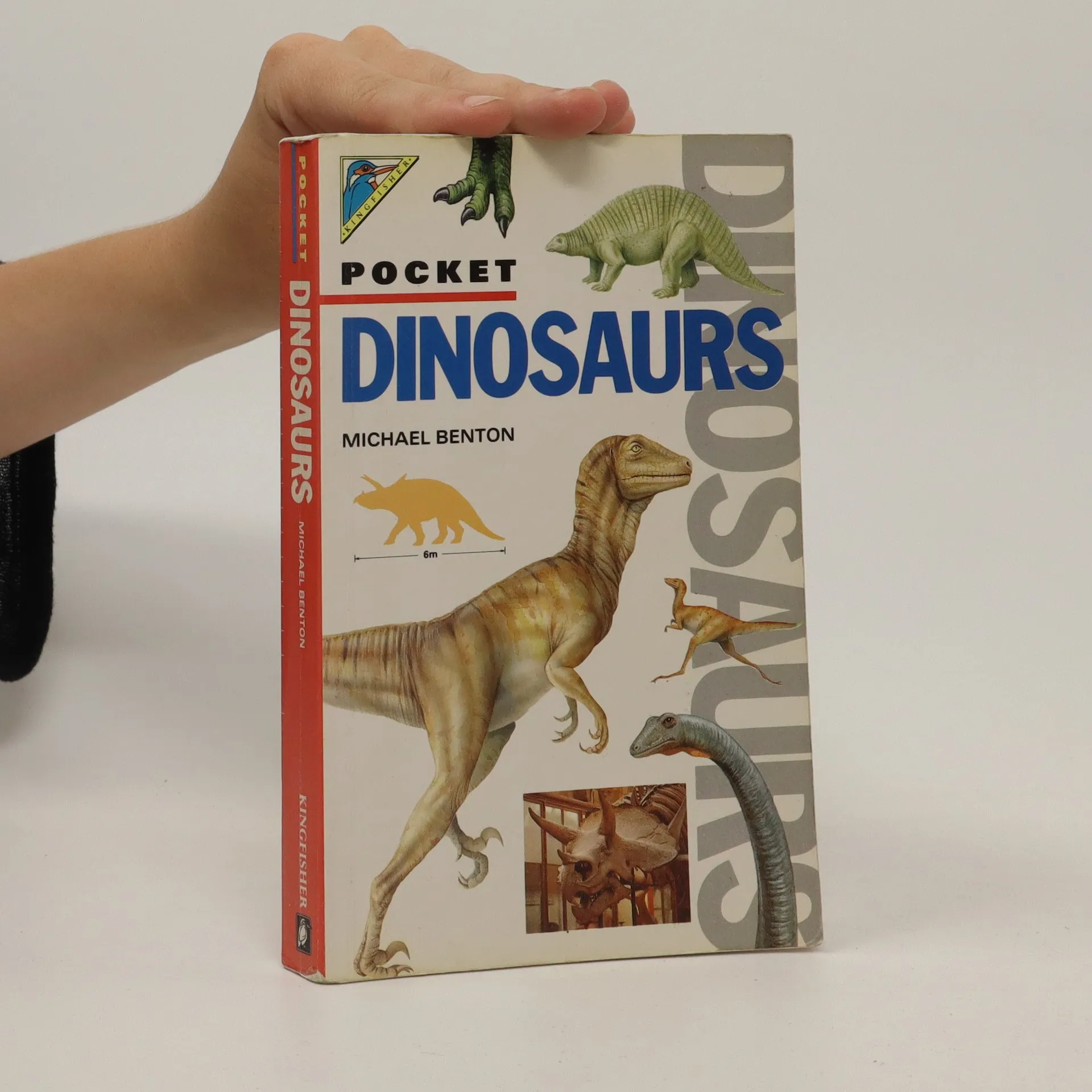
      An alphabetically arranged guide to more than 130 varieties of dinosaur. Each one is illustrated in colour, and the information provided includes habitat, distribution, size and shape, pronunciation and meaning of name, and facts and theories about origins, disappearance and discovery.

      Pocket Dinosaurs
      5.0
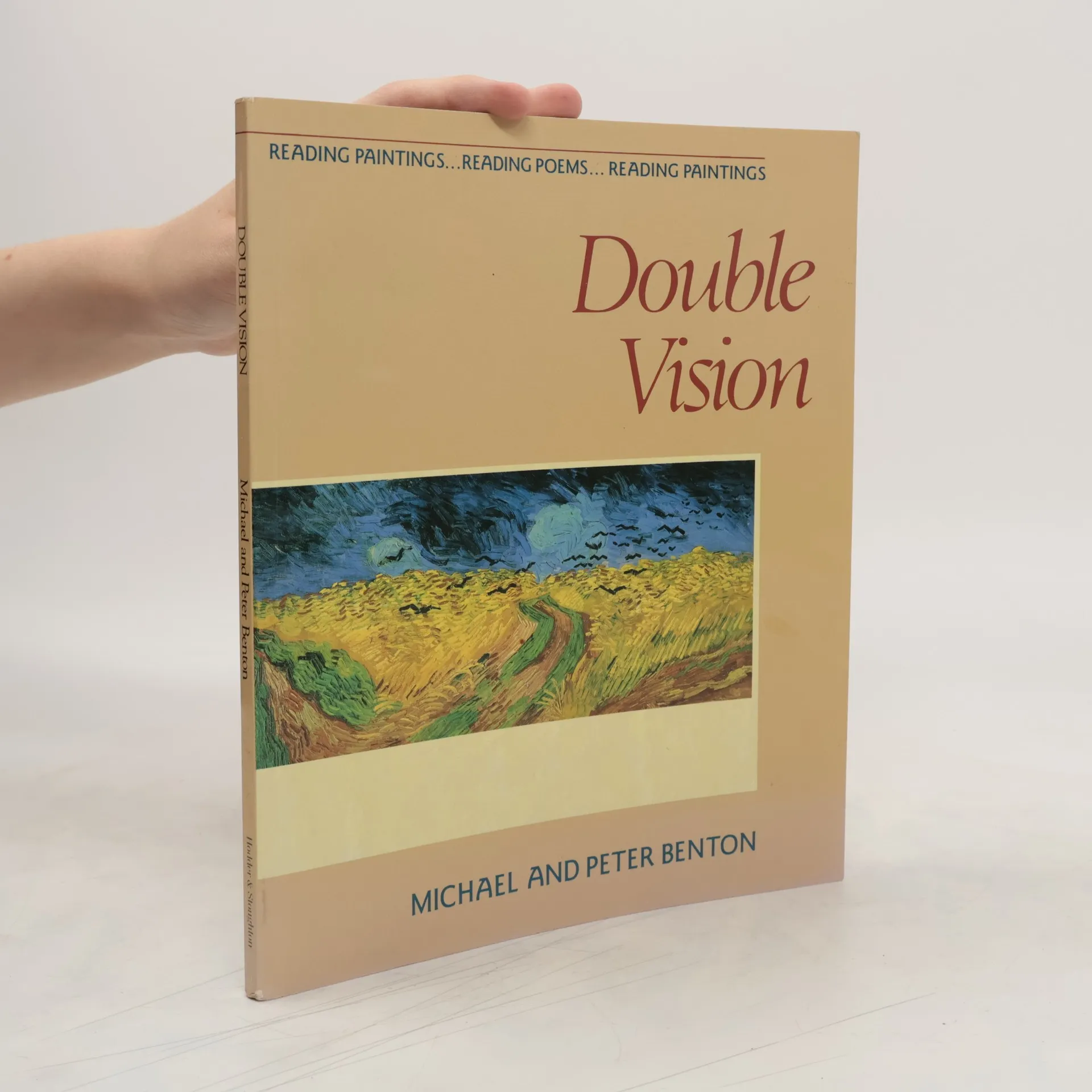
    • Double Vision

      Reading Paintings - Reading Poems - Reading Paintings

      • 127 pages
      • 5 hours of reading

      This book for GCSE attempts to help the reader to read paintings and poems. The book displays the work of an artist beside the work of poets who have drawn their inspiration for a particular poem from that particular painting. The work of artists such as Pierre-Auguste Renoir, L.S.Lowry, Jan Van Eyck, Vincent Van Gogh, John Constable, Claude Monet, Pieter Bruegel, Francisco Goya, Salvador Dali and David Hockney, is featured beside the work of poets such as Wendy Cope, Fleur Adcock, Seamus Heaney, Derek Mahon, Sylvia Plath, W.H.Auden, Samuel Taylor Coleridge, Lord Tennyson, William Blake, U.A.Fanthorpe, Ted Hughes and Paul Muldoon.

      Double Vision
      4.0
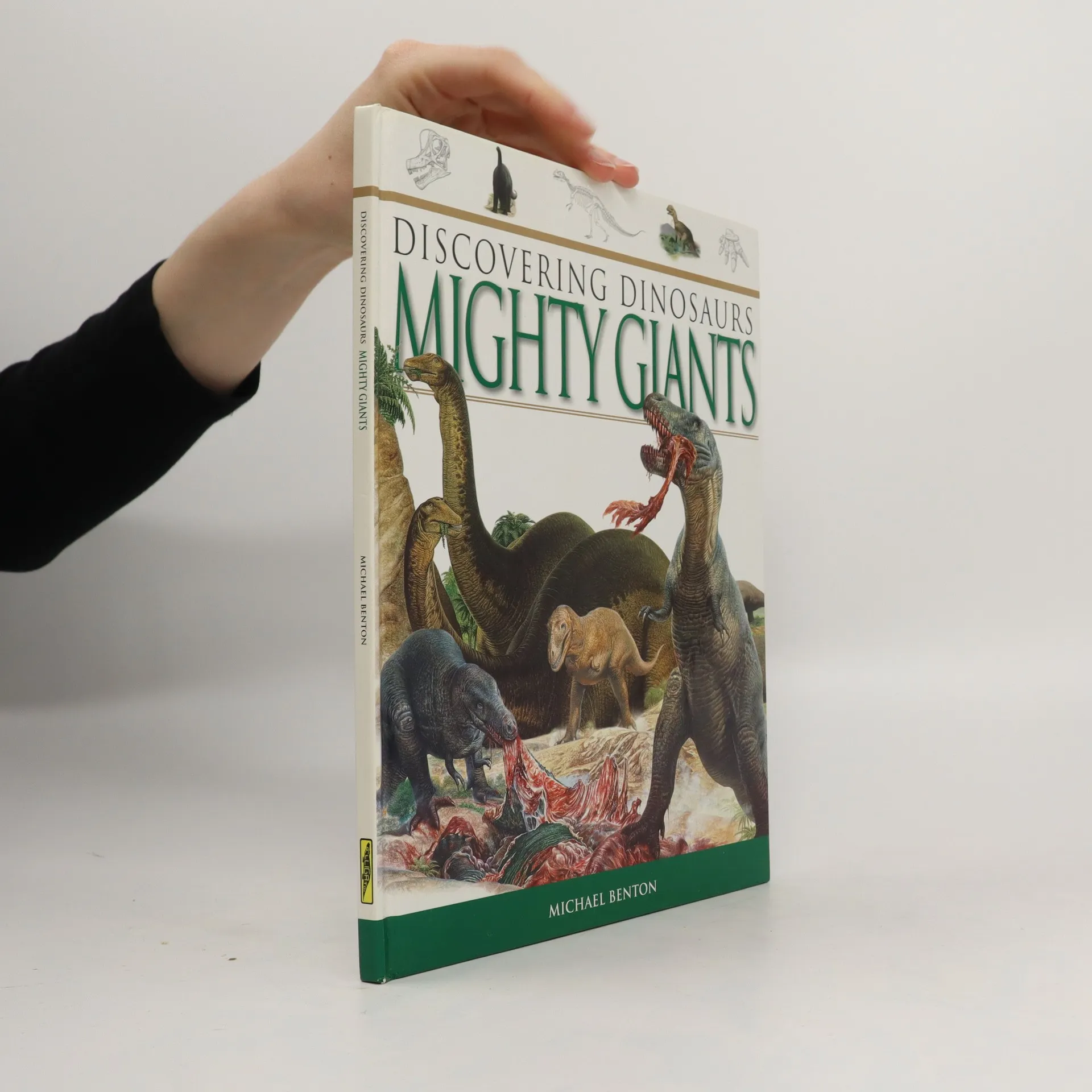
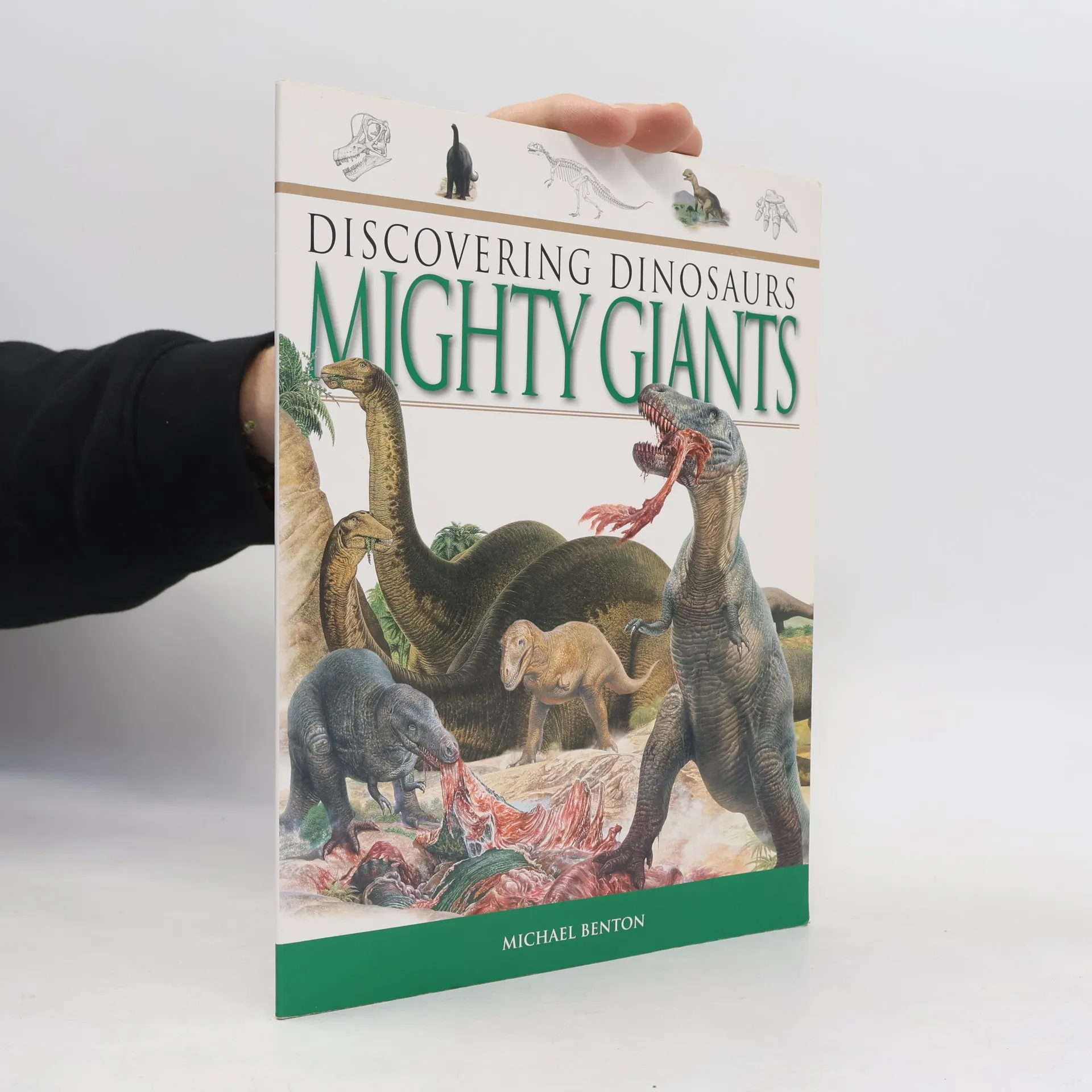
    • Discovering Dinosaurs. Mighty Giants

      • 32 pages
      • 2 hours of reading

      Describes the largest dinosaurs, providing color illustrations, pronunciation guide and details on their physical characteristics, geographic areas, time periods and diets.

      Discovering Dinosaurs. Mighty Giants
      4.4