

Exploring the intersection of genre and television, this book delves into how various genres shape narrative structures, audience expectations, and cultural significance. It examines the evolution of television genres, their impact on storytelling, and the ways they reflect societal changes. Through critical analysis, the author highlights key examples and trends, offering insights into how genre conventions influence both production and reception. This work is essential for understanding the complexities of television as a medium and its role in contemporary culture.
Jason Mittell Books
Jason Mittell is a leading voice in the study of television and media culture. His work delves into the intricate art of contemporary television storytelling, exploring the poetics of complex narratives and how genre conventions shape our understanding of American culture. Mittell critically examines how television functions as both a mirror and a shaper of societal trends, offering readers a sophisticated lens through which to appreciate the medium. His approach provides deep insights into the evolving landscape of media and its profound impact.
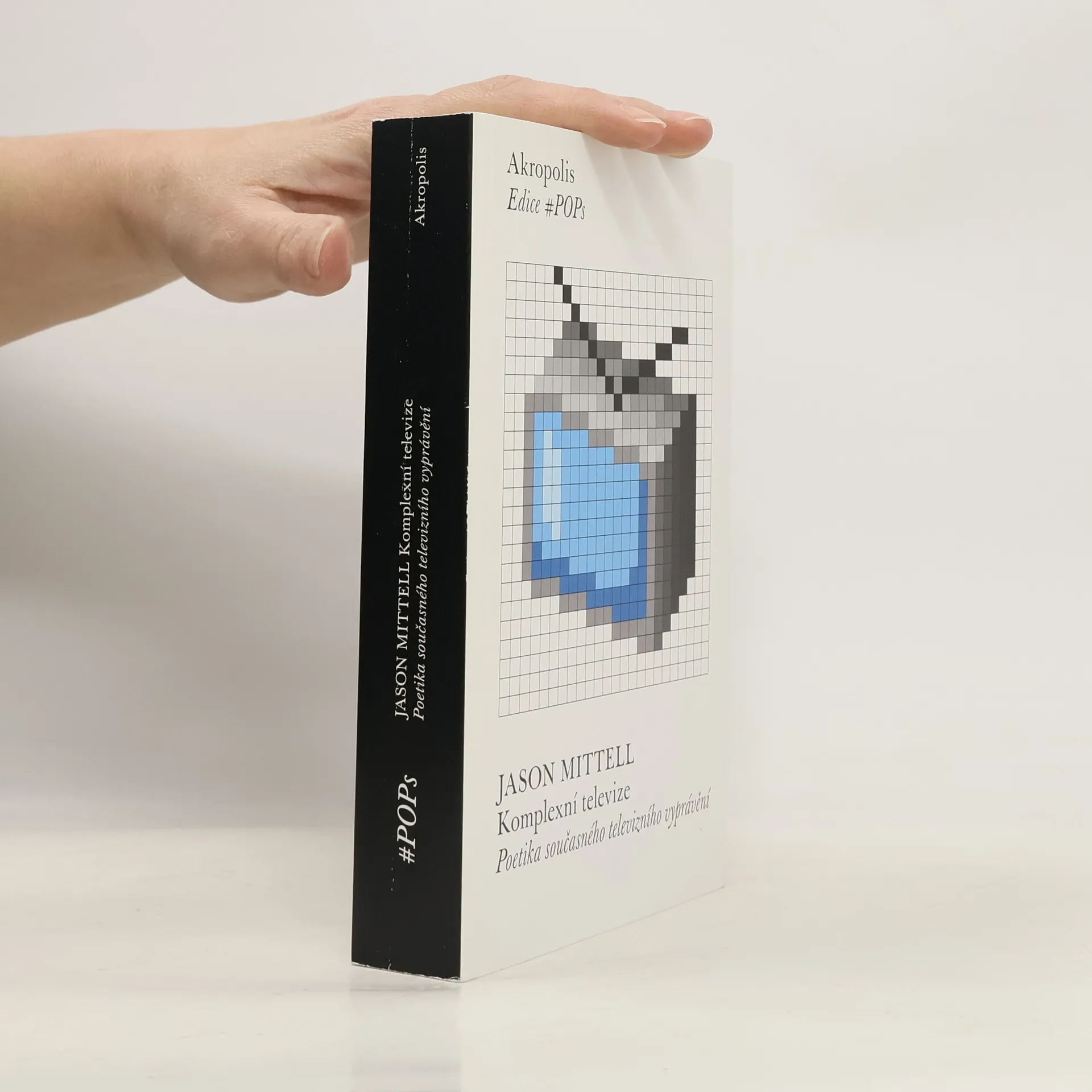

V devadesátých letech se v americké televizní produkci začala objevovat řada seriálů vymezujících se proti dekády zavedeným pravidlům přehlednosti a srozumitelnosti. Riskantnější seriálové projekty jako Městečko Twin Peaks či Akta X se nebály své diváky mást, chytře jimi manipulovat a budovat propracovanou mytologii celého seriálového světa. Své diváky nejen vybízely k tradičnímu zaujetí samotným příběhem, ale činily tak i způsobem svého vyprávění. Jason Mittell nám v této knize nabízí detailní rozbor formálních charakteristik a speciálních „narativních efektů“ takto vyprávěných komplexních seriálů i způsobů, jak jim rozumí a dále s nimi pracují jejich publika. Pro jejich analýzu zavádí celou řadu nových termínů, které respektují specifika seriálové televize a aspirují na to stát se nezbytnou výbavou odborníků, kritiků i studentů věnujících se televiznímu médiu. Kniha ale obsahuje i detailní a čtivé rozbory řady televizních seriálů jako Veronica Marsová, Perníkový táta či The Wire – Špína Baltimoru a určitě osloví i poučené diváky a fanoušky inovativního televizního vyprávění.