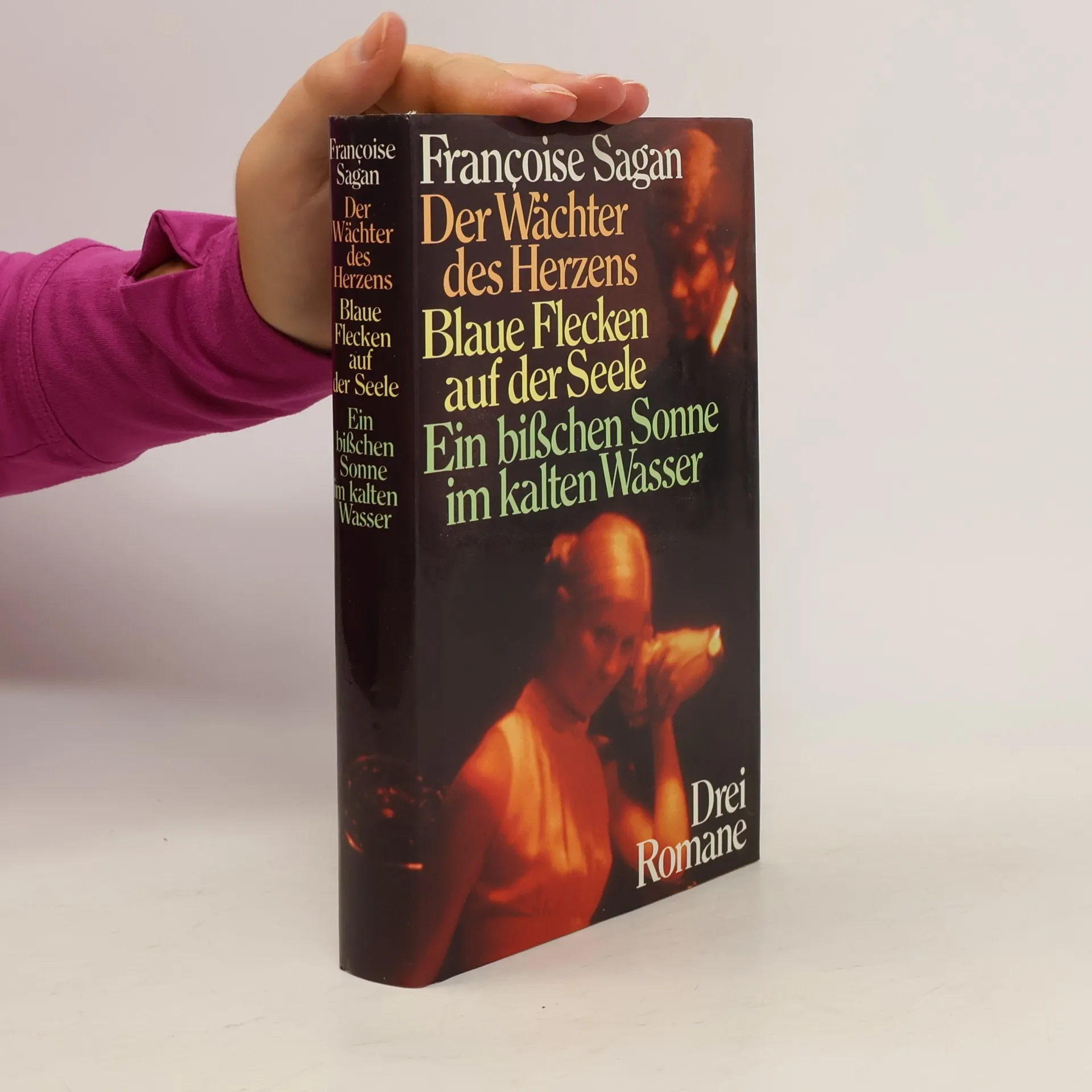
Françoise Sagan, a provocative French author, became renowned for her incisive explorations of youth, freedom, and societal conventions. Her works often feature an elegant style and a tone that is both cynical and vulnerable, mirroring her own lifestyle. Sagan delved into themes of desire, loneliness, and the complexities of human relationships with a disarming honesty. Her literary legacy lies in her bold depiction of modern life and its inherent paradoxes.
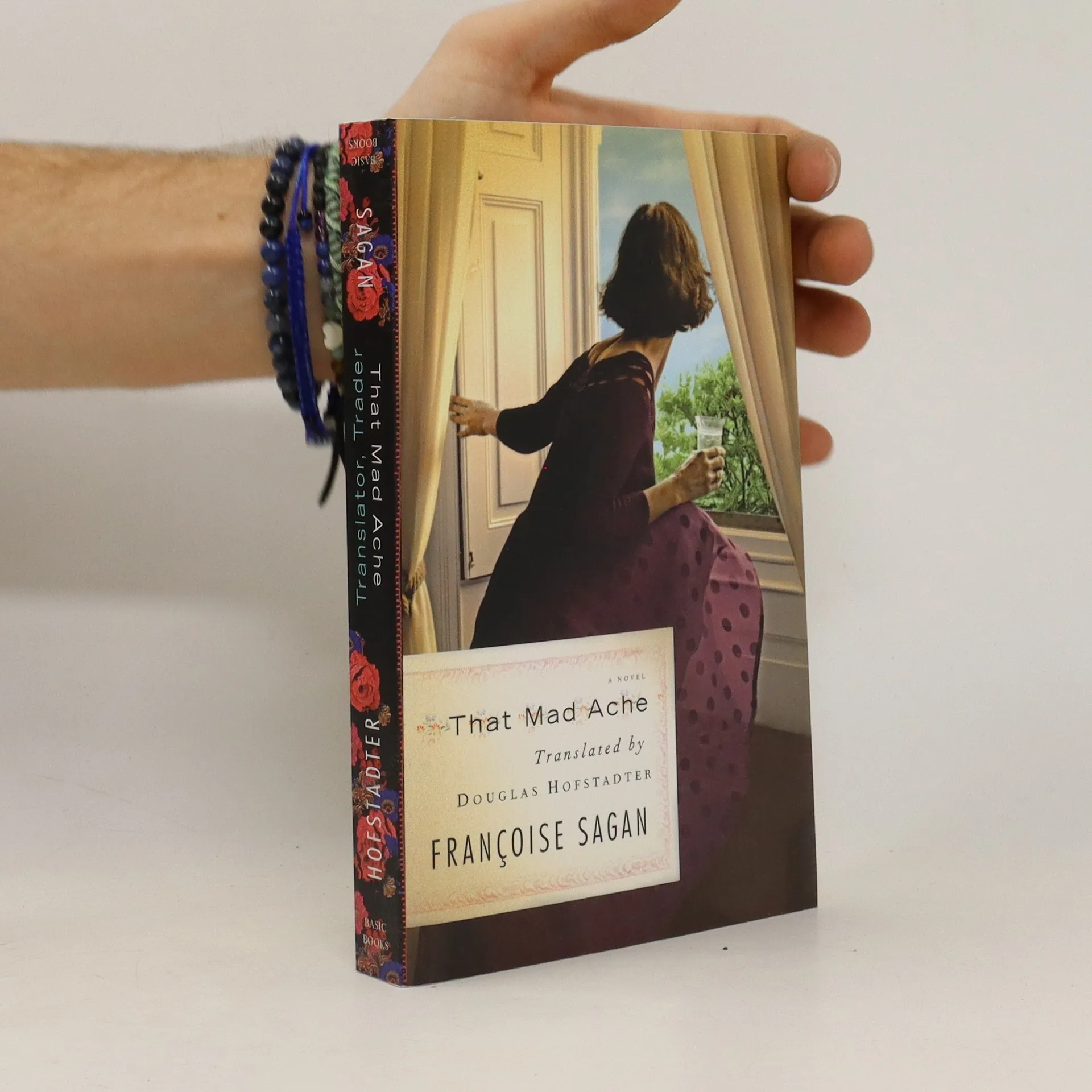
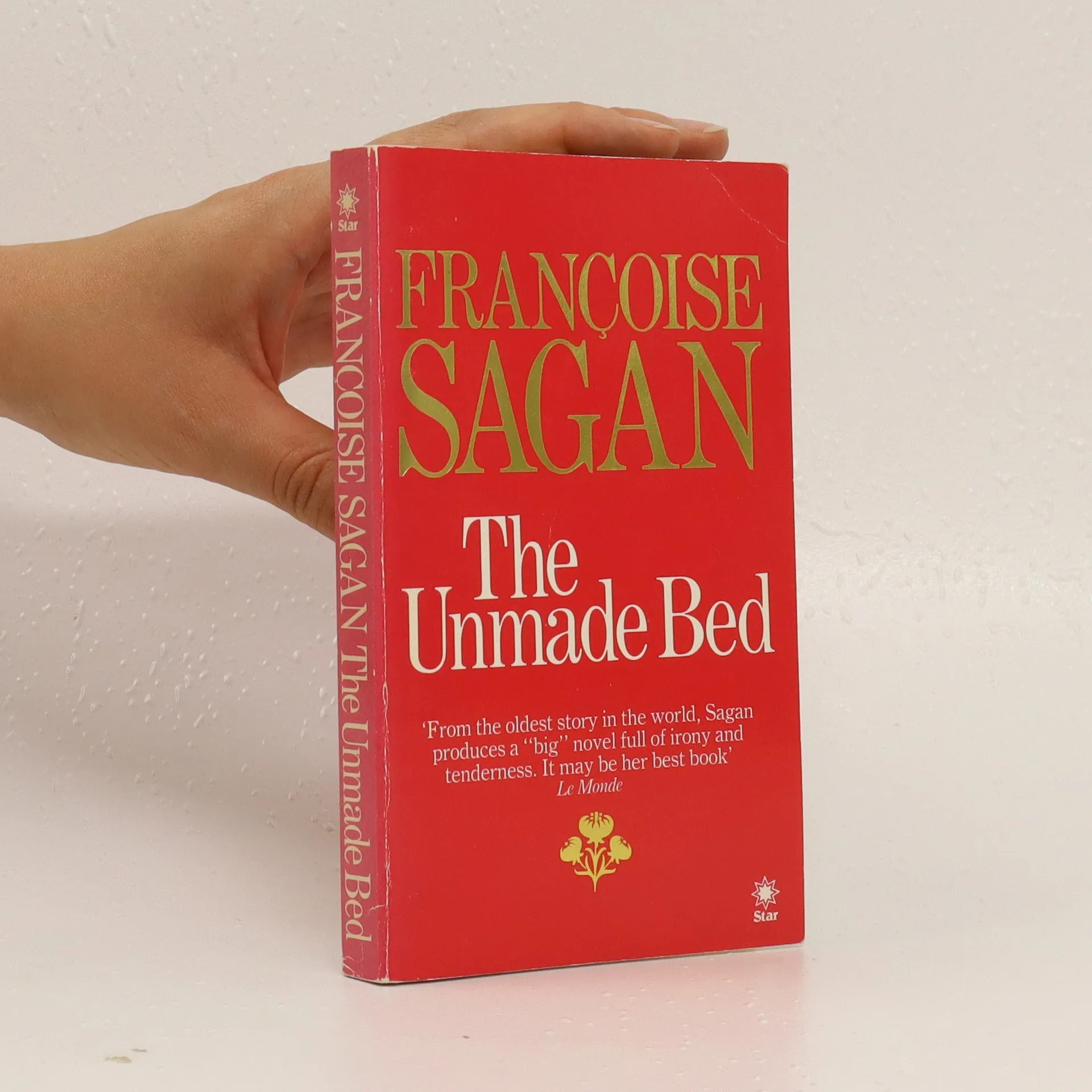
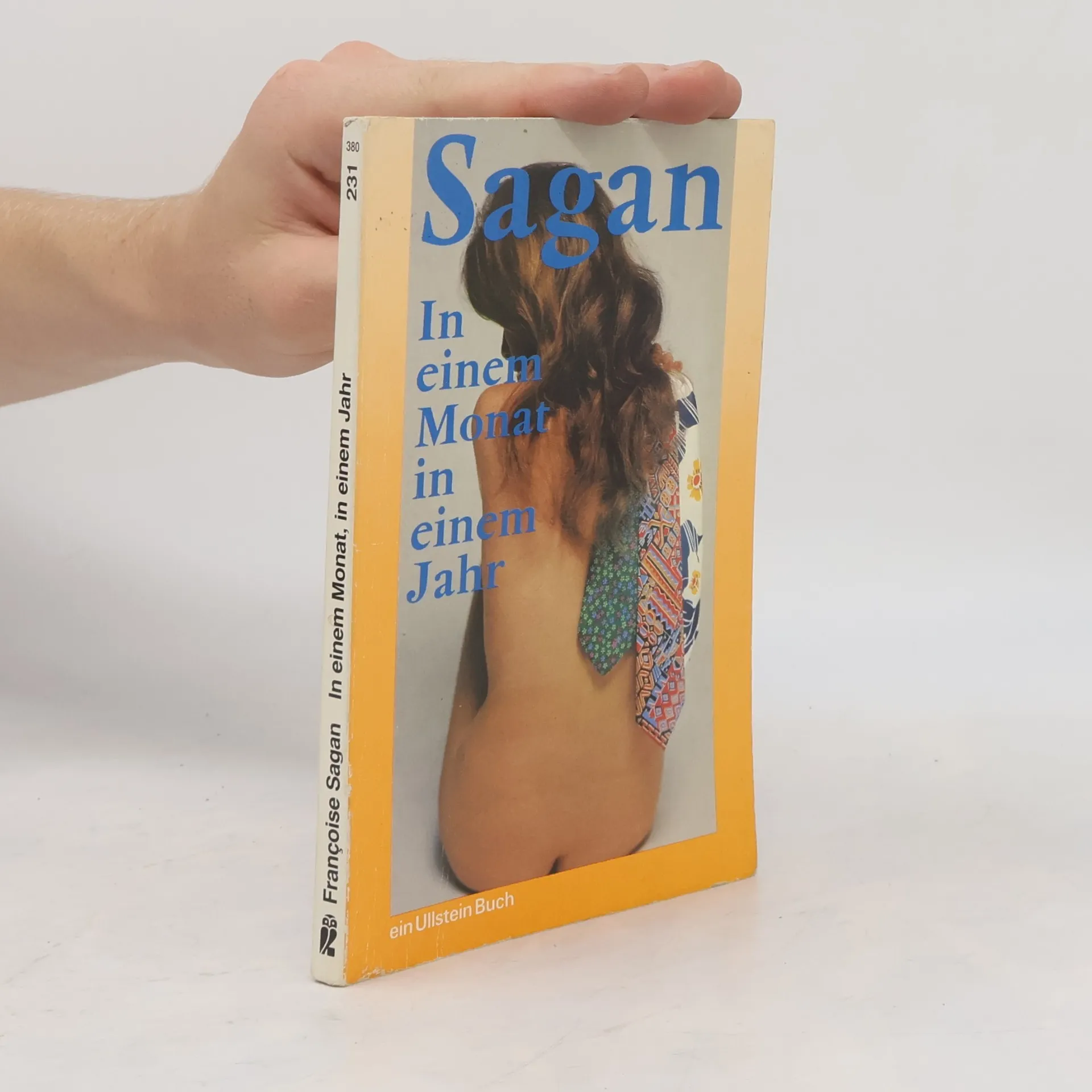
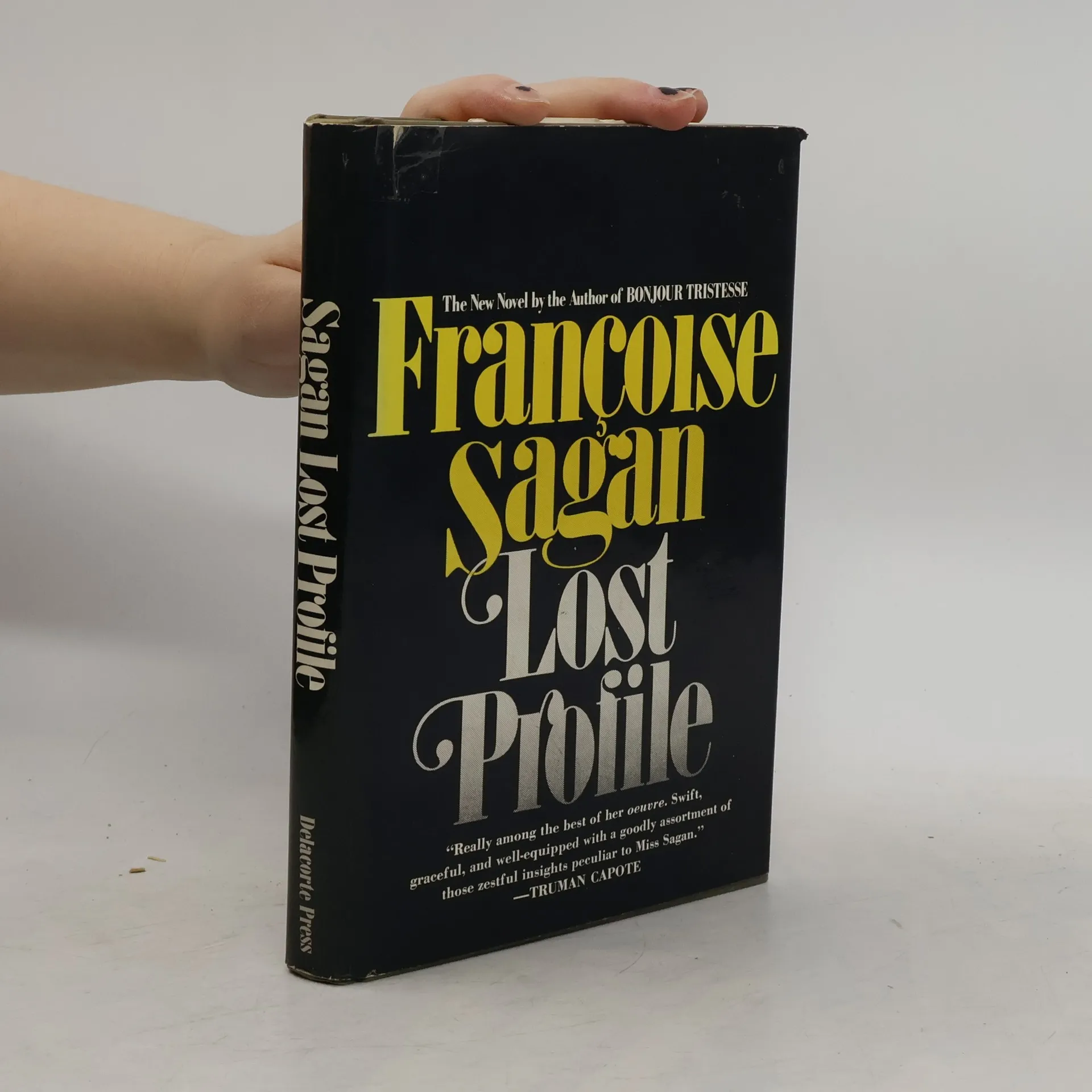
Set in Paris in the mid-1960s, Lucile, a young, rootless woman, finds herself torn between a fifty-year-old businessman and a thirty-year-old hot-blooded, impulsive editor; and, in a companion to the novel, the translator describes the process of rewritin
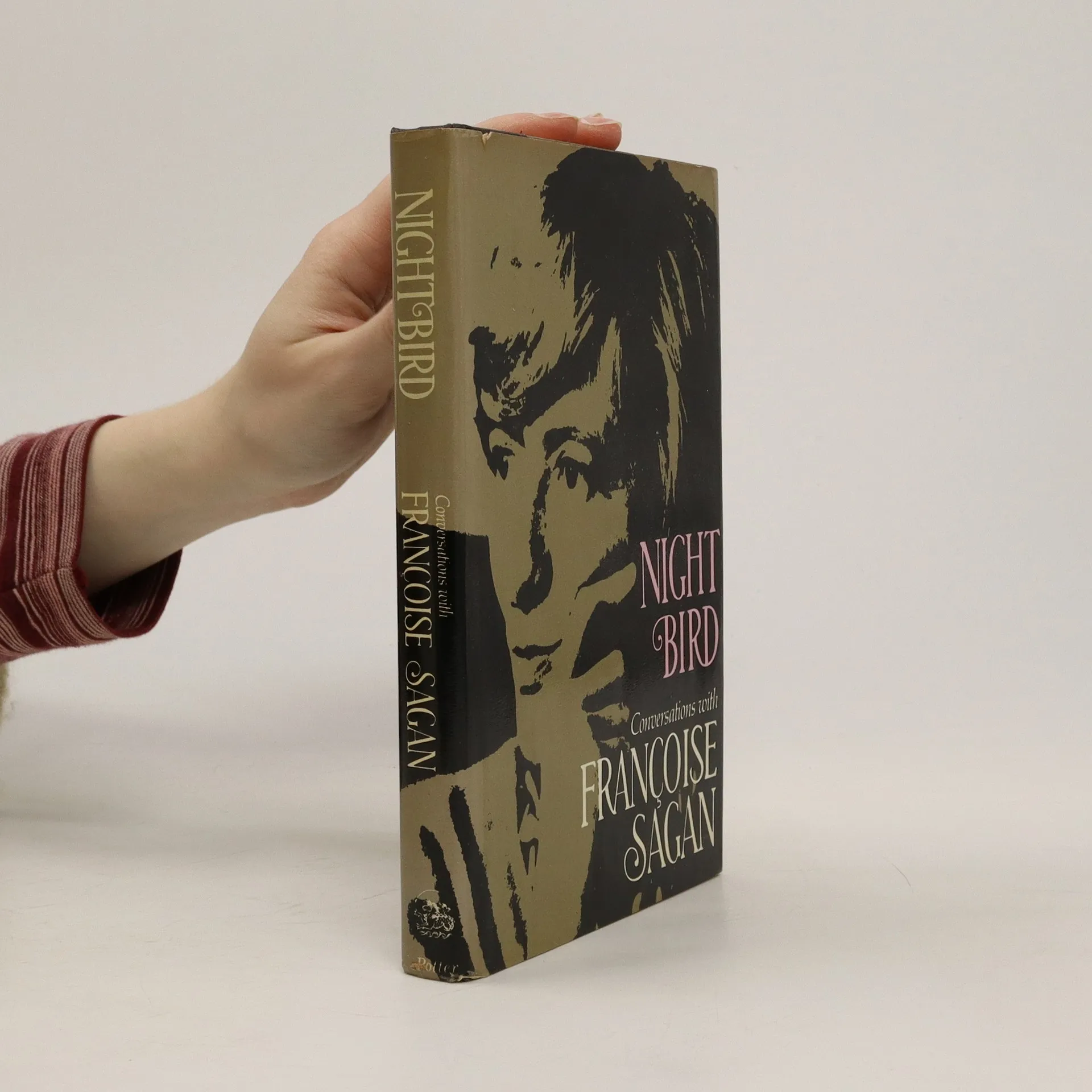
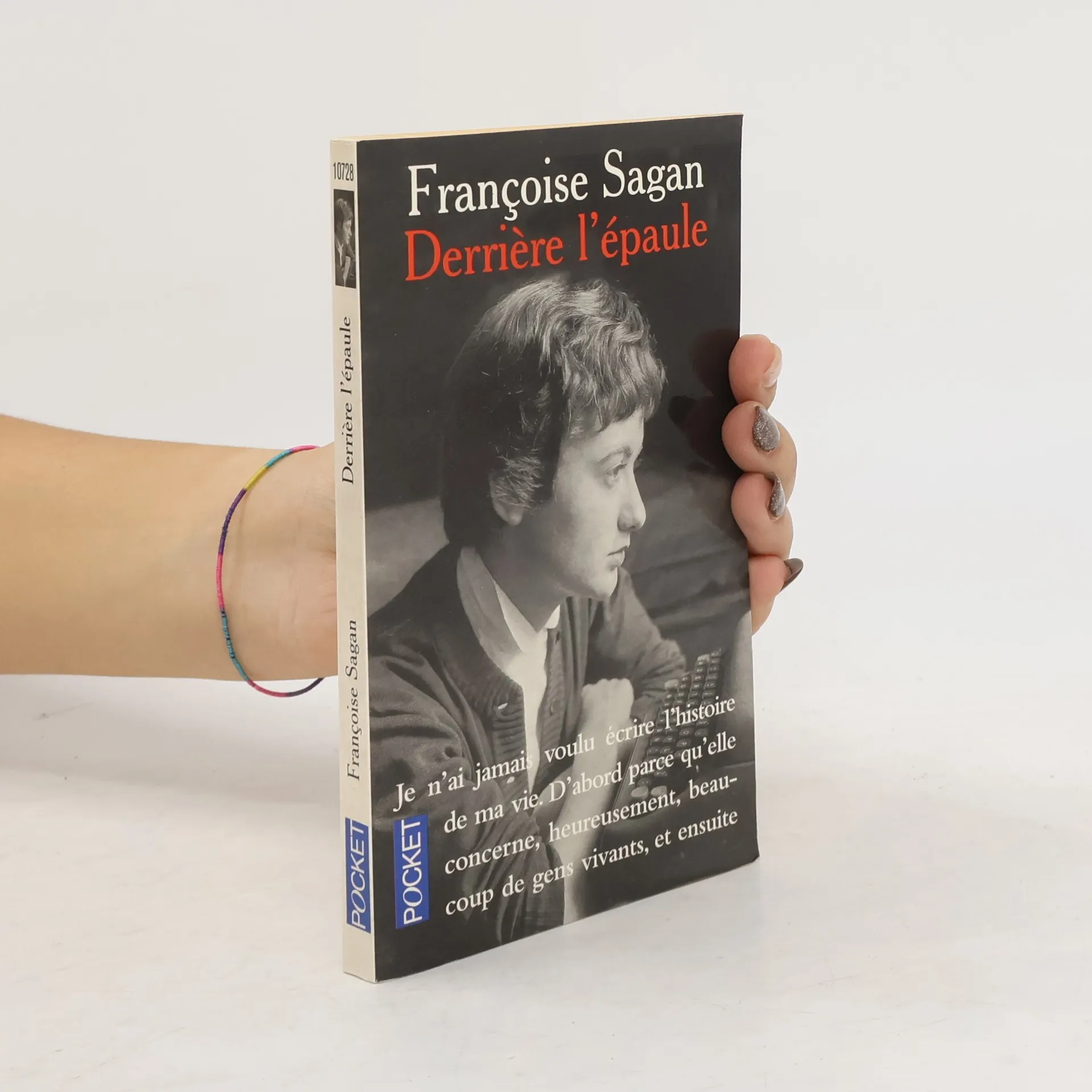
At eighteen, Françoise Sagan shot to stardom in France with the 1954 publication of her shocking novel Bonjour Tristesse, which explored themes of hedonism and sexual liberation and achieved international success. The young author became a legend and her fast lifestyle a symbol of postwar cynicism. As celebrity gossip columns kept the public informed (and misinformed) about her expensive tastes, changing lovers, and passion for drink and gambling, Sagan continued to write, avoiding the public eye whenever possible. Now, in this collection of interviews prepared by her French publisher, readers are granted the rare opportunity to meet the real woman behind the myth.
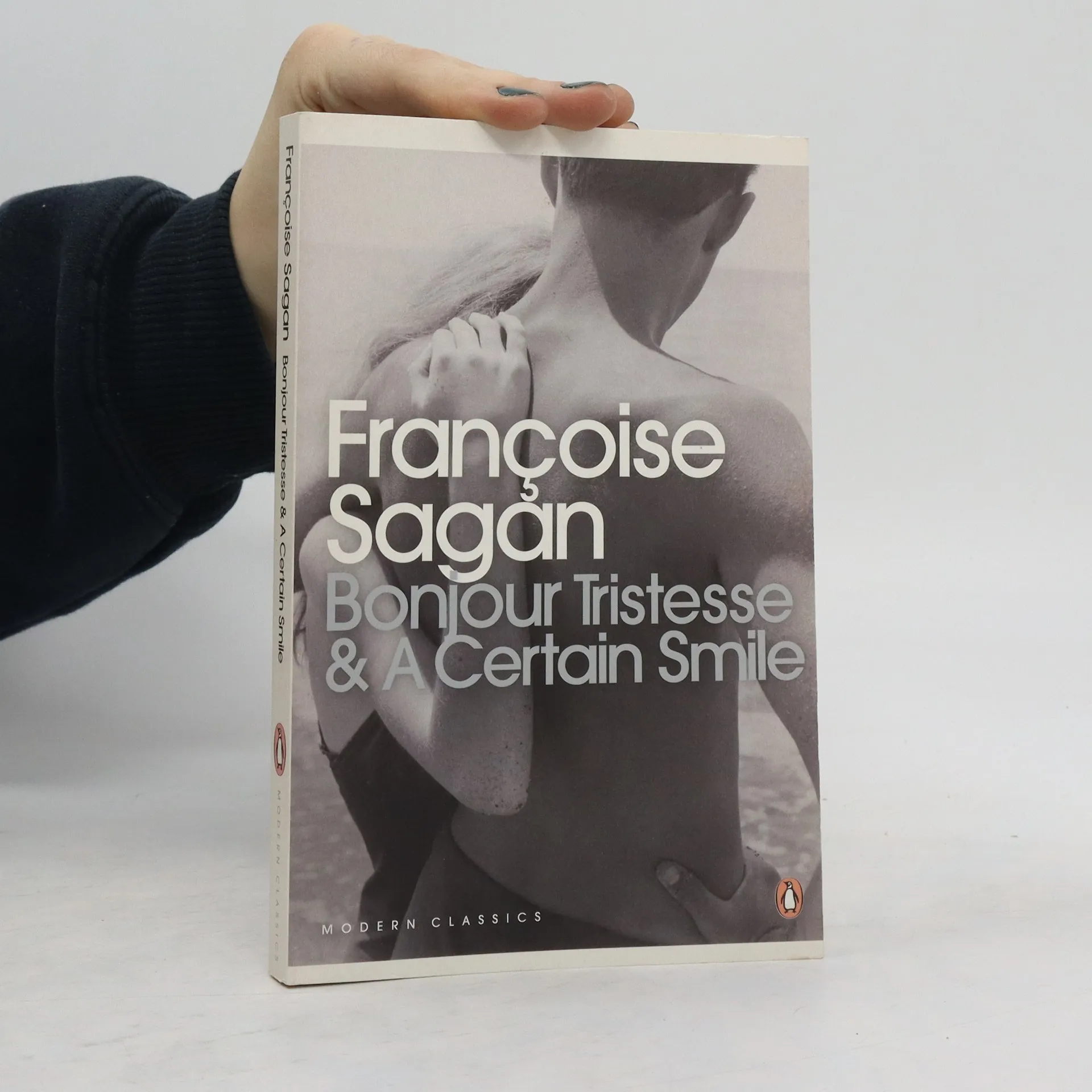
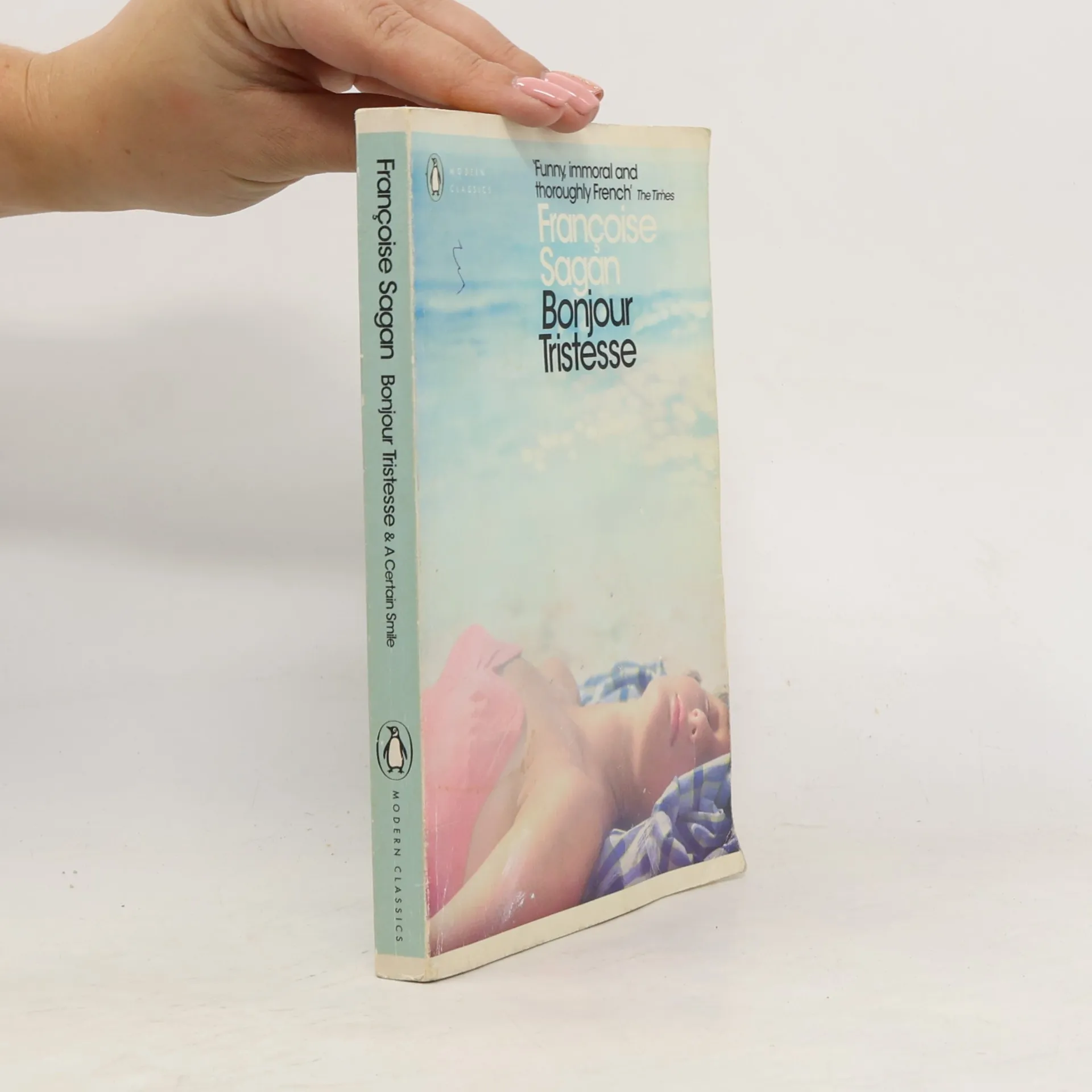
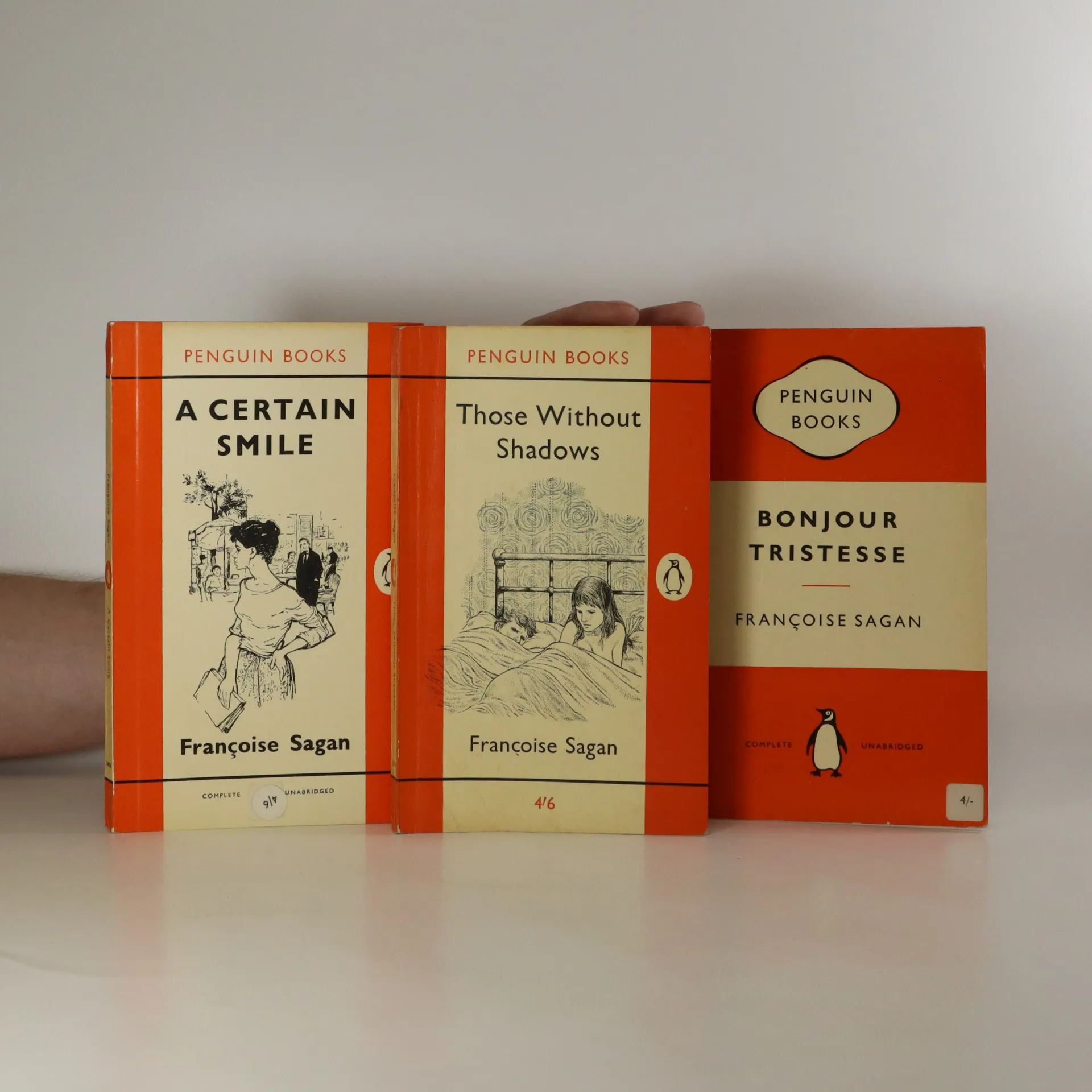
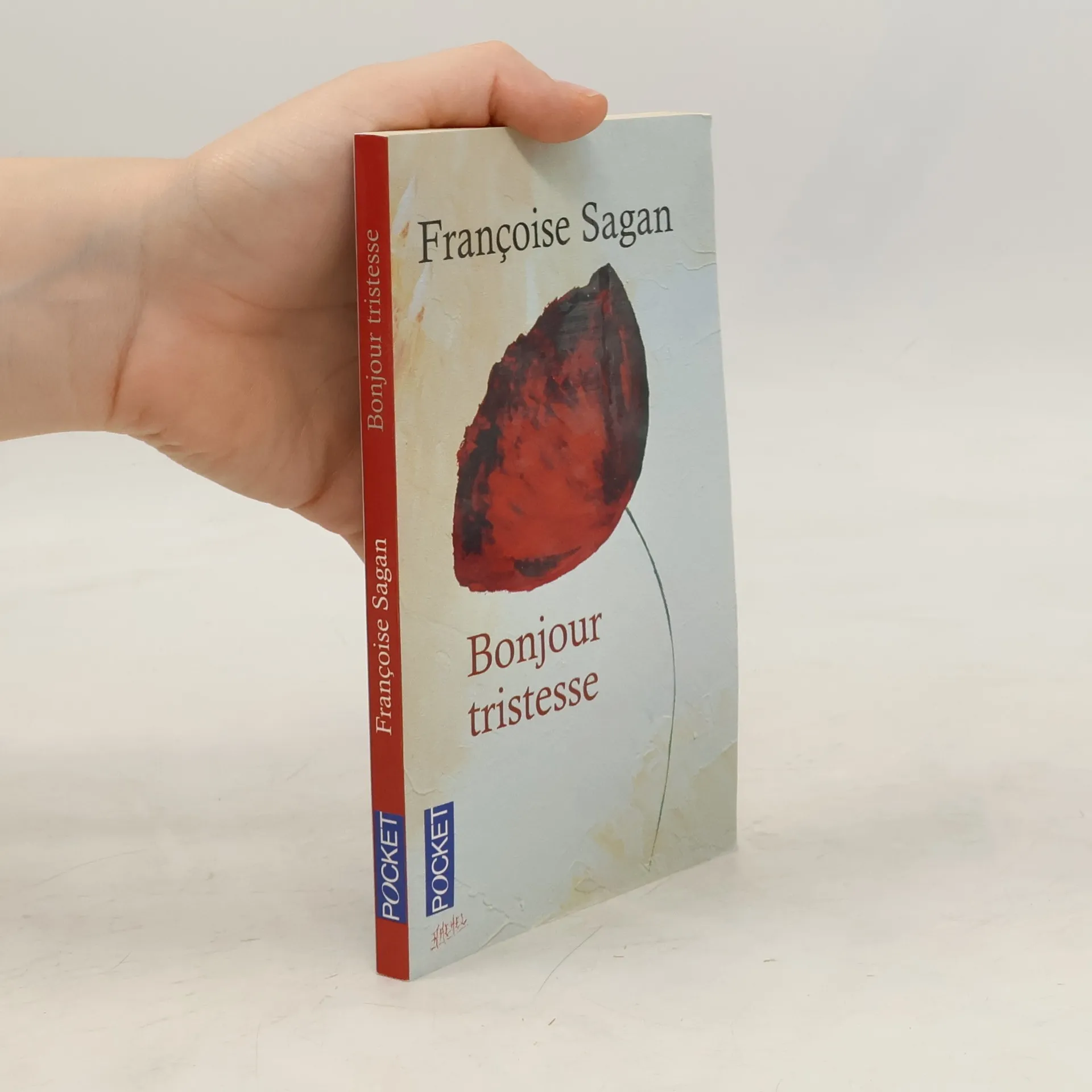
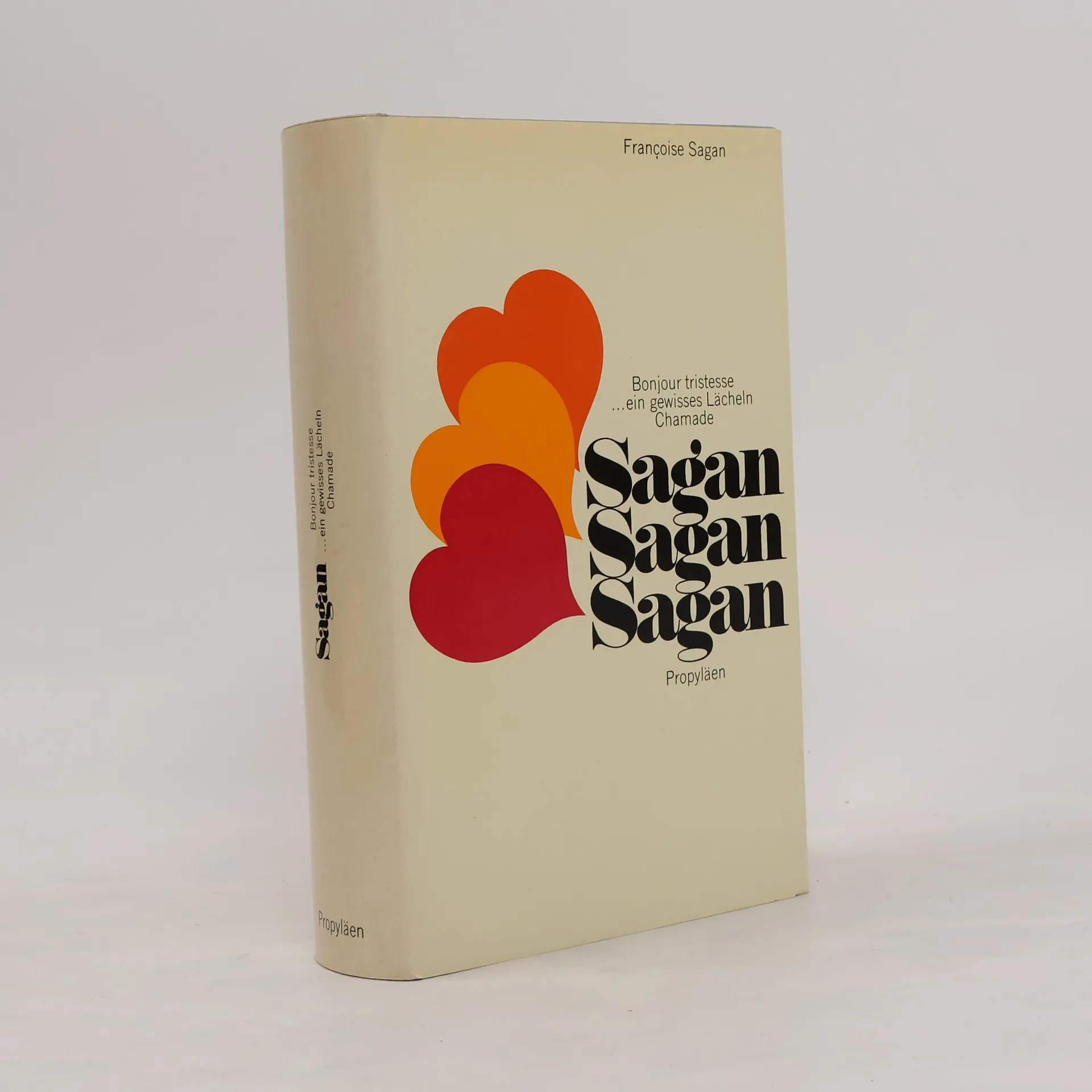
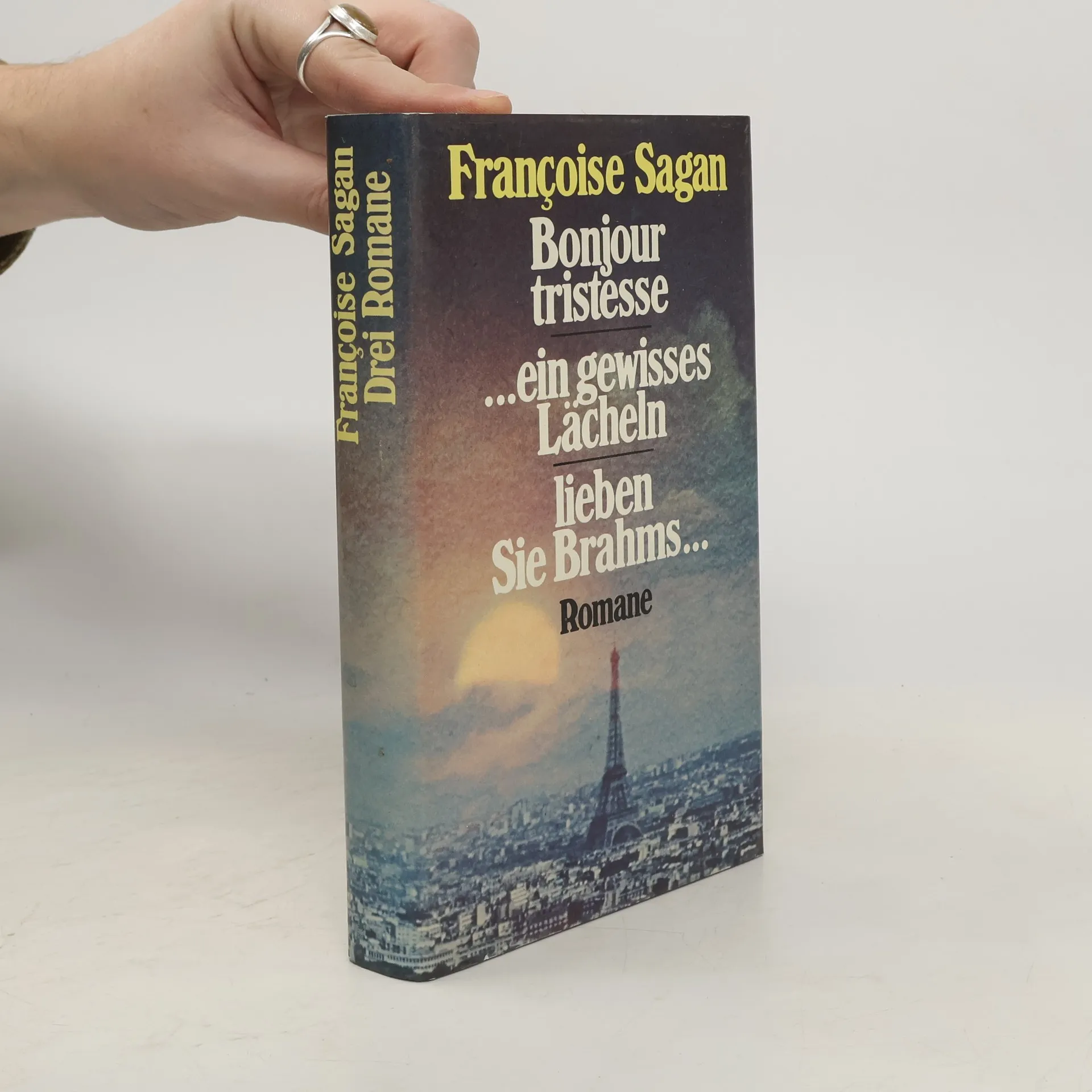
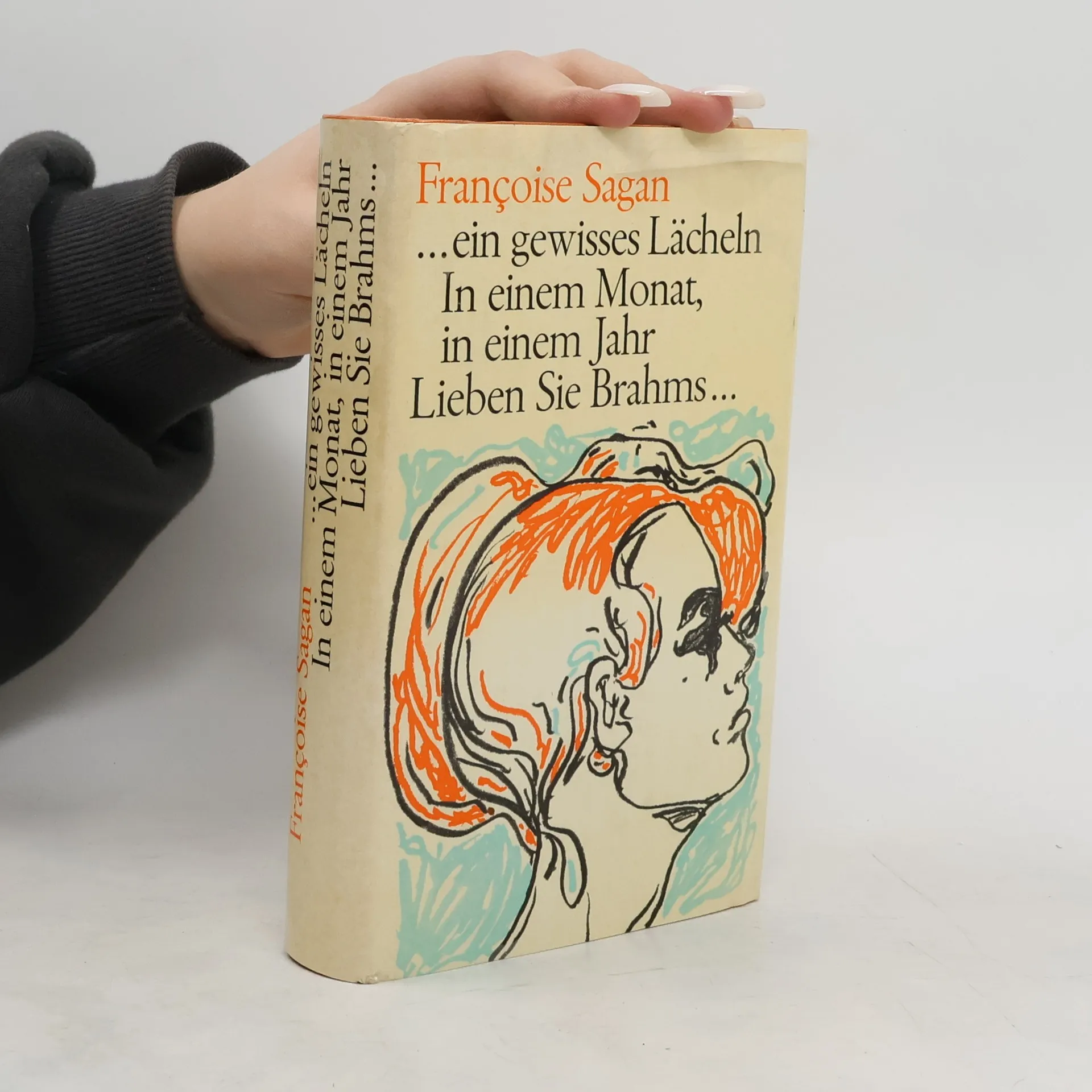
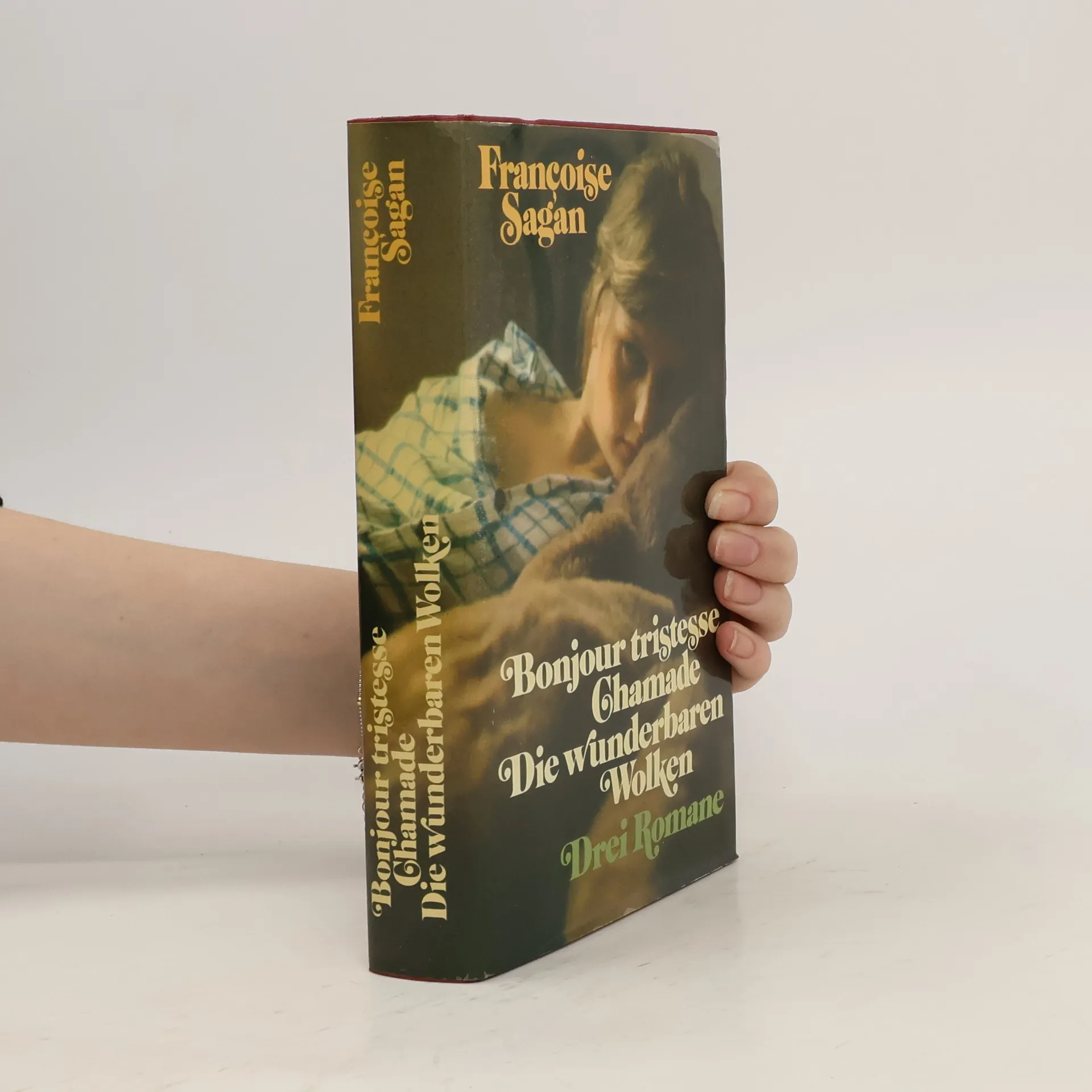
Published when she was only nineteen, Fran�oise Sagan's astonishing first novel Bonjour Tristessebecame an instant bestseller. It tells the story of C�cile, who leads a carefree life with her widowed father and his young mistresses until, one hot summer on the Riviera, he decides to remarry - with devastating consequences. In A Certain SmileDominique, a young woman bored with her lover, begins an encounter with an older man that unfolds in unexpected and troubling ways. These two acerbically witty and delightfully amoral tales about the nature of love are shimmering masterpieces of cool-headed, brilliant observation.
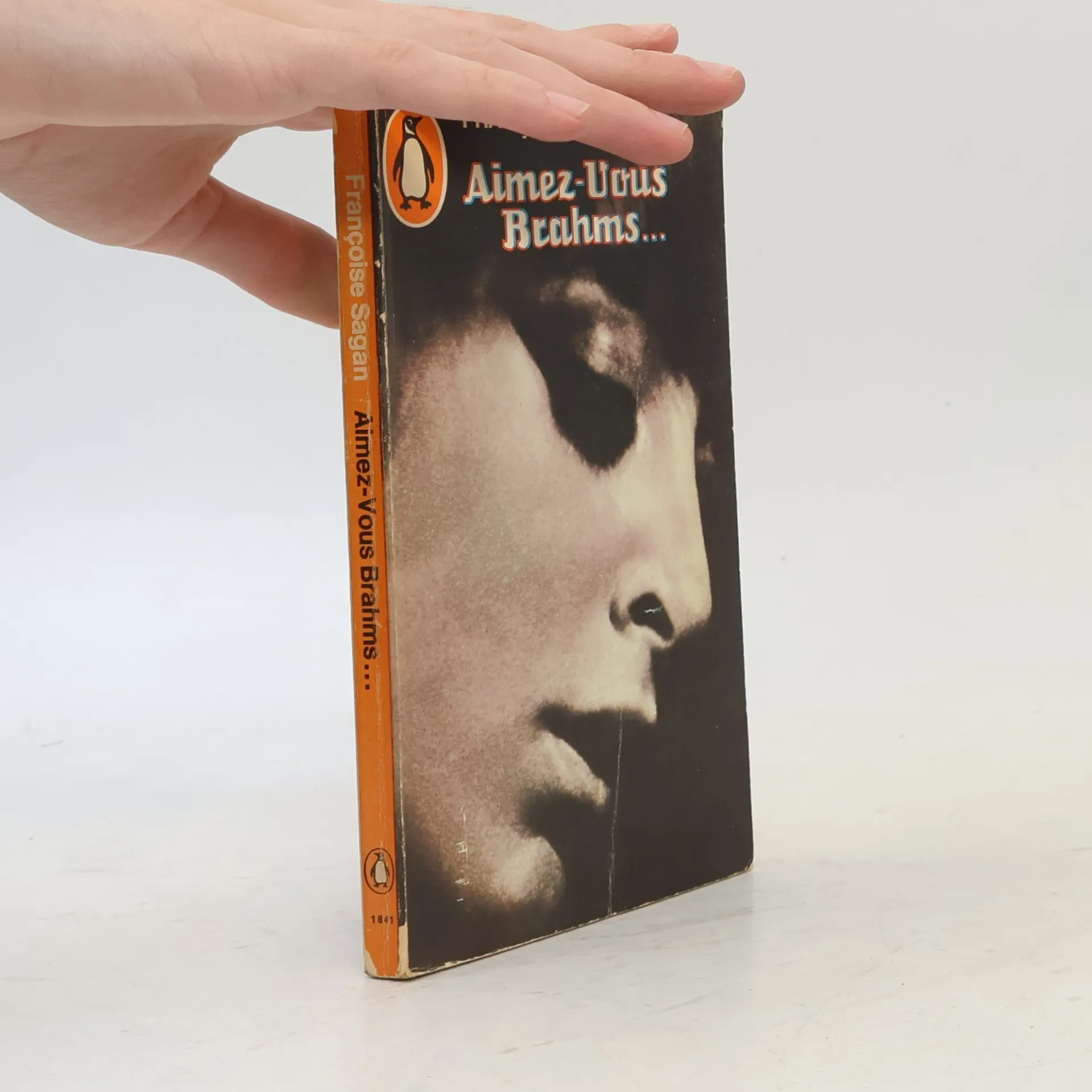
Paule looks into her mirror and sees "another Paule, passionately concerned with her beauty, struggling to transition from the status of a young woman to that of a younger woman." This phrase, imbued with a sustained melancholy and reminiscent of the "little music" beloved by Françoise Sagan's admirers, sets the tone for this famous novel, which was adapted for the screen by Anatole Litvak. Paule, a fashion designer abandoned by her lover, is adored by a young man fifteen years her junior. She stands at the threshold of a new relationship—love, passion, infatuation?—tormented by a desperate desire for happiness and youth. Sagan presents a portrait of a woman on the brink of forty, offering an ironic and clear-eyed reflection on her struggles and aspirations.
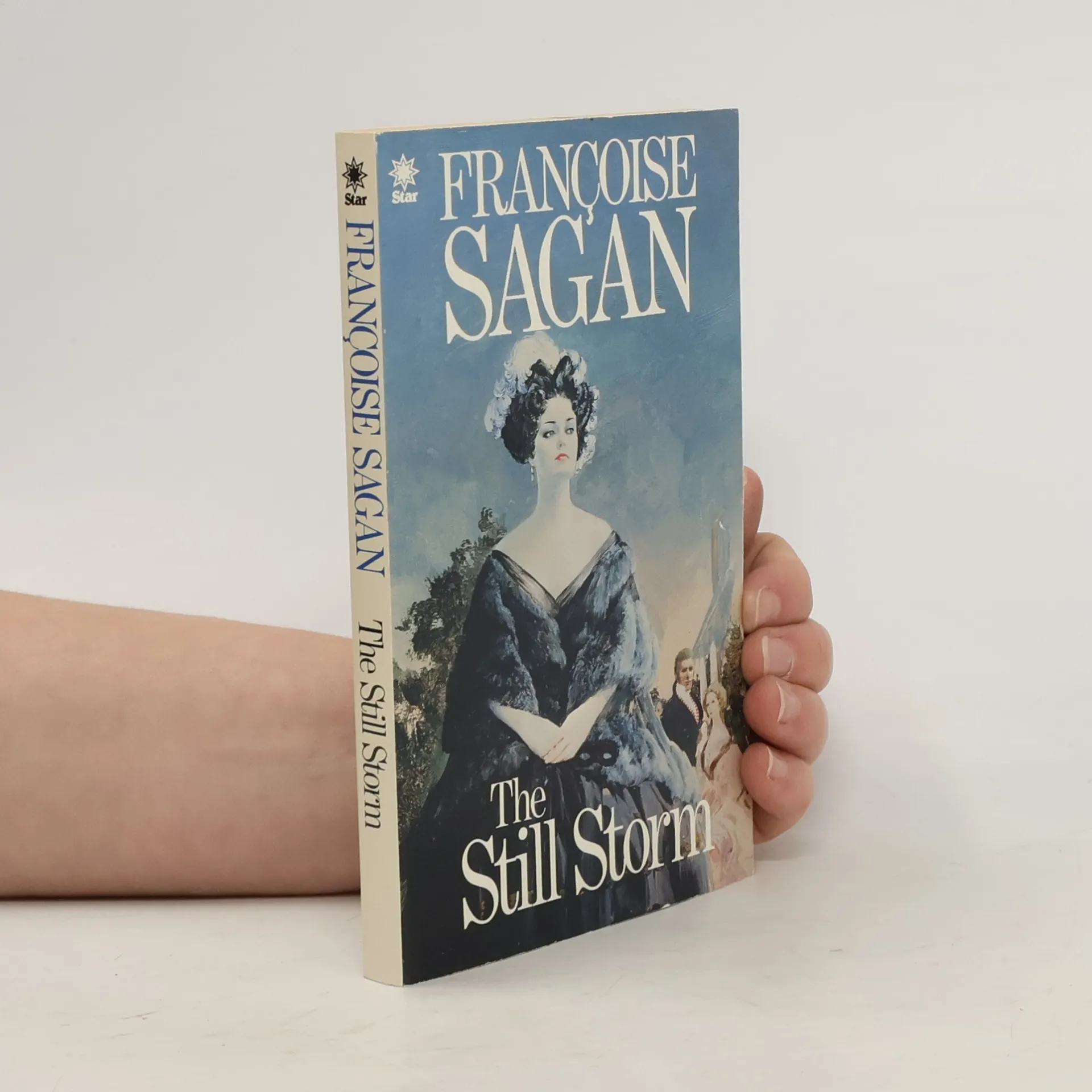
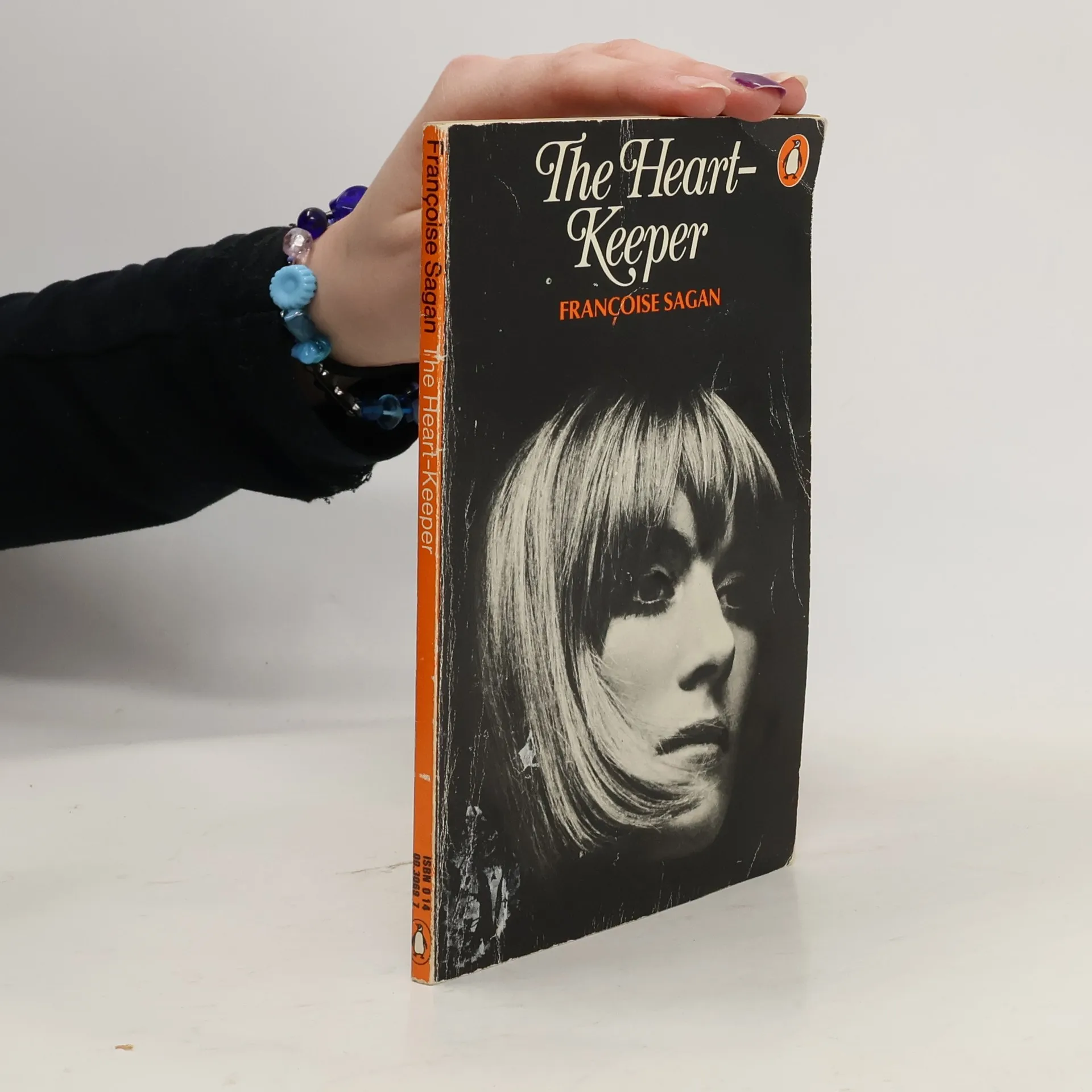
From the moment he sets eyes on her, Nicholas Lomont is lost, doomed to a lifetime of jealousy, bitterness and despair. Flora de Margelasse arrives in the French provincial town of Angoulême with the intention of reclaiming the family estate. And Nicholas's first meeting with the beautiful widow marks the birth of a hopeless passion - because Flora will never love him. Life is bearable as long as she loves no one else, but becomes torture when she finds happiness in the arms of another.
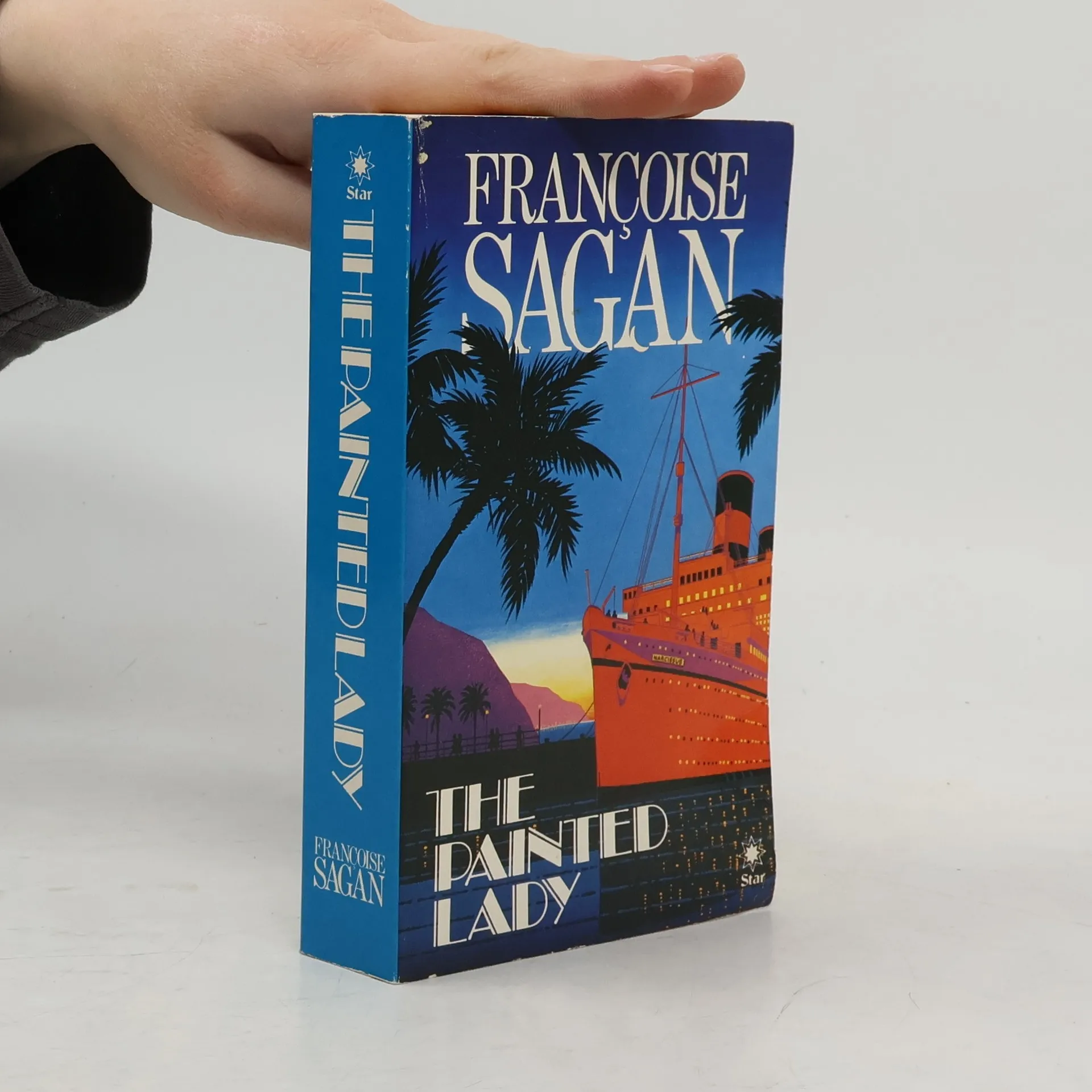
Parmi les passagers du Narcissus, Olga Lamouroux, protégée du cinéaste Simon Béjart ; la riche Edma Bautet-Lebrêche et son ennuyeux mari ; Julien Peyrat, commissaire-priseur séduisant ; Éric Lethuillier, directeur de rédaction, et sa timide épouse Clarisse, qui tente en vain de se cacher derrière un maquillage outrancier. Elle est « la femme fardée » qui intrigue autant qu'elle émeut. Alors qu'Éric s'affiche au bras d'Olga, Clarisse s’éprend de Julien. La tension monte et les poses mondaines, insuffisantes à dissimuler les sentiments abjects, deviennent aussi tristes que burlesques.
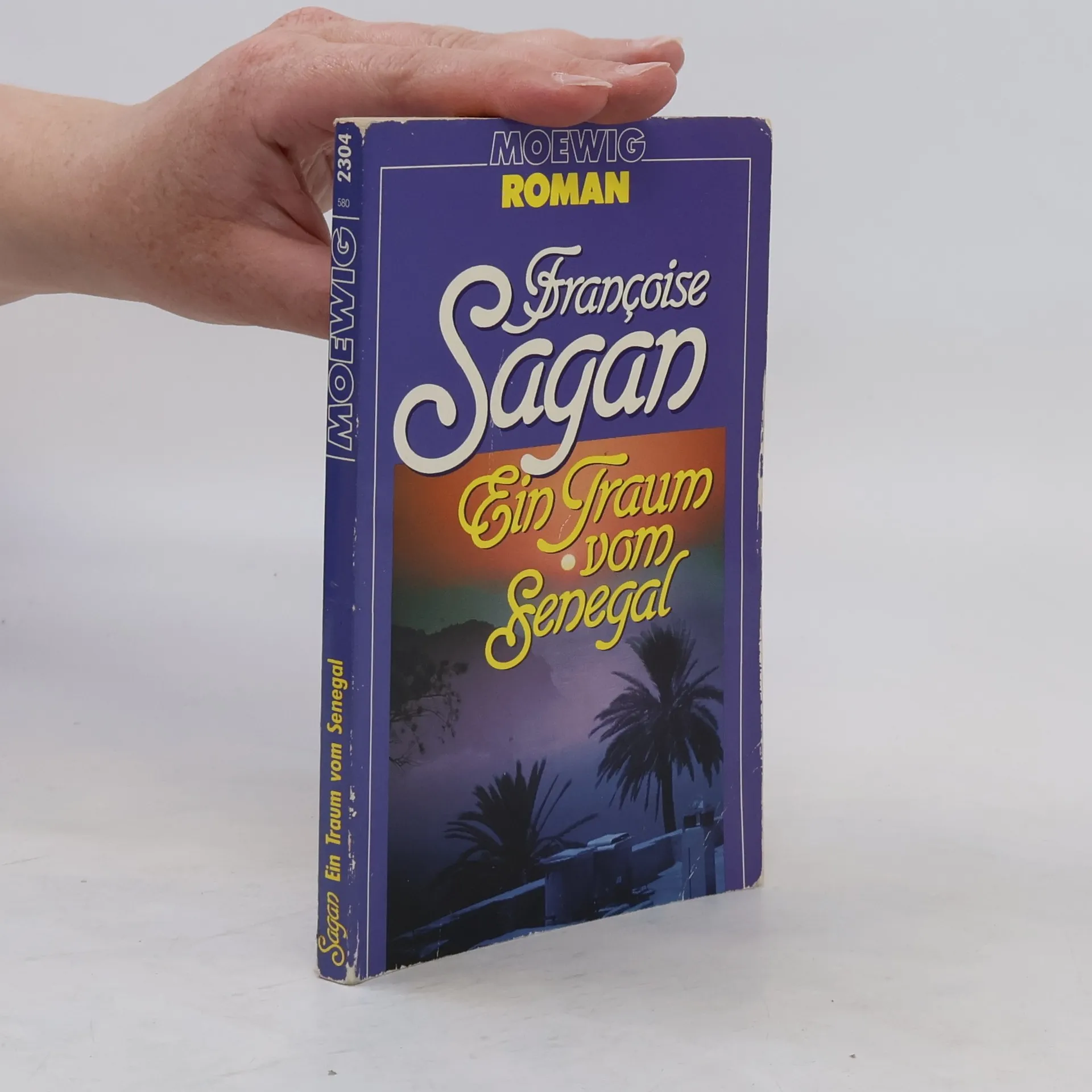
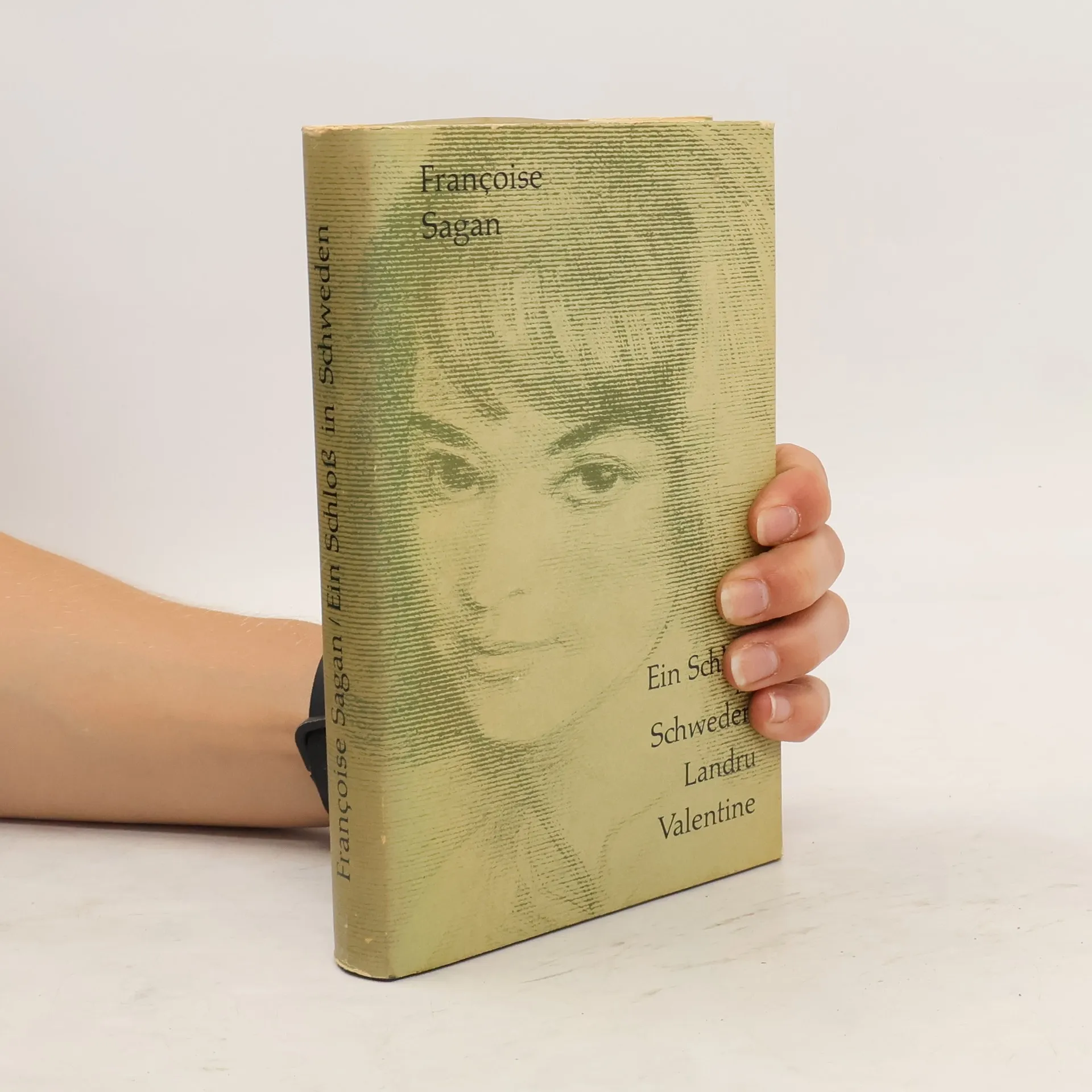
France in the early seventies. The beautiful siblings from Sweden have never worked, and that is not about to change, even though they are no longer young and it is becoming increasingly difficult to find generous benefactors. They indulge in exchange for food and lodging, and for a luxurious dinner, they are willing to part with their last earrings. However, they are somewhat weary of their aimless existence, which gives the author the opportunity to weave her own insights about politics and eroticism, freedom, ennui, and loneliness into the narrative. Like puppets, she places her characters in the glamorous Parisian setting, with the strings they dangle from always visible. This modernist, playful novel by Françoise Sagan reflects on itself in an intelligent and entertaining manner.
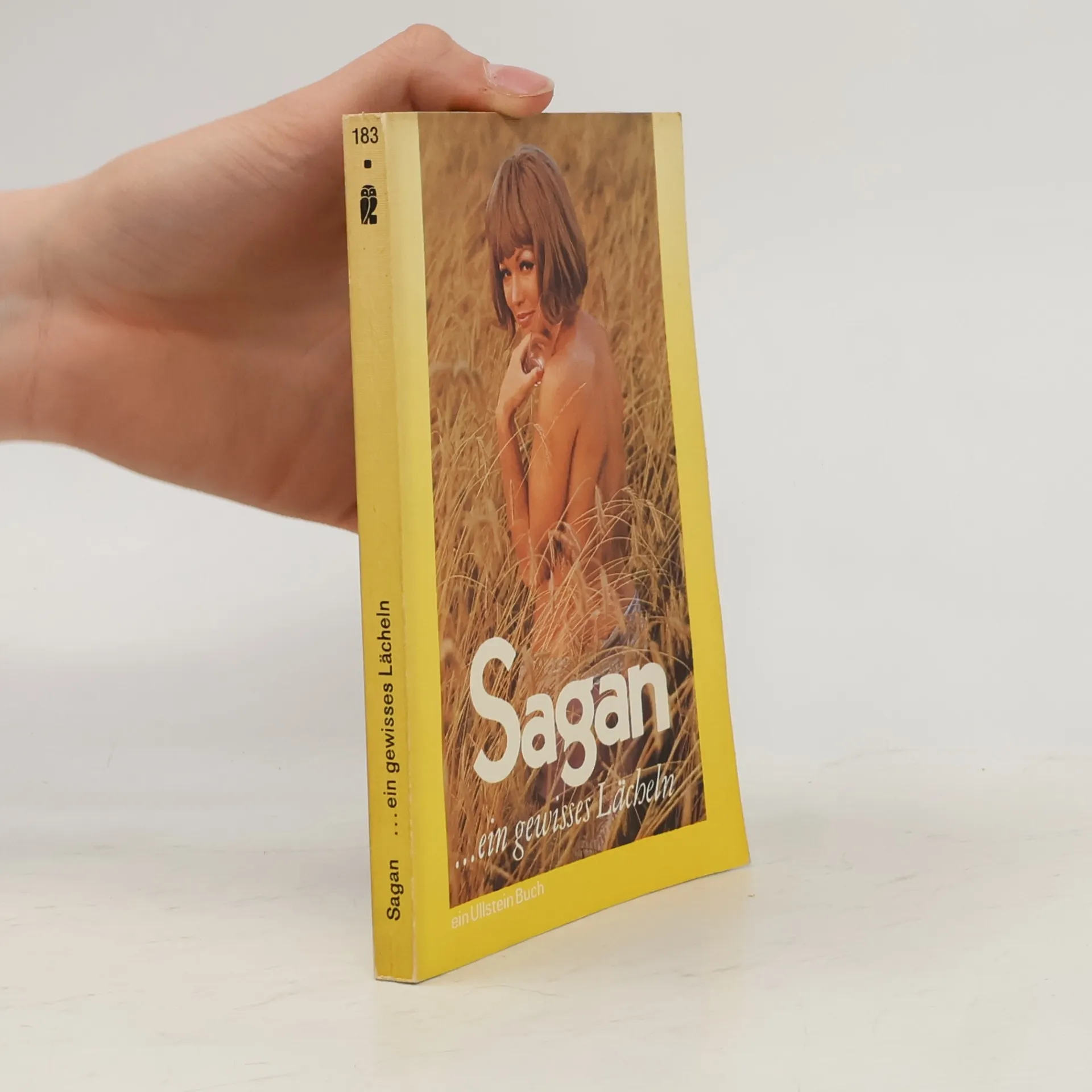
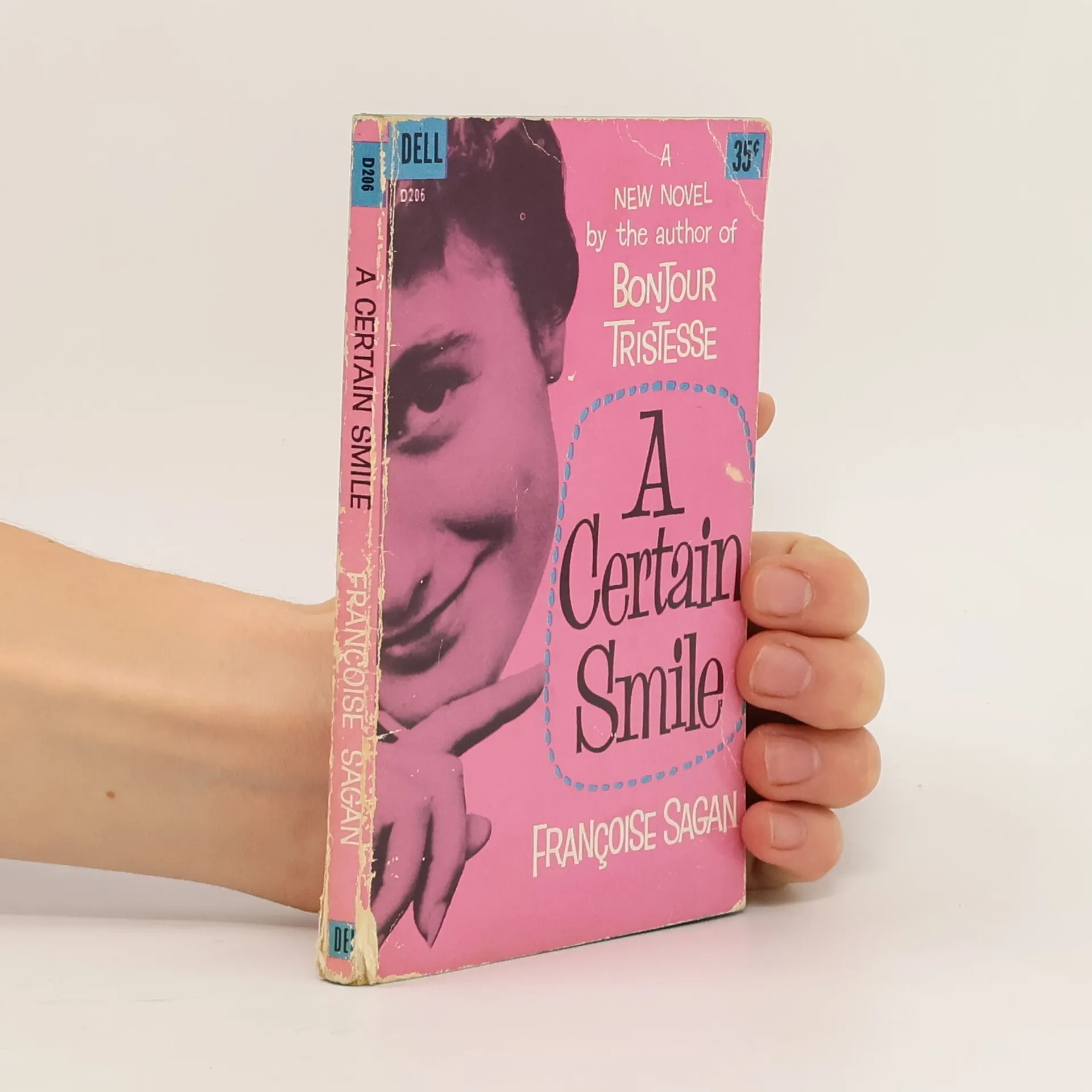
A certain smile: "A young woman bored with her lover, begins an affair with an older man that unfolds in unexpected and troubling ways."--Publisher description.
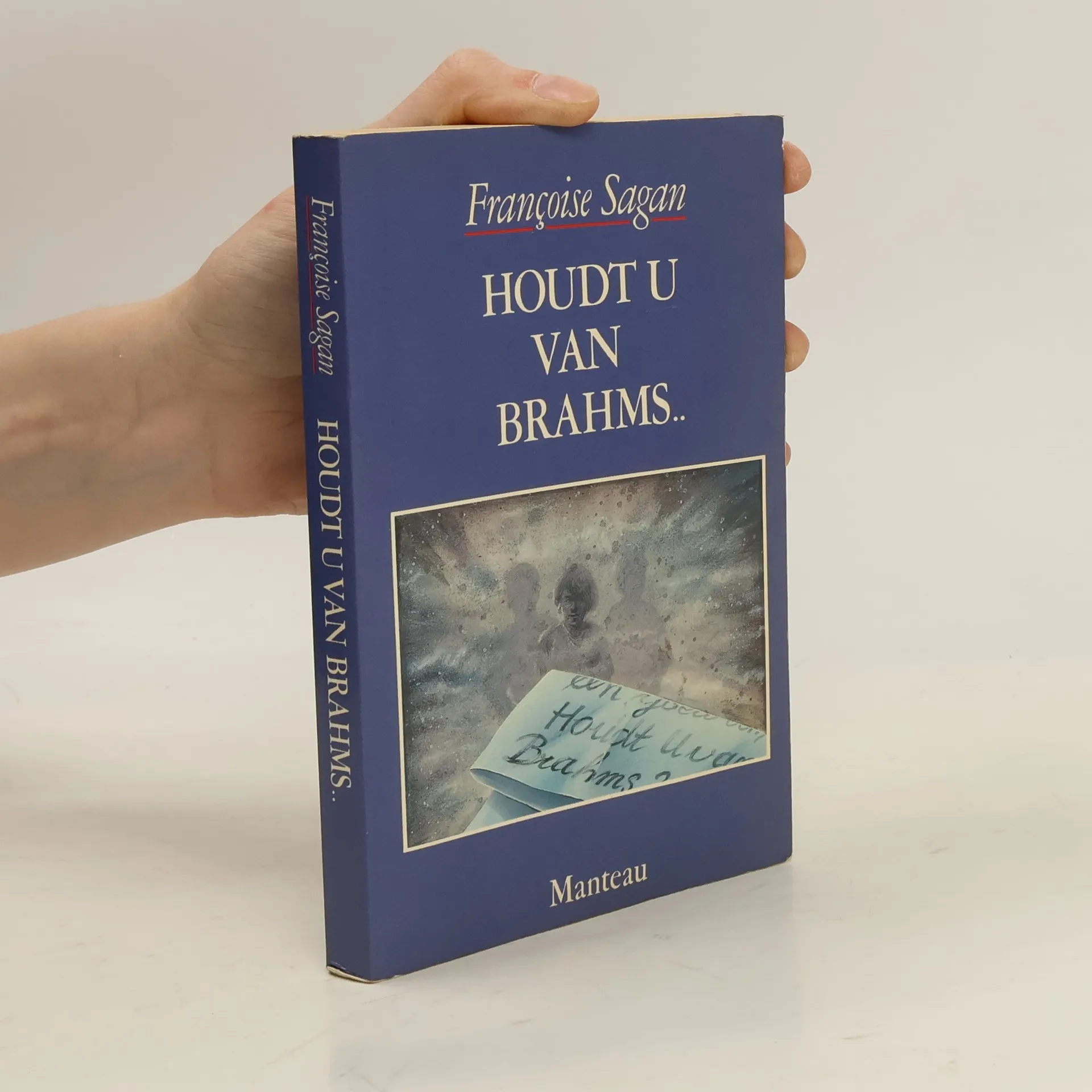
Young girls often discover love with men in their forties. Dominique was preparing for her exams and was gently bored with a boy when she met Luc. In that instant, she thought, "I like him. He’s a bit older, and I like him." Luc was married, handsome, and already somewhat weary of life. Later, he proposed that she spend two weeks with him in Cannes, "to teach her about the sea, money, and a certain form of freedom." "What do you risk? Getting attached to me, suffering afterward? But so what? It's better than being bored. You’d rather be happy and unhappy than nothing, right?" And Dominique replied, "Of course." Yet, already in the anticipation of pleasures, imaginations, and regrets, she was no longer bored at all.
The love affair between fortyish actress Beatrice and younger playwright Edouard is explored with a mix of irony and deep contemplation. Edouard, devoted and passionate, is described as a "kamikaze lover," while Beatrice, who is unfaithful and primarily focused on her career, seems indifferent to his affections. This imbalance leads to jealousy and emotional turmoil, which some readers may find more childish than poignant. When Beatrice films on location, Edouard follows, pretending to write an article for a prestigious magazine to capture her attention, creating a humorous and engaging sequence. However, when Beatrice finally professes her love, Edouard is left feeling unfulfilled. The narrative shines in its portrayal of the supporting characters from the Parisian theater and film scene, particularly an acerbic ex-lover of Beatrice, who seeks her companionship in his final days. The writing features moments of elegance and sharp dialogue, probing deeper themes, yet Beatrice and Edouard, with their beautiful but selfish traits, feel more suited to a short story than a prolonged exploration. (Kirkus Reviews)
The Ritz was the answer to every gigolo's dream' The early promise of love gives way to ennui and disillusionment in these stories from the author of Bonjour Tristesse.
Selected for its cultural significance, this work contributes to the foundational knowledge of civilization. It offers insights that are considered essential for understanding historical and societal contexts, making it a valuable resource for scholars and readers interested in the development of human thought and culture.
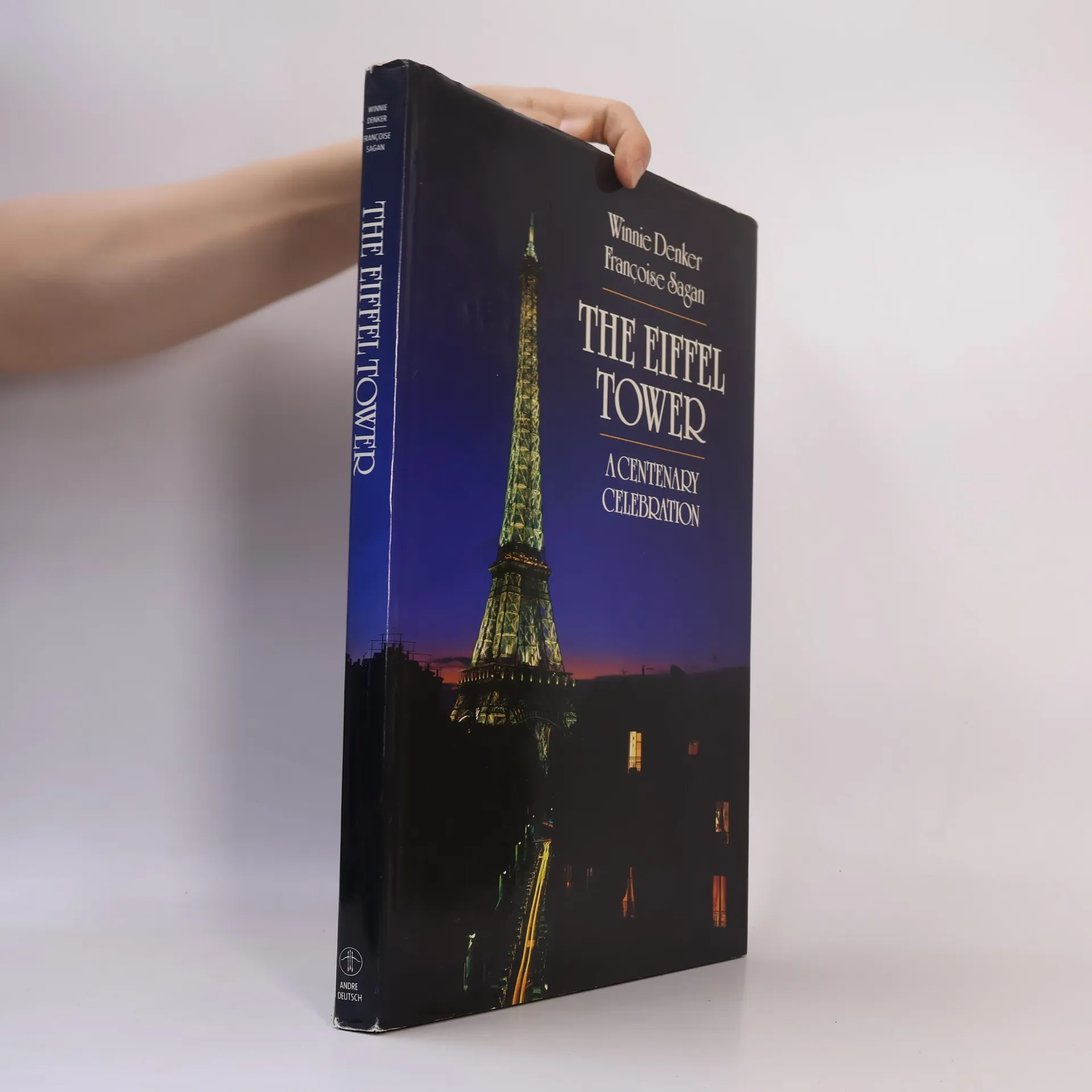
In 60 or so intense, almost luridly high-color photographs, Denker(photographer for Life, Paris-Match, Stern) focuses on the Eiffel Tower--from all sides and distances ranging from the far-off Place de Bastille to inside the "metal monstrosity," as some early (and eminent) detractors of the "giraffe . . . cyclops . . . skeleton . . . suppository" called La Tour. There are night shots taken from across the rooftops and river, and others taken at dawn in winter from a hundred yards off. Sagan's (Bonjour Tristesse) wry, entertaining history/appreciation of the tower describes why the structure is ascribed the feminine gender and her multi-purposes; what happens if one jumps from the second level (as opposed to the first); the tourists, among them acrobats, mountaineers, airmen, and employees and statesmen who frequent her. Included as well is a short biography of Gustave Eiffel, who made--and fought for--his tower. A number of black-and-white historical photos also accompany the text--Hitler on the Champs de Mars, Edith Piaf singing La Marseillaise from on high, etc.
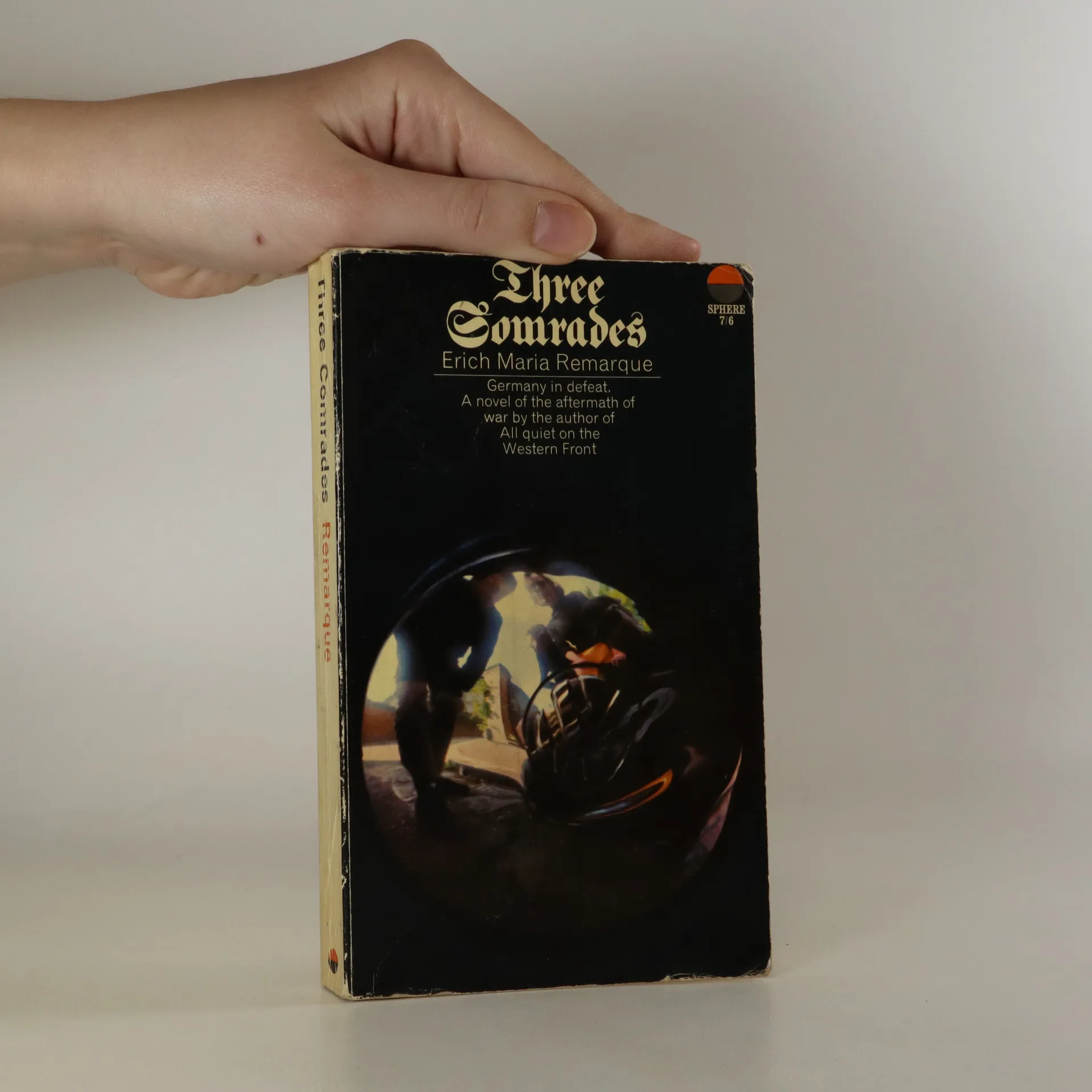
The year is 1928. On the outskirts of a large German city, three young men are earning a thin and precarious living. Fully armed young storm troopers swagger in the streets. Restlessness, poverty, and violence are everywhere. For these three, friendship is the only refuge from the chaos around them. Then the youngest of them falls in love, and brings into the group a young woman who will become a comrade as well, as they are all tested in ways they can never have imagined. . . .Written with the same overwhelming simplicity and directness that made All Quiet on the Western Front a classic, Three Comrades portrays the greatness of the human spirit, manifested through characters who must find the inner resources to live in a world they did not make, but must endure.
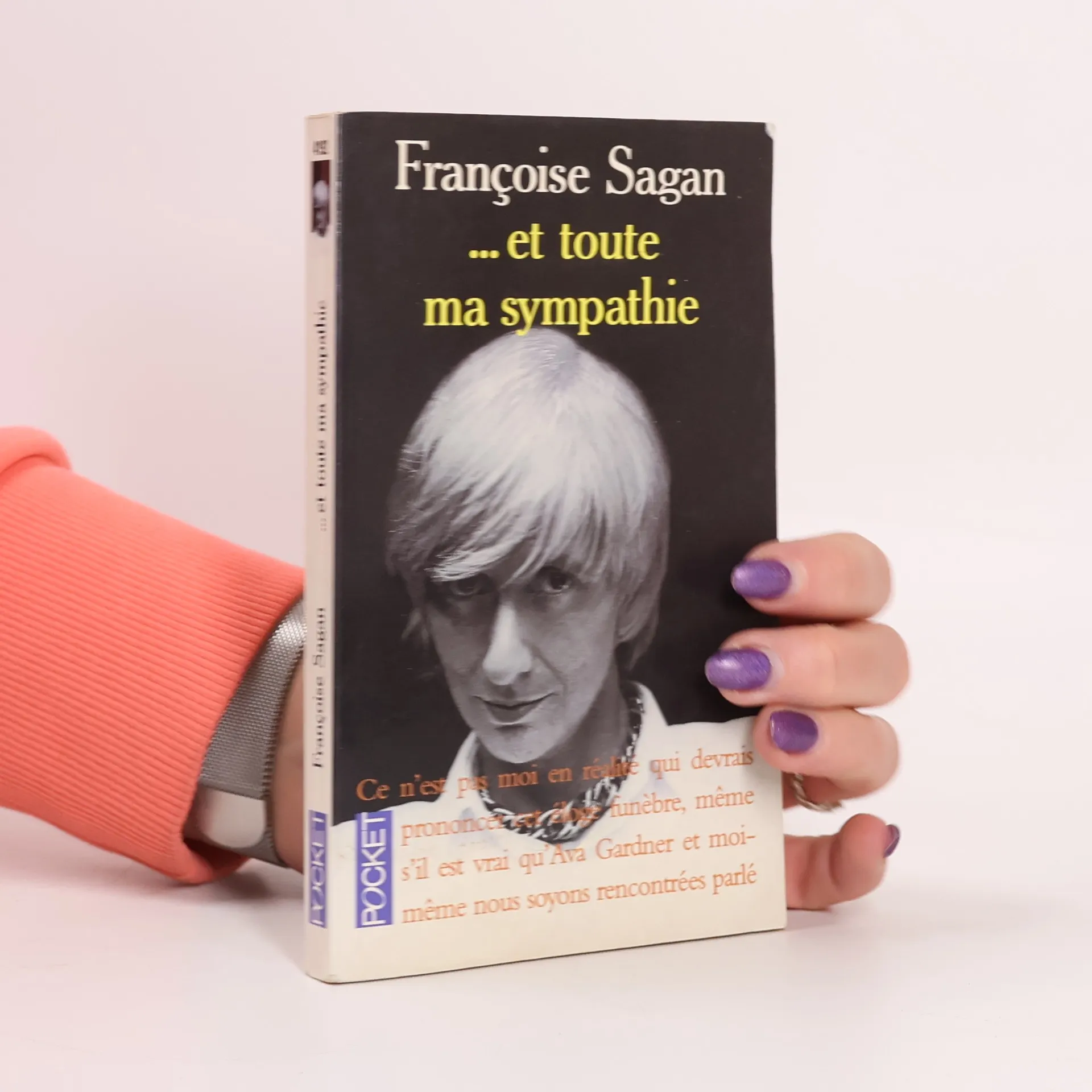
Célèbre à dix-huit ans, Françoise Sagan n'est pas seulement un écrivain à succès et un personnage qui hante les nuits parisiennes, même si l'alcool, le jeu, la vitesse font partie désormais de sa panoplie littéraire. " Je porte ma légende comme une voilette, dit-elle, mais ce qu'on a dit n'était pas tellement faux... sauf qu'une vie humaine n'est pas uniquement ça, mais c'est commode comme apparence. " Qui est-elle vraiment ? Relisant les centaines d'entretiens qu'elle a donnés depuis vingt ans, répondant à de nouvelles questions, précisant ici, corrigeant là, Françoise Sagan dessine une figure attachante et vraie : lucide et sincère, elle porte sur l'amour, l'amitié, l'argent, l'écriture et la vie un " certain regard ", le sien.
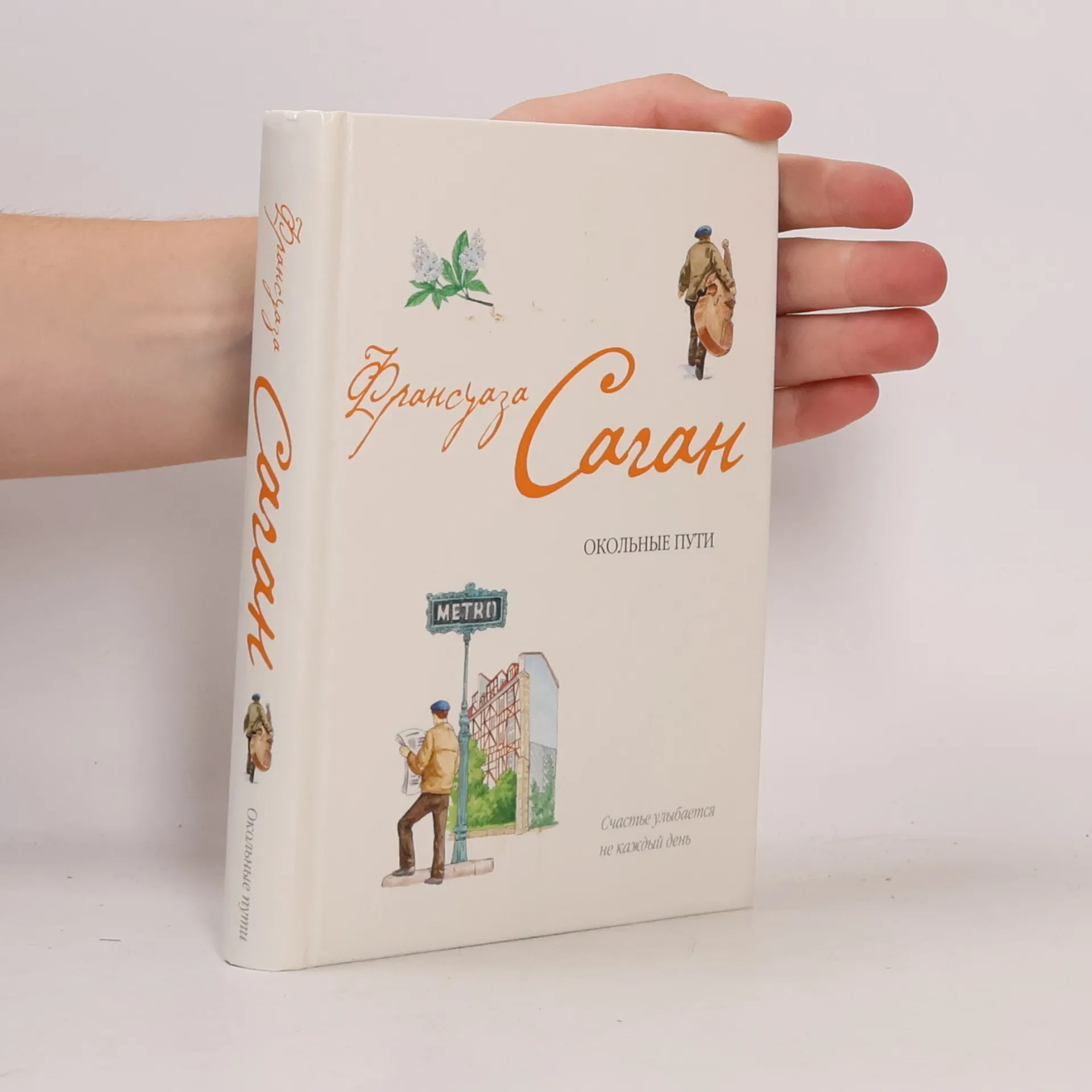
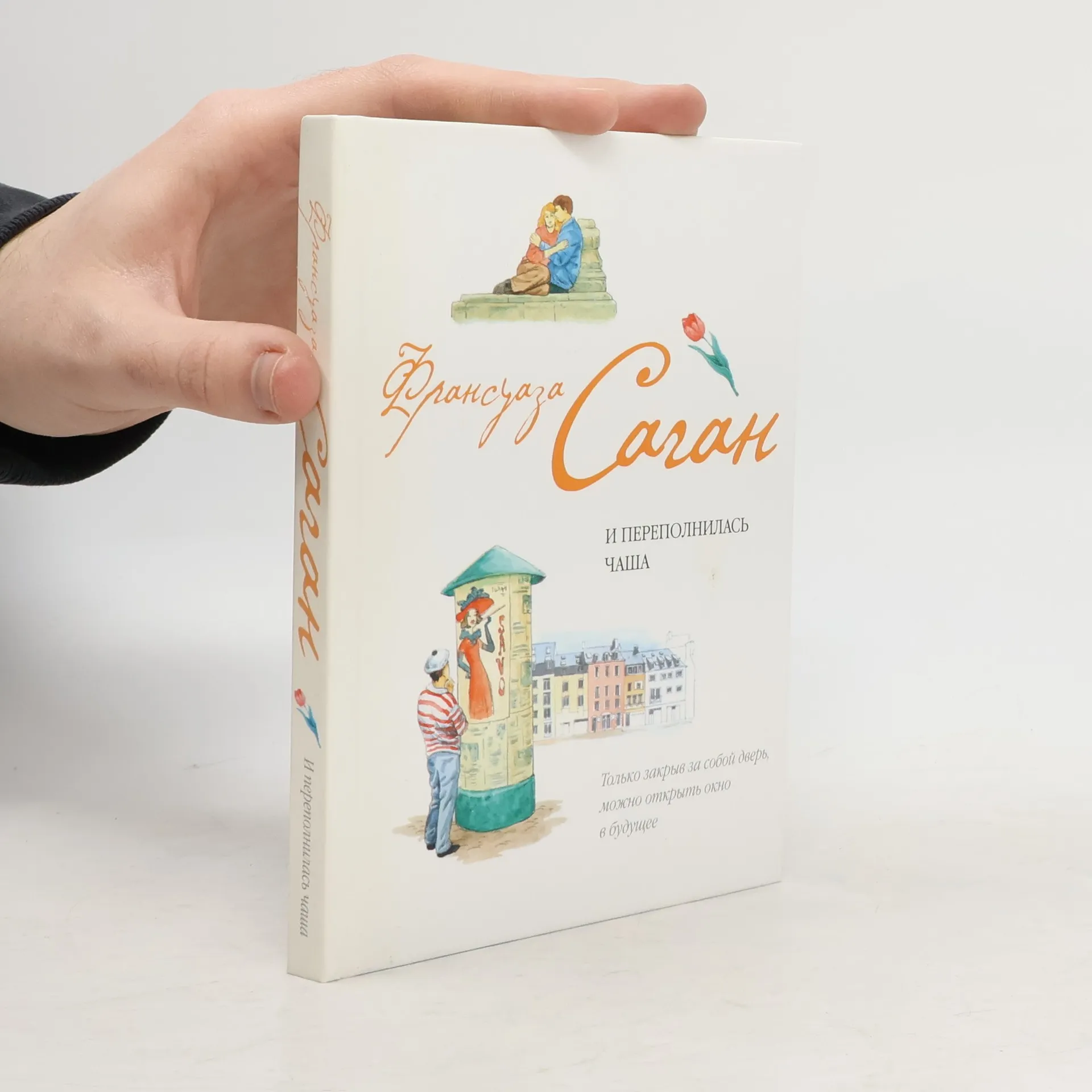
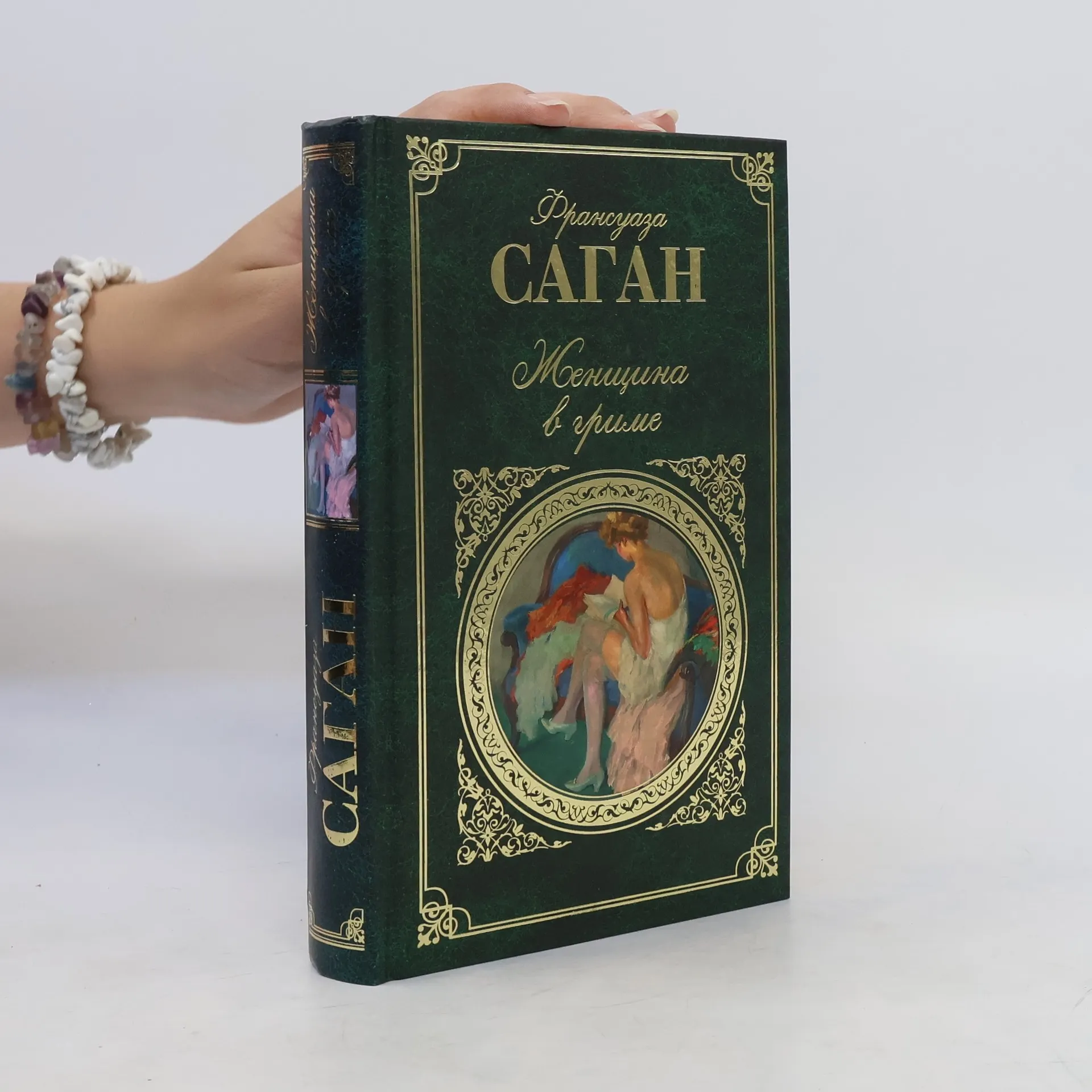
Франсуаза Саган была не только потрясающей писательницей, глубоко чувствующей жизнь и умевшей отразить в своих произведениях весь калейдоскоп человеческих эмоций, она была ярчайшей личностью своей эпохи
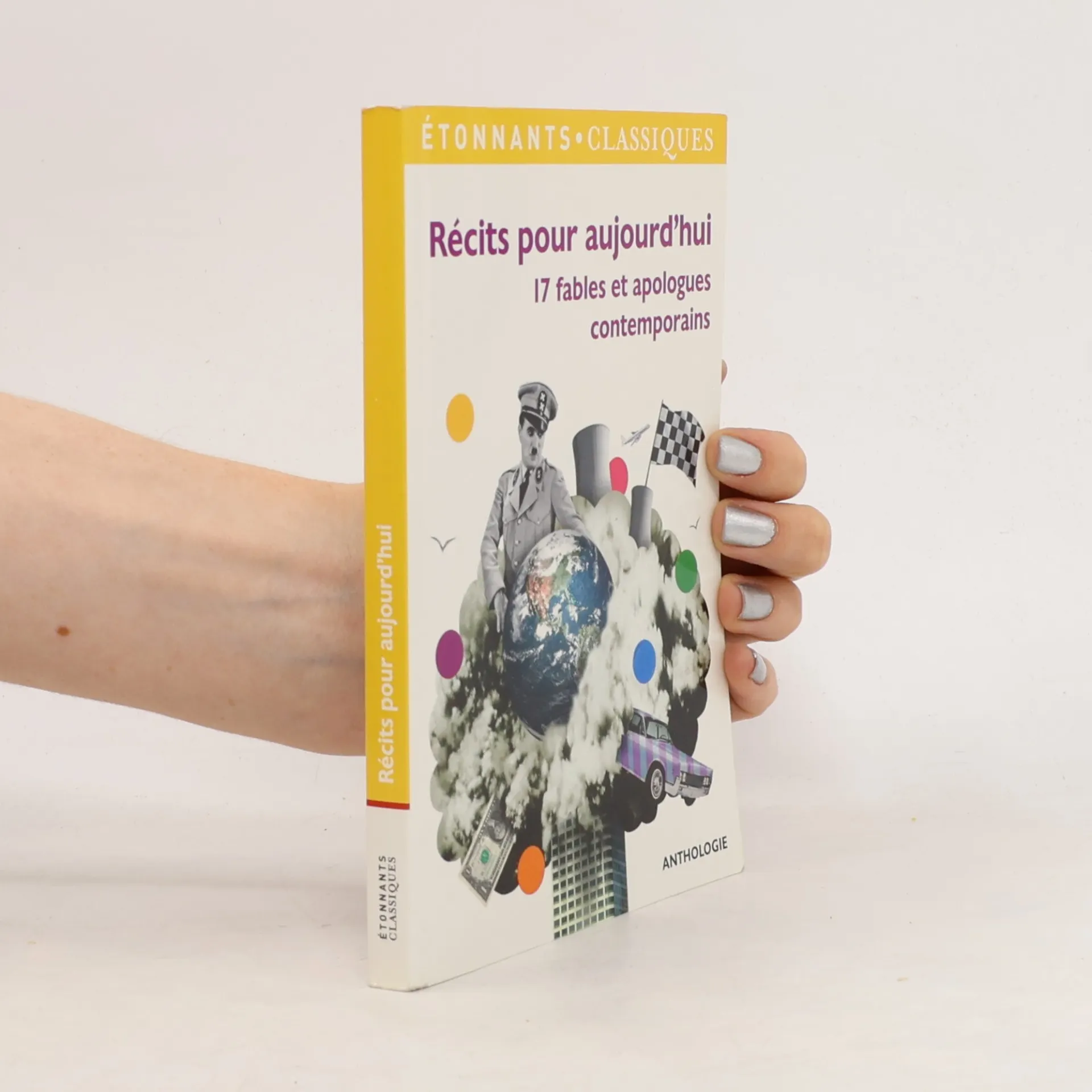
Comment suggérer sans dire ? Comment exprimer un avis sur le monde sans recourir aux moyens directs de l'argumentation ? Dans cette anthologie, un Blanc demande asile à des Noirs qui se sont réfugiés sur la planète Mars pour échapper à l'oppression qu'ils subissaient sur Terre ; une cigale revendique le droit de vivre en fourmi ; des individus se laissent dominer par des rats ; un mage rêve de comprendre de façon absolue le sens de l'univers. Fables, contes ou nouvelles, les textes de ce recueil comportent tous une dimension symbolique. Drôles, grinçants et surprenants, ils défient le lecteur sur son aptitude à les interpréter. Subrepticement, ils le conduisent à s'interroger sur le sens du monde contemporain et les valeurs qui le fondent.
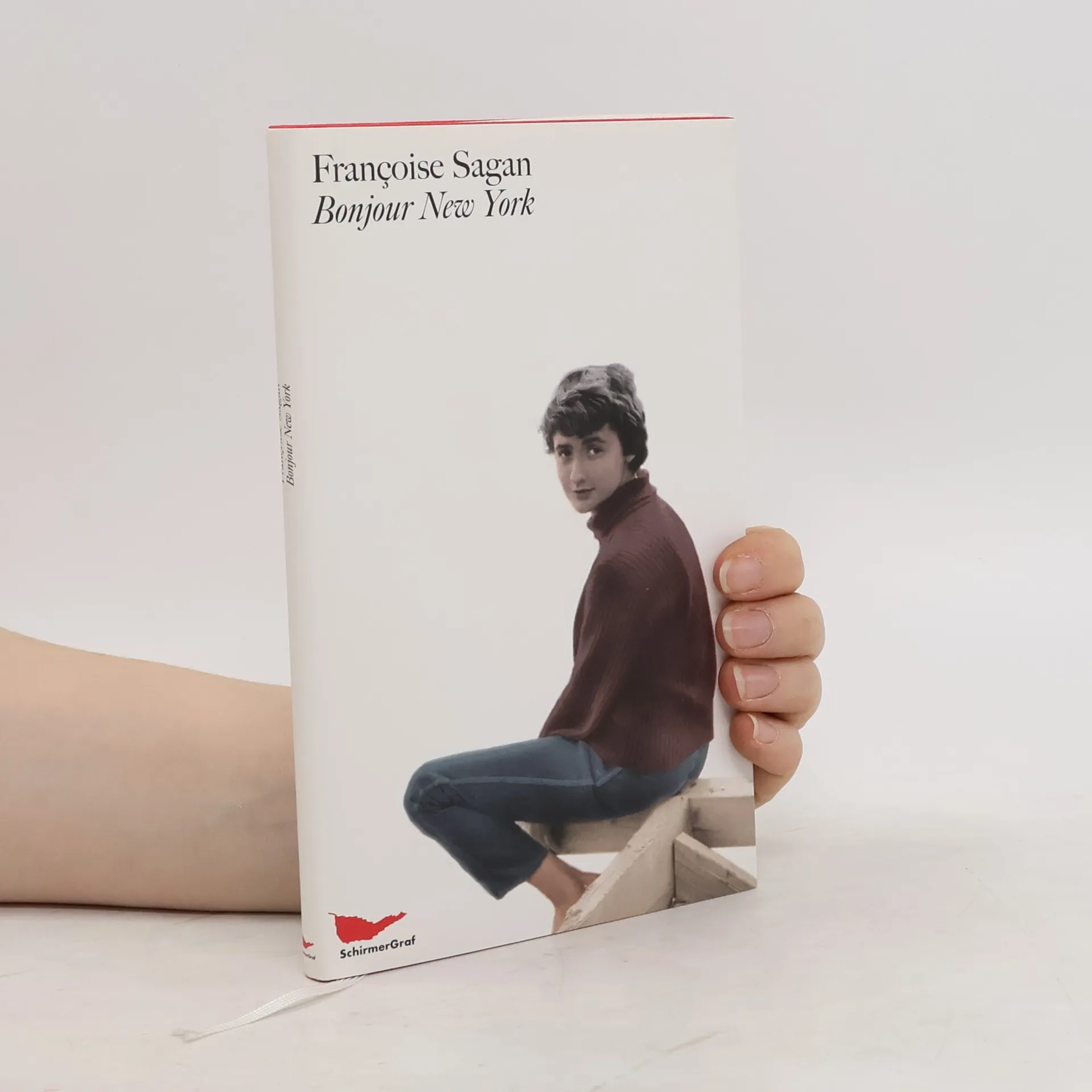
New York, Neapel, Capri, Venedig Aufwachen an den schönsten Orten der Welt - Francoise Sagan war gerade 18 Jahre alt, als sie mit ihrem ersten Roman Bonjour Tristesse weltberühmt wurde. Noch im selben Jahr, 1954, schrieb sie für Elle Reportagen, die nun erstmals auf deutsch erscheinen. Sagans Witz, ihre Intelligenz und glänzende Beobachtungsgabe passen bestens zum von ihr verkörperten Lebensgefühl.
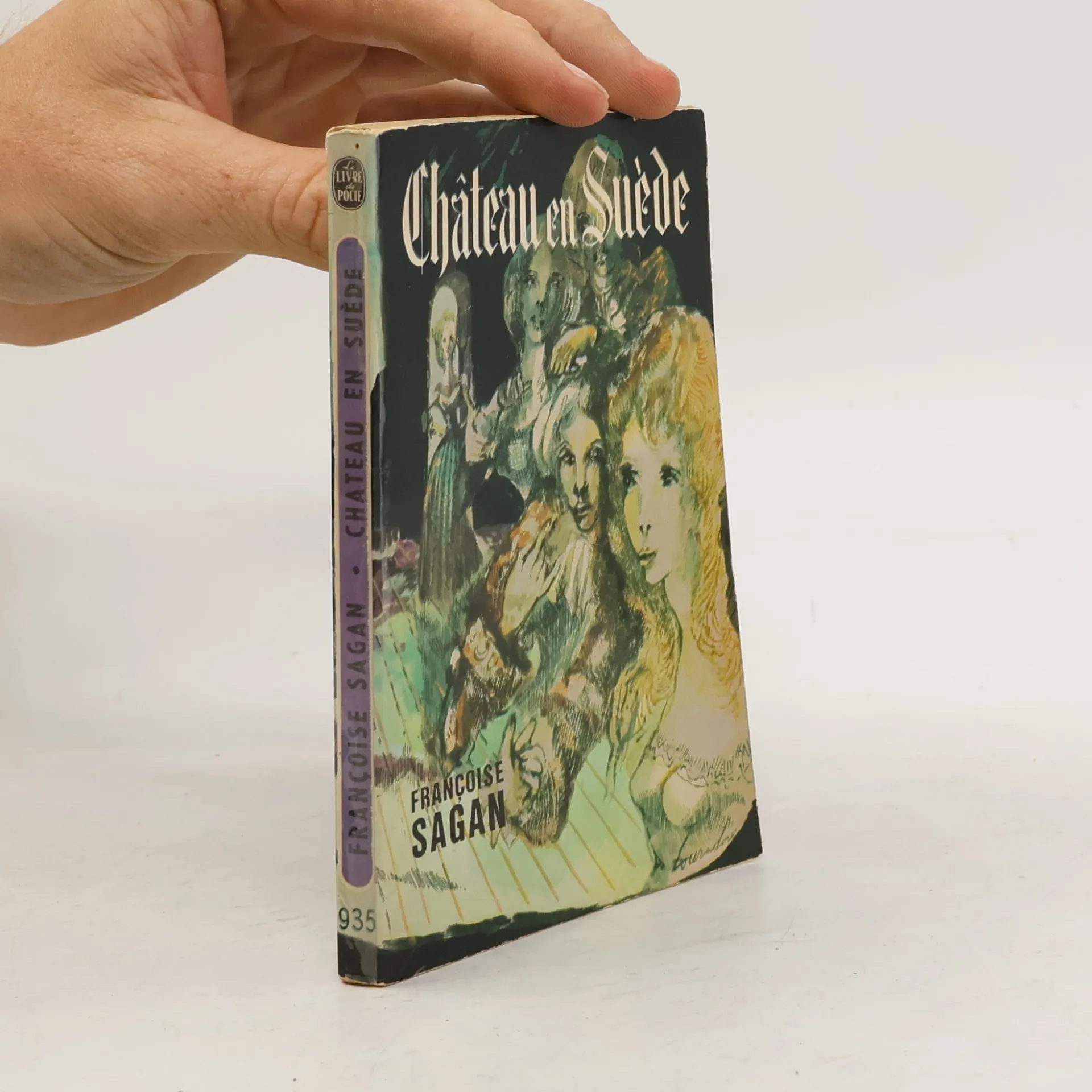
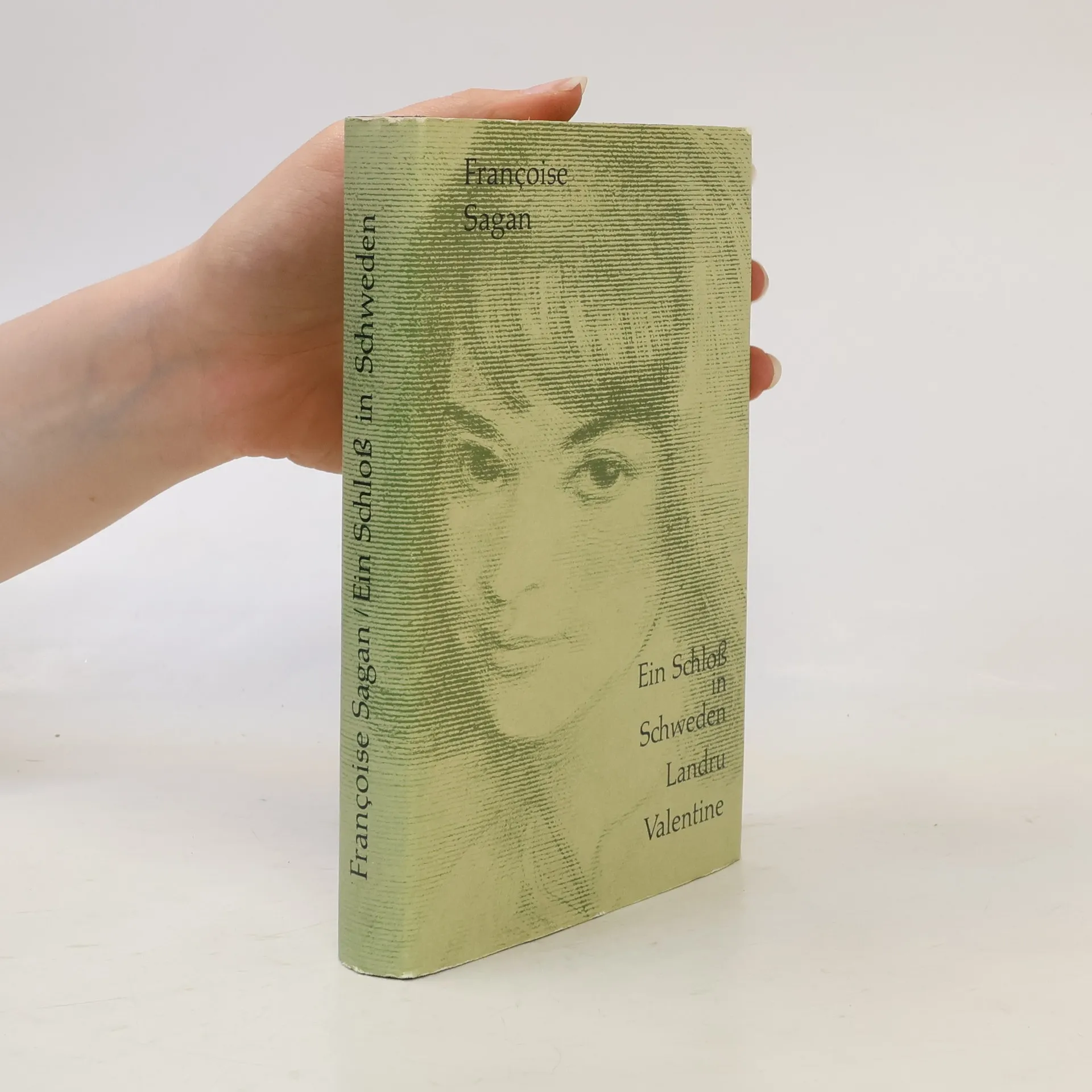
Françoise Sagan n'était pas seulement une romancière précoce, prolixe et scandaleuse. Attirée par toutes les scènes, elle se révéla aussi une dramaturge de talent. Après la réédition de neuf de ses romans les plus célèbres, les Editions Julliard vous invitent à relire Château en Suède, la première pièce de théâtre de l'auteur, publiée en 1960. Dans un château encerclé de neige, une famille excentrique reste prisonnière jusqu'au printemps, en compagnie d'un invité surprise. Entre vrais et faux cadavres, la châtelaine désoeuvrée s'amuse à séduire un cousin transi de froid et d'amour, sous le regard complice de son mari bourru et de son frère incestueux. Toujours dans ce style faussement léger qui la caractérise, où l'humour l'emporte sur la mélancolie, Françoise Sagan réinvente le marivaudage.
Франсуаза Саган была не только потрясающей писательницей, глубоко чувствующей жизнь и умевшей отразить в своих произведениях весь калейдоскоп человеческих эмоций, она была ярчайшей личностью своей эпохи
"Comme bien des femmes de sa génération, Fanny voyait des protecteurs dans ses amants, idée disparue depuis belle lurette. Châteaux, cours, collines, ciel bleu pâle, fin d'été, la Touraine déroulait ses charmes. "Que la France est belle, pensait Fanny, et que mon amour est beau..." Ludovic était derrière elle, l'avion sentait la bruyère, et le seringa, survolé d'assez près pour qu'on le respire. À un moment, Fanny fut envahie d'un désir si vif, dû à un souvenir si précis de Ludovic, qu'elle se tourna vers lui, et se détourna aussitôt, sans l'avoir même touché du bout des doigts. Cet empêchement, cette impossibilité, serait un des souvenirs les plus sensuels de sa vie amoureuse."--Page 4 of cover.
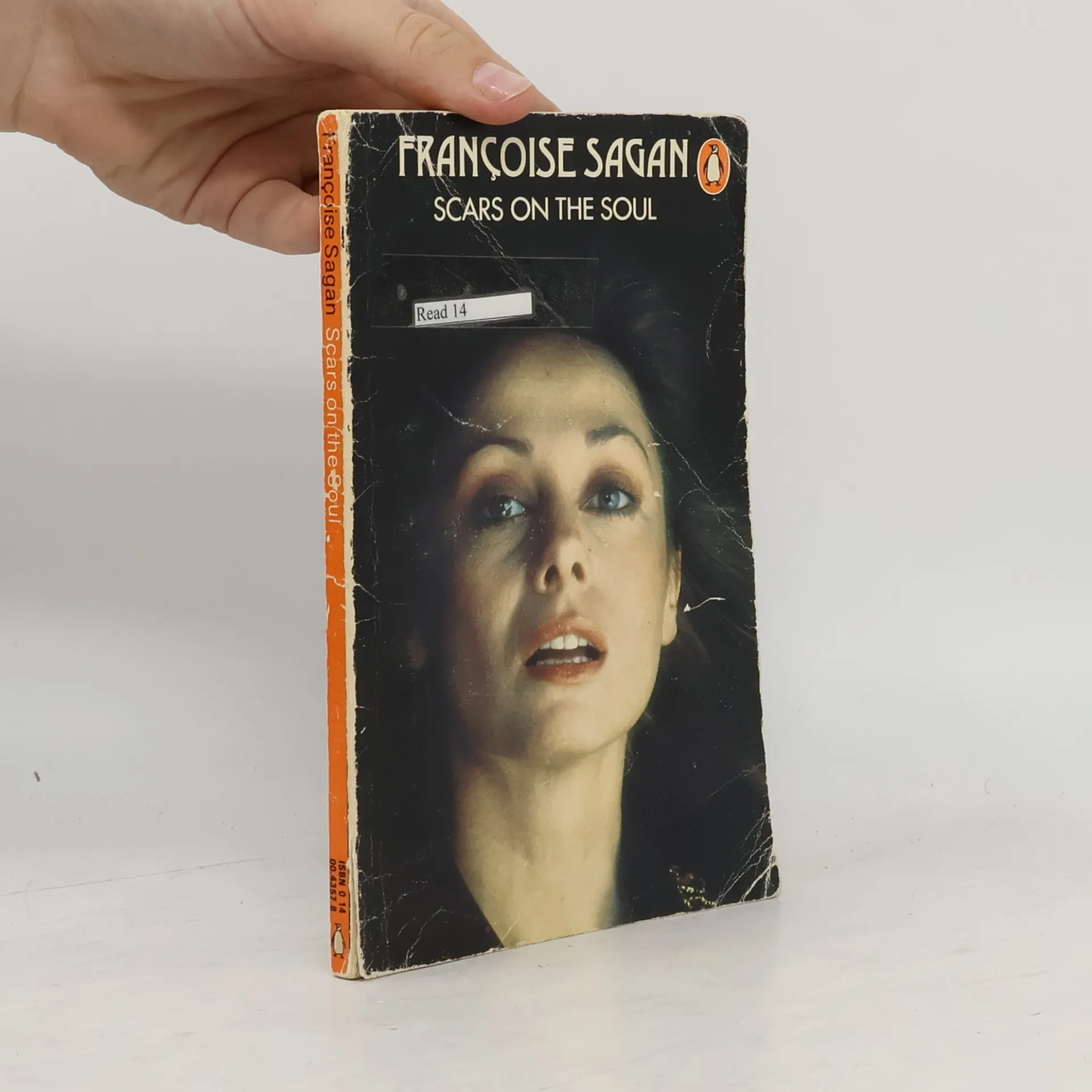
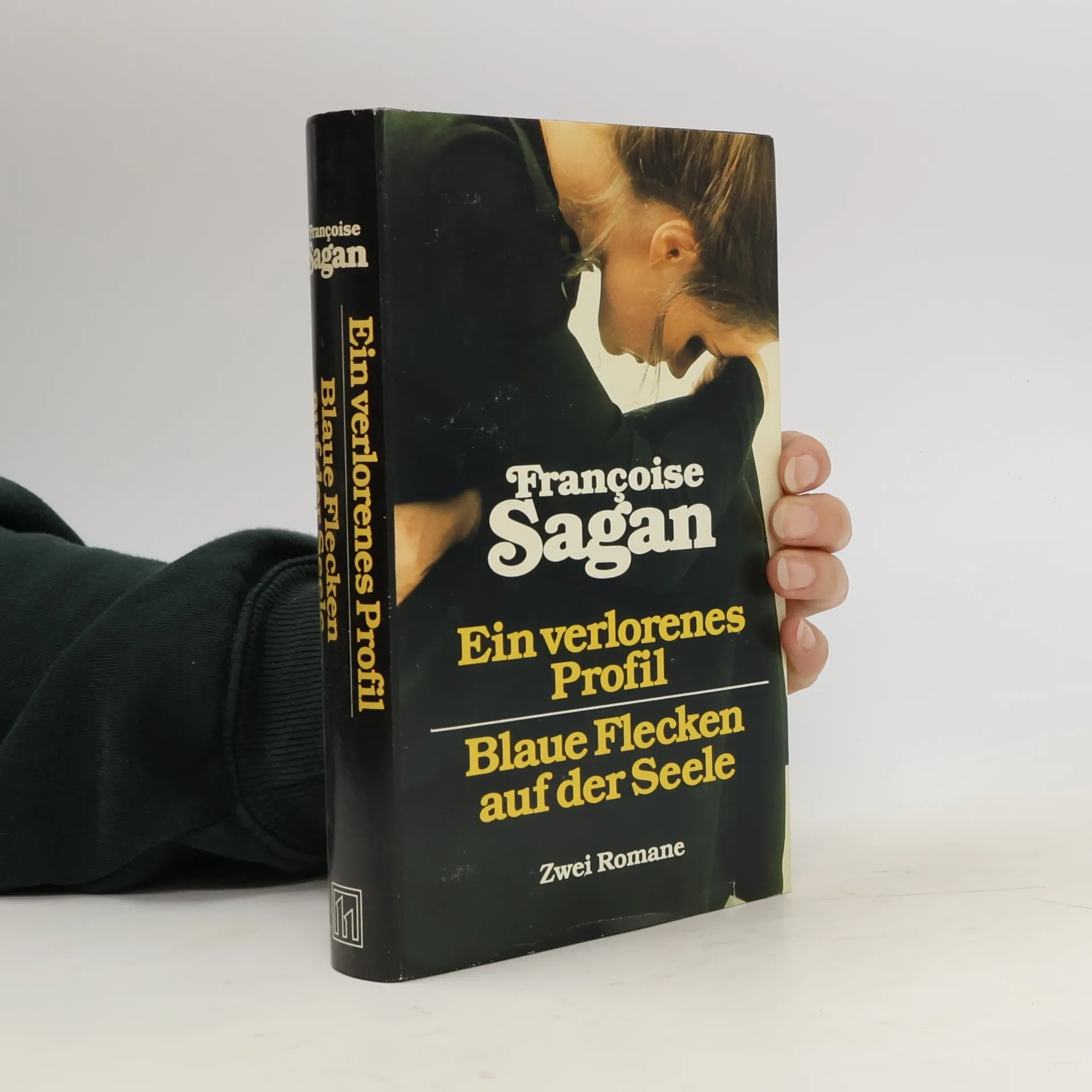
Er zijn momenten in het leven waarop een kleinigheid voldoende is om het lot een geheel andere wending te geven, waarop door minder dan niets - een blik, een woord, een toevallig decor - een onverstoorbaar mens een hekel aan zichzelf krijgt vanwege die eigenschap, een vamp haar noodlot ontmoet, een jager op het laatste moment zijn geweer laat zakken, een vrouw haar minnaar huwt, die zij kort tevoren nog wilde verlaten... Kleine momenten, die Sagan inspireerden tot Ogen van zijde , haar eerste verhalenbundel. Ook ditmaal zijn de belangrijkste thema's eenzaamheid en - als remedie hiertegen - liefde. En ook ditmaal rekruteert Sagan haar hoofdpersonen uit de mondaine wereld van de jet-set. Mensen die op het eerste gezicht een gelukkige indruk maken, maar bij nadere beschouwing blauwe plekken op hun ziel blijken te hebben.
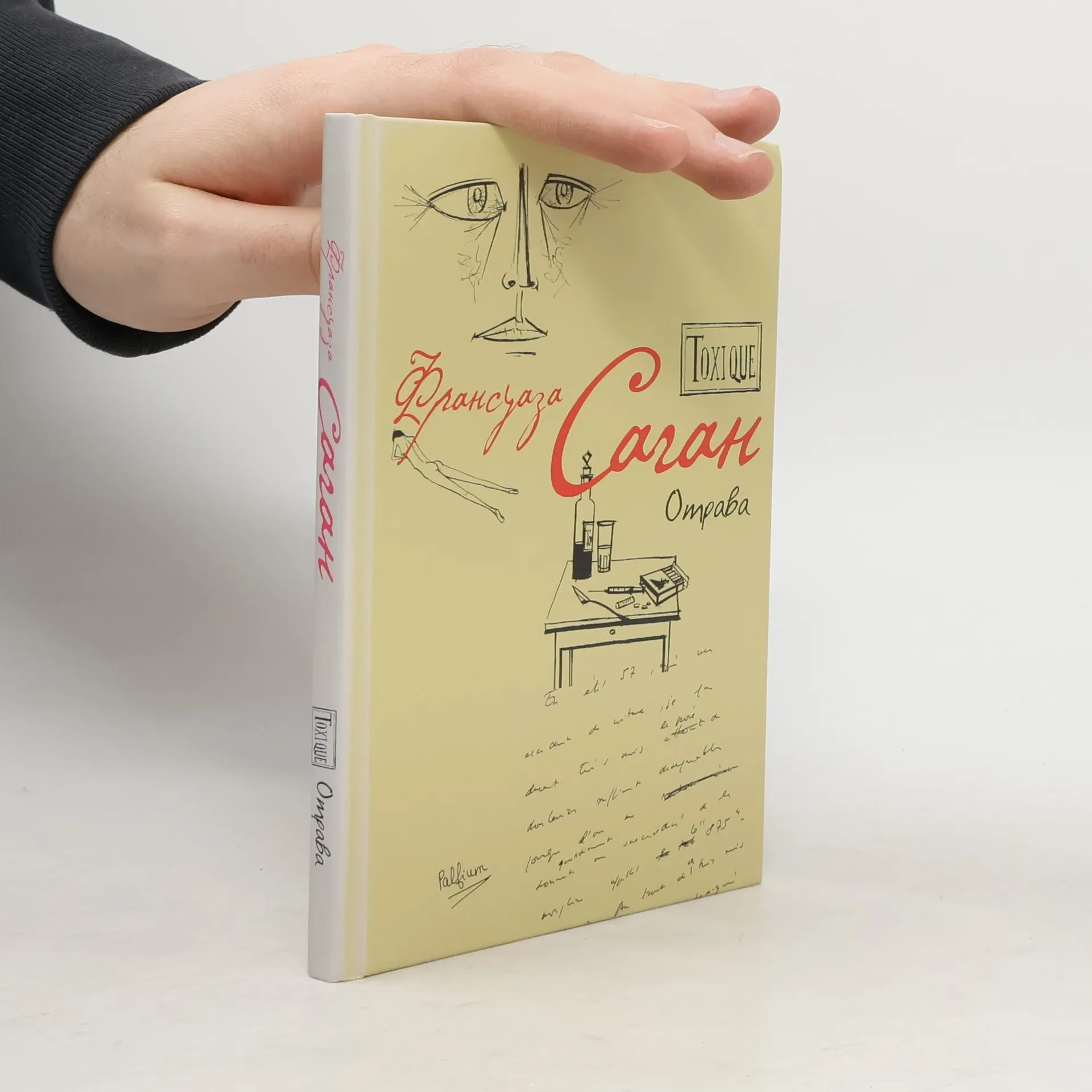
En 1957, après un accident de voiture, Françoise Sagan est hospitalisée et reçoit un substitut de morphine pendant trois mois. Elle passe ensuite quelques jours en désintoxication dans un sanatorium, où elle rédige ce journal.
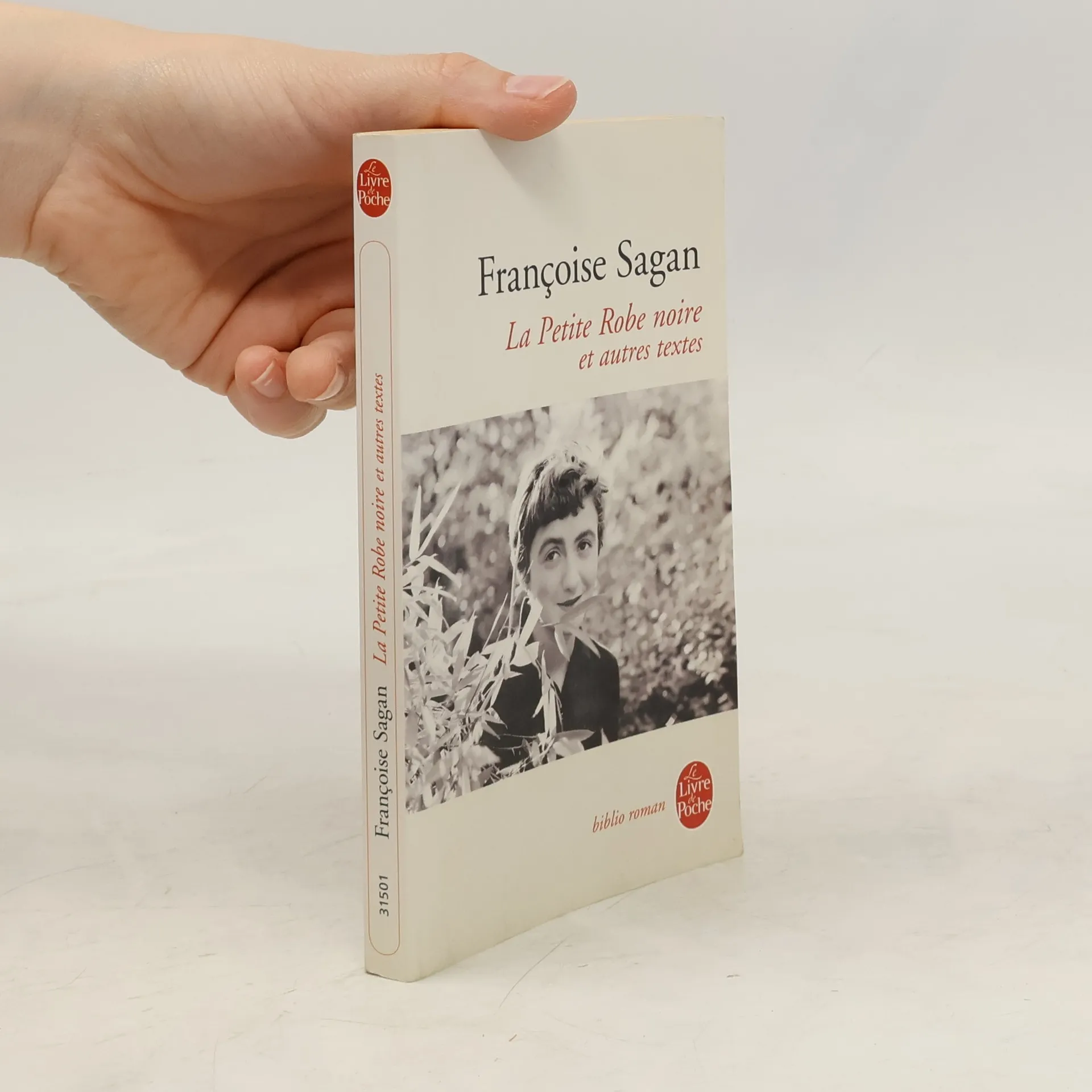
Comme si sa biographie se confondait avec la liste de ses romans, l'idée est venue à Françoise Sagan de se promener dans le paysage de son œuvre. Idée amusante et parfois cruelle qui l'entraîne dans une flânerie mélancolique à travers " profils perdus ", " chagrins de passage ", " lits défaits " et " bleus à l'âme ". Au hasard de la lecture, surgissent des moments de temps retrouvé : " le charmant petit monstre " de Cajarc, les années Saint-Germain-des-Prés, ses amours, ses maisons, ses voyages. Voyages autour d'elle-même, en somme, pages confidentielles traversées de fous rires qui nous rapprochent encore d'un écrivain que nous admirons. Mieux : d'une personne que nous aimons.
Издавна любимая читателем Франсуаза Саган верна себе: с неизменной своей тонкостью она повествует о странностях любви. Только на сей раз драма человеческих сердец разыгрывается на фоне общечеловеческой трагедии.
Une heure. Elle ne l'attendra pas une minute de plus, frigorifiée sur ce banc de square désert. Mais comment en est-elle arrivée là, elle, une femme mariée, enviée, désirable, et désirée, à se torturer pour un type médiocre, moche et égoïste qui se moque d'elle et n'arrive pas ? À moins que le clochard crasseux qui s'approche en lui donne, dans sa sagesse balbutiante, la solution du problème... En quelques lignes à l'eau-forte, Françoise Sagan crée des personnages, une action, une atmosphère. En quelques pages, elle déclenche un intense suspense psychologique, un petit drame cruel, une comédie brutale ou malicieuse. Dans " Quelques larmes dans le vin rouge " comme dans les 12 récits qui l'entourent, on retrouve avec émotion ses thèmes habituels : la fragilité de l'amour, les lassitudes du cœur, les ravages du snobisme, la tristesse, la précarité des sentiments.
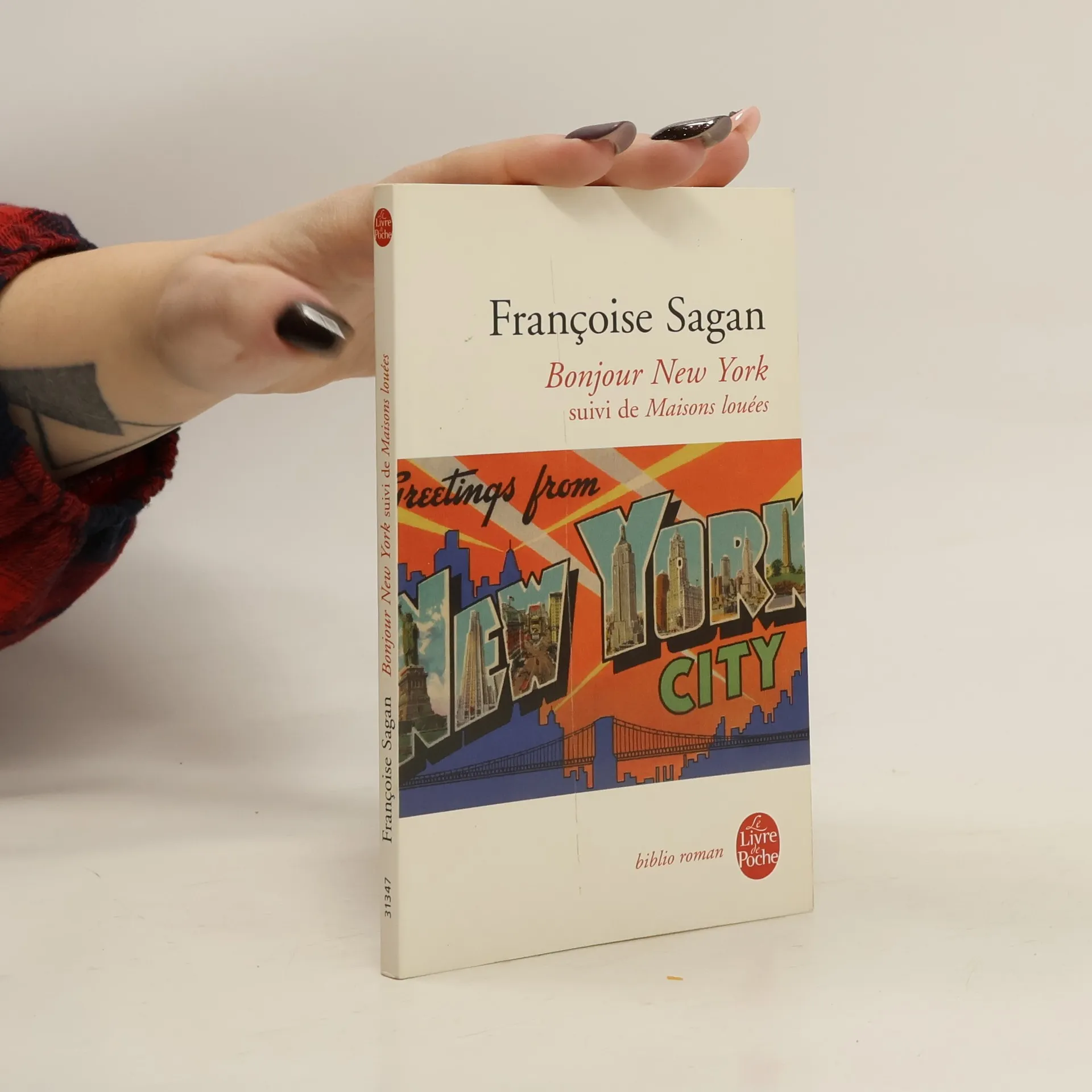
New York, Capri, Naples, Venise, Cuba...autant de destinations d'écrivains, de milliardaires, d'assoiffés de vie et d'imprévus. De ces villes mythiques, F. Sagan rapporta des tableaux saisissant l'esprit de chaque lieu. Bonjour New York rassemble quatre reportages écrits en 1956 pour le magazine Elle. Maisons louées réunit des articles publiés dans des journaux.
Gilles, 35 Jahre alt, Redakteur bei einer linksliberalen Pariser Tageszeitung, erfolgreich und gutaussehend, der in Paris ein ausschweifendes Junggesellenleben führt, leidet an Lebensüberdruss und Depressionen. Verzweifelt flieht er in die Provinz zu seiner Schwester. Dort lernt er auf einer Abendgesellschaft die attraktive, gutsituierte Nathalie Sylvener kennen, die sich augenblicklich in ihn verliebt und Gilles mit ihrer Unbefangenheit und Offenheit entwaffnet. Wie die Heldinnen Flauberts, Stendhals und Balzacs wirft in Sagans Roman Nathalie ihre bürgerlichen Fesseln ab, um dem geliebten Mann zu folgen. In Paris bewegt sich die kluge und ernsthafte Frau jedoch wie ein Fremdkörper zwischen den leichtfertigen, oberflächlichen Pariser Freunden, und der wankelmütige Gilles fühlt sich ihrer bedingungslosen Liebe nicht gewachsen …
Françoise Sagan évoque le cinéma, Hollywood et Cinecittà, ainsi que Fellini; mais aussi les stars mythiques que sont Ava Gardner ou Catherine Deneuve dont elle souligna l'humanité vraie. Comme dans le précédent volume -- en plus d'un croquis inattendu de Gorbatchev -- quelques textes autobiographiques jalonnent ce recueil de "souvenirs" qui entrainent le lecteur dans sa passion des chevaux ou dans le monde étrange des grands débats télèvisés, que Sagan décrit avec un sens remarquable du dialogue et de la cocasserie. Un authentique talent de satiriste se découvre ici.
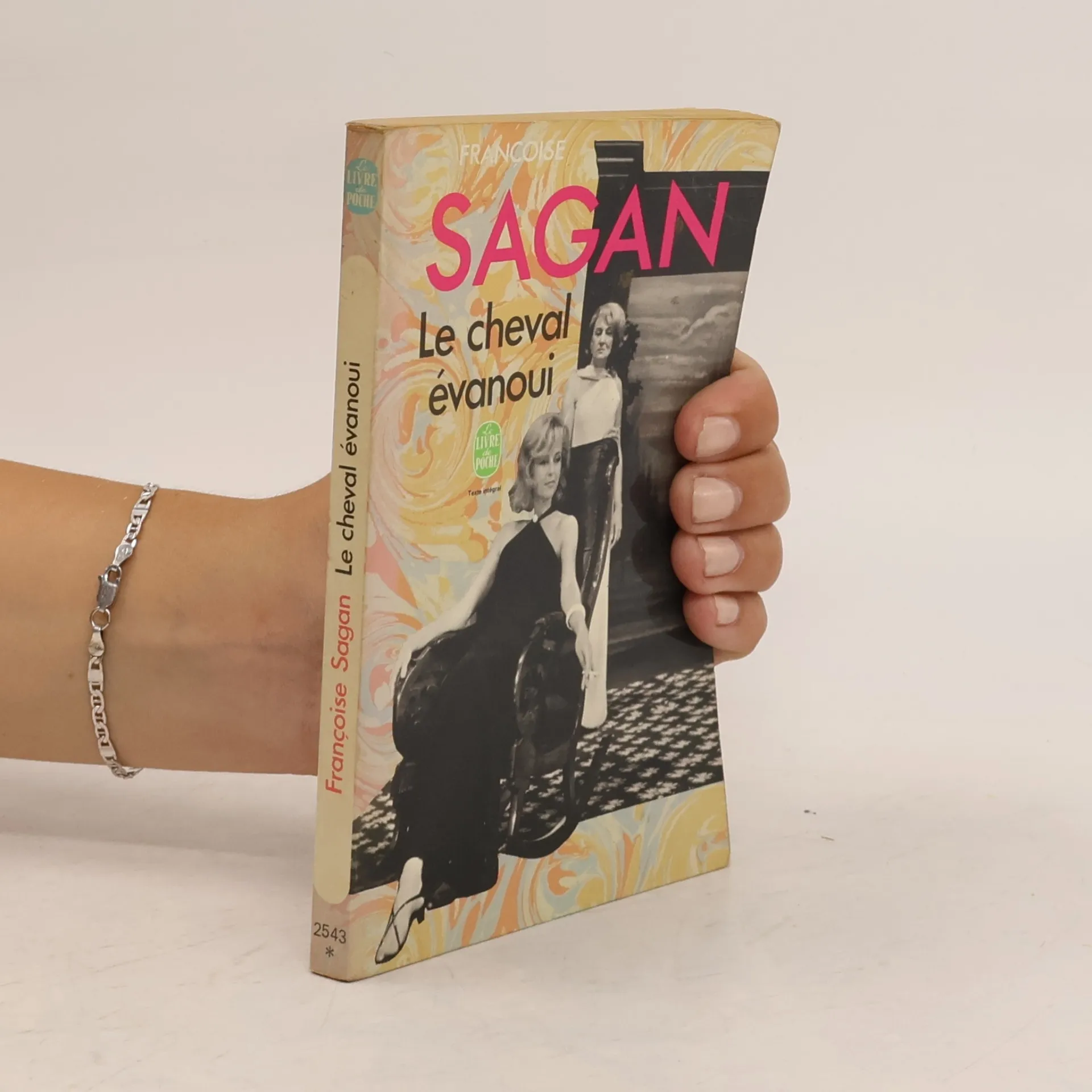
Pour vivre en homme fortuné sans se donner la peine de gagner une fortune, Hubert Darsay a trouvé la solution : épouser une riche héritière, Priscilla, dont il entend croquer ensuite la dot en compagnie de Coralie, son amie de cœur.Le rideau se lève sur la présentation du fiancé à ses futurs beaux-parents, Henry-James et Felicity Chesterfield. L'entrée en scène du frère de Priscilla, Bertram, donne à Hubert l'idée d'un fructueux doublé : un mariage entre ce Bertram et Coralie.Amusée par le projet, Coralie accourt mais, moins cynique que son ami et plus intelligente, elle est sensible au charme de son hôte, le lucide Henry-James, et ce nouvel élément fait que l'intrigue du Cheval évanoui bascule pour notre plus grand plaisir du vaudeville vers la comédie de mœurs spirituelle et nuancée sur les rêves d'amour et d'or de deux générations.Par contre, Elisabeth, l'héroïne de L'Echarde, se grise moins d'amour et d'or que de gloire théâtrale - à un point qui confine à la mythomanie. Cette comédienne obscure, mûrissante et désargentée est un poids mort pour un jeune chacal aux dents longues comme son petit ami Ivan. Mais s'il existe des damoiseaux réalistes et cyniques, il y en a d'autres capables d'aîmer les illusions : c'est tout le thème de L'Echarde.
Le héros de ce roman de Sagan, qui a pour cadre historique la période de l'occupation, est un monstre sacré, metteur en scène célèbre, d'origine germano-américaine, qui accepte de tourner des films pour l'Allemagne nazie. Un personnage fracassant, doué pour le plaisir et l'amour, hanté par une nostalgie d'héroïsme. Christine Clerc a trouvé la formule-choc pour résumer notre opinion : La "petite musique" de Sagan a trouvé une grosse caisse. Intérêt littéraire moyen, mais dans le genre "roman pour le grand public", une réussite
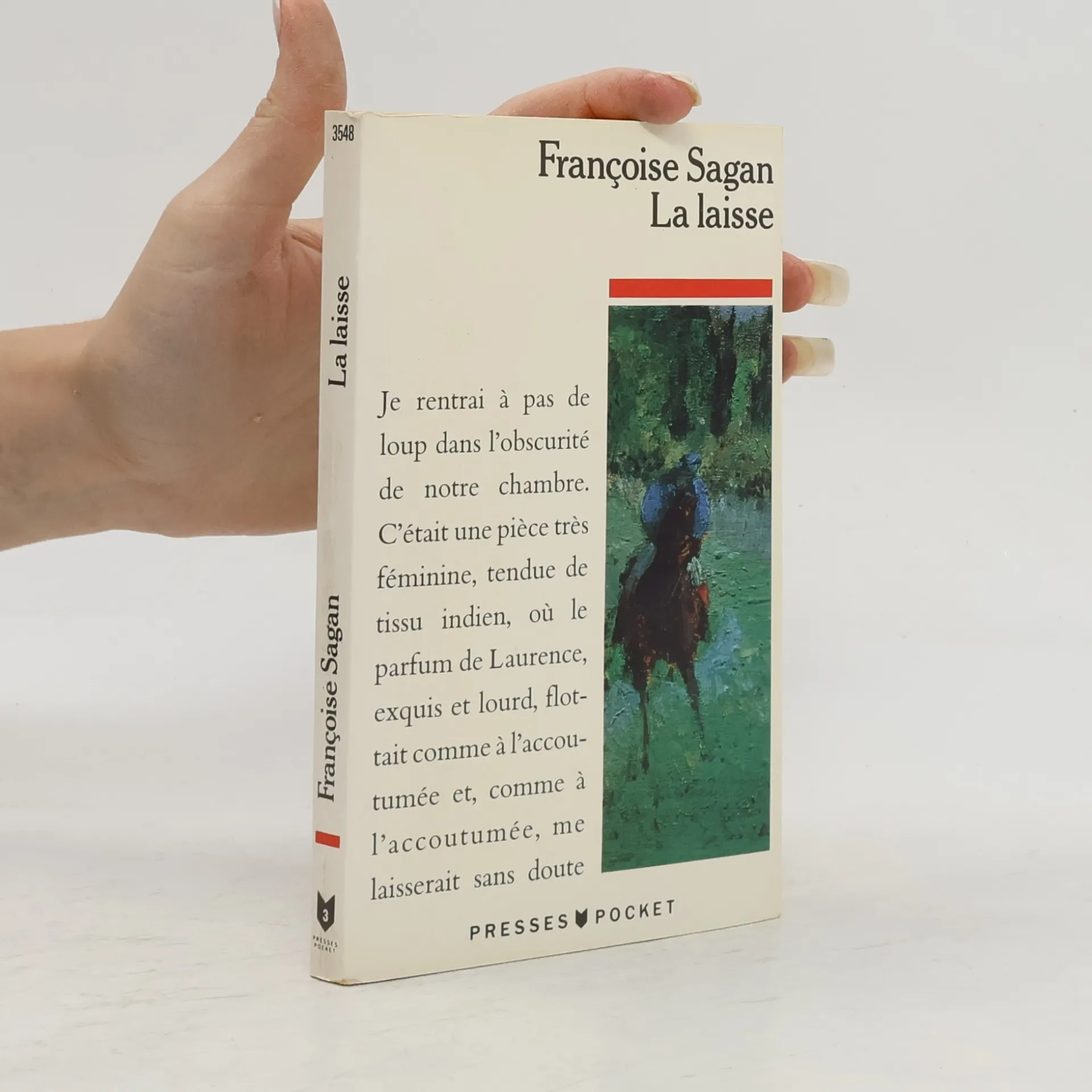
On s'est choisi pour époux un jeune musicien. De talent, certes, mais sans génie. Sans ambition, surtout. Un flâneur. On le nourrit, on l'habille, on le toilette. On lui calcule son argent de poche au plus juste. On le tient en laisse, quoi. Même si la laisse est de soie. Et on l'écoute avec attendrissement égrener ses arpèges inoffensifs. Mais, un jour, de ces arpèges sort un " tube ". Sous la pluie de dollars, le petit chien s'ébroue, propose naïvement de se changer en homme adulte. Il est toujours aussi joueur, mais on croit qu'il montre les dents. Alors on tire sur la laisse. D'un coup sec. Très sec. Au risque de l'étrangler. Ou de se casser un poignet. Ou pire... Du meilleur Sagan. Moqueur, émouvant et caustique. Un bonheur. " Le charmant petit monstre, comme la qualifiait Mauriac, n'a pas changé (...). En trente-cinq ans de littérature, son style n'a pas pris un adjectif ni un adverbe superflu. " J.-F. Josselin, " Le Nouvel observateur ".
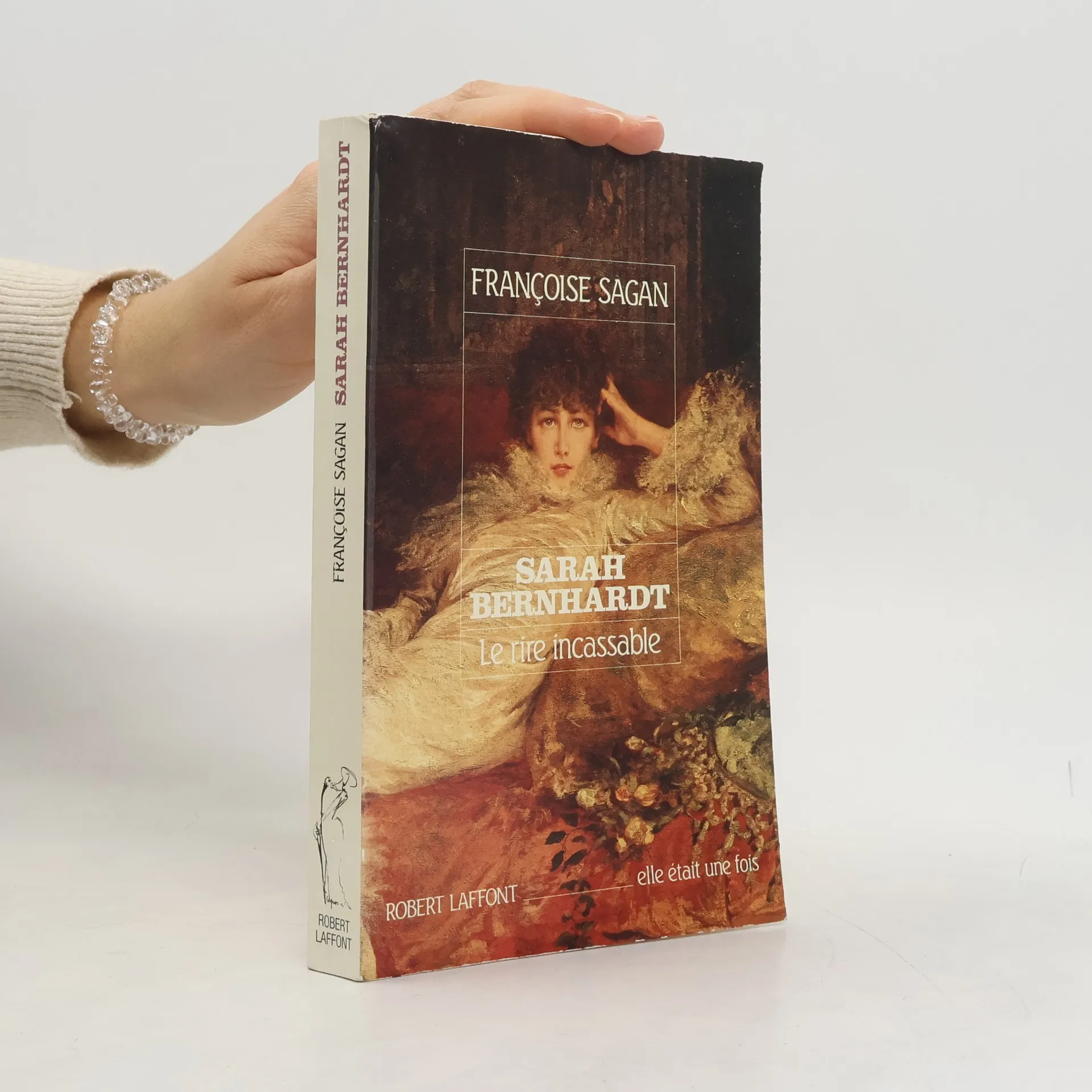
A world famous novelist writes here about one of the most famous actresses of all time, Sarah Bernhardt, but not wanting this to be a traditional biography, Sagan hit upon the daring device of an imaginary correspondence between Sarah Bernhardt and herself, giving a first-person voice with dimension. The result is a brilliant, lively, intimate exchange of letters, sharing of opinions on past and contemporary culture, and Bernhardt's reflections on her career, friends, motherhood, lovers, money and fans. Though the letters are imaginary, the real woman, Sarah Bernhardt dominated the stage not only in her native France, but throughout the world for sixty years, literally until the week she died in 1923.
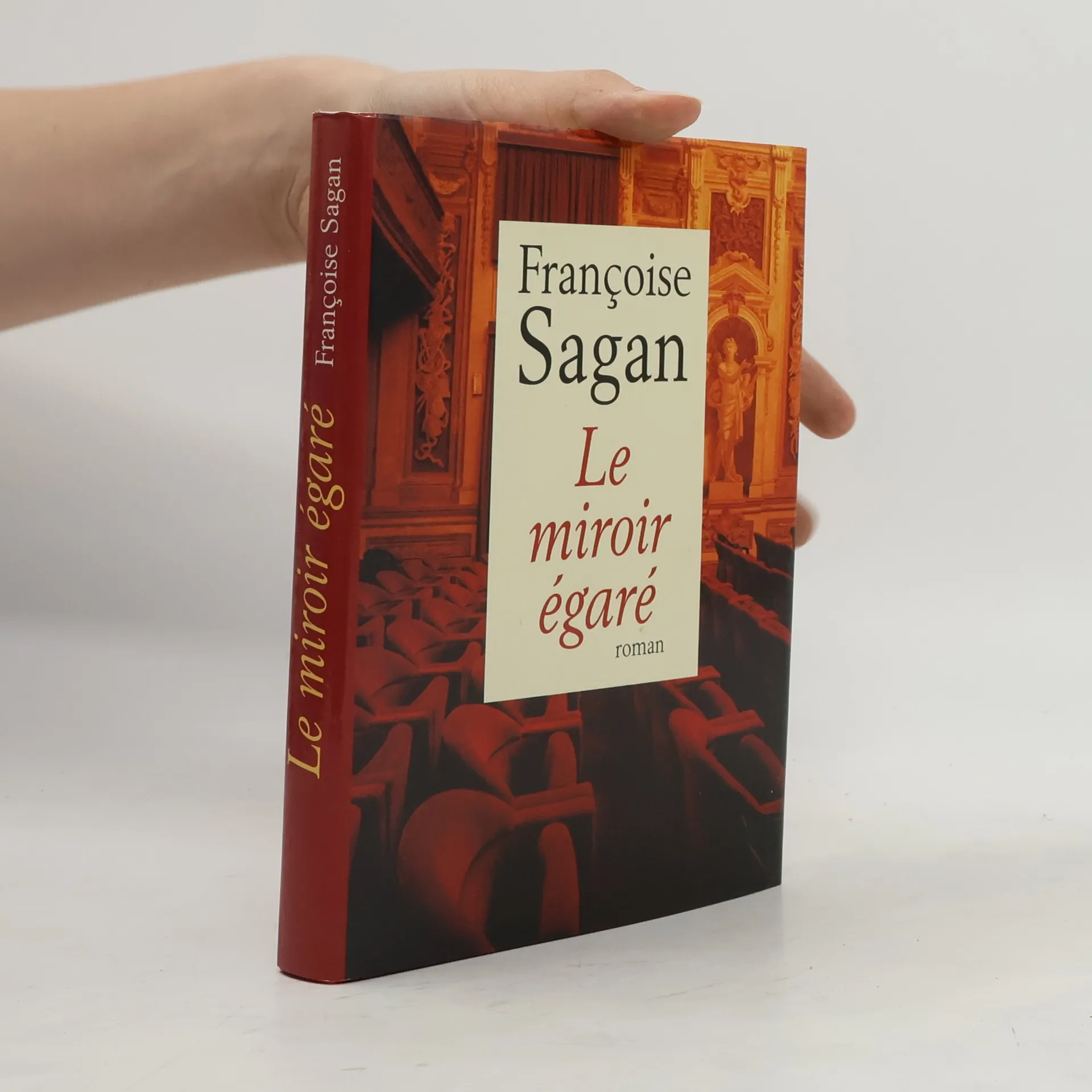
L'histoire se déroule aujourd'hui à Paris dans un décor théâtral. L'héroïne principale est Sybila Delreyová, dont les racines tombent à Prague. L'amant de Sybil est François Rosset. Les deux vivent non seulement ensemble, mais co-créent également des pièces que Sybila traduit des langues slaves.
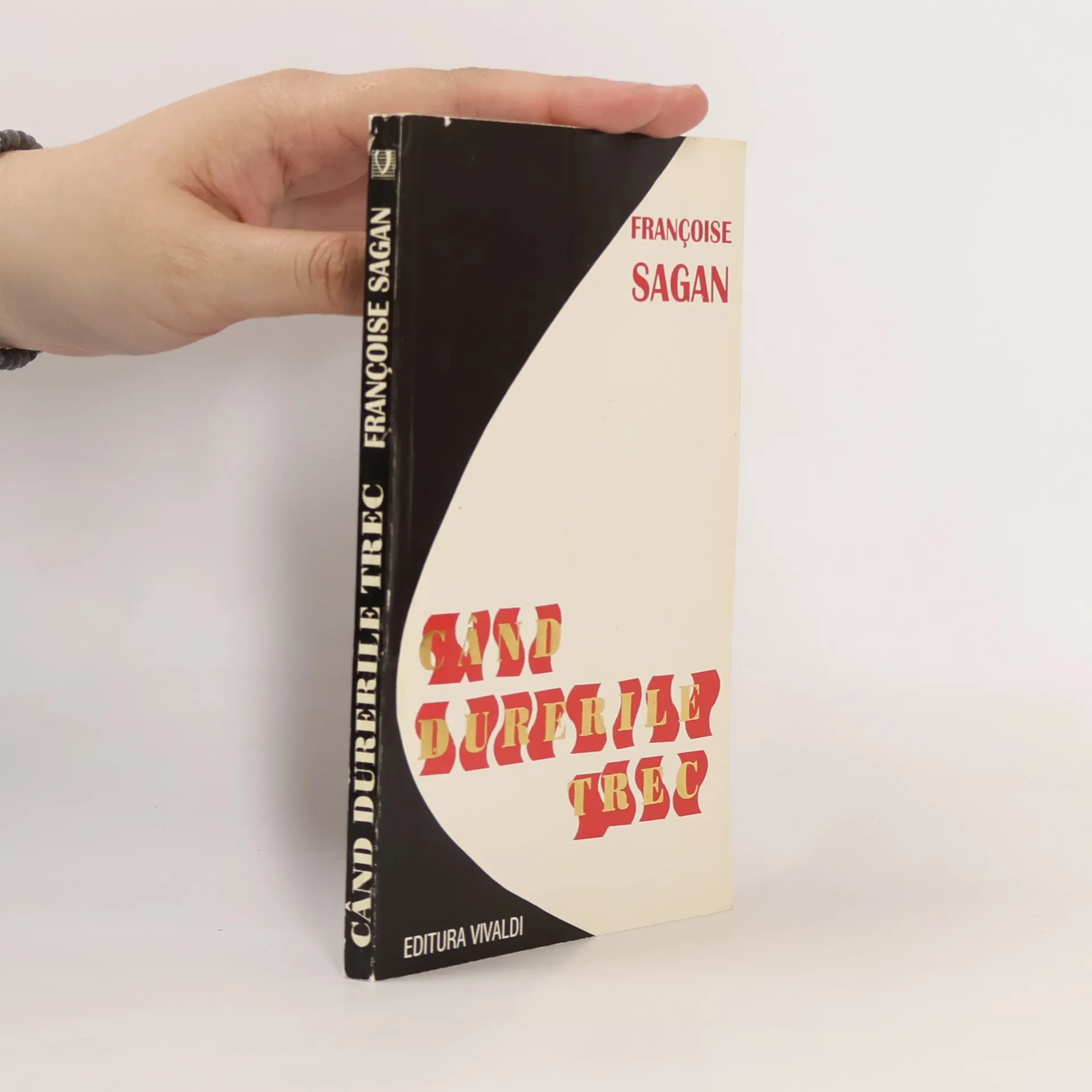
Este este a szomorú város utcáin, Guéret, a könyvelő, hazafelé tart, amikor egy furcsa keverék kutya követi őt a panziójáig. A fiatalember egyszerre várja és fél a pillanattól, amikor újra találkozik Mme Bironnal, a kemény és ellenséges háziasszonyával, aki iránt csak közöny és megvetés érzései vannak. Egy nap azonban félreértés folytán - a környéken bűncselekmény és ékszerrablás történt - Mme Biron tévesen bűnözőnek nézi a hétköznapi bérlőjét. Miért fogadja el Guéret, hogy bűnözőnek nézzék? Miért játszik ezzel a baljós játékkal? Mit akar tőle ez a nő? A bizalmát, a barátságát, a testét? Meddig vezet ez a komédia Guéret-hez? A kutya, amelyik követi őt, úgy tűnik, tudja a választ, de a kutyák nem beszélnek.
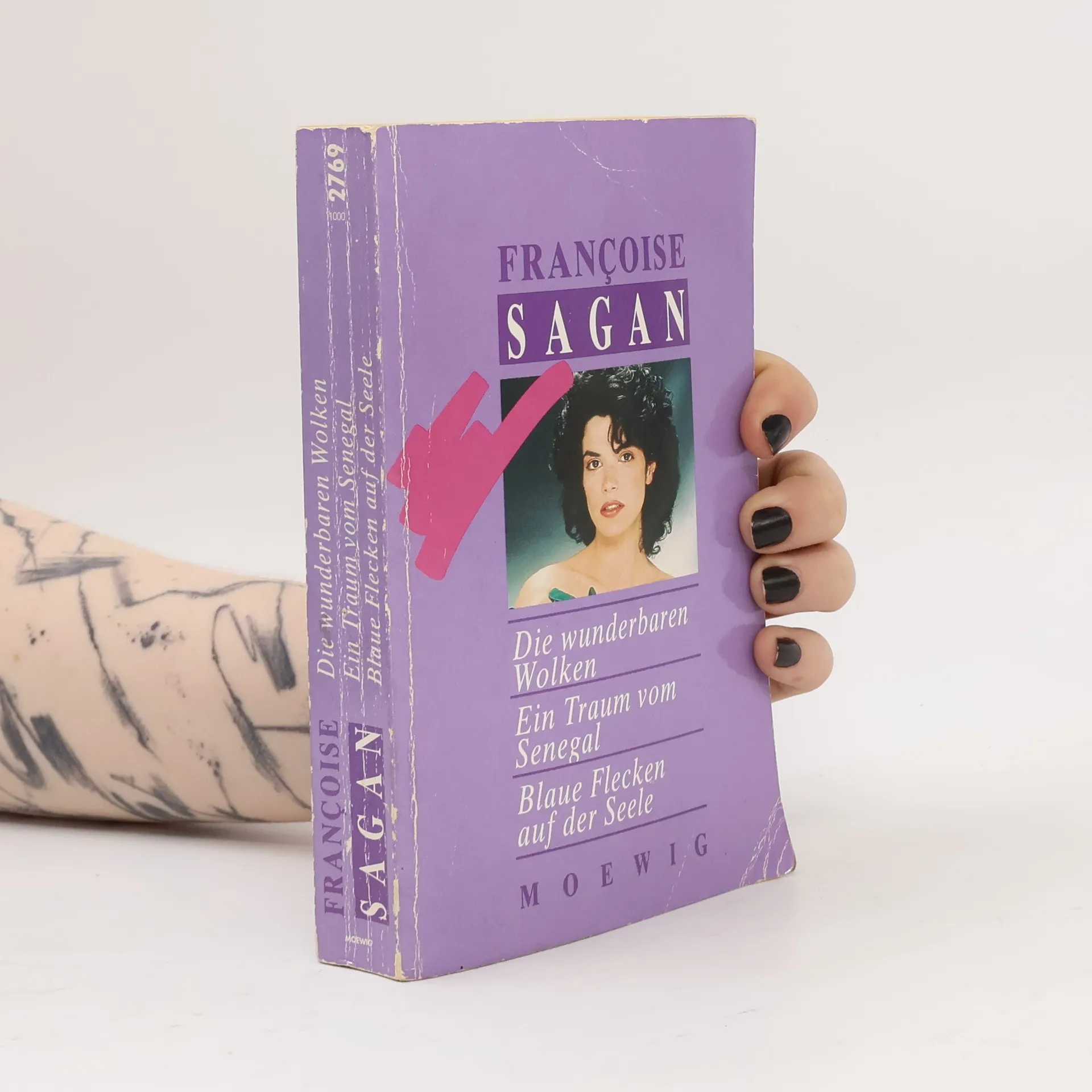
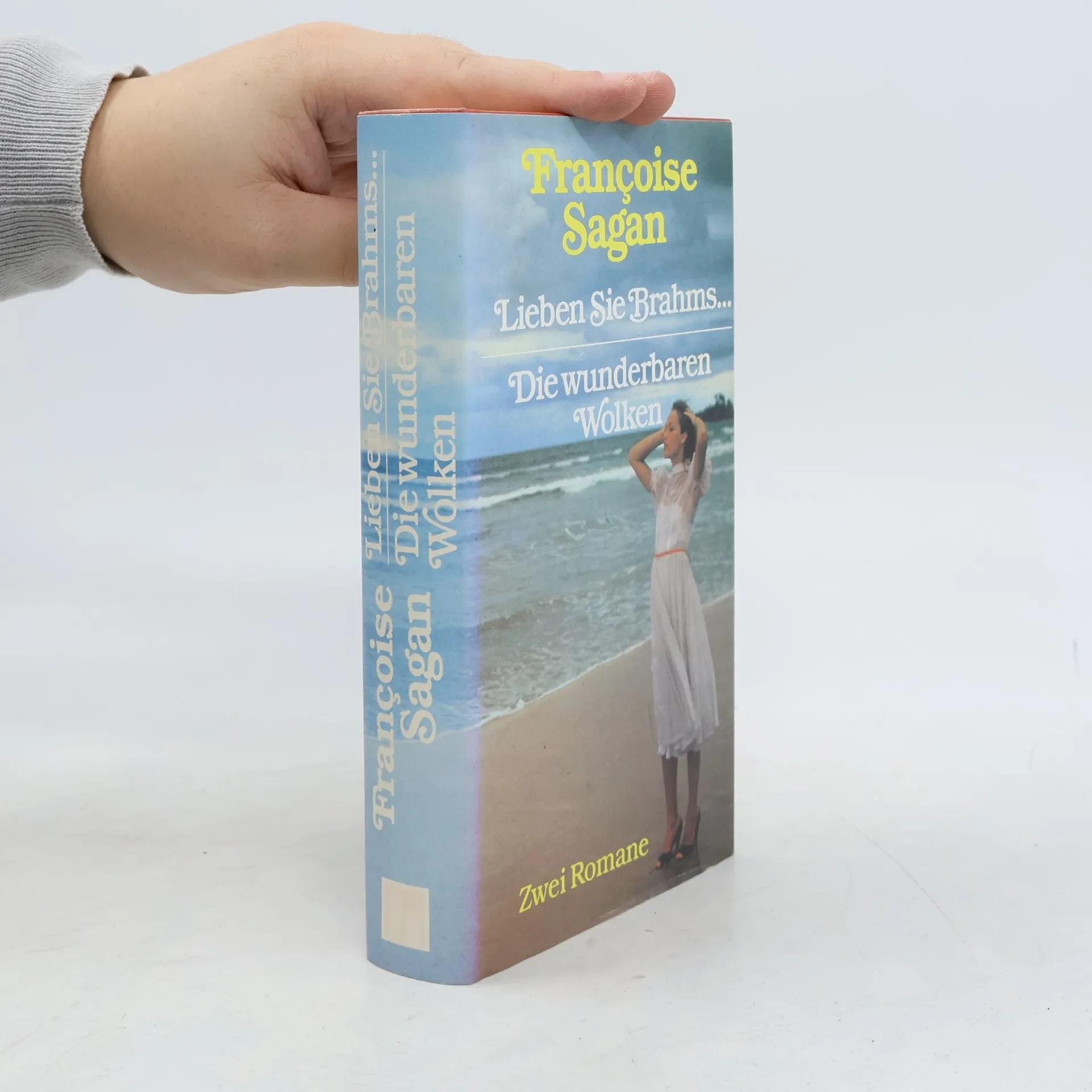
Издание содержит: "Здравствуй, грусть"; "Смутная улыбка"; "Через месяц, через год"; "Любите ли вы Брамса?"; "Волшебные облака"; "Сигнал к капитуляции"; "Ангел-хранитель"; "Поводок"; "От всей души"
In dieser fast klassischen Liebesgeschichte, die in einer ungewöhnlichen Provinzszenerie spielt, kehrt Françoise Sagan zu einem ihrer Lieblingsthemen zurück - der unglücklichen Leidenschaft, während zwei gewöhnliche Menschen in ihrer eigenen tragischen Suche nach Romantik gefangen sind.
Франсуаза Саган потрясающая писательница, глубоко чувствующая жизнь и умевшая отразить в своих произведениях весь калейдоскоп человеческих эмоций, она была ярчайшей личностью своей эпохи
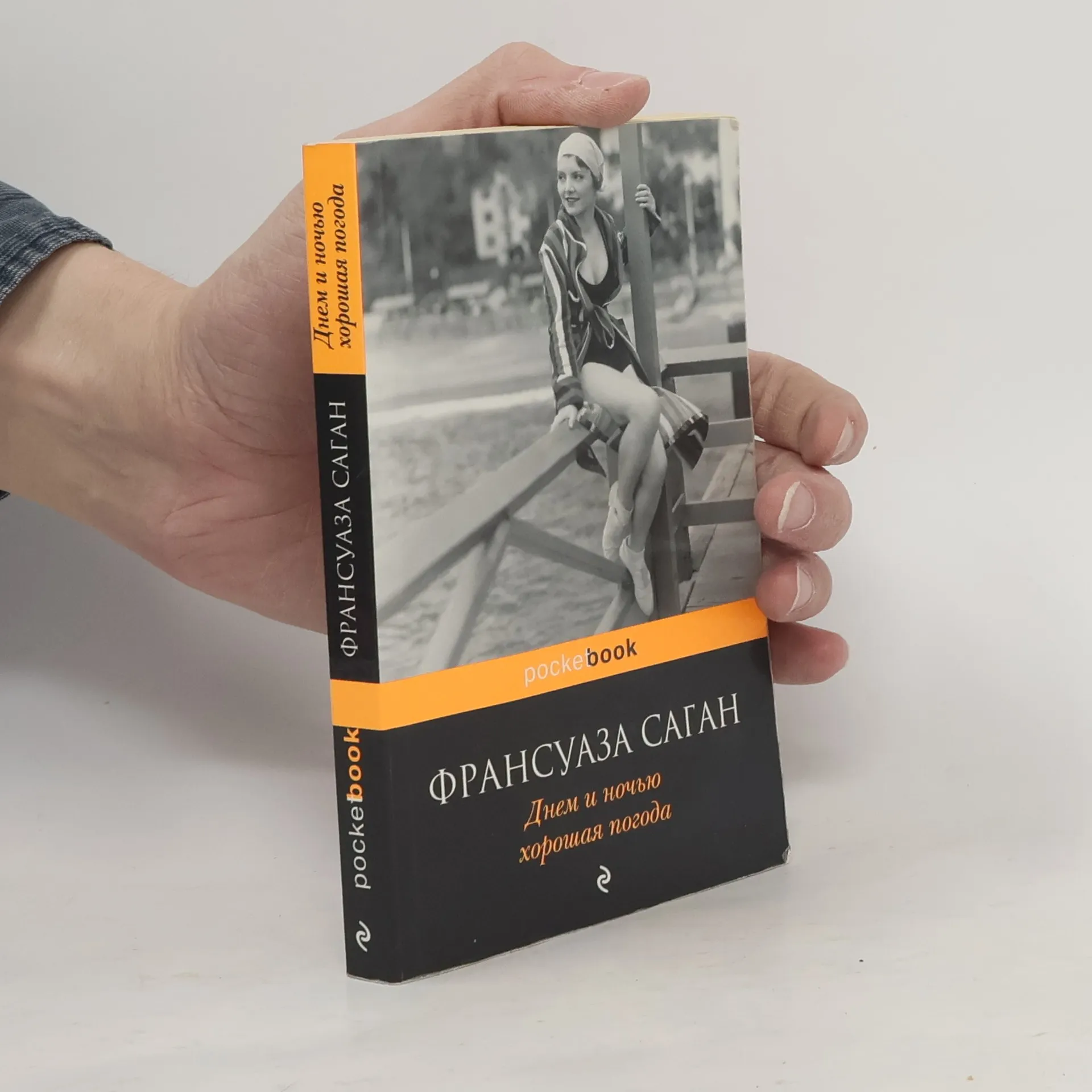
Франсуазу Саган всегда привлекал мир сцены. Она даже пробовала себя в качестве режиссера, но роль драматурга принесла ей гораздо больший успех.Все три пьесы, опубликованные в этой книге, относятся к позднему периоду творчества Саган."Счастливая случайность" - парадоксальный рассказ о трусе, которого все считали героем."Пианино в траве" - комедия о попытке вернуть молодость."Днем и ночью хорошая погода" - поучительная история о женщине "трудного" поведения.Интрига и динамичное действие - вот чем насыщены пьесы Саган, призванные, по ее словам, развлекать людей.
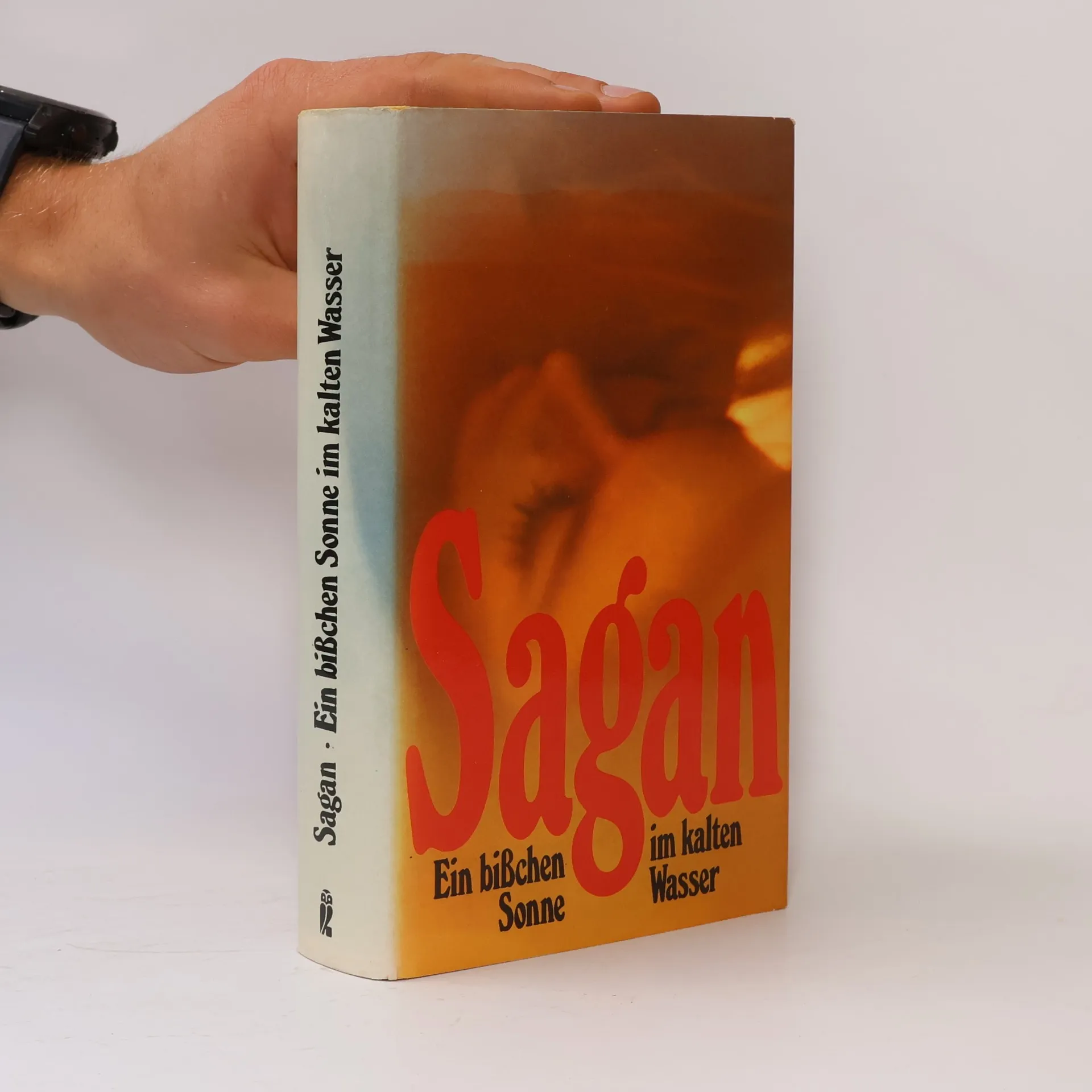
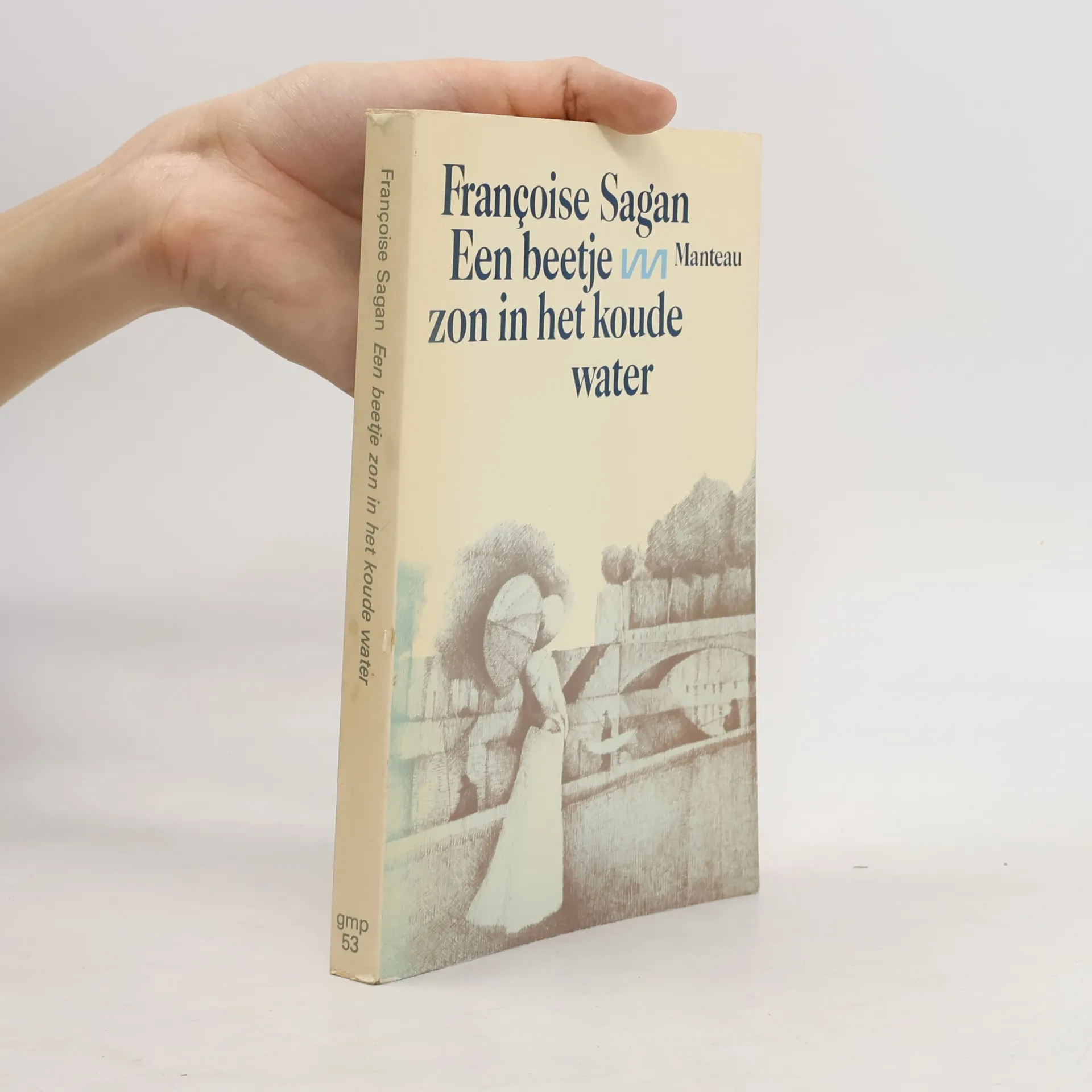
Жиль Латинер — тридцатипятилетний привлекательный журналист из Парижа, у которого есть красивая любовница и работа. Кажется, у него есть всё, что может предложить жизнь. Но внезапно его охватывает отчаяние. Ничто не кажется стоящим. В панике от скуки и ненавидя Элоизу, свою модельную девушку, он уходит на поиски покоя к сестре и её мужу в провинцию.
Там он встречает Натали, жену местного адвоката. Она глубоко влюбляется в него, и вскоре он отвечает ей взаимностью. Но вернувшись в Париж, её врождённая доброта странно контрастирует с легкомысленностью жизни Жиля. Скоро кажется, что их отношения обречены, а счастье — лишь блик солнца на холодной воде…
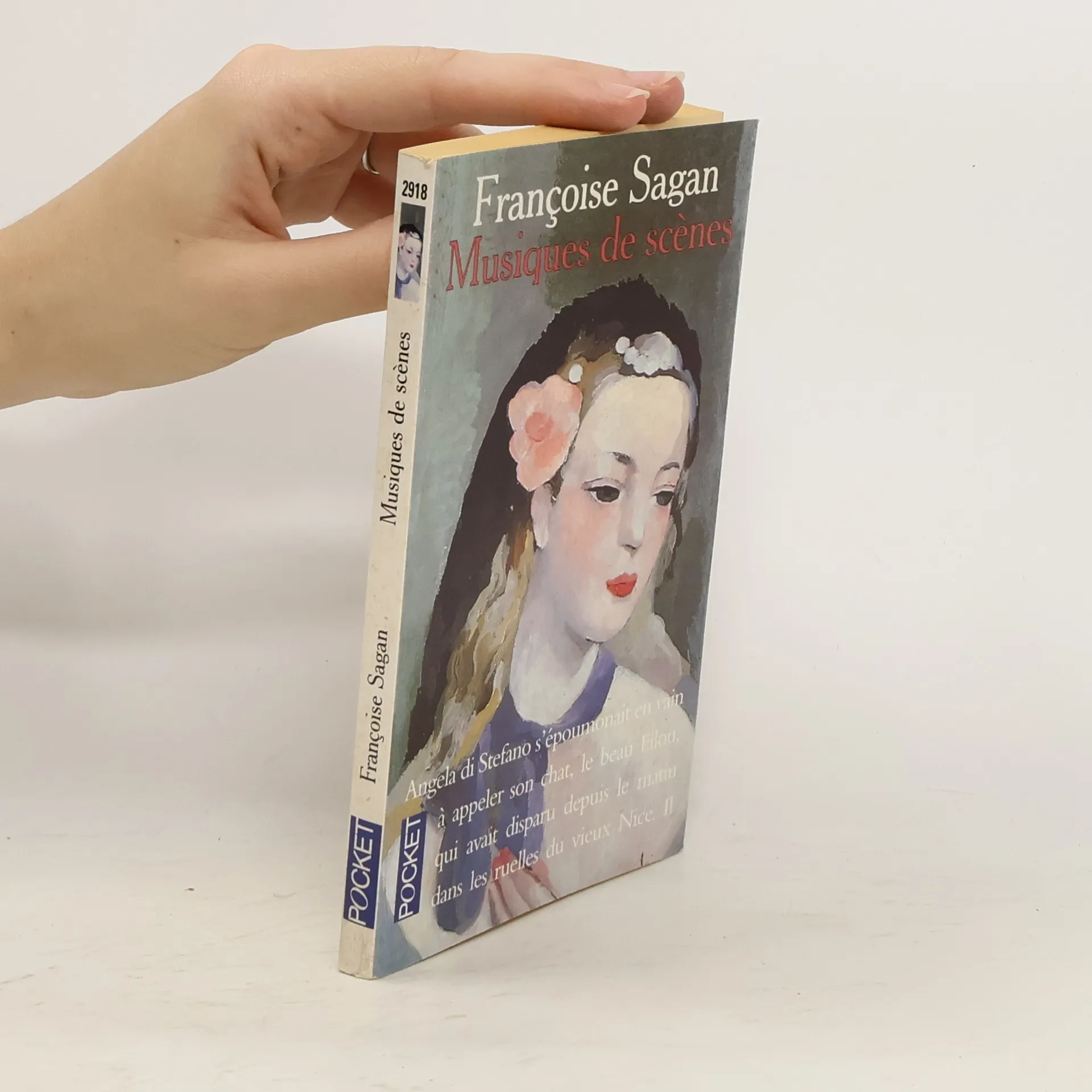
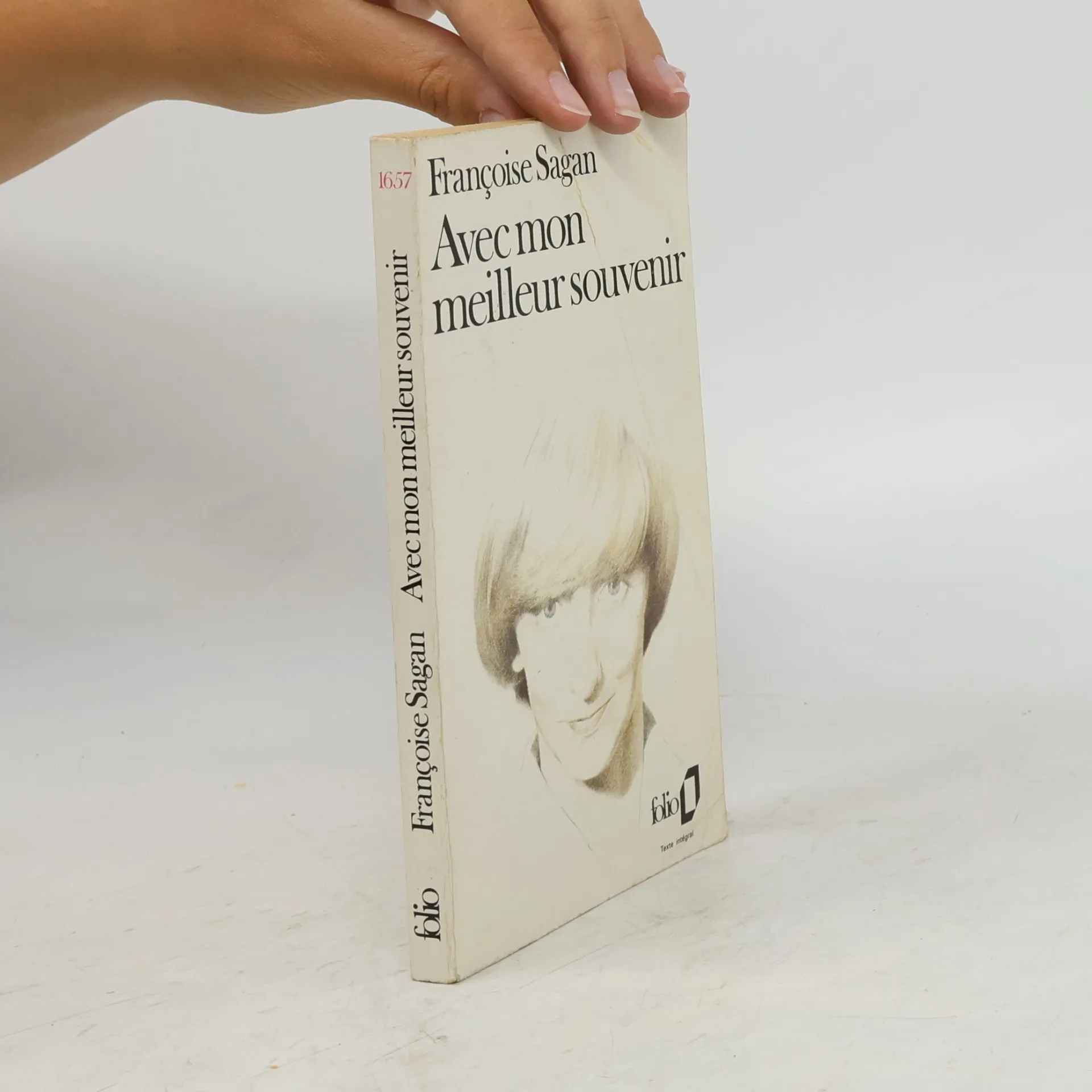
Françoise Sagan n'a voulu se souvenir que des moments heureux et que des gens
qu'elle a aimés. C'est ce qui rend ce livre si sympathique et ce qui a fait
son succes aupres du public et de la critique. Billie Holiday, Orson Welles,
Jean-Paul Sartre, Carson McCullers, Marie Bell, Rudolf Noureev, Tennessee
Williams... Autant de portraits et d'histoires inoubliables.
Décryptez Bonjour tristesse avec l'analyse de Paideia éducation ! Que faut-il retenir du roman de Françoise Sagan ? Retrouvez tout ce que vous devez savoir de ce chef-d'oeuvre de la littérature française dans une analyse de référence pour comprendre rapidement le sens de l'oeuvre. Rédigée de manière claire et accessible par un enseignant, cette fiche de lecture propose notamment un résumé, une étude des thèmes principaux, des clés de lecture et des pistes de réflexion. Une analyse littéraire complète et détaillée pour mieux lire et comprendre le livre ! Paideia éducation en deux Plébiscité aussi bien par les passionnés de littérature que par les lycéens, Paideia éducation est considéré comme une référence en matière d'analyses d'oeuvres littéraires. Celles-ci ont été conçues pour guider les lecteurs à travers la littérature. Nos auteurs appartiennent aux milieux universitaire et de l'éducation, gage de sérieux pour vous faire découvrir les plus grandes oeuvres de la littérature mondiale.