Friendship
- 400 pages
- 14 hours of reading
Part Two of a trilogy set in post-war Oslo, by Norway's answer to Elena Ferrante.


Lars Saabye Christensen is a gifted storyteller, blending imagination with down-to-earth realism. His narrative style alternates between poetic imagery and ingenious incidents, conveyed in supple metropolitan language and slang that feels authentic. His characters possess a significant degree of self-irony, and while his portrayals are lively, a subtle melancholy always lurks beneath the surface.



Part Two of a trilogy set in post-war Oslo, by Norway's answer to Elena Ferrante.
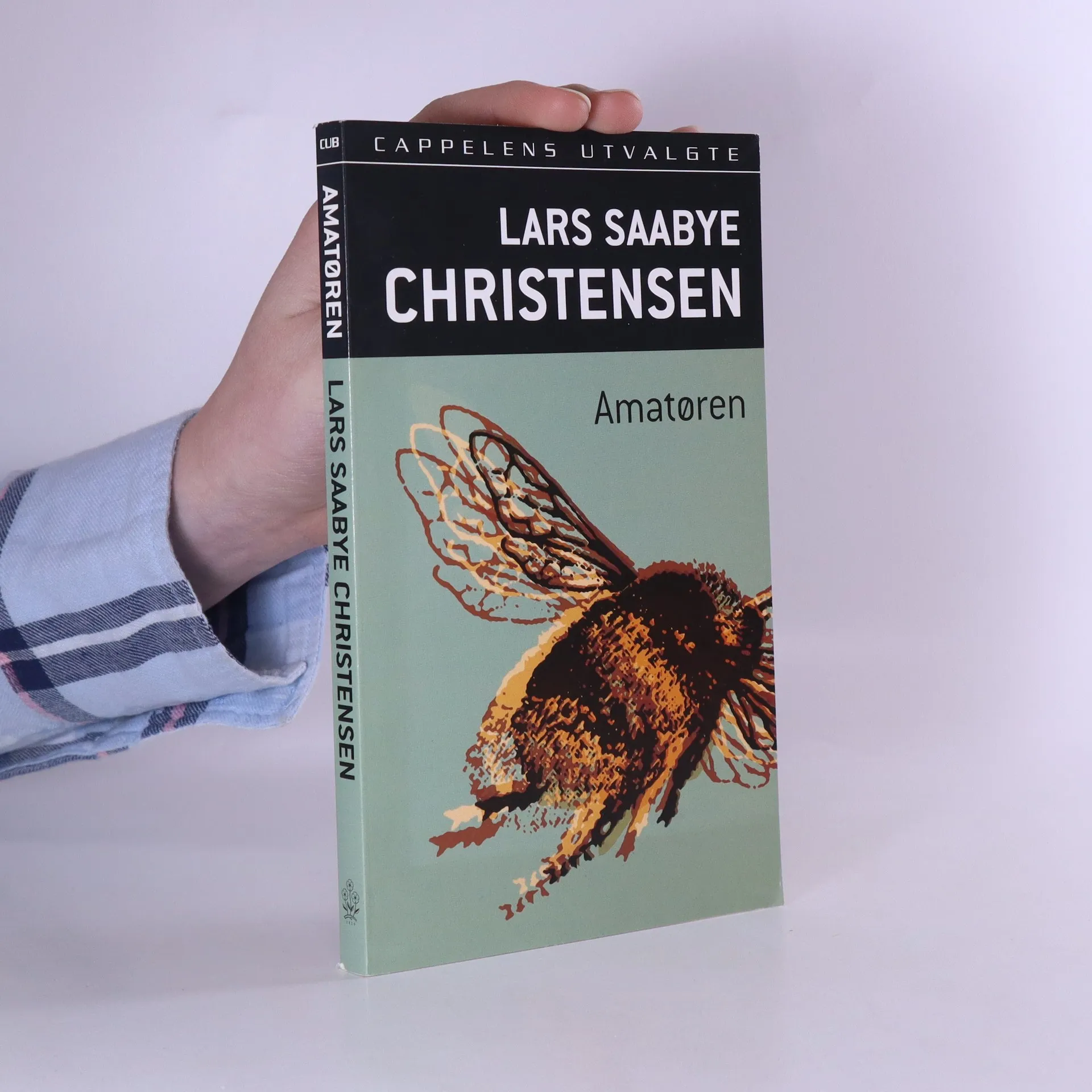
The book tells the story of Kim Karlsen and his three friends: Gunnar, Ola, and Seb.
Barnum and Fred are half-brothers, growing up in the sixties Oslo. Barnum seems to have stopped growing, while his older half-brother, conceived after the rape of their mother and frustrated but learning difficulties, is sent away to a special school. Barnum's father is no better than a con-man, giving the appearance of a travelling salesman; while the three women in the family (mother, grandmother and greatgrandmother - 'the Old One') are all unwed mothers. Then the 'Old one' is killed by a hit and run driver - and Fred become mute as a result. The two half-brothers embark on their separate courses, Fred becoming a boxer and Barnum a scriptwriter, hoping to create a new genre in film, "The Northern" (as apposed to the Western). This literary marvel tells the story of an ordinary family in the 1960's, set apart by extraordinary family members and of two half-brothers leading very different and separate lives until they are brought together again at their mother's deathbed...
By the author of The Half-Brother, a compelling portrait of post-war Oslo as the city recovers from the German Occupation.
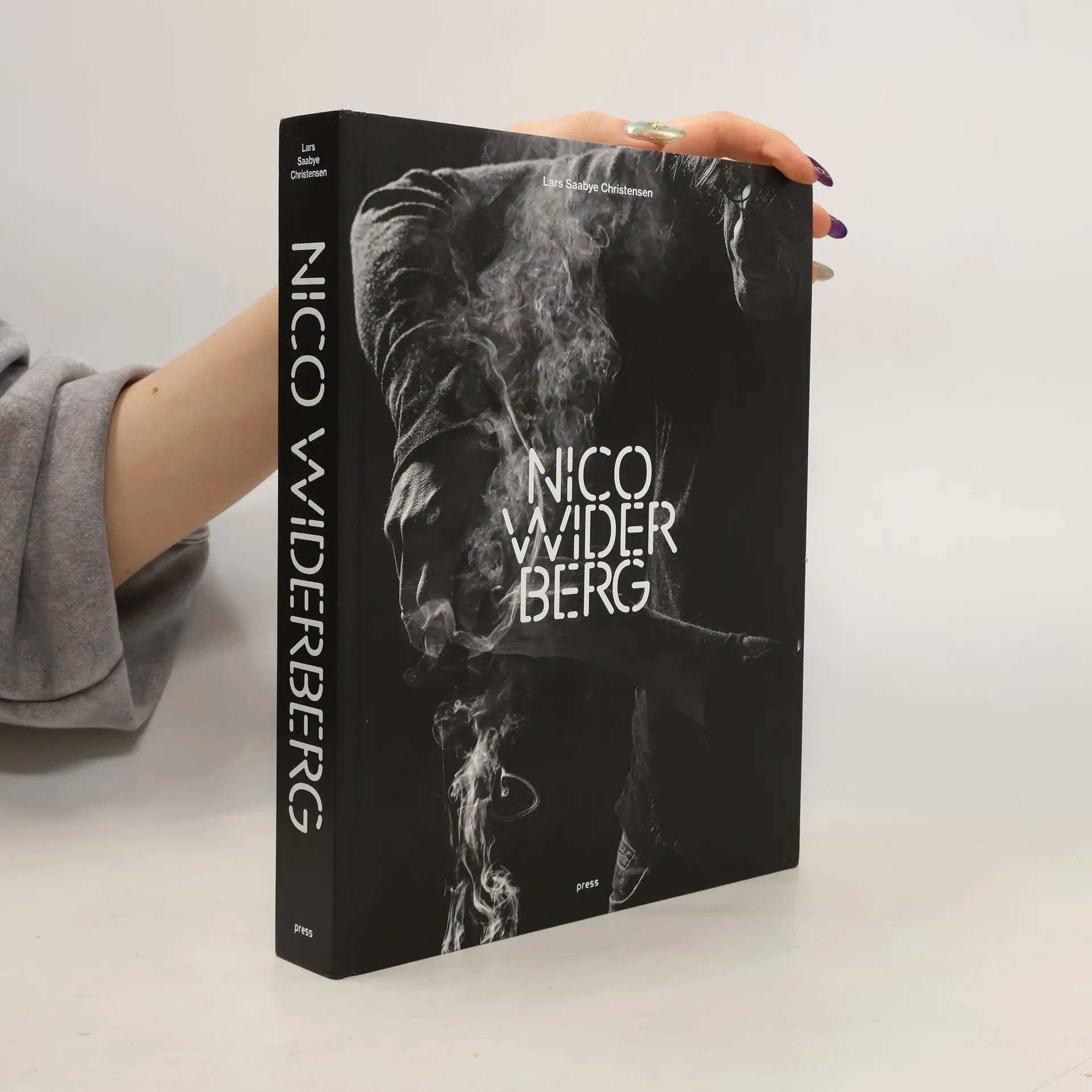
A journey of reminiscence, with the doors of Sortland hotel – the common project of the artist and author – serving as a starting and turning point. The text is a masterful exploration of how Nico became Nico, but also a description of how a sculpture is made: «The block of stone is, to Nico, what the blank page is to me – possibility. But that’s where the difference begins, too. Nico removes. I add. I build, word by word. He removes, piece by piece.» Trygve Indrelid’s many photos from inside the workshop paint photographic portraits of a sculptor at work, in a physical struggle with the elements. Through Indrelid’s lense we can see the sparks in the rebuilt workshop – cutting torch and welding mask, water, clay, bronze, stone, glass and fire, but no brush and palette. Indrelid has watched Nico at work for years, seen him finish works that has been displayed in public places, as well as privately owned works withheld from the public – but not from the photographer. The last part of the book shows a large selection of Nico Widerberg’s works, with emphasis on the most recent production. The book is designed by Henrik Haugan.
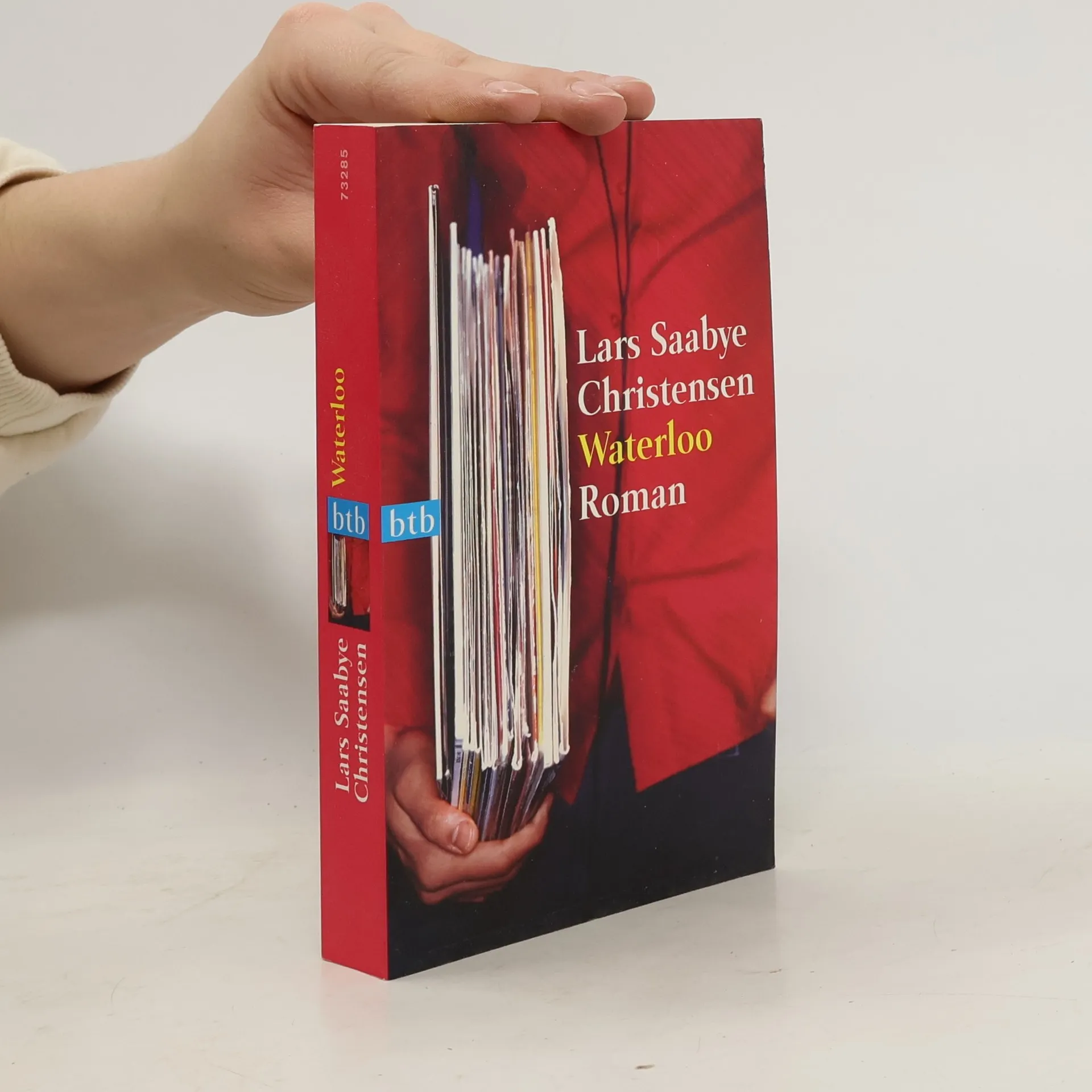
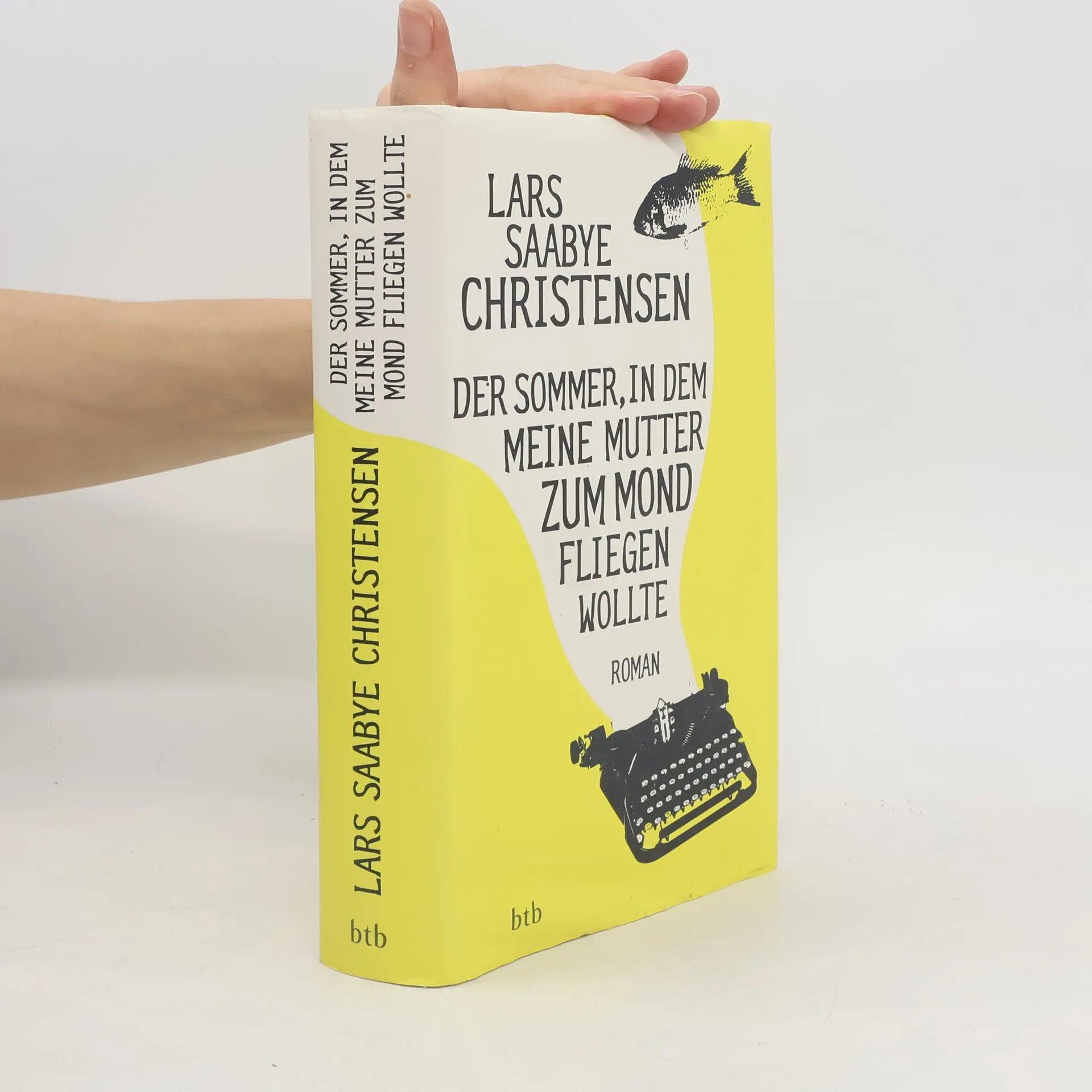
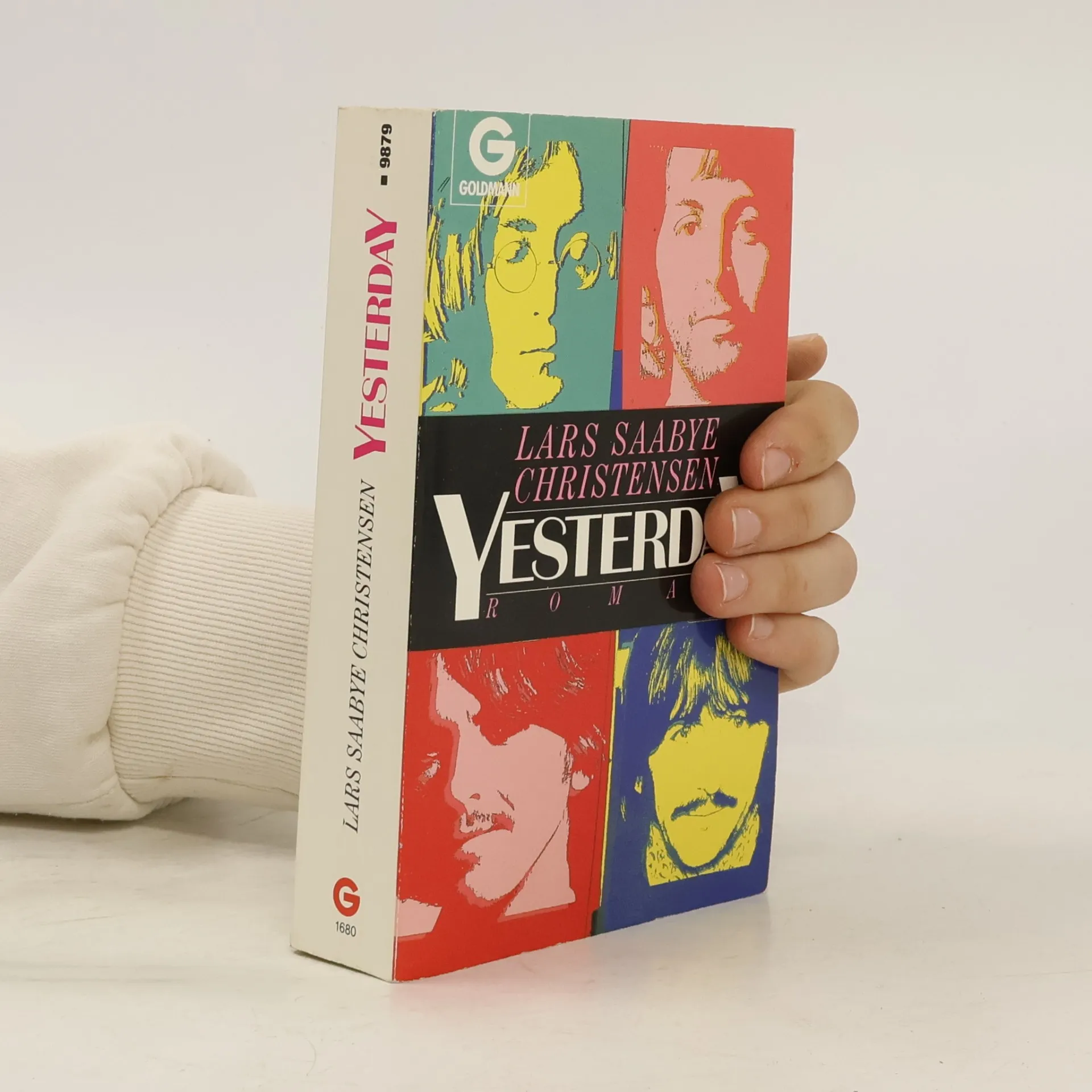
Oslo 1974: Kim, die Hauptperson aus Christensens Roman „Yesterday“ kehrt mit dem Schiff zurück in seine Heimatstadt. Während er durch die Straßen geht, stolpert er über seine alten Freunde: Seb, der als Undergroundpoet seine Gedichte auf der Straße verkauft, Gunnar, der als überzeugter Kommunist in einer Druckerei arbeitet, und Ola, der als wandelnder Kühlschrank Reklame läuft. Doch der Schwung der 60er Jahre ist dahin, statt mitreißender Beatles-Songs dudelt Abbas Grand-Prix-Siegertitel „Waterloo“ aus den Radios. Das Leben, die Stadt, selbst die Freunde sind Kim fremd geworden. Er ist auf der Suche nach seinen Wurzeln – und fährt schließlich mit dem Postschiff die norwegische Küste entlang, nur um sie irgendwo zu finden … Die fulminante Fortsetzung des Erfolgsromans „Yesterday“.
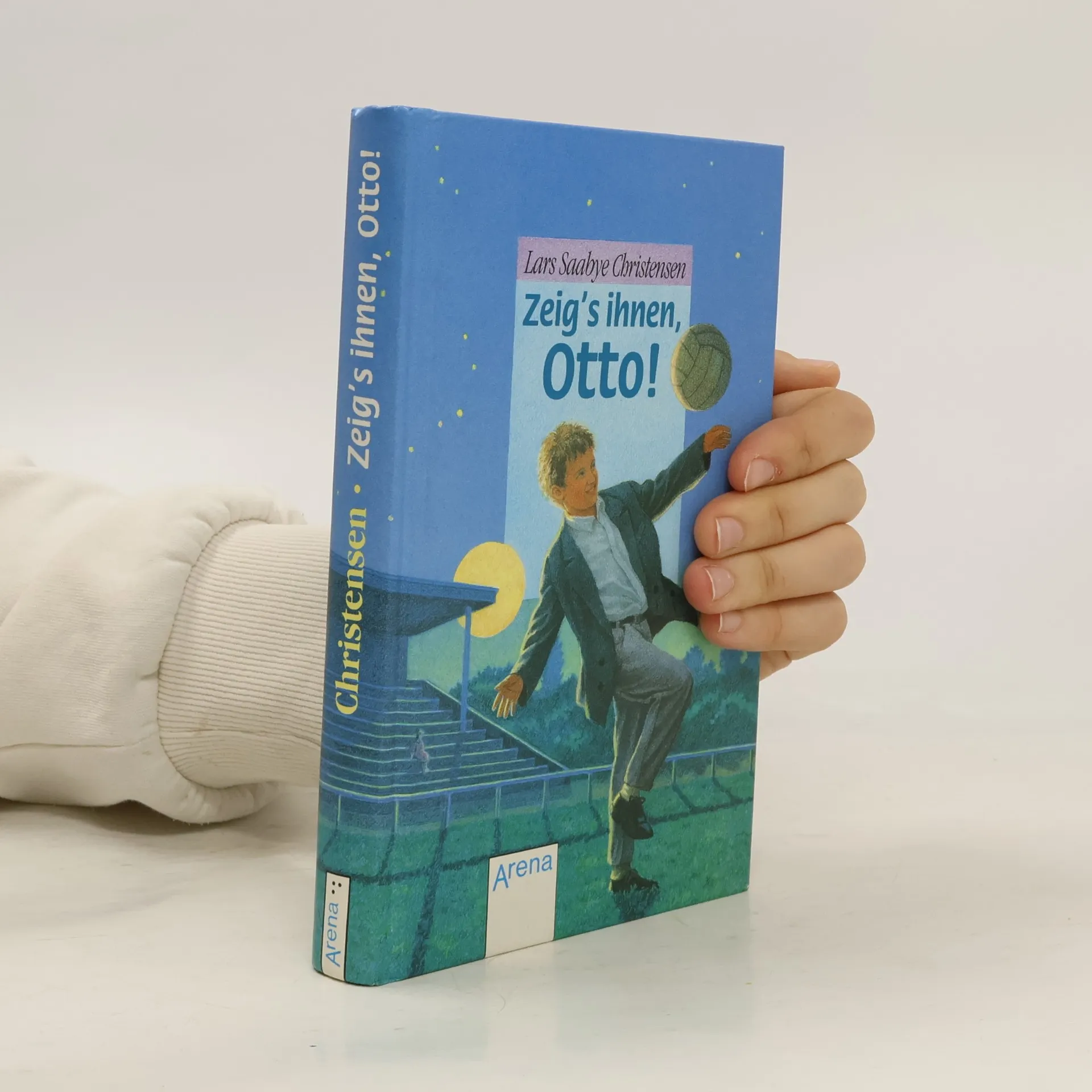
In den Sommerferien trainiert Otto täglich mit dem neuen Fussball. Nichts wünscht er sich so sehr, als in der Mannschaft aufgestellt zu werden.
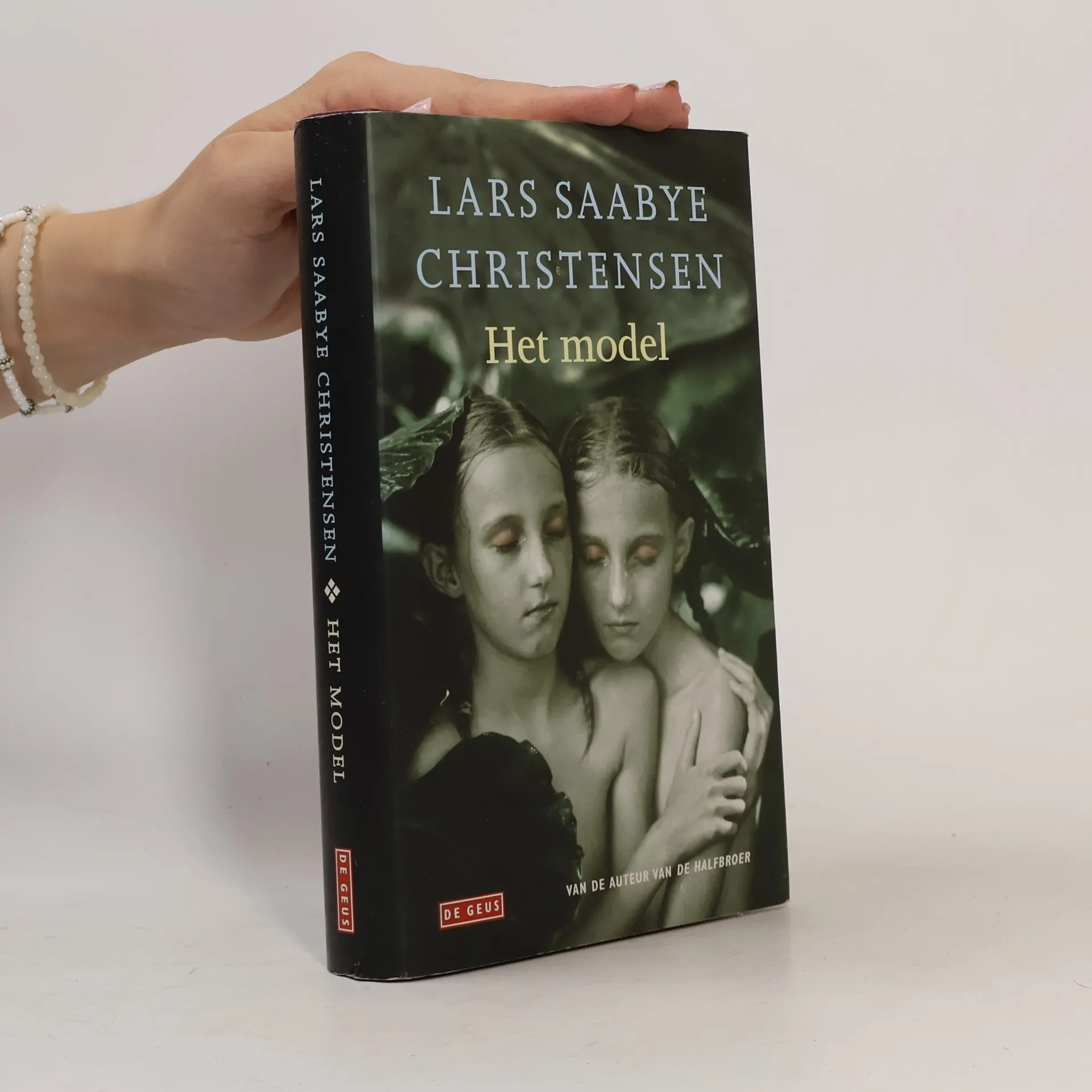
Schilder Peter Wihl wordt vijftig jaar en hij staat te trappelen om een nieuwe tentoonstelling te openen. Zijn galeriehouder is minder enthousiast. Peter zal met iets nieuws moeten komen. Op het oude werk, dat voornamelijk uit geschilderde lichaamsdelen bestaat, zit niemand meer te wachten. Als Peter bezig is de schilderijen voor de tentoonstelling te verzamelen, merkt hij dat zijn gezichtsvermogen afneemt. Hij doet alles om te voorkomen dat hij niet meer zou kunnen schilderen en sluit een pact met de duivel die zich in de persoon van een louche oogarts aankondigt. En inderdaad, Peter krijgt zijn gezichtsvermogen terug en slaagt erin prachtige portretten te maken waarvoor zijn zesjarige dochtertje model zit. Maar dan komt de oogarts de rekening vereffenen.
Eksponert: 170 år med fotografi fra Møllersamlingen presenterer for første gang en av Norges største private fotosamlinger for offentligheten. Møllersamlingen består av ikoniske bilder og ukjente verk av norske og internasjonale fotografer, og forteller historier om de store hendelsene og personene som har formet vår tid, men også om glemte øyeblikk, anonyme forbipasserende og naturens stillferdige endring. Følgende forfattere har bidratt med tekster i boken: Suzanne Brøgger om Nan Goldin og Imogen Cunningham Ian Buruma om Christer Strömholm og Shomei Tomatsu Lars Saabye Christensen om Bjørn Falch Andersen Carsten Jensen om Edward Burtynsky og Steve McCurry Anne Lise Marstrand-Jørgensen om Fay Godwin og Helmut Newton Jon Fosse om Dag Alveng Hisham Matar om Ray K. Metzker Daniel Mendelsohn om Leni Riefenstahl og Robert Doisneau James Rebanks om Damien Hirst Philippe Sands om Henri Cartier-Bresson Judith Schalansky om bilde av atomprøvesprengning og Pixy Liao Jón Kalman Stefánsson om Bert Hardy og Dan Young Linn Ullmann om Clarence Sinclair Bull Edmund de Waal om Shirin Neshat Benedict Wells om Daido Moriyama og Mick RockSidelengs Natur Portrett Dokumentar I marginen Arkitektur Mote Eksperiment Samtidskunst
Roman
Was haben ein Walross, eine Wahrsagerin und ein toter, nackter Unbekannter miteinander zu tun? Kim Karlsen wacht eines Morgens in einem Hotelzimmer in Sortland auf. Er ist alleine, er ist nackt – und er kann sich auch nicht daran erinnern, wer er überhaupt ist. Sein Gebiss findet er, auch seinen Anzug und außerdem einen Taschenkalender aus dem Jahr 2001. Herausfinden muss er noch, was es mit seiner Vergangenheit auf sich hat. Er macht sich auf den Weg, begegnet einem Friseur, der in den sechziger Jahren zu leben scheint, einer Wahrsagerin, einem Walross und einer Band namens Dirty Fingers. Eine fantastische, traumhafte und surrealistische Reise, die ihm immer mehr Hinweise auf sein altes Leben gibt.…
In Lars Saabye Christensens neuem, preisgekrönten Erzählband stehen kleine Leute mit großen Schicksalen im Mittelpunkt. Die liebenswerten Verlierertypen, wie der einsame Friseur Frank und der ehebrecherische Jan, kämpfen tapfer um ihre Würde und sind nicht unterzukriegen.
Du haut de ses onze ans, Herman n'a pas la langue dans sa poche. Sa vision du monde et les questions qu'il se pose en désarçonnent plus d'un. Son père arrive-t-il à voir l'Amérique quand il conduit sa grue ? Ruby, sa camarade de classe, a-t-elle vraiment des nids d'oiseaux dans sa tignasse rousse ? Quand, un jour, sa mère l'emmène chez le médecin, le constat est sans appel : Herman est atteint d'une maladie rare qui peut entraîner une calvitie définitive. Et de fait, un matin, des poignées entières de cheveux gisent sur son oreiller. Un bonnet résolument vissé sur la tête, Herman fait tour à tour l'expérience des sarcasmes, de la honte et, pire, de la pitié. Une nouvelle question s'impose à lui : va-t-il pouvoir s'accepter tel qu'il est désormais ?
Roman
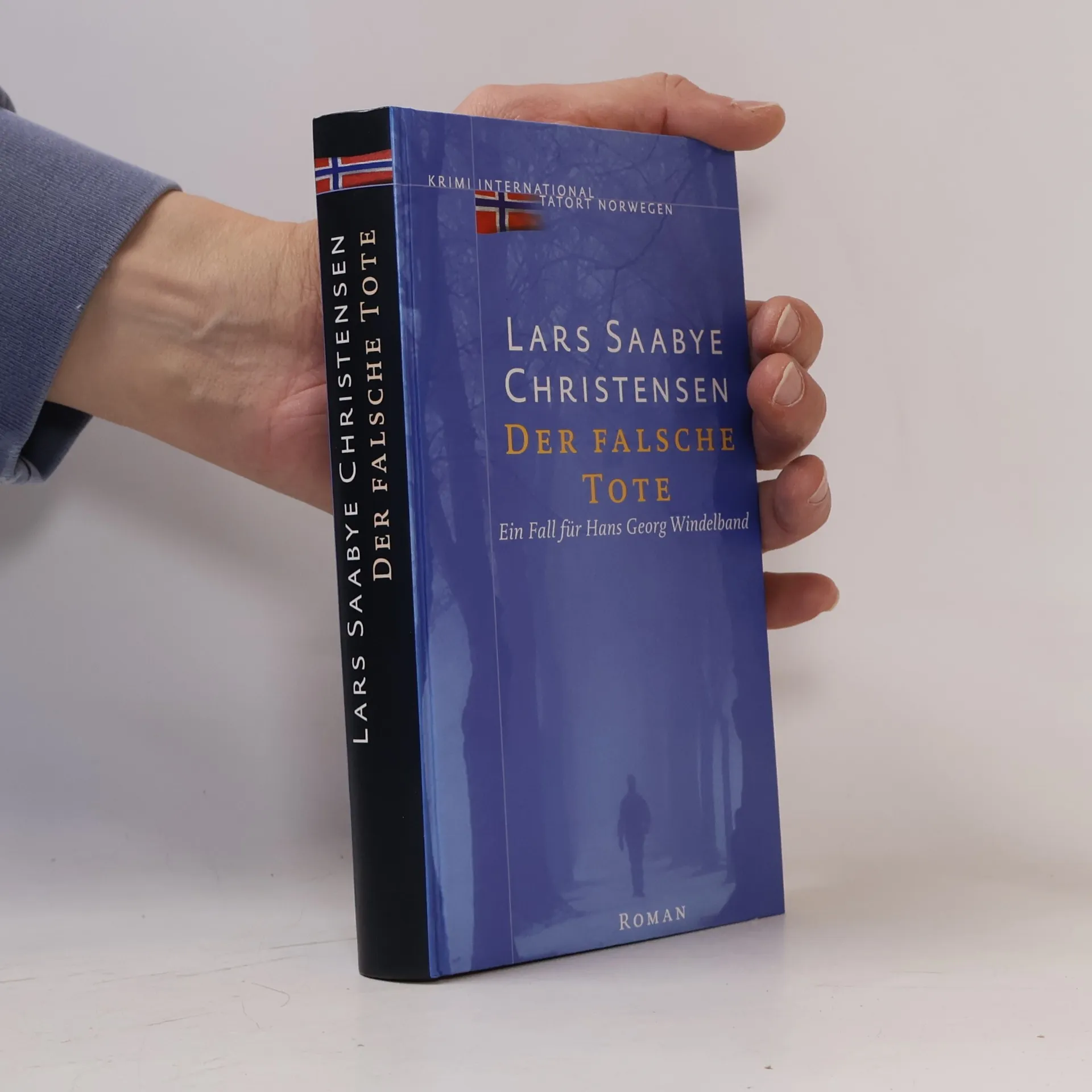
Als Hans-Georg Windelband eines Morgens seine eigene Todesanzeige in der Zeitung entdeckt, hält er dies zunächst für einen makabren Scherz, da er jung und gesund ist. Sein einziger Freund, der Schlachter, rät ihm, sich eine Auszeit vom hektischen Alltag zu nehmen. Windelband ist geneigt, diese Pause zu nutzen, doch seine Neugier über den Toten, der bald unter seinem Namen beigesetzt werden soll, siegt. Er beschließt, zur Beerdigung zu gehen und sich unter die Trauergemeinde zu mischen. Im Krematorium trifft er den alten Malvin, der bei einer Flasche Calvados bereitwillig über den Toten mit dem schrecklich zugerichteten Gesicht erzählt. Der Schlachter und Malvin sind nur der Anfang einer Reihe schillernder Figuren, die Windelband auf seiner Erkundung durch die Osloer Unterwelt trifft, während er gleichzeitig zu angesehenen Bürgern der Stadt führt. Bald wird Windelband klar, dass der falsche Tote ermordet wurde, und sein eigenes Leben wird sich für immer verändern. Lars Saabye Christensen überzeugt in dieser Geschichte mit seinem unverwechselbaren Stil, der Zärtlichkeit für die Figuren, Melancholie und Situationskomik vereint.
Das Letzte, was ich finden wollte, war mich selbst ... Man wächst nur an den Wunden. Hatten das nicht alle behauptet, bevor ich meines Weges gezogen war? Dass ich mich selbst finden müsse? Aber das wollte ich nicht. Das Letzte, was ich finden wollte, war mich selbst. Ich wollte einen anderen finden, mit dem der Umgang einfacher war, einer, mit dem ich einer Meinung sein konnte, mit dem ich leben konnte, ohne einzugehen. Ein Sommer voller Magie in Oslo. Tage voller Selbstzweifel in der amerikanischen Kleinstadt Karmack. Dazwischen liegt ein ganzes Leben, das der norwegische Schriftsteller Funder auf der Suche nach sich selbst und dem ganz gewöhnlichen Glück verbracht hat. Wie er schließlich lernt, sich selbst mit anderen Augen zu sehen und der Phantasie gestatten kann, Einzug in seine wirkliche Welt zu halten, ist eine der zärtlichsten Wendungen in diesem großen, berührenden Roman von Lars Saaybe Christensen.
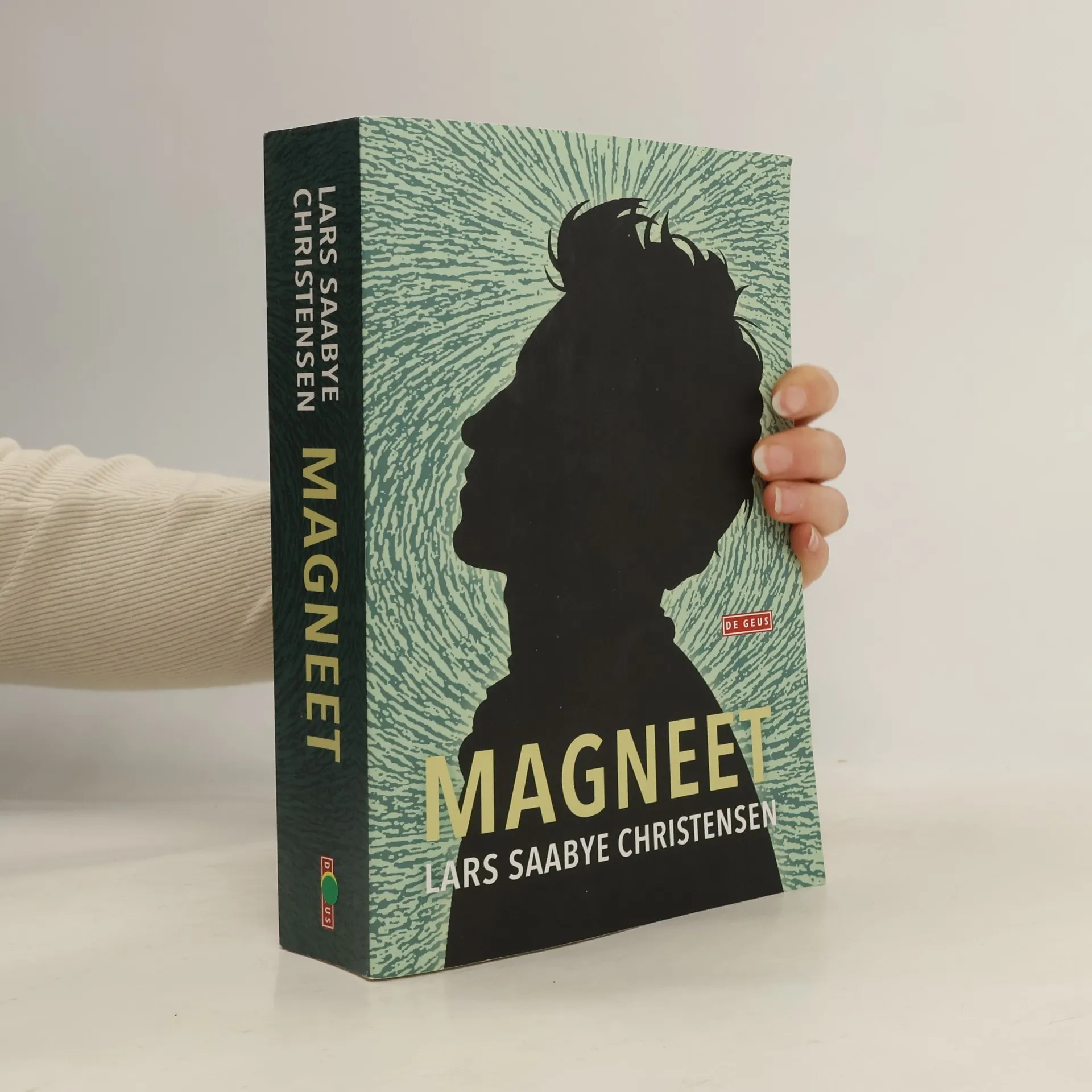
Jokum voelt zich nergens thuis, behalve bij zijn onafscheidelijke magneet waarvan hij denkt dat het ding geluk aantrekt. De liefde leert hij kennen als de hamster van zijn huisgenote Synne sterft en hij probeert om met zijn magneet het beestje tot leven te wekken. Het stel trekt naar San Francisco, waar de doortastende Synne Jokums fotografiecarrière gestalte geeft en hij alles doet om haar ambities waar te maken. Jokum noemt zichzelf geen fotograaf of kunstenaar, hij legt ‘dingen’ vast. Dingen die tegen hem praten en om zijn loyaliteit vragen. Voor Jokum schept ‘het ding’ orde in een chaotische wereld. In Magneet geeft Lars Saabye Christensen luchtig maar vlijmscherp commentaar op de tijdgeest, de mythes rond het kunstenaarschap en de gangbare ideologieën.
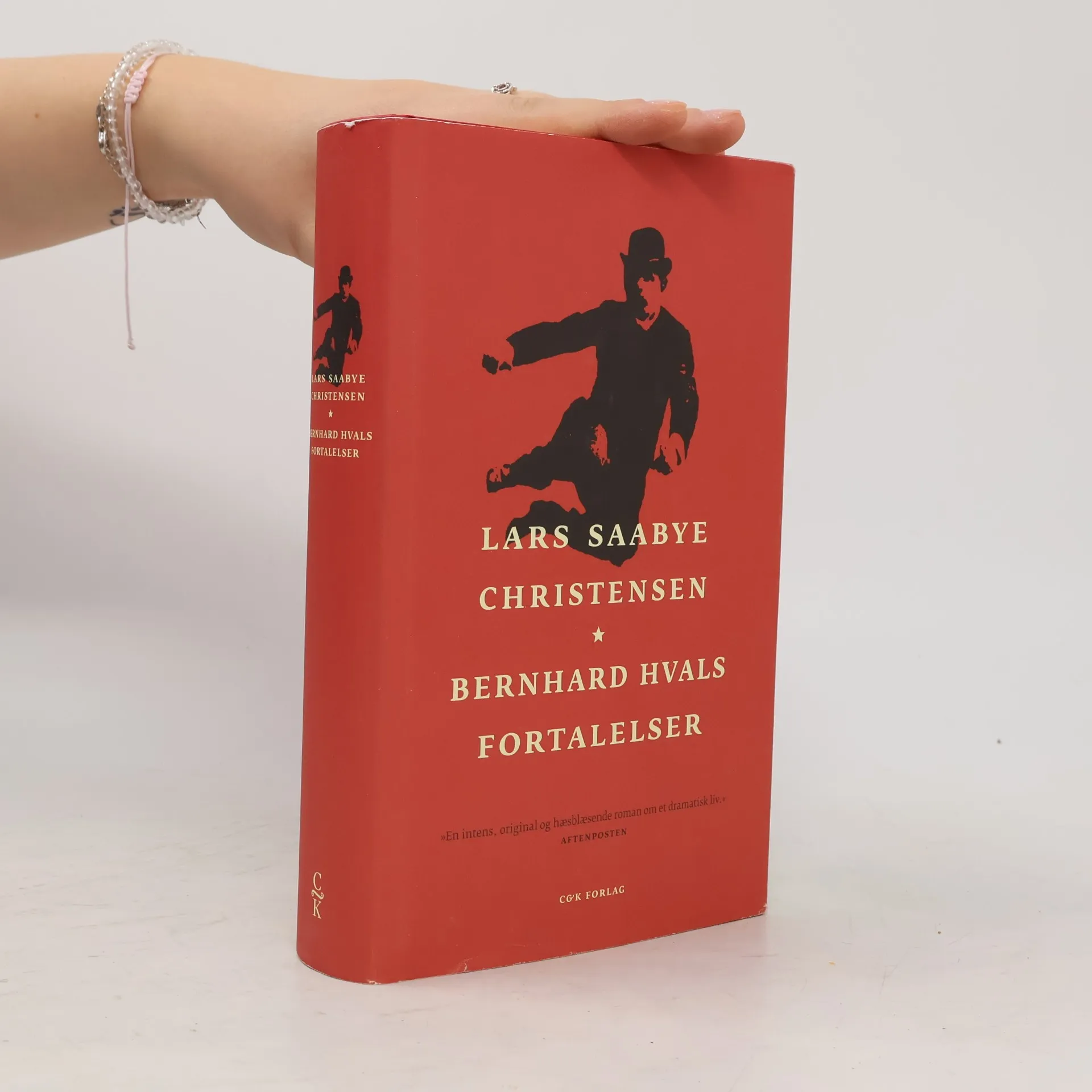
Bernhard Hval er uddannet læge, men tvangstanker og en ustyrlig vane med at sige frække ord på decideret uheldige tidspunkter gør lægegerningen vanskelig for ham. I 1980 sidder han i sin lejlighed på Skovveien i Oslo og ser tilbage på et helt århundrede. Han fortæller om en trekantshistorie som aldrig blev til noget, mellem ham selv, hans dejlige kone Sigrid og Notto Fipp. Sigrid er en velhavende, tennisspillende kvinde fra Drammen, Notto Fipp er en højst mærkværdig kapgænger, som Bernhard Hval bliver livlæge for. Der er lagt op til venskab, lidenskab, galskab og skandaler.
Wenn eine Gitarre die Welt bedeutet ... In jedem Missgeschick steckt der Ansatz für eine wunderbare Geschichte: Ein Autor fällt von einer Bühne in Paris – er sollte hier eigentlich über das Besondere an der norwegischen Literatur referieren. Das hat ihn irgendwie aus dem Takt gebracht. In diesem schrecklichen Augenblick, während er die Arme in die Luft streckt und sich für alle Zeiten von der Welt verabschiedet, sieht er sich plötzlich wieder auf den Straßen von Oslo stehen. Vor Bruns Musikaliengeschäft in der Bygdoy allé – in der Auslage eine unglaubliche, rote Fender Stratocaster bewundern. Er ist 13 Jahre alt und weiß nur eins: diese Gitarre muss er haben. Natürlich ist sie unerschwinglich. Da verdingt er sich als Blumenbote beim alten Finsen und dessen Frau, und plötzlich nimmt sein Leben buchstäblich Fahrt auf …
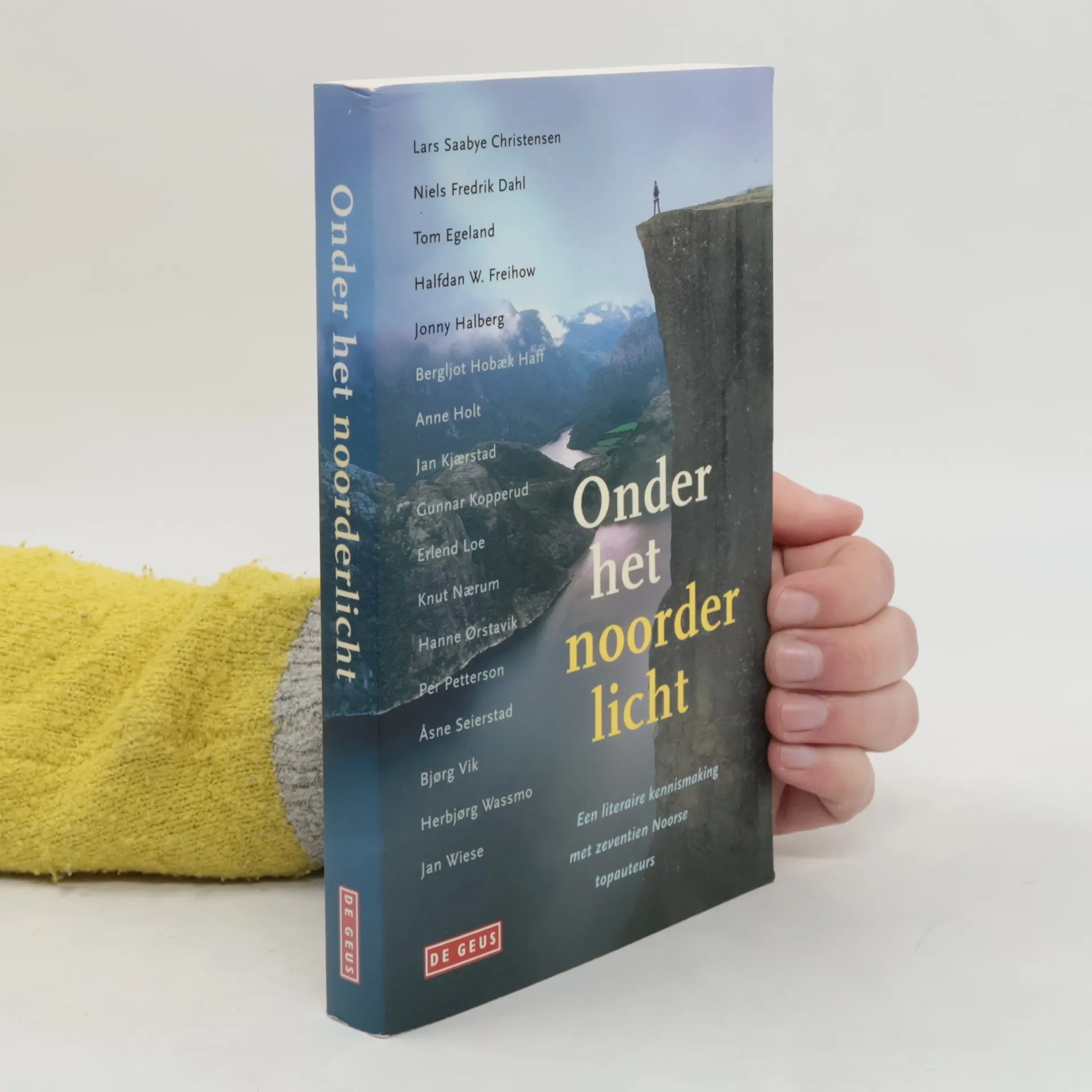
Een literaire kennismaking met 17 Noorse topauteurs
Keuze van romanfragmenten uit de hedendaagse Noorse literatuur.Een ontdekkingsreis langs het beste uit de hedendaagse Noorse literatuur. Van Lars Saabye Christensen tot Herbjørg Wassmo.Wat lezers van de buitenlandse literatuur weten, beperkt zich vaak tot enkele namen. De Noorse literatuur vormt daarop geen uitzondering. Uitgeverij De Geus brengt al een aantal jaren met grote regelmaat zowel gevestigde namen als aanstormend talent onder de aandacht van lezend Nederland. Deze bundel - in het jaar dat Noorwegen zijn honderdjarig bestaan als onafhankelijk koninkrijk viert - is een presentatie van verhalen of fragmenten uit werk van Noorse auteurs die bij De Geus verschijnen.
Herr Knapp hadde nettopp innsett at fasttelefonen hans var død. Han hadde ikke engang vært til stede da det skjedde. Det var et talende eksempel. Når hadde han egentlig vært til stede? Hadde ikke det meste gått ham hus forbi, som det heter? En epoke i livet var uansett over. Han følte seg deprimert og betydningsfull.Herr Knapp har blitt en gammel mann. Mange foretrekker formuleringen rukket å bli når de snakker om høy alder: Herr Knapp har rukket å bli en gammel mann. Men å bli gammel var aldri noe Herr Knapp hastet etter. Tvert imot. Hvem haster etter sånt? Han er fortsatt ikke ferdig med barndommen. Eller ungdommen. Eller familien. Eller medmennesker. Eller kjærligheten. Å, forelskelsens øyeblikk! I Paris, sommeren 1959, da han gikk på museer og gallerier, eller bare gatelangs, med sin framtidige kone, og de leste franske dikt, særlig Verlaine, «hvordan var det diktet igjen, om regnet som regner i Paris og hjertet?» Hvorfor husker han ikke det? Det regner jo ennå.
Handlingen foregår i Oslo på midten av 60-tallet. Hovedpersonen forteller om sin oppvekst, fra han er tolv til sytten, i et hjem som er full av hemmeligheter, forstillelser, taushet og unnlatelsessynder. Faren som er patentingeniør, tar livet av seg og moren legger seg for godt. Hovedpersonen må derfor vokse opp med en mager Tante, som ikke gjør tilværelsen lys for noen. - Bk: Nye bøker. Navnestempel.
Jonathan Griff, Pianist aus Oslo, wird für einen Sommer in einem abgelegenen Hotel auf einer norwegischen Insel engagiert, um dort für Umsatz zu sorgen. Als Lebensberater wird er von den Dorfbewohnern in die skurrilsten Situationen gebracht.
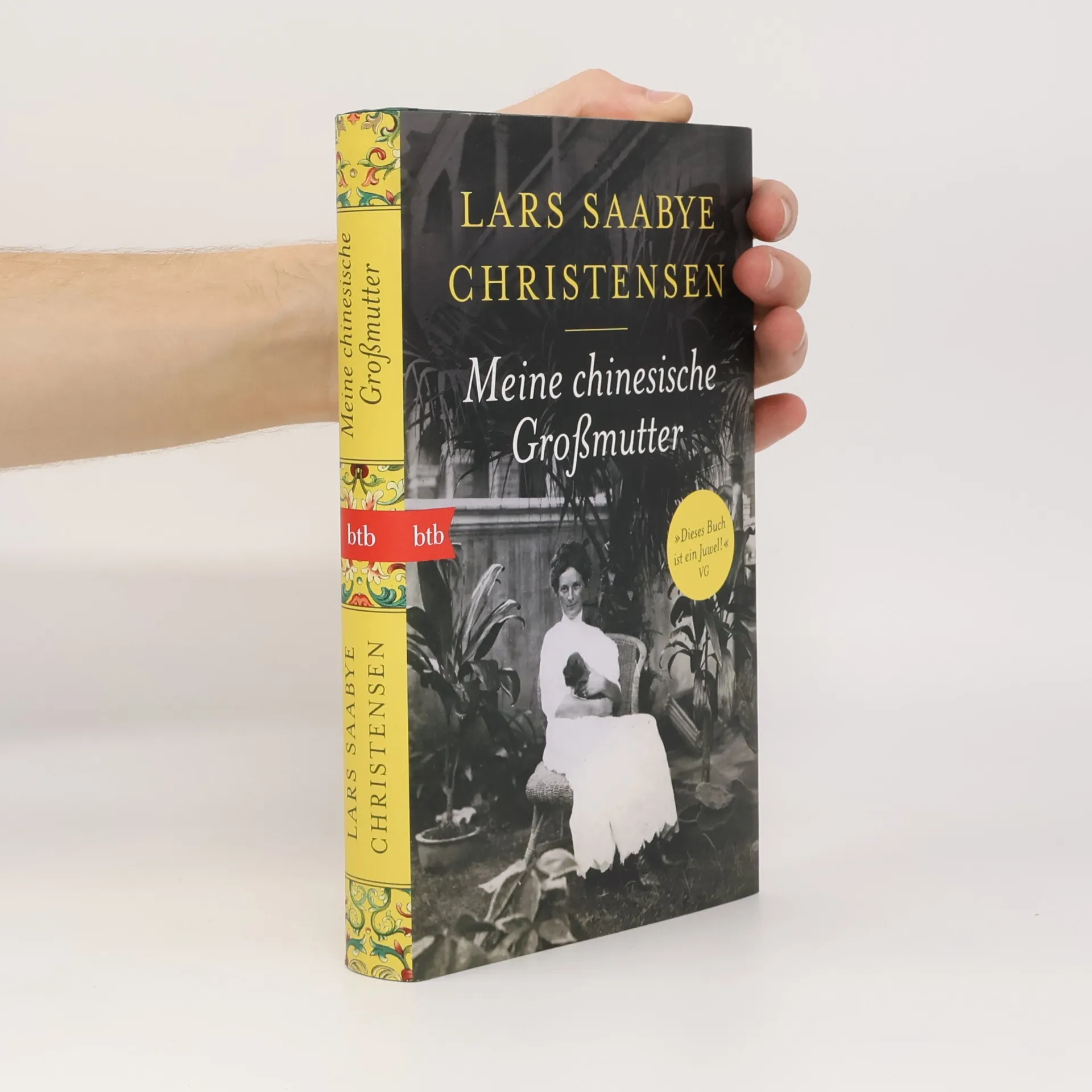
Wie kommt es, dass sich eine junge Kopenhagenerin Anfang des 20. Jahrhunderts allein auf eine lange, beschwerliche und gefährliche Seereise nach Hongkong macht? "Dieses Buch ist ein Juwel!" VG Wie kommt es, dass sich eine junge Kopenhagenerin Anfang des 20. Jahrhunderts allein auf eine lange, beschwerliche und gefährliche Seereise nach Hongkong macht? Genau dorthin, in diesen internationalen Meltingpot und vibrierenden Handelsplatz, hatte es den Dänen Jørgen Christensen bereits kurz zuvor verschlagen – zu seiner Arbeitsstelle bei Svitzers Bjergnings-Enterprise, die älteste Seerettungs- und Bergungsgesellschaft der Welt. Jørgen und die junge Kopenhagenerin sind Lars Saabye Christensens Großvater und Großmutter väterlicherseits. Wer waren diese Menschen, von denen er stammt? Wie sah dieses koloniale, vom Handel geprägte Leben aus? Erst als sein Vater auf dem Totenbett liegt, wagt es Lars Saabye Christensen, ihn nach jener Zeit zu fragen, die seine Großeltern im fernen Osten verbrachten. Eine Spurensuche beginnt, die Überraschungen bereit hält. Indem er sich akribisch an die vorhandenen Quellen hält, zeichnet Lars Saabye Christensen ein faszinierenderes Gemälde einer Zeit und einer Familie, das noch lange im Gedächtnis bleibt.
Tre fortellinger
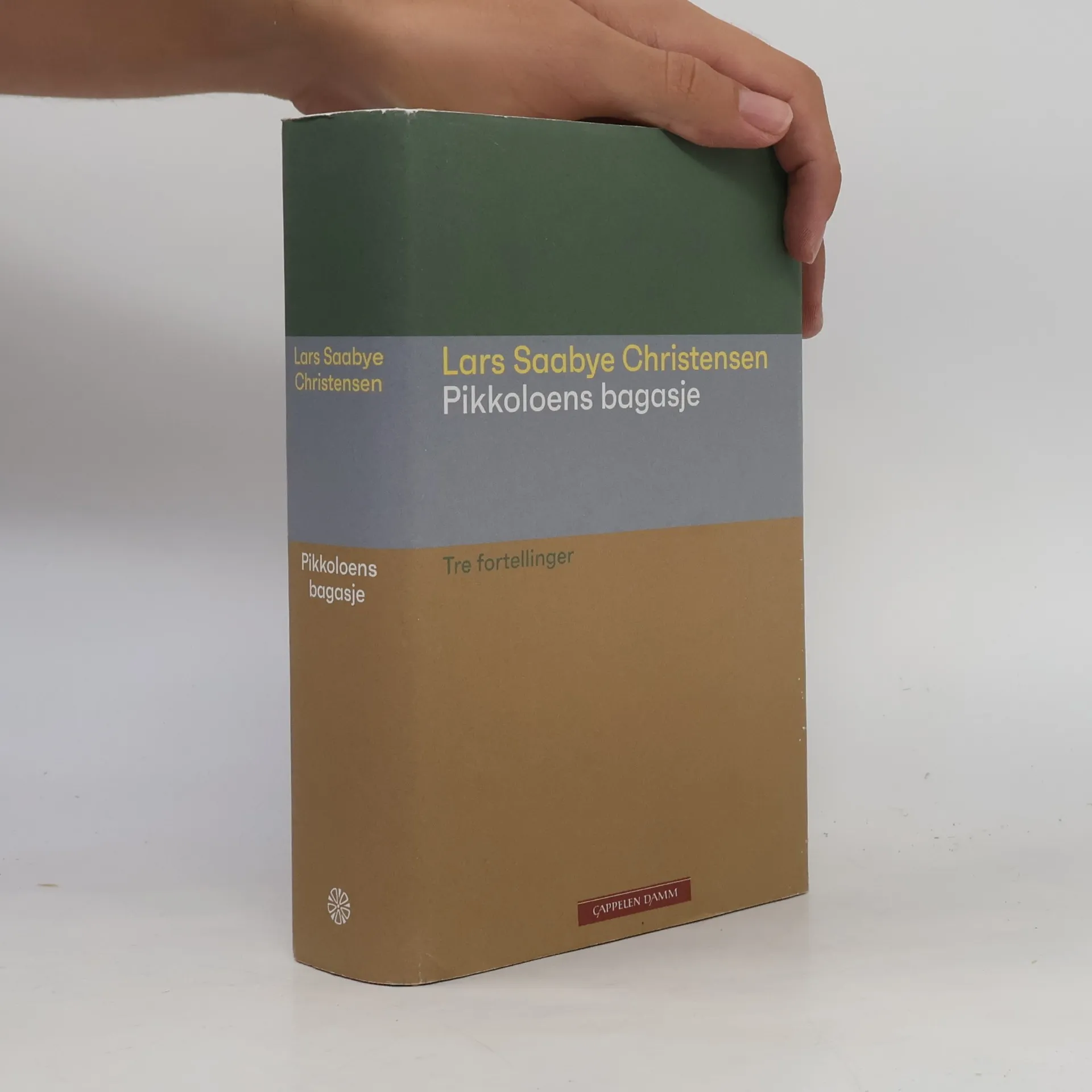
Pikkoloens bagasje tar oss med i tre forskjellige fortellinger som henger sammen gjennom forfatterens umiskjennelige stil og tematikk. Her møter vi kjente og kjære tema og artefakter fra det saabyeske repertoar, fortalt av en forfatter med stor selvtillit og trygghet i sitt stoff, som tør å gå utenfor romanens så vel som novellens rammer - uten at han gir slipp på fortellingens glede og kraft. «Villvin», «Polaroid» og «Brukt» kan leses hver for seg, men utgjør et lavmælt triptykon, et tredelt bilde, der det store bildet er noe mer enn summen av delene. Her ser vi Oslos gater og menneskene som bor i dem, i utkanten av de store hendelsene, i tydeligere relieff enn noen gang. Det er den første forelskelsen som gjelds, ikke sant, for den neste kan du sammenligne med den forrige, og det betyr at forelskelse nr. 2, eller gjerne den tredje for den saks skyld, ikke lenger er ekte vare, men bare en billig kopi. Hvis du tar dette for god fisk, og det mener jeg det er grunn til å gjøre, kan jeg endelig komme i gang med denne fortellingen, som jeg har utsatt og utsatt helt siden alt dette skjedde. Pikkoloens bagasje er en gave til alle som noen gang har latt seg begeistre av Lars Saabye Christensens verden. Få, om noen, kan tappe inn i fortellingens magi som ham.
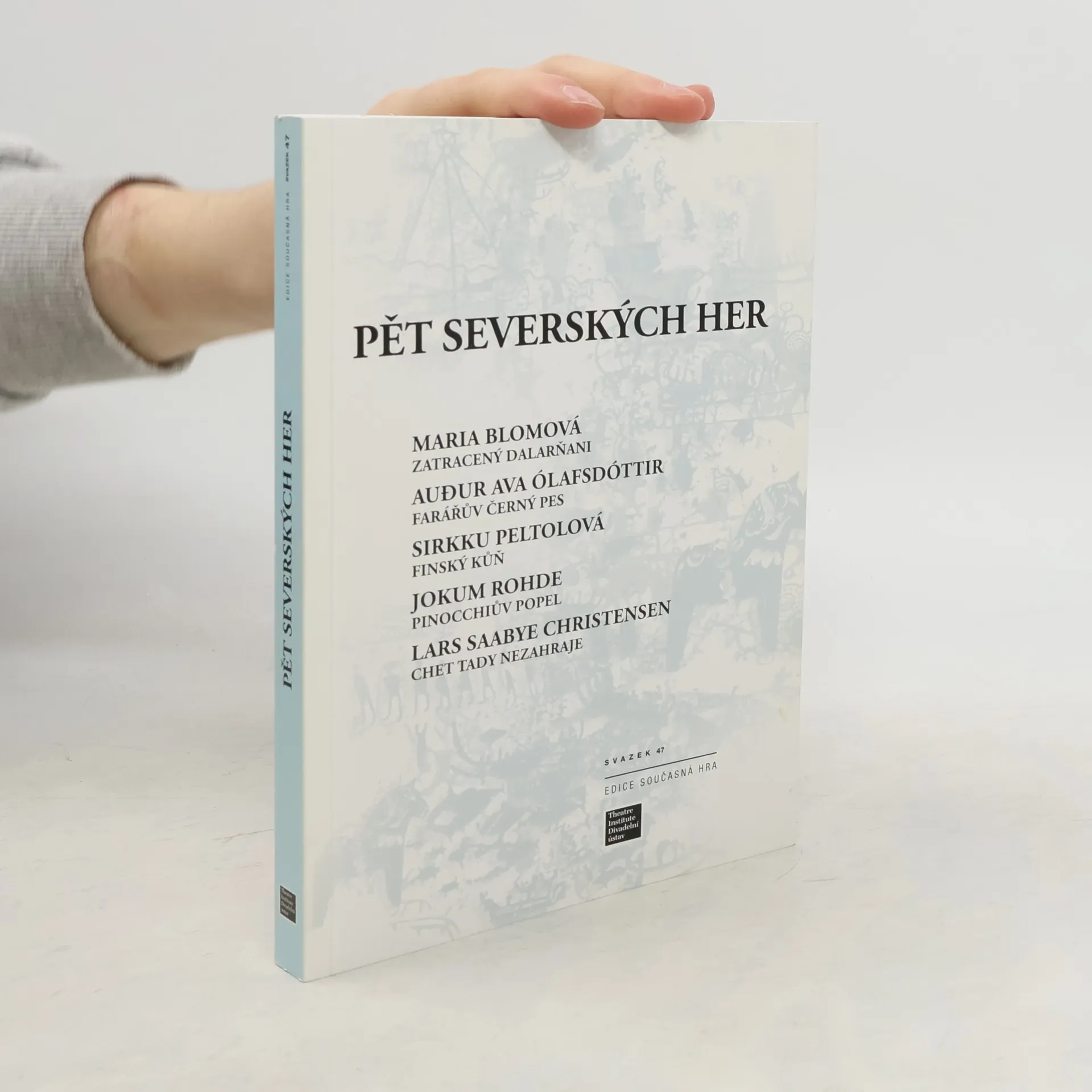
Antologie současné severské dramatiky zahrnuje pět titulů pěti autorů střední a mladší generace, které vznikly v průběhu posledních deseti let.