Hito Steyerl Book order (chronological)
Hito Steyerl is a German filmmaker, visual artist, and author known for her essayist documentary videos. Her principal topics of interest revolve around media, technology, and the global circulation of images. Steyerl critically examines how contemporary technologies and digital image flows shape our perception of the world. Her work investigates the profound impact of digitalization on society and art.


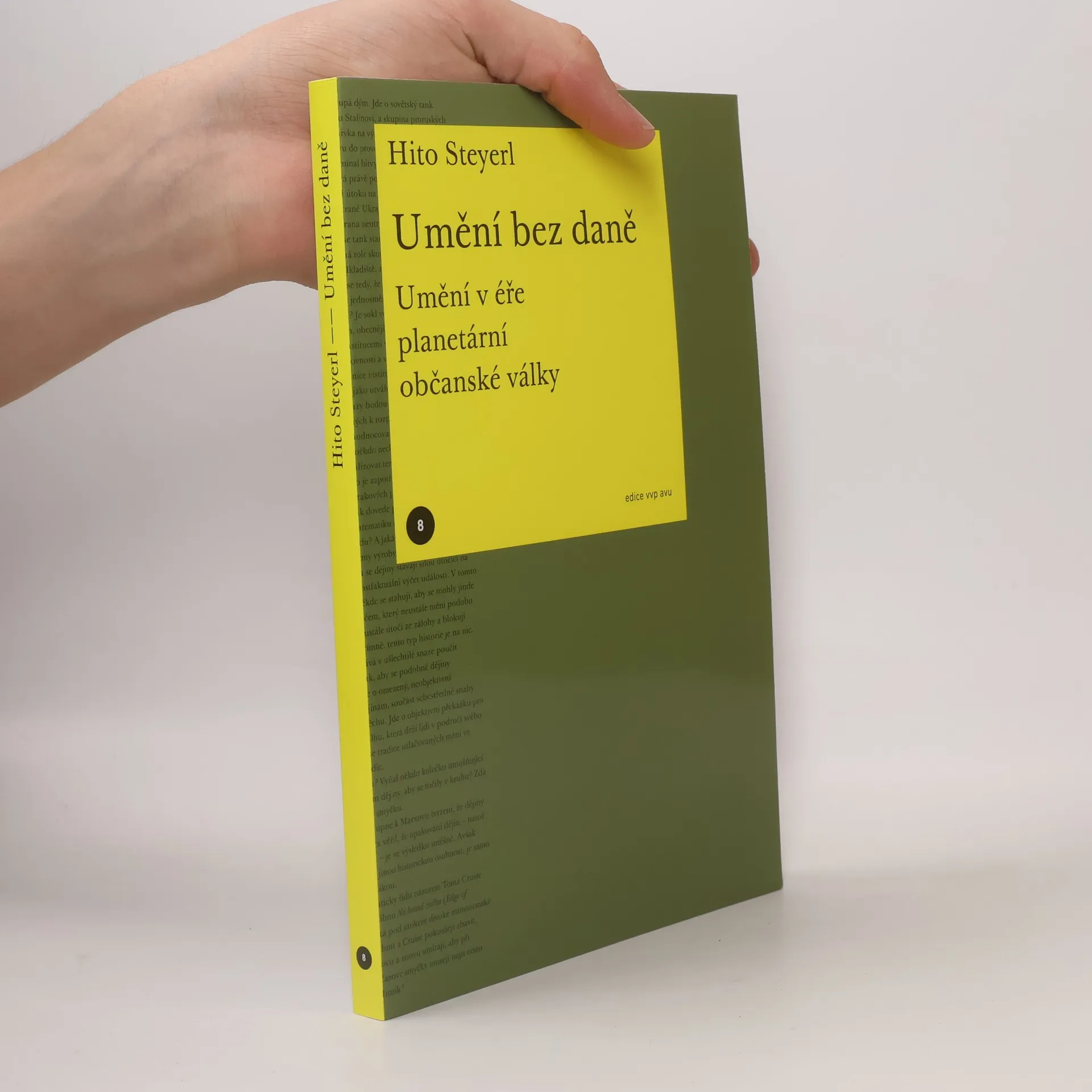
Umění bez daně: Umění v éře planetární občanské války
- 200 pages
- 7 hours of reading
Soubor textů představuje myšlení významné německé umělkyně, dokumentaristky a intelektuálky Hito Steyerl. Jak uvádí editor Zbyněk Baladrán, texty slouží jako úvod do naší prožívané reality a pomáhají lépe porozumět situaci, v níž se nacházíme. Steyerl kriticky zkoumá podmínky současného uměleckého provozu, včetně neplacené „dobrovolné“ práce, daňových úniků a deregulovaných finančních trhů, což odkrývá autonomní svět umění. Kniha je užitečná pro studenty a pracovníky různých generací a oborů, inspiruje, ale zároveň vyvolává znepokojení a skepsi ohledně problémů kultury a společnosti. Texty byly psány při různých příležitostech a zazněly na konferencích v prestižních institucích jako Tate Modern, Whitney Museum a Haus der Kulturen der Welt. Byly také publikovány v renomovaných časopisech. Steyerlino zázemí ve světě umění se odráží v jejím mezioborovém stylu psaní, který je plný asociací, novotvarů, metafor, nadhledu a detailních analýz.
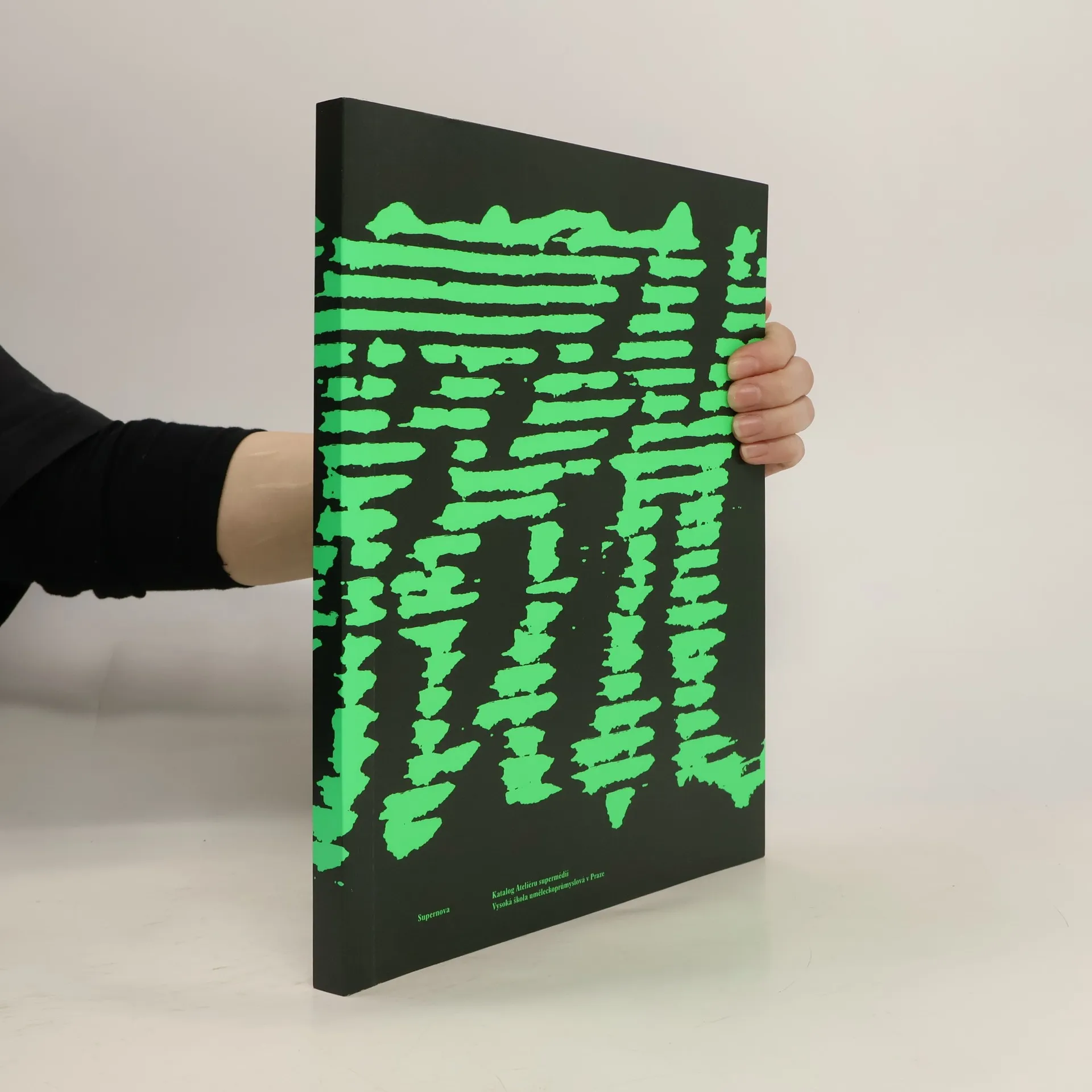
Katalog Supernova rekapituluje deset let působení Ateliéru supermédií UMPRUM výběrem dokumentace děl absolventů a absolventek, ať už z akademických let, nebo z doby po absolutoriu. Různorodá tvorba ateliéru, jenž se neomezoval žádnými médii, bude doprovázena kolekcí textů kmenových účastníků ateliéru, vyzvaných mladých teoretiků i několika překlady zahraničních esejistických textů, jež nastolují otázky po sociální, politické a ekonomické situovanosti umění v informační a globálně propojené společnosti
Duty Free Art
- 304 pages
- 11 hours of reading
What is the function of art in the era of digital globalization? How can one think of art institutions in an age defined by planetary civil war, growing inequality, and proprietary digital technology? The boundaries of such institutions have grown fuzzy. They extend from a region where the audience is pumped for tweets to a future of “neurocurating,” in which paintings surveil their audience via facial recognition and eye tracking to assess their popularity and to scan for suspicious activity. In Duty Free Art, filmmaker and writer Hito Steyerl wonders how we can appreciate, or even make art, in the present age. What can we do when arms manufacturers sponsor museums, and some of the world’s most valuable artworks are used as currency in a global futures market detached from productive work? Can we distinguish between information, fake news, and the digital white noise that bombards our everyday lives? Exploring subjects as diverse as video games, WikiLeaks files, the proliferation of freeports, and political actions, she exposes the paradoxes within globalization, political economies, visual culture, and the status of art production.
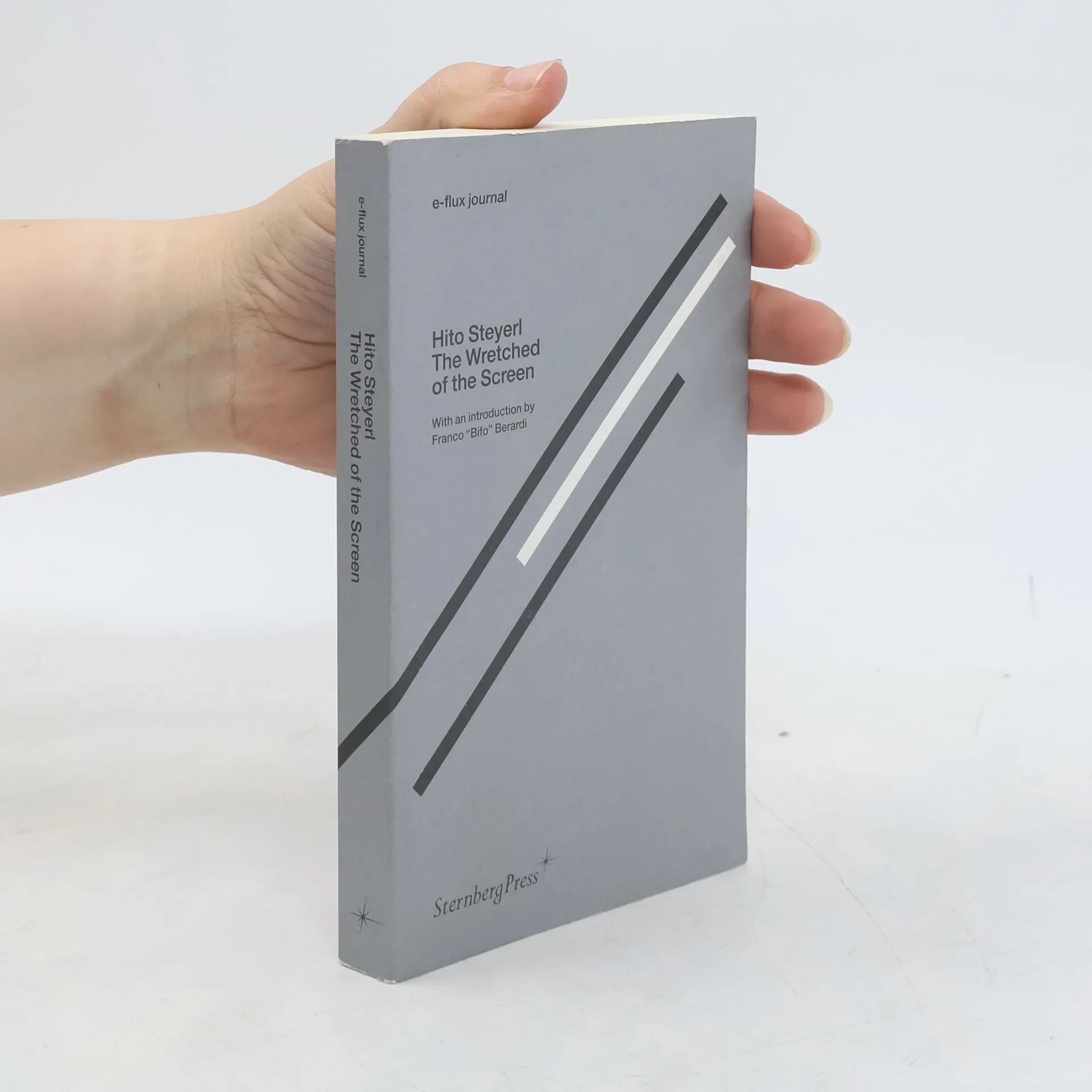
The Wretched of the Screen
- 200 pages
- 7 hours of reading
In Hito Steyerl's writing we begin to see how, even if the hopes and desires for coherent collective political projects have been displaced onto images and screens, it is precisely here that we must look frankly at the technology that seals them in. The Wretched of the Screen collects a number of Steyerl's landmark essays from recent years in which she has steadily developed her very own politics of the image. Twisting the politics of representation around the representation of politics, these essays uncover a rich trove of information in the formal shifts and aberrant distortions of accelerated capitalism, of the art system as a vast mine of labor extraction and passionate commitment, of occupation and internship, of structural and literal violence, enchantment and fun, of hysterical, uncontrollable flight through the wreckage of postcolonial and modernist discourses and their unanticipated openings. e-flux journal Series edited by Julieta Aranda, Brian Kuan Wood, Anton Vidokle
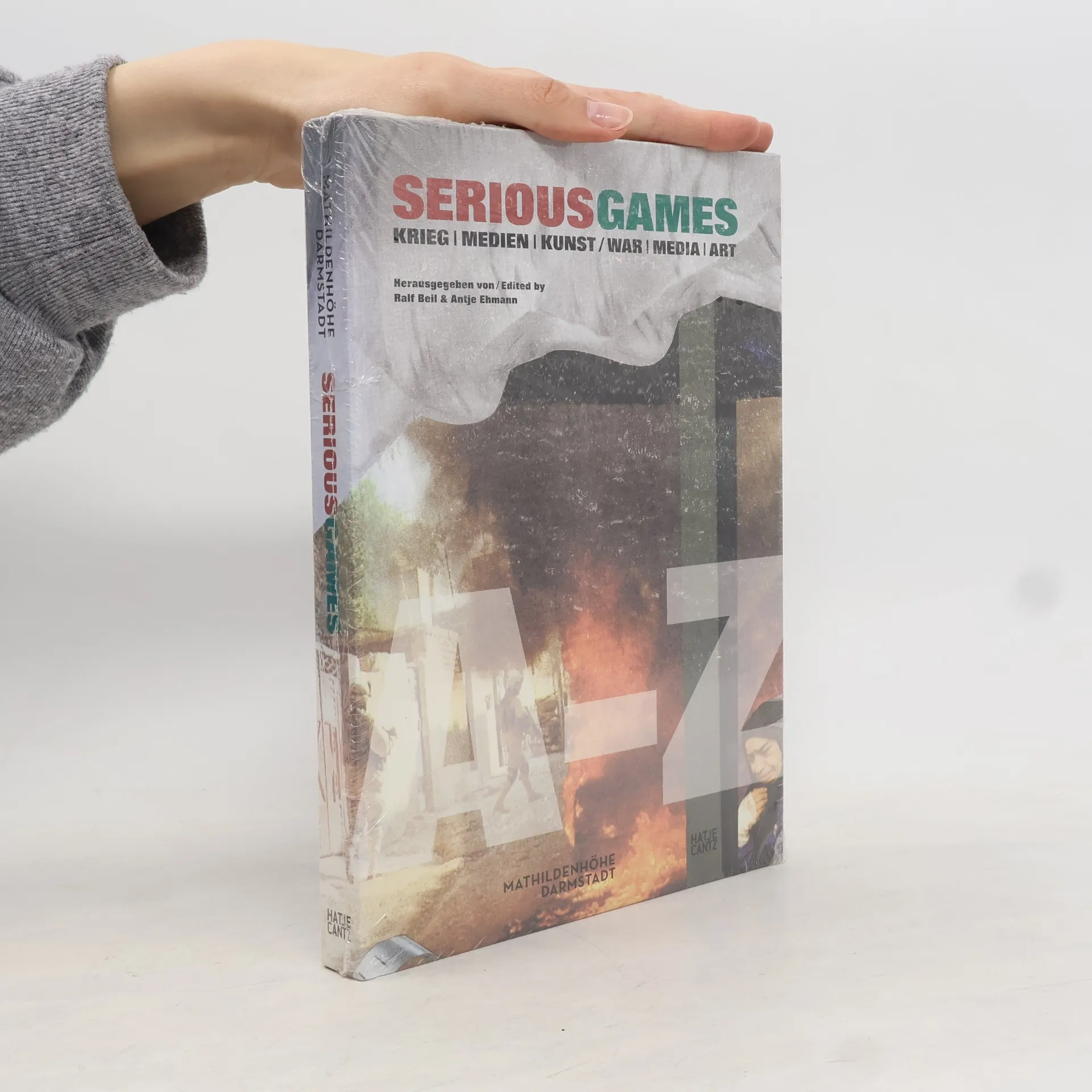
Serious Games - Zur Ausstellung in der Mathildenhöhe Darmstadt, 2011. Dtsch.-Engl.
- 207 pages
- 8 hours of reading
Im Irak-Krieg 1992 fiel die Kriegsführung mit der Berichterstattung zusammen: Das zivile Fernsehen zeigte Bilder, die kurz zuvor noch auf militärischen Kontroll-Monitoren zu sehen waren. Mittlerweile liefern Dienststellen der US-Armee komplette Datensätze für Computerspiele. Virtuelle Wüstenlandschaften mit Betonpisten und Strommasten prägen heute die Fantasie von Kindern und Jugendlichen wie früher einmal die Tunnel und Bergdörfer von Spielzeugeisenbahnen. Das lexikalisch aufgebaute Kompendium untersucht die permanente Umwandlung von Kriegsbildern zu Unterhaltungsbildern und damit die Militarisierung der Imagination. Es geht darum, welche Bilder Kriege erzeugen und wie diese in der Kunst der Gegenwart aufgegriffen und gespiegelt werden. Beleuchtet wird diese Frage anhand von Fotografien, Videos, Computerspielen, Gemälden und Rauminstallationen, unter anderem von Peggy Ahwesh, Oliver van den Berg, Kota Ezawa, Harun Farocki, Jean-Luc Godard, Richard Hamilton, Walid Raad, Martha Rosler, Allan Sekula und Hito Steyerl. Ausstellung: Mathildenhöhe Darmstadt 27.3.–24.7.2011
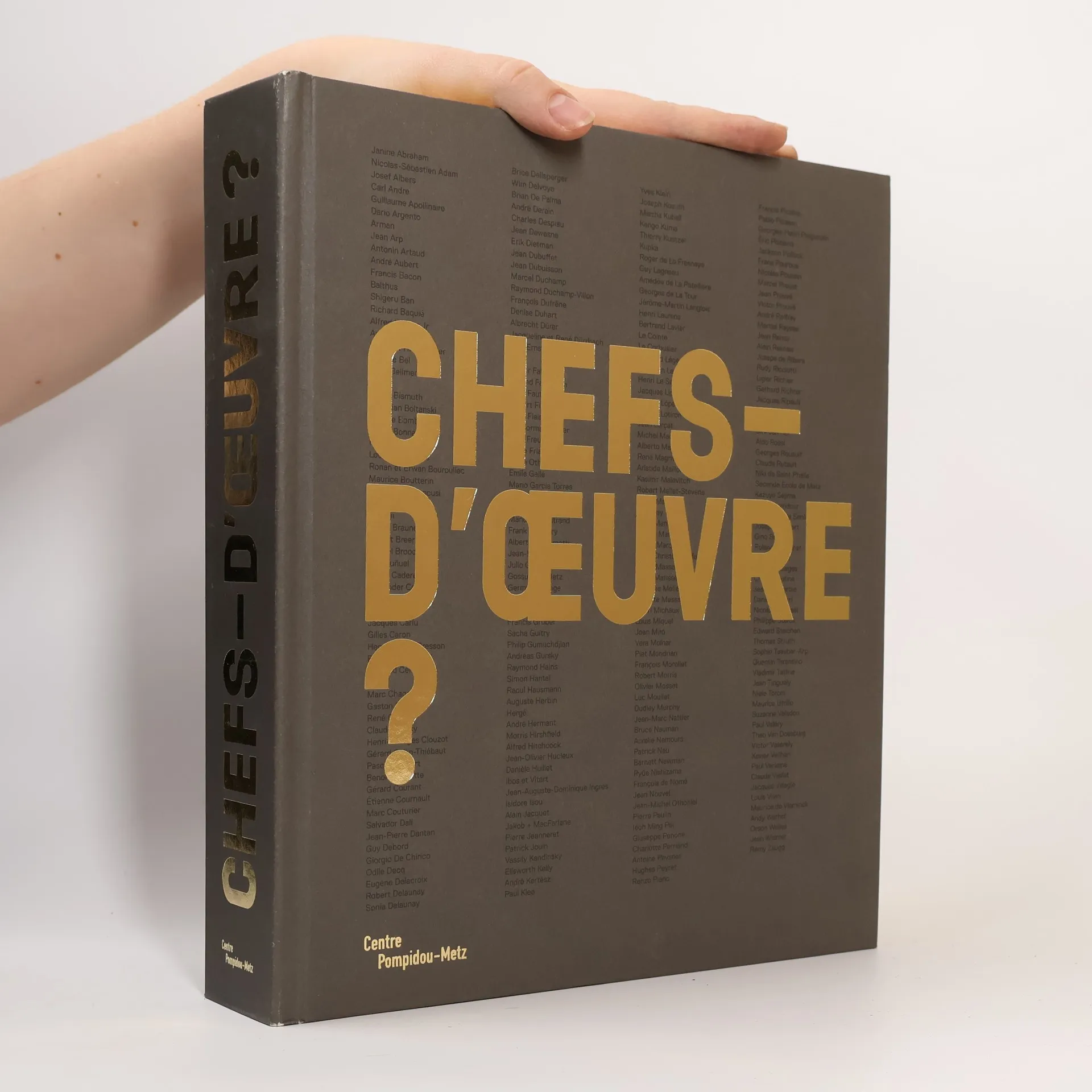
Chefs-d'œuvre ?
- 570 pages
- 20 hours of reading
Chefs d'uvre L'exposition d'ouverture du centre Pompidou-Metz.
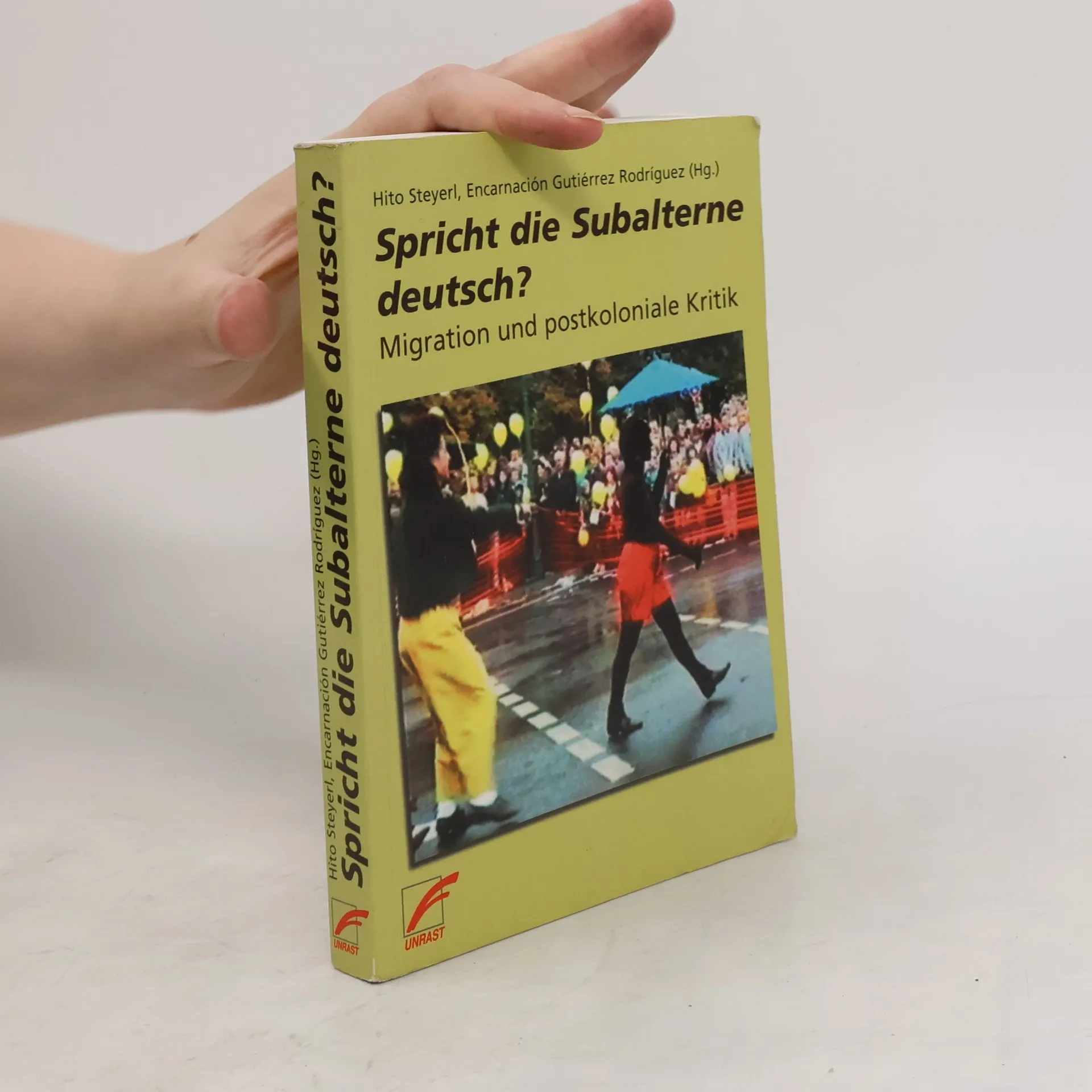
Migration und postkoloniale Kritik beleuchtet die Debatte um die Anwendbarkeit postkolonialer Kritik im deutschen Kontext. Der Band enthält unterschiedliche Perspektiven: Einige Texte setzen postkoloniale Diskurse um, während andere die theoretischen Rahmenbedingungen in Frage stellen. Dies führt zu einem facettenreichen Einblick in die Diskussionen über Postkolonialität im deutschsprachigen Raum. Besonders im Fokus stehen die Auswirkungen postkolonialer Konzepte auf das Verständnis und die Transformation der Realität von MigrantInnen und Minderheiten im Post-Wiedervereinigungs-Deutschland, das durch eine Zunahme rassistischer und antisemitischer Gewalt geprägt ist. Der Band fragt, wie diese Realität mit den verschiedenen postkolonialen Theorien verstanden werden kann und inwieweit diese Konzepte greifen oder sich von den Anwendungsgebieten der ›Post-Holocaust‹-Forschung unterscheiden. Es kommen zahlreiche AutorInnen zu Wort, darunter Patricia Alleyne-Dettmers, Maria do Mar Castro Varela, Luzenir Caixeta, Nikita Dhawan, Fatima El Tayeb und viele andere, die zur Vielfalt der Diskussion beitragen.