Recent advancements in chemistry have led to groundbreaking innovations, such as superconducting ceramics for brain scanners and color-changing fabrics. Chemists are also transforming materials, creating drugs from crude oil, and identifying atmospheric pollutants while seeking solutions for environmental issues. Philip Ball, an editor at Nature, explores these developments, highlighting the versatile applications of buckminsterfullerene molecules, or "buckyballs," in various fields including medicine and electronics, making complex concepts accessible to general readers.
Philip Ball Books
October 30, 1962
Philip Ball is a distinguished science writer whose work explores the intricate connections between scientific principles and societal or economic phenomena. With a profound understanding of physics and chemistry, he adeptly applies mathematical models to illuminate complex systems. His writing is celebrated for its clarity in explaining sophisticated concepts, revealing underlying patterns across diverse fields. Ball's insights encourage readers to contemplate the fundamental forces that shape our world.


The Elements
- 224 pages
- 8 hours of reading
The first fully illustrated history of the chemical elements.
A New Scientist Best Book of 2023 Featuring two hundred color plates, this history of the craft of scientific inquiry is as exquisite as the experiments whose stories it shares. This illustrated history of experimental science is more than just a celebration of the ingenuity that scientists and natural philosophers have used throughout the ages to study—and to change—the world. Here we see in intricate detail experiments that have, in some way or another, exhibited elegance and beauty: in their design, their conception, and their execution. Celebrated science writer Philip Ball invites readers to marvel at and admire the craftsmanship of scientific instruments and apparatus on display, from the earliest microscopes to the giant particle colliders of today. With Ball as our expert guide, we are encouraged to think carefully about what experiments are, what they mean, and how they are used. Ranging across millennia and geographies, Beautiful Experiments demonstrates why “experiment” remains a contested notion in science, while also exploring how we came to understand the way the world functions, what it contains, and where the pursuit of that understanding has brought us today.
The Book of Minds: Understanding Ourselves and Other Beings, From Animals to Aliens
- 500 pages
- 18 hours of reading
Understanding the human mind and its relation to our experiences has long been a philosophical challenge. How do we approach 'minds' that are not human? Recent scientific advancements have explored the properties of mind across various fields, including zoology, astrobiology, computer science, and neuroscience. Taking a broad view, the author examines minds in plants, aliens, and even God, unifying these multidisciplinary insights to explore the types of minds that might exist in the universe. He argues for a shift away from using the human mind as the standard for all minds, advocating for a consideration of the 'space of possible minds.' By mapping out the properties of mind without prioritizing the human experience, he sheds light on critical questions, such as the moral rights of animals, the implications of AI, and the potential for communication with intelligent aliens. This exploration also addresses profound scientific inquiries about thought, consciousness, and free will. As we learn about the minds of various creatures, from octopuses to chimpanzees, and envision the minds of computers and extraterrestrial intelligences, we gain a broader perspective on our own minds. This ambitious work expands our understanding of the nature and existence of minds, ultimately helping us to better comprehend our own.
The Book of Minds
- 512 pages
- 18 hours of reading
Science Book Prize-winning science writer Philip Ball explores the diversity of thinking minds, from the variety of human minds to those of mammals, insects, computers and plants, in a book that brilliantly illuminates how many different ways there are to think and engage with the world; and how particular are our own.
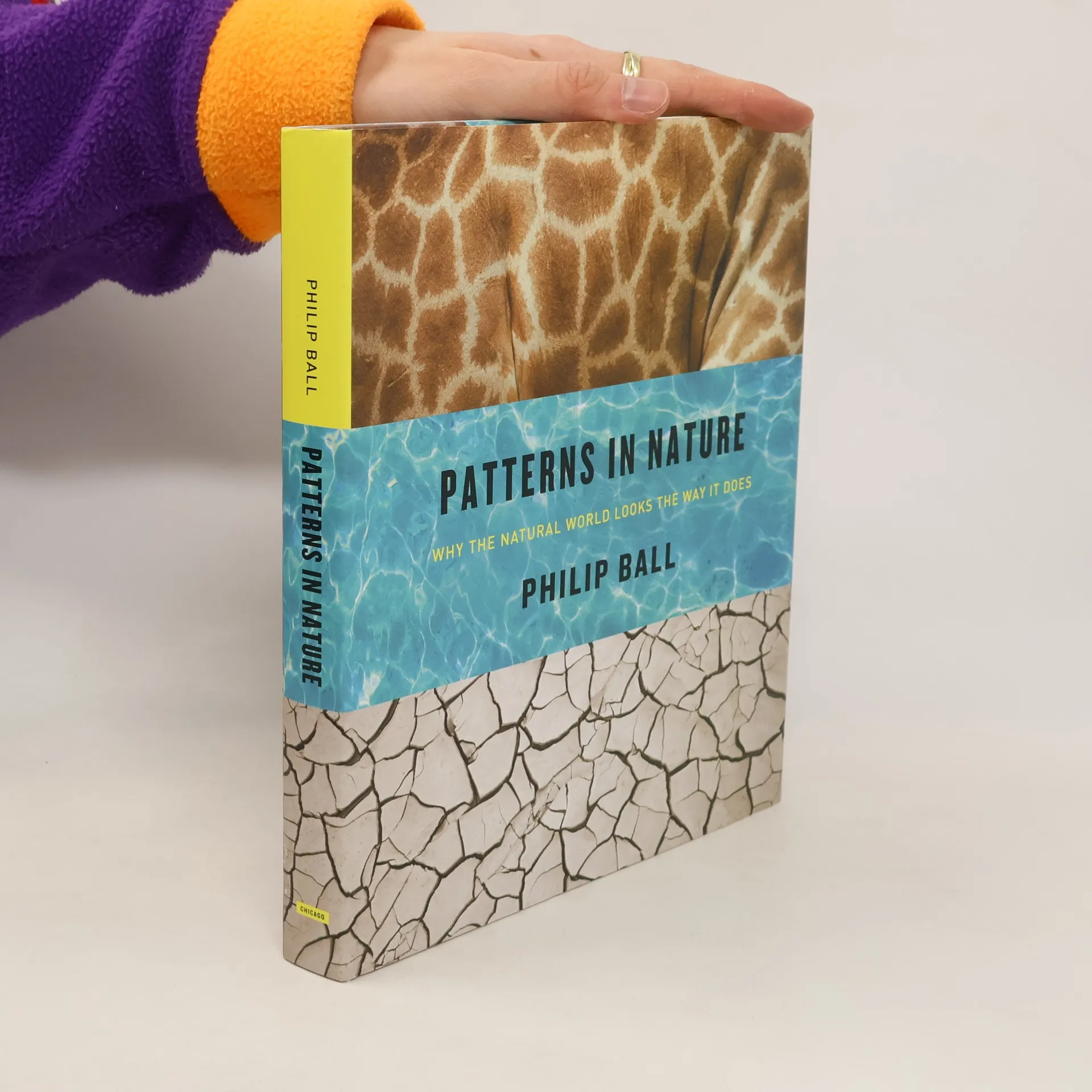
Patterns in Nature
- 288 pages
- 11 hours of reading
While the natural world is often described as organic, it is in fact structured to the very molecule, replete with patterned order that can be decoded with basic mathematical algorithms and principles. In a nautilus shell one can see logarithmic spirals, and the Golden Ratio can be seen in the seed head of the sunflower plant. These patterns and shapes have inspired artists, writers, designers, and musicians for thousands of years. "Patterns in Nature: Why the Natural World Looks the Way It Does" illuminates the amazing diversity of pattern in the natural world and takes readers on a visual tour of some of the world s most incredible natural wonders. Featuring awe-inspiring galleries of nature s most ingenious designs, "Patterns in Nature" is a synergy of art and science that will fascinate artists, nature lovers, and mathematicians alike."
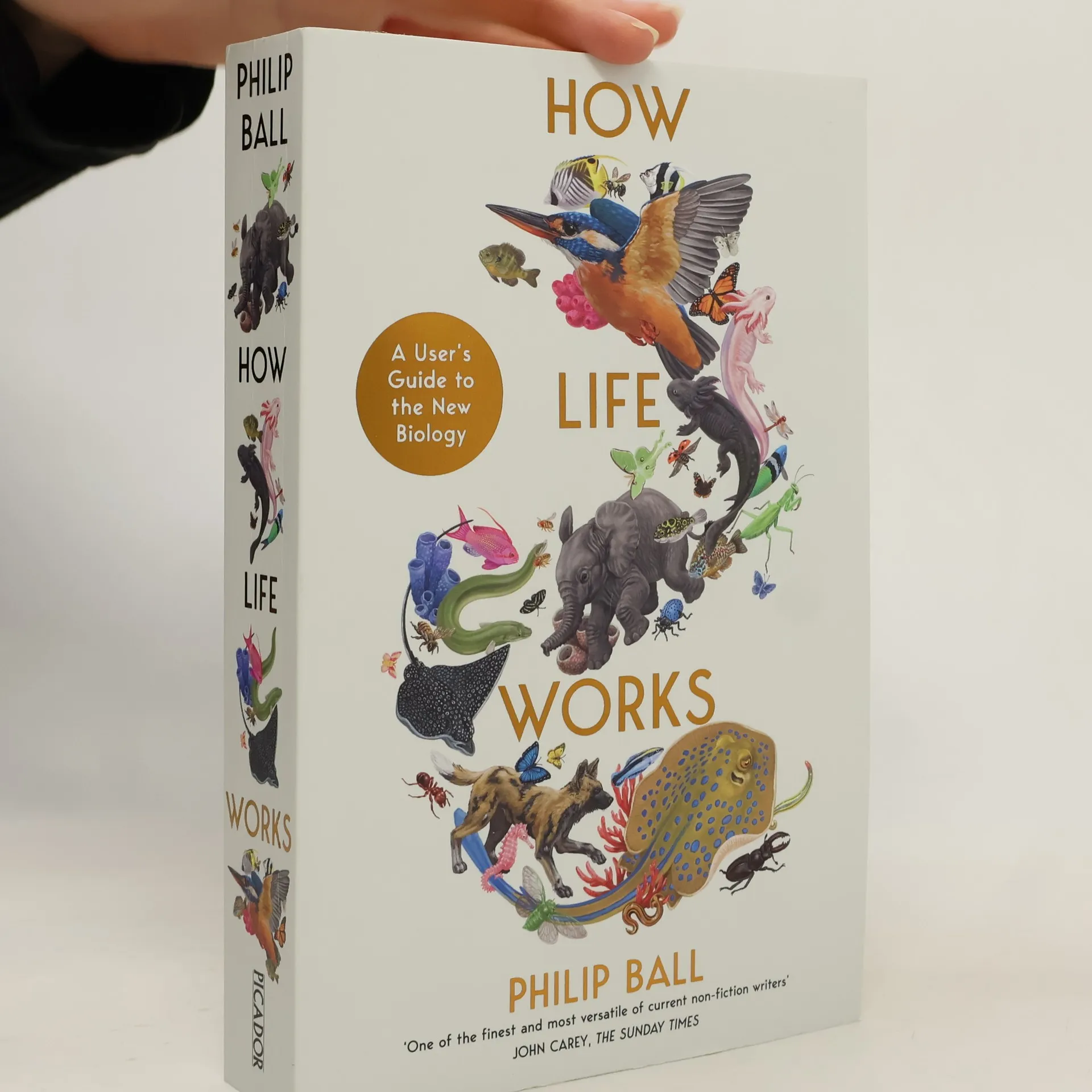
How Life Works
- 560 pages
- 20 hours of reading
'An essential primer on humanity's ongoing quest to understand the secrets of life . . . Excellent . . . Ball is a terrific writer.' - Adam Rutherford, The Guardian 'Ball is a ferociously gifted science writer . . . There is so much [here] that is amazing . . . urgent . . . astonishing.' - The Sunday Times A cutting-edge new vision of biology that proposes to revise our concept of what life is - from Science Book Prize winner Philip Ball. Biology is undergoing a quiet but profound transformation. Several aspects of the standard picture of how life works have been exposed as incomplete, misleading, or wrong. In How Life Works, Philip Ball explores the new biology, revealing life to be a far richer, more ingenious affair than we had guessed. With this knowledge come new possibilities. Today we can redesign and reconfigure living systems, tissues, and organisms. We can reprogram cells, for instance, to carry out new tasks and grow into structures not seen in the natural world. Some researchers believe that ultimately we will be able to regenerate limbs and organs, and perhaps even create new life forms that evolution has never imagined. Incorporating the latest research and insights, How Life Works is a sweeping journey into this new frontier of the nature of life, a realm that will reshape our understanding of life as we know it.
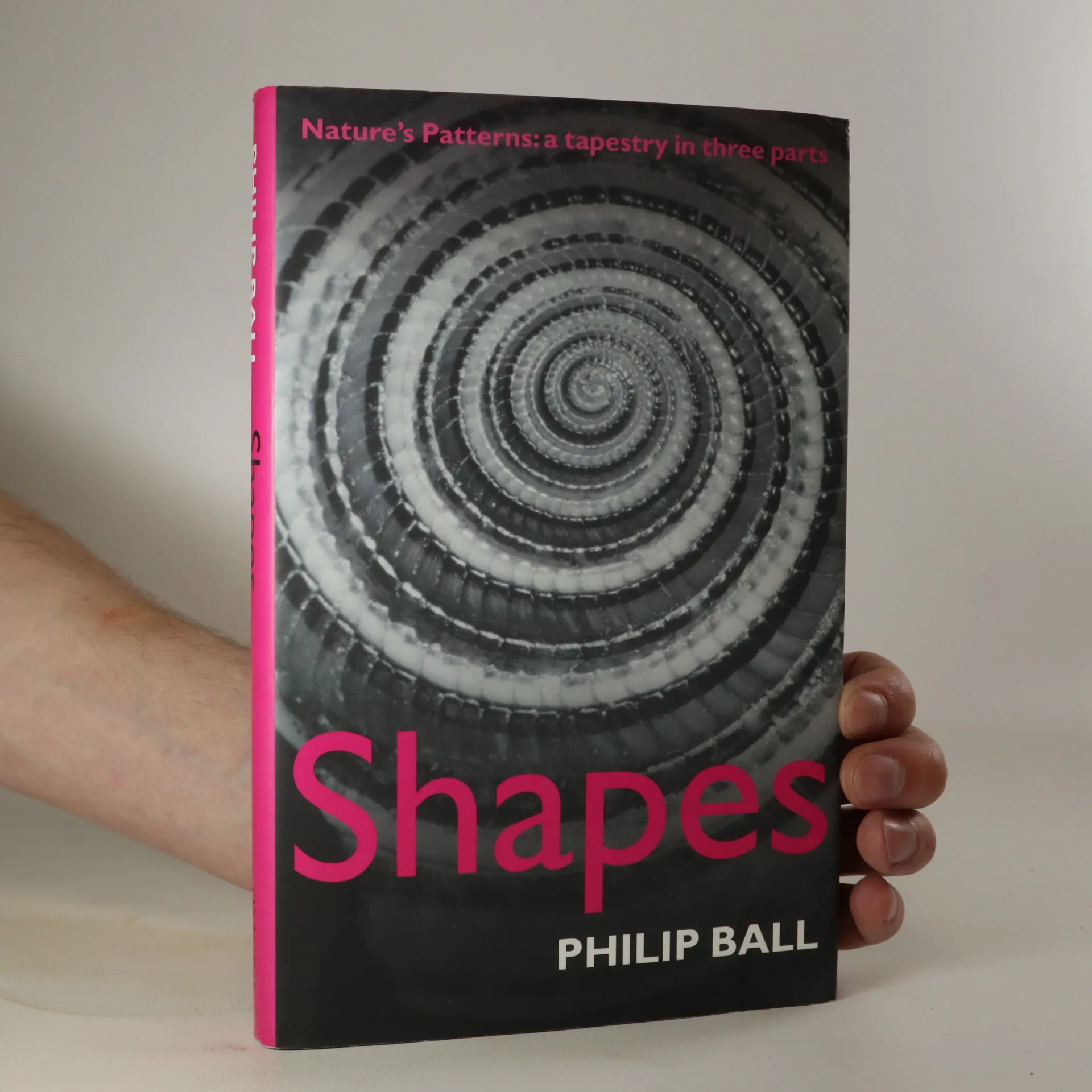
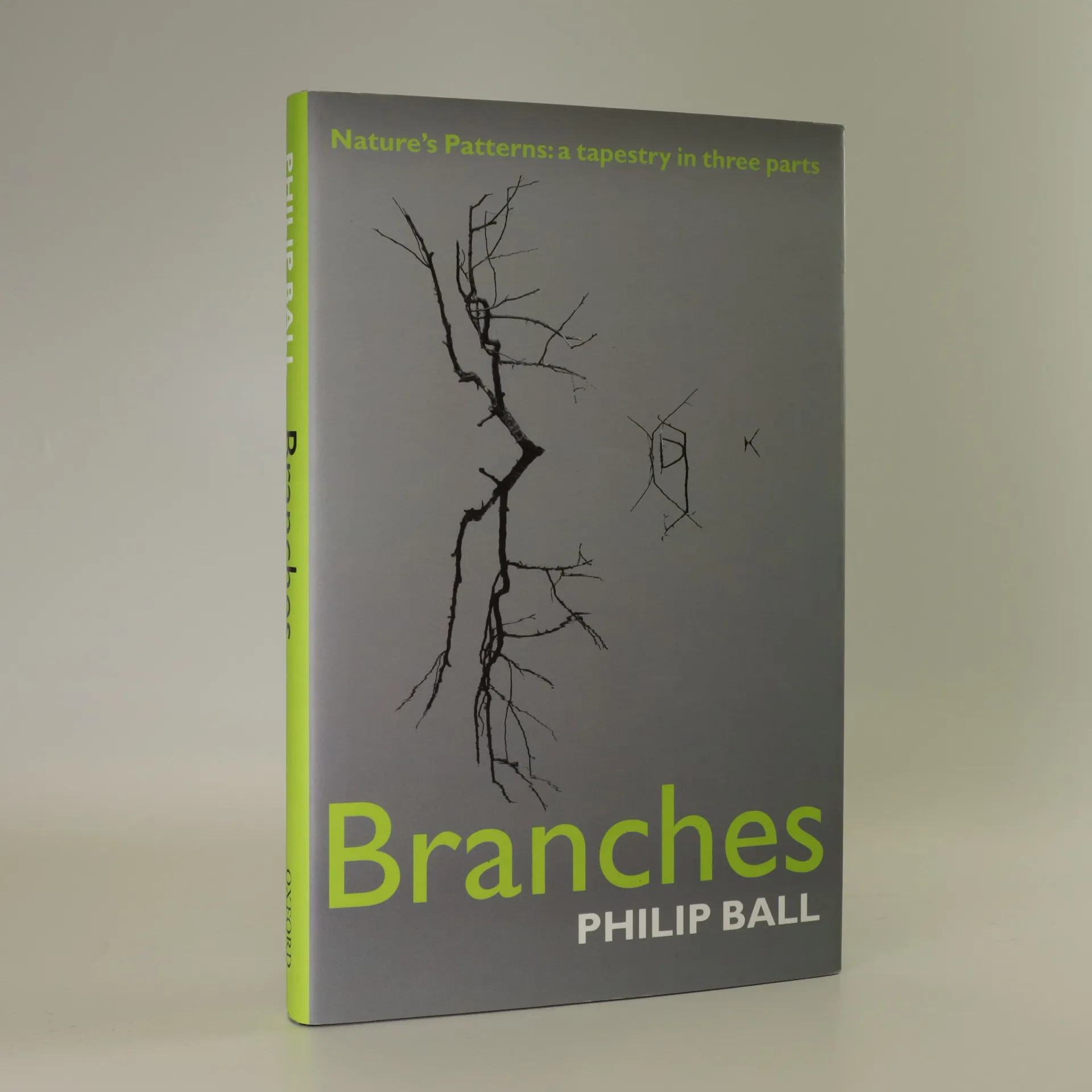
As part of a trilogy of books exploring the science of patterns in nature, acclaimed science writer Philip Ball here looks at the form and growth of branching networks in the natural world, and what we can learn from them.Many patterns in nature show a branching form - trees, river deltas, blood vessels, lightning, the cracks that form in the glazing of pots. These networks share a peculiar geometry, finding a compromise between disorder and determinism, though some, like the hexagonal snowflake or the stones of the Devil's Causeway fall into a rigidly ordered structure. Branching networks are found at every level in biology - from the single cell to the ecosystem. Human-made networks too can come to share the same features, and if they don't, then it might be profitable to make them do nature's patterns tend to arise from economical solutions.
Morbo
- 256 pages
- 9 hours of reading
Morbo is the unique element that gives Spanish football its special flavour. More than mere rivalry, it is the expression of a thousand provocative ways of the feeling between clubs divided by history, language and politics. While outsiders may think only of the antagonism between Barcelona and Real Madrid, the same spirit courses through the uncompromising politics of the Basque Country, hangs over the divided football city of Seville and marks Spain's attitudes towards its national team. This is the history of the Spanish game and its true governing body - morbo.
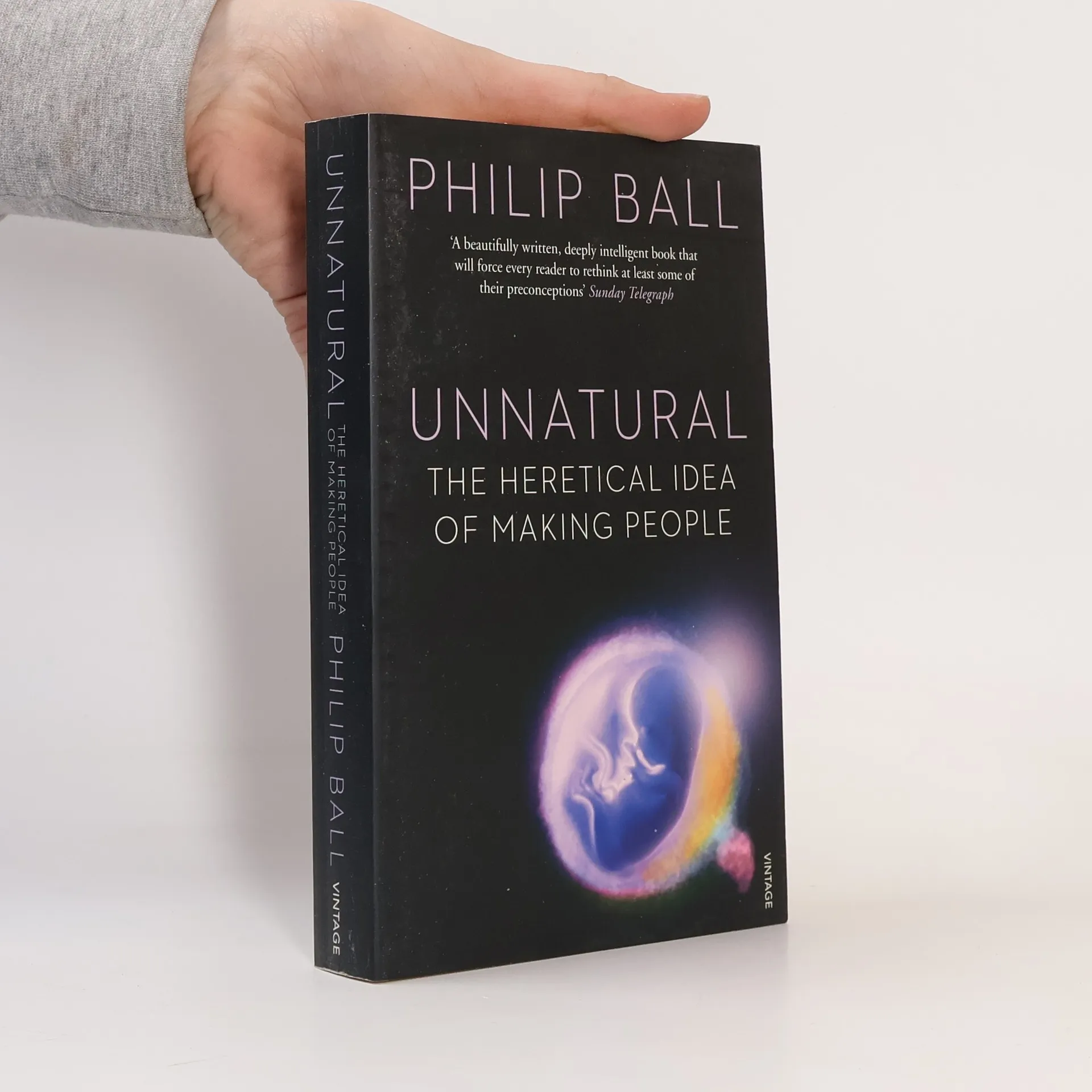
Can we make a human being? The question has been asked for many centuries, and has produced recipes ranging from the clay golem of Jewish legend to the mass-produced test-tube babies in Brave New World. Unnatural delves beneath the surface of the cultural history of 'anthropoeia' - the artificial creation of people - to explore what it tells us about our views on life, humanity, creativity and technology, and the soul. Philip Ball traces the threads that link the legendary inventor Daedalus, Goethe's tragic "Faust", the automata-making magicians of "E.T.A. Hoffman" and Mary Shelley's "Victor Frankenstein". He argues that these old tales and myths are alive and well, subtly manipulating the current debates about assisted conception, embryo research and human cloning, which have at last made the idea of 'making people' into flesh and blood reality
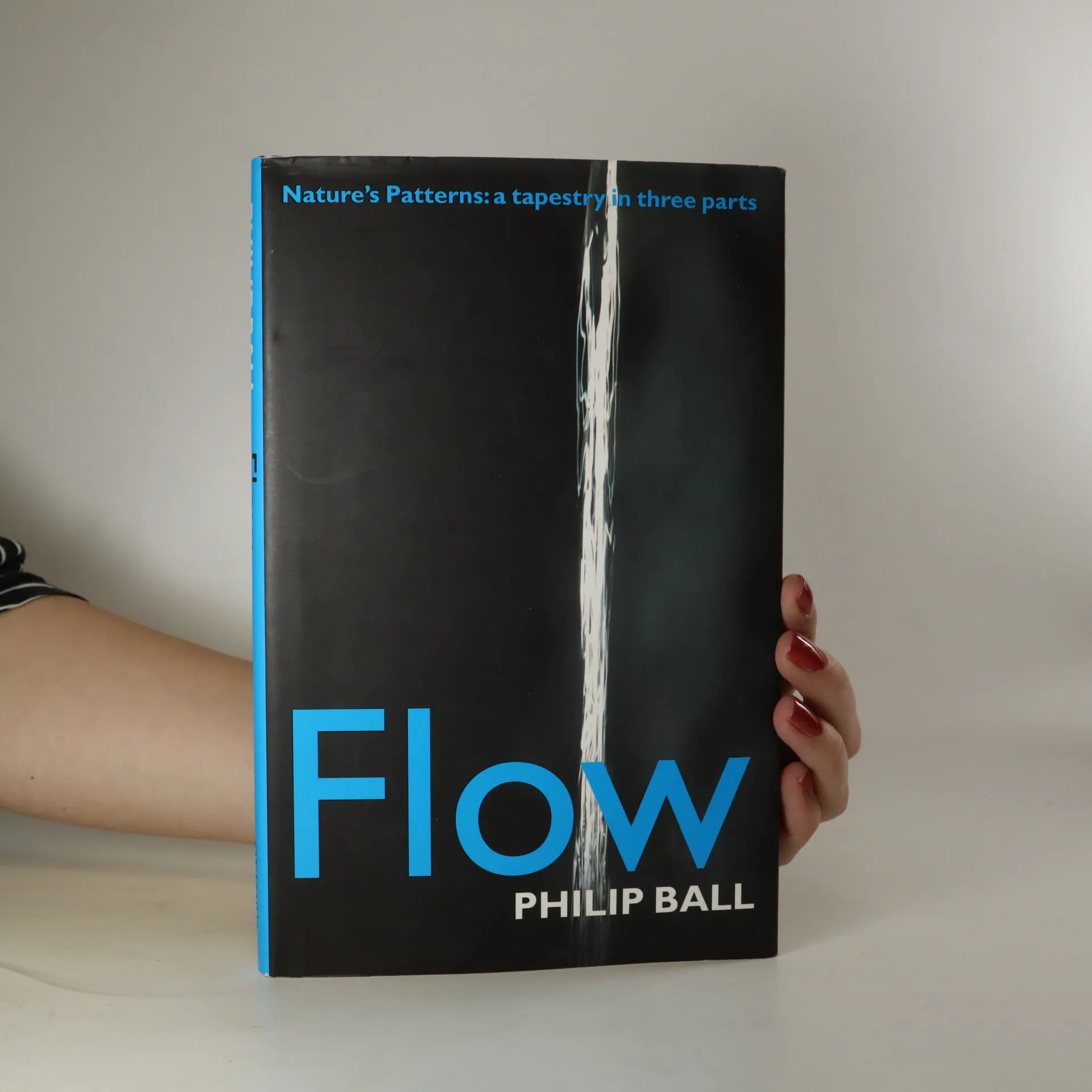
Nature's Patterns. A Tapestry in Three Parts. Flow
- 176 pages
- 7 hours of reading
From the swirl of a wisp of smoke to eddies in rivers, and the huge persistent storm system that is the Great Spot on Jupiter, we see similar forms and patterns wherever there is flow - whether the movement of wind, water, sand, or flocks of birds. It is the complex dynamics of flow that structures our atmosphere, land, and oceans.Part of a trilogy of books exploring the science of patterns in nature by acclaimed science writer Philip Ball, this volume explores the elusive rules that govern flow - the science of chaotic behavior.
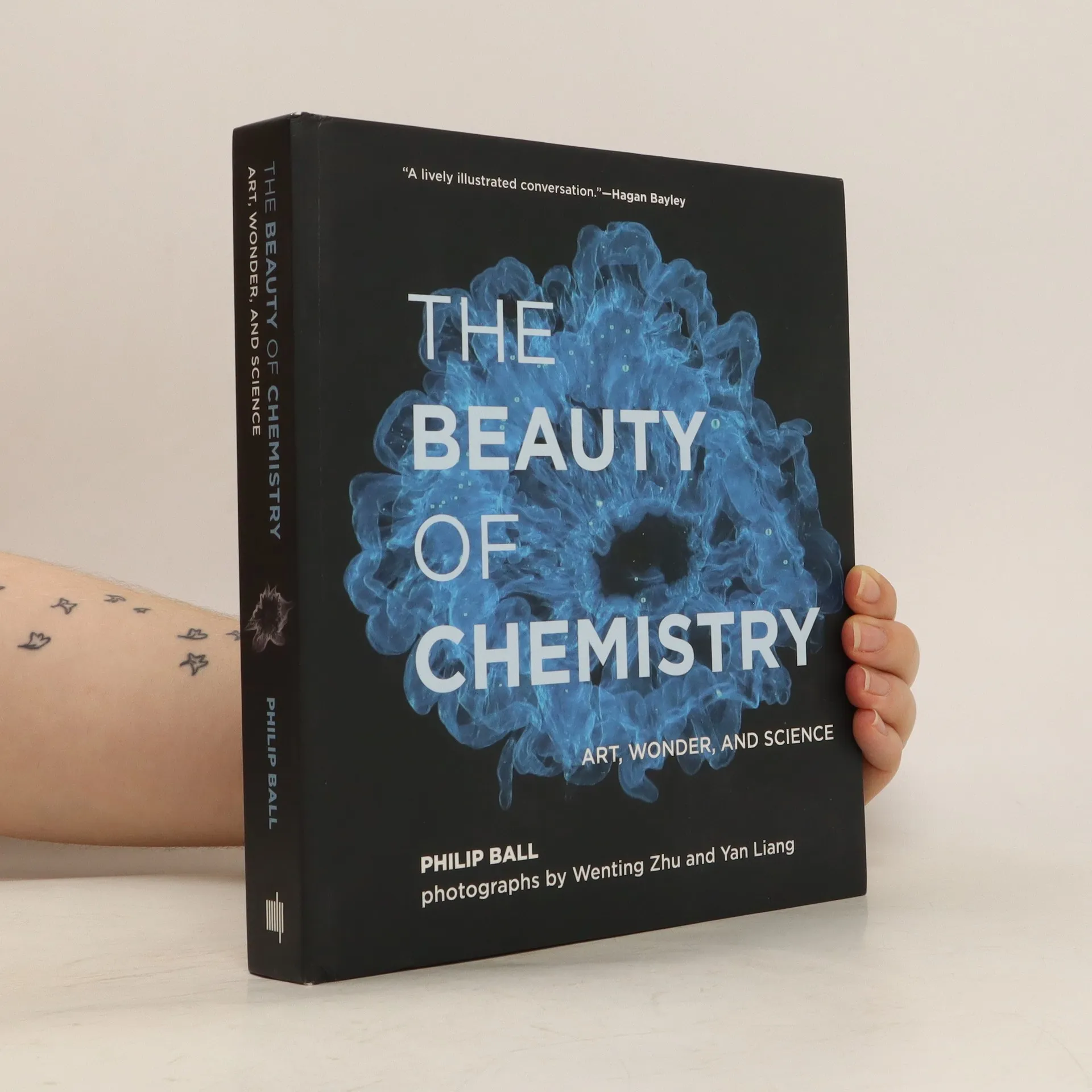
The Beauty of Chemistry
- 256 pages
- 9 hours of reading
Images and text capture the astonishing beauty of the chemical processes that create snowflakes, bubbles, flames, and other wonders of nature.Chemistry is not just about microscopic atoms doing inscrutable things; it is the process that makes flowers and galaxies. We rely on it for bread-baking, vegetable-growing, and producing the materials of daily life. In stunning images and illuminating text, this book captures chemistry as it unfolds. Using such techniques as microphotography, time-lapse photography, and infrared thermal imaging, The Beauty of Chemistry shows us how chemistry underpins the formation of snowflakes, the science of champagne, the colors of flowers, and other wonders of nature and technology. We see the marvelous configurations of chemical gardens; the amazing transformations of evaporation, distillation, and precipitation; heat made visible; and more.
"Myths are usually seen as stories from the depths of time--fun and fantastical, but no longer believed by anyone. Yet, as Philip Ball shows, we are still writing them--and still living them--today. From Robinson Crusoe and Frankenstein to Batman, many stories written in the past few centuries are commonly, perhaps glibly, called "modern myths." But Ball argues that we should take that idea seriously. Our stories of Dracula, Dr. Jekyll and Mr. Hyde, and Sherlock Holmes are doing the kind of cultural work that the ancient myths once did. Through the medium of narratives that all of us know in their basic outline and which have no clear moral or resolution, these modern myths explore some of our deepest fears, dreams, and anxieties. We keep returning to these tales, reinventing them endlessly for new uses. But what are they really about, and why do we need them? What myths are still taking shape today? And what makes a story become a modern myth?"--back cover
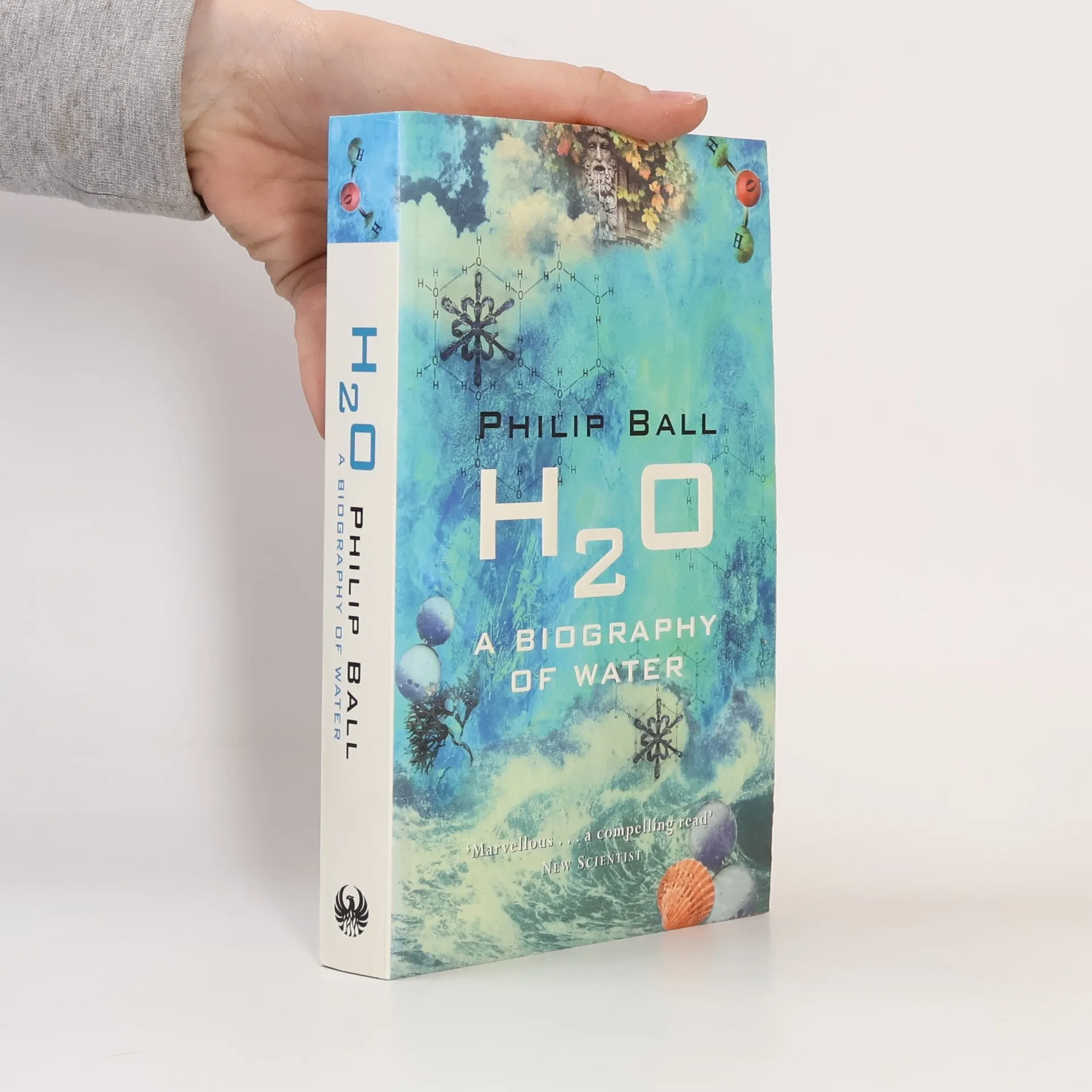
H2O
- 400 pages
- 14 hours of reading
The brilliantly told and gripping story of the most familiar - yet, amazingly, still poorly understood - substance in the universe: Water. schovat popis
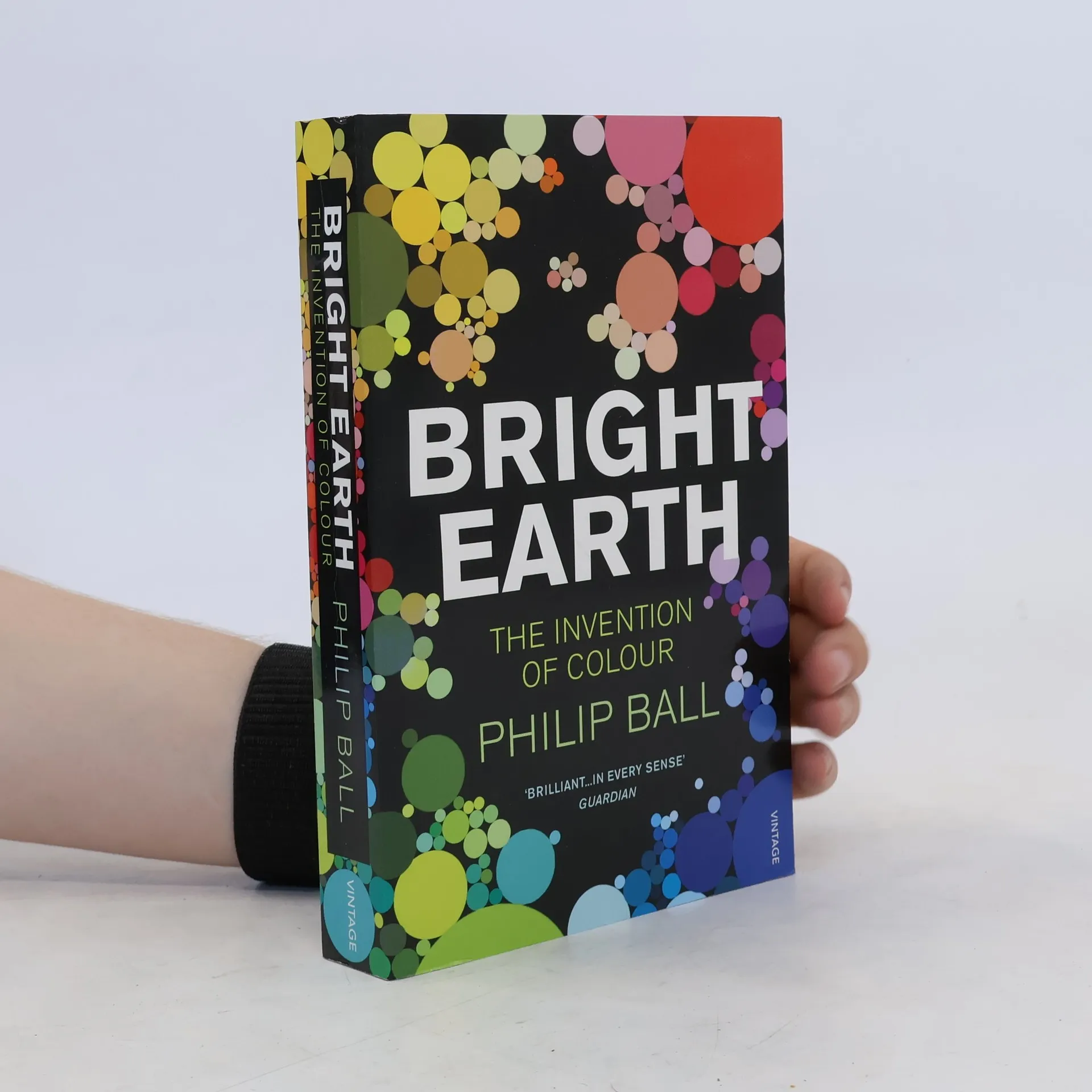
Bright Earth
- 448 pages
- 16 hours of reading
Colour in art - as in life - is both inspiring and uplifting, but where does it come from?
The Music Instinct
- 452 pages
- 16 hours of reading
* All human cultures seem to make music - today and through history. But why they do so, why music can excite deep passions, and how we make sense of musical sound at all are questions that have, until recently, remained profoundly mysterious. Now
Is there a 'physics of society'? Ranging from Hobbes and Adam Smith to modern work on traffic flow and market trading, and across economics, sociology and psychology, Philip Ball shows how much we can understand of human behaviour when we cease to try to
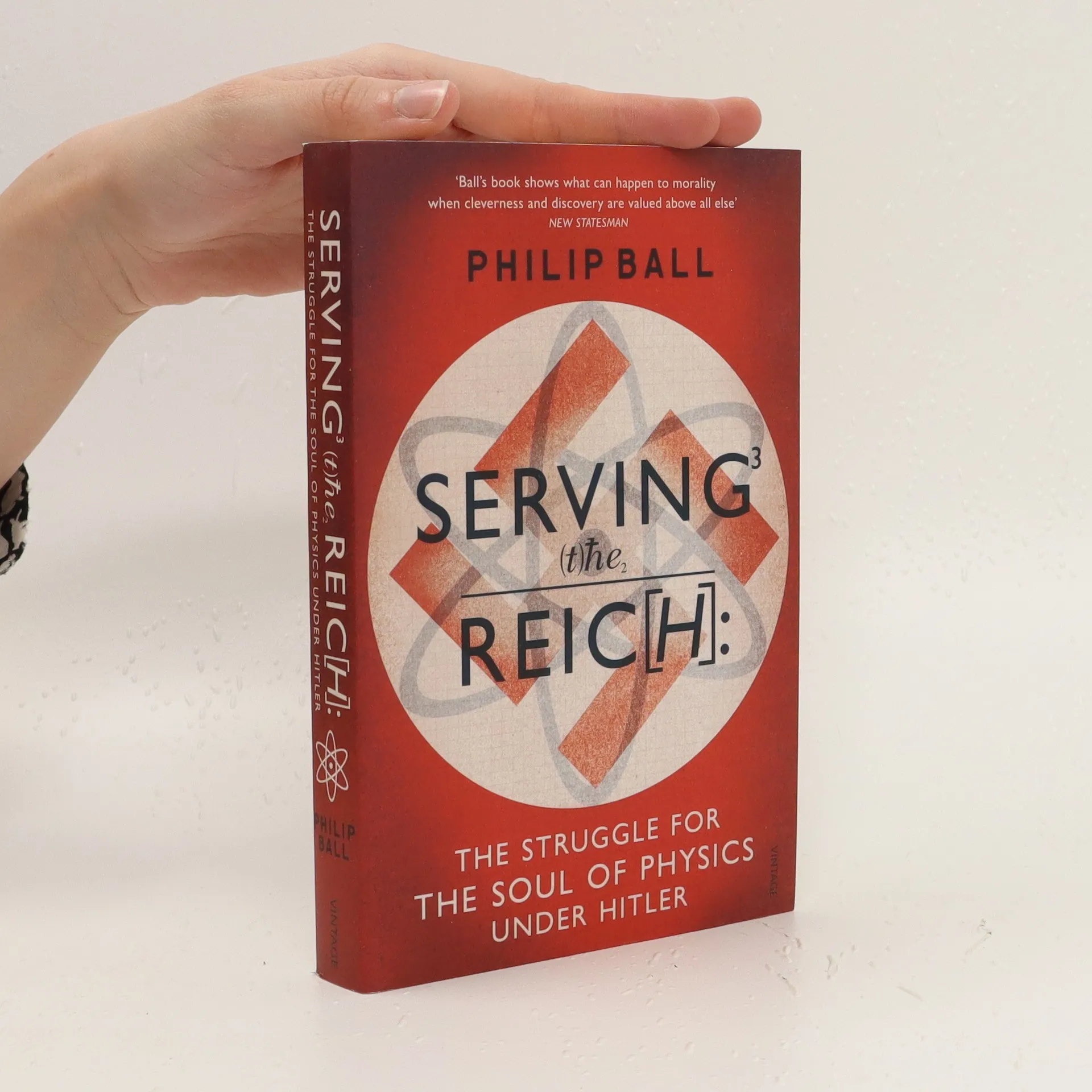
Serving the Reich : the struggle for the soul of physics under Hitler
- 320 pages
- 12 hours of reading
'Serving the Reich' tells the story of three world-renowned physicists working under Hitler against the background of the attempt by Nazi scientists to create 'German physics' - an Aryan science that excluded any 'Jewish ideas', in particular Einstein's theory of relativity.
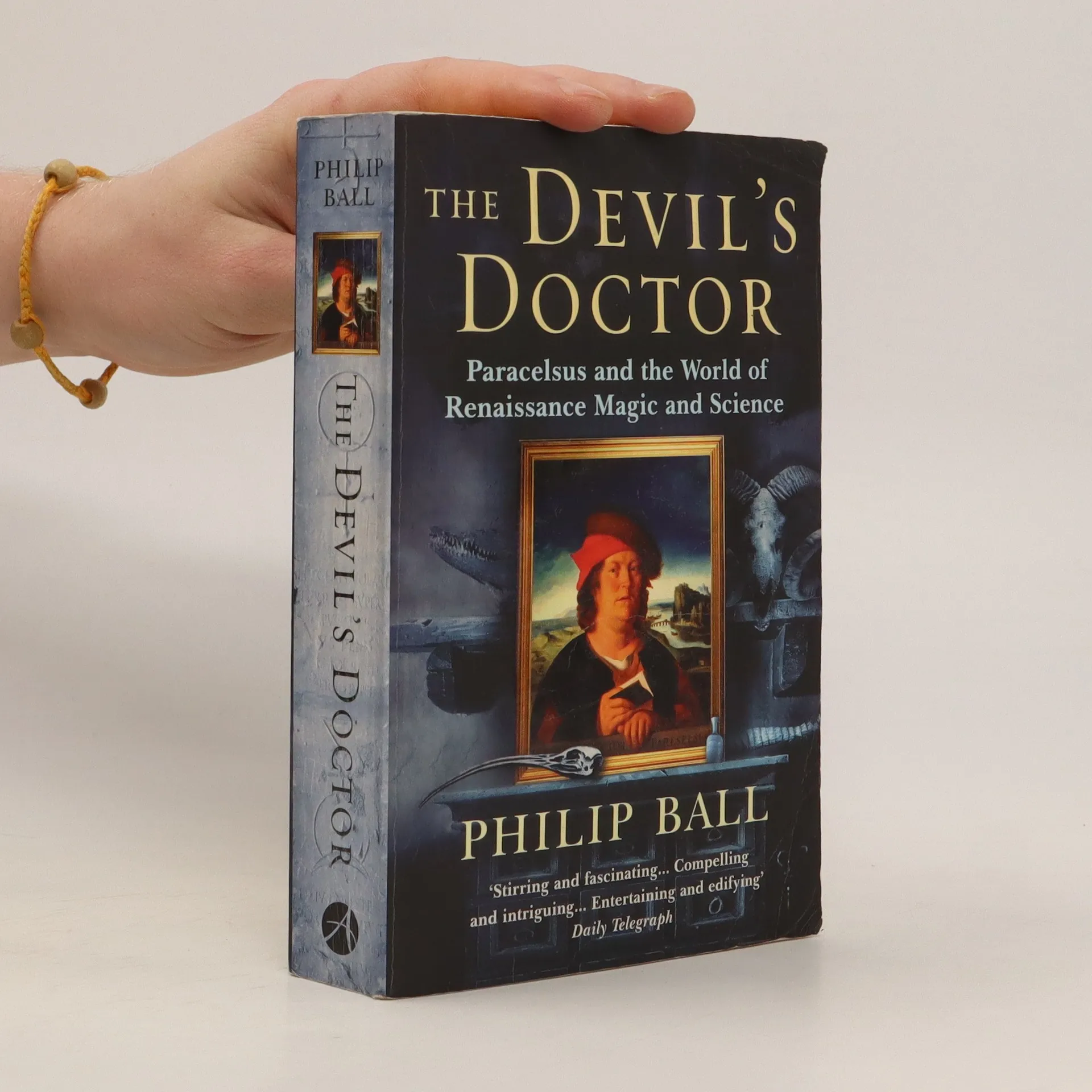
The Devil's Doctor
- 435 pages
- 16 hours of reading
Philip Theophrastus Aureolus Bombastus von Hohenheim - known to later ages as Paracelsus - is a man who has been hard to perceive or understand. He has been seen as both a charlatan and as a founder of modern science. This is his biography and it reveals the richness, complexity and chaos of sixteenth century Europe.
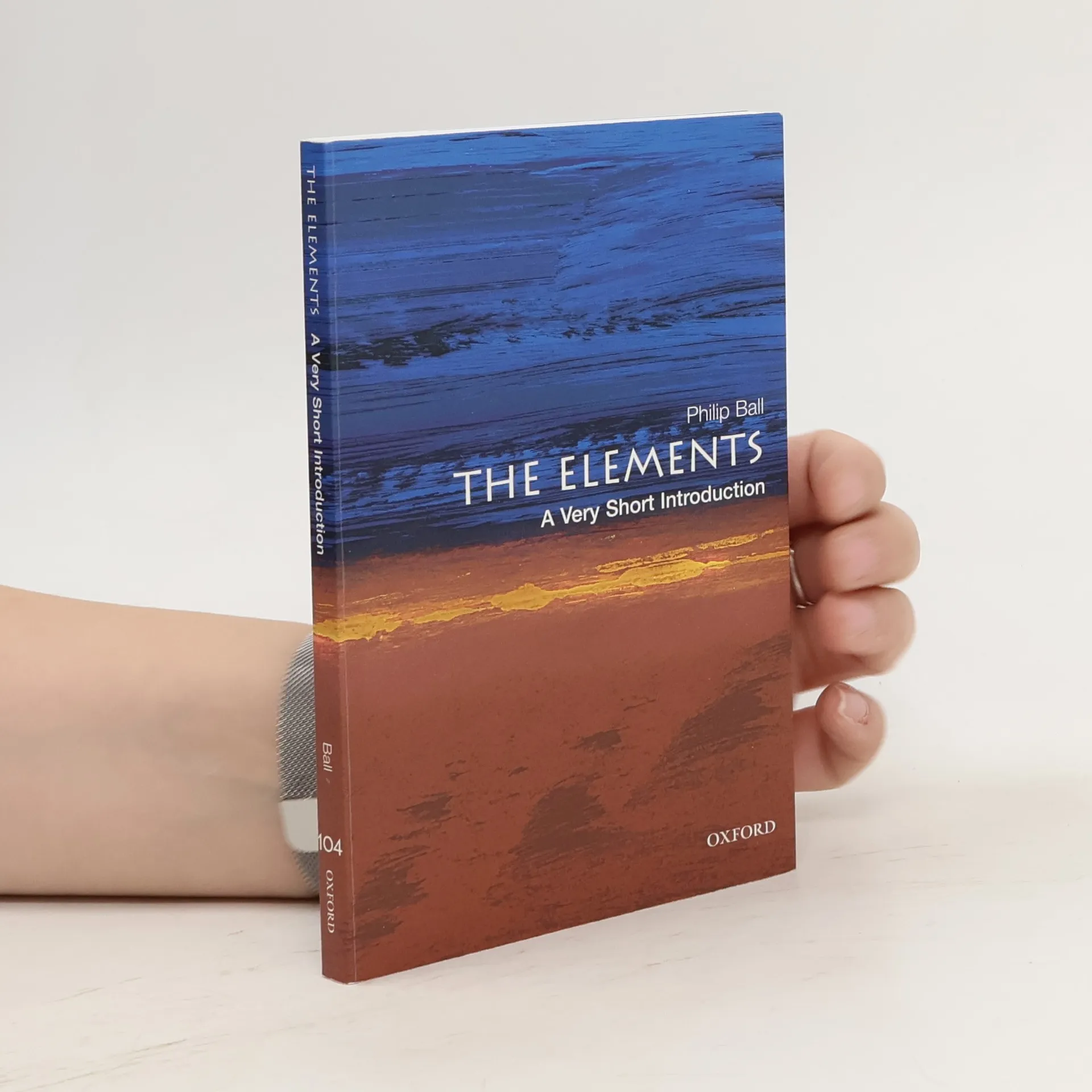
The Elements: A Very Short Introduction
- 186 pages
- 7 hours of reading
Traces the history and cultural impact of the elements on humankind, and examines why people have long sought to identify the substances around them. Looking beyond the Periodic Table, the author takes us on a tour: from the Greek philosophers who propounded a system with four elements to the modern- day scientists who are able to create their own.
A Guide to "Very Short Introduction" Series published by Oxford University Press.
The ancient Egyptians are an enduring source of fascination - mummies and pyramids, curses and rituals have captured the imagination of generations. We all have a mental picture of ancient Egypt, but is it the right one? How much do we really know about this great civilization?
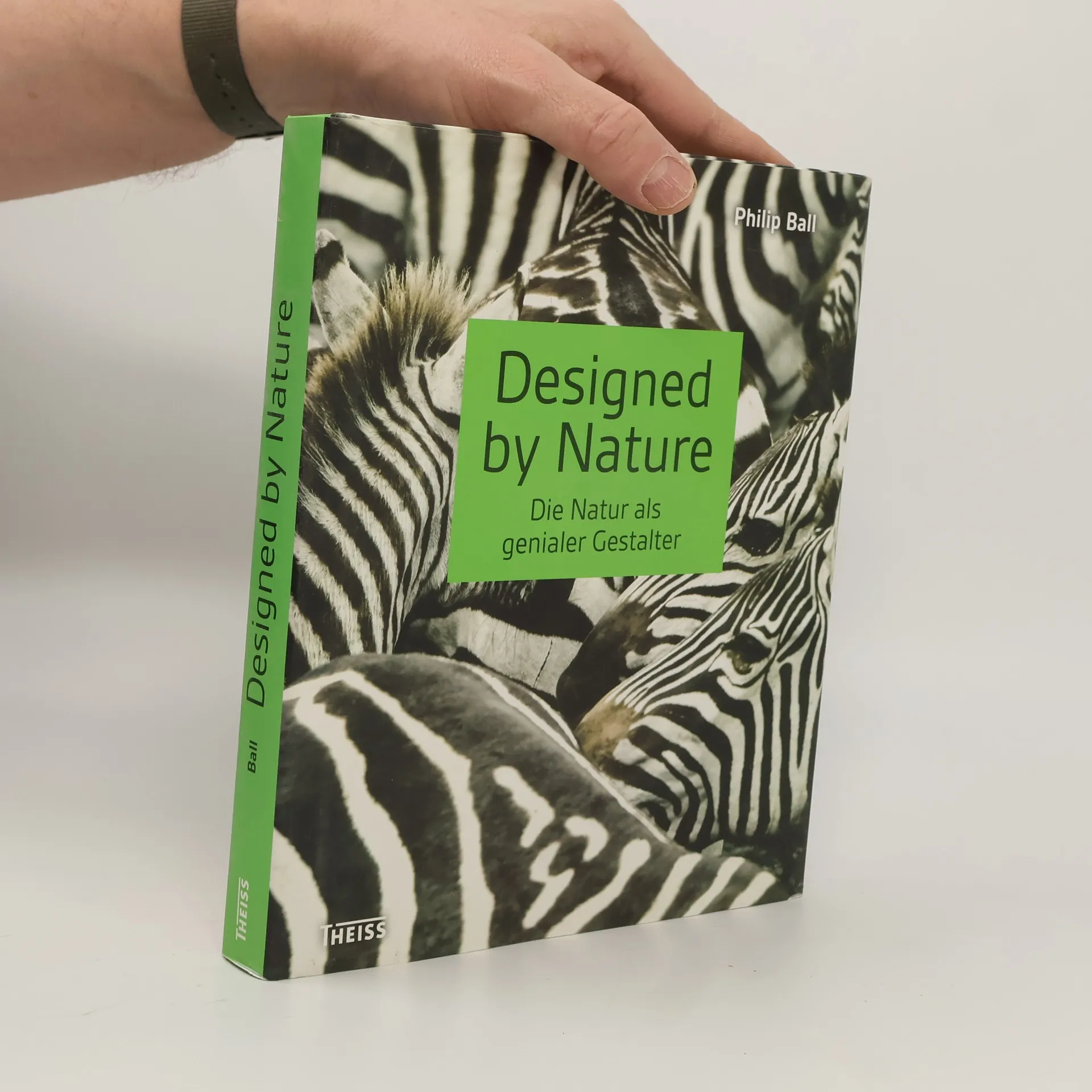
Eine atemberaubende visuelle Reise zu den chemischen Bausteinen unseres Universums! Gold, Kupfer, Zinn und Silber – hinter jedem Element des Periodensystems verbergen sich spannende Geschichten. Wie die Menschheit die chemischen Elemente entdeckte und sich zu Nutze machte. «Die Elemente» ist eine atemberaubende visuelle Reise durch die Entdeckungsgeschichte der chemischen Bausteine unseres Universums. Sie beginnt in der Vorgeschichte, als sich die Menschen erstmals Eisen, Zinn, Gold und Silber zunutze machten, und endet mit dem Atomzeitalter und dem Teilchenbeschleuniger. Dabei erläutert Philip Ball nicht nur, woraus das Universum letztendlich besteht, sondern er beschreibt auch den von Irrungen und Wirrungen geprägte Weg, den die Forscher und Forscherinnen hin zur modernen Chemie und der Entdeckung des Periodensystems zurückgelegt haben. Entsprechend werden neben den «echten» Elementen auch hypothetische Elemente thematisiert, die sich im Laufe der Zeit aber als inexistent erwiesen haben – beispielsweise das prote hyle und der himmlische Äther der alten Griechen oder aus jüngerer Zeit das Phlogiston und die kalorische Substanz.
Erlebnis Wissenschaft: Chemie der Zukunft - Magie oder Design?
- 443 pages
- 16 hours of reading
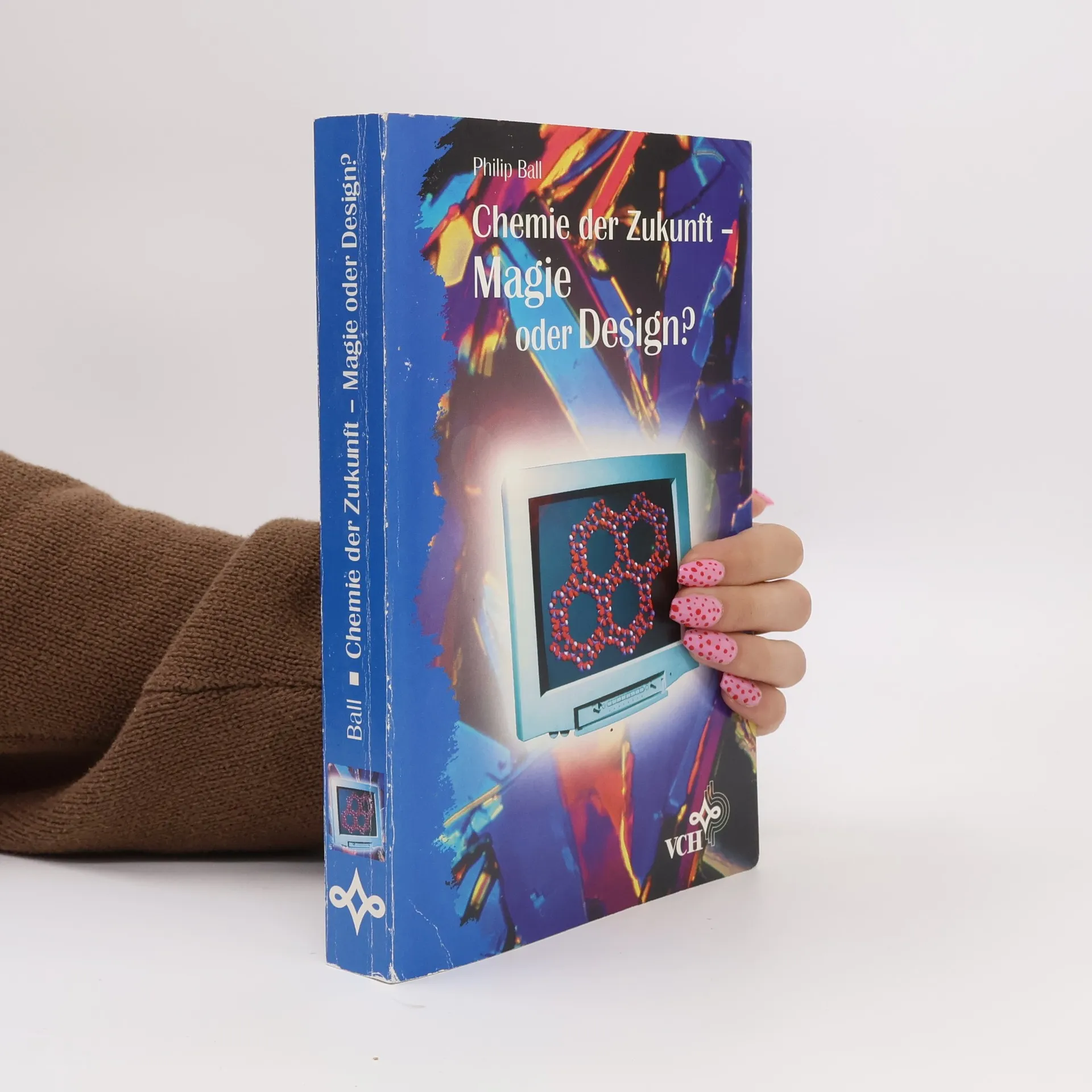
Machen Sie eine Reise in die Wunderwelt der Moleküle! Philip Ball führt Sie mit lockerer und flüssiger Schreibe zu den neuesten Entdeckungen in der Chemie: Von den Fußballmolekülen über die Chemie des Lebens bis hin zu künstlichen Enzymen und 'fester Farbe'.
Wie groß ist die Erde? Was ist Licht und wie entsteht Wärme? Was hat es mit der Schwerkraft auf sich und wie funktioniert der genetische Code? Über diese und ähnliche Fragen haben Wissenschaftler und Wissenschaftlerinnen über die Jahrhunderte nachgedacht und dabei nicht nur nach Antworten gesucht, sondern auch nach Möglichkeiten, diese zu beweisen. In diesem reich bebilderten Buch führt uns Philip Ball anhand sechzig wegweisender Experimente quer durch die Geschichte der Naturwissenschaft. Dabei erhalten wir nicht nur spannende Einblicke in die von Irrungen und Wirrungen geprägten Wege der Forschenden, sondern auch in die technischen Fortschritte, die nötig waren, um den Geheimnissen der Natur und des Universums auf die Spur zu kommen.
Brillante Denker, kühne Pioniere
- 243 pages
- 9 hours of reading
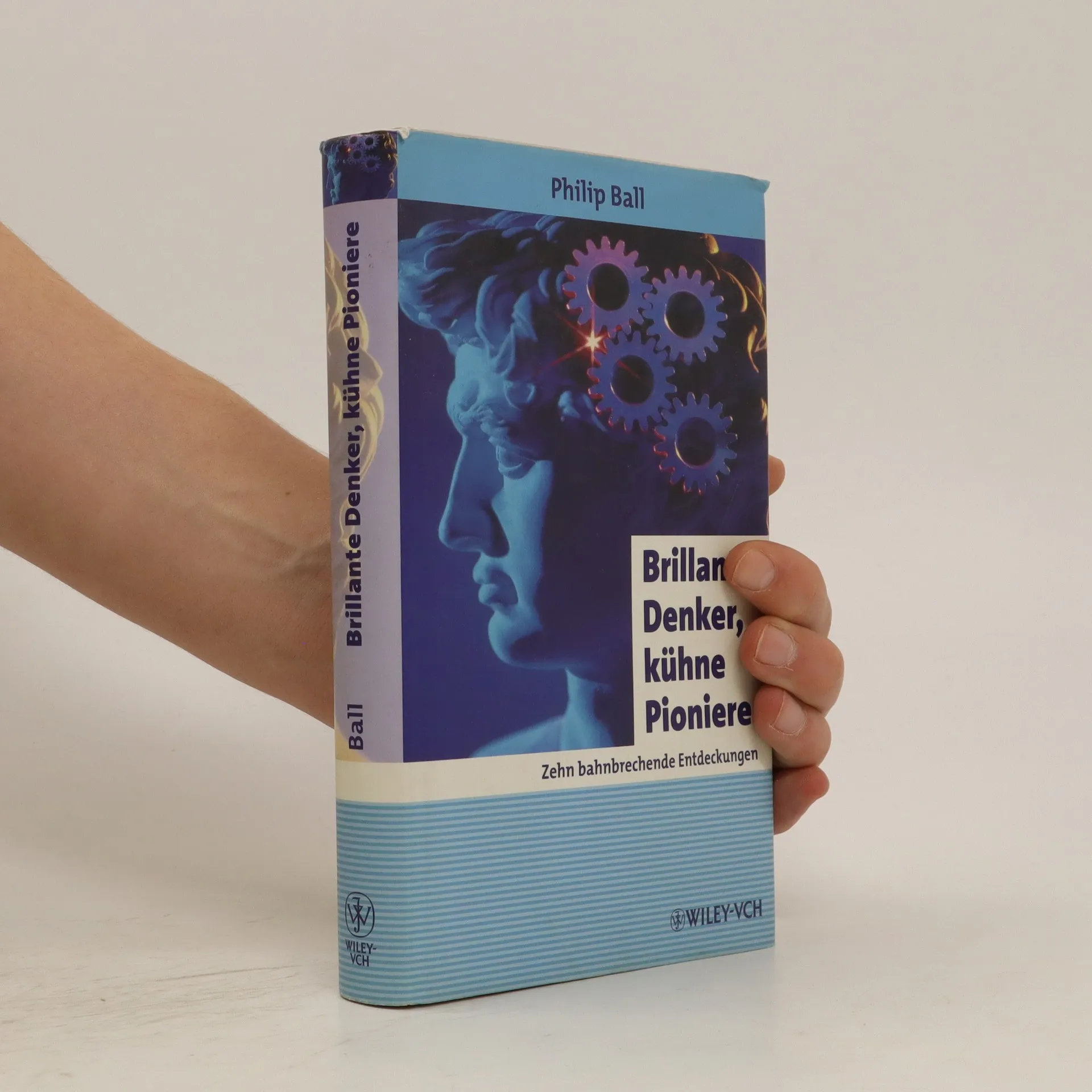
Zehn Experimente, die die Welt veränderten! Liegt ihre Schönheit in der Klarheit und Einfachkeit ihrer Konzeption? Oder im Entwickeln notwendiger Instrumente? Etwa in den resultierenden Produkten oder gar in der Kühnheit der bahnbrechenden Interpretation der Ergebnisse?
Elementen in 30 seconden: de belangrijkste elementen uit het periodiek systeem
- 160 pages
- 6 hours of reading
Fantastický svět prvků
- 224 pages
- 8 hours of reading
Vydejte se spolu s námi na dobrodružnou a fascinující výpravu napříč periodickou tabulkou prvků a seznamte se se všemi z nich – od nejlehčího vodíku až po těžké a podivuhodné prvky na jejích okrajích. Každý z nich je totiž nejen strohou položkou ve výčtu látek, z nichž se skládá všechno kolem nás, ale především významným aktérem našich dějin. Poznejte, jak jednotlivé prvky formovaly civilizace, inspirovaly alchymisty, posouvaly technologie a ovlivňovaly naši kulturu. Nechte se unášet příběhy jejich objevů, vědeckých principů i překvapivých souvislostí, které ukazují, jak hluboce prvky ovlivňují náš každodenní život. Dozvíte se, proč některé prvky změnily chod dějin, jaké mýty je obklopují, proč jsou některé kovy „ušlechtilé“ a jiné nebezpečné, i jak věda neustále posouvá hranice toho, co považujeme za možné.