David Lodge is a celebrated British author whose works are characterized by incisive humor and sharp observations on academic life and broader society. He masterfully weaves his extensive knowledge of literary theory and criticism into compelling narratives. His novels, often set within university environments, explore the complexities of human relationships, intellectual pursuits, and the search for meaning in the modern world. Lodge's distinctive style, blending wit, irony, and a profound understanding of human nature, makes him a significant voice in contemporary British literature.
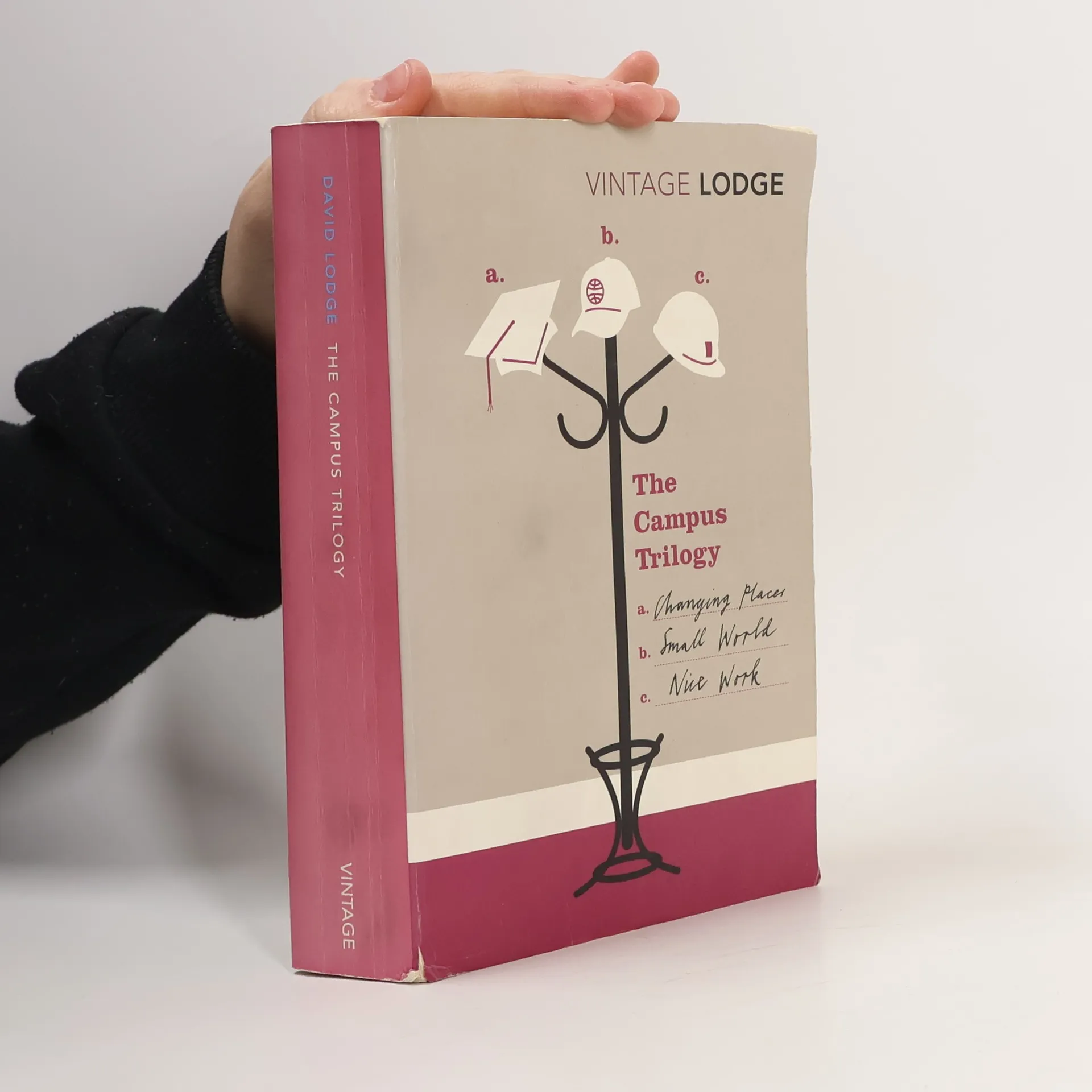
'One of the very best English comic novelists of the post-war era' - "Time Out." Three brilliantly comic novels revolving around the University of Rummidge and the eventful lives of its role-swapping academics.
Now including a new introduction from the author, this major work from one of England's finest living writers is essential reading for all those who care about the creation and appreciation of literature.
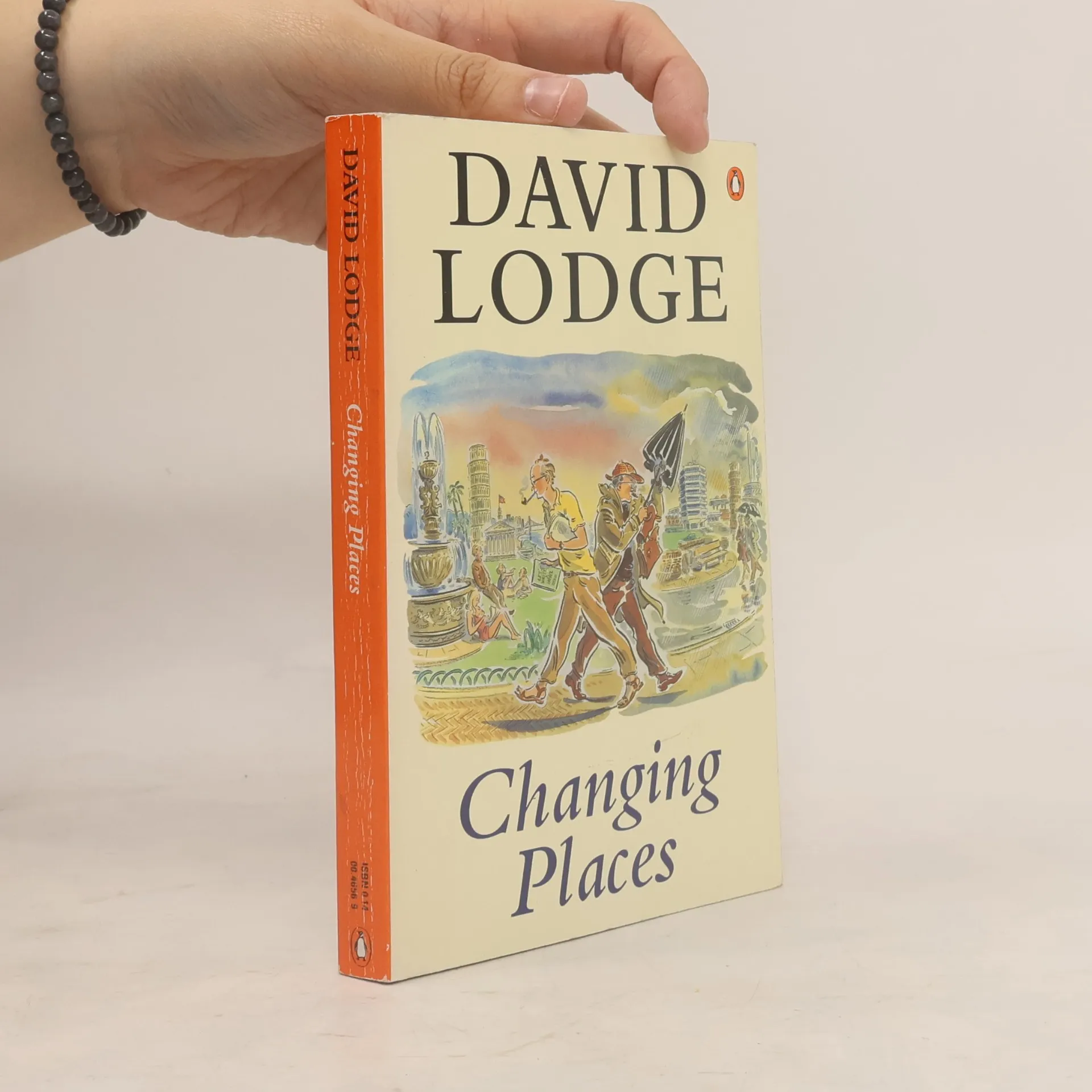
When Phillip Swallow and Professor Morris Zapp participate in their universities' Anglo-American exchange scheme, the Fates play a hand, and each academic finds himself enmeshed in the life of his counterpart on the opposite side of the Atlantic. Nobody is immune to the exchange.
In a career spanning six decades, David Lodge has been one of Britain's best-loved and most versatile writers. With Varying Degrees of Success he completes a trilogy of memoirs which describe his life from birth in 1935 to the present day, and together form a remarkable autobiography. His aim is to describe honestly and in some detail the highs and lows of being a professional creative writer in several different genres: prose fiction, literary criticism, plays for live theatre and screenplays for film and television. Few writers have excelled in so many different forms of the written word. Lodge's creativity, and his wonderful sense of humour, have made his work popular in translation in numerous countries, and his extensive travels around the world are recorded here. Each of the three memoirs has its own thematic focus. In this latest one it is on the hope and desire of writers to make a significant and positive impression on their readers and audiences. The elation of success, and the depression that follows disappointment, are familiar emotions to most writers in varying degrees. David Lodge describes these feelings with rare candour. Varying Degrees of Success provides the reader with a privileged insight into the working practices and the creative life of a major British novelist.
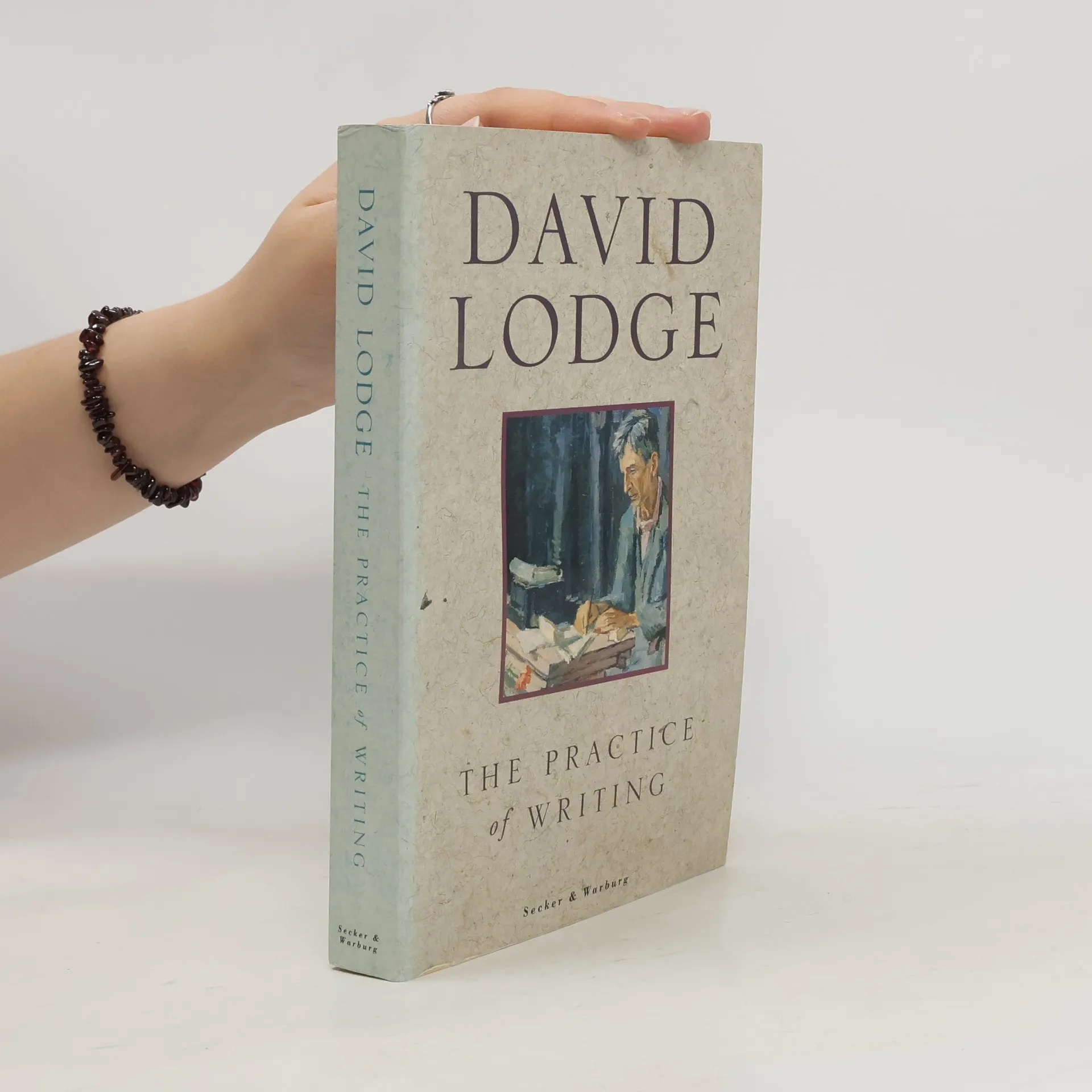
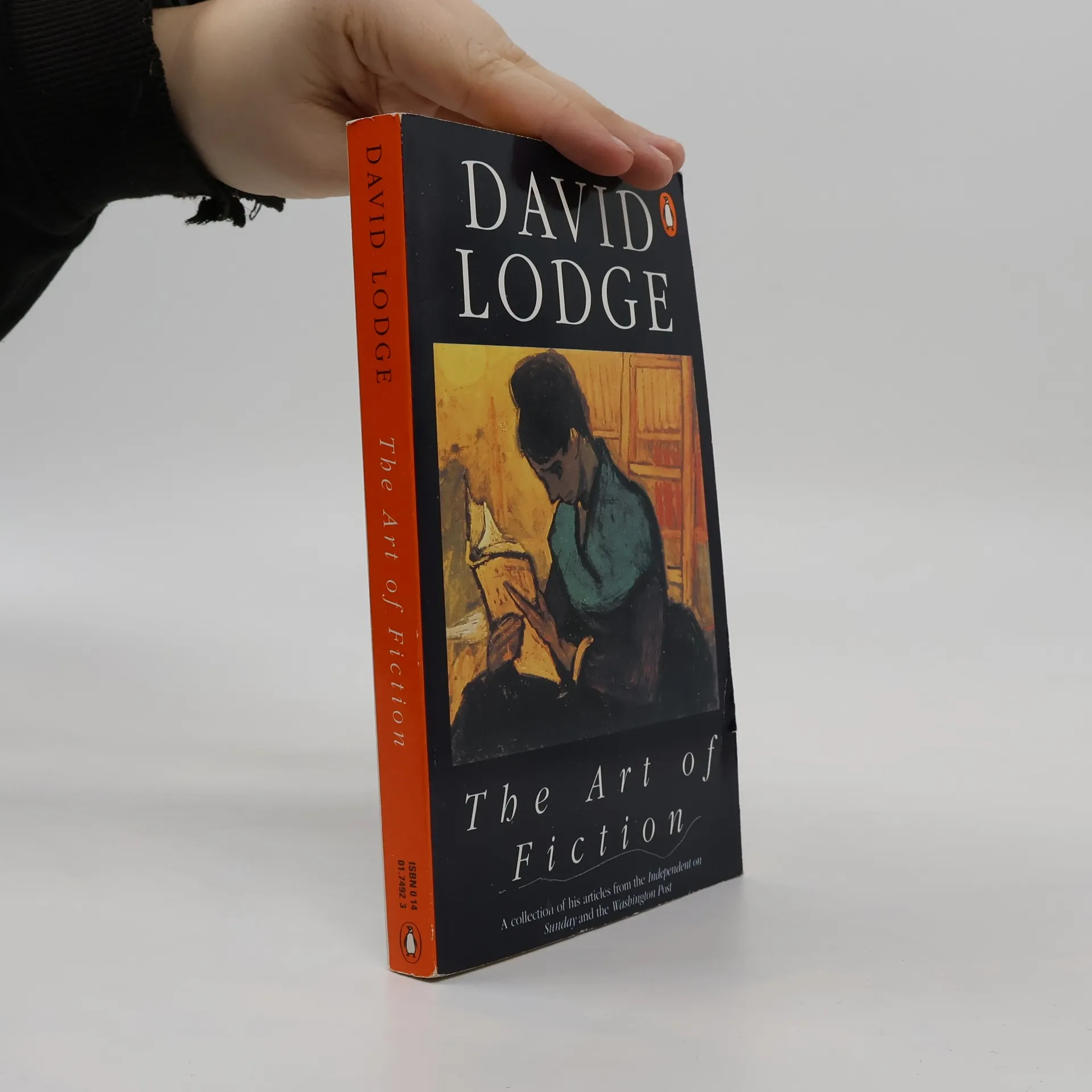
First published in 1996, this is a collection of entertaining and thought-provoking essays on the relationship between creative writing, the teaching of the same and the task of dramatizing literary works for television and the stage.
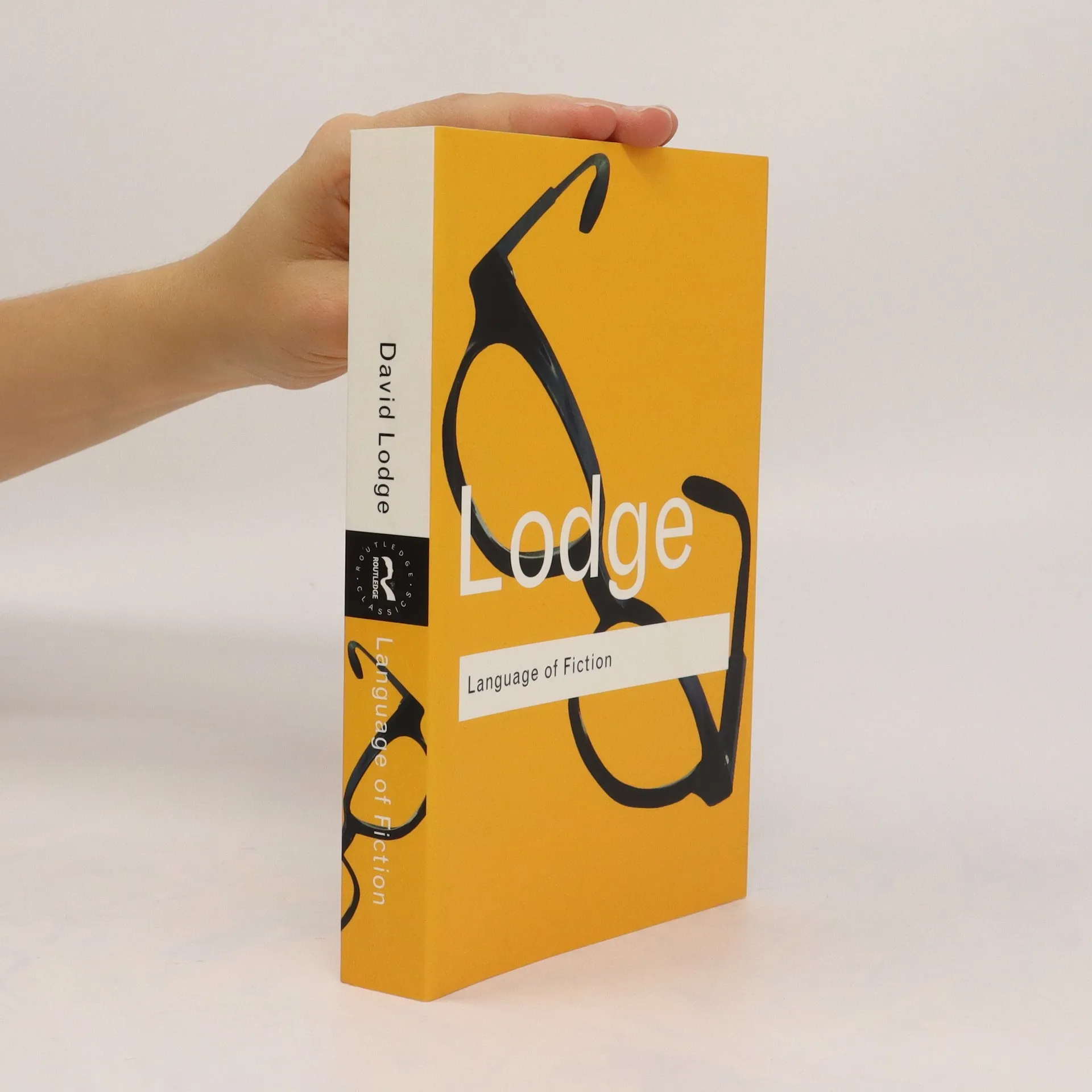
The articles with which David Lodge entertained and enlightened readers of the Independent on Sunday and The Washington Post are now revised, expanded and collected together in book form. The art of fiction is considered under a wide range of headings, such as the Intrusive Author, Suspense, the Epistolary Novel, Time-shift, Magical Realism and Symbolism, and each topic is illustrated by a passage or two taken from classic or modern fiction. Drawing on writers as diverse as Henry James and Martin Amis, Jane Austen and Fay Weldon and Henry Fielding and James Joyce, David Lodge makes accessible to the general reader the richness and variety of British and American fiction. Technical terms, such as Interior Monologue, Metafiction, Intertextuality and the Unreliable Narrator, are lucidly explained and their application demonstrated. Bringing to criticism the verve and humour of his own novels, David Lodge has provided essential reading for students of literature, aspirant writers, and anyone who wishes to understand how literature works.
The disregard of a dying woman's bequest, a girl's attempt to help an impoverished clerk, and the marriage of an idealist and a materialist -- all intersect at an estate called Howards End. The fate of this country home symbolizes the future of England in an exploration of social, economic, and philosophical trends during the post-Victorian era.
Born on January 28, 1935, in a lower-middle-class London family, David Lodge's artistic roots trace back to his musician father and Irish-Belgian Catholic mother. Growing up during World War II, he experienced significant social and cultural transformations that would later inform his writing. This memoir reflects on his life leading up to the publication of his breakthrough book, Changing Places. Lodge recalls his childhood and university years at University College London, where he met his future wife, Mary. After completing National Service and postgraduate research, he finally marries and becomes a father, facing the challenges of establishing himself as a novelist and academic. A fortunate opportunity at the University of Birmingham introduces him to Malcolm Bradbury, a colleague with similar aspirations. His promising career unfolds alongside a fulfilling marriage, offering chances for travel and engagement with new ideas and friends, while also presenting unexpected professional and personal hurdles. Candid, witty, and insightful, this memoir provides a compelling glimpse into a transformative era in British society and the development of a writer who has achieved classic status in his lifetime.
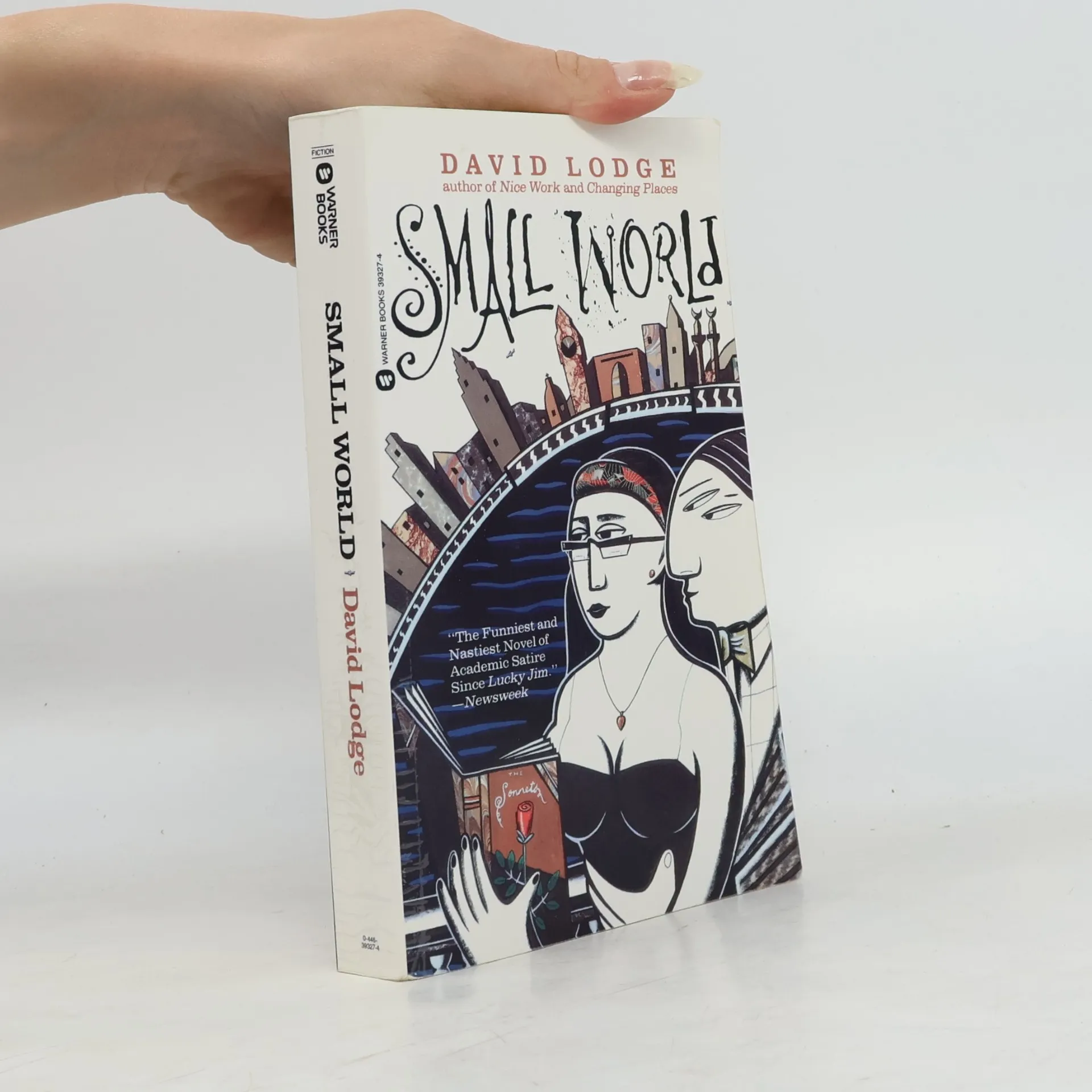
Veteran rivals for an exclusive academic chair (recently endowed with $100,000 a year) do scholarly battle with each other in what the Washington Post Book World called a "delectable comedy of bad manners . . . infused with a rare creative exuberance". From the author of the award-winning Changing Places.
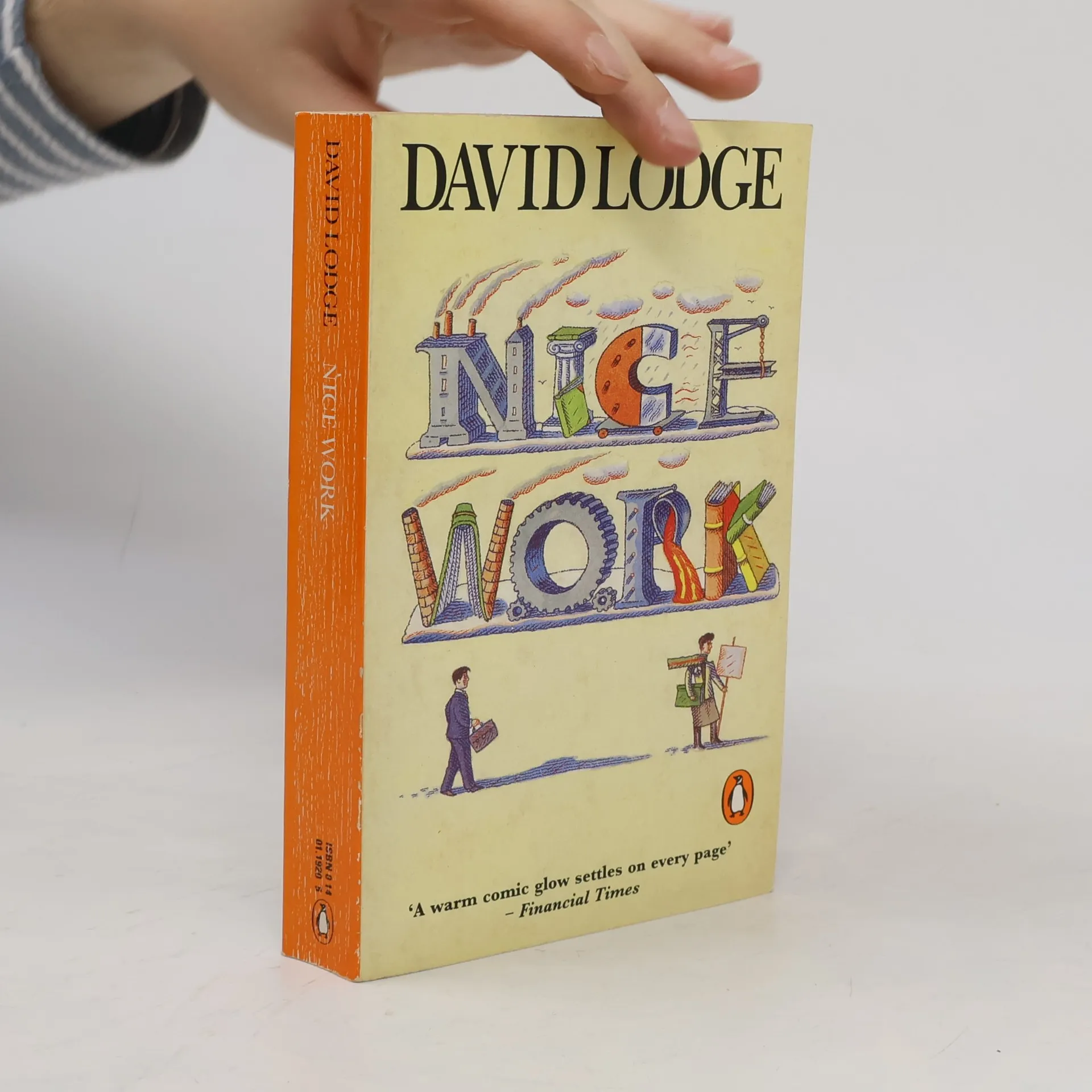
Winner of the Sunday Express Book of the Year Award and short-listed for the Booker Prize, ‘Nice Work’ is a hilarious comedy of society and class misunderstandings.When Vic Wilcox, MD of Pringle’s engineering works, meets English lecturer Dr Robyn Penrose, sparks fly as their lifestyles and ideologies collide head on. But, in time, both parties make some surprising discoveries about each other’s worlds – and about themselves.'A work of immense intelligence, informative, disturbing and diverting' Observer.
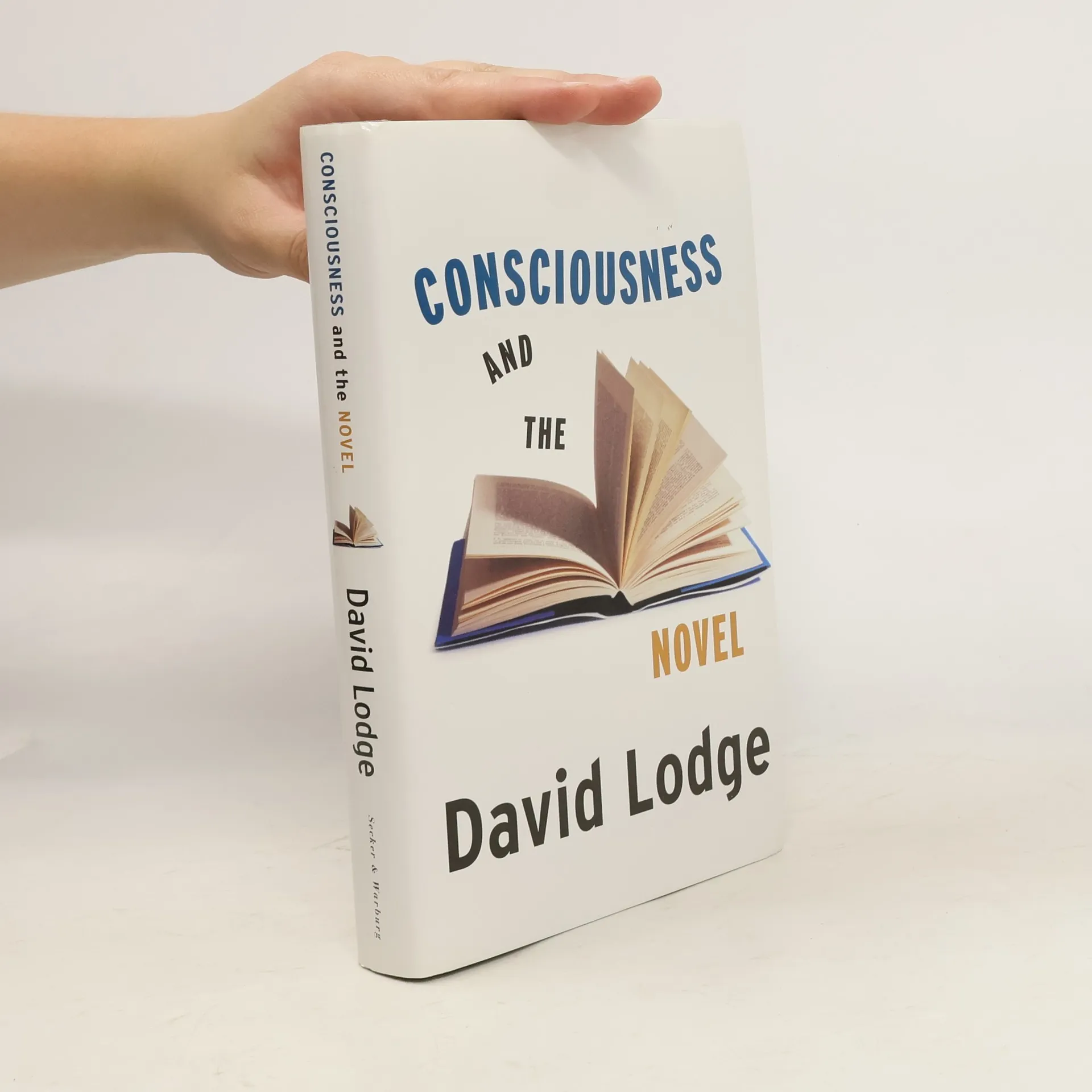
Human consciousness, long the province of literature, has lately come in for a remapping - even rediscovery - by the natural sciences, driven by developments in Artificial Intelligence, neuroscience, and evolutionary biology. But as the richest record we have of human consciousness, literature, David Lodge suggests, may offer a kind of knowledge about this phenomenon that is complementary, not opposed, to scientific knowledge. Writing with characteristic wit and brio, and employing the insight and acumen of a skilled novelist and critic, Lodge here explores the representation of human consciousness in fiction (mainly English and American) in the light of recent investigations in cognitive science, neuroscience, and related disciplines. How, Lodge asks, does the novel represent consciousness? And how has this changed over time? In a series of interconnected essays, he pursues this question down various paths: how does the novel's method compare with that of other creative media such as film? How does the consciousness (and unconscious) of the creative writer do its work? And how can criticism infer the nature of this process through formal analysis? In essays on Charles Dickens, E.M. Forster, Evelyn Waugh, Kingsley and Martin Amis, Henry James, John Updike and Philip Roth, and in reflections on his own practice as a novelist, Lodge brings to light - and to engaging life
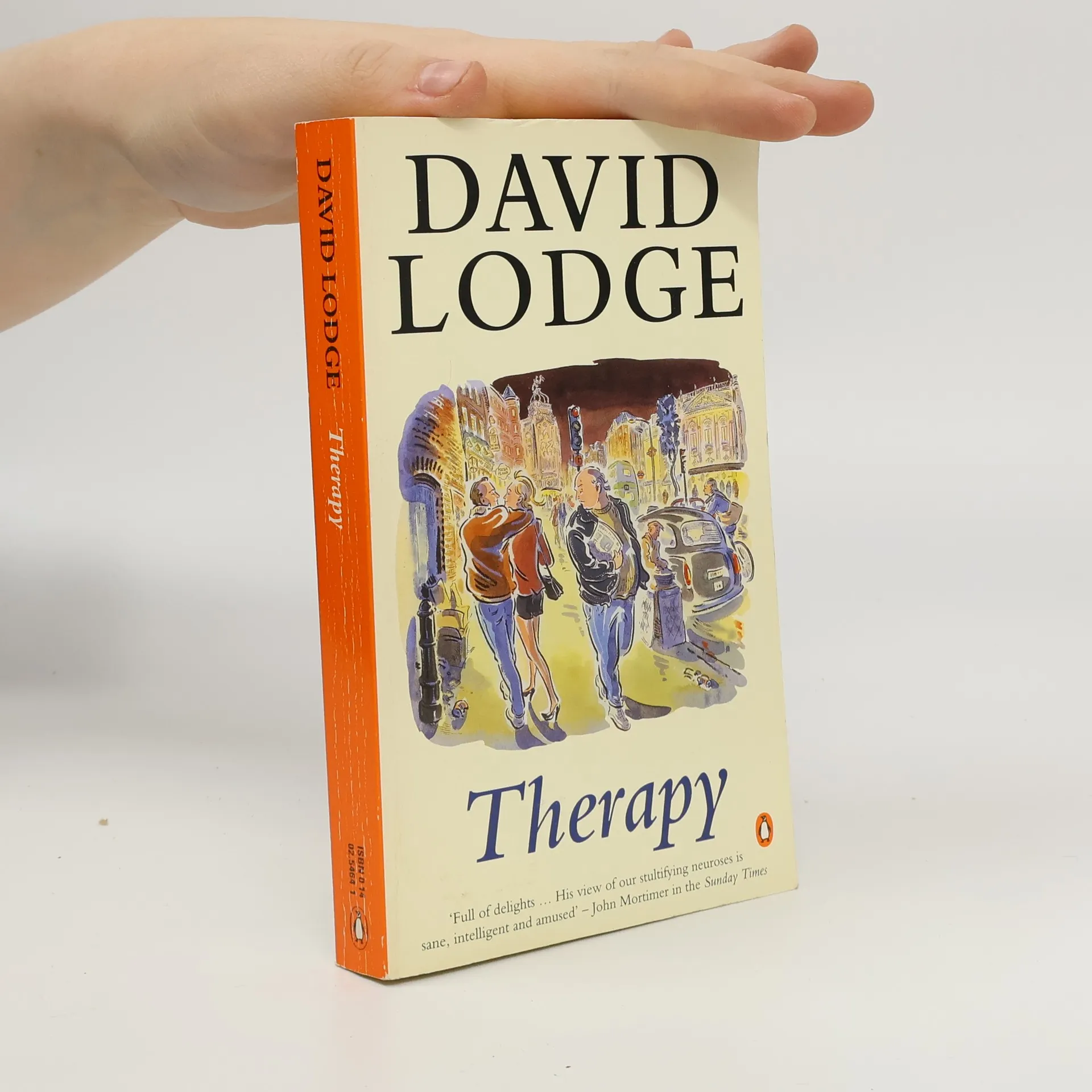
Trods rigdom og et trygt privatliv er Laurence Passmore's tilværelse ved at gå i spåner. Hans angstfornemmelser fører til mødet med Kierkegaards værker og en smertelig vandring tilbage i fortiden
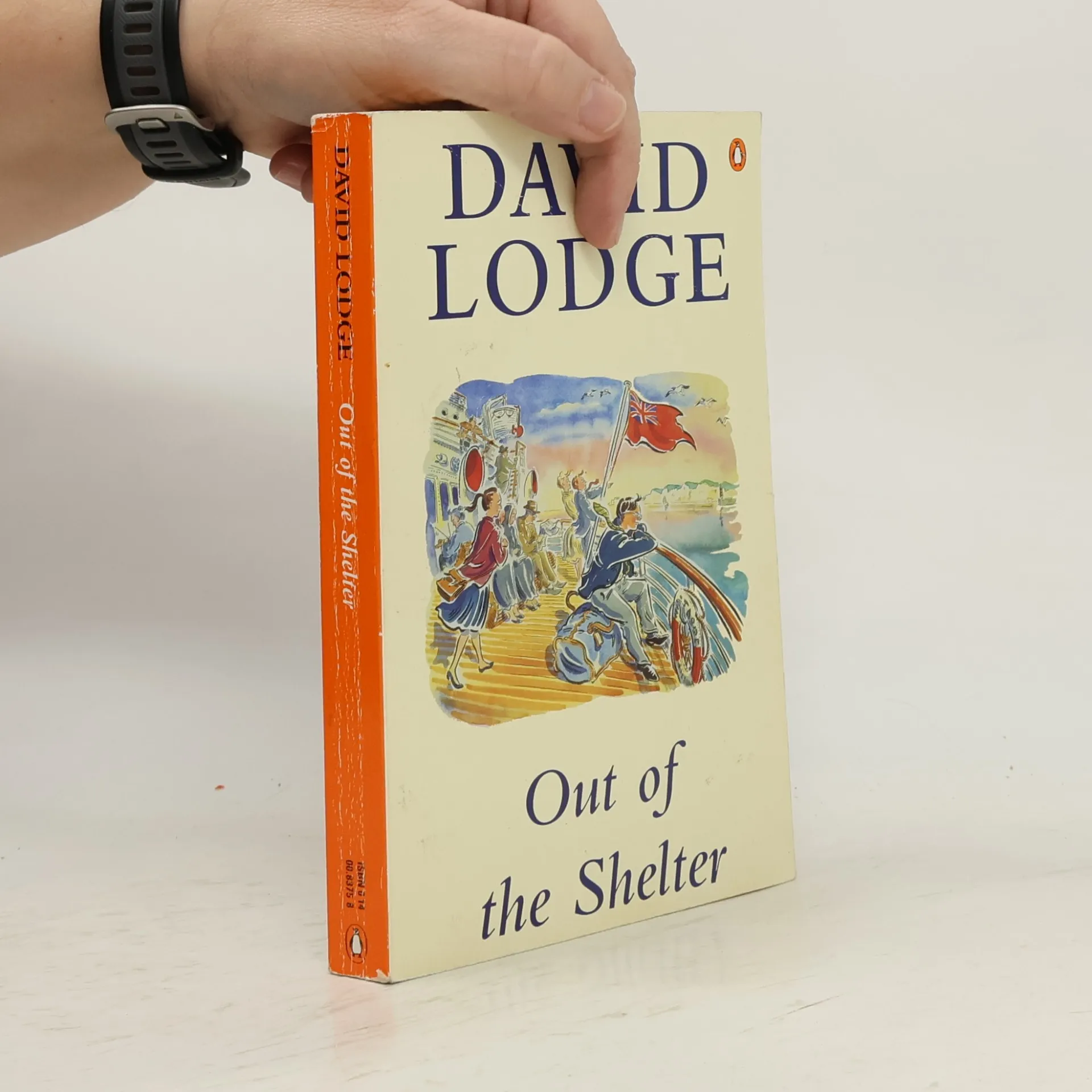
Traveling from England, where rationing is in effect, Timothy Young visits Heidelberg where his sister Kath, who works for the American army, enjoys a life of plenty.
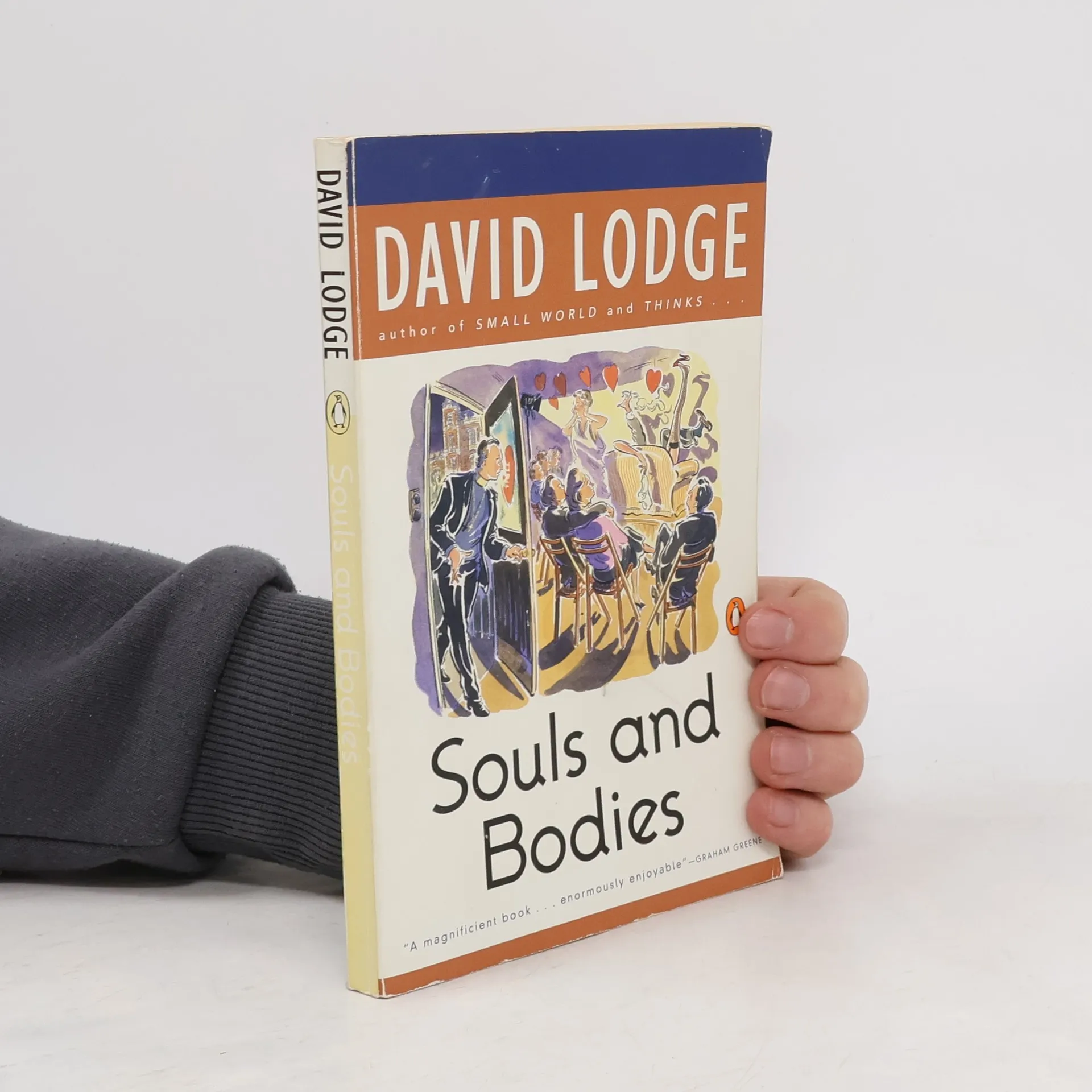
The ups, downs, and exploits of a group of British Catholics--for whom the sexual revolution came a little later than it did for everybody else... In this bracing satire, a group of university students make their way through the fifties and into the turbulent sixties and seventies. We first meet Dennis, Michael, Ruth, Polly, and the others at the altar rail of Our Lady and St. Jude, but soon enough they get caught up in the alternately hilarious and poignant preoccupations of work, marriage, sex, and babies--not always in that order. A satirical comedy in the tradition of Evelyn Waugh, Souls and Bodies take an unblinking look at the sexual revolution and the contemporaneous upheavals in the Catholic Church. The result is as unsettlingly true as it is funny.
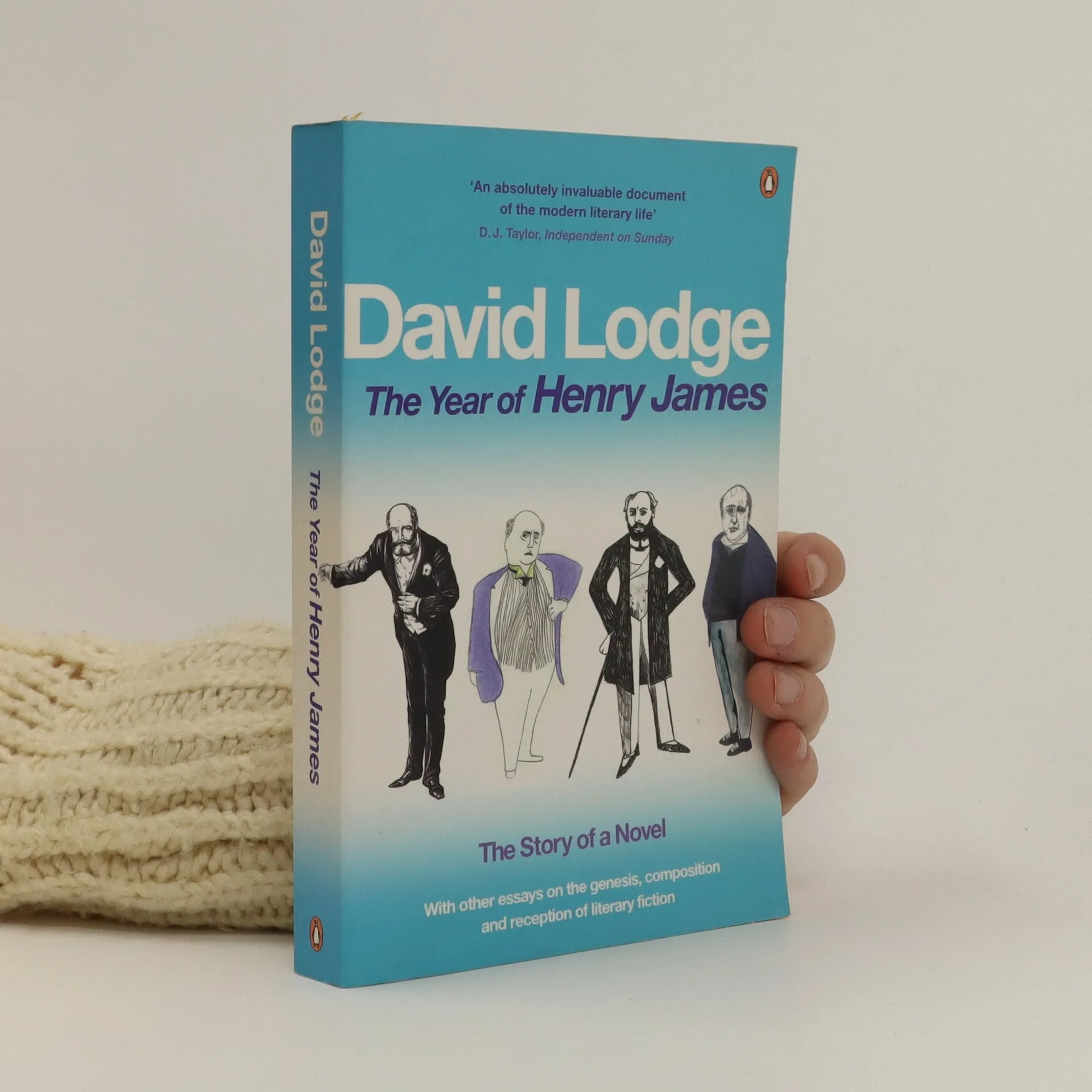
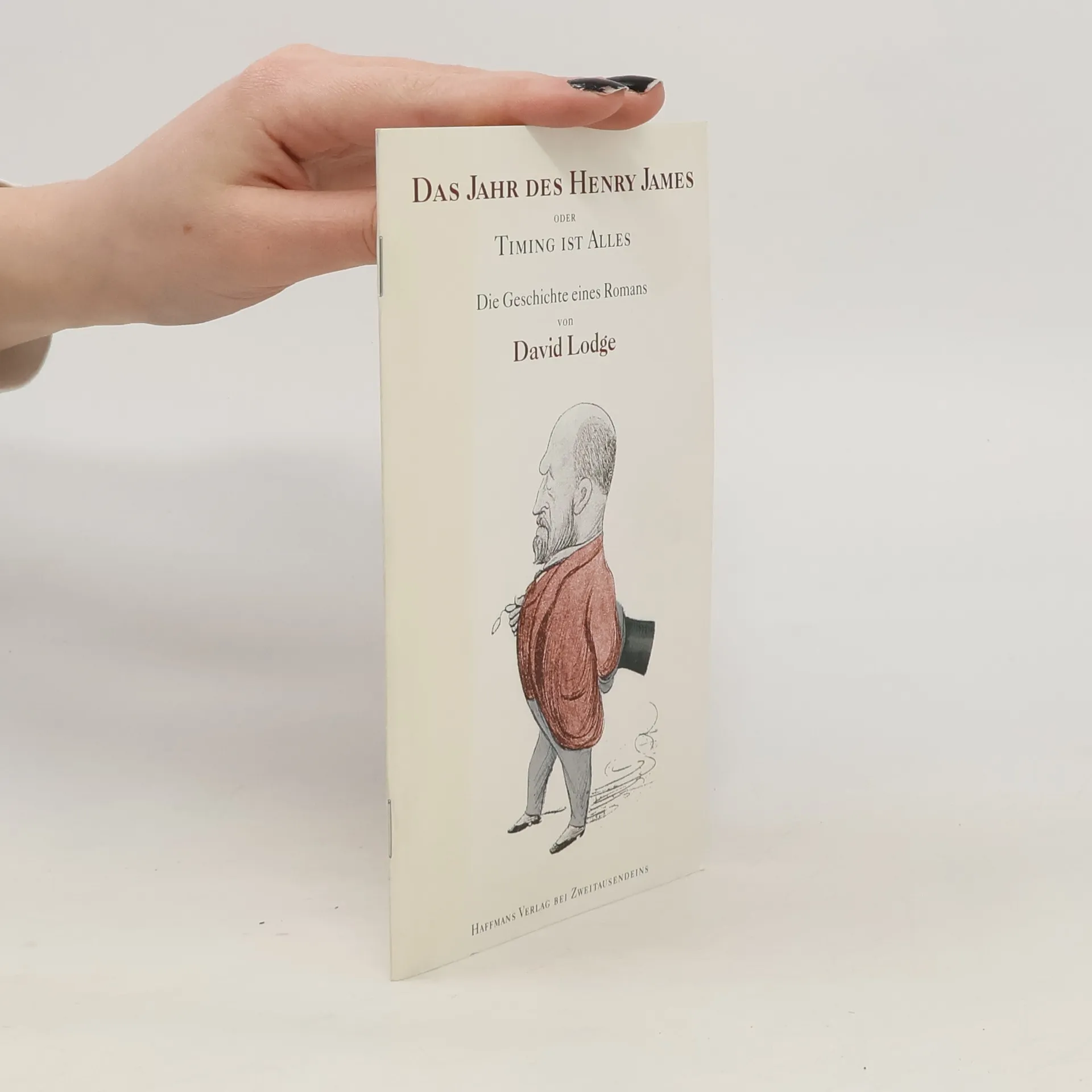
Where do novelists get their ideas from? How do they develop an idea into a narrative with a specific and individual form? David Lodge traces the history of his novel about Henry James, from the very first mention of the basic idea, through the processes of research and writing, to the publication and reception of the finished book.
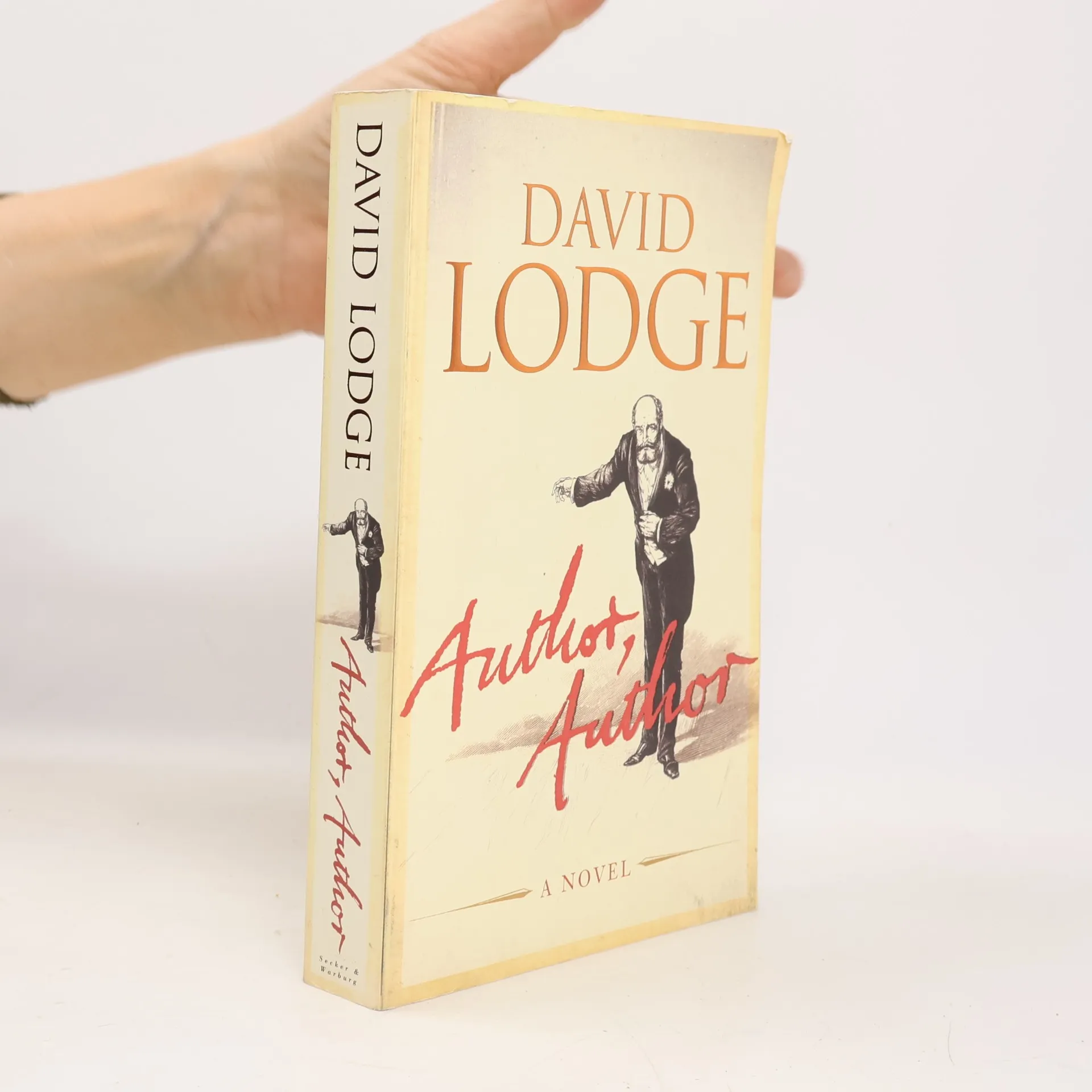
Thronged with vividly drawn characters, some of them with famous names, others recovered from obscurity, Author, Author presents a fascinating panorama of literary and theatrical life in late Victorian England, which in many ways foreshadowed today's cultural mix of art, commerce and publicity.
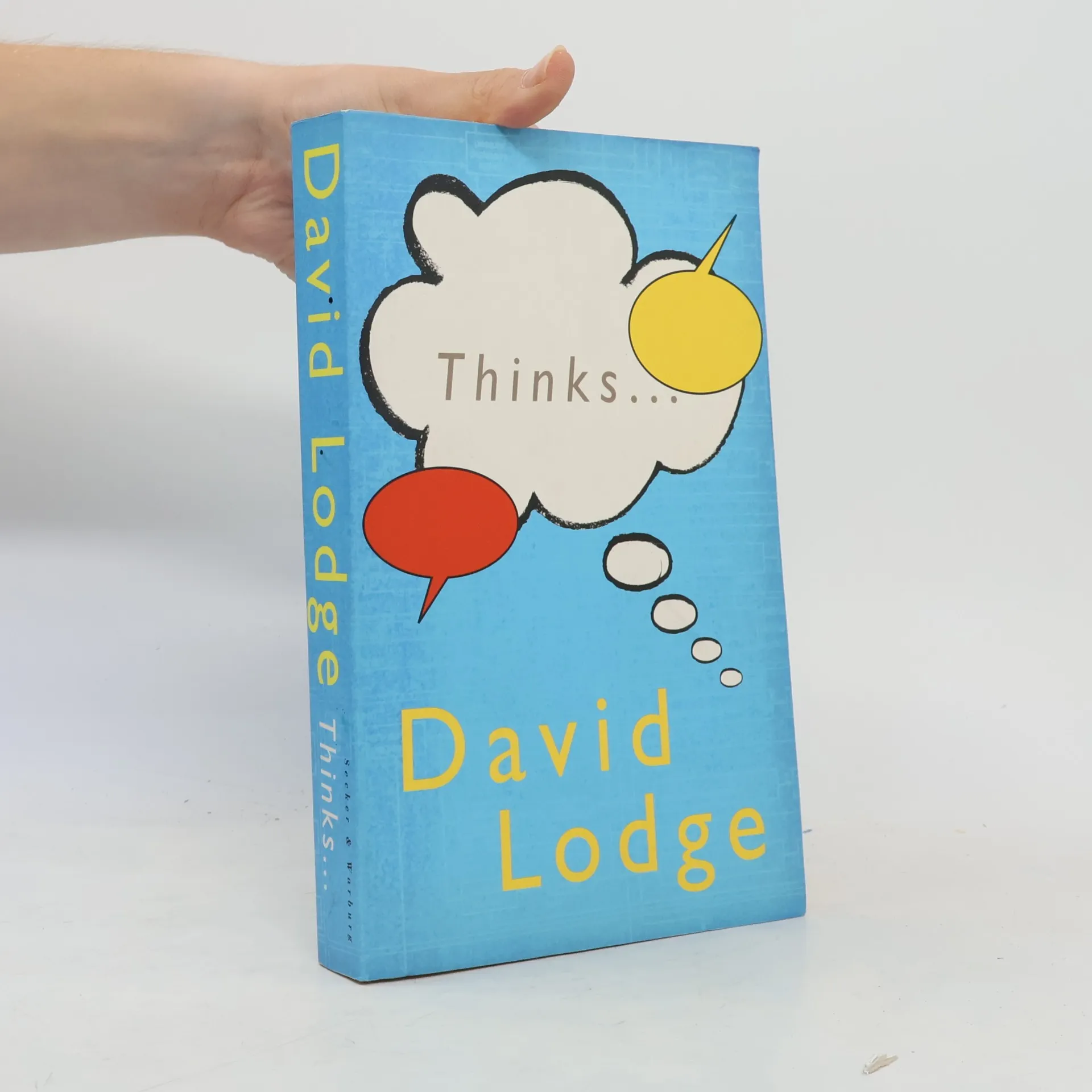
Approaching his 50th birthday, Ralph Messenger has good reason to feel pleased with himself. He is in demand as a pundit on developments in artificial intelligence, and is a regular on the media circuit. A womanizer, he refrains from straying in his own back yard, until Helen arrives on the scene.
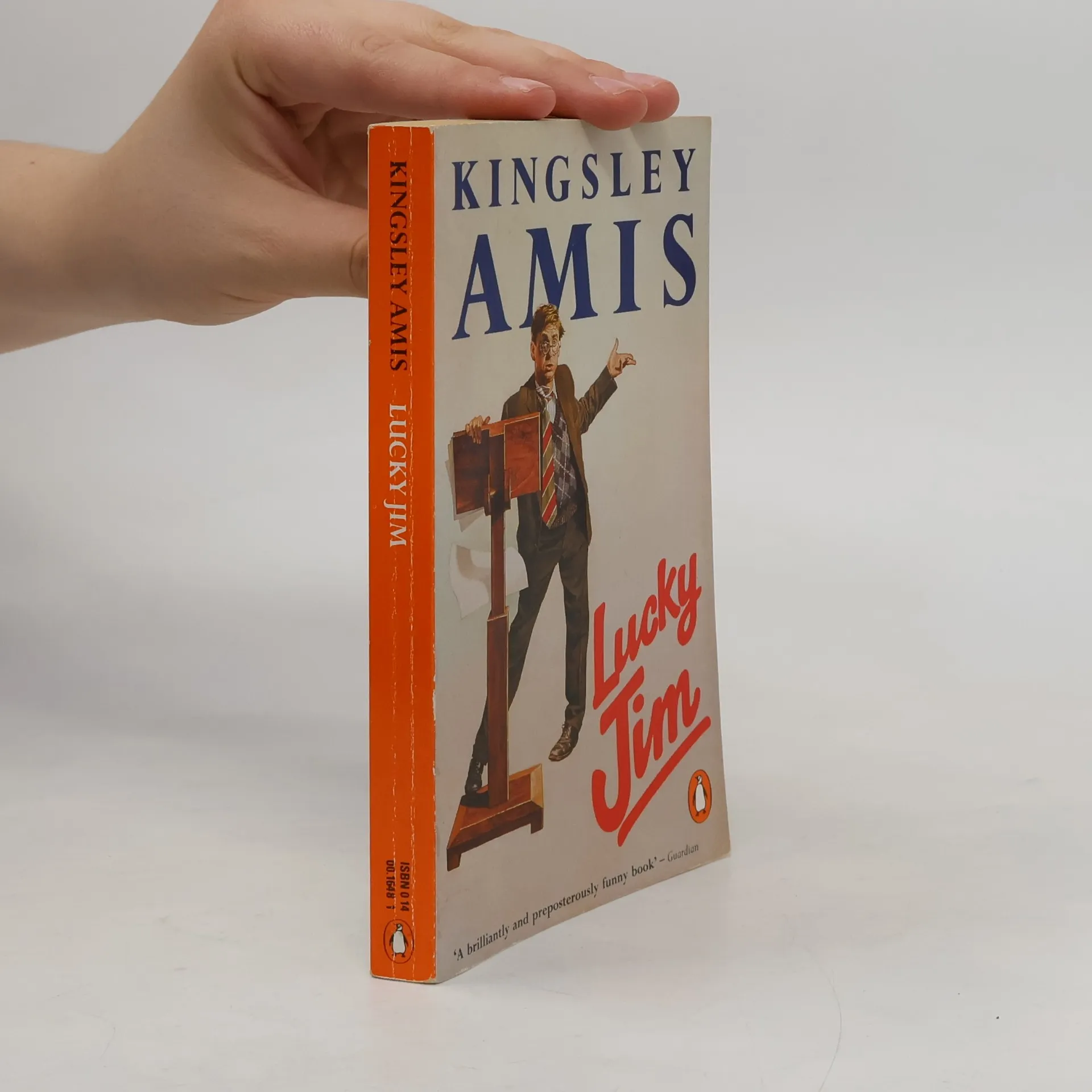
"As a young lecturer at one of Britain's new red-brick universities, Jim Dixon discovers that a firm grasp of his subject is not sufficient to guarantee academic success. Under the auspices of Professor Welch (no other man of his status sets such store by being called professor) the key to a brilliant career also lies in singing madrigals, distinguishing a flute from a recorder, and being able to resist the charms of Christine, Welch's would-be daughter-in-law."--Back cover
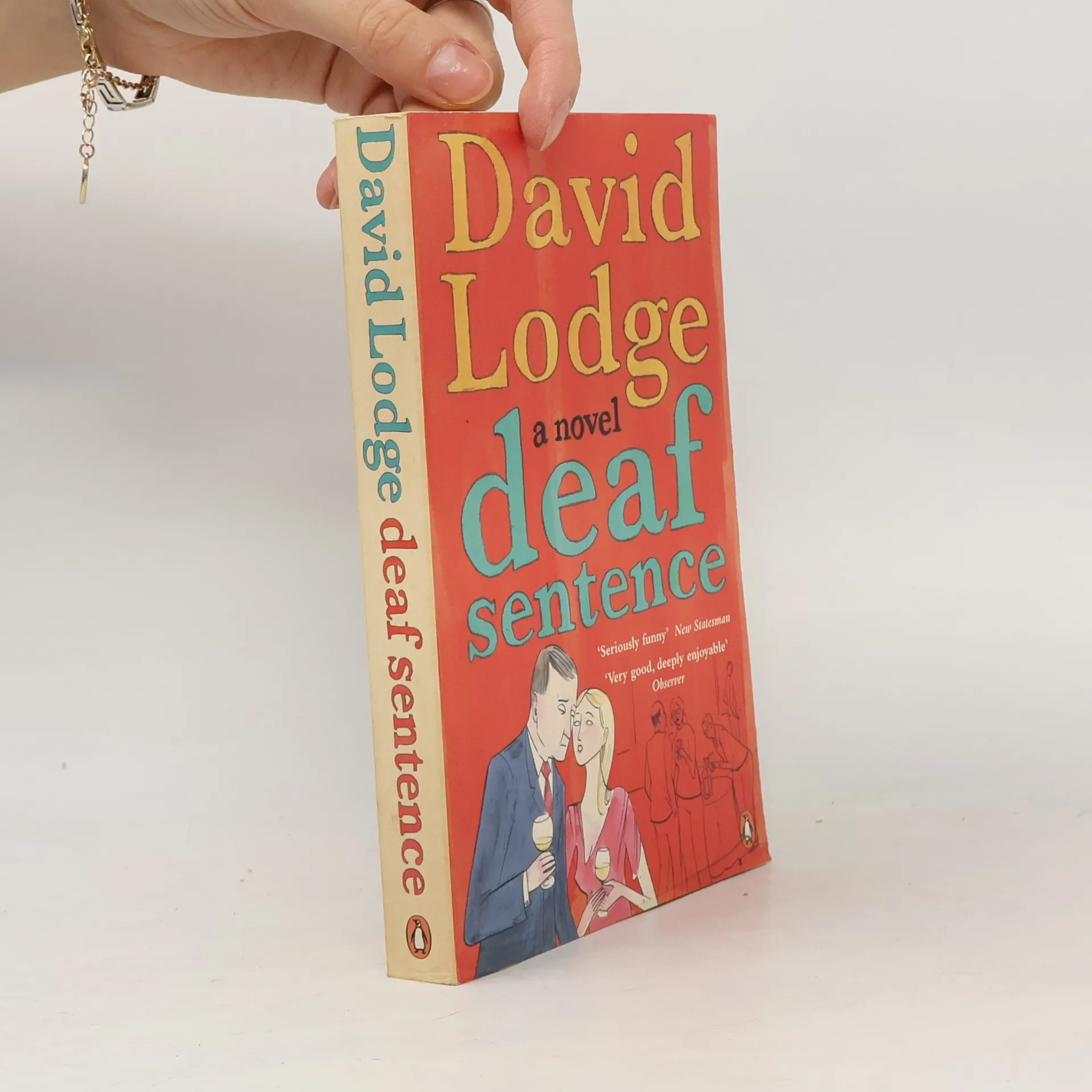
Retired Professor of Lingustics Desmond Bates is going deaf. It's a bother for his wife who has an enviably successful new career and is too busy to be endlessly repeating herself. Roles are reversed with his aging father, who resents his son's attempts to help him. And then there's Alex, a student whom Desmond has agreed to help after a typical misunderstanding at a party. But her increasingly bizarre requests cannot all be blamed on his defective hearing. So much for growing old gracefully...
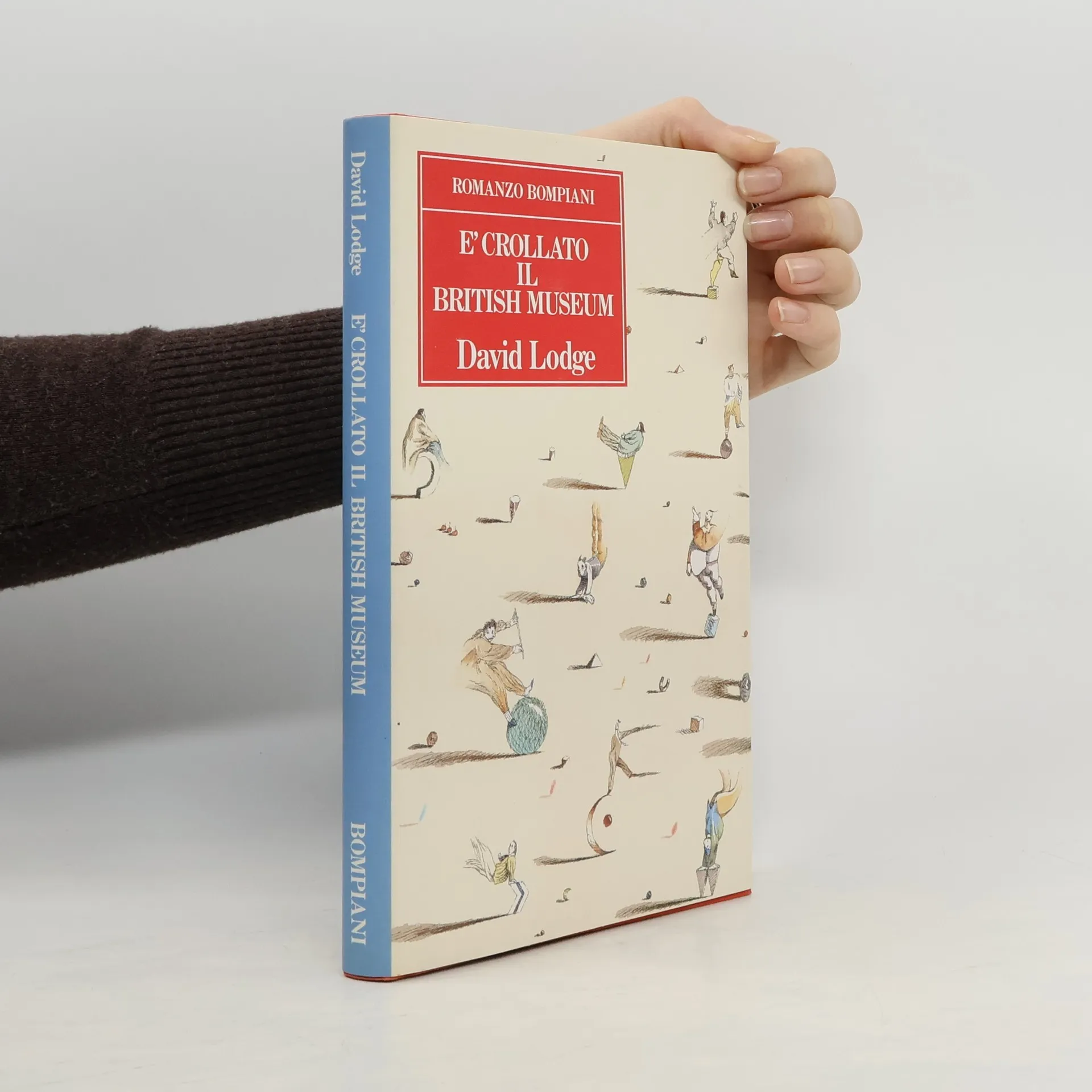
Literature is mostly about having sex and not having children. Life is the other way around...And that, precisely, is the dilemma that preoccupies Adam Appleby as he begins another day of research in the Reading Room of the British Museum. Adam is a graduate student in literature and a practicing Catholic in the days before the Pill. He is also married, has three children, and is not looking forward to the possiblity of a fourth.On this foggy day in London, however, work and life conspire against him. As Adam makes his bumbling way through a series of misadventures that do little to alleviate his anxiety, the reader is treated to a hilarious and heartfelt tour of academia that only David Lodge could have created.
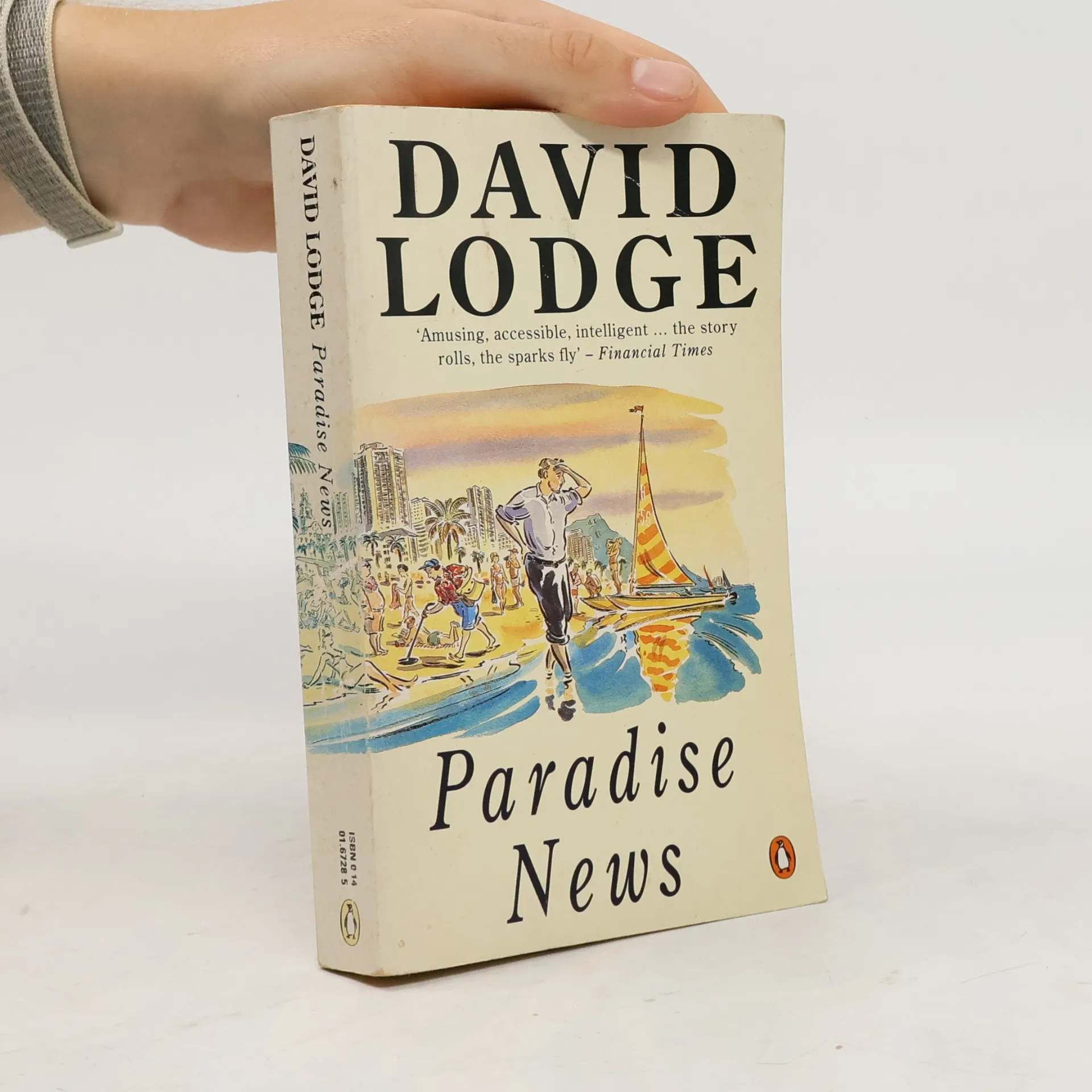
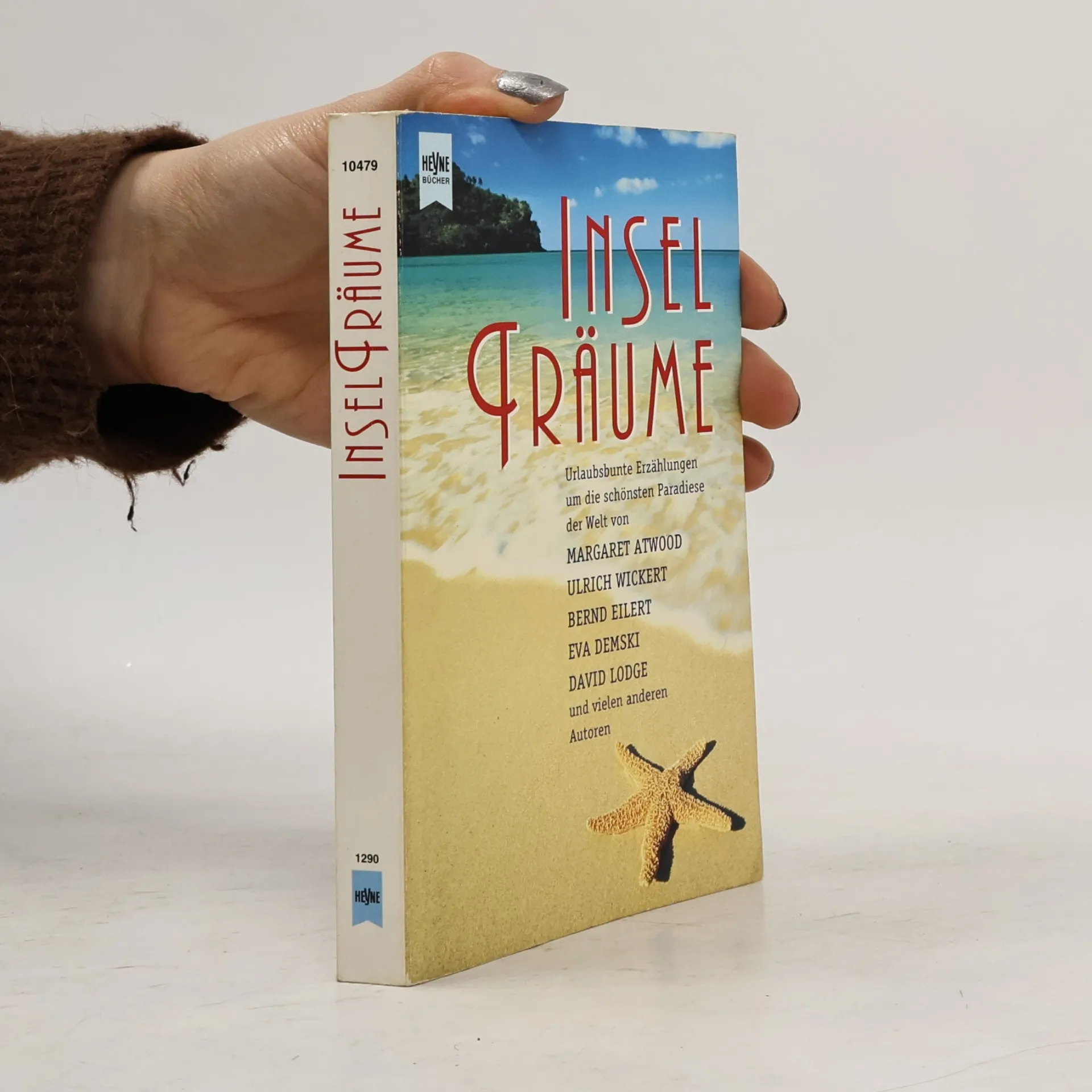
Agnostic theologian Bernard Walsh has a professional interest in heaven. But when he travels to Hawaii with his father, Jack, it is not in quest of a vacation paradise; it is to visit Jack’s dying, estranged sister. The hand of fate and family tensions frustrate the planned reunion, however. And surrounded by quarrelling honeymooners, girls looking for Mr Right, a freeloading anthropologist, and assorted tourists all determinedly pursuing their humdrum visions of paradise, Bernard finds Waikiki more like purgatory. Until, that is, he stumbles upon something he had given up hope of finding – the astonishing possibility of love…
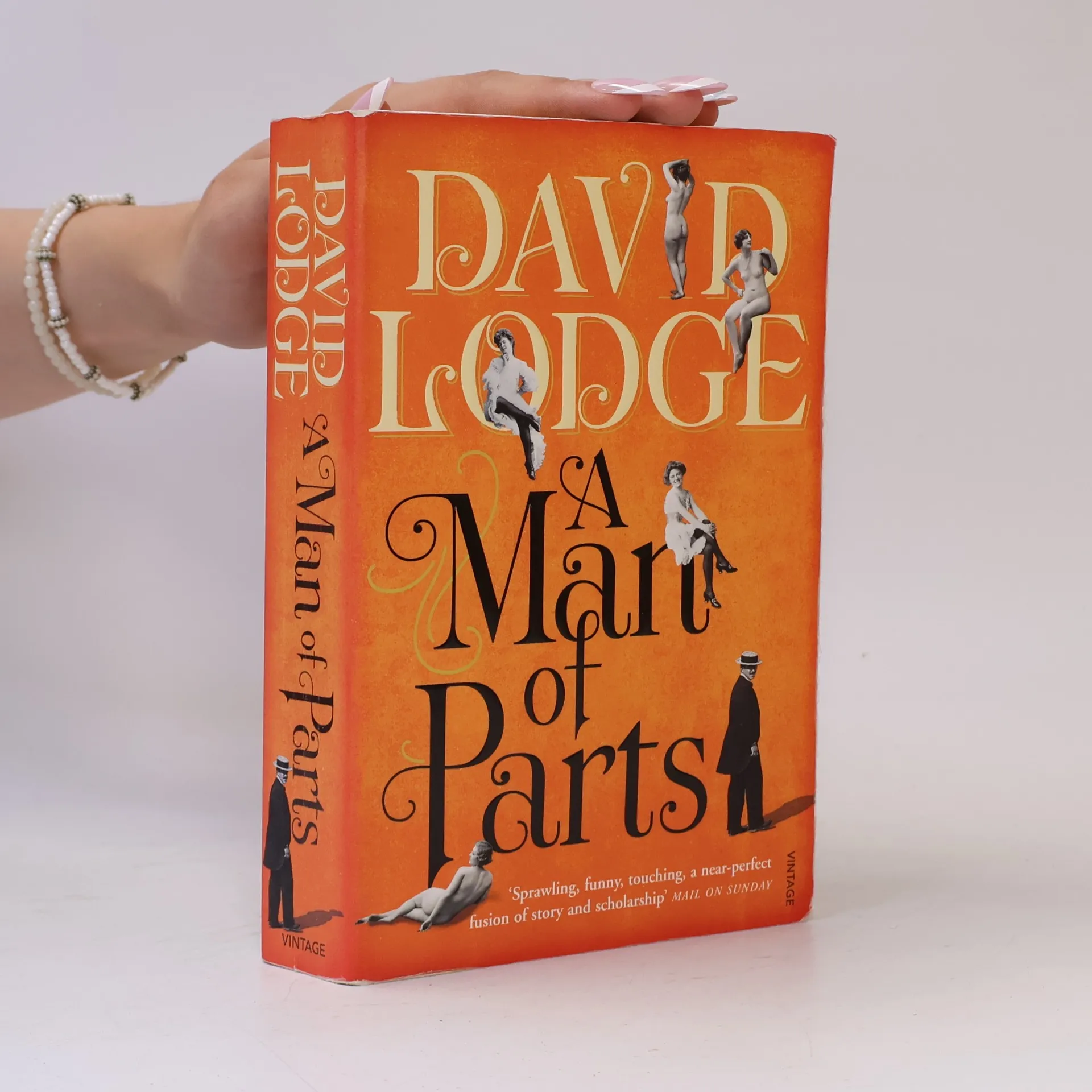
A story inspired by the intimate relationships of English writer H.G. Wells, who at the end of his life evaluates his professional, political, and romantic successes and failures before achieving a greater understanding of himself.
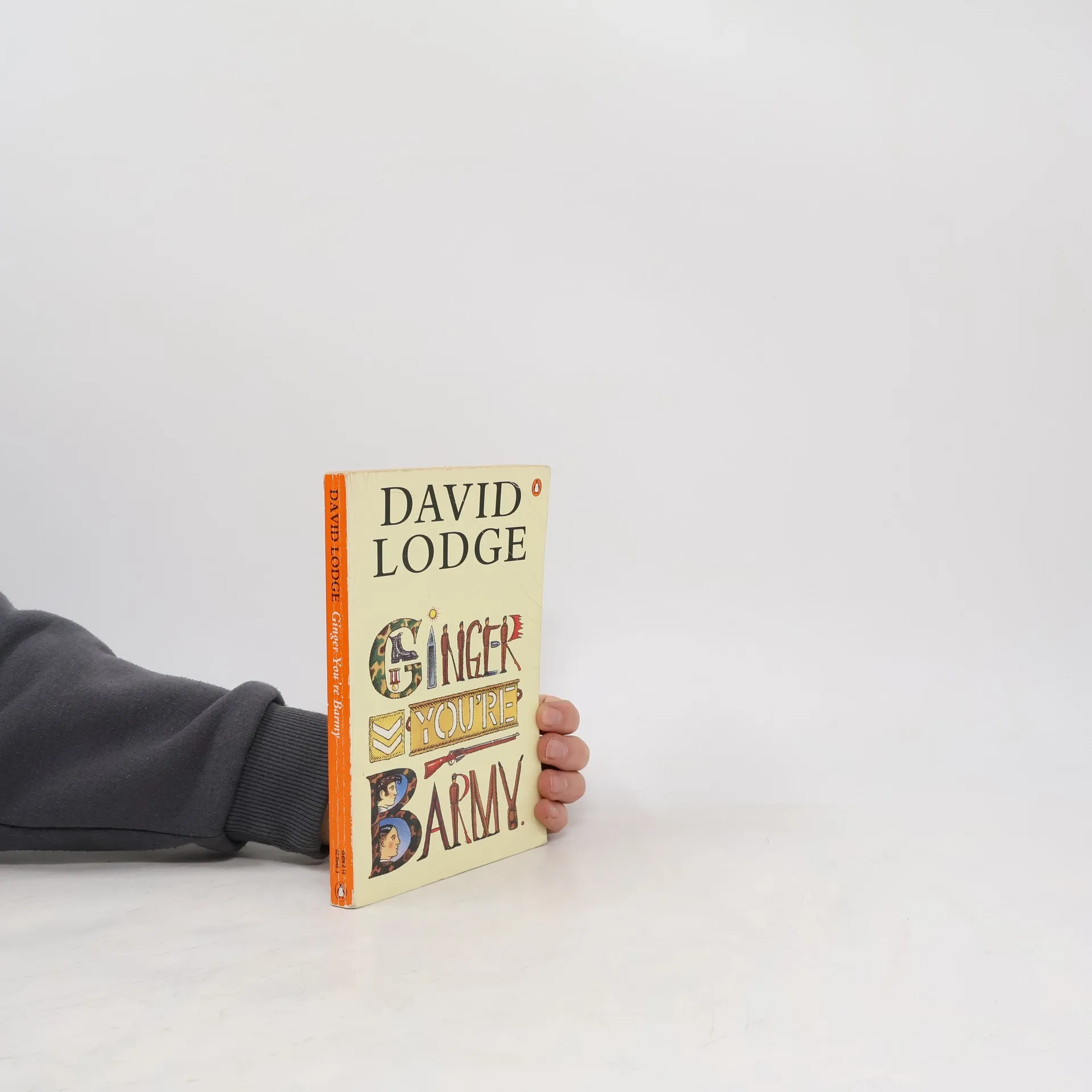
Librarian note: An alternative cover for this ISBN can be found here.Conscription has made Jonathan Browne and Mike 'Ginger' Brady prisoners of the British Army. But reckless, impulsive Mike and pragmatic Jonathan adopt radically different attitudes to this. Then one day Mike goes too far, with consequences that threaten to overturn Jonathan's cultivated detachment from the idiocies of military life.
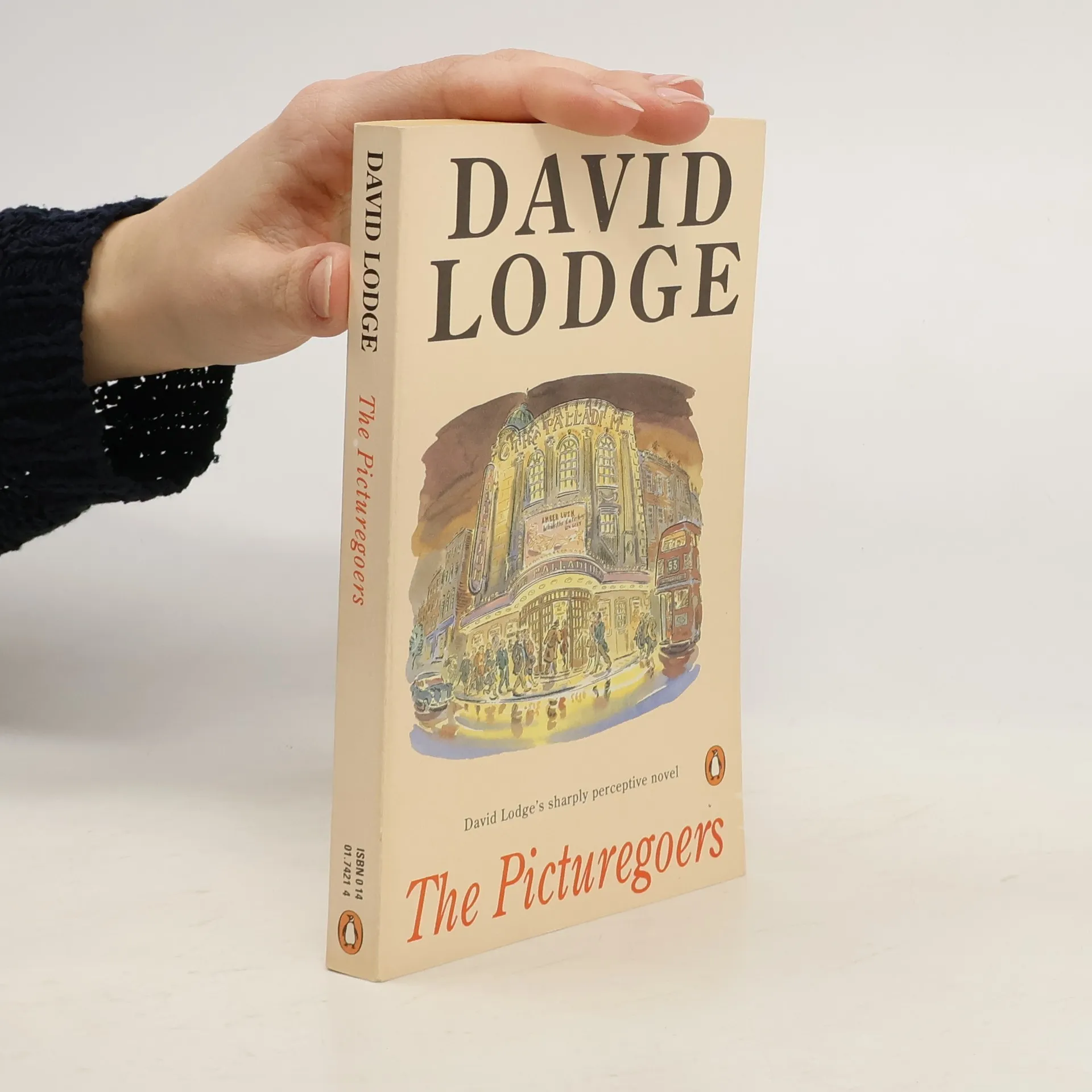
Mark, the cynical intellectual, who seeks sensuality in the body of an ex-novice nun and finds spirituality; Clare, his girlfriend, who loses faith and discovers passion; Father Kipling, the scandalized priest; Harry, the sexually frustrated Teddy boy - just some among the crowd who make their Saturday-night pilgrimage to the peeling suburban pleasure-dome of the Palladium, Brickley, and who touch and shape each others destinies.
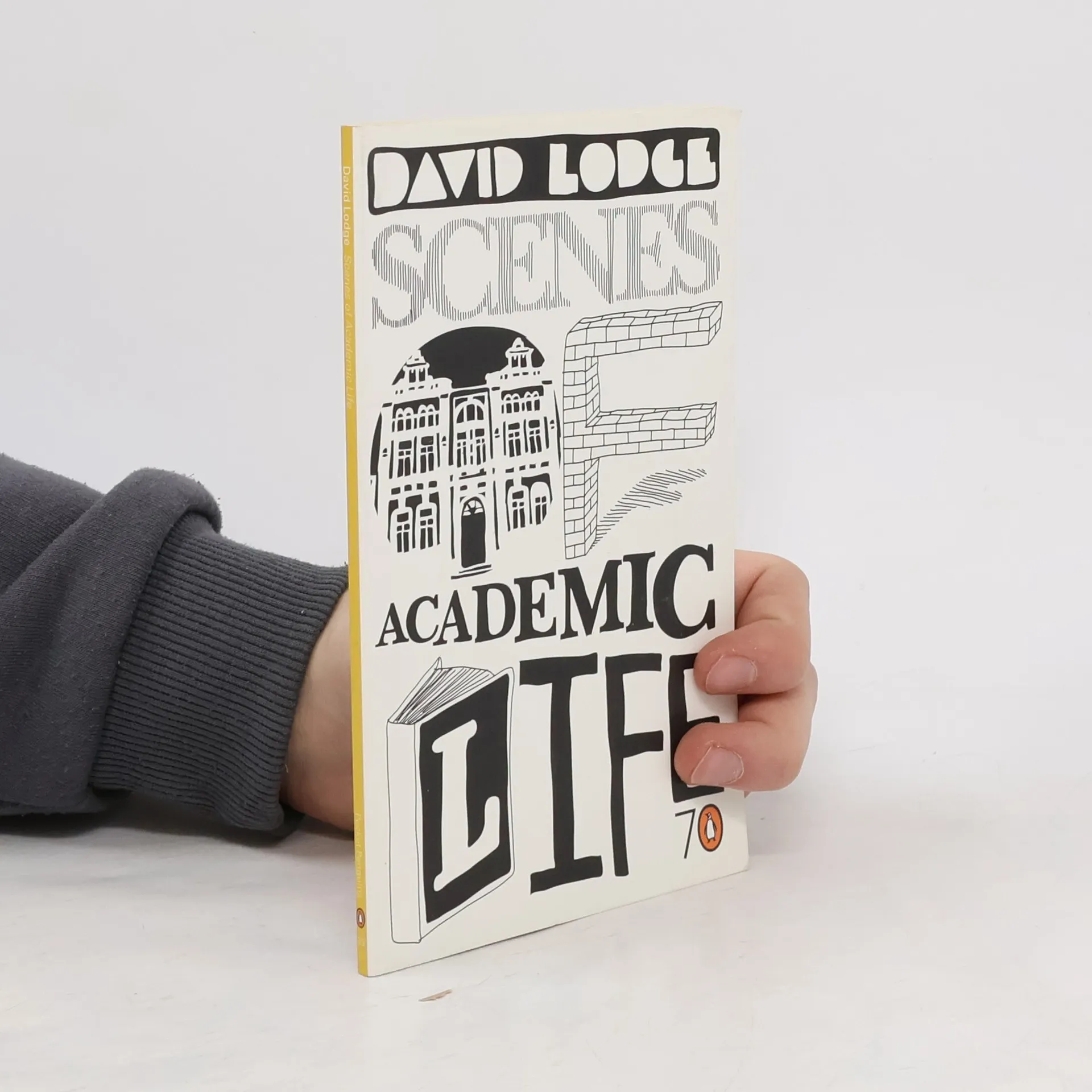
David Lodge has entertained readers for forty years with his often hilarious tales of on- and off-curriculum shenanigans at university campuses. Penguin has published eighteen of Lodge's books in paperback since 1978, and here he has selected some of the most memorable moments from his novels, illustrating the high-minded (and low-minded) life of the academic, and the changing fortunes of Britain's places of higher education.
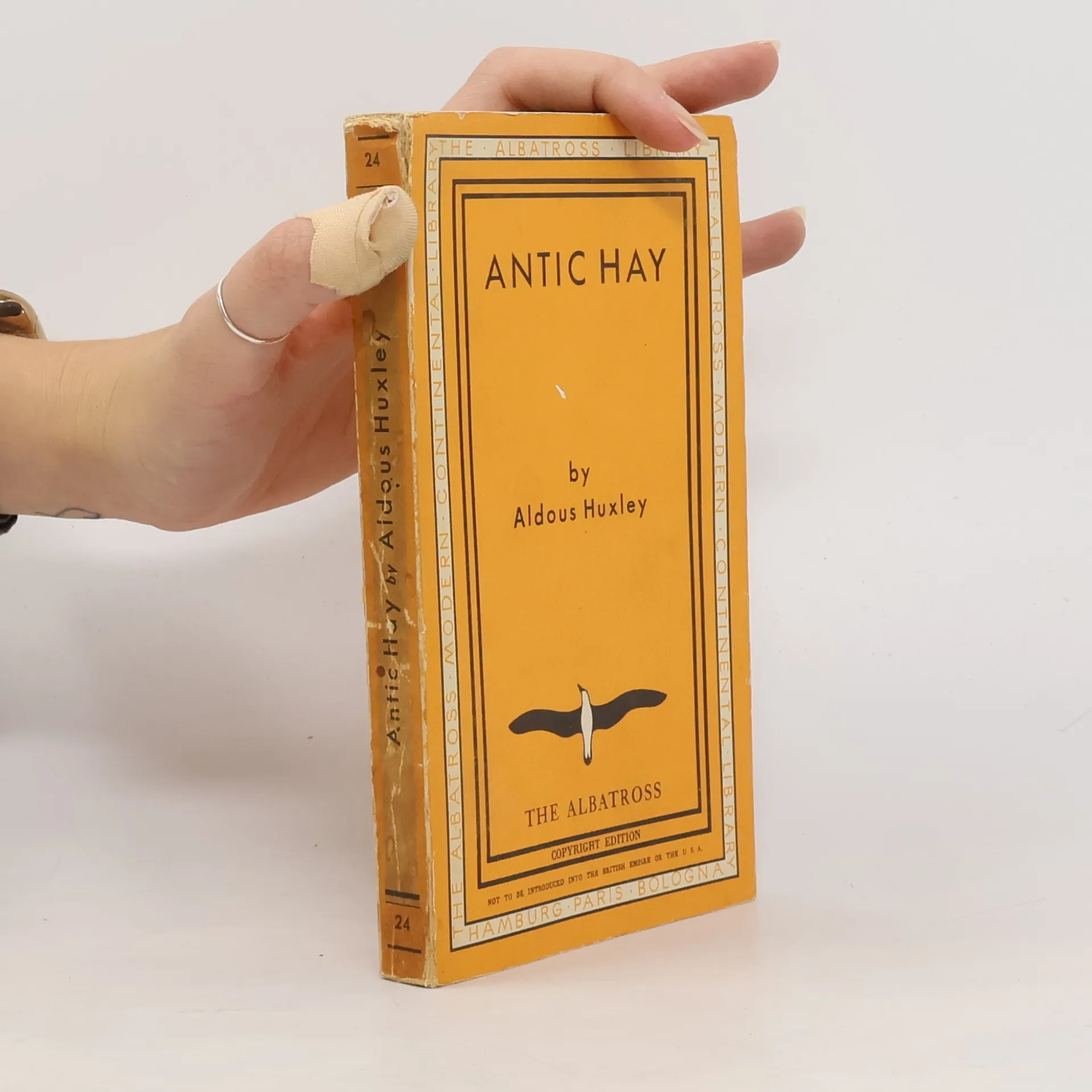
“Futilitarian” best describes the type of desultory, pleasure-seeking intellectual Huxley pinned so mercilessly to the literary map inAntic Hay. Wickedly funny and deliciously barbed, the novel epitomizes the glittering neuroticism of post-First World War London.
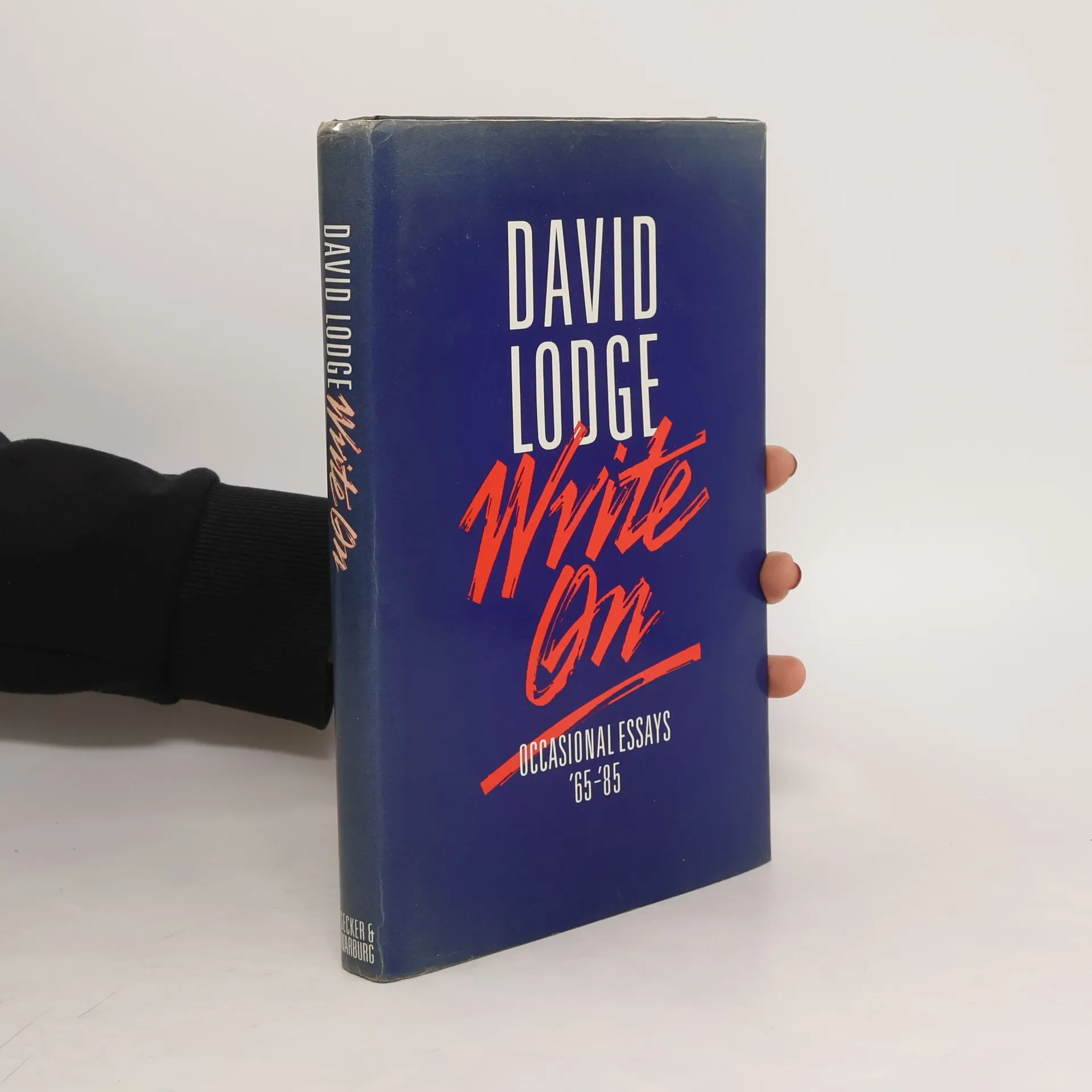
Novelist, critic, lecturer, reviewer, man-about-conferences, David Lodge, as both analyst and practitioner, is one of our foremost experts in the forms of fiction. He is also an uncommonly sympathetic and informed observer of the passing scene, and his penetrating vision is set in a consistently ironic frame. David Lodge's humour can be a devastating weapon, but it is continually engaging because as often as not the sniper's sights are trained on the author himself, and on the curiously mobile, cosmopolitan yet specialist world he inhabits. The essays and reviews collected in this volume are selected from the occasional writings over a span of twenty years, and are all prompted by an impulse - or an invitation - to "write on" some specific topic: a book, a film, an anniversary, a trip abroad. They also reflect the drive of the professional to keep writing, "to keep the muscles of composition exercised." The pieces collected here are designed for a wide audience, and most focus, in more or less direct ways, on Lodge's own work as a novelist. Enthusiasts will take especial pleasure in discovering sources for episodes from his novels, in tracing how reality mutates into fiction - or how on occasion, the process works the other way round.
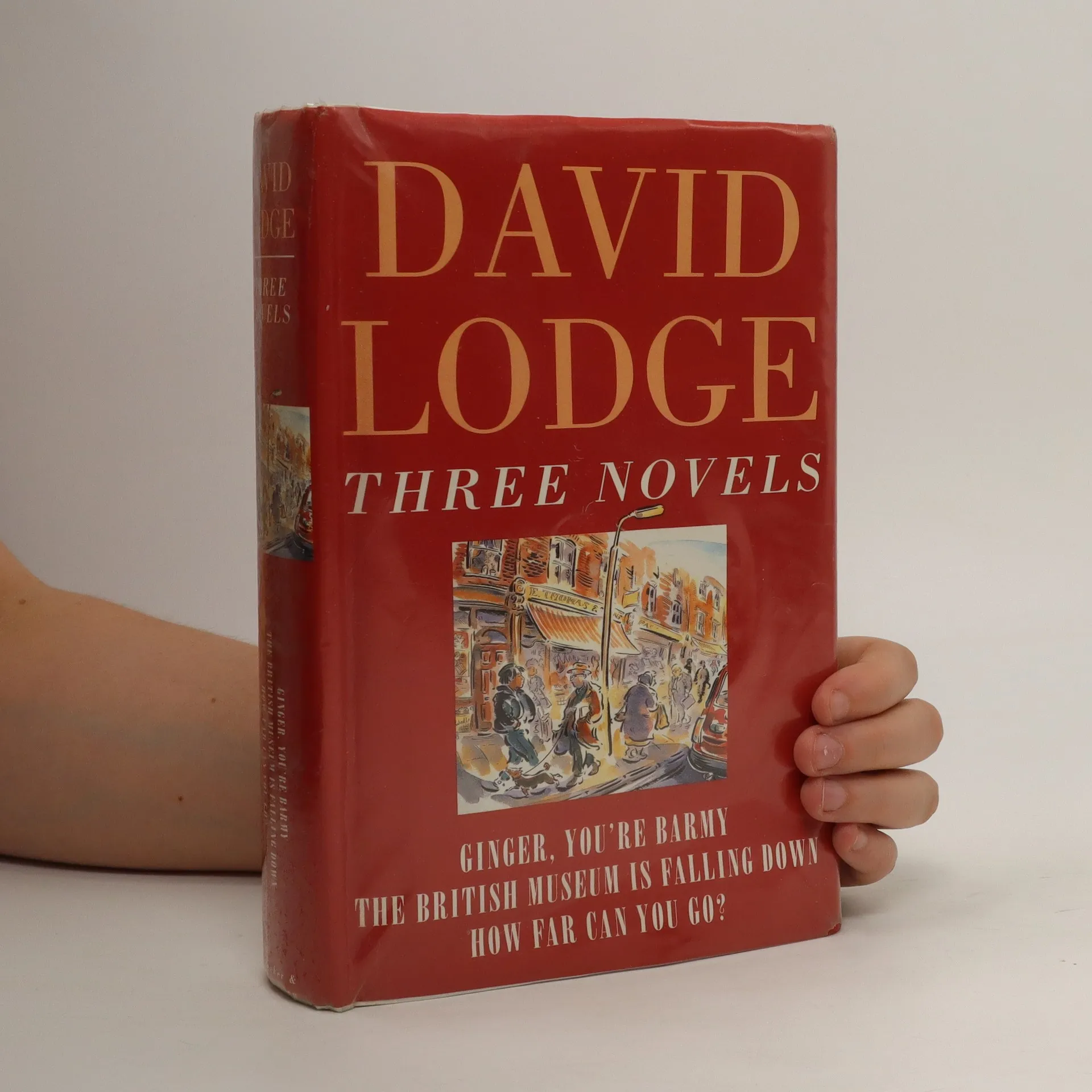
"'Ginger, You're Barmy: an account of life as a National serviceman. 'The British Museum is Falling Down', a comic portrait of a recently married postgraduate student taking refuge in fantasy from the Vatican's ruling on contraception; and 'How Far Can You Go?', which features a group of students over three decades of shifts in the rules of religion and society
Resulting from the Annual Biological Council Symposium on Drug Action held at the Royal Institution in London in April 1987, this book provides an up-to-date review of Excitatory Amino Acid (EAA) research. The list of international contributors is drawn from the forefront of scientists investigating EAAs.
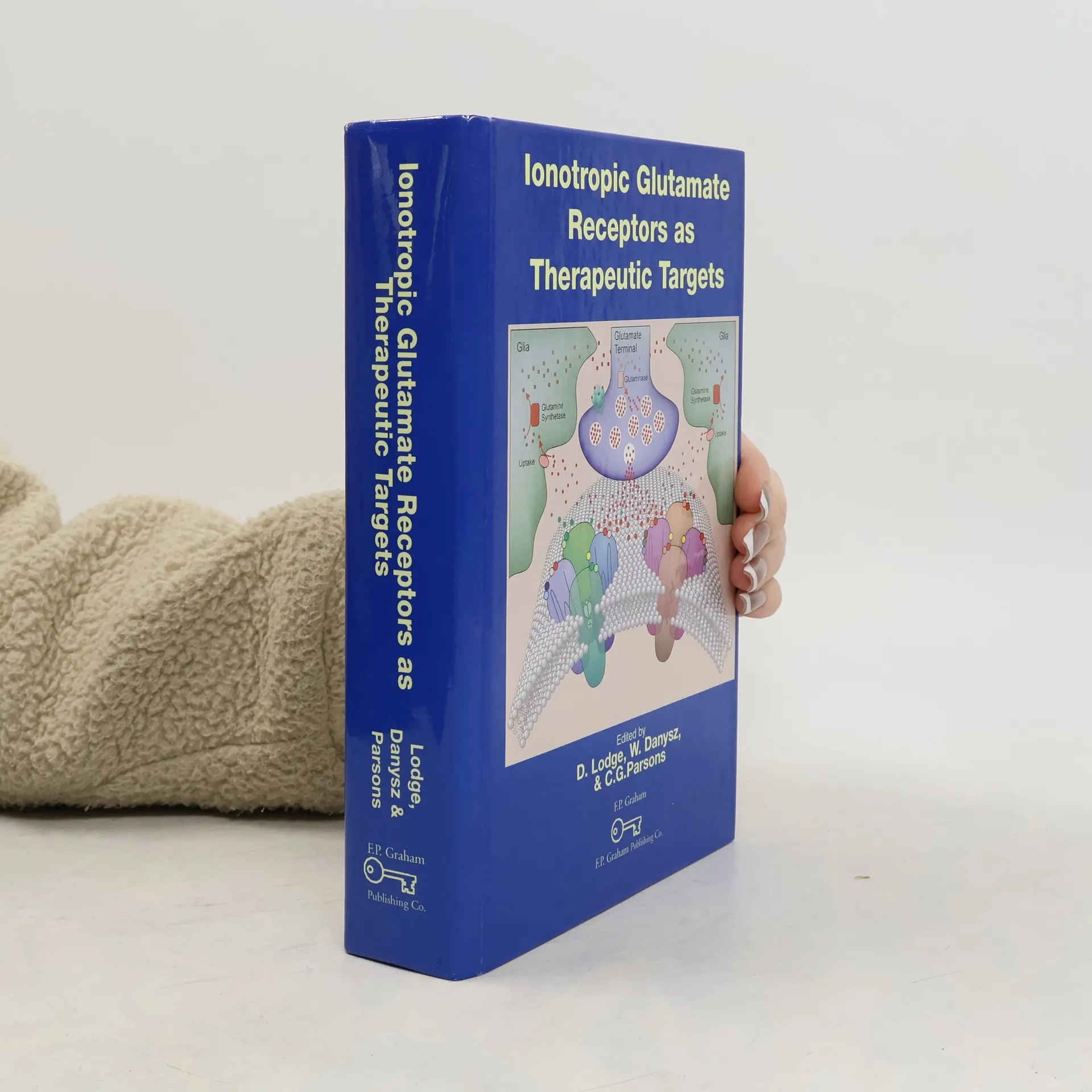
2002 overview of therapeutic strategies using modulators of ionotropic glutamate receptor function. Each chapter focuses on the role of glutamate in a particular disorder.
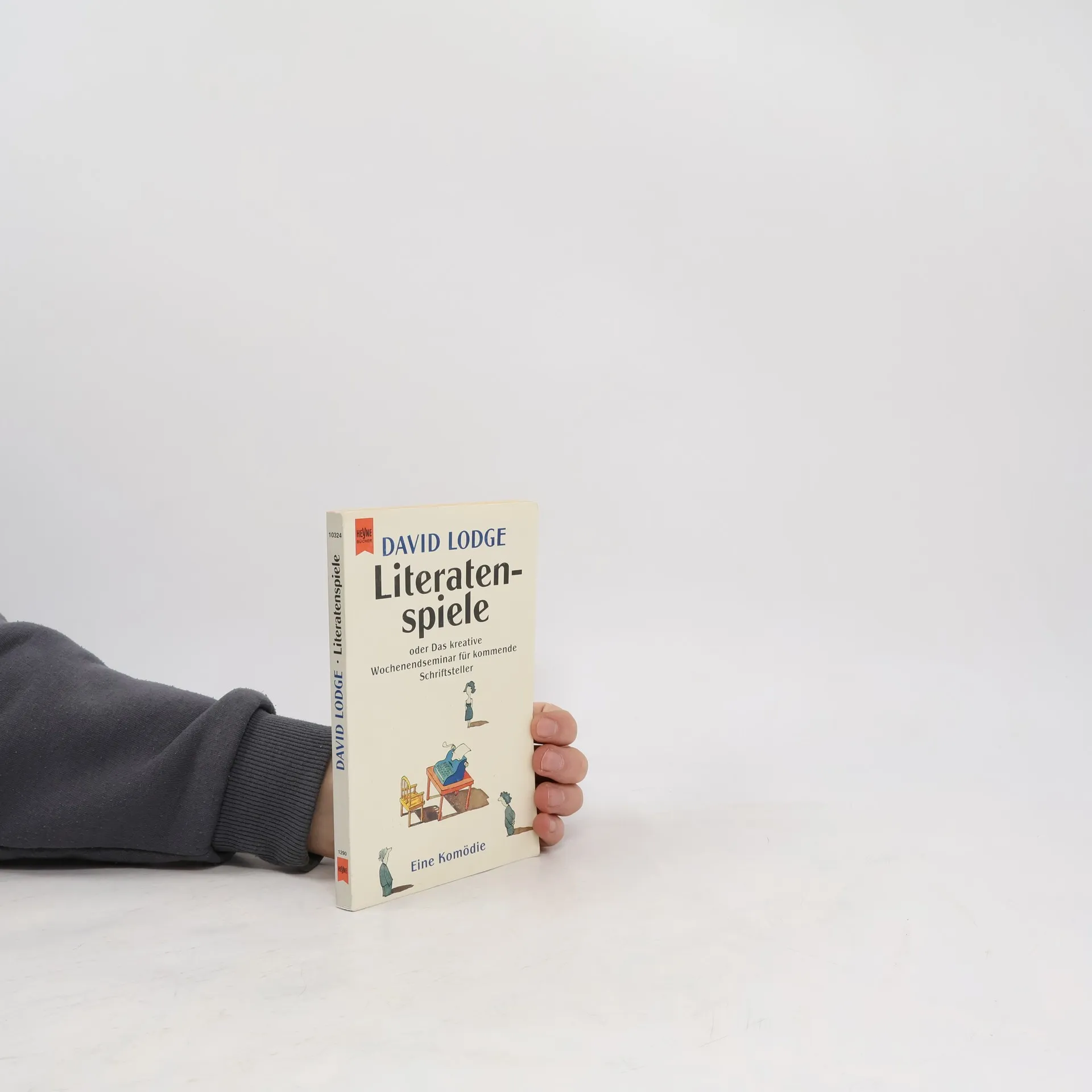
David Lodges erstes vollständiges Stück untersucht das kurvenreiche Terrain, auf dem Amateure und Profis – in einem Kurs für kreatives Schreiben – aufeinandertreffen. Maude, Autorin von neun Bestsellern, und Simon, der einen sensationellen Erfolg vorzuweisen hat, sind Veteranen dieses speziellen Leo, während ein campusbasierter amerikanischer Romanautor von der dilettantischen Herangehensweise der Engländer überrascht ist. Die Idee ist, die Studenten unter Druck zu setzen, doch in der umgebauten Scheune, die die Tutoren beherbergt, bauen sich schnell professionelle und sexuelle Spannungen, vergangene Kränkungen und aktuelle Rivalitäten auf. Aus diesen Drucksituationen destilliert David Lodge eine scharfsinnig beobachtete Komödie über die Probleme und Anliegen des Schreibens, während die Profis, die versuchen, den begeisterten Anfängern zu erklären, wie es geht, gezwungen sind, sich mit der viel schwierigeren Frage auseinanderzusetzen, warum sie überhaupt schreiben. Lodges präzise Studie über Schriftsteller, die arbeiten und in Konflikt stehen, wird allen Lesern von Fiktion – und den meisten, die im Geschäft sind – das Vergnügen der Wiedererkennung bringen.
Dieser Doppelband vereint die Bestseller „Therapie“ und „Denkt“ von David Lodge. „Therapie“ folgt Tubby Passmore, einem Sitcom-Autor, der durch Therapien und persönliche Krisen versucht, sein Leben zu ordnen. „Denkt“ erzählt von David Messenger, einem Direktor, dessen sexuelles Interesse an einer neuen Dozentin zu unerwarteten Wendungen führt.
Satirický, částečně autobiografický román o přátelství, odpovědnosti a hledání vlastní identity z prostředí kasáren.
Dva spolužáci ze školy se setkají coby branci na cestě do kasáren. Jon a Mik jsou mladí muži odlišných povah, kteří se snaží s větším či menším úspěchem zvládnout dva roky vojenského života, což se daří přizpůsobivému Jonatanovi lépe než přímočarému Mikovi, který se (po řadě konfrontací, které vyústí napadením velícího poddůstojníka) dostane do vězení. Příběh je vyprávěn peprným vojenským slangem.