

Explore the latest books of this year!
Bookbot

Ruth Benedict

    June 5, 1887 – September 17, 1948

    Ruth Fulton Benedict was an influential American anthropologist and folklorist whose work was deeply inspired by her mentor, Franz Boas. Benedict developed his humanistic ideals in her own research and writing, shifting anthropology and folklore away from mere studies of cultural diffusion towards a deeper understanding of culture. She explored the complex relationships between personality, art, language, and culture, emphasizing that no trait existed in isolation. She was a pioneering figure who redirected her fields, advocating for performance as integral to the interpretation of culture.

    Ruth Benedict
    Zuni Mythology Vol.1
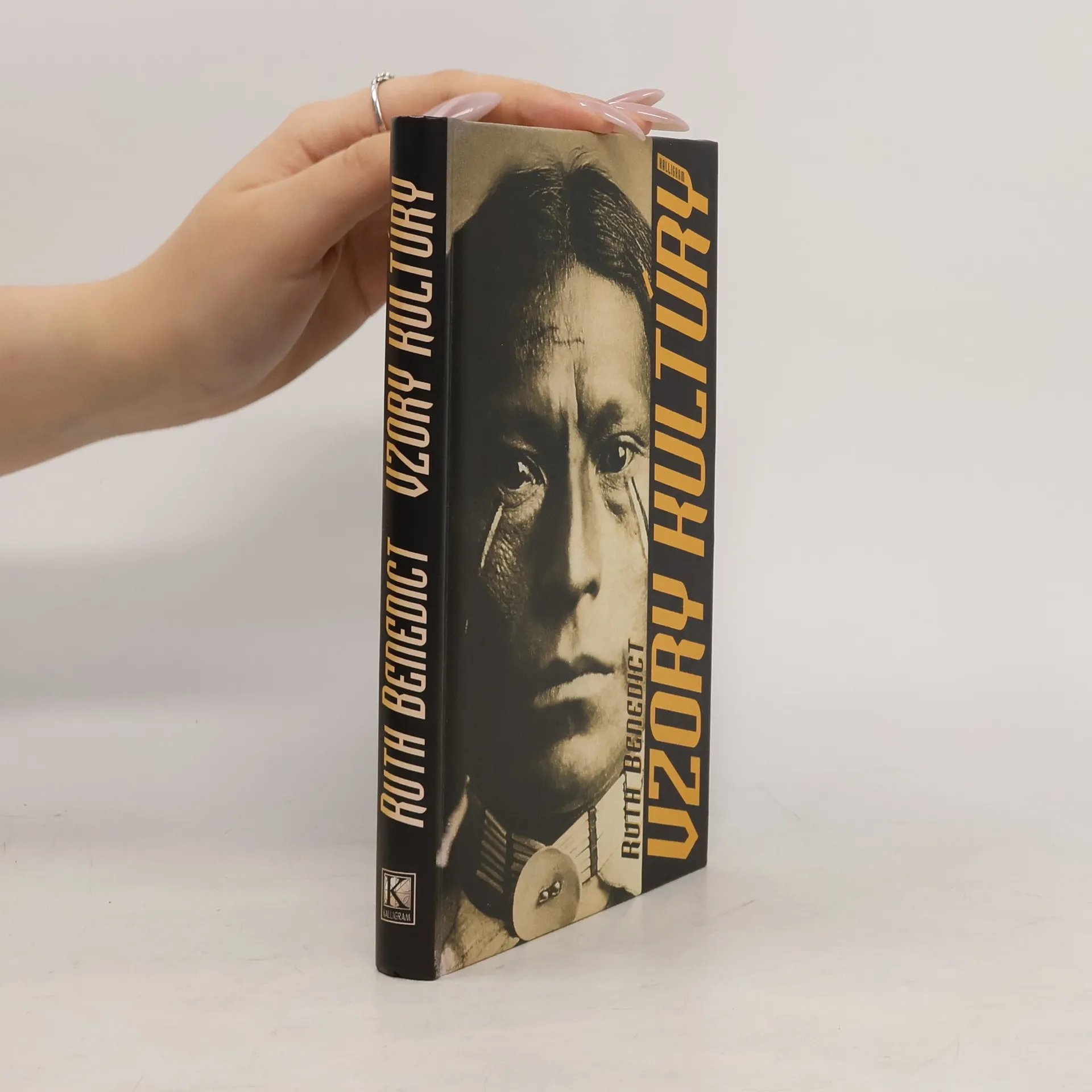
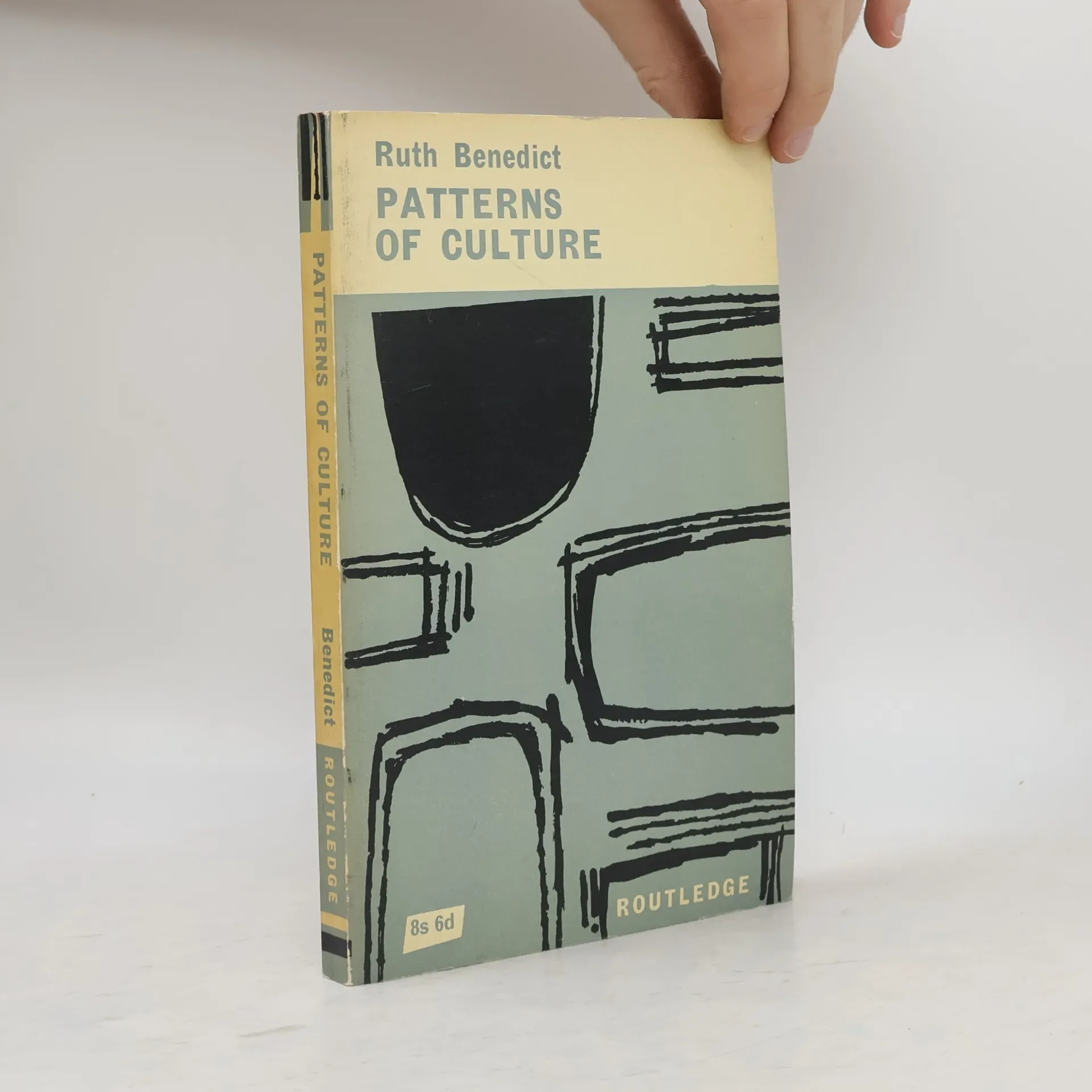
    Patterns of Culture
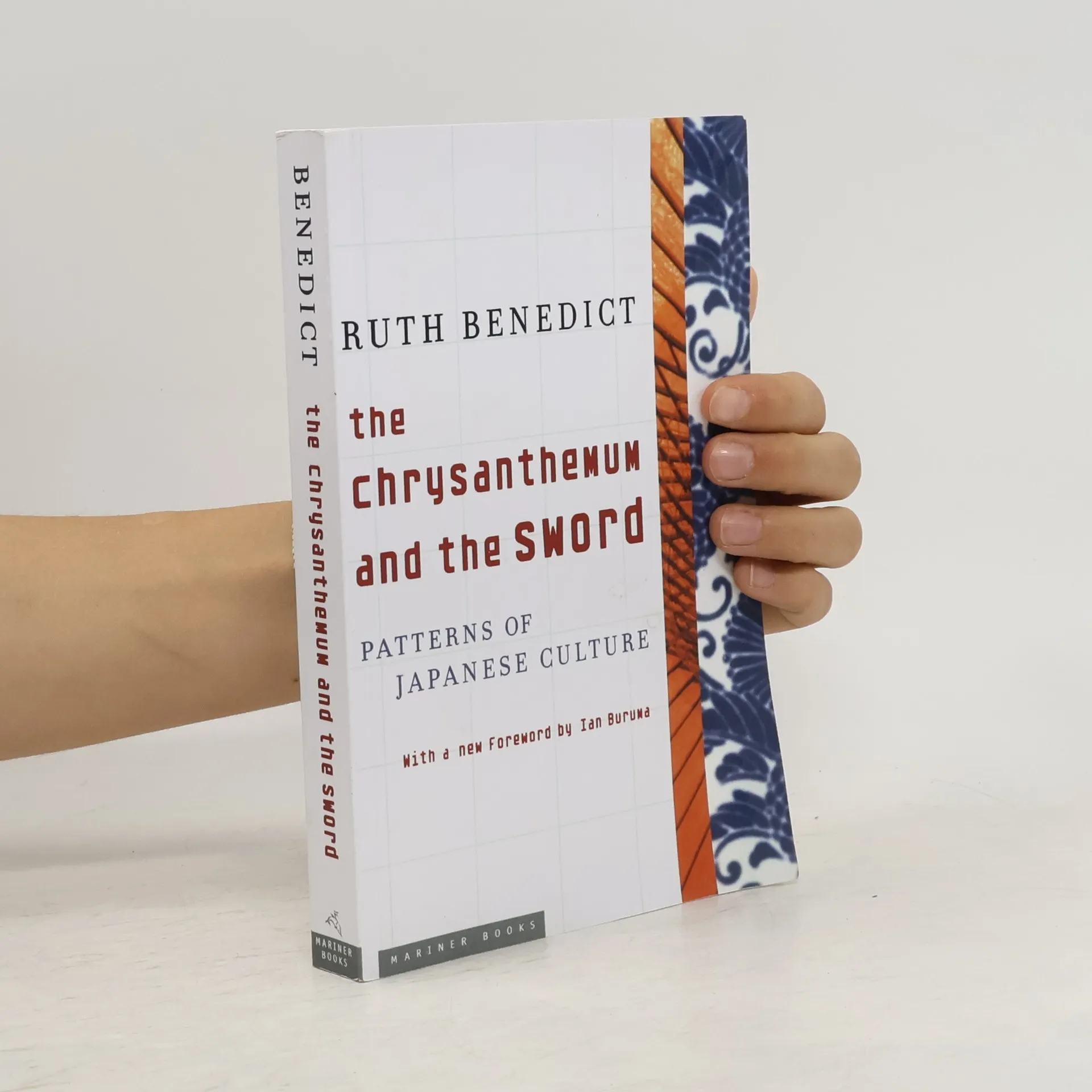
    The Chrysanthemum and the Sword
    The Rule of St. Benedict
    The Chrysanthemum and the Sword: Patterns of Japanese Culture
    Pacific Crest Trail Data Book
    • Pacific Crest Trail Data Book

      • 128 pages
      • 5 hours of reading
      4.5(49)Add rating

      The essential, cut-to-the-chase handbook to the Pacific Crest Trail, based on the comprehensive Wilderness Press guidebooks to the PCT, has been completely updated. Packed with trail-tested features, it’s useful both on and off the trail, covering pre-trip planning for resupply stops, how to set daily on-the-trail mileage goals by knowing trail gradient and the locations of campsites, water sources, and facilities, and how to easily calculate distances between any two points on the trail, and how to planning both north-bound and south-bound hiking trips.
      Pacific Crest Trail Data Book
    • Exploring the complexities of Japanese culture, the book delves into the contradictions within traditional values as perceived during World War II. Written by anthropologist Ruth Benedict for the U.S. Office of War Information, it aimed to predict Japanese behavior and introduced the concepts of guilt versus shame cultures. Despite facing criticism, the work significantly impacted American perceptions of Japan during its occupation, offering insights that shaped cultural understanding and discourse.

      The Chrysanthemum and the Sword: Patterns of Japanese Culture
    • The Rule of St. Benedict

      • 208 pages
      • 8 hours of reading
      4.1(53)Add rating

      A timeless source of wisdom for people looking to lead a life of simplicity, purpose, and serenity.

      The Rule of St. Benedict
    • The Chrysanthemum and the Sword

      • 324 pages
      • 12 hours of reading
      3.9(273)Add rating

      Essential reading for anyone interested in Japanese culture, this unsurpassed masterwork opens an intriguing window on Japan. Benedict’s World War II–era study paints an illuminating contrast between the culture of Japan and that of the United States. The Chrysanthemum and the Sword is a revealing look at how and why our cultures differ, making it the perfect introduction to Japanese history and customs.

      The Chrysanthemum and the Sword
    • Patterns of Culture

      • 320 pages
      • 12 hours of reading
      3.8(1424)Add rating

      For more than a generation, this pioneering book has been an indispensable introduction to the field of anthropology. Here, in her study of three sharply contrasting cultures, Benedict puts forward her famous thesis that a people's culture is an integrated whole, a "personality writ large." Includes a preface from Margaret Mead.

      Patterns of Culture
    • El crisantemo y la espada

      • 310 pages
      • 11 hours of reading
      3.5(10)Add rating

      En junio de 1944, las autoridades estadounidenses ­desconcertadas ante las dificultades para predecir el comportamiento del enemigo en el Pacífico y necesitadas de un repertorio de soluciones para acelerar la victoria primero e institucionalizar la ocupación después­ encargaron a RUTH BENEDICT un estudio de antropología cultural sobre las normas y valores de la sociedad japonesa. Resultado del trabajo llevado a cabo, EL CRISANTEMO Y LA ESPADA ­título que hace referencia a las paradojas del carácter y el estilo de vida japoneses­ se convirtió prácticamente desde su aparición y hasta el día de hoy en un clásico imprescindible para aproximarse al conocimiento de los complejos patrones de la cultura japonesa, que explican no sólo el militarismo de tiempos pasados, sino también la fabulosa expansión pacífica llevada a cabo por el pueblo japonés desde el final de la Segunda Guerra Mundial.

      El crisantemo y la espada