Amir Aczel was an author of popular science and mathematics books. His works focused on making complex mathematical concepts accessible to a wider audience through engaging narratives. Aczel sought to reveal the beauty and relevance of mathematics in everyday life, and his writing reflected a deep understanding and passion for the subject.
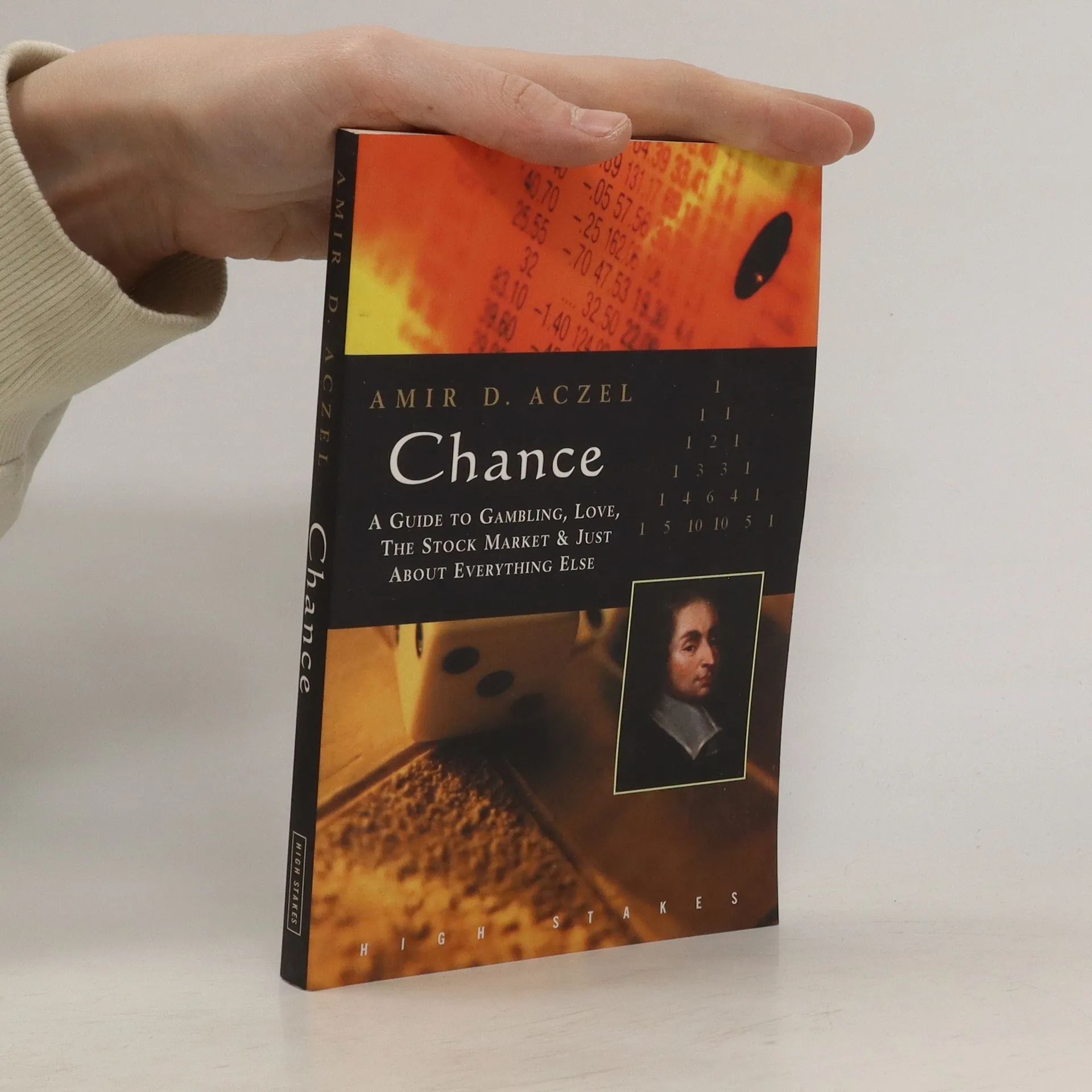
Celebrated mathematician Amir D Aczel sets his sights on the probability theory - the branch of mathematics that measures the likelihood of a random event. What is commonly called 'luck' has mathematical roots - and in Aczel's capable hands readers learn to increase their odds of success in everything from true love to the stock market.
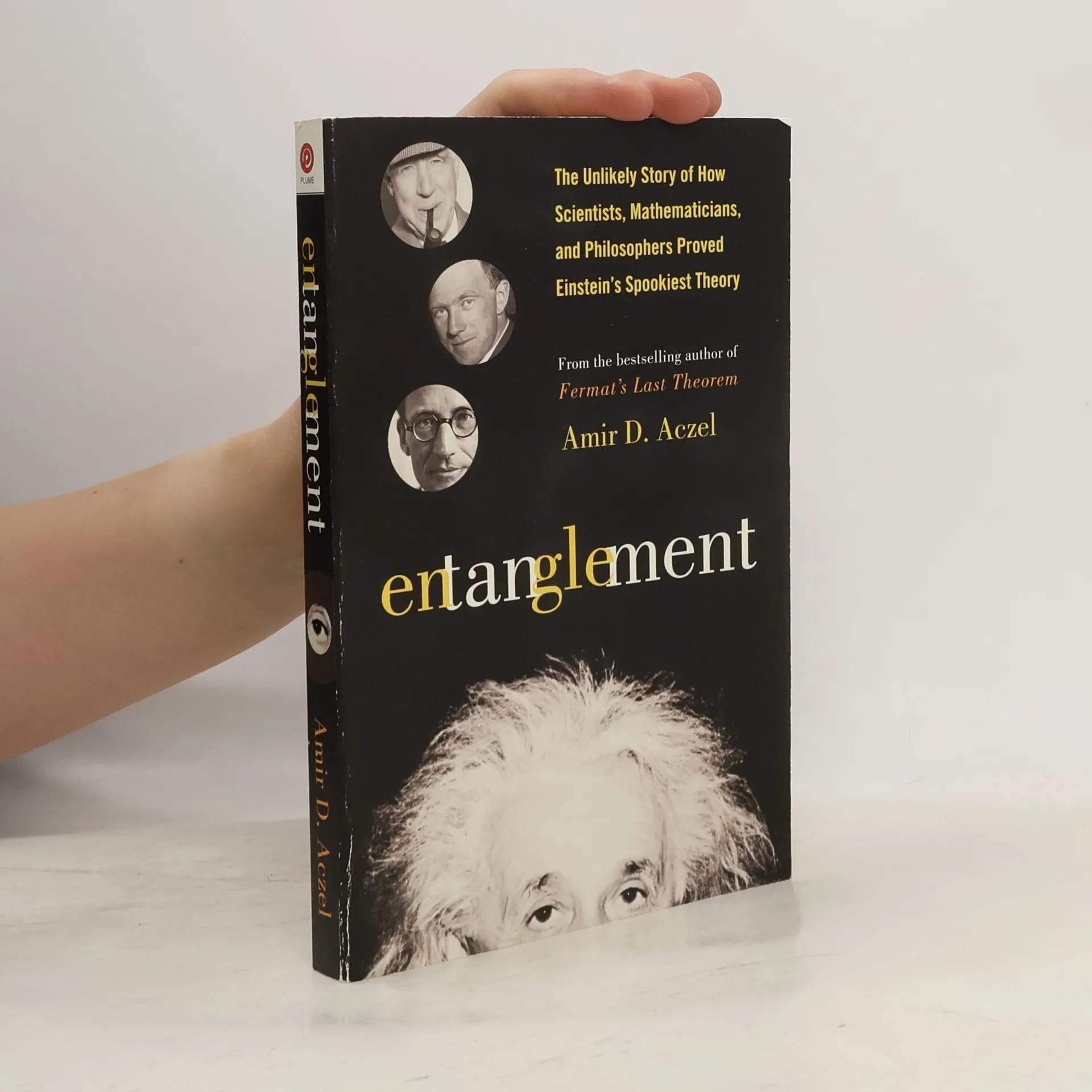
The Unlikely Story of How Scientists, Mathematicians, and Philosophers Proved Einstein's Spookiest Theory
304 pages
11 hours of reading
Can two particles become inextricably linked, so that a change in one is instantly reflected in its counterpart, even if a universe separates them? Albert Einstein's work suggested it was possible, but it was too bizarre, and too contrary to how we then understood space and time, for him to prove. No one could. Until now. Entanglement tells the astounding story of the scientists who set out to complete Einstein's work. With accesible language and a highly entertaining tone, Amir Aczel shows us a world where the improbable—from unbreakable codes to teleportation—becomes possible.
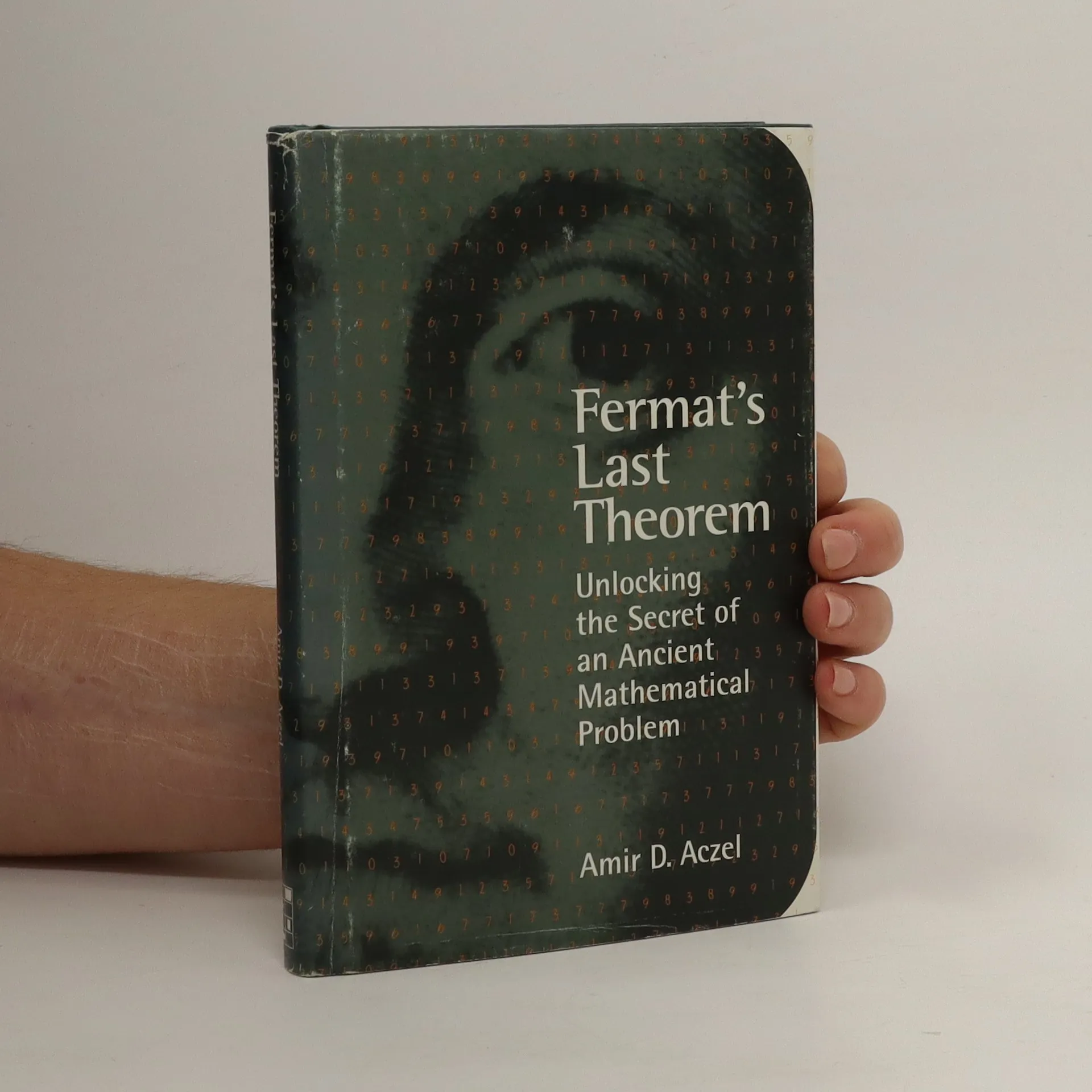
Provides a close-up study of seventeenth-century French scholar Pierre de Fermat, the centuries-long effort to prove his theorem, and the work of Andrew Wiles, a Princeton researcher who ultimately came up with the solution. 25,000 first printing. $25,000 ad/promo. Tour. IP.
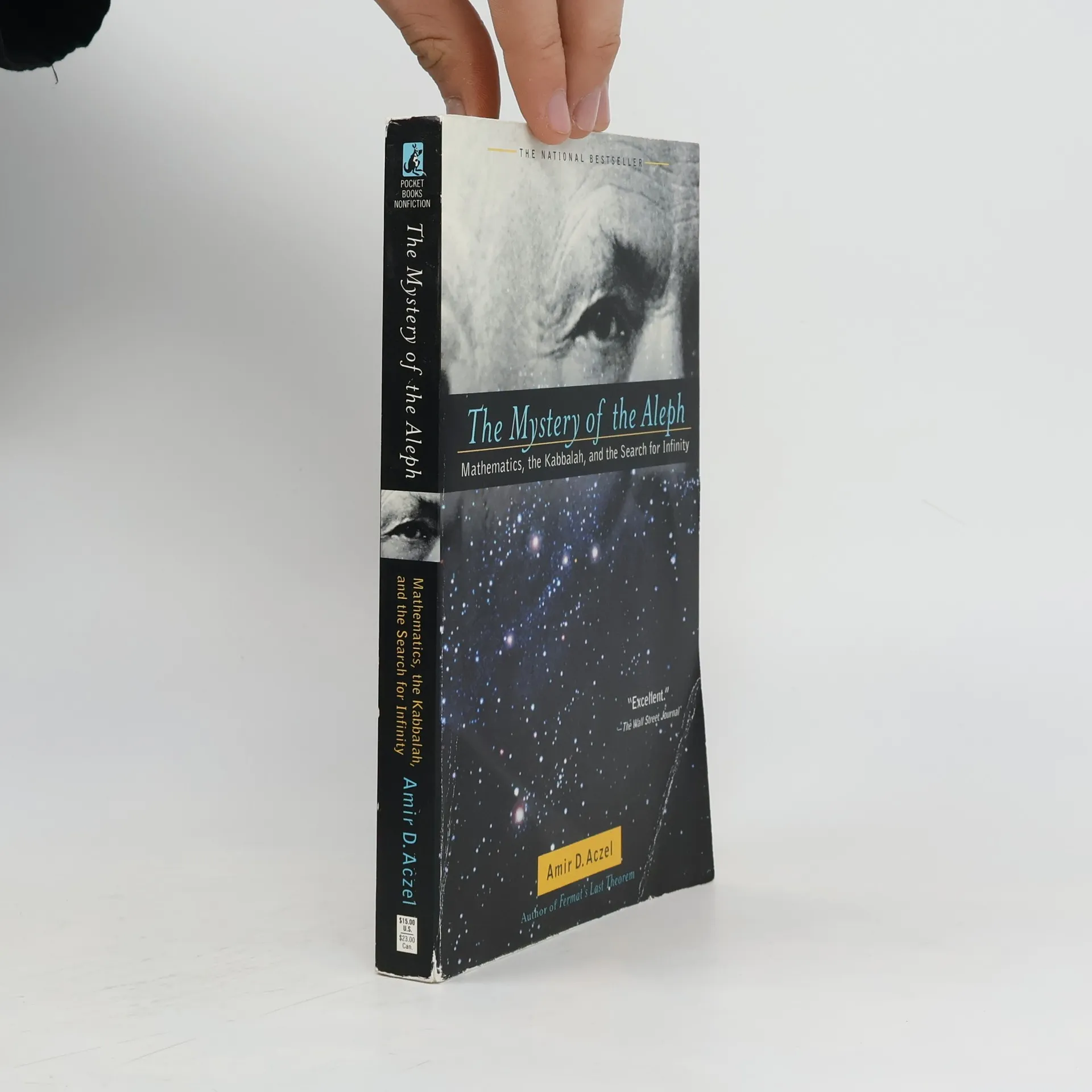
Mathematics, the Kabbalah, and the Search for Infinity
274 pages
10 hours of reading
The narrative centers on Georg Cantor, a pioneering mathematician who developed set theory and introduced the revolutionary idea of infinite numbers. His work, particularly the continuum hypothesis, posed significant challenges to established mathematical principles. The book includes illustrations that enhance the exploration of Cantor's groundbreaking contributions and the impact of his ideas on the field of mathematics.
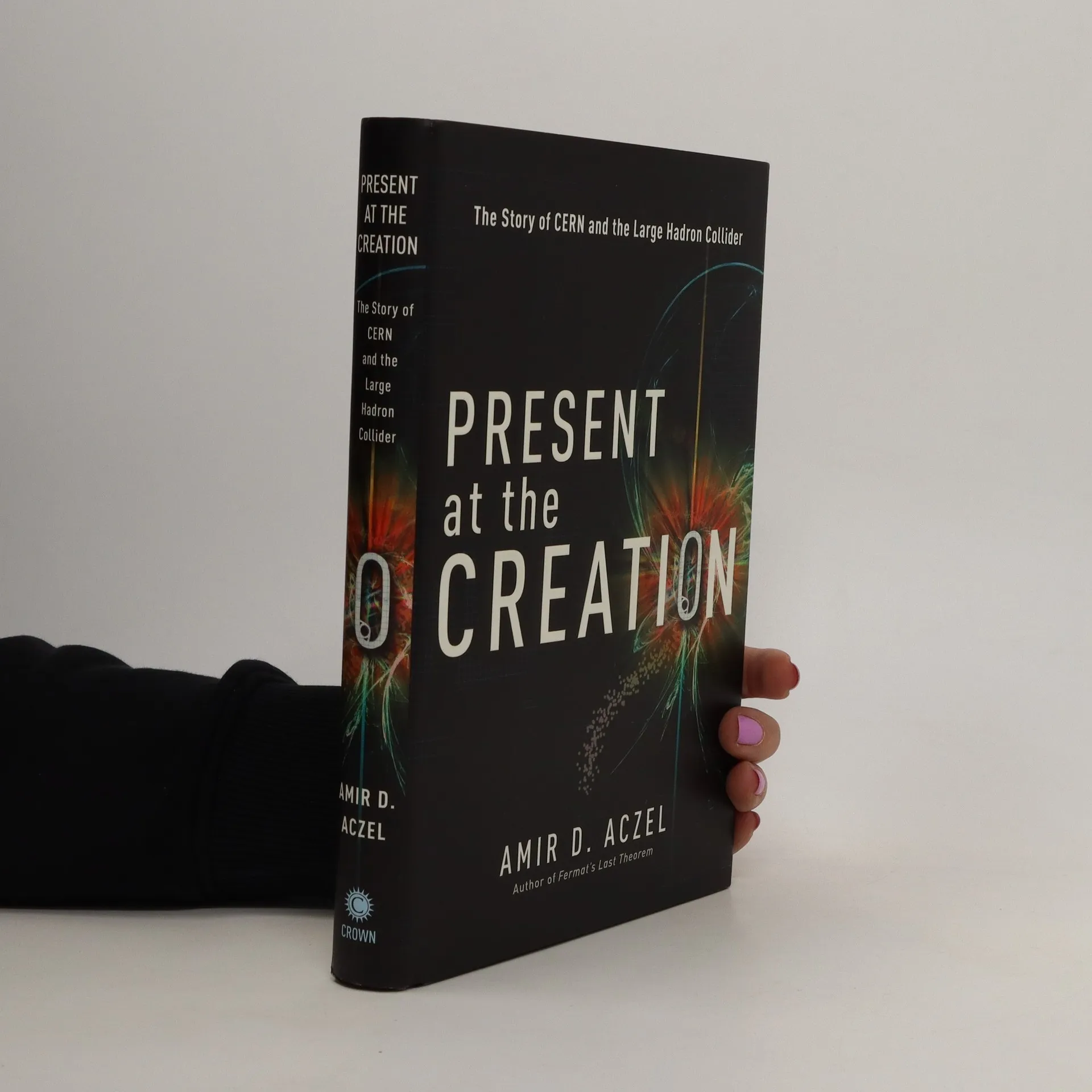
Will the Large Hadron Collider at CERN yield the long-awaited discovery of the Higgs boson, the last experimentally unconfirmed particle of the Standard Model, whose prediction is one of the greatest challenges of 20th-century theoretical physics? Will hidden dimensions of spacetime, as proposed by string theory, be found? Will we understand the nature of the mysterious dark matter that constitutes over 90% of the universe's mass? This book, authored by one of the best contemporary science communicators, guides us step by step through the adventure of an experiment that promises to satisfy the curiosity of anyone who agrees with Albert Einstein's sentiment: “I want to know God's thoughts – the rest are details.”
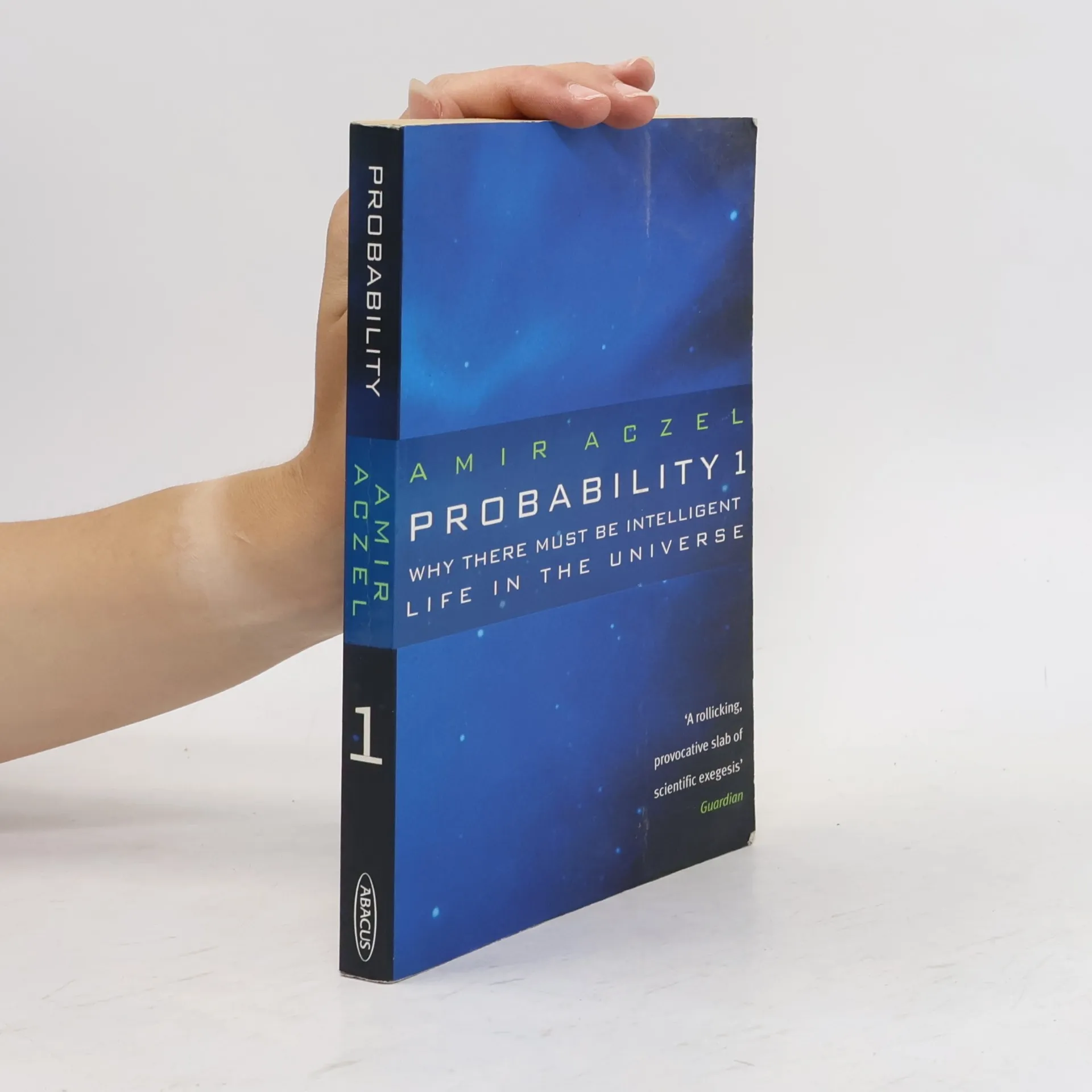
Why There Must Be Intelligent Life in the Universe
230 pages
9 hours of reading
At one level, this book surveys recent findings about the existence of planets orbiting other sun-like stars, such as 51 Pegasi (discovered in 1995) and Tau Bootis. It addresses questions such as what life is and what intelligent life is, as well as theories about how life evolved on Earth from basic molecules into more complex organic compounds leading to DNA. The existence of similar molecules on other planets in our solar system, as well as in meteorites that land on Earth every year, is used in an argument for the evolution of such compounds - the building blocks of life - outside Earth. At the same time, the author applies the laws of large numbers to the immense size of the known universe, with its billions of galaxies, each containing many billions of stars, to argue the probability that there is life elsewhere.
Sometimes it pays to be in the right place at the right time. Certainly the mariners in Amalfi in the twelfth century were. Here the compass was first invented and used in navigation, eventually helping to make Italians the world's greatest sailors. But the story of the compass is shrouded in mystery and myth. It begins in ancient China around the birth of Christ. A mysterious lodestone whose powers affected metal was known to the Emperor. This piece of metal suspended in water always pointed north and was put to excellent use in feng shui, the Chinese art of finding the right location. However, it was the Italians who unleashed the compass's formidable powers on ships at sea. Throughout the ancient world, sailors navigated by wind, and stars, and the routes of migrating birds, but bad weather and winter storms impeded their travels. When the compass migrated to Italy, the modern world began: Venice, trade with the East, the Age of Discovery. The compass made it all possible, and this is its fascinating story.
Are we on the verge of solving the riddle of creation using Einstein's "greatest blunder"?In a work that is at once lucid, exhilarating and profound, renowned mathematician Dr. Amir Aczel, critically acclaimed author of Fermat's Last Theorem , takes us into the heart of science's greatest mystery.In January 1998, astronomers found evidence that the cosmos is expanding at an ever-increasing rate. The way we perceive the universe was changed forever. The most compelling theory cosmologists could find to explain this phenomenon was Einstein's cosmological constant, a theory he conceived--and rejected---over eighty years ago.Drawing on newly discovered letters of Einstein--many translated here for the first time--years of research, and interviews with prominent mathematicians, cosmologists, physicists, and astronomers, Aczel takes us on a fascinating journey into "the strange geometry of space-time," and into the mind of a genius. Here the unthinkable becomes an infinite, ever-expanding, ever-accelerating universe whose only absolute is the speed of light.Awesome in scope, thrilling in detail, God's Equation is storytelling at its finest.
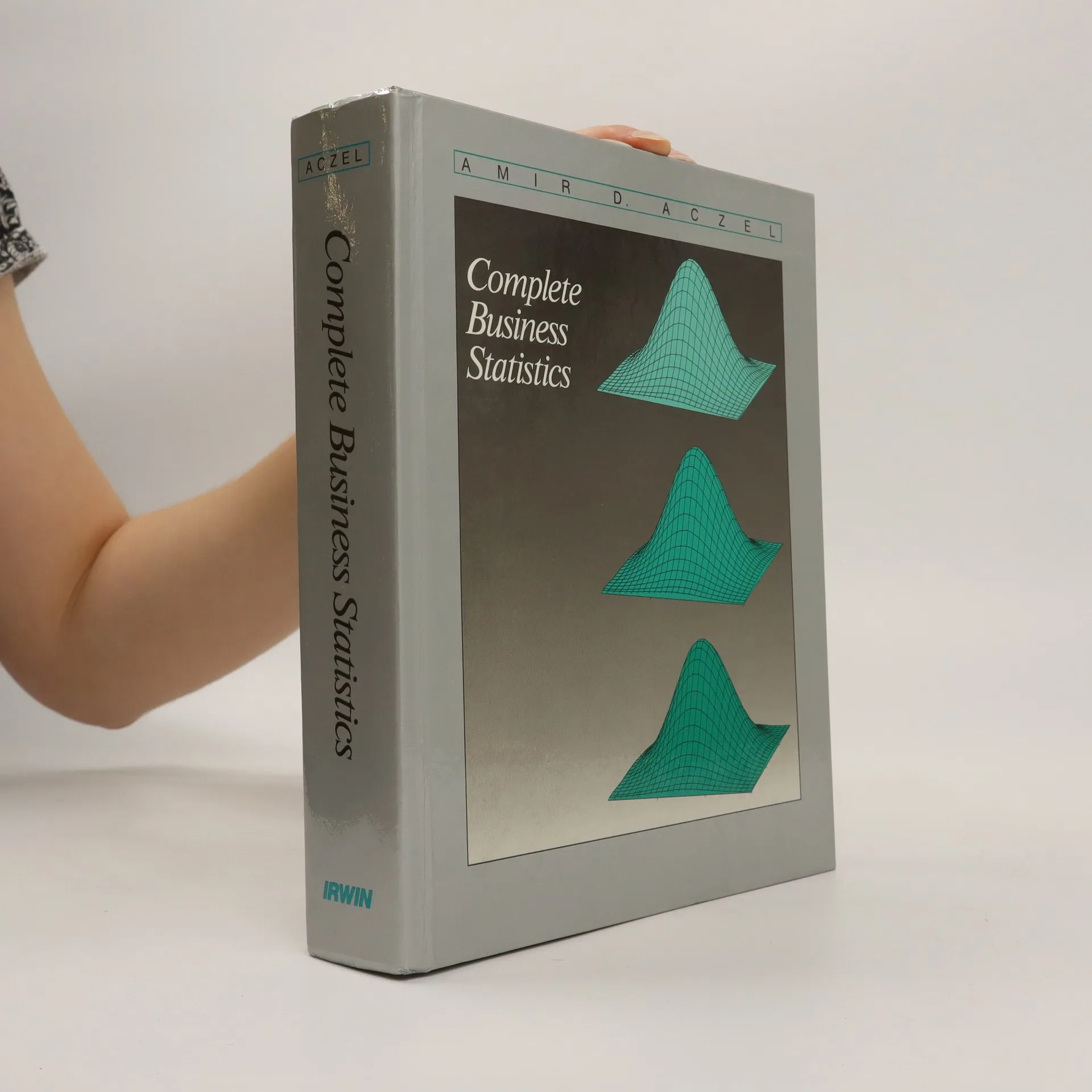
Traditionally, Complete Business Statistics has been praised for its quality of presentation and the richness of problem sets that are realistic, stimulating and challenging. The new edition will continue to provide students with a solid understanding of statistical concepts and rich problems to stimulate learning. In addition students will be exposed to the most current uses of technology in business statistics. Students and instructors alike will enjoy using this text that now has more Excel and other software applications integrated than ever before.
Matematici bývají vykreslováni jako podivíni, se kterými se člověk moc
nepobaví, protože žijí ve vlastním myšlenkovém světě. Amir Aczel tuto veskrze
mylnou představu vyvrací. Na pozadí pět tisíc let dlouhého příběhu matematiky
vypráví pozoruhodné osudy myslitelů, kteří svými objevy významně přispěli k
rozvoji přírodovědného poznání – od „kupeckých počtů“ po složité a hluboké
teorie, bez nichž se moderní civilizace závislá na vyspělých technologiích
neobejde. Ačkoliv jména jako Newton, Descartes, Eukleides, Fermat či Leibniz
vzbuzují v mnoha lidech až posvátnou úctu, autor ukazuje, že tito velikáni
vědy byli běžnými smrtelníky a podléhali nejrůznějším vášním i slabostem. V
historii matematiky tak narazíme na střelecké souboje, spiknutí, hrdinské
činy, tajné spolky, zločiny, vzájemné nevraživosti i milostné aféry. Životní
příběhy velkých matematiků byly pestré, často dramatické, někdy opravdu
divoké. Jedno však měli společné: hnala je touha po poznání.
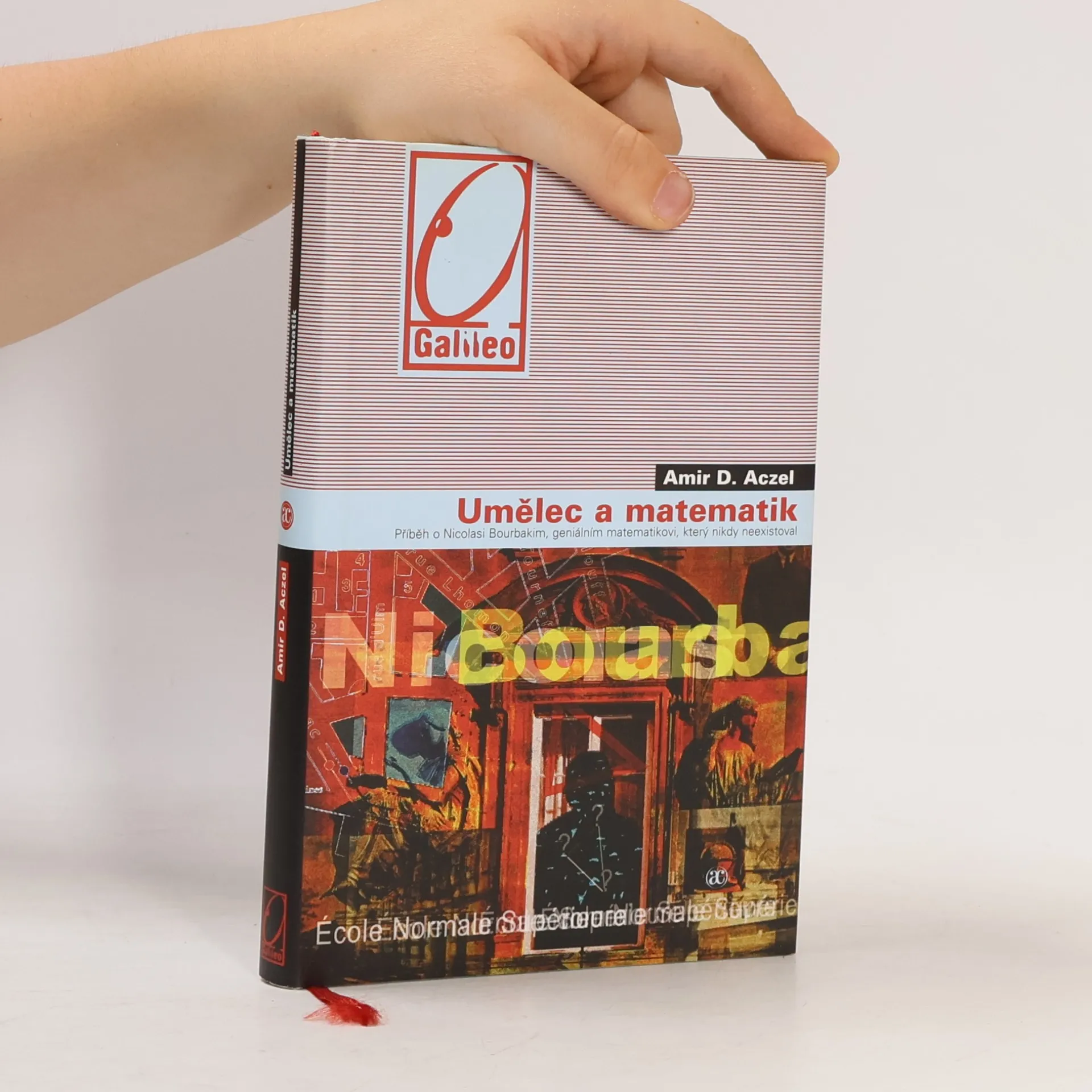
Identita geniálního francouzského matematika Nicolase Bourbakiho, autora rozsáhlé řady monografií, které významně ovlivnily vývoj moderní matematiky a její výuky ve dvacátém století, byla vždy opředena závojem tajemství. Zasvěcení znali skutečnost, mnozí tušili nějakou čertovinu, ostatní dodnes věří tomu, že Bourbaki je člověk z masa a kostí. Z určitého pohledu měli pravdu všichni. Vždyť je tu jeho úctyhodné dílo, byl ctihodným členem jisté Akademie věd, zval přátele na svatbu své dcery A lze tvrdit, že na světě dnes není matematik, kterého by Bourbakiho klíčové dílo neovlivnilo.