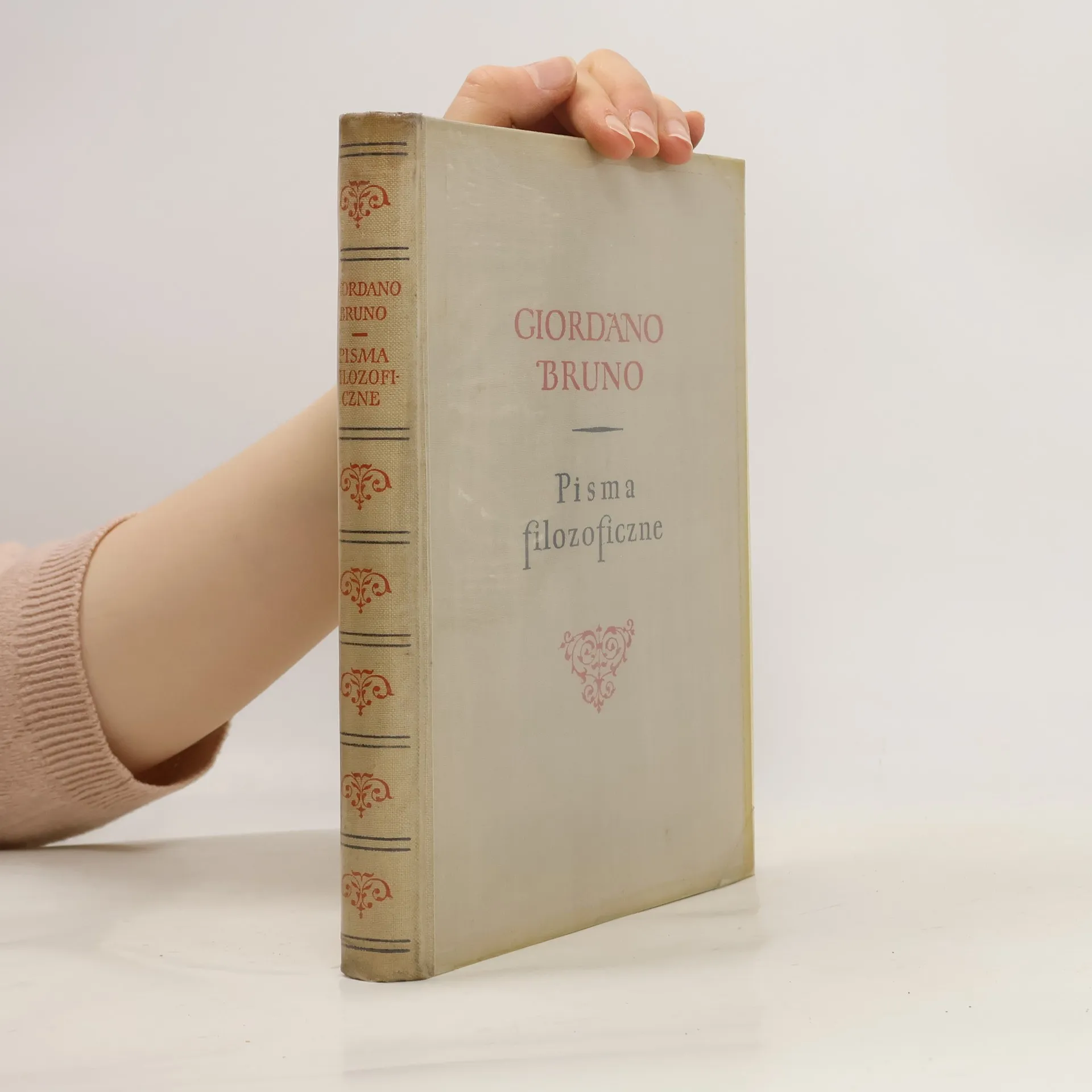
Giordano Bruno critiques the moral failings of both ancient and modern societies, portraying a mythical drama that advocates for universal reform. Through this narrative, he aims to replace prevalent vices with corresponding virtues, emphasizing the need for a transformative moral vision. The work serves as a philosophical exploration of ethics and the potential for societal improvement.
Giordano Bruno Books
January 1, 1548 – February 17, 1600
This Italian philosopher and scholar is best known as a proponent of the infinity of the universe. His cosmological theories extended beyond the Copernican model, identifying the Sun as just one of an infinite number of heavenly bodies. He also wrote extensively on the art of memory and explored a qualitative approach to mathematics.


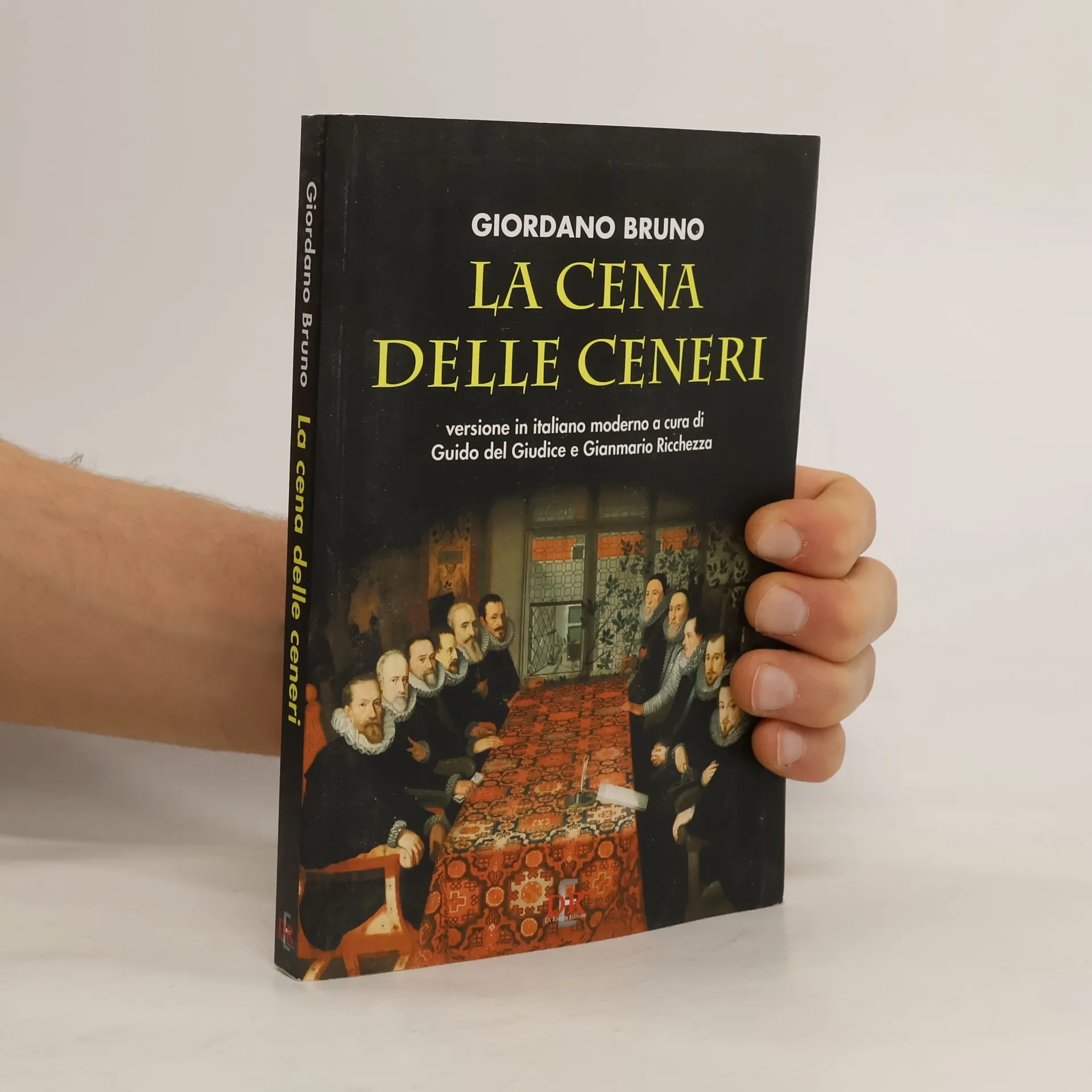
The Ash Wednesday Supper
- 174 pages
- 7 hours of reading
Giordano Bruno was an itinerant Italian friar who was burned at the stake in 1600 for heresies, which included his rejection of the Ptolemaic cosmology. Of his important writings, 'La Cena de le ceneri' was one of the first works in which Copernican theory had impact outside the sphere of the natural sciences. Arguing for the physical reality of the infinite universe with no centre, Bruno sought to prove that each man is every man, that conflict would be resolved if all men accepted the unifying potential of his hermetic religion. Using this radical cosmology, Bruno sought to heal the secular and religious wounds of sixteenth-century Europe.
Über das Unendliche, das Universum und die Welten
- 242 pages
- 9 hours of reading
In fünf Dialogen erörtert der Nolaner die Frage, »ob die Welt endlich ist oder unendlich«. Bewiesen wird - gegen den damals noch herrschenden Aristotelismus - die Unendlichkeit der Welt, d. h. es gibt unendlich viele Welten. Diese Erkenntnis führte zu einer völlig neuen (modernen) Naturphilosophie, die eine fortwährende Veränderung bei gleichbleibender Gesamtsubstanz propagiert.
Von den sechs italienischen Dialogen, die Giordano Bruno in den Jahren 1584-1585 in London veröffentlichte, ist Die Kabbala des Pegasus (1585) der fünfte. Die Kabbala steht in engem Zusammenhang mit dem vierten Dialog, dem Spaccio della bestia trionfante, da sie die dort begonnene „Himmelsreform“ zu Ende führt, jedoch indem sie in einem ambiguen Spiel von Spiegelungen die theoretische Perspektive nahezu umkehrt. Die Kabbala gehört zu den radikalsten Texten Brunos: Hier erscheint er mit „offenem Visier“ und attackiert sowohl Christentum als auch Aristotelismus und Skeptizismus. Die Übersetzung wurde für diese Ausgabe neu angefertigt. Sie ist die erste deutsche Übersetzung der Kabbala nach derjenigen von Kulenbeck aus dem Jahre 1909.
Spaccio de la bestia trionfante
- 306 pages
- 11 hours of reading
"Spaccio de la bestia trionfante" è apparso a Londra nel 1584. Le sue parole chiave sono: giustizia, legge e giudizio, nella prospettiva di una radicale riforma morale e civile, utile e pragmatica, che implica nel contempo un profondo rinnovamento interiore dell'uomo. La conquista di una rinnovata umanità comporta lo spaccio (l'espulsione) dei vizi/bestie che infestano l'animo umano, rappresentati nell'opera attraverso la personificazione delle costellazioni celesti, tramite cioè quelle figure mitologiche che sin dall'antichità erano assurte a simboli di specifici tratti caratteriali. Questa edizione offre al lettore il testo italiano curato da Canone mediante una collazione del testo critico con diversi esemplari della cinquecentina.
Giordano Bruno
- 496 pages
- 18 hours of reading
[Bruno, Giordano] von Samsonow, Elisabeth (ed.) Giordano Bruno. Ausgewählt und vorgestellt von Elisabeth von Samsonow. Philosophie jetzt! Herausgegeben von Peter Sloterdijk. München, Deutscher Taschenbuch Verlag, 1999. 12,5 x 19 cm. 496 pages. Original Softcover. Sehr guter Zustand mit minimalen Gebrauchsspuren. Enthält unter anderem die folgenden Vorbemerkung von Peter Sloterdijk; Einleitung von Elisabeth von Samsonow; Die Philosophie; Vorrang von Imagination und Phantasie; Memoria etc.
Die angeborene Sehnsucht des Menschen nach dem Göttlichen, auch als "Archetyp Gottes" von C.G. Jung bezeichnet, ist eng mit der Fähigkeit zur Liebe und Sexualität verbunden. Diese Suche nach Transzendenz wird oft als Streben nach Sinn interpretiert, ohne sich auf Mystik oder Religiosität zu beziehen. Das Buch untersucht die tiefen psychologischen und spirituellen Aspekte dieser menschlichen Erfahrung und deren Einfluss auf das Leben und die Beziehungen.
Kabbala, Kyllenischer Esel, Reden, Inquisitionsakten
Ins Deutsche übertragen von Ludwig Kuhlenbeck
- 352 pages
- 13 hours of reading
Der Neusatz basiert auf der 1909 in Jena veröffentlichten Ausgabe und gehört zu den »Gesammelten Werken« des Eugen Diederichs Verlags. Die alte deutsche Rechtschreibung wurde behutsam modernisiert, während offensichtliche Druckfehler stillschweigend korrigiert wurden. Dies ermöglicht eine zeitgemäße Lesbarkeit des Textes, ohne den ursprünglichen Inhalt zu verfälschen.
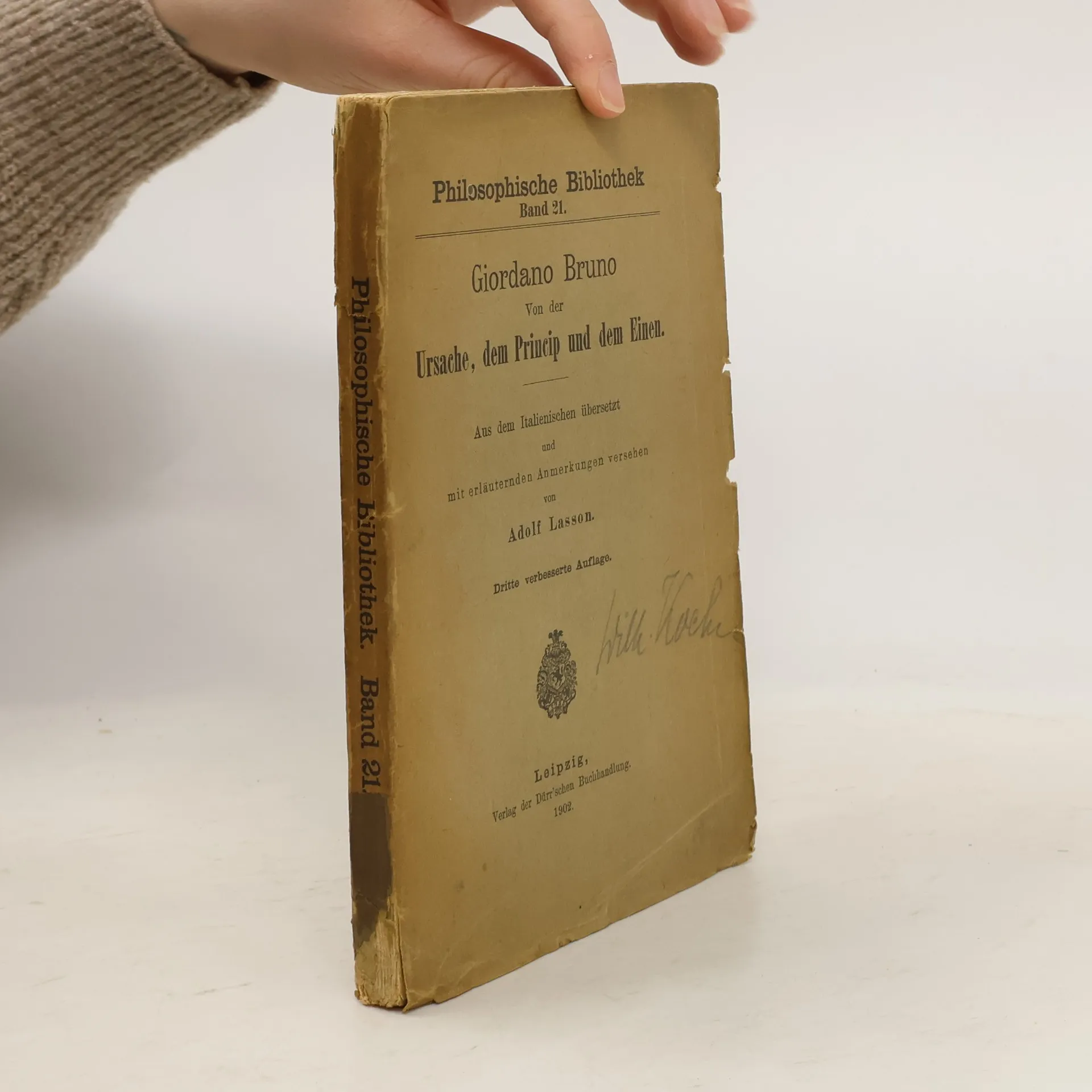
Von der Ursache, dem Prinzip und dem Einen (Großdruck)
- 142 pages
- 5 hours of reading
Giordano Brunos Werk "Von der Ursache, dem Prinzip und dem Einen" bietet eine lesefreundliche Großdruckausgabe mit Biografie des Autors. Die Ausgabe basiert auf der Übersetzung von Adolf Lasson und folgt der Rechtschreibung und Zeichensetzung der dritten Auflage von 1902. Ideal für Philosophieinteressierte.
Reformation des Himmels.
- 416 pages
- 15 hours of reading
Dieses Werk wurde von Wissenschaftlern als kulturell wichtig ausgewählt und ist Teil des Wissensfundaments unserer Zivilisation. Es wurde aus dem Original reproduziert und bleibt diesem so treu wie möglich. Es ist gemeinfrei in den USA, und die Erhaltung dieses historischen Artefakts wird geschätzt.
Bruno, Der Mäyrtyrer Der Neuen Weltanschauung: Sein Leben, Seine Lehren Und Sein Tod Auf Dem Scheiterhaufen
- 302 pages
- 11 hours of reading
Dieses Werk wurde von Wissenschaftlern als kulturell wichtig ausgewählt und ist Teil des Wissensfundaments unserer Zivilisation. Es wurde aus dem Original reproduziert und bleibt so treu wie möglich. Es ist gemeinfrei in den USA und kann frei kopiert und verteilt werden. Das Werk enthält möglicherweise fehlende oder unscharfe Seiten.
In diesem Werk wird eine heroische und göttliche Liebe dargestellt, die sich von übertriebener Leidenschaft abgrenzt. Der Autor kritisiert die Sklaverei der Seele durch leidenschaftliche Liebe und ermutigt zu einer reflektierten Sicht auf zwischenmenschliche Beziehungen. Das Buch ist in zwei Hauptteile mit jeweils fünf Dialogen gegliedert.
Giordano Brunos Reformation des Himmels
- 404 pages
- 15 hours of reading
"Giordano Brunos Reformation des Himmels - Lo spaccio della bestia trionfante" ist ein hochwertiger Nachdruck der Originalausgabe von 1889. Hansebooks widmet sich der Erhaltung historischer Literatur und veröffentlicht Werke, die heute oft nur als Antiquitäten erhältlich sind, um seltenes Wissen für die Zukunft zu bewahren.
Zwiegespräch vom unendlichen All und den Welten
Ins Deutsche übertragen von Ludwig Kuhlenbeck
- 342 pages
- 12 hours of reading
Die italienischen Dialoge »Vom unendlichen All und den Welten« können neben den Dialogen »Von der Ursache, dem Anfang und dem Einen«, die als 4. Band der gesammelten Werke erscheinen werden, als wissenschaftliche Hauptschrift Giordano Brunos bezeichnet werden; sie entwickeln, indem sie gegen das kosmologische System des Ptolemäus, Aristoteles und des Mittelalters ankämpfen, mit dialektischer Lebendigkeit die wichtigsten Grundgedanken seiner Kosmologie. ... Durch ihre Polemik gegen das damals herrschende System wird der ungeheure Fortschritt, den Brunos Denken nicht nur in der Geschichte der Philosophie im engeren Sinne, sondern in der Geschichte des menschlichen Wissens überhaupt bezeichnet, in eine angemessene Beleuchtung gerückt.
Zwiegespräche vom unendlichen All und den Welten
- 238 pages
- 9 hours of reading
Der Naturphilosoph Giordano Bruno (1548-1600) wagte es, der herrschenden Meinung seiner Zeit zu widersprechen, dass um eine feststehende Erde Kristallschalen kreisen, an denen die Sterne befestigt sind. Er sagte, dass die Fixsterne Sonnen sind, die frei im Raum schweben, dass der Raum unendlich ist, und dass es unendlich viele Sonnen und Planeten gibt, die wie unsere Erde bewohnt sind. Diese Vision stellte er in seinem Werk "Das unermessliche Universum und die zahllosen Welten vor", das in acht Bücher unterteilt ist.
Die Fackel der dreißig Statuen
- 257 pages
- 9 hours of reading
"Geeignet um alle Veranlagungen des Geistes vorzubereiten und die Gesinnung zu vervollkommnen", wie Giordano Bruno schrieb.Dieses Buch erläutert einen Weg zur Bewusstseinsbildung, zum Erkennen und Verstehen, in den nicht nur Logik und Objektivität, sondern alle menschlichen Fähigkeiten einfließ Gefühle, Emotionen, Phantasie, Vorstellungskraft, Verstand und Bewusstsein.Mehr über die Bücher Giordano Brunos unter
Das Unermeßliche und Unzählbare
- 225 pages
- 8 hours of reading
Das Unermeßliche und das Unzählbare
- 135 pages
- 5 hours of reading
Candelaio
- 180 pages
- 7 hours of reading
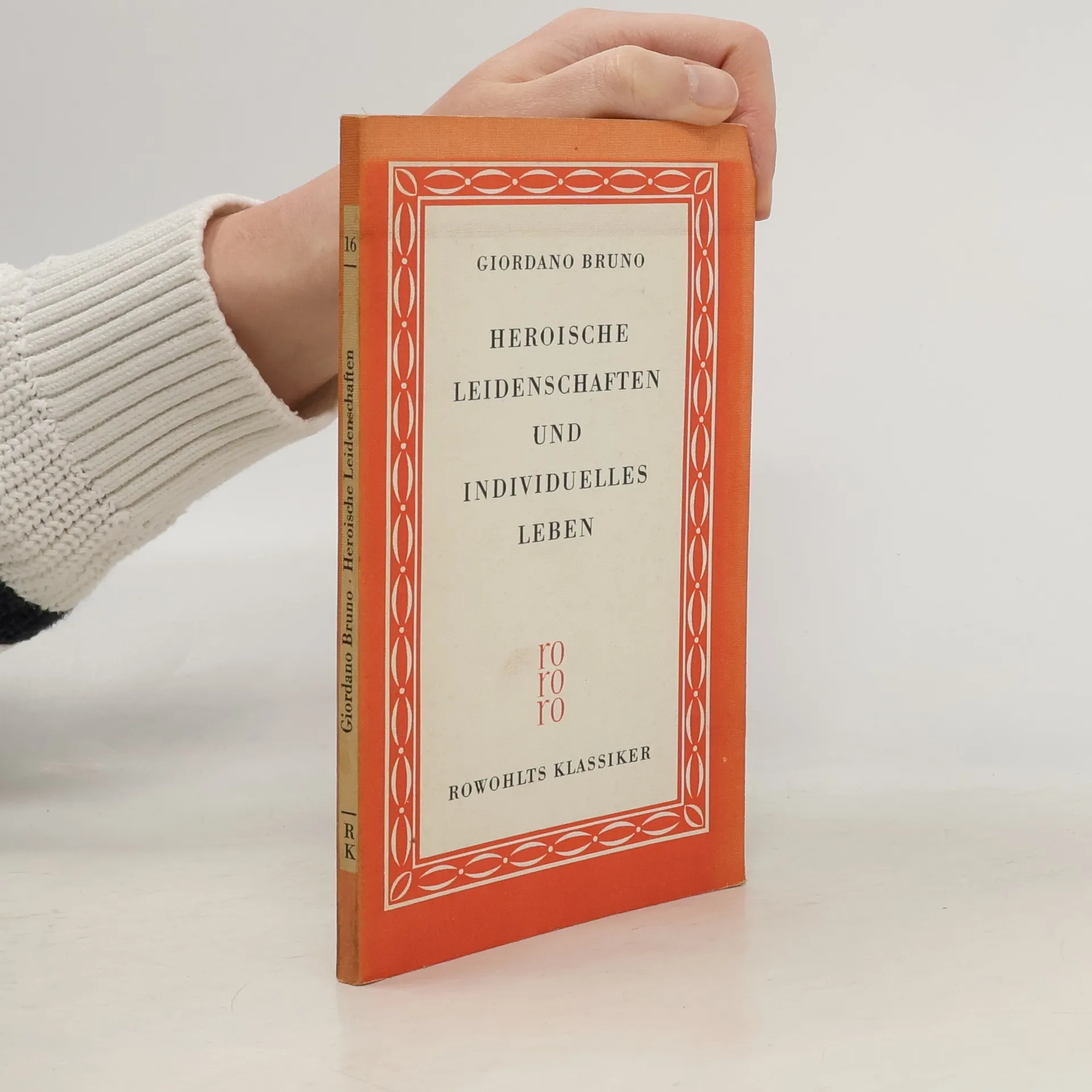
Von den heroischen Leidenschaften
- 233 pages
- 9 hours of reading
Los heroicos furores behandelt den amorösen Wahnsinn und bewegt sich von der rauen Animalität bis zur raffinierten Intellektualität. Bruno fügt in diesem Werk einen großen Teil seiner Poesie zusammen mit den anregenden philosophischen Reflexionen ein, die diese inspiriert, und präsentiert auf der Bühne der Philosophie eine Vielzahl von Bildern und Liebesemblemen. Zudem zeigt er in diesem Werk das Beste seiner literarischen Kunst sowie das „heroischste“ und „wütendste“ seines Denkens.
Von der Ursache, dem Prinzip und dem Einen
- 128 pages
- 5 hours of reading
„Über die Ursache, das Prinzip und das Eine“ ist Giordano Brunos zweite große naturphilosophische Auseinandersetzung. Bruno kritisiert die Scholastik und stellt dem bisherigen Weltbild ein eigene Kosmologie und Metaphysik entgegen. Dabei geht er davon aus, dass Gott zwar als erstes Prinzip angenommen, aber an sich unverstehbar ist. Der Mensch ist also gezwungen, die intelligible Welt zu verstehen und ihre Gesetze zu erforschen. Im Zuge dessen entwickelt er eine neue Theorie der Kausalität und eine pantheistische Vorstellung der Dinge.
La cena delle ceneri
Versione in italiano moderno a cura di Guido del Giudice e Gianmario Ricchezza
- 192 pages
- 7 hours of reading
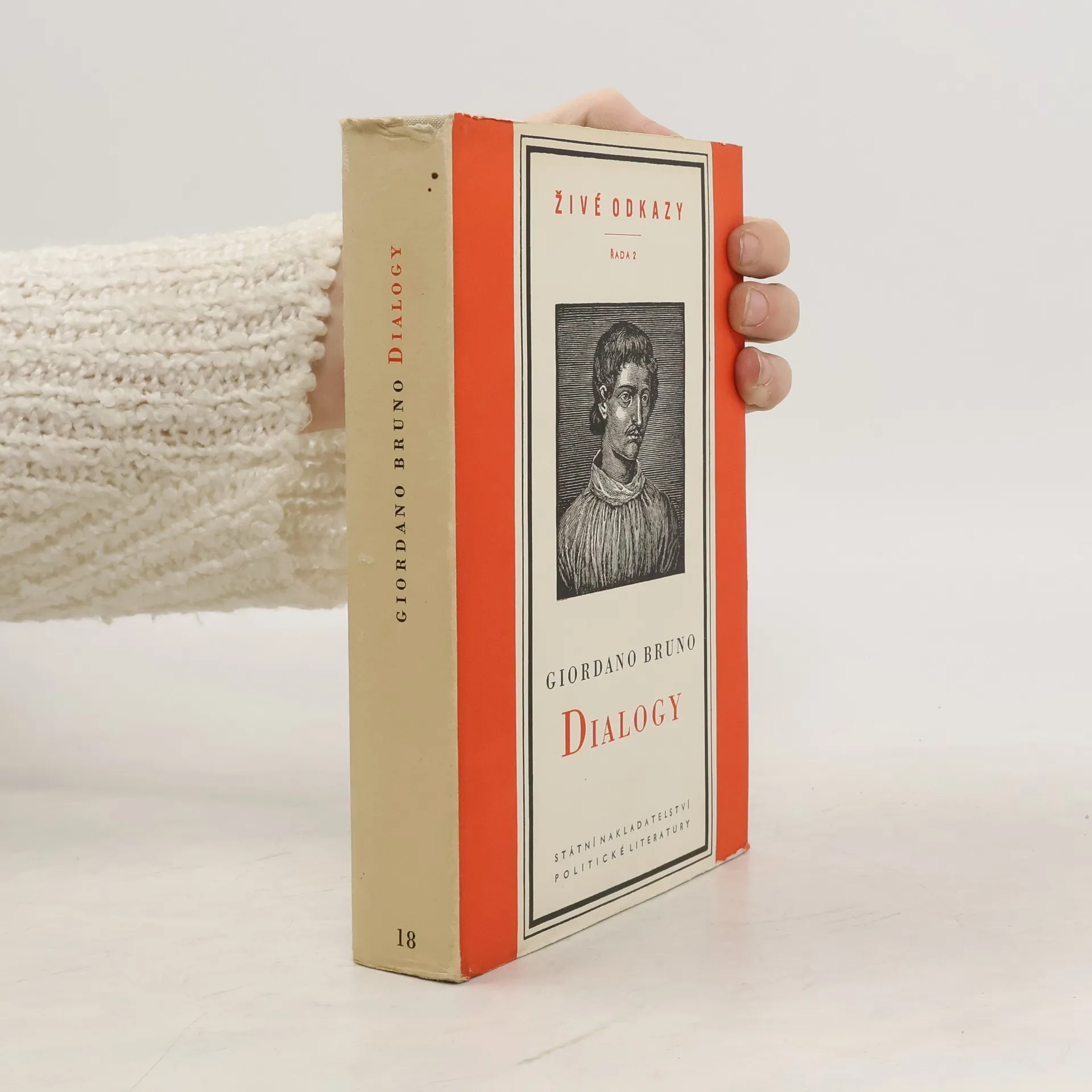
První vědecky důkladné vydání tzv. metafysických "Dialogů" v češtině obsahuje nejvýznamnější tři dialogy velkého bojovníka za materialistický světový názor: Večeře na Popeleční středu, O příčině, principu a jednom, O nekonečnu, universu a světech. Text je doprovozen poznámkami, znichž část vypracoval J.B. Kozák a část byla převzata ze sovětského překladu. Příloha obsahuje překlad italských a latinských dokumentů o výsleších G. Bruna před benátskou inkvisicí, o jeho odsouzení generálními inkvisitory a upálení.
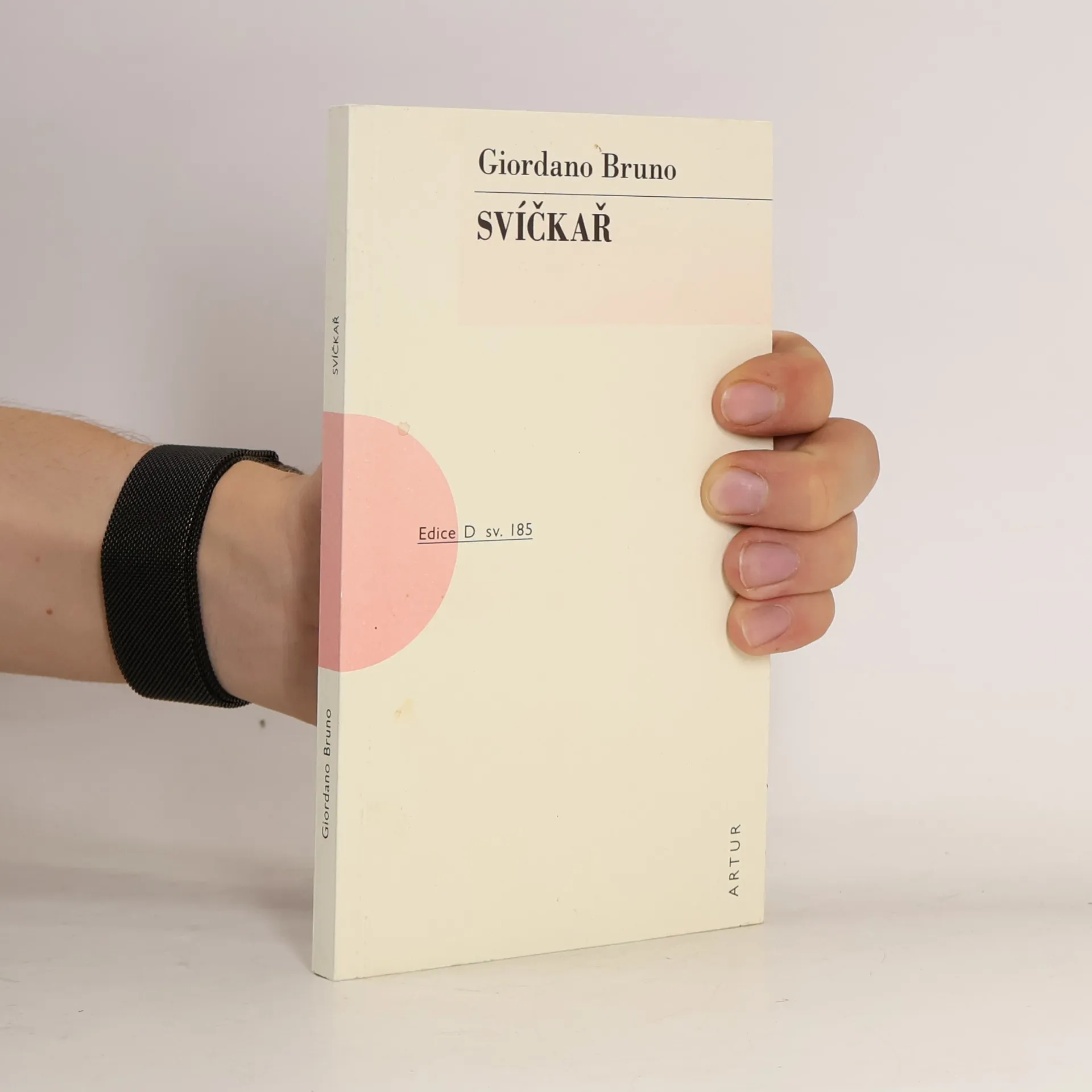
Svíčkař
- 112 pages
- 4 hours of reading
Jediná hra, kterou napsal osobitý a neohrožený renesanční intelektuál, který skončil pro své názory na hranici. S neodolatelným smyslem pro humor a pozoruhodnou společenskou kritičností vypráví několik souběžných příběhů pitoreskních postav tehdejší Neapole. Hra nese název podle postavy jejíž příběh je dominantní, Bonifacia označeného jako „svíčkař“. Nejde o výrobce svíček, ale o ženatého homosexuála, který se zamiluje do kurtizány. Čtenář v textu najde mnohé z toho, co bezpochyby pobouřilo vatikánské soudce, jejichž milost Giordano Bruno nemohl očekávat. V překladu Zdeňka Digrina vychází jako 185. svazek edice D.
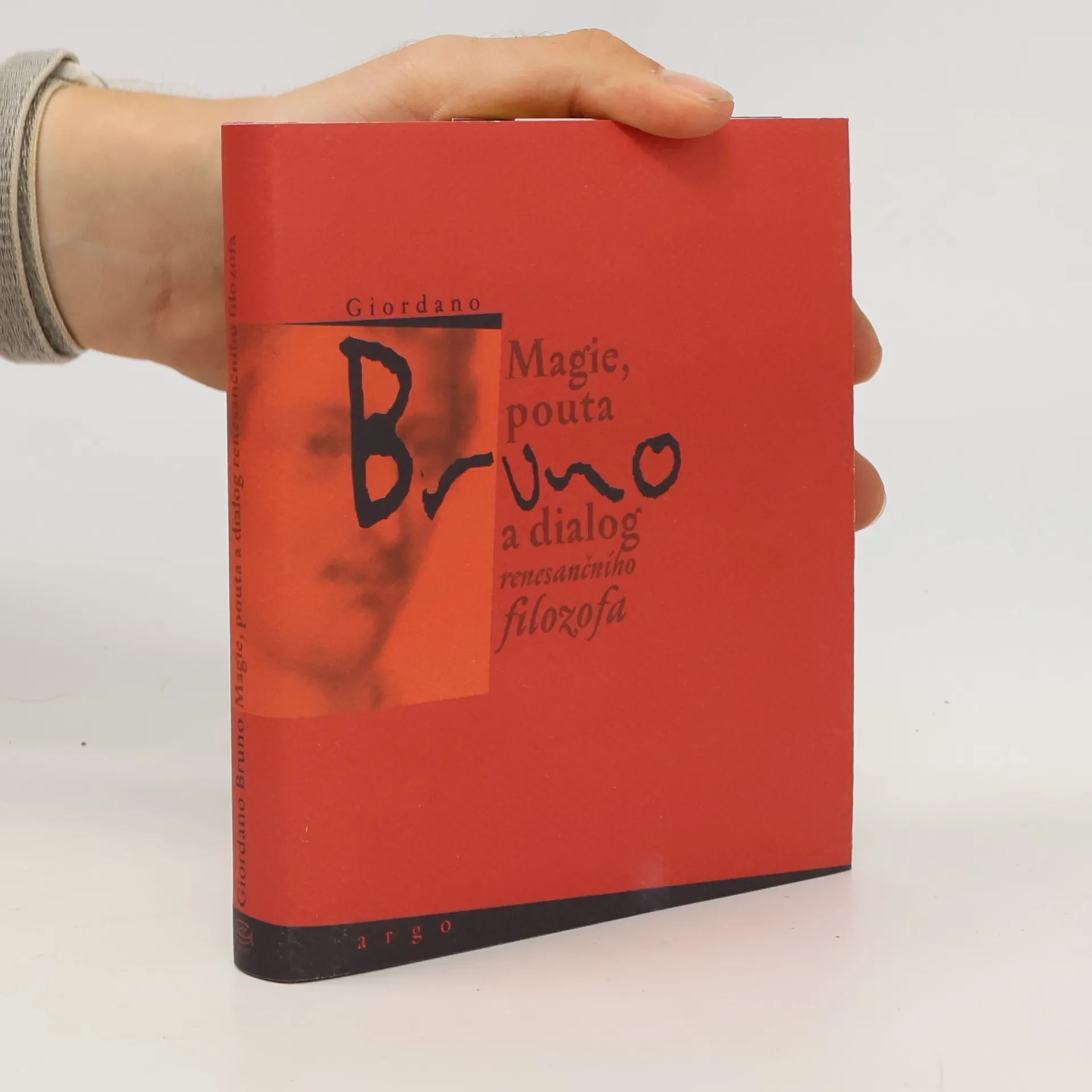
Magie, pouta a dialog renesančního filosofa
- 189 pages
- 7 hours of reading
Vzdělaný dominikán, filosof (ovlivněný antikou, Mikulášem Kusánským a Bernardem Telesiem), představitel renesančního hermetismu, básník a komediograf (upálený jako kacíř) ve svých spisech formuluje filosofický a vědecký názor, který představuje vrchol renesančního myšlení. Jeho dvě motta: „Co je to, co je? Je to, co bylo. Co je to, co bylo? Je to, co je. Nic nového pod sluncem.“ a „Nejhlubší magií je umět vytěžit opak poté, co jsme nalezli spojující bod.“ vyjadřují, že ho zajímají především protiklady reality, záhady a dramata života a světa, které chápe jako dynamickou jednotu. Tento zakladatel panteistické přírodní filosofie pobýval roku 1588 také v rudolfínské Praze.
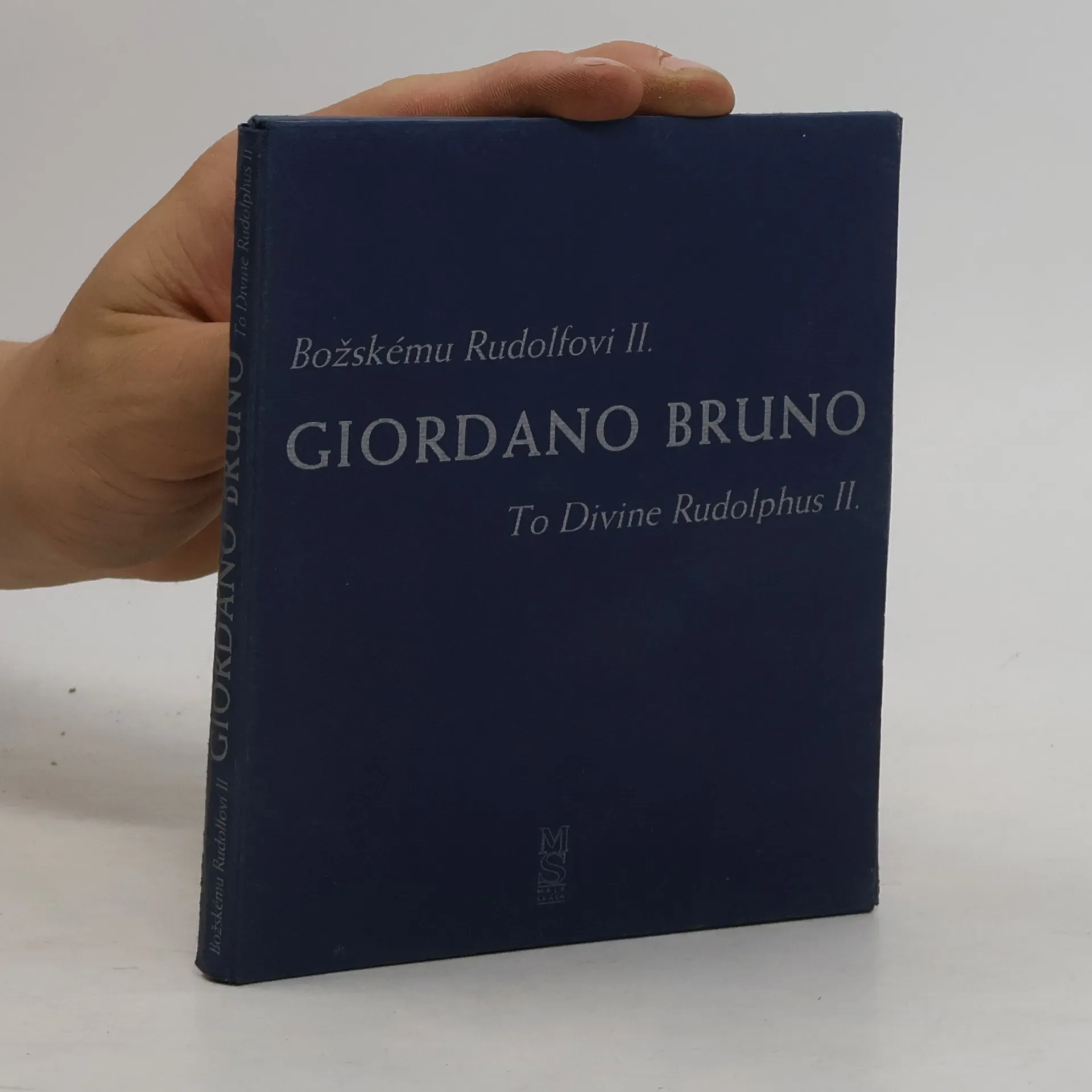
Dedikace spisu Jordana Buna z Noly 160 Článků proti soudobým matematikům a filosofům a také 180 řešení téhož počtu problémů, které ostatní pokládají za obtížné nebo dokonce neřešitelné, snadno a jednoduše provedených císaři Rudolfovi II. Latinský originál, český a anglický překlad. Doplněno životopisnou skicou o Giordanu Brunovi z pera Ivana Štolla, Štvanec a císař.