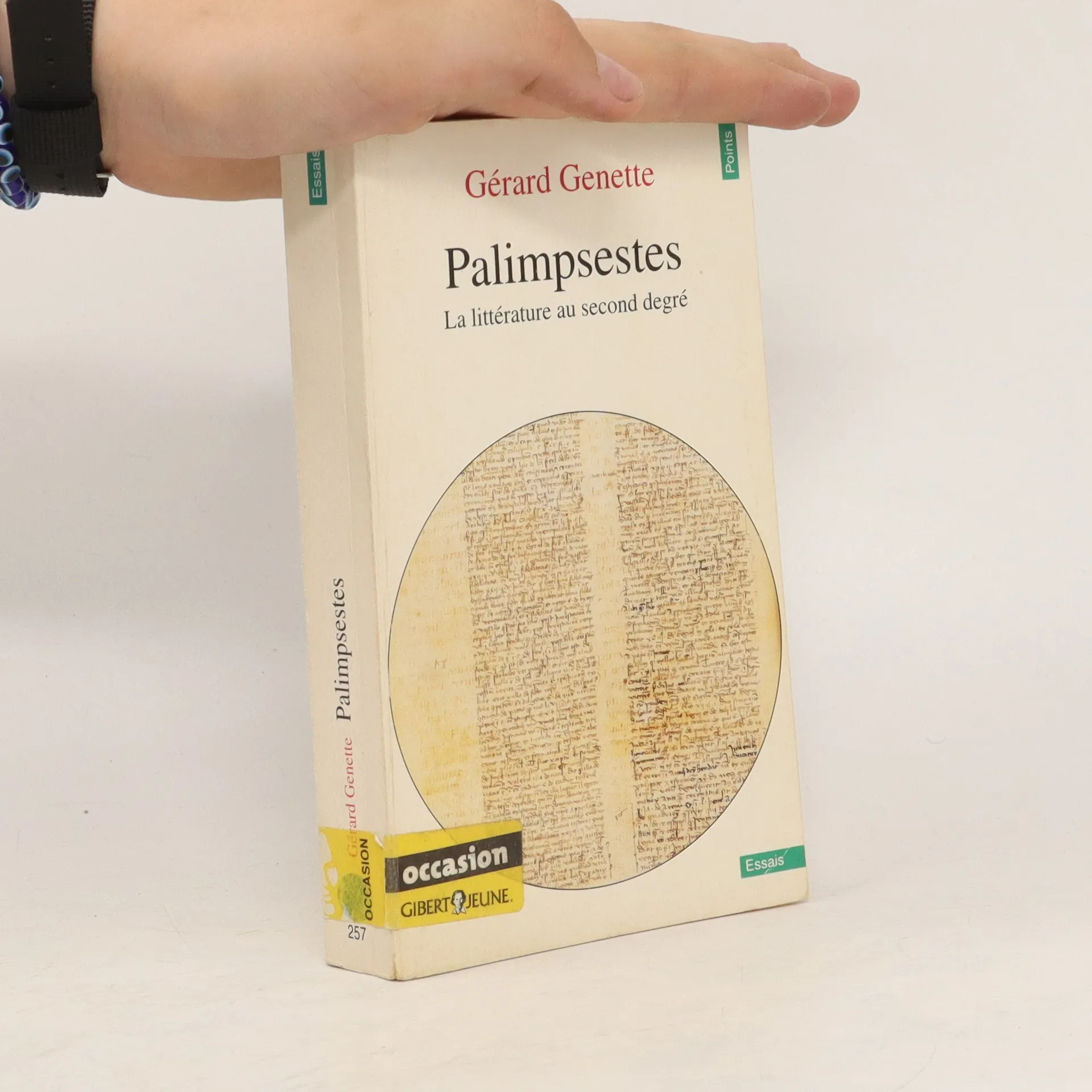
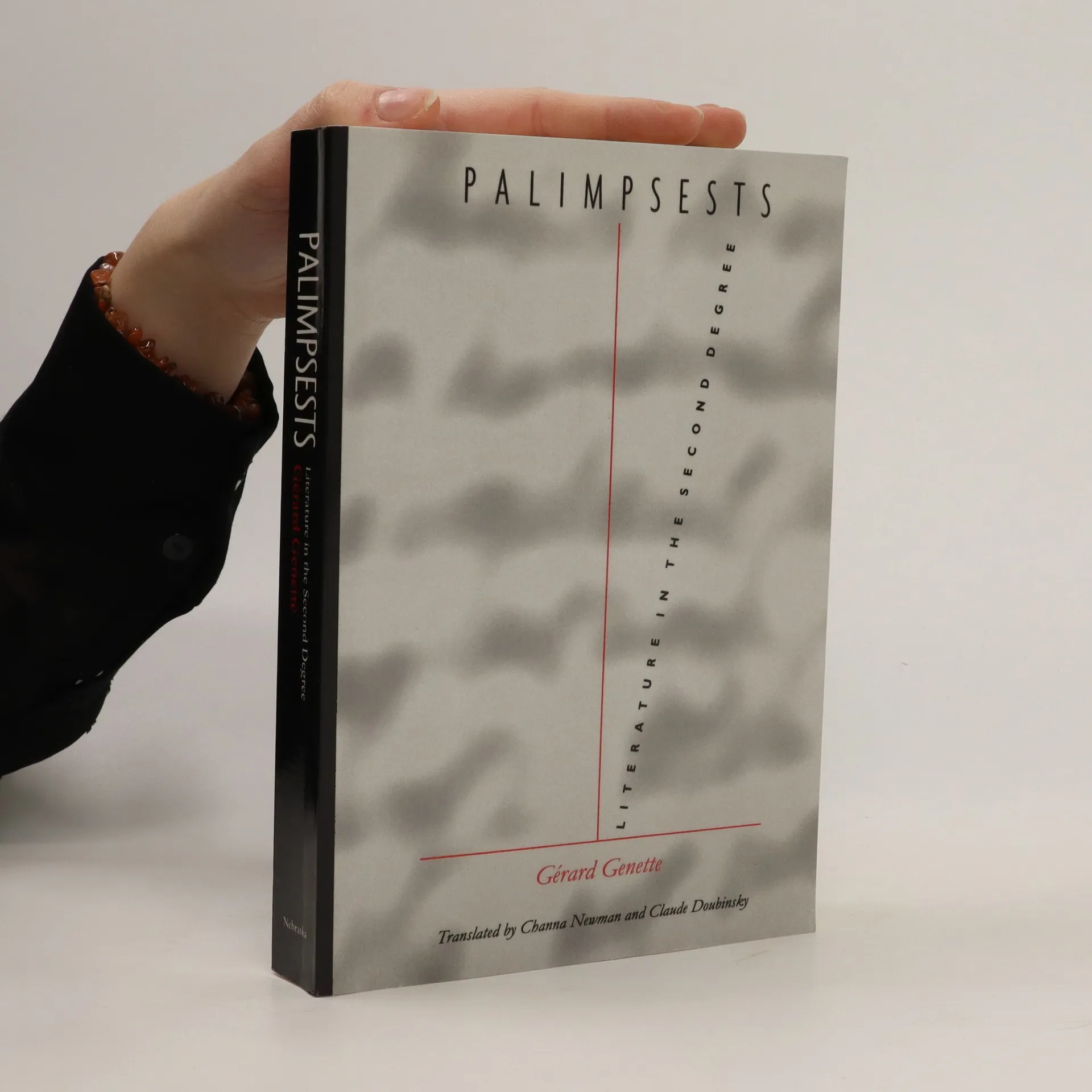
A palimpsest is "a written document, usually on vellum or parchment, that has been written upon several times, often with remnants of erased writing still visible". Originally published in France in 1982, Gerard Genette's PALIMPSESTS examines the manifold relationships a text may have with prior texts on the same document.
Gérard Genette Books
June 7, 1930 – May 11, 2018
Genette was instrumental in reintroducing a rich vocabulary of rhetorical terms, such as trope and metonymy, into literary criticism. His foundational work on narrative theory, notably "Narrative Discourse: An Essay in Method," has been highly influential in shaping how we analyze stories. Through his multi-part "Figures" series and his trilogy exploring textual transcendence, he provided critical frameworks that continue to resonate. Although his work is often discussed in secondary analyses rather than studied in isolation, concepts like 'paratext' and 'hypotext' originating from his scholarship have become widespread tools for literary interpretation.


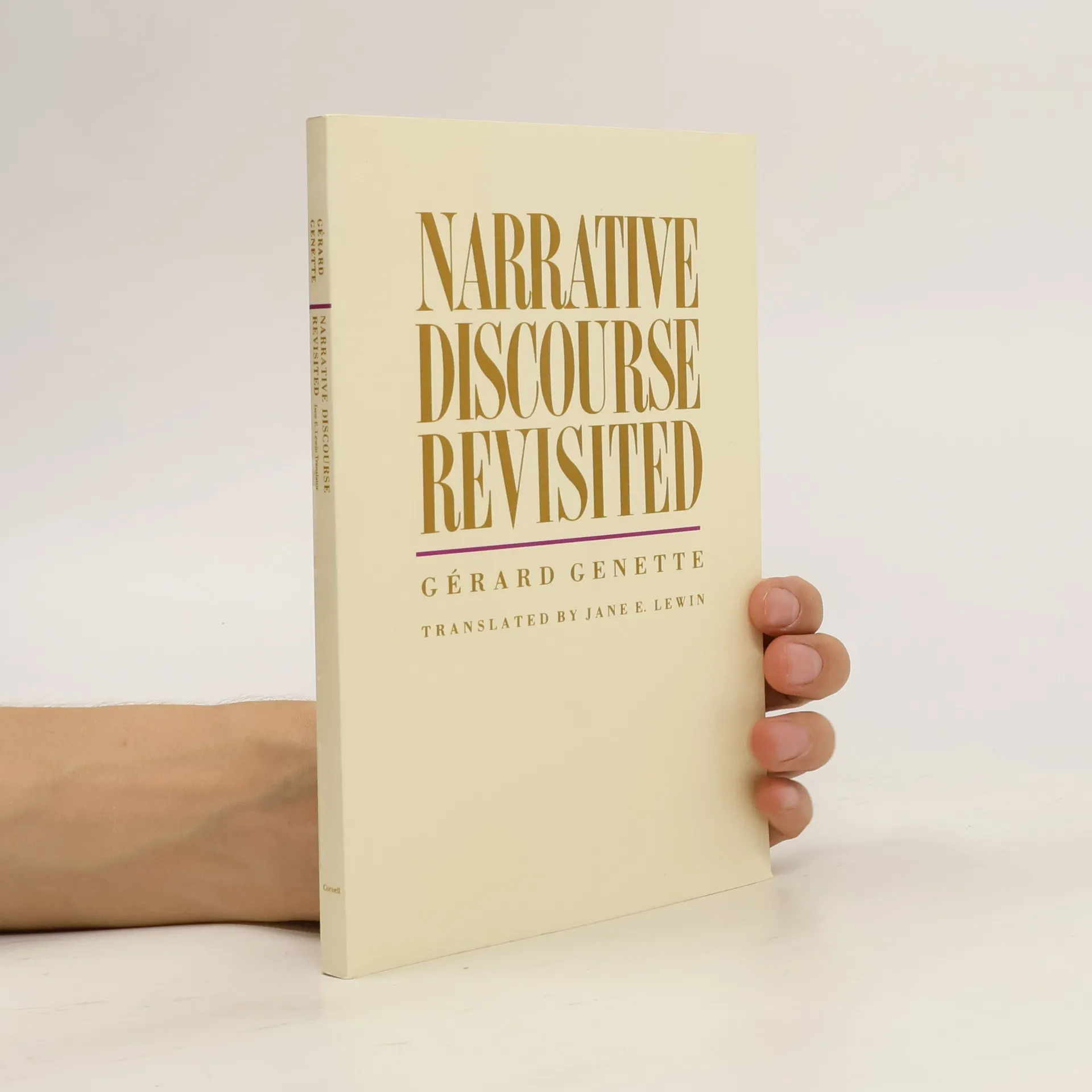
In Narrative Discourse Revisited Genette both answers critics of the earlier work and provides a better-defined, richer, and more systematic view of narrative form and functioning. This book not only clarifies some of the more complex issues in the study of narrative but also provides a vivid tableau of the development of narratology over the decade between the two works.
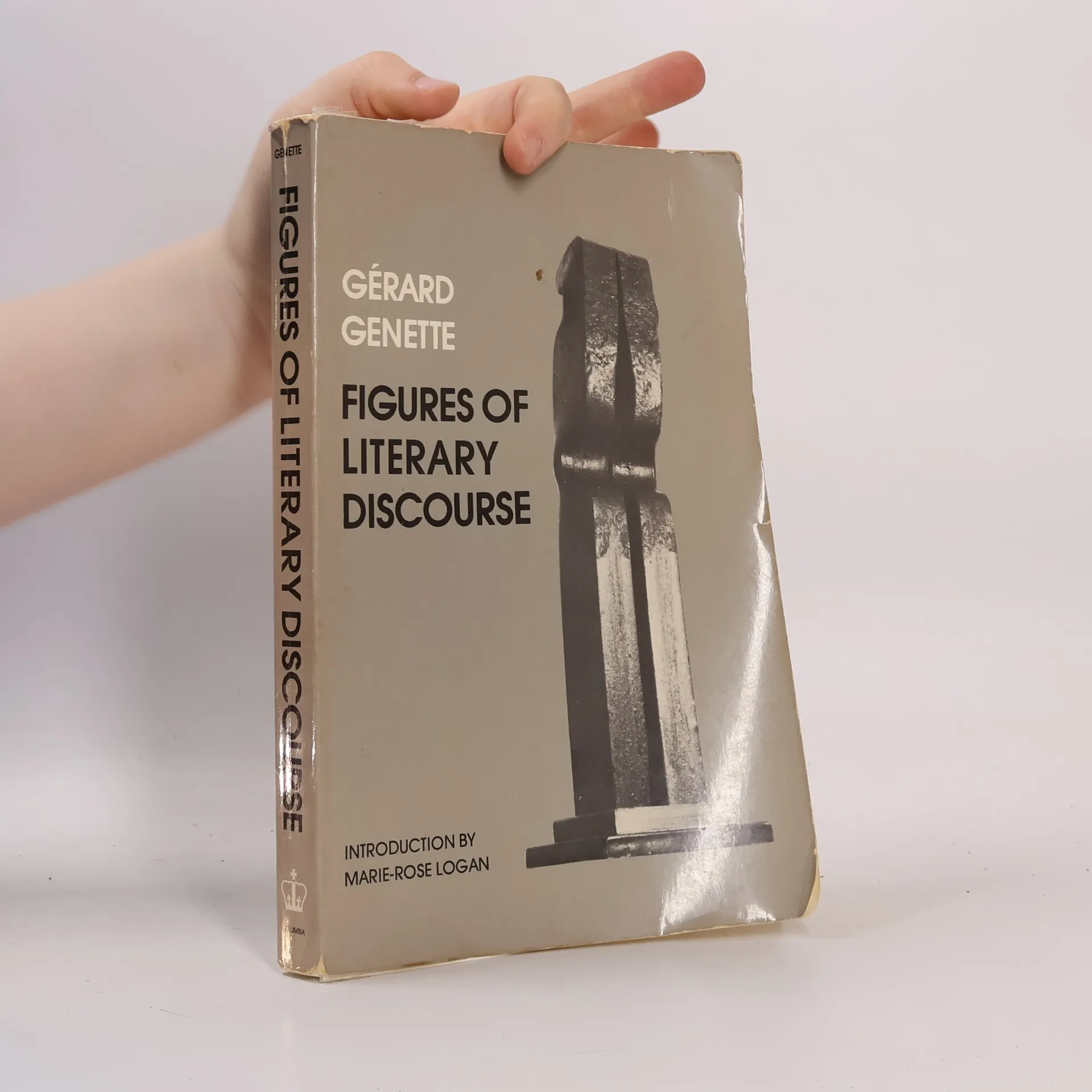
European Perspectives: A Series in Social Thought & Cultural Criticism: Figures of Literary Discourse
- 303 pages
- 11 hours of reading
This work presents a systematic approach to the study of literature using extensive questioning. Many consider this to be structuralist poetics at its best.
Narrative Discourse
- 288 pages
- 11 hours of reading
Gerard Genette builds a systematic theory of narrative upon an anlaysis of the writings of Marcel Proust, particularly 'Remembrance of Things Past.'Adopting what is essentially a structuralist approach, the author identifies and names the basic constituents and techniques of narrative and illustrates them by referring to literary works in many languages.
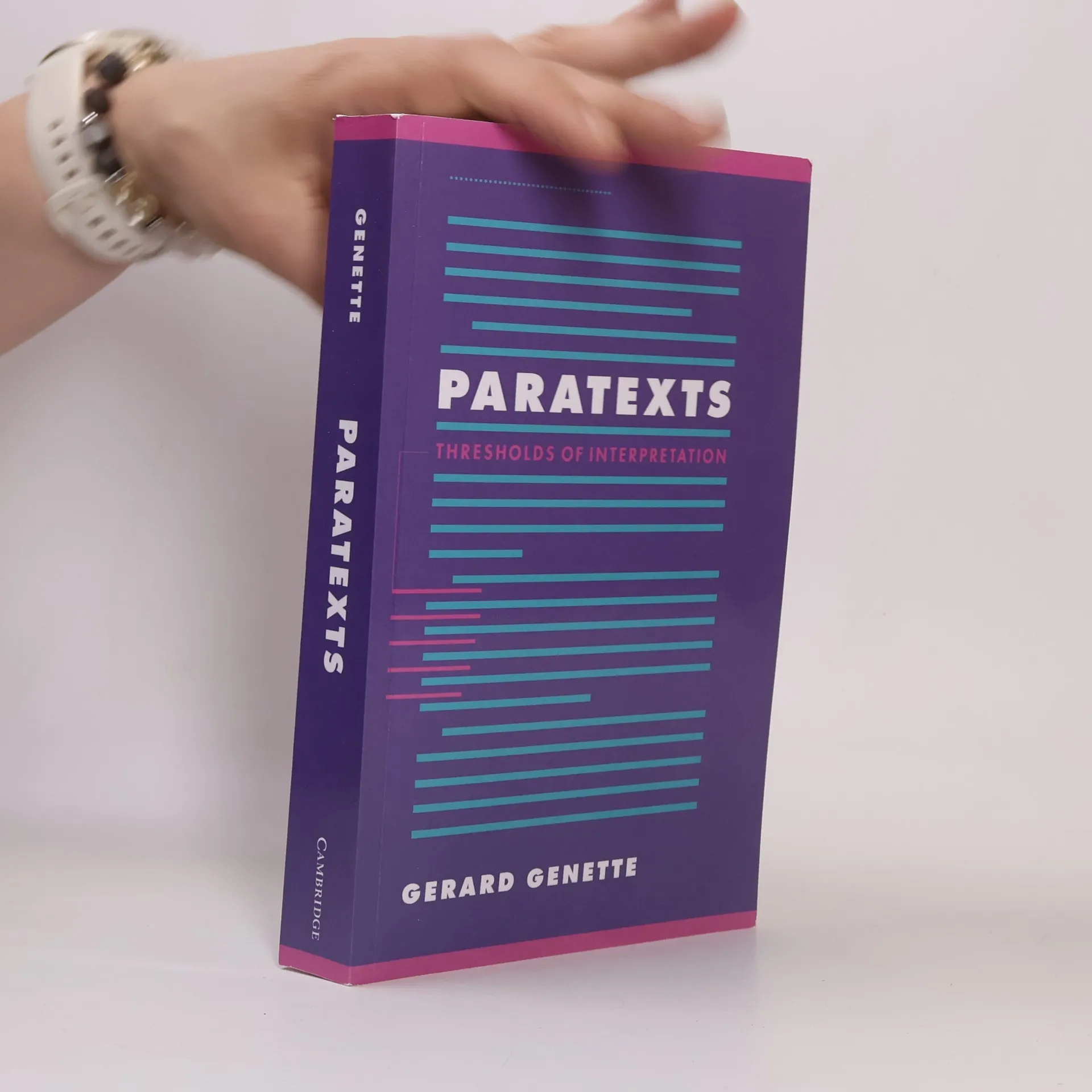
Paratexts are those liminal devices and conventions, both within and outside the book, that mediate between book, author and reader: titles, forewords and publishers' jacket copy form part of a book's private and public history. In this first English translation of Paratexts, Gérard Genette offers a global view of these liminal mediations and their relation to the reading public. With precision, clarity and through wide reference, he shows how paratexts interact with general questions of literature as a cultural institution. Richard Macksey's foreword situates Genette in contemporary literary theory.
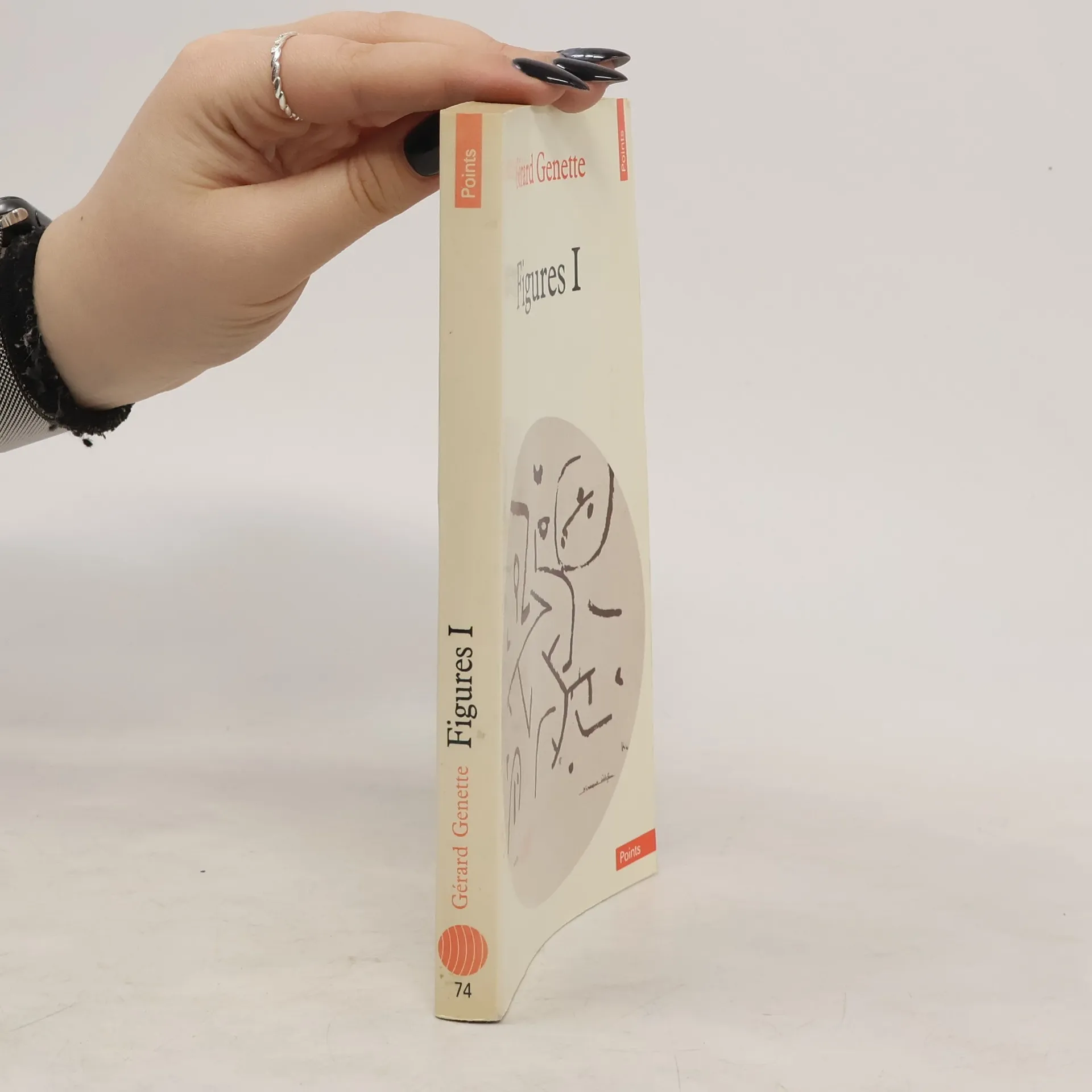
Figures. I
- 265 pages
- 10 hours of reading
FIGUREs I rassemble dix-huit études et notes critiques écrites entre 1959 et 1965, explorant des thèmes variés tels que Proust, Robbe-Grillet, Borges, Flaubert et le structuralisme moderne. Ces analyses interrogent la nature et l’usage de la littérature, une parole à la fois offerte et retenue. ----- FIGURES II poursuit ces réflexions en se concentrant sur la théorie du récit et la poétique du langage, avec des points de convergence autour de concepts comme le Baroque, Balzac, et l’espace du texte. La critique littéraire et la théorie se confrontent et s’articulent, cherchant une nouvelle poétique, tout en demeurant irréductibles et complémentaires. ---- FIGURES III présente une suite rigoureuse d’études : Critique et poétique, Poétique et histoire, et une analyse de la rhétorique, notamment la métaphore et la métonymie chez Proust, se concluant par un essai sur le discours narratif appliqué à la Recherche du Temps perdu. L’approche souligne que la spécificité proustienne est à la fois universelle et singulière. Analyser cette œuvre implique de passer du particulier au général, un paradoxe inhérent à la poétique et à toute activité de connaissance, oscillant entre l’unicité des objets et la généralité de la science. Cette dynamique révèle que le général réside au cœur du singulier, rendant le connaissable profondément mystérieux.
Da un continuo scambio tra le suggestioni di una teoria generale delle forme letterarie (o poetica) e i dati concreti di una tradizionale, e spesso penetrante, analisi critica nascono i saggi di Figure III. Di questa doppia anima l'autore è ben conscio; la raccolta si apre, infatti, col breve scritto su Critica e poetica, che è una riaffermazione della pari e complementare dignità di entrambe. Ad esso fa seguito una ridiscussione dei rapporti tra Poetica e storia, classico tema della possibilità di una storia letteraria, visto da una specola non italiana (ma con risultati che suonano conferma a quelli di scuola italiana). Di questa collaborazione tra poetica, nella specie narratologica, e critica, Genette dà subito prova affrontando la Recherche proustiana, prima sinteticamente, con un magistrale saggio sulla Metonimia in Proust; poi analiticamente, smontando i meccanismi narrativi dell'opera. La lezione di metodo che ne risulta ha così un merito in più: quello di dimostrarsi, fin dalla sua formulazione, utile alla comprensione di un testo straordinariamente complesso, dal quale è lecito estrarre conclusioni generali sui rapporti tra storia, narrazione e racconto.
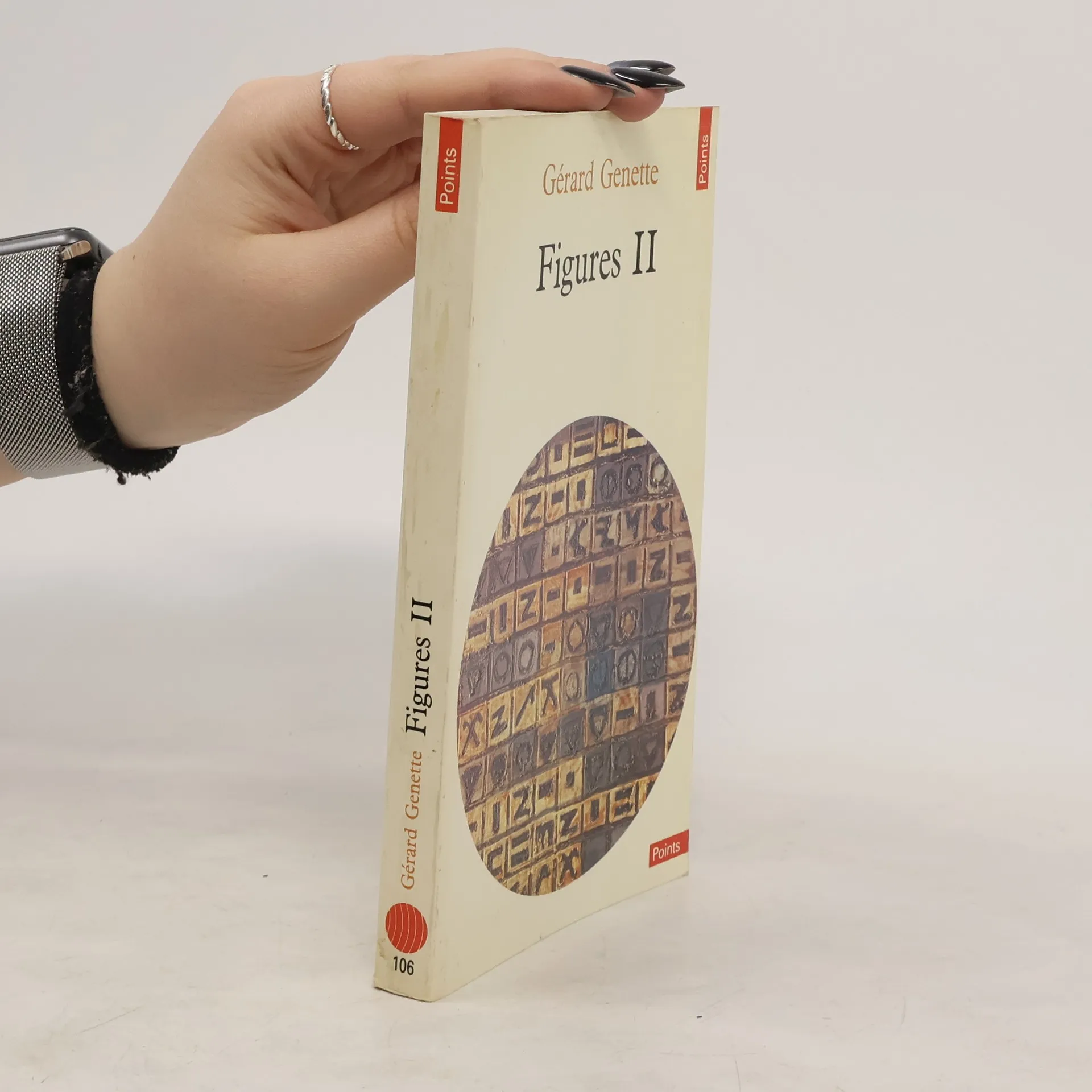
Figures II
- 293 pages
- 11 hours of reading
Les analyses de littérature amorcées dans Figures I se poursuivent ici dans deux directions principales, qui en quelques points se croisent ou se rejoignent : théorie du récit, poétique du langage. Certains de ces carrefours, ou repères, se nomment "Baroque", "Balzac", "Princesse de Clèves", " Stendhal ", "Recherche du temps perdu", d'autres : "espace du texte", "récit et discours", "arbitraire et motivation", "langage indirect". Critique et théories littéraires et leur articulation féconde : irréductibles et complémentaires, à la recherche d'une nouvelle poétique.
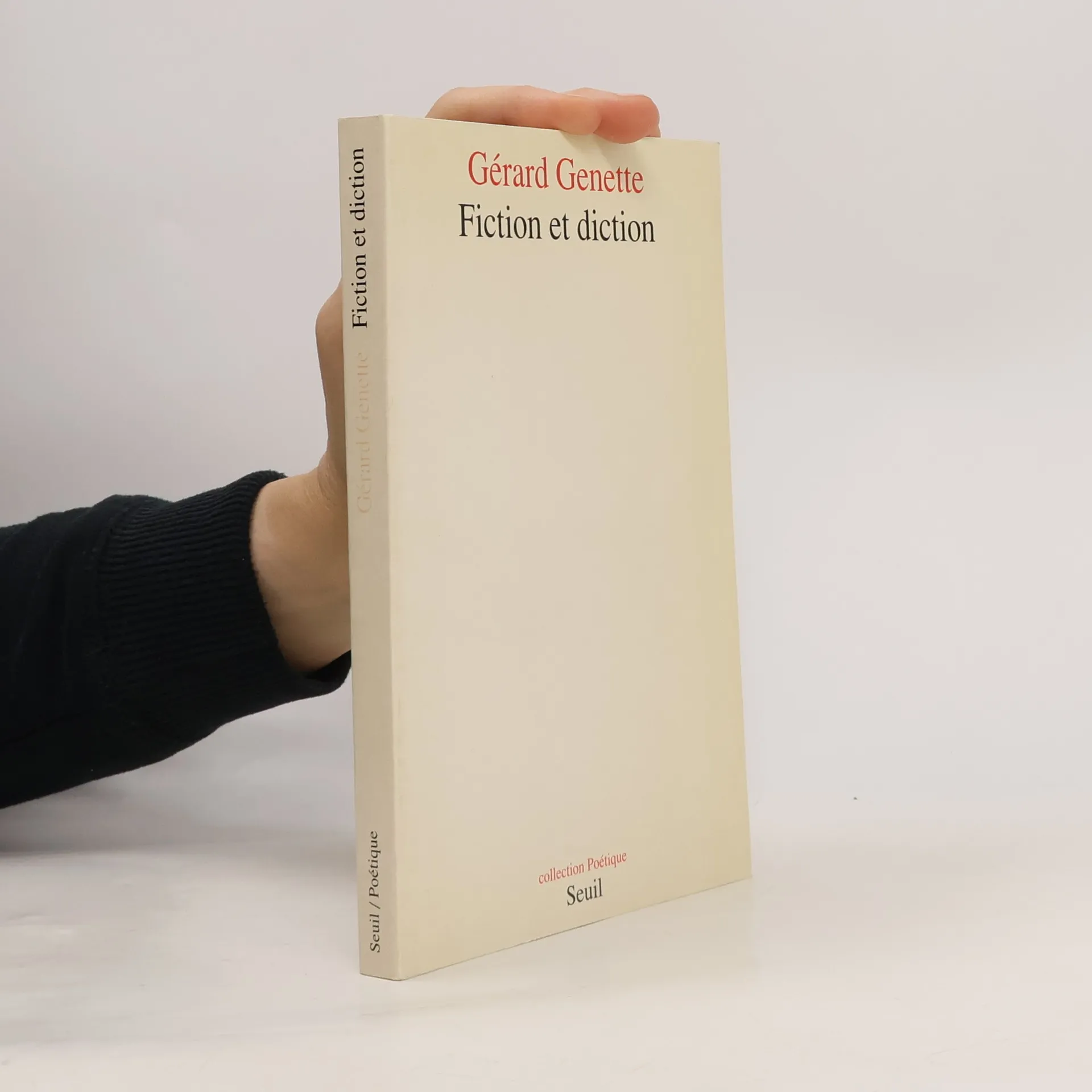
Fiction et diction
- 160 pages
- 6 hours of reading
Théorie des genres et des œuvres, statut de la fiction, variance des régimes narratifs, fonction sémiotique du style : par ces voies diverses mais convergentes, les études de poétiques ici réunies s’efforcent de définir à nouveaux frais ce que l’on a appelé la littérarité – c’est-à-dire la dimension artistique des textes, quels que soient leur mode de présentation ou leur critère d’admission au rang des « œuvres » par une instance de lecture, individuelle ou collective. Où l’on voit la question rituelle Qu’est-ce que la littérature ? se dissoudre, et peut-être se résoudre, en celle-ci : Qu’est-ce qui fait d’un texte un objet esthétique ?
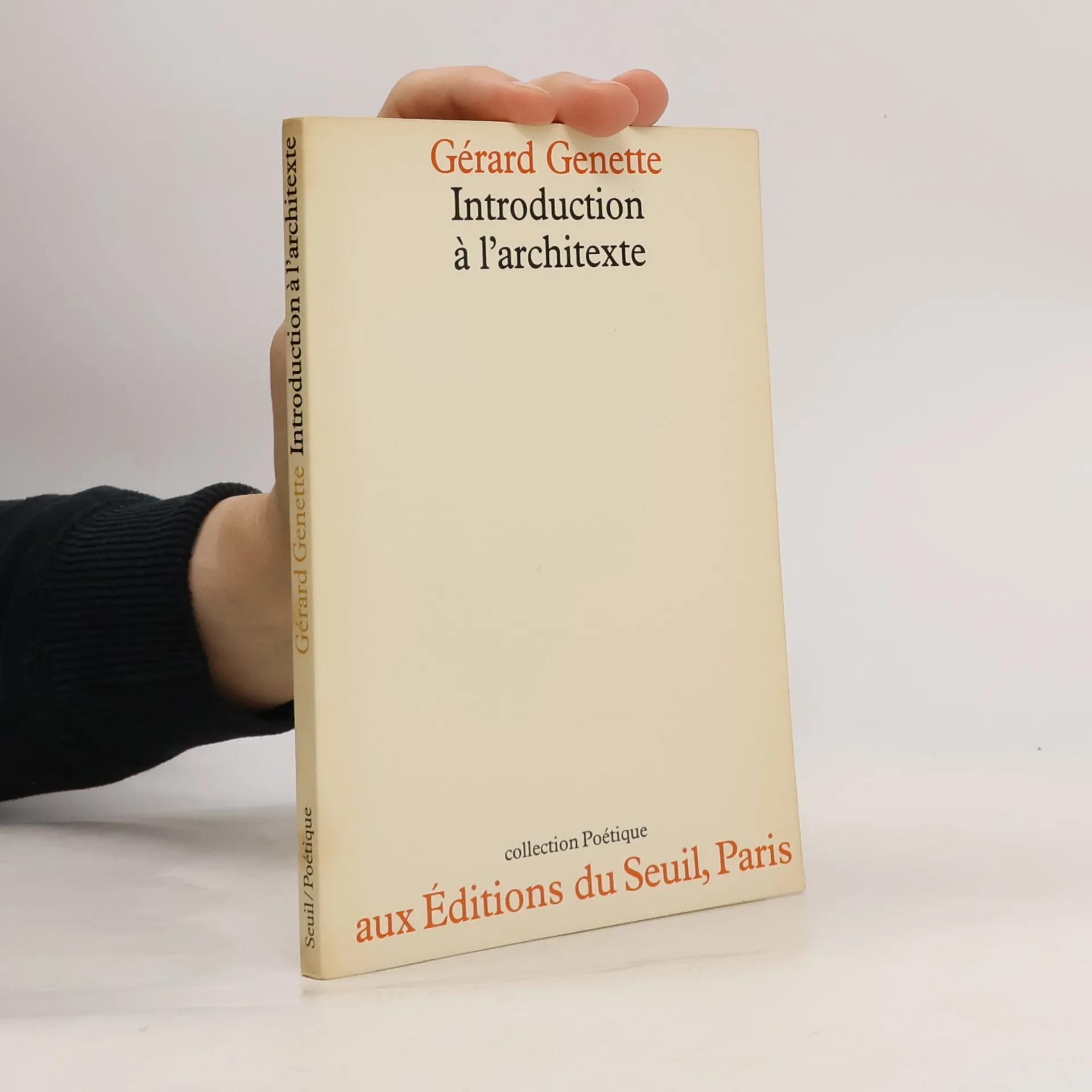
Poétique: Introduction à l'architexte
- 96 pages
- 4 hours of reading
In this essential theoretical essay, Gérard Genette asserts that the object of poetics is not the text, but the architext --the transcendent categories (literary genres, modes of enunciation, and types of discourse, among others) to which each individual text belongs. In seeking to link these categories in a system embracing the entire field of literature, Western poetics has divided literature into three kinds: dramatic, epic, and lyric. This division, generally accepted since the eighteenth century, has been wrongly attributed to Aristotle with great detriment to the development of poetics. Here Genette disassembles this burdensome triad by retracing its gradual construction and distinguishes among the architextual categories that this division has long obscured. In so doing, Genette lays a firm foundation for future theorists of literary forms.
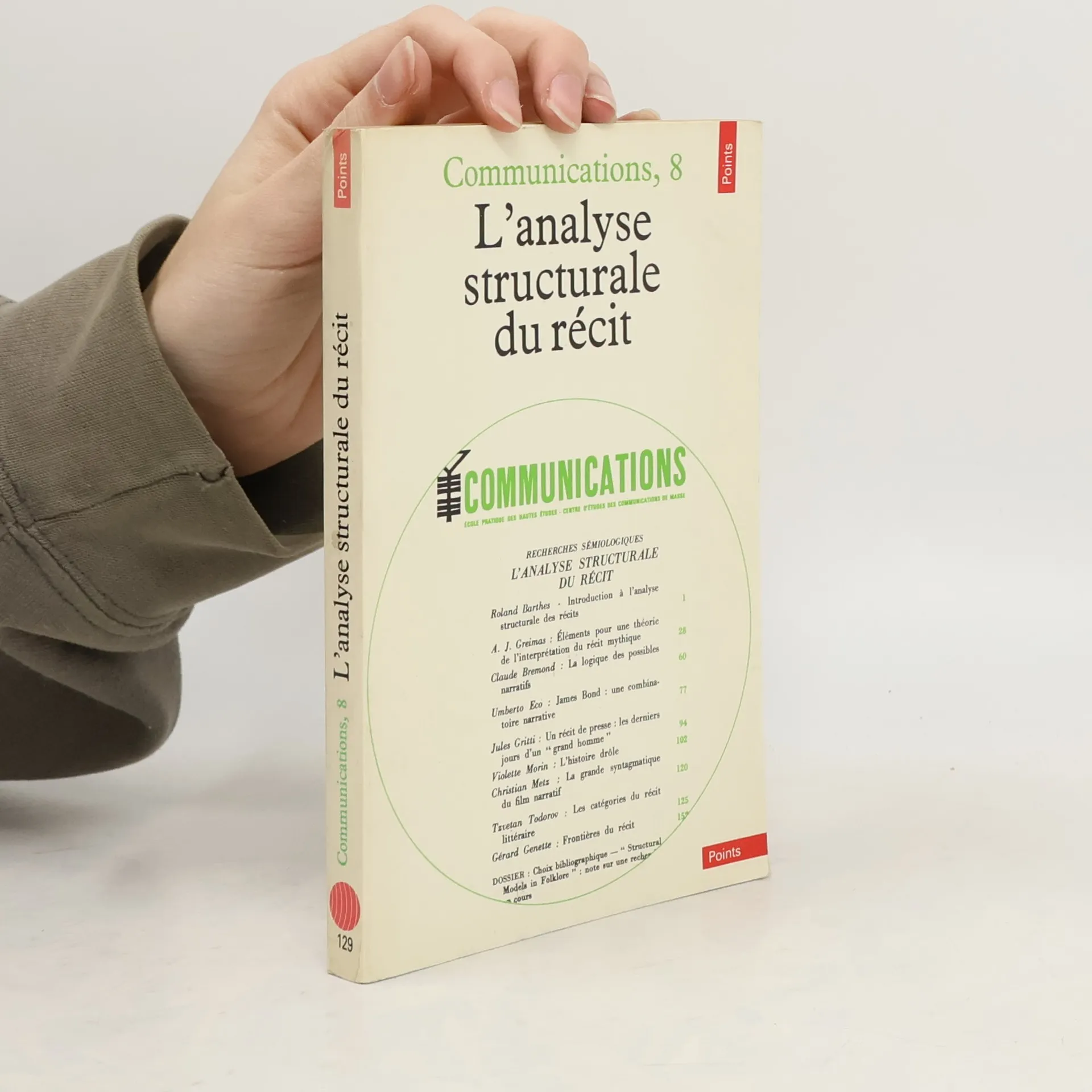
L'analyse structurale du récit
- 192 pages
- 7 hours of reading
Rarement un numéro de revue aura fait date comme celui-ci. Dans les années 1960, sur la trace des formalistes russes et en particulier de Propp et de Jakobson, se développait le projet d’une analyse structurale du récit. Ce numéro de Communications publié en 1966 a marqué l’avènement d’une École française à laquelle les théoriciens du monde entier n’allaient plus cesser de se référer. Il y a là tout à la fois des textes fondamentaux, des exemples concrets et déjà l’exploration de cas limites. Il n’est pas exagéré de dire que tout ce qui s’est fait depuis dans ce champ se définit par rapport à ce qui est énoncé ici. Ont participé à ce numéro : R. Barthes, A. J. Greimas, C. Bremond, U. Eco, J. Gritti, V. Morin, Ch. Metz, T. Todorov, G. Genette.
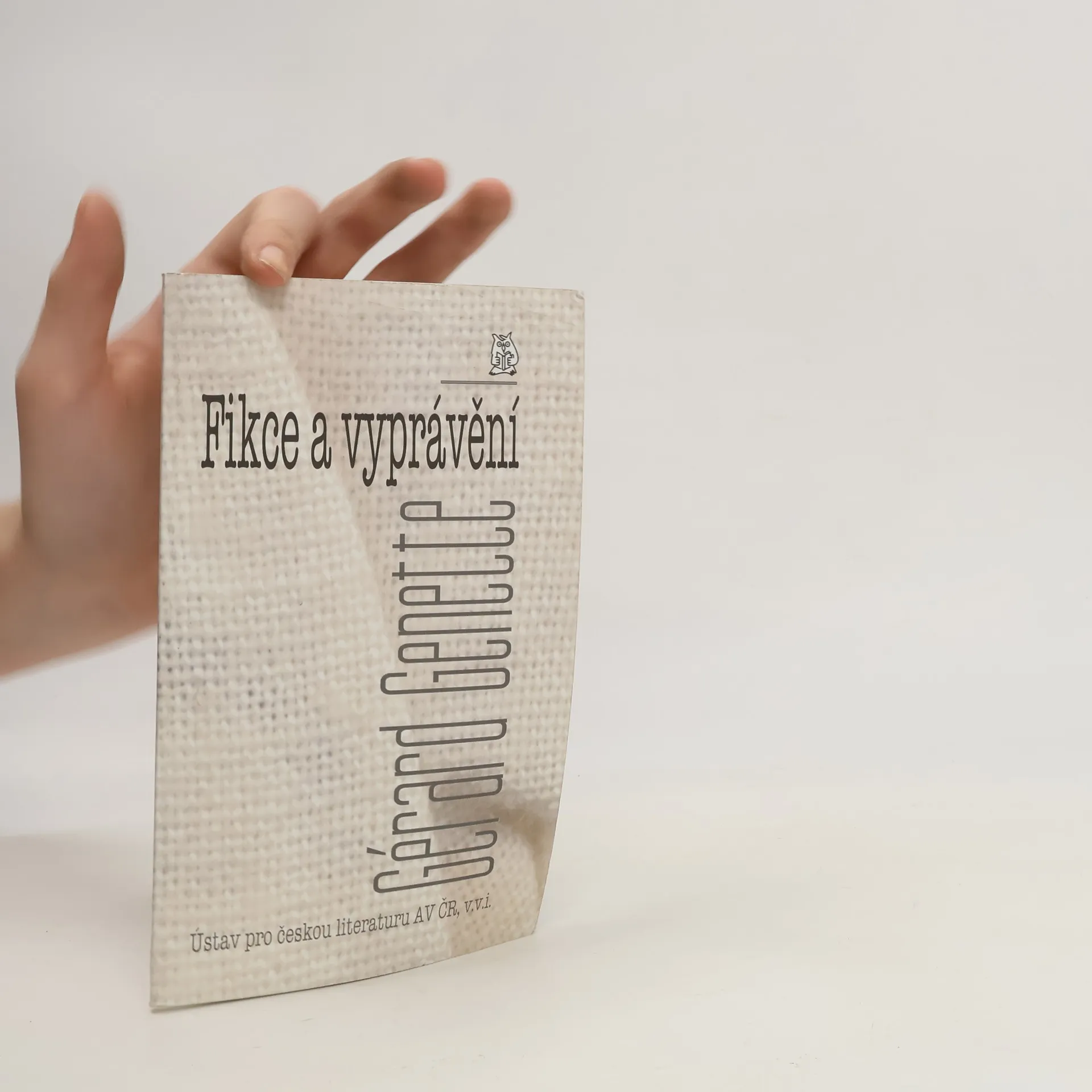
Fikce a vyprávění
- 96 pages
- 4 hours of reading
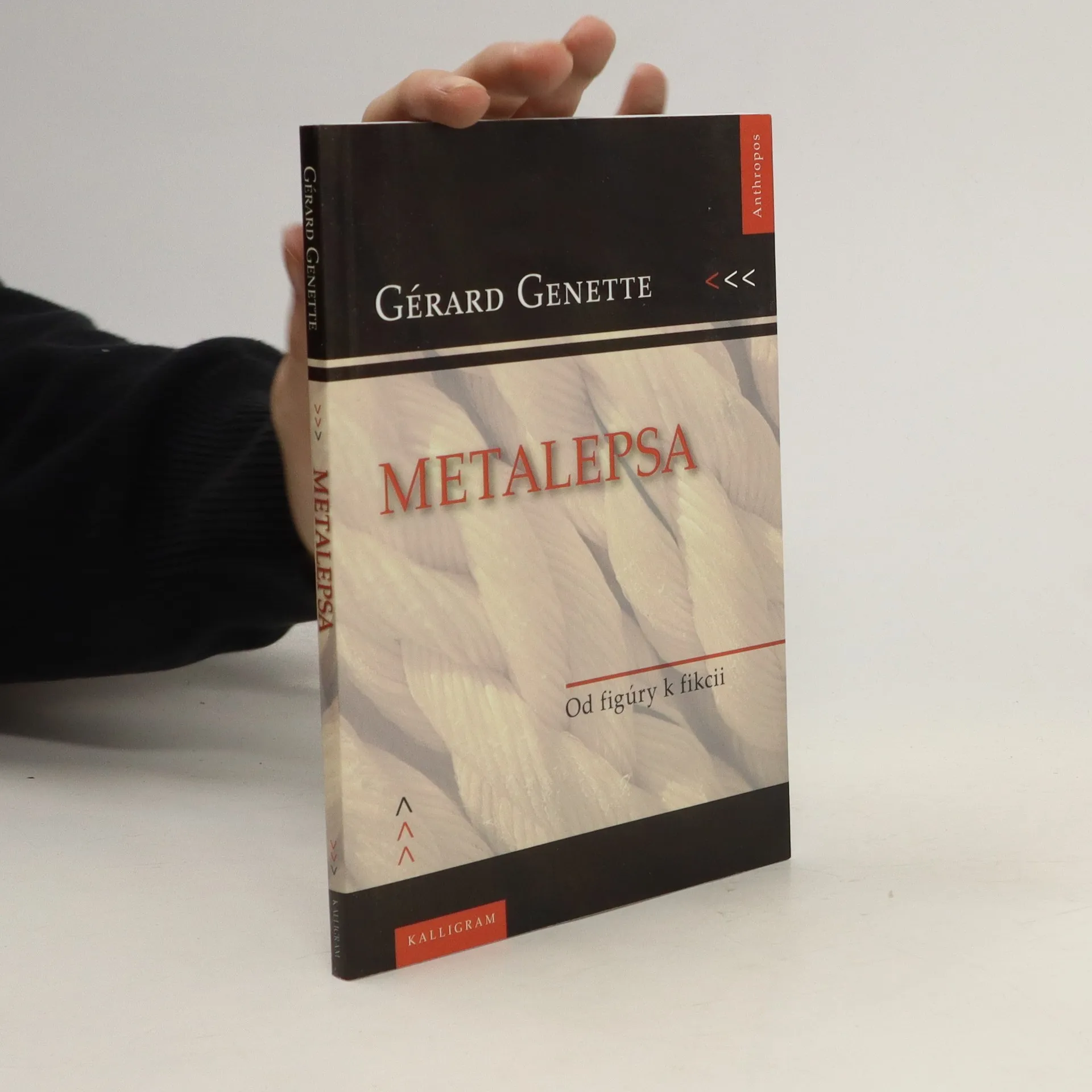
Metalepsa: Od figúry k fikcii
- 120 pages
- 5 hours of reading
Autor známy svojimi štrukturalistickými teóriami o kritikovi a umelcovi sa v tejto knihe venuje problematike metalepsy v priestore fikcie a na príkladoch literárnych diel, píše o rozširovaní možností rozprávania, ako aj interpretácie sveta.