
Gillian Richardson's lifelong fascination with the natural world fuels her writing, inviting readers to explore the intricate connections between human curiosity and the wonders of nature. Her work delves into themes inspired by her extensive travels and keen observations, from the explosive power of geysers to the delicate mechanisms of seed dispersal. Through vivid storytelling and a style that balances scientific curiosity with lyrical prose, she encourages a deeper appreciation for the environment. Richardson's narratives serve as a testament to the power of observation and the joy of sharing discoveries.
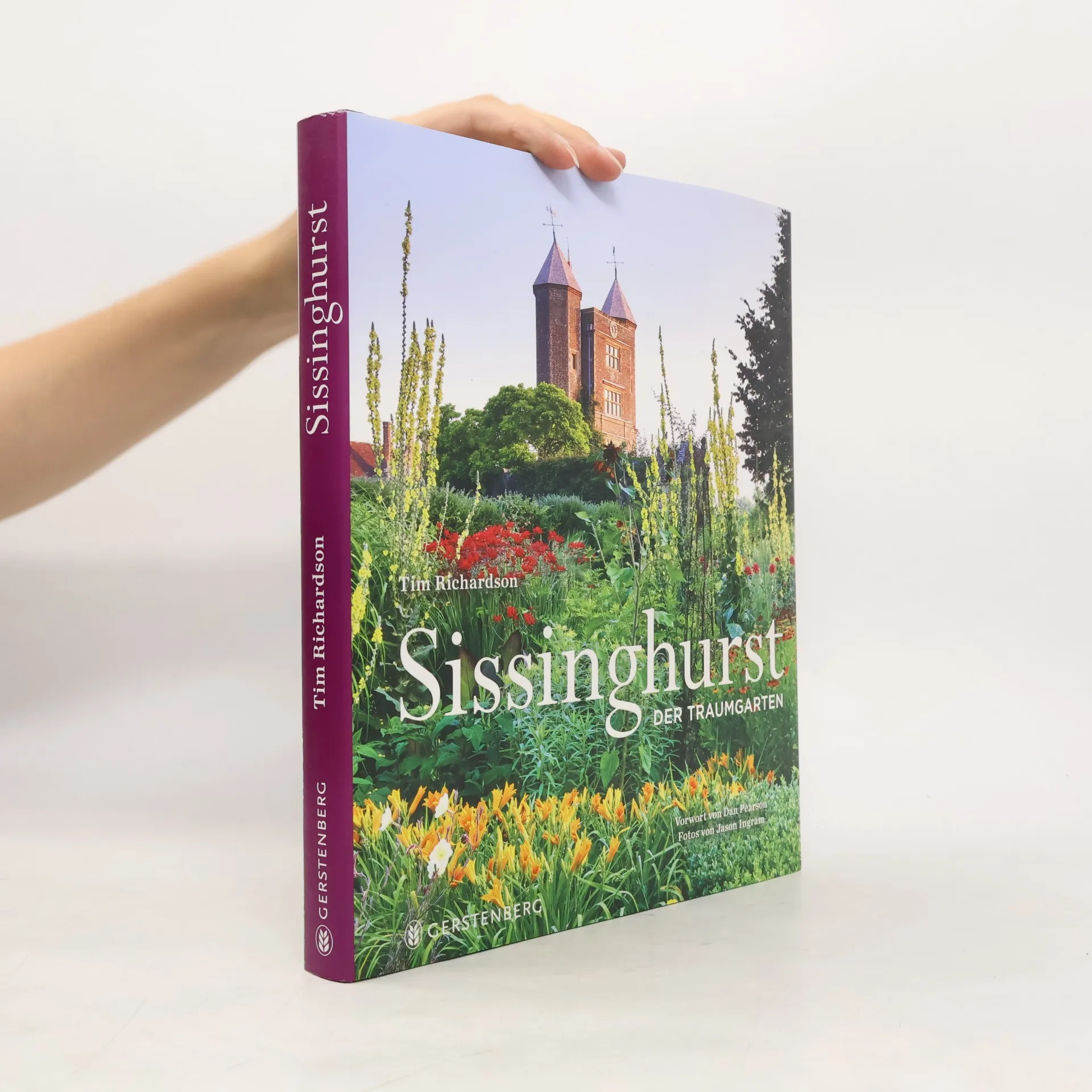
In SISSINGHURST: A DREAM GARDEN Tim Richardson reveals the magic and the
mystery of these world-famous and most evocative English gardens, famous for
their horticulture, their creators and the realisation of personal dreams.
This is the life of a Marine Engineer in the Merchant Navy during the final
years of steam propulsion and the transition to diesel power. It includes
information for enthusiasts about the machinery and how it worked as well as
interesting anecdotes about incidents that occurred during the author's
career.
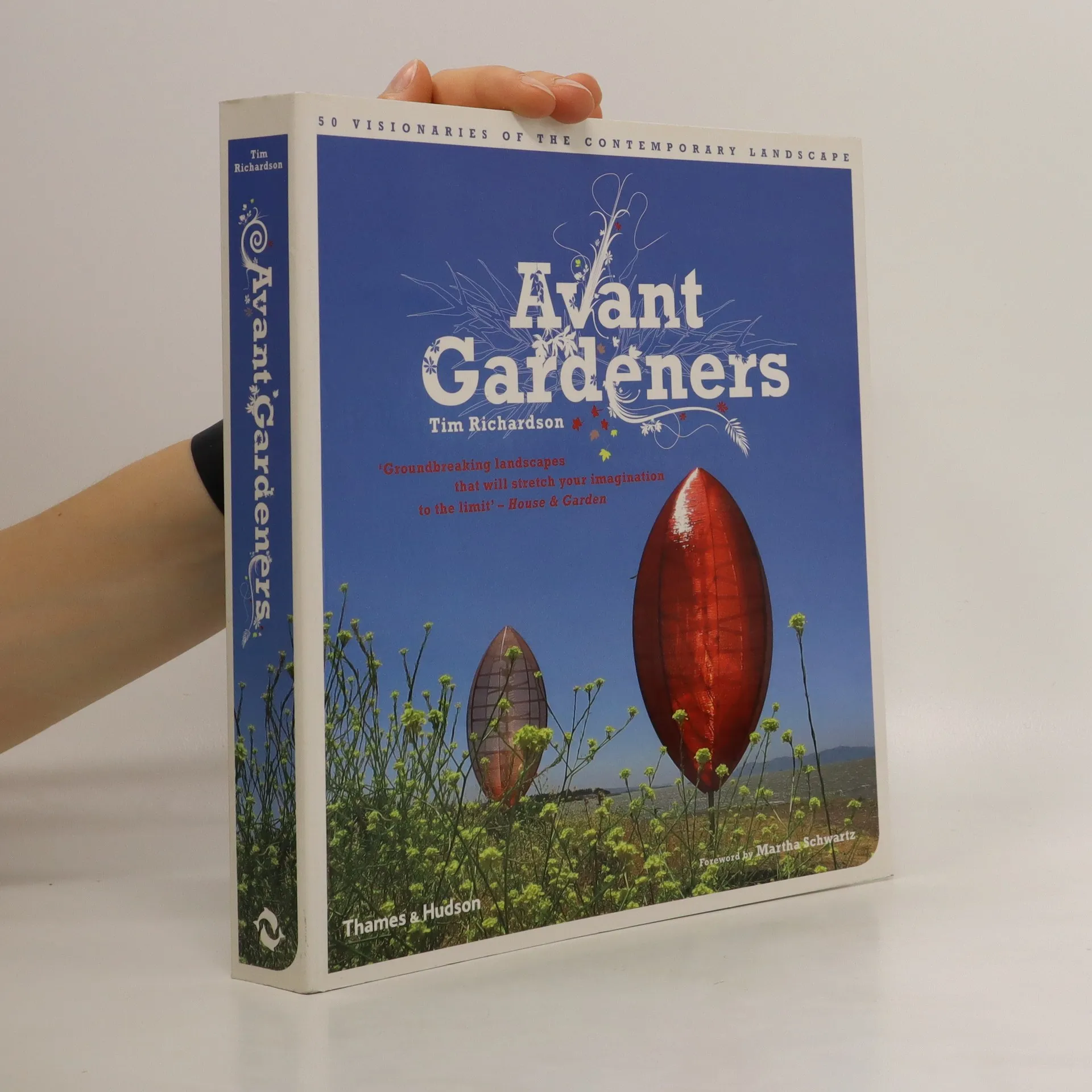
“100 projects by fifty of the world's most talented designers of public and private spaces . . . will expand your horizons and thrill the modernist in you.”—Metropolitan Home
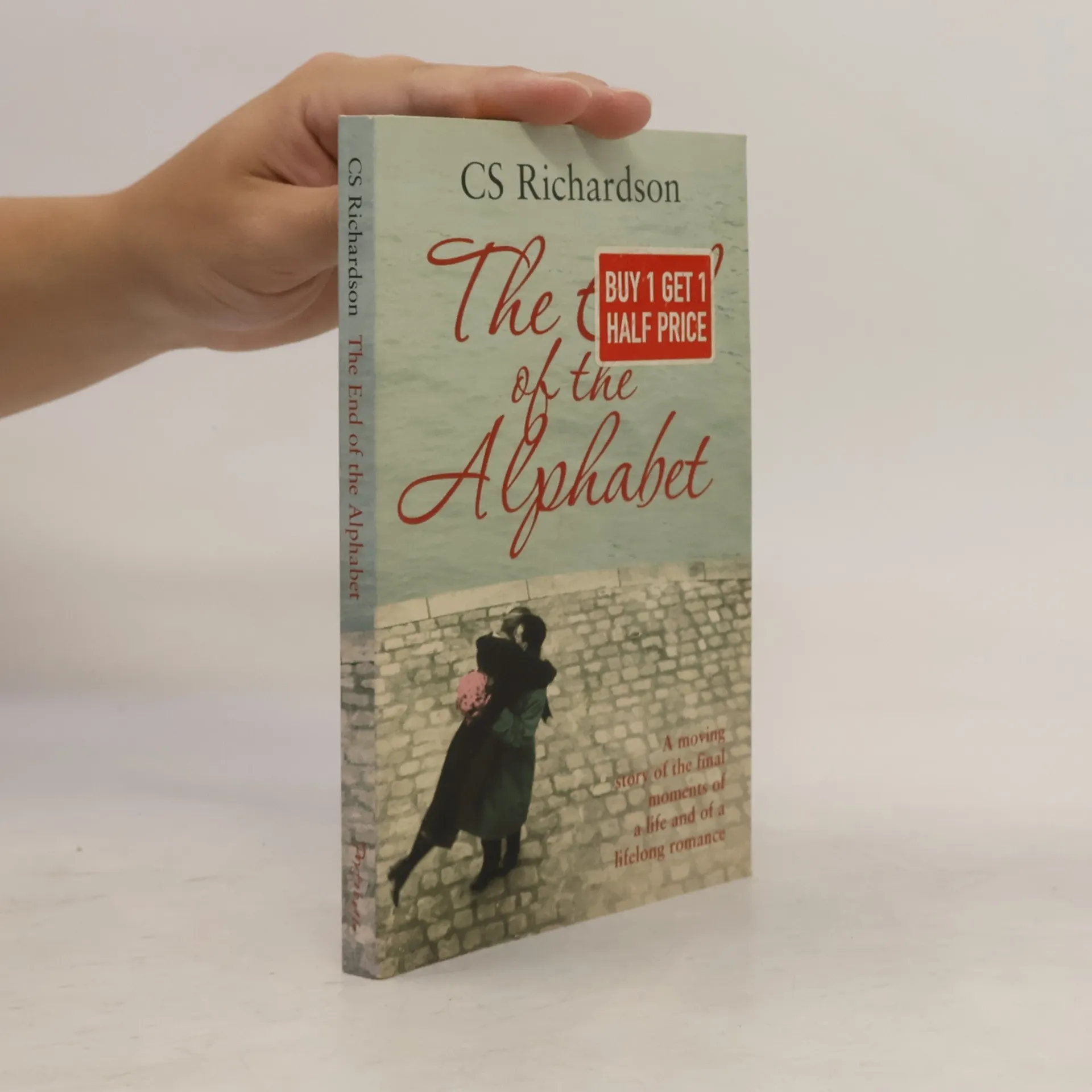
Some time around his 50th birthday, Ambrose Zephyr fails his annual medical
check-up. An illness of inexplicable origin with no known or foreseeable cure
is diagnosed and it will kill him within a month. Give or take a day. In the
time that remains, he decides to travel to all the places he ever wanted to
visit, in strict alphabetical order.
This comprehensive overview highlights the innovative work of Tom Stuart-Smith, a prominent garden designer in the UK. It explores his design philosophy, notable projects, and the influence of nature on his creations. Readers will gain insights into his unique approach to blending landscapes with architecture, showcasing his ability to create harmonious outdoor spaces. The book serves as both an inspiration for gardening enthusiasts and a tribute to Stuart-Smith's significant contributions to contemporary garden design.
A hard-nosed career officer in a male-dominated world, DCI Claire Pierce of
North Yorkshire Police heads Northern England's underfunded and understaffed
Ritual Crime Unit. Dismissed by the traditional police, struggling with an
outsized caseload, the RCU is the country's last line of defence against
horrors few can imagine.
It is a truth universally acknowledged that everyone loves sweets. However keen we might be on fine cheese, vintage wine or acorn-fed Iberian ham, much of the time we'd be happier with a Curly-Wurly. But why do we like sweets so much? Why is there such an enormous variety of types, a whole uncharted gastronomy in itself? And where do they all come from? Many of the sweets we recognize today have a lineage going back hundreds of years. Sugar was first transported around the world with the exotic herbs and spices used by medieval apothecaries. By association, the confectioner's art was at first medical in nature and many sweets (such as aniseed balls, which were a medieval cure for indigestion) were originally consumed for reasons of health. Other sweets came in-to being in the worlds of ritual and magic. Chocolate, for example, was mixed with chilli and used as a libation by the Aztecs. It subsequently appeared in other rather more palatable drinks around the world, but not in the solid form we now recognize until about 150 years ago. But the special significance of a gift of chocolate remains . . . Whatever their manifold origins, sweets are still a feature of every human society around the world. Tim Richardson's book tells the extraordinary story of comfits and dragées, lozenges and pastilles, sherbets and subtleties. Like a box of chocolates, it's something you can just dip into - or scoff all at once.
Sissinghurst, der historische Landsitz in der englischen Grafschaft Kent, ist Sehnsuchtsort zahlloser Pflanzenfreunde, denn dort befindet sich ein unvergleichlicher Garten. Die berühmte Schriftstellerin Vita Sackville-West und ihr Mann Harold Nicolson erworben das Anwesen 1931 und verwandelten den Park im Laufe der Jahrzehnte in eine atemberaubende grüne Oase. Tim Richardson nimmt den Leser mit auf eine Tour durch die einzelnen Gartenräume und erläutert ihre historische Planung und Gestaltung. 1967 übernahm der National Trust das Gelände und sorgte dafür, dass die ursprünglichen Entwürfe Sackville-Wests und Nicolsons erneut umgesetzt wurden. Diese Anlage ist eine einzigartige Quelle der Inspiration für Gartenfreunde!
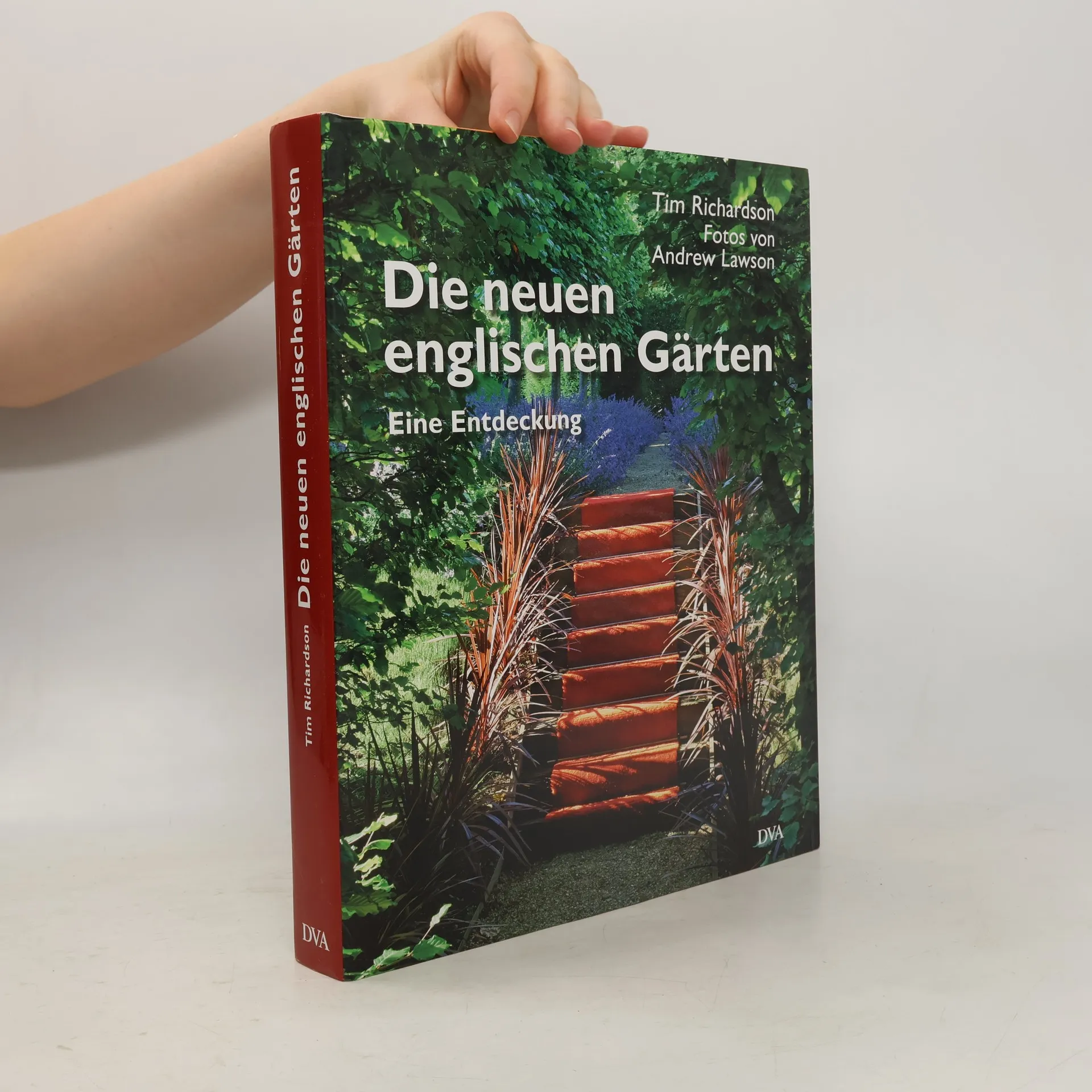
Britische Gartenkunst at its best! Was macht die Gartenkunst in England? Was tun Gestalter von Bedeutung heute im Bannkreis einer überwältigenden Gartentradition? Tim Richardson begibt sich auf die Suche in hochmodernen und traditionsreichen Anlagen, in neu angelegten und kontinuierlich über Jahre, Jahrzehnte und Jahrhunderte gepflegten und stets weiterentwickelten Gärten. Seinen eindringlichen Beschreibungen stehen Andrew Lawsons atmosphärische Fotografien zur Seite: Die gegenwärtige ästhetische Wirkung englischer Gärten fangen beide zusammen meisterhaft ein.• Traditionelle Anlagen, in die Moderne fortgeführt• Gartenarchitekten von höchstem Renommee • Herausragende Gartenfotografie von Andrew Lawson