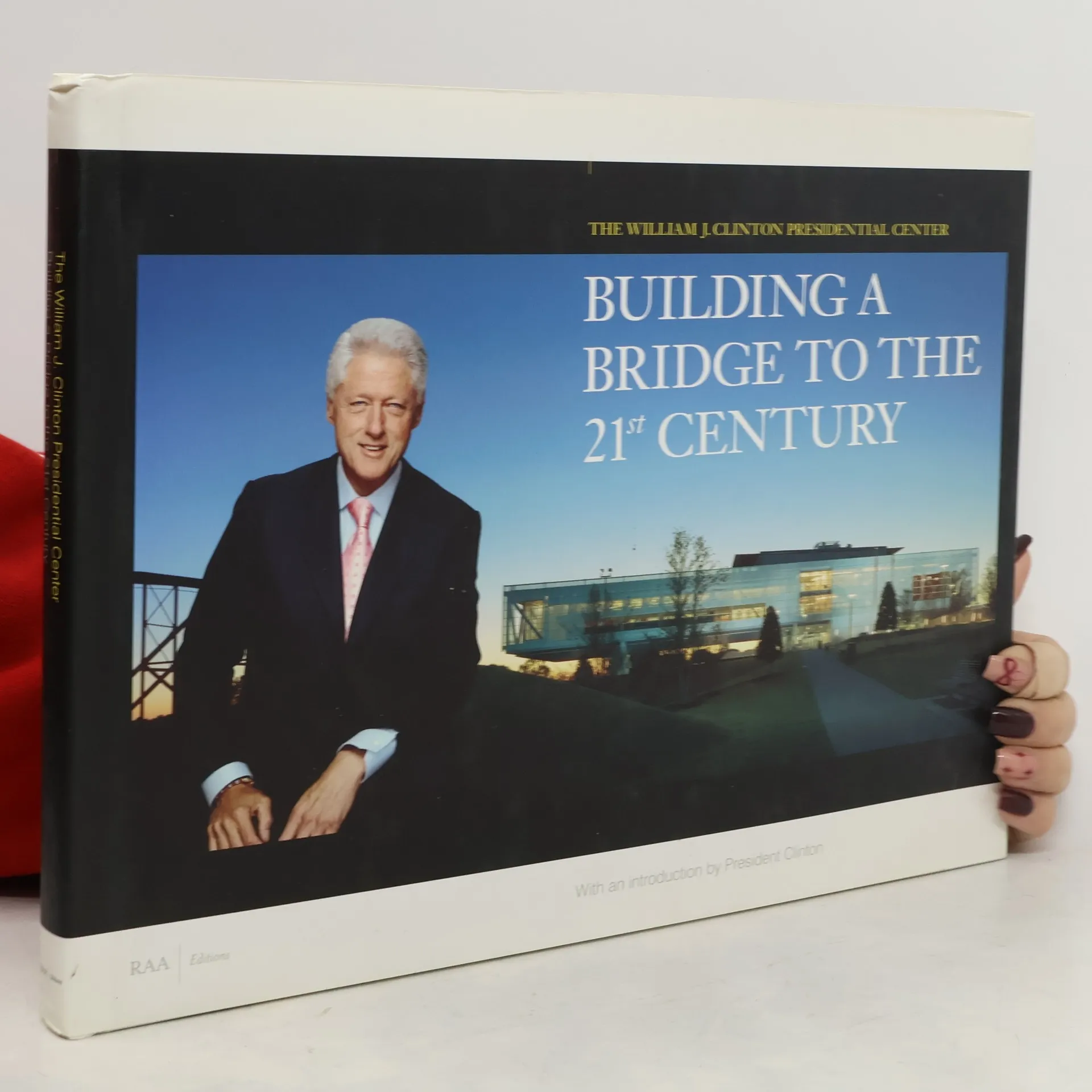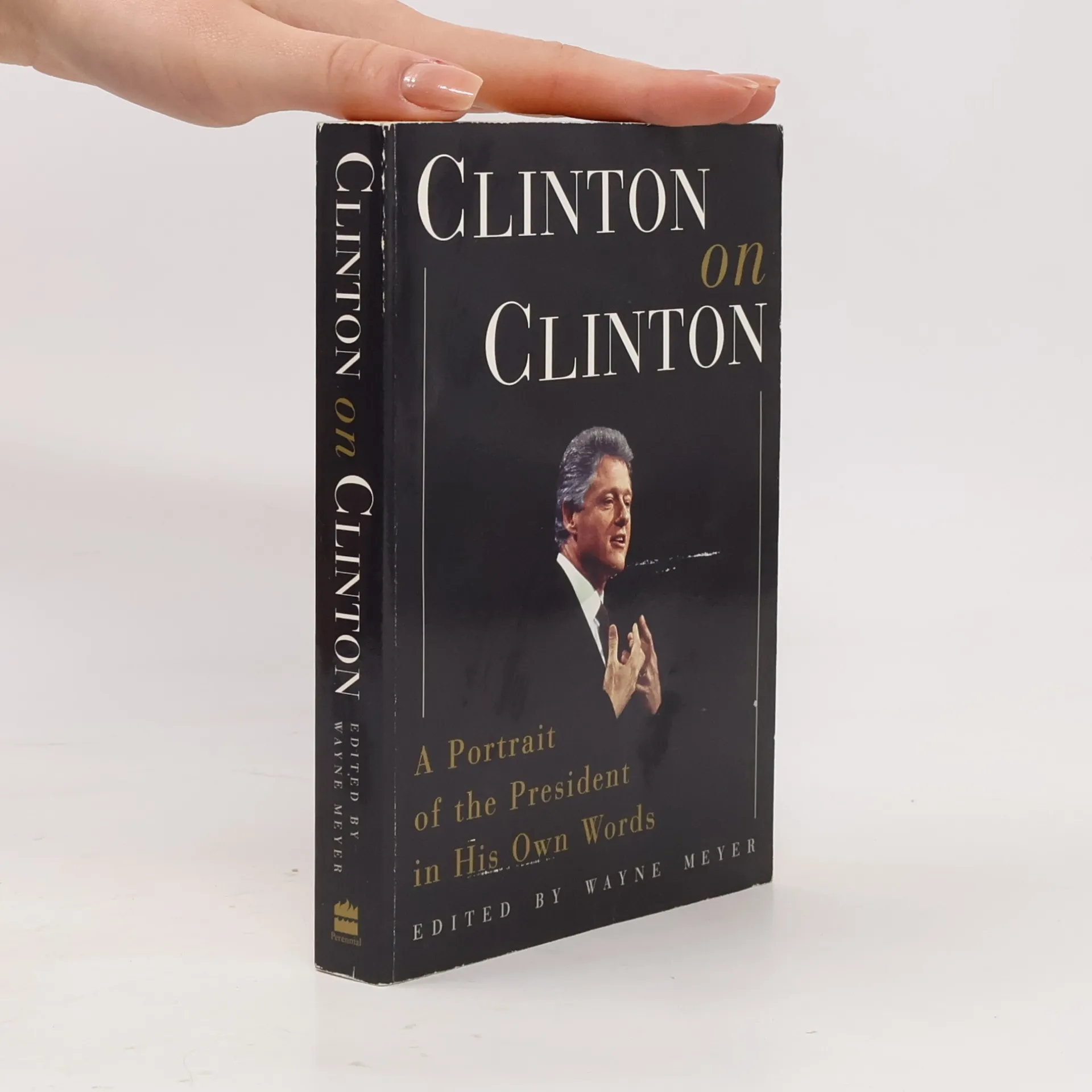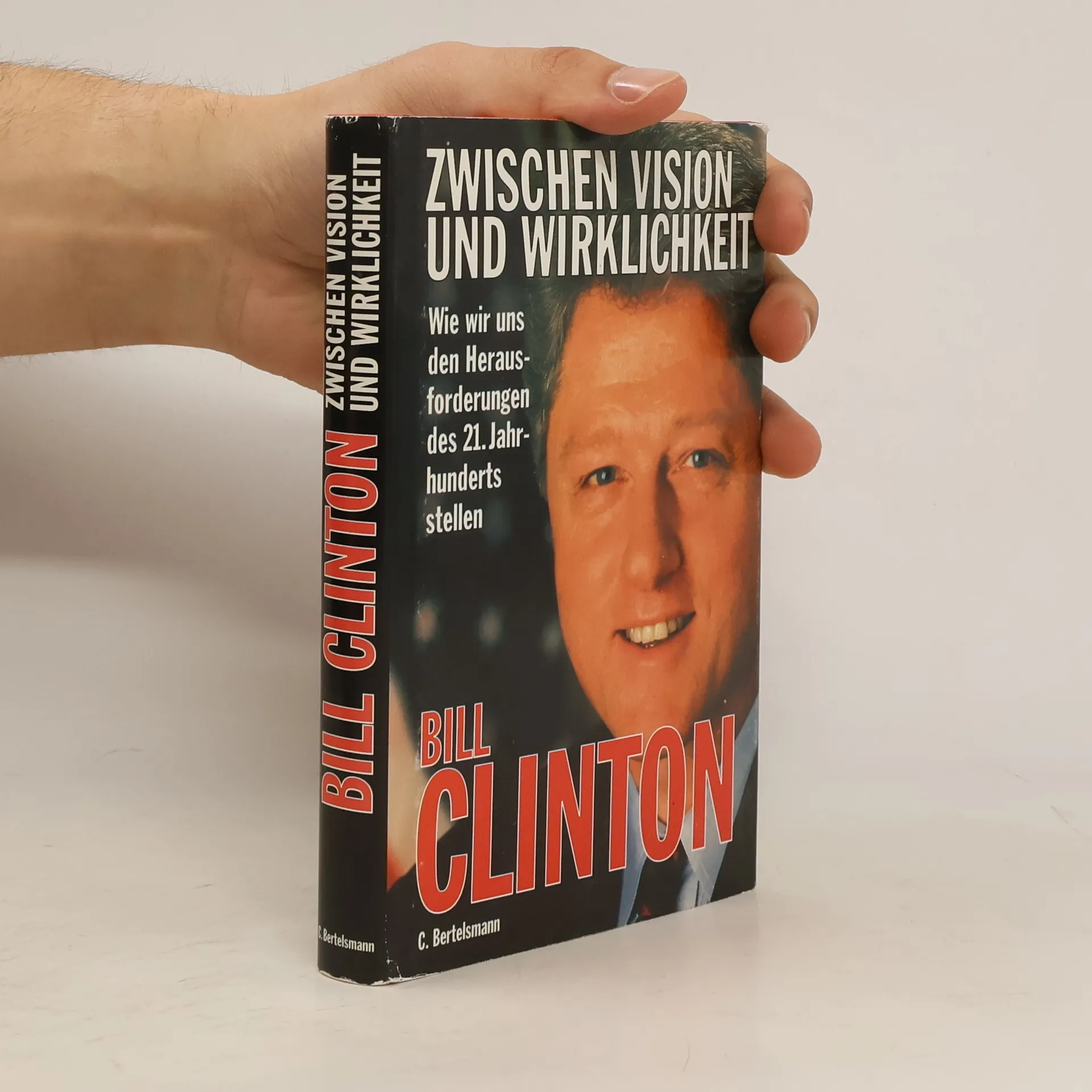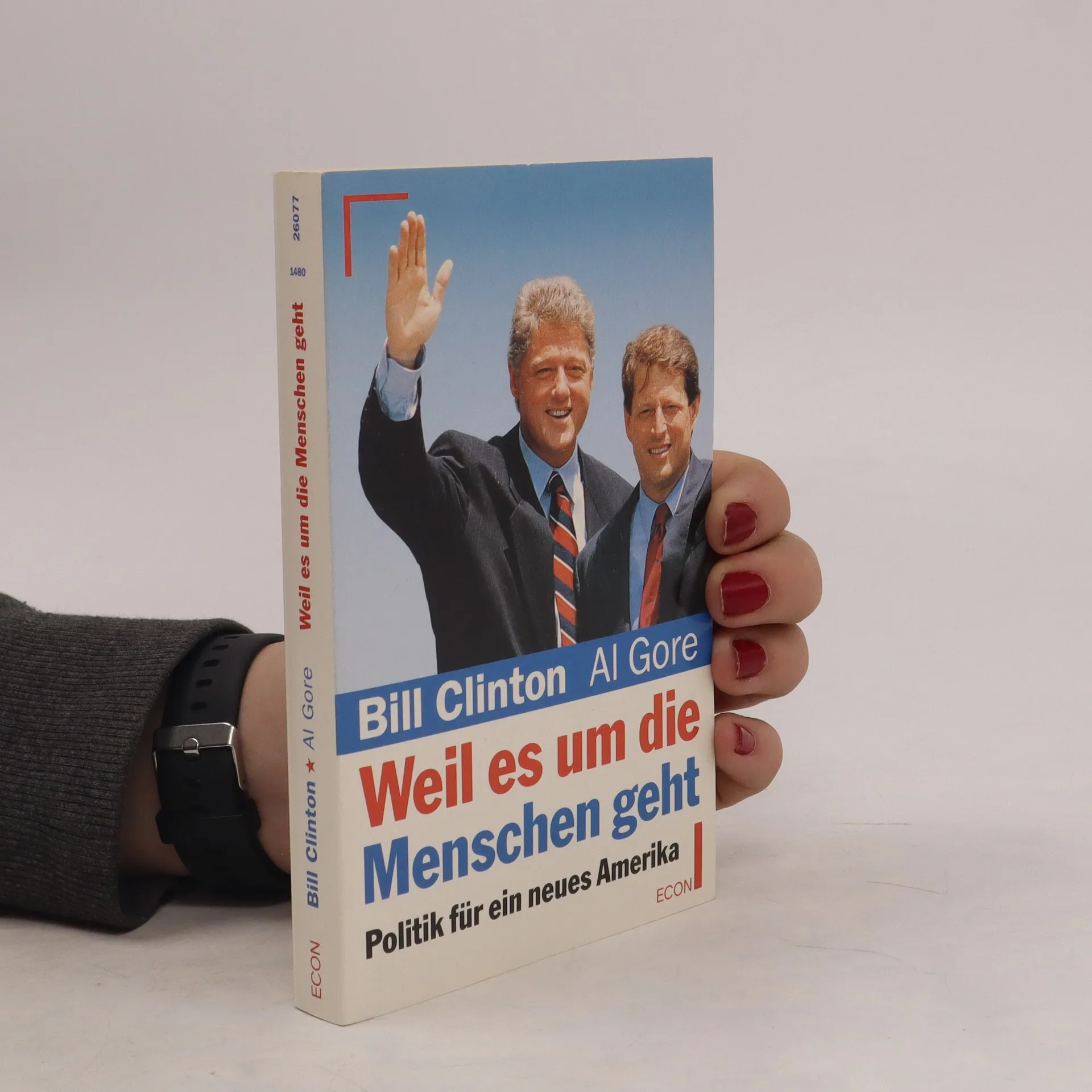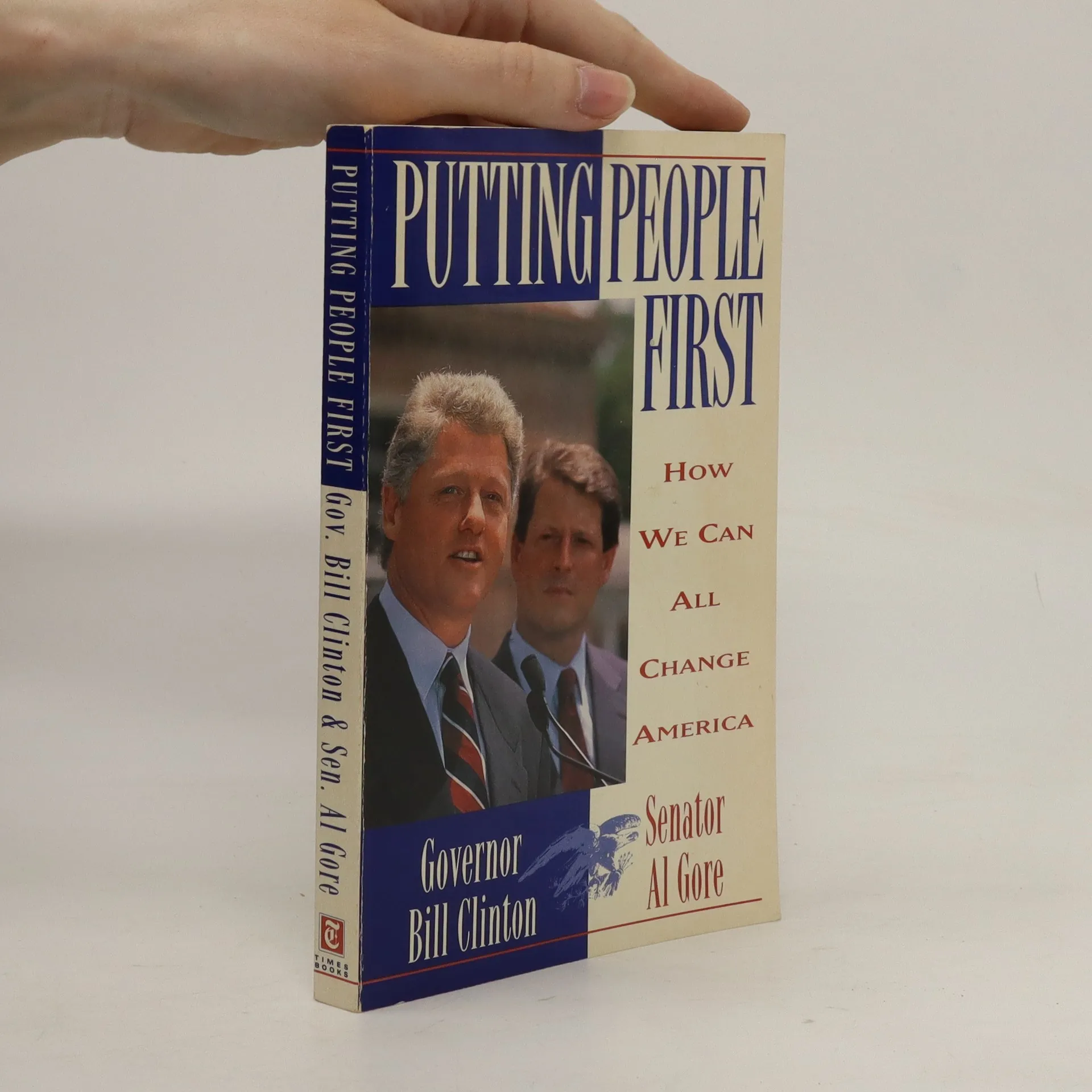
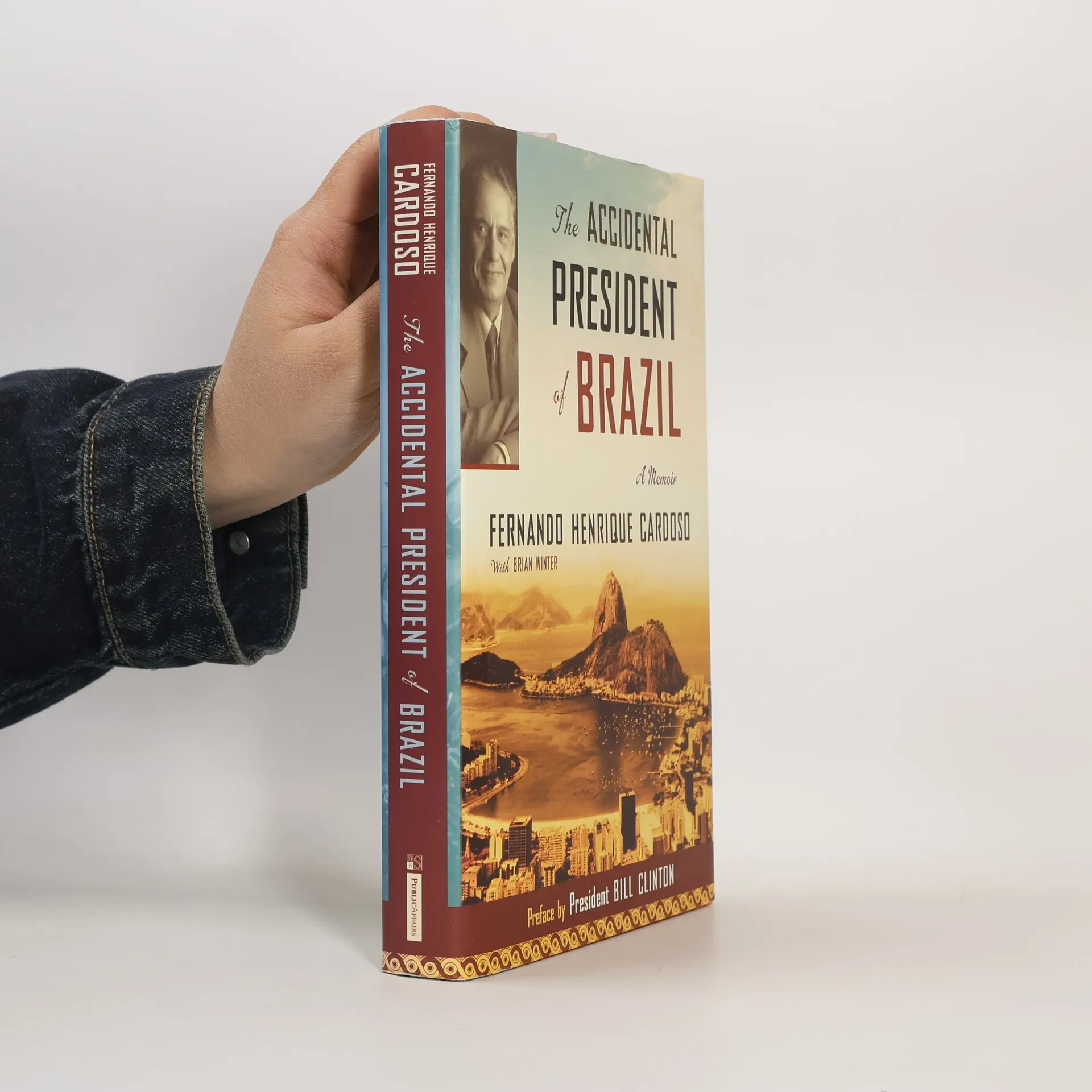

This author explores the political and economic philosophies that have shaped modern governance, particularly within the context of global shifts and economic expansion. His work delves into the balance between public policy and international causes, emphasizing approaches to critical world issues. The author examines complex frameworks for state management and their societal impacts, reflecting on the intricacies of leadership during times of significant change.
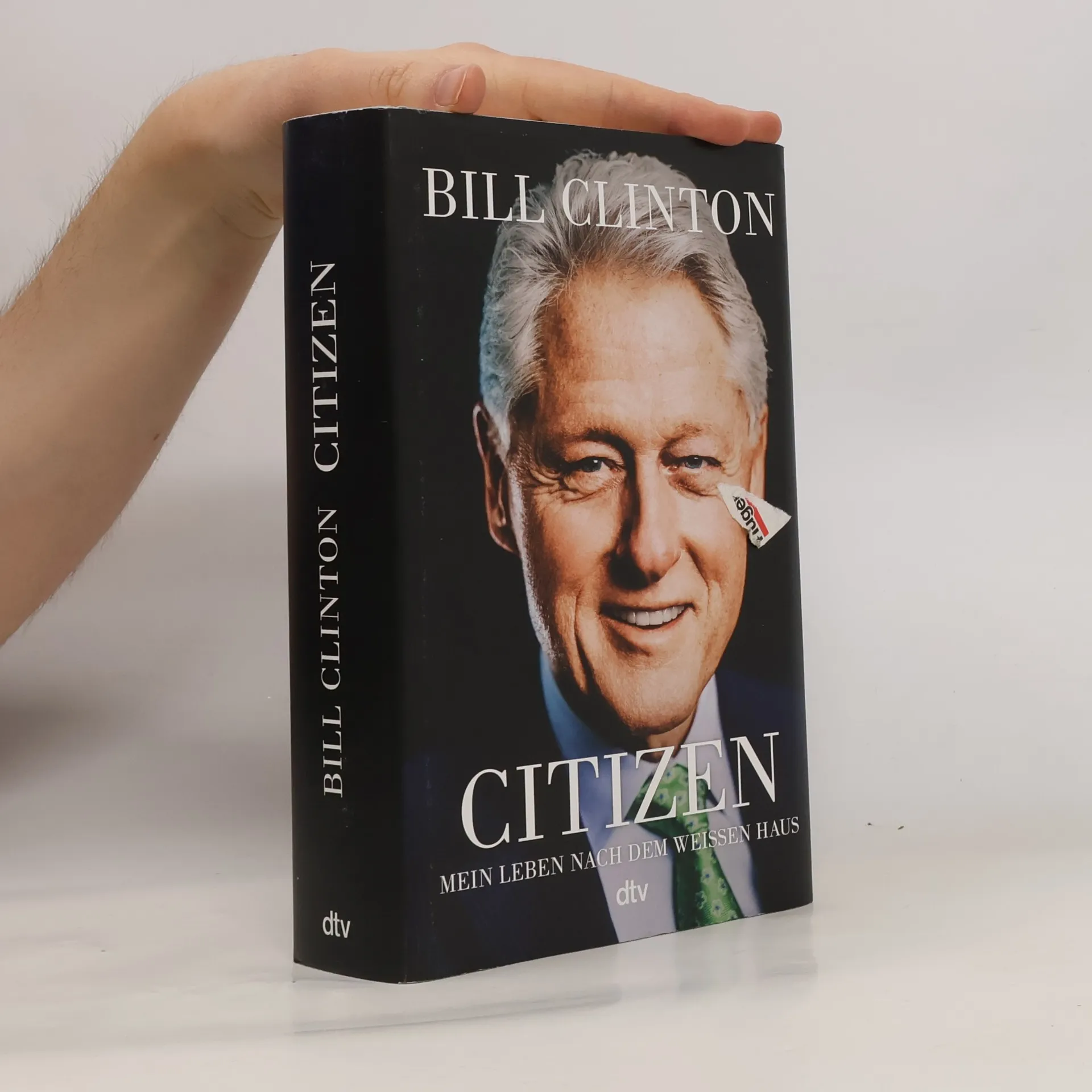
Mein Leben nach dem Weißen Haus | Der Ex-Präsident analysiert den Kulturkampf in den USA .
576 pages
21 hours of reading
Im Mittelpunkt der Erzählung stehen die Herausforderungen und Intrigen, die mit einem Leben im politischen Zentrum verbunden sind. Der Protagonist navigiert durch Machtspiele, persönliche Konflikte und moralische Dilemmata, während er versucht, seine Überzeugungen und Werte in einer oft korrupten Umgebung zu bewahren. Die Geschichte beleuchtet die komplexen Beziehungen zwischen Politikern, Beratern und der Öffentlichkeit und bietet einen tiefen Einblick in die Mechanismen der Macht und deren Auswirkungen auf das individuelle Leben.
The memoir offers an intimate glimpse into the life of an American icon following their presidency, highlighting both the successes and challenges faced in this new chapter. With candid reflections and rich details, it explores the complexities of adjusting to life outside the political spotlight, revealing personal insights and experiences that resonate with readers.
Exploring themes of time, chance, and the impact of choices, this book invites readers on a journey of improvisation and discovery. It challenges perceptions and reveals how life unfolds unexpectedly, emphasizing the significance of decisions made along the way. The narrative unfolds in a way that keeps readers guessing until the end, highlighting the unpredictability of life's path.
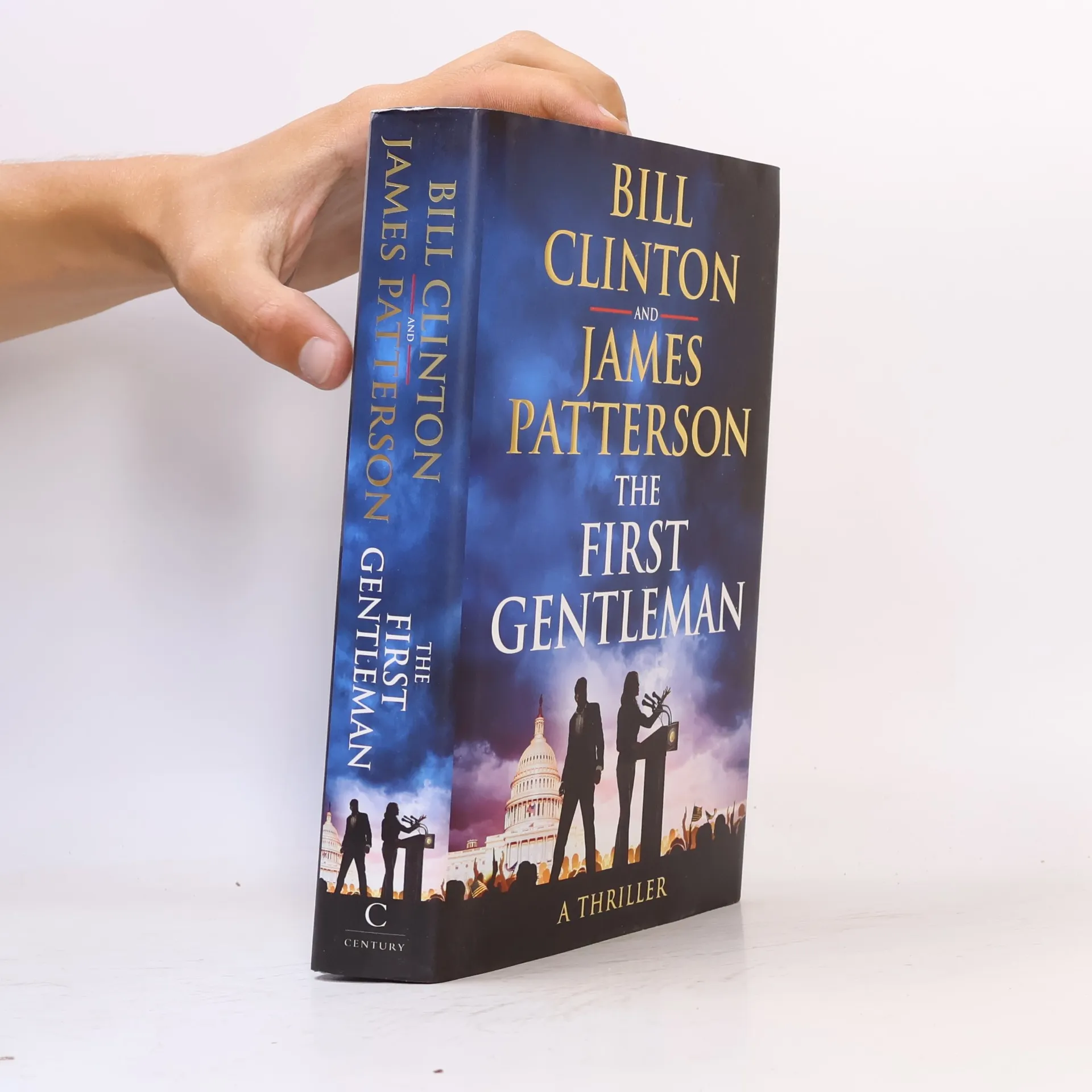
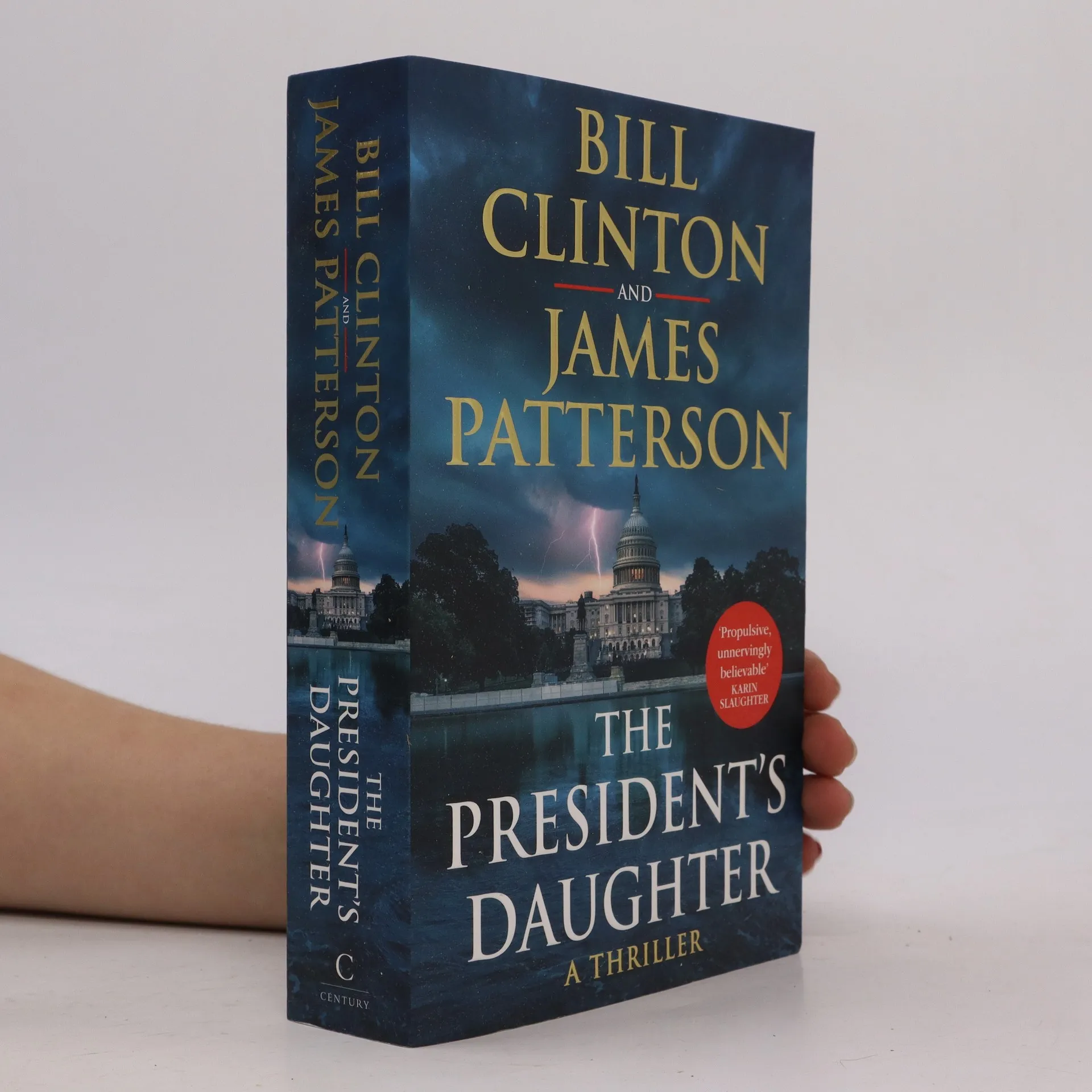
From the authors of the global number one bestseller The President is Missing comes the most explosive new thriller of the new decade________________________________There's a new administration in the White House.
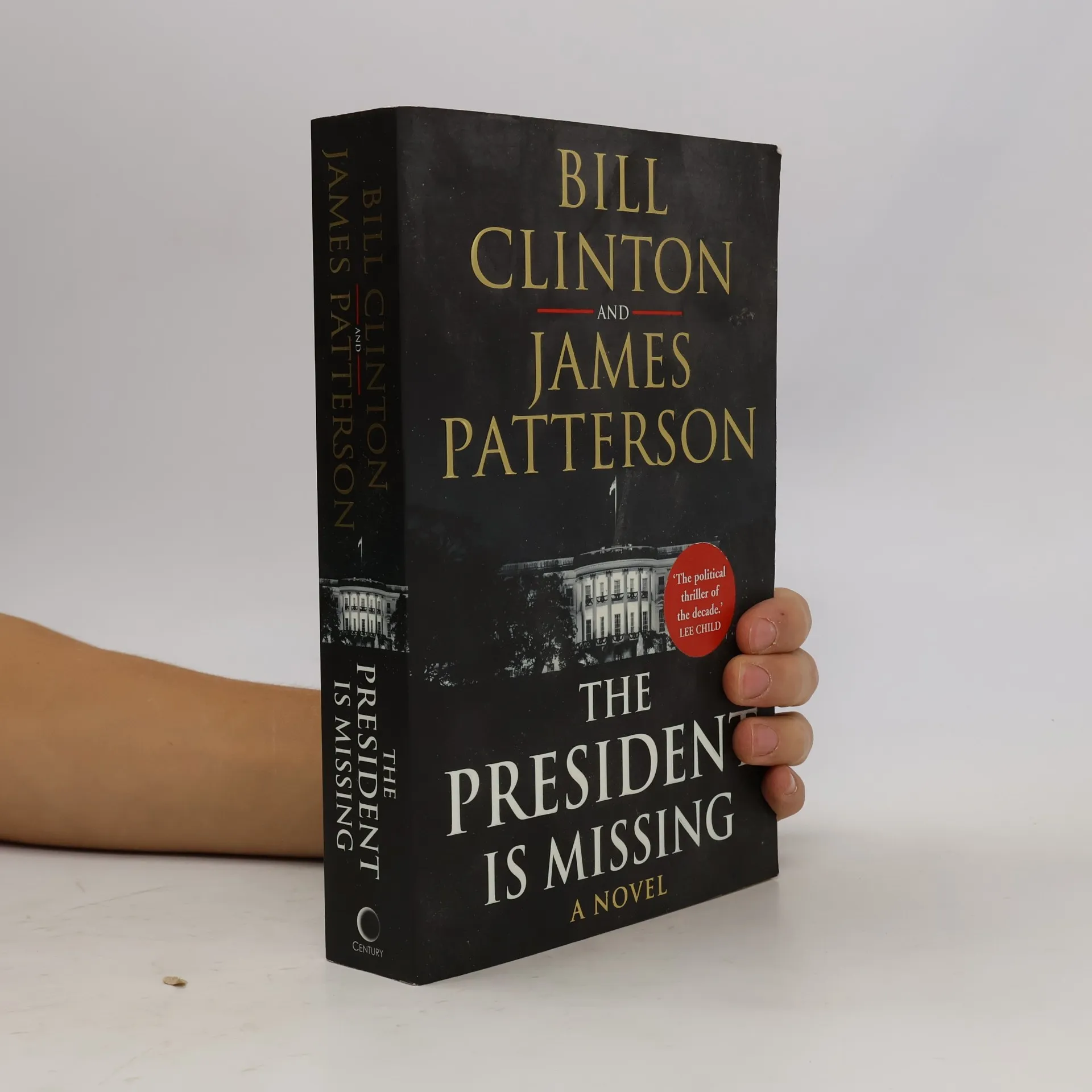
'The political thriller of the decade' Lee Child 'A bullet train of a thriller' A.J. Finn 'A first-rate collaboration... Engrossing from page one' David Baldacci 'This book moves like Air Force One. Big and fast' Michael Connelly 'A big, splashy juggernaut of a novel... truly authentic' Harlan Coben ________________________ THE GLOBAL NUMBER ONE BESTSELLER The President is missing. The world is in shock. Terrorists are planning a devastating attack. And they have help from traitors inside the White House. The only thing standing in their way is a President determined to save his people. Even if it means putting himself in mortal danger . . . ________________________ More praise for The President is Missing 'Relentless in its plotting and honest in its examination of issues' Jeffrey Deaver 'Guarantee of political authenticity. The literary running mates have earned a second term' Guardian 'A brilliant, tricksy first chapter . . . unmistakably shows that their partnership works' Sunday Times 'A high-octane collaboration . . . the addictive qualities are undeniable' Telegraph 'Fast-paced and well-engineered' Financial Times 'A vigorous, fast-moving thriller that takes the reader into the corridors of power' i Newspaper 'A high-tension thriller . . . Bill Clinton's insider perspective and James Patterson's pacy plotting combine to irresistibly page-turning effect' Mail
Internationally acclaimed Shakespeare scholar James Shapiro presents a first-of-its-kind anthology tracing the rich and surprising story of how Americans made the Bard their own. Through poetry, fiction, essays, plays, memoirs, songs, speeches, letters, movie reviews and comedy routines, Shakespeare's legacy in the U.S is collected here. Contributions come from a remarkable range of American writers and statesmen, from Emerson, Melville, Lincoln and Twain to John Berryman, Cynthia Ozick and Bill Clinton (who wrote a foreword).
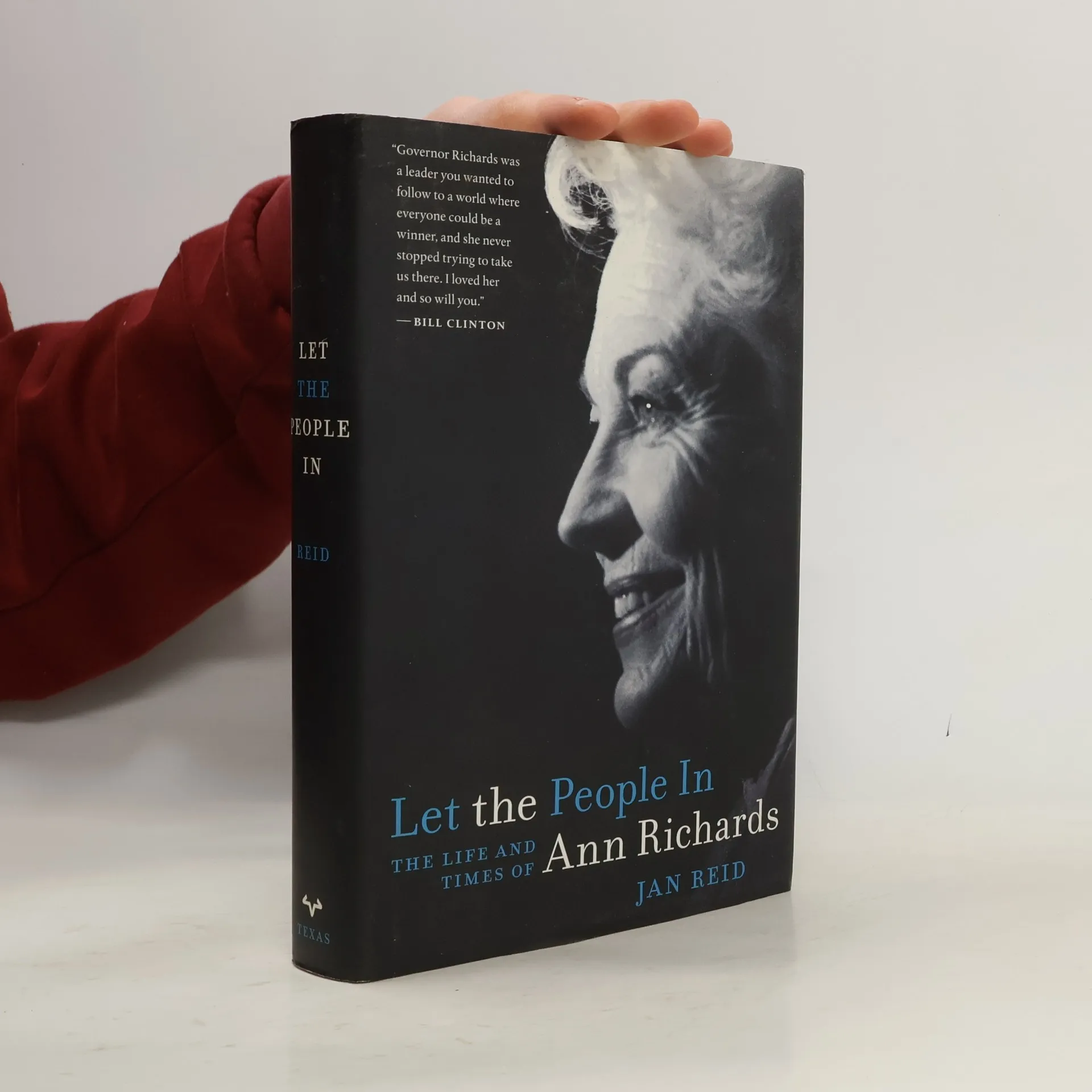
When Ann Richards delivered the keynote of the 1988 Democratic National Convention and mocked President George H. W. Bush "Poor George, he can't help it. He was born with a silver foot in his mouth" she instantly became a media celebrity and triggered a rivalry that would alter the course of American history. In 1990, Richards won the governorship of Texas, upsetting the GOP's colorful rancher and oilman Clayton Williams. The first ardent feminist elected to high office in America, she opened up public service to women, blacks, Hispanics, Asian Americans, gays, and the disabled. Her progressive achievements and the force of her personality created a lasting legacy that far transcends her rise and fall as governor of Texas. In Let the People In , Jan Reid draws on his long friendship with Richards, interviews with her family and many of her closest associates, her unpublished correspondence with longtime companion Bud Shrake, and extensive research to tell a very personal, human story of Ann Richards's remarkable rise to power as a liberal Democrat in a conservative Republican state. Reid traces the whole arc of Richards's life, beginning with her youth in Waco, her marriage to attorney David Richards, her frustration and boredom with being a young housewife and mother in Dallas, and her shocking encounters with Lyndon Johnson and Jimmy Carter. He follows Richards to Austin and the wild 1970s scene and describes her painful but successful struggle against alcoholism. He tells the full, inside story of Richards's rise from county office and the state treasurer's office to the governorship, where she championed gun control, prison reform, environmental protection, and school finance reform, and he explains why she lost her reelection bid to George W. Bush, which evened his family's score and launched him toward the presidency. Reid describes Richards's final years as a world traveler, lobbyist, public speaker, and mentor and inspiration to office holders, including Hillary Clinton. His nuanced portrait reveals a complex woman who battled her own frailties and a good-old-boy establishment to claim a place on the national political stage and prove "what can happen in government if we simply open the doors and let the people in.""
In Back to Work , Bill Clinton addresses the urgent economic challenges facing the United States and offers a plan to get America "back into the future business." He details how to get out of the current economic crisis and lay a foundation for long-term prosperity, offering specific recommendations on how to put people back to work, increase bank lending and corporate investment, double exports, restore the manufacturing base, and create new businesses. He supports President Obama's emphasis on green technology, saying that a change in the way we produce and consume energy is the strategy most likely to spark a fast-growing economy and enhance national security. Clinton says that it is strong economy and smart government working together that will restore prosperity and progress. He demonstrates that whenever the US gives in to the temptation to blame government for its problems, it loses its commitment to shared prosperity, balanced growth, financial responsibility, and investment in the future. Some things have to be done together. For example, he says, "Our ability to compete in the twenty-first century is dependent on our willingness to invest in infrastructure: we need faster broadband, a state-of-the-art national electrical grid, modernized water and sewer systems, and the best airports, trains, roads, and bridges. "There is no evidence that we can succeed in the twenty-first century with an antigovernment strategy," writes Clinton, "with a philosophy grounded in 'You're on your own' rather than 'We're all in this together.'" Clinton believes that conflict between government and the private sector has proved to be remarkably good politics, but it has produced bad policies, giving us a weak economy with few jobs, growing income inequality and poverty, and a decline in our competitive position. In the real world, cooperation works much better than conflict, and "we need victories in the real world." "I wrote this book because I love my country and I'm concerned about our future," he writes. "As I often said when I first ran for President in 1992, America at its core is an idea - the idea that no matter who you are or where you're from, if you work hard and play by the rules, you'll have the freedom and opportunity to pursue your own dreams and leave your kids a country where they can chase theirs."
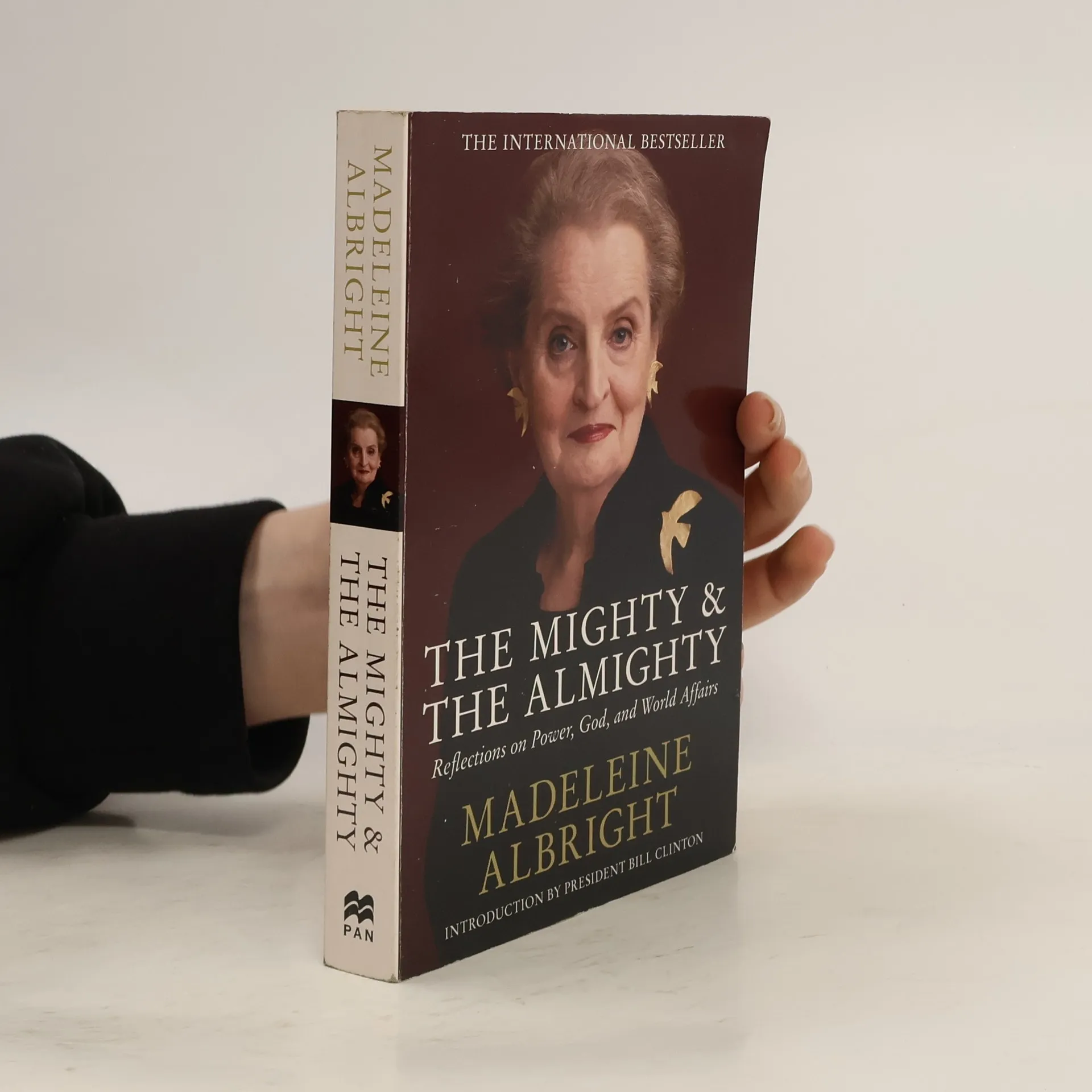
Does America, as George W. Bush has proclaimed, have a special mission, derived from God, to bring liberty and democracy to the world? This work presents an account which argues that understanding the place and power of religion - and knowing how best to respond to it - is essential if America is to lead successfully around the world.