Wolfgang Koeppen's work explores the complexities of human experience against the backdrop of historical and social change. His narratives often reflect the disillusionment and existential struggles of individuals in post-war Germany. Through a blend of personal and political themes, Koeppen delves into the psyche of his characters, portraying their search for identity and meaning in a fractured world. His writing is marked by a keen observation of societal dynamics and a deep understanding of the human condition. Koeppen's novels are recognized for their innovative style and profound insights, contributing significantly to the literary landscape of the time. His travel writings further enrich his oeuvre, offering reflections on culture and society that resonate with readers. The interplay of personal and collective histories in his work invites readers to engage with the past while contemplating the present and future.
Wolfgang Koeppen Books
Wolfgang Koeppen stands as one of the most significant German authors of the post-war era. His works are distinguished by modern literary techniques, such as stream of consciousness, and probe deeply into themes of identity and society in the post-war period. Koeppen's distinctive style captures the complexities of human experience, and his literary importance is recognized for its impact on German literature.






Wolfgang Koeppen is the most important German novelist of the past seventy years: a radical, not to say terrifying, stylist; a caustic, jet-black comedian; a bitter prophet. His late, autobiographical work--the short, intense autofiction, Youth, translated here for the first time--is a portrait of the little north German town of Greifswald before World War I, and is a miracle of compression: this is not historical fiction, but a kind of personal apocalypse. Also included here, in Michael Hofmann's brilliant translation, is one of Koeppen's very last works: a short, fragmentary text spoken over a 1990 German television program depicting his return visit to the town of his schooldays.
Pigeons on the Grass
- 208 pages
- 8 hours of reading
"Pigeons on the Grass is told over a single day in Munich in 1948. The first new cinemas and insurance offices are opening atop the ruins, Korea and Persia are keeping the world in panic, planes rumble in the sky (but no one looks up), newspaper headlines announce war over oil and atomic bomb tests. Odysseus Cotton, a black man, alights at the station and hires a porter; Emilia sells the last of her jewelry; Philipp gives himself up to despair; with their interracial love affair, Carla Behrend and Washington Price scandalize their neighbors-who still expect gifts of chocolate and coffee; a boy hustles to sell a stray dog; Mr. Edwin, a visiting poet, prepares for a reading; Frau Behrend disowns her daughter; Alexander stars as the Archduke in a new German Super-production; and Susanne seeks out a night to remember. In Michael Hofmann's words, "in their sum, they are the totality of existence." Koeppen spares no one and sees all in this penetrating and intense novel that surveys those who remain, and those who have just arrived, in a damaged society. As inventive as Joyce and as compulsively readable as Dickens, Pigeons on the Grass is a great lost classic"-- Provided by publisher
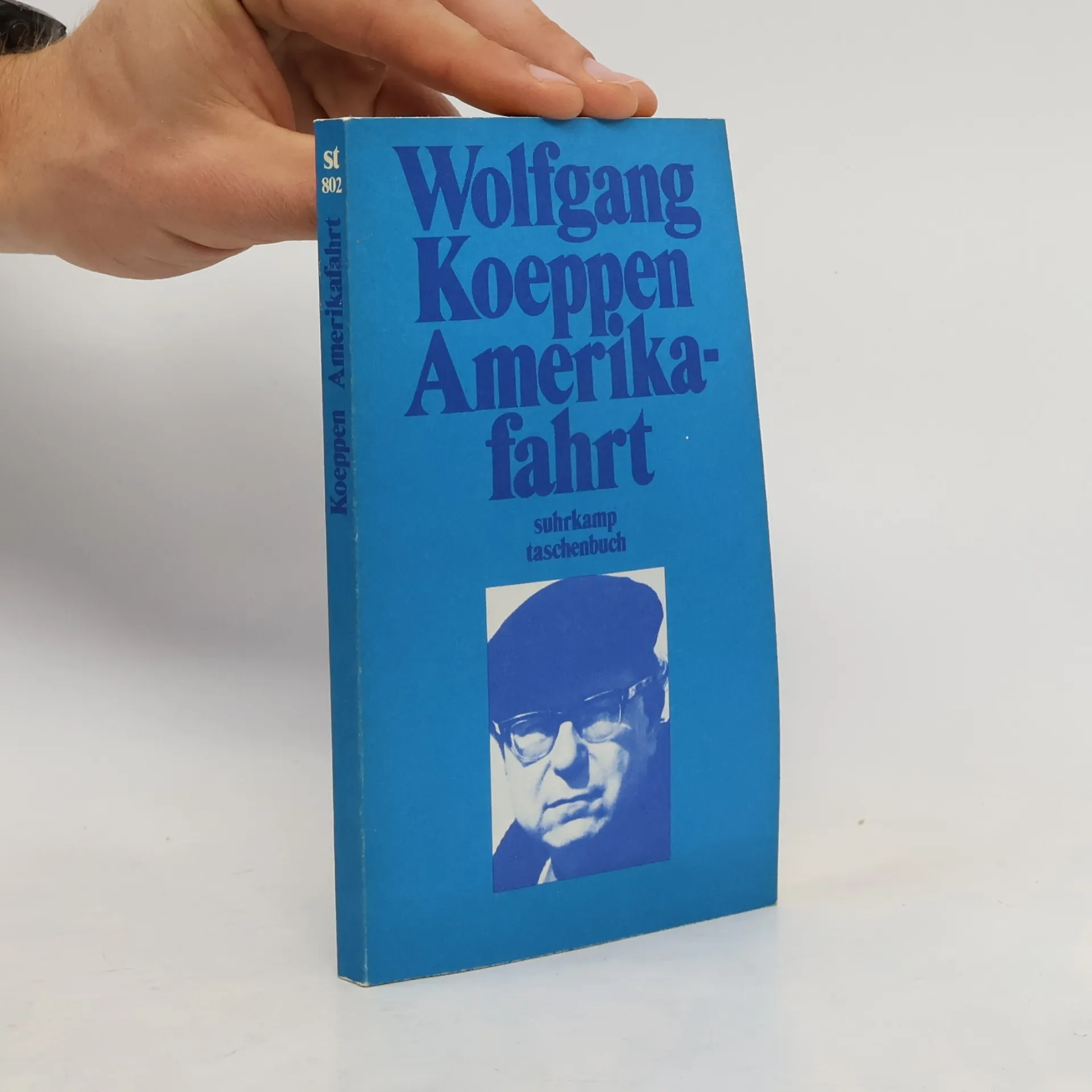
Amerikafahrt
- 167 pages
- 6 hours of reading
Amerikafahrt by Wolfgang Koeppen is a masterpiece of observation, analysis, and writing, based on his 1958 trip to the United States. Koeppen presents a vivid and fascinating portrait of the US in the late 1950s, its major cities, its literary culture, its troubled race relations, its multi-culturalism and its vast loneliness, a motif drawn, in part, from Kafka’s Amerika. A modernist travelogue, the text employs symbol, myth, and image, as if Koeppen sought to answer de Tocqueville’s questions in the manner of Joyce and Kafka. Journey through America is also a meditation on America, mindful of the destiny of postwar Europe under many Americanizing influences.
Von dem Machandelboom
- 56 pages
- 2 hours of reading
Traducción de Van den Machandel-BoomExtraído del libro "Kinder- und Hausmärchen" (1812)Texto en español y texto original en alemán.
Deutsche Märchen
- 782 pages
- 28 hours of reading
German
Die "unglückliche Liebe", der dieser Roman seinen Titel verdankt, resultiert aus der leidenschaftlichen, quälerischen Beziehung eines jungen Mannes zu einer Schauspielerin und Kabarettistin. Friedrich liebt Sibylle. Aber seine Liebe wird nicht so erwidert wie von ihm erhofft. Er reist ihr nach, tut alles, um von ihr erhört zu werden, doch vergeblich: Der versäumte erste Kuß vollzieht sich später bei der Trennung in Venedig: "Sie wußten, daß sich nichts geändert hatte und daß die Wand aus dünnstem Glas, durchsichtig wie die Luft und vielleicht noch schärfer die Erscheinung des anderen wiedergebend, zwischen ihnen bestehen blieb." Entsagend finden sich Friedrich und Sibylle mit jener "Wand" ab, die sie zwischen sich sehen: "Es war dies eine Grenze, die sie nun respektierten." So ist Eine unglückliche Liebe letztlich ein Buch der Resignation, eine Buch der hoffnungslosen Vereinsamung des Individuums, der tragischen Vereinzelung des Menschen.
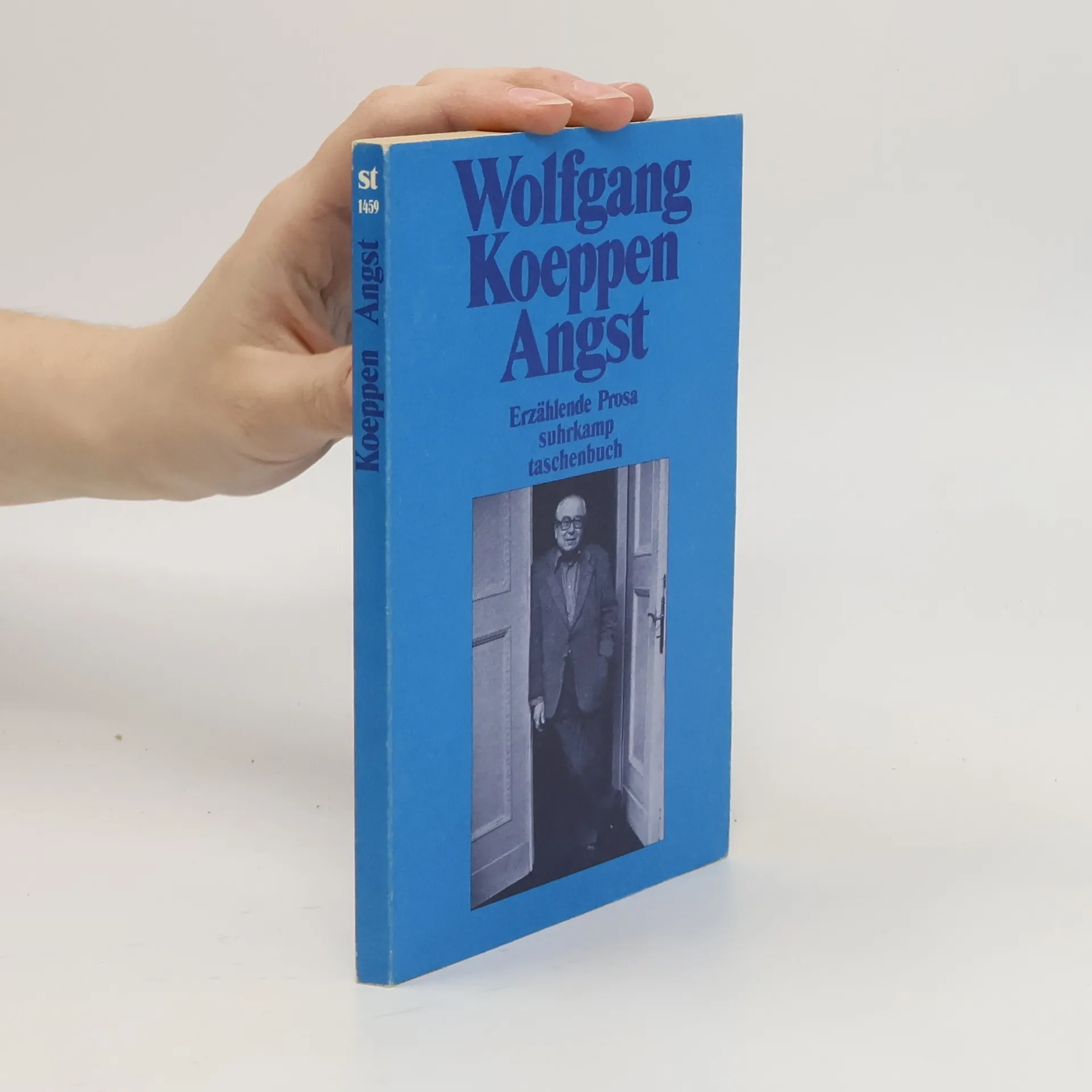
Angst. Erzählende Prosa
- 112 pages
- 4 hours of reading
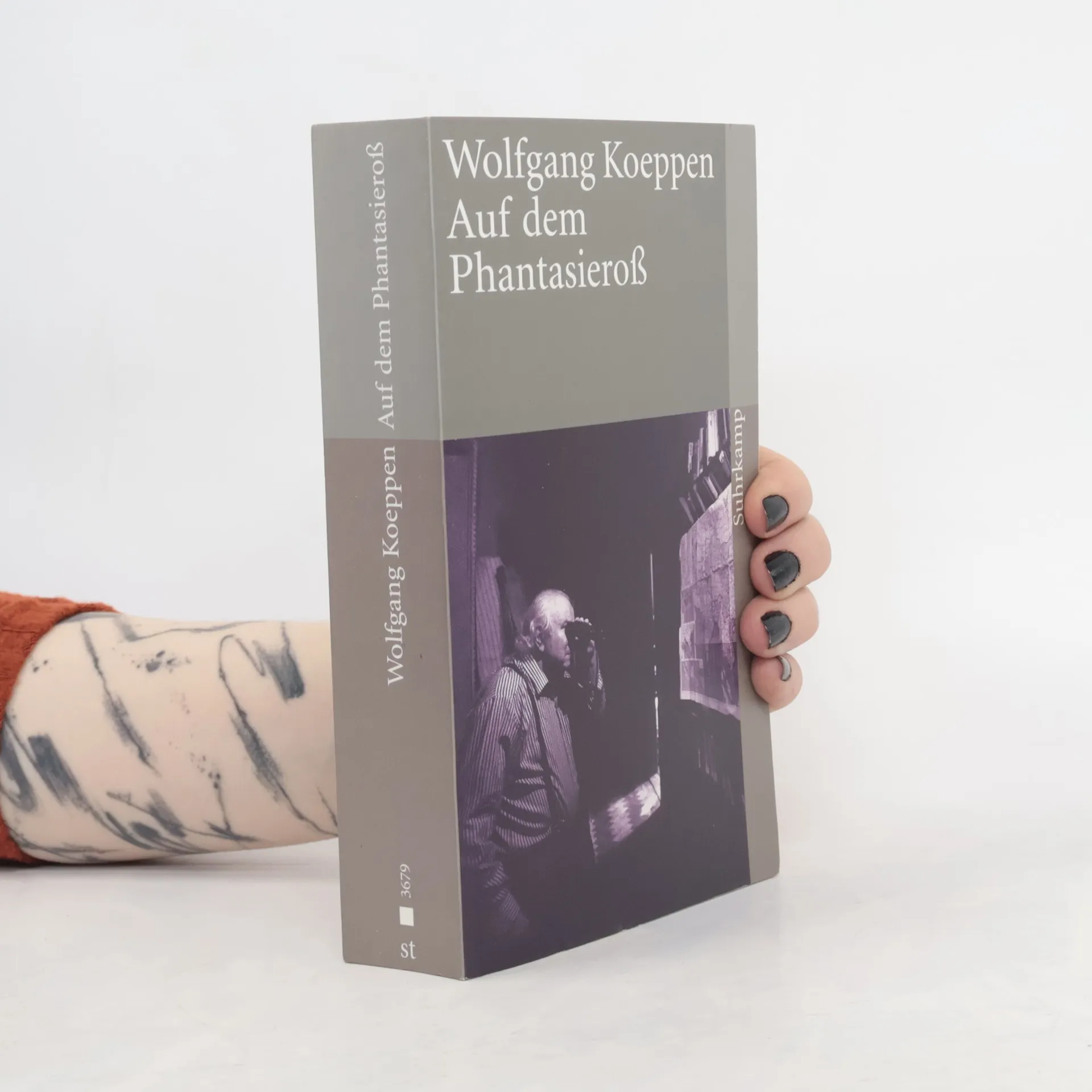
Halte mich in gutem Angedenken auf meinem Phantasieroß - so schrieb Wolfgang Koeppen in seinem letzten Brief an seinen Verleger Siegfried Unseld. Damit kennzeichnete er die sein Schreiben prägende Lebenshaltung: Ihn lockten die Flügel des Ikarus und der Zauberteppich des Märchens. Zugleich wies er damit die Legende vom verstummten Erzähler zurück. Der erste Band erzählender Prosa aus dem Nachlaß mit bisher 170 unveröffentlichten Texten widerlegt diese Legende eindrucksvoll und zeigt die durch die Jahrzehnte ungebrochene Fabulierfähigkeit dieses Autors. Die Sichtung des Nachlasses des 1996 Verstorbenen hat ergeben, daß Koeppen, auch wenn er wenig publizierte, sehr vieles, sehr Gelungenes geschrieben hat. Seine Arbeitsweise erklärt, warum er sich selten zur Publikation entschloß: Seine Erzählungen schrieb er wieder und wieder um, sie waren für ihn nie fertig, er besaß ein ständiges Verfeinerungsbedürfnis. In sieben Teile hat der Herausgeber die Prosa Wolfgang Koeppens unterteilt: Sie beginnt mit frühen Versuchen aus dem Jahre 1923 und endet mit der letzten veröffentlichten Erzählung Koeppens: Im Hochsitz.
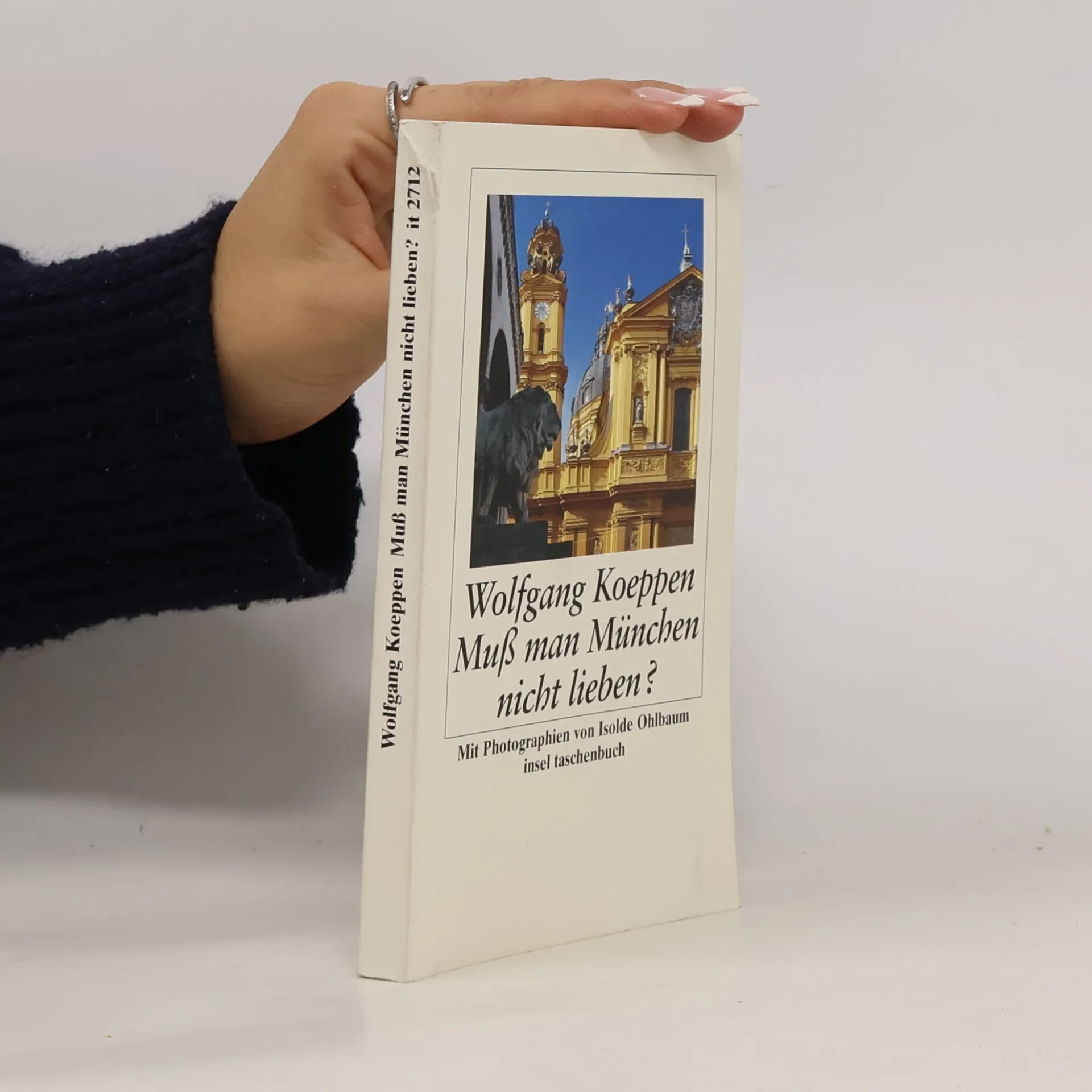
Muß man München nicht lieben?
- 154 pages
- 6 hours of reading
Wolfgang Koeppen, geboren am 23. Juni 1906 in Greifswald und gestorben am 15. März 1996 in München, verbrachte seine Kindheit in Ortelsburg (Ostpreußen) und kehrte 1919 nach Greifswald zurück. Aufgrund finanzieller Schwierigkeiten wechselte er von der Gymnasial- zur Mittelschule und brach diese ohne Abschluss ab. Er arbeitete in verschiedenen Berufen, darunter in einer Buchhandlung und als Dramaturg in Würzburg. 1927 ließ er sich in Berlin nieder, wo er 1931 als Redakteur beim Berliner Börsen-Courier tätig war. 1934 veröffentlichte er seinen ersten Roman und zog in die Niederlande, wo er an einem unvollendeten Werk arbeitete. 1935 erschien ein weiterer Roman, der jedoch wenig Beachtung fand. Nach seiner Rückkehr nach Deutschland 1938 arbeitete er für die Bavaria-Filmgesellschaft und siedelte 1945 nach München über. 1948 veröffentlichte er anonym ein Buch, dessen Neupublikation unter seinem Namen erst 1992 erfolgte. In den frühen 1950er Jahren erschienen drei Romane, die als prägnante Darstellungen des Klimas der Adenauer-Republik gelten. Koeppen trug auch zur Reiseliteratur in Deutschland bei. Alfred Estermann, geboren 1938 und verstorben 2008, war Professor für Literatur- und Medienwissenschaft und leitete das Schopenhauer-Archiv in Frankfurt am Main.
Suhrkamp Taschenbuch: Ich bin gern in Venedig warum
- 63 pages
- 3 hours of reading
»Wie oft ich komme, mit der Eisenbahn über den Damm, durch die gleißende Lagune, im Zug Paris-Venedig, München-Venedig, zu Schiff, von der Adria, von den Tempeln, von den Säulen … Venedig lockt, fängt ein, verführt mit seinem Licht, seiner Wasserluft, der Geisterluft … Der Reisende wird aus der Bahn geworfen. Er ist an Land gesprungen, des Abenteuers gewiß.« Wolfgang Koeppens Erinnerungen an Venedig »entschlüsseln sehr schnell ihren Zauber, der Koeppens Texten immer eigen war«. Andreas Müller, Darmstädter Echo
German
Die Jawang-Gesellschaft
- 135 pages
- 5 hours of reading
Der Roman erzählt von Carel, einem Waise, der auf einer kleinen holländischen Insel aufwächst und das Gefühl der Nichtzugehörigkeit verbirgt. Nach einer Katastrophe durch Spielschulden eines Freundes verlässt er das Offizierskorps und wird Soldat in Surabaya. Das Fragment besticht durch Carels Außenseiterperspektive.
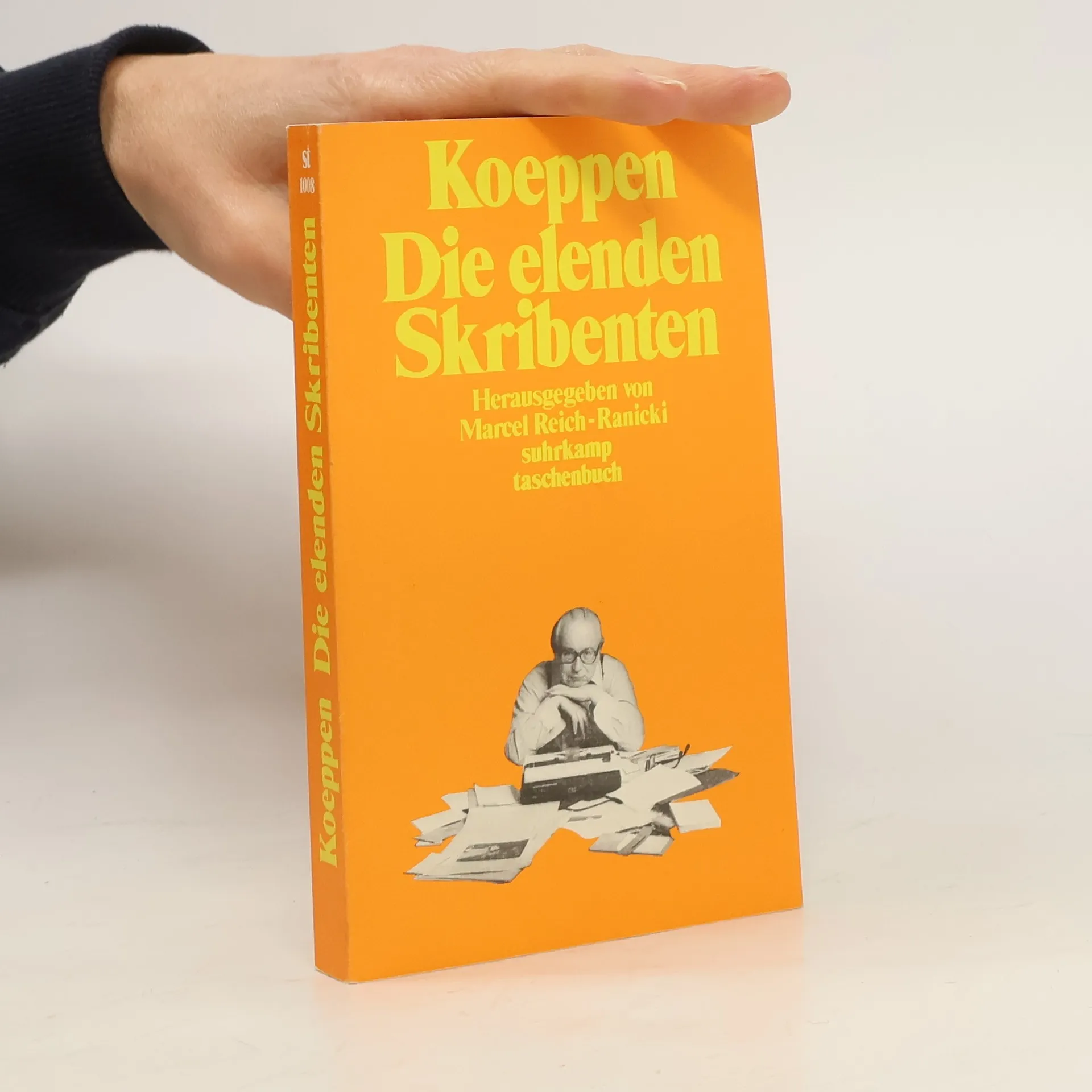
Die elenden Skribenten
Aufsätze
„Marcel Reich-Ranicki hat die wichtigsten und schönsten Arbeiten Koeppens aus Zeitungen und Zeitschriften ausgewählt und in fünf Gruppen geordnet. Die erste versammelt Aufsätze über Balzac, Flaubert, Zola und Lautréamont, Shelley und Oscar Wilde, Grimmelshauscn, Kleist und Chamisso; die zweite Essays und Glossen über Thomas Mann und Döblin, Kafka, Robert Walser und Karl Kraus, Marcel Proust, Hemingway und Henry Miller. Die dritte Gruppe ist den Zeitgenossen gewidmet: Hermann Kesten, Alfred Andersch, Peter Weiss und Horst Krüger. In der letzten Gruppe erzählt Koeppen von seinen ersten Begegnungen mit der Literatur und polemisiert in dem bis heute höchst aktuellen Plädoyer »Die elenden Skribenten« gegen stereotype Vorwürfe gegenüber Schriftstellern.“
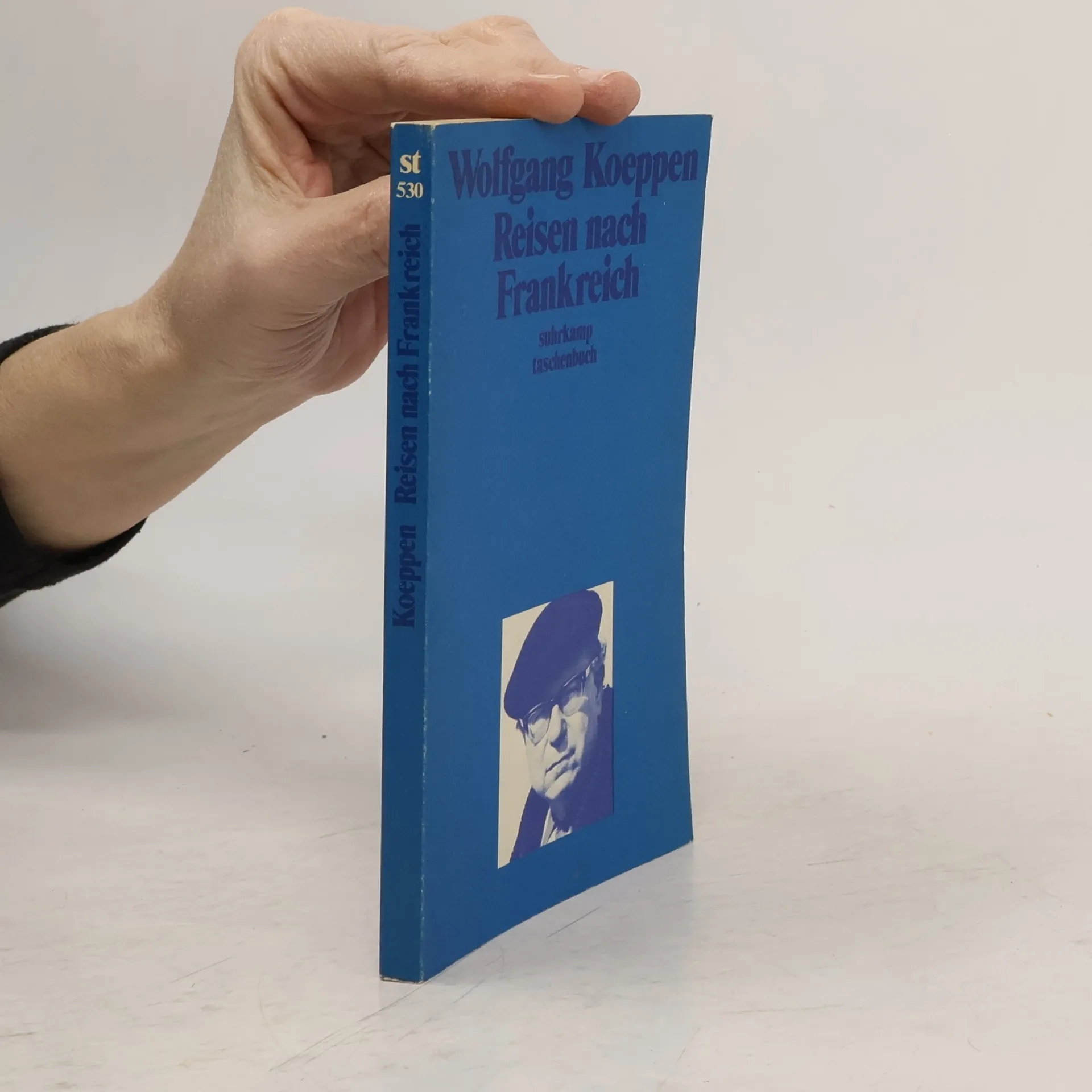
Reisen nach Frankreich
- 167 pages
- 6 hours of reading
Vor allem seine Reisebücher machten Wolfgang Koeppen einem größeren Publikum bekannt. Wenn auch Koeppen selbst sagt, "die Reisebücher waren für mich Umwege zum Roman, Kulissenbeschreibungen", so entsprechen sie doch einer Seite seines Wesens und lassen einen eleganten, präzisen Stil zum Ausdruck kommen, der impressionistisch tupfend - vor dem Hintergrund einer ungeheuren Vertrautheit mit europäischer Kultur - eine Landschaft und ihre Menschen unmittelbar lebendig werden läßt. Die "Reisen nach Frankreich" führen vom äußersten Norden bis nach Marseille und Nizza im Süden des Landes.
Es war einmal in Masuren
- 59 pages
- 3 hours of reading
Erinnerungen von Wolfgang Koeppen mit Bildern aus dem gleichnamigen Film: Behutsam, barmherzig, lustig und listig nähert er sich dem Ort seiner Jugend, dem Städtchen Ortelsberg in Masuren, das nun Szczytno heißt.
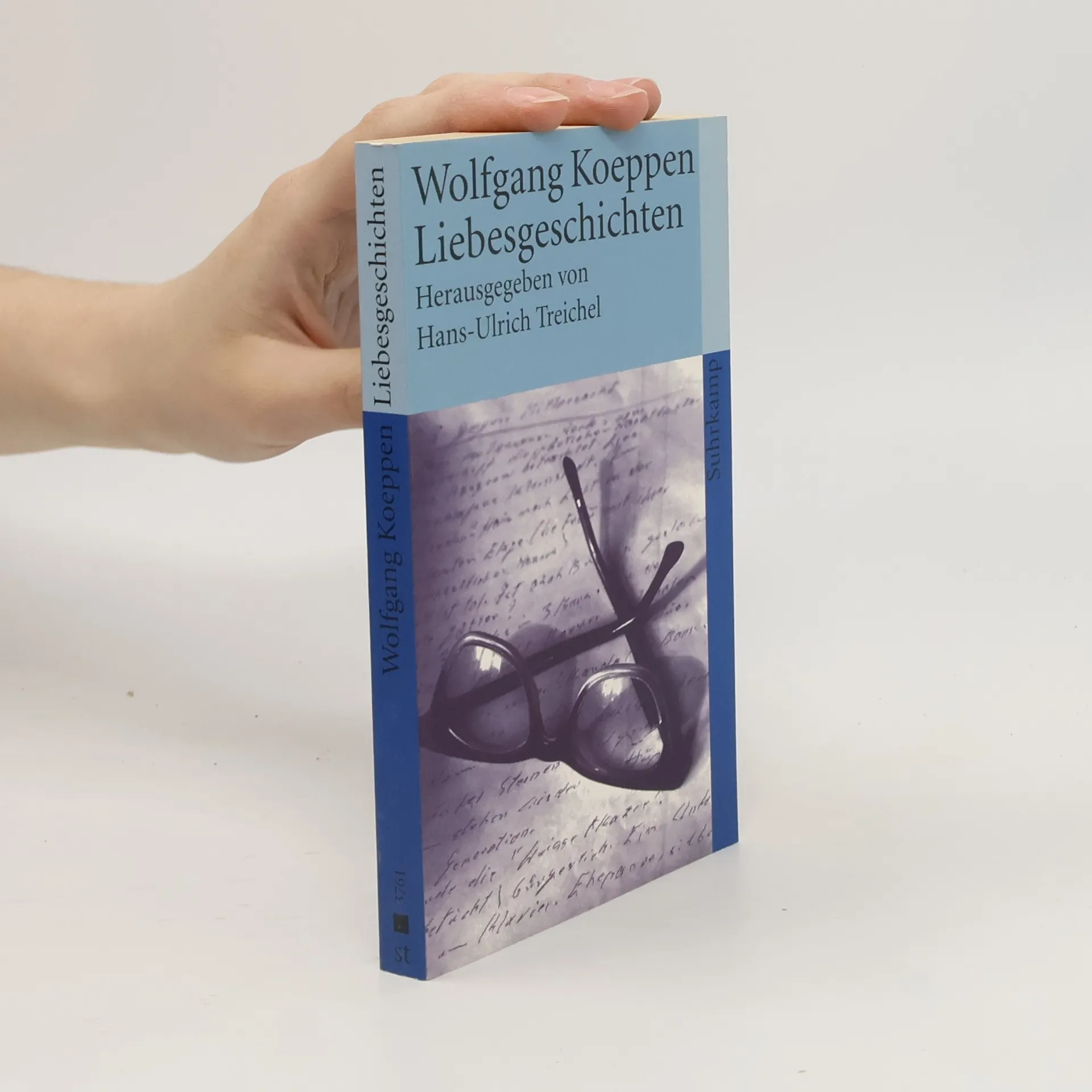
Liebesgeschichten
- 218 pages
- 8 hours of reading
Eine unglückliche Liebe heißt der erste Roman, den Wolfgang Koeppen 1934 publizierte, und Koeppen hat die Themen Liebe, Begehren und Sehnsucht immer wieder in seiner Prosa aufgegriffen. Meist ist es eine unerfüllte Liebe, eine Suche nach dem »Reich der Sinne«, die Koeppens Helden ertragen bzw. zu ertragen haben.
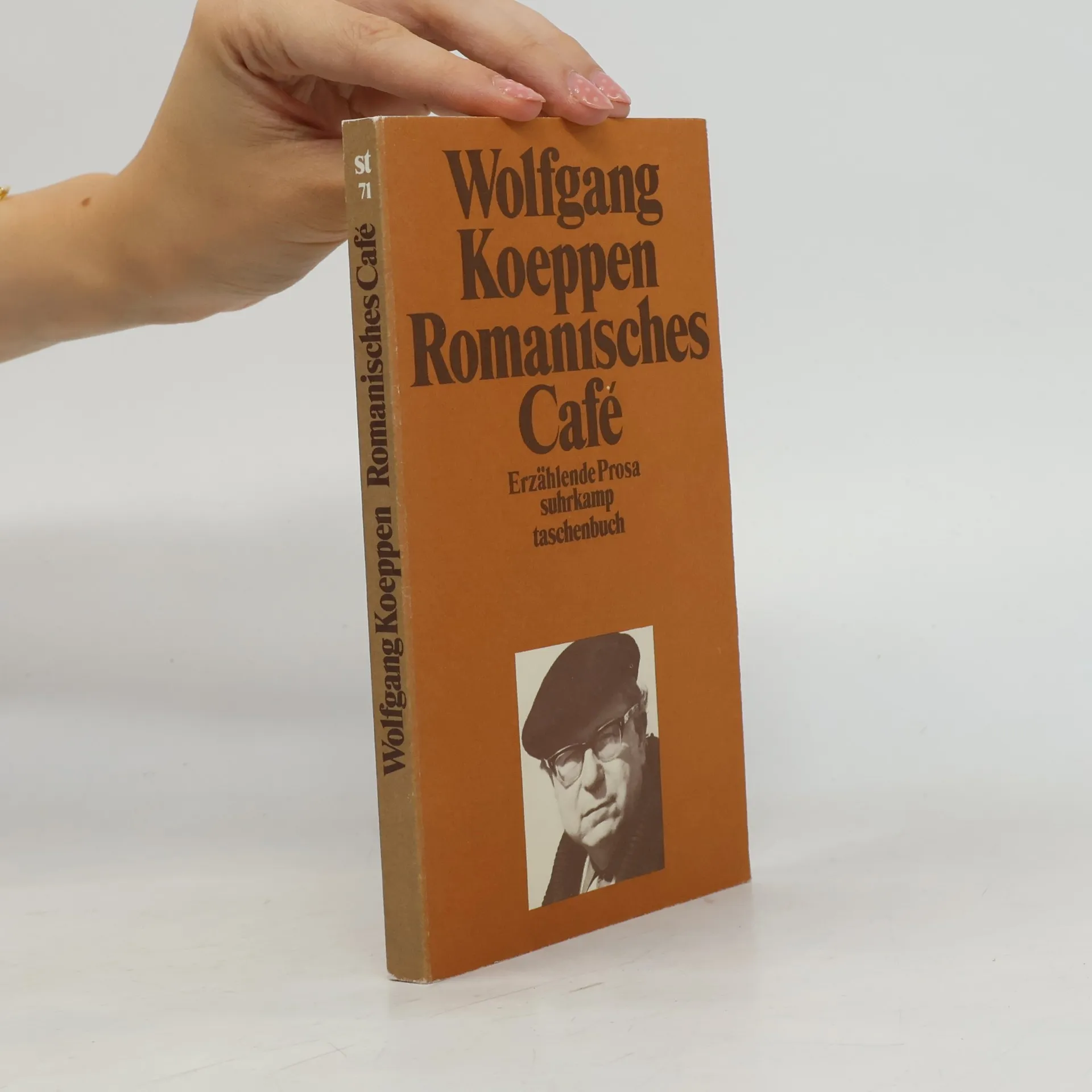
Der Text beschreibt eine melancholische Reise durch verschiedene Themen wie Verlobung, Einsamkeit, Anarchie und Thanatologie, mit Bezug auf Orte und Emotionen, die in einem romantischen Café zusammenfließen.
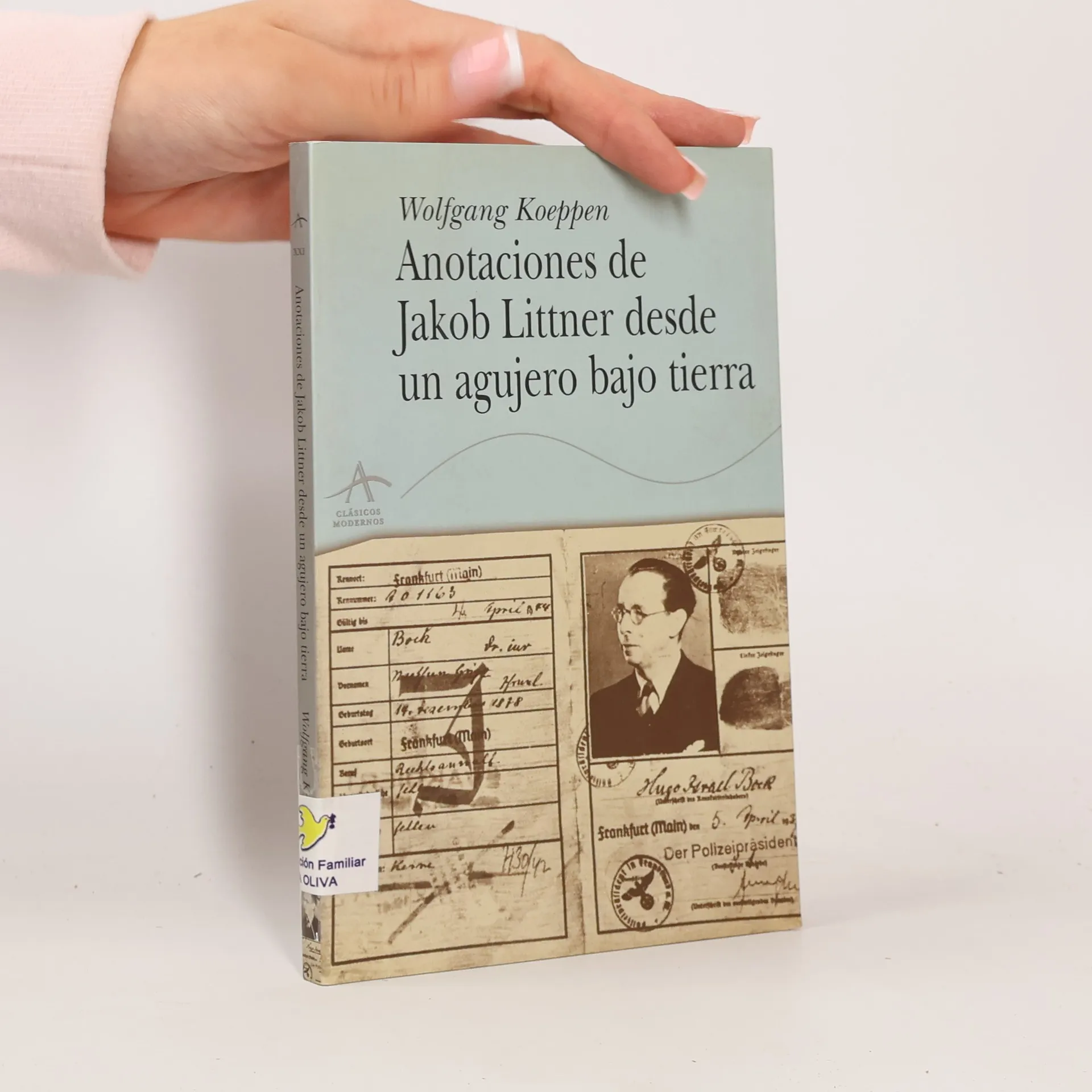
Anotaciones de Jakob Littner desde un agujero bajo tierra
- 152 pages
- 6 hours of reading
Las Anotaciones de Jakob Littner desde un agujero bajo tierra narran el terrible infortunio de Jakob Littner, un comerciante judío de Múnich, desde la noche de 1938 en que lo detienen en su casa para ser deportado a Polonia, hasta su liberación en 1944 de un sótano donde le había escondido, previo pago, un noble arruinado, en la localidad polaca de Zbaraz.
La mort à Rome
- 248 pages
- 9 hours of reading
"Dans les années 1950, un jeune compositeur allemand, Siegfried, est en Italie pour assister à la première de sa symphonie. En attendant, il erre dans Rome. Alors qu'il se pensait libéré des siens, il aperçoit des memebres de sa famille et croise son oncle, un ancien haut-dignitaire nazi. Il maudit la démocratie et croit en un IVe Reich. Cela projette sur le présent l'ombre d'un passé qui menace d'engloutir Siegfried". --Page 4 de ;a couverture
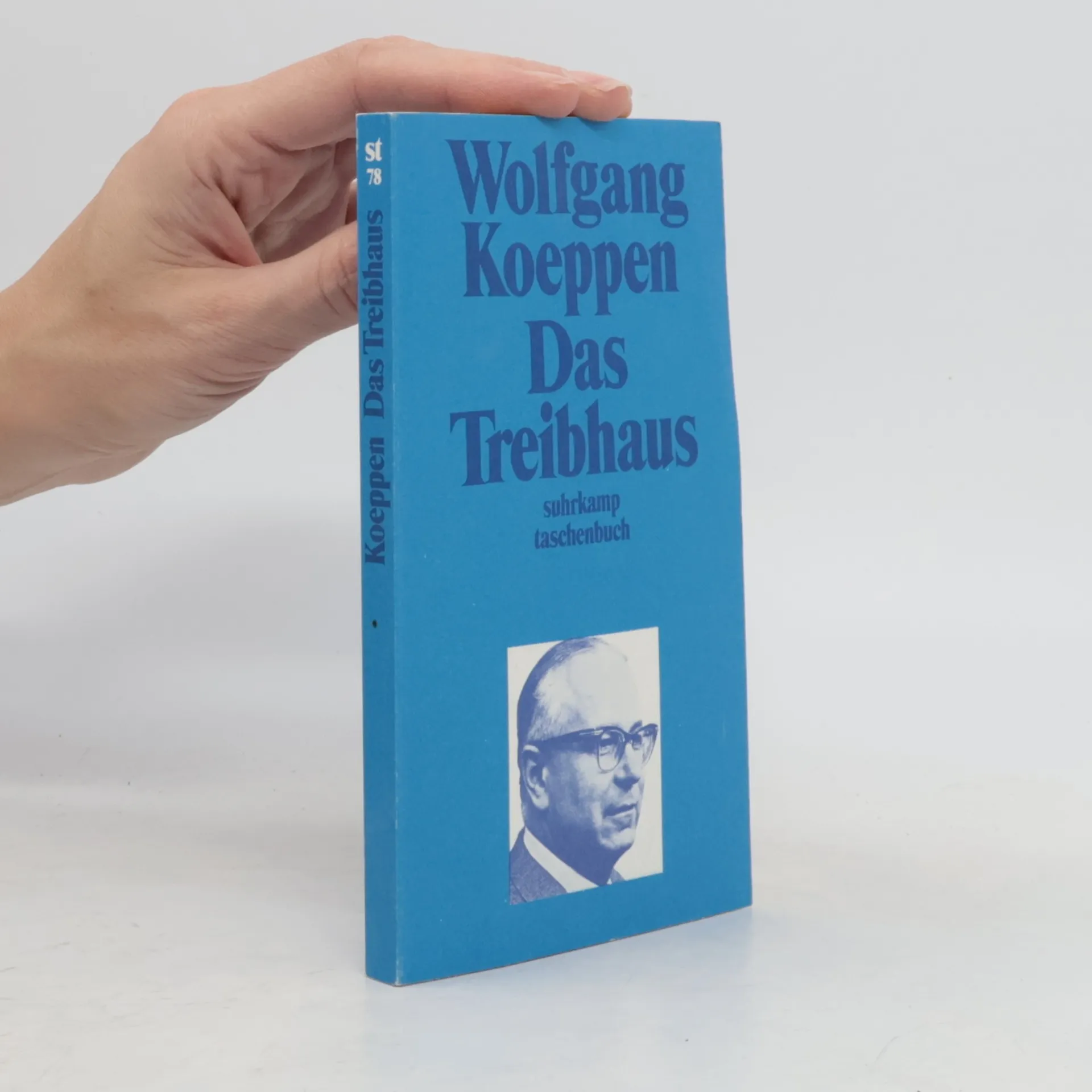
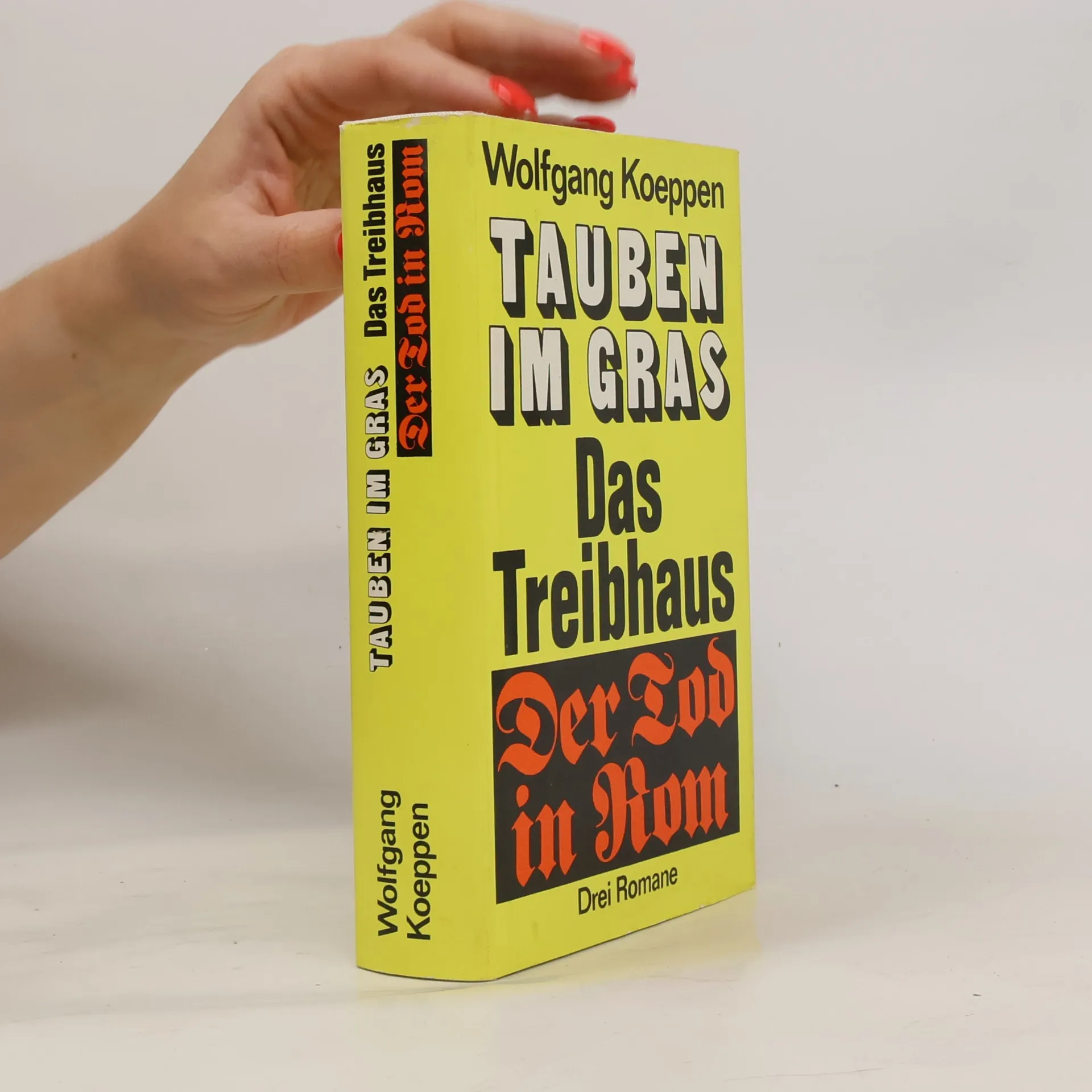
Das Treibhaus erzählt von einem, der im Bonn der fünfziger Jahre politische Verantwortung übernimmt, von einem Regierenden und damit in übertragener Weise von dem, was man Staatsapparat nennt: sein »Treibhaus«-Klima von Wahlkampf, Diplomatie und Opportunismus verdeutlicht, was Koeppen von Politik hält – sie ist ein Geschäft, und wer sich nicht an die Regeln hält, ist verloren.
Tauben im Gras. Text und Kommentar
- 280 pages
- 10 hours of reading
Die Suhrkamp BasisBibliothek veröffentlicht bedeutende literarische Werke aller Epochen und Gattungen als Arbeitstexte für Schule und Studium, inklusive hochwertiger Texte aus renommierten Verlagen und informativen Kommentaren.
Frankfurter Anthologie
Gedichte und Interpretationen, herausgegeben von Marcel Reich-Ranicki
- 311 pages
- 11 hours of reading
Vor über fünfunddreißig Jahren, am 15. Juni 1974, startete Marcel Reich-Ranicki ein in der europäischen Literaturgeschichte einmaliges Unternehmen: Unter dem Motto »Der Dichtung eine Gasse« stellt er seitdem in jeder Samstagsausgabe der Frankfurter Allgemeinen Zeitung Gedichte aus sämtlichen Epochen deutscher Lyrik vor, jedes erläutert von einem namhaften Interpreten. Die Bände der Frankfurter Anthologie fassen die Gedichte und Interpretationen eines Jahrgangs zusammen. Mit dem dreiunddreißigsten Band liegen insgesamt über 1750 Gedichte vor.
Arno Schmidt Preis 1984
- 37 pages
- 2 hours of reading
Book by K. F. von Rumohr
Die Romanfragmente von Wolfgang Koeppen spiegeln einen kreativen Schaffensprozess über nahezu sechzig Jahre wider. Besonders bemerkenswert sind die intensiven Schaffensphasen, wie zwischen 1951 und 1954, in denen Koeppen mehrere bedeutende Werke verfasste. Diese Fragmente bieten Einblicke in seine literarische Entwicklung und thematisieren zentrale Fragen der menschlichen Existenz sowie gesellschaftliche Veränderungen. Koeppens Stil und seine Fähigkeit, komplexe Charaktere zu schaffen, machen diese Sammlung zu einem wichtigen Teil der deutschsprachigen Literatur.
Feuilletons. Werke in 16 Bänden, Band 13
Koeppens Feuilletons | Sämtliche Kritiken, Zeitungsberichte und Feuilletons erstmals in einem Band
- 700 pages
- 25 hours of reading
Die Sammlung von Jörg Döring widmet sich den vielfältigen und oft übersehenen Zeitungsbeiträgen von Wolfgang Koeppen. Sie beleuchtet die literarischen und gesellschaftlichen Themen, die Koeppen in seinen Artikeln behandelt hat, und bietet Einblicke in seine Gedankenwelt. Döring versucht, ein umfassendes Bild von Koeppens journalistischem Schaffen zu zeichnen, das oft im Schatten seines literarischen Werkes steht. Der Band ist somit eine wertvolle Ergänzung für das Verständnis eines der bedeutendsten deutschen Schriftsteller des 20. Jahrhunderts.
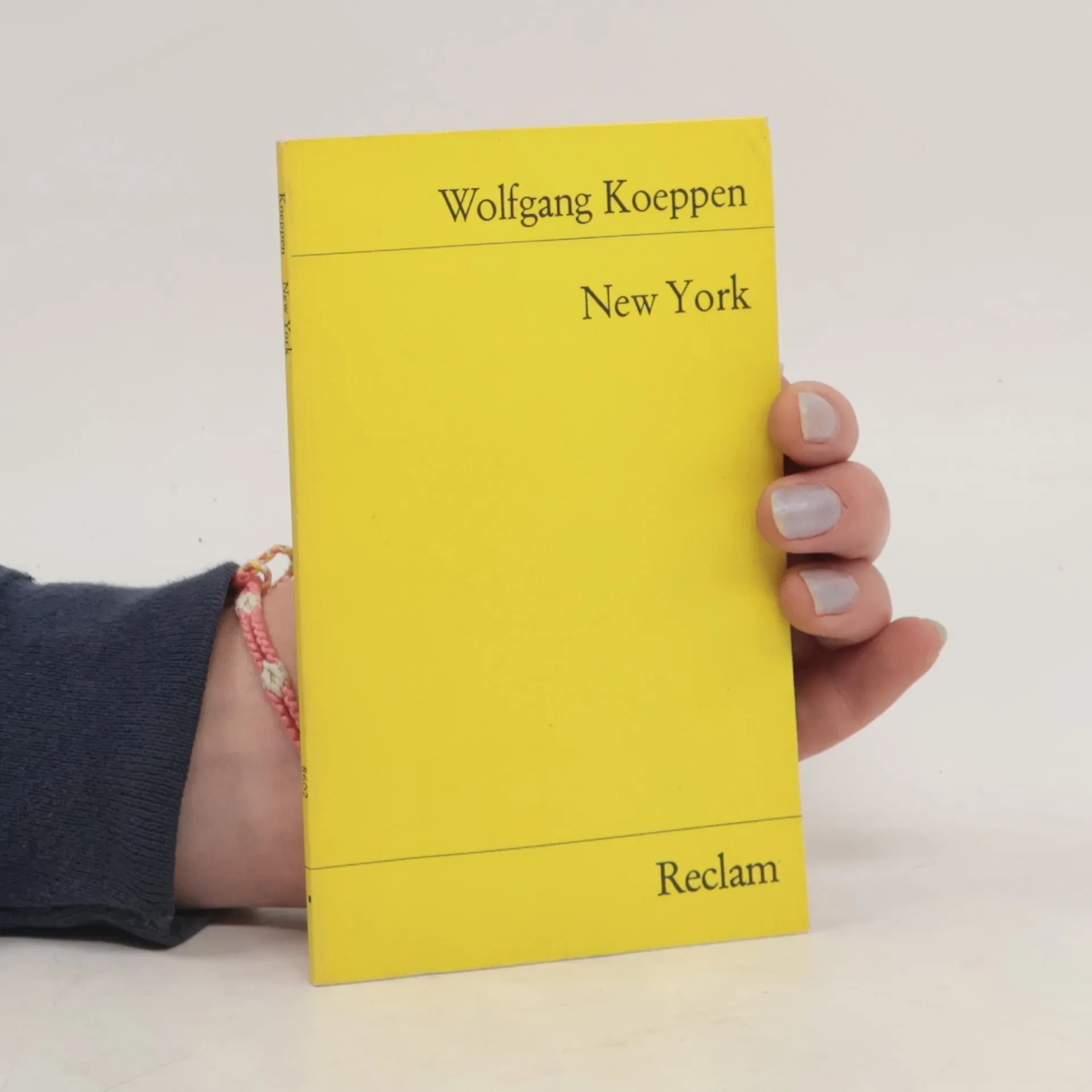
New York. Entnommen aus 'Amerikafahrt'
- 69 pages
- 3 hours of reading
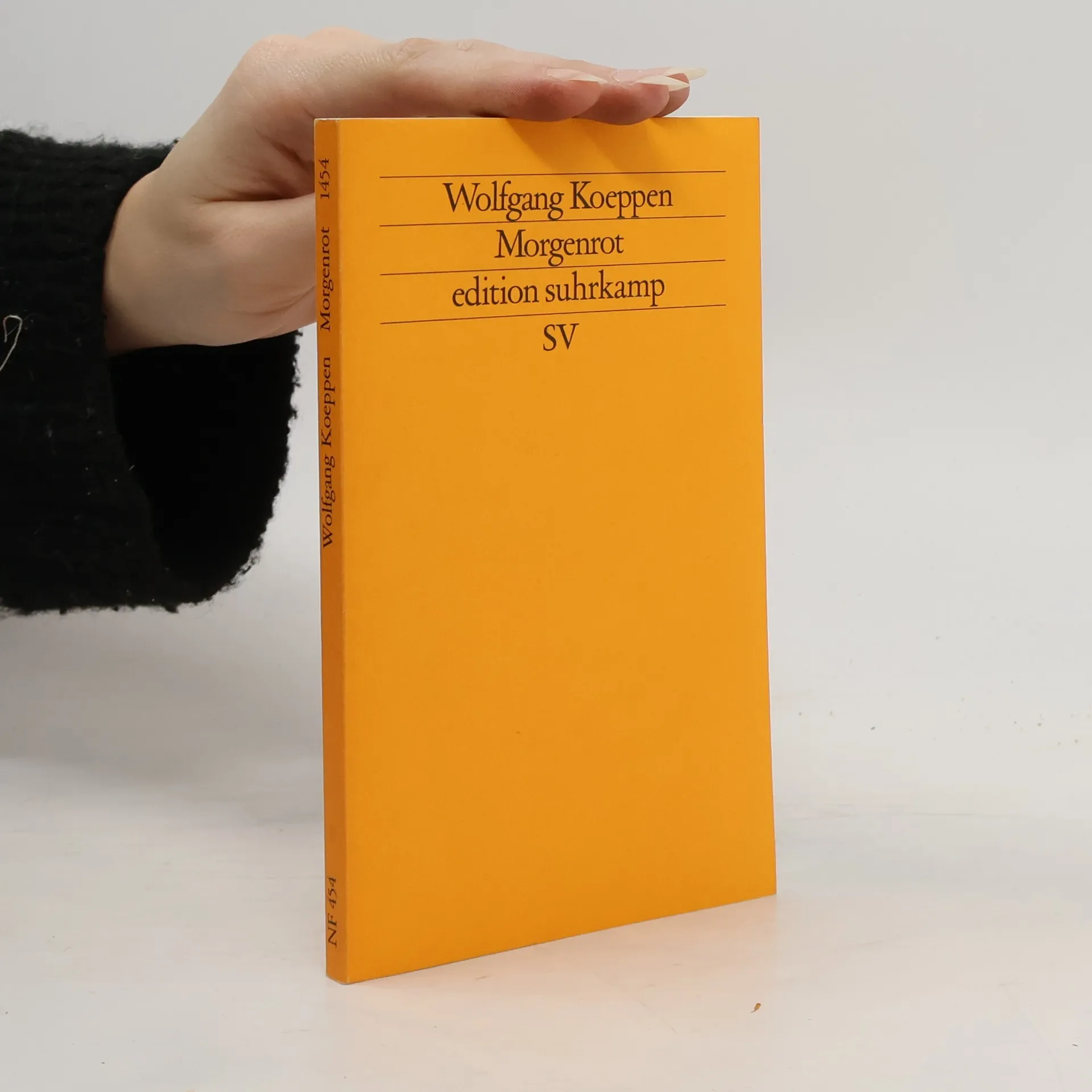
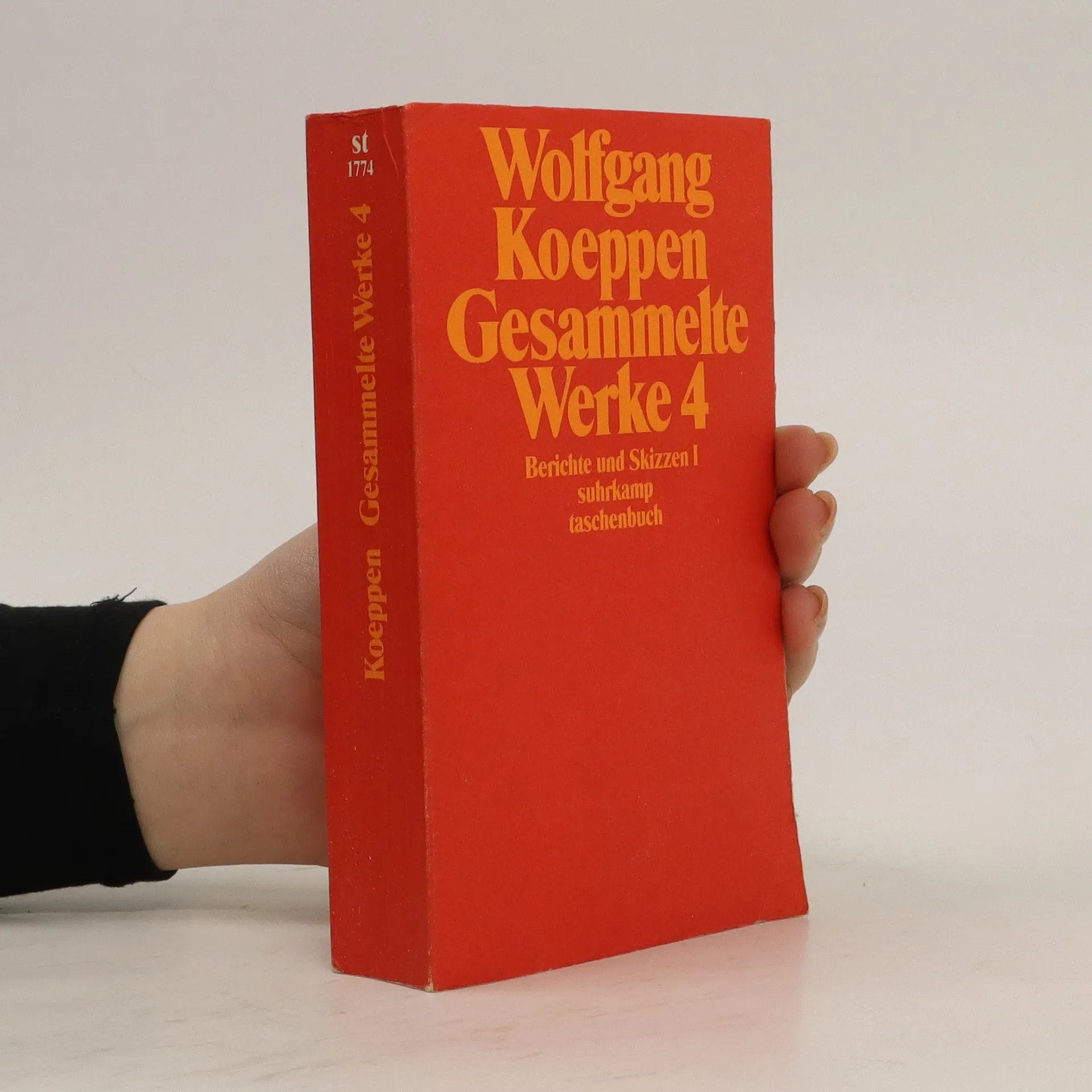
Band 1: Eine unglückliche Liebe / Die Mauer schwankt / Nachweis der Erstveröffentlichungen. Band 2: Tauben im Gras / Das Treibhaus / Der Tod in Rom / Nachweis der Erstveröffentlichungen. Band 3: Jugend / Ein Heizer wird toll / Joans tausend Gesichter / Krise / Holstentor / Die Verlobung / Am frühen Morgen / Fische, die nach Luft schnappen / Das klassische Italien / Schön gekämmte, frisierte Gedanken / Ein Kaffeehaus / An mich selbst / Der Sarkophag der Phädra / Melancholia / Anarchie / Trümmer oder wohin wandern wir aus / Zum ersten Mal in Rotterdam / Angst / New York / Morgenrot / Wer bereitet den Raben die Speise / Ein Anfang ein Ende / Unsern Ausgang segne, Gott, unsern Eingang gleichermaßen / Taugte Frieda wirklich nichts? / J. Pierpont Morgan, mein Name und die kleinen Mädchen / Nachweis der Erstveröffentlichungen. Band 4: Nach Rußland und anderswohin (Der Reinfelder Mond / Ein Fetzen von der Stierhaut / Im Spiegel der Grachten / Herr Polevoi und sein Gast / Zauberwald der roten Autobusse / Neuer römischer Cicerone / Landung in Eden) / Amerikafahrt / Reisen nach Frankreich / Nachweis der Erstveröffentlichungen. Band 5: Aus frühen Jahren (1926-1933) Schund / Kartoffelbuddler in Pommern / Richard Eichberg zörgiebelt / Ein Salto will gelernt sein. Die Universität der Varietésterne / Berlin - zwei Schritte abseits. Sehnsucht nach Kinoromantik führt eine Jugend zusammen / Sensation vor den Toren Berlins / Lesewut in Berlin? Ei
Wolfgang Koeppen, geboren am 23. Juni 1906 in Greifswald und gestorben am 15. März 1996 in München, verbrachte seine Kindheit in Ortelsburg (Ostpreußen) und kehrte 1919 nach Greifswald zurück. Aufgrund finanzieller Schwierigkeiten wechselte er von einem Gymnasium auf eine Mittelschule, die er ohne Abschluss verließ. Er arbeitete in verschiedenen Berufen, darunter in einer Buchhandlung und im Stadttheater in Greifswald, bevor er als Hilfskoch nach Schweden und Finnland ging. 1927 ließ er sich in Berlin nieder und war von 1931 bis 1933 Redakteur beim Berliner Börsen-Courier, wo er Reportagen und literarische Arbeiten verfasste. Sein erster Roman, Eine unglückliche Liebe, erschien 1934, gefolgt von einem Umzug in die Niederlande, wo er an dem unvollendeten Werk Die Jawang-Gesellschaft schrieb. 1935 veröffentlichte er Die Mauer schwankt, das jedoch wenig Beachtung fand. Nach seiner Rückkehr nach Deutschland arbeitete er ab 1941 für die Bavaria-Filmgesellschaft und zog 1945 nach München. 1948 erschien anonym Jakob Littners Aufzeichnungen aus einem Erdloch, dessen Neupublikation unter seinem Namen erst 1992 stattfand. In den frühen 1950er Jahren veröffentlichte er drei Romane, die das Klima der Adenauer-Republik prägnant einfangen. Koeppen erlangte auch Anerkennung für seine Reiseberichte über Russland, Amerika und Frankreich.
Briefe
- 457 pages
- 16 hours of reading
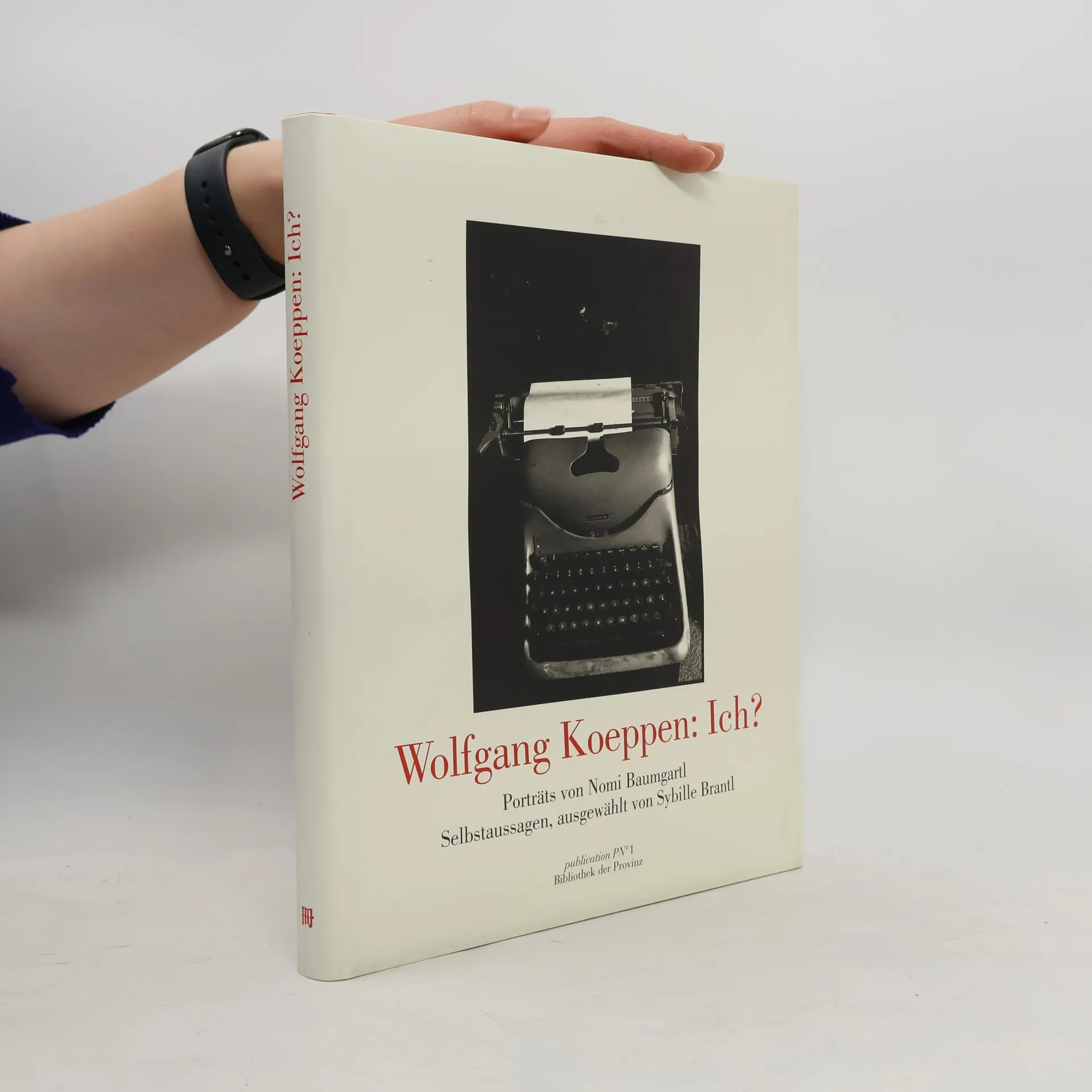
Es begann mit einem Auftragswerk: 1986 sollte Wolfgang Koeppen für das »Zeit«-Magazin porträtiert werden. In diesem Jahr betrat die Fotografin Nomi Baumgartl erstmals den privaten Kosmos des Schriftstellers in der Widenmayerstraße 45. Koeppen verfasste Texte zu den Porträts: »Ich über mich« – schelmische Eulenspiegeleien. Ein Buch ist nie fertig; man könnte ein Leben lang daran schreiben. Dies ist sowohl ein Alptraum als auch ein Wunschtraum, und am Ende würde es niemand lesen! Dennoch erfreut es ihn, sein Buch im Schaufenster des Buchhändlers zu sehen, als wäre es ein gelungener Streich. Da er Schriftsteller geworden ist und vom Schreiben lebt oder es versucht, hängt sein Wohl- oder Schlechtleben von den Käufern seines Buches ab. Dies empfindet er als blödsinnigen Zustand. In einer kapitalistischen Gesellschaft wünscht er sich, ein Erbe zu sein, wie die Franzosen Gide, Flaubert oder Proust, um nicht vom Schreiben leben zu müssen. So könnte er ein besserer, fleißigerer Schriftsteller sein, frei vom Zwang zur Produktion. Bücher werden oft aus Missverständnis gekauft, manchmal missverstanden gelesen und schließlich in den Schrank gestellt, was die Missverständnisse nicht aufhebt, gäbe es nicht die Philologen, die diese Fälle registrieren und für neue Missverständnisse dokumentieren.
Proportionen der Melancholie
- 96 pages
- 4 hours of reading
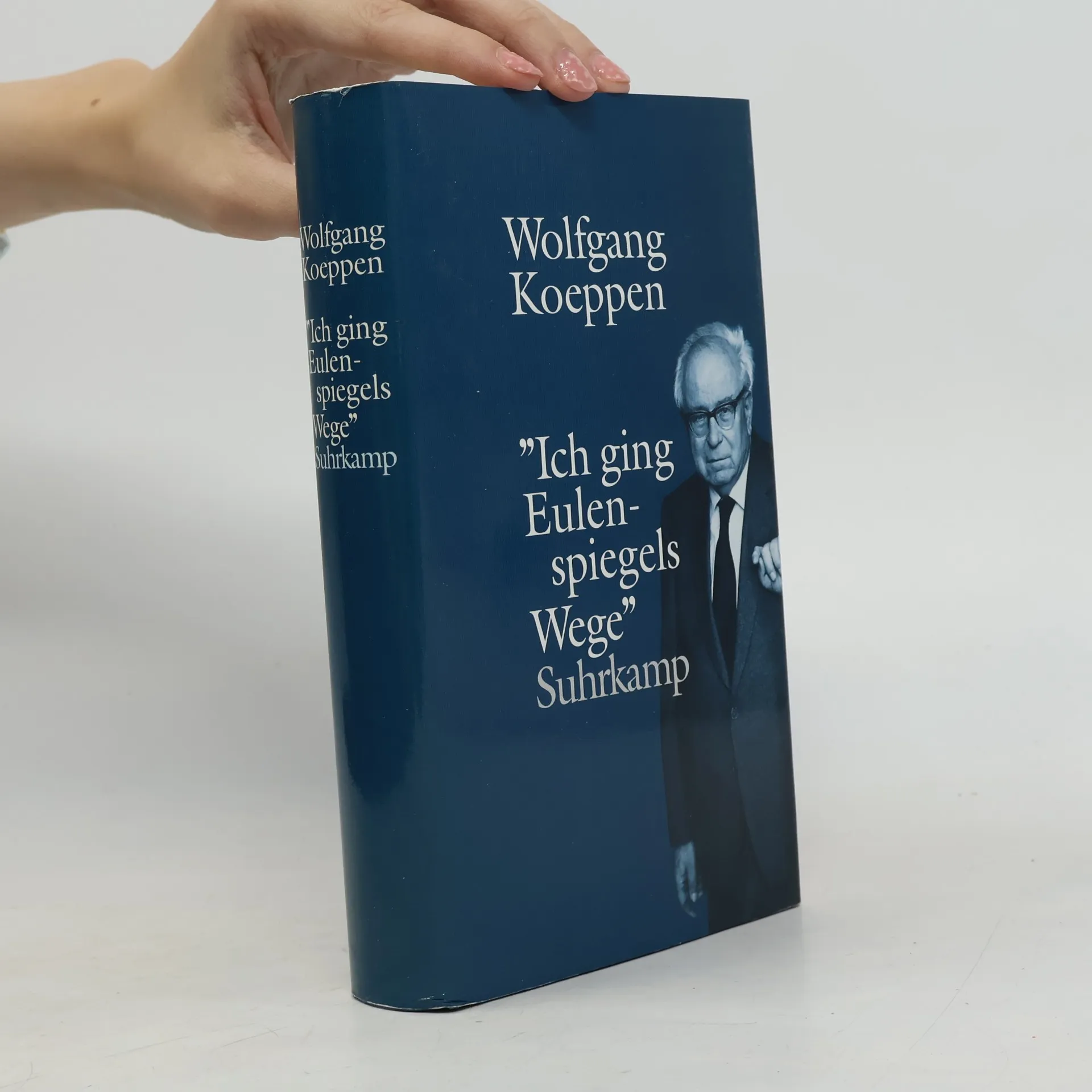
Ich ging Eulenspiegels Wege
Ein Lesebuch
Dieses Buch will sein – eine Verführung zum Lesen: Ich ging Eulenspiegels Weg bietet vor allem jungen Menschen einen Begegnung mit einem Werk, das in unserem Jahrhundert einzigartig dasteht, das Werk des großen Romanciers Wolfgang Koeppen, eines Klassikers zu Lebzeiten. Dagmar von Briel, die sich seit vielen Jahren mit dem Werk des bald neunzigjährigen Autors befaßt, ist es hier gelungen, auf über 350 Seiten einen höchst anschaulichen Spannungsbogen zwischen Leben und Werk eines von seiner Zeit in besonderem Maße geprägten Schriftstellers zu schlagen. Das Buch beginnt mit autobiographischen und fiktiven Skizzen aus der Jugend des Autors in Greifswald, folgt den ersten Anfängen des Journalisten in Berlin, seinem Debüt als Schriftsteller während der Zeit des Nationalsozialismus und erreicht über Koeppens hellsichtige, verzweifelt-kritische Bestandsaufnahmen der Nachkriegszeit die Reiseessays, Meisterwerke ihres Genres. Auch für dieses Lesebuch – das drei Texte enthält, die bisher nur in Zeitschriften veröffentlicht waren – gelten die Worte Wolfgang Koeppens: »Jeder, der schreibt, webt weiter am großen Märchenteppich der Welt. Alle dichten das Prinzip Hoffnung…«
Frankfurter Anthologie - 7: Gedichte und Interpretationen
- 306 pages
- 11 hours of reading
Der siebte Band der "Frankfurter Anthologie" umfasst sechzig Gedichte mit Interpretationen, die zwischen September 1981 und Oktober 1982 in der "Frankfurter Allgemeinen Zeitung" veröffentlicht wurden. Die Auswahl reicht von Paul Gerhardt bis Ulla Hahn und ist chronologisch nach den Geburtsdaten der Dichter geordnet.
Menschen und Orte: Leben und Lebensorte von Schriftstellern und Künstlern: Wolfgang Koeppen in Greifswald
Menschen und Orte
- 32 pages
- 2 hours of reading
Wolfgang Koeppen (1906 – 1996) hatte zeitlebens ein zwiespältiges Verhältnis zu seiner Geburtsstadt Greifswald. Früh floh er aus der kleinbürgerlichen Enge und entwickelte sich in Berlin und Münchenzu einem der bedeutendsten Schriftsteller Nachkriegsdeutschlands, übersetzt in viele Sprachen. Und doch war die Jugend in Greifswald in seinem Werk stets präsent, das eigene Leben Steinbruch, Rohmaterial für alle seine Bücher. 1990 wurde der fast vergessene Autor mit der Ehrendoktorwürde der Universität, 1994 sogar mit der Ehrenbürgerschaft der Stadt Greifswald geehrt.
EinFach Deutsch: Wolfgang Koeppen, Tauben im Gras
Unterrichtsmodell: Gymnasiale Oberstufe
- 244 pages
- 9 hours of reading
Dieses Unterrichtsmodell bezieht sich auf folgende Textausgabe: Suhrkamp, Bestell-Nr.: 37101
rororo Sachbuch: Für den Spiegel geschrieben
Eine kleine Literaturgeschichte
- 149 pages
- 6 hours of reading
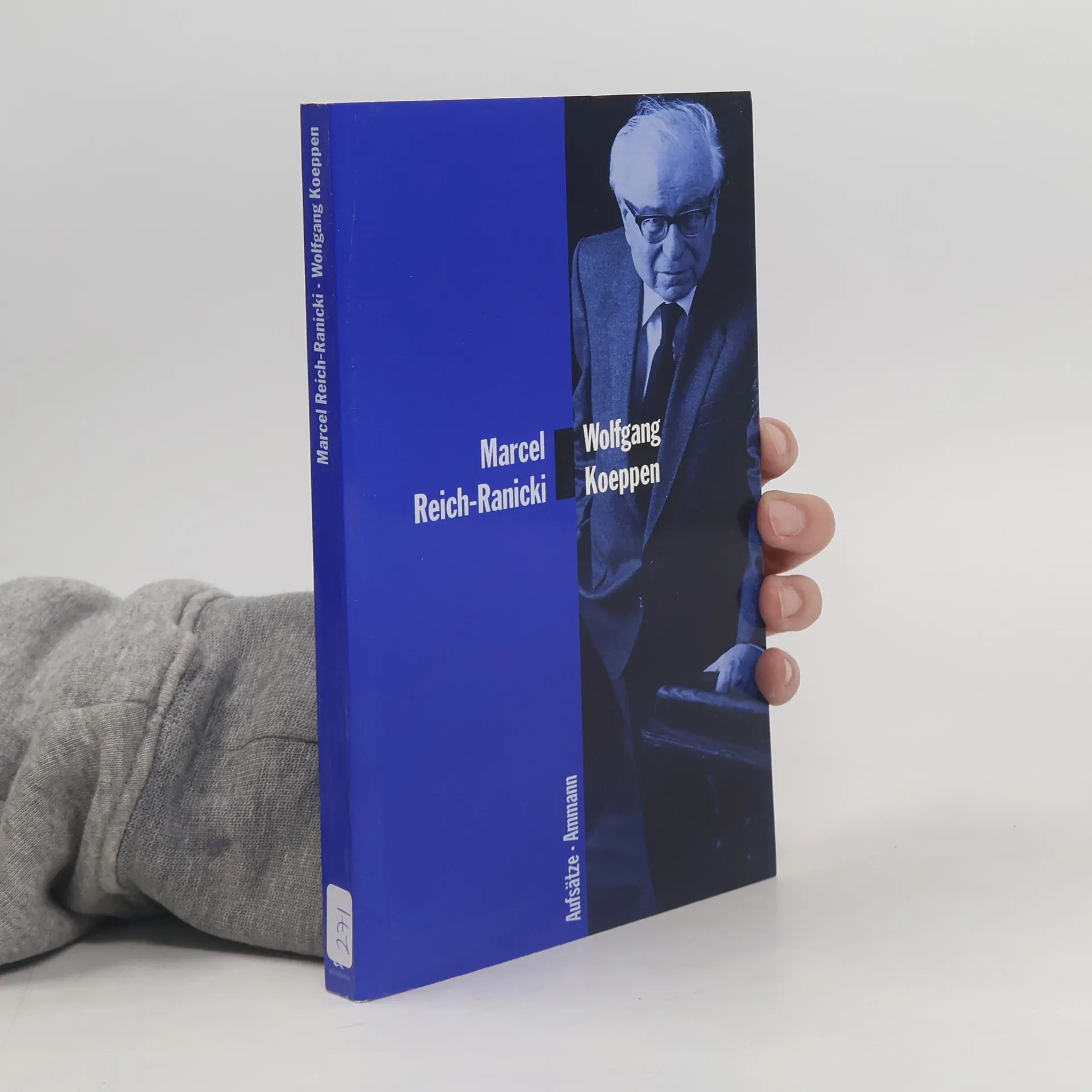
Wolfgang Koeppen: Aufsätze
- 176 pages
- 7 hours of reading
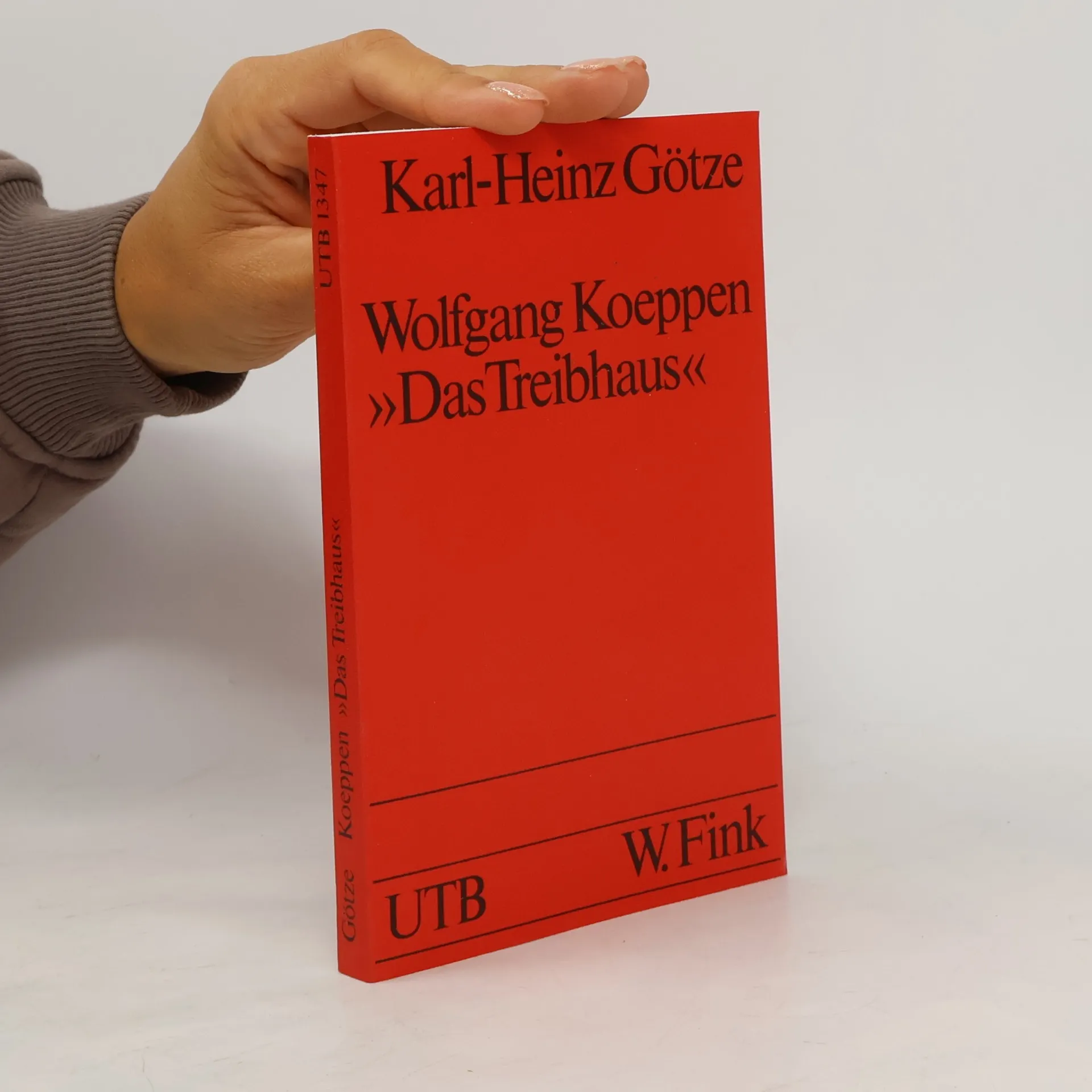
Wolfgang Koeppen, Das Treibhaus
- 151 pages
- 6 hours of reading
German
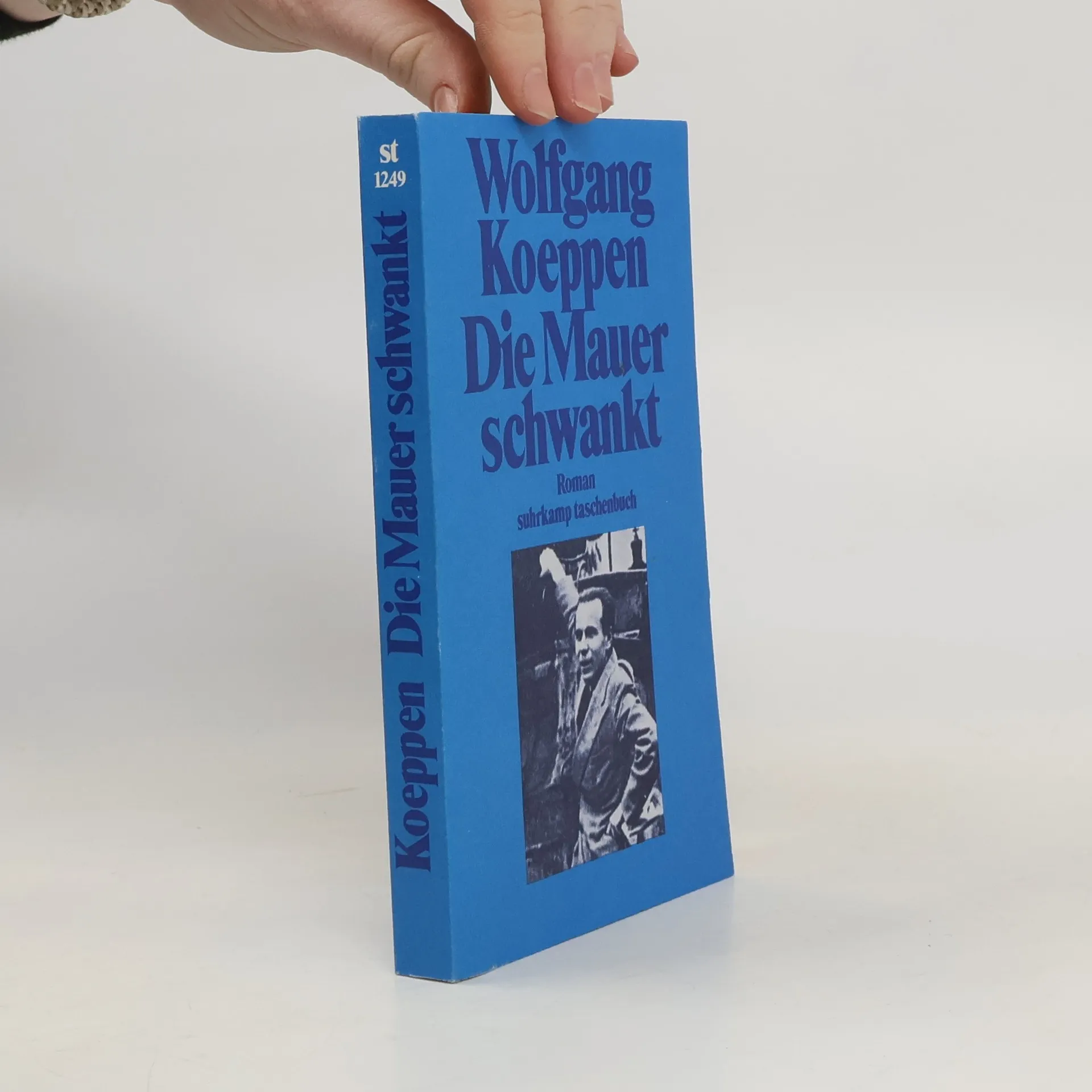
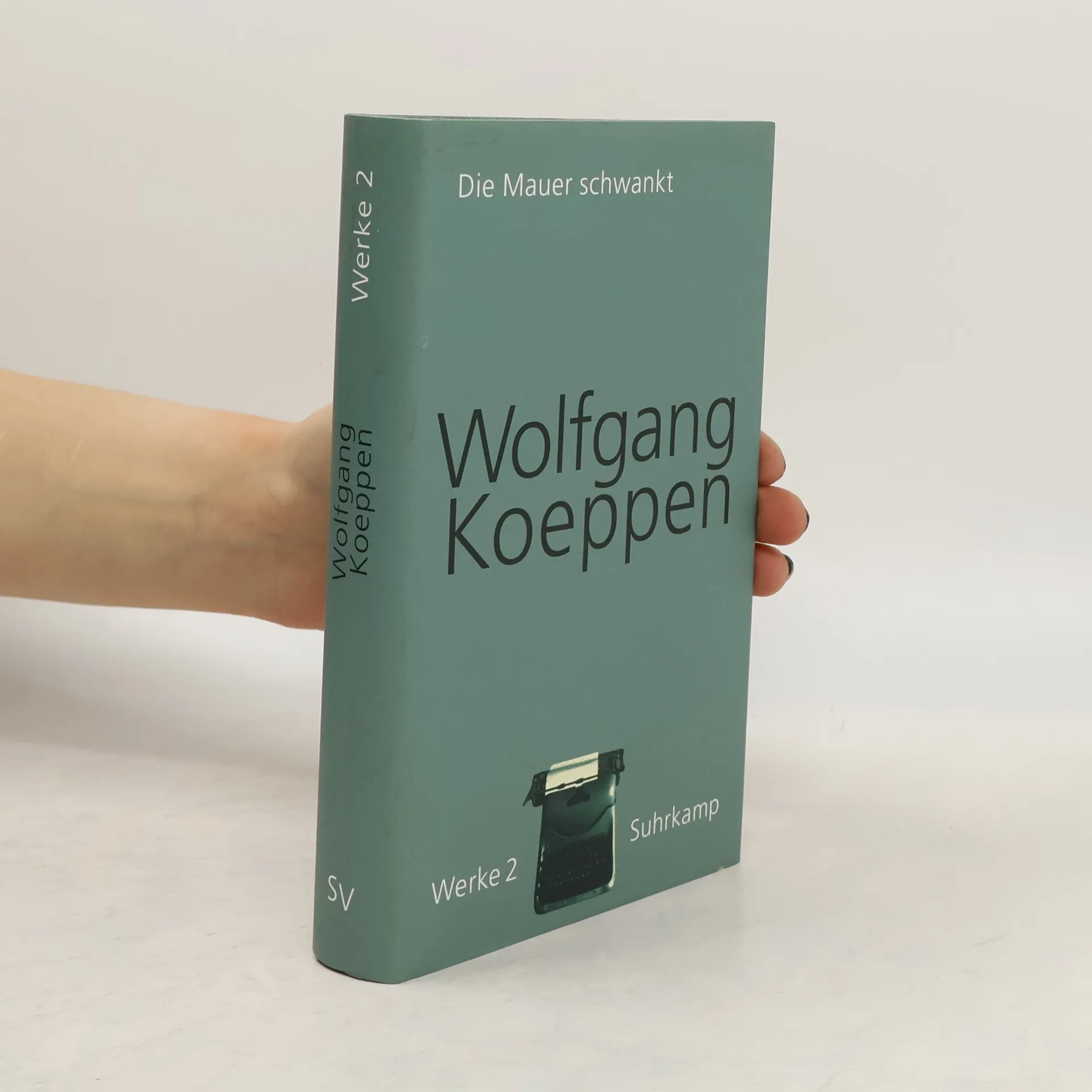
Werke in 16 Bänden - 2: Die Mauer schwankt
- 422 pages
- 15 hours of reading
1935: Ein Autor im Exil, ein jüdischer Verleger im Dritten Reich, ein Cheflektor, der sich einen »ostpreußischen Kleinstadtroman« wünscht: Die Entstehungsgeschichte von Wolfgang Koeppens zweitem Roman »Die Mauer schwankt« ist abenteuerlich. Ende 1934 verließ Koeppen Nazideutschland, lebte in Holland zusammen mit jüdischen Gönnern, verkehrte an den Stammtischen des Amsterdamer literarischen Exils. Aber was er damals zu schreiben begann, war ein Roman für den reichsdeutschen Buchmarkt. Sein Lektor Max Tau versuchte, den jüdischen Cassirer Verlag im Berlin des Dritten Reiches am Leben zu erhalten, indem er in seinem Programm die »jungen Autoren« des »östlichen Grenzlandes« versammelte. Er wußte von Koeppens Kriegskindheit in Ostpreußen und gab einen aktuellen Zeitgeschichtsroman in Auftrag. Einen Roman, mit dem man sich in Nazi-Deutschland keine Schwierigkeiten einhandelte… Zu Unrecht ist »Die Mauer schwankt« Koeppens am wenigsten bekannter Roman – und der umstrittenste zugleich. Diese Ausgabe folgt zum ersten Mal dem Erstdruck von 1935; außerdem werden im Anhang sowohl seine Entstehungs- als auch seine ausgesprochen kontroverse Rezeptionsgeschichte anhand von vielen bislang unbekannten Materialien rekonstruiert.
Arno-Schmidt-Preis 1984 für Wolfgang Koeppen
- 37 pages
- 2 hours of reading
German
V autobiografické novele, střídající autentická fakta s fikcí a vyznačující se fragmentárním textem, líčí západoněmecký spisovatel (nar. 1906) své mládí prožité v dusném prostředí pruského maloměsta kolem první světové války, nasáklém prušáctvím, maloměstskou morálkou a říšskou ideologií.
Románové vyprávění západoněmeckého autora o osobách a událostech kolem SS-generála, který je považován za mrtvého, objeví se však v Ríme jako vojenský expert domorodého panovníka z Dálného východu. Panoptikum tragikomických revanšistických figur, které se sjedou do Ríma, aby očistily pověst tohoto „hrdiny“ a přivedly ho späť do vlasti, do svých řad, odhaluje spekulace některých západoněmeckých politiků, kteří se neštítí používat služeb válečných zločinců. Děj románu zachycuje též osudy synů těchto bývalých fašistických hodnostářů.