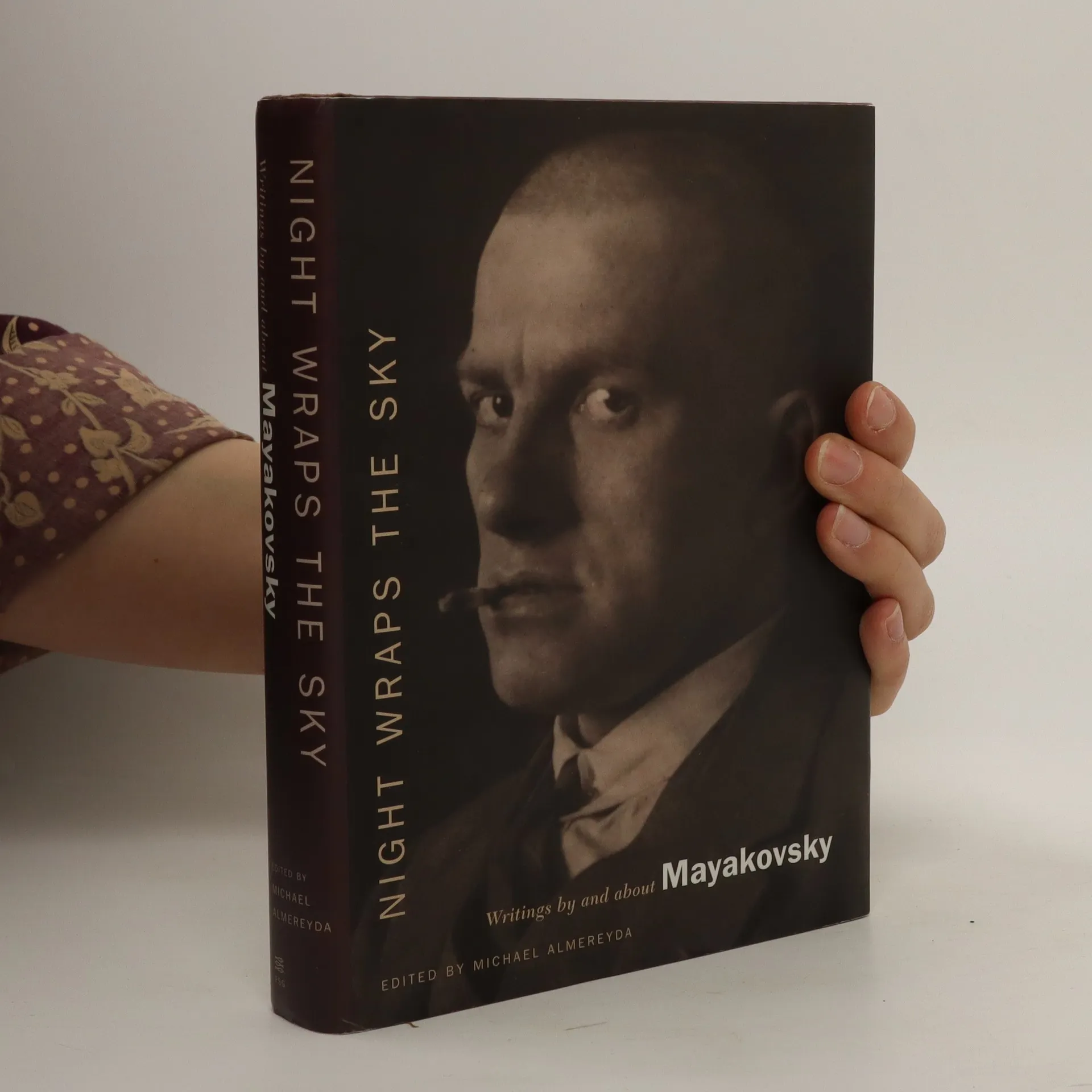
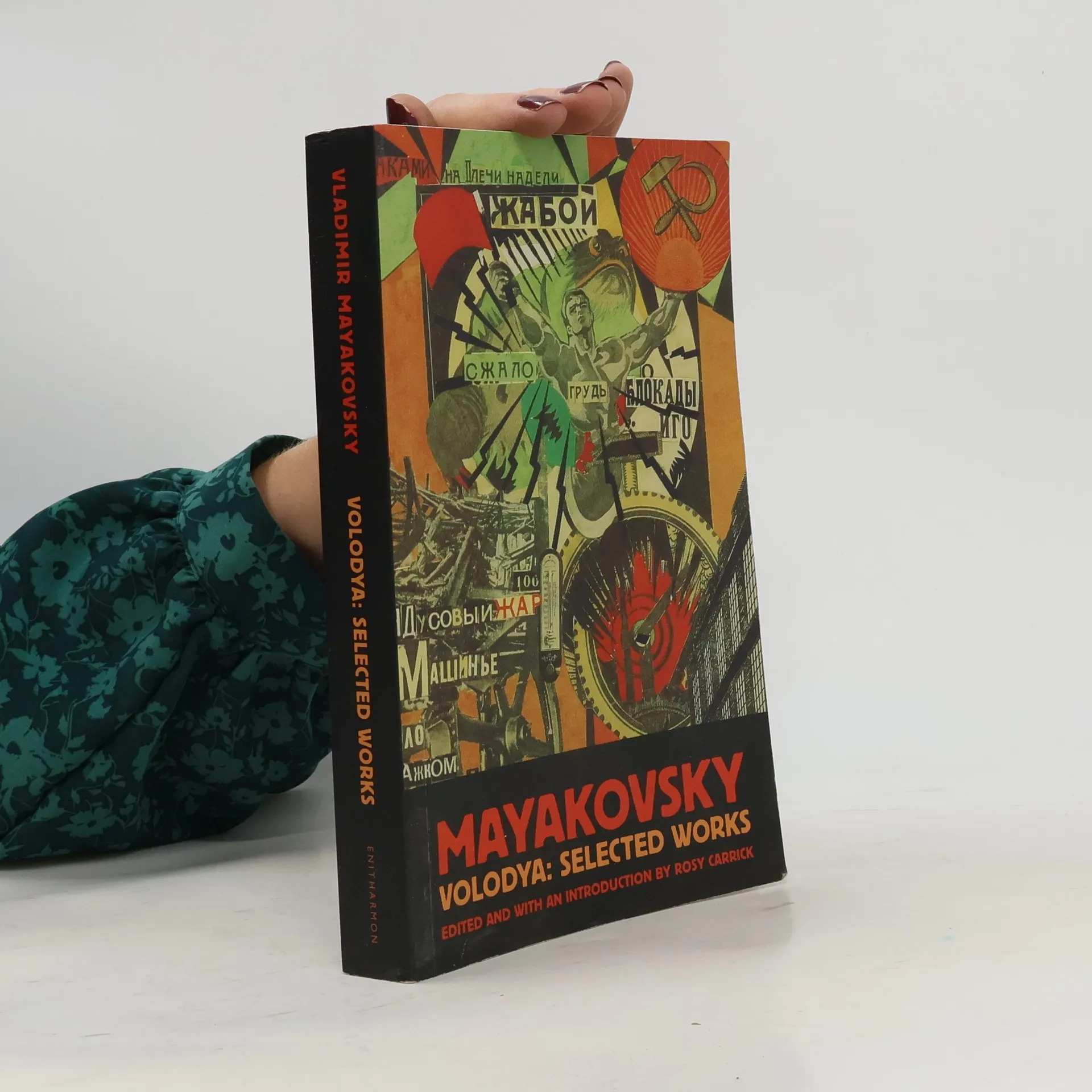
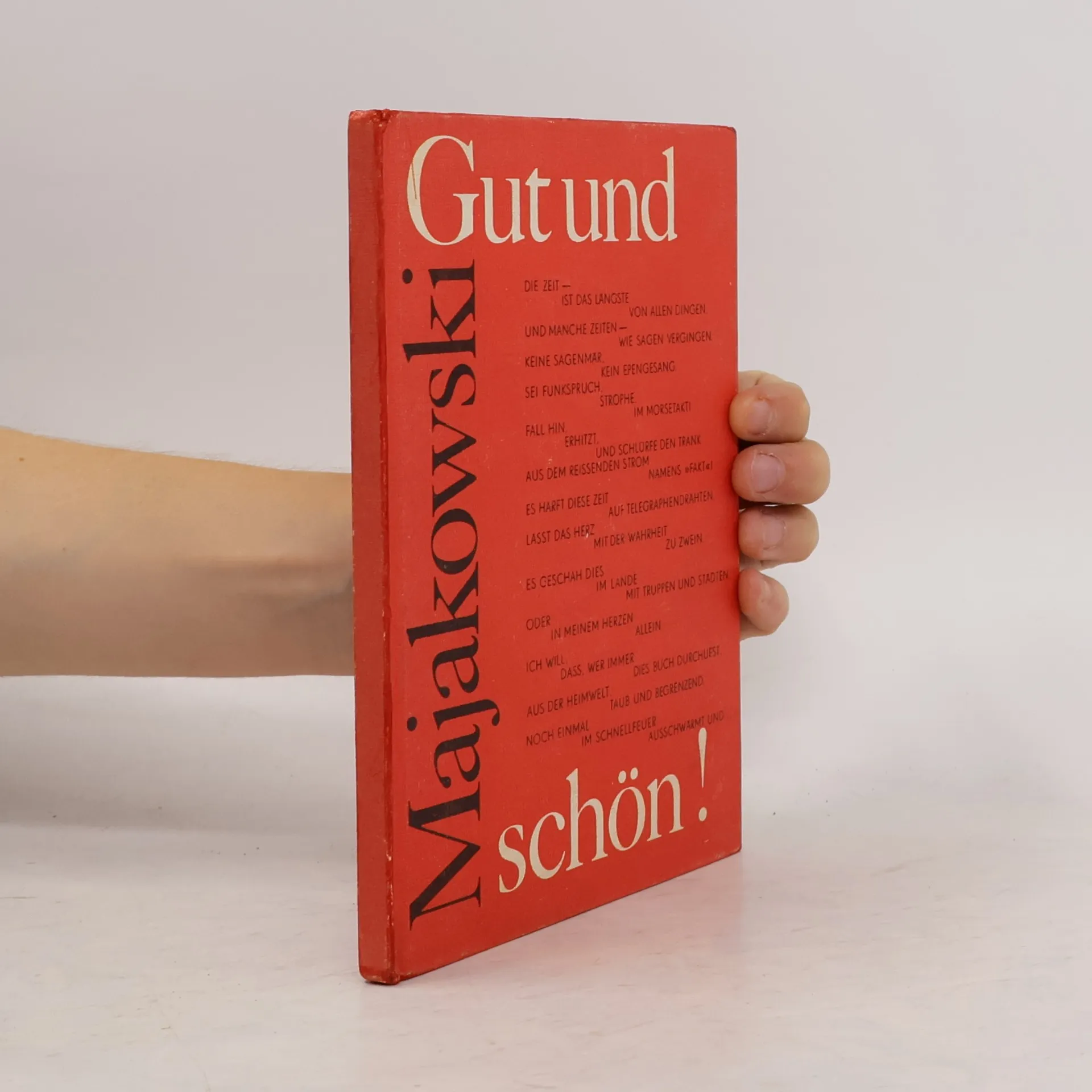
This groundbreaking collection draws together for the first time Mayakovsky's
key translators from the 1930s to the present day, bringing some remarkable
works back into print in the process and introducing poems which have never
before been translated.
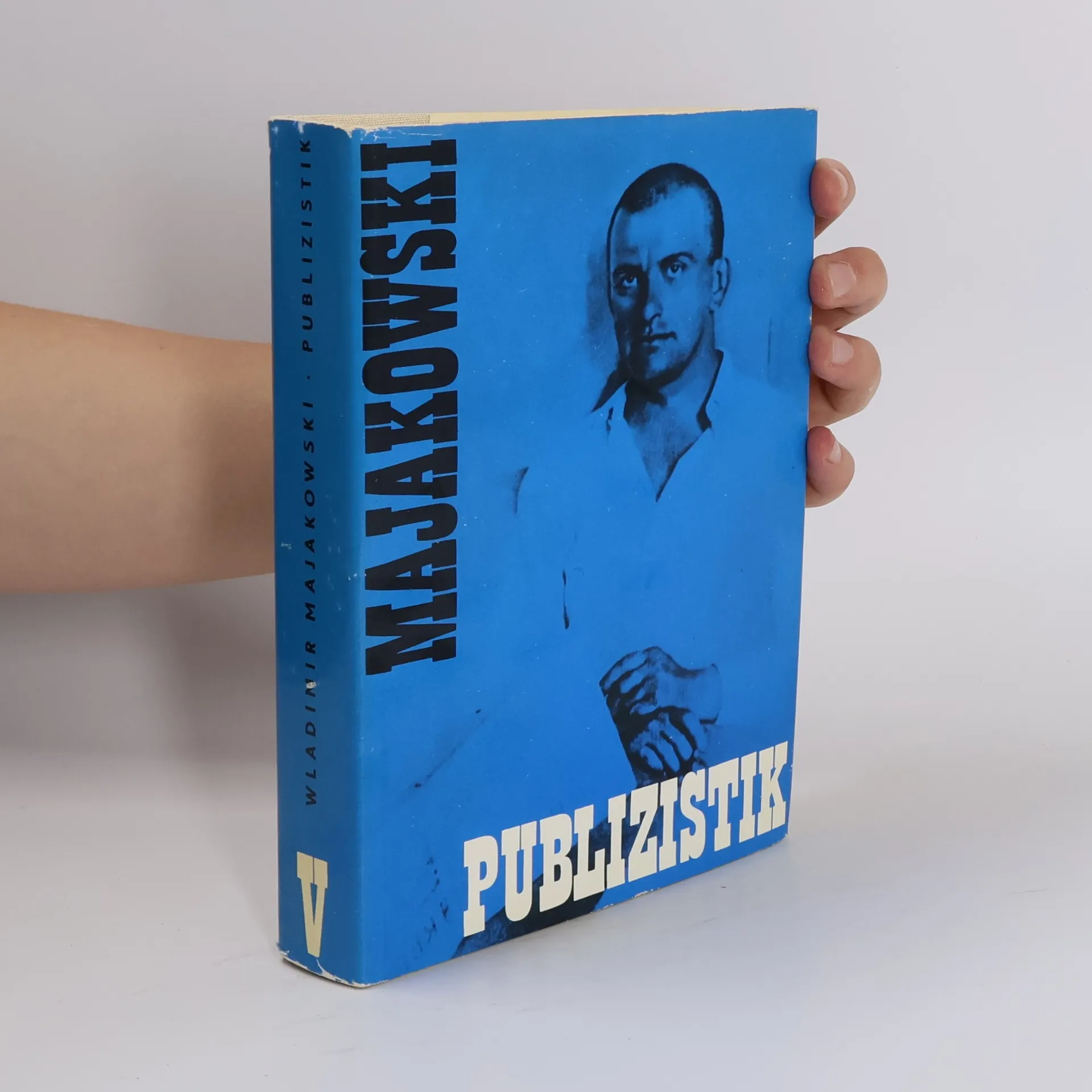
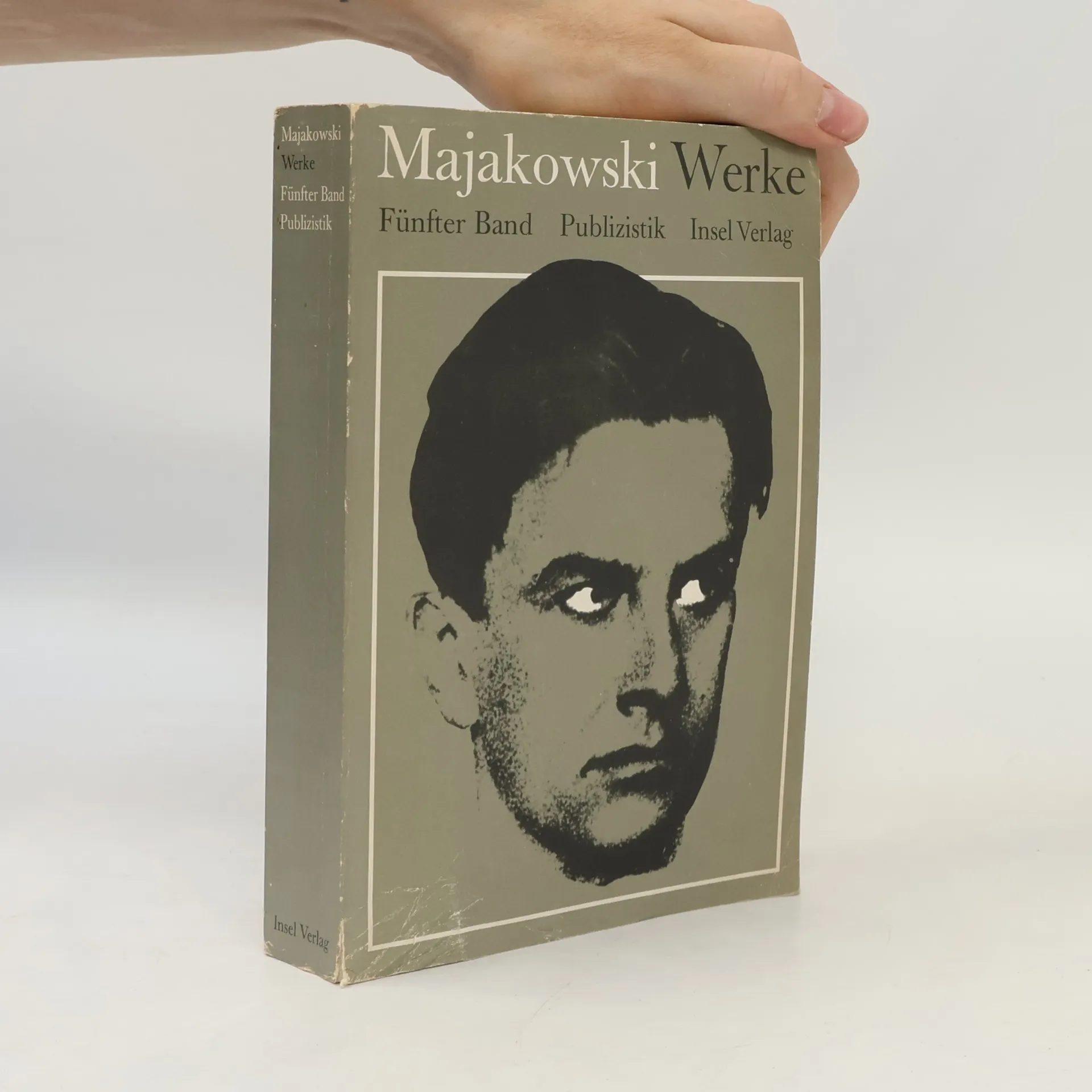
From the time his first, futurist poems were published in 1912 until his suicide at the age of thirty-six, Vladimir Mayakovsky made theatrical appearances in his written work and perfected an iconoclastic voice James Schuyler called "the intimate yell." As the poet laureate of the Russian Revolution, Mayakovsky led a generation that staked everything on the notion that an artist could fuse a public and a private self. But by the time of Stalin's terror, the contradictions of the revolution caught up with him, and he ended in despair.A major influence on American poets of the twentieth century, Mayakovsky's work remains fascinating and urgent. Very few English translations have come close to capturing his lyric intensity, and a comprehensive volume of his writings has not been published in the past thirty years. In Night Wraps the Sky, the acclaimed filmmaker Michael Almereyda (Hamlet, William Eggleston in the Real World) presents Mayakovsky's key poems--translated by a new generation of Russian-American poets--alongside memoirs, artistic appreciations, and eyewitness accounts, written and pictorial, to create a full-length portrait of the man and the mythic era he came to embody.
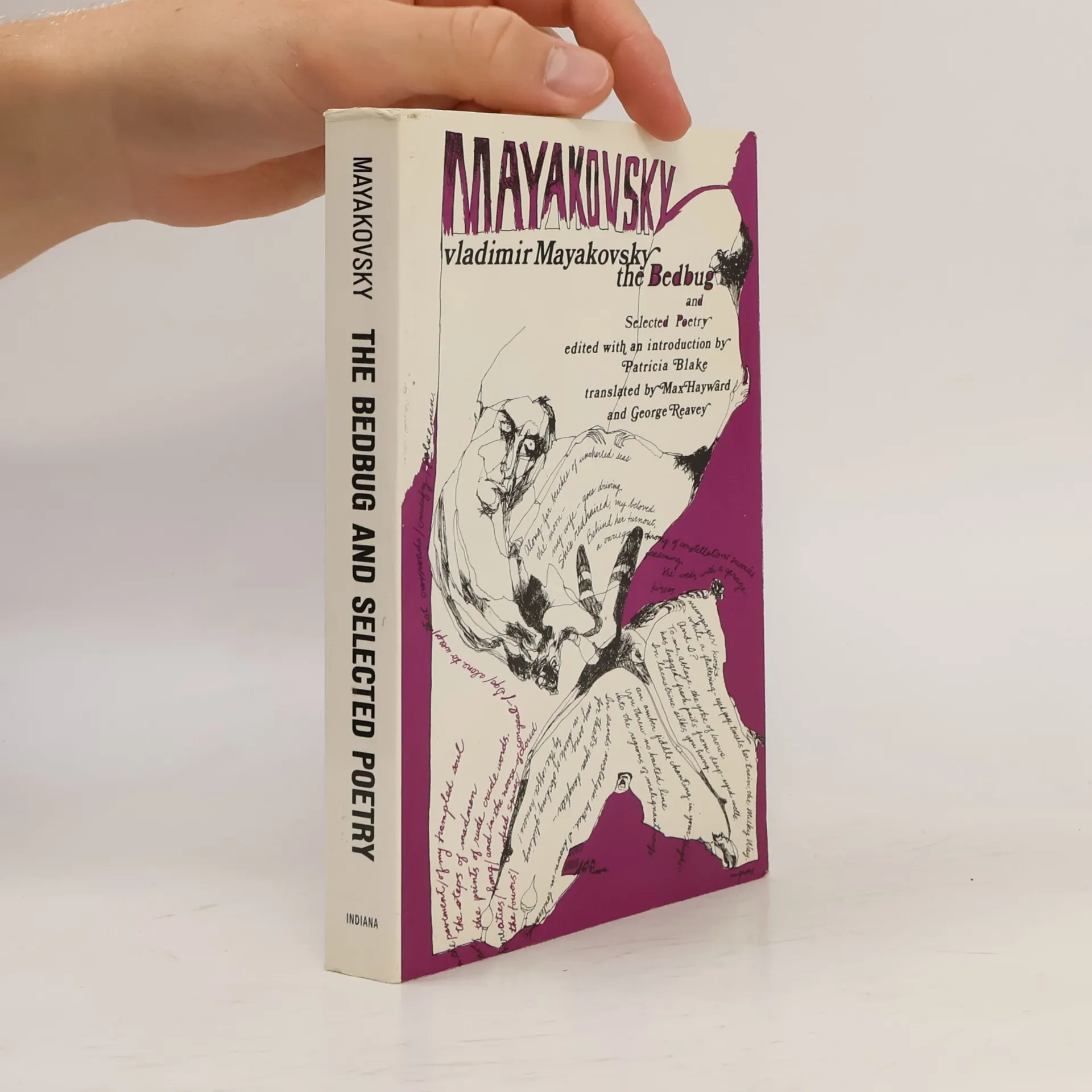
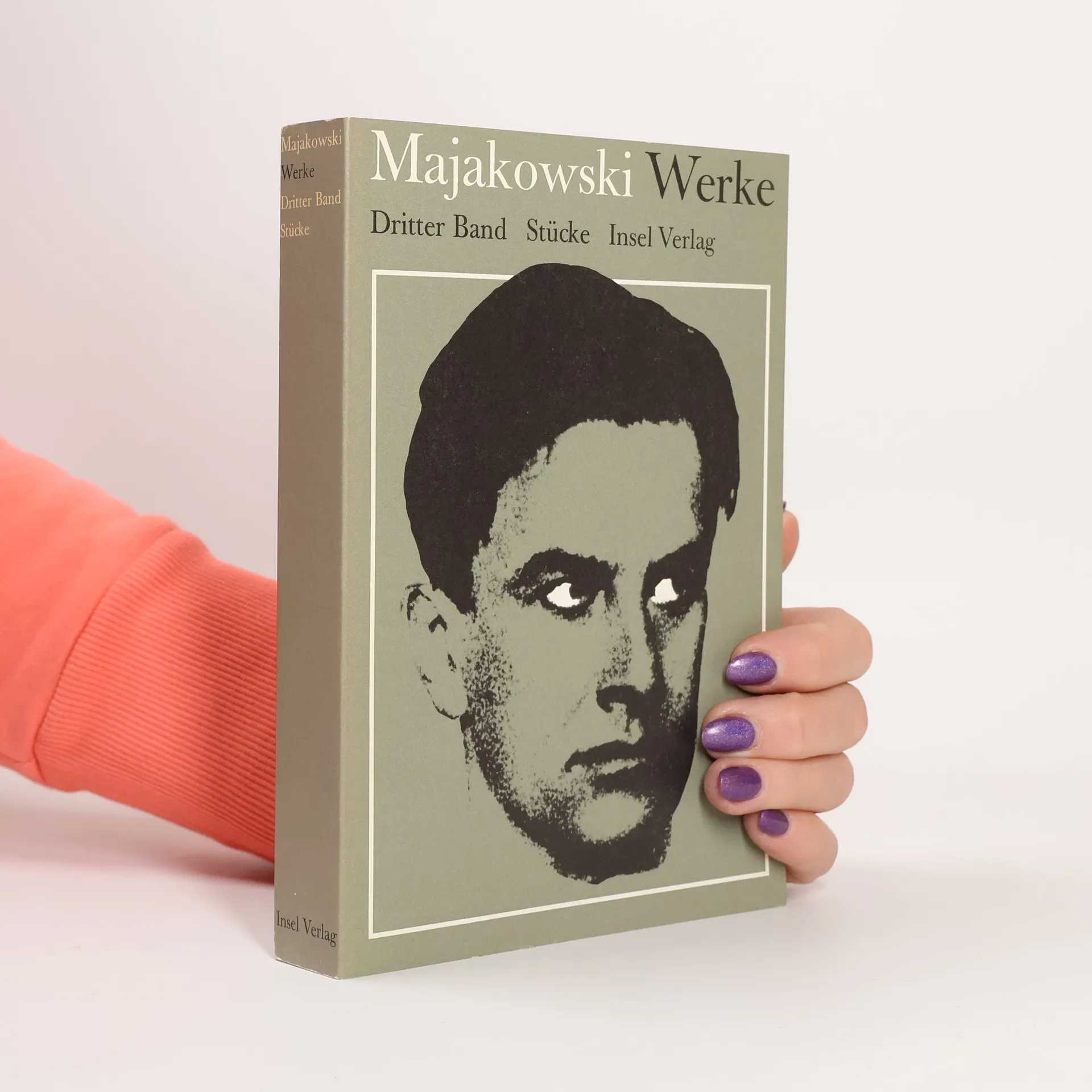
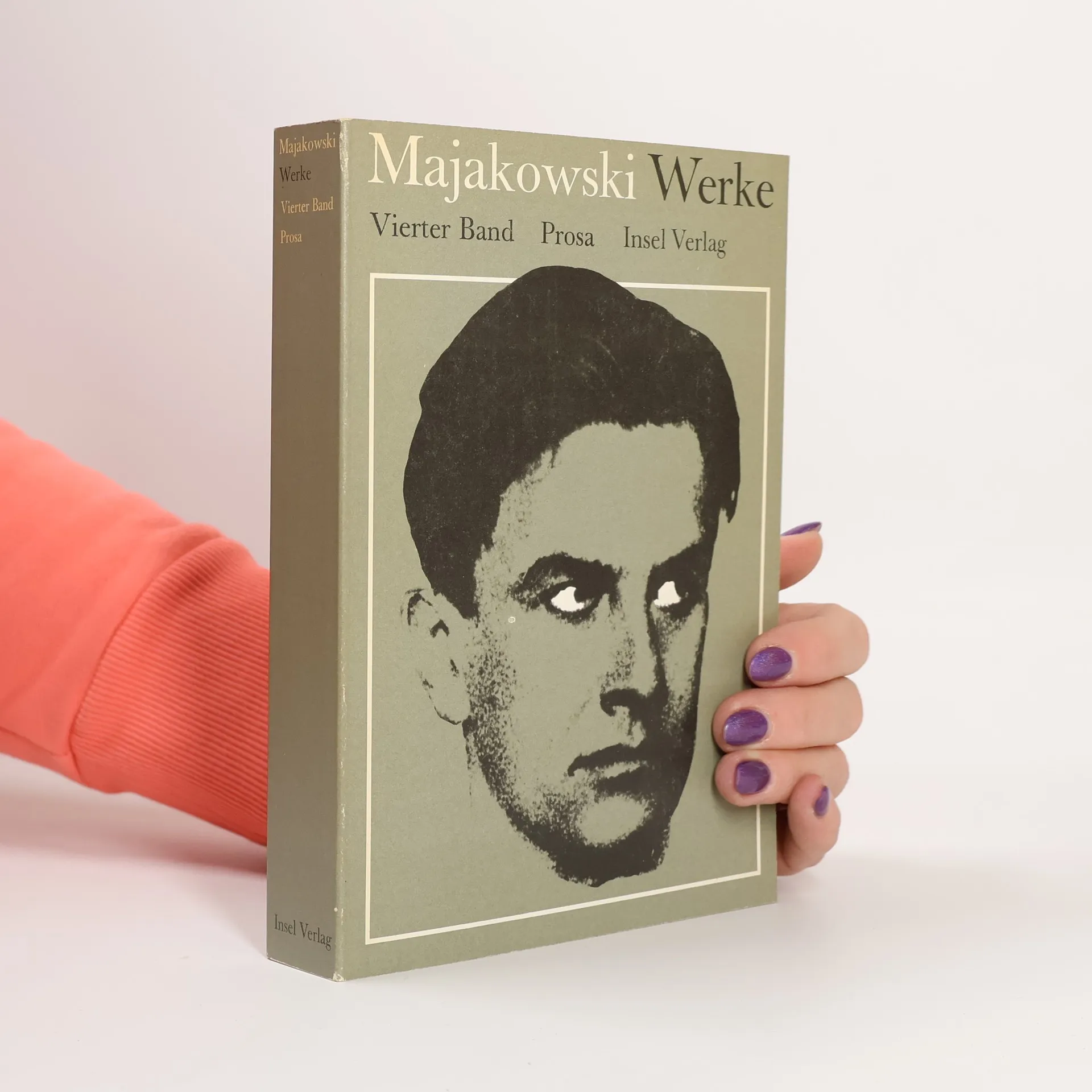
Splendid translations of the poems, with the Russian on a facing page, and a
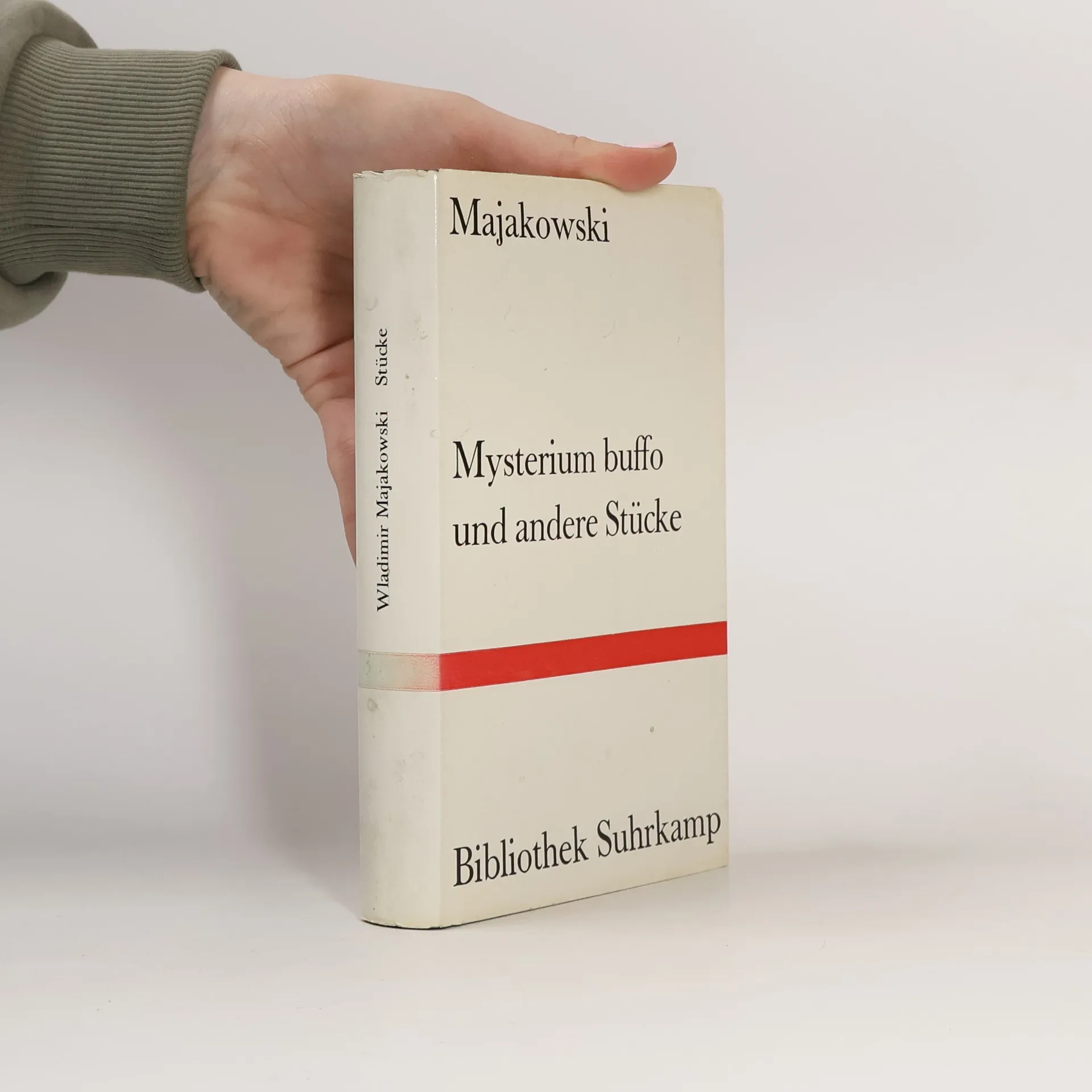
fresh, colloquial version of Mayakovsky's dramatic masterpiece, The Bedbug.
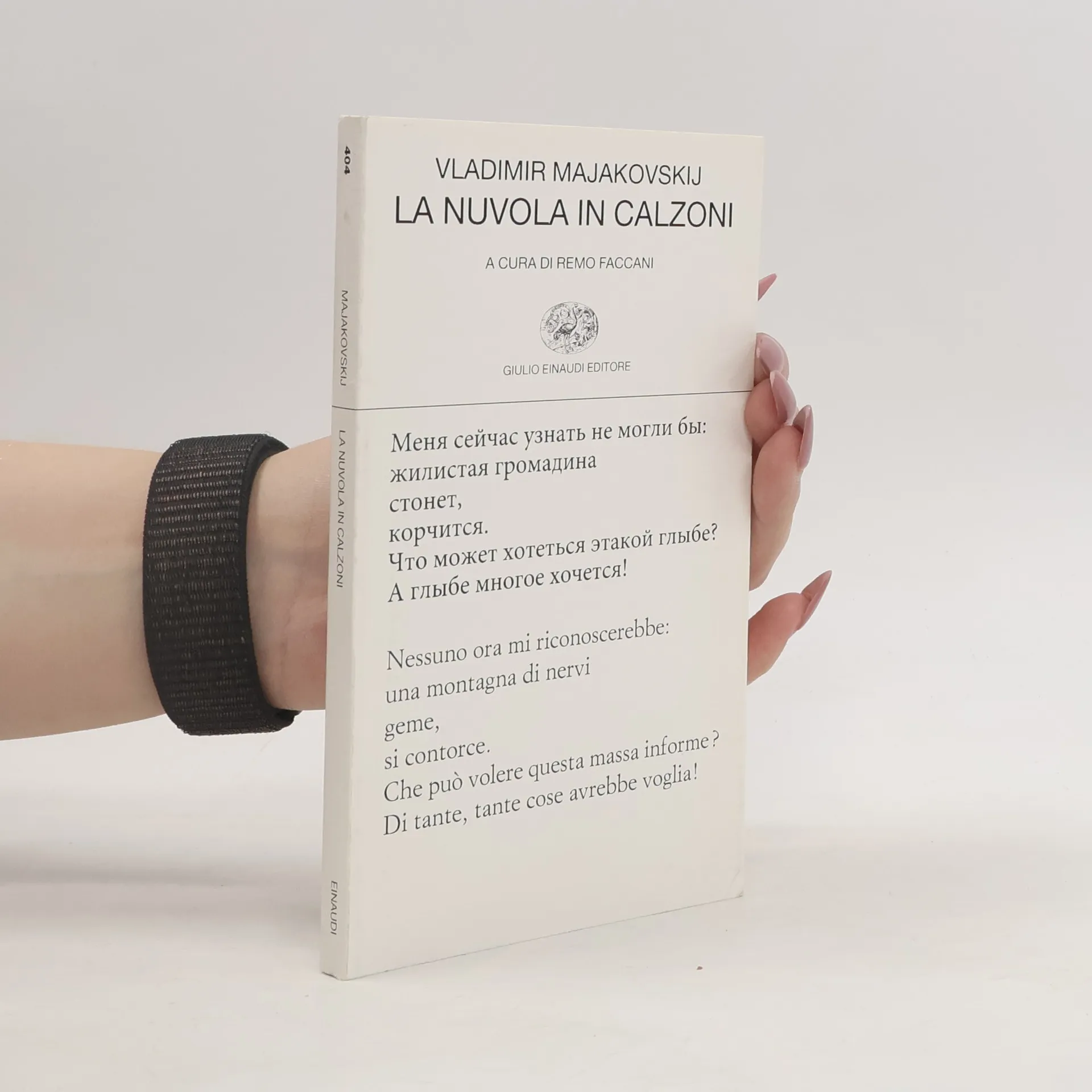
La nuvola in calzoni è il capolavoro della stagione «prerivoluzionaria» di Majakovskij e uno dei testi più significativi del futurismo russo e della letteratura del Novecento. Composto tra il 1914 e il 1915 da un Majakovskij poco più che ventenne, il poemetto esprime una forza lirica appassionata, dissacrante e intensamente libertaria. L'autore desidera portare nell'arte della parola una visione rinnovata della realtà e della poesia, utilizzando immagini provocatorie e un'orchestrazione sonora aspra e dissonante, frutto di una precoce maturità compositiva. L'«eroe lirico» cerca disperatamente l'amore, sia quello di una donna che quello universale tra l'uomo e il cosmo, sognando di cancellare la sofferenza dei reietti e degli oppressi e esaltando la ribellione. Tuttavia, si trova di fronte al rifiuto e al silenzio dell'universo. La passione amorosa, la ribellione contro una società ingiusta, la polemica letteraria e la lotta con Dio si intrecciano nel poemetto, insieme al doloroso desiderio di una rivoluzione che il poeta percepisce come utopica. L'unico scampo sembra risiedere nell'accettazione della propria «terrestrità» e nella ricerca di un amore che sia «il cuore di tutte le cose».
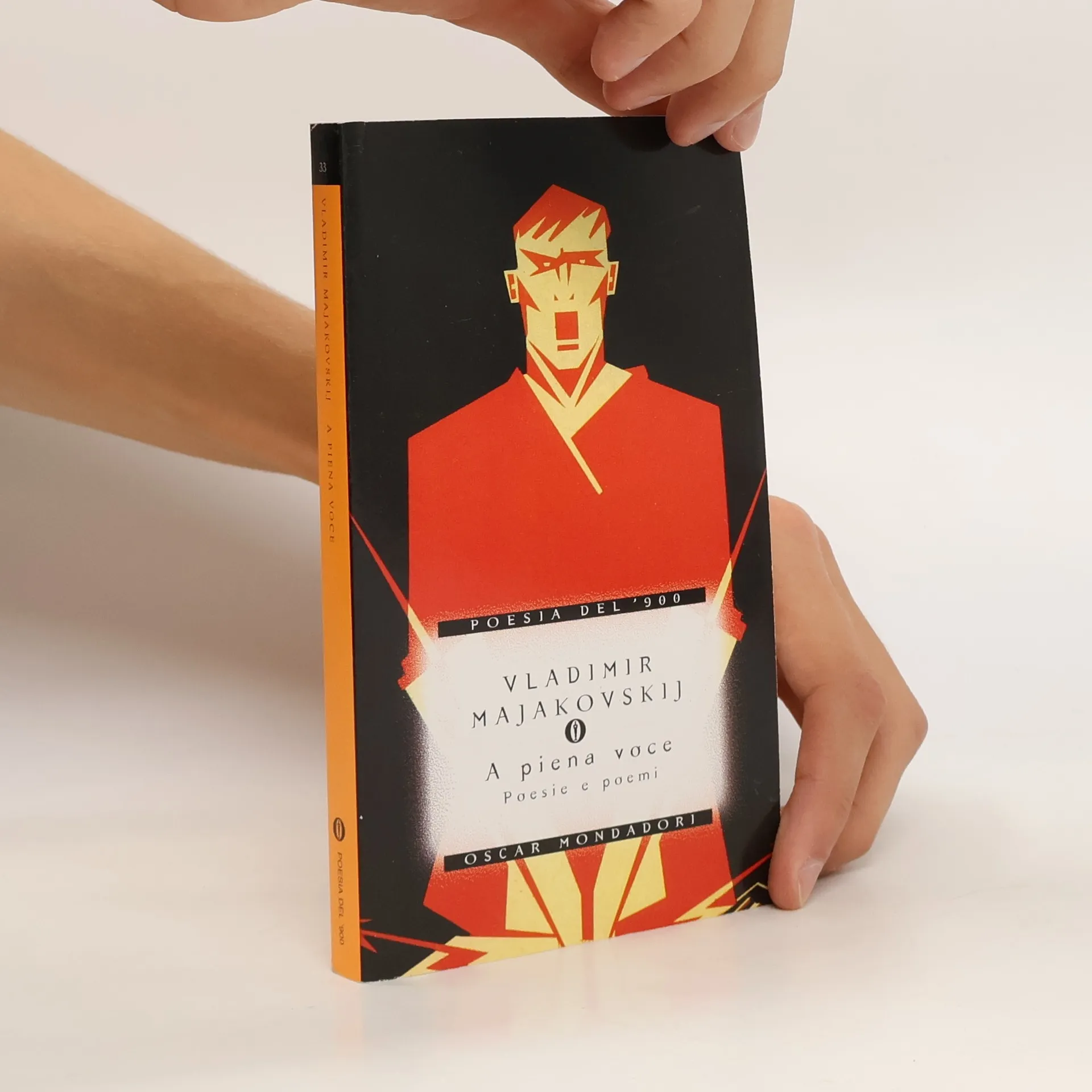
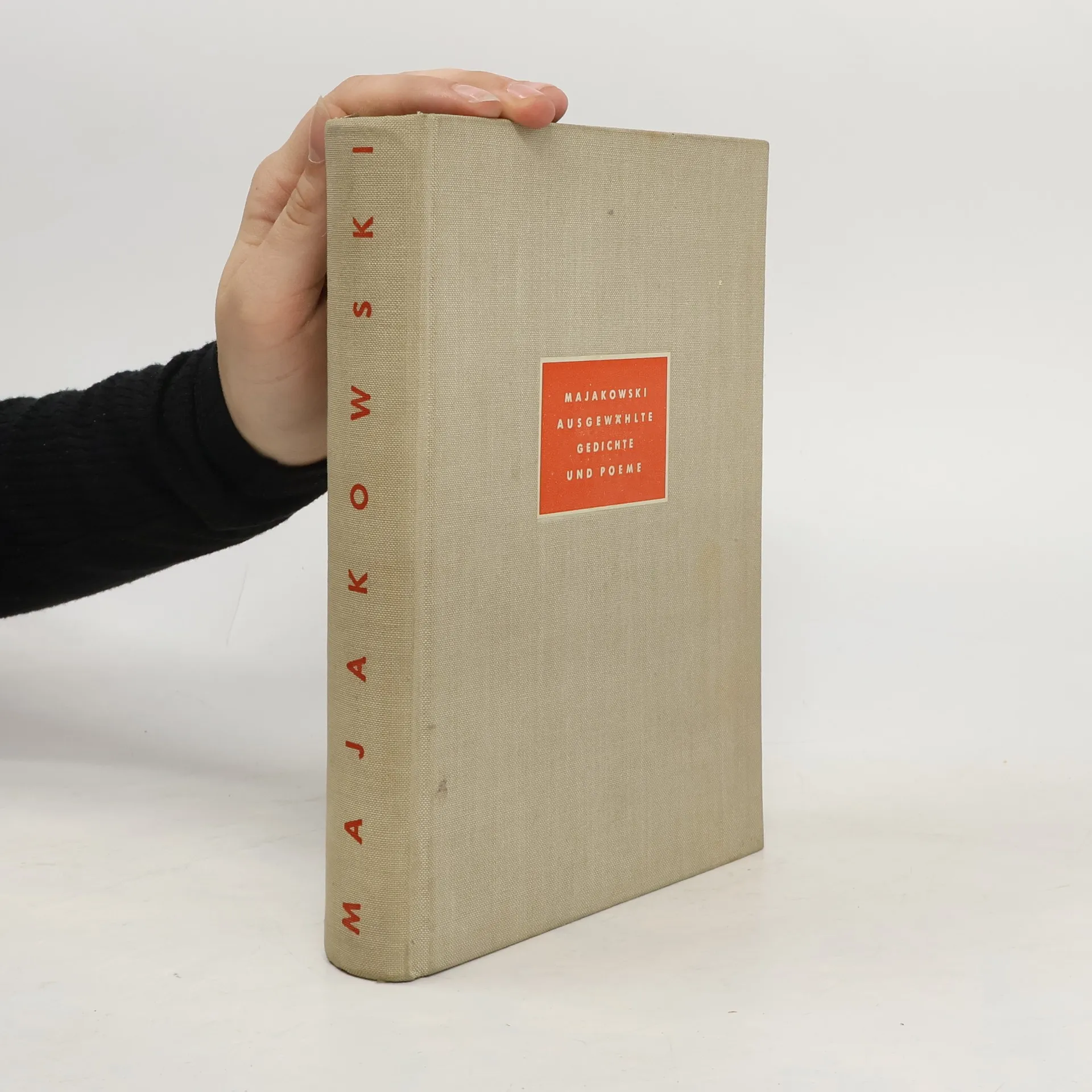
Poeta del nuovo tempo, nuova sistema di immagini, nuove rime e ritmi, Vladimir Majakovskij occupa un posto speciale nella letteratura del XX secolo. Nelle sue opere si fonde organicamente la voce trombetta dell'oratore con le note confidenziali del lirico. La creatività di Majakovskij è un feroce protesto, una satira pungente, ironia su se stesso e sul mondo circostante e, senza dubbio, amore, disperato, al limite della follia. In questo libro sono incluse le celebri poesie di Majakovskij - "Nuvola nei pantaloni", "Flauto-colonna vertebrale", "Amo", "Di questo" e "A piena voce", oltre alle sue migliori poesie.
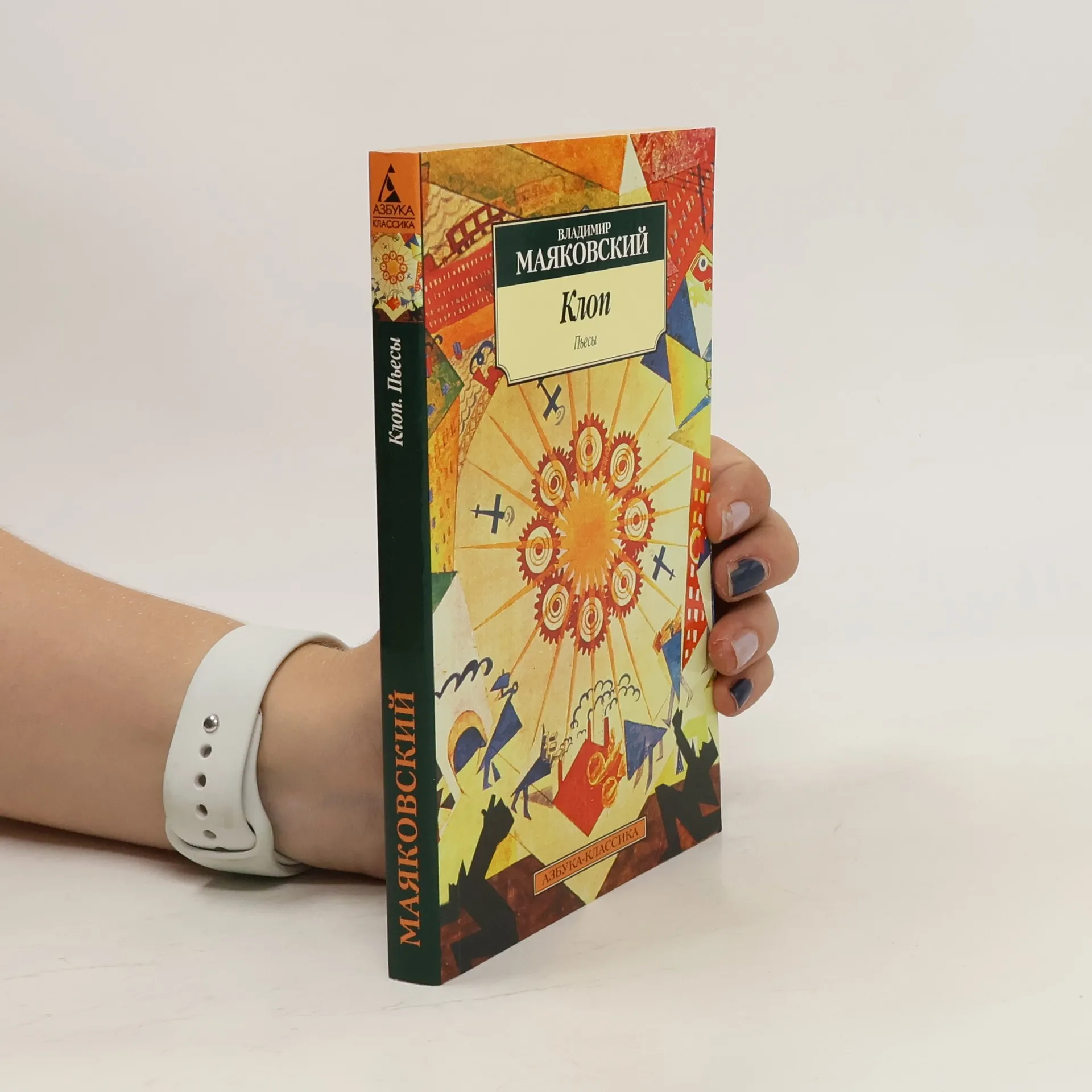
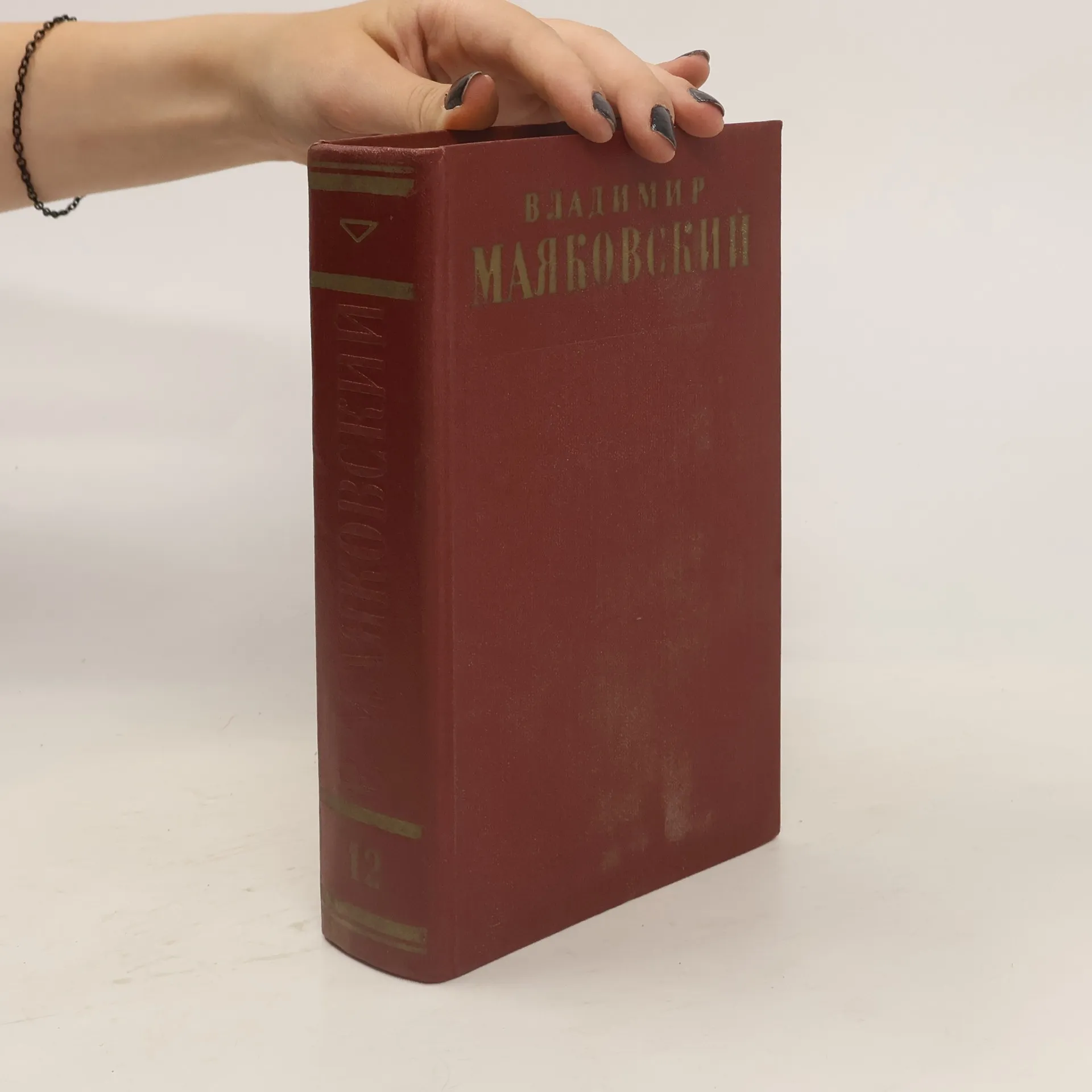
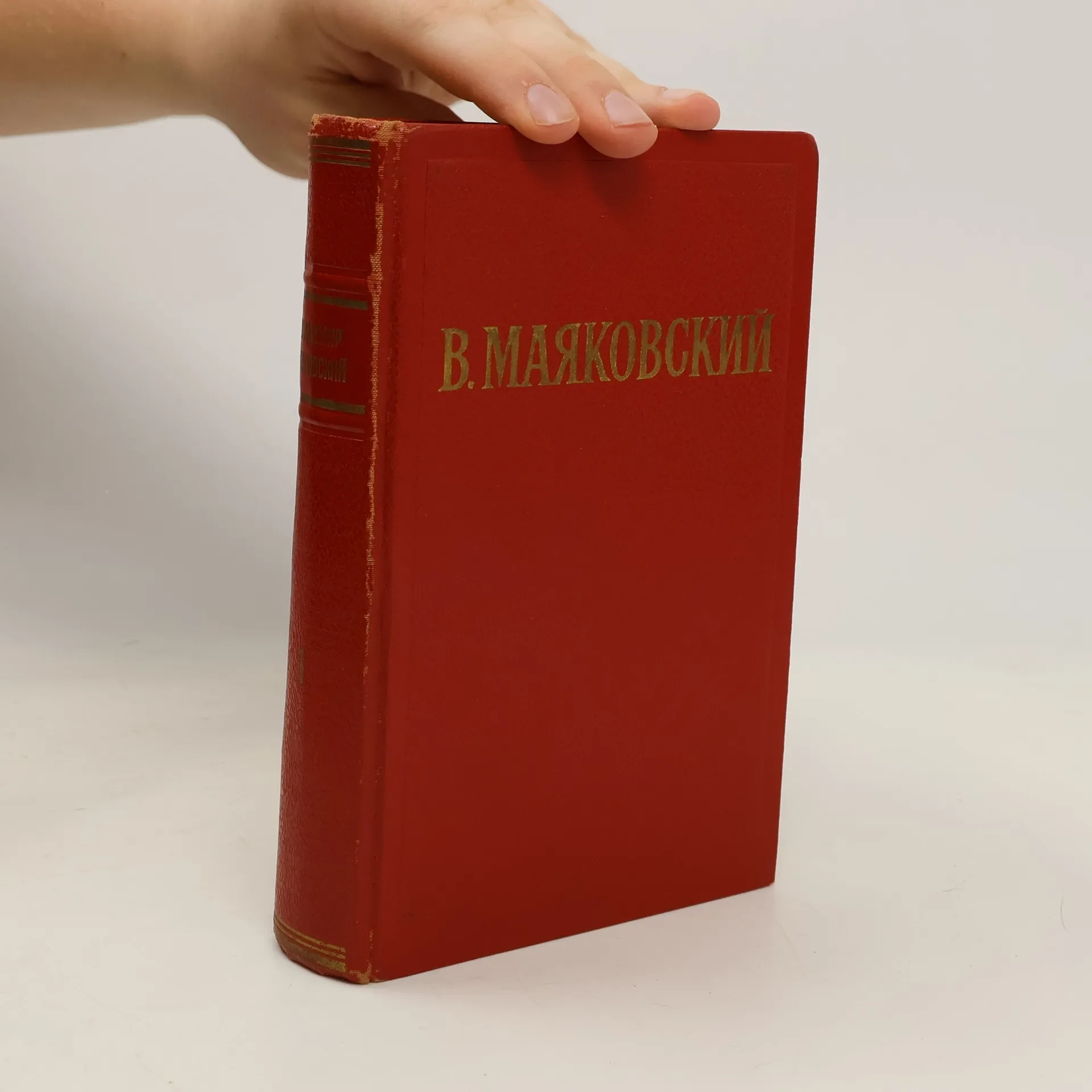
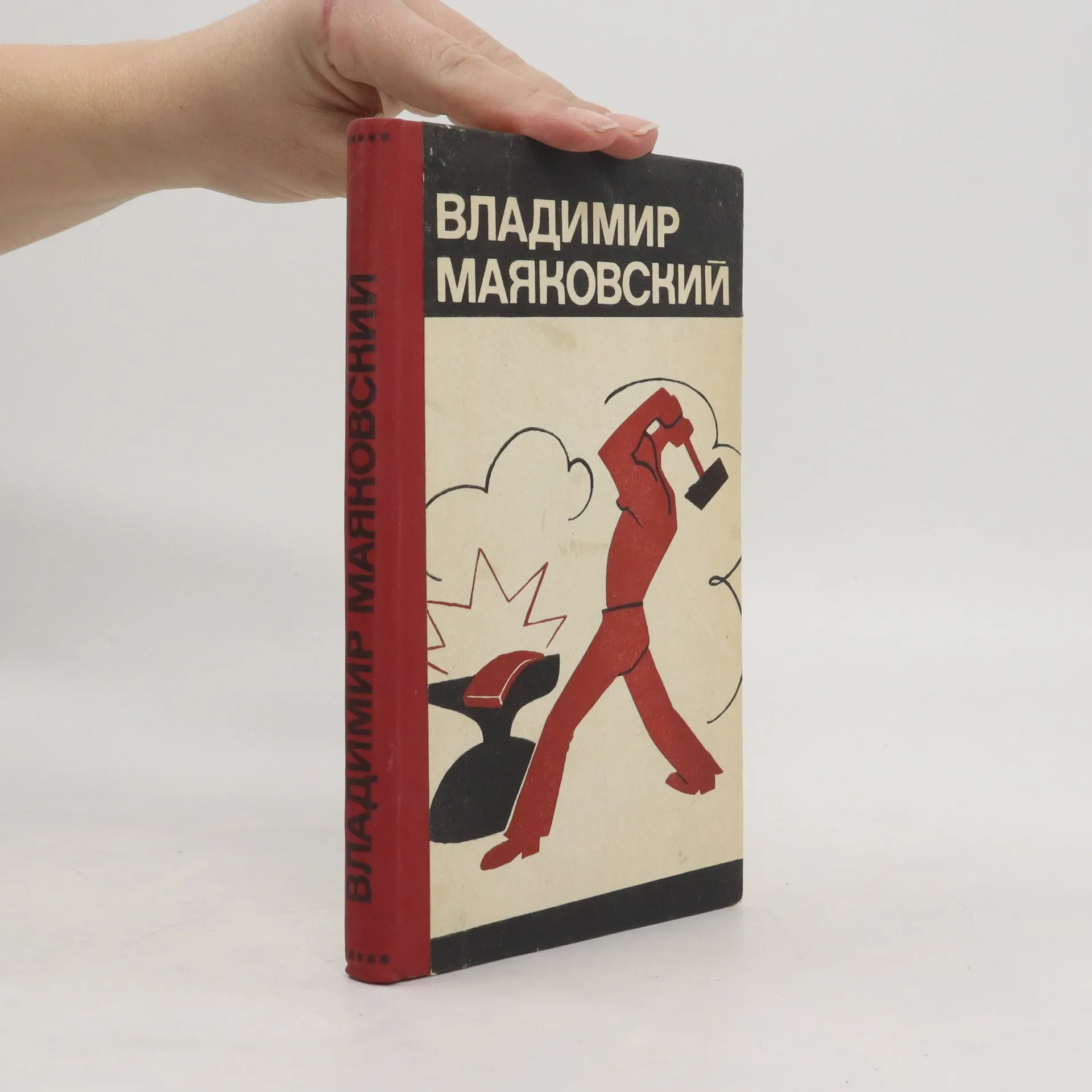
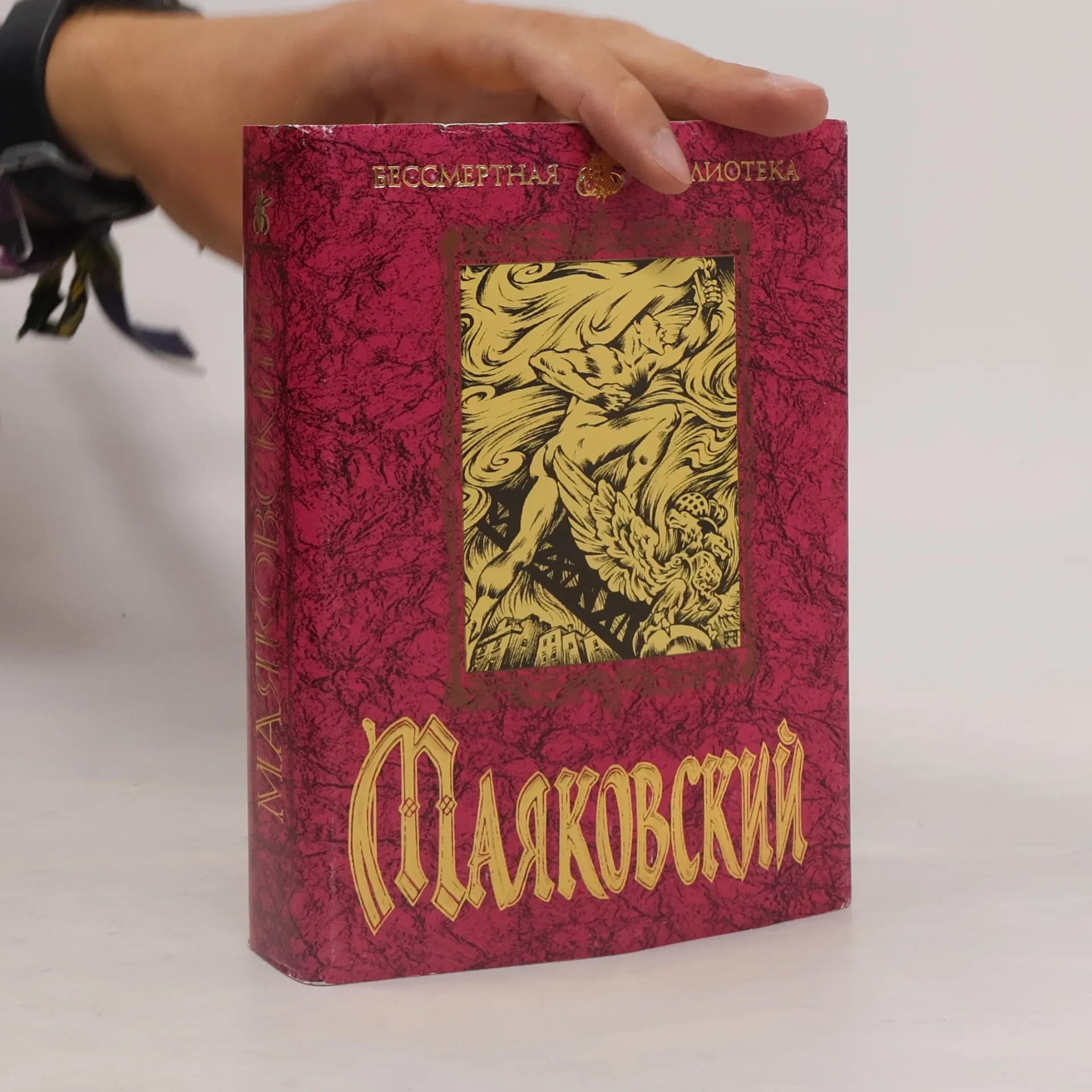
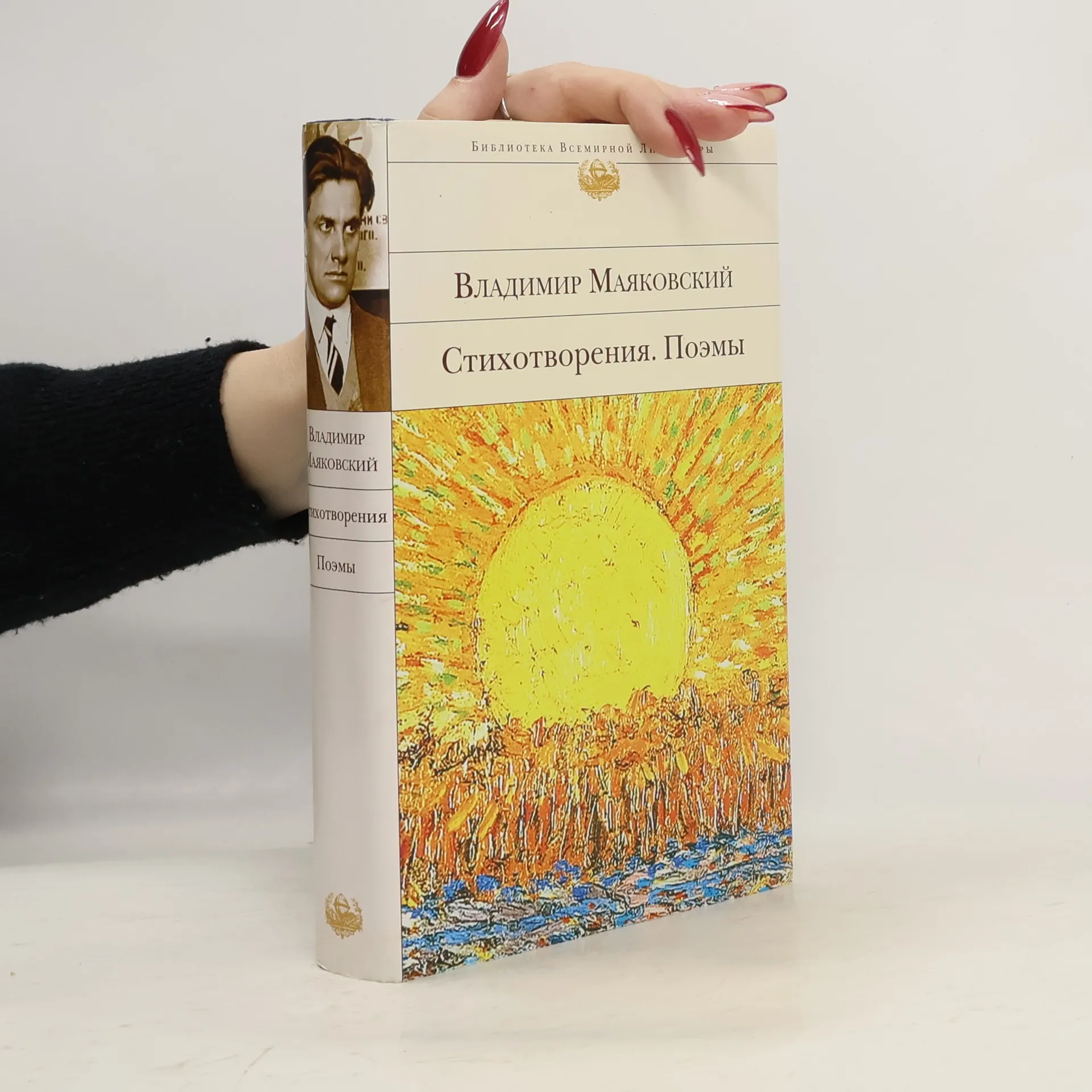
В сборник вошла пьеса, названная автором трагедией, «Владимир Маяковский», которую В. В. Маяковский написал в 1913 году, которую он режиссировал, и в которой сыграл на сцене главную роль. Комедии «Клоп» и «Баня» не без основания считаются классикой советской драматургии, они не потеряли актуальности, когда сегодня заходит речь об обывателях, всякого рода приспособленцах и мещанстве.СодержаниеСодержаниеВладимир Маяковский стр. 5-30Клоп стр. 31-104Баня стр. 105-195Примечанияавтор: Константин Васильев
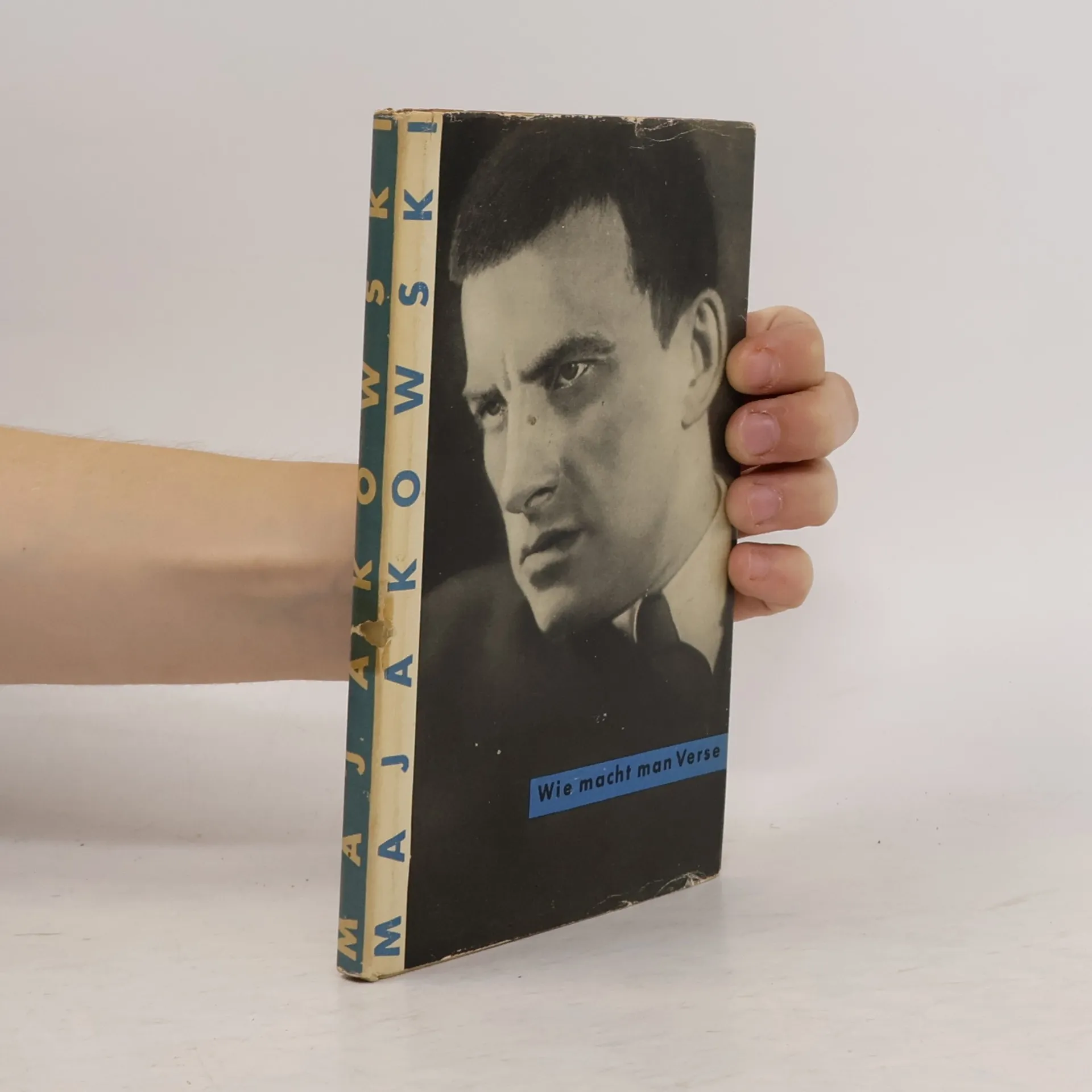
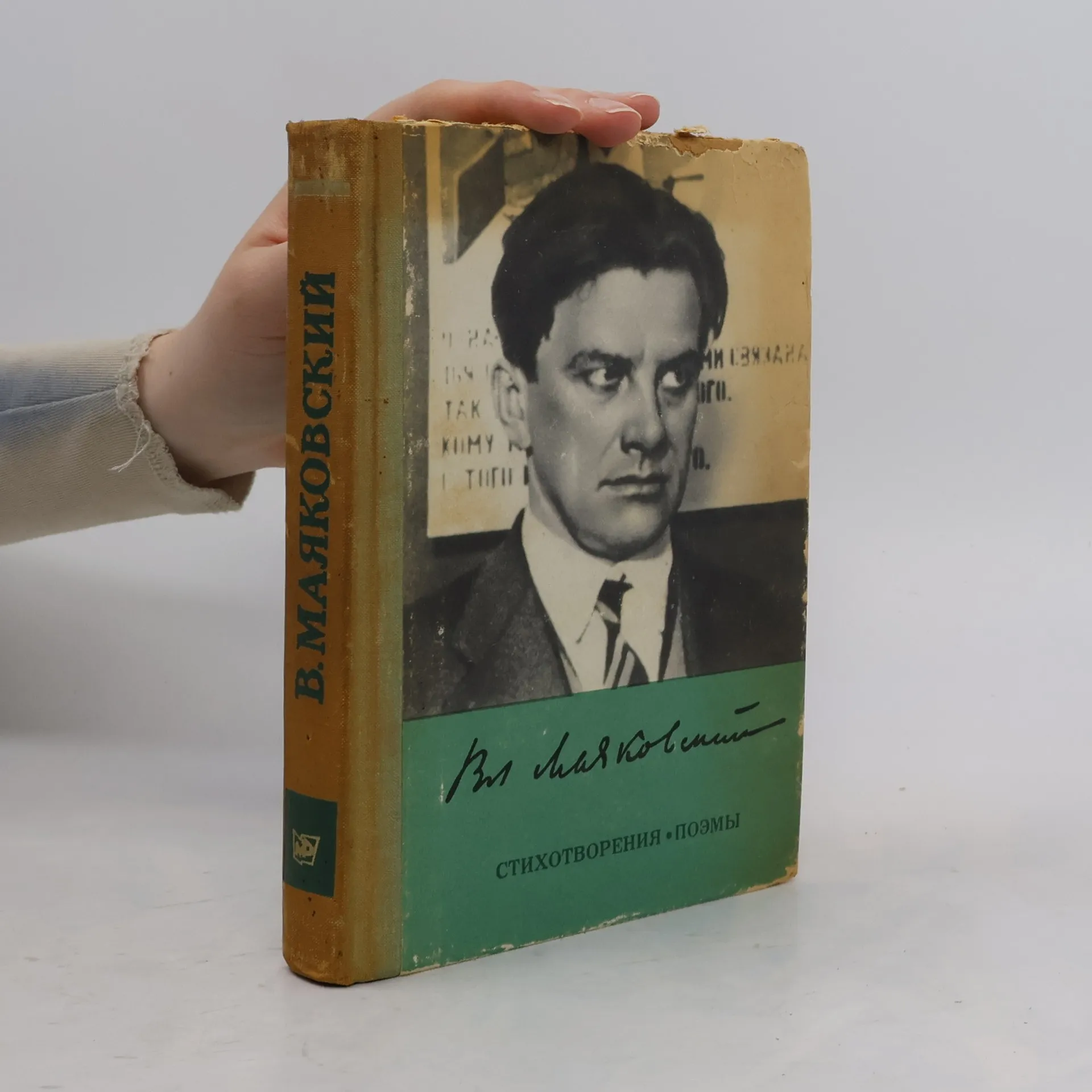
Эту книгу можно было бы озаглавить `Страсти по Маяковскому`. Основу ее составили лирические стихотворения и поэмы, а также проза `Я сам` и `Как делать стихи`. В книге воспроизведено эссе В.Ховина о Маяковском и Розанове, не переиздававшееся с 1921 г. В качестве послесловия приведены отрывки из повести Б.Пастернака `Охранная грамота`. Книгу предваряет статья В.Бобрецова `Про это и про то`.
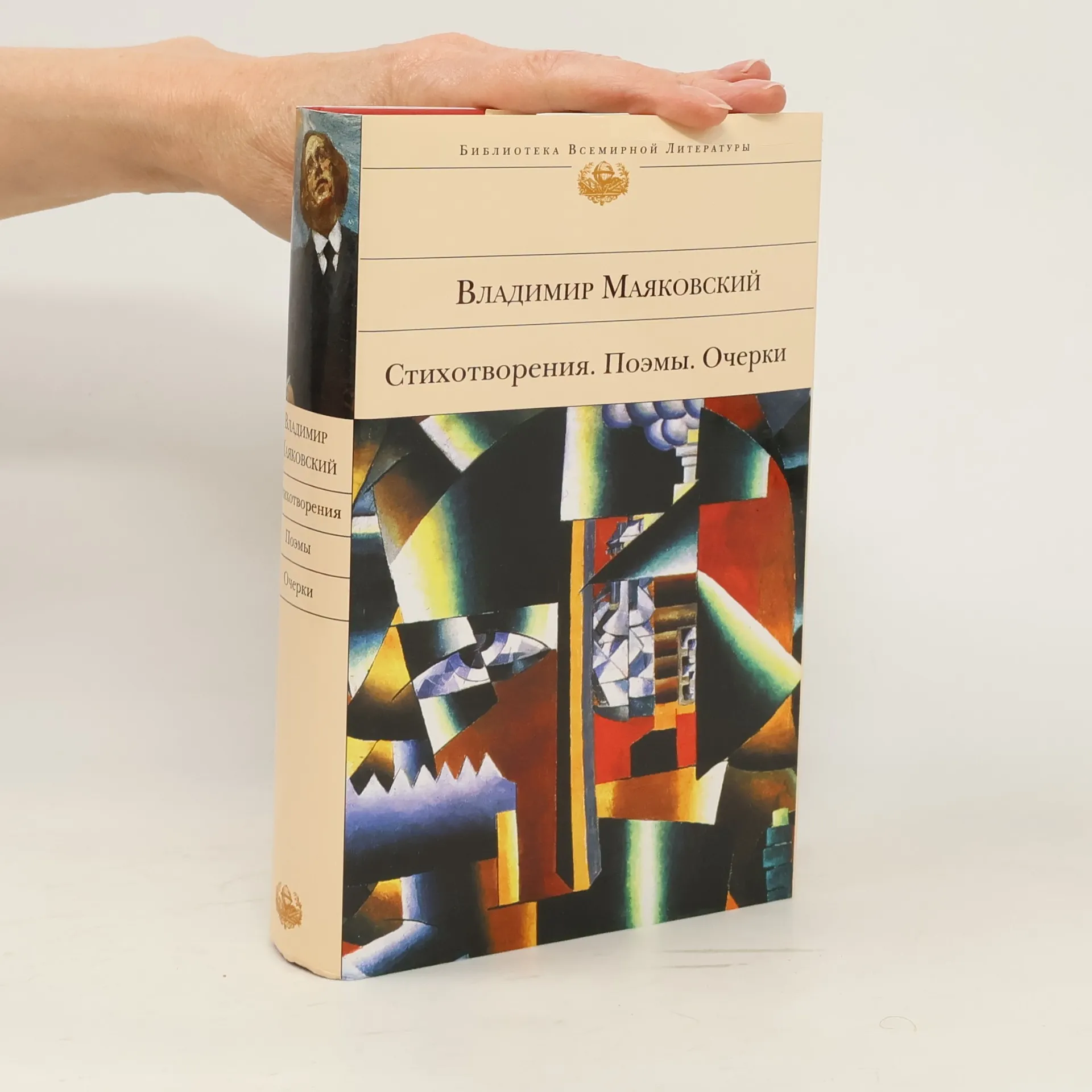
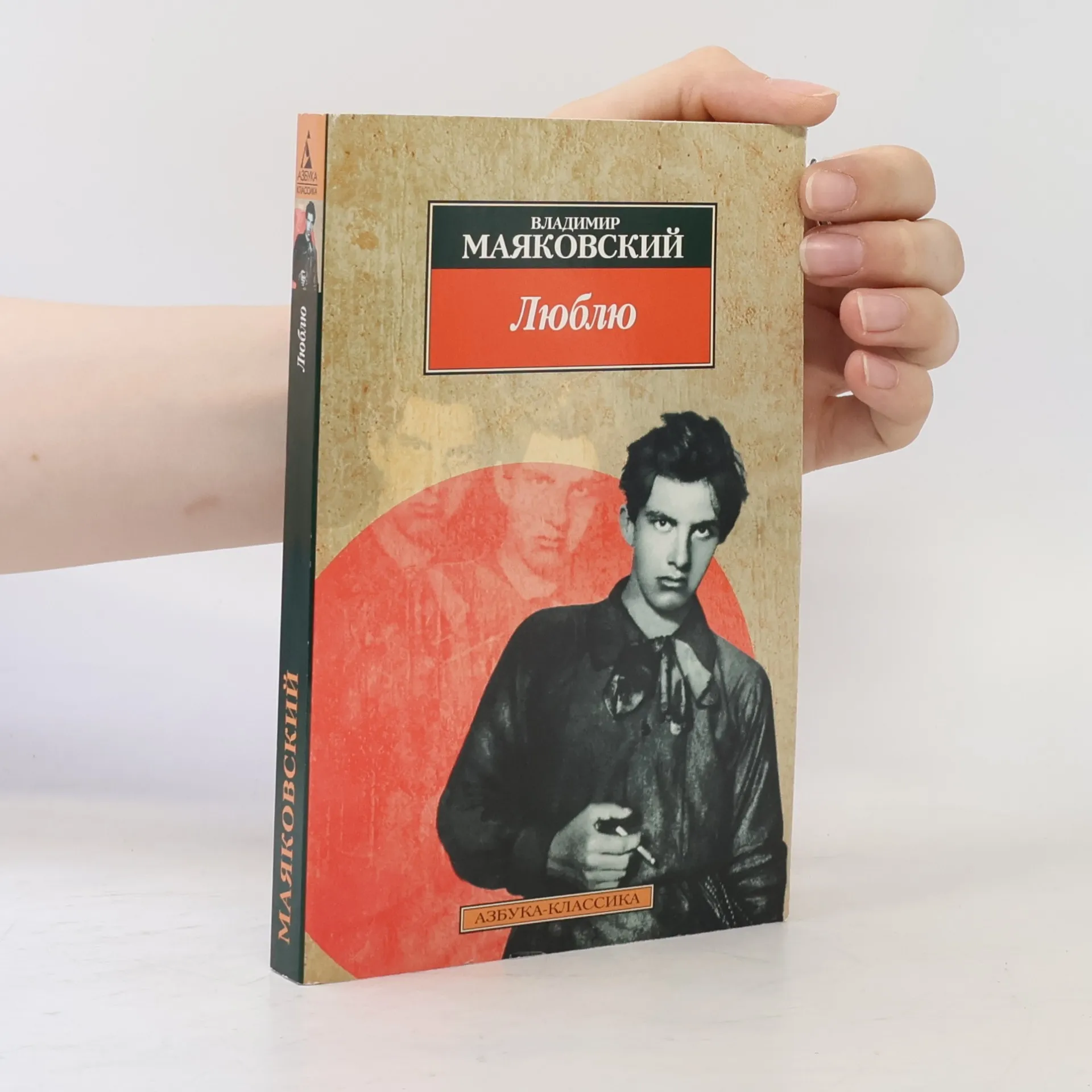
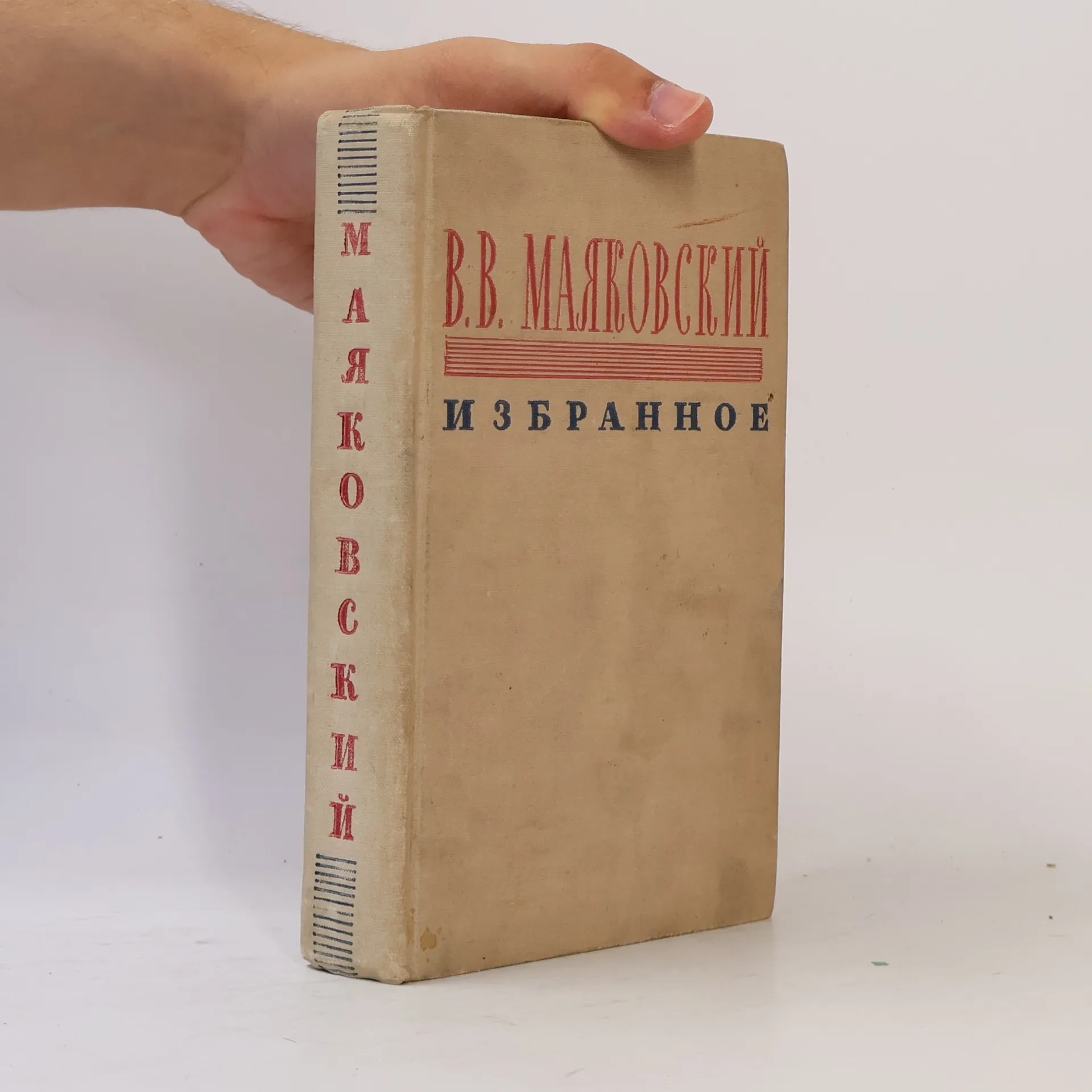
Всёобъемлющий и разнообразный выбор произведений Владимира Маяковского, о котором И. В. Сталин сказал, что «он есть и останется лучшим и самым талантливым поэтом советской эпохи». В этом сборнике в хронологическом порядке представлены как самые значительные, так и менее известные, ранее неизвестные читателю стихи, которые полностью характеризуют предреволюционного Маяковского как борца против буржуазии и царской России, а также постреволюционного Маяковского как восхвалителя великой советской реальности. Книга включает в себя такие значимые произведения, как: «Облако в штанах», «Флейта-позвоночник», «Война и мир», «Человек», стихи «Революция», «Левый марш», «Агитки», «Я люблю», «О том», «В. И. Ленин», «Стихи для детей», «Правильное дело», «Незаконченная поэма о пятилетке» и другие.
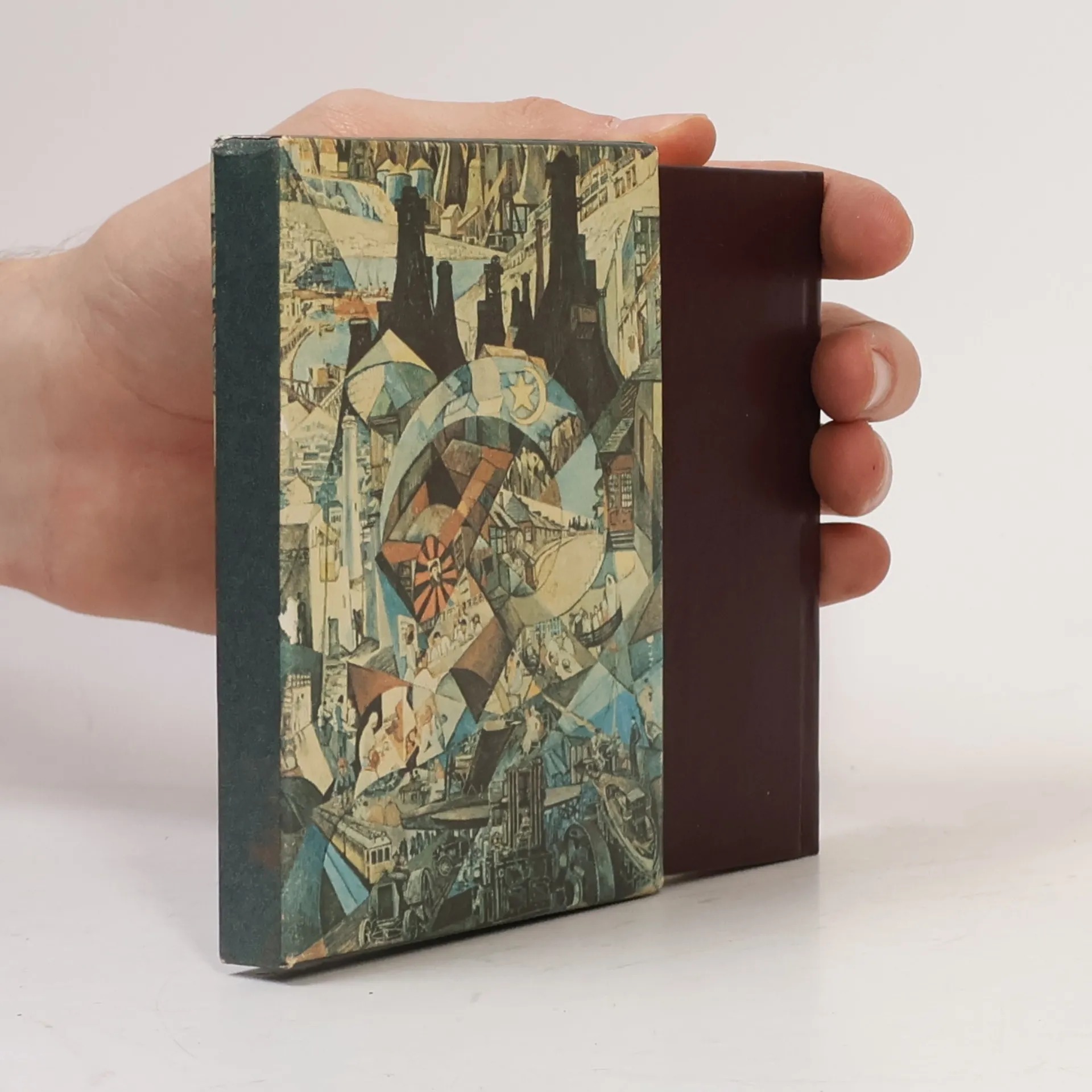
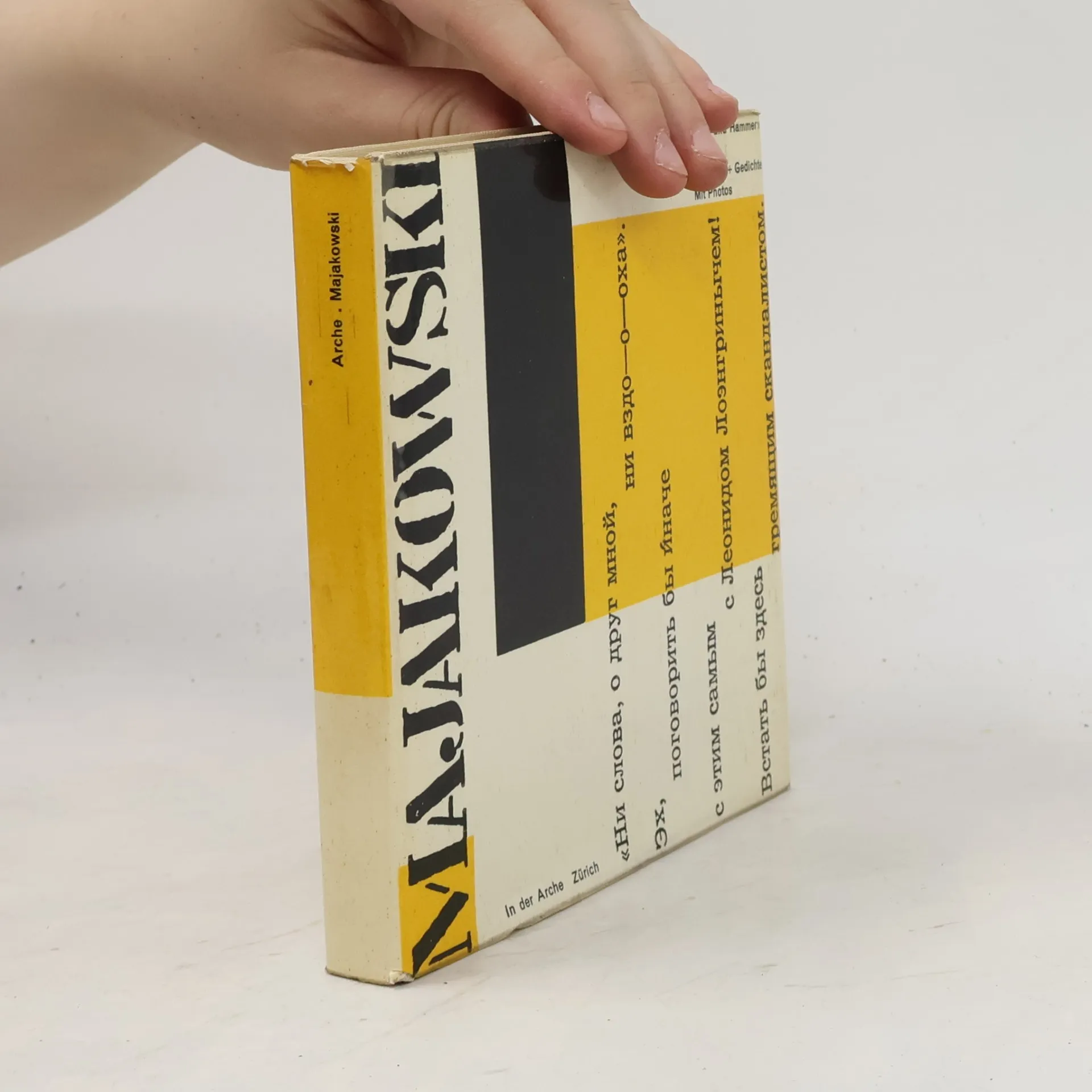
В издательской иллюстрированной обложке работы Э. Лисицкого. В хорошем состоянии. Блок преимущественно чистый, незначительные загрязнения страниц от перелистывания. «Мытая» первая пустая страница. Сборник стихов В. Маяковского «Для голоса» в оформлении Эля Лисицкого был издан в 1923 году в Берлине, где оба они — поэт и художник — находились в то время. Это настоящий образец книжного искусства в исполнении Лисицкого, новатора-художника, архитектора, мастера фотографии. Данное издание является примером оригинальных конструктивистских и композиционных решений Лисицкого и идеально сочетается с ритмикой поэзии Владимира Маяковского. Эта книга — один из лучших образцов русского конструктивизма в книгоиздании.
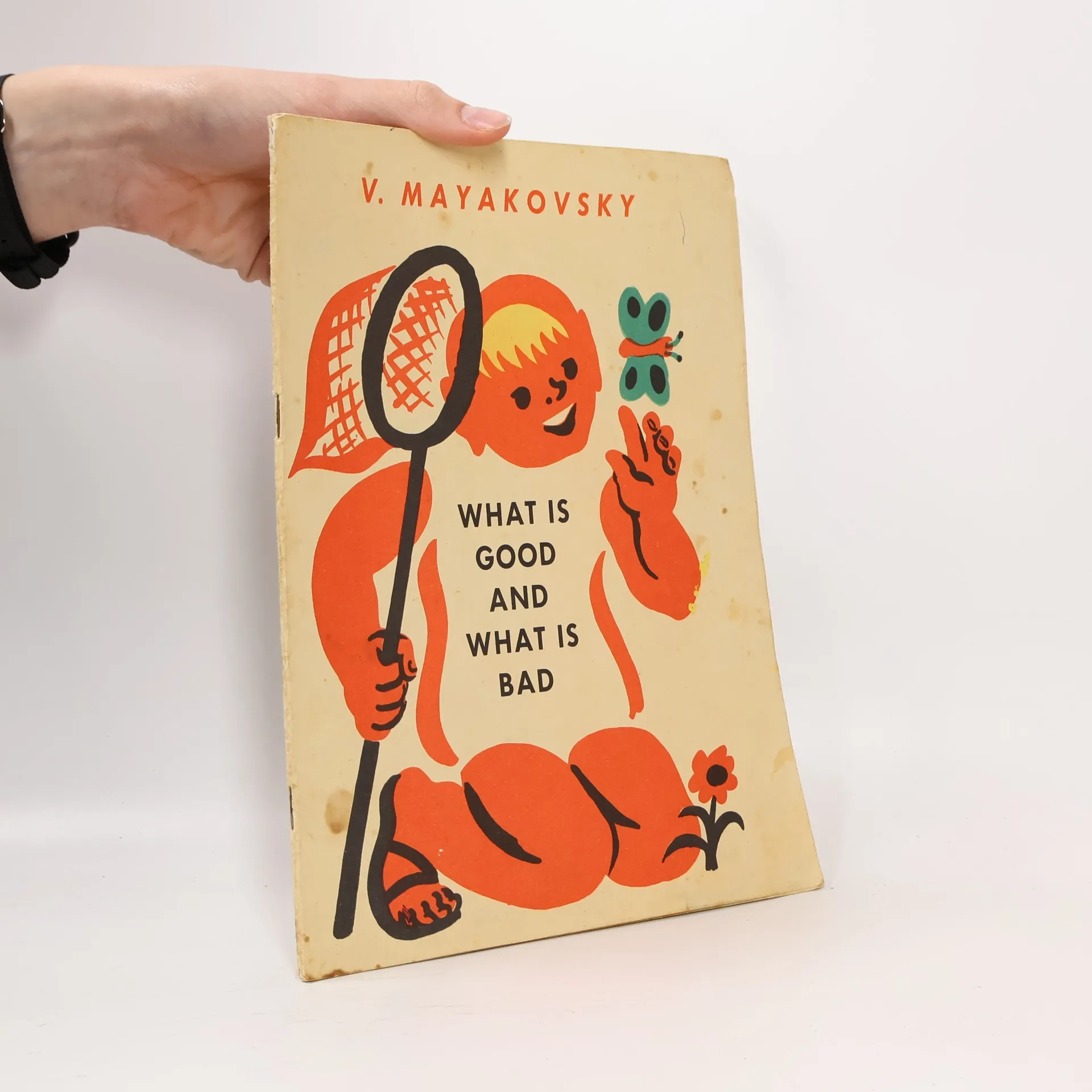
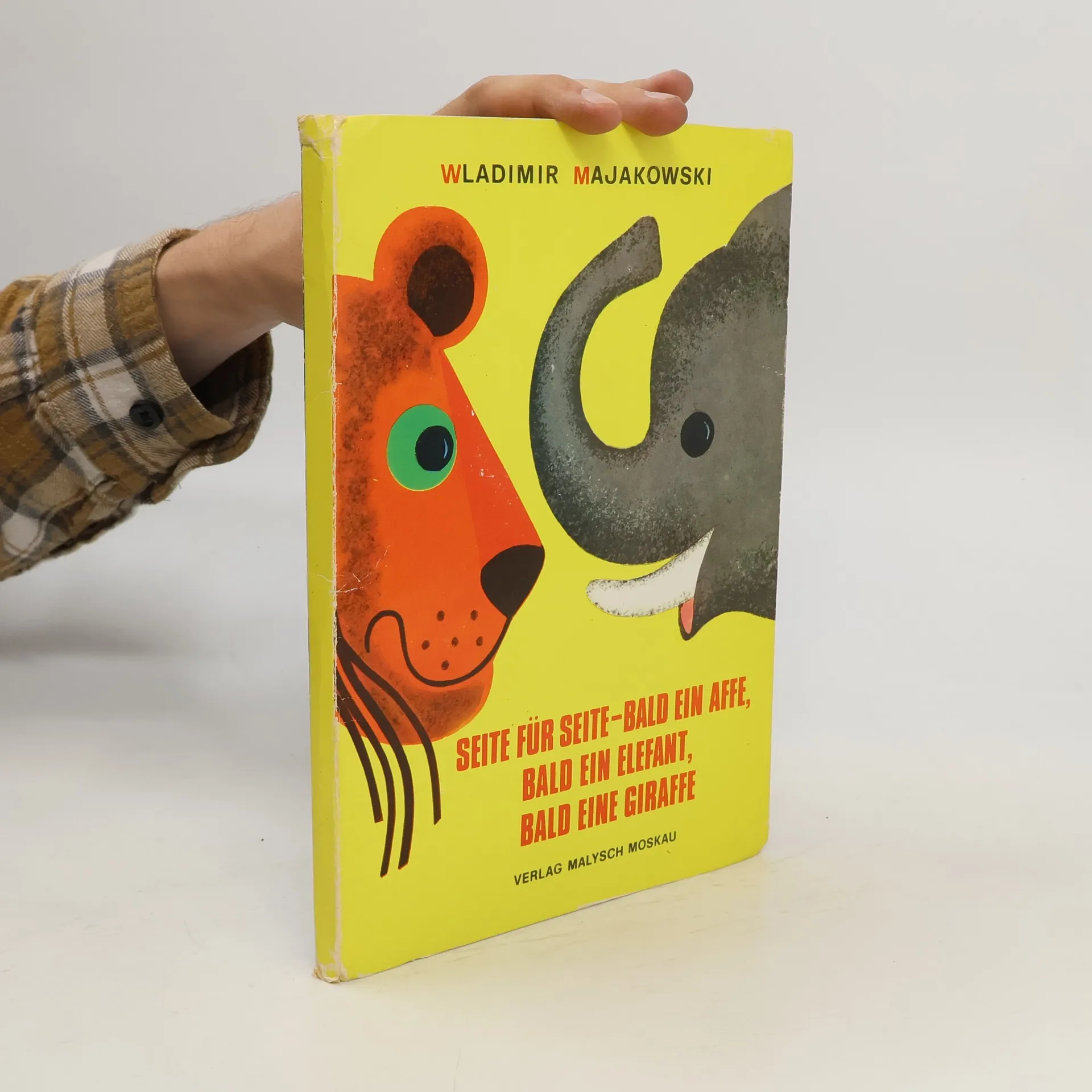
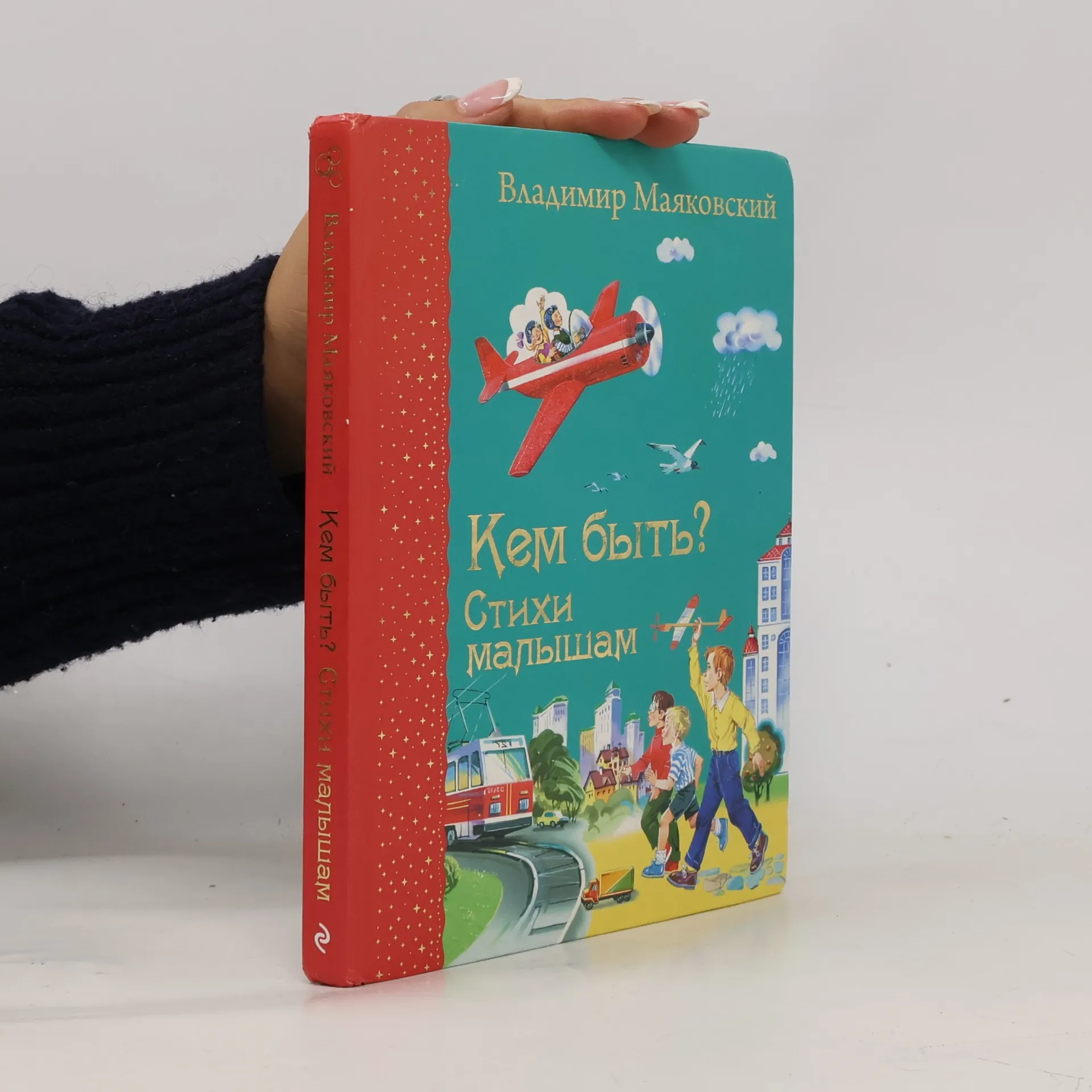
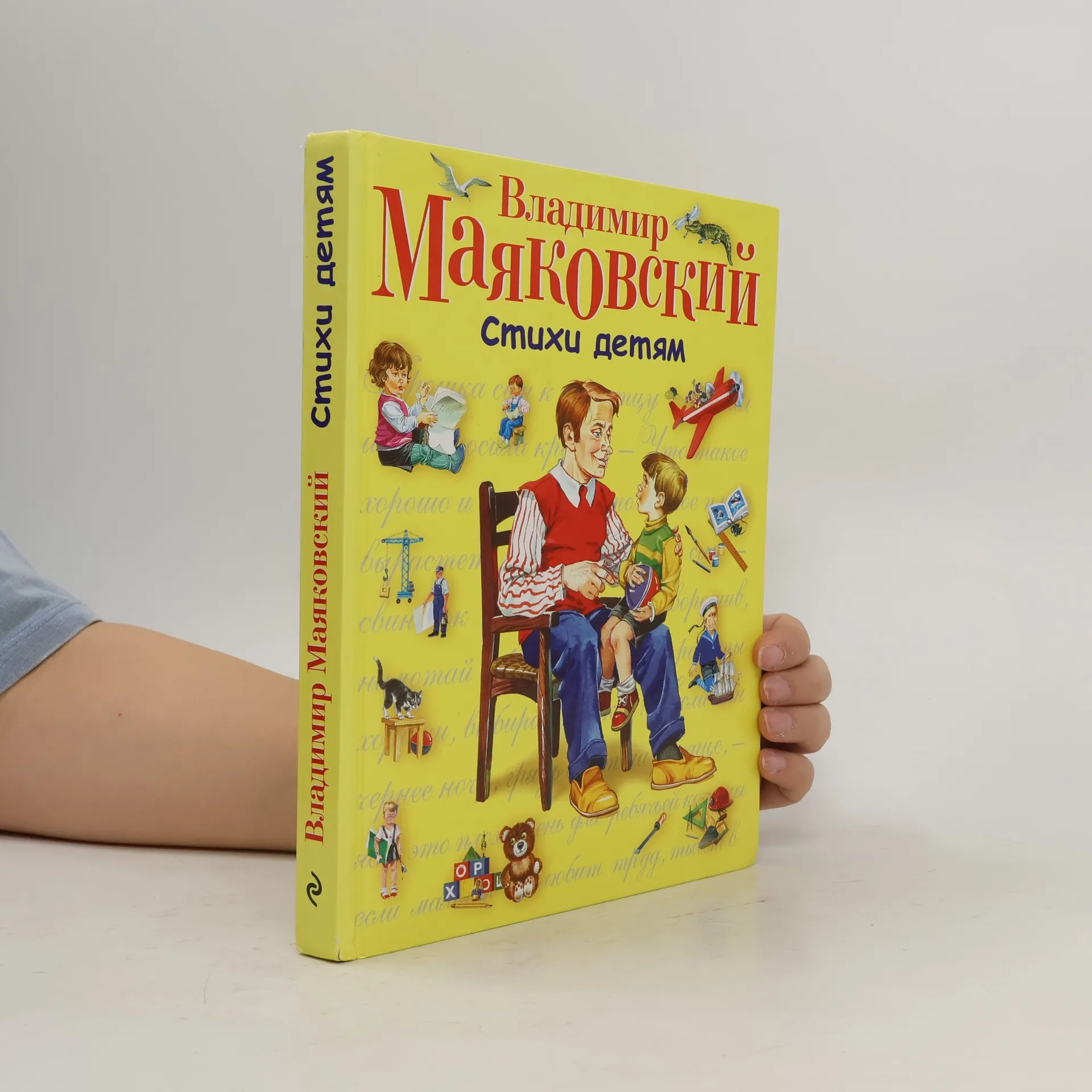
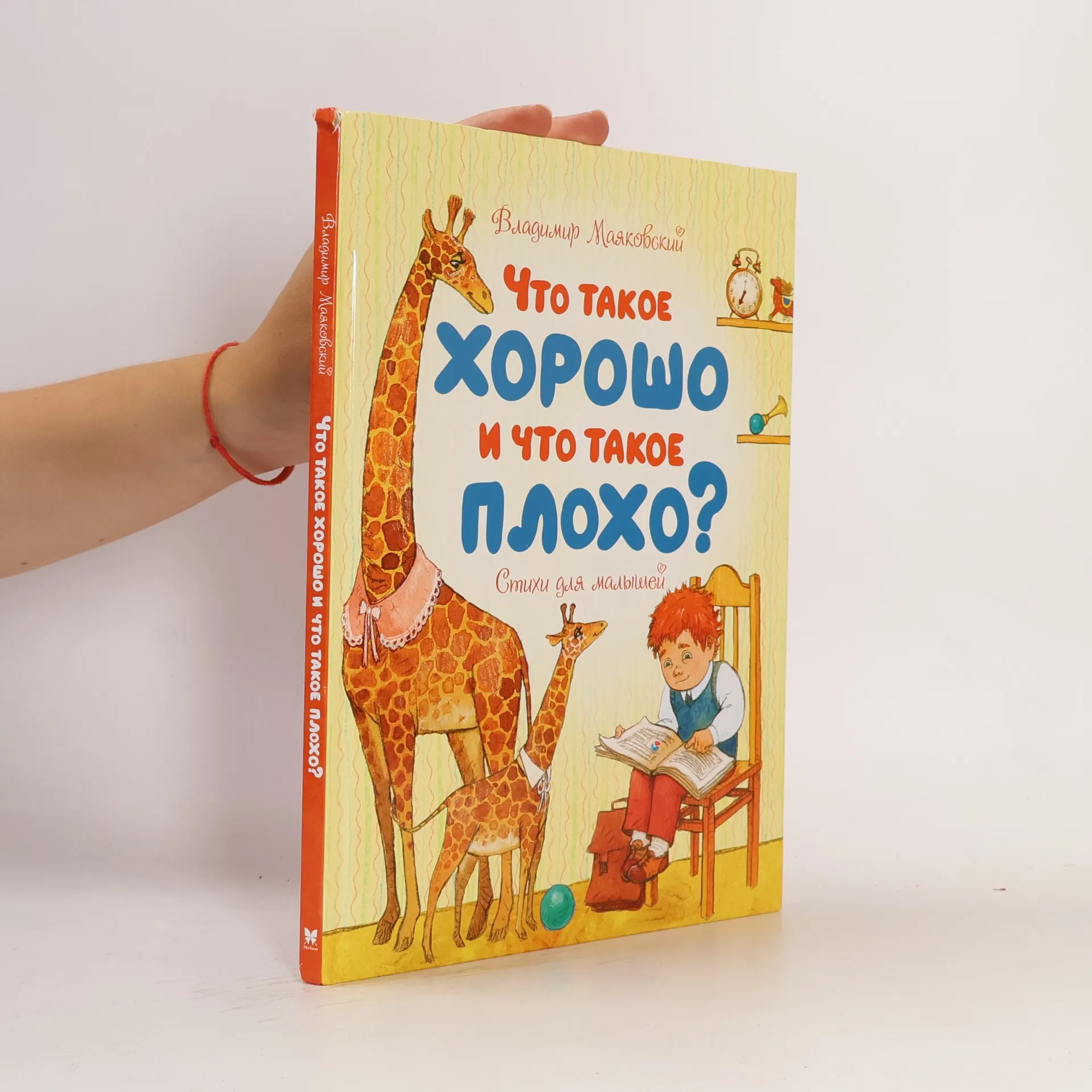
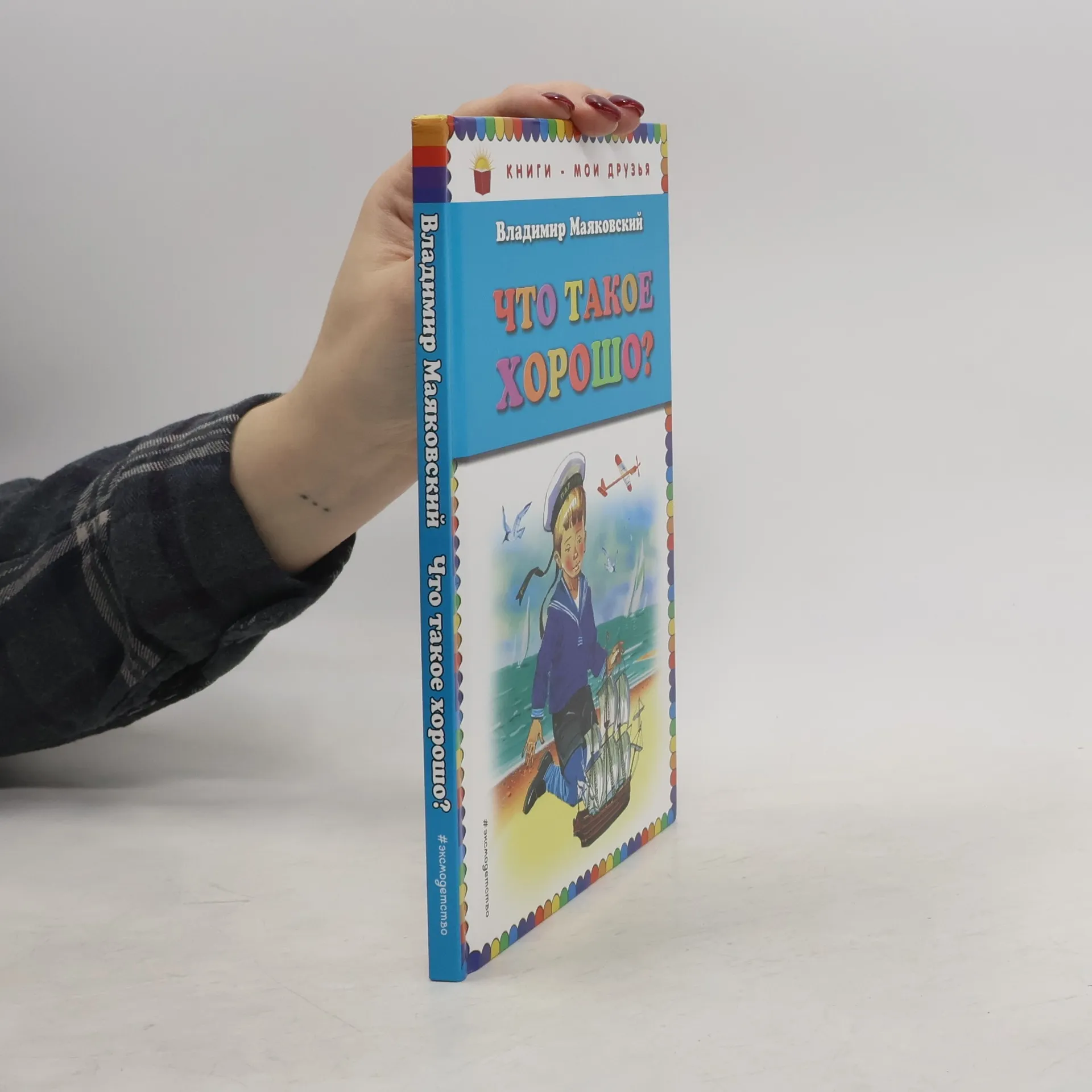
"Владимир Маяковский известен всем как автор взрослых и серьёзных стихотворений. Но его произведения для детей заслуживают не меньшего внимания. Весёлые и озорные стихи в развлекательной форме учат ребят быть честными, добрыми и стремиться к знаниям. А благодаря музыкальности и необычному ритму без труда запоминаются и остаются в памяти на долгие годы." --
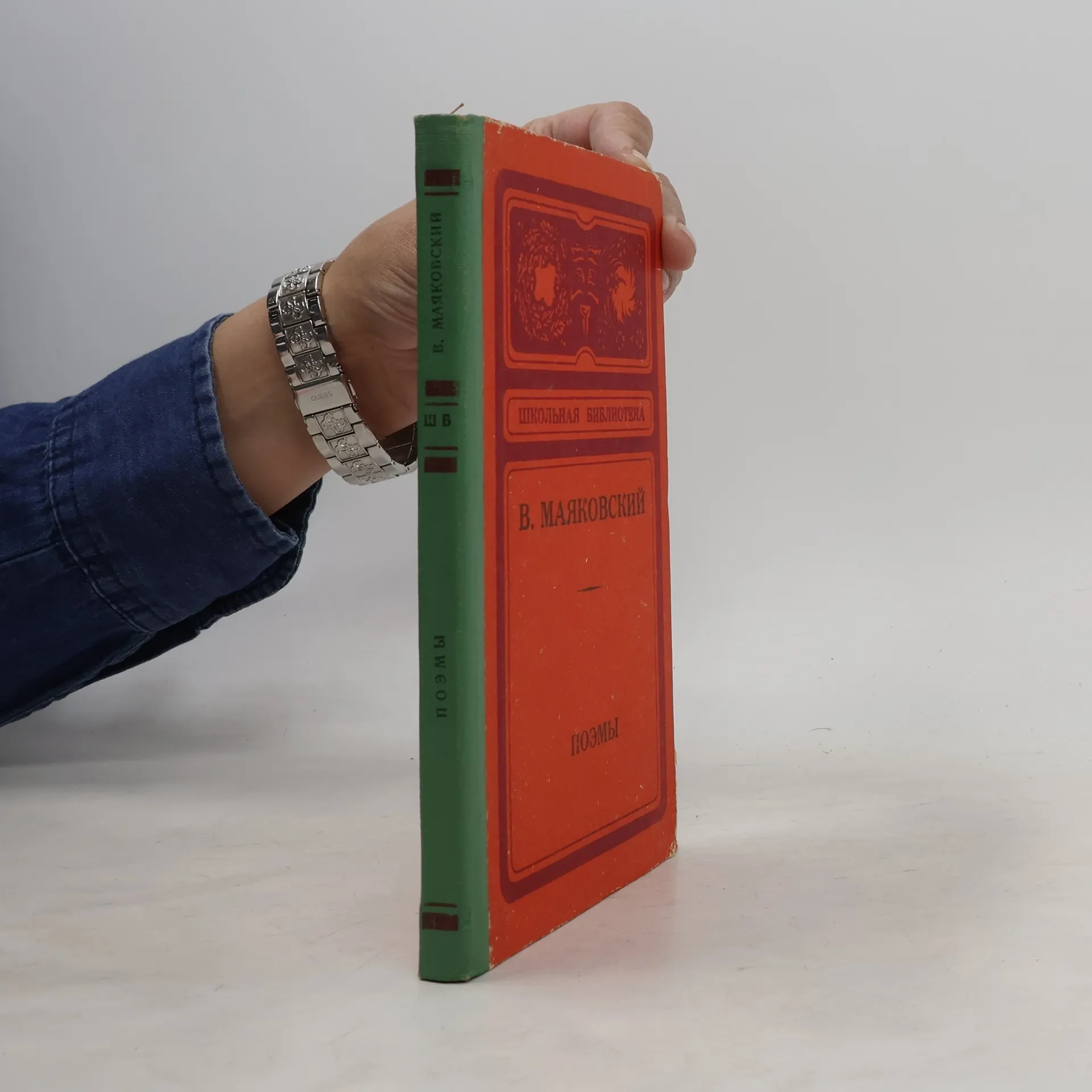
В этой книге помещены избранные стихотворения В.В.Маяковского и его поэмы: "Владимир Ильич Ленин" и "Хорошо!". Книга рассчитана на то, чтобы помочь учащимся средней школы и всем интересующимся поэзией вчитаться в произведения поэта, возможно более подробно и всесторонне разобраться в их тексте. Вступительная статья содержит обзор творческого пути В.В.Маяковского и основных проблем, связанных с его поэзией. То, что намечено во вступительной статье, подкреплено затем конкретным анализом каждого произведения в статьях-предисловиях. В этих статьях и в сносках-примечаниях читатели найдут сведения о том, когда, в связи с чем, с какой целью написано данное произведение, справки об упомянутых в тексте малоизвестных или забытых именах, событиях и деталях быта, а также объяснение сложных образов-метафор и отдельных слов и выражений. Если требующее пояснения имя, факт или слово повторено в нескольких местах, оно поясняется только один раз и никаких отсылок (за единичными исключениями) не делается. Настоящий сборник стихов и поэм В.В.Маяковского может быть использован как пособие при изучении творчества поэта и в работе литературных кружков.
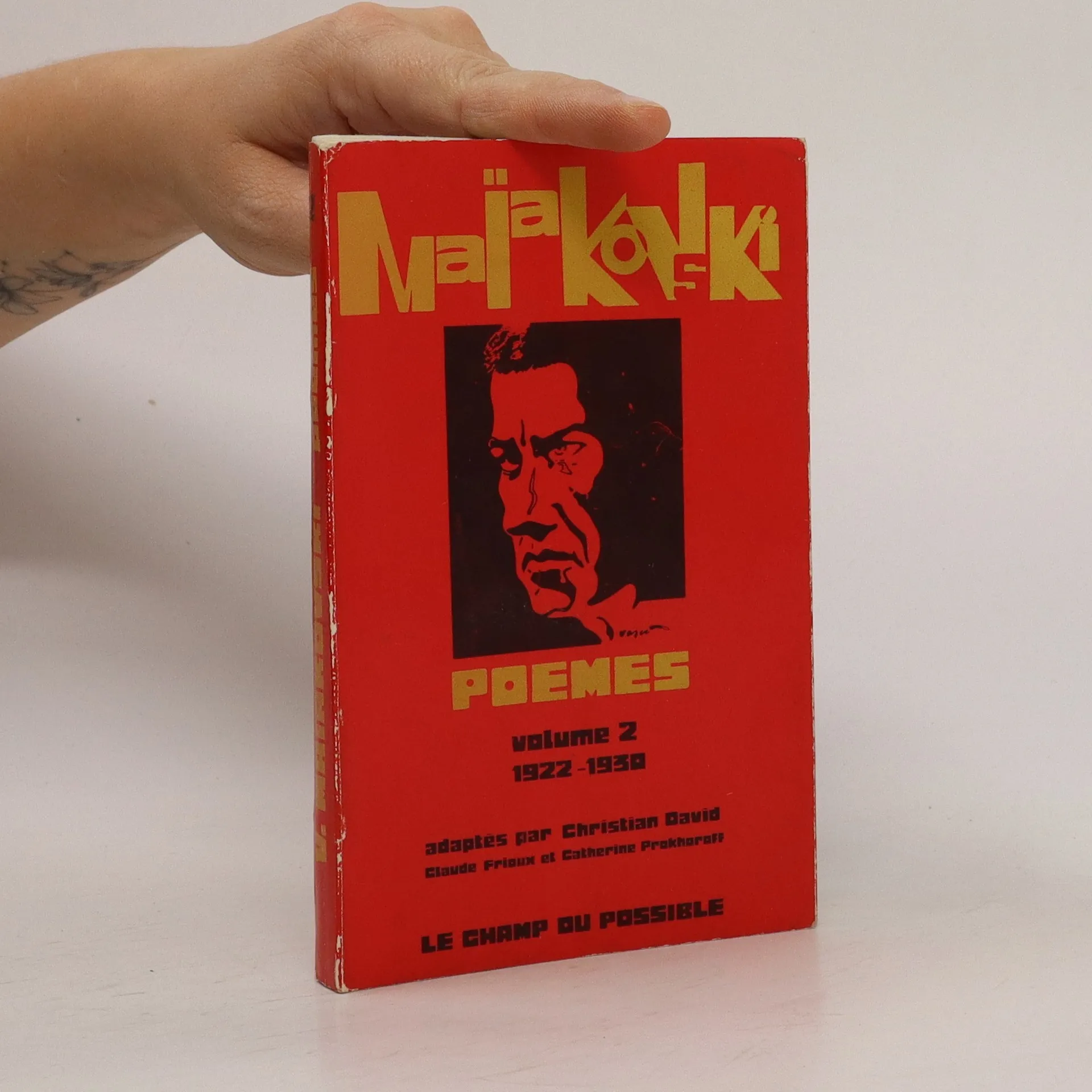
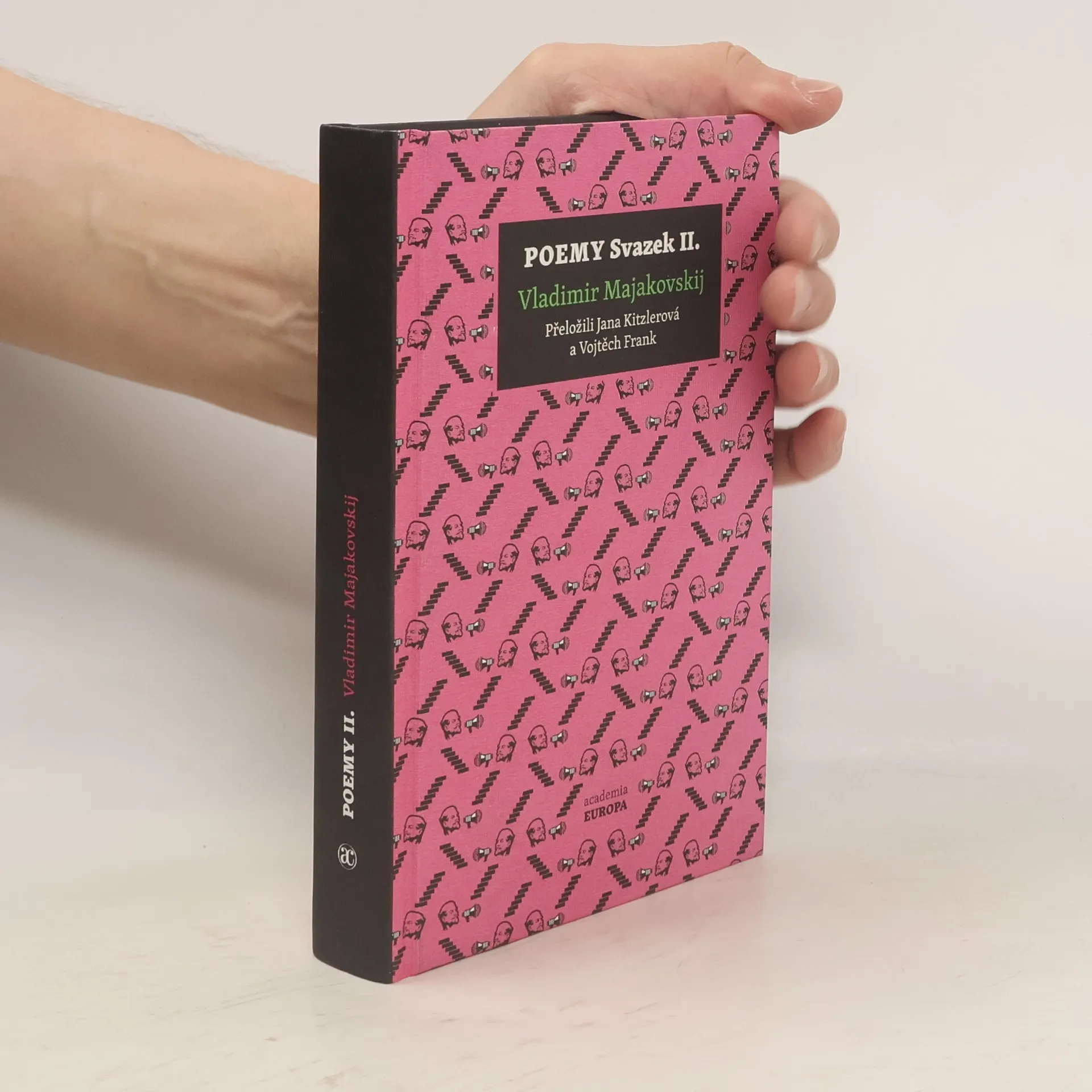
Druhý svazek nového českého překladu vybraných Majakovského veršů nabídne čtenáři celkem sedm poem, které lze námětově označit jako veřejné: je to 150 000 000 z let 1919–1920; IV. internacionála a Pátá internacionála, obě publikovány v roce 1922; poema Vladimir Iljič Lenin z roku 1924, napsaná v přímé reakci na Leninovu smrt v témž roce; Létající proletář datovaný rokem 1925; Správně! (1927); a konečně poema Z plna hrdla, která vyšla na přelomu let 1929–1930, tedy těsně před Majakovského smrtí, a je považována za nedokončenou. Ačkoliv všechny vznikly po roce 1917 a nelze popřít jejich politickou angažovanost v zájmu bolševické revoluce, je nezpochybnitelné, že i tyto porevoluční Majakovského verše se vyznačují velkou obrazností, kreativitou a často i hravostí.
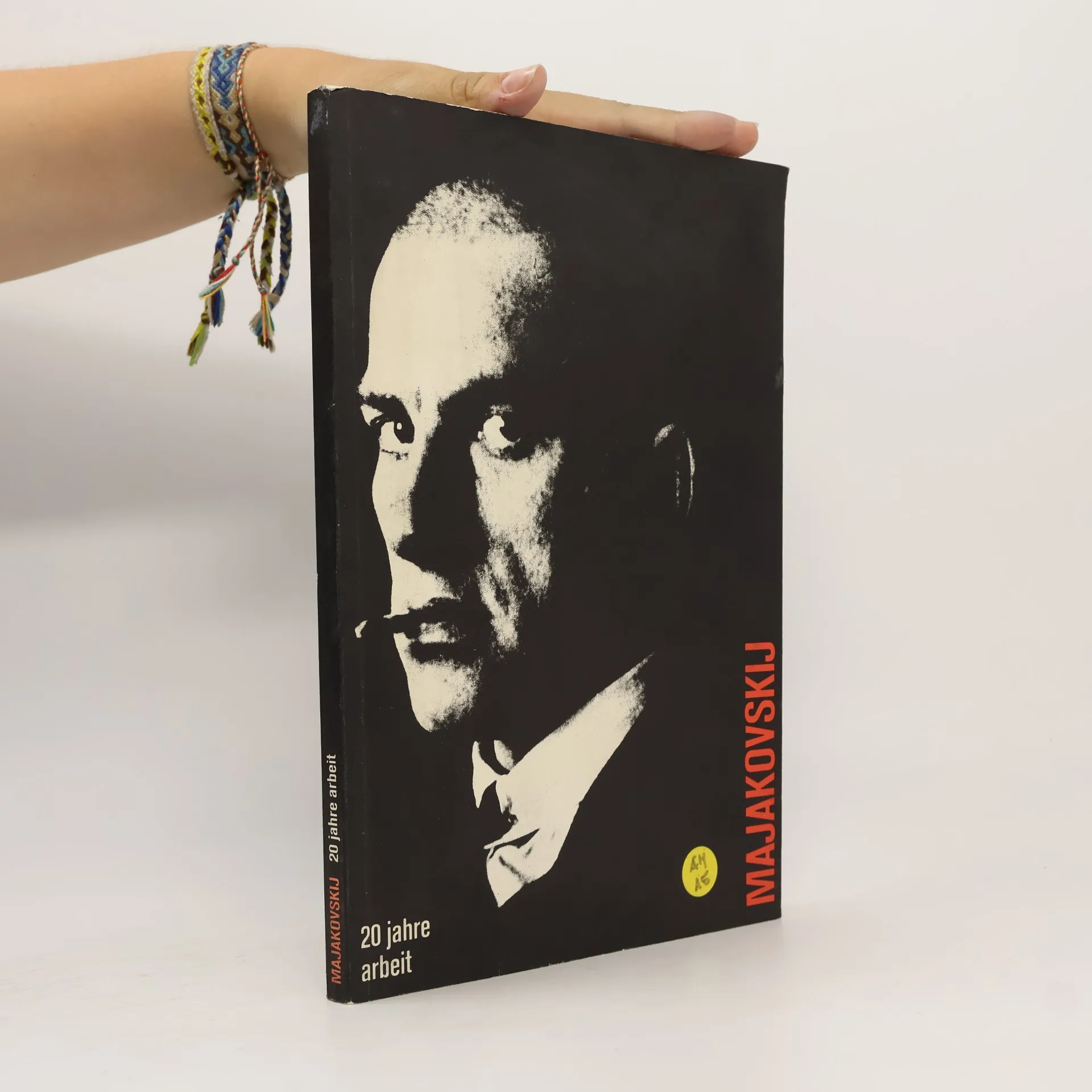
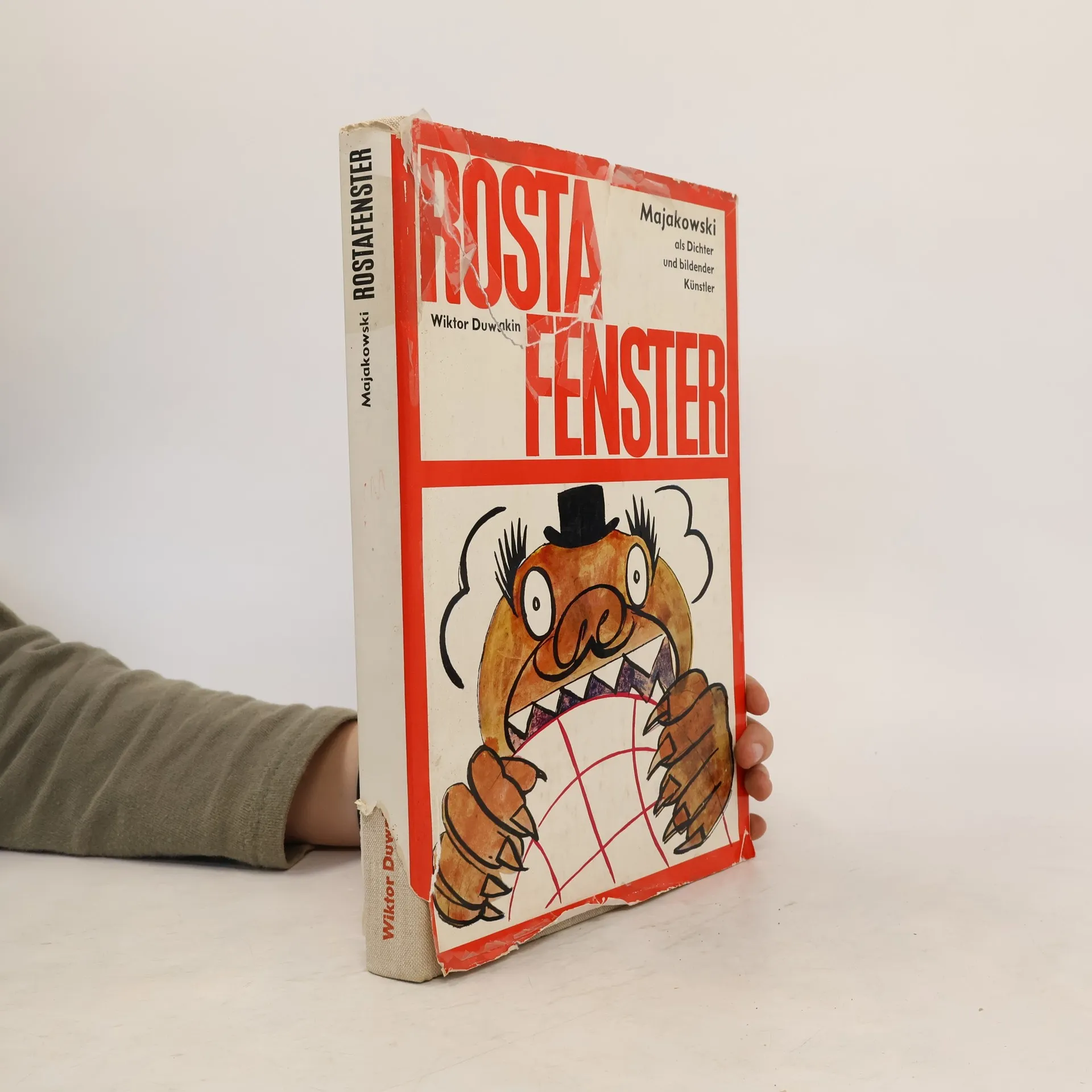
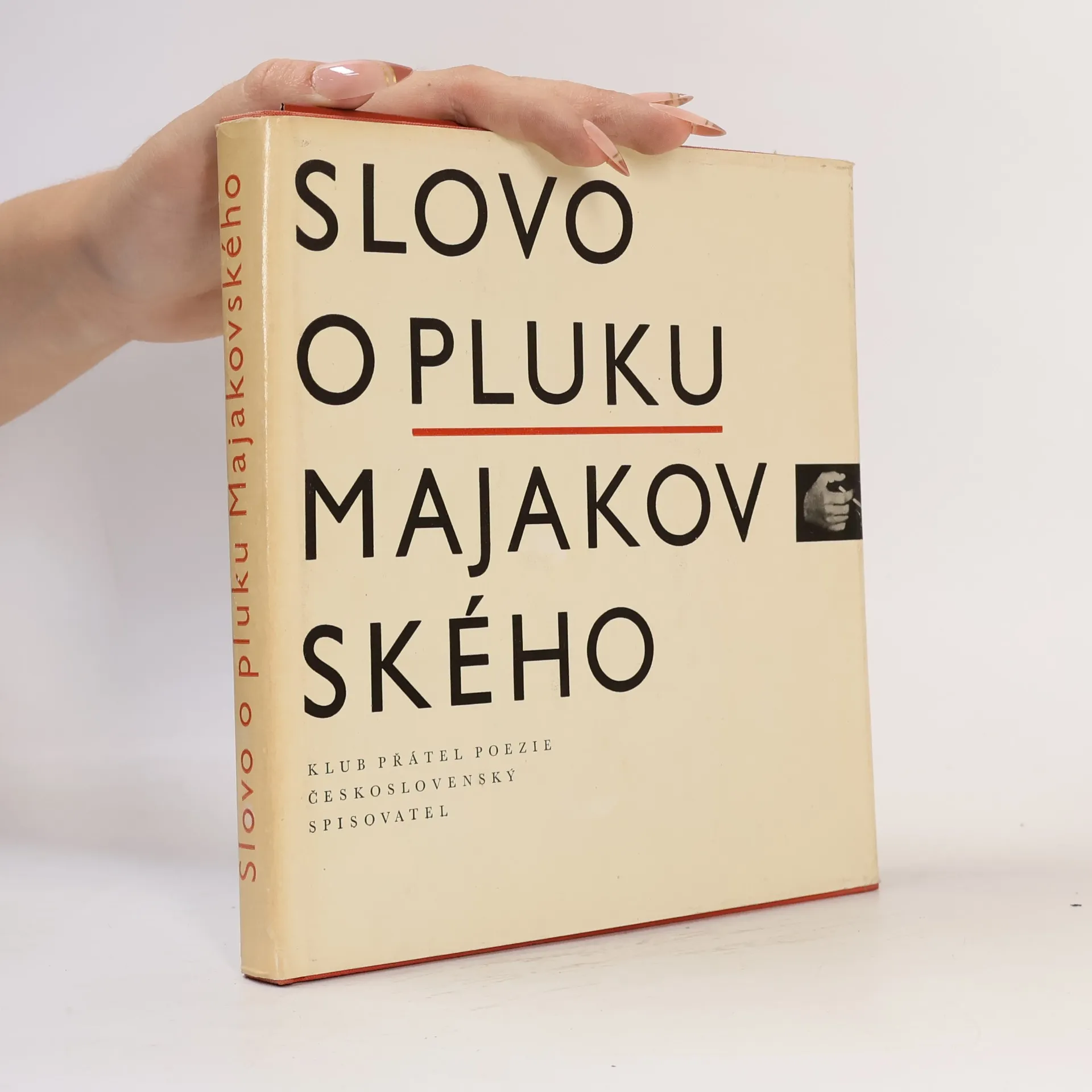
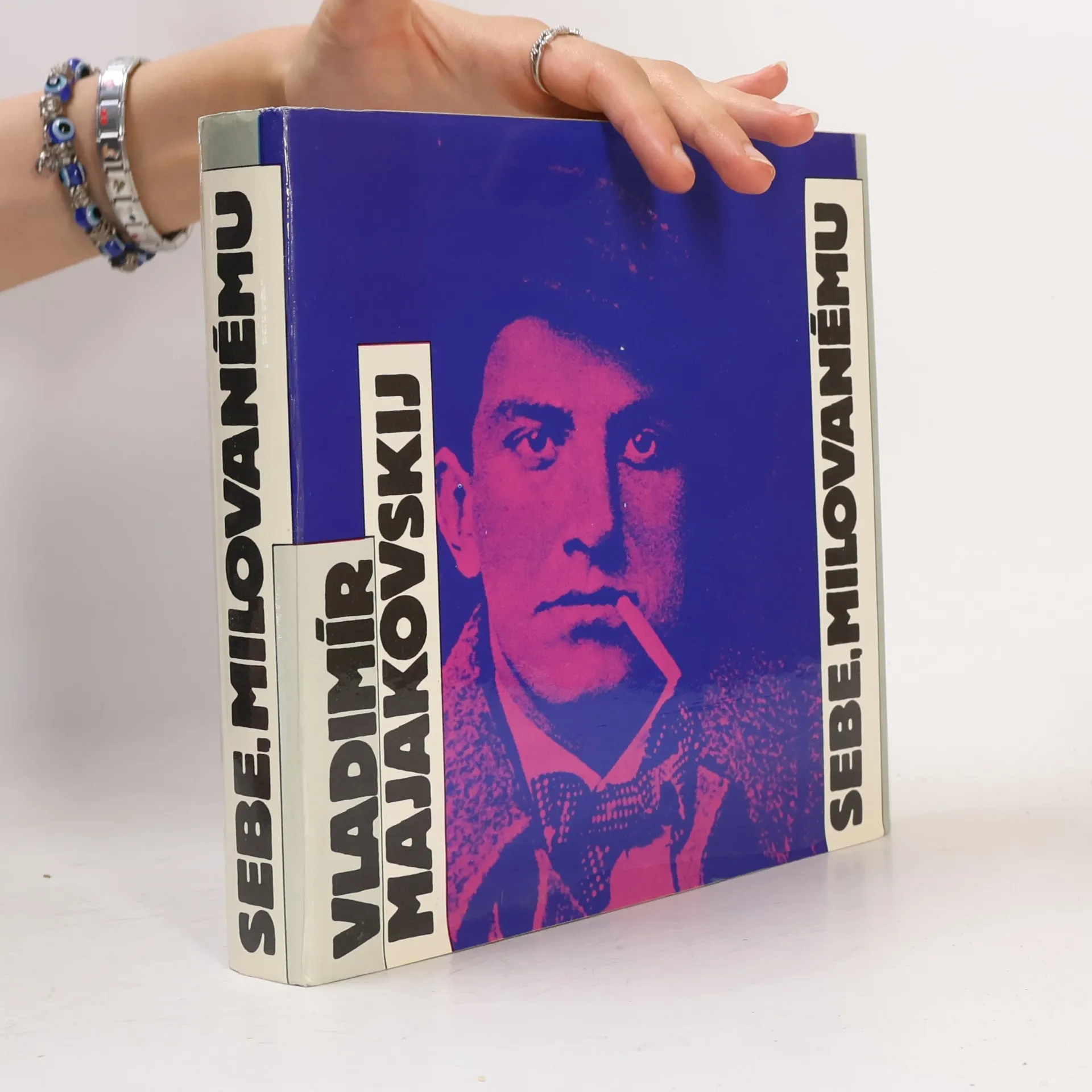
Mimoriadne výpravnú publikáciu z tvorby V. V. Majakovského dopĺňajú texty N. Serebrova, Leva Kassiľa, Lidije Sejfullinovej, spomienok Dmitrija Šostakoviča a básní venovaných Majakovskému od Mariny Cvetajvovej, Borisa Pasternaka, Anny Achmatovovej, Velemira Chlebnikova. Publikácia je ilustrovaná dielami výtvarného umenia Majakovského doby - diela Nátálie Gončarovovej, Kazimíra Maleviča, Lily Brikovej, skupiny LEF, skupiny Okná satiry ROSTA, ukážkami z plagátovej tvorby, návrhov kostýmov a scénických realizácií, a portrétmi Majakovského.
Verše vybral a preložil Ľubomír Feldek, prozaickú časť vybral a preložil Peter Birčák. Doslov k výtvarnej časti napísal Bohumír Bachratý.