Luciano Floridi is a leading thinker in the philosophy of information and information ethics. His work deeply explores the nature of information and its ethical implications in the digital age. Floridi is characterized by a precise analytical approach and the ability to connect complex philosophical concepts with the real-world challenges of the information society. His influence extends beyond academic circles, shaping discussions on digital ethics and the future of information.
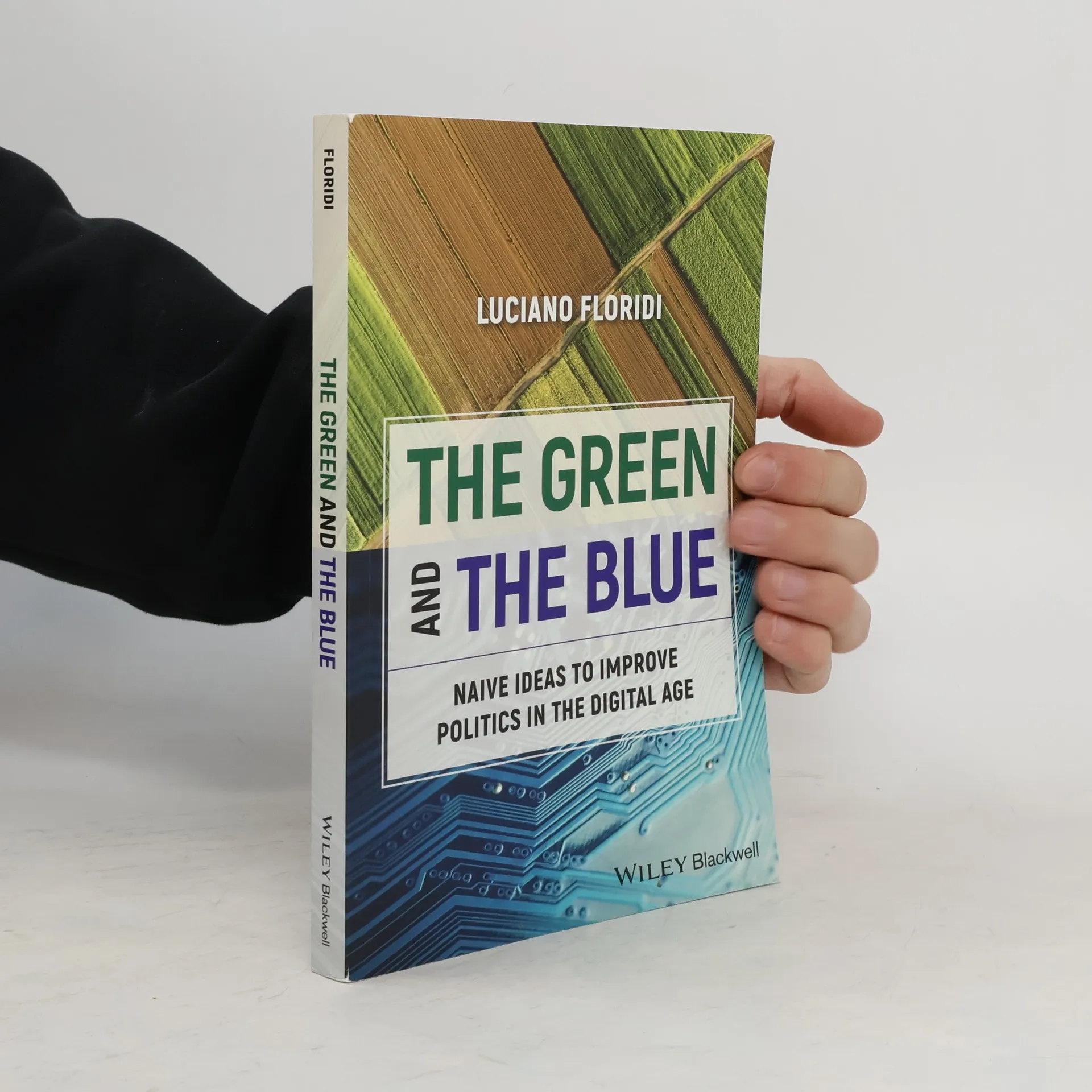
Naive Ideas to Improve Politics in the Digital Age
Focusing on the intersection of environmental policies and digital solutions, this book presents a compelling argument for enhancing democracy and reforming capitalism in the digital age. Luciano Floridi advocates for responsible practices that promote sustainability and social equity, offering fresh insights and bold strategies for political reform. Through engaging analysis and thought experiments, readers are encouraged to critically examine the future of politics and collaborate for meaningful change, making it a vital read for those interested in the philosophy of technology and modern governance.
In an era marked by sudden and profound change, the fashion world has also experienced significant transformations. Its boundaries, its rationale and its protagonists have all been redefined, with these changes continuing now and in the future. The purpose of this book is to analyze this market with particular focus on the segment defined as “high-end” and to provide entrepreneurs, professionals, workers in the sector, consultants, and business/fashion students, a context to understand better the latest and most up-to-date ideas and how to govern their growth.The starting point for the book’s discussion begins with the title of the book, which emphasizes two important characteristics regarding its the increasingly blurred distinction between offline and online – hence the term “onlife” – and the absence of rules, given the obvious out-of-date nature of those on which fashion companies have based their business strategies in recent decades. This has led the authors to propose a handbook of new rules, suitable for a world that increasingly appears to be lacking them.
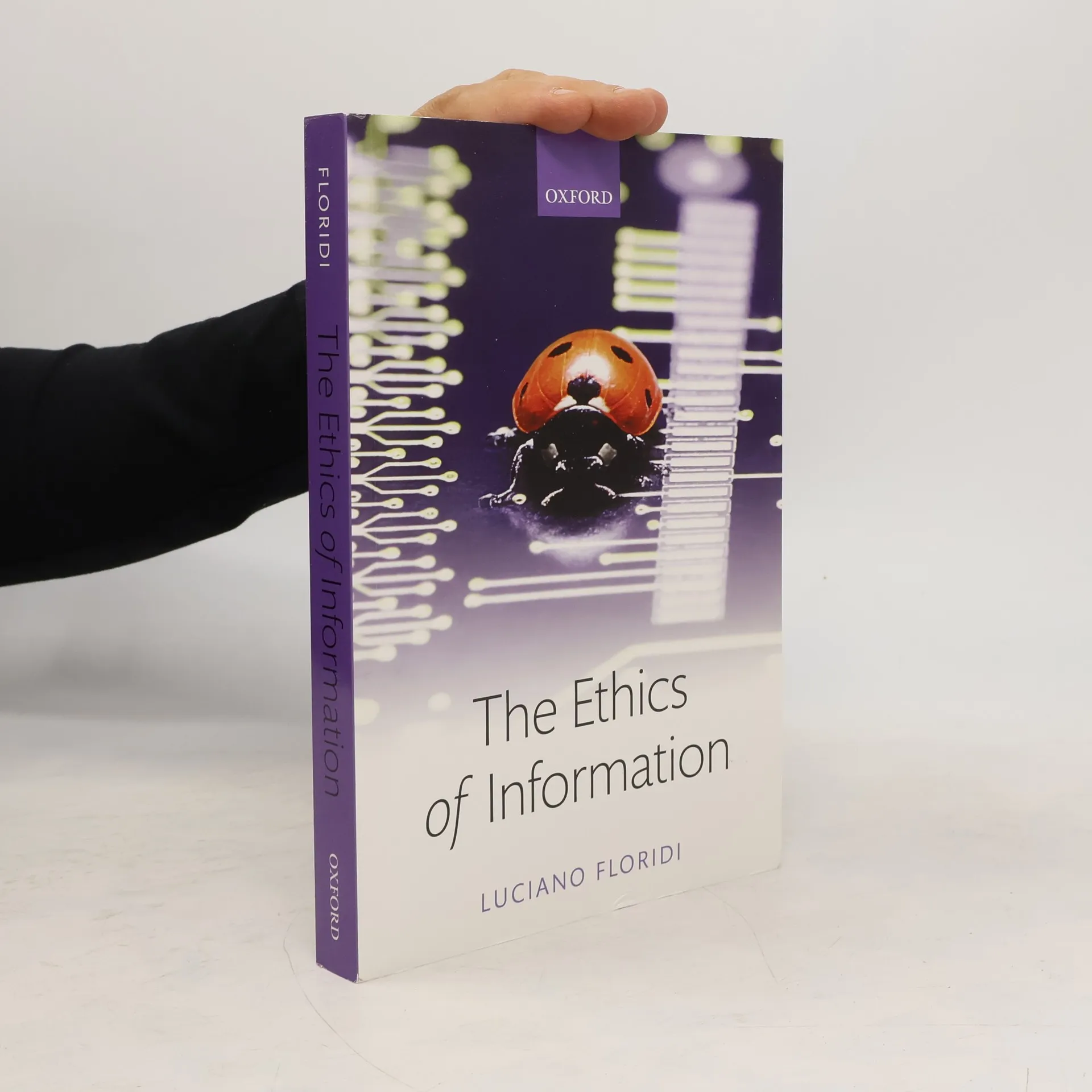
Luciano Floridi presents an original ethical framework for addressing the challenges posed by Information and Communication Technologies (ICTs), which have significantly transformed various aspects of life, including entertainment, work, communication, education, health care, and social relations. These changes have had a profound impact on our moral lives and contemporary ethical discussions, raising pressing issues such as privacy, ownership, freedom of speech, responsibility, and the digital divide. This ethical discourse is encapsulated in Information Ethics (IE), a new philosophical area that examines the ethical implications of ICTs on society. Since the 1970s, IE has been a prominent topic in academic curricula, leading to a surge of university courses, conferences, workshops, and research centers dedicated to the subject. However, most investigations have focused on professional and technical aspects, primarily addressing legal and social issues. This book is the first philosophical monograph solely devoted to IE, establishing its conceptual foundations. Floridi systematically pursues three goals: describing what IE is and its associated problems; providing an introduction to the complex nature of computer ethics; and addressing key theoretical questions regarding the ethical implications of ICTs. While independent of his previous work, this book complements it by further exploring the foundations of the philosophy of
Luciano Floridi presents a book that will set the agenda for the philosophy of information — the study of the nature of information and the development of information-theoretic and computational methodologies for philosophy. It revitalizes old philosophical questions, poses new problems, and it has already produced a wealth of important results.
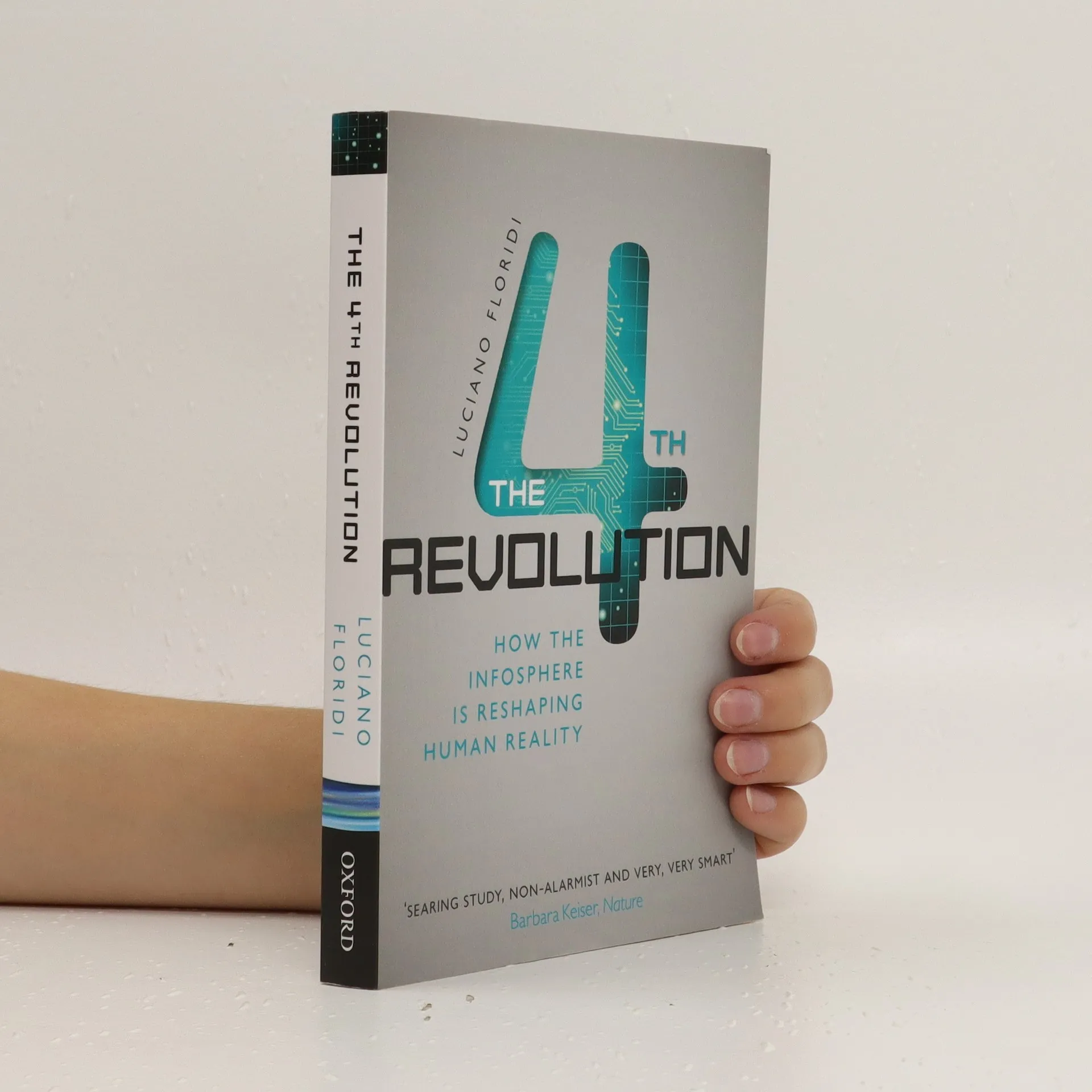
Who are we, and how do we relate to each other? Luciano Floridi, a leading contemporary philosopher, explores how developments in Information and Communication Technologies (ICTs) are reshaping these fundamental questions. As the lines between online and offline life blur, we become interconnected and surrounded by smart objects, integrating into an "infosphere." The personas we adopt on social media increasingly influence our 'real' lives, leading us to live in a state Floridi calls "onlife." This metaphysical shift signifies a fourth revolution, akin to those initiated by Copernicus, Darwin, and Freud. "Onlife" permeates our daily activities—shopping, working, learning, caring for health, entertainment, and relationships, as well as interactions with law, finance, and politics, even warfare. ICTs act as environmental forces that create and transform our realities. To harness their benefits, we must consider the implicit risks: will these technologies empower or constrain us? Floridi argues for an expanded ecological and ethical perspective that encompasses both natural and artificial realities, advocating for an 'e' in environmentalism that effectively addresses the challenges posed by our digital technologies and information society.
Luciano Floridi unpacks this fundamental concept - what information is, how it
is measured, its value and meaning - cutting across the sciences and
humanities, from DNA to the Internet, and the ethical issues related to
privacy, copyright, and accessibility.
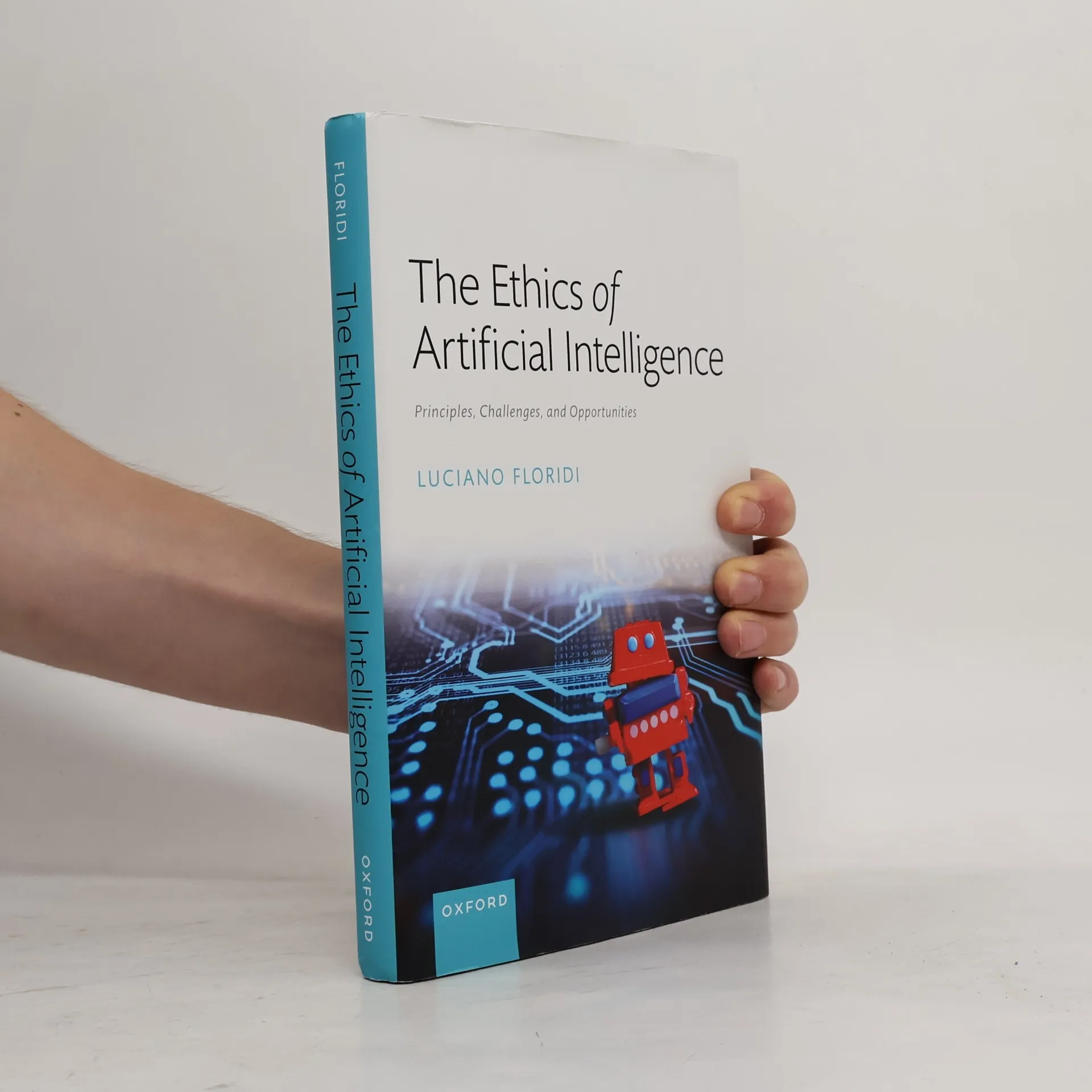
The Ethics of Artificial Intelligence develops the theses that AI is an unprecedented divorce between agency and intelligence and, on this basis, that AI as a new form of agency can be harnessed ethically and unethically. Luciano Floridi argues in favour of a marriage between the Green of environmentalism and the Blue of our digital technologies.