Peter Englund is a Swedish author and historian renowned for his engaging approach to historical narratives. He primarily explores the era of Sweden's rise as a great power, alongside other significant historical events. Englund distinguishes himself through an exceptionally accessible writing style, weaving in vivid narrative details often overlooked in conventional historical accounts. His works have achieved considerable popularity and have been translated into multiple languages.
Set against a backdrop of significant historical events, this book delves into the intricate narratives that shaped a particular era. Through vivid storytelling and meticulous research, it explores the lives of key figures, highlighting their struggles and triumphs. The author weaves together personal accounts and broader societal changes, offering readers a comprehensive understanding of the time period. Engaging and insightful, this work invites reflection on the past and its lasting impact on the present.
Describing the experiences of twenty ordinary people from around the world,
this title explores the everyday aspects of war: not only the tragedy and
horror, but also the absurdity, monotony and even beauty.
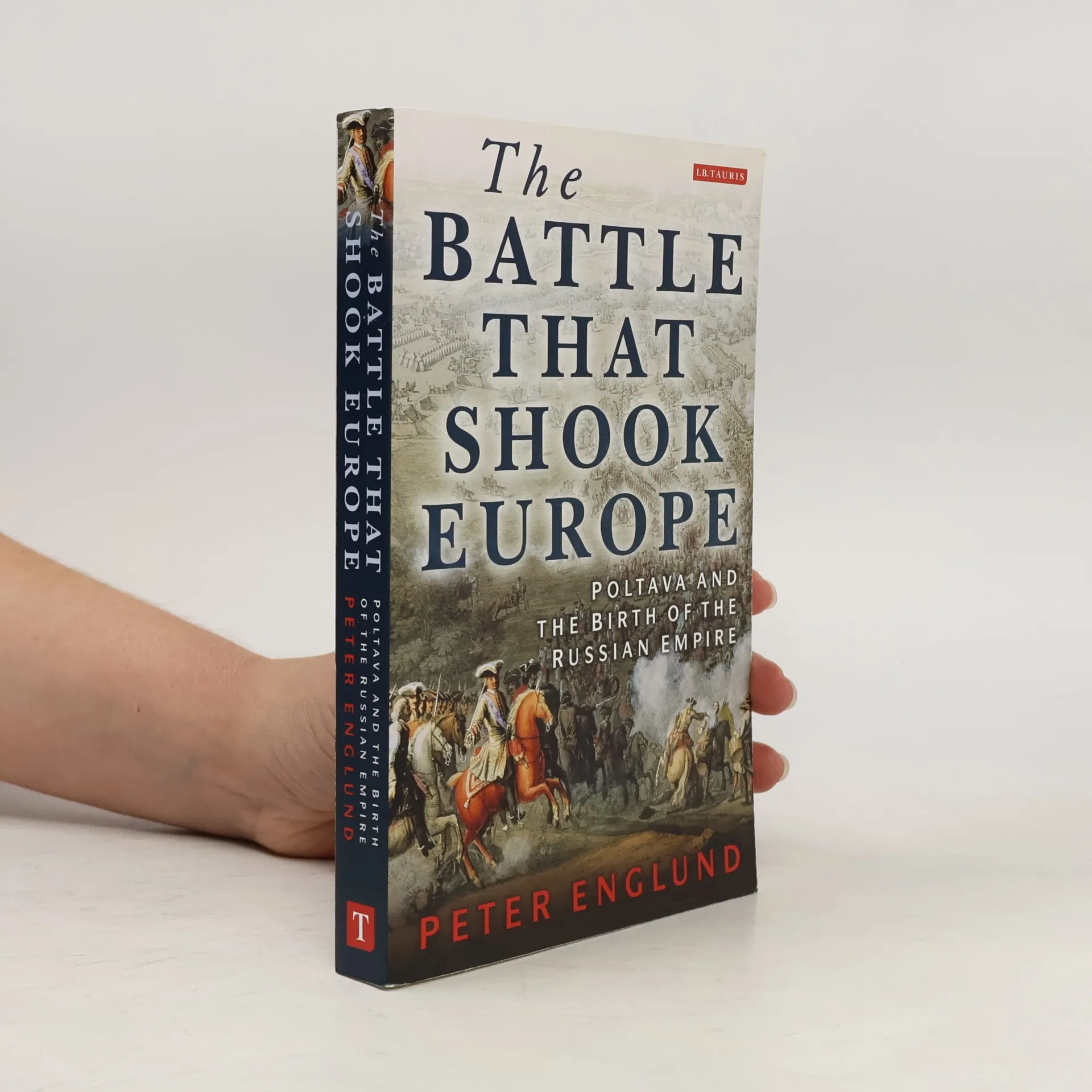
The Battle of Poltava, 1709, marks the birth of the Tsar's vast Russian
Empire. In 1700, seeking to open Russian trade routes to the West, the Tsar
combined with Denmark, Saxony and Poland to attack Swedish hegemony in the
North. Against the odds, King Charles XII of Sweden subdued the hostile
coalition for nearly a decade.
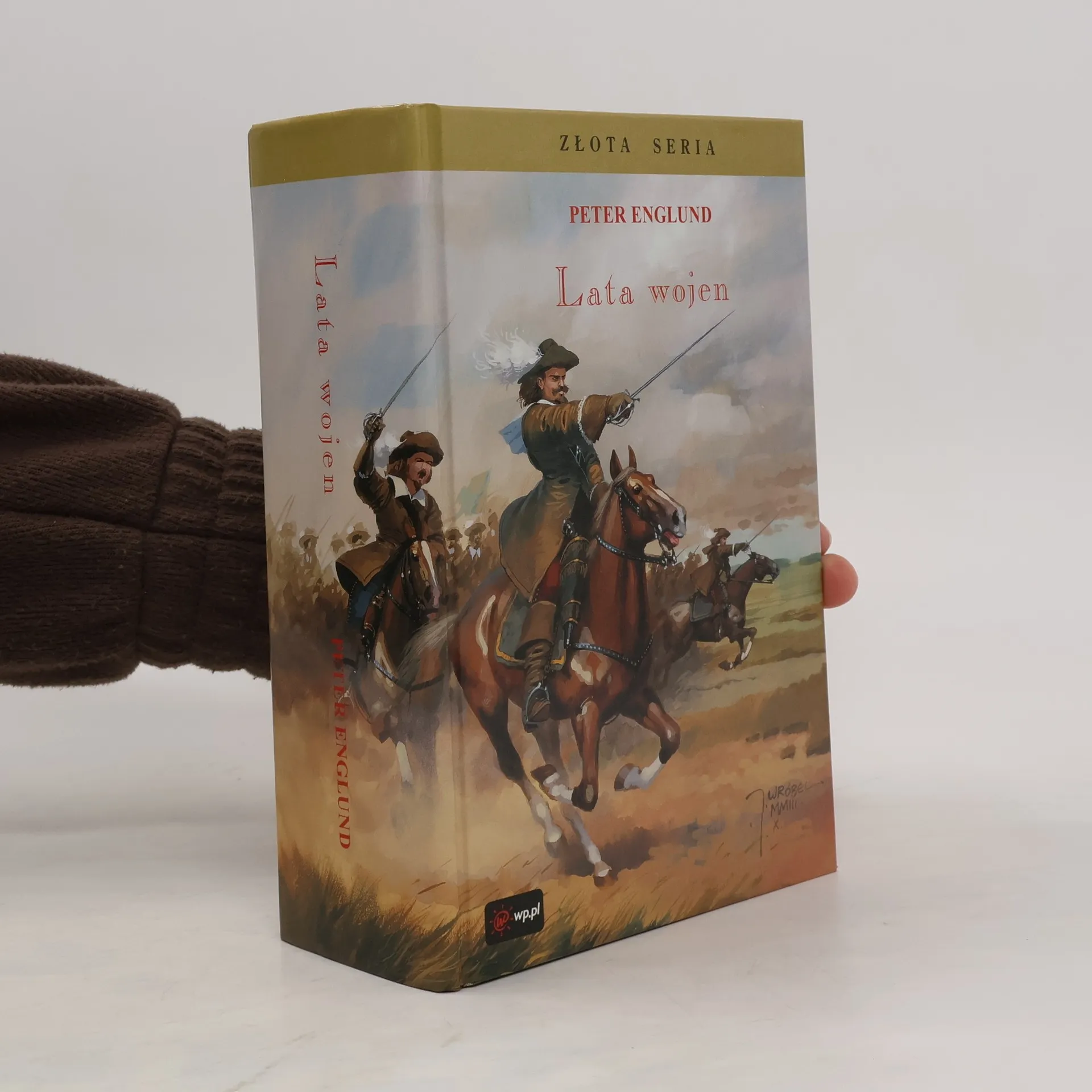
"Mistrzowskie wykorzystanie materiału źródłowego w połączeniu z elegancją stylistyczną umożliwiło autorowi napisanie książki, która jest nie tylko wspaniałą historią, ale i wybitną literaturą..." - Lars-Arne Norborg, Sydsvenska Dagbladet Englund, niczym przewodnik, prowadzi nas za rękę po czasach wojny trzydziestoletniej, zaglądając tu i ówdzie, pokazując życie we wszelkich jego przejawach. Czyni to mimochodem, na tle losów głównego bohatera książki, Erica Dahlberga. Opisanie jego dziejów, człowieka znajdującego się w połowie hierarchii społecznej, którego życie oscylowało między biedą a bogactwem, jest właśnie okazją do odmalowania piórem tak pełnego obrazu epoki.
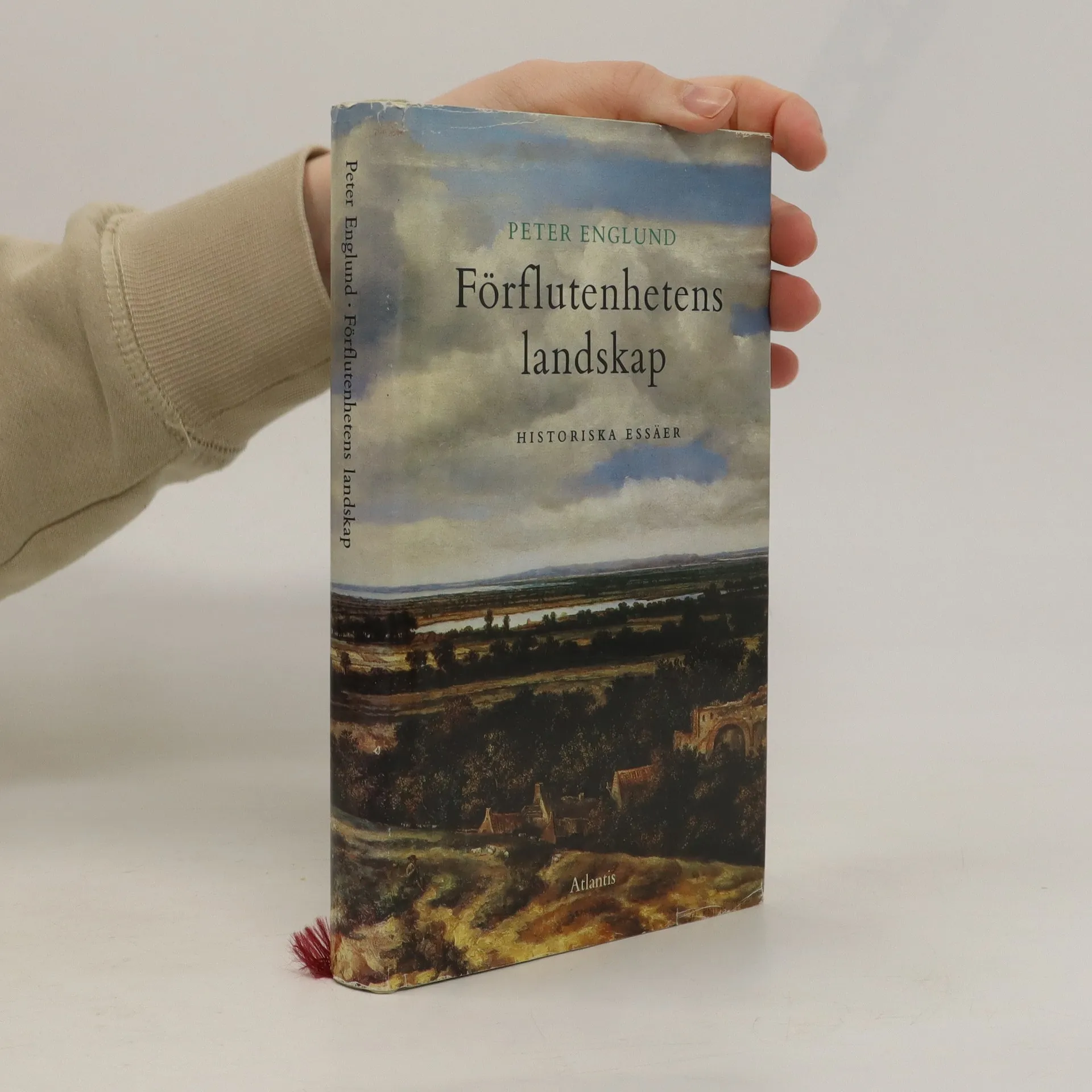
I denna samling med historiska texter eller essäer sysselsätter sig Peter Englund med två breda teman, teman som gärna ställs mot varandra, trots att ingen av dem går att stryka bort med mindre än att vårt förflutna blir obegripligt. Det ena är Den Stora Historien: det handlar om krig och revolutioner, politiska mord, forna och sentida fältherrar och besök på deras slagfält. Det andra är Den Lilla Historien: synen på tiden, synen på ensamhet, på smuts, med mera. Här kan man få svar på frågor som: Vem mördade Karl XII? Vilken berömd fältherre trodde att en elefant gjort honom gravid? Hur tvättade man håret på 1600-talet? Varför grät män så ofta på 1700-talet? Av vilket skäl uppstod vårstädningen på 1800-talet?
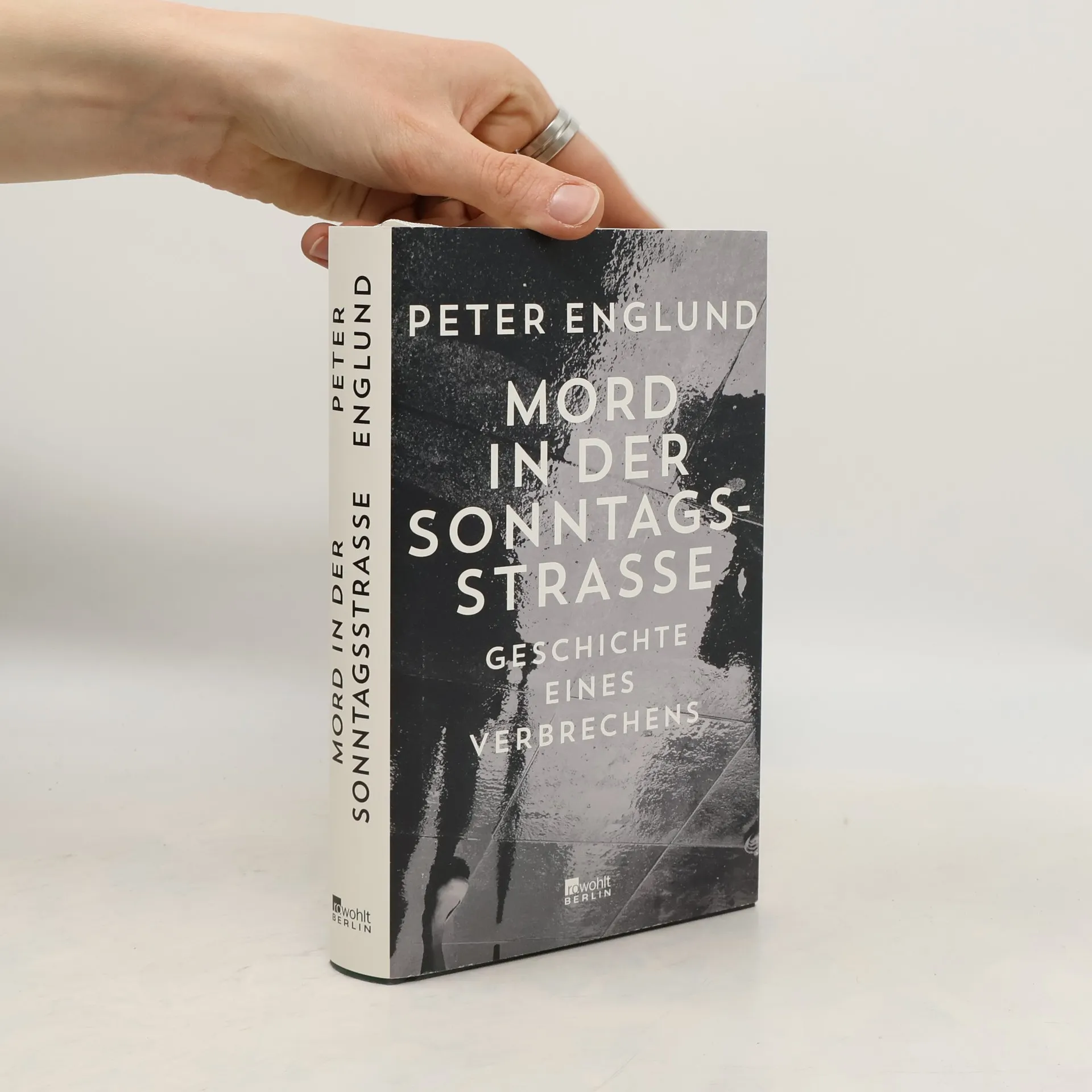
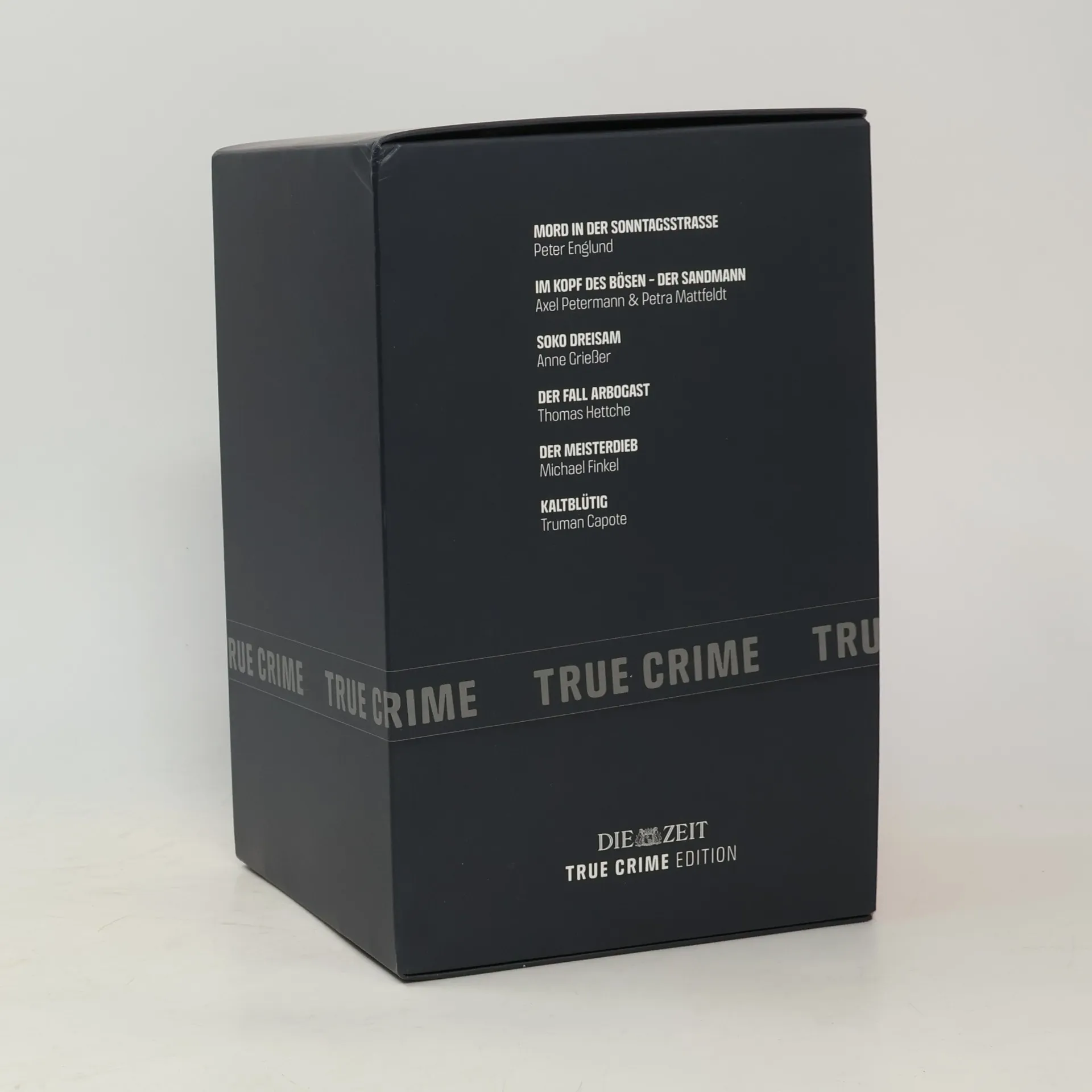
Es sollte das perfekte Verbrechen sein, und es wurde ein Mord, der ein ganzes Land erschütterte. Schweden in seinen «Wunderjahren», als alles sicher und geregelt schien, die Zukunft verheißungsvoll, blickte in einen Abgrund. Im Juli 1965 wird eine junge Frau tot in ihrem Elternhaus an der idyllischen Sonntagsstraße in Stockholm gefunden. Die Ermittler stehen vor einem Rätsel. Was genau ist geschehen? Warum musste sie sterben? Und vor allem: Wer ist der Mörder? In der größten Polizeiaktion der Geschichte Schwedens gelingt es, einen jungen, Deutsch sprechenden Mann zu verhaften, der nach Schweden gekommen ist, um ein «arisches» Mädchen zu finden. Psychisch krank, aber hochintelligent, sucht er unter blonden und blauäugigen Frauen seine Opfer, die er nach einem genauen Plan perfekt töten will ... Peter Englund, Historiker und Erzähler, versteht es wie kaum ein anderer, an einem Einzelfall eine ganze Epoche, ihre Brüche und Spannungen hinter den Fassaden lebendig werden zu lassen. Wie Truman Capote in «Kaltblütig» porträtiert er in einem wahren Verbrechen die moderne westliche Gesellschaft mitsamt ihren Gespenstern aus der Vergangenheit.
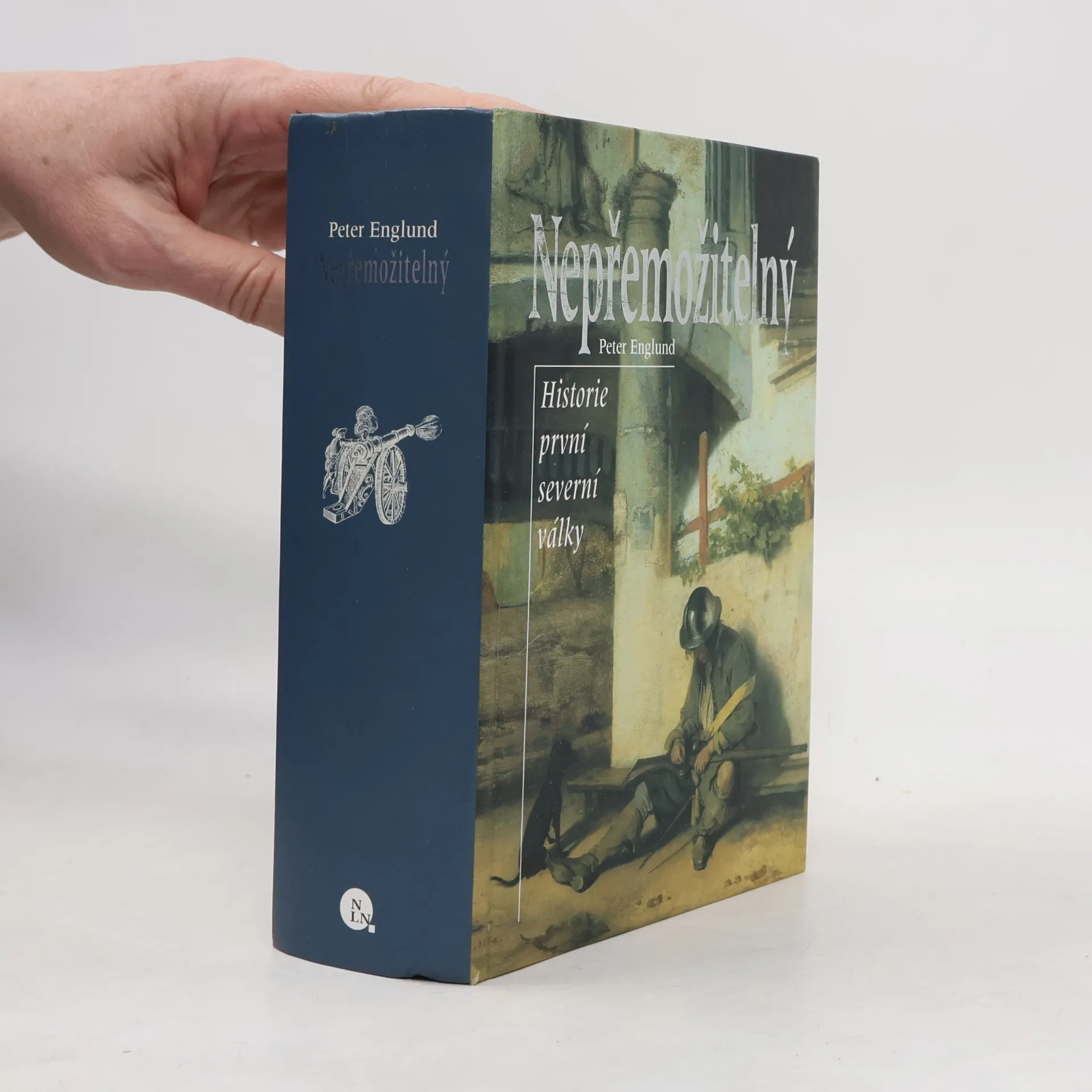
PETER ENGLUND, absolwent filozofii, archeologii i historii, najpoczytniejszy
współczesny pisarz szwedzki. W uznaniu jego zasług dla popularyzacji historii,
został członkiem Akademii Szwedzkiej, przyznającej Nagrodę Nobla. Specjalizuje
się w latach świetności Szwecji – XVII wieku. „Niezwyciężony” to pierwsza tak
pełna biografia króla Karola X Gustawa. Ale to nie tylko biografia jednego
króla, to także próba ukazania obrazu całej epoki we wszelkich przejawach jej
życia. Tom 1.
Ein Mörder, der keiner war, Kindesentführungen mit rätselhaften Gemeinsamkeiten oder eine verblüffende Serie von Kunstdiebstählen, deren Gerissenheit alles übertrifft: Die ZEIT-Edition 'True Crime' versammelt sechs wahre Kriminalfälle, meisterhaft erzählt von Autorinnen und Autoren, die nicht nur packende Lektüre von der ersten bis zur letzten Seite bieten, sondern zusätzlich auch tiefe Einblicke hinter die Kulissen der Verbrechensbekämpfung ermöglichen: Wie analysieren Profiler die Psyche von Verbrechern? Was leistet die Gerichtsmedizin? Mit welchen Methoden will unser Justizsystem für Gerechtigkeit sorgen? In diesen Büchern werden Spannung und Wissen perfekt kombiniert. Ein ZEIT-Nachwort reichert jeden Titel zusätzlich mit weiteren Informationen zu den Fällen und Ermittlungsmethoden an.
Podtitul: Historie první severní války
Historie válek, které vedli Švédové ve druhé polovině 17. století proti Polsku a Dánsku.
Velmi rozsáhlá historická studie volně navazuje na autorovu knihu Nepokojná léta. V té líčil historii třicetileté války (1618–1648). Válečnými událostmi čtenáře provázela postava švédského válečníka Erika Dahlbergha. Tato postava vystupuje i v této části druhé, ovšem hlavní historickou postavou je tentokráte švédský král Karel X. Gustav. Tento král vedl v padesátých letech 17. století válku s Polskem a později s Dánskem. Oba tyto navazující válečné konflikty autor velice zeširoka popisuje. Postava krále je zachycena od narození až do smrti v roce 1660.
Ze švédského originálu „Den Oövervinnerlinge. Om den svenska stormaktstiden och en man i dess mitt“ přeložila Dagmar Hartlová. Doslov, přehled dat a událostí a odborná revize Zdeněk Hojda.
Na vazbě použito obrazu Karla Fabritia „Strážný“ (Státní muzeum Schwerin). Ilustrace z dvousvazkového spisu Samuela von Pufendorfa „De rebus a Carolo Gustavo Sueciae rege gestis commentariorum libri septem“, Norimberk 1696 (Strahovská knihovna). Větší část rytin je dílem Willema Swiddeho (datováno 1688), předlohou byly v mnoha případech kresby a náčrty Erika Jönssona Dahlbergha.
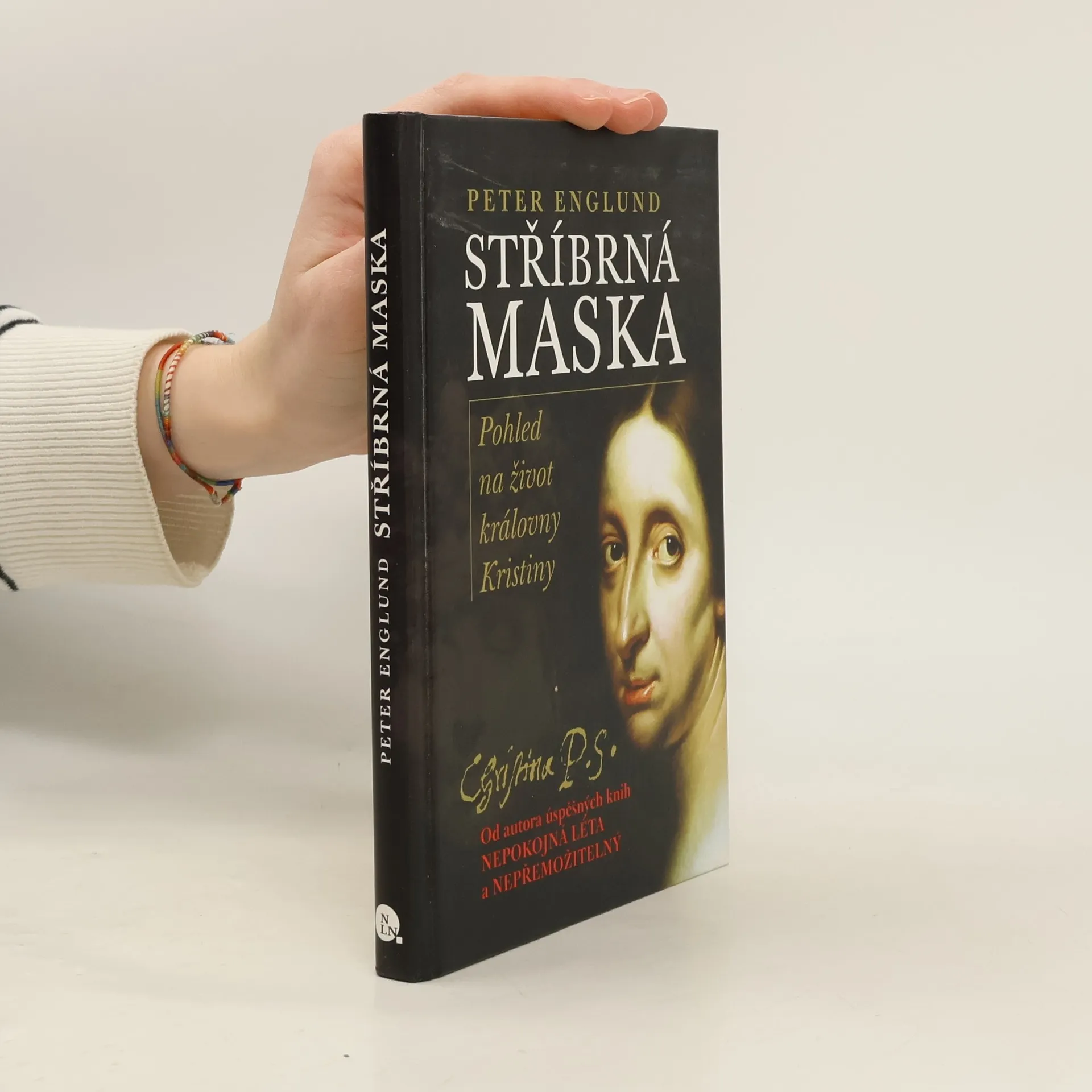
Životní osudy švédské královny Kristiny, pozoruhodné osobnosti evropských dějin 17. století.
Netradičně komponovaný životopis z pera předního švédského historika. Upouští od přísně chronologického uspořádání – líčí zlomové momenty Kristinina života a cílevědomé sebeutváření královniny osobnosti, usiluje zároveň o odhalení motivů klíčových rozhodnutí. Roku 1654 Kristina abdikovala, opustila svou vlast a stala se královnou bez království; následujícího roku veřejně přestoupila na katolickou víru. Po zbytek života pobývala převážně v Římě, zasahovala však nadále do chodu evropských dějin a nevzdala se ani politických ambicí (pokus získat neapolskou korunu či polsko-litevský trůn). Englundova monografie popisuje královnu jako silnou osobnost, toužící po samostatnosti a svobodě, neobyčejně vzdělanou, sečtělou a zvídavou ženu s bohatými kulturními zájmy; autor se zároveň nevyhýbá ani problematickým rysům její povahy. Zabývá se i její literární tvorbou (korespondence, autobiografie).