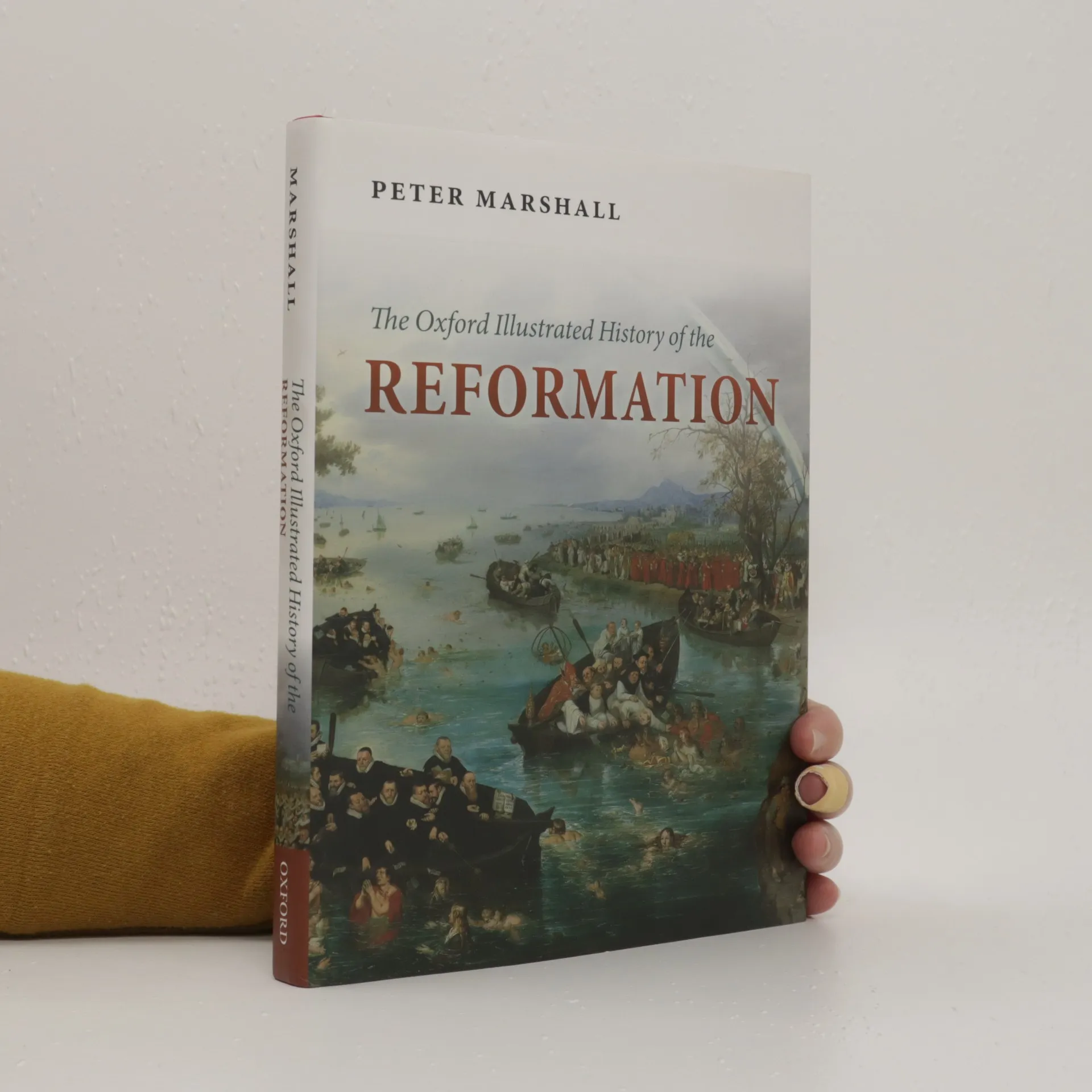
The Reformation was a pivotal historical event with lasting effects in Europe and beyond. Initiated by Martin Luther's protests against the sale of indulgences in 1517, it was part of a broader call for reform within the Christian Church. This movement quickly escalated into intense debates across Germany and Europe regarding the nature of God's will and human salvation. These discussions transcended theology, reshaping politics, international relations, social and cultural dynamics, gender relations, and everyday life. The Reformation also spurred Christianity's evolution into a global religion, as the Roman Catholic Church sought to regain influence through new conversions in Asia and the Americas. This illustrated volume explores both Protestant and Catholic reform movements, detailing the Reformation's explosive beginnings and its profound, lasting legacy. The narrative reveals a complex struggle among various groups and individuals, with or without political backing, each pursuing their vision of reform. Ultimately, it illustrates how these efforts, despite their intentions, contributed to the pluralistic and often conflicted world we experience today.
Peter Marshall Books


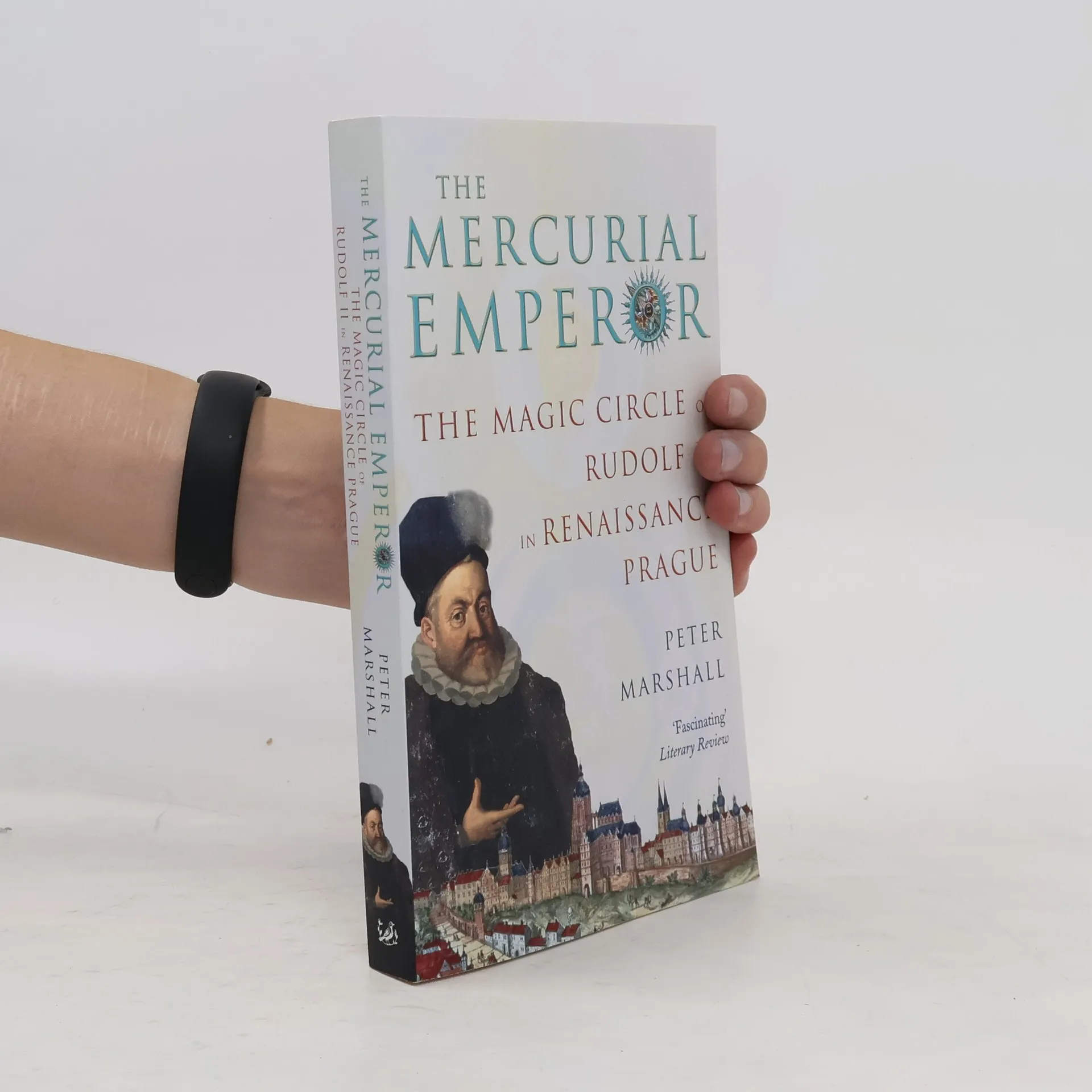
The Mercurial Emperor
- 288 pages
- 11 hours of reading
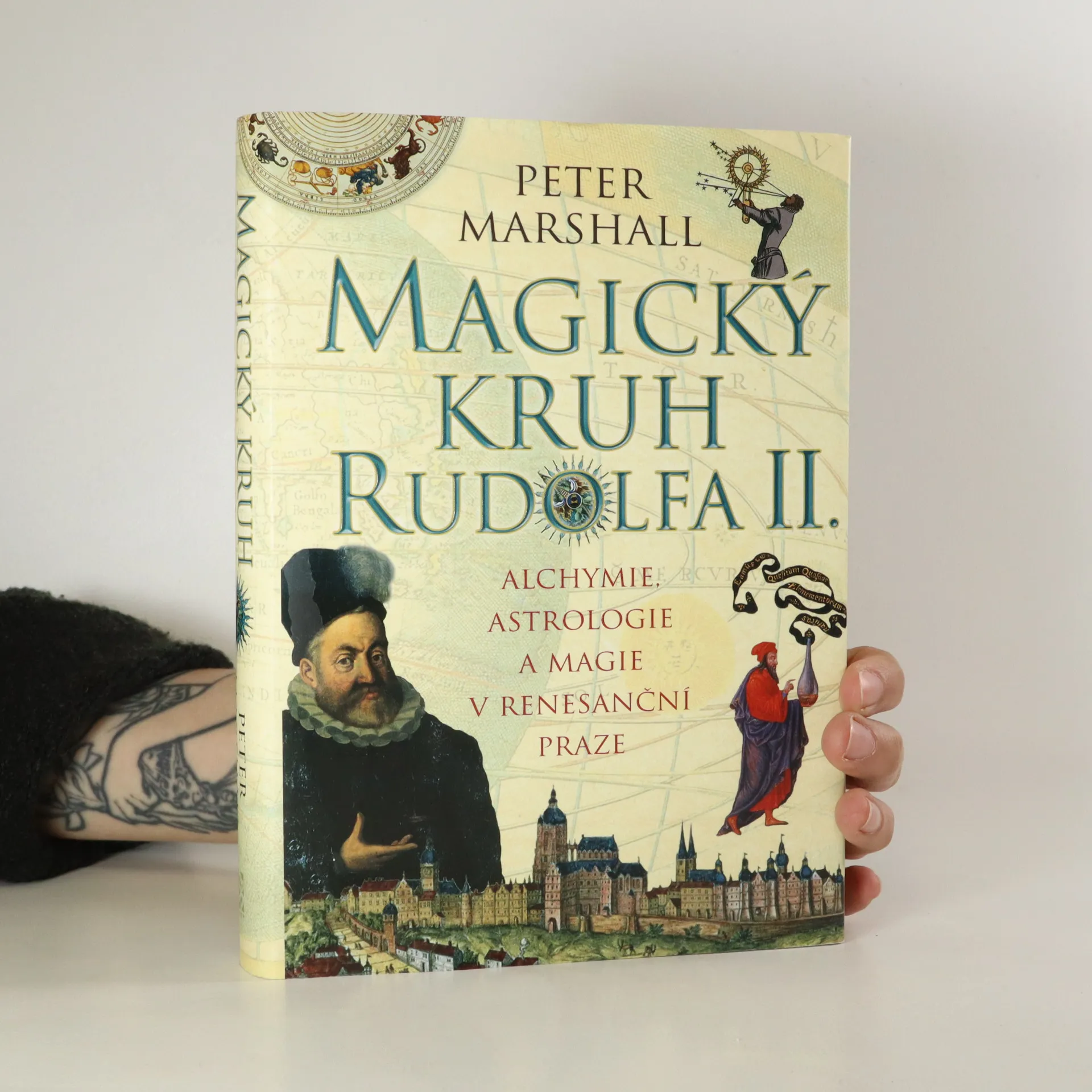
In the late 16th century the greatest philosophers, alchemists, astronomers, painters, and mathematicians of the day flocked to Prague to work under the patronage of the Holy Roman Emperor Rudolf II, an emperor more interested in the great minds of his times than in the exercise of his immense power.
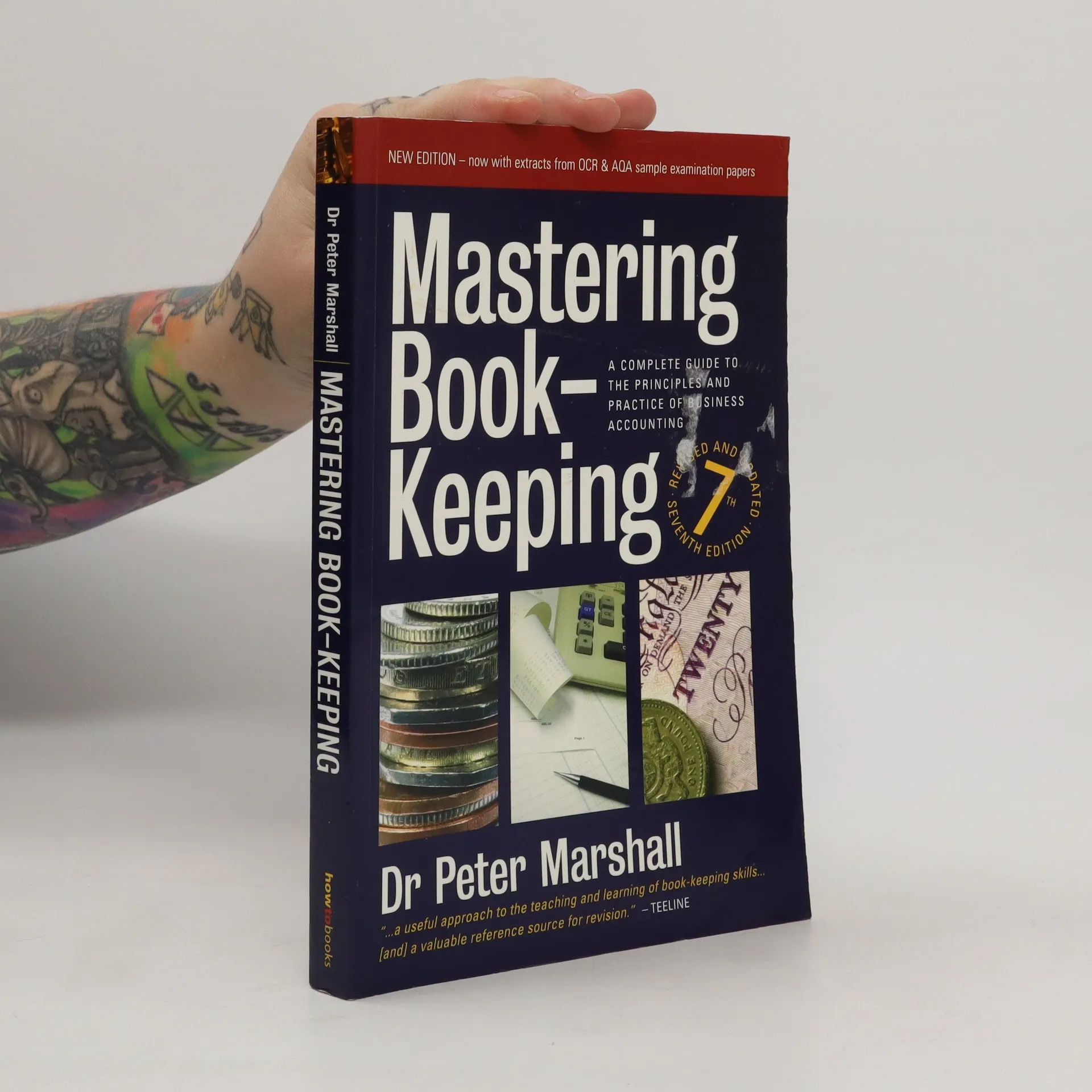
Mastering book-keeping : a complete guide to the principles and practice of business accounting
- 245 pages
- 9 hours of reading
Double-entry accounting can be easy if it's explained well, and "Mastering Book-Keeping" does just that. Now in its updated 7th edition, this popular book has helped thousands of people to get to grips with book-keeping. It explains the principles and practice of book-keeping sequentially, and includes: the bank reconciliation, writing up the petty cash book, extracting a trial balance, accruals and prepayments, setting up a Limited Company, and accounting for VAT. Plus step-by-step guides to compiling a balance sheet, depreciation, accounting for bad and doubtful debts, and much more. Everything is made clear with easy-to-follow explanations. Typical transactions are illustrated throughout to make the information even easier to understand. And, if you're taking LCCI, RSA, BTech, Pitman, GCSE or Open College courses, keep this practical and clear guide to hand; it covers the requirements of all those book-keeping courses.
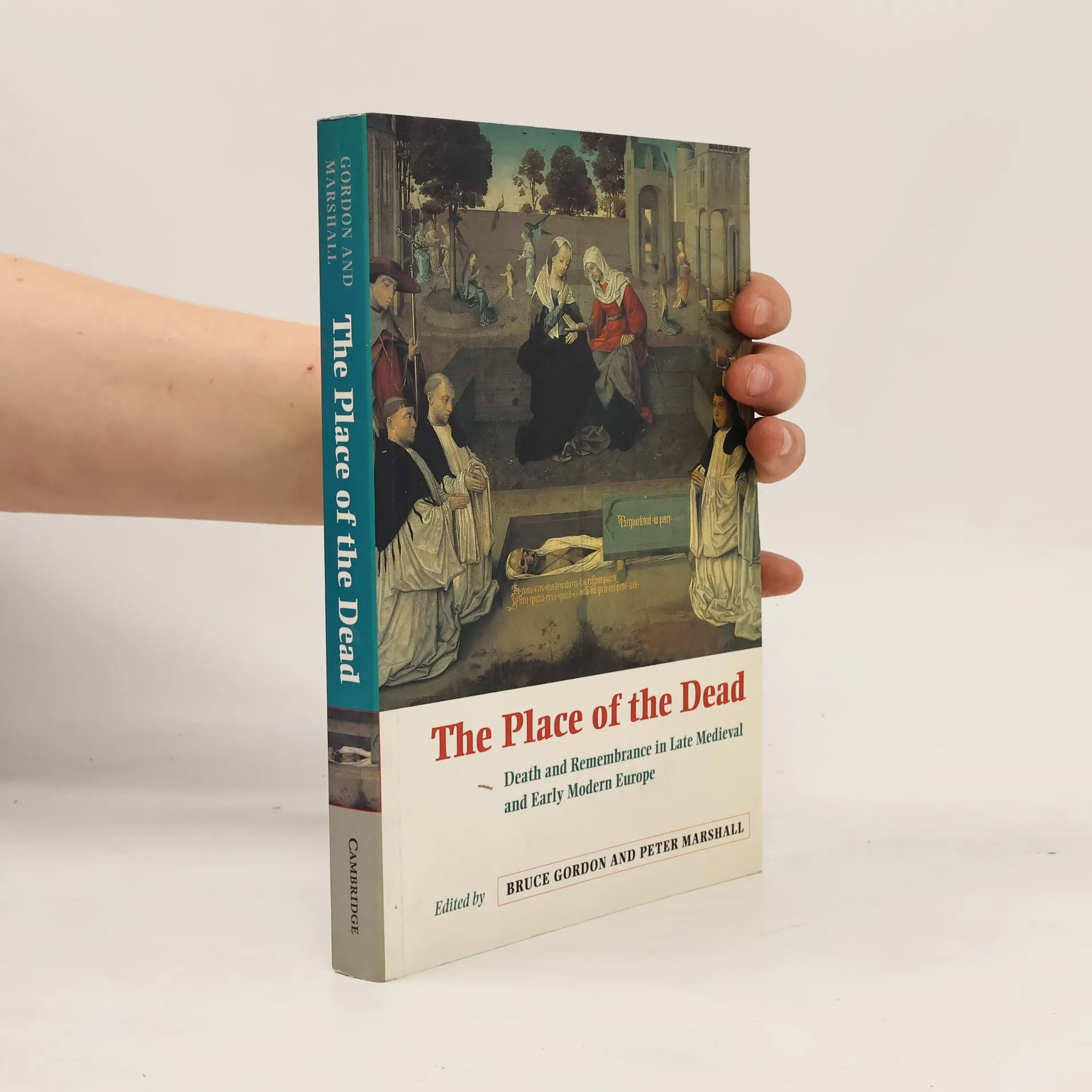
The Place of the Dead
Death and Remembrance in Late Medieval and Early Modern Europe
- 338 pages
- 12 hours of reading
Although much has been published on the social history of death, this is the first book to give a comprehensive account of attitudes toward the dead--above all the "placing" of the dead, in physical, spiritual and social terms--in order to reveal the social and religious outlook of past societies. The contributions range widely geographically, from Scotland to Transylvania, and address a spectrum of themes: attitudes toward the corpse, patterns of burial, forms of commemoration, the treatment of dead infants, the nature of the afterlife, and ghosts.
The Reformation: A Very Short Introduction
- 153 pages
- 6 hours of reading
The Reformation was a seismic event in European history, and one which changed the medieval world. Much which followed in European history can be traced back to this event. In this Very Short Introduction Peter Marshall seeks to explain the causes and consequences of religious and cultural division and difference in western Christianity.
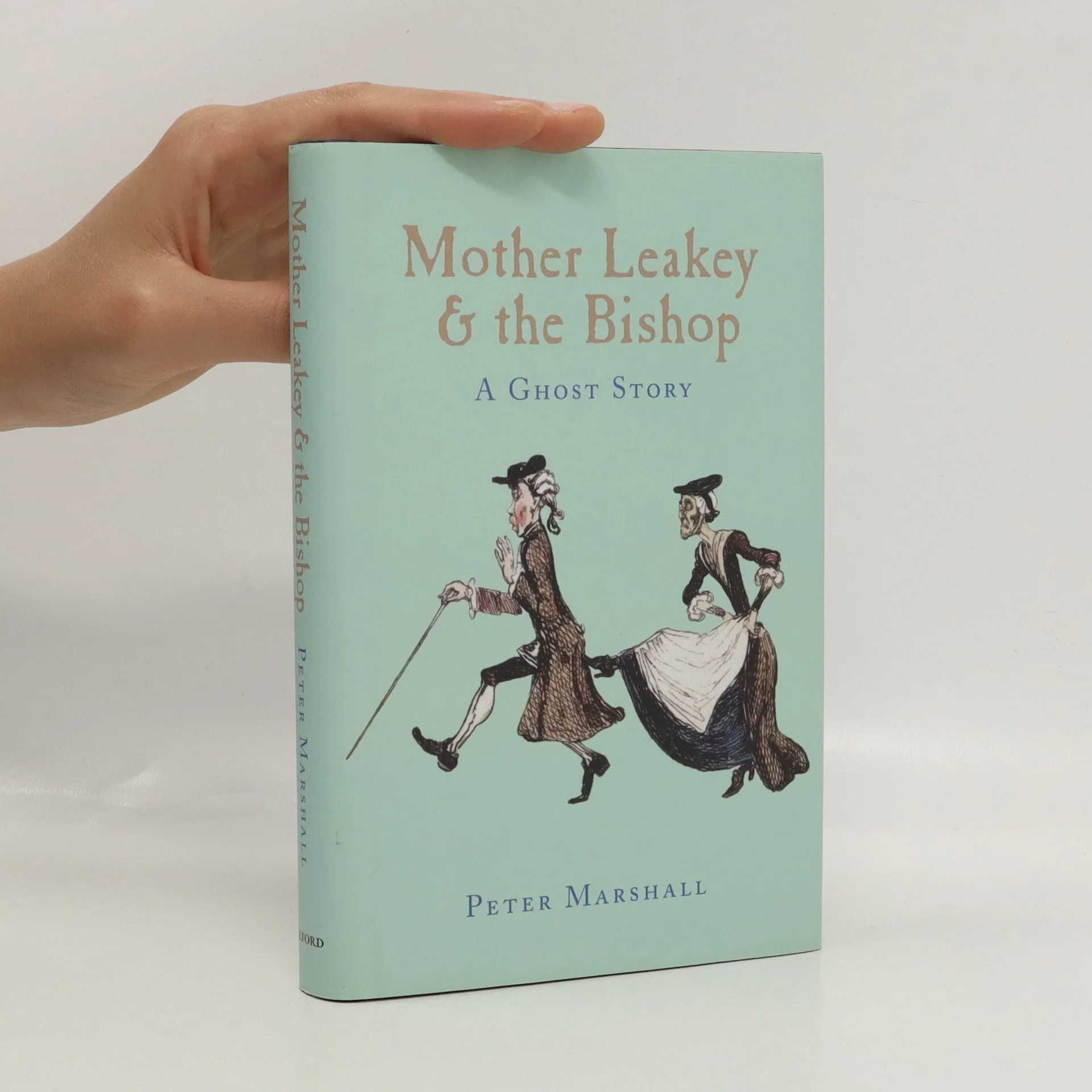
Mother Leakey and the bishop a ghost story
- 336 pages
- 12 hours of reading
Halloween 1636: sightings of the ghost of an old woman begin to be reported in the small English coastal town of Minehead, and a royal commission is sent to investigate. December 1640: a disgraced Protestant bishop is hanged in the Irish capital, Dublin, after being convicted of an 'unspeakable' crime. In this remarkable piece of historical detective work, Peter Marshall sets out to uncover the intriguing links between these two seemingly unconnected events. The result is a compelling tale of dark family secrets, of efforts to suppress them, and of the ways in which they finally come to light. It is also the story of a shocking seventeenth-century Church scandal which cast its shadow over religion and politics in Britain and Ireland for the best part of three centuries, drawing in a host of well known and not-so-well-known characters along the way, including Jonathan Swift, Samuel Taylor Coleridge, and Walter Scott. A fascinating story in its own right, Mother Leakey and the Bishop is also a sparkling demonstration of how the telling of stories is central to the way we remember the past, and can become part of the fabric of history itself.
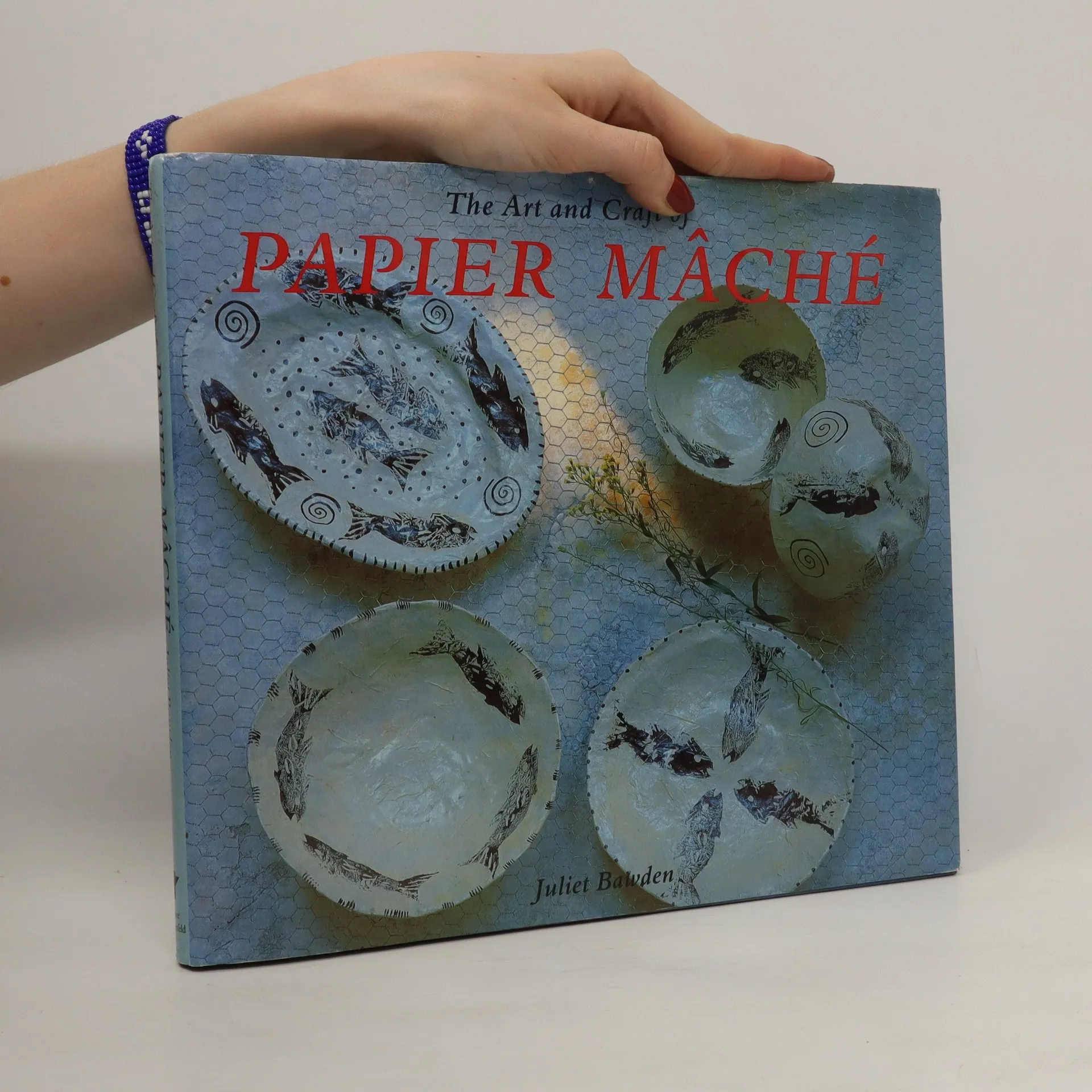
The art and craft of papier mâché
- 143 pages
- 6 hours of reading
Provides instructions for creating objects with papier mache and lists the materials necessary for these types of crafts
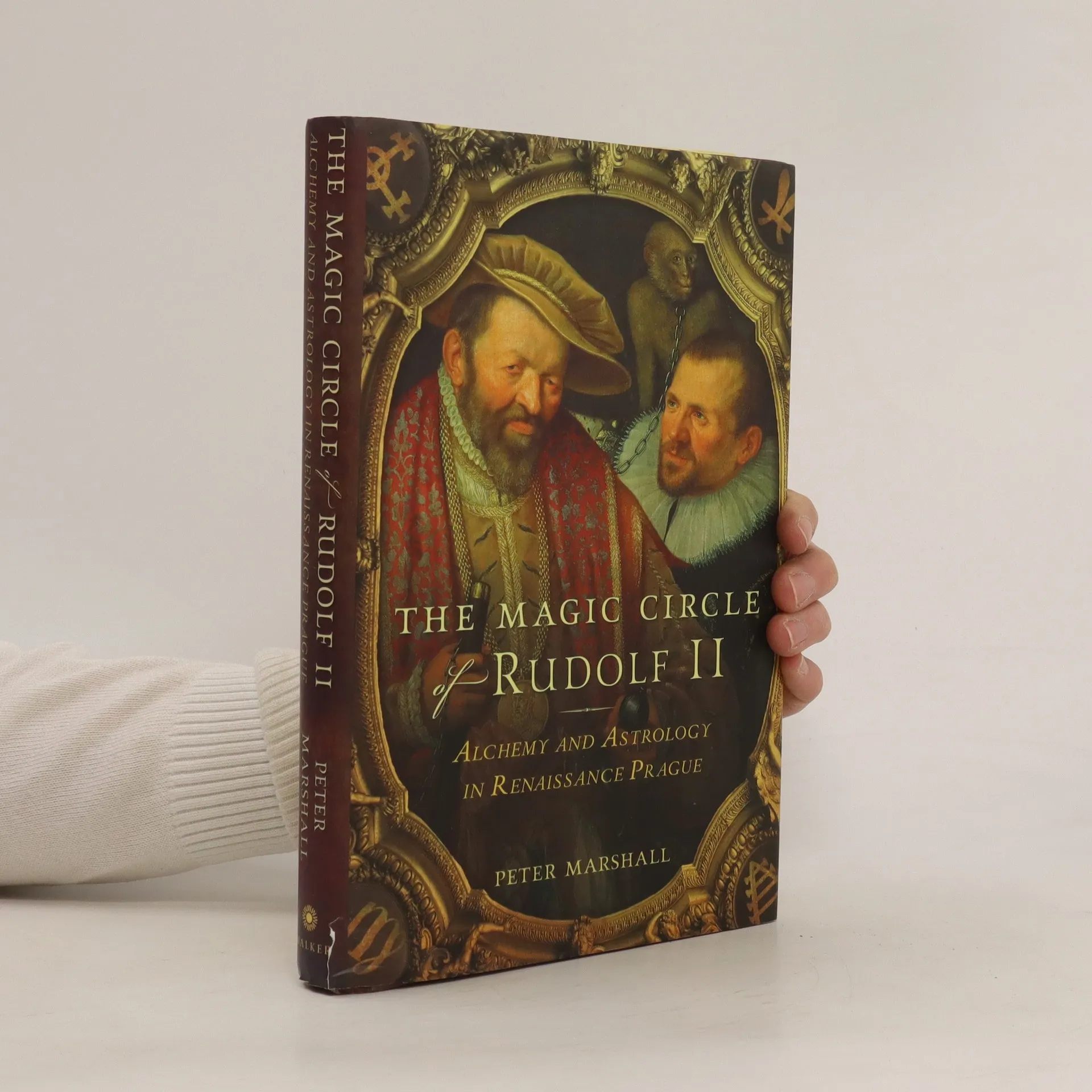
The magic circle of Rudolf II : alchemy and astrology in Renaissance Prague
- 320 pages
- 12 hours of reading
Rudolf II—Habsburg heir, Holy Roman Emperor, king of Hungary, Germany, and the Romans—is one of history's great characters, and yet he remains largely an unknown figure. His reign (1576–1612) roughly mirrored that of Queen Elizabeth I of England, and while her famous court is widely recognized as a sixteenth century Who's Who, Rudolf 's collection of mathematicians, alchemists, artists, philosophers and astronomers—among them the greatest and most subversive minds of the time—was no less prestigious and perhaps even more influential.Driven to understand the deepest secrets of nature and the riddle of existence, Rudolf invited to his court an endless stream of genius—Danish astronomer Tycho Brahe, German mathematician Johannes Kepler, English magus John Dee, Francis Bacon, and mannerist painter Giuseppe Archimboldo among many others. Prague became the artistic and scientific center of the known world—an island of intellectual tolerance between Catholicism, Protestantism, and Islam.Combining the wonders and architectural beauty of sixteenth century Prague with the larger than-life characters of Rudolf's court, Peter Marshall provides an exciting new perspective on the pivotal moment of transition between medieval and modern, when the foundation was laid for the Scientific Revolution and the Enlightenment.
Mr. Jones, Meet the Master
Sermons and Prayers of Peter Marshall
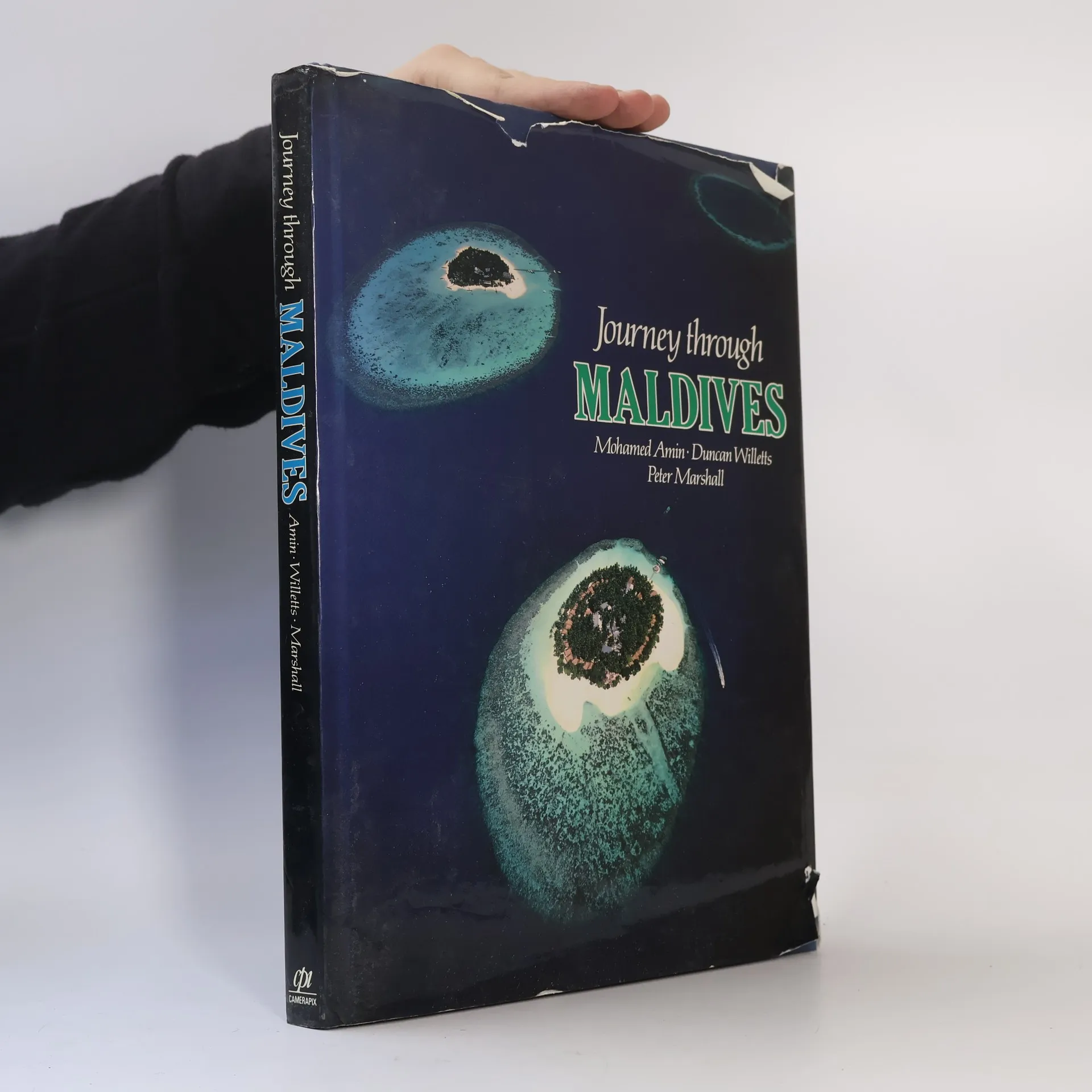
Journey through Maldives
- 192 pages
- 7 hours of reading
This work places the contemporary debate over green issues in its historical context. Outlining the ideas and values which have led to the present crisis, Peter Marshall traces the development of ecological thought from its origins in ancient religions and philosophies, to modern science and ethics. Informed by sound research and meticulous scholarship, this is an accessible guide to green politics, environmentalism and ecology. It provides the wider ecological movement with a comprehensive vision which will lay the foundations of an organic and sustainable society in harmony with nature.
SPECTRUM GUIDE TO THE MALDIVES (2ND ED.)
Offers the history and ideology of anarchism, which is based on the philosophy that individuals should be able to manage their lives without the involvement of a government.
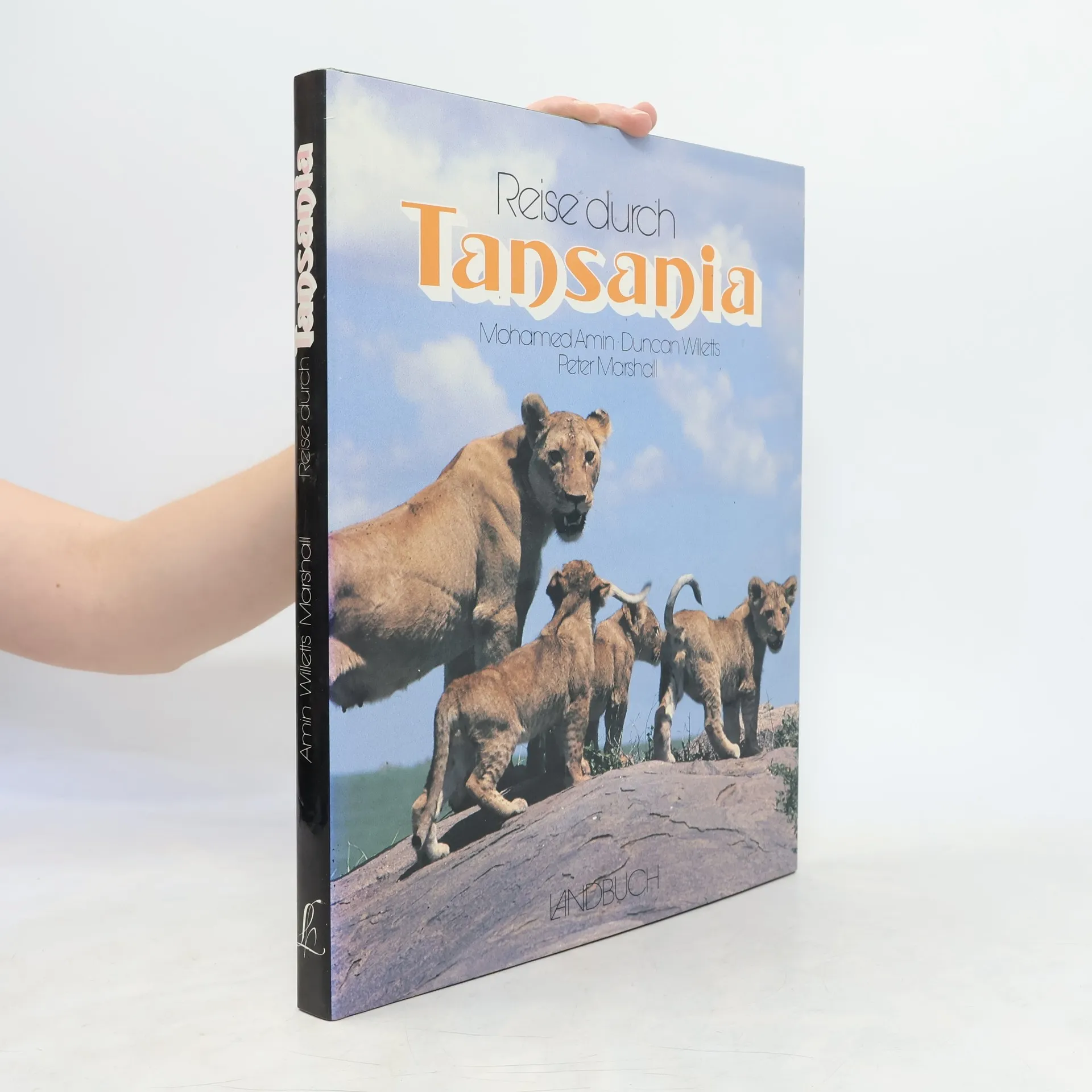
Journey Thru Tanzania
- 192 pages
- 7 hours of reading
Az írói ambíciókat dédelgető munkásfiú és a jó házból való úrilány életét egy váratlan tragédia törte szilánkokra. Párhuzamos pályán futó életük egy mozgássérültek számára fenntartott otthonban keresztezte egymásét. Azzal, hogy egymásba szerettek, felrúgták a társadalmi konvenciókat, és harcot indítottak az élet teljességéhez való elidegeníthetetlen jogukért. Harcuk dühödt, indulatos és elkeseredett. Nem csupán egy fiatalkori lázadás története, hanem mélységesen emberi hitvallás a másság elfogadásáért. Varázslatos írás: a morbid tragédiát ujjongó vidámság szövi át, összhatása felemelően katartikus.
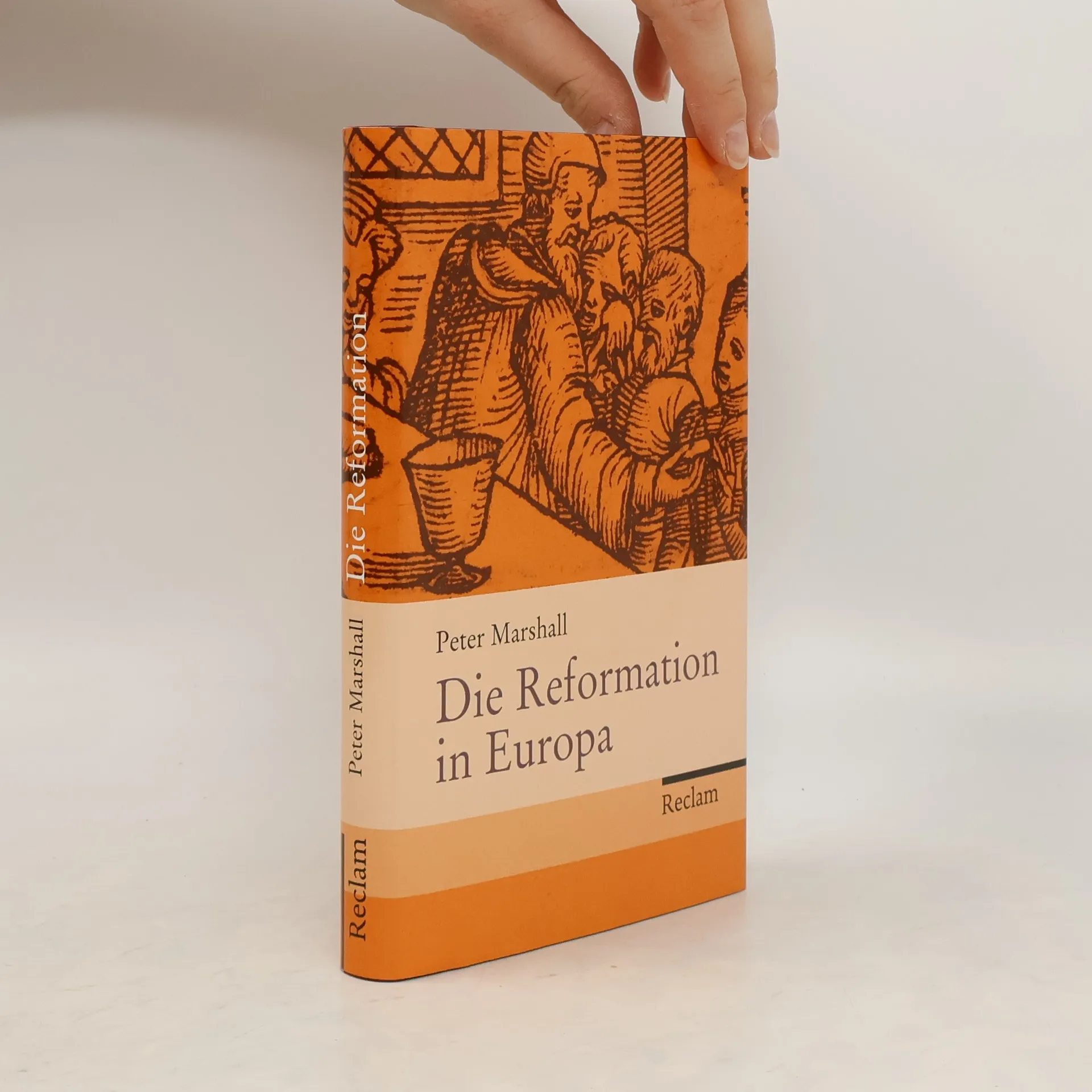
Die Reformation in Europa
- 209 pages
- 8 hours of reading
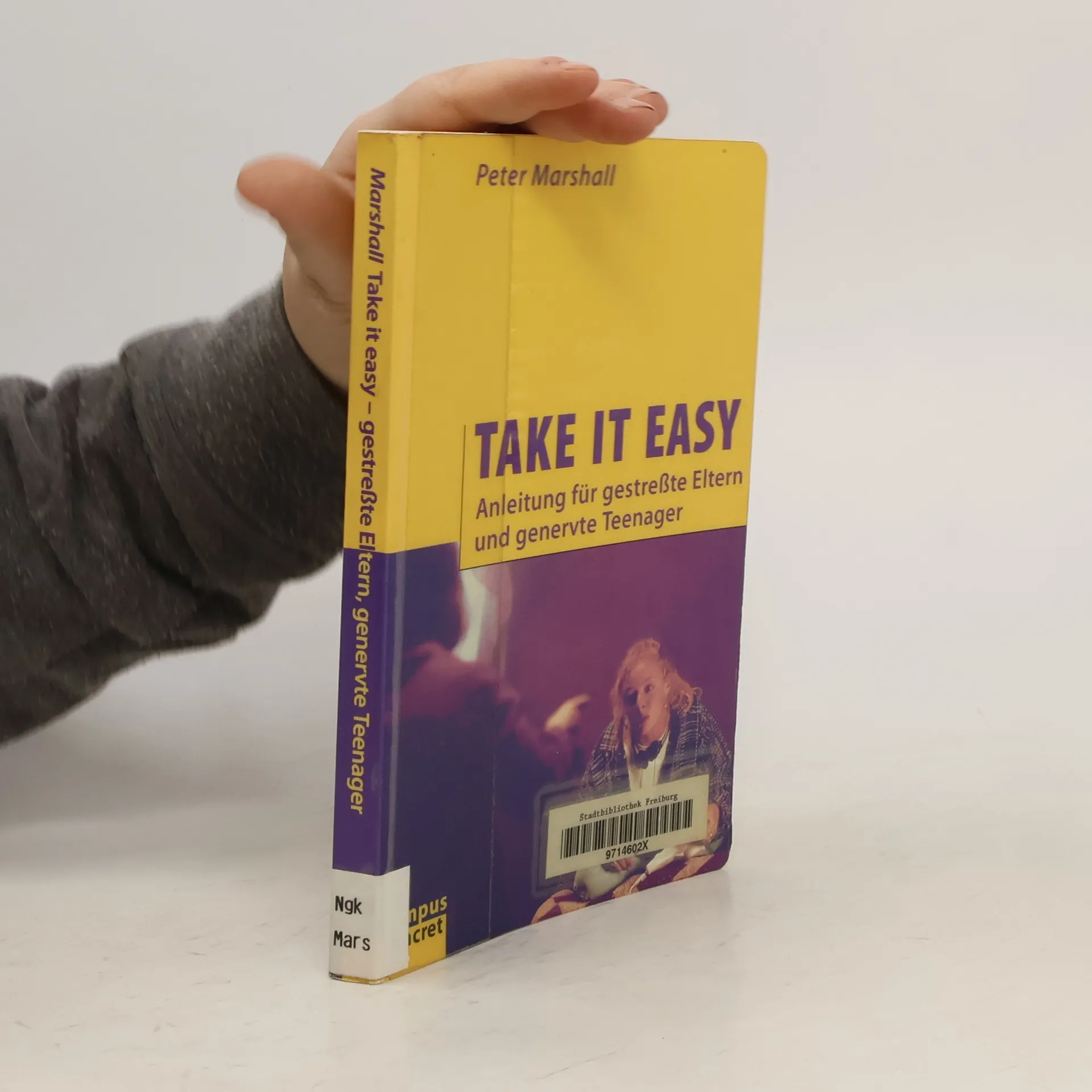
Take it easy
- 164 pages
- 6 hours of reading
Die schwierigste Zeit für die Eltern sind die Teenagerjahre ihrer Kinder. Kleine Streitigkeiten und Auseinandersetzungen gehören zum Alltag: Nie waren die Eltern altmodischer und verständnisloser; nie waren die Kinder frecher, ausgeflippter und undankbarer. Oftmals scheint es, als seien Teenager geradezu darauf programmiert, ihre Eltern in den Wahnsinn zu treiben.
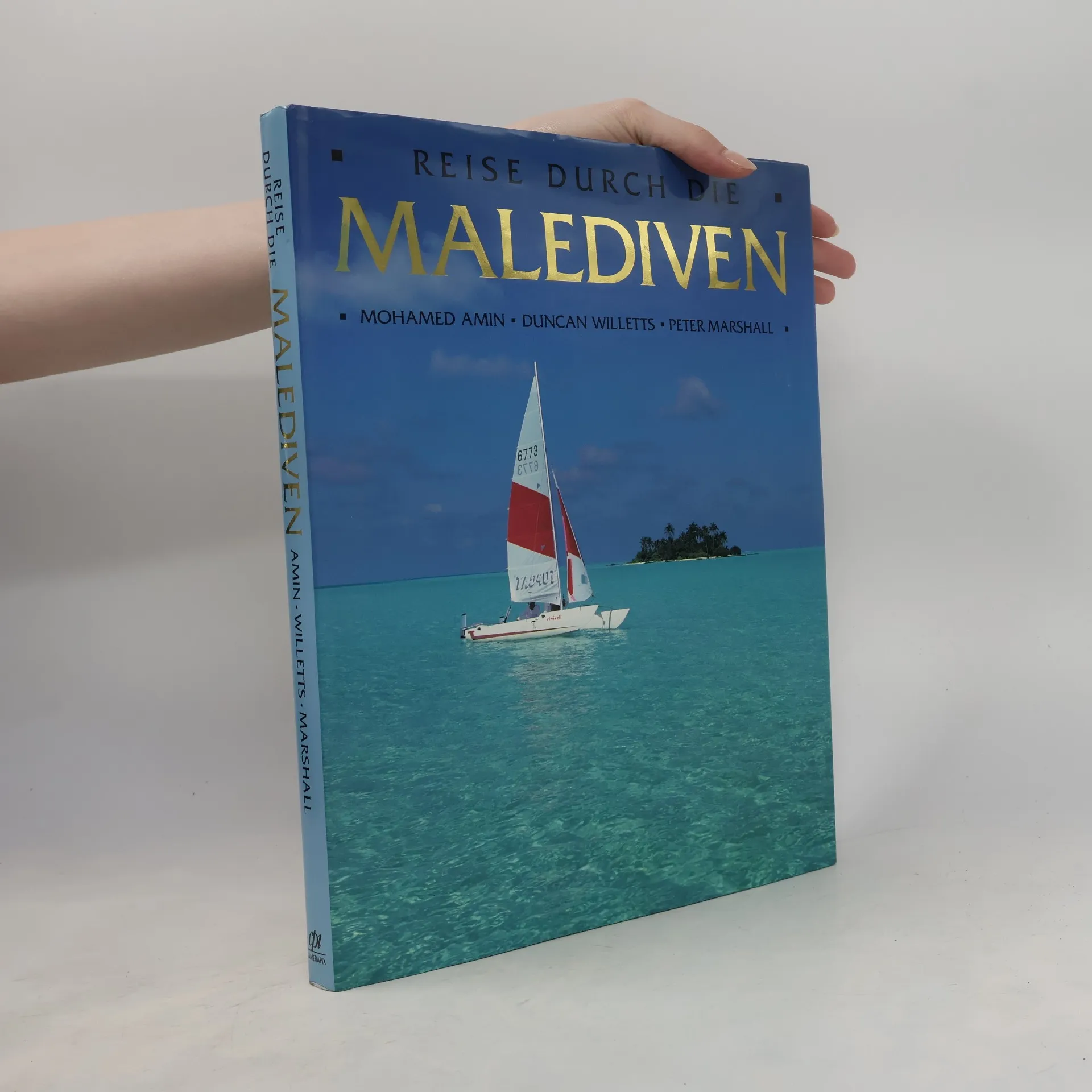
Reise durch die Malediven
- 192 pages
- 7 hours of reading
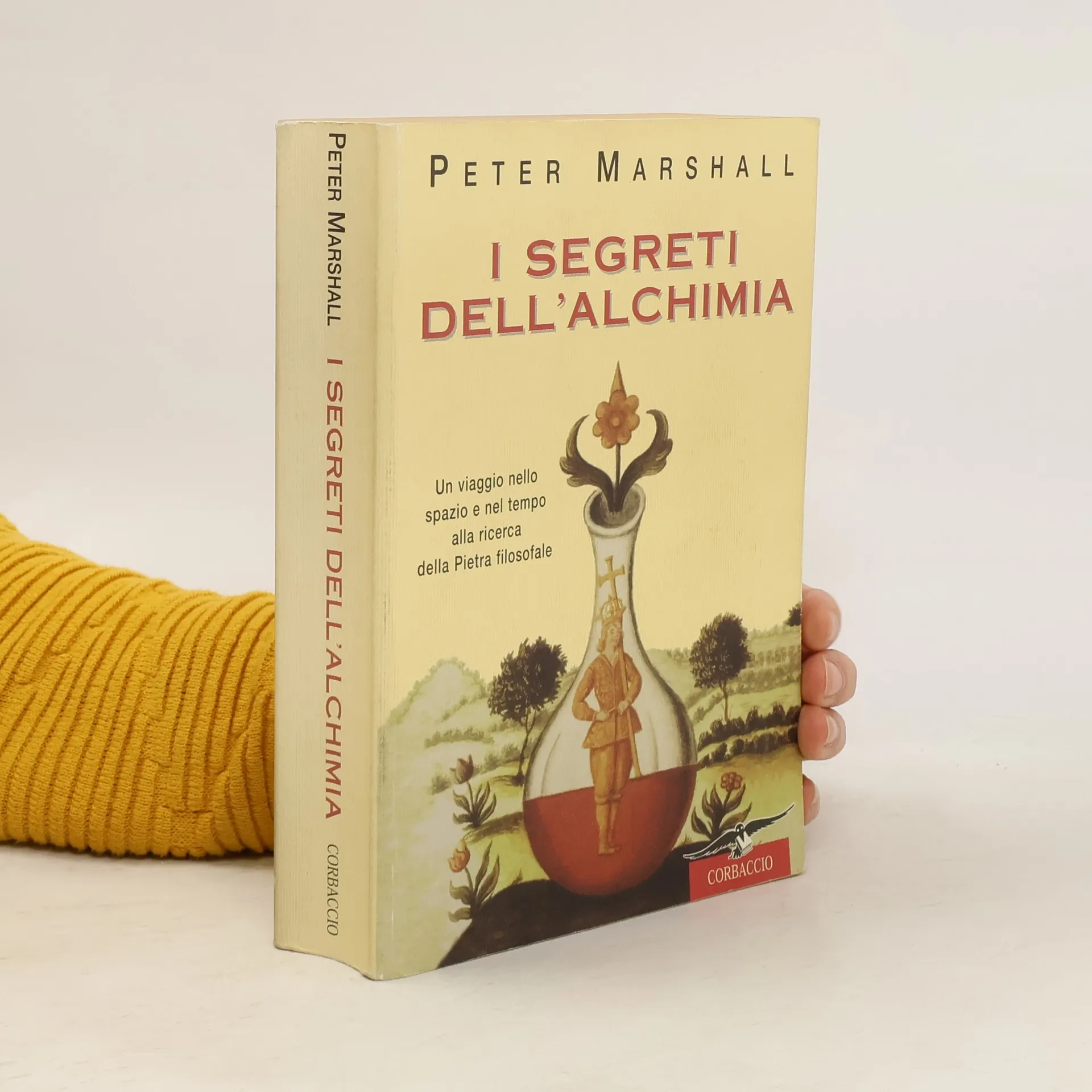
I segreti dell'alchimia
- 592 pages
- 21 hours of reading
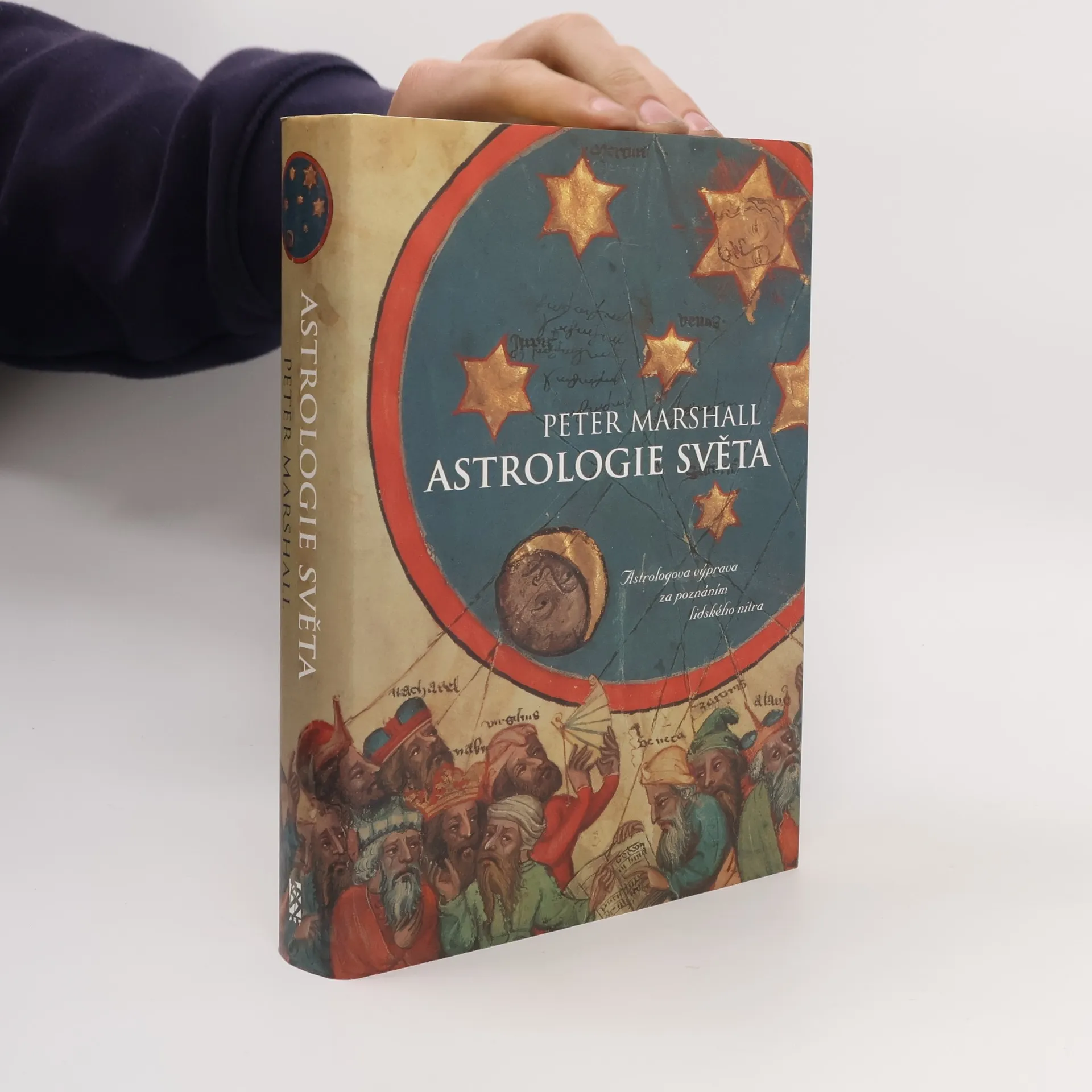
Astrologie světa
- 436 pages
- 16 hours of reading
Astrologie světa: astrologova výprava za poznáním lidského nitra Autor úspěšné knihy Kámen mudrců zkoumá, jak každá z kultur naší civilizace rozvinula svůj vlastní způsob interpretace hvězd, a zároveň poukazuje na fascinující skutečnost, že základní principy tohoto umění jsou ve všech kulturách stejné. Dozvídáme se, jak astrologii provozovali staří Číňané a Indové, jak ji praktikovali kněží v chrámech starobylého Egypta i v dávné Mezopotámii, jak se k hvězdám obracelo starověké Řecko a Řím, jak ji chápali islámští učenci i křesťanská Evropa. Autor se nevyhýbá ani všetečným otázkám po smyslu a povaze astrologie. Je to věda, nebo předsudek? A jaké je její postavení v moderním světě? Čeká nás ve věku Vodnáře lepší budoucnost?
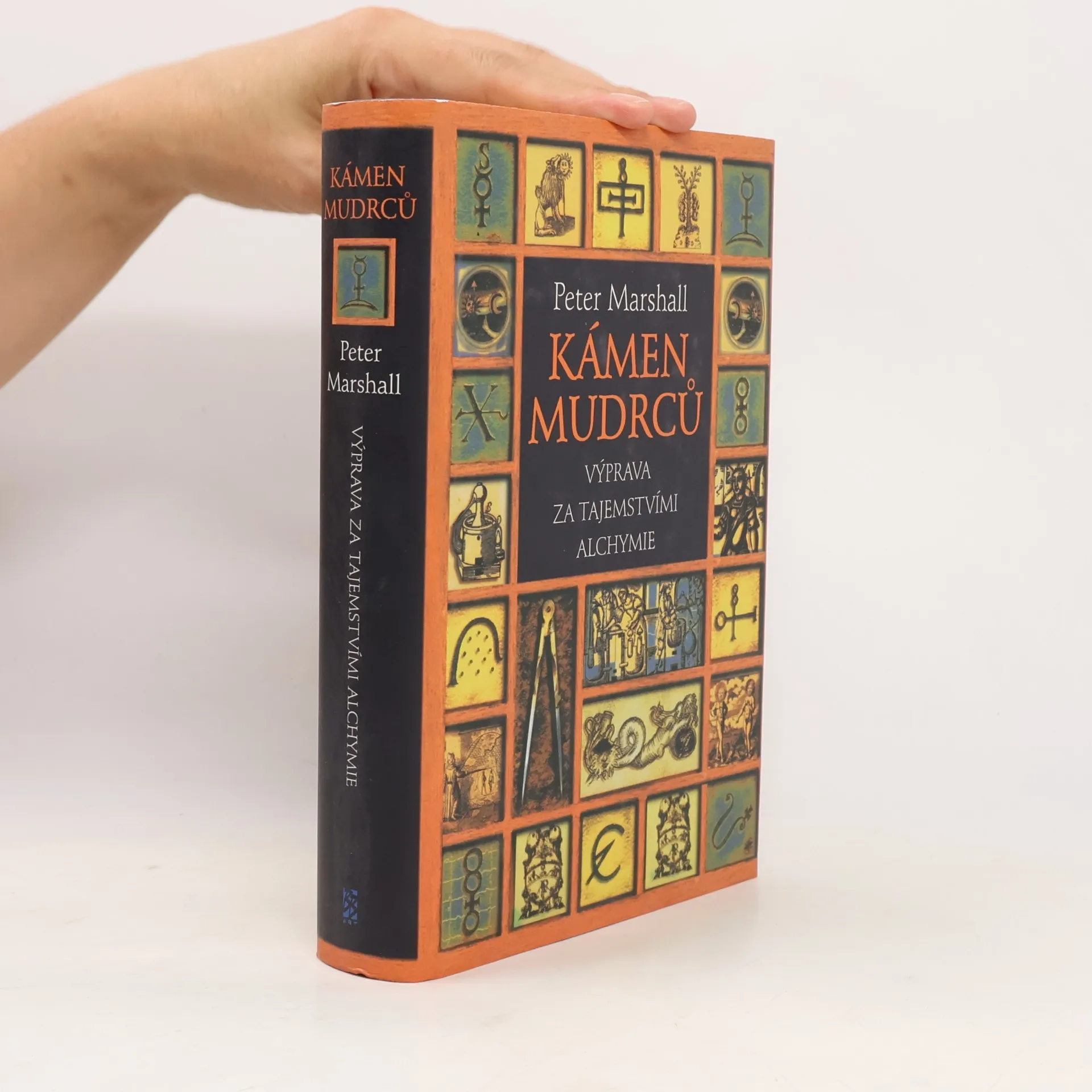
Alchymie, umění přeměny, je starým, avšak stále významným oborem, který spojuje vědu se spiritualitou. Alchymisté, jako Newton, Jung a Nicolas Flamel, usilovali o nalezení kamene mudrců, schopného měnit kovy ve zlato a odhalit tajemství existence. Velšský badatel Peter Marshall se vydal na celosvětovou výpravu za odhalením těchto tajemství v zemích, kde alchymie vzkvétala. Jeho cesty, plné historických a vědeckých objevů, byly také duchovním dobrodružstvím. Marshall navštívil významná místa jako Chrám bílých oblaků v Pekingu, Gangu, Cheopsovu pyramidu a pražský Hrad. Hovořil s vědci, mystiky a alchymisty, zkoumal různá náboženství a symboly alchymie. Během svých cest zjistil, že alchymie, často nepochopená, tvoří mocný podzemní proud ve společnosti. Její univerzální témata naznačují dědictví z dávno ztracené civilizace, která ovlivnila vědy, medicínu, náboženství, filosofii a umění. Na sklonku minulého tisíciletí Marshall odhalil tajemství alchymie, která nabízejí hluboký vhled do lidské psychiky a struktury vesmíru. Tato mocná poznání mohou revolučně změnit naše chápání sebe sama a světa kolem nás.
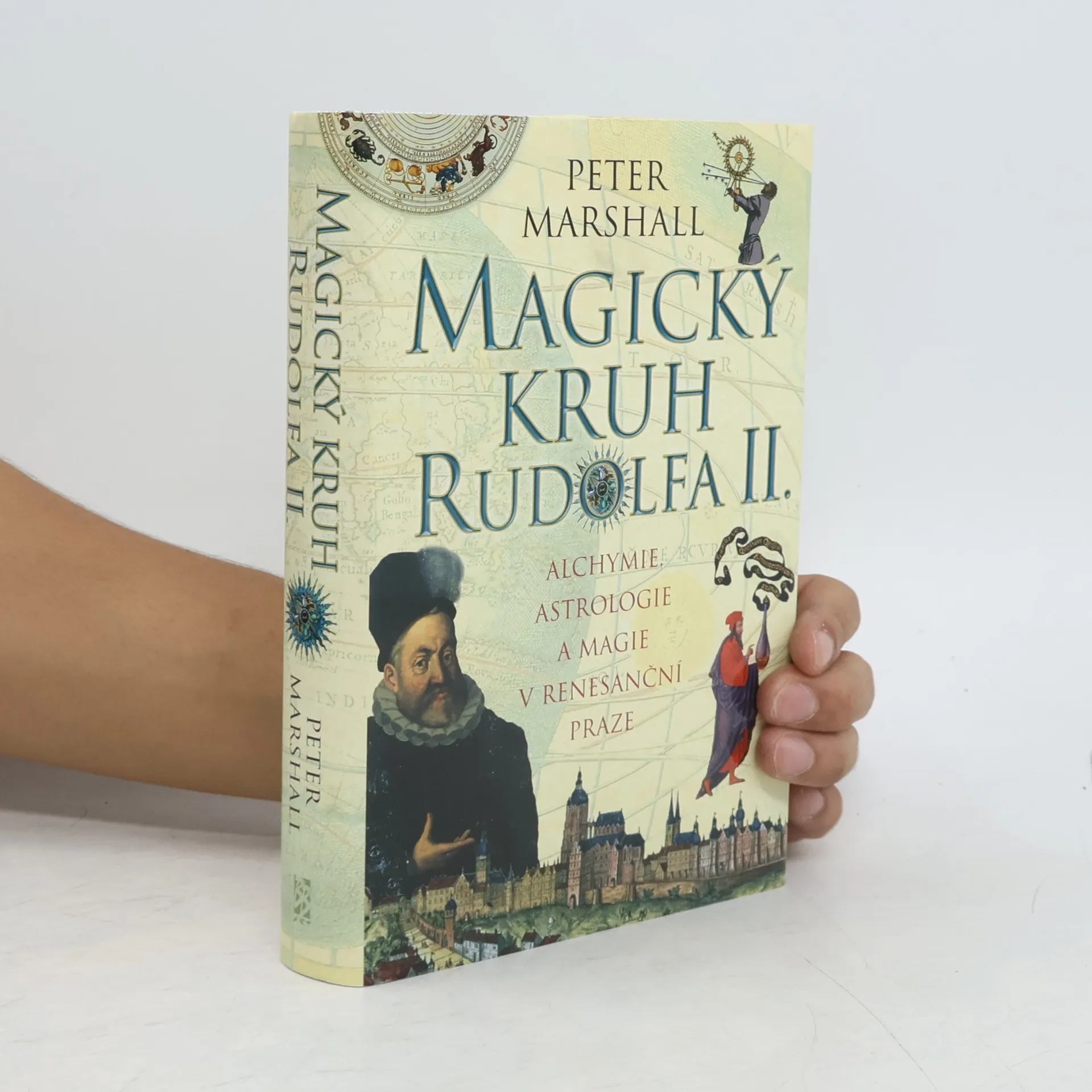
Magický kruh Rudolfa II.
- 334 pages
- 12 hours of reading
Koncem 16. století se do Prahy sjížděli pod patronací císaře Svaté říše římské největší filozofové, alchymisté, astronomové, malíři a matematici té doby. Příběh císaře Rudolfa II. odhaluje jeho fascinaci velkými duchy a jeho touhu po magickém poznání. I když málokdy opouštěl Pražský hrad, obklopil se slavnými osobnostmi, jako byli malíř Arcimboldo, astronom Tycho Brahe, matematik Johannes Kepler, filozof Giordano Bruno a mág John Dee. Rudolf, inspirován renesanční filozofií, byl nerozhodný jako Hamlet, ale zároveň jako Faust ochoten riskovat vše pro objev kamene mudrců a elixíru života. Čelil rostoucímu náboženskému napětí a turecké hrozbě, zatímco trpěl depresemi a obavami z intrik svého bratra Matyáše. Nakonec ztratil svou říši, zdraví a málem i rozum, ale před vypuknutím třicetileté války zajistil Praze zlatý věk a učinil z ní duchovní metropoli Evropy. Tento dramatický životopis je plný andělů, démonů, vrcholného umění, podvodů, talismanů a zvláštních hvězdných konstelací, a nabízí fascinující pohled na klíčové období západní civilizace.