Dr. Paul G. Bahn stands as a preeminent archaeological writer, translator, and broadcaster within the field. His work is dedicated to making complex archaeological subjects accessible to a wider audience. Through his writings and broadcasts, he offers engaging insights into the past. His expertise and passion for the discipline are evident in every piece he produces.
This is the first attempt to present a truly complete, balanced and realistic
picture of life during the last Ice Age, while dispelling many of the myths
and inaccuracies about our early ancestors. This highly illustrated and
accessible book is aimed not only at students and specialists, but also and
especially the interested public.
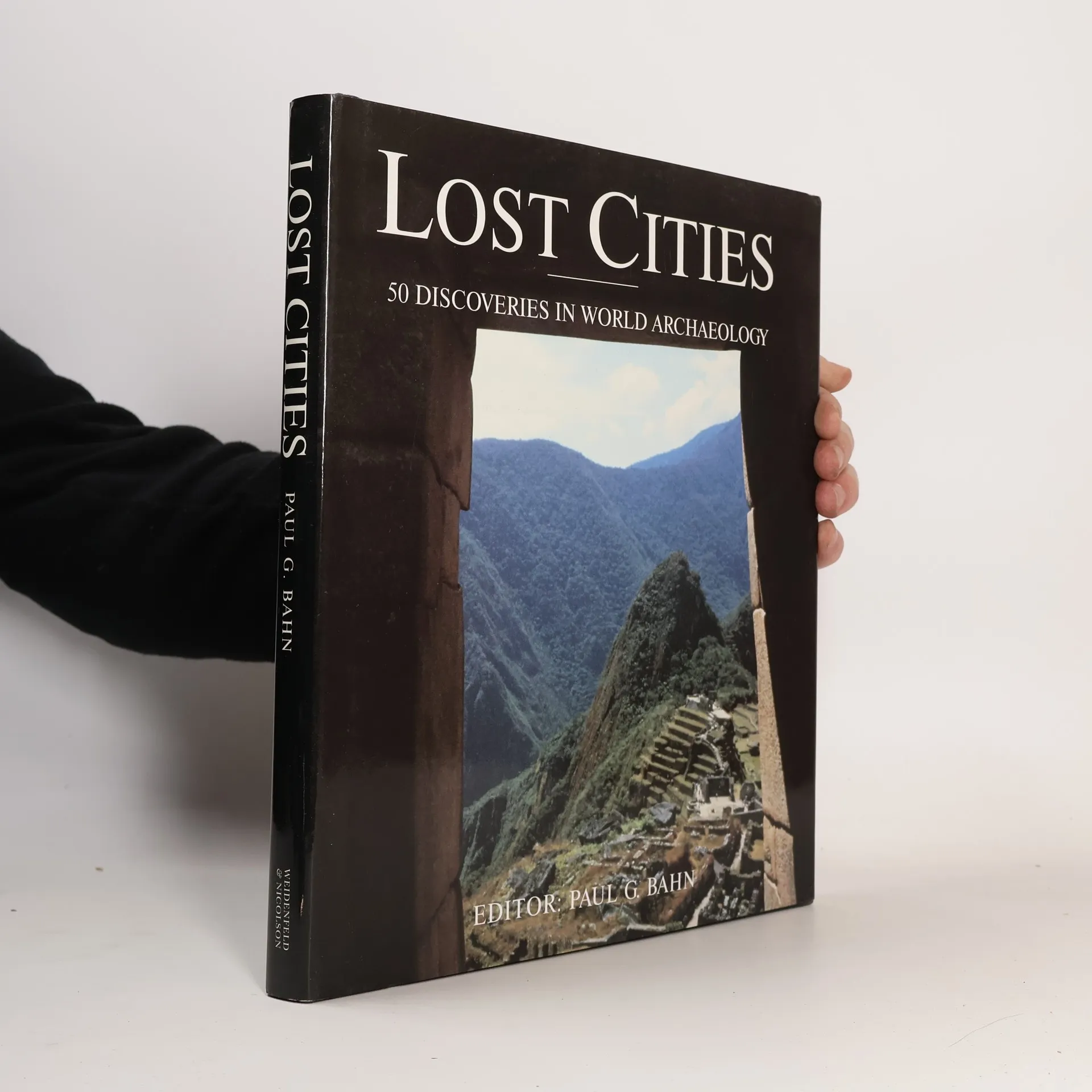
The sites of lost or abandoned cities present a unique and exciting aspect in archaeology, providing a tangible link with our ancestors and illuminating their lives. This book surveys the remains of cities from all over the world, disclosing what was left behind and these remains can tell us.
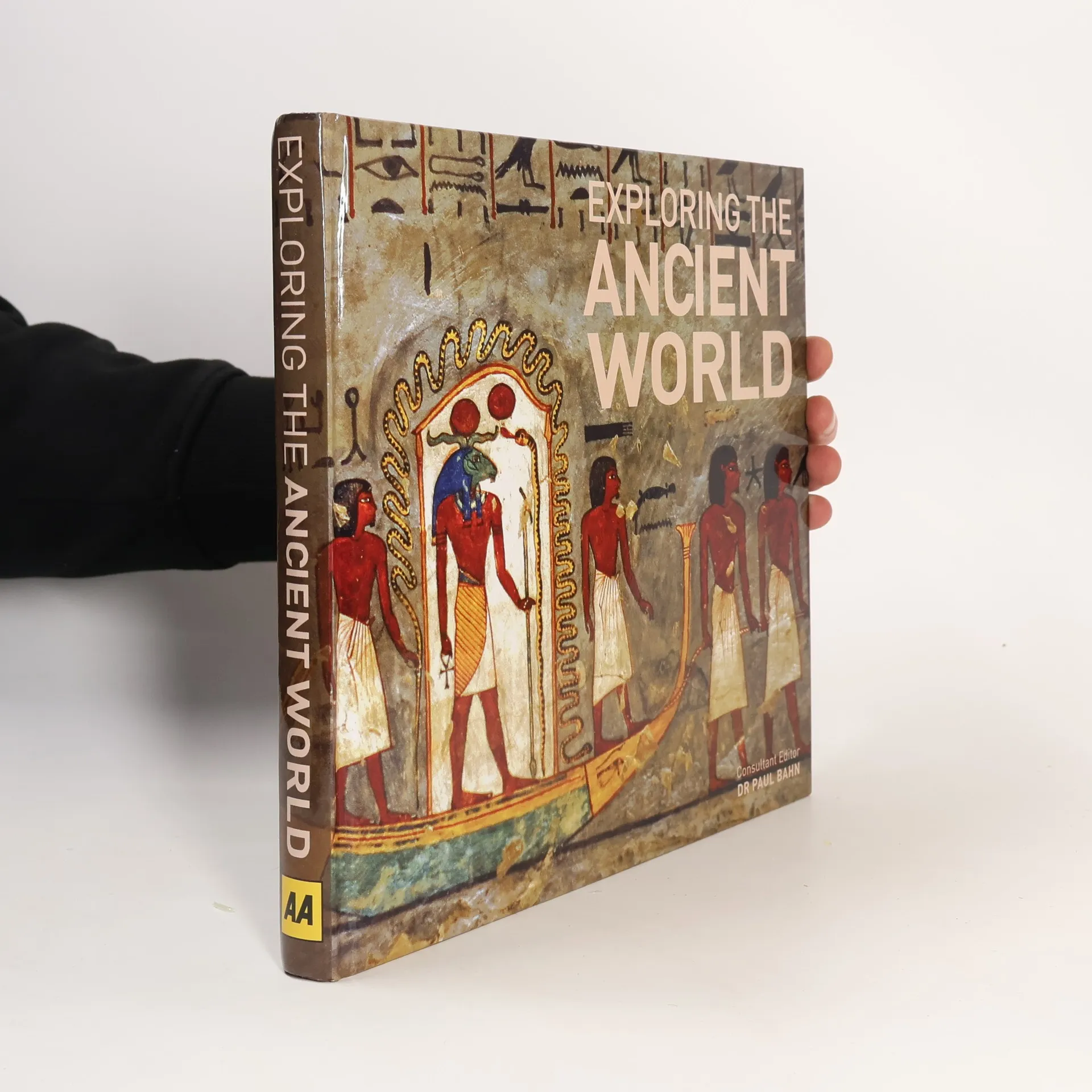
Exploring the Ancient World introduces the reader to the world's most outstanding archaeological sites and ancient remains. With full-colour photographs and authoritative text from some of the most highly respected experts in their field, each entry brings the wonders of the ancient world to life
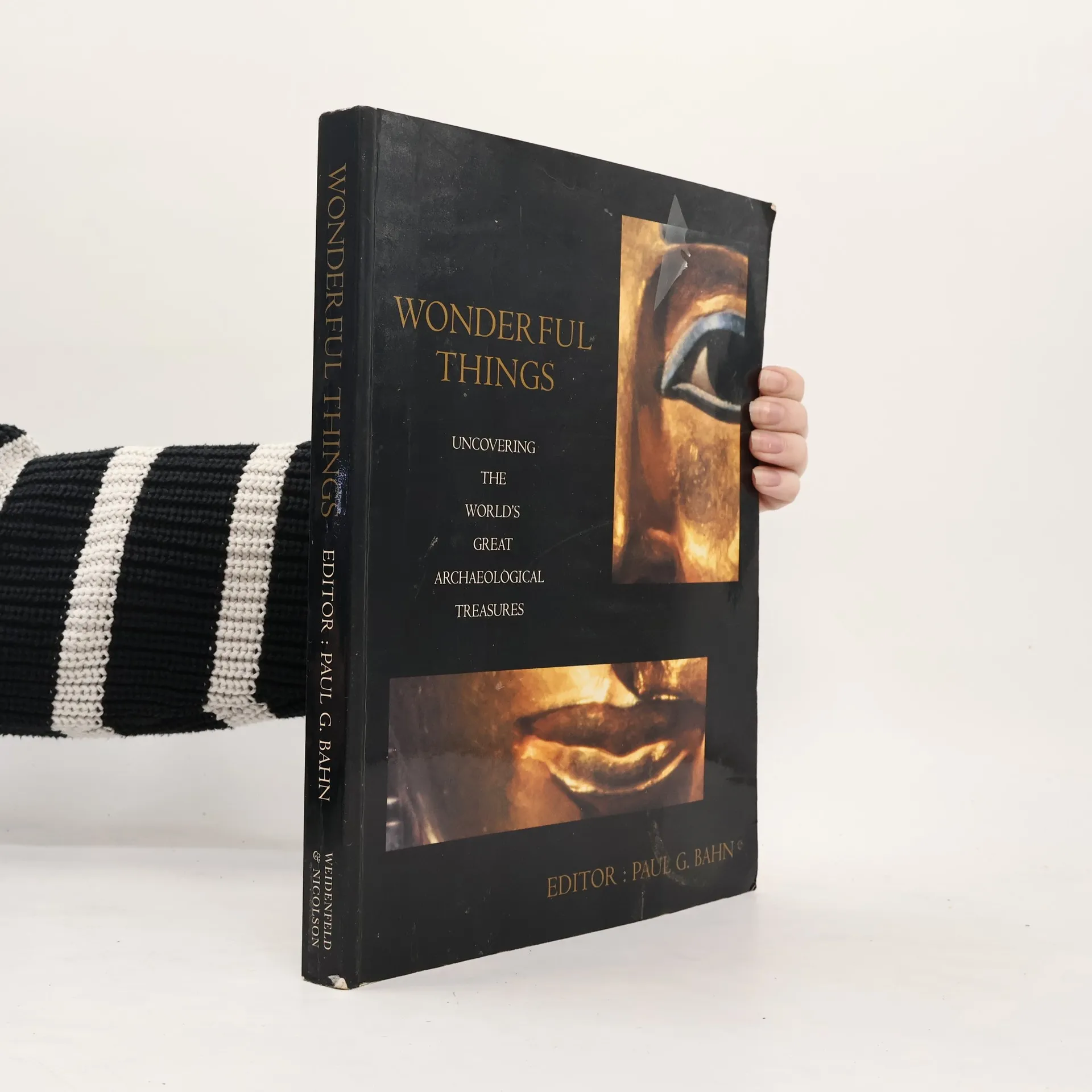
Uncovering the World's Great Archaeological Treasures
256 pages
9 hours of reading
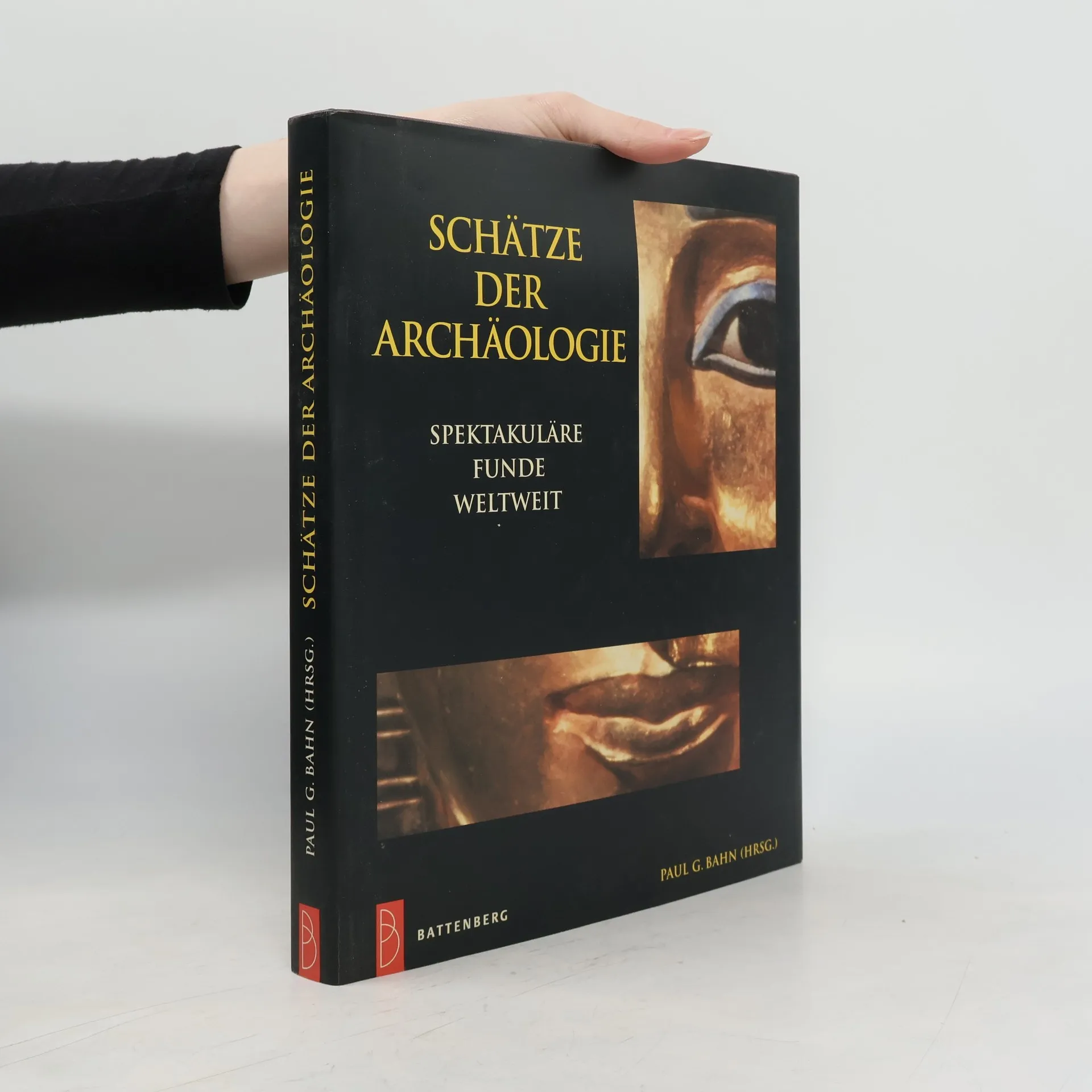
Nothing is more evocative of past civilizations than the hoards of treasure that are found by archaeologists. Many come from tombs and burial chambers, but they have been found too in sunken wrecks and underwater cities, in shrines and temples and royal palaces the world over. Paul Bahn and his team tell us of the extraordinary treasures, and of the equally extraordinary men and women who spent their lives on quests for the unknown.
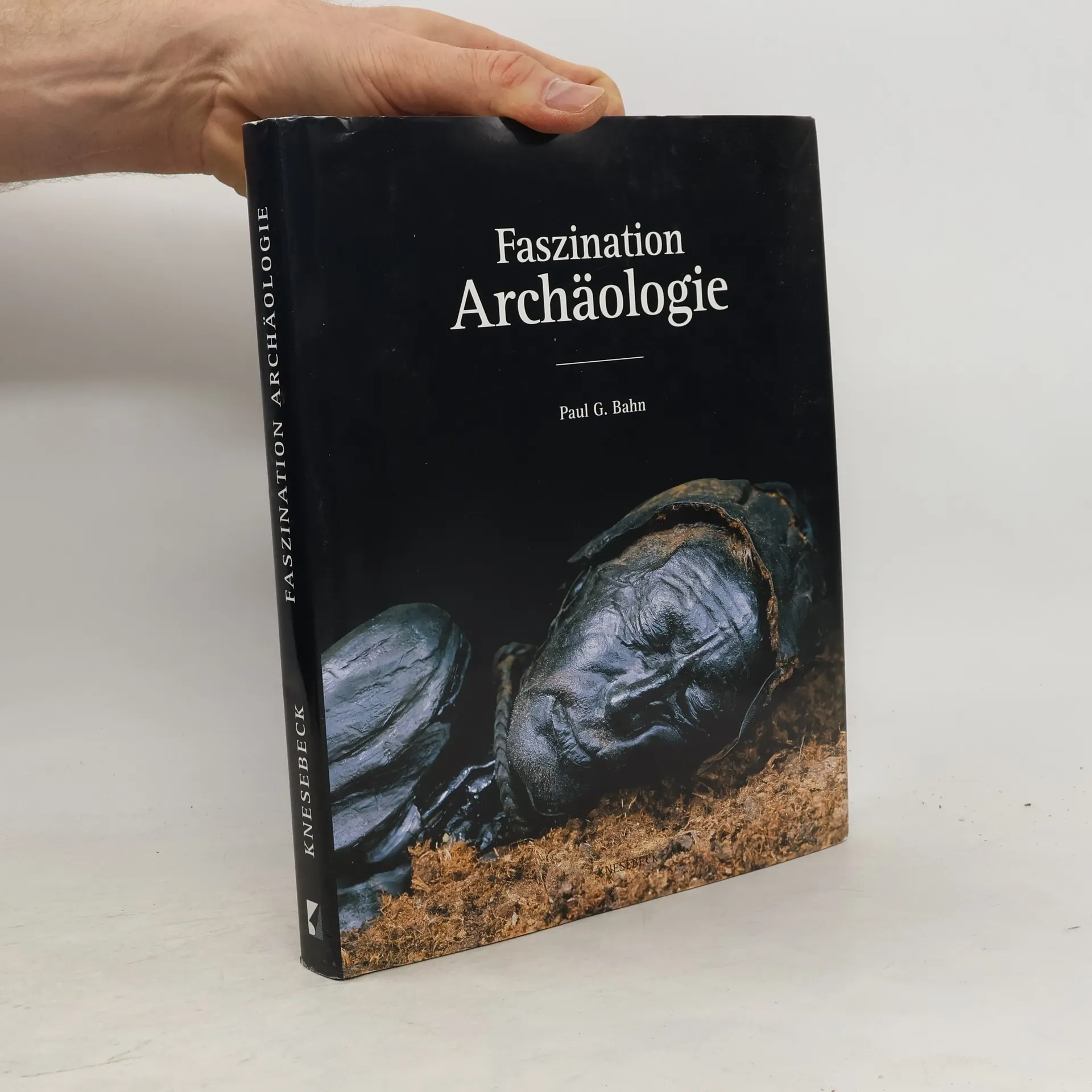
Bodies and graves present a unique and exciting aspect of archaeology, providing much information about social status through the quality and quantity of goods found in graves and tombs. This book surveys the great variety of this archaeological form from around the world, from the earliest fossil humans to the royal burials of Ur and the victims of the Battle of Little Bighorn, and explores what it is they have to tell us about the lives and deaths of our ancestors.
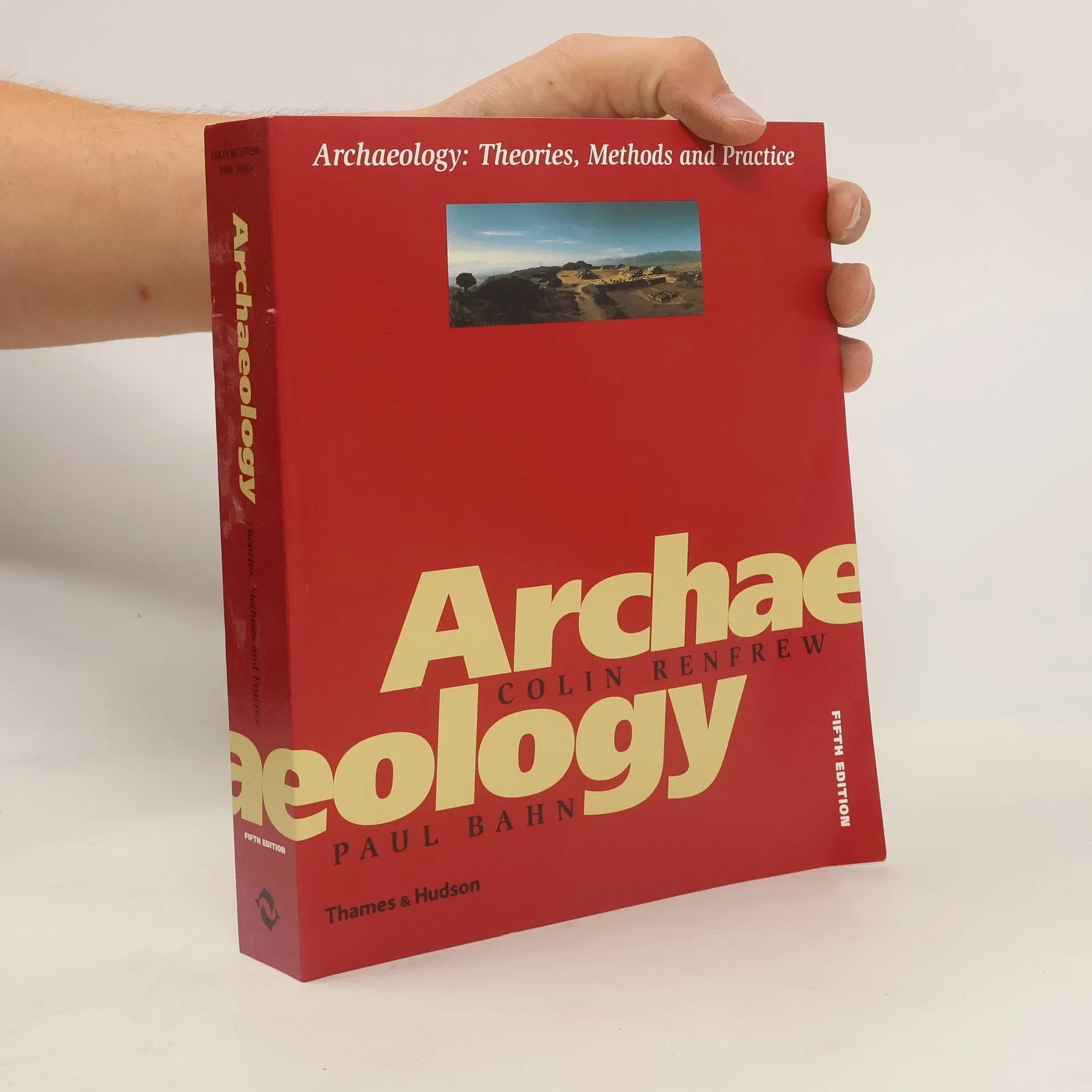
Widely praised for its comprehensive coverage, excellent graphics and well-organized layout, this invaluable introduction for students and enthusiasts of archaeology has been expanded to incorporate all the latest developments
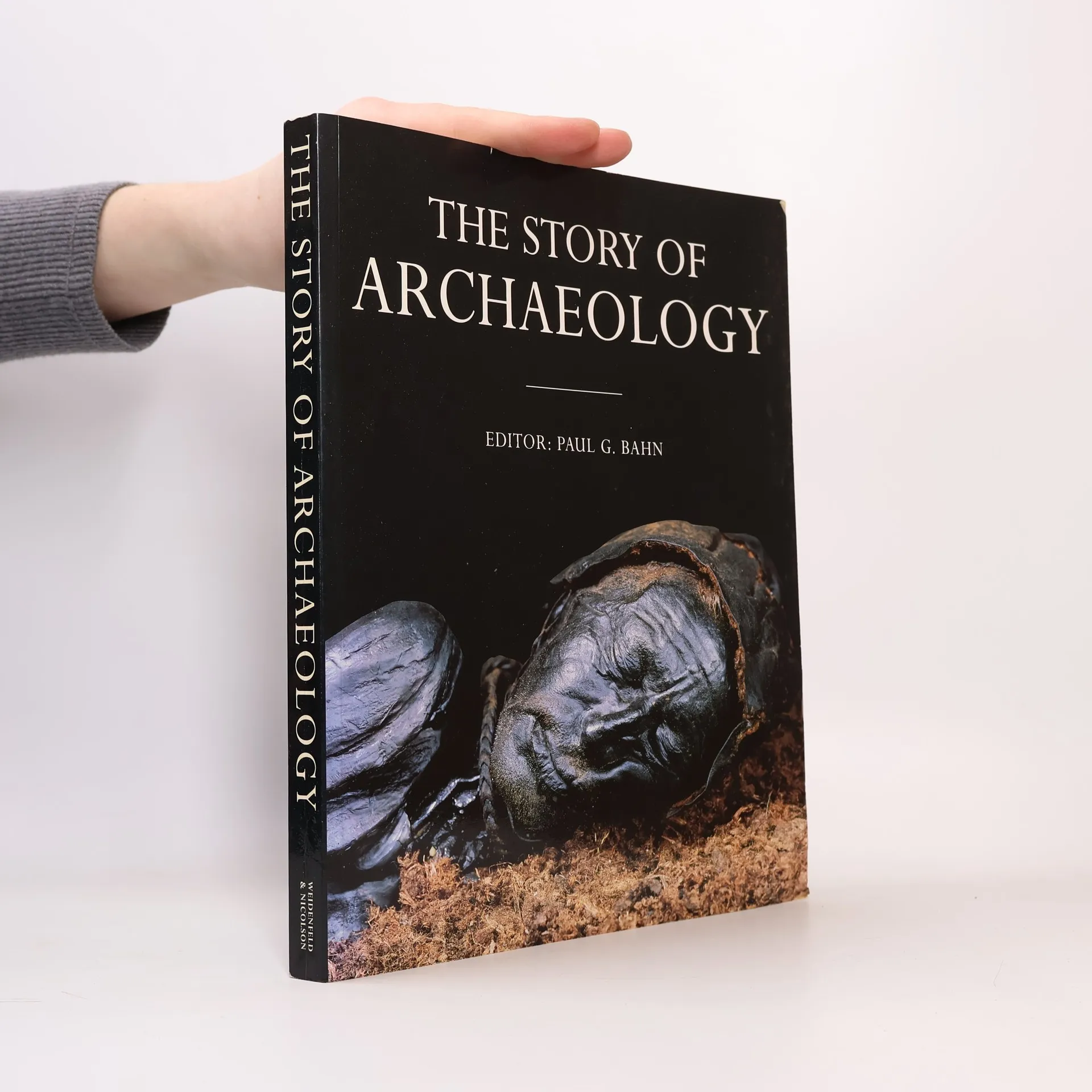
This text describes 100 of the world's most important archaeological discoveries. Alongside the well-known are placed the equally important but less-familiar, all of which have helped our understanding of the past. However, the book acts as more than a catalogue: it is a celebration of the rich variety of subjects that archaeology encompasses - from fossil hominids to writing systems, from lost cities to shipwrecks, and from pre-history to medieval times.
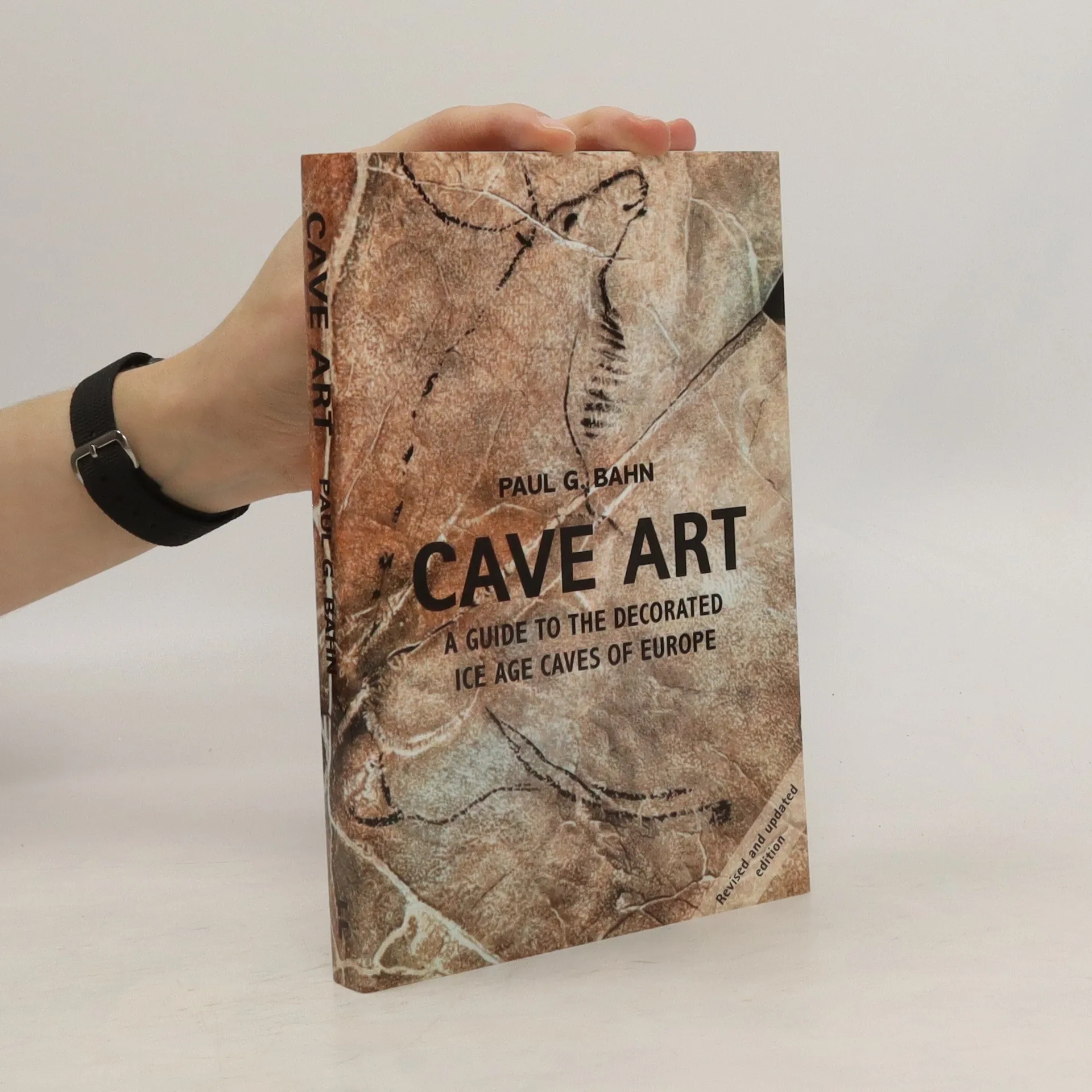
The decorated Ice Age caves are some of mankind's greatest artistic achievements, and there is no substitute for seeing the caves themselves. There you can see the art – paintings, engravings, bas-reliefs or drawings – in its original, natural setting, and stand where the artists did 30,000–10,000 years ago. For speleologists and holidaymakers alike – indeed anyone who wants to add a visit to a cave to their itinerary – here is an essential handbook. The first guide to all the decorated Ice Age caves in Europe that are open to the public, Cave Art covers more than 50 caves in England, France, Spain, Portugal and Italy, as well as relevant museums and centres. This second edition has been fully revised and includes one additional cave and three new facsimiles.
Global in perspective and covering over four million years of history, this accessible volume provides a chronological account of both the development of the human race and the order in which modern societies have made discoveries about their ancient past. Beginning deep in prehistory, it takes in all the great archaeological sites of the world as it advances to the present day. A masterful combination of succinct analysis and driving narrative, Archaeology: The Whole Story also addresses the questions that inevitably arise as we gradually learn more about the history of our species: what are we? Where did we come from? What inspired us to start building, writing and all the other activities that we traditionally regard as exclusively human? A concluding section explains how we know what we know: for example, how seventeen prehistoric shrines were discovered around Stonehenge using magnetometers, ground-penetrating radars, and 3D laser scanners; and how DNA analysis enabled us to identify some bones discovered beneath a car park in Leicester as the remains of a fifteenth-century king of England.
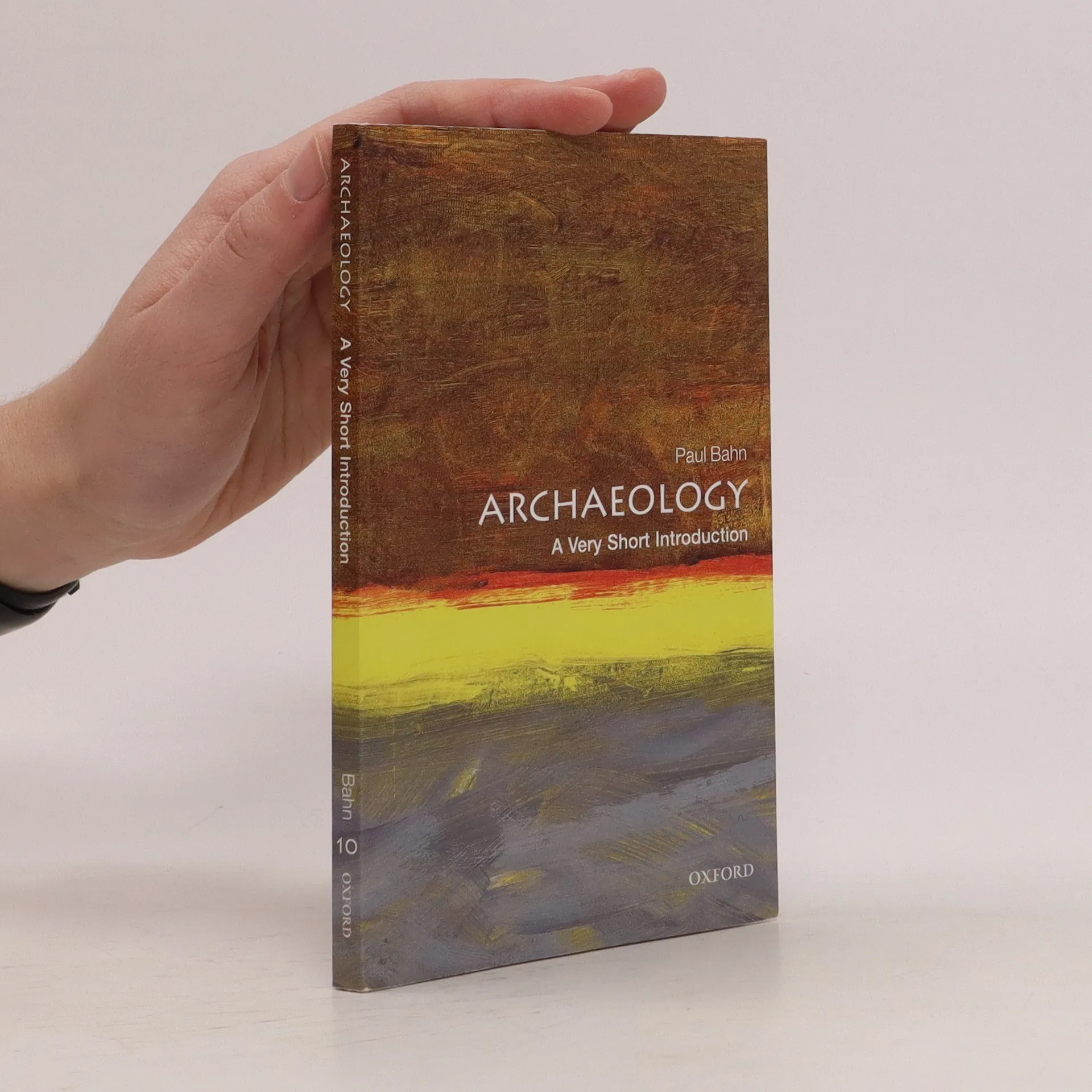
This 'Very Short Introduction' provides an up-to-date account of the problems, concerns and nature of archaeology, with reference to all the latest archaeological techniques, theories, and excavations.
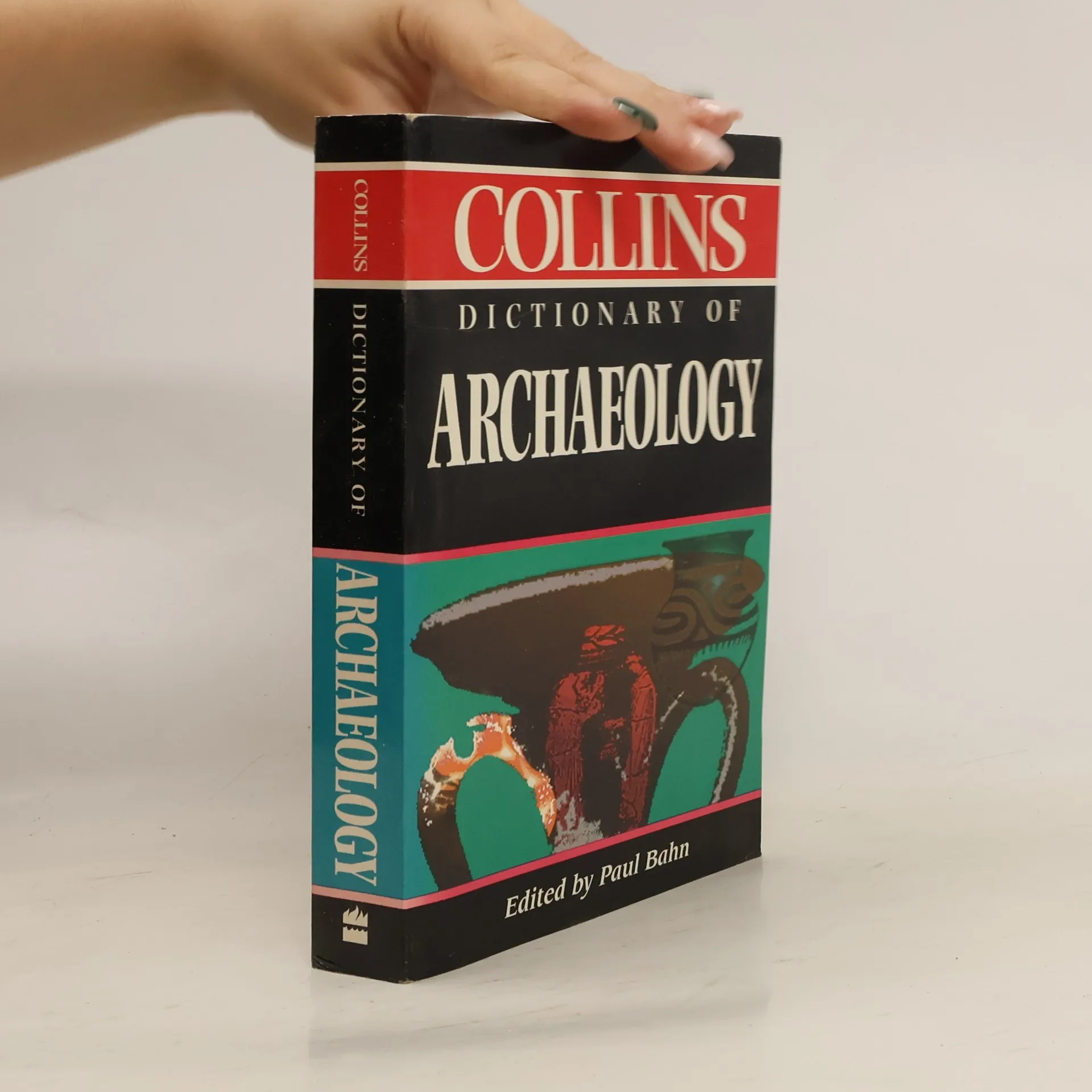
This dictionary of archaeology is an up-to-date resource designed to be of interest to students, amateurs or professionals with an interest in the subject. The dictionary includes definitions of terms and concepts but also coverage of sites and artifacts. 3000 entries are included.
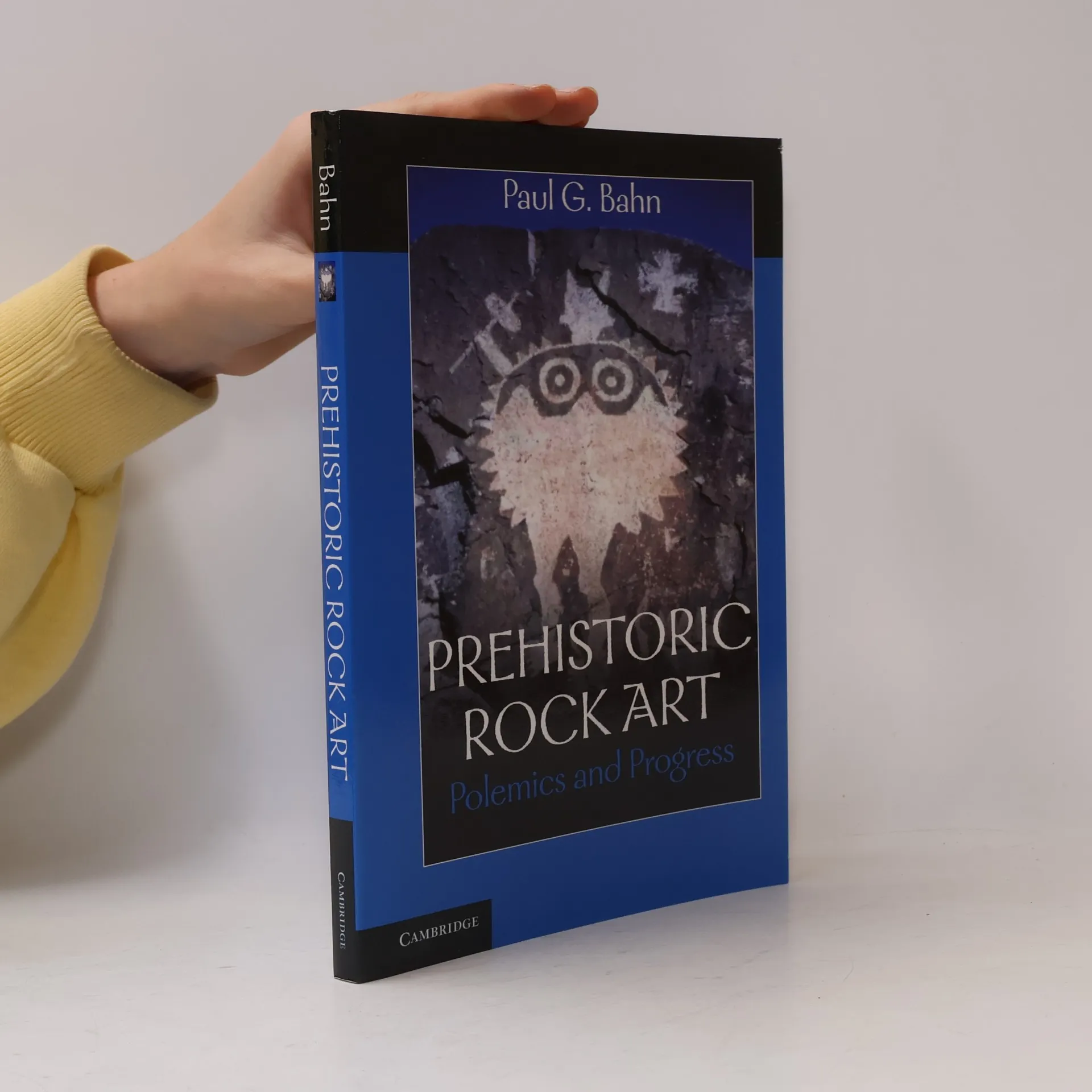
Prehistoric rock art is the markings – paintings, engravings, or pecked images – left on rocks or cave walls by ancient peoples. In this book, Paul G. Bahn provides a richly illustrated overview of prehistoric rock art and cave art from around the world. Summarizing the recent advances in our understanding of this extraordinary visual record, he discusses new discoveries, new approaches to recording and interpretation, and current problems in conservation. Bahn focuses in particular on current issues in the interpretation of rock art, notably the “shamanic” interpretation that has been influential in recent years and that he refutes. This book is based on the Rhind Lectures that the author delivered for the Society of Antiquaries of Scotland in 2006.
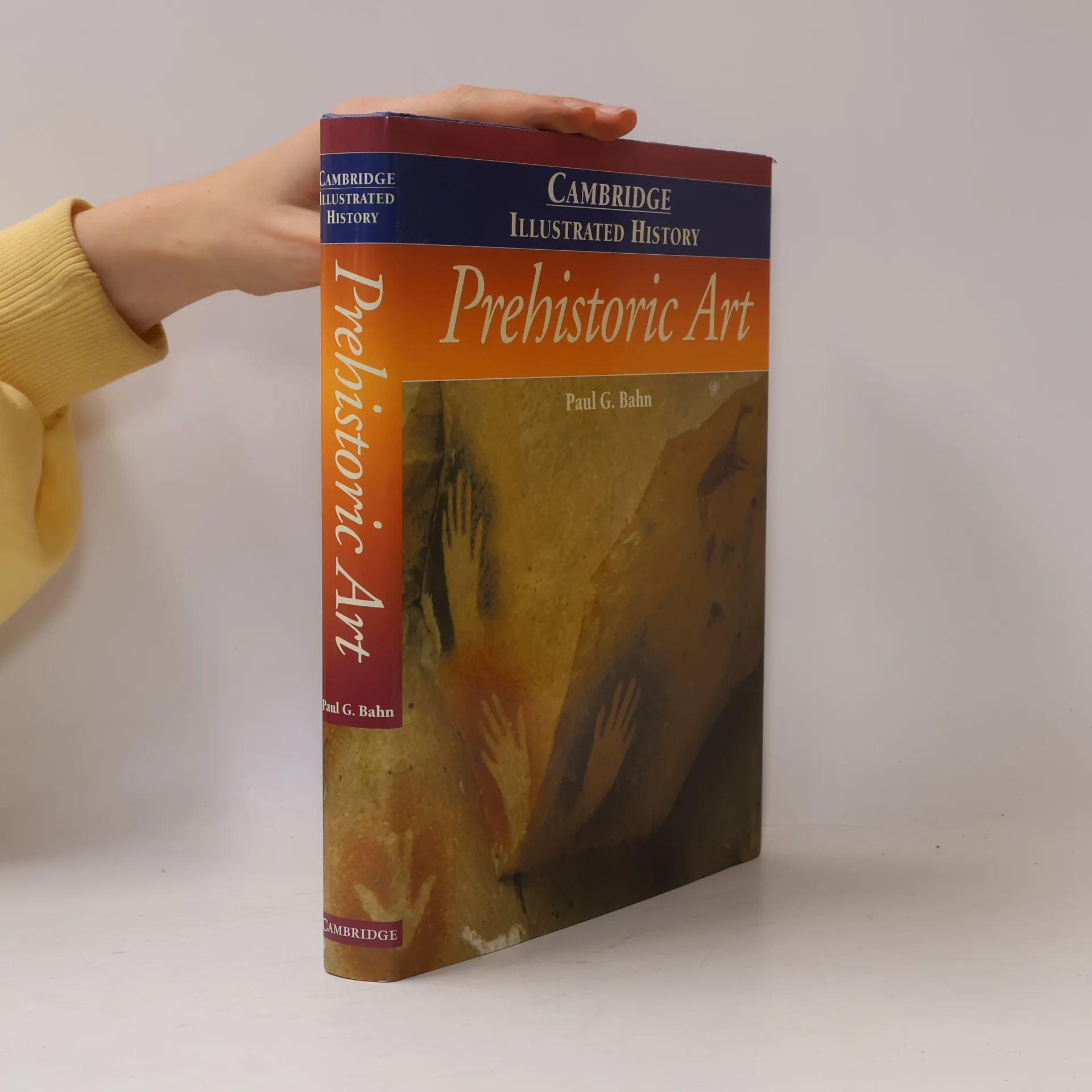
Beautifully illustrated in color with many rare and unique photographs, prints, and drawings, The Cambridge Illustrated History of Prehistoric Art presents the first balanced and truly worldwide survey of prehistoric art. The book also offers the first detailed account of how the world of scholarship became aware of the existence of prehistoric art, reproducing the very earliest drawings by explorers and surveyors from the 1600s onward to create a unique pictorial as well as discursive resource. With this powerful combination of illustration and analysis, Paul Bahn describes what prehistoric art is and the different ways in which it can shed light on the lives and preoccupations of our ancestors: sexual, humorous, social, economic, and religious. The result is a fascinating exploration: a book that Desmond Morris describes as "a model of scientific restraint and objectivity....this is ultimately an art book, and as such it is endlessly provocative and engaging." Paul Bahn is an archaeologist and the author of more than 400 publications. He has authored or coauthored eight books, including The Cambridge Illustrated History of Archaeology. Dr. Bahn is a fellow of the Society of Antiquaries.
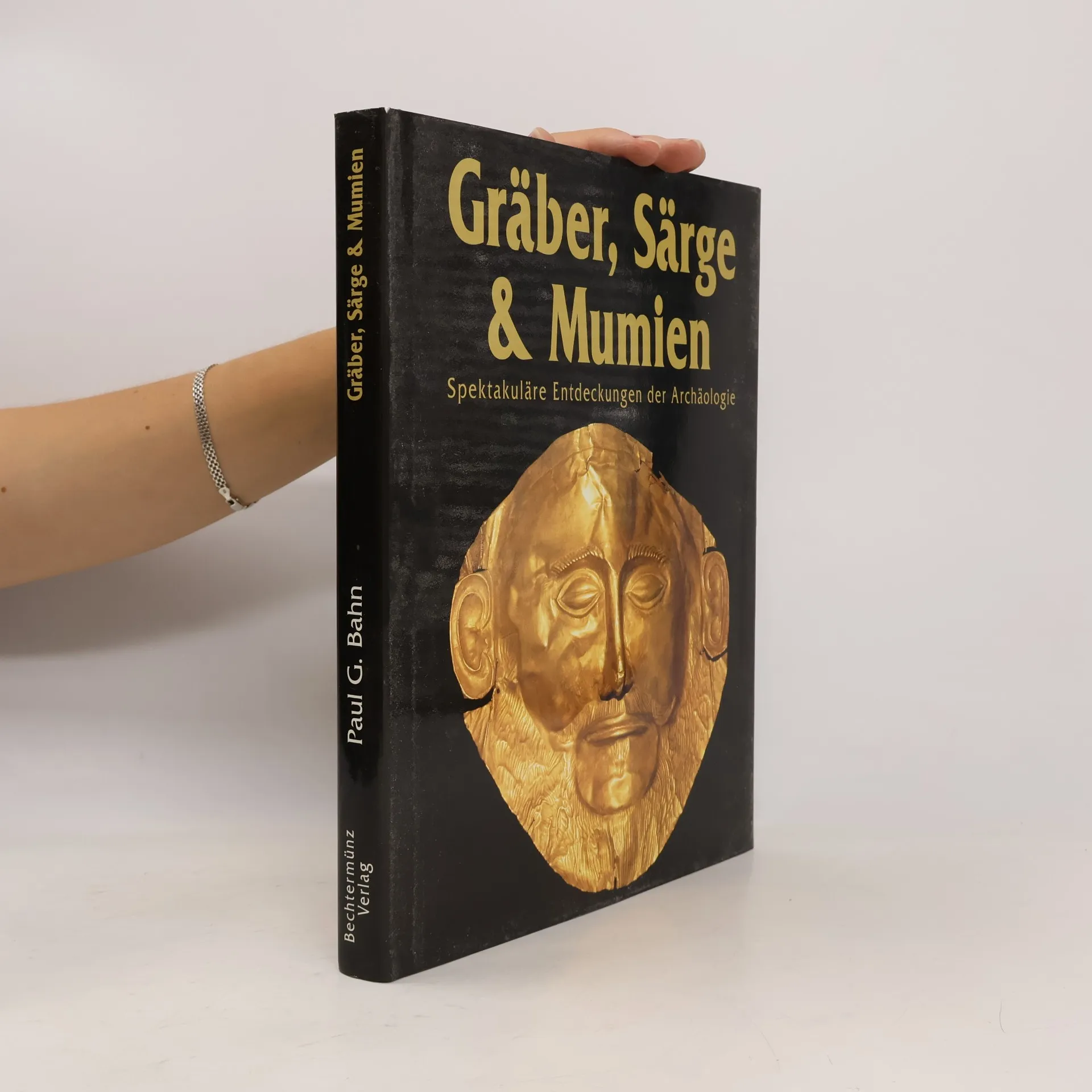
Die umfassende Publikation des Doktors der Archäologie von der Universität Cambridge beschäftigt sich mit den bedeutendsten und interessantesten archäologischen Funden von Gräbern und Bestattungsstätten aus der ganzen Welt. Sie beleuchtet dabei einen Aspekt alter Kulturen wie der Mayas, Ägypter, Chinesen und anderer.
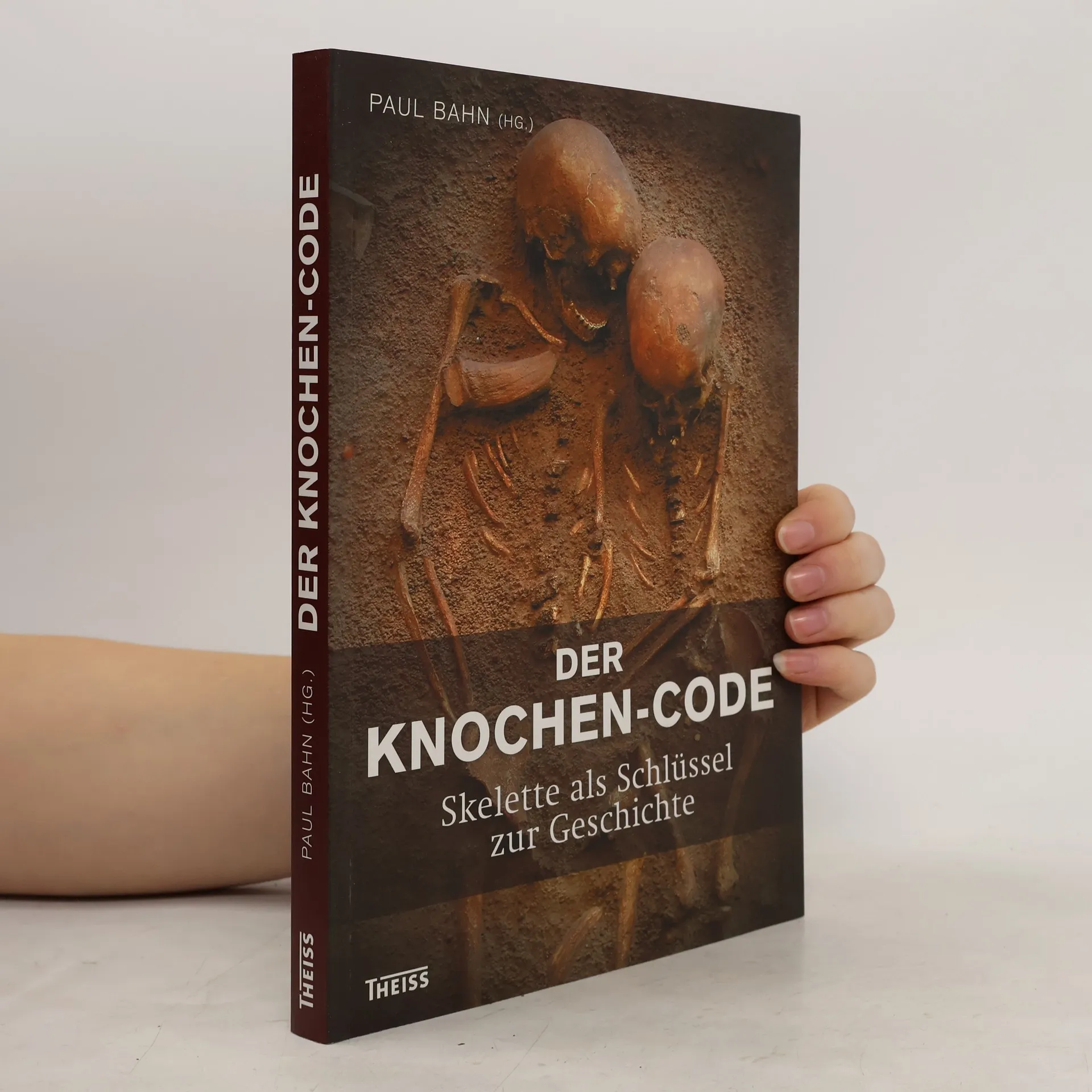
Eine chinesische Adlige, die in einer seltsamen roten Flüssigkeit über 2000 Jahre so gut überdauerte, dass sogar noch Blut in ihren Adern gefunden werden konnte. Ein Säugling, der in einem römischen Bordell starb, oder Kinderopfer auf den eisigen Gipfeln der Anden. Ob in ägyptischen Pyramiden, den Sümpfen Nordwesteuropas oder den Weiten Sibiriens, es ist immer ein großartiger Moment: Die Entdeckung einer zufällig oder kunstvoll konservierten Leiche. Der detektivische Spürsinn der Forscher ist geweckt. Wie lebte und starb dieser Mensch? Herkunft, Alltagsleben, Arbeit, Ernährung und Krankheiten hinterlassen Spuren auf dem Skelett. Die Opfer grausamer Riten und Verbrechen oder auch liebevoll und aufwändig bestattete Leichen erzählen dank neuester wissenschaftlicher Methoden tragische, grausame oder auch anrührende Geschichten – von den Anfängen der Menschheit bis ins 19. Jahrhundert.
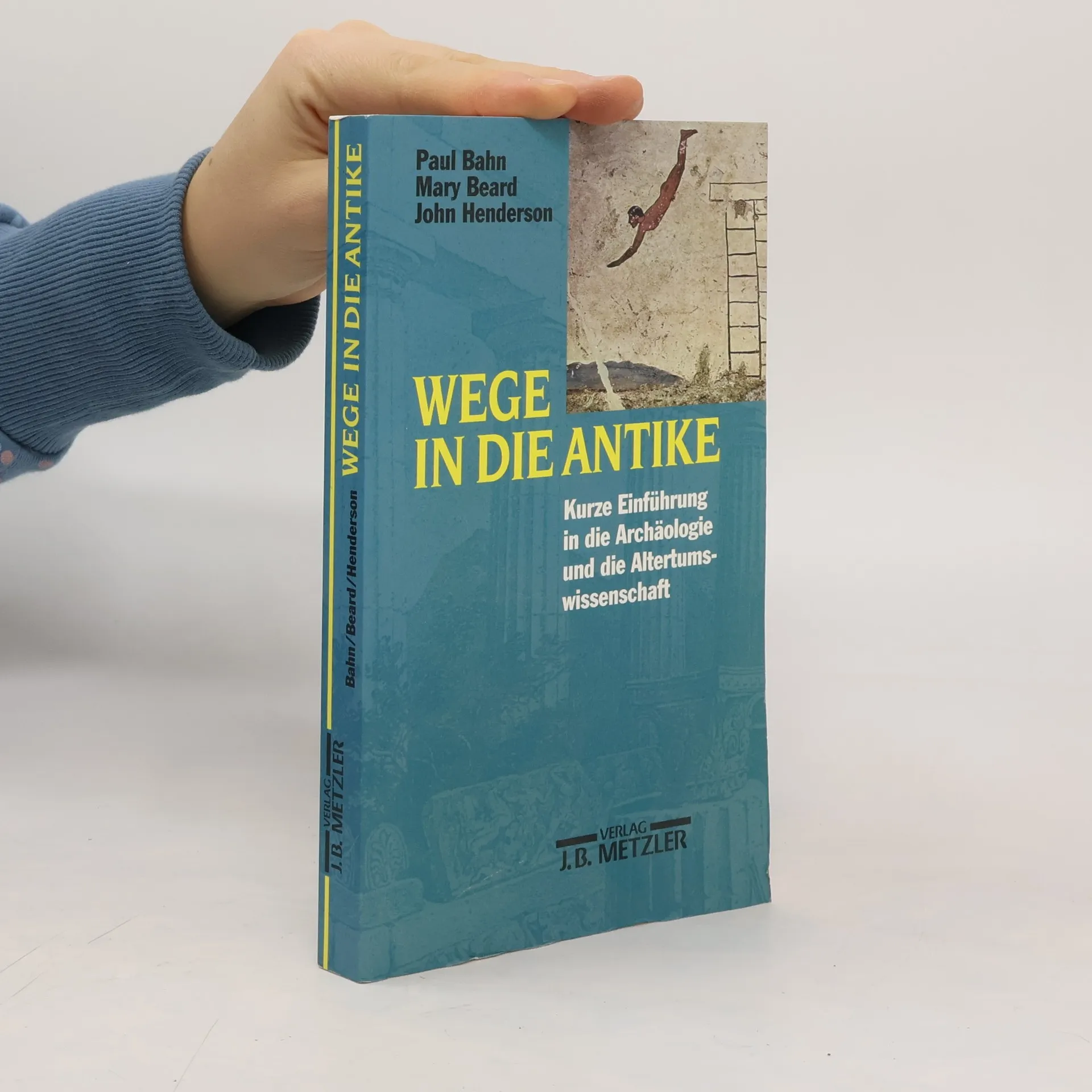
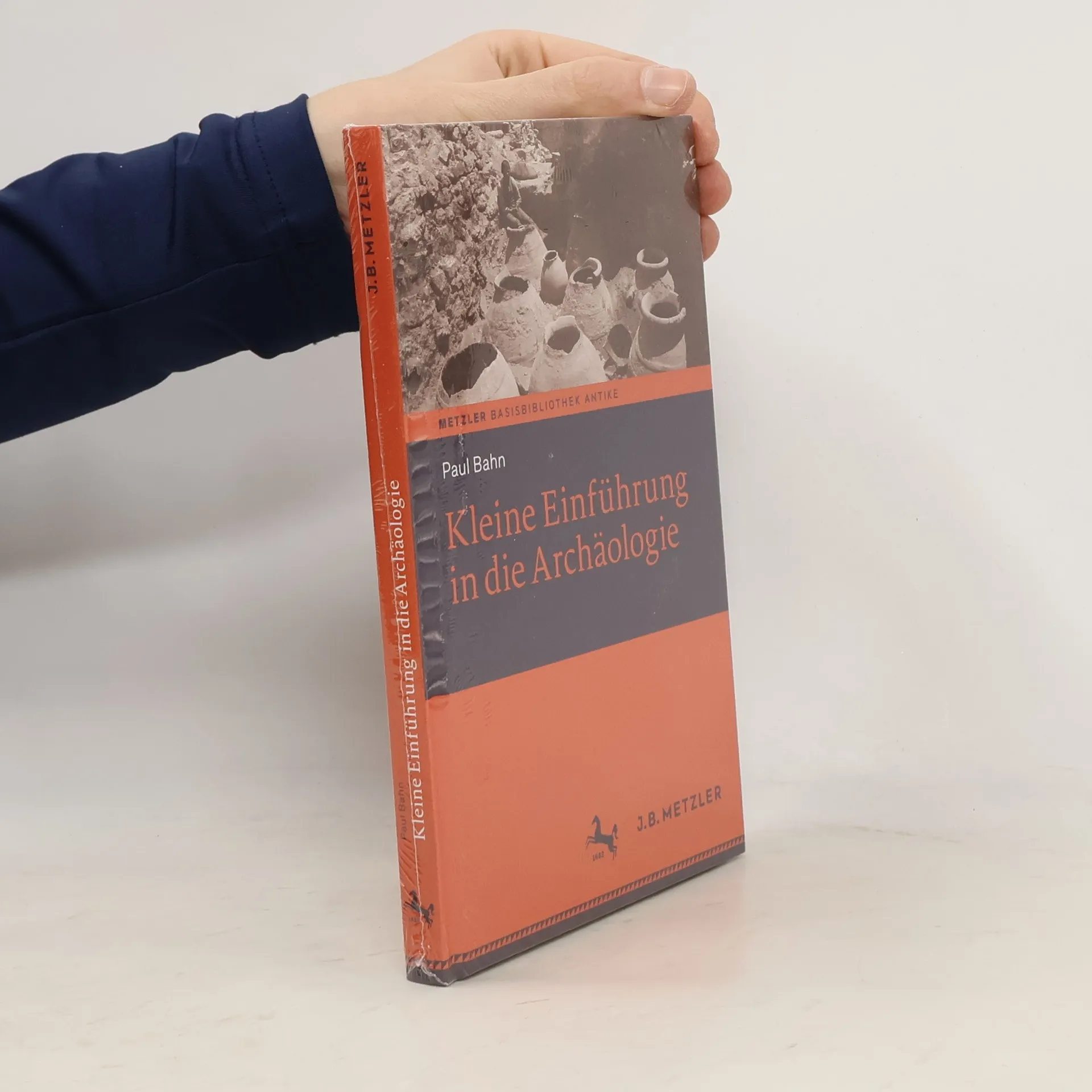
Kleine Einführung in die Archäologie und die Altertumswissenschaft
In diesem unterhaltsam und engagiert geschriebenen Band werden die Methoden und Ergebnisse der Archäologie und der Altertumswissenschaft auf eine für jeden verständliche Weise geschildert.
Archäologie beginnt mit den ersten erkennbaren menschlichen Artefakten aus Afrika von vor 2,5 Millionen Jahren und reicht bis zu dem, was wir gestern in den Müll geworfen haben. - Die Leser erfahren viele interessante Details aus der Forschungsarbeit und erhalten Insiderwissen über die Methoden und Trends und die Marotten der Archäologie. Paul Bahn berichtet sehr unterhaltsam, unterstützt durch viele Cartoons, vom Entdeckerspaß und dem Puzzlespiel der Rekonstruktion, aber auch über die großen Fragen: Woher stammt unser Wissen von der Vorzeit? Welche Effekte haben die Forschungen für unsere Gegenwart?
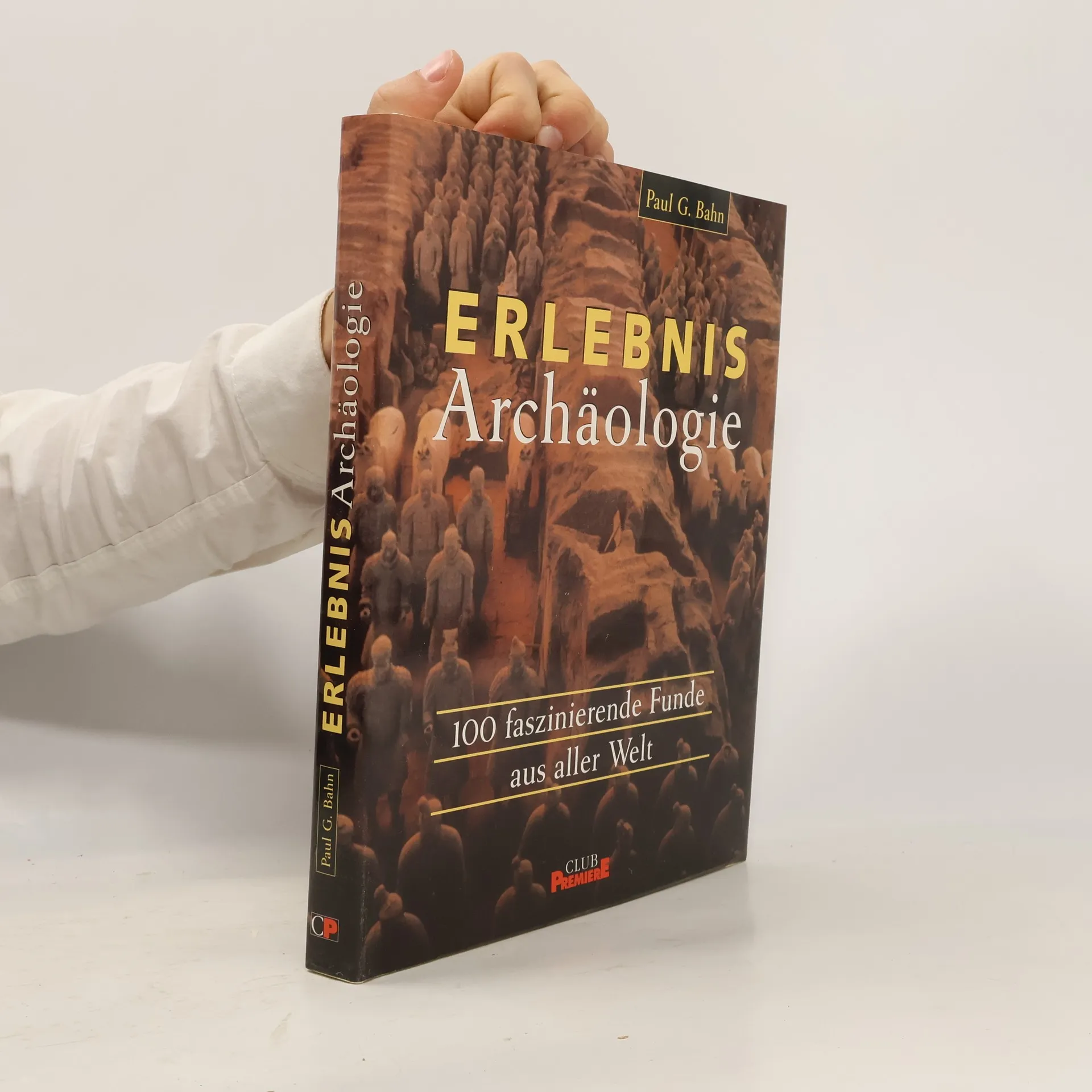
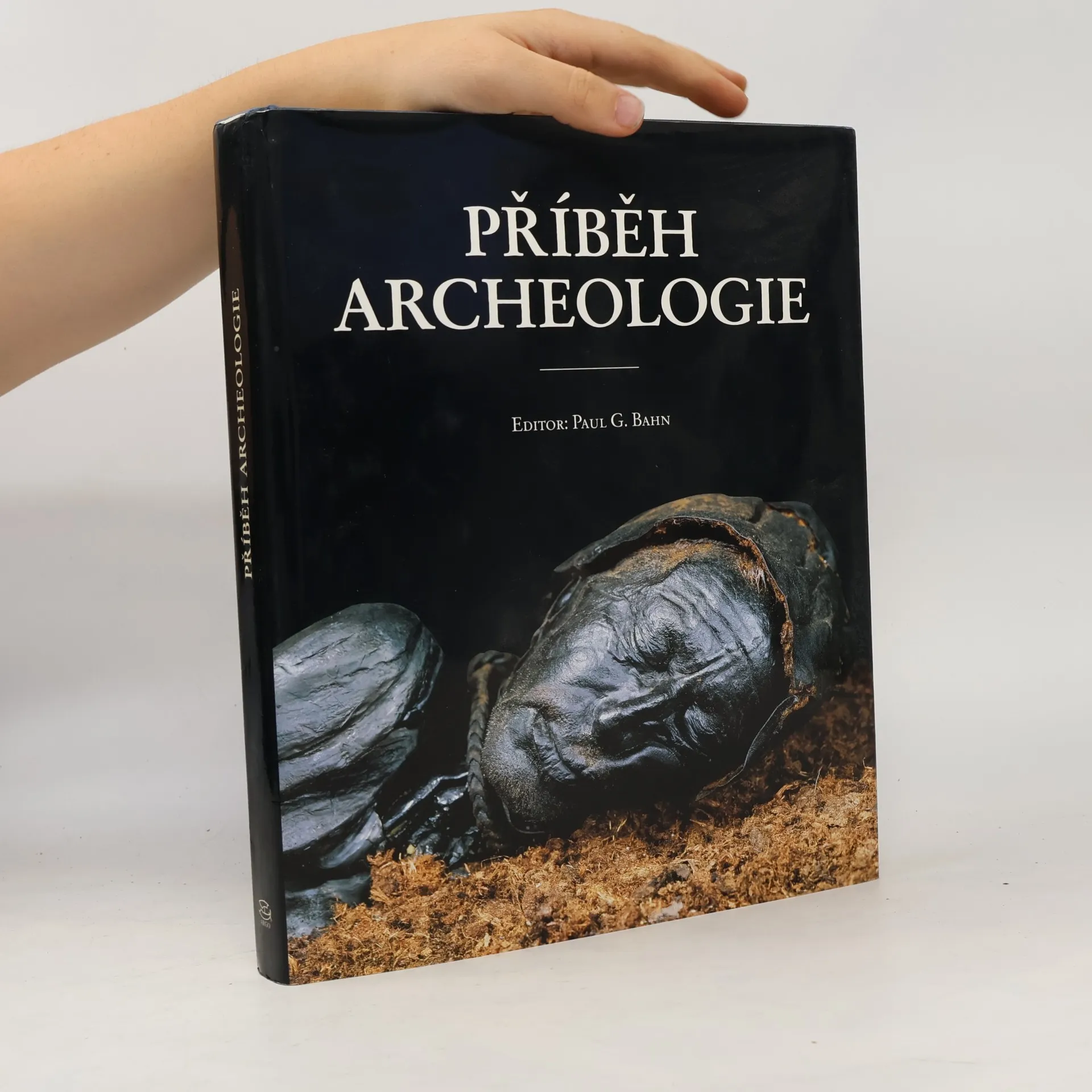
Bedeutende Funde wie das Pyramidengrab des Tut-ench-Amun, die von der Vulkanasche begrabene Stadt Pompeji, die Höhlen der Steinzeitmenschen von Lascaux und die Terracotta-Armee der chinesischen Kaiser gehören zu den Klassikern der Archäologie. Aber die Wissenschaftler befassen sich nicht nur mit den Gräbern der Reichen und deren Schätzen. Im Lauf der Zeit haben sie der Erde auch Informationen über das Alltagsleben des einfachen Volkes entlockt. Die hundert interessantesten Funde aus der ganzen Welt zeigen die außerordentliche Themenvielfalt der Archäologie: ein einzigartiger Überblick!
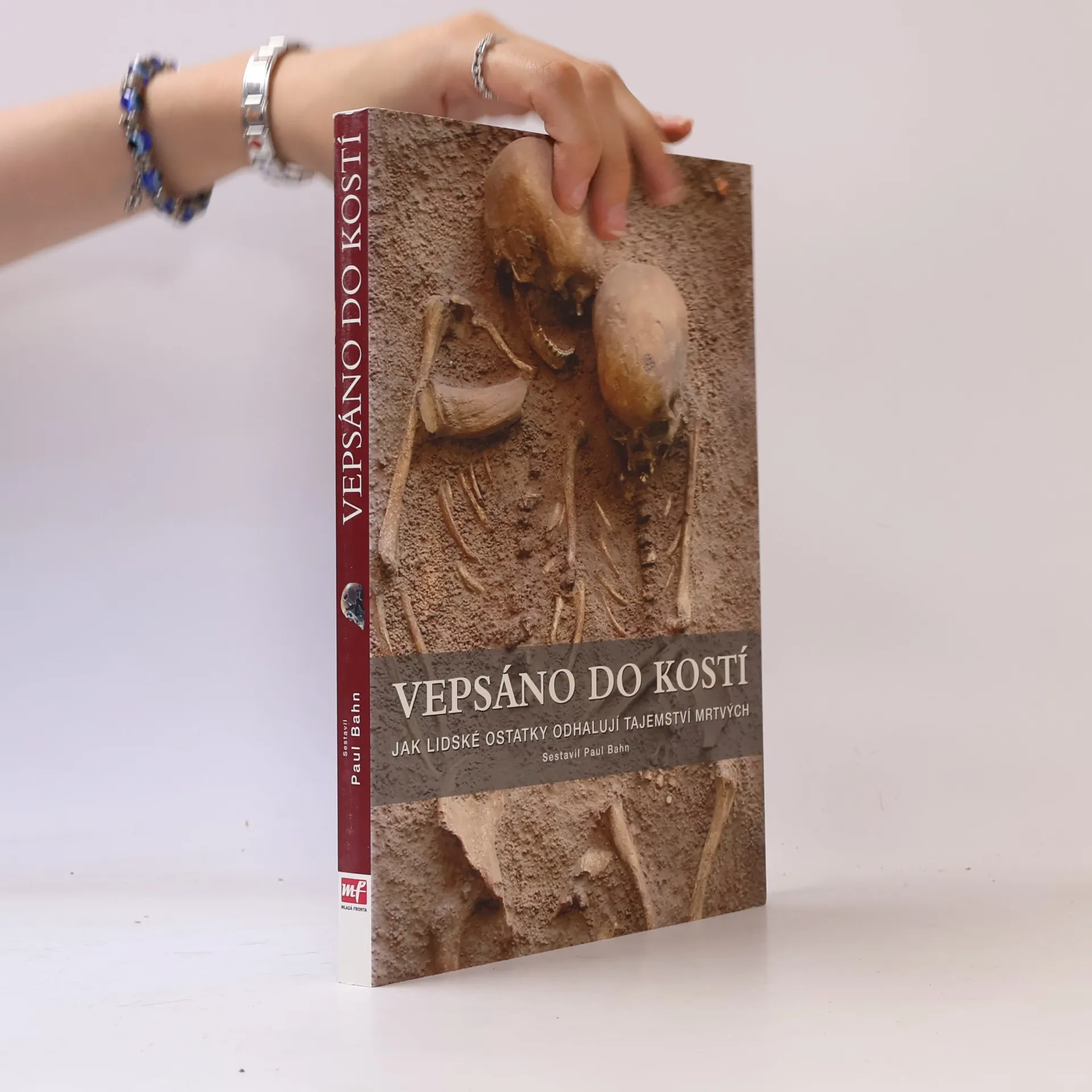
Vepsáno do kostí – Jak lidské ostatky odhalují tajemství mrtvých.
Podmanivý obraz životů, kultur a víry starodávných civilizací z celého světa, vyčtený z lidských ostatků. Lidské ostatky nám přinášejí spoustu informací o tom, jak žili a umírali naši předkové. V knize Vepsáno do kostí jsou shromážděny a analyzovány některé z významných nálezů posledních let – objevy z Údolí zlatých mumií, zvláštní mumie z Chinchorra v severním Chile, sněžný muž Ötzi, nejstarší trpaslík na světě, bezhlavý muž či obří vlci na mezolitickém hřbitově v sibiřském Irkutsku. Seznámíme se s moderními vědeckými postupy, jež odborníci používají, aby z nalezených kostí zjistili co nejvíce informací, a dozvíme se, jak se získané informace využívají k vytvoření obrazu jednotlivých kultur. Tým mezinárodních odborníků soustředil v knize 36 podrobně zpracovaných případů, doprovázených více než 250 barevnými fotografiemi, a podal tak podmanivý obraz životů kultur a víry starodávných civilizací z celého světa.
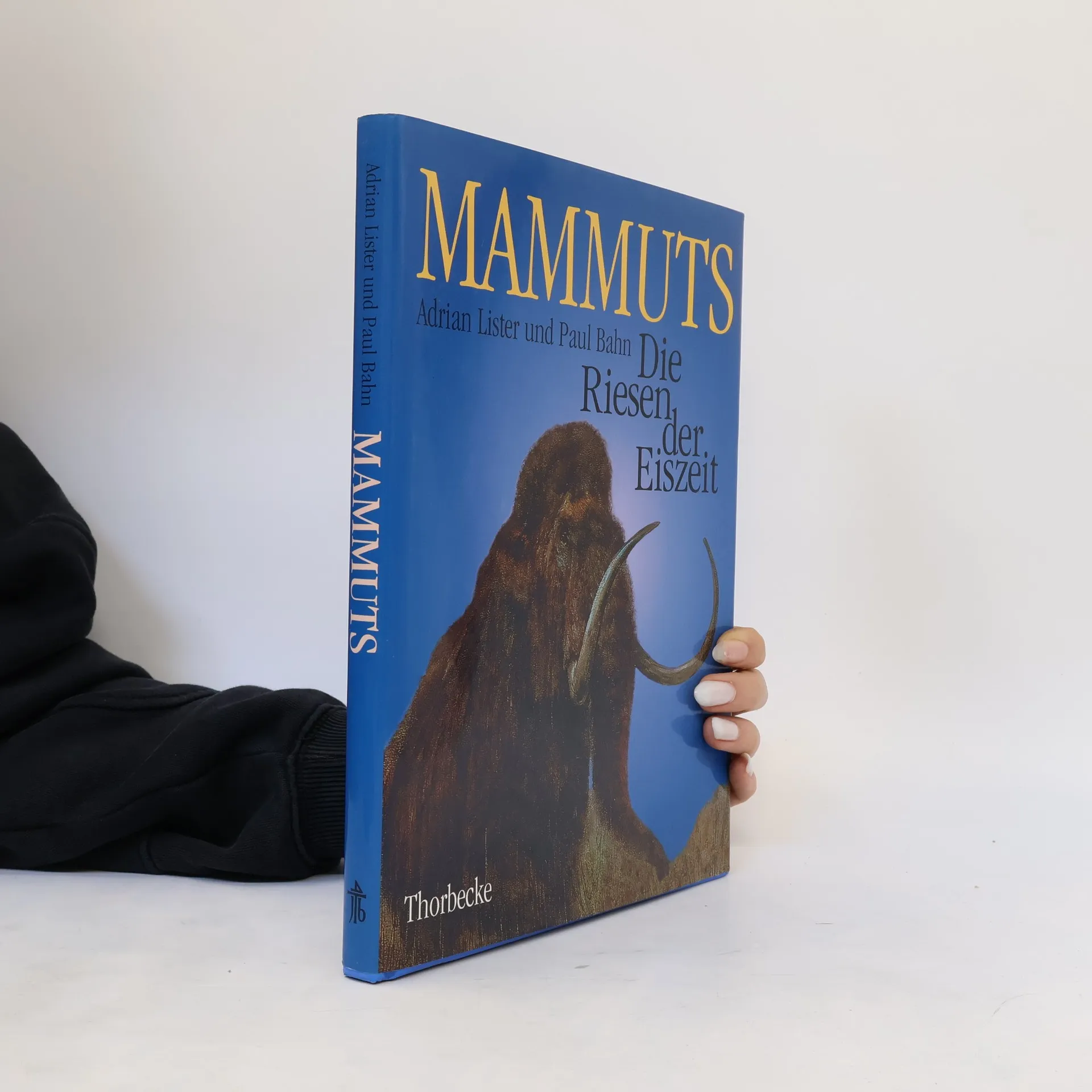
Obschon vor Jahrtausenden ausgestorben, sind die Mammuts heute jedem ein Begriff. Nicht nur ihre Größe fasziniert, sondern auch die perfekt erhaltenen Exemplare, die man gefroren im Boden der Tundra fand. Dieses Buch bietet eine so umfassende wie anschauliche Darstellung, wie sich diese riesige Tierart entwickelte, sich verbreitete und weshalb sie ausstarb.
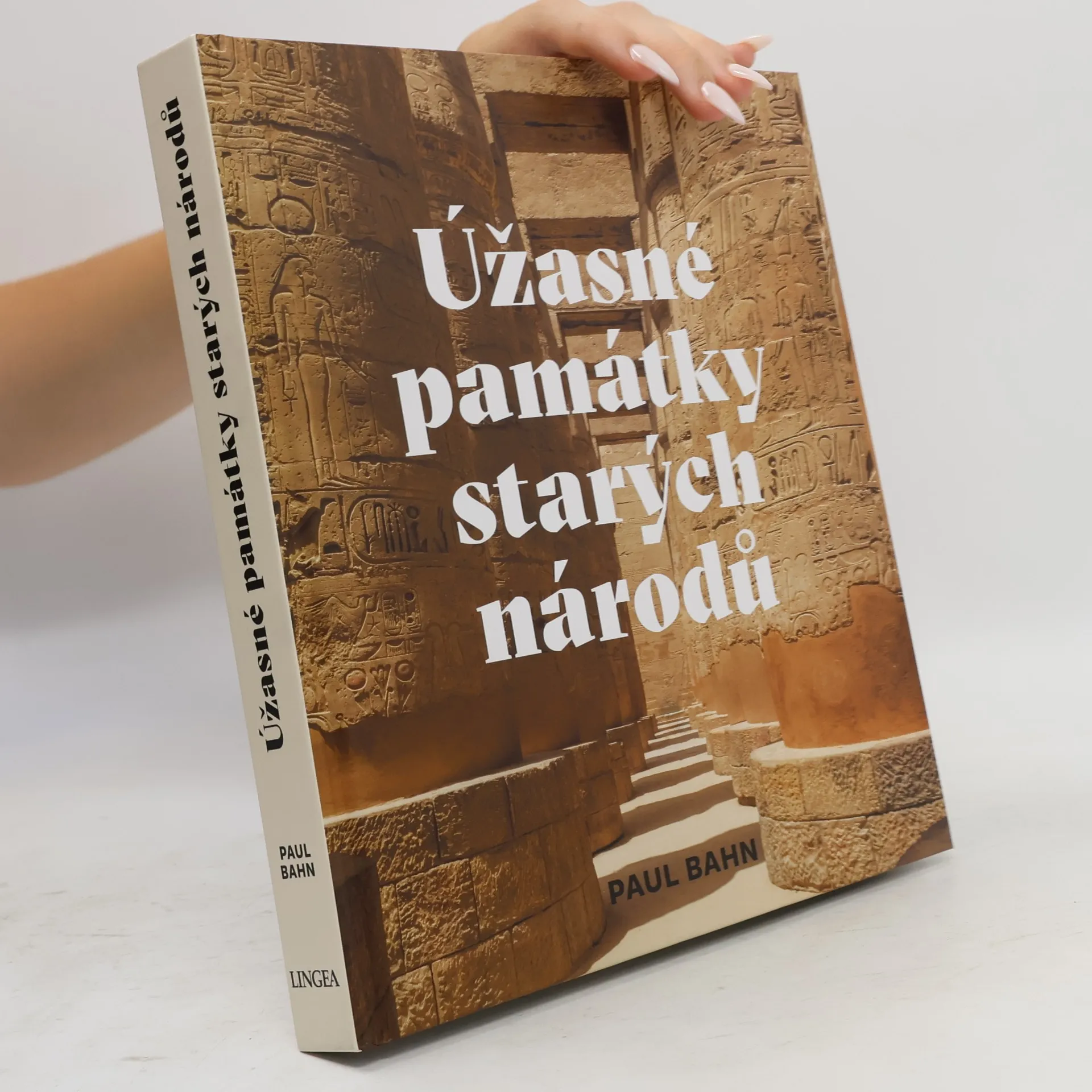
Od pouští přes džungle, horské vrcholy, rušné města až po skryté jeskyně, tato publikace představuje úžasné památky starých národů. Autor Paul Bahn, prehistorik a editor, vás provede některými z nejznámějších archeologických lokalit světa, přičemž ukazuje, jak trpělivá práce generací badatelů a pokrok v archeologii přispěly k našemu poznání minulosti. Kniha vypráví příběhy sahající tisíce let zpět, od prvních sídlišť po velké civilizace. Lokality byly pečlivě vybrány podle historického významu a turistické atraktivity, zahrnující egyptské pyramidy, antické památky v Athénách a Římě, a dávná města Střední a Jižní Ameriky. Konflikty však ovlivnily výběr, což znamená, že některé významné lokality, jako Palmýra a Leptis Magna, zůstávají turistům nepřístupné. Každou lokalitu přibližují krásné fotografie a zasvěcený výklad, který poskytuje klíčové informace o jejím vzniku a historii. Tato publikace je ideálním společníkem pro milovníky historie i cestovatele, přinášející inspiraci k objevování fascinujících míst. Paul Bahn je uznávaný spisovatel a odborník na archeologii, přispívající do časopisu Archaeology a autor mnoha knih v této oblasti.