James Elkins is an art historian and critic whose work delves into contemporary art and its theoretical underpinnings. He is dedicated to exploring the intricate relationship between art, its history, and the critical frameworks used for its interpretation. Elkins's scholarship seeks to unravel the complex ways in which art shapes our perception of the world. His approach is analytical, aiming to illuminate the deeper meanings embedded within artistic creations.
This book presents a deep and engaging exploration of art history, challenging the foundational assumptions that shape the discipline. Through a critical lens, it invites readers to reconsider widely accepted narratives and perspectives in the field, fostering a more nuanced understanding of art's evolution and significance. The intimate approach encourages reflection on the connections between art and society, making it a compelling read for those interested in the intersections of culture, history, and artistic expression.
"For years, Samuel Emmer has monitored bacteria levels in drinking water for the small city of Guelph. He is content to focus on dangerous life-threatening single-celled organisms as his grasp on his own life recedes, and with it his with family and friends. No one is more surprised than Samuel when he is appointed to the city's Zoo Feasibility Committee. His assignment: travel to zoos around the world and gather information on the behavior of animals in their enclosures. The city of Guelph aspiring commendably, if naively, is trying to create cruelty-free habitats for its animals. It is in Tallinn, Estonia, that the dreams start for Samuel. He is in a vast wooded landscape; there is a fire burning in the distance; and it is coming his way... Weak in Comparison to Dreams, by historian and art critic James Elkins, is like no other novel you have ever read, even as its inspirations, from W.G. Sebald to Teju Cole, are clear to see. With an astounding breadth of knowledge and playful courage, Weak in Comparison to Dreams reignites our love for the ambitious novel; with experimentation that never lacks intention, and whose empathetic scope explores the deepest aspects of our individual humanity"--
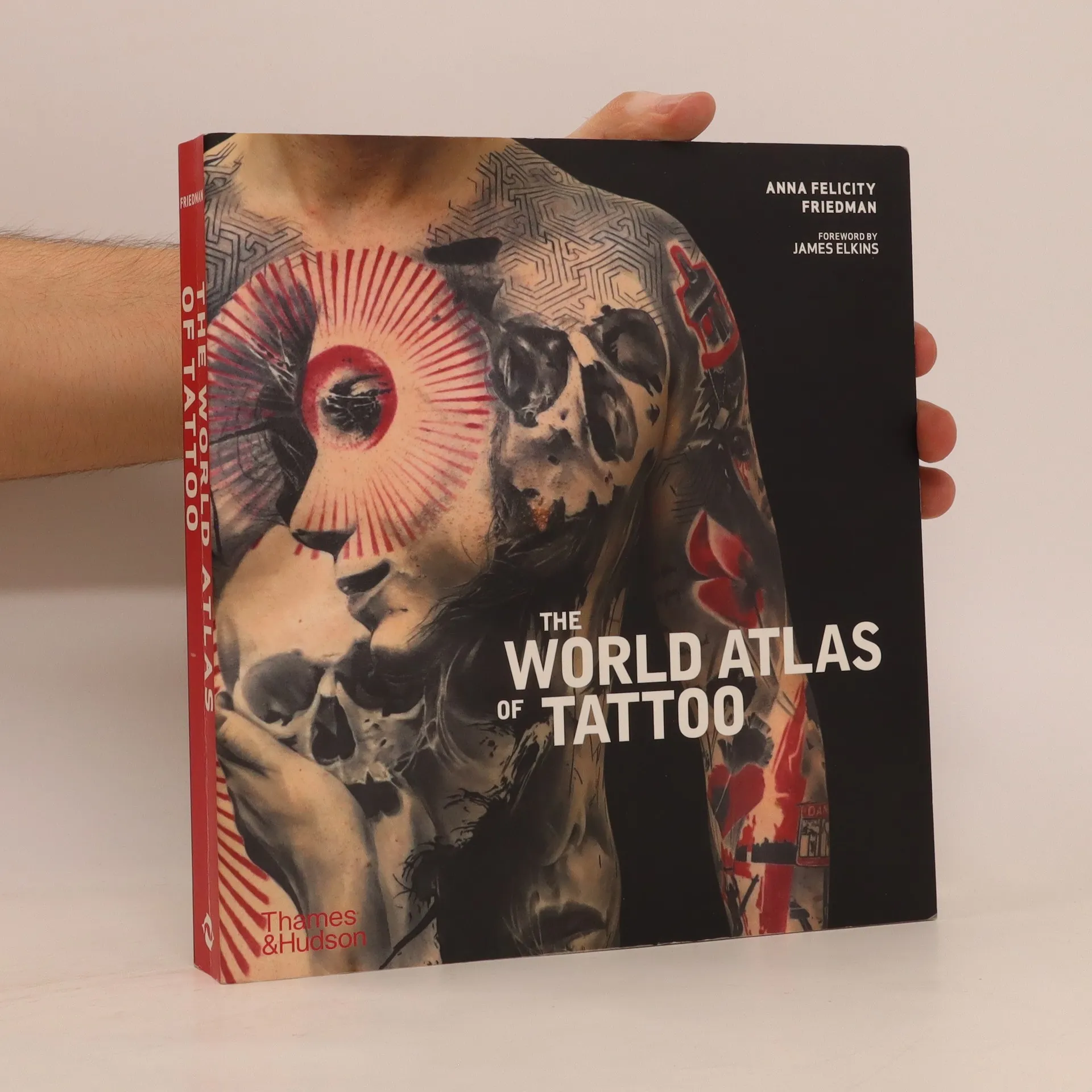
Lively and informative, The World Atlas of Tattoo is a superbly illustrated and compelling reference book that, through examining the meeting point between tattoo artists and their personal understanding of their environment, presents a well-informed and nuanced account of what has become a widespread art practice. Organized geographically, each section is introduced by a short historical overview of the types of tattooing traditionally practised in that area of the world, enabling the reader to trace historical threads in the careers of some of the profiled tattooers, as well as marvel at how other artists have managed to create novel forms of tattooing that transcend any previous context. The book also tracks the movement of styles from their indigenous settings to diasporic communities, where they have often been transformed into creative, multicultural, hybrid designs. Written by an international team of scholars, historians and journalists, this comprehensive atlas will enlighten and excite anyone who is passionate about tattoo art in its many forms worldwide.
Exploring the profound impact of photography, Elkins delves into its paradoxical nature, highlighting its capacity to present images that evoke both desire and discomfort. He argues that photography transcends mere representation, engaging with the complexities of perception and emotion. Through a diverse array of illustrations, the book illustrates how photography captures the multifaceted challenges of seeing, making it a powerful medium that resonates deeply with viewers.
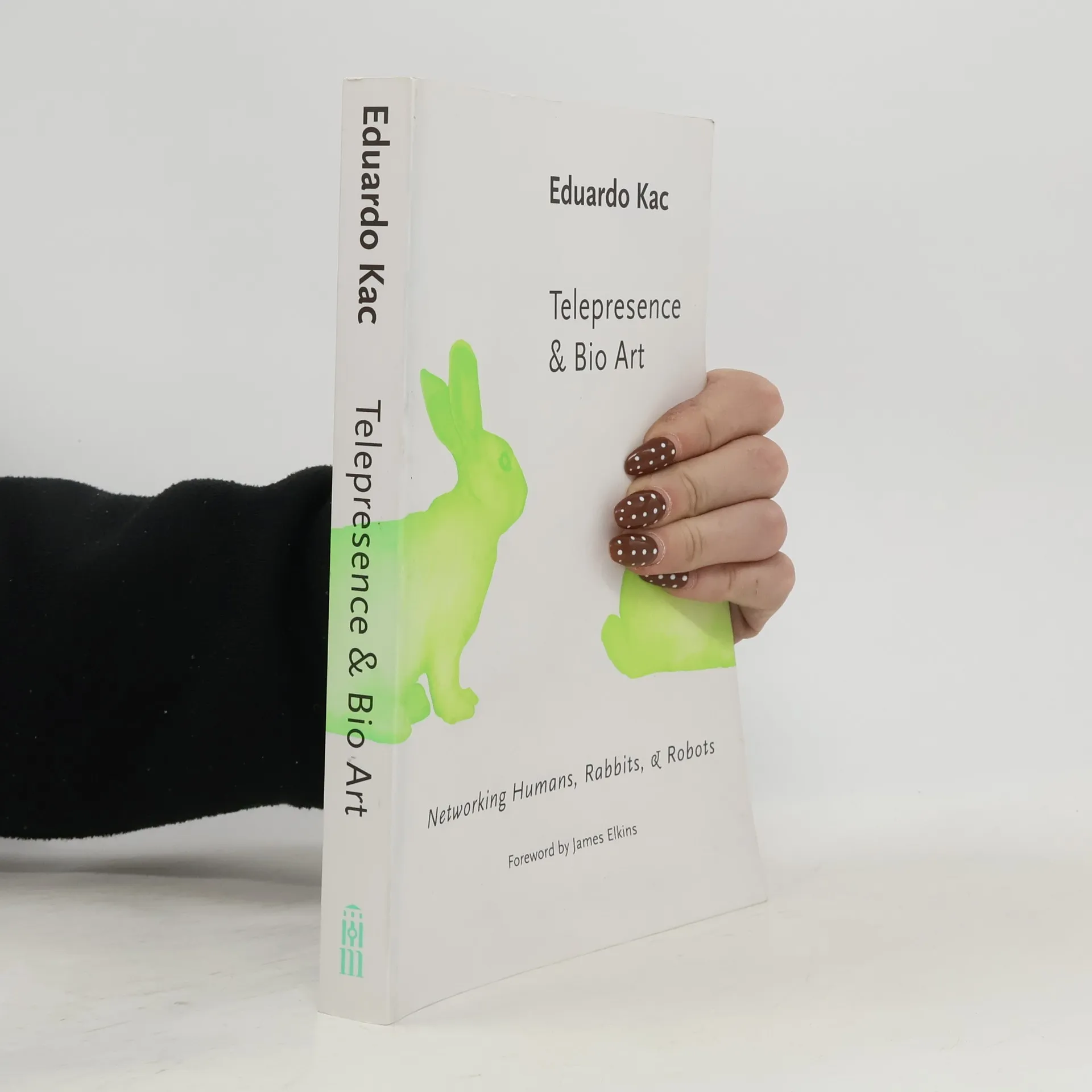
Eduardo Kac's work signifies a pivotal moment in our understanding of creativity. He challenges conventional views, infusing the creative process with a new significance while redefining the artist-inventor's role with a social and ethical responsibility. Kac's innovative approach to presenting the body as a medium for artificial memory and site-specific art raises critical questions about memory in digital culture and the ethical dilemmas of bioengineering and tracking technology. For nearly two decades, Kac has been at the forefront of media art, pioneering early online artworks and evolving new forms that incorporate telecommunications and robotics. The rise of telepresence, or telerobotics, in the 1990s marked a significant shift in media art, leading Kac to explore biology and biotechnology. This book is the first comprehensive account of the evolution of bio art and Kac's aesthetic journey, highlighting his creation of the "artist's gene" and the controversial genetically engineered rabbit, Alba. Covering a wide array of topics in media art, including telecommunications, interactive systems, and the intersection of electronic art and biotechnology, this book is essential for anyone interested in contemporary art.
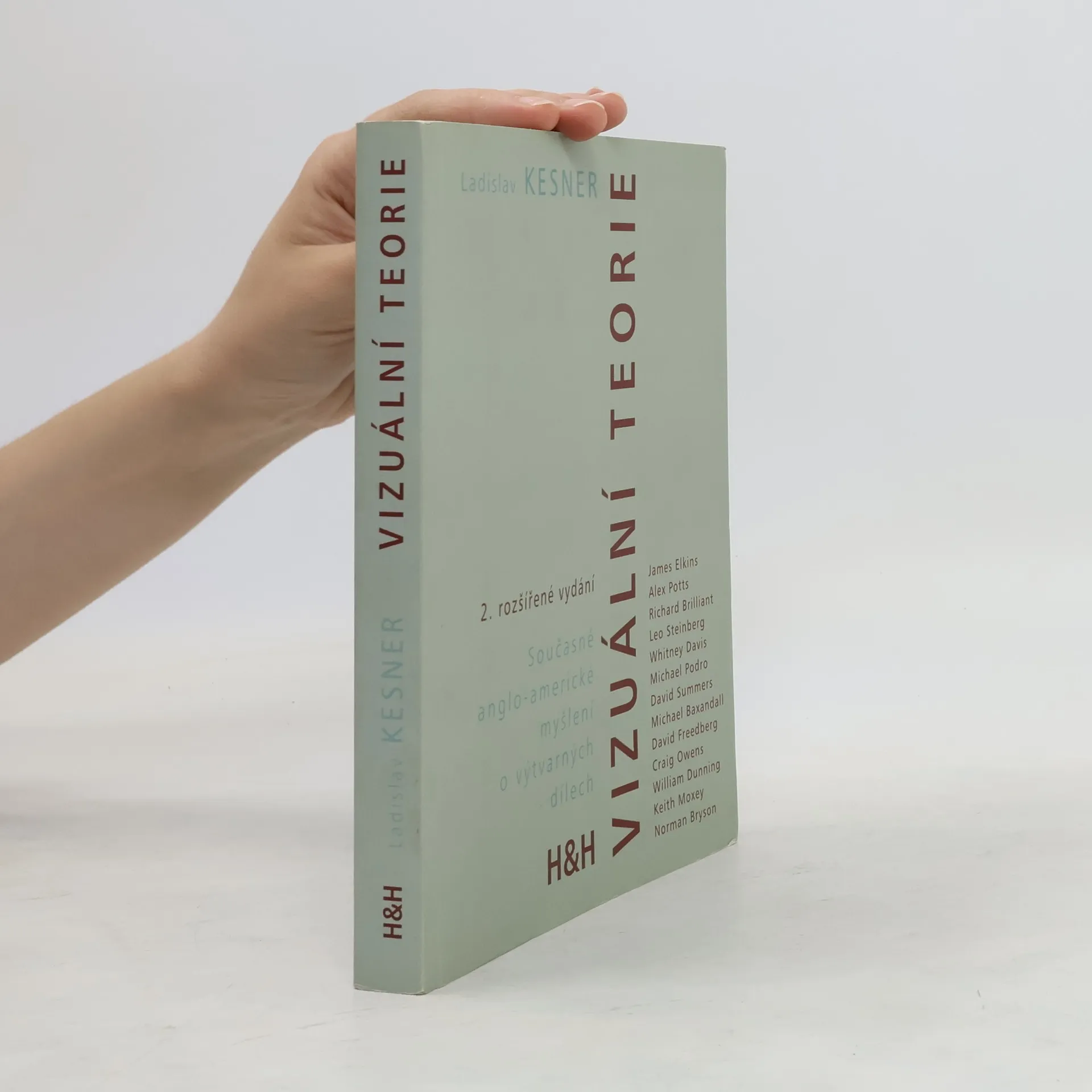
Druhé a doplněné vydání na knižním trhu velmi úspěšné antologie překladů knižních a časopiseckých studií a esejů angloamerických autorů o proměnách interpretačního rámce výtvarného artefaktu a o distanci současných badatelů od klasického pojetí kunsthistorie. Studie C. Owense Reprezentace, přivlastnění a moc, W. Davise Symboly v dějinách a jejich znovuobjevování, D. Summerse Reálná metafora: pokus o novou definici konceptuálního zobrazení a dále studie autorů Podra, Baxandalla, Dunninga, Moxeye, Brysona, publikované v prvním vydání knihy, jsou v druhém vydání doplněny o texty Leo Steinberga Objektivita a mizející já, Richarda Brillianta Můj Laocoon, Jamese Elkinse Objekt civí zpět a Alexe Pottse Skulpturální imaginace. Překlady uvádí podstatně rozšířená a doplněná úvodní stať editora Ladislava Kesnera Teorie, vizuální zobrazení a dějiny umění.
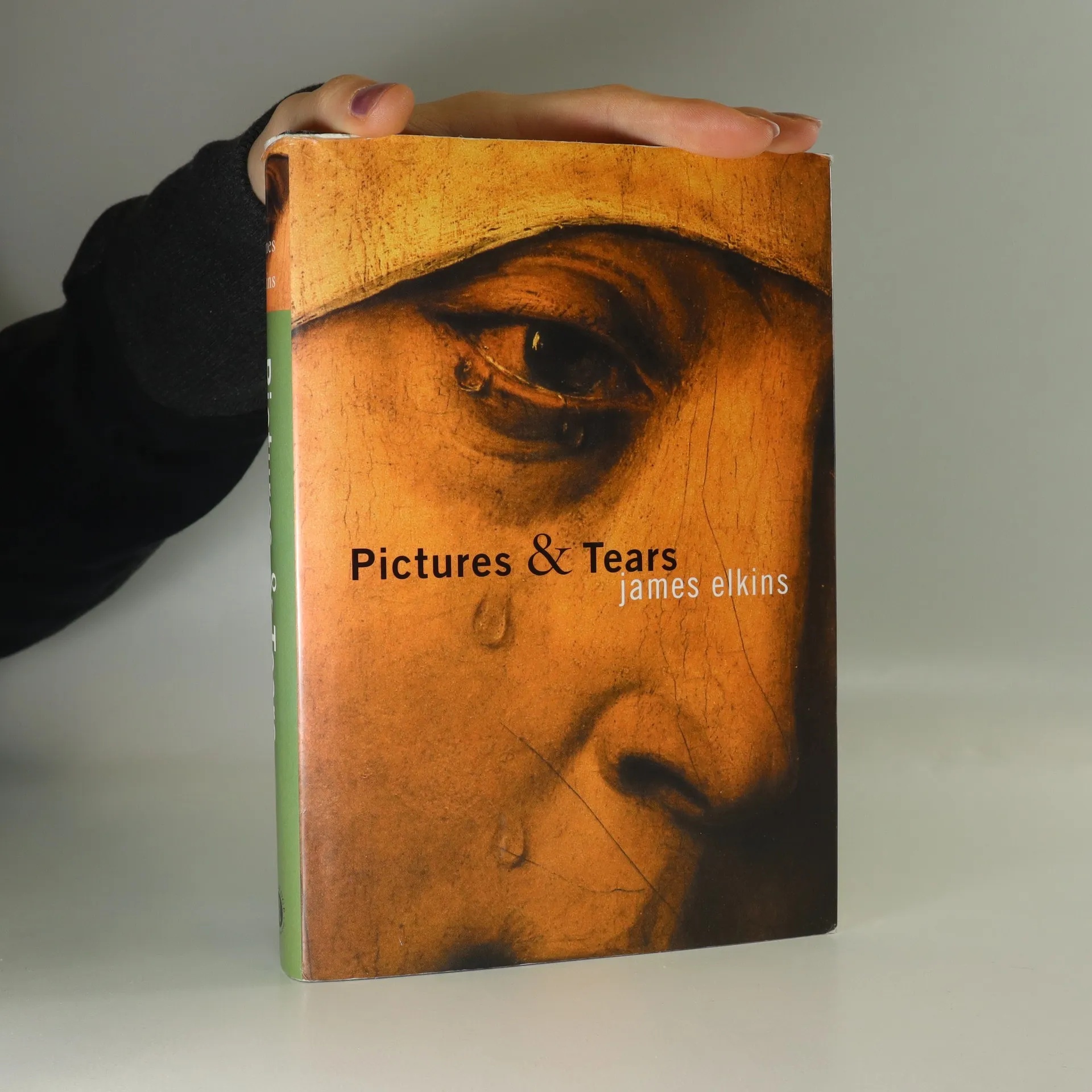
James Elkins tells the story of paintings that have made people cry, contrasting the emotions shown before works of art in the past, and the tearlessness with which most people approach works of art in the 21st century.
At the root of this tremendously original work is Elkins' desire to bring the
study of art back to the studio to understand the artist's relationship to his
or her medium. schovat popis
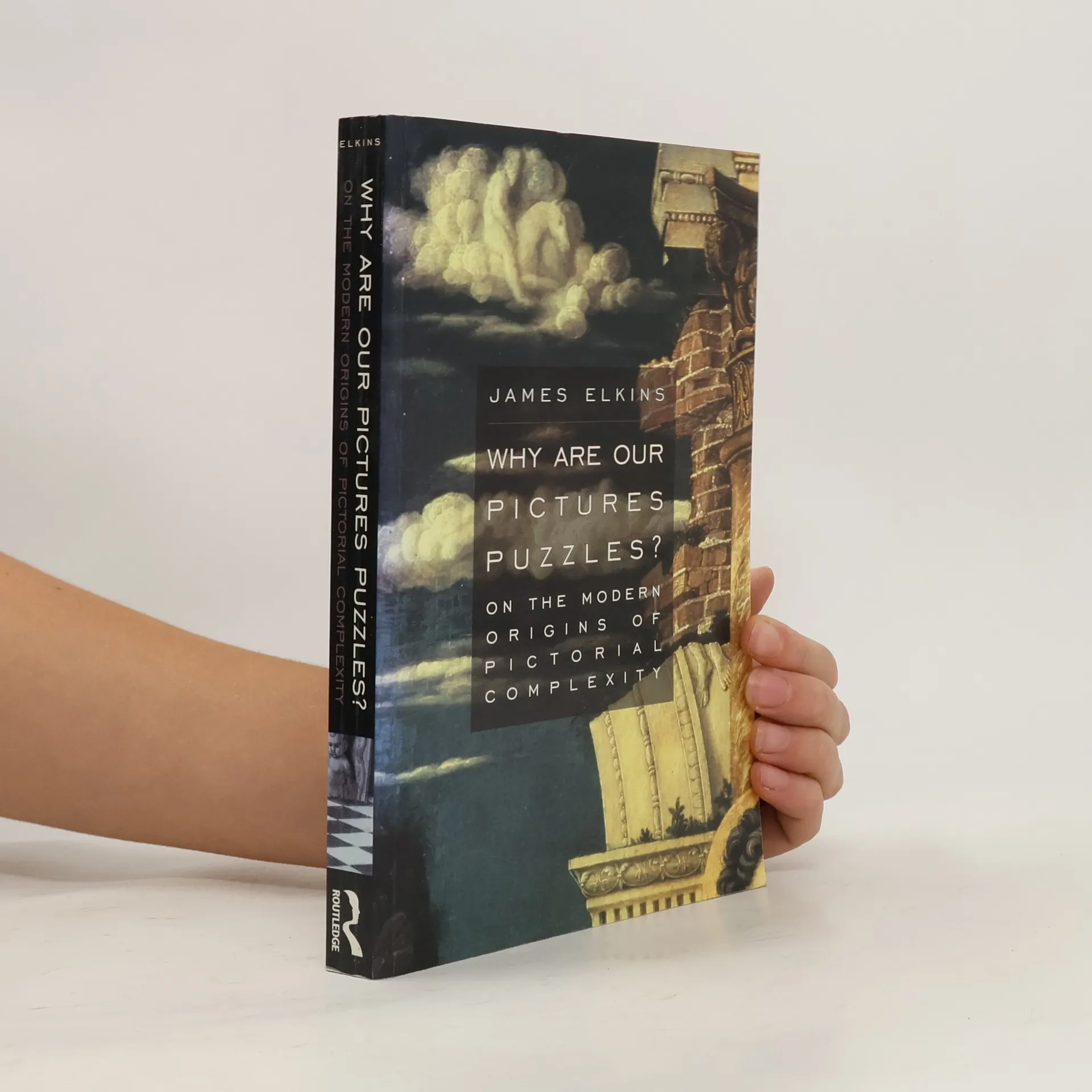
With bracing clarity, James Elkins explores why images are taken to be more intricate and hard to describe in the twentieth century than they had been in any previous century. Why Are Our Pictures Puzzles? uses three models to understand the kinds of complex meaning that pictures are thought to the affinity between the meanings of paintings and jigsaw-puzzles; the contemporary interest in ambiguity and 'levels of meaning'; and the penchant many have to interpret pictures by finding images hidden within them. Elkins explores a wide variety of examples, from the figures hidden in Renaissance paintings to Salvador Dali's paranoiac meditations on Millet's Angelus, from Persian miniature paintings to jigsaw-puzzles. He also examines some of the most vexed works in history, including Watteau's "meaningless" paintings, Michelangelo's Sistine Ceiling, and Leonardo's Last Supper.
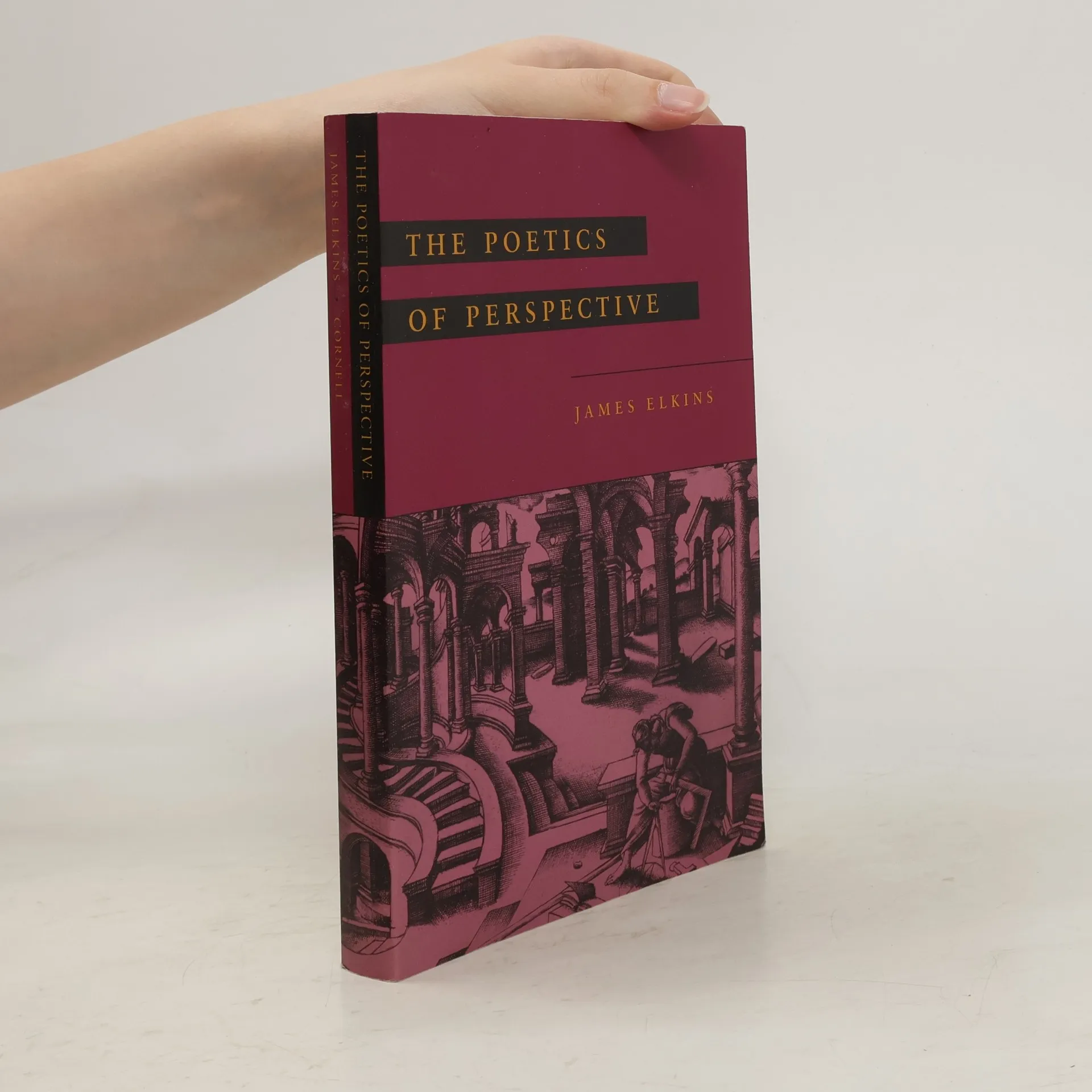
"My principal concern in this book is the way we talk about pictures...Renaissance writers and artists imagined perspective quite differently than we do... I maintain... that Renaissance authors and artists thought there were many compatible perspectives, so that their writing and painting evince a "pluralist" approach in strict contrast to the monolithic mathematical perspective we imagine today. Theirs was more a collection of rational methods than a "rationalisation of sight", more a way of drawing objects than of setting them in an abstract "pictorial space". Most important... is the gradual recession of perspective as a mute method, a practical subset of geometry, and the growth of perspective as a metaphor, a powerful concept for ordering our perception and accounting for our subjectivity." -- Preface.