Abstractions in Space
- 64 pages
- 3 hours of reading
Book by William J.R. Curtis, Pulitzer Foundation For the Arts


William J. R. Curtis is an architectural historian whose writings have focused on twentieth-century architecture. His scholarship is particularly noted for its commitment to broadening the traditional 'canon' to encompass a wider array of architects working globally, offering a more inclusive understanding of architectural history. Curtis's approach emphasizes a worldwide perspective and the international dialogues that shaped modern design. His extensive research and critical analysis contribute significantly to a deeper appreciation of contemporary architectural movements.

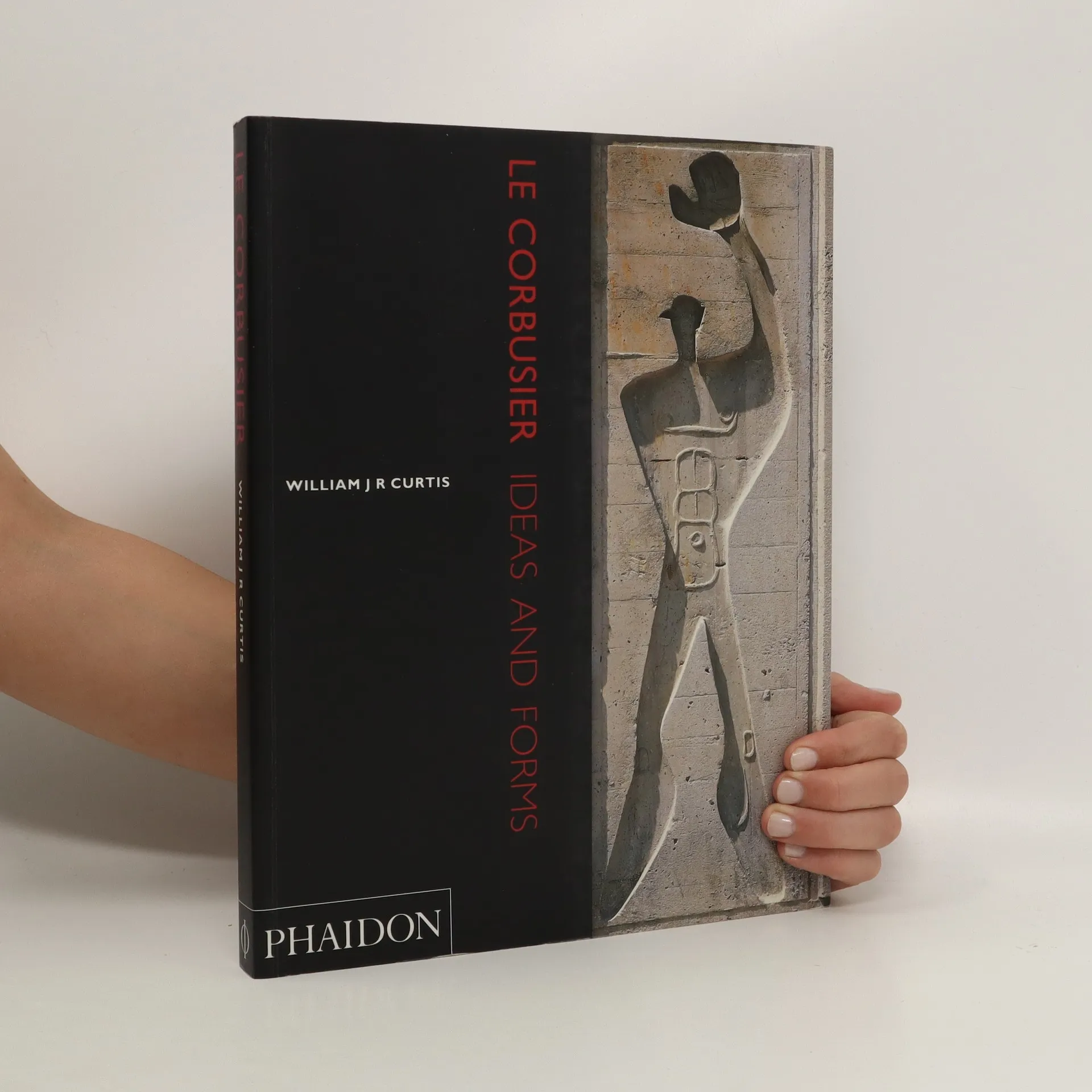
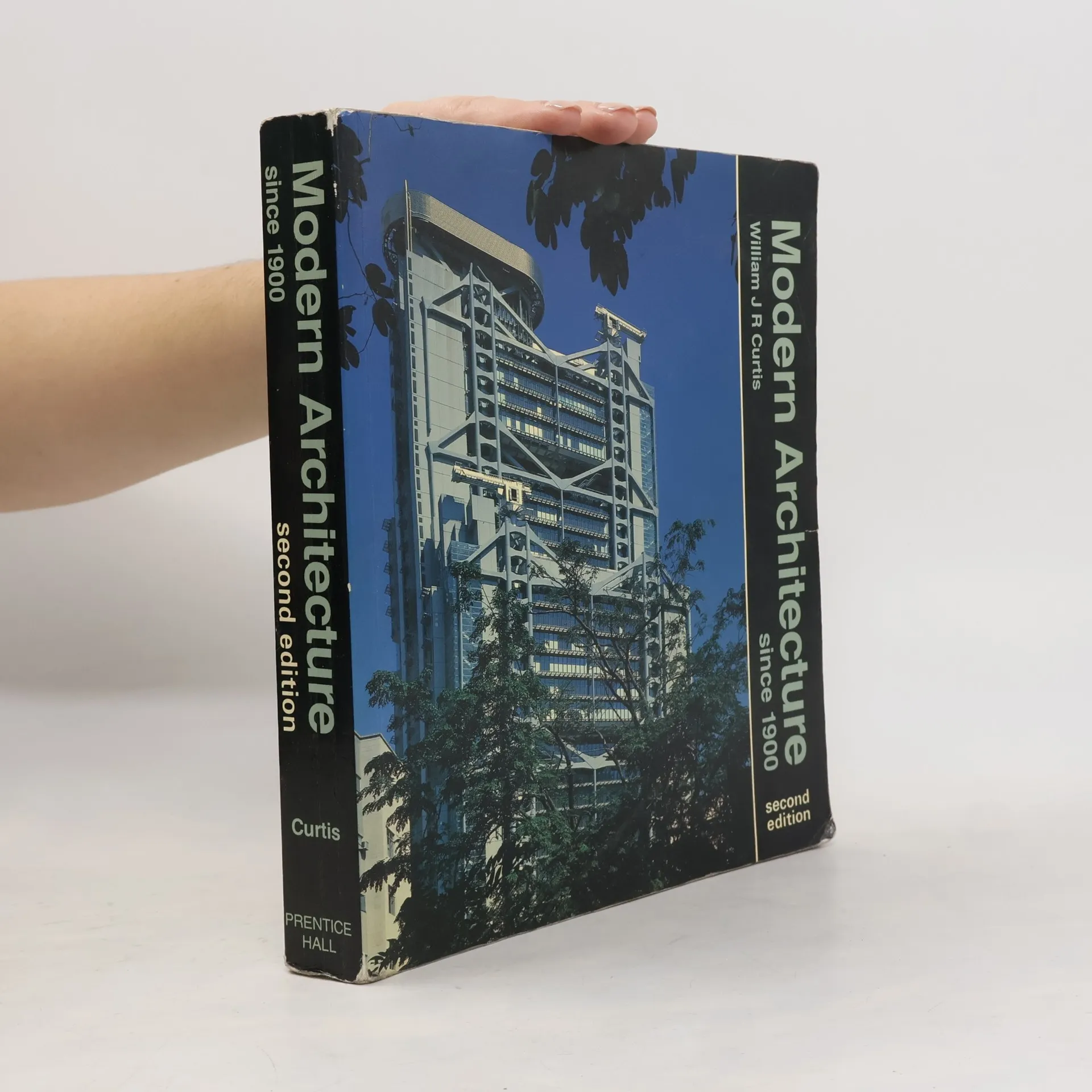

Book by William J.R. Curtis, Pulitzer Foundation For the Arts
This is the established standard book for 20th Century architecture. While technical, economic, social and intellectual developments are fully treated, the final emphasis is on individuals and on the qualities that give outstanding buildings their lasting value. The third edition incorporates new knowledge and research with a greater emphasis on regional identity and variety. Three new chapters on recent developments have been added as well as an improved illustration count 350 4-C and 44 B/W.
Le Corbusier has been one of the dominant forces in 20th-century architecture, and many of the forms he created have become archetypes of modernism. This book provides a comprehensive survey that puts Le Corbusier's career into a more balanced perspective.
Architect Edvard Ravnikar memorial complex on the island of Rab, 1953