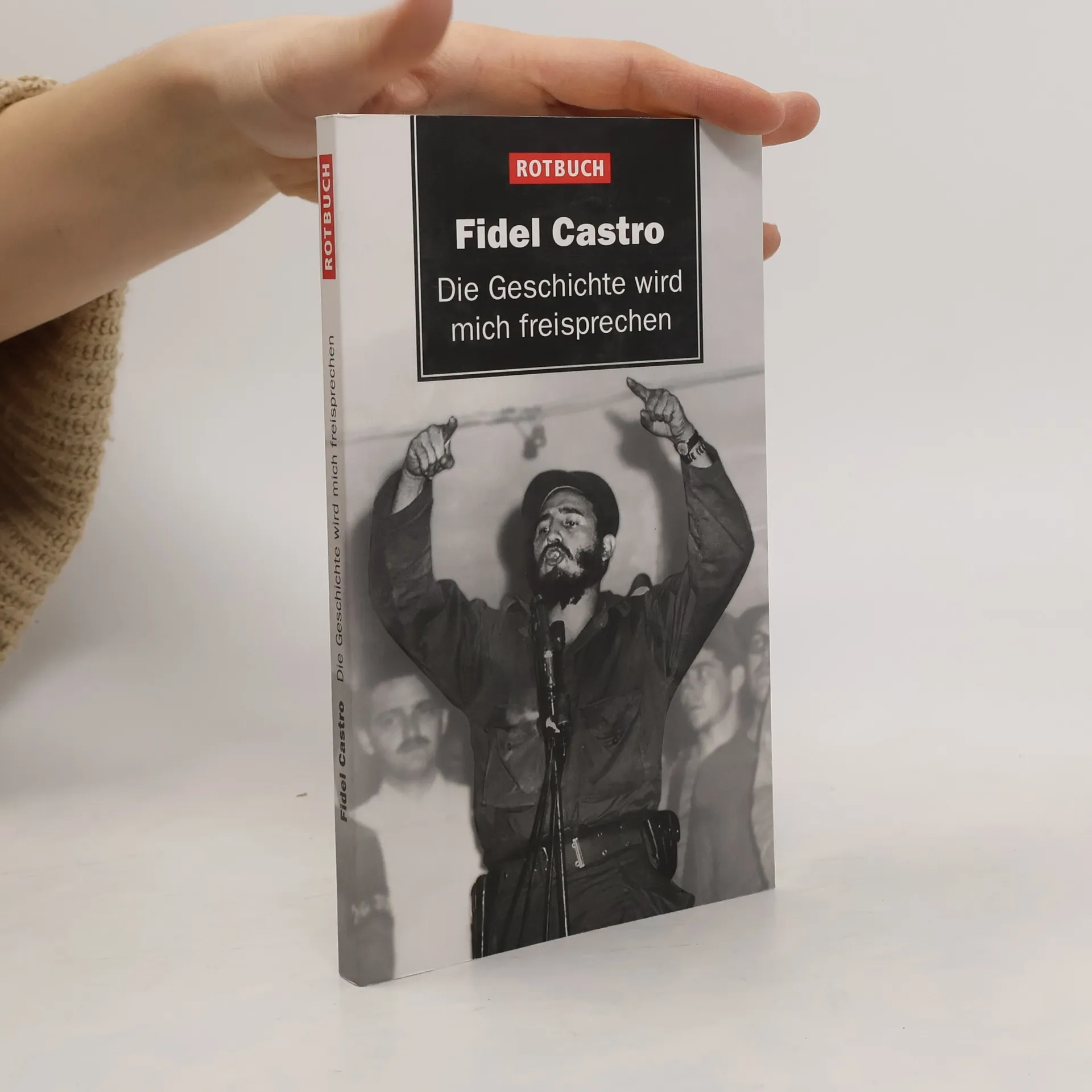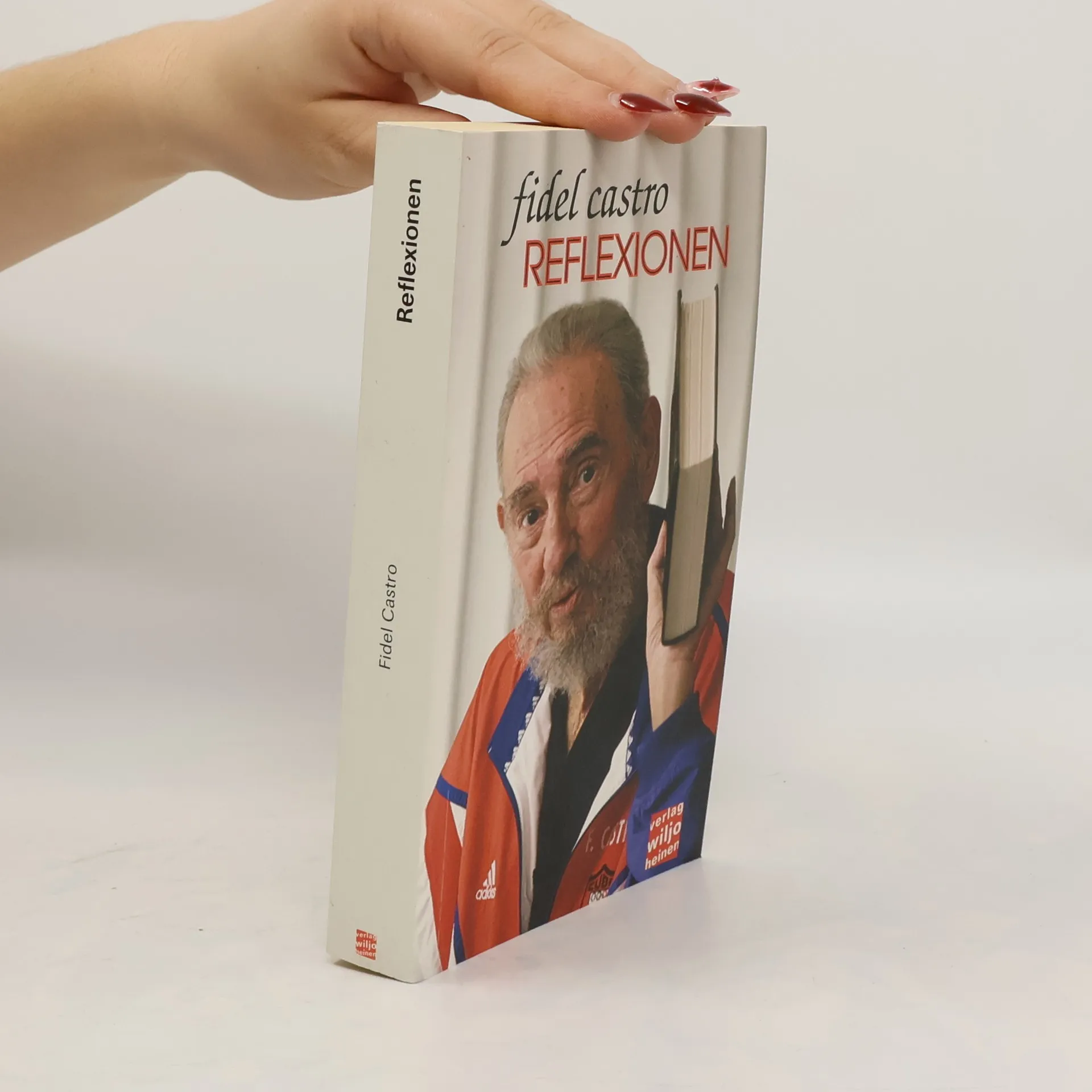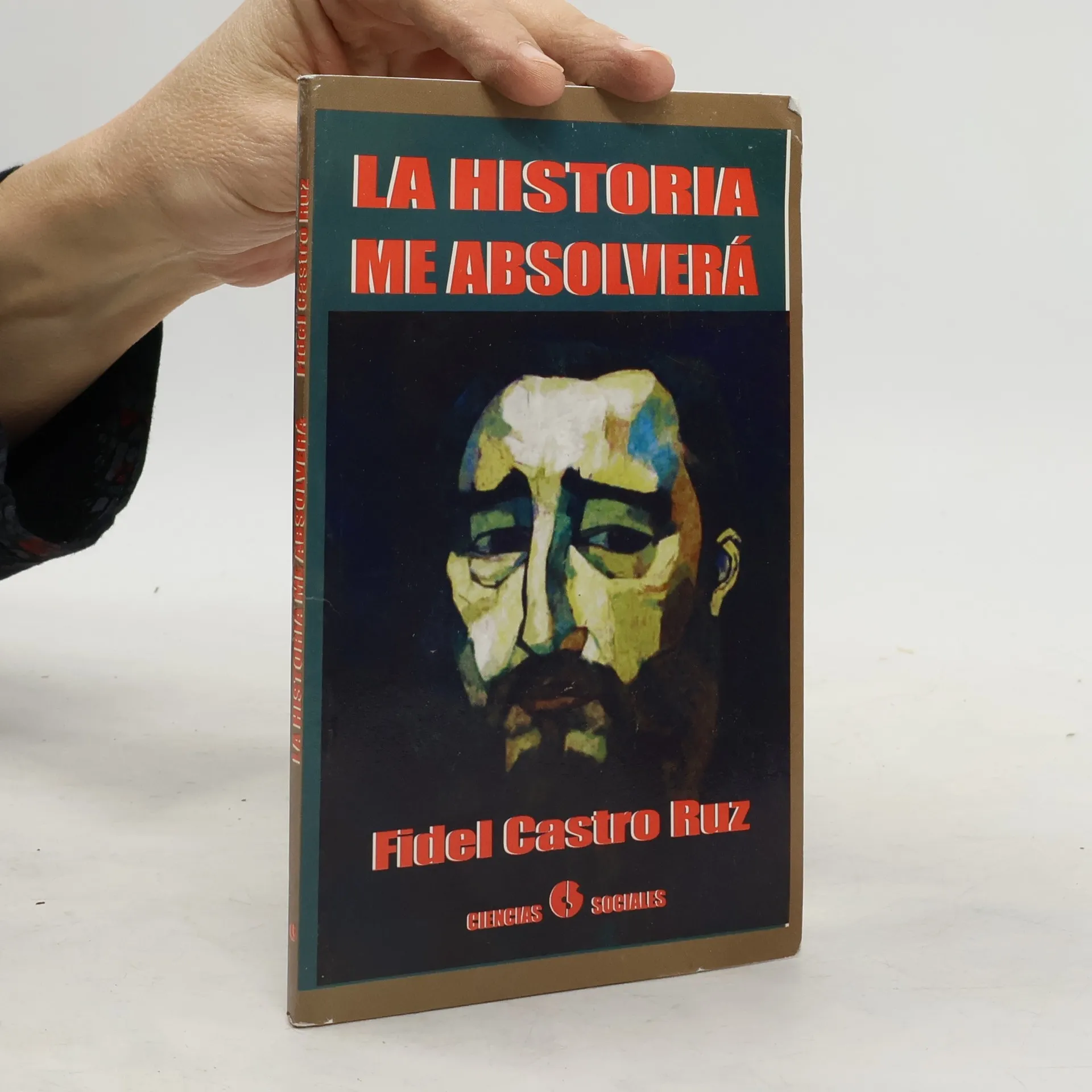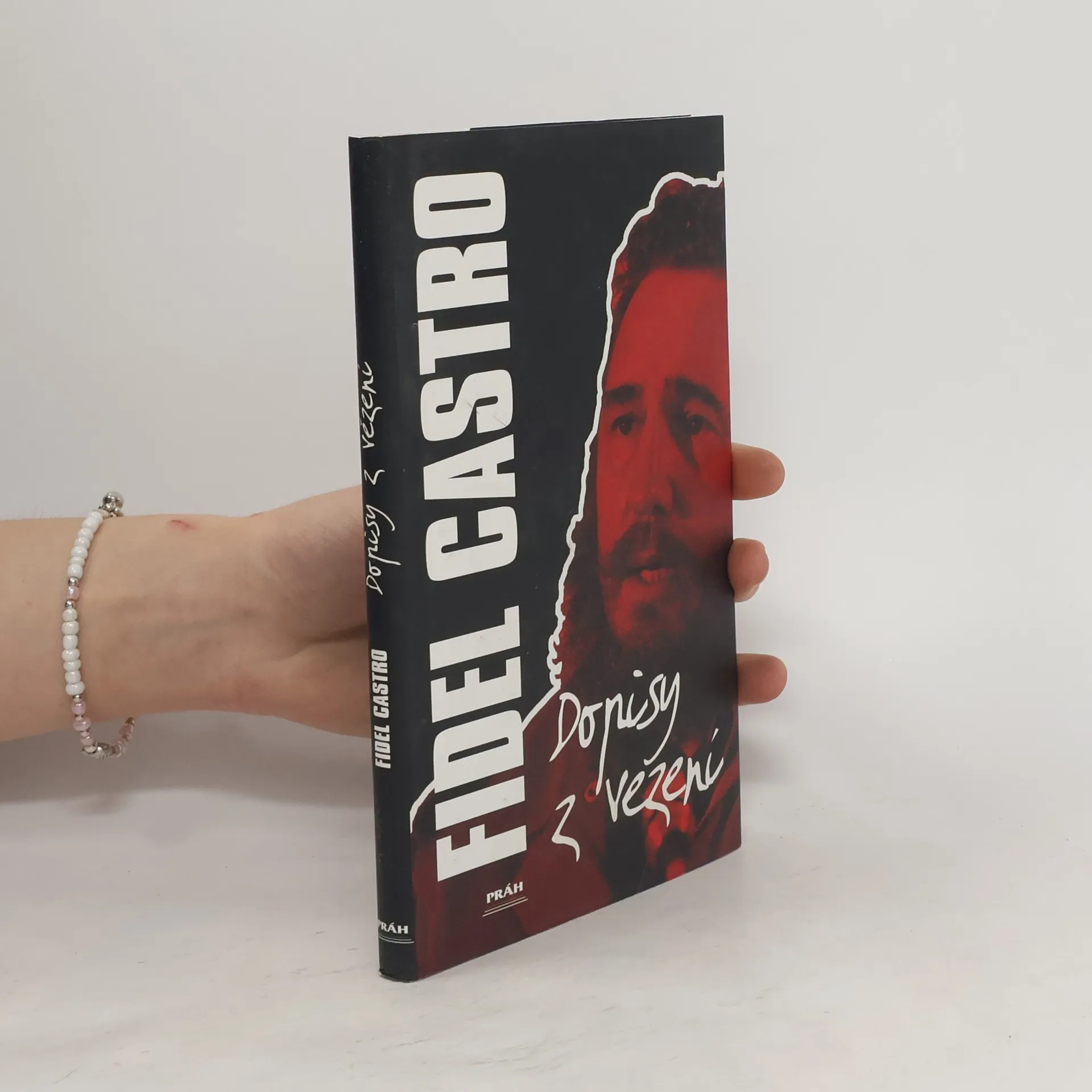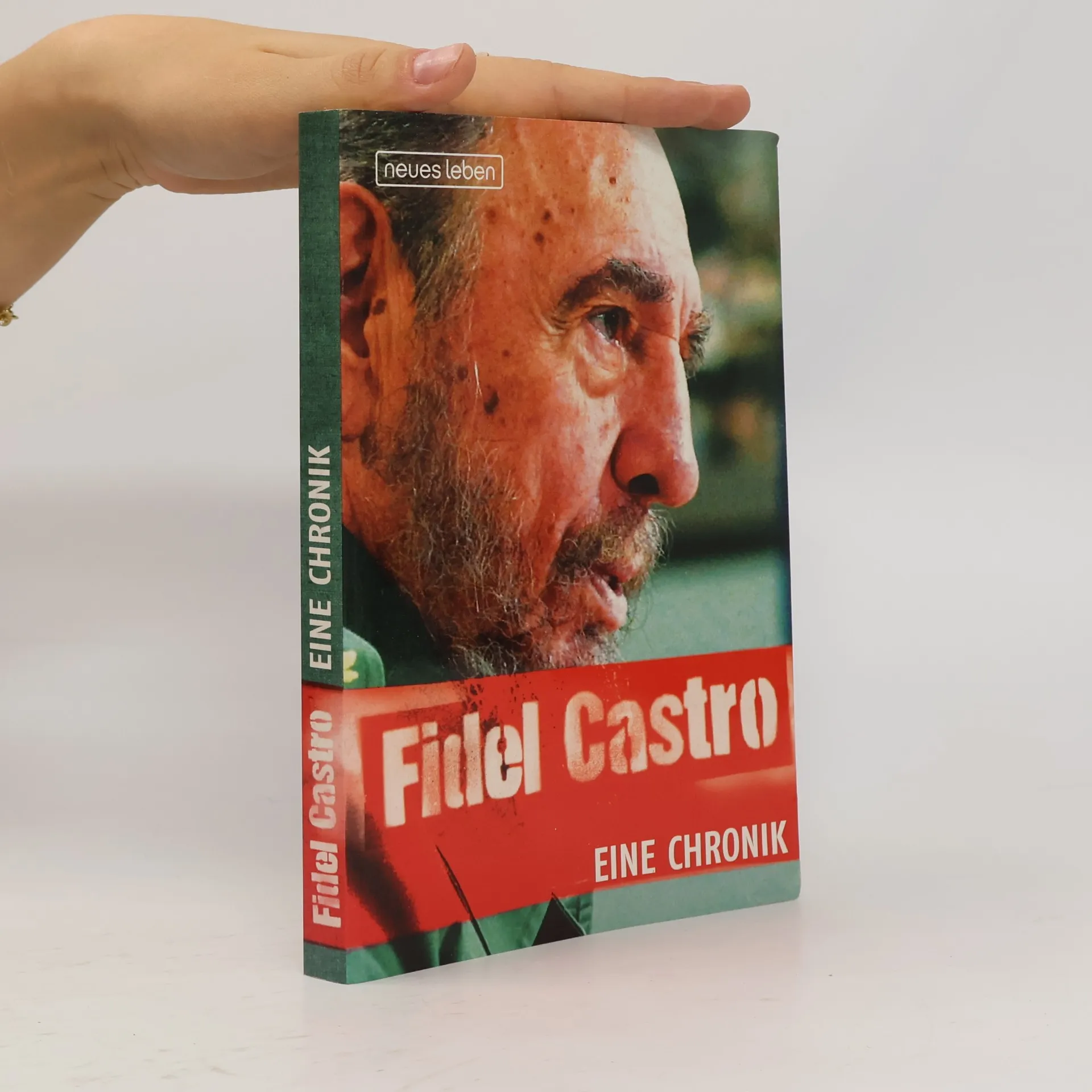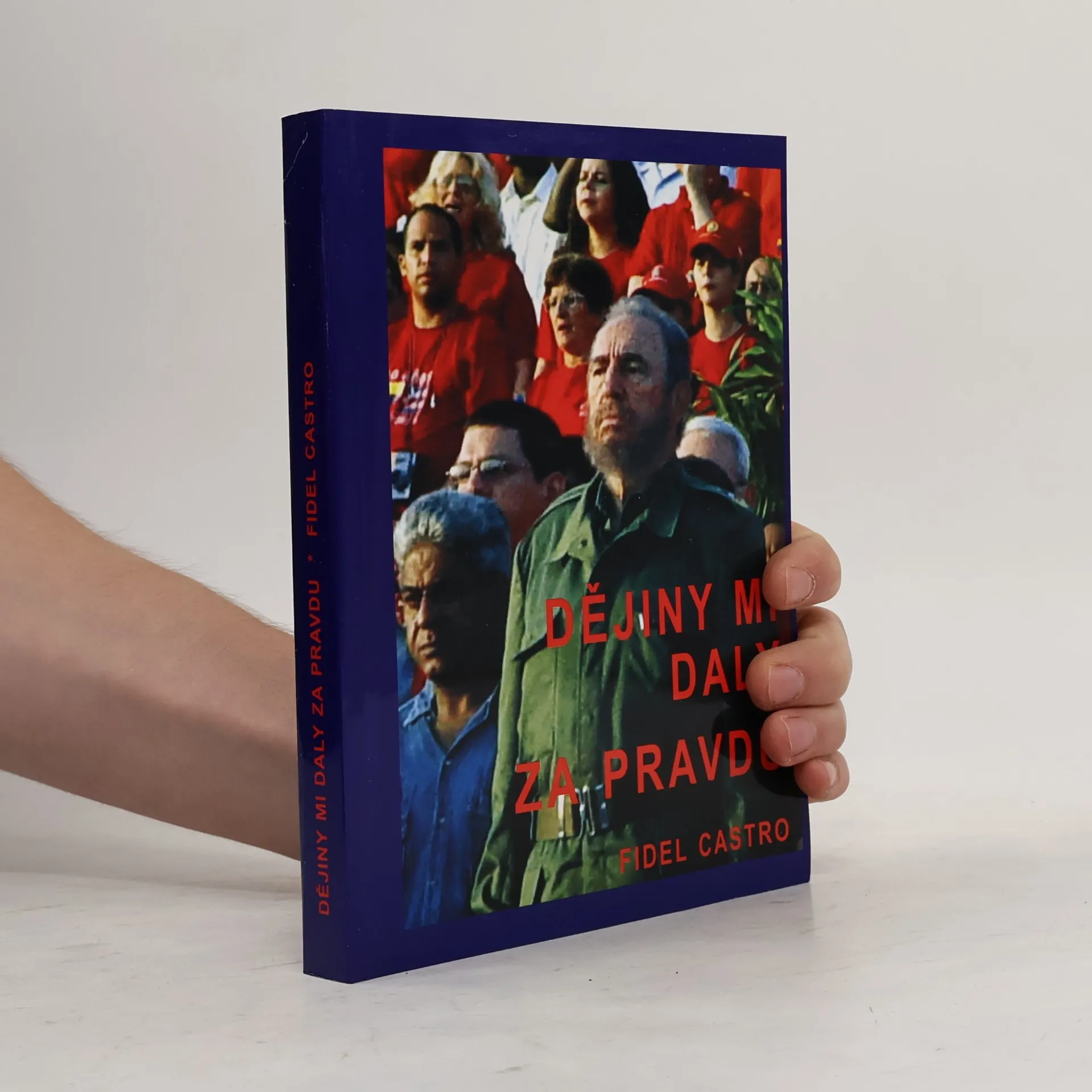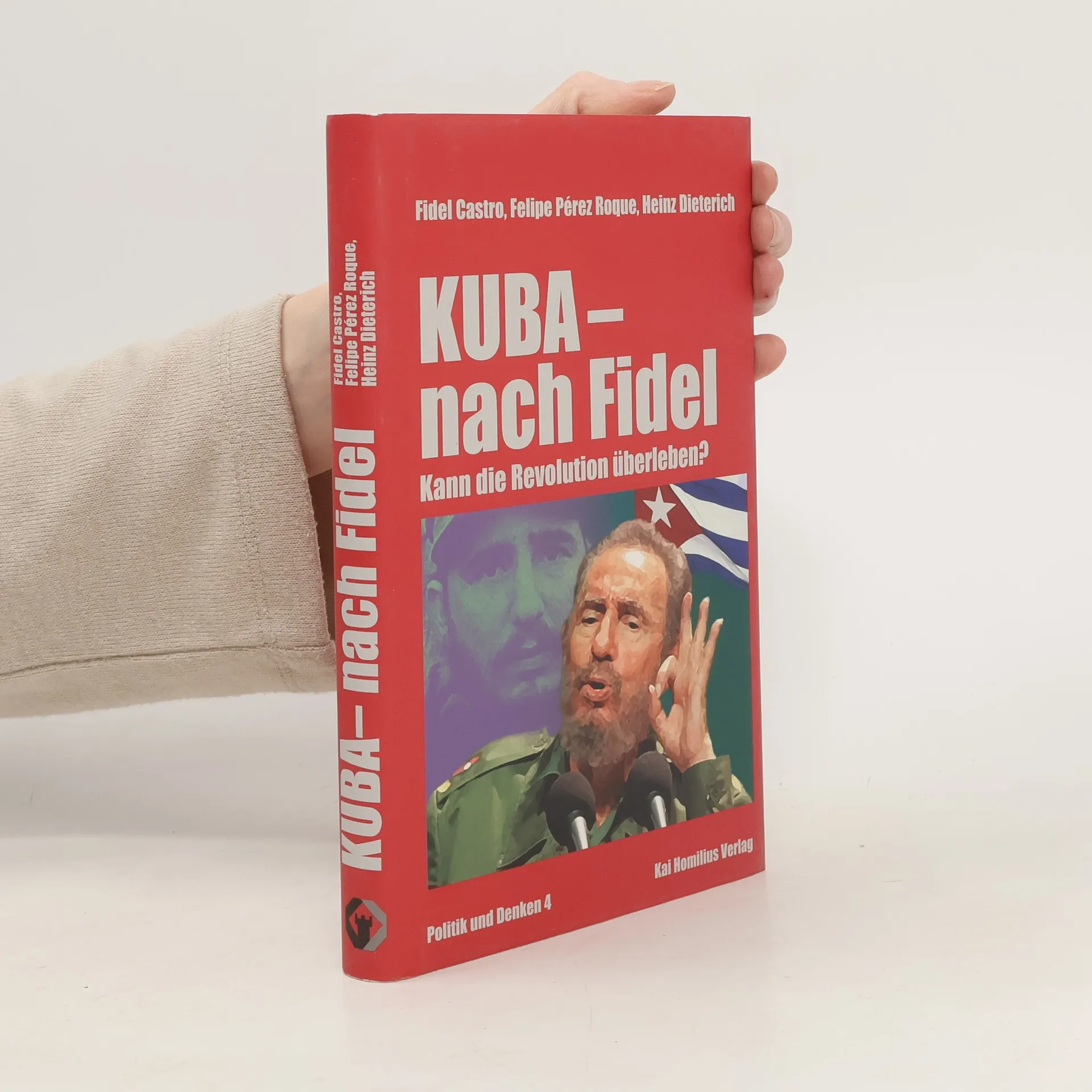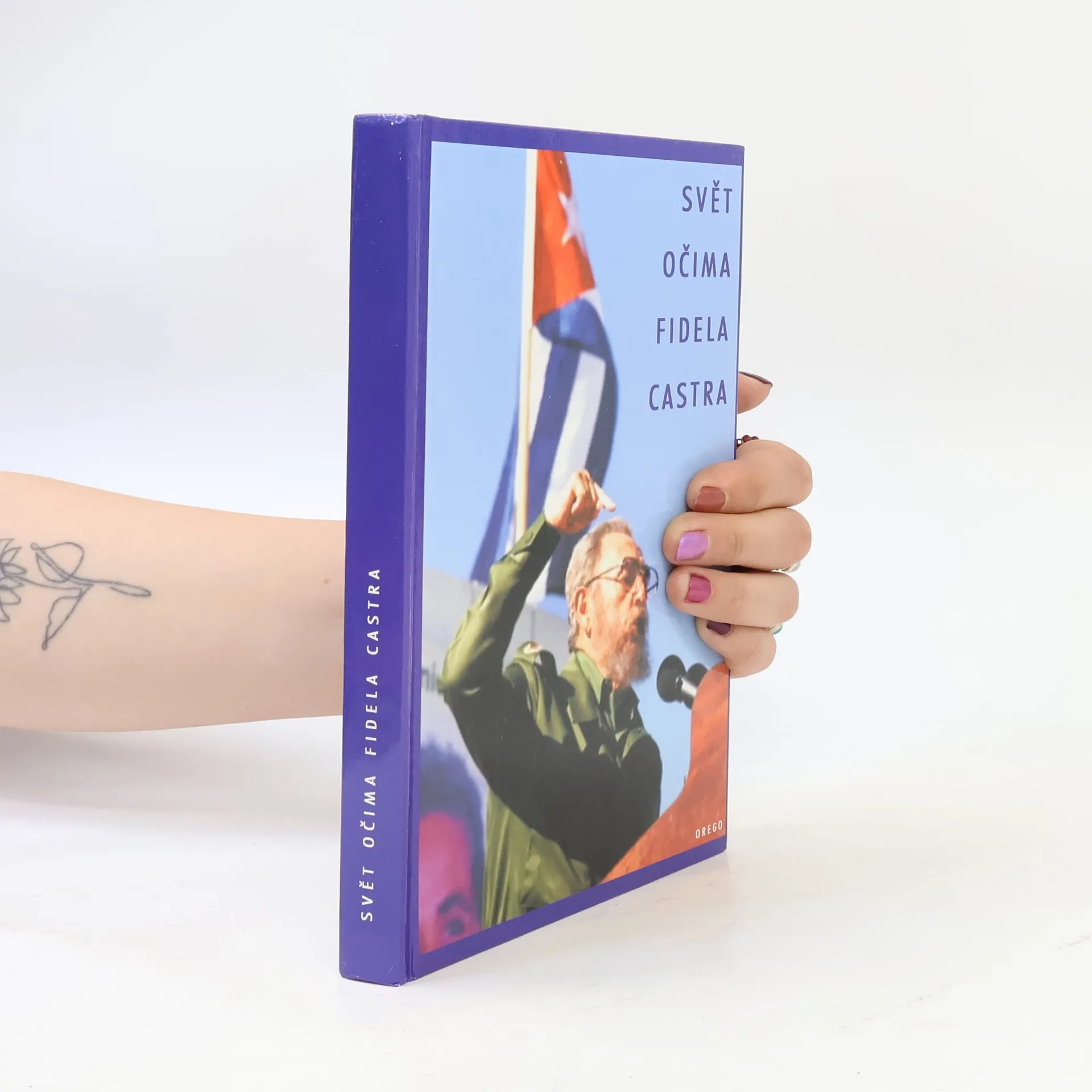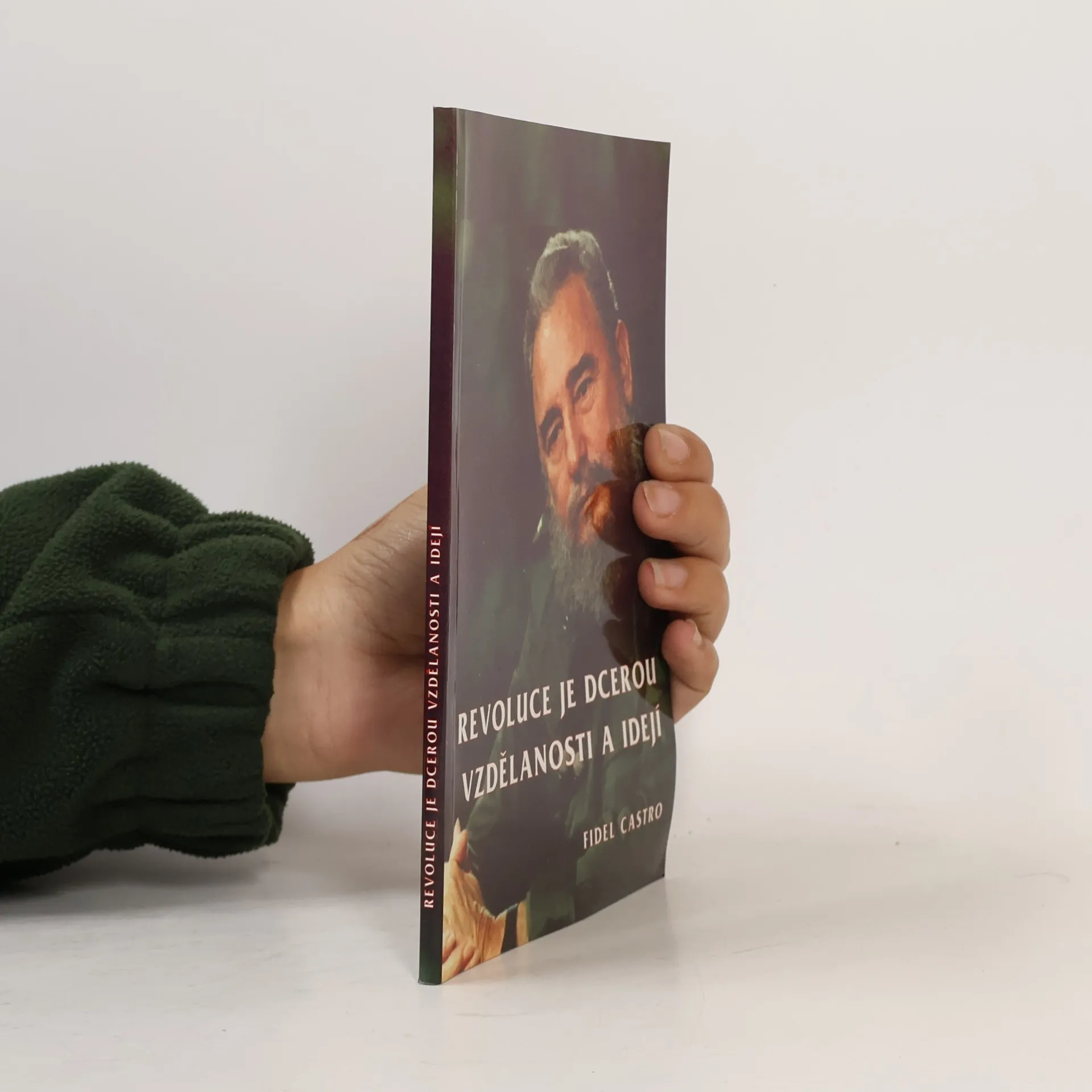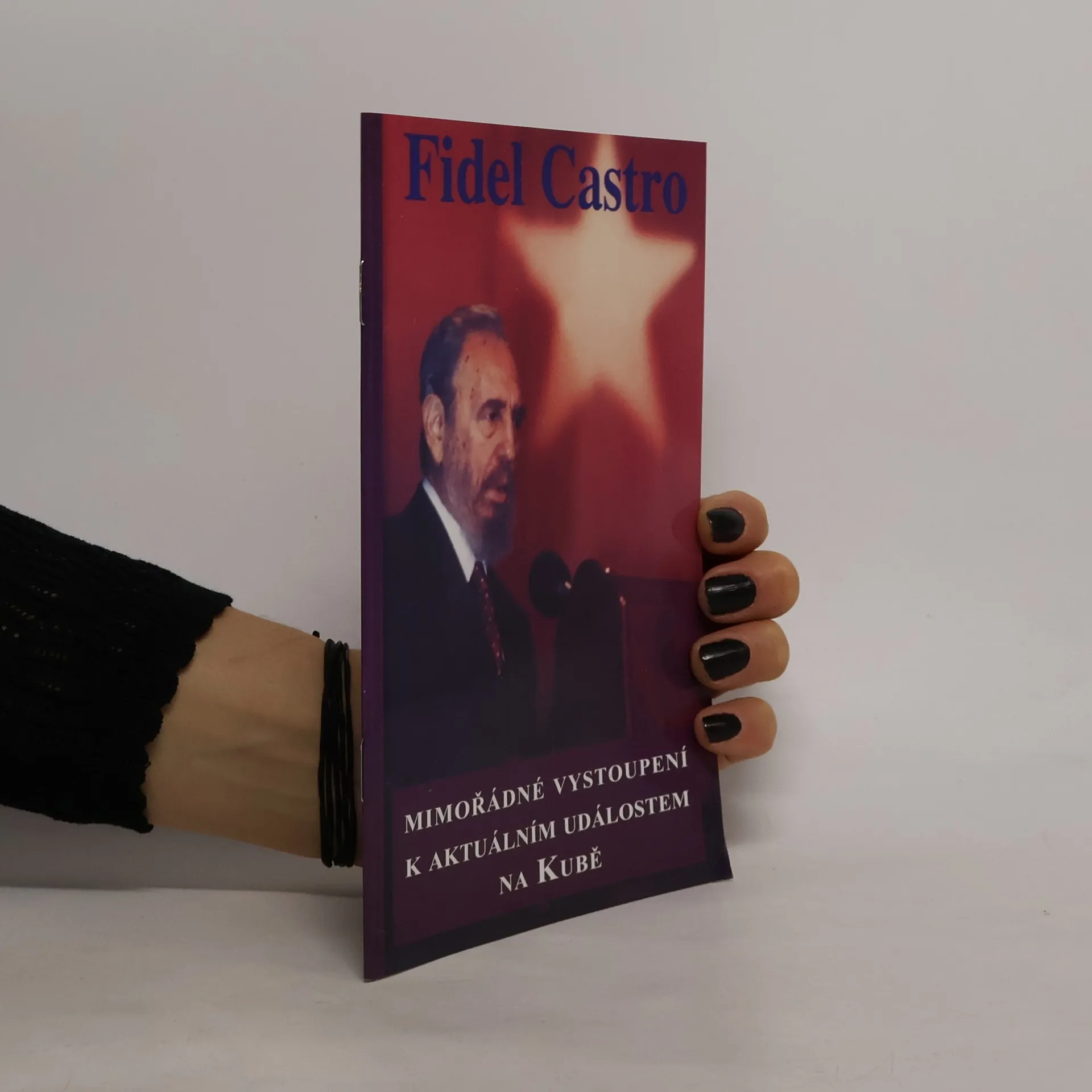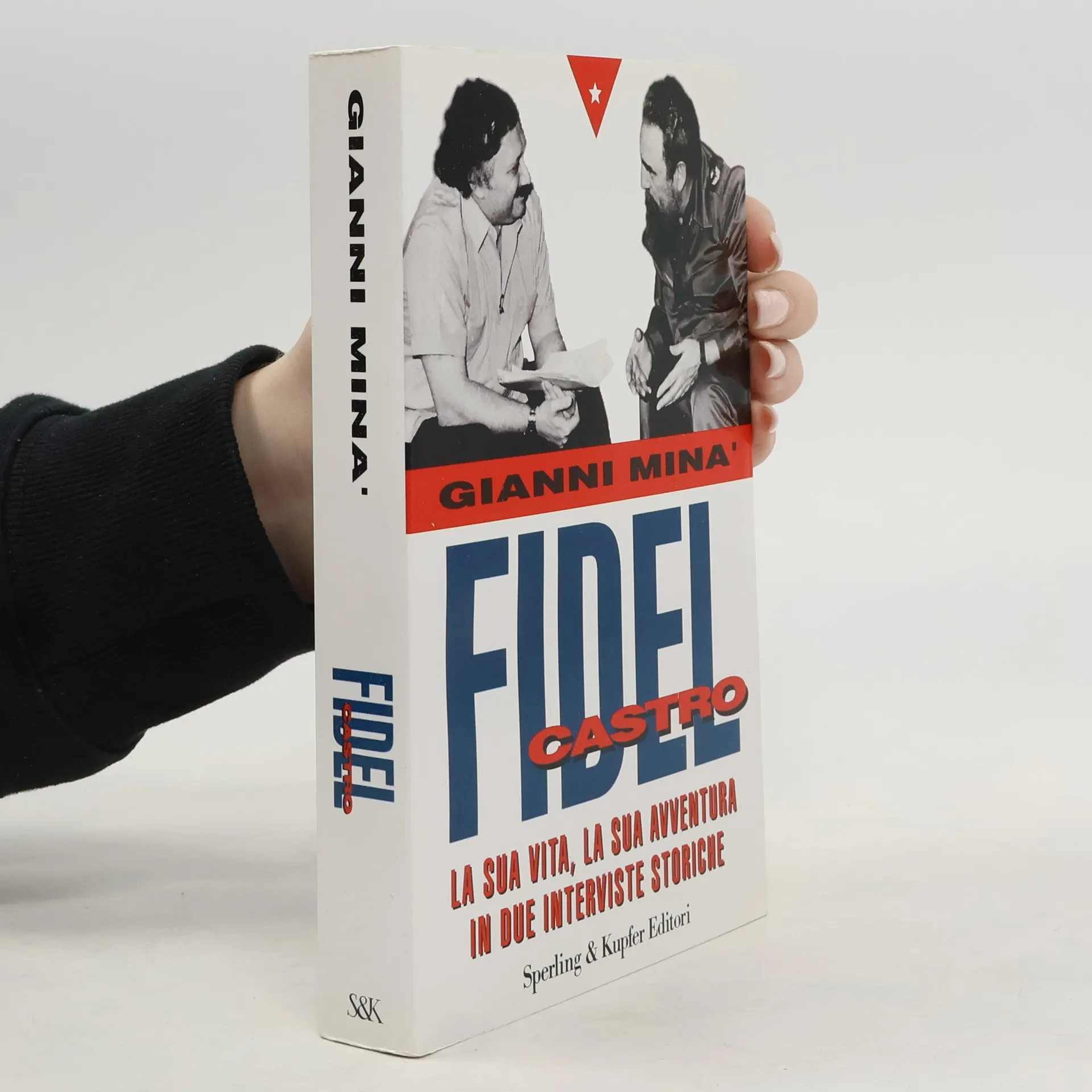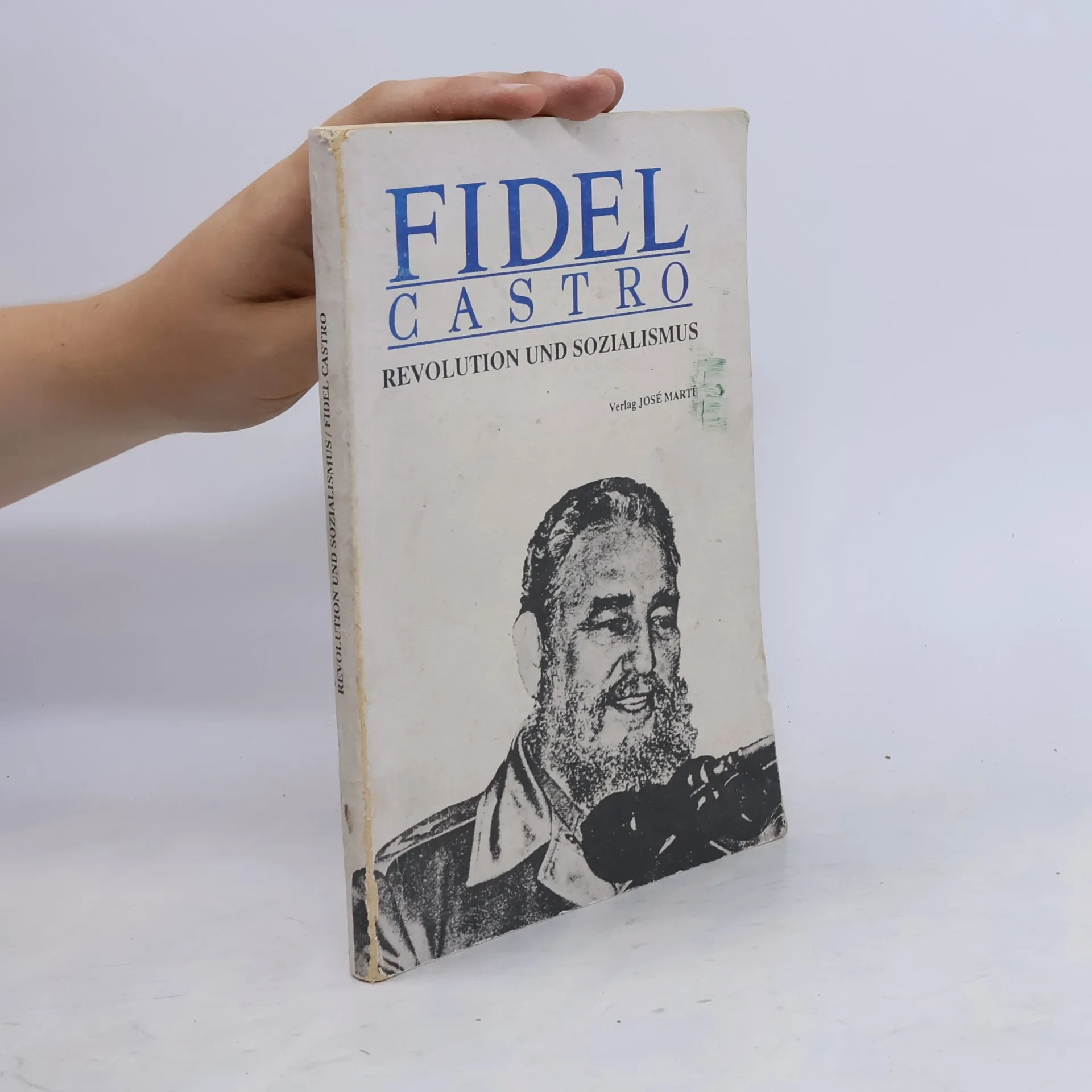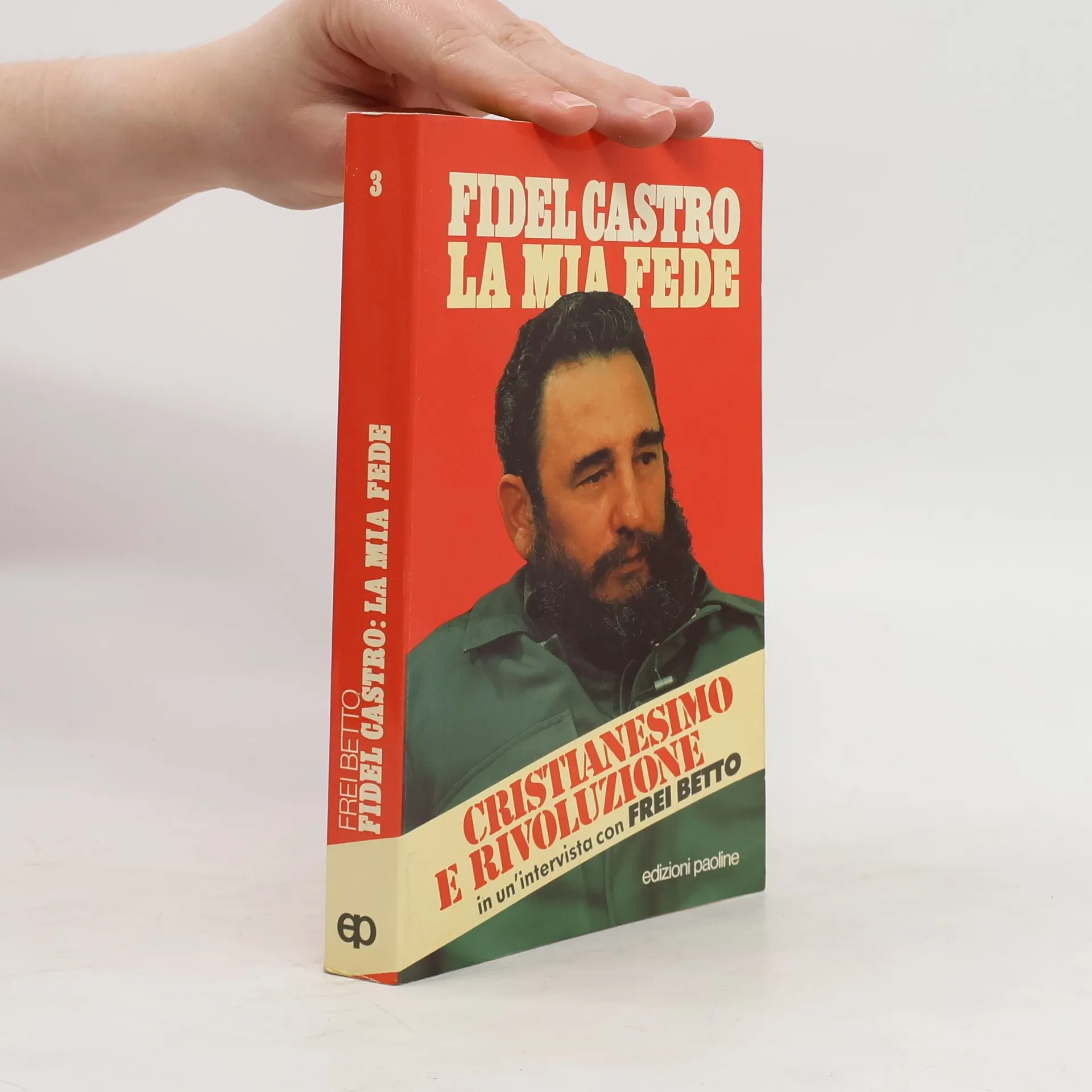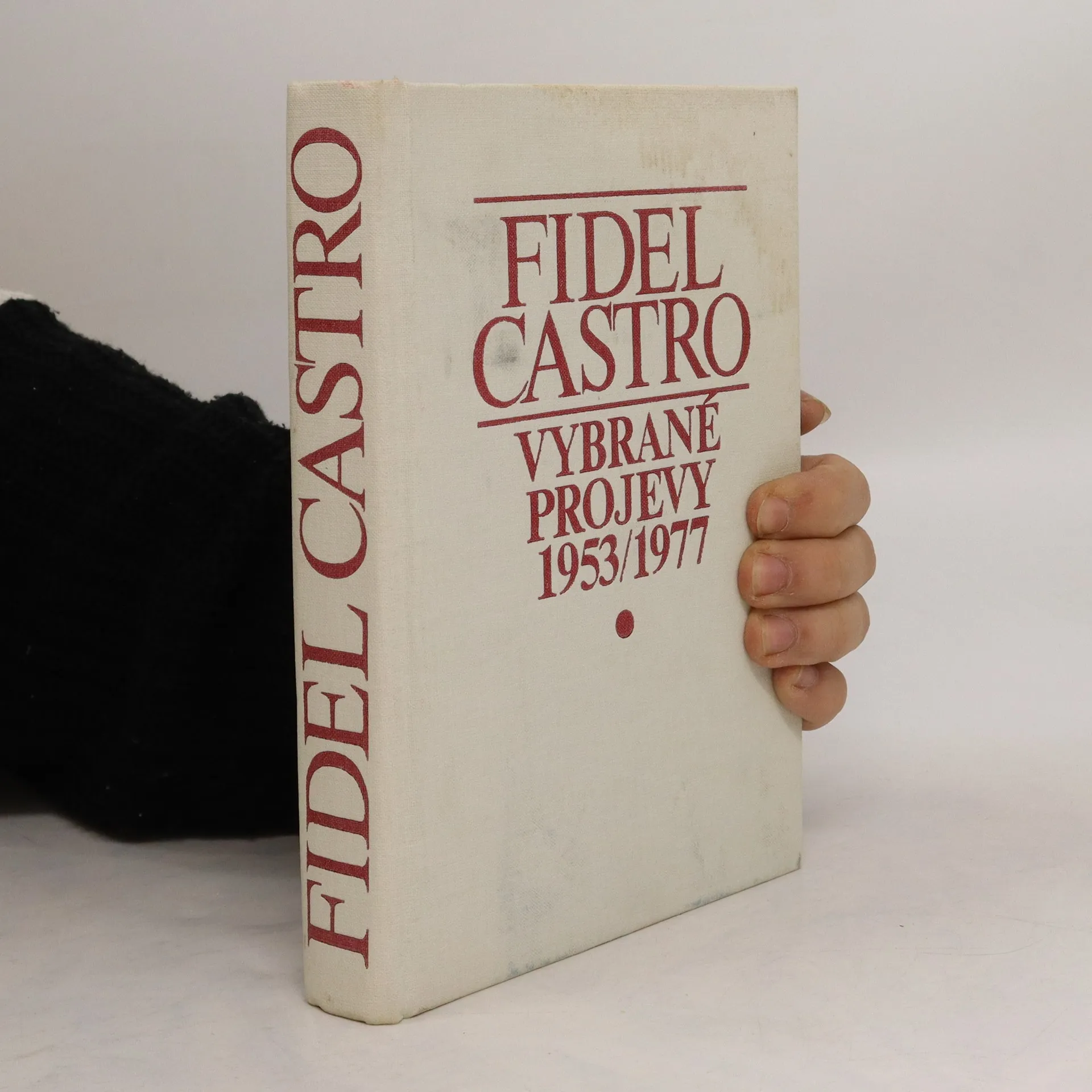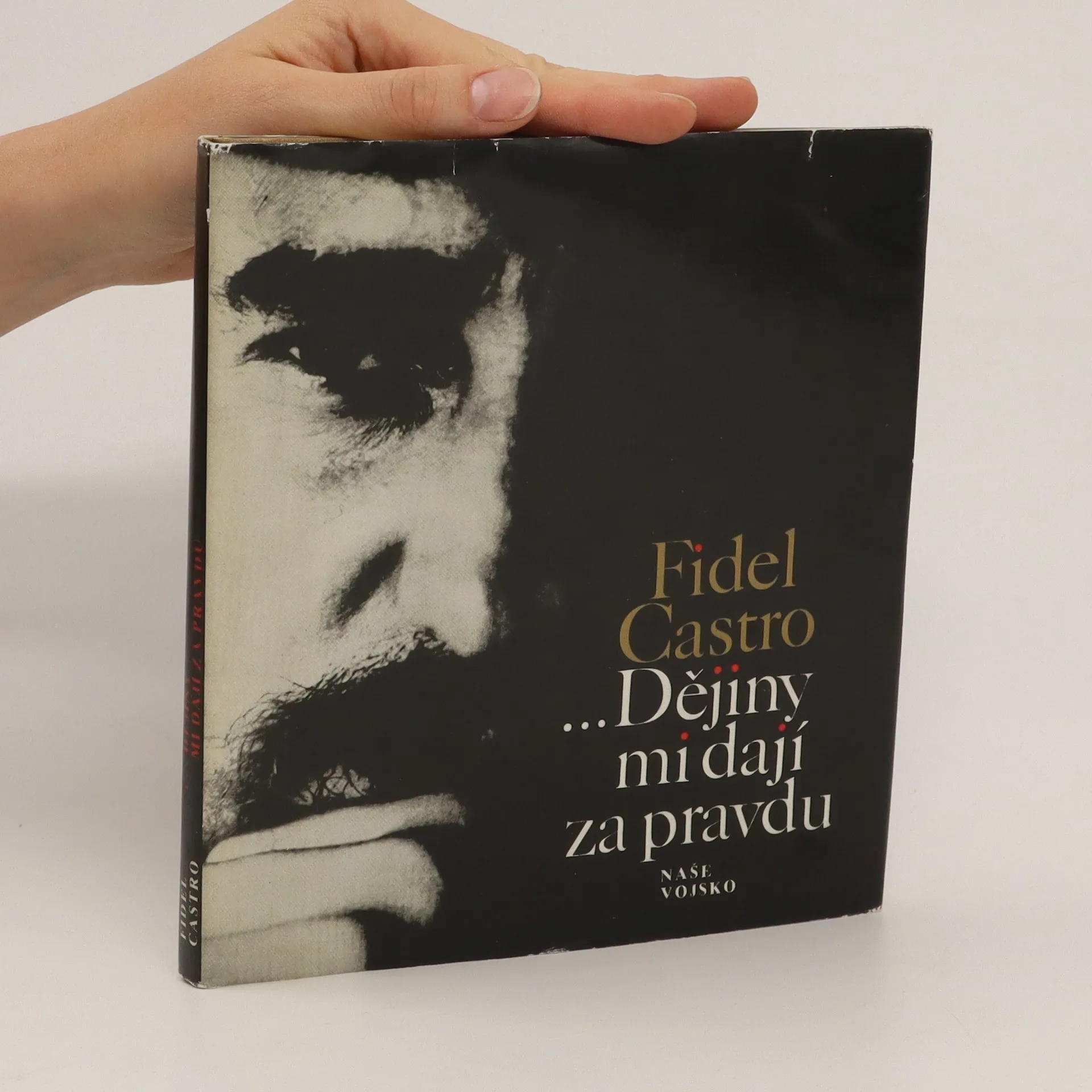
Fidel in the Cuban Socialist Revolution
- 329 pages
- 12 hours of reading
In never before published speeches from 1959 and 1960, Fidel Castro charts the path forward for a socialist Cuba.
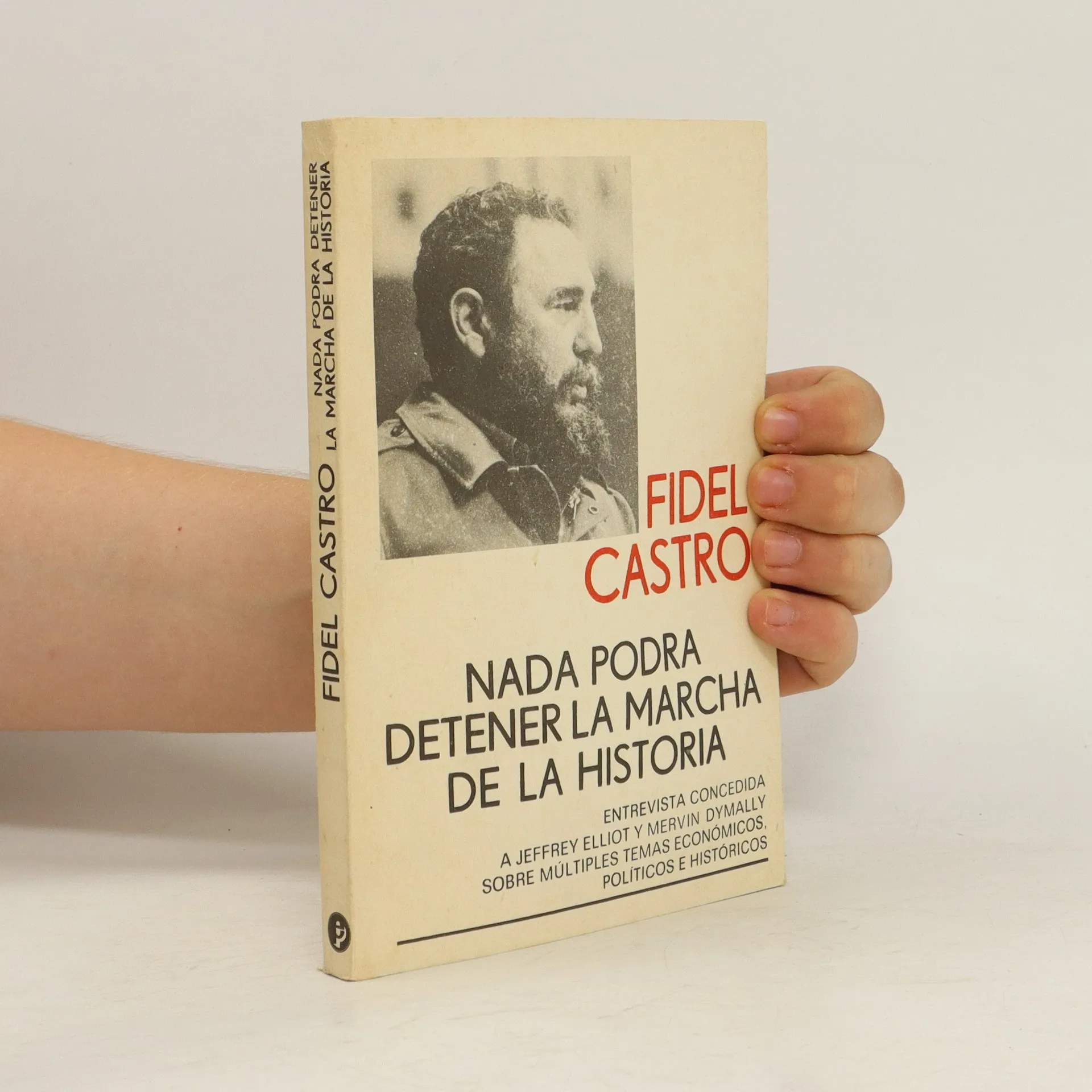
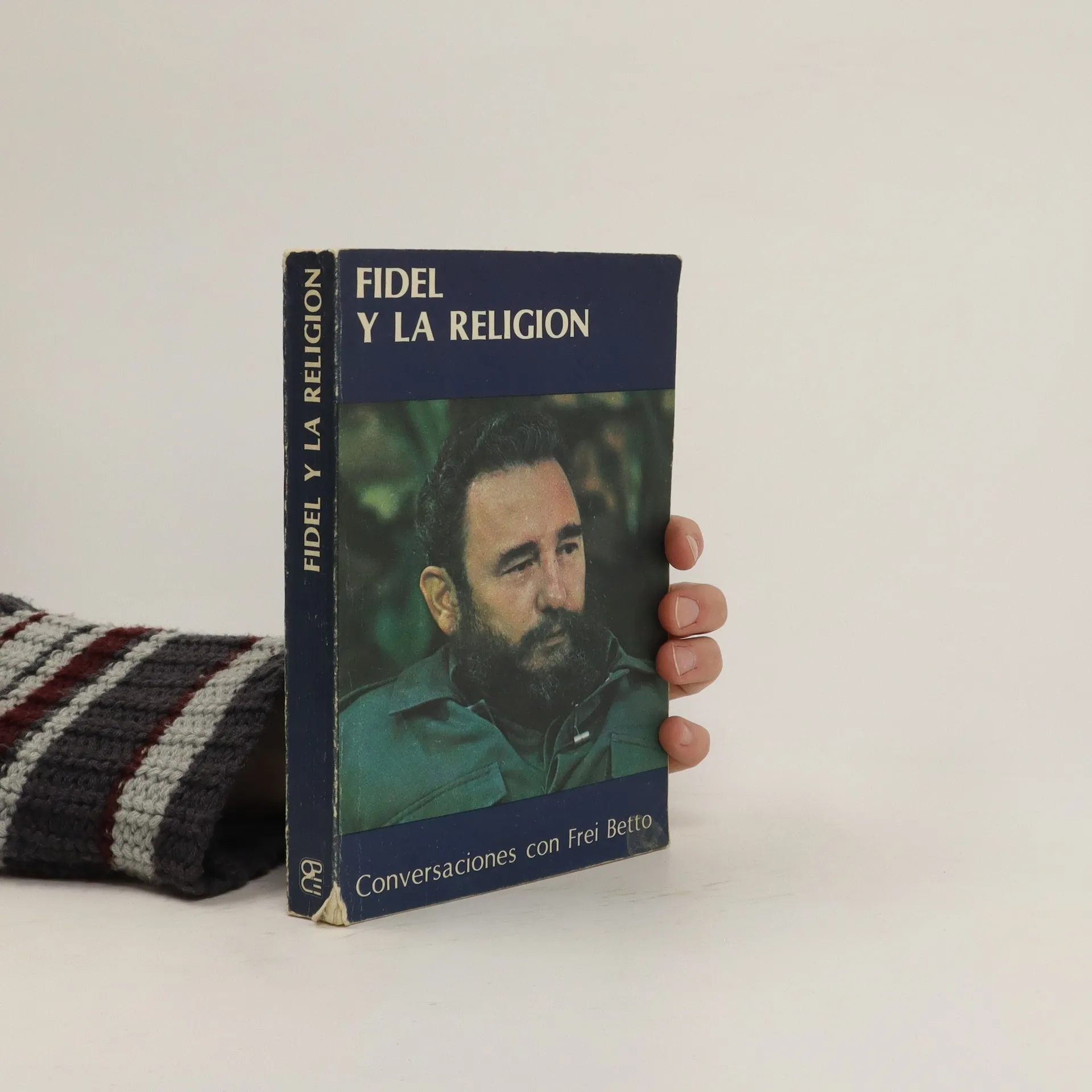
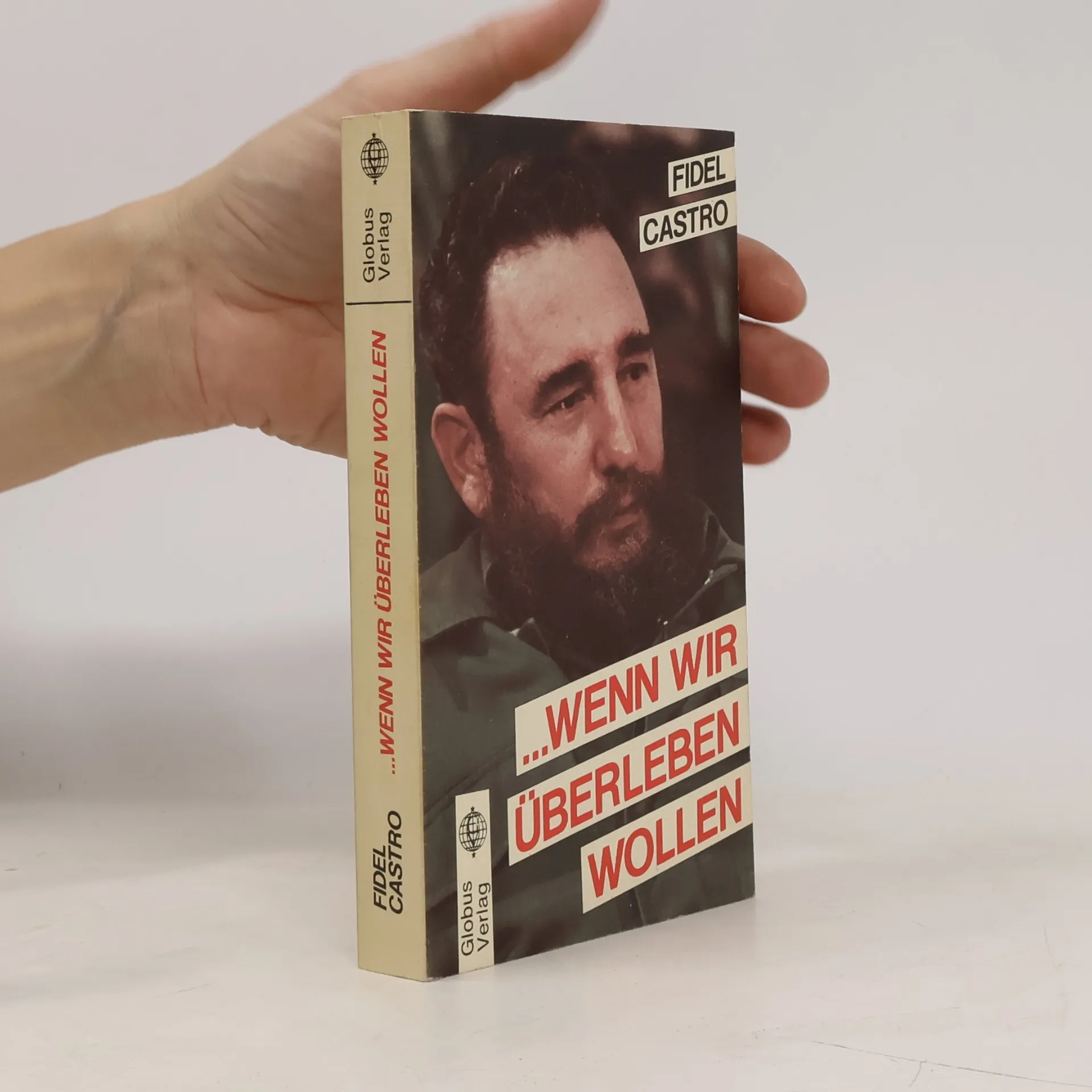
Fidel Castro was a revolutionary leader and politician who embodied the Cuban Revolution. His political philosophy, firmly rooted in Marxism-Leninism, led to Cuba's transformation into a socialist state with a centralized economy and sweeping social reforms. Castro was a pivotal figure in Cold War international relations, supporting revolutionary movements globally and challenging imperialism. His legacy is complex, viewed by some as a champion of socialist ideals and anti-imperialist resistance, while others critique his authoritarian rule and its consequences.


In never before published speeches from 1959 and 1960, Fidel Castro charts the path forward for a socialist Cuba.
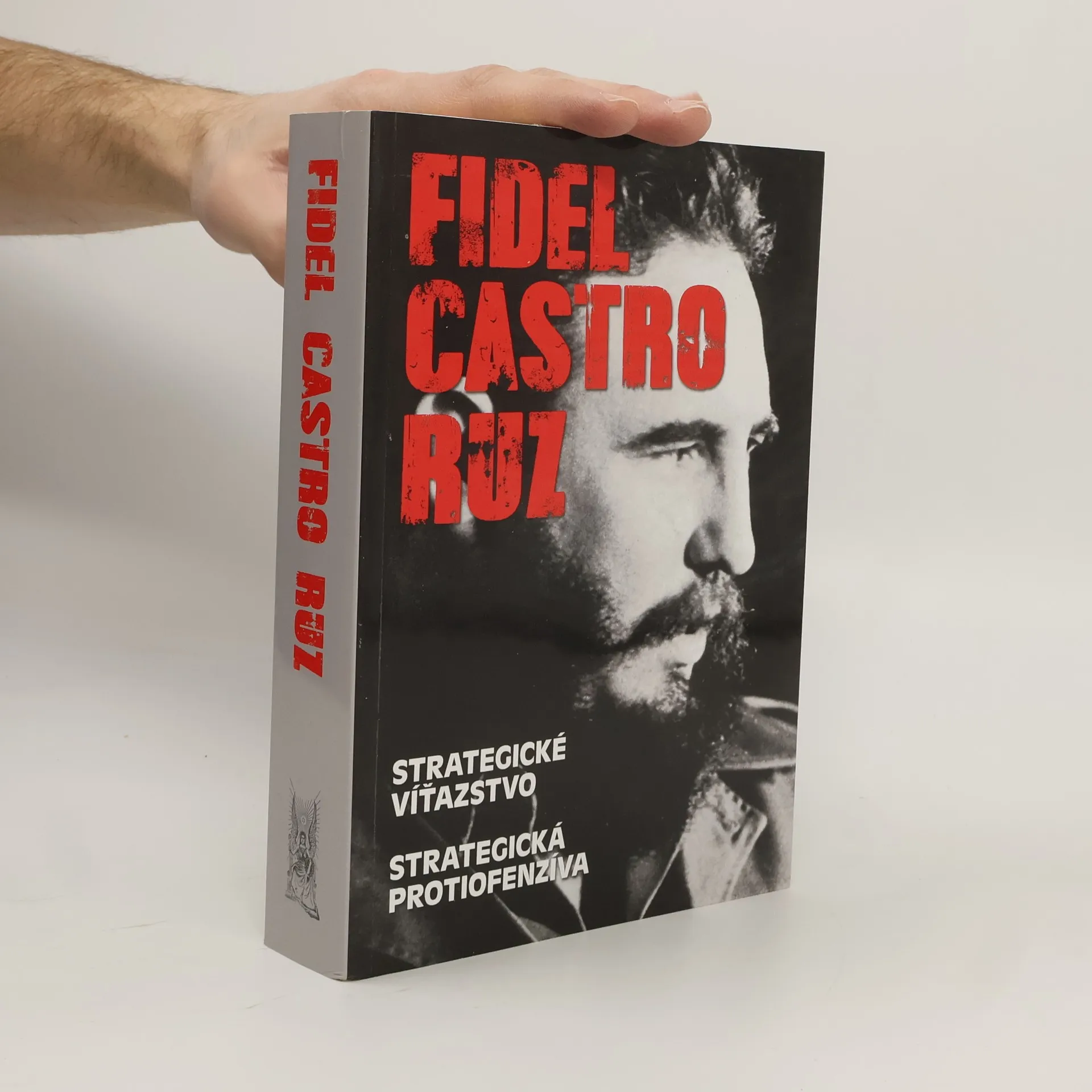
Pod názvom STRATEGICKÉ VÍŤAZSTVO a STRATEGICKÁ PROTIOFENZÍVA vychádza najvýznamnejšie dielo Fidela Castra Ruza - autobiografická dvojzväzková kniha spomienok na priebeh kubánskej revolúcie. Je to vôbec prvá Castrova kniha, ktorá bola vydaná na Slovensku. Autor mimoriadne pútavým a zaujímavým spôsobom mapuje priebeh revolúcie a občianskej vojny na Kube. Približuje denný život povstaleckých vojsk, ich úspechy a strasti na bojiskách. Rozprávač sa s čitateľmi veľmi otvorene delí o svoje pocity, názory a stratégie a neváha zverejniť ani osobné listy z tej doby. Denníková forma ešte umocňuje vnímanie tohto diela, z ktorého je zrejmé, prečo si ľudia na Kube vážia Fidela Castra ako výnimočného človeka, hrdinu a historického vodcu kubánskej revolúcie. Kniha je doplnená unikátnymi fotografiami, faksimile Castrových listov či mapovými prílohami s rozbormi bojových konfliktov.
Die Kubanische Revolution hat bis heute nichts von ihrer Strahlkraft eingebüßt. Sie ist Vorbild und Bezugspunkt für sämtliche nachfolgenden Befreiungsbewegungen in Lateinamerika, ihre politischen Anführer Fidel Castro und Che Guevara wurden zu Ikonen des Kampfes David gegen Goliath. Im ersten Teil seiner umfassenden Erinnerungen schildert der 'Comandante en Jefe' Fidel Castro minutiös den Guerillakampf in der Sierra Maestra im Jahr 1958, die Schwierigkeiten bei der Organisation des Widerstandes gegen einen zahlenmäßig weit überlegenen Gegner und die entscheidenden Schlachten, die schließlich zum Sturz des Diktators Batista führten.
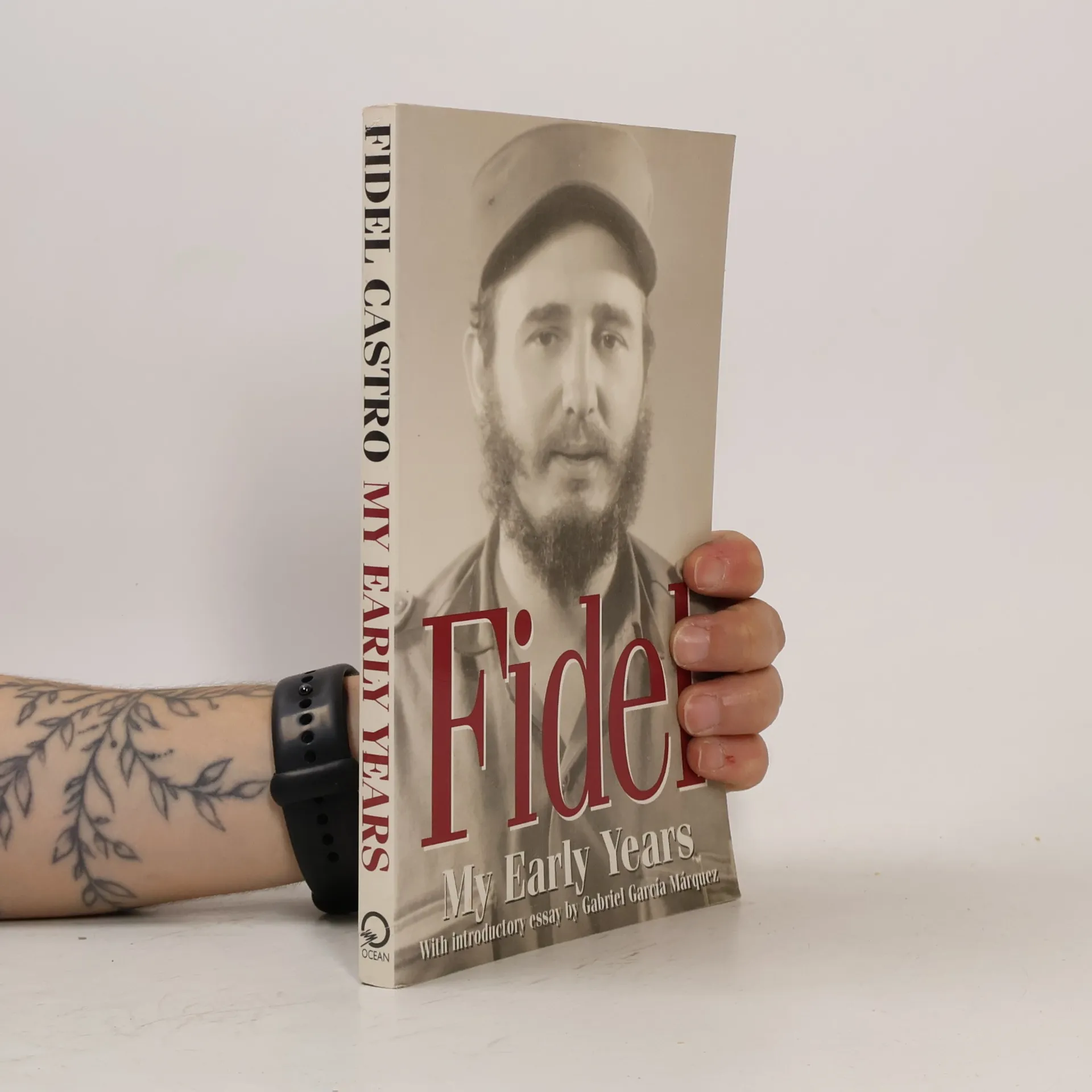
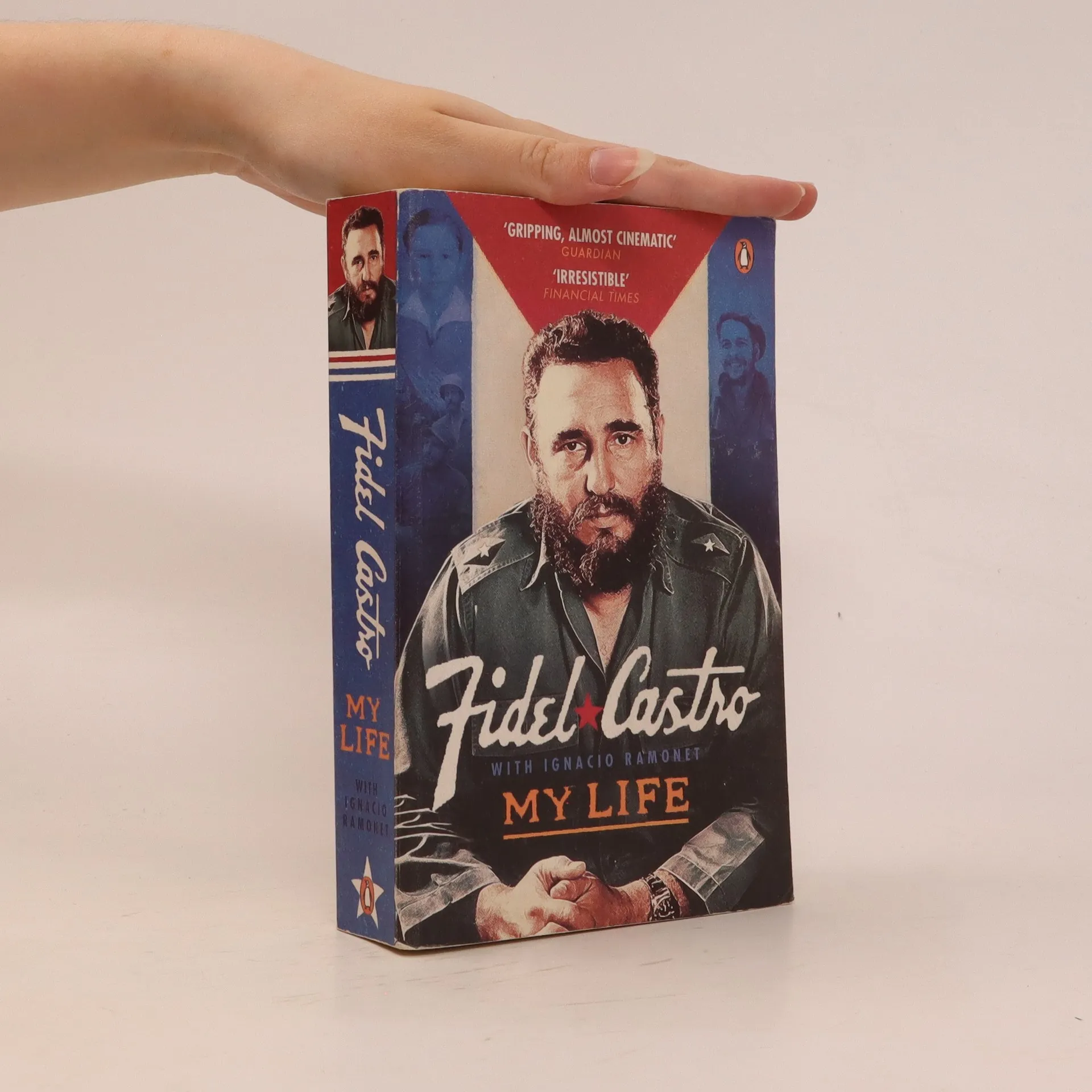
The acclaimed autobiography of Fidel Castro, one of the towering political figures of our age, who dominated both Cuba and the world stage for over half a century. Here Castro tells his story in full for the first time, speaking openly about everything from his parents and earliest influences to his imprisonment, guerrilla war and the Cuban revolution and on to the Bay of Pigs, the missile crisis and his relationship with Che Guevara. He also remembers the people he knew, from John F. Kennedy to Ernest Hemingway. Whatever your views on Castro are, this is an essential record of an incredible life - and even more extraordinary times. 'Cubaphiles are all the richer for this book ... Castro's prodigious gifts are well displayed: his formidable erudition, steely discipline, epic curiosity and his astute grasp of history' Financial Times 'Castro's life has been extraordinary and he can tell a good story' Evening Standard
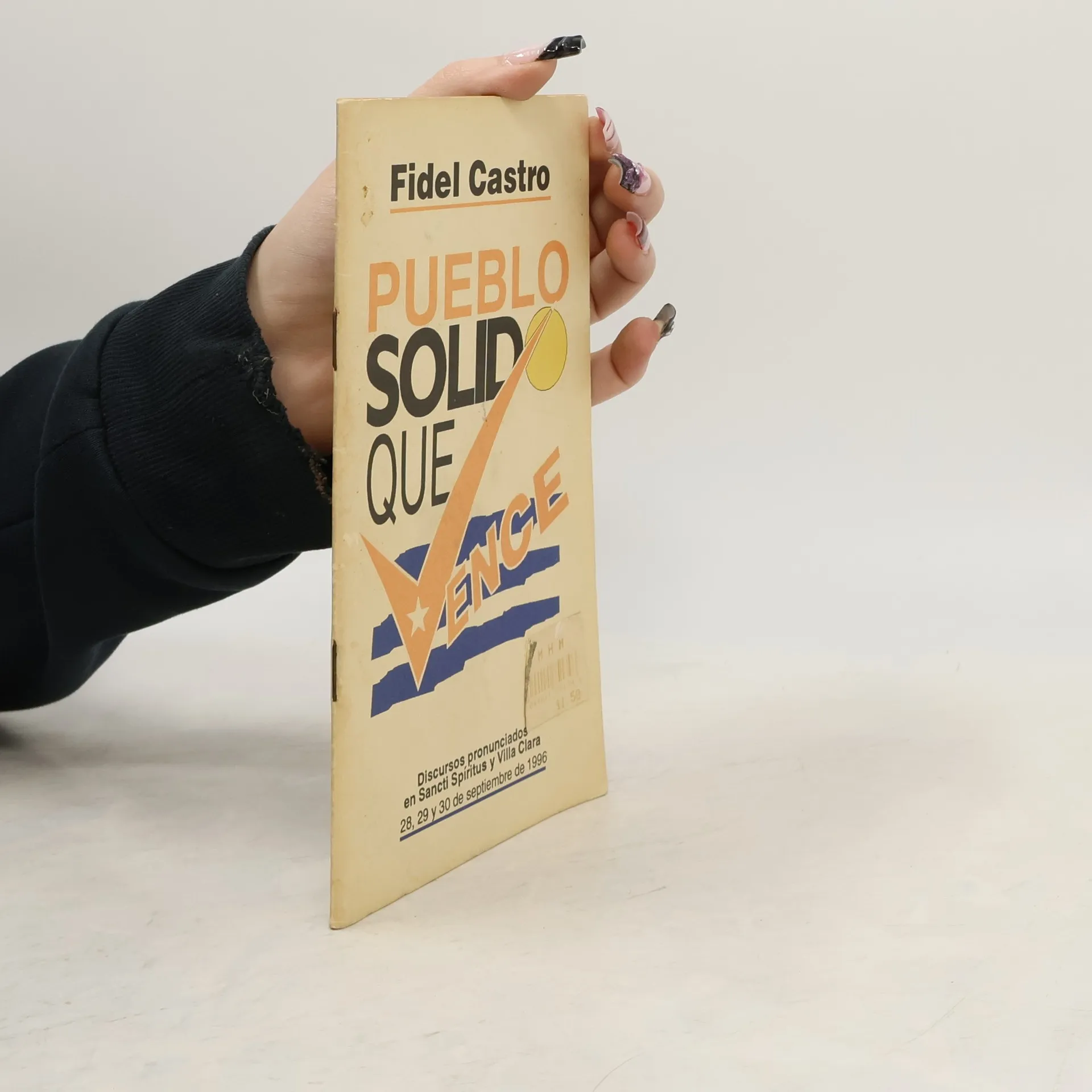
In response to the American administration’s attempt to isolate Cuba, Fidel Castro delivered a series of speeches designed to radicalize Latin American society. As Latin America experiences more revolutions in Venezuela and Bolivia, and continues to upset America’s plans for neo-liberal imperialism, renowned radical writer and activist Tariq Ali provides a searing analysis of the relevance of Castro’s message for today.
V roce 1953 byl sedmadvacetiletý právník Fidel Castro uvězněn na ostrově Pinos za organizování ozbrojeného útoku na kasárna Moncada v Santiago de Cuba. Soubor těchto dopisů je z období od prosince 1953 do května 1955 a je doplněn o předmluvu Luis Conte Agüero, který byl přítelem tehdejšího politického vězně a adresátem některých z jeho dopisů, a doslov Vladimíra Nálevky.
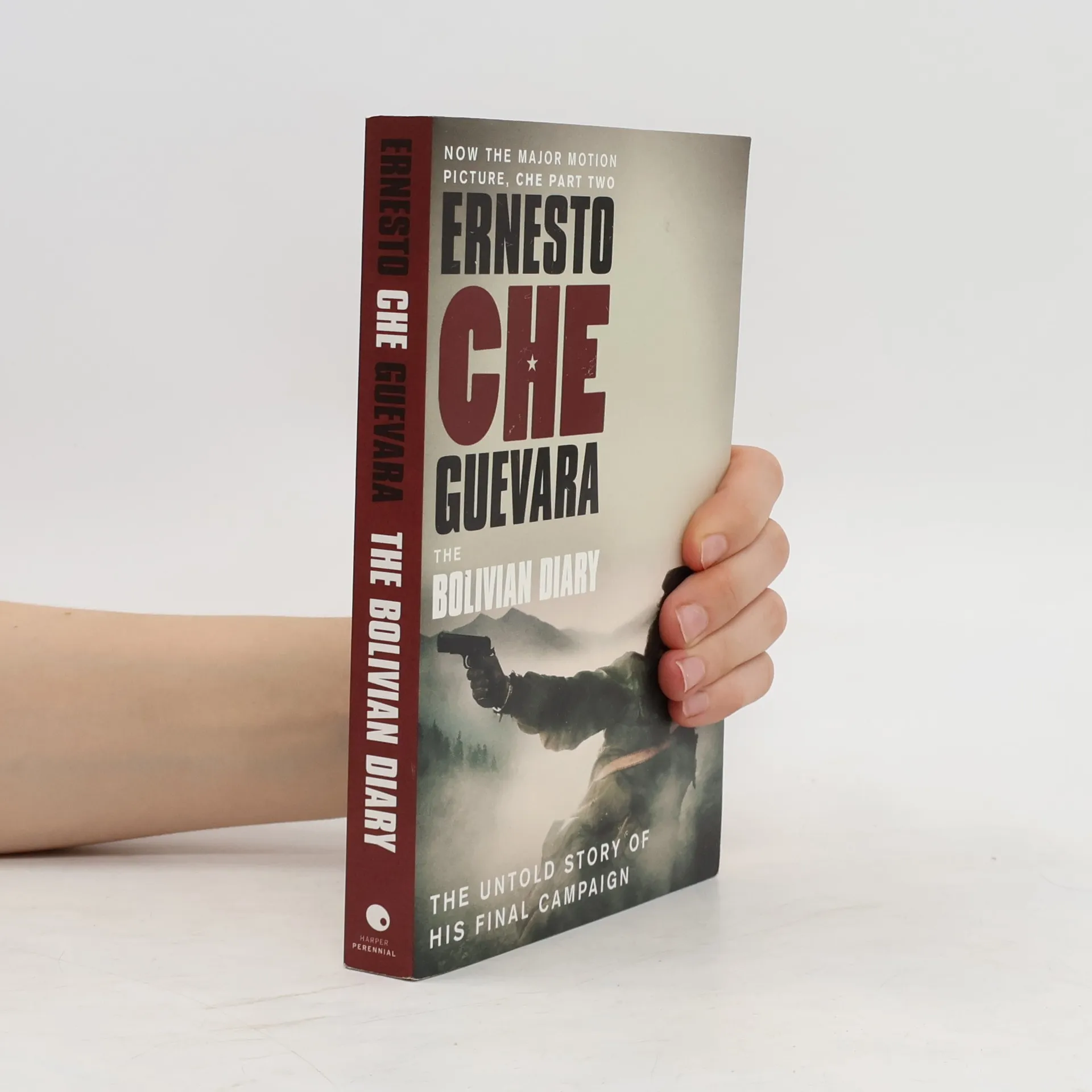
Castro's own description of the historic political partnership that changed the face of Cuba and Latin America. He vividly portrays Che - the man, the revolutionary and the thinker - recounting in detail his last days with Che in Cuba and giving a frank assessment of the Bolivian mission.