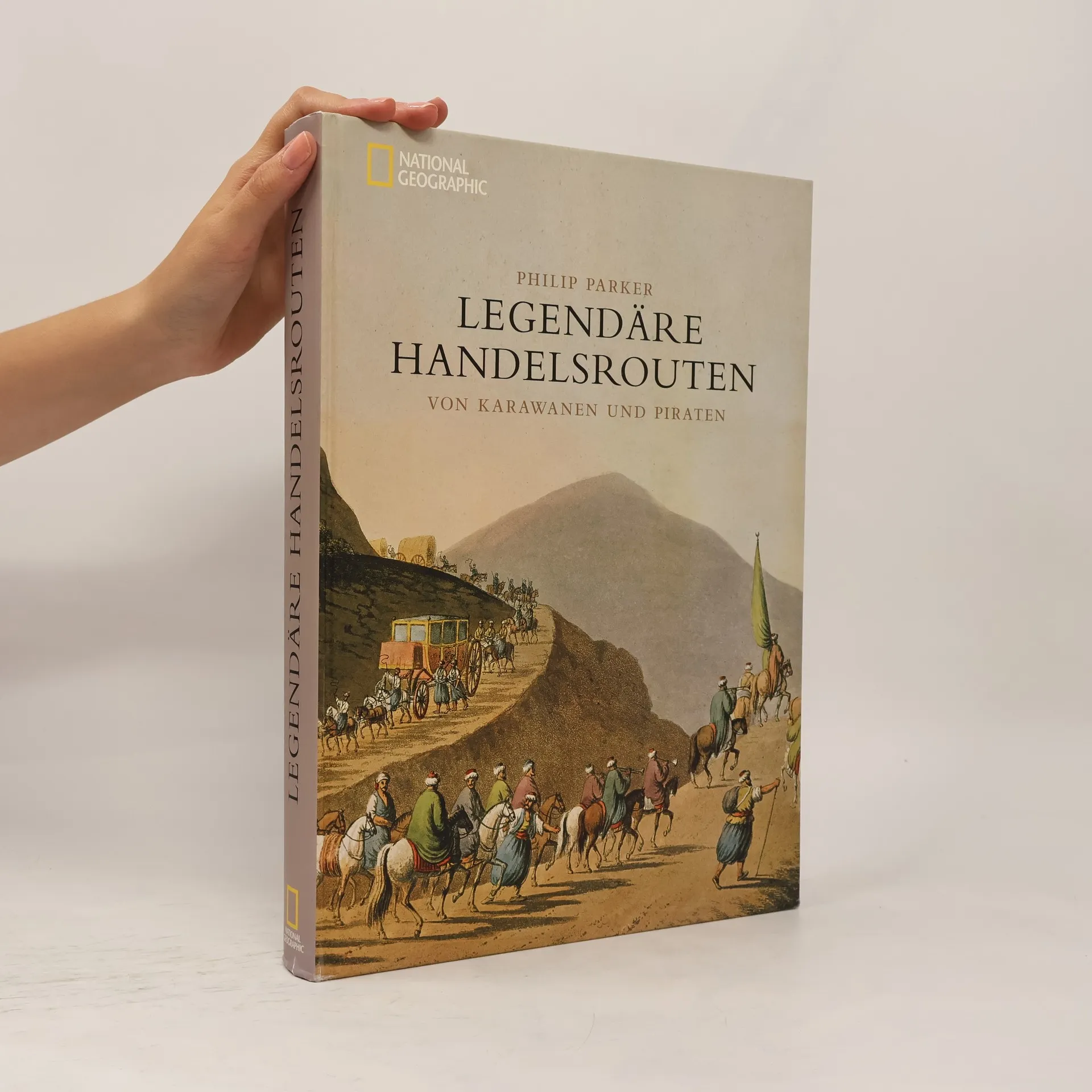

Explore the latest books of this year!
Bookbot

Philip Parker

    January 1, 1965

    Philip M. Parker is recognized for his innovative approach to literary creation, employing automated methods to produce a vast volume of books. His work primarily involves generating dictionaries, thesauri, and other publications through algorithms and database searches. While his methodologies have drawn controversy among professional linguists for issues of source attribution and potential inaccuracies, Parker pushes the boundaries of authorship in the digital age. His experiments extend to creating rudimentary poetry and educational materials, challenging traditional notions of literary production.

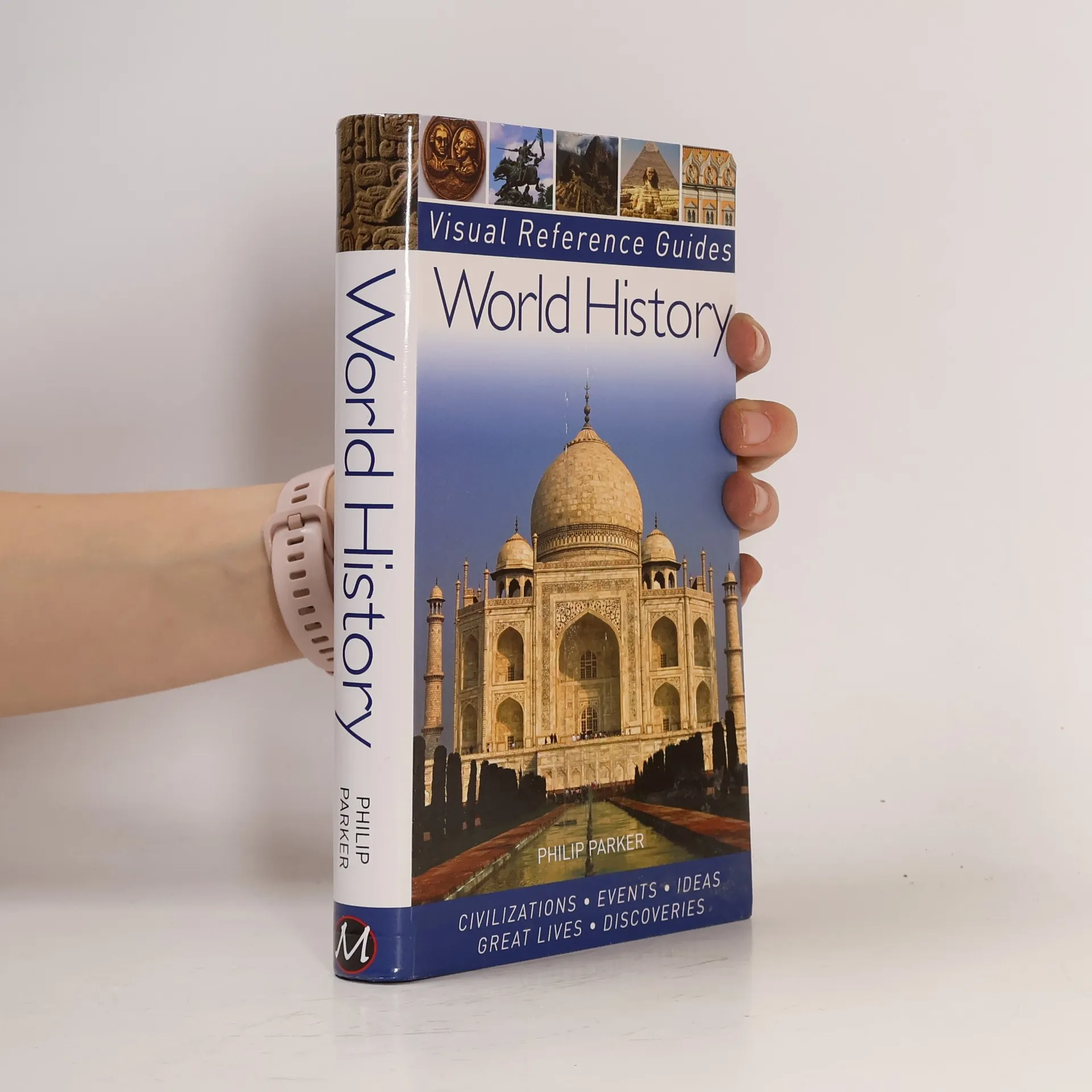
    World history
    History of Cities in Maps
    The History of Everywhere: All the Stuff That You Never Knew Happened at the Same Time
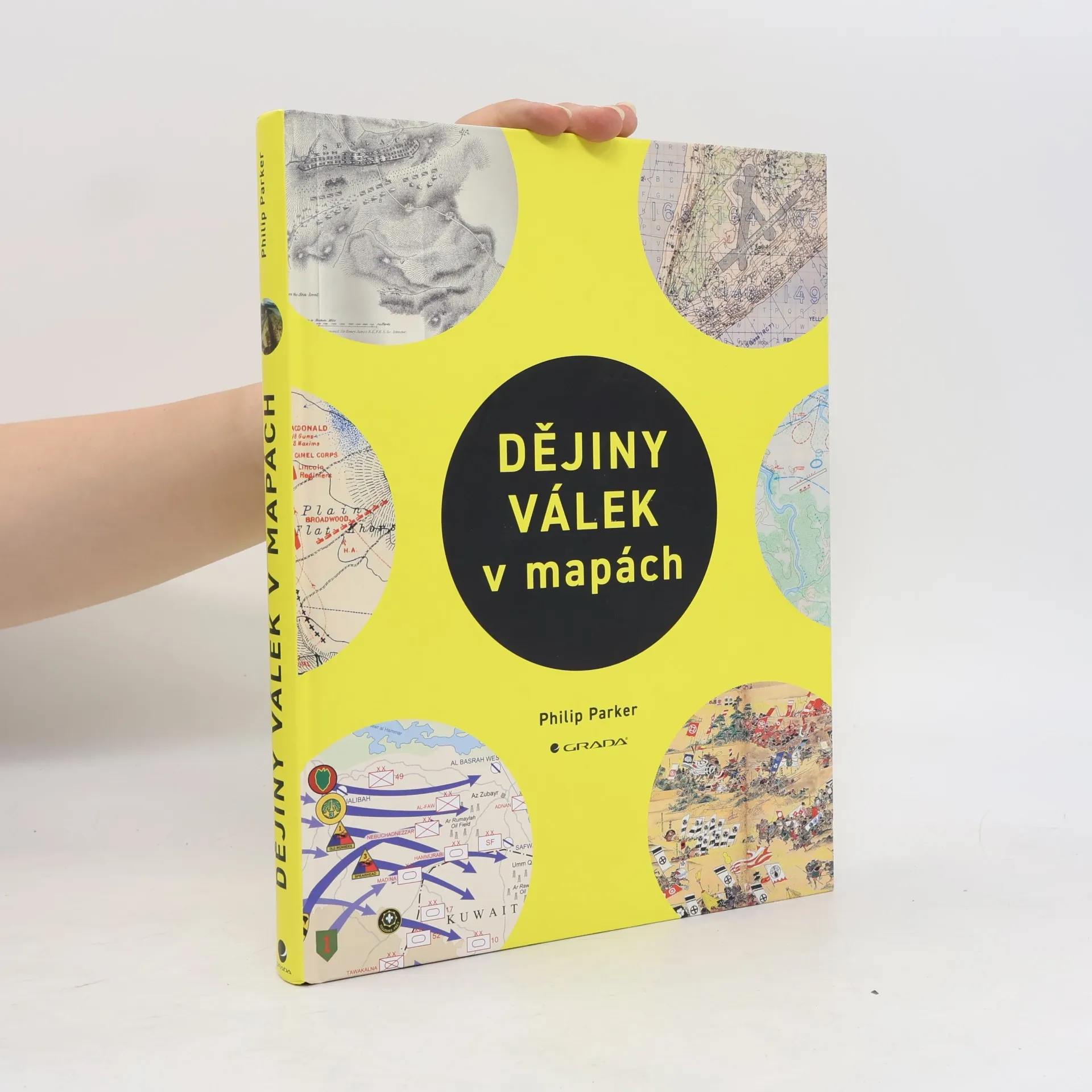
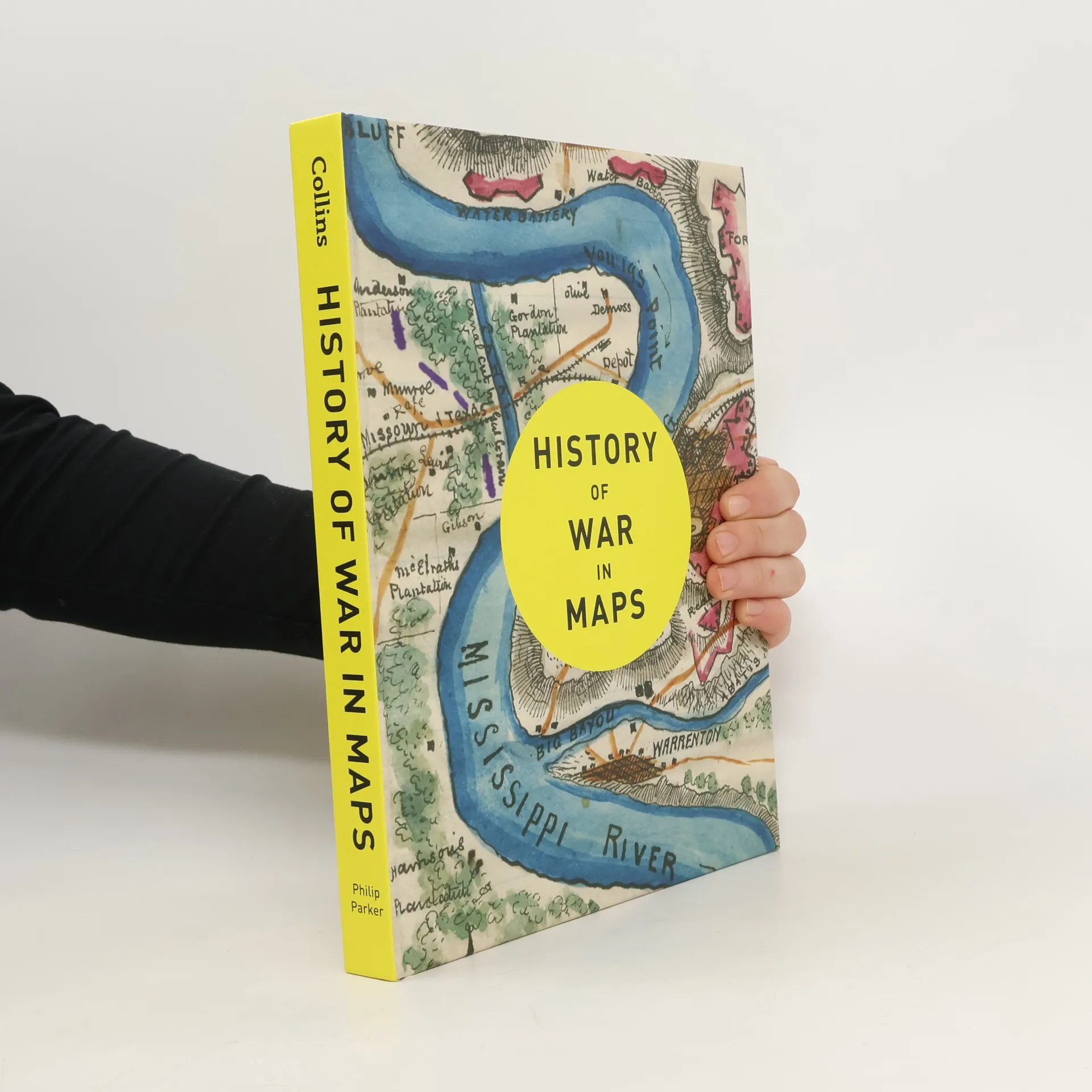
    History of War in Maps
    The British History Puzzle Book
    The Atlas of Atlases
    • The Atlas of Atlases

      • 272 pages
      • 10 hours of reading

      A lavishly illustrated look at the most important atlases in history and the cartographers who made them.

      The Atlas of Atlases
      4.4
    • The British History Puzzle Book

      • 240 pages
      • 9 hours of reading

      A spectacular, puzzle-fuelled, myth-busting journey through the hidden history of Britain in 500 questions.

      The British History Puzzle Book
      4.4
    • From the moment towns and cities arose, the struggle for land, resources and power has turned to violence. Almost from the start, maps have been an essential part of planning and waging war. History of War in Maps gives a unique visual representation of the development of warfare and the maps that have helped shaped our history.

      History of War in Maps
      4.0
    • Engagingly presented through lively maps, this book uncovers surprising historical connections and coincidences, revealing events and figures that coexisted in unexpected ways. For instance, it highlights the overlap of woolly mammoths with the construction of the Egyptian pyramids and the simultaneous lives of Leonardo Da Vinci and Henry VIII. Spanning from ancient times to the modern era, it invites readers to explore a broader understanding of history, challenging conventional narratives and enhancing their knowledge of the past.

      The History of Everywhere: All the Stuff That You Never Knew Happened at the Same Time
      3.9
    • History of Cities in Maps

      • 224 pages
      • 8 hours of reading

      This beautifully designed volume presents over 70 historical maps spanning 9,000 years, showcasing the evolution of cities and human civilization. From sacred sites to modern urban planning, it features renowned capitals and lesser-known areas. A must-read for map and history enthusiasts.

      History of Cities in Maps
      3.4
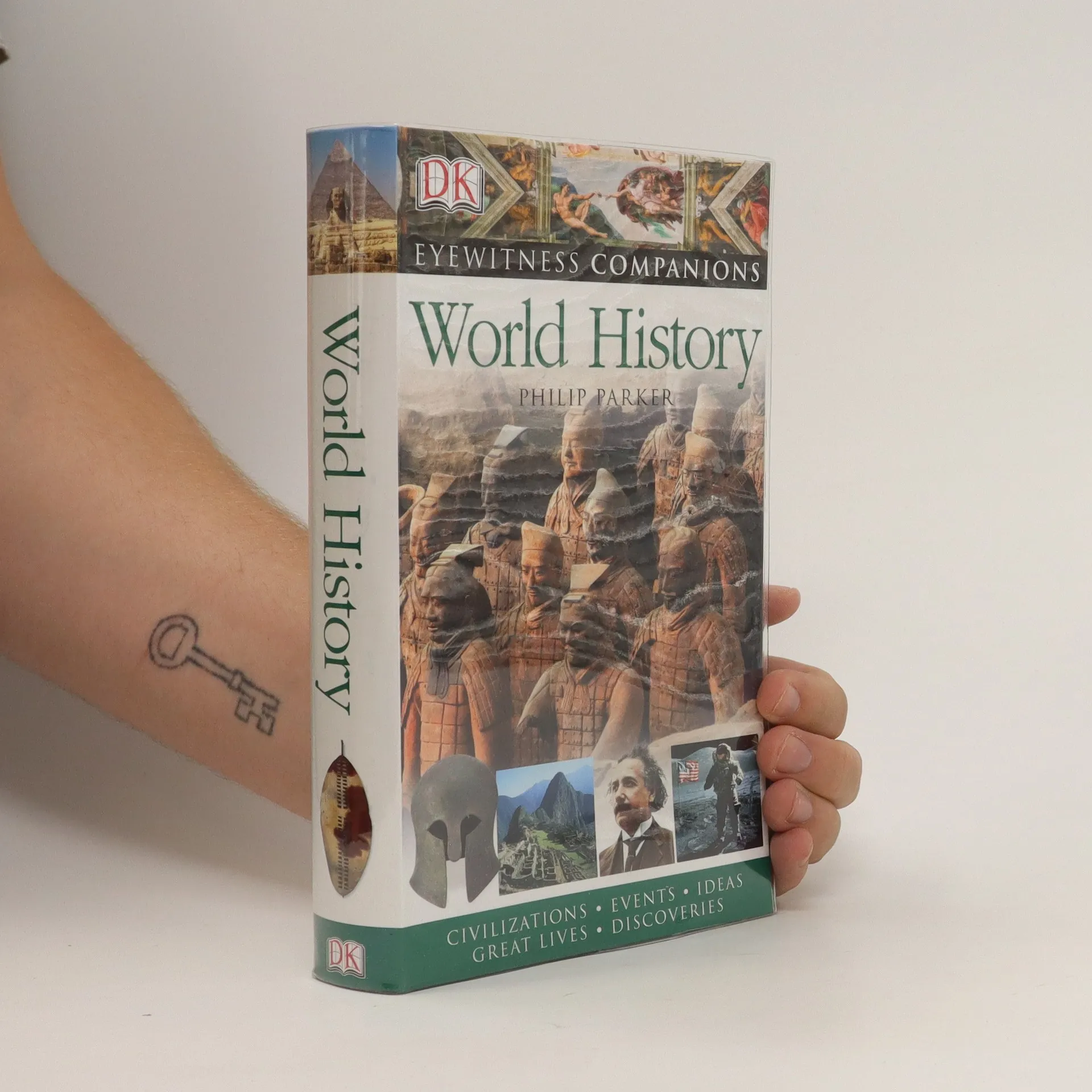
    • World history

      • 515 pages
      • 19 hours of reading

      Travel to mighty civilisations to explore the progress of humanity. Follow earth-shattering wars and revolutions, major achievements in the fields of science and technology and milestones in the arts.

      World history
      4.0
    • History of World Trade in Maps

      • 224 pages
      • 8 hours of reading

      Trade is the lifeblood of nations. It has provided vital goods and wealth to countries and merchants from the ancient Egyptians who went in search of gold and ivory to their 21st-century equivalents trading high-tech electronic equipment from the Far East.

      History of World Trade in Maps
      3.7
    • Known for their vicious raids, love of treasure and fierce warriors: the vikings were the most feared invaders of the Medieval period. For 300 years, they terrorized the world in their hunt for land and power, but they also had a rich culture in art, literature and law. Packed with facts, maps, infographics and photos, this is the perfect introduction to the vikings.

      50 Things You Should Know About the Vikings
      3.0
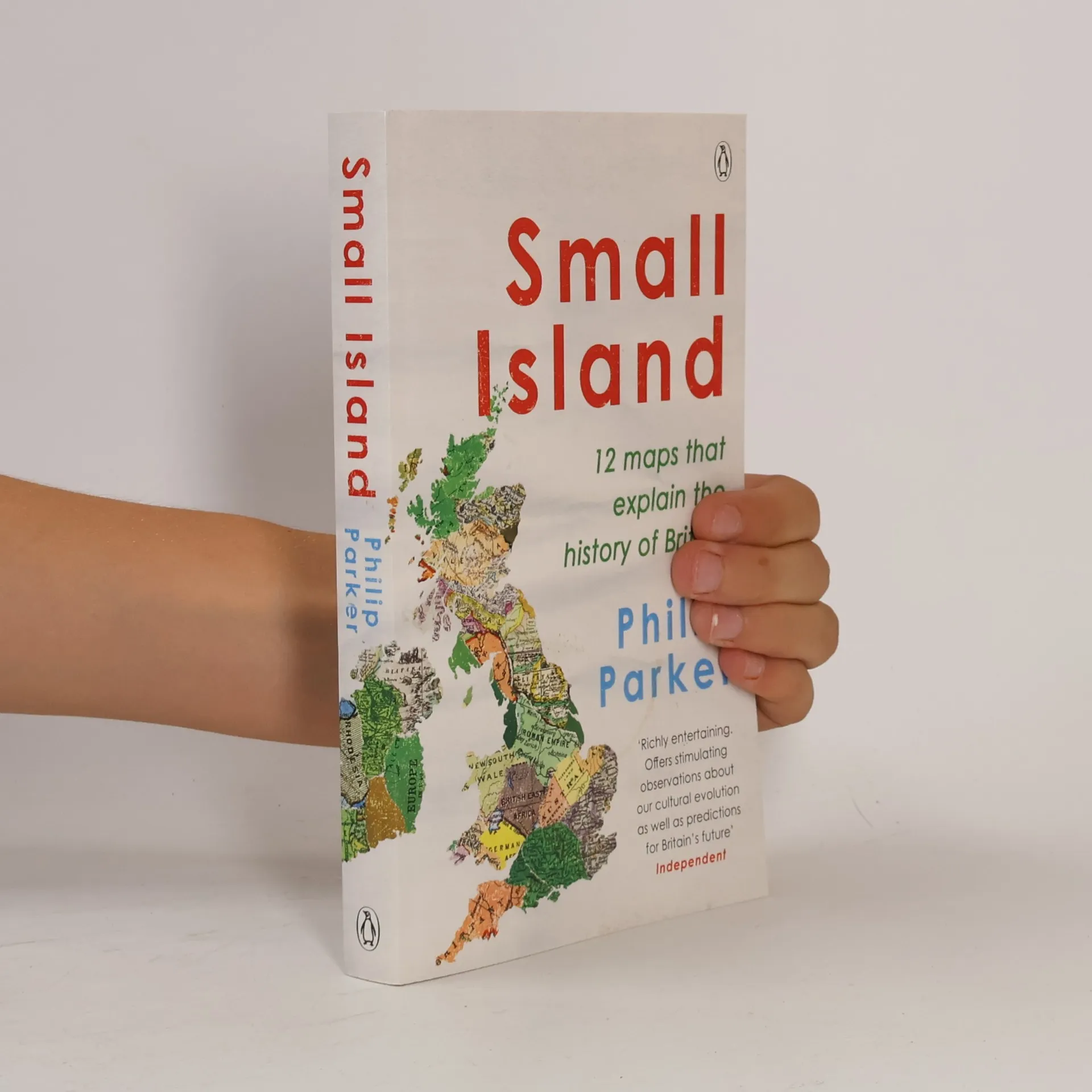
    • Small Island

      • 279 pages
      • 10 hours of reading

      With the uncertainty of Brexit looming, Britain as we know it is on the brink of defining change. With current borders being disputed and, with them, identities challenged, this book will provide a brilliant insight into how our country's borders have always been, and always will be, in a state of change.From the Celtic period when 'Britain' was just a patchwork of tribal kingdoms; to the height of the empire a century ago, when the whole of Ireland, India, Australia, much of Africa, Asia and the Americas were marked as British; through to the present-day when Britain's shape and extent is once more in question, these maps dramatically chart the political and cultural evolution of the nation.By focusing on these maps Philip Parker reveals how Britain came to be the way it is today, and how the past is a guide to where we might go from here.

      Small Island
      3.2