


Although the term 'jouissance' is common currency in psychoanalysis today, how much does it really tell us? While often taken to designate a fusion of sexuality, suffering and satisfaction, the term has fallen into a purely descriptive use that closes down more questions than it opens up. Although assumed to explain the coalescence of pleasure and pain, it tends to cover a range of quite different issues that should be distinguished rather than conflated. By returning to some of its sources in Freud and elaborations in Lacan, this essay hopes to stimulate a debate around the relations of pleasure to pain, autoerotism, the links of satisfaction to arousal, the effects of repression, and the place of the body in psychoanalytic theory. Unlike other studies in Lacanian psychoanalysis, it aims to contextualise Lacan's work and encourage dialogue with other analytic traditions.

Darian Leader Books
Darian Leader is a British psychoanalyst and author whose work delves into the complexities of the human psyche. He meticulously examines unconscious processes and their profound impact on our lives, offering unique insights into the darker aspects of human experience. Leader's distinctive style is characterized by its penetrating analysis and ability to illuminate often-unseen psychological phenomena. His contributions significantly advance psychoanalytic discourse, particularly concerning psychopathology and desire.


What is Madness?
- 368 pages
- 13 hours of reading
What separates the sane from the mad? How hard or easy is it to tell them apart? And what if the difference is really between being mad and going mad? This title is the study of madness, sanity, and everything in between.
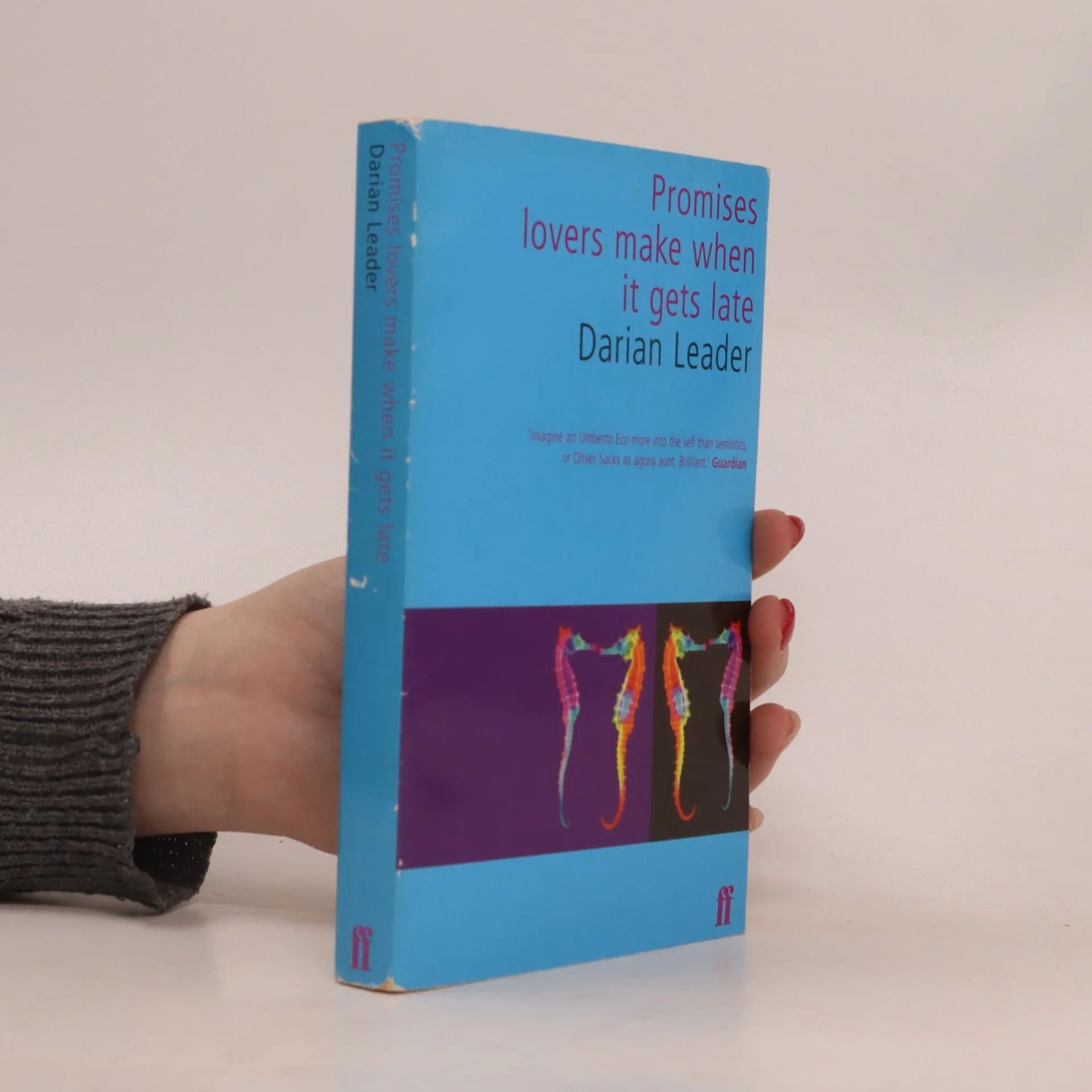
Promises Lovers Make When It Gets Late
- 256 pages
- 9 hours of reading
'In scary films, people say "I'll be right back," and they're usually wrong. In beds, people say "I'll always love you," or "I'll always be faithful to you", and they're usually wrong too.' A characteristically intriguing and insightful look at love, promises and fidelity by the author of Why do women write more letters than they post? Women very rarely make promises at the start of a love affair. In fact it is men who say 'We'll always be friends' or who swear eternal love. Why is this? Starting with the motif of the promise, by way of the Bronteuml;s, Four Weddings and a Funeral, Daphne du Maurier, Nick Leeson and Elizabeth I, psychoanalyst Darian Leader explores the essential questions: Why do people open their mouths when surprised? Why should men often have a compulsion to count things? Why do so many lovers adopt silly baby talk? And why are self-help manuals always less complicated than video-recorder instructions?
Strictly Bipolar
- 96 pages
- 4 hours of reading
What could explain this explosion of bipolarity? Is it a legitimate diagnosis or the result of Big Pharma marketing? Exploring these questions, this title challenges the rise of 'bipolar' as a catch-all solution to complex problems, and argues that we need to rethink the highs and lows of mania and depression.
The authors explore the relationship between human health and happiness, combining cutting-edge research and neglected medical insights. With case studies and advice for a fitter life, this is an intriguing and thought-provoking book, one which should be read by anyone who cares about their wellbeing.
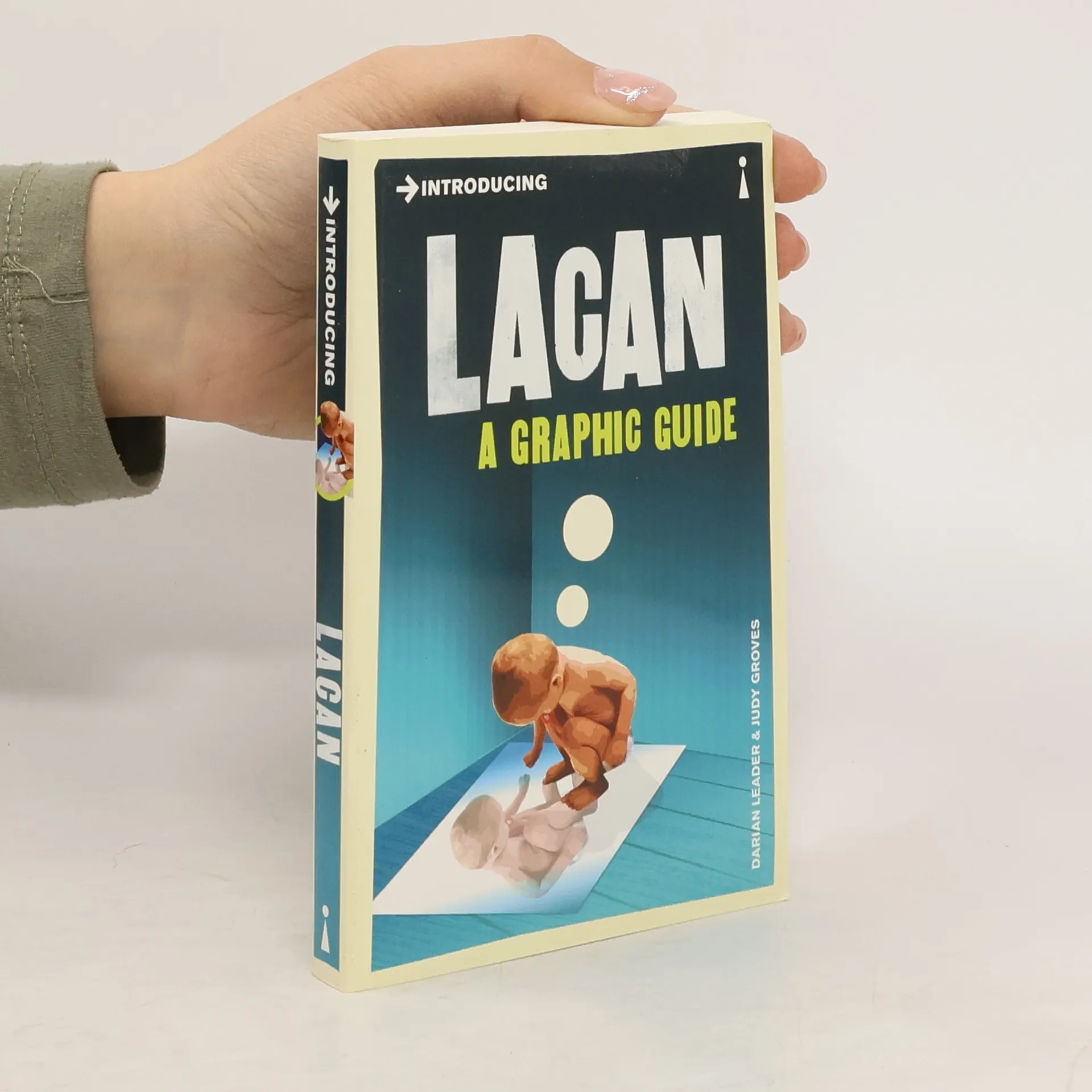
Unique graphic introductions to big ideas and thinkers, written by experts in the field.
Hands
- 128 pages
- 5 hours of reading
Publisher's description. Why do we play with our fingers when nervous? Why do zombies walk with their hands out? What connects prayer beads with iPhones? Journey down the psychoanalytic rabbit hole to discover the strange and fascinating secrets of what our hands really say about us... Penguin
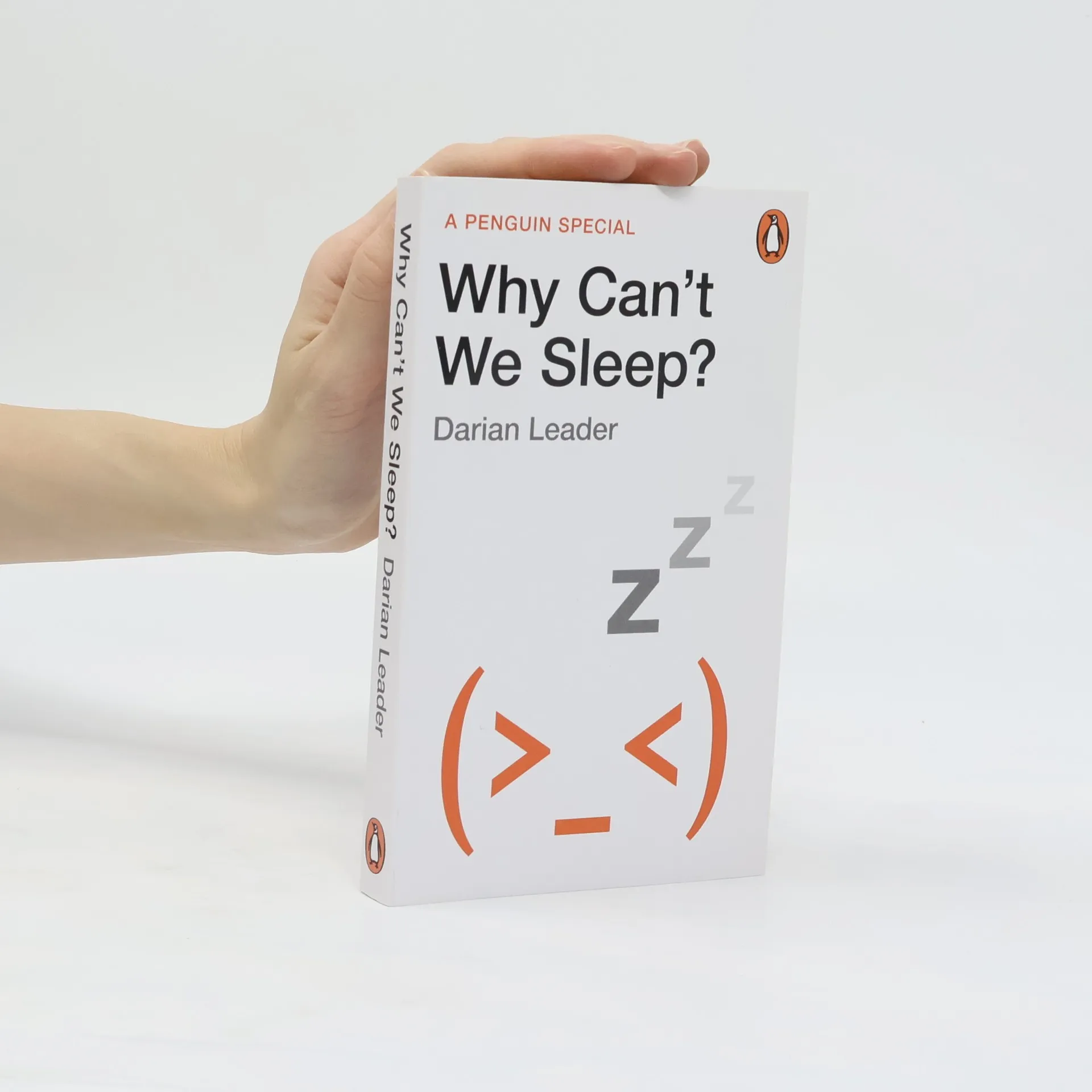
Why Can't We Sleep
- 224 pages
- 8 hours of reading
From the brilliant psychoanalyst behind Strictly Bipolar and What is Madness, a short and fascinating guide to the history of human sleep - and why we can't seem to sleep any more One in four adults sleeps badly. Sleeping pill prescriptions have increased dramatically over the last three decades, as have the incidence of sleep clinics. Sleep used to be a natural state, easy as breathing, but increasingly it is an insecure commodity. ...Isn't it? Our relationship to sleep surfaces and resurfaces throughout human history, each time telling us something new about our indivudual and collective psychology. From the industrial revolution to blue-light on our phones, from the ancient art of dream interpretation to the modern science of Freud, sleep is connected to wider social patterns, to shifting norms and expectations. Weaving together cultural, social, economic and psychoanalytic influences, Darian Leader delves into the truth about this universal human experience.
'It was just sex.' It's a familiar claim. But is it really possible? The old idea that sexuality is a smouldering, animalistic force within us, desperate for release yet restrained by social forces, has little to support it. Bodies aren't just sticks that make fire when you rub them together, and the pain, heartache, and regret that can accompany the highs of sexual excitement show us that much more is at stake. So, what are we really thinking about when we think about sex? And what are we really doing when we do it? As acclaimed psychoanalyst Darian Leader argues, with his trademark clarity, energy and wit, there is no such thing as 'just sex'. It is always about so much more than that - about phantasy, anxiety, guilt, revenge, violence, love - and Leader draws on his analytic experience, historical research and case studies to explore their importance to every aspect of our sexual lives.
Der „Große Andere“ Neben Sigmund Freud und C. G. Jung gilt Jacques Lacan heute als einer der drei großen psychoanalytischen Theoretiker. Lacan hat das postmoderne kritische Denken, die Kunst, Literatur, Philosophie und den Feminismus nachhaltig beeinflusst, erreicht aber auch breitere Bevölkerungsschichten, wie etwa in Argentinien, wo seine klinische Praxis hohe Popularität genießt. Darian Leader, ein anerkannter lacanianischer Analytiker, führt den Leser durch die frühen Arbeiten Lacans über die Paranoia bis hin zu seinen innovativen Beiträgen zur Psychoanalyse, wie etwa zur strukturalistischen Linguistik, zum frühkindlichen „Spiegelstadium“ oder zur „jouissance“, dem Symptom bei Freud und dem, was Lacan daraus gemacht hat. Für jeden, der sich bislang noch nicht an Lacans komplexe und vermeintlich komplizierte Beiträge zur Freud´schen Psychoanalyse herangewagt hat, ist dieser Sachcomic die ideale Einführung. Für denjenigen, der Lacans Ideen faszinierend findet, ist dies ein Comic mit hohem Gehalt an „Mehr-Wert“ und „Mehr-Lust“.