A contemporary thriller set on the Isle of Arran
Ian Robertson Book order (chronological)
This author delves into the fascinating connection between the mind and the brain, with their works offering profound insights into human behavior and consciousness. As a psychologist and neuroscientist, they provide a unique perspective on the intricacies of our inner world. Their writing is crafted to engage both experts and lay readers, illuminating the mysteries of the brain and mind. Expect compelling narratives that blend scientific rigor with accessible understanding.


WITH GOD ON OUR SIDE
A Comparative Study of Religious Broadcasting in the USA and the UK 1921-1995: The Impact of Personality.
- 504 pages
- 18 hours of reading
Focusing on the influence of key personalities in religious broadcasting during the 20th century, this examination highlights the interplay between mass communications and religious influences in the USA and UK from 1921 to 1995. It explores the pioneers who became iconic figures, contrasting programming styles and the supporting organizations that emerged. The book further delves into the representation of the Church in broadcasting and includes case studies that analyze governance, funding, and audience engagement, illustrating the significant impact of individual charisma on this genre.
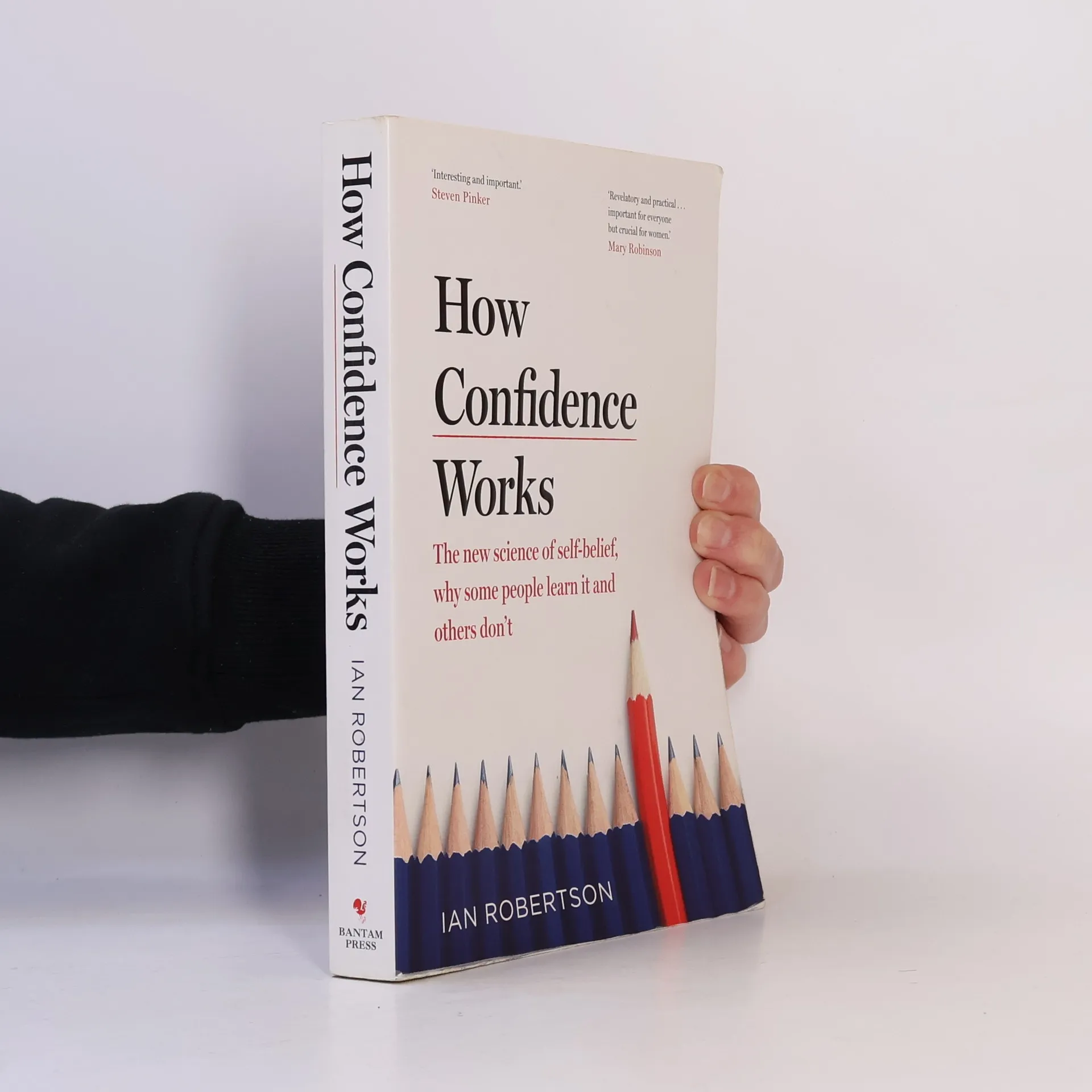
How Confidence Works
- 320 pages
- 12 hours of reading
Confidence lies at the core of what makes things happen. Exploring the science and neuroscience behind confidence that has emerged over the last decade, clinical psychologist and neuroscientist Professor Ian Robertson tells us how confidence plays out in our minds, our brains and indeed our bodies.
Human The Basics provides an essential introduction into how we develop thoughts, the types of reasoning we engage in, and how our thinking can be tailored by subconscious processing. Beginning with the fundamentals, the book examines the mental processes that shape our thoughts, the trajectory of how thought evolved within the animal kingdom and the stages of development of thinking throughout childhood. Robertson insightfully explains the effectiveness of political slogans and advertisements in engaging shallow information processing and the effortful, analytical processing required in critical thinking. Delving into fascinating topics such as magical thinking in the form of religion and superstition, fake news, and motivated ignorance, the book explains the discrepancy between reality and our internal mental representations, the influence of semantics on deductive reasoning and the error-prone, yet adaptive nature of biases. Containing student-friendly features including end of chapter summaries, demonstrative puzzles, simple figures, and further reading lists, this book will be essential reading for all students of thinking and reasoning.
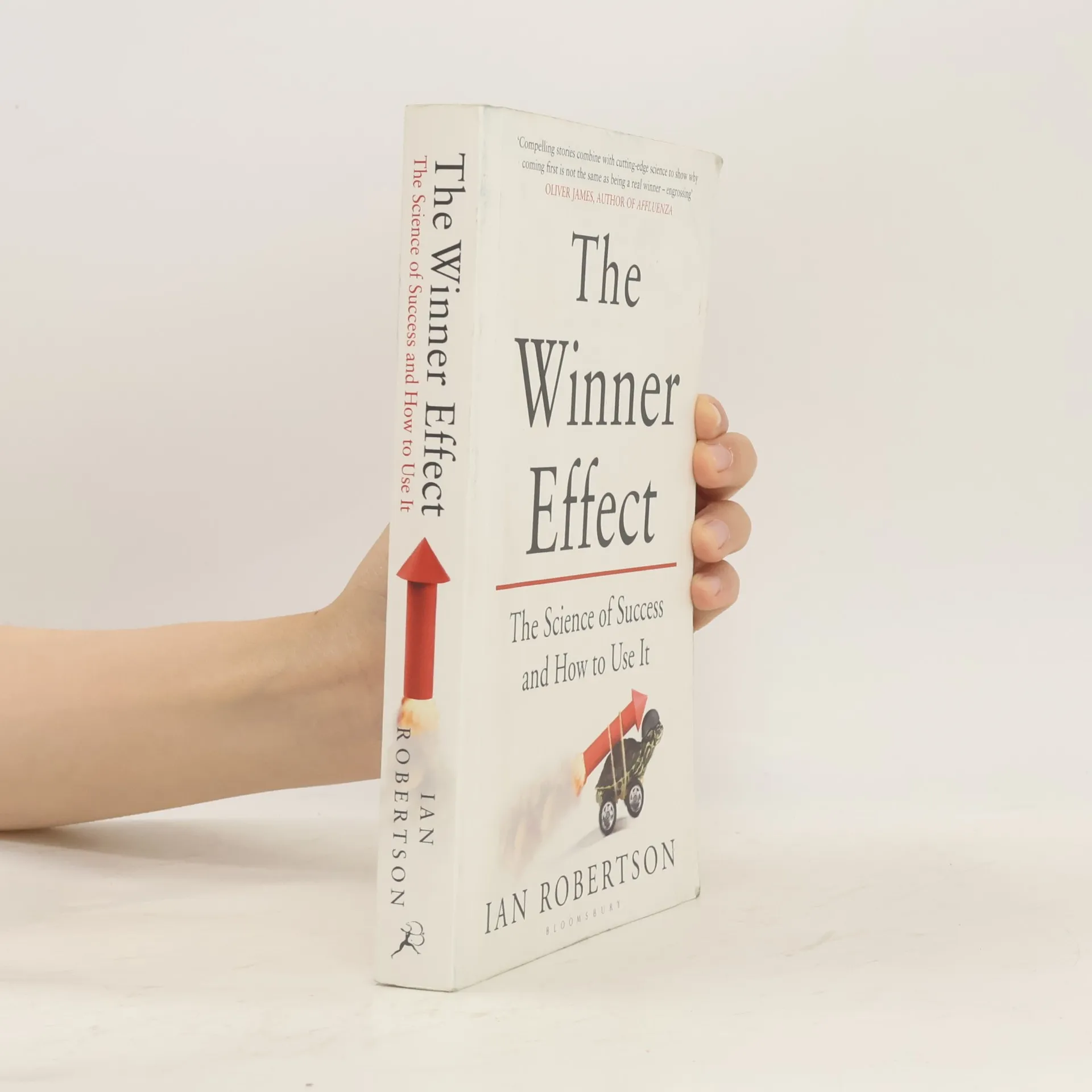
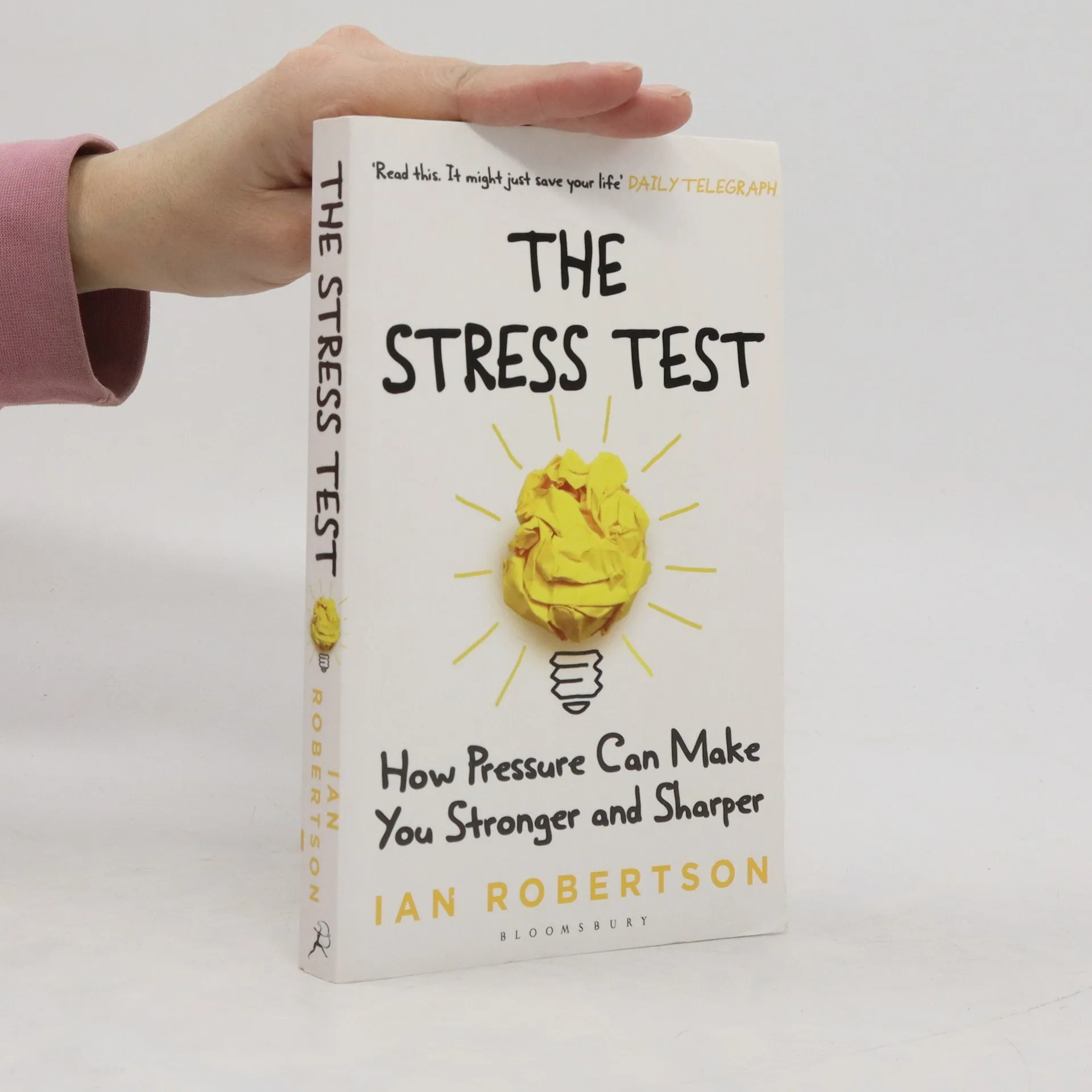
The Stress Test
- 256 pages
- 9 hours of reading
You can change, and here's the proof. This compelling examination of a scientific revolution helps us understand how we can learn to harness stress Oliver James
The 'winner effect' is a term used in biology to describe how an animal that has won a few fights against weak opponents is much more likely to win later bouts against stronger contenders. As Ian Robertson reveals, it applies to humans, too. Success changes the chemistry of the brain, making you more focused, smarter, more confident and more aggressive. And the more you win, the more you will go on to win. But the downside is that winning can become physically addictive.§By understanding what the mental and physical changes are that take place in the brain of a 'winner', how they happen, and why they affect some people more than others, Robertson explains what makes a winner or a loser - and how we can use the answers to these questions to understand better the behaviour of our business colleagues, employees, family and friends.
Was Macht mit uns macht Warum beschäftigt sich der CEO der Royal Bank of Scotland eher mit der Auswahl seiner Besprechungskekse als mit der Rettung seiner Firma vor dem Finanzkollaps? Was hat Picassos Sohn mit Bill Clintons Freund Tony Blair zu tun? Und was hat das mit uns zu tun? Alle wollen Macht. Aber was machen wir damit und wie verändern wir uns durch zu viel oder zu wenig Macht? Anhand zahlreicher auch prominenter Beispiele führt uns Ian H. Robertson durch die Untiefen unseres Gehirns und zeigt auf, was einen Sieger ausmacht und was es bei uns auslöst, Macht über andere zu haben. Mit zahlreichen Tests kann man den eigenen Drang zum Siegen ausloten.
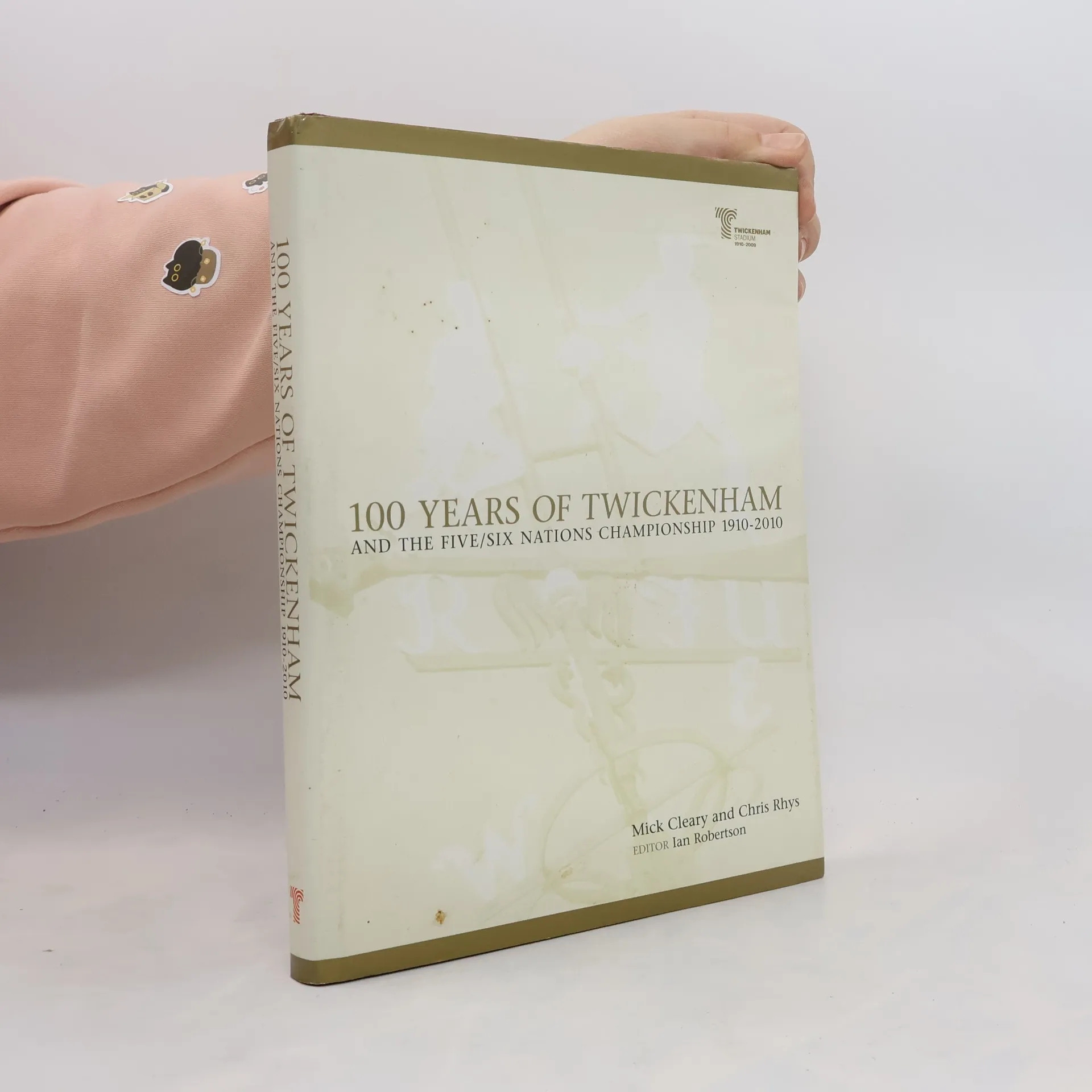
Book by Cleary, Mick
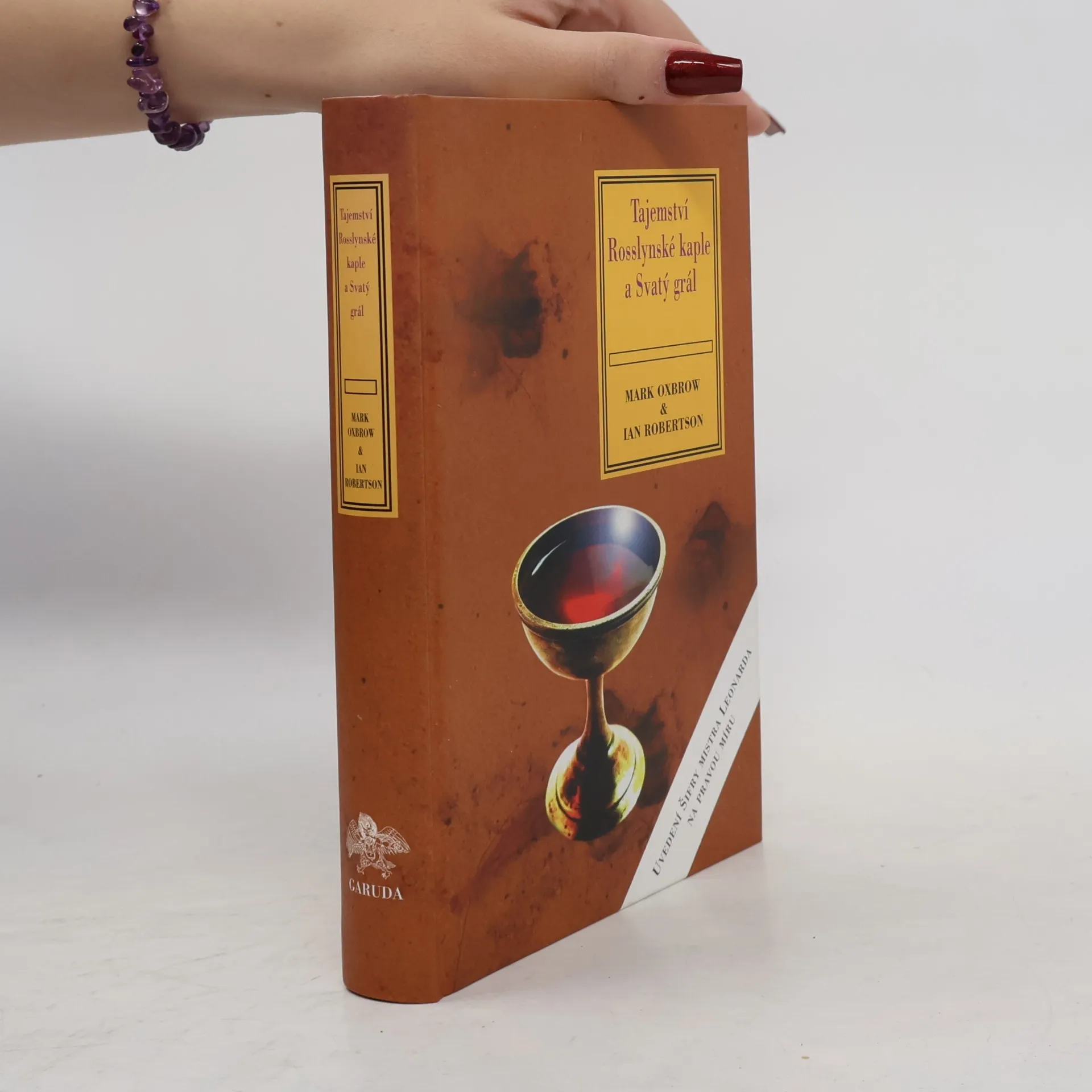
Podtitul: Uvedení Šifry mistra Leonarda na pravou míru Více než půl tisíciletí jsou Rosslynská kaple, král Artuš i Svatý grál obestřeni nejedním tajemstvím. Miliony lidí po celém světě se dověděli o existenci Rosslynské kaple, která se nachází u skotského Edinburghu, z románu Dana Browna Šifra mistra Leonarda či Da Vinciho kód. Statisíce čtenářů se tak vydávají do Rosslynu, aby tu obdivovaly tuto záhadami ověnčenou templářskou stavbu, kde se prý ukrývá Svatý grál. Tajemný příběh Rosslynské kaple představuje několik slavných historických postav, včetně Ježíše Krista, Panny Marie, Williama Wallace, Roberta Bruce, skotské královny Marie, Johanky z Arku, Krále Artuše či kouzelníka Merlina. Dosud se však nikomu nepodařilo záhadu Rosslynské kaple odhalit. Dva skotští historici, kteří se touto problematikou zaobírali přes deset let, nabízejí v této senzační knize skutečný příběh o tajemství Rosslynské kaple a Svatého grálu.
Rosslyn and the Grail
- 304 pages
- 11 hours of reading
The secrets of Scotland’s Rosslyn Chapel have remained hidden for centuries. After a decade of research, two Scottish historians have pieced together the real story. Millions of people worldwide became familiar with the mystery of Rosslyn through Dan Brown’s blockbuster novel The Da Vinci Code, and hundreds of thousands have since travelled there to marvel at its magnificent carvings and to wonder if some fabulous treasure lay buried beneath its medieval walls. Pseudo-history writers, Grail seekers, and conspiracy theorists claim that the secret history of the Holy Bloodline of Christ, the Ark of the Covenant, the embalmed head of Jesus, and the legendary treasure of the Knights Templar are all buried under Rosslyn Chapel. But what is the truth? Did the Templars really escape to Scotland? Does the enchanted White Lady of Rosslyn actually guard the Holy Grail? Was the chapel built to hide the Treasure of the Temple of Jerusalem?