
Explore the latest books of this year!
Bookbot

Erasmus Rotterdamský

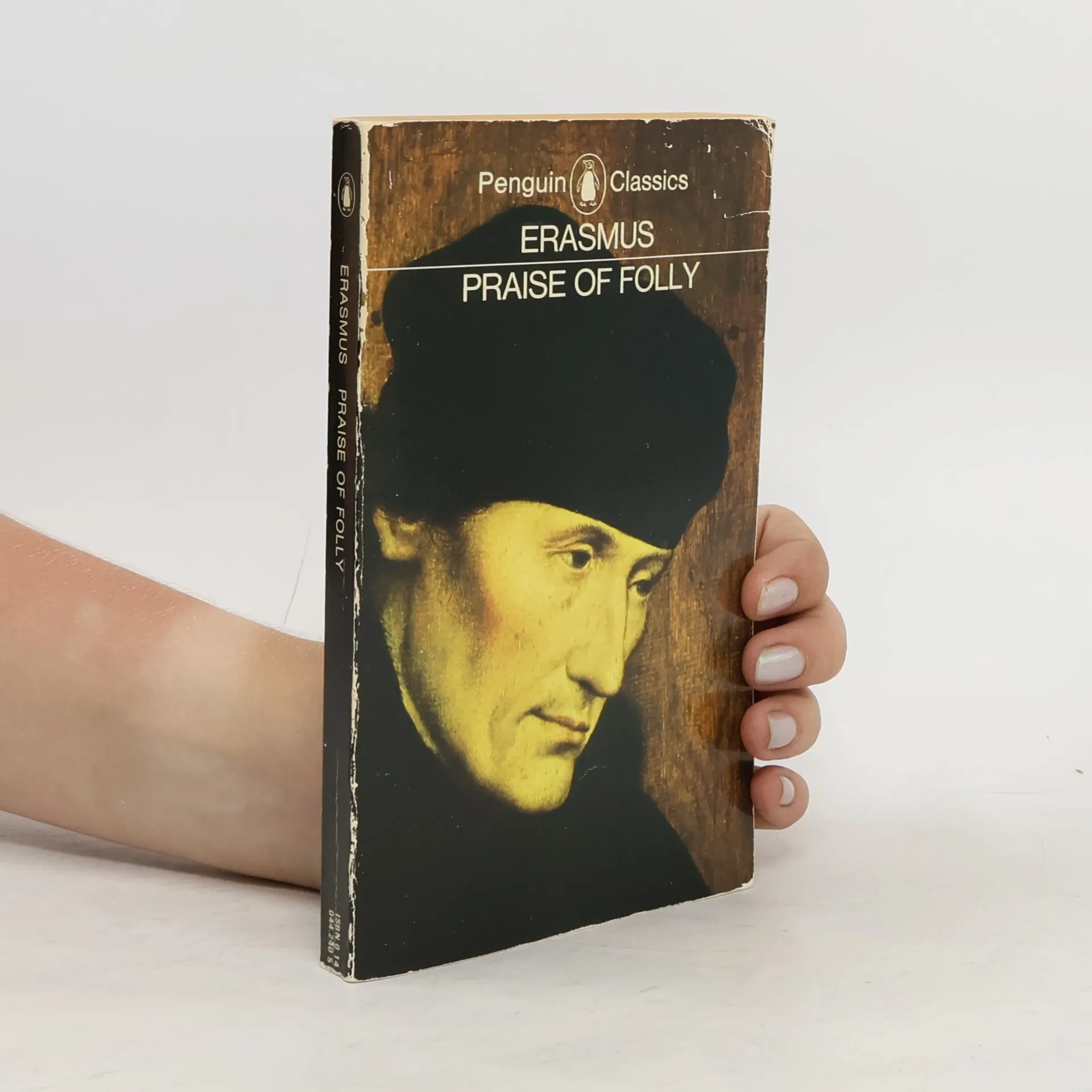
    Erasmus of Rotterdam, hailed as the "Prince of Humanists," was a Dutch Renaissance scholar renowned for his pure Latin prose. Employing humanist textual methods, he produced influential new editions of the New Testament in Latin and Greek that shaped the Reformation. While critical of the Catholic Church's abuses and advocating for reform, he maintained a distance from radical reformers, championing a moderate path that emphasized free will and deep respect for traditional faith. His intellectual stance sought a middle ground, often disappointing those on either extreme.

    Erasmus Rotterdamský
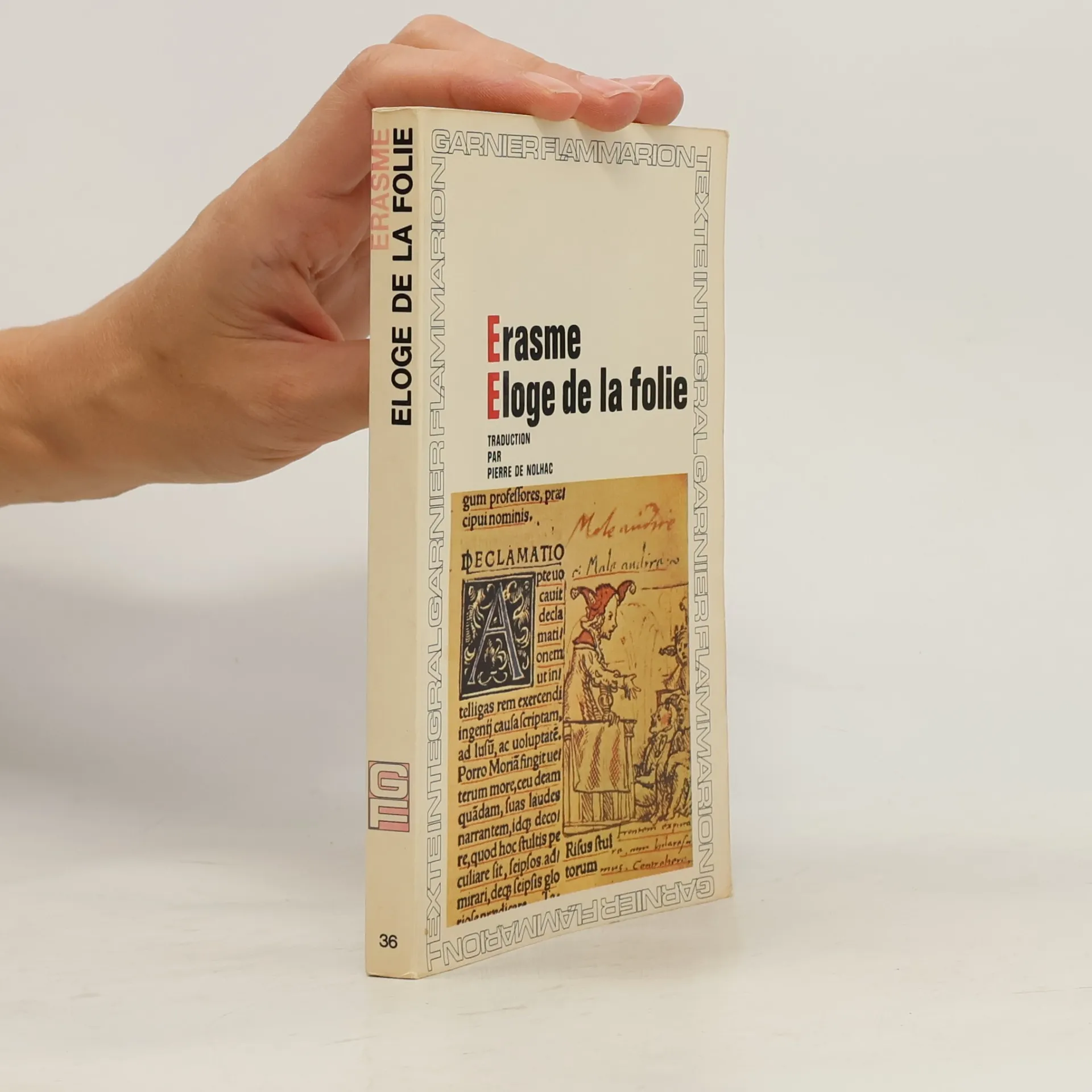
    Erasmus In Praise Of Folly
    The Correspondence of Erasmus
    The Correspondence of Erasmus
    Erasmus: The Education of a Christian Prince with the Panegyric for Archduke Philip of Austria
    Praise of Folly and Pope Julius Barred from Heaven
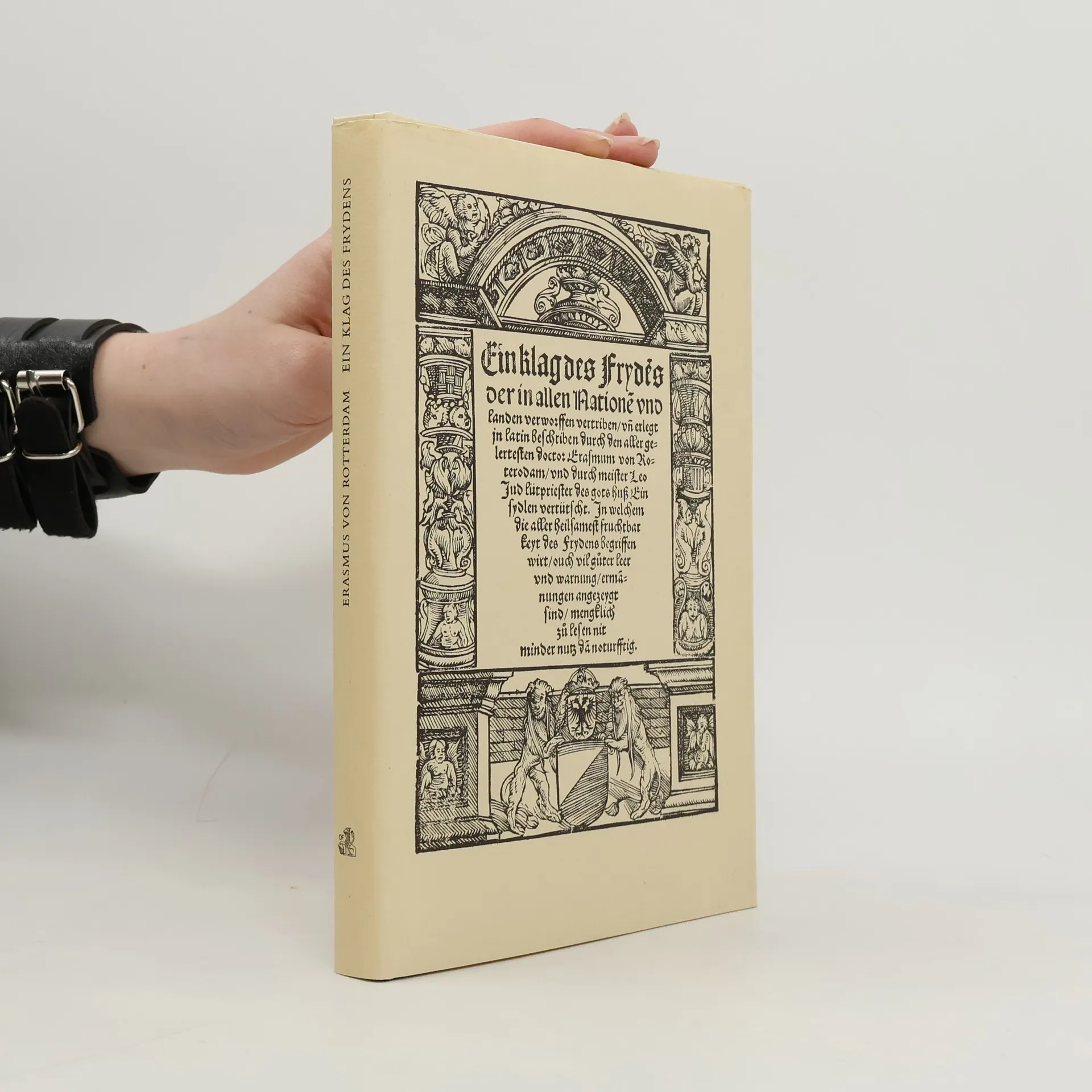
    The Complaint of Peace
    • The Complaint of Peace

      • 82 pages
      • 3 hours of reading

      Erasmus presents a compelling critique of humanity through the personification of peace, who admonishes rulers and soldiers for abandoning Christian principles in favor of unjust wars. The text serves as a powerful commentary on the moral failures of leaders across society. This edition is a reprint of a rare 1802 English translation, originally adapted by T. Paynell, and offers readers a glimpse into the historical context of peace advocacy during the Reformation era.

      The Complaint of Peace
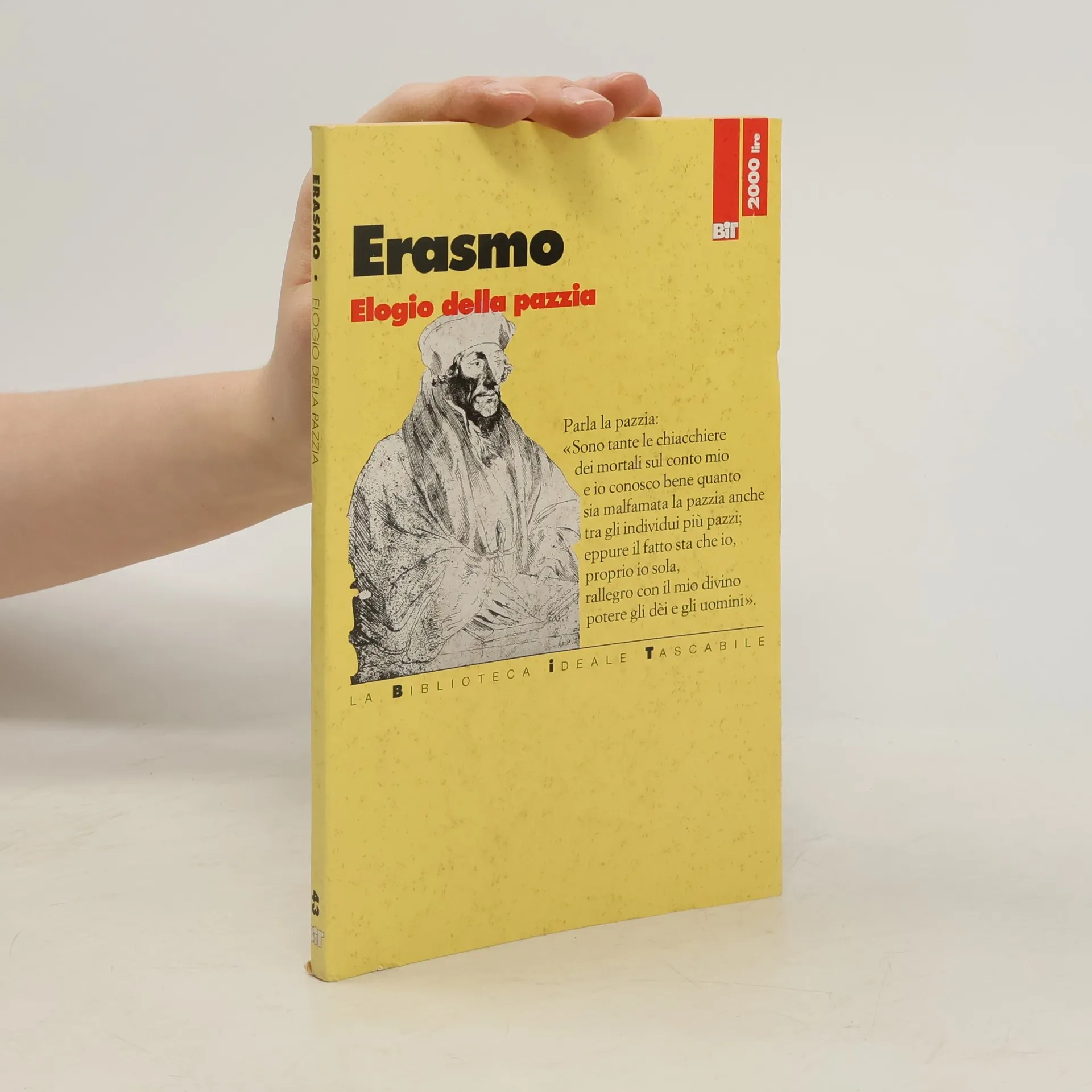
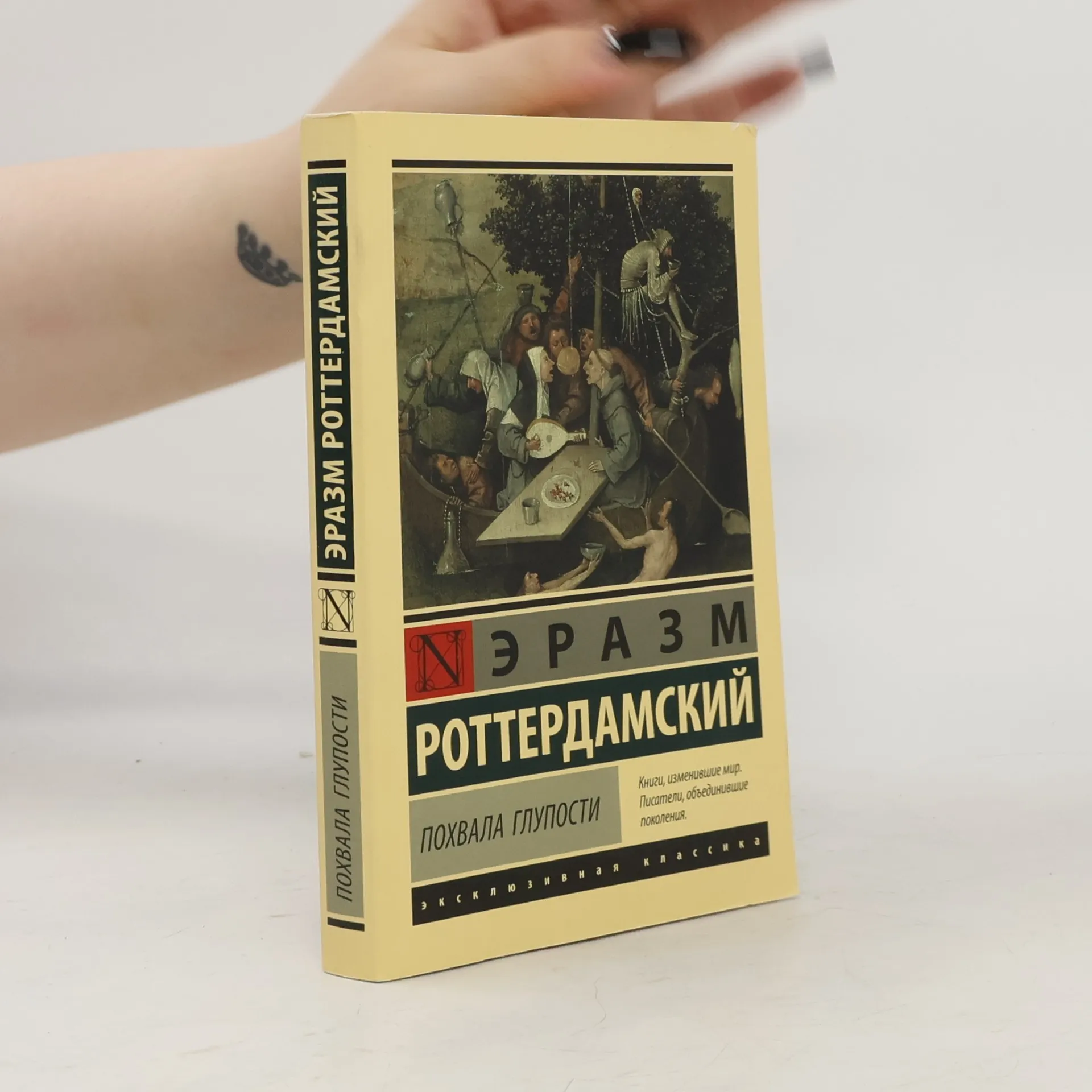
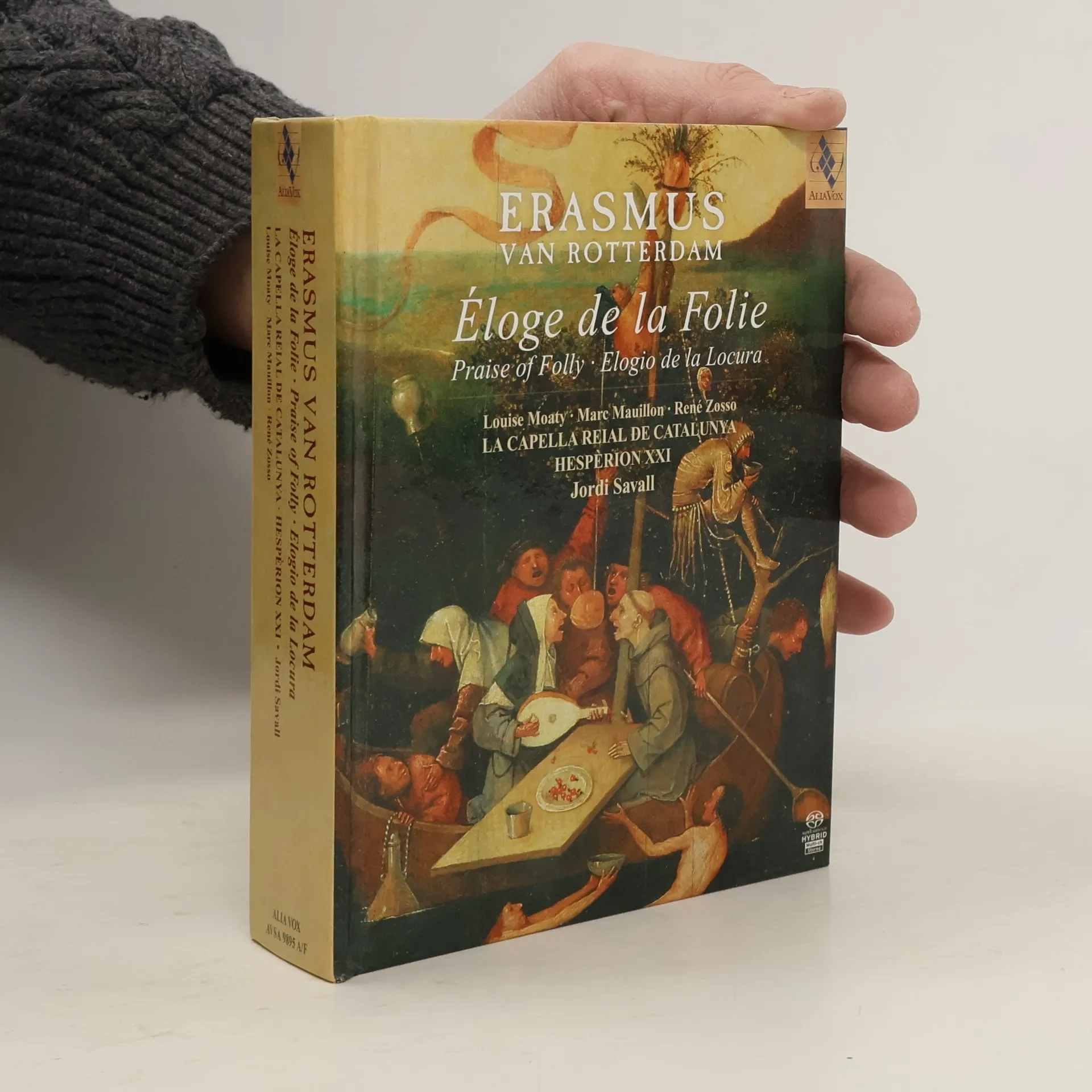
    • The goddess Folly gives a speech, praising herself and explaining how much humanity benefits from her services, from politicians to philosophers, aristocrats, schoolteachers, poets, lawyers, theologians, monarchs and the clergy. At the same time, her discourse provides a satire of Erasmus's world, poking fun at false pedantry and the aberrations of Christianity. Woven throughout her monologue, a thread of irony calls into question the goddess's own words, in which ambiguities, allusions and interpretations collide in a way that makes Praise of Folly enduringly fascinating.

      Praise of Folly and Pope Julius Barred from Heaven
    • The Correspondence of Erasmus

      Letters 2940 to 3141, Volume 21

      • 696 pages
      • 25 hours of reading

      The final volume of the Correspondence subseries presents a collection of letters from Erasmus during his last years, offering insights into his thoughts and experiences as he navigated the complexities of his later life. This compilation highlights his reflections on personal, philosophical, and theological matters, showcasing the evolution of his ideas and relationships. It serves as a valuable resource for understanding the legacy of one of the Renaissance's most influential figures.

      The Correspondence of Erasmus
    • The Correspondence of Erasmus

      Letters 2803 to 2939, Volume 20

      • 392 pages
      • 14 hours of reading

      The narrative explores the final thirteen months of Erasmus' life, highlighting his deteriorating health alongside the development of his renowned work, On Preparing for Death. This period captures both personal struggle and intellectual achievement, offering insights into his thoughts on mortality and legacy.

      The Correspondence of Erasmus
    • Erasmus In Praise Of Folly

      With Portrait, Life Of Erasmus, And His Epistle Addressed To Sir Thomas More

      • 132 pages
      • 5 hours of reading

      Exploring the themes of human folly and the critique of societal norms, this work presents a satirical examination of various aspects of life, including religion, education, and politics. It features a portrait of Erasmus, alongside a biographical account of his life, highlighting his influence during the Renaissance. Additionally, the book includes an epistle addressed to Sir Thomas More, showcasing the friendship and intellectual exchange between the two scholars. This combination of humor and philosophical insight makes it a significant historical text.

      Erasmus In Praise Of Folly
    • The classic work of the Renaissance humanist satirizes the organized Christian Church of the sixteenth century.

      Praise of Folly
    • Folly, the personification of foolishness, embarks on a self-congratulatory journey, claiming that her presence makes life vibrant and entertaining. Through her perspective, the narrative delivers a sharp satire targeting the superstitions and customs prevalent in European society and the Western Church, critiquing their absurdities and highlighting the folly inherent in human behavior.

      Praise of Folly (Royal Collector's Edition) (Case Laminate Hardcover with Jacket)
    • Collected Works of Erasmus

      Controversies, Volume 79

      • 416 pages
      • 15 hours of reading

      Focusing on the sixteenth-century debate over biblical translations, this volume explores the tensions between scholastic and humanist perspectives. It delves into the intellectual conflicts sparked by differing interpretations and approaches to scripture, highlighting the significance of these discussions in shaping theological and educational landscapes of the time.

      Collected Works of Erasmus
    • Collected Works of Erasmus

      Paraphrases on the Epistles to the Corinthians, Ephesians, Philippans, Colossians, and Thessalonians, Volume 43

      • 760 pages
      • 27 hours of reading

      Offering the first complete English translations of the Paraphrases since 1549, this volume delves into Erasmian theology's core principles. It features insightful annotations that illuminate the historical and linguistic significance of Erasmus's original writings, enhancing the reader's understanding of his work and its context.

      Collected Works of Erasmus