The Critical Qur'an
- 560 pages
- 20 hours of reading


Robert Spencer is a prominent author focusing on Islam and its ideological influences. His extensive body of work, rooted in deep study of Islamic theology and history, delves into the nature of jihad and its implications for freedom of speech. Spencer's writing, often provocative and critical, aims to expose and analyze the dangers posed by radical interpretations of Islam. His works are translated into numerous languages, eliciting both recognition and sharp criticism.


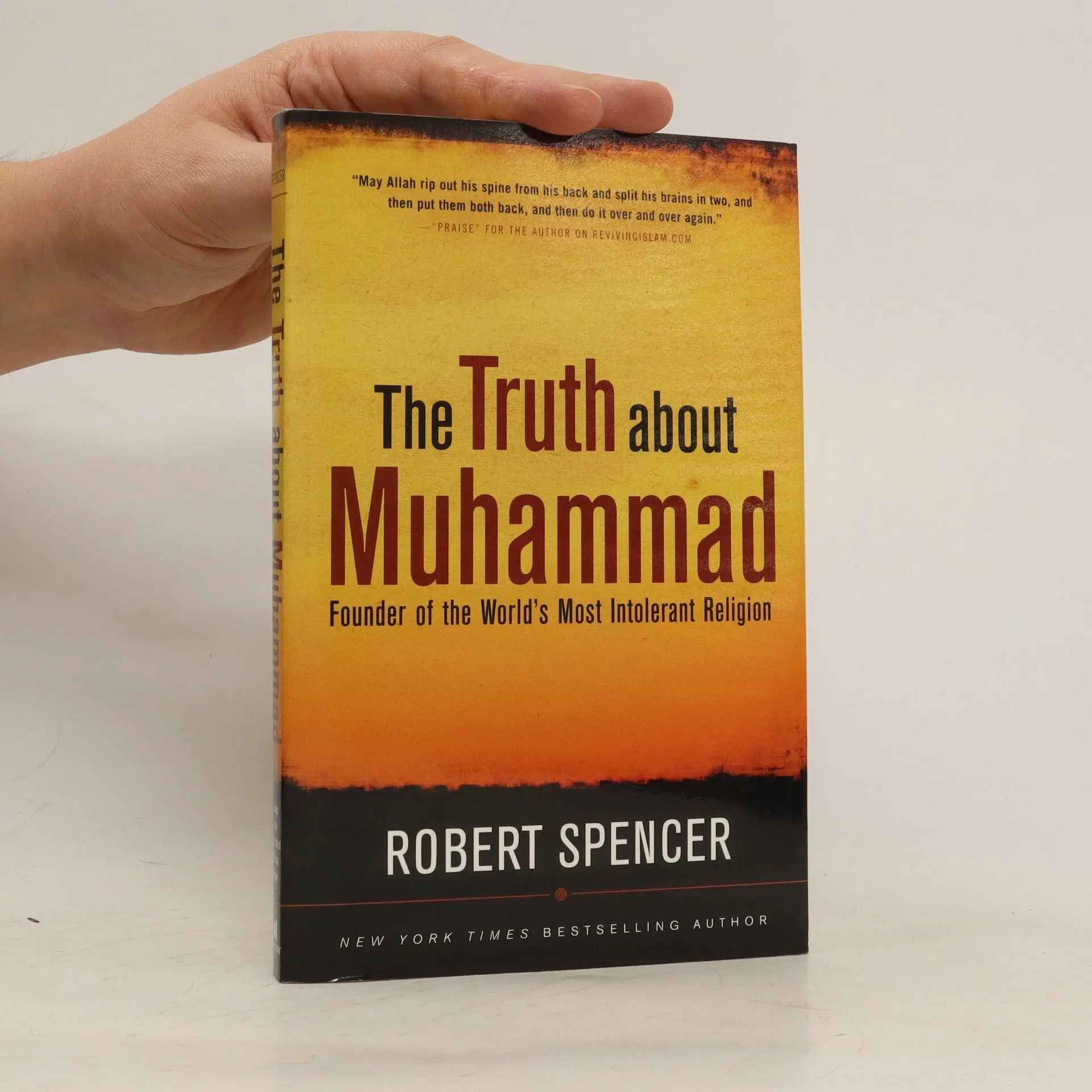

In The Truth about Muhammad, Robert Spencer revealed the shocking contents of the earliest Islamic biographical material about the prophet of Islam. Now, in Did Muhammad Exist?, he uncovers that material's surprisingly shaky historical foundations. Spencer examines historical records, archaeological findings, and new scholarship to reconstruct what we can know about Muhammad, the Qur'an, and the early days of Islam.
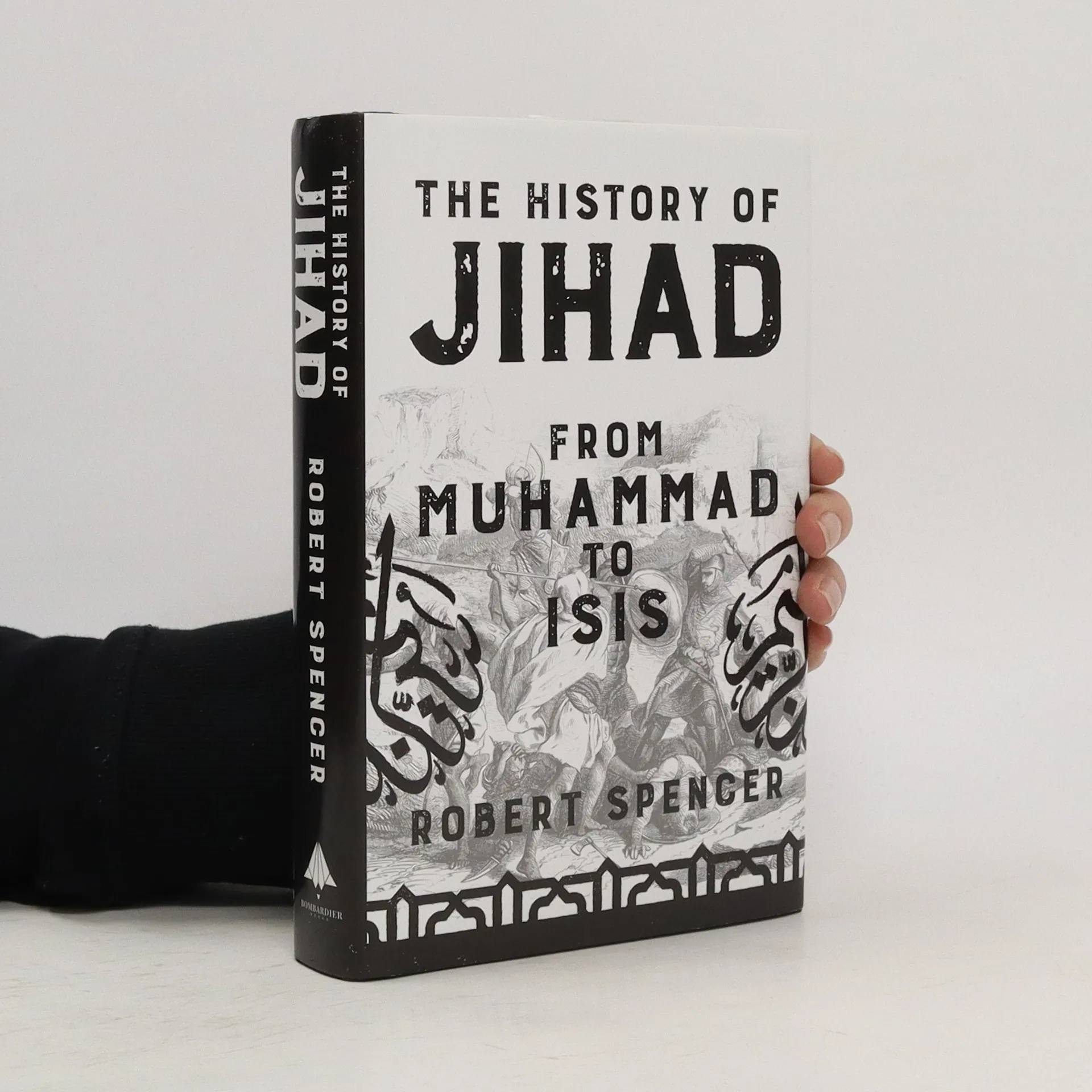
This comprehensive history examines the role of war and terror in the spread of Islam, challenging the common belief that Islam is fundamentally peaceful and that jihad terrorism is a recent phenomenon. Islamic scholar Robert Spencer asserts that Islamic terror has existed since the inception of Islam, tracing its roots back to Muhammad, who claimed, "I have been made victorious through terror." The narrative spans 1,400 years, detailing the jihad against Europe, including the 700-year effort to conquer Constantinople, the prolonged struggle in Spain where non-Muslims resisted invaders, and the devastating jihad in India. The account is enriched by contemporary chroniclers, both Muslim and non-Muslim, illustrating that jihad warfare has been a consistent aspect of Islam from its beginnings. Present-day jihad terrorism is shown to be rooted in the same ideological and theological foundations as historical Islamic warrior states. This work is the first comprehensive English-language history of jihad, revealing the brutal aspects of Islam's past at a time when Islamic jihadis are increasingly assertive in the West. It is essential for understanding the current geopolitical landscape and for developing strategies to reform Islam and combat radical terror.
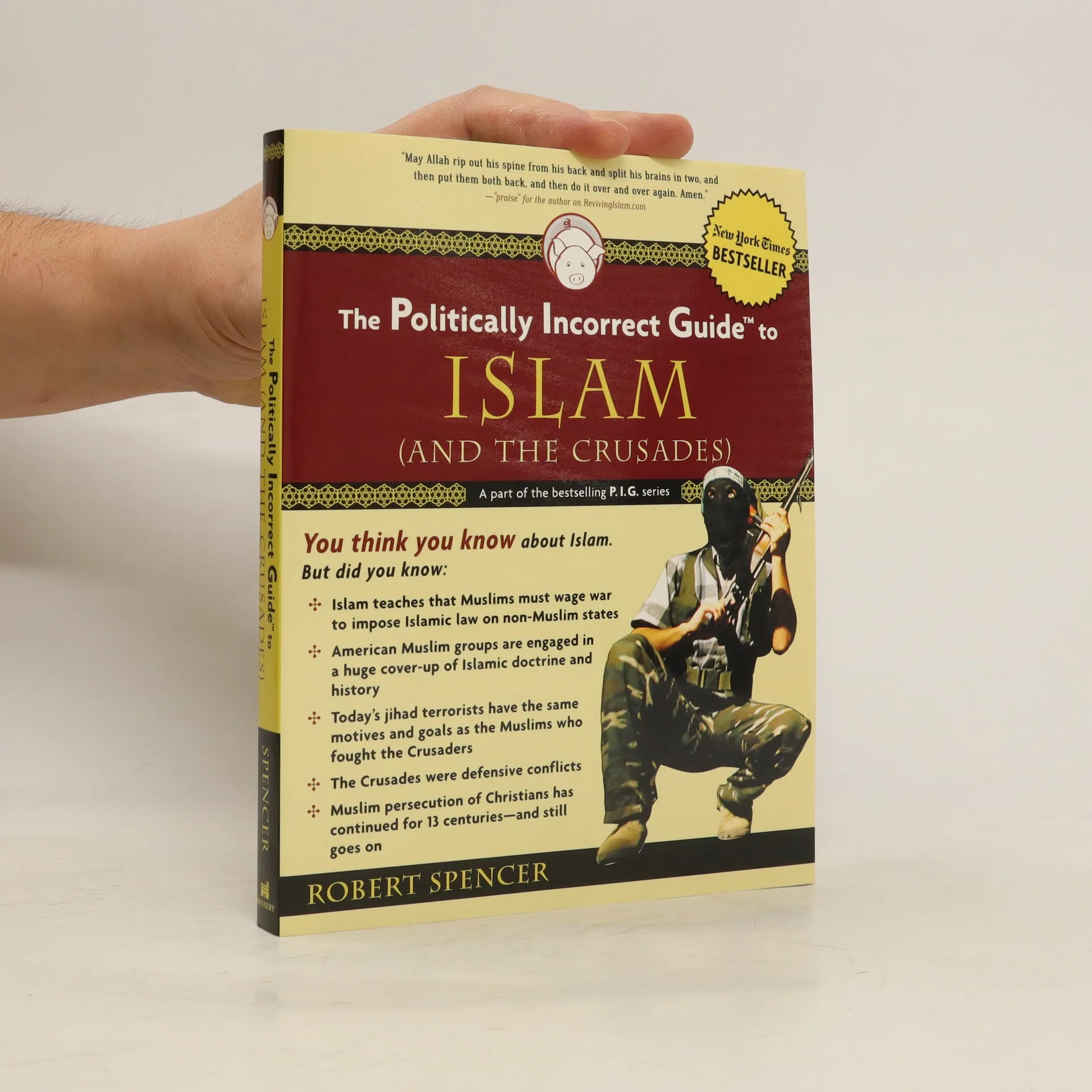
Presents a critical analysis of the differences between Christianity and Islam and maintains that Islam contains a political agenda which endorses violence and aggression against non-Muslims.
Traces the founder of Islam's rise to political and military power, focusing on controversial aspects of the prophet's beliefs and actions without adhering to political correctness
Every negotiated settlement between the State of Israel and its Palestinian adversaries has failed to establish a stable and lasting peace. This is the history of what was attempted, why those failures were inevitable, and what must be done instead. číst celé
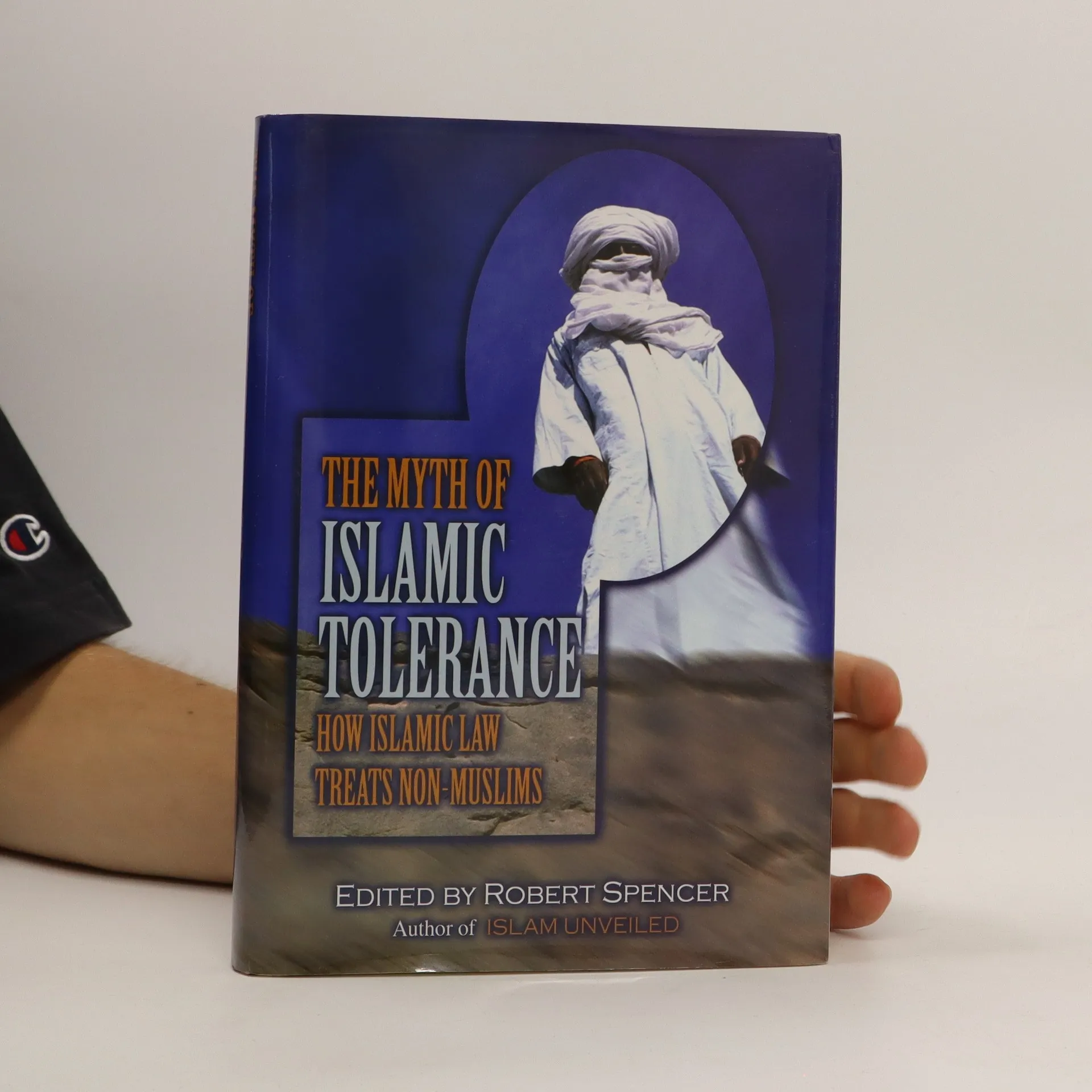
"This collection of essays by some of the world's leading authorities on Islamic social history focuses on the pervasive legal and cultural oppression of non-Muslims in Islamic societies. The authors of these in-depth but accessible articles explode the widely diffused myth, promulgated by Muslim advocacy groups, of a largely tolerant, pluralistic Islam. In fact, the contributors lay bare the tyrannical legal superstructure that has treated non-Muslims in Muslim societies as oppressed and humiliated tributaries, and they show the devastating effects of these discriminatory attitudes and practices in both past and contemporary global conflicts." "This hard-hitting and absorbing assessment of Islamic teachings and practices regarding non-Muslim minorities uncovers a significant human rights scandal that rarely receives any mention either in academic circles or in the mainstream press."--Jacket
A view of Islam argues such points as the practice of jihad was established before the Crusades and that all of Islam wants to take over the West.
Fictions of the State under Neoliberalism
Exploring the portrayal of dictatorships in African fiction, this book delves into the roots of postcolonial authoritarianism and the quest for democratic alternatives. It contextualizes the 'neoliberal' era post-1970s as a phase of recolonization driven by Western powers and financial institutions. By analyzing works from notable authors like Ngũgĩ wa Thiong'o and Chimamanda Ngozi Adichie, it highlights the tension between concentrated political power and the enduring aspiration for democracy, reflecting the ongoing struggle against colonial legacies.
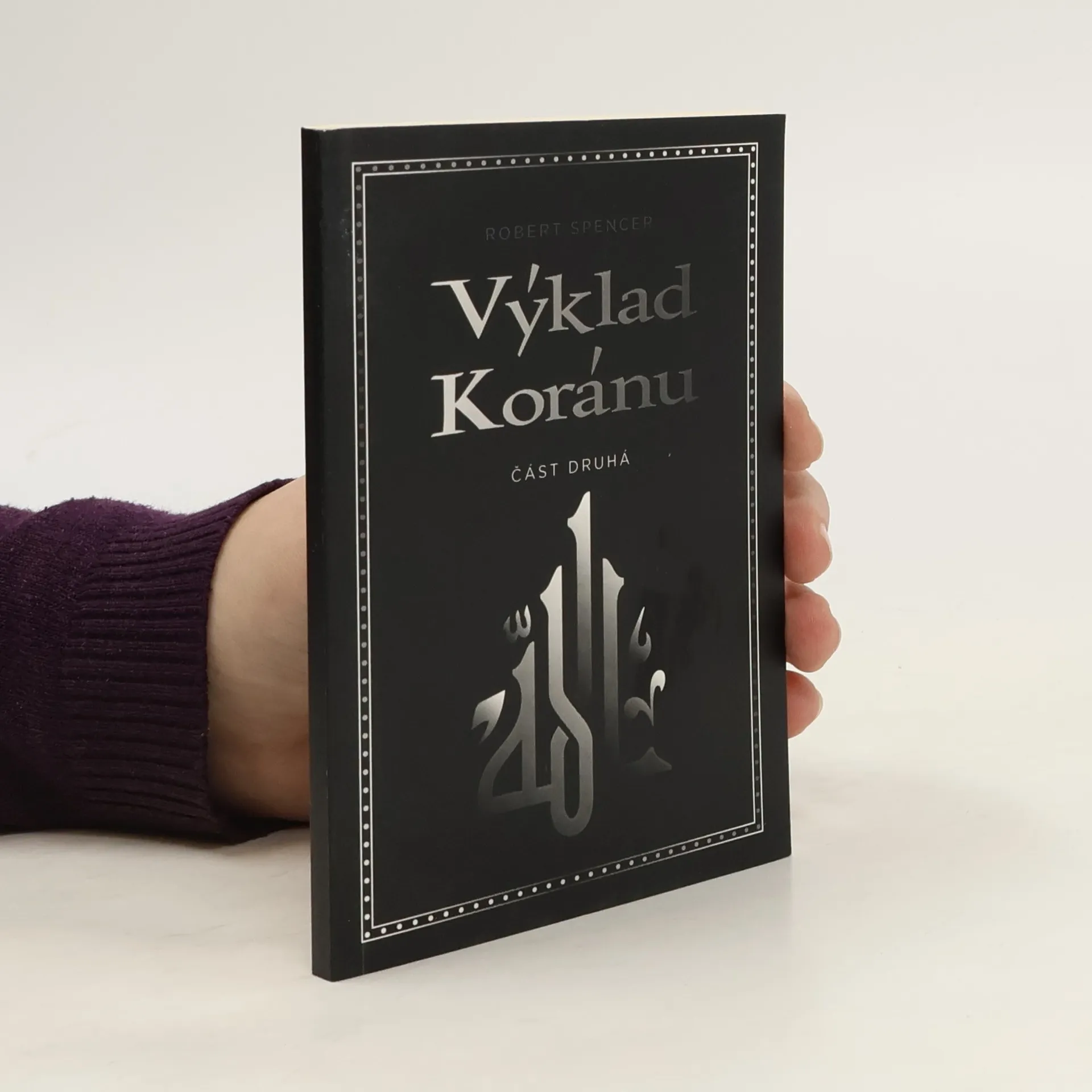
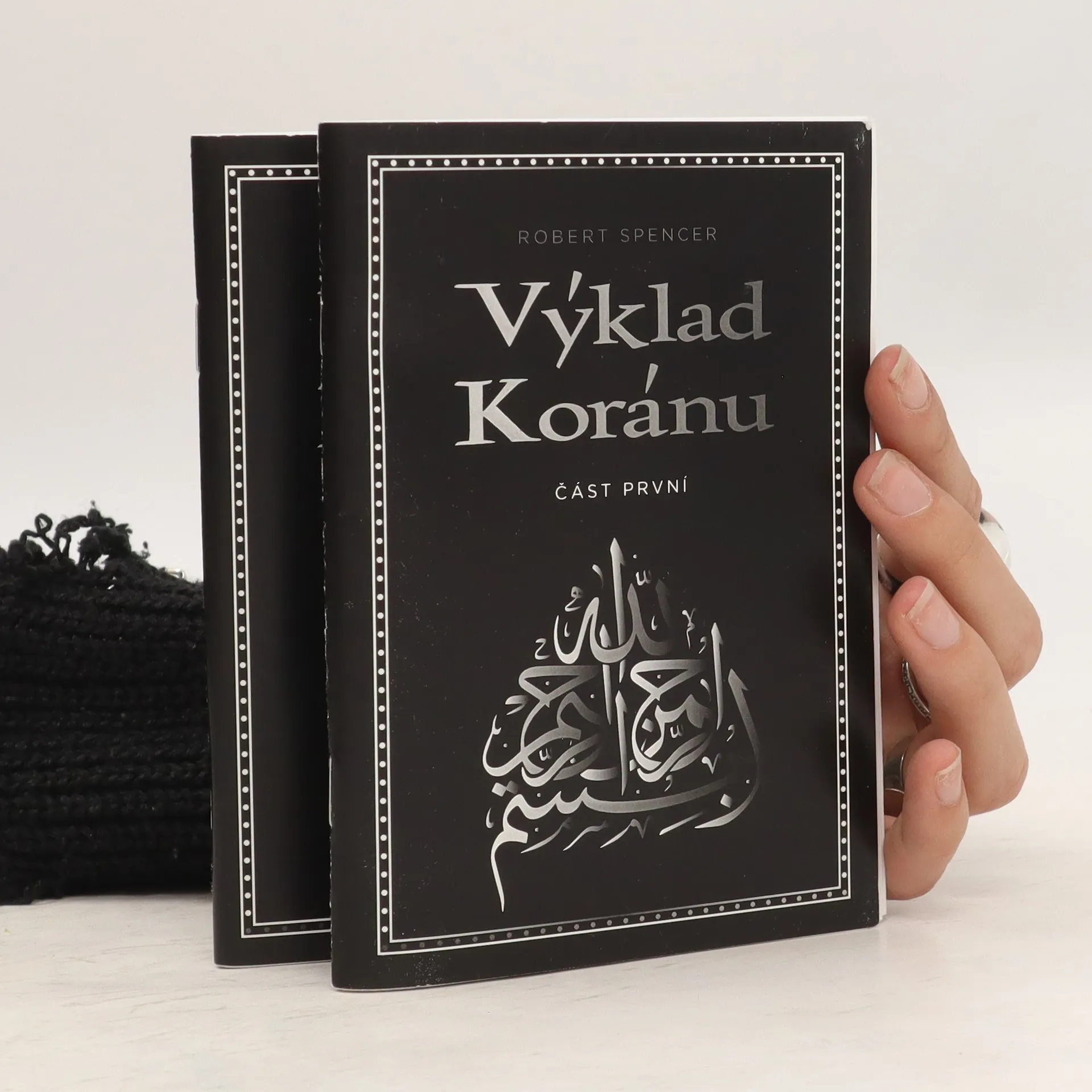
V češtině vychází první díl jedinečného díla - komentáře koránu. V současné době v českých knihovnách schází kniha, která by jednoduše a jasně vysvětlovala o čem se vlastně v koránu píše. Proto jsme se s kolegy rozhodli zahájit projekt překladu komentáře koránu od předního znalce islámu v USA Roberta Spencra. Z důvodu nákladnosti překladu, bude dílo vycházet postupně na etapy a také jsme se rozhodli ho realizovat v provedení A6, aby si publikaci mohl vzít jednoduše do kapsy, například do vlaku či tramvaje. Když zájemce o poznání toho, co to vlastně je islám, vezme do ruky Korán, záhy zjistí, že vlastně čtený text nechápe. Vychází to z prosté logiky, že text Koránu má jinou podobu než například evangelia. V jistém smyslu je paradoxní, že i mnozí muslimové uznávají, že text Koránu není tak podstatný jako jeho výklad. Dokonce jeden z čtyř nejuznávanějších znalců islámu a zakladatel islámské právní školy Ibn Hanbal přiznává, že výklad Koránu je důležitější než samotný text. A právě výkladu Koránu se věnuje tato kniha.
Když zájemce o poznání toho, co to vlastně je islám, vezme do ruky Korán, záhy zjistí, že vlastně čtený text nechápe. Vychází to z prosté logiky, že text Koránu má jinou podobu než například evangelia. V jistém smyslu je paradoxní, že i mnozí muslimové uznávají, že text Koránu není tak podstatný jako jeho výklad. Dokonce jeden...