Thomas Pynchon is an American author celebrated for his dense and complex fictional works that often weave together a vast array of subjects, styles, and areas of interest, including history, science, and mathematics. His prose is lauded for its intellectual depth and literary virtuosity. Pynchon is regarded as one of the foremost contemporary authors, whose distinctive voice and approach to writing have left an indelible mark on modern literature. His avoidance of personal publicity only adds to the intrigue surrounding his enigmatic persona and celebrated body of work.
This reprint of a historical book originally published in 1871 aims to preserve the text for modern readers. Acknowledging the age of the work, it may contain missing pages or lower quality, yet it serves as a valuable resource for those interested in historical literature. The publishing house, Anatiposi, focuses on making such works accessible to ensure they are not forgotten.
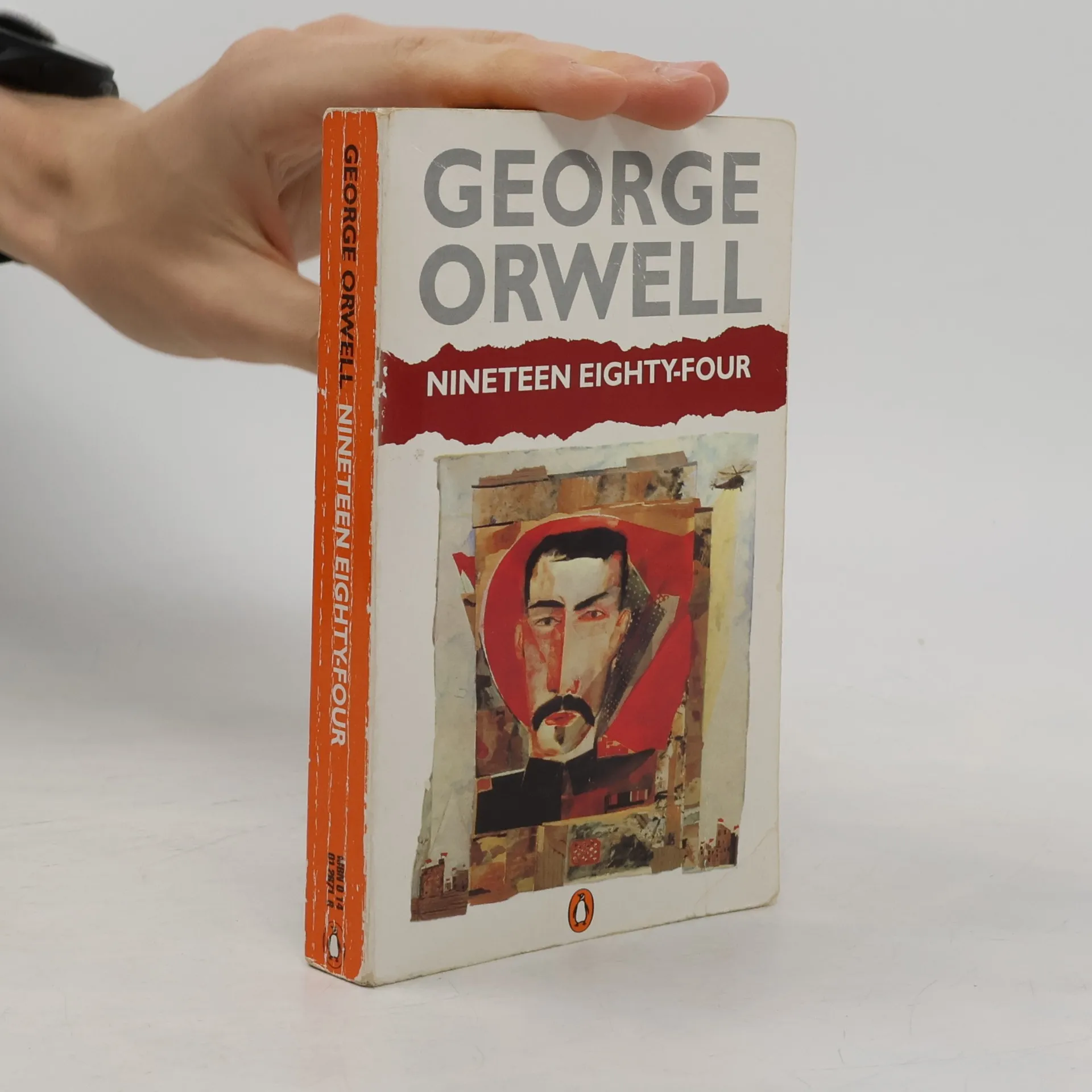
Winston Smith is a low-rung member of the Party, the ruling government of Oceania. He works in the Ministry of Truth, the Party's propoganda arm, where he is in charge of revising history. He is but a small brick in the pyramid that is the Party, at the head of which stands Big Brother. Big Brother the infallible. Big Brother the all-powerful. In a totalitarian society, where individuality is suppressed and freedom of thought has its antithesis in the Thought Police, Winston finds respite in the company of Julia. Originality of thought awakens, love blossoms and hope is rekindled. But what they don't know is that Big Brother is always watching...
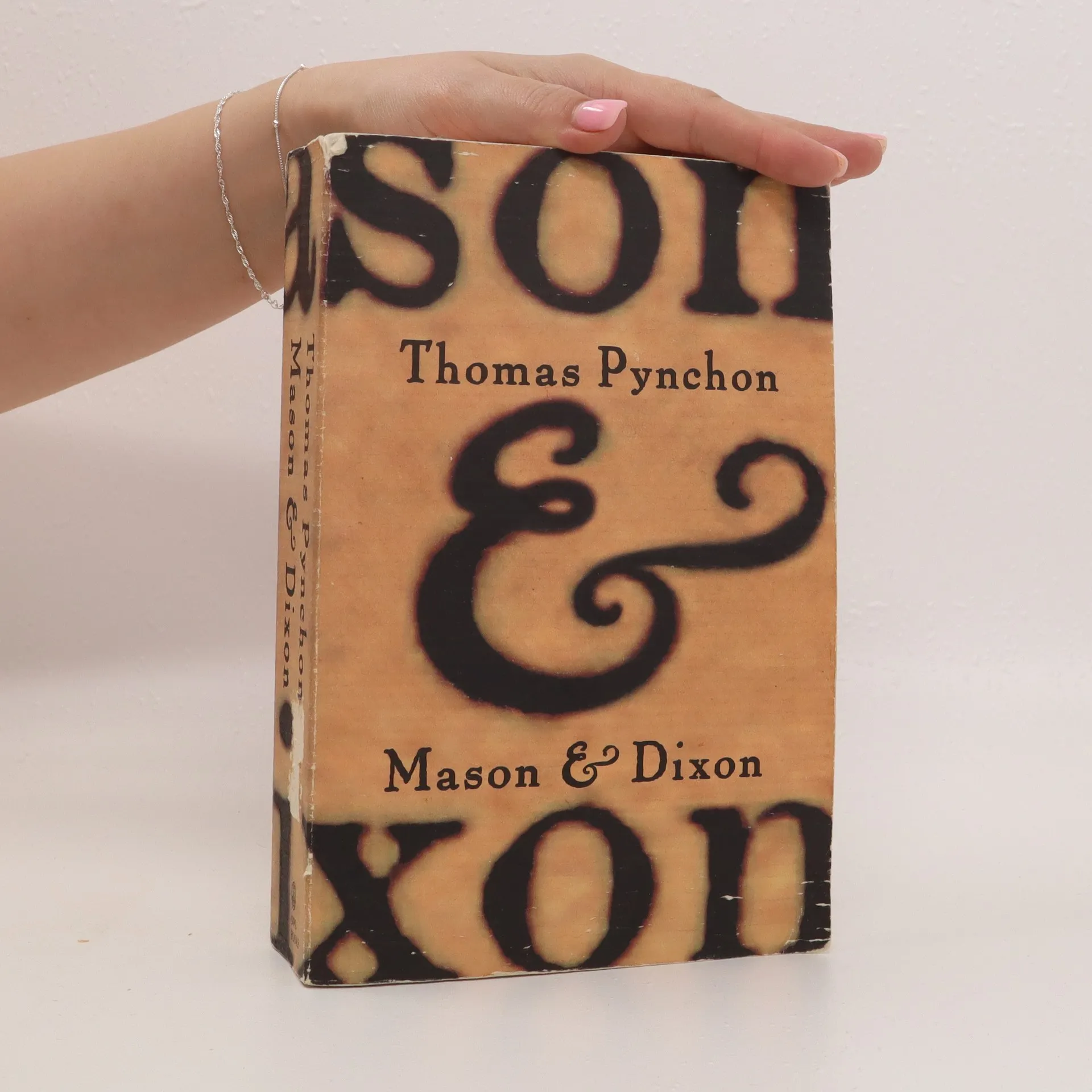
The New York Times Best Book of the Year, 1997 Time Magazine Best Book of the Year 1997 Charles Mason (1728-1786) and Jeremiah Dixon (1733-1779) were the British surveyors best remembered for running the boundary between Pennsylvania and Maryland that we know today as the Mason-Dixon Line. Here is their story as re-imagined by Thomas Pynchon, featuring Native Americans and frontier folk, ripped bodices, naval warfare, conspiracies erotic and political, major caffeine abuse. We follow the mismatch'd pair--one rollicking, the other depressive; one Gothic, the other pre-Romantic--from their first journey together to the Cape of Good Hope, to pre-Revolutionary America and back, through the strange yet redemptive turns of fortune in their later lives, on a grand tour of the Enlightenment's dark hemisphere, as they observe and participate in the many opportunities for insanity presented them by the Age of Reason.
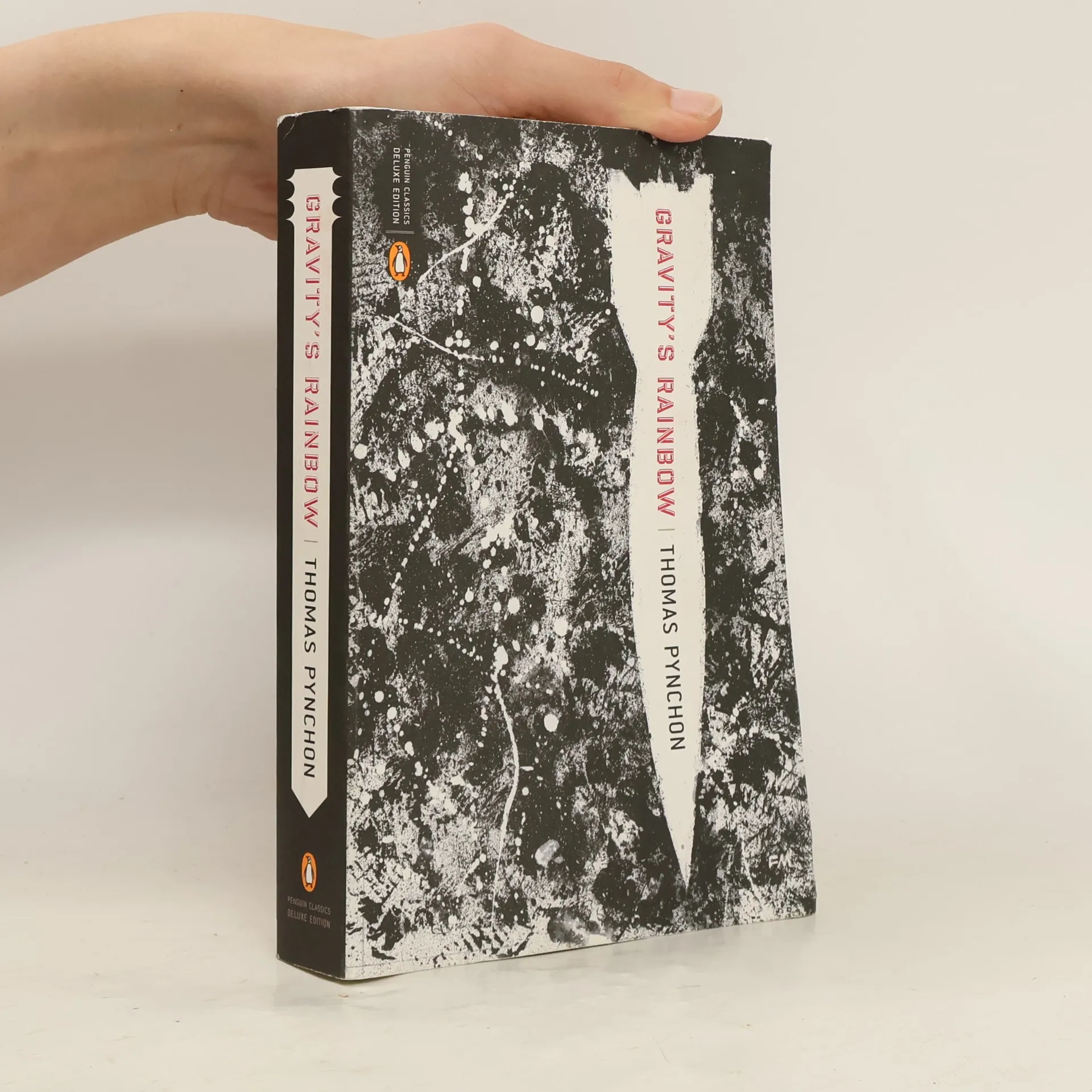
Winner of the 1973 National Book Award, "Gravity's Rainbow" is a postmodern epic, a work as exhaustively significant to the second half of the 20th century as Joyce's "Ulysses" was to the first.
Winner of the 1973 National Book Award, Gravity's Rainbow is a postmodern epic, a work as exhaustively significant to the second half of the twentieth century as Joyce's Ulysses was to the first. Its sprawling, encyclopedic narrative and penetrating analysis of the impact of technology on society make it an intellectual tour de force. The narrative is set primarily in Europe at the end of World War II, and centers on the design, production and dispatch of V-2 rockets by the German military
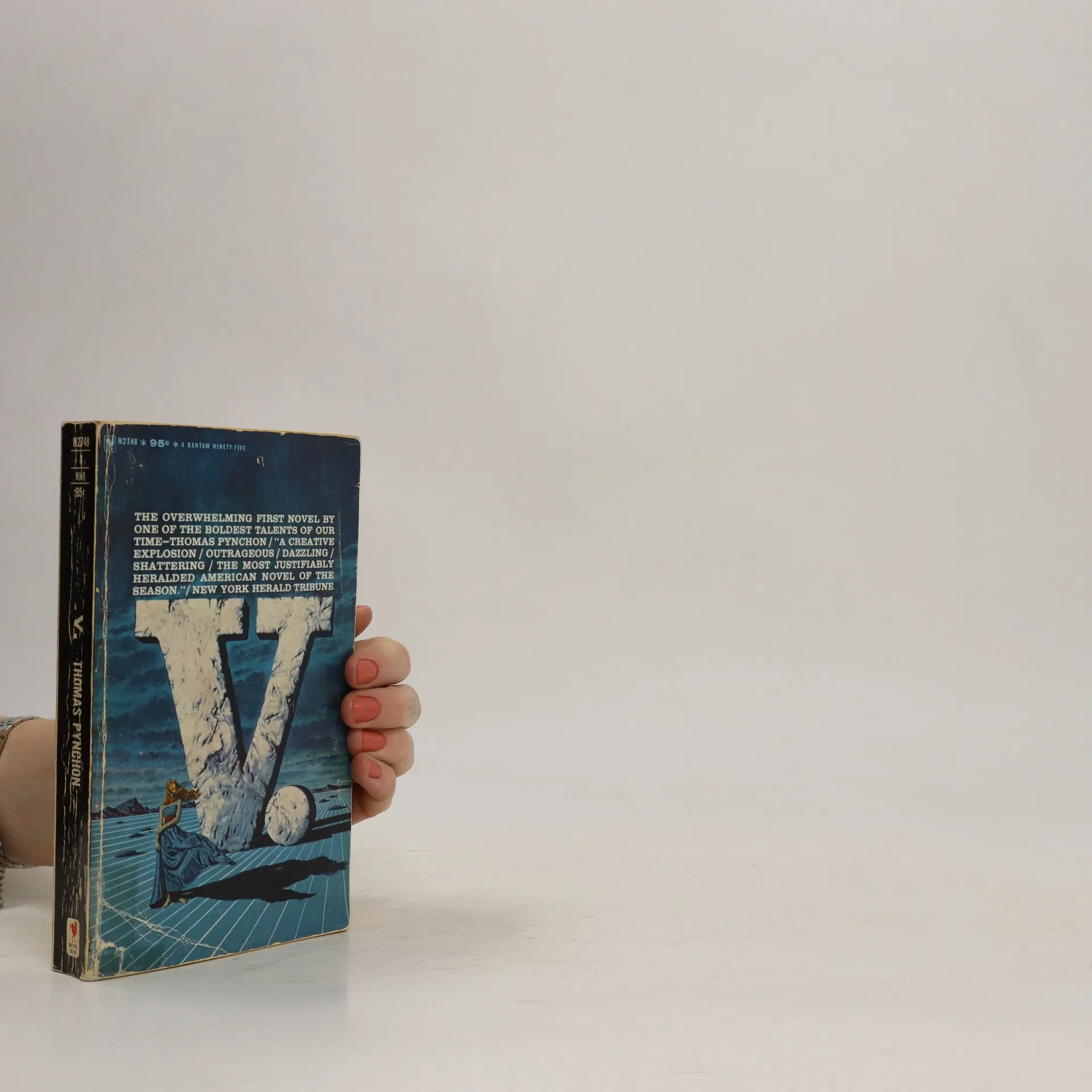
The wild, macabre tale of the twentieth century and of two men—one looking for something he has lost, the other with nothing much to lose—and "V.," the unknown woman of the title.
Meanwhile, Thomas Pynchon is up to his usual business. Characters stop what they're doing to sing what are for the most part stupid songs. Strange sexual practices take place. Obscure languages are spoken, not always idiomatically. Contrary-to-fact occurrences occur. Maybe it's not the world, but with a minor adjustment or two it's what the world might be
"Mortality and Mercy in Vienna," published in 1959, is Thomas Pynchon's second story, notable for not being included in "Slow Learner." The story originated from a writing exercise at Cornell, where Pynchon, after refusing to submit his work on time, continued writing and eventually submitted this piece to Epoch magazine.
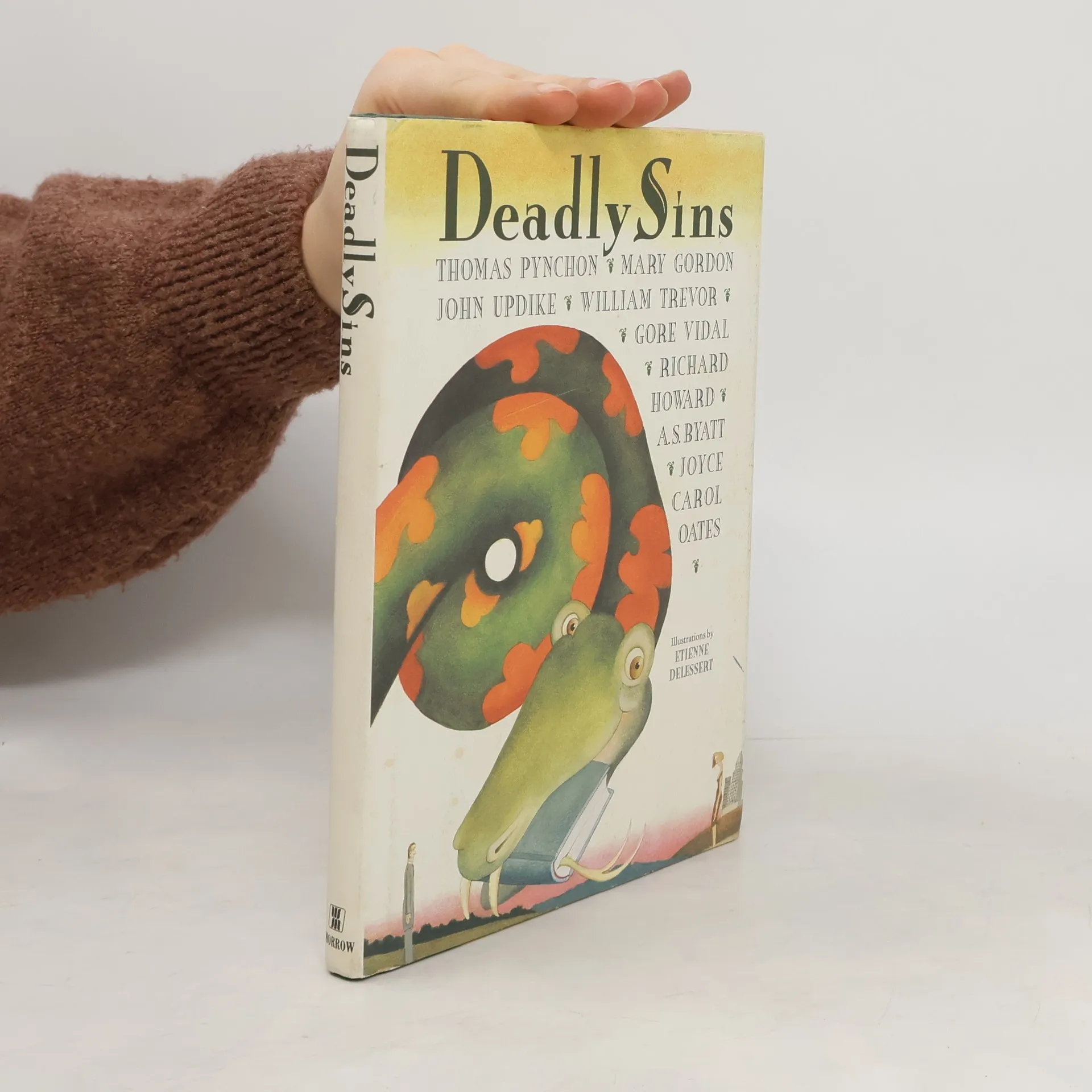
Essays by Thomas Pynchon, Mary Gordon, Gore Vidal, Joyce Carol Oates, and John Updike discuss the seven deadly sins, plus one, despair, the only unforgiveable sin
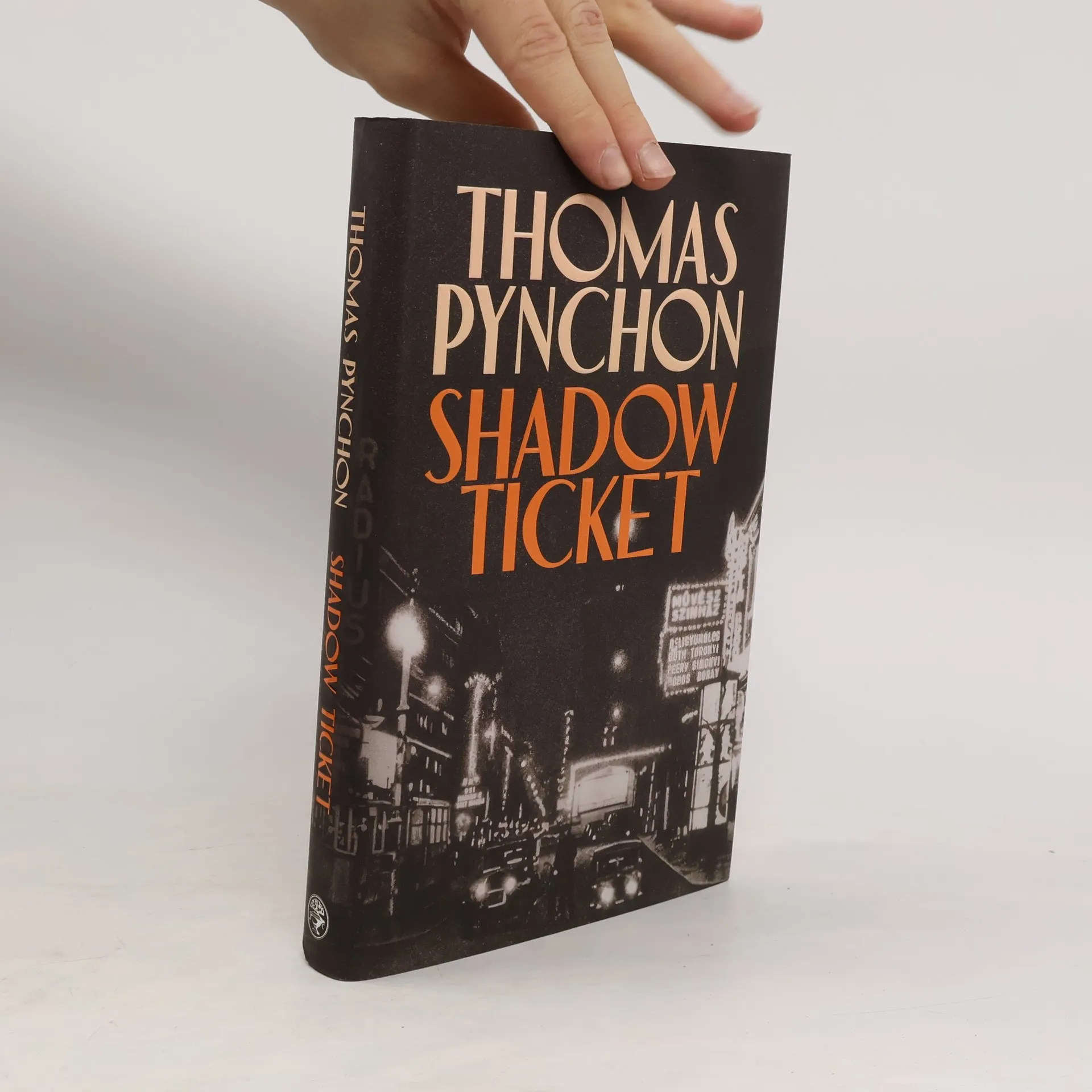
Set in Milwaukee during the Great Depression, this novel follows Hicks McTaggart, a former strikebreaker turned private investigator. He believes he has found job security when tasked with locating a runaway heiress from a Wisconsin cheese fortune. However, his assignment quickly spirals out of control, leading him aboard a transoceanic liner to Hungary, a place filled with unfamiliar language and culture, and an abundance of pastries. As Hicks searches for the heiress, he becomes entangled with a cast of characters, including Nazis, Soviet agents, British counterspies, swing musicians, and outlaw motorcyclists, none of whom he is prepared to confront. Amidst the chaos, Hicks grapples with a history he cannot comprehend, all while trying to navigate his way back to Milwaukee. The only solace he finds is in the burgeoning Big Band Era, where his dancing skills might just provide an escape route. Whether he can Lindy-hop his way back to the normalcy he once knew, which may no longer exist, remains uncertain.
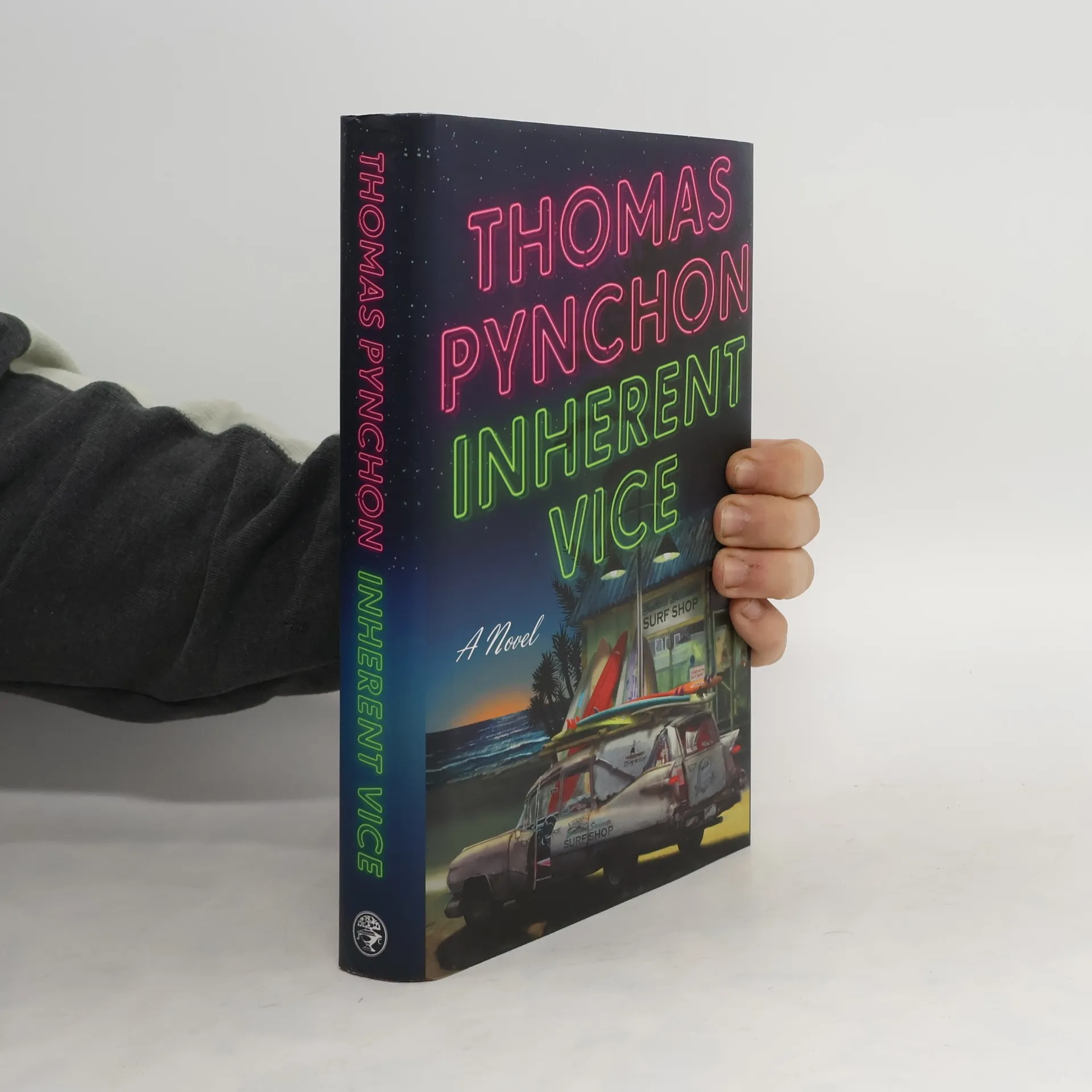
Part noir, part psychedelic romp, and all Pynchon, "Inherent Vice" spotlights private eye Doc Sportello who occasionally comes out of a marijuana haze to watch the end of an era, as the free love of the 1960s slips away and paranoia creeps in with the L.A. fog.
In 1984 Vineland County, California, Zoyd Wheeler, who collects state disability checks by jumping through plate-glass windows, navigates a world shaped by mass and mall culture. His daughter, Prairie, is fixated on her mother, Frenesi Gates, who left with Brock Vond, a manipulative Federal prosecutor. Frenesi, once a radical filmmaker from a blacklisted family, has become an F.B.I. operative, and her absence looms large in the narrative. Vond, who seeks to use Prairie against Frenesi, prompts Zoyd to hide her. Prairie's journey leads her to a band called Billy Barf and the Vomitones and an encounter with her mother's friend, Darryl Louise Chastain. As she delves into Frenesi's past through computer records and film archives, Prairie uncovers dark secrets from the 1960s at Trasero County's College of the Surf, where her mother betrayed a revolutionary leader, Weed Atman, who now exists as a Thanatoid, trapped in the afterlife. The climax unfolds with Prairie's search intertwining with Vond's pursuit, culminating in dramatic confrontations involving helicopters and family reunions. The narrative critiques America's political evolution and the erosion of radical ideals, highlighting a moment when a school for subversion is deemed unnecessary, as the youth already conform to state ideologies. This major political novel reflects on America's impact on its own legacy and future generations.
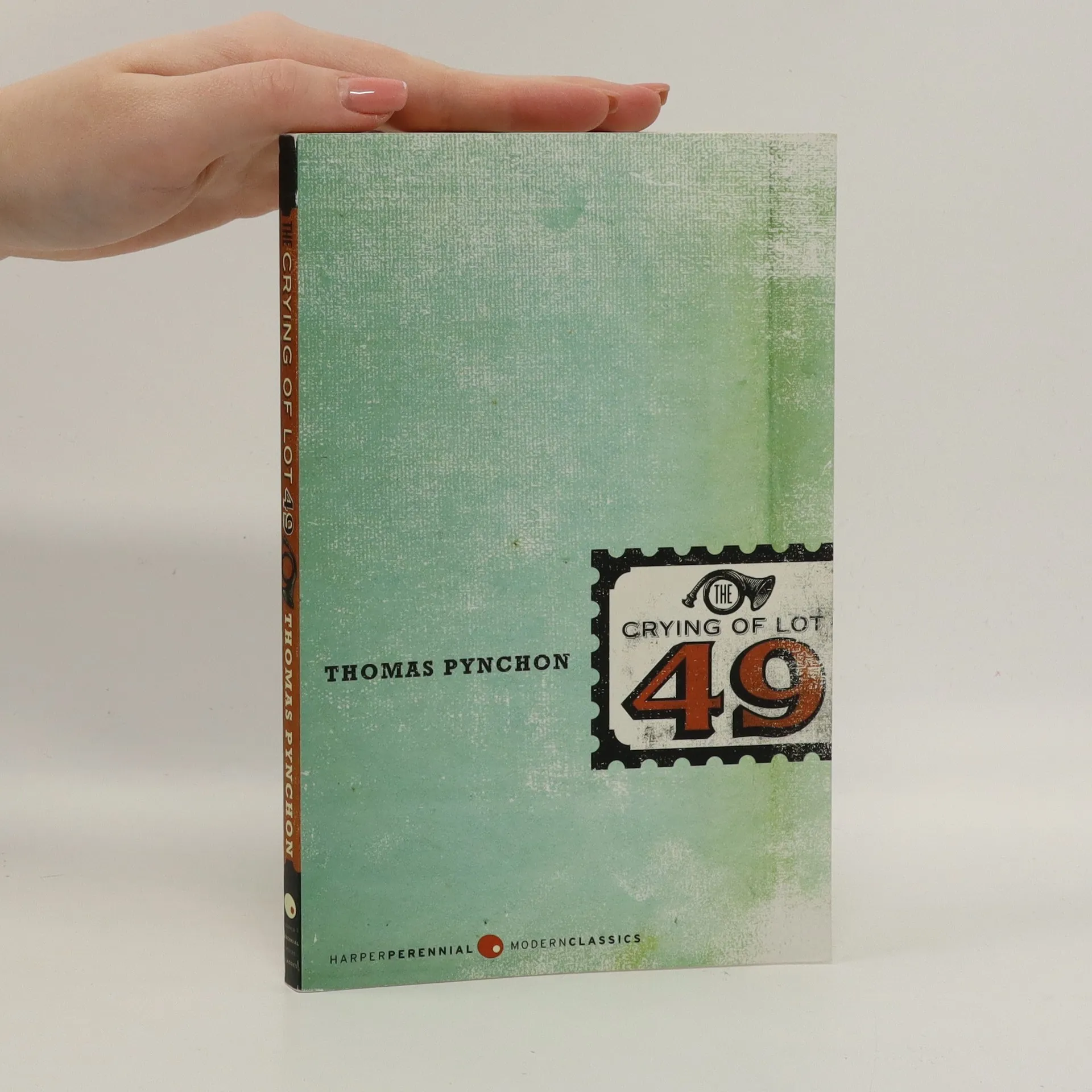
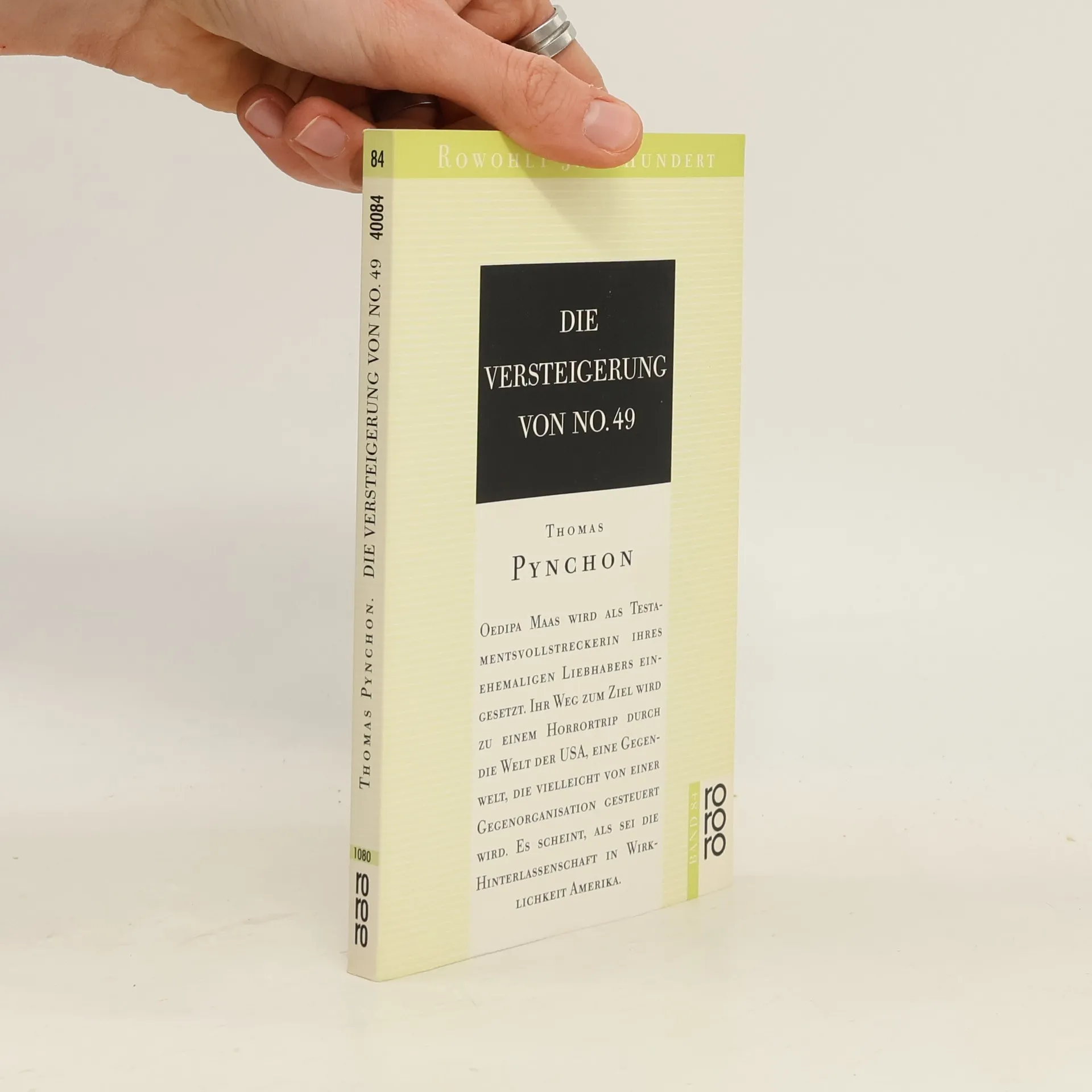
Suffused with rich satire, chaotic brilliance, verbal turbulence and wild humour, The Crying of Lot 49 opens as Oedipa Maas discovers that she haas been made executrix of a former lover's estate. The performance of her duties sets her on a strange
"Brilliantly written...a joy to read...Bleeding Edge is totally gonzo, totally wonderful. It really is good to have Thomas Pynchon around, doing what he does best." - Michael Dirda, The Washington Post "Exemplary...dazzling and ludicrous." - Jonathan Lethem, The New York Times Book Review It is 2001 in New York City, in the lull between the collapse of the dot-com boom and the terrible events of September 11th. Maxine Tarnow runs a fine little fraud investigation business on the Upper West Side. All is ticking over nice and normal, until she starts looking into the finances of a computer-security firm and its billionaire geek CEO. She soon finds herself mixed up with a drug runner in an art deco motorboat, a professional nose obsessed with Hitler’s aftershave, a neoliberal enforcer with footwear issues, and an array of bloggers, hackers, code monkeys, and entrepreneurs, some of whom begin to show up mysteriously dead. Foul play, of course. Will perpetrators be revealed, forget about brought to justice? Will Maxine have to take the handgun out of her purse? Will Jerry Seinfeld make an unscheduled guest appearance? Will accounts secular and karmic be brought into balance? Hey. Who wants to know?
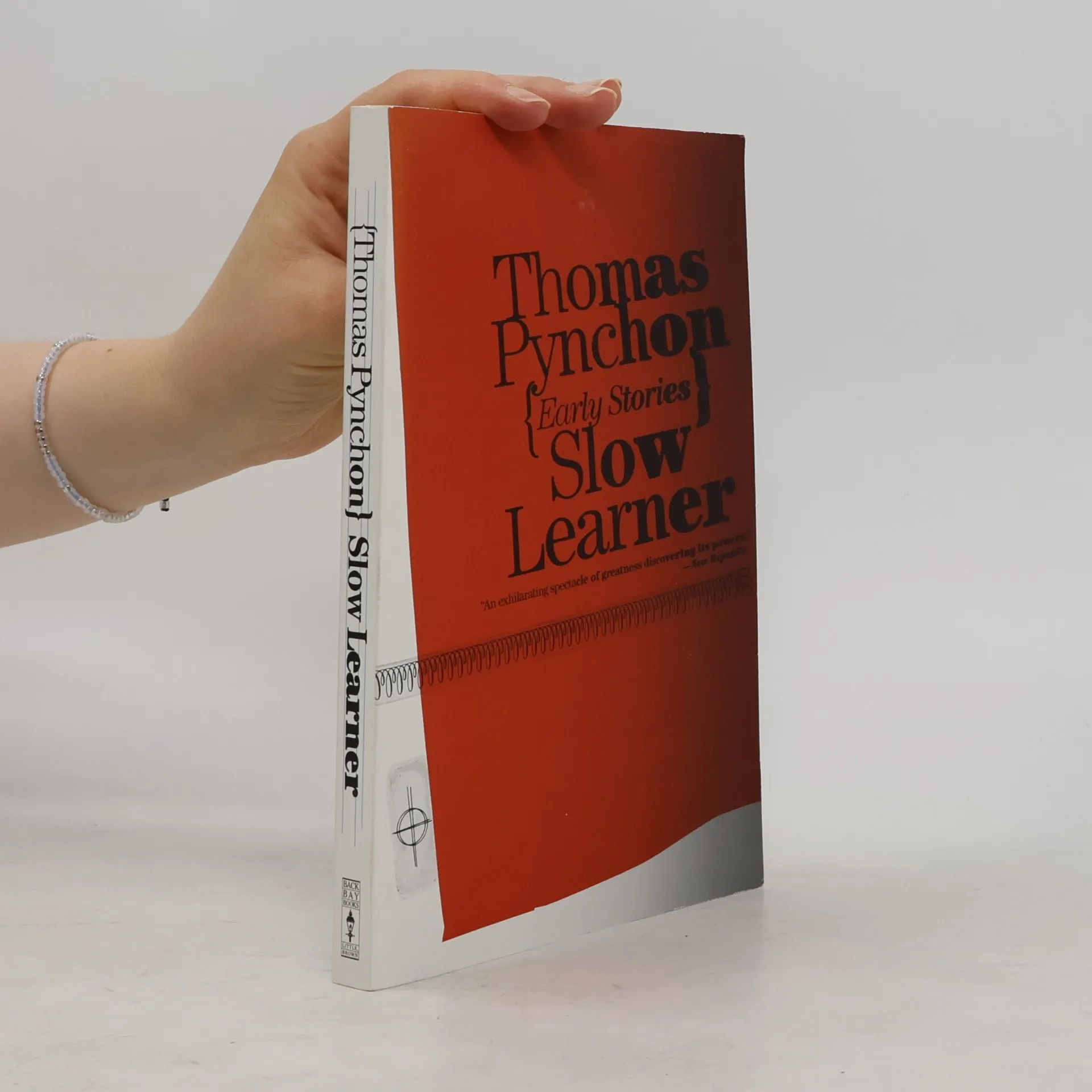
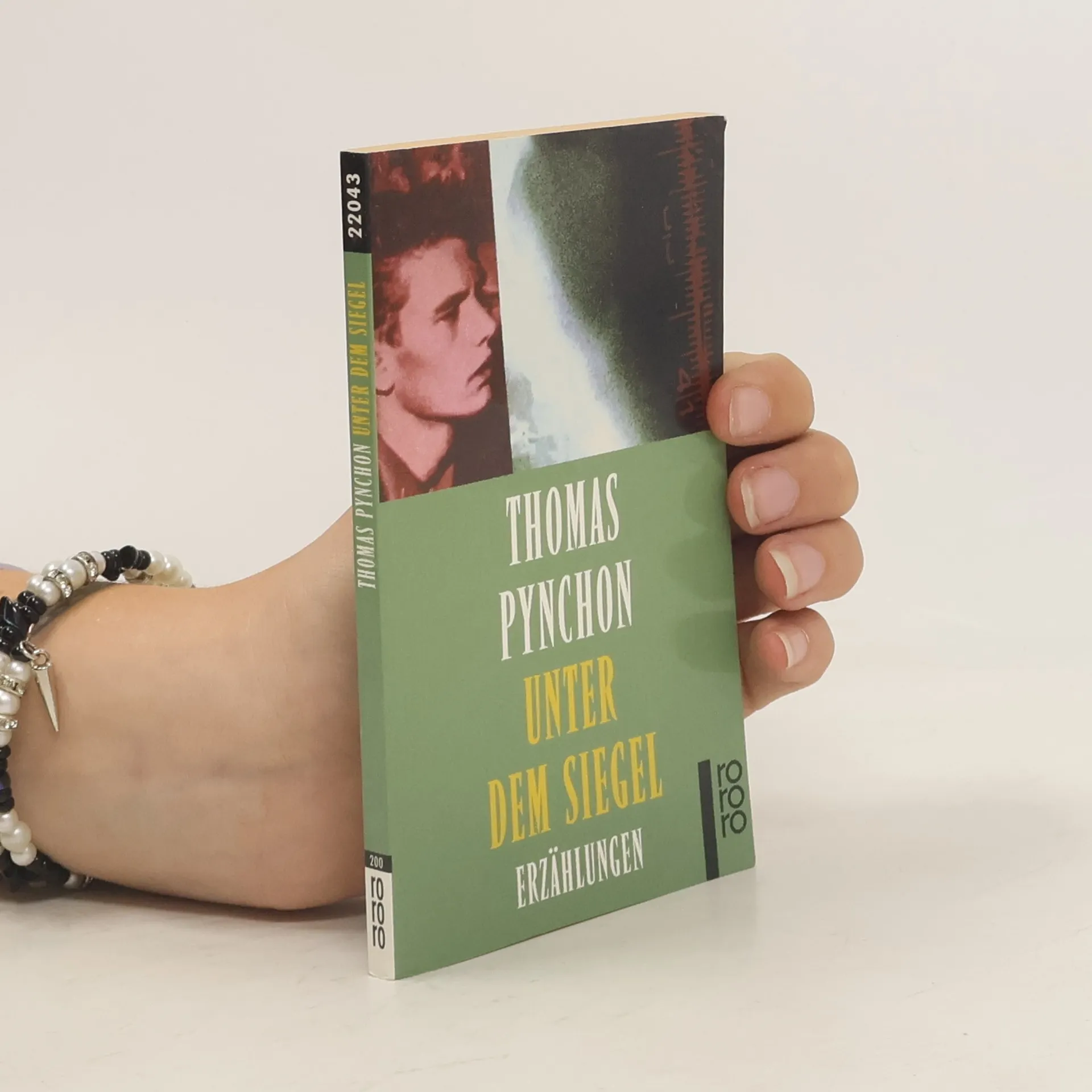
Compiling five short stories originally written between 1959 and 1964, "Slow Learner "showcases Thomas Pynchon's writing before the publication of his first novel "V. "The stories compiled here are "The Small Rain," "Low-lands," "Entropy," "Under the Rose," and "The Secret Integration," along with an introduction by Pynchon himself.
The book is a reprint of a classic work first published in 1874, preserving the original content and style. It offers readers a glimpse into the historical context and literary conventions of the time, making it a valuable resource for those interested in 19th-century literature. The reprint aims to maintain the authenticity of the original text while making it accessible to contemporary audiences.
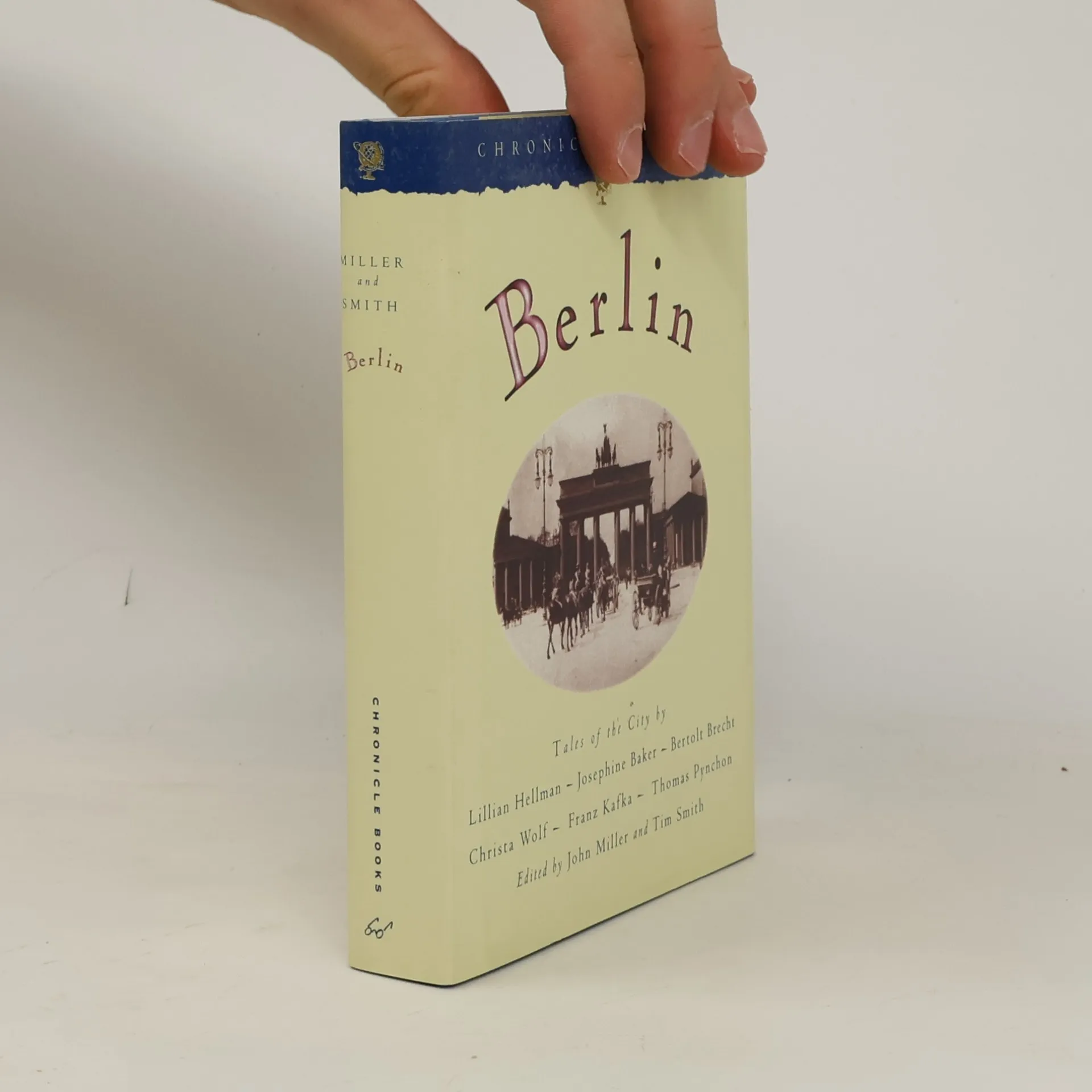
Berlin is one of the most intriguing cities in Europe. Despite its tumultuous history, it has remained the heart of Germany, even when the heart was divided in four. In one pocket-sized volume, Berlin collects the best fiction and nonfiction about the city from an array of writers of international stature. From chanteuse Josephine Baker on her second adopted home to playwright Bertolt Brecht on the decline of the Weimar Republic, and including an excerpt from Thomas Pynchon's Gravity's Rainbow, a resident's 1989 account of the fall of the Berlin Wall, and a description of Berlin from the 1912 edition of a Baedeker guide (written by Karl Baedeker himself), Berlin is an engaging literary stroll through a remarkable city. contents Preface / Vladimir Nabokov --The job / Bertolt Brecht --The Berlin diaries / Marie Vassiltchikov --Berlin Alexanderplatz / Alfred Doblin --Gravity's rainbow / Thomas Pynchon --Picture postcard, Berlin / Franz Kafka --The lavender lay / Marcellus Schiffer --The party at the wall / Bennett Owen --Julia / Lillian Hellman --Berlin's general aspect / Karl Baedeker --A Berlin diary / Christopher Isherwood --From Berlin to the Folies-Bergere / Josephine Baker --Berlin letter / Rainer Maria Rilke --Ritter Gluck / E. T. A. Hoffmann --The quest for Christa T. / Christa Wolf.
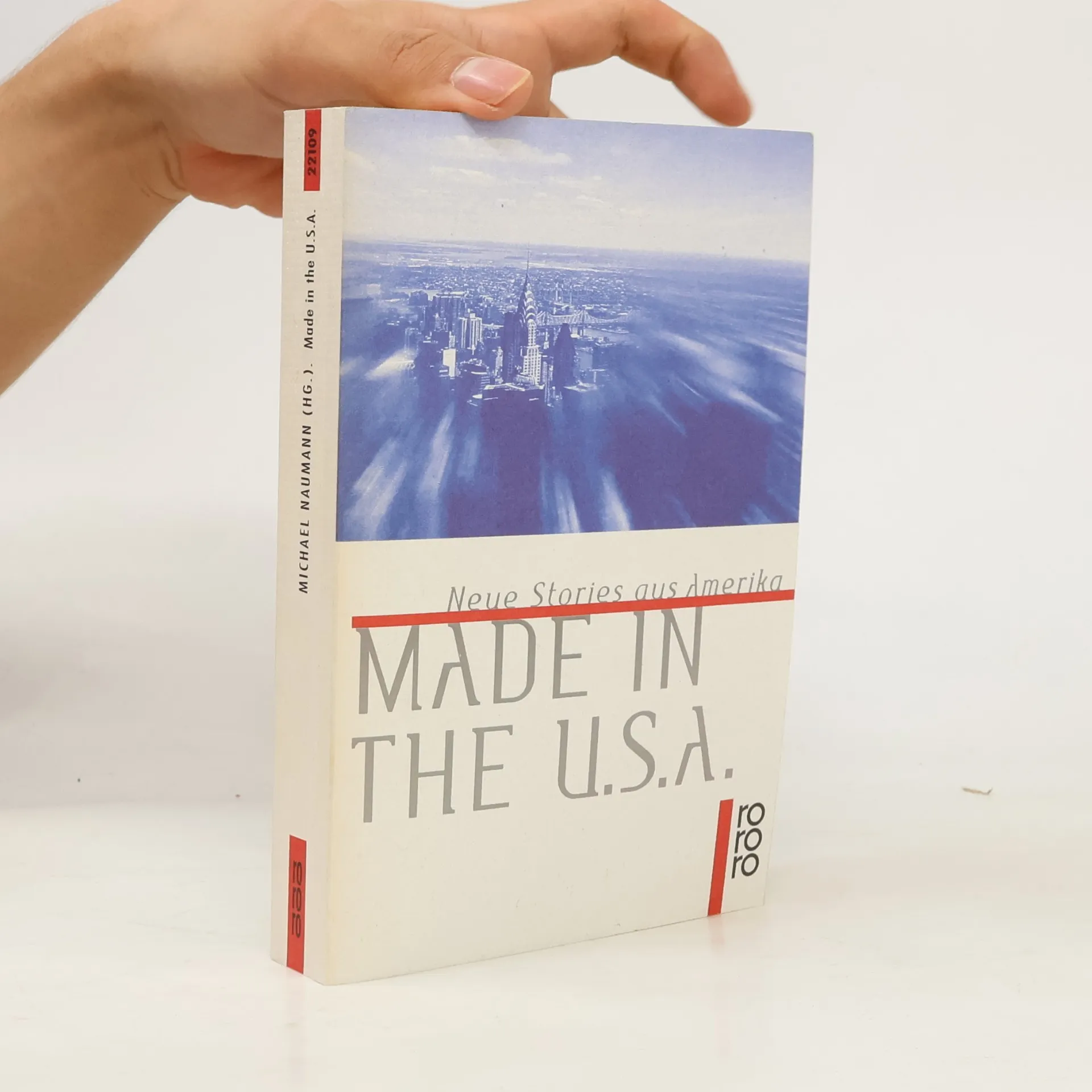
Zwölf Short Stories nordamerikanischer Autoren: Paul Auster, Harold Brodkey, Ethan Canin, Robert Coover, Irene Dische, Andre Dubus, Deborah Eisenberg, Richard Ford, David Gates, Lorrie Moore, Robert Olmstead, Thomas Pynchon, Christopher Tilghman und John Updike.
Compiling five short stories originally written between 1959 and 1964, "Slow Learner "showcases Thomas Pynchon's writing before the publication of his first novel "V. "The stories compiled here are "The Small Rain," "Low-lands," "Entropy," "Under the Rose," and "The Secret Integration," along with an introduction by Pynchon himself.