This is not a book about Chernobyl, but about the world it has left us. Alexievich spent three years interviewing dozens of survivors, victims and witnesses. This is their testimony, their voices, and they are unforgettable
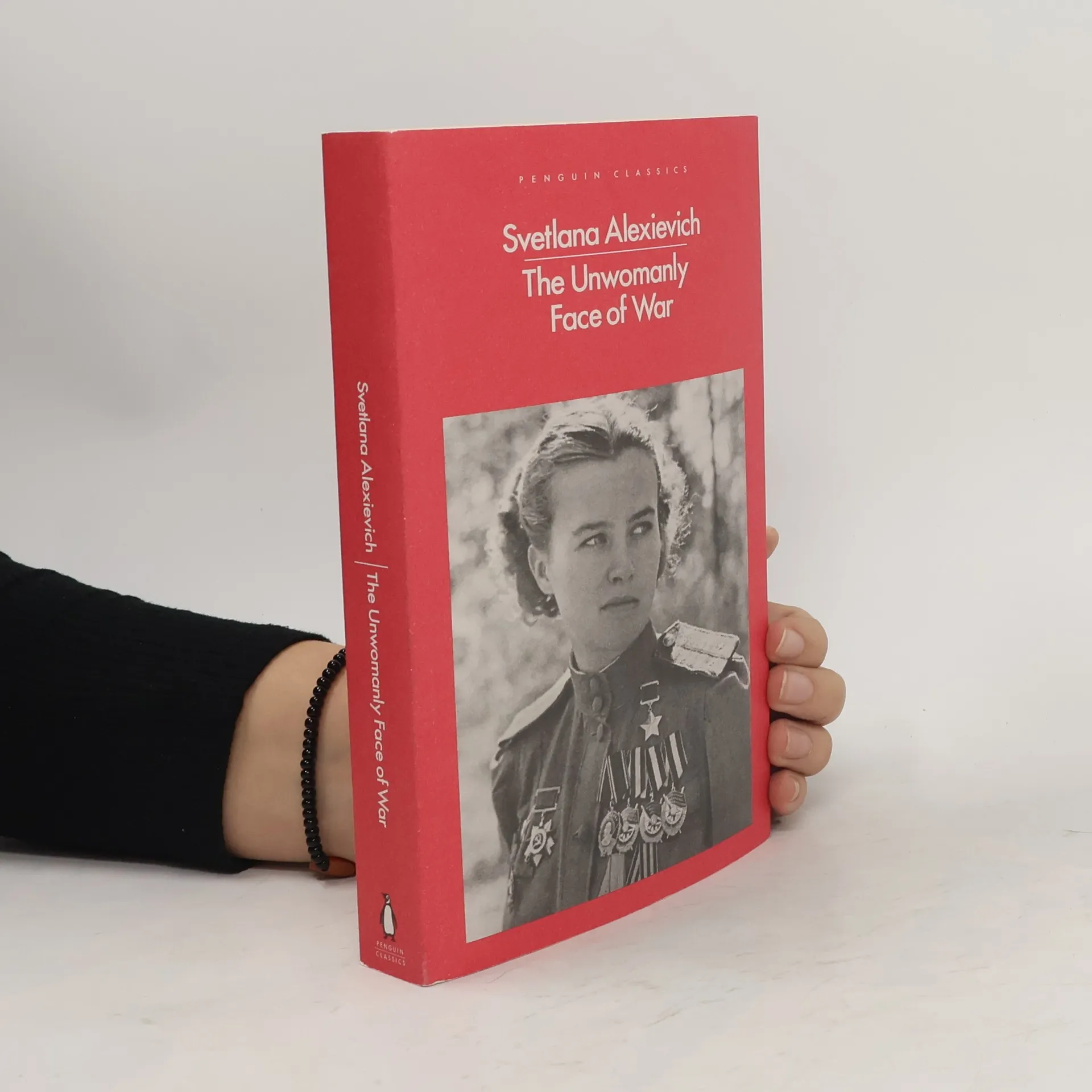
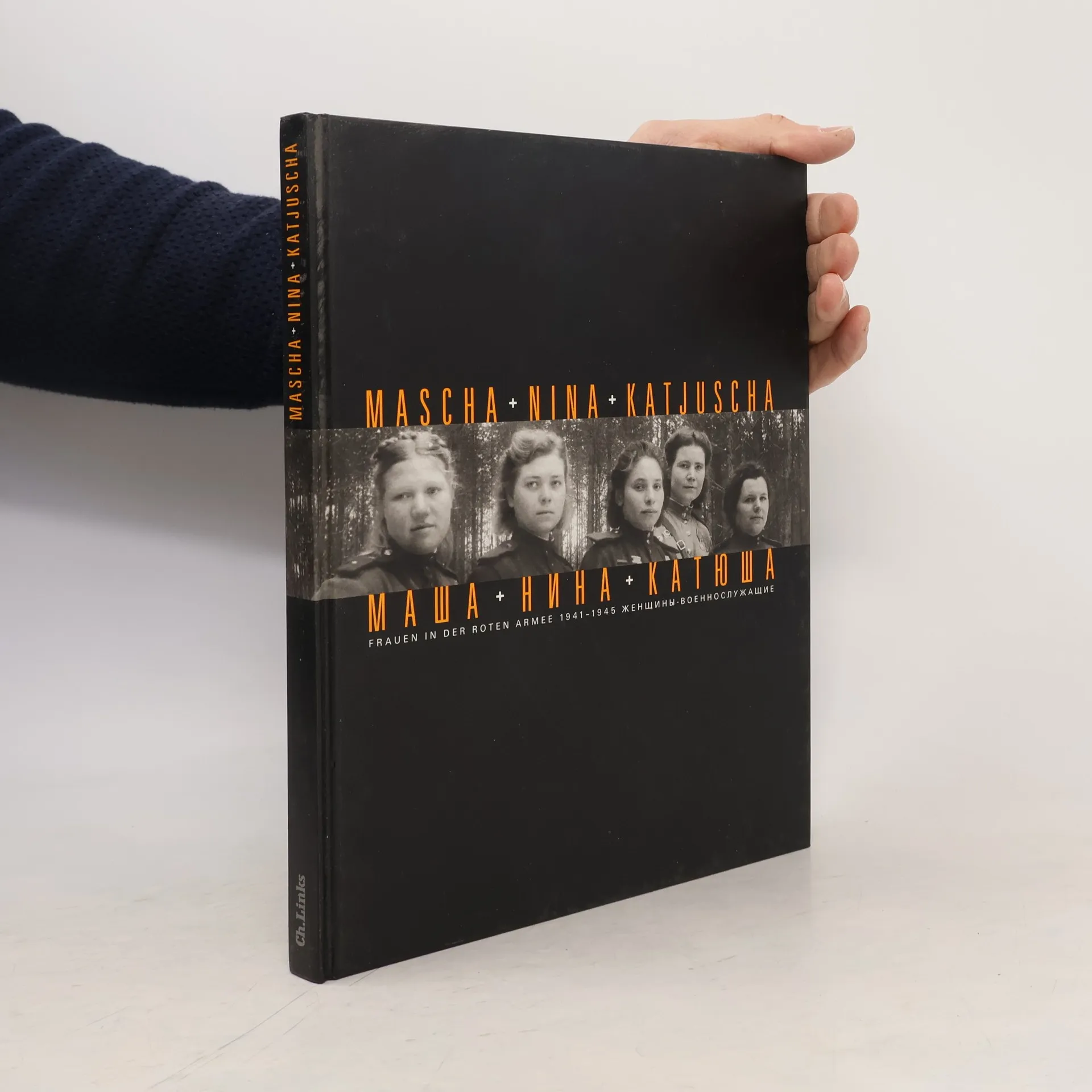
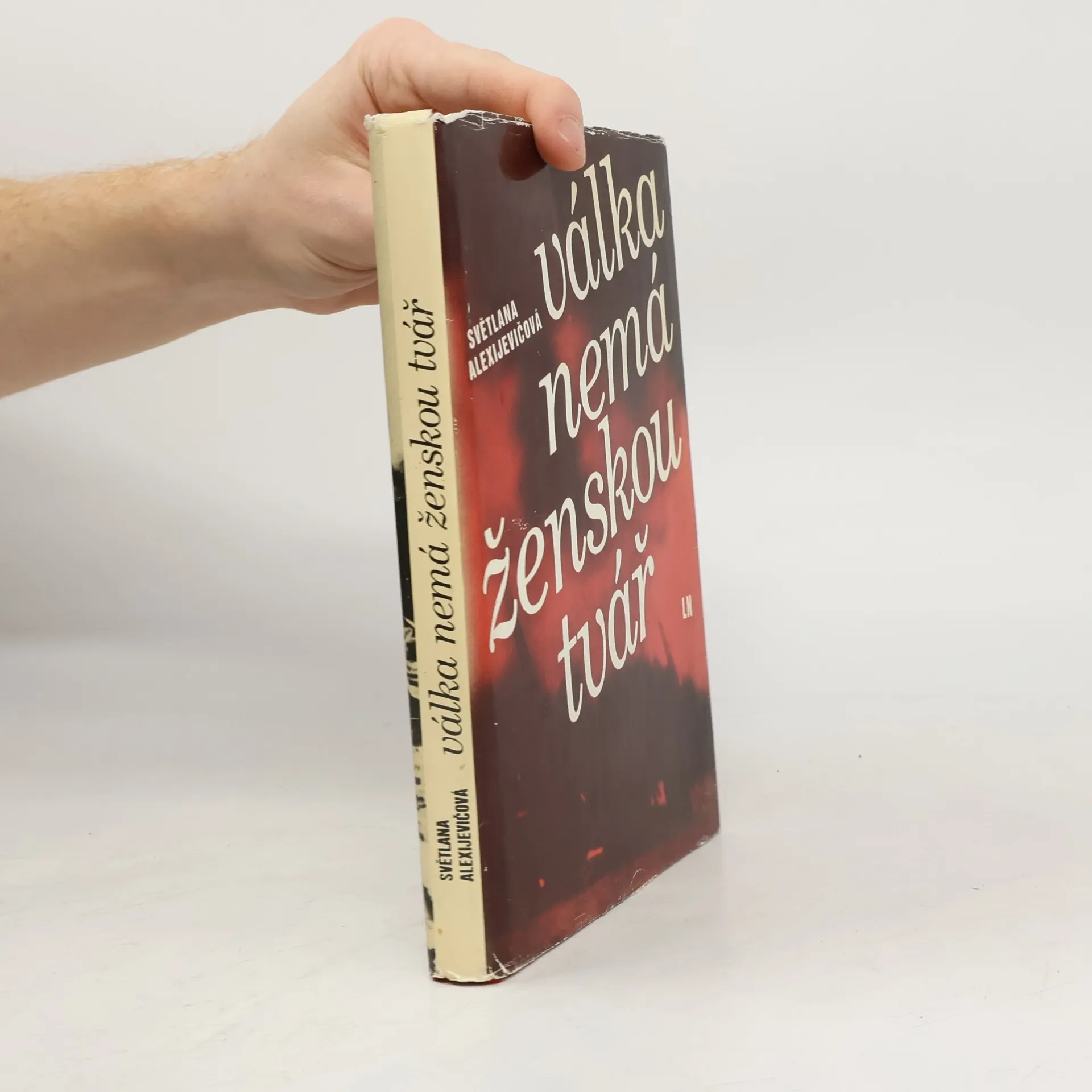
The Unwomanly Face of War is Svetlana Alexievich's collection of stories from Soviet women who lived through the Second World War: on the front lines, on the home front, and in occupied territories. As Alexievich gives voice to women who are absent from official narratives - captains, sergeants, nurses, snipers, pilots - she shows us a new version of the war we're so familiar with, creating an extraordinary alternative history from their private stories. Published in 1985 in Russia and now available in English for the first time, The Unwomanly Face of War was Alexievich's first book and a huge bestseller in the Soviet Union, establishing her as a brilliantly revolutionary writer
SECOND-HAND TIME is the latest work from Svetlana Alexievich, winner of the
2015 Nobel Prize in Literature. In this book she creates a singular,
polyphonic literary form by bringing together the voices of dozens of
witnesses to the collapse of the USSR in a brilliant, poignant and unique
portrait of post-Soviet society.
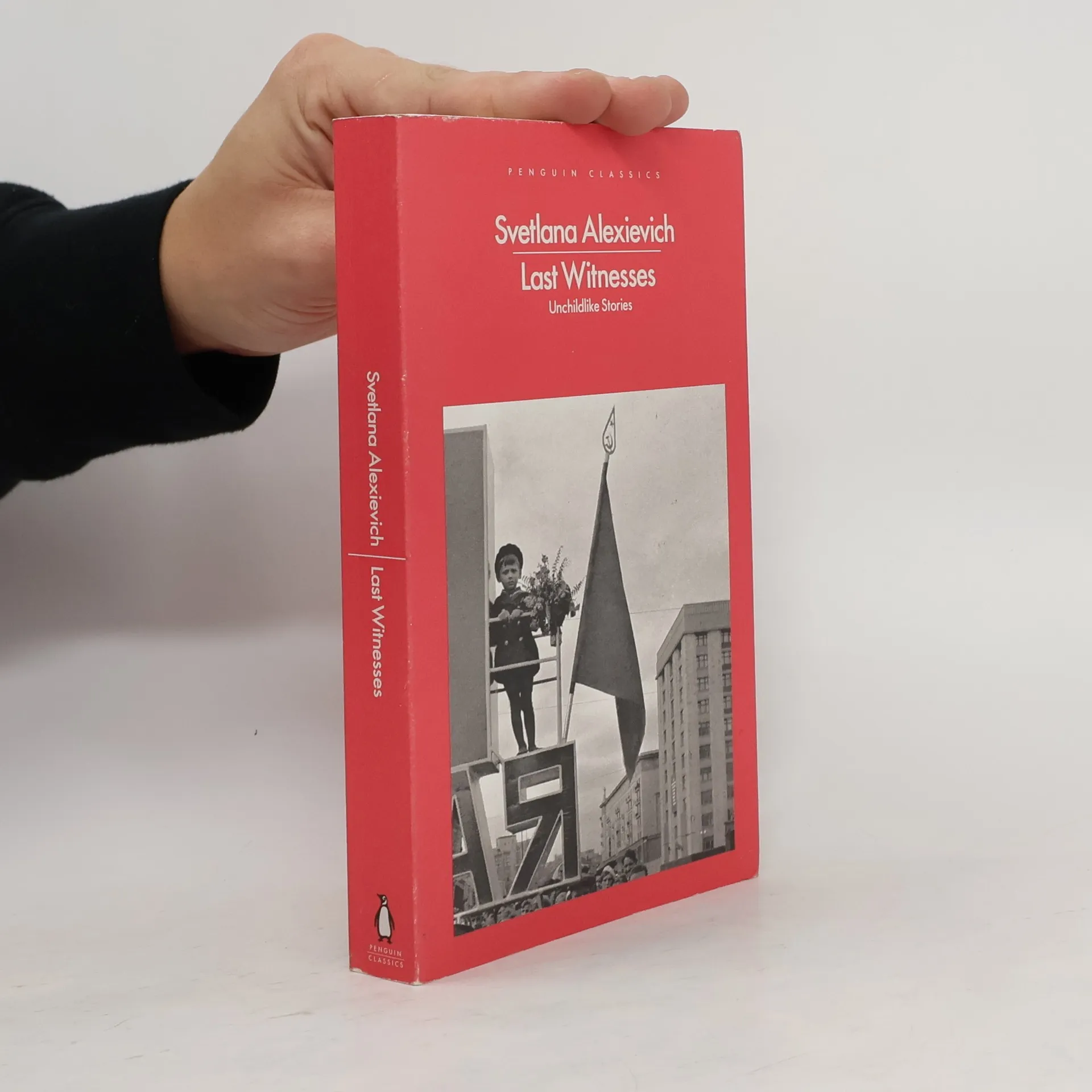
Bringing together dozens of voices in her distinctive style, Last Witnesses is Svetlana Alexievich's collection of the memories of those who were children during World War II. These men and women were both witnesses and sometimes soldiers as well, and their generation grew up with the trauma of the war deeply embedded in them--a trauma that would forever change the course of the Russian nation. This is a new version of the war we're so familiar with. Alexievich gives voice to those whose stories are lost in the official narratives, creating a powerful alternative history from the personal and private experiences of individuals. Collectively, these voices provide a kaleidoscopic portrait of the human consequences of the war
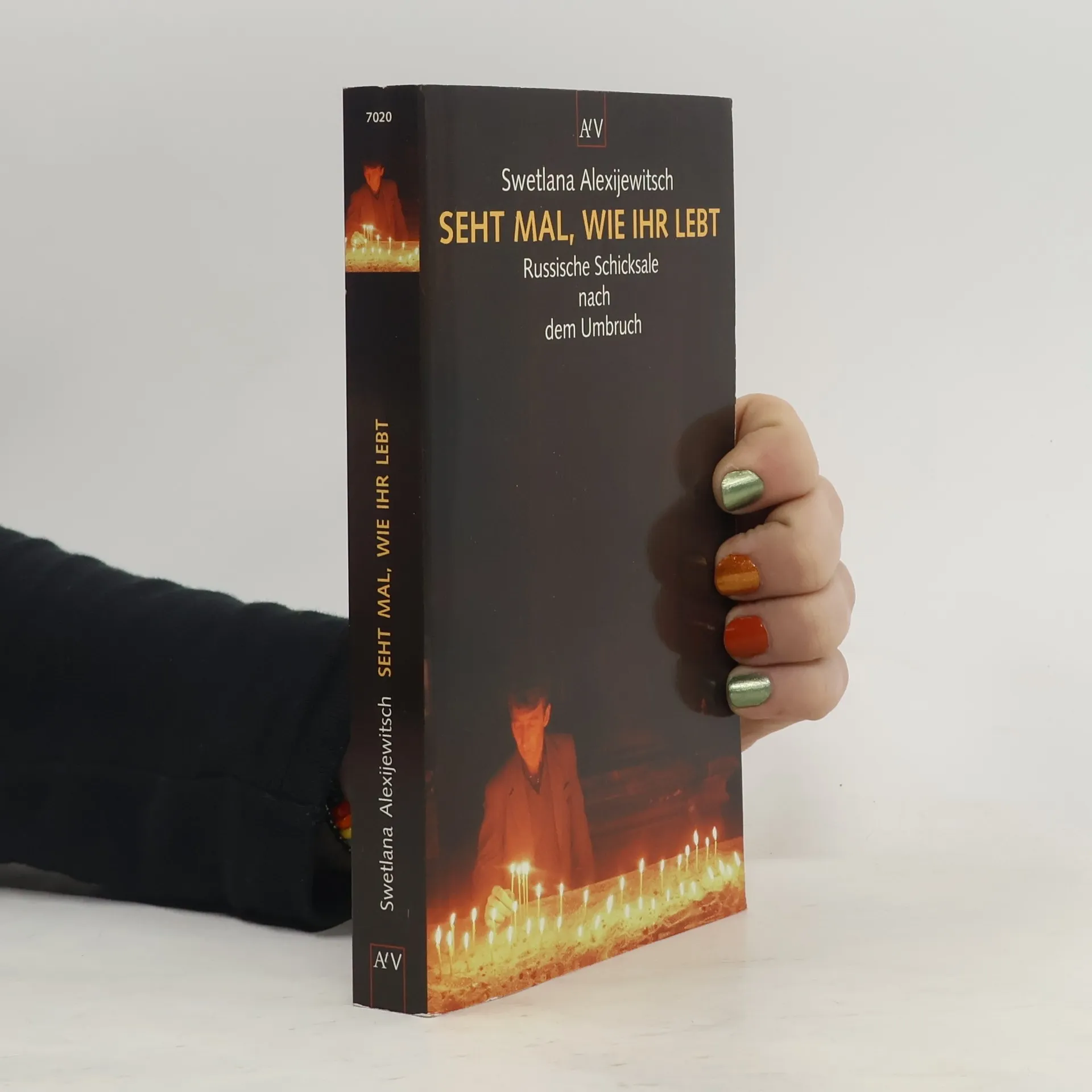
Zerbrach ein riesiges Imperium. Der sozialistische Kontinent, der ein Sechstel der Landmasse einnahm. In den ersten fünf Jahren wurden Hunderttausende von Selbstmorden registriert. Die Menschen konnten nur im Sozialismus leben und wussten nicht, wie es weitergehen sollte… Unter den Selbstmördern waren nicht nur kommunistische Fanatiker, sondern auch Dichter, Marschälle, gewöhnliche Kommunisten… Das Buch handelt davon, wie wir aus der Narkose der Vergangenheit, aus dem Hypnose des Großen Betrugs herauskamen… Ideen-Mörder…
Ohne Bewusstsein der Vergangenheit lässt sich in der Gegenwart keine Zukunft entwerfen und lenken. Die Literaturnobelpreisträgerin Swetlana Alexijewitsch und der Außenpolitiker Ruprecht Polenz sprechen über die Beziehungen zwischen Russland und Europa, das Vermächtnis der Sowjetunion im „homo sovieticus“ sowie über Möglichkeiten öffentlichen oder privaten Widerstands. Freiheit, darüber sind sie sich einig, kann nicht importiert oder allein durch äußeren Druck erzwungen werden. Sie muss sich aus einer gesellschaftlichen Ordnung heraus entwickeln, aus einem Sog, den das Freiheitsversprechen auslöst.
Běloruská autorka Světlana Alexijevičová jezdila čtyři roky po Sovětském svazu a setkávala se s ženami, které bojovaly ve Velké vlastenecké válce. Hovořila s dělostřelkyněmi, spojařkami, tankistkami, letkyněmi, zdravotními sestrami, partyzánkami… Z jejich vzpomínek vytvořila velmi osobité, často až otřesně působící literární dílo, výrazné protiválečné varování. Proud vzpomínek působí hluboce lidsky, autenticky, vyhýbá se zbytečnému patosu a velkým slovům. Šestnáctileté dívky se učí zabíjet – a přitom pláčou, že už tři dny neviděly mámu. Ani návrat do mírového života není lehký, mnohé ve válce ztratily svou ženskost, zešedivěly, v noci se probouzejí hrůzou – a jsou to dvacetileté dívky, které mají všechno před sebou – lásku, manželství, děti…
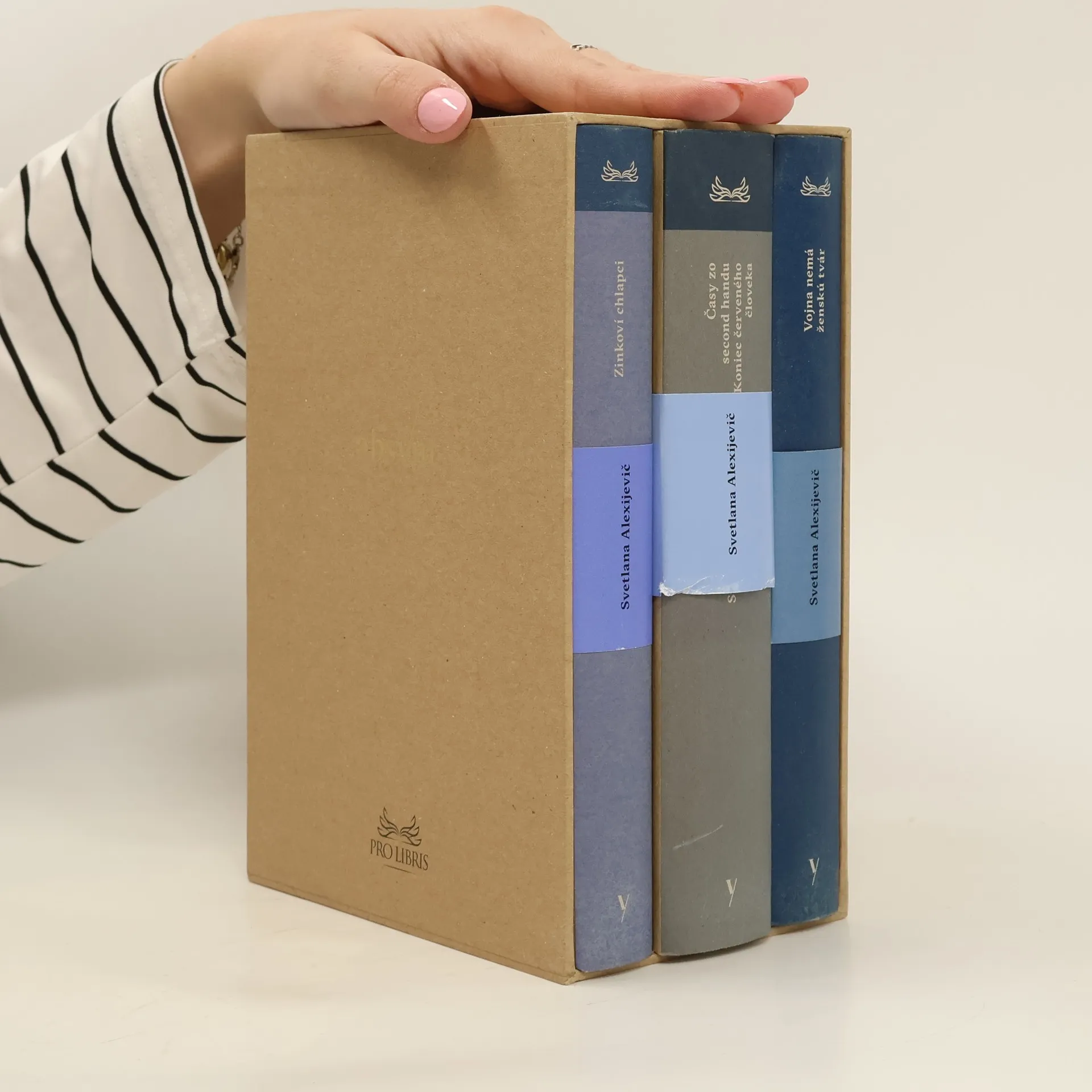
Svetlana Alexijevič vo svojej knižnej sade skúma hlboké psychologické a sociálne aspekty života v postsovietskom priestore. Prvá časť sa zameriava na osudy mladých mužov, ktorí sa ocitli v zložitých podmienkach a museli čeliť výzvam, ktoré im priniesol život v období transformácie. Autorka prostredníctvom rozhovorov a osobných príbehov zachytáva ich vnútorné boje, túžby a sklamania.
Druhá časť sa zaoberá témou vojny a jej dopadom na ženy, pričom analyzuje, ako vojna mení identitu a každodenný život. Alexijevič sa sústreďuje na hlasy žien, ktoré prežili vojnové hrôzy, a odhaľuje ich silu a odolnosť v ťažkých časoch.
Tretia časť skúma koniec ideológie a transformáciu spoločnosti, pričom sa zaoberá otázkami identity, pamäti a osobného prežitia v kontexte historických zmien. Kniha je prepletená osobnými svedectvami, ktoré odrážajú komplexnosť a mnohovrstevnosť ľudskej existencie v turbulentných obdobiach. Celkový tón diela je introspektívny a kritický, pričom sa snaží preniknúť do psychológie jednotlivca a jeho vzťahu k širšiemu spoločenskému kontextu.