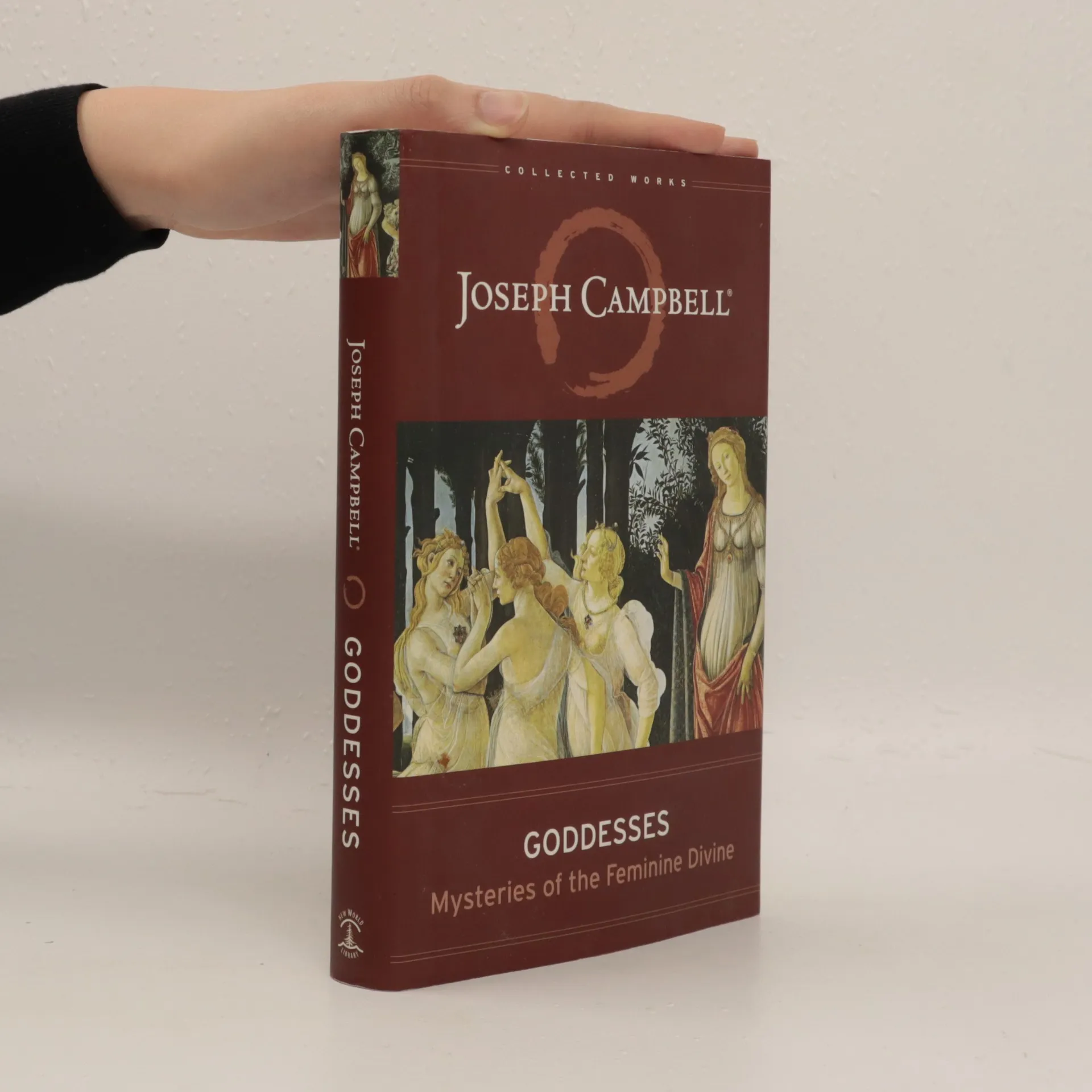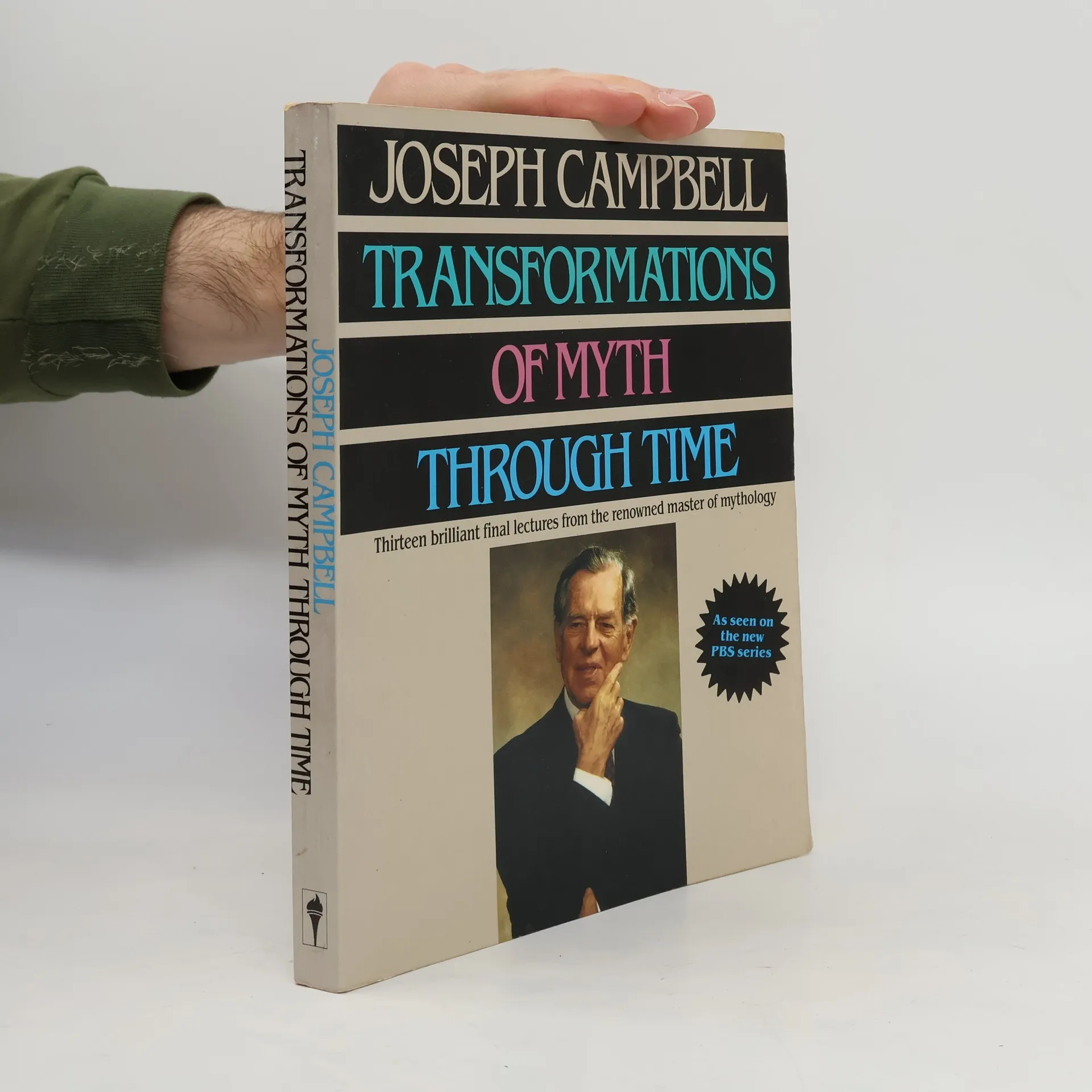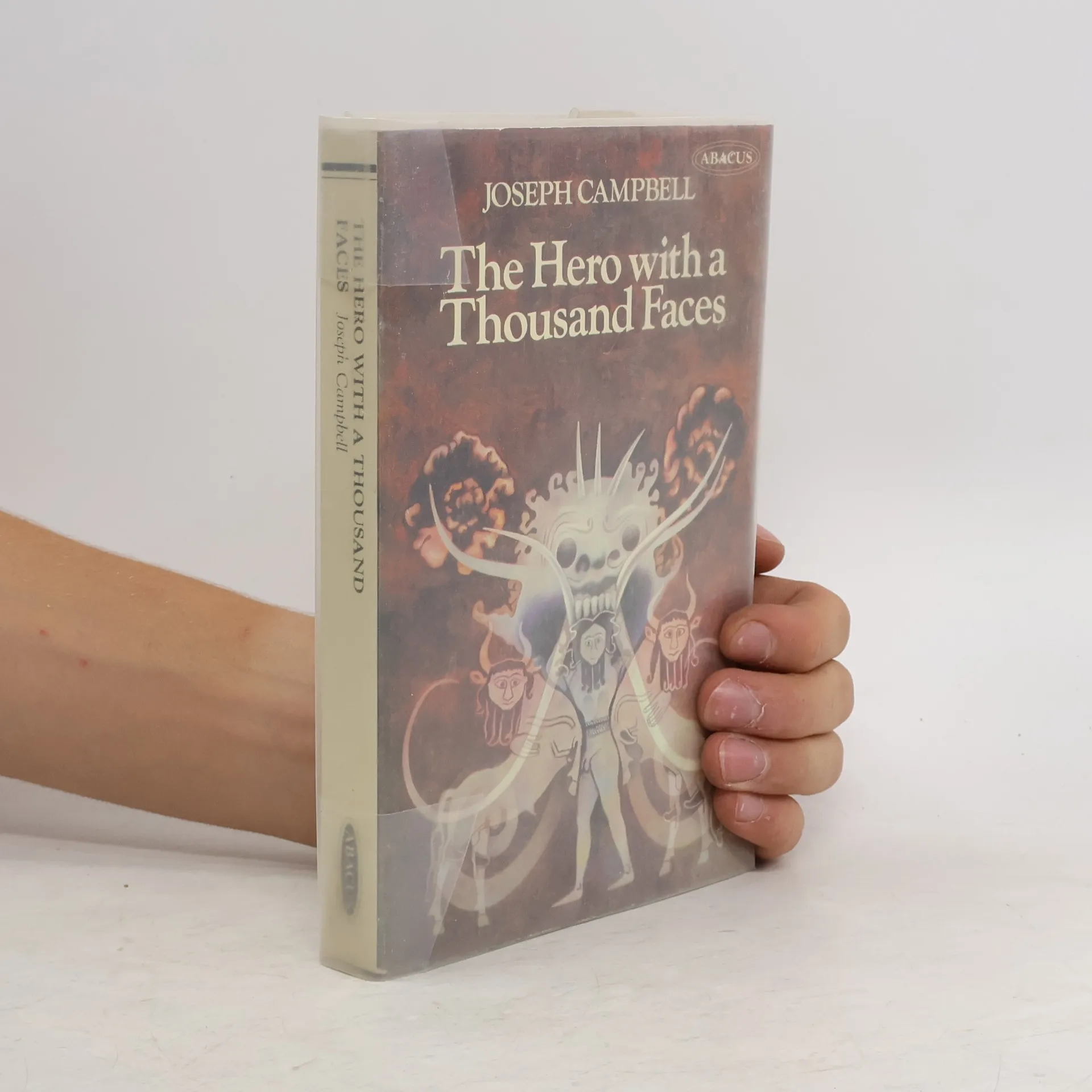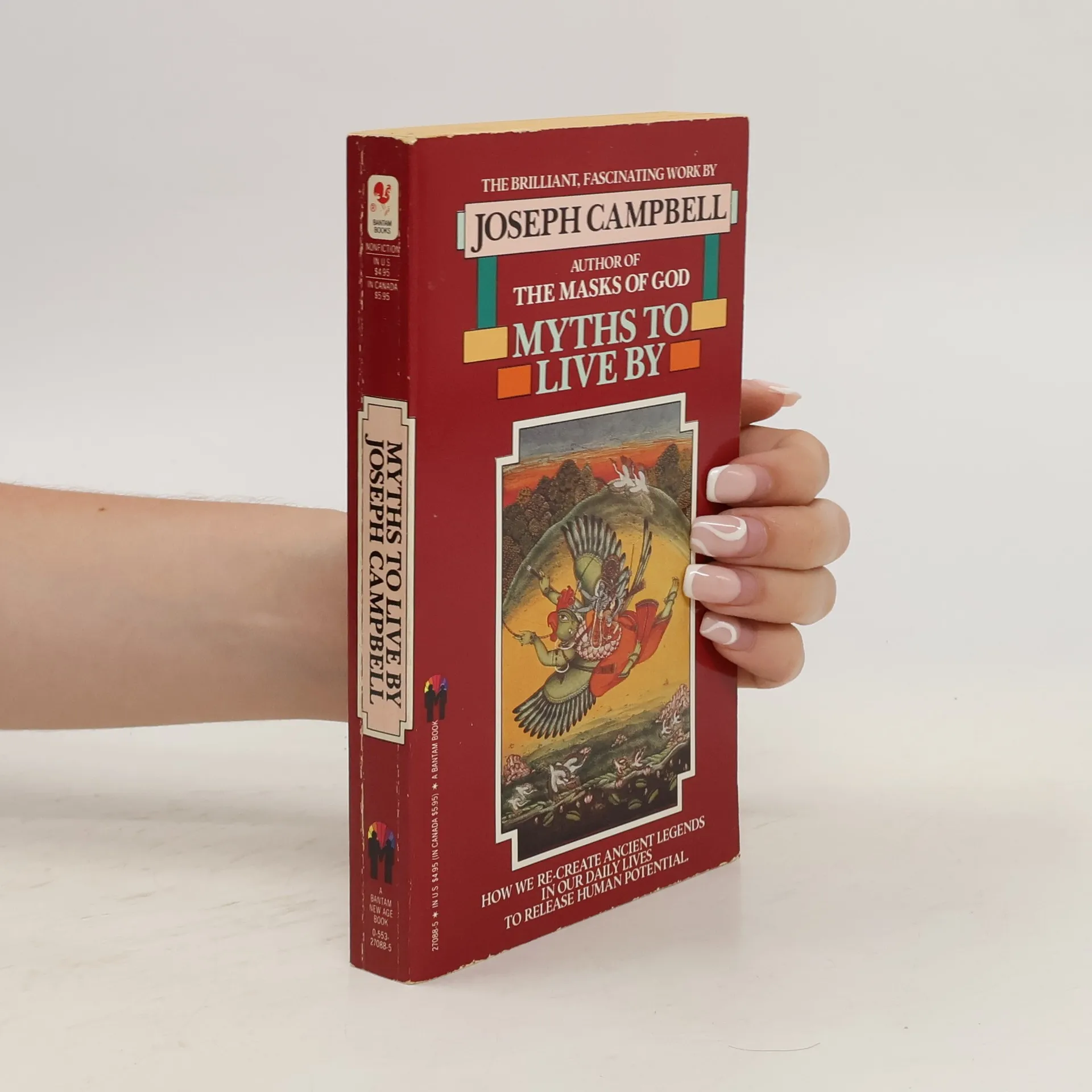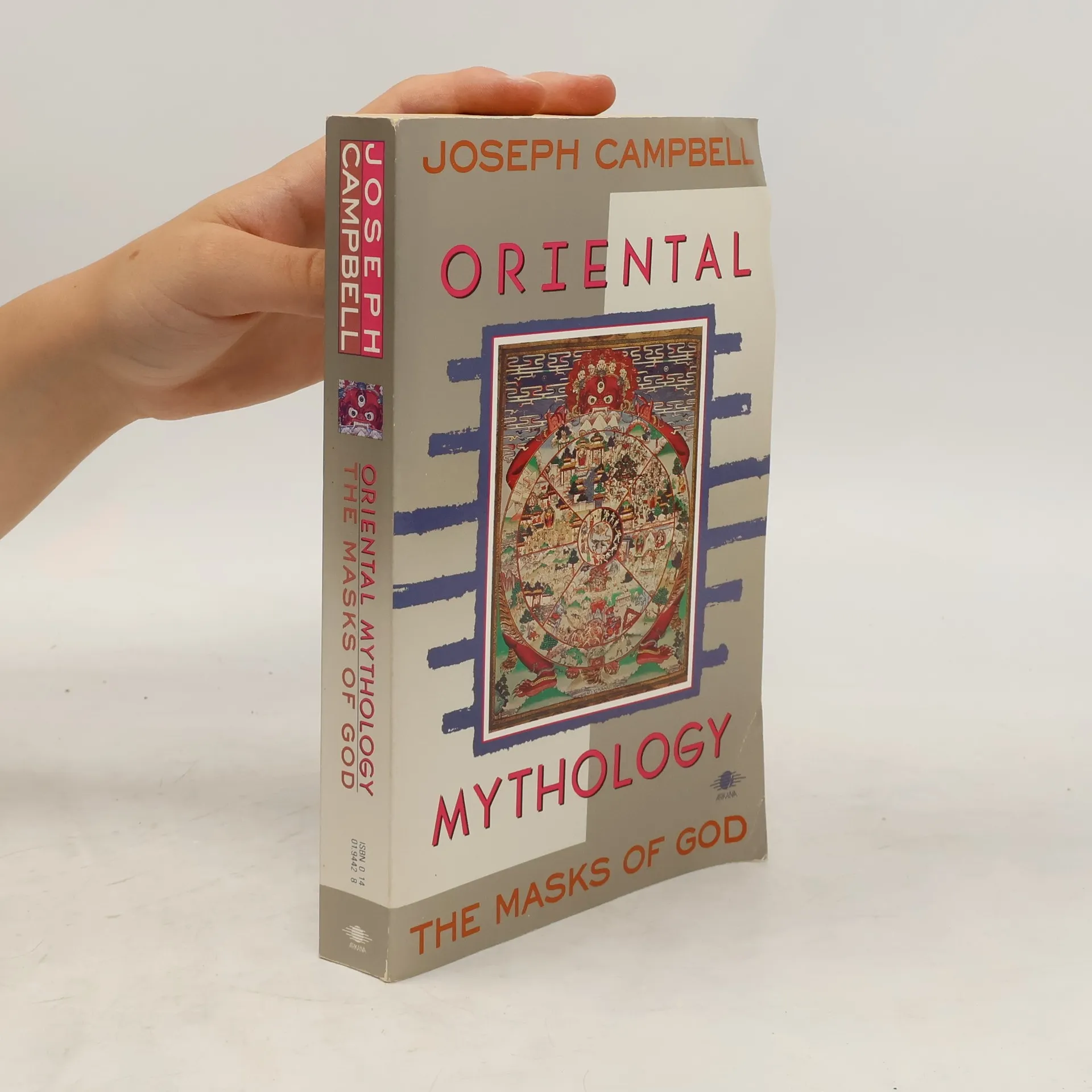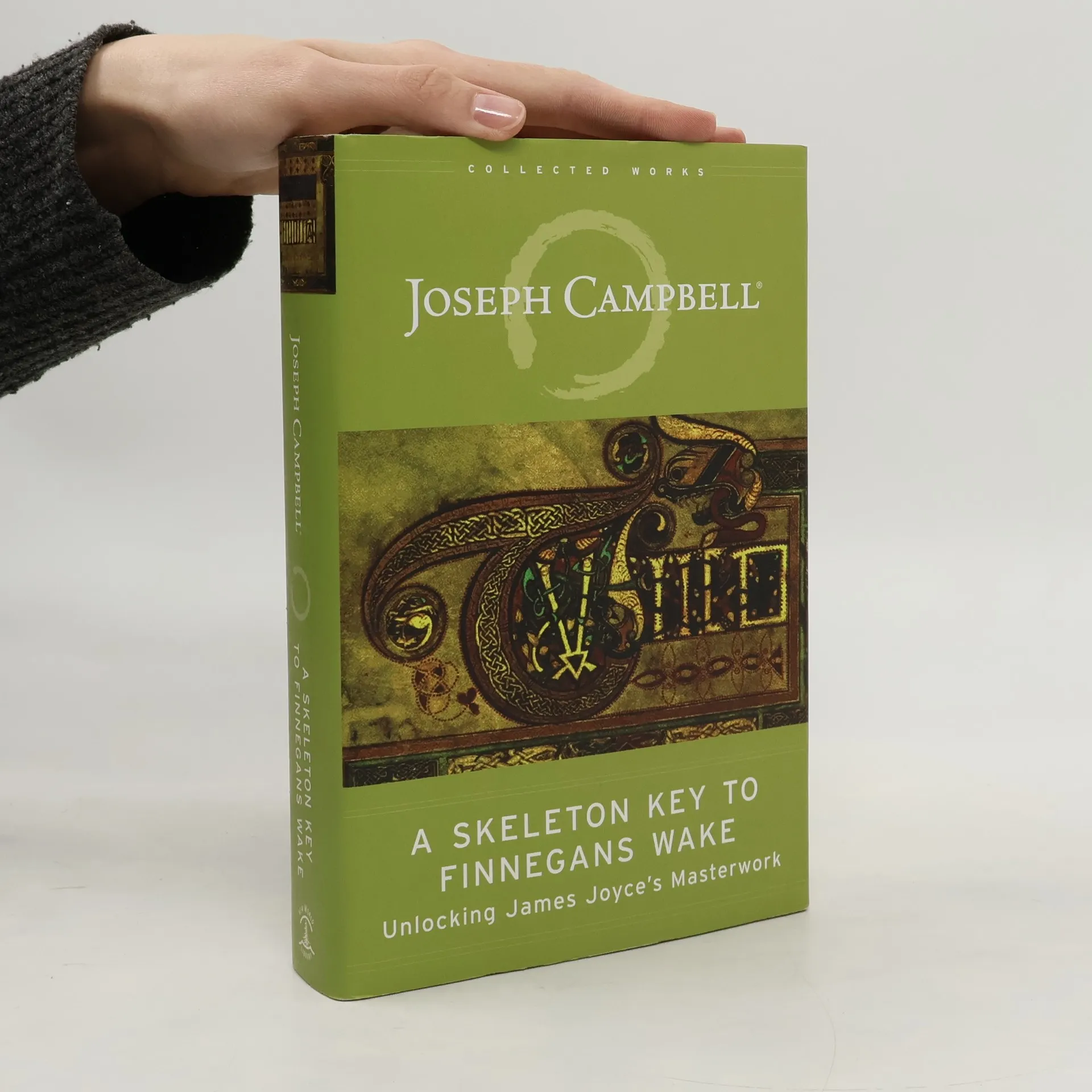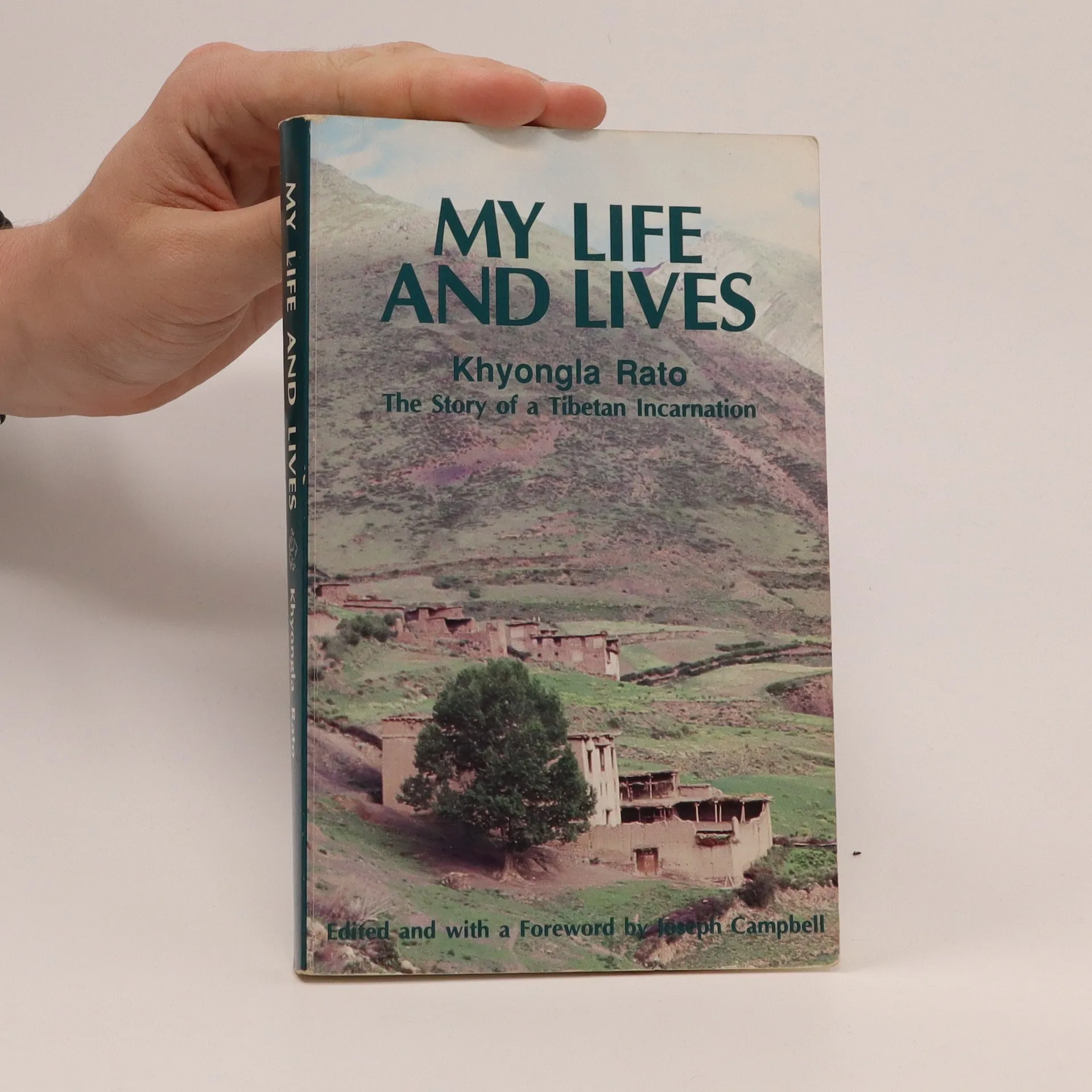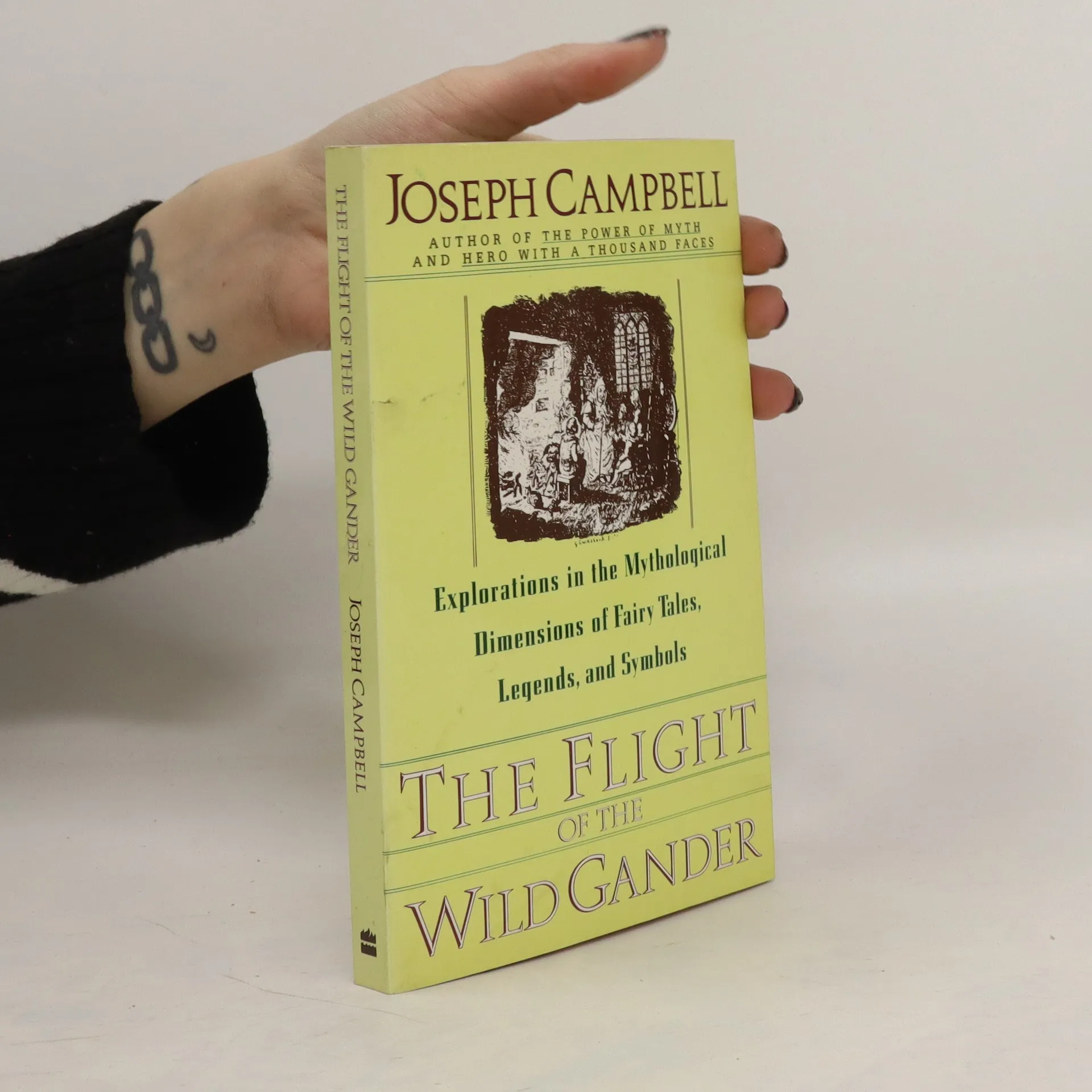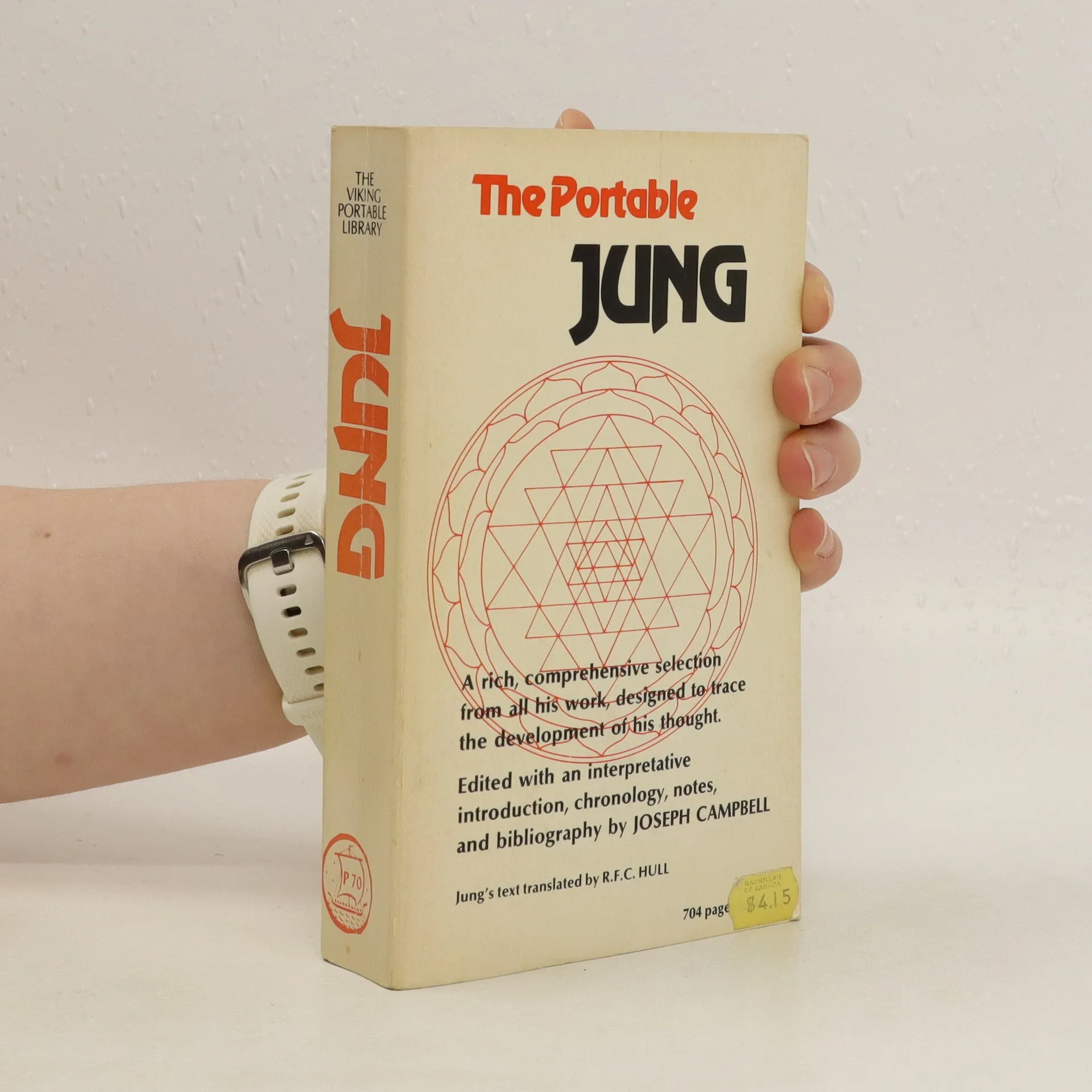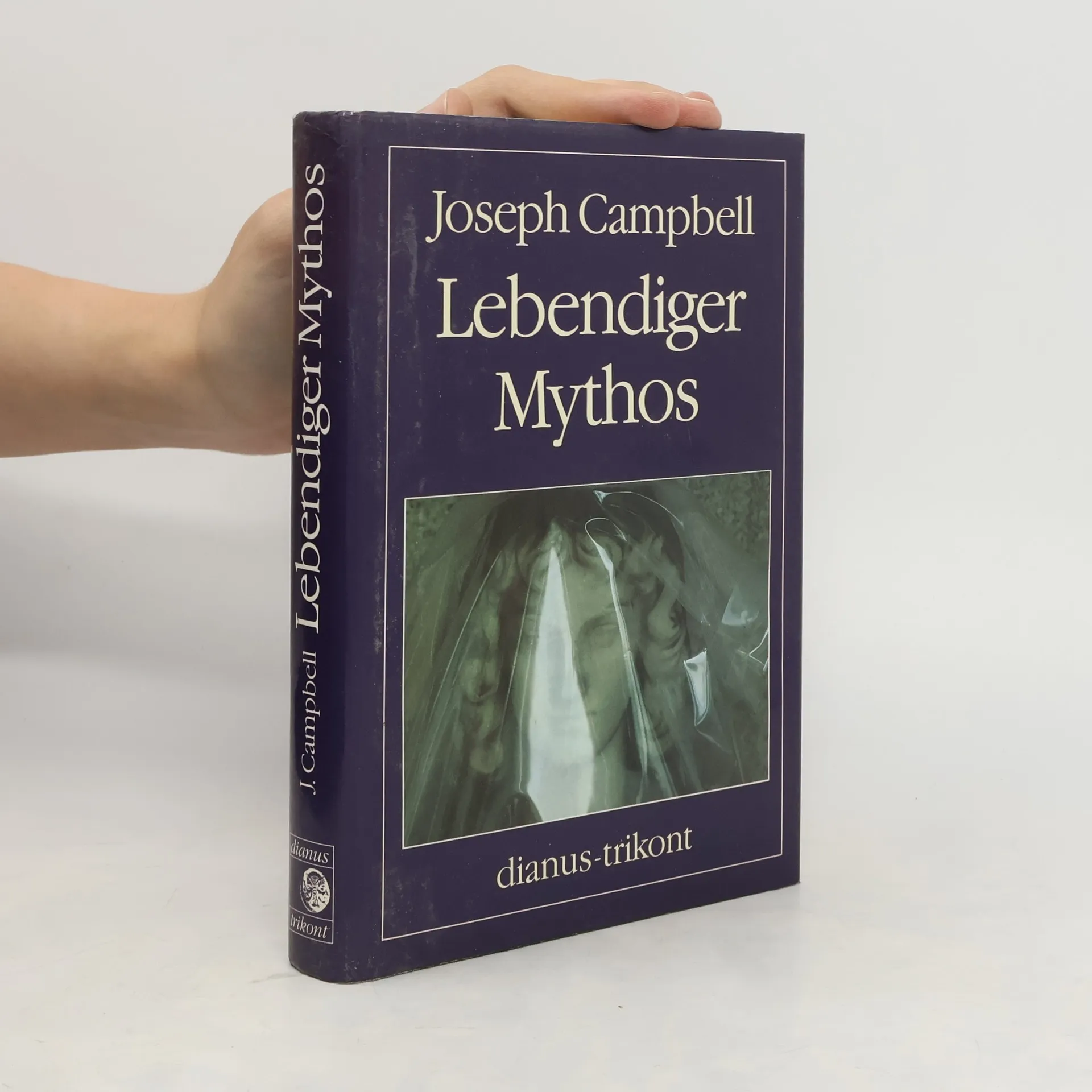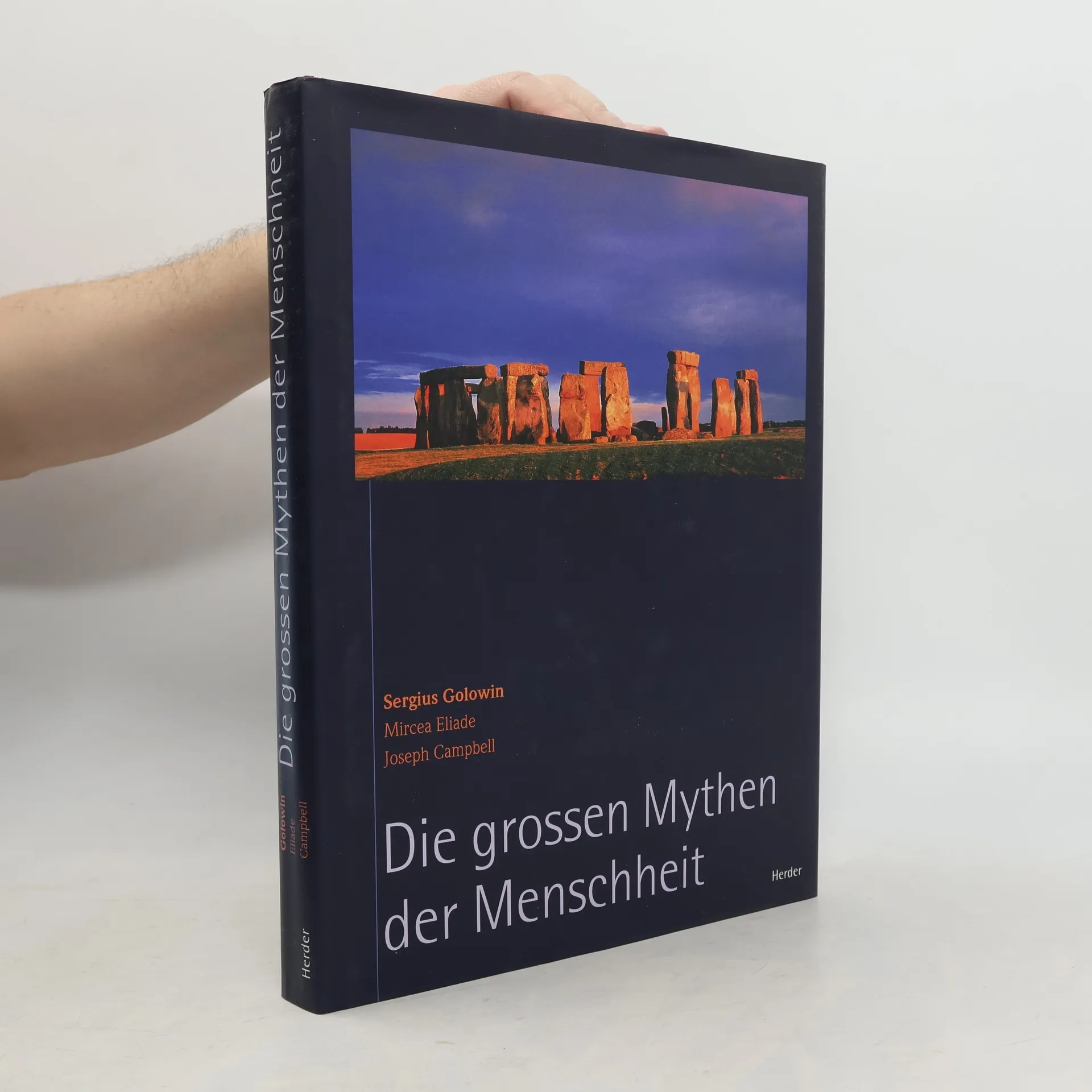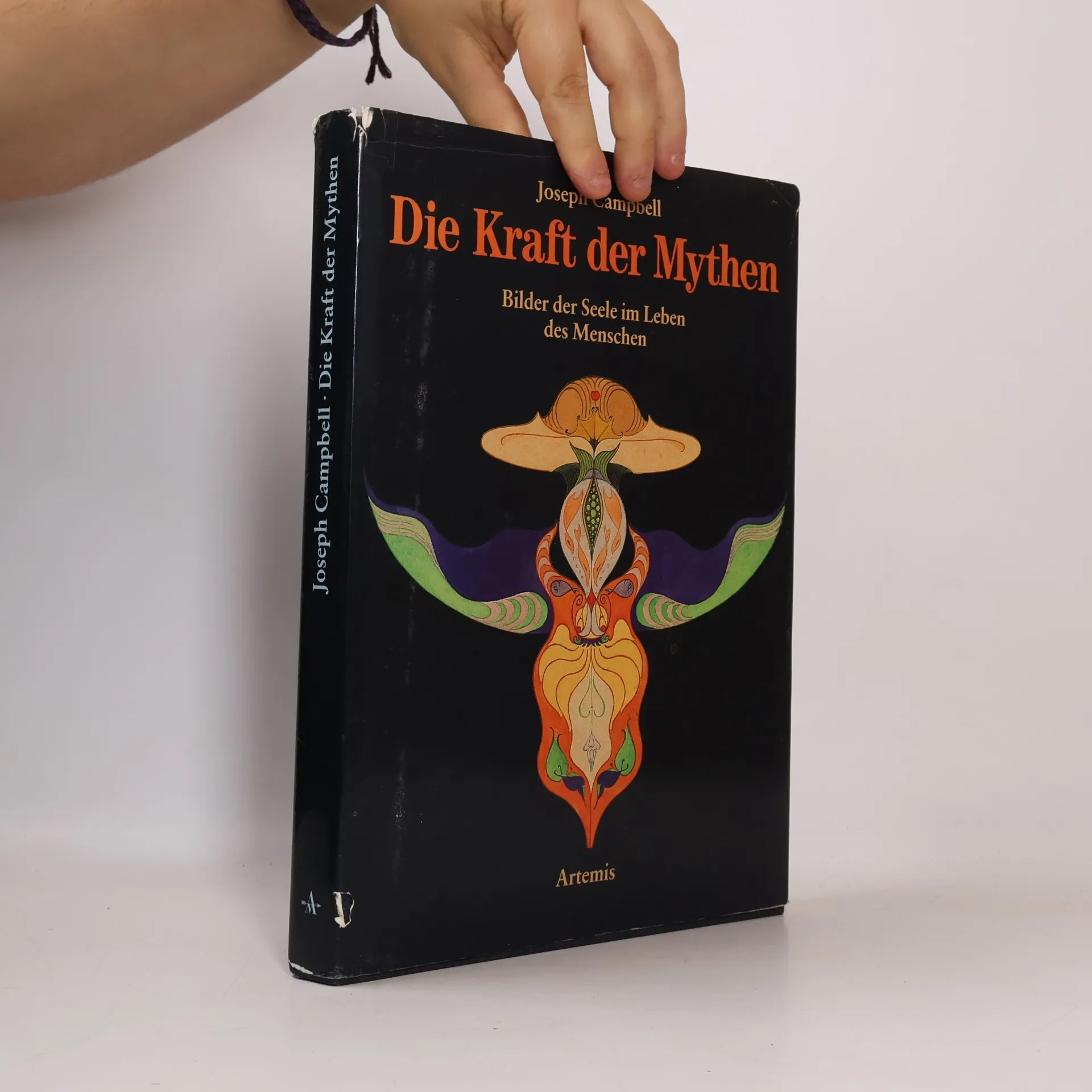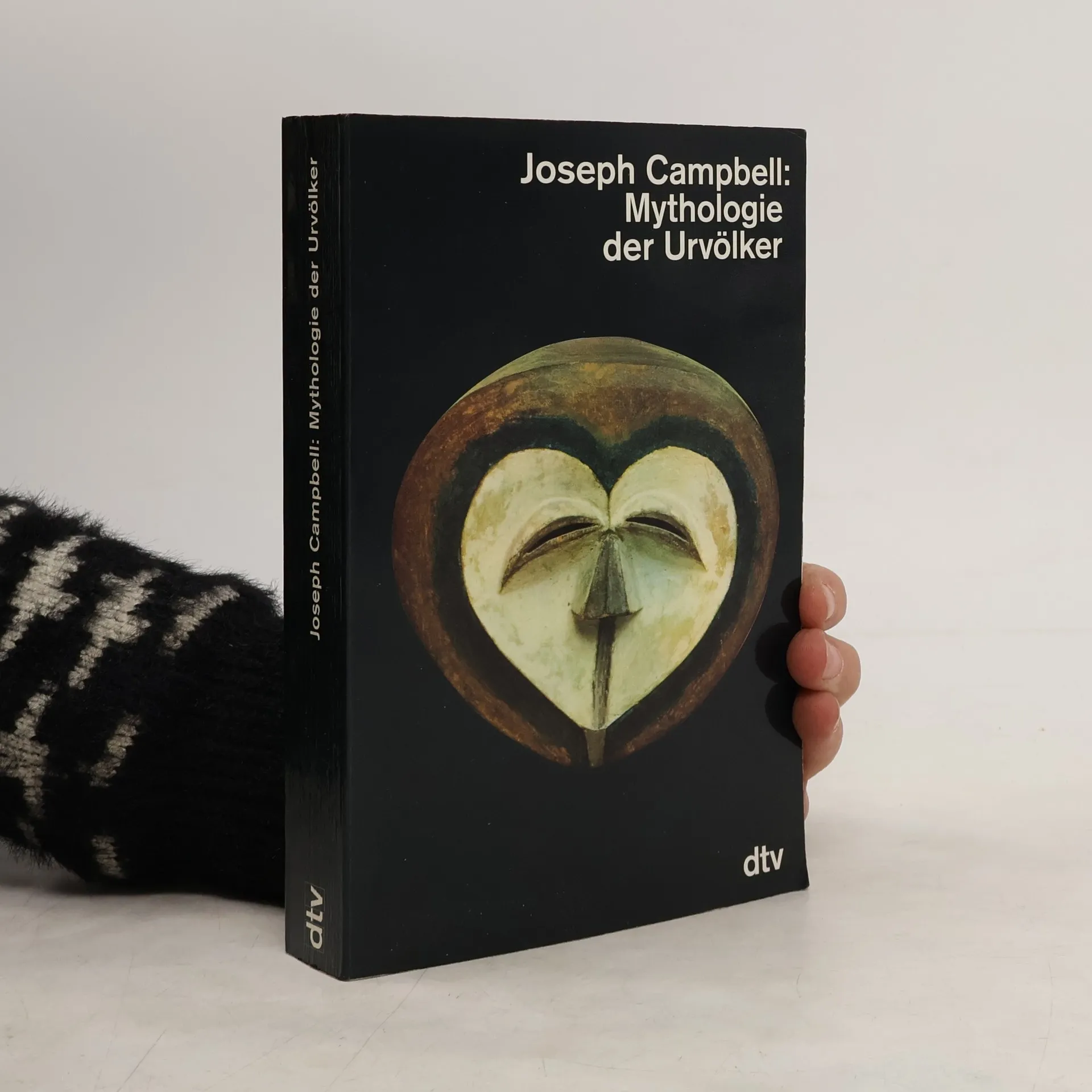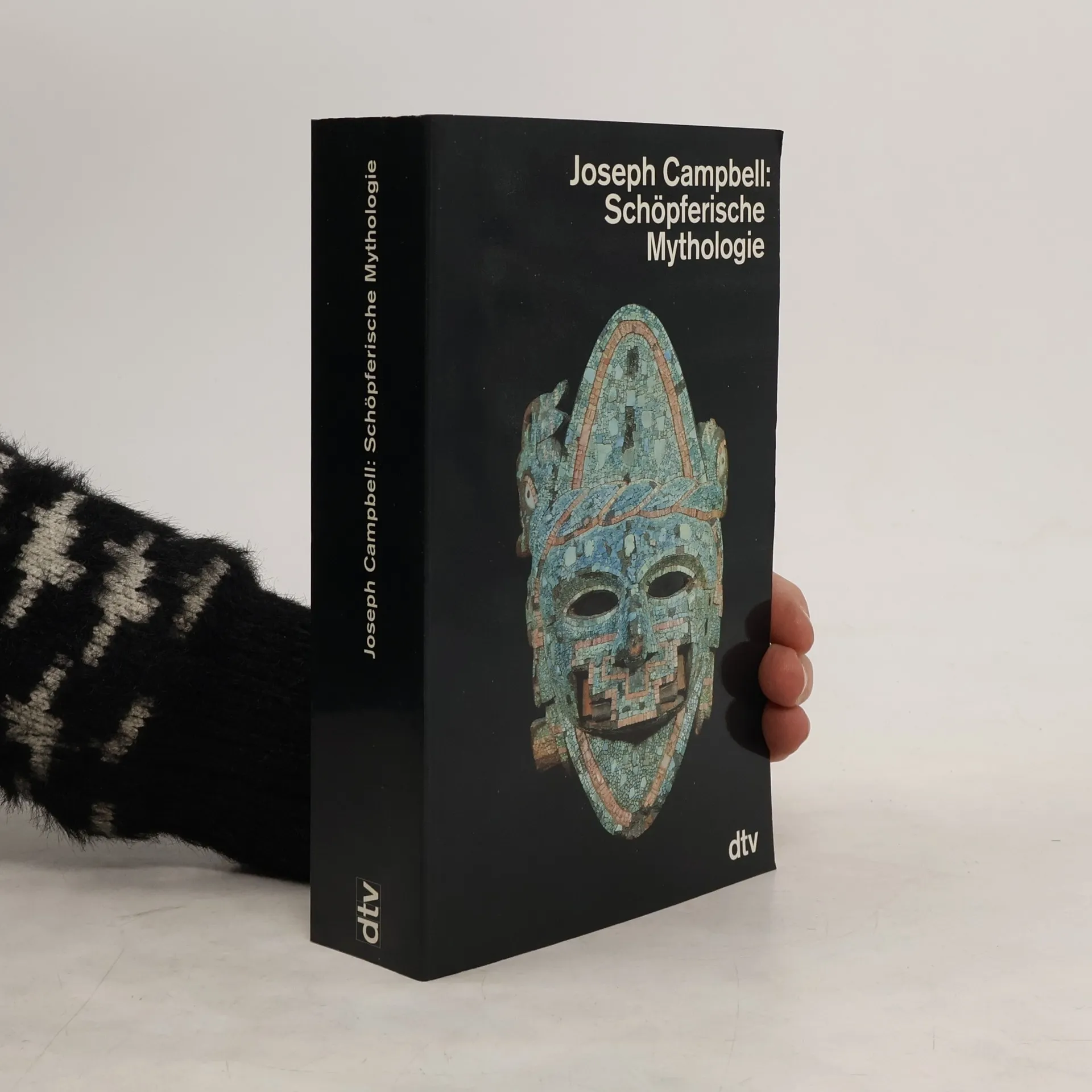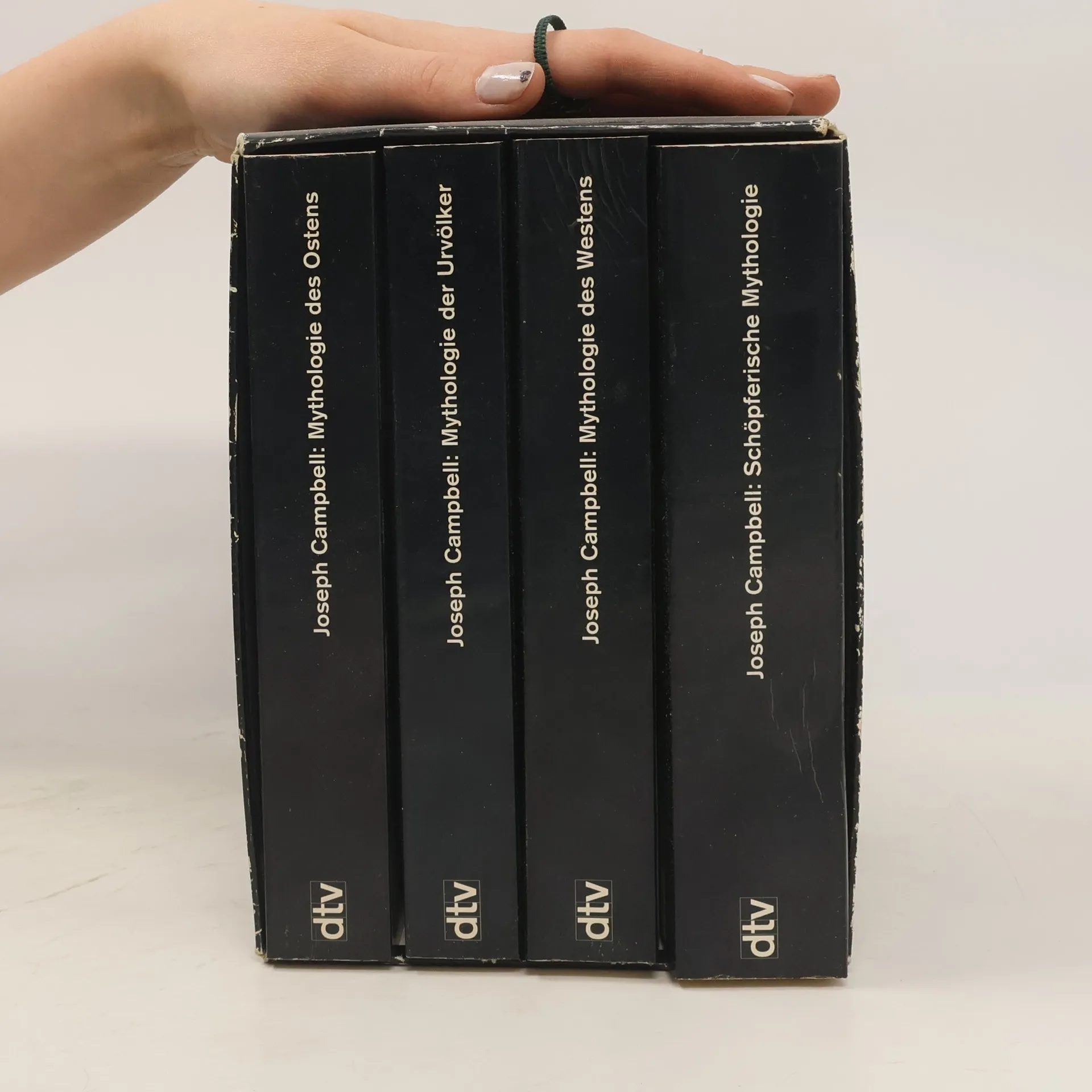
Historical Atlas Of World Mythology, Vol 2, Part 3
Mythologies Of The Primitive Planters
- 387 pages
- 14 hours of reading
Compares and contrasts the themes of myths and legends in different cultures around the world
Joseph Campbell was an American author and teacher renowned for his work in comparative mythology. His extensive research revealed that despite cultural variations, all myths and epics connect within the human psyche. Campbell posited that these myths are manifestations of a universal human need to explain reality. His writings explore deep patterns of archetypal journeys that resonate across human stories and cultures, offering readers a unique perspective on shared human experiences.


Mythologies Of The Primitive Planters
Compares and contrasts the themes of myths and legends in different cultures around the world
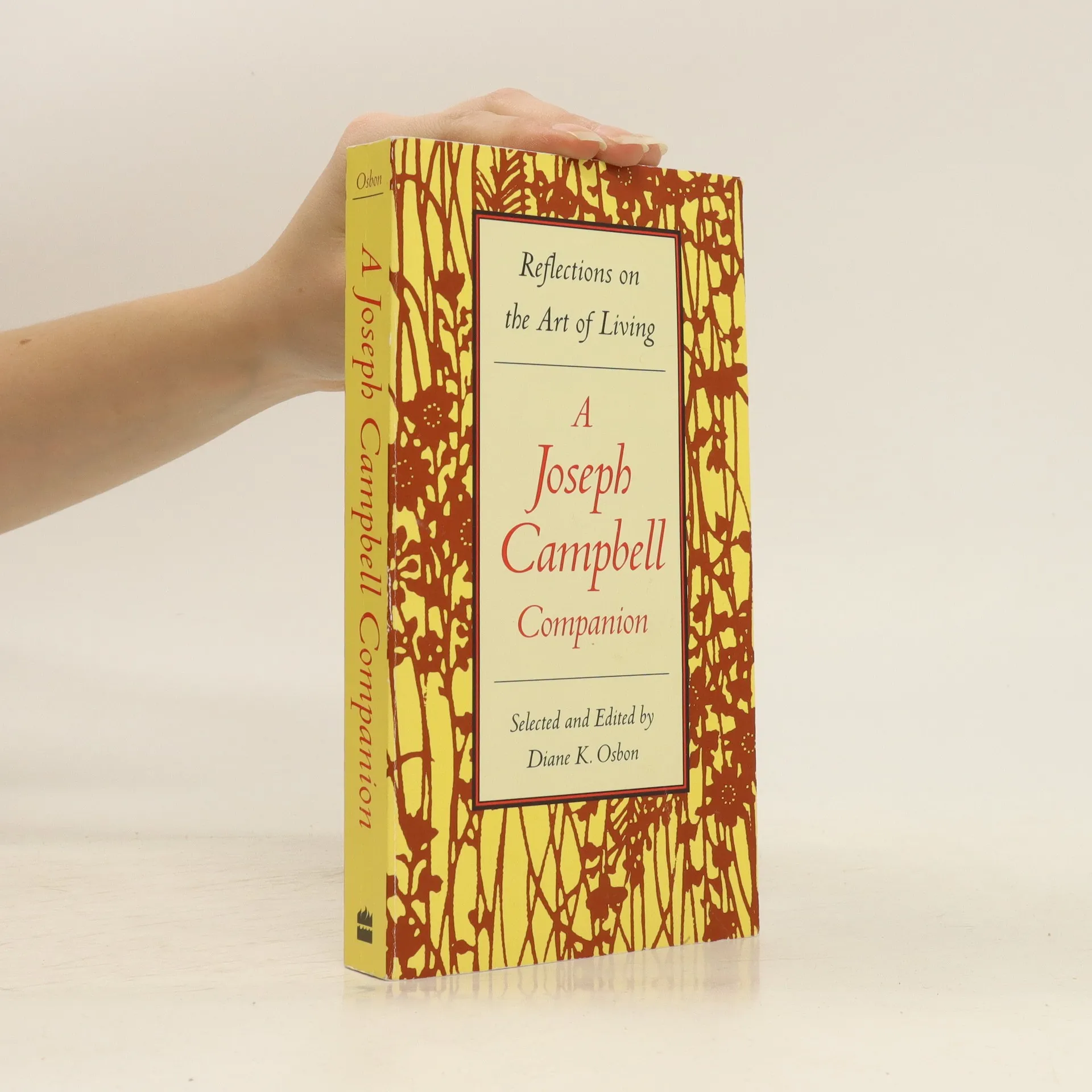
Celebrated scholar Joseph Campbell shares his intimate and inspiring reflections on the art of living in this beautifully packaged book, part of a new series to be based on his unpublished writings.
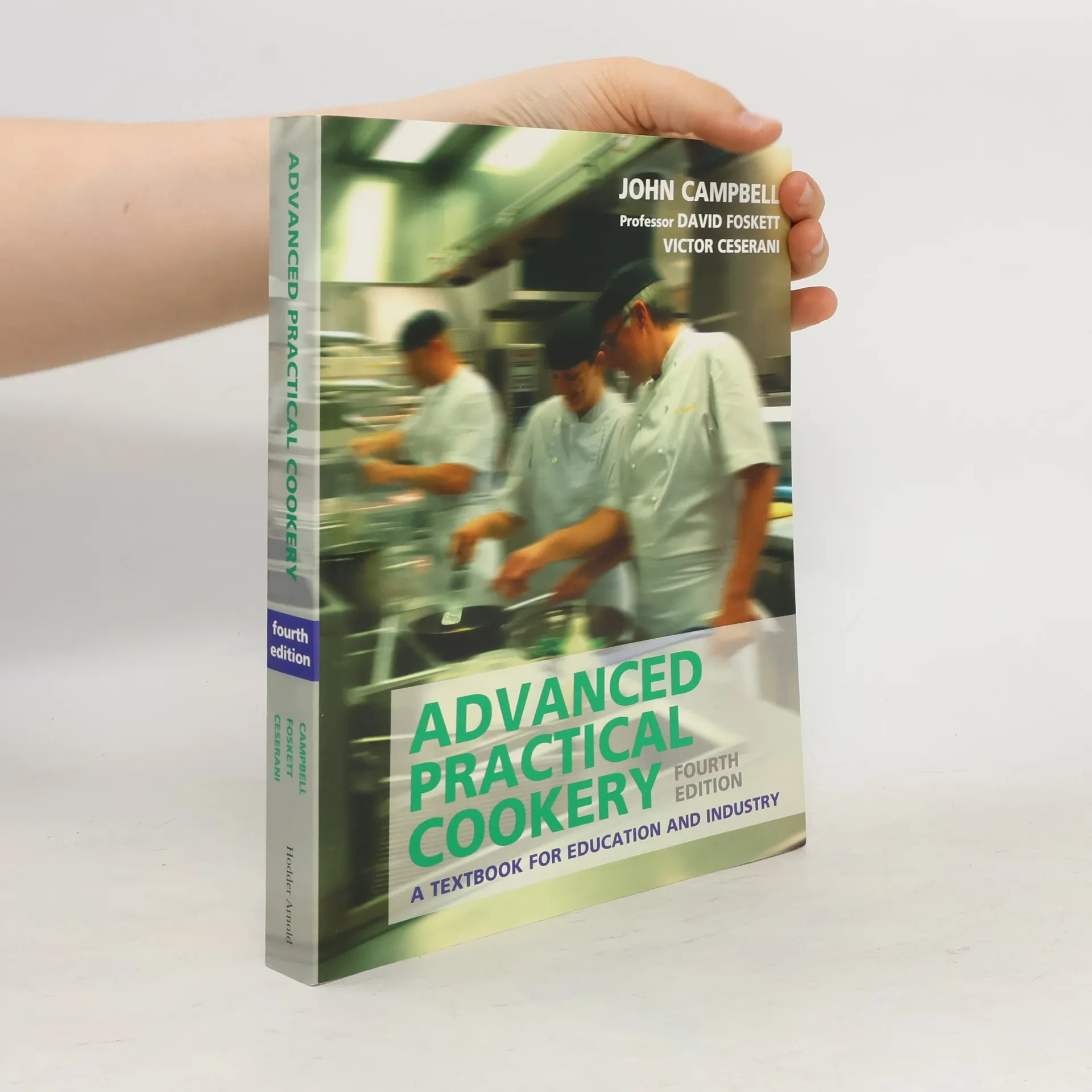
Advanced Practical Cookery, 4th edition, has been fully revised and updated to match the latest specifications at levels 3 and Foundation degrees . Now in paperback and with specially commissioned full colour photographs throughout, this essential resource for the highest training levels includes over 600 international recipes, all specifically tailored for the skilled craft student and chef. Examining new advanced units introduced by City & Guilds in detail, this new edition is also written and designed with the student reader in mind, and now includes nutrition and healthy eating advice, tips and essential kitchen advice. The contributions of executive chef and new co-author John Campbell also bring a unique industry focus to the content, ensuring the text is targeted specifically at the needs of trainee chefs and professionals alike. Contemporary, accessible and above all practical, Advanced Practical Cookery, 4th edition, is the ideal ingredient for advanced food preparation and cooking techniques.
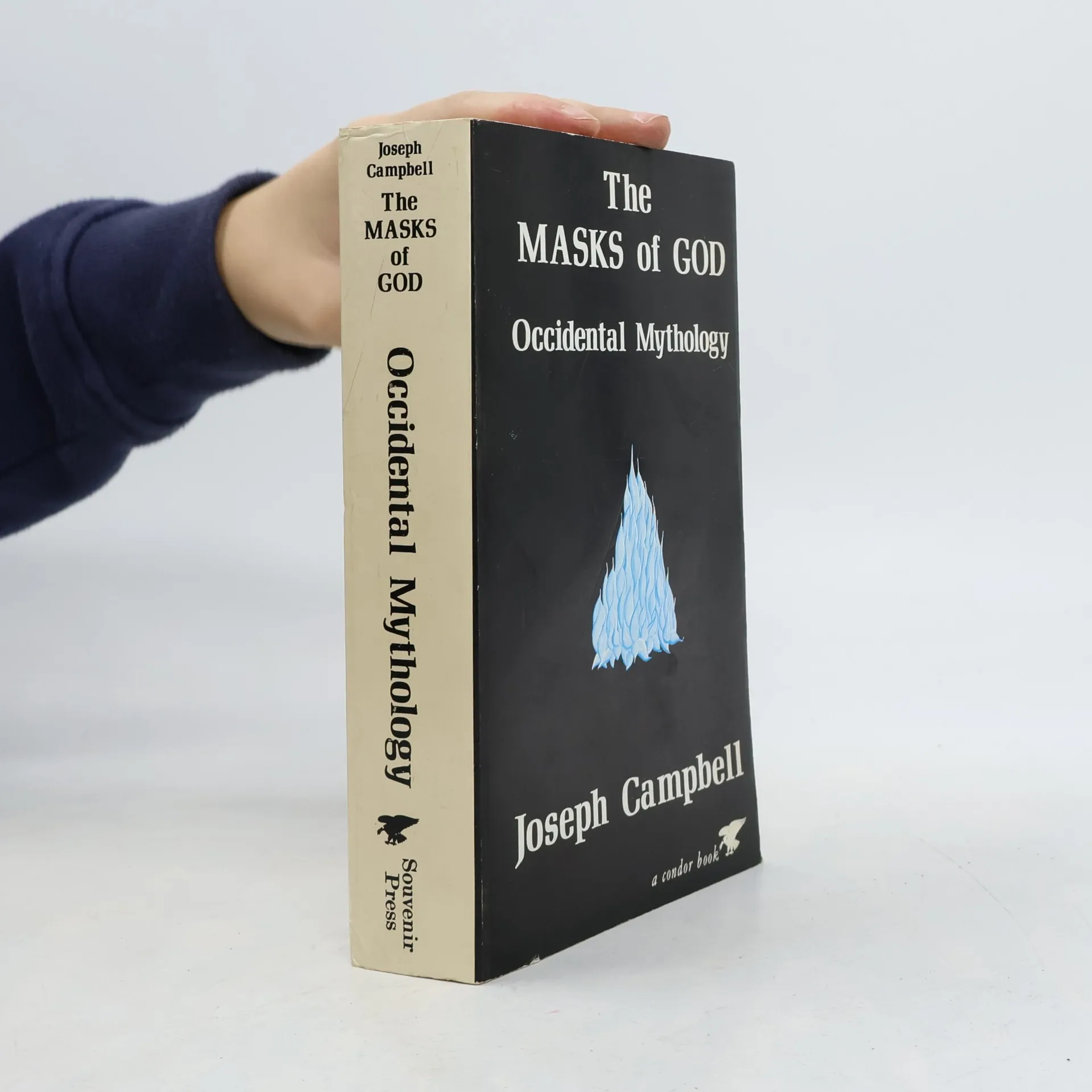
The third volume in Campbell's monumental four-volume series, The Masks of God, traces the mythological underpinnings of Western religion: the shift from female-centered to male-dominated mythology Once upon a time in the West, the focal figure of all mythology and worship was the bountiful Goddess Earth. She reigned supreme as the mother and nourisher of life and as the receiver of the dead for rebirth. How, when, and why did this change? As Campbell here elucidates, She was more than a symbol of fertility; she was "a metaphysical symbol: the arch personification of the power of Space, Time, and Matter, within whose bound all beings arise and die." Campbell shows how the mythologies of the goddess were radically transformed, reinterpreted, and in large measure suppressed "by those suddenly intrusive patriarchal warrior tribesmen whose traditions have come down to us chiefly in the Old and New Testaments and in the myths of Greece." Campbell goes on to describe the mythological underpinnings of Western religion -- Judaism, Christianity, Islam, Zoroastrianism -- and their historical influence on one another. No one who cares about history, mythology, or past or current events in the lands from whence we came can do without this venerable yet remarkably contemporary analysis.
V.1. Primitive mythology. v.2. Oriental mythology. v.3. Occidental mythology. v .4. Creative mythology.
In this climax to his series of studies on world mythologies, the author examines a process he sees as beginning in the mid-twelfth century in the west - an accelerating disintegration of the orthodox tradition.
Writings on myth, culture, art, and history by one of the 20th century's greatest mythologists
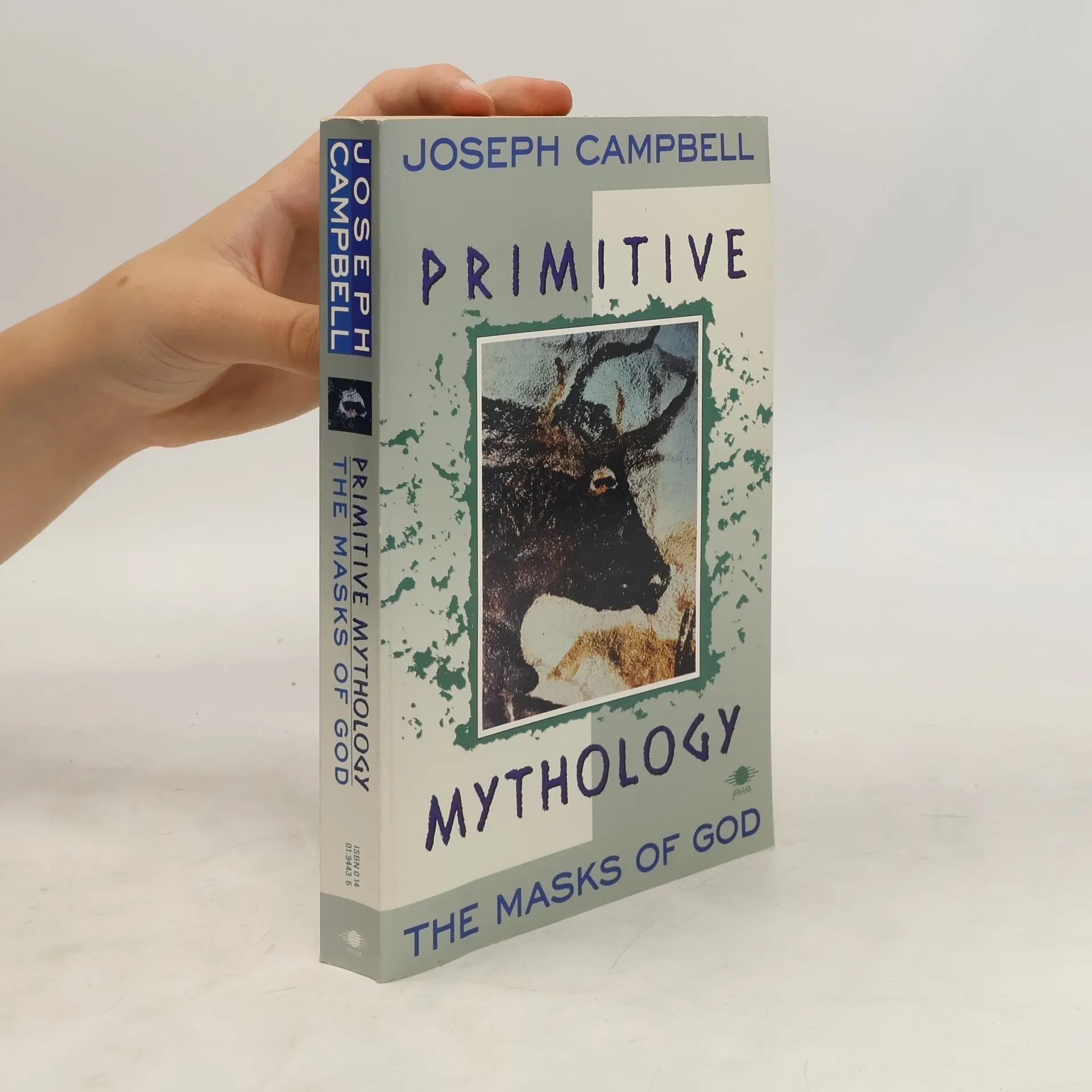
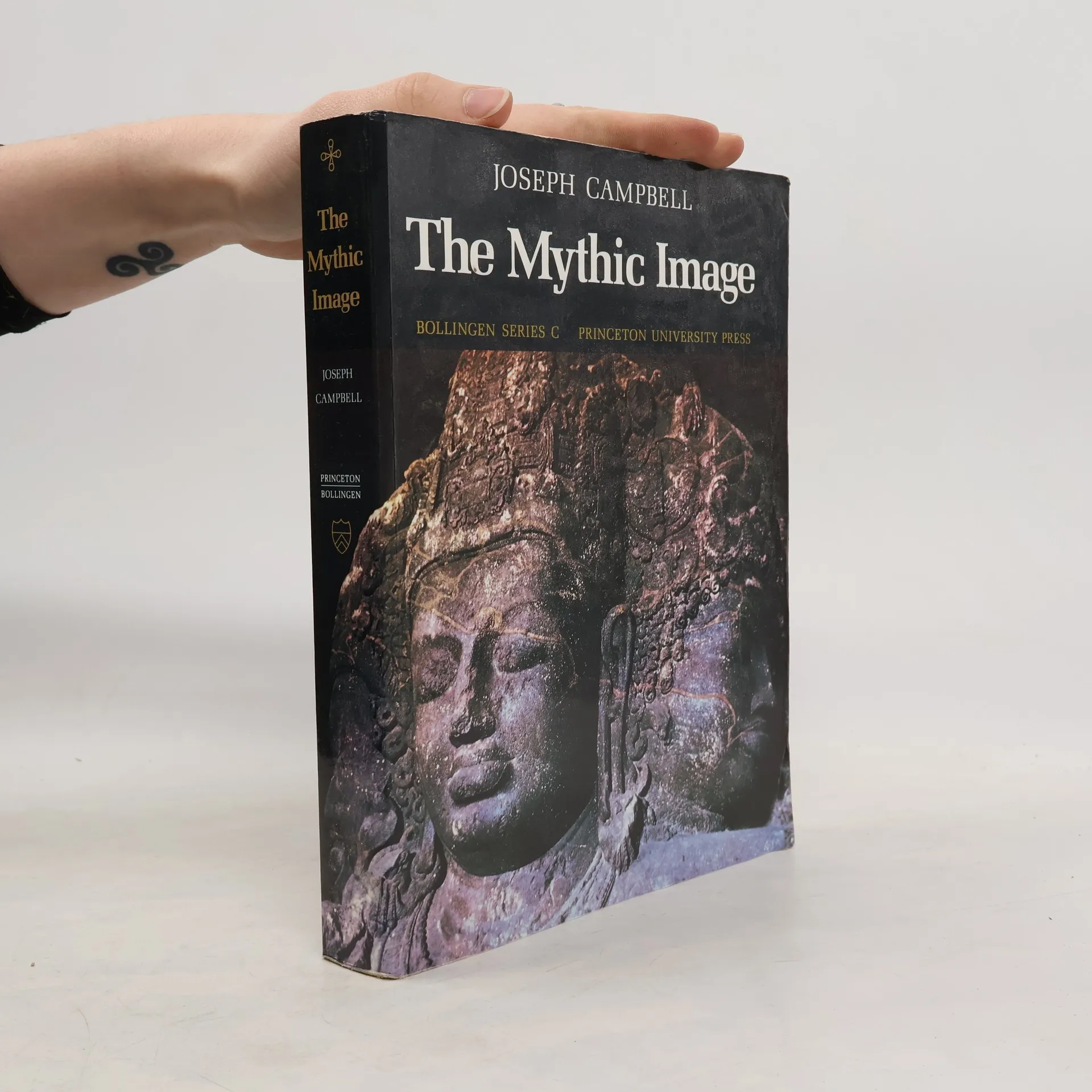
The author of such acclaimed books as Hero With a Thousand Faces and The Power of Myth discusses the primitive roots of mythology, examining them in light of the most recent discoveries in archaeology, anthropology, and psychology.
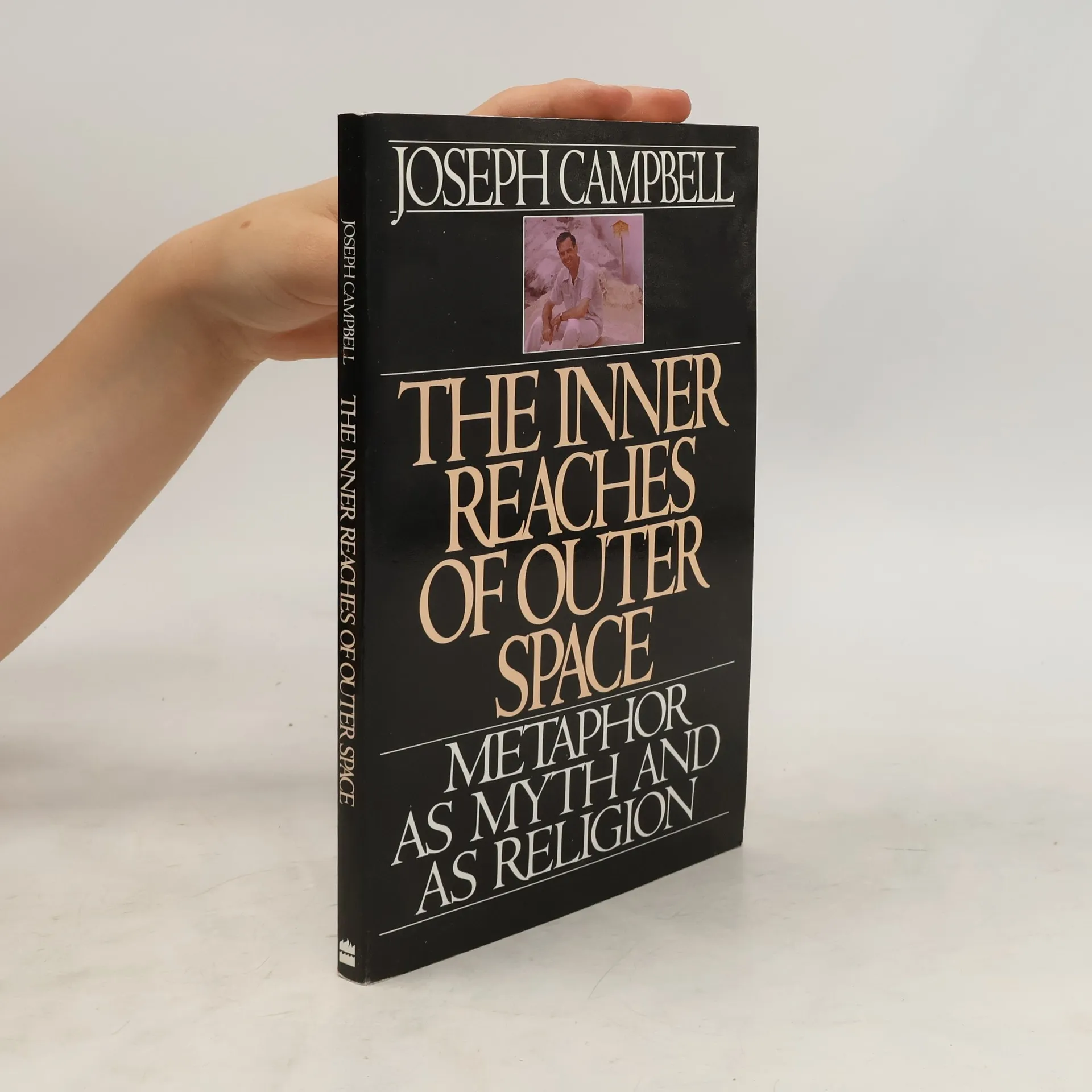
A collection of conversations, interviews, speeches, and book quotes that provide insight into the thinking of philosopher and writer Joseph Campbell.
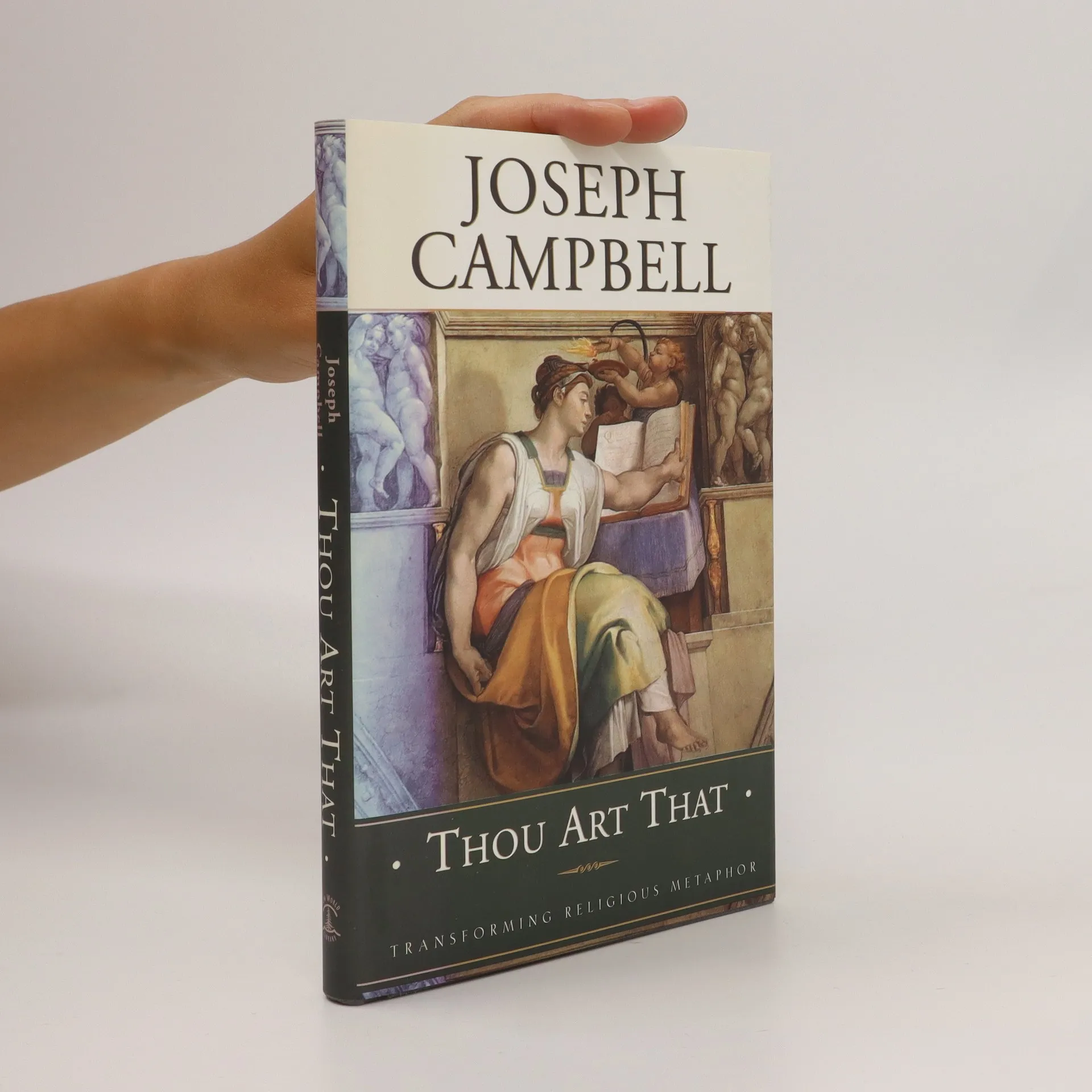
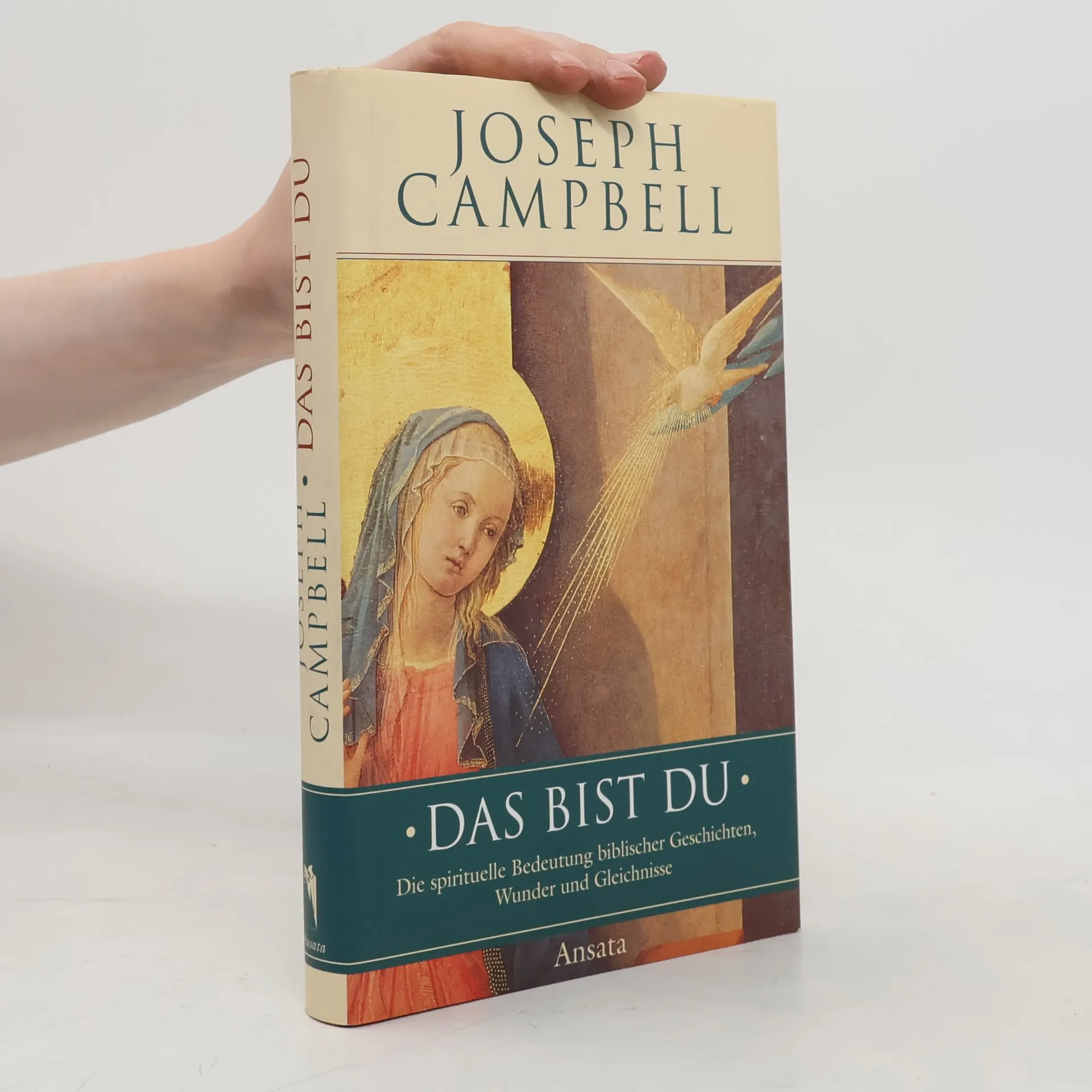
Thou Art That is a compilation of previously uncollected essays and lectures by Joseph Campbell that focus on the Judeo-Christian tradition. Here Campbell explores common religious symbols, reexamining and reinterpreting them in the context of his remarkable knowledge of world mythology. According to Campbell, society often confuses the literal and metaphorical interpretations of religious stories and symbols. In this collection, he eloquently reestablishes these metaphors as a means to enhance spiritual understanding and mystical revelation. With characteristic verve, he ranges from rich storytelling to insightful comparative scholarship. Included is editor Eugene Kennedy’s classic interview with Campbell in The New York Times Magazine, which brought the scholar to the public’s attention for the first time.