
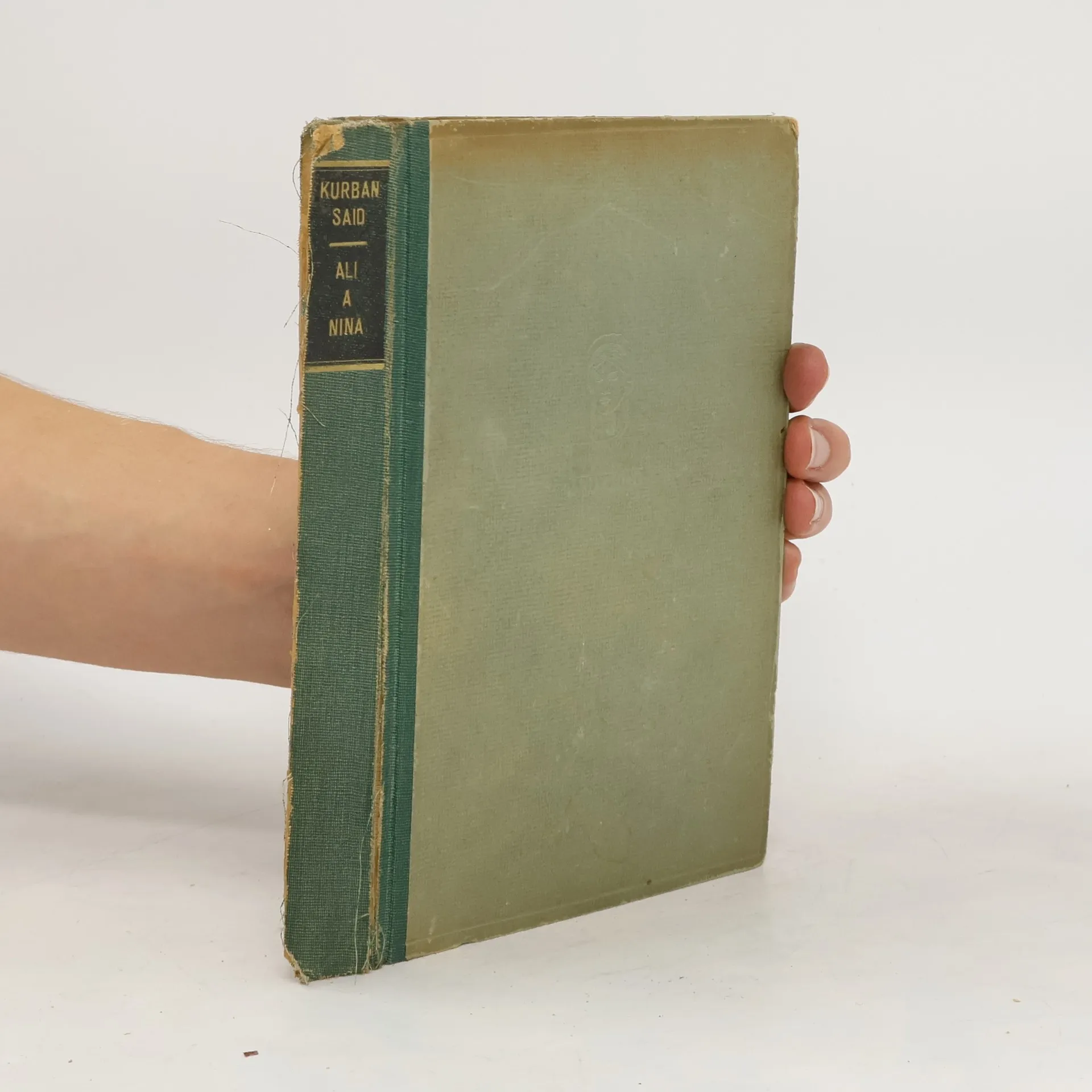
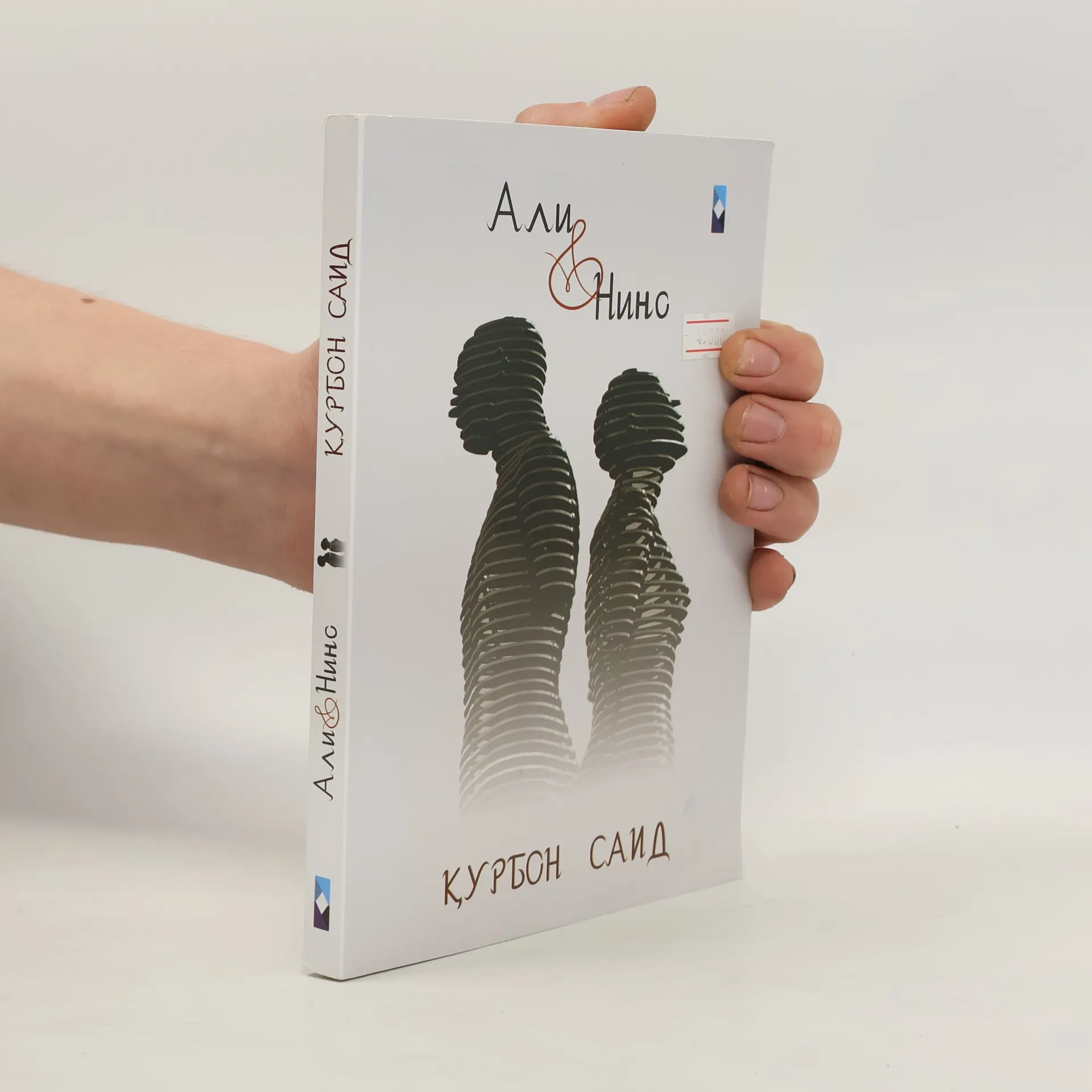
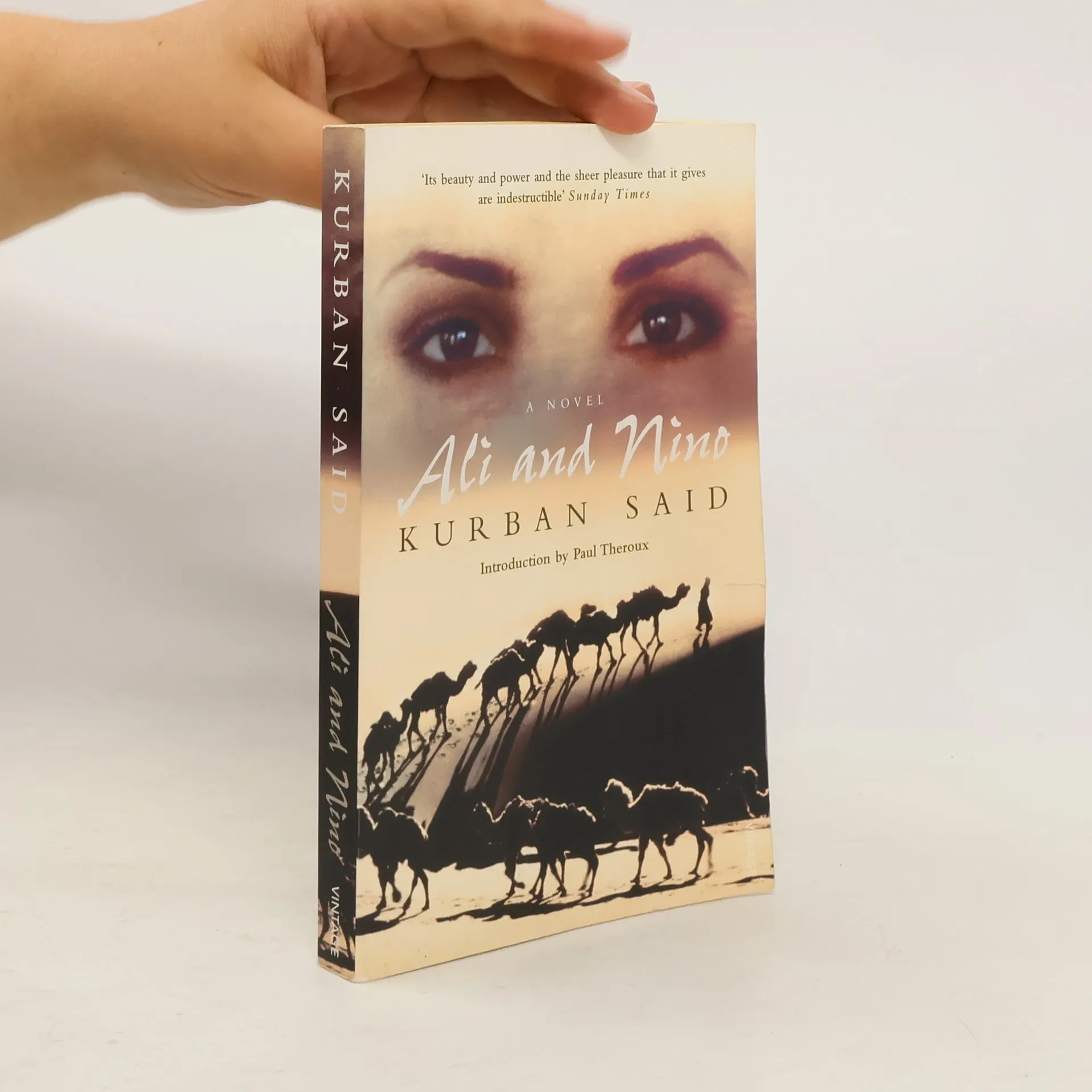
First published in Vienna in 1937, this classic story of romance and adventure has been compared to Dr. Zhivago and Romeo and Juliet . Its mysterious author was recently the subject of a feature article in the New Yorker , which has inspired a forthcoming biography. Out of print for nearly three decades until the hardcover re-release last year, Ali and Nino is Kurban Said's masterpiece. It is a captivating novel as evocative of the exotic desert landscape as it is of the passion between two people pulled apart by culture, religion, and war. It is the eve of World War I in Baku, Azerbaijan, a city on the edge of the Caspian Sea, poised precariously between east and west. Ali Khan Shirvanshir, a Muslim schoolboy from a proud, aristocratic family, has fallen in love with the beautiful and enigmatic Nino Kipiani, a Christian girl with distinctly European sensibilities. To be together they must overcome blood feud and scandal, attempt a daring horseback rescue, and travel from the bustling street of oil-boom Baku, through starkly beautiful deserts and remote mountain villages, to the opulent palace of Ali's uncle in neighboring Persia. Ultimately the lovers are drawn back to Baku, but when war threatens their future, Ali is forced to choose between his loyalty to the beliefs of his Asian ancestors and his profound devotion to Nino. Combining the exotic fascination of a tale told by Scheherazade with the range and magnificence of an epic, Ali and Nino is a timeless classic of love in the face of war.
Kurban Said Books
Lev Nussimbaum, writing under the pseudonyms Essad Bey and Kurban Said, was a remarkable author whose work navigated the complexities of cultural and personal identity. His novels often explore themes of exile, transformation, and the search for meaning in a rapidly changing world. Nussimbaum masterfully crafts intricate human narratives, offering profound insights into the psychology of his characters. His distinctive style and provocative subjects make him a compelling figure for any reader seeking a unique literary experience.


In de liefde tussen een jonge adellijke moslim en de dochter van een christelijke zakenman in Bakoe ten tijde van de Russische revolutie herleeft de geschiedenis van Romeo en Julia.
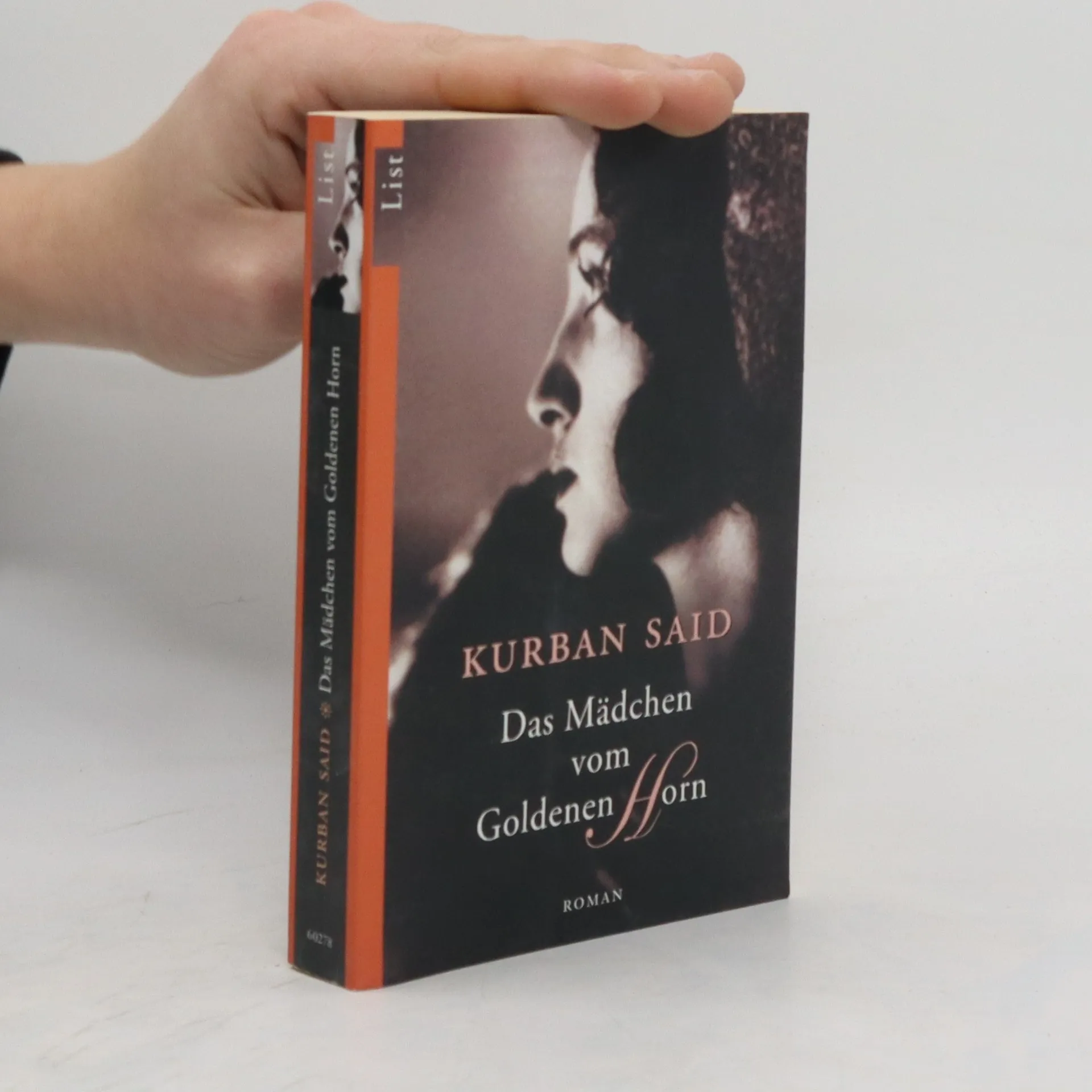
Das Mädchen vom Goldenen Horn
- 272 pages
- 10 hours of reading
Am Ende des Ersten Weltkriegs verschlägt es die junge Asiadeh Anbari zusammen mit ihrem Vater aus dem feudalen Istanbul ins Berlin der zwanziger Jahre ? ein Kulturschock für das junge Mädchen, das streng muslimisch und in alten adligen Traditionen erzogen wurde. Eine starke Sehnsucht nach der Welt ihrer Kindheit erfüllt Asiadeh, bis sie den Wiener Arzt Hassa kennen lernt und schließlich heiratet. Doch dann taucht ihr einstiger Verlobter, der Prinz Abdul-Kerim auf, der unter fremdem Namen durch die Welt reist. Asiadeh muss sich entscheiden: zwischen zwei Männern und für die Welt, in der sie leben will.
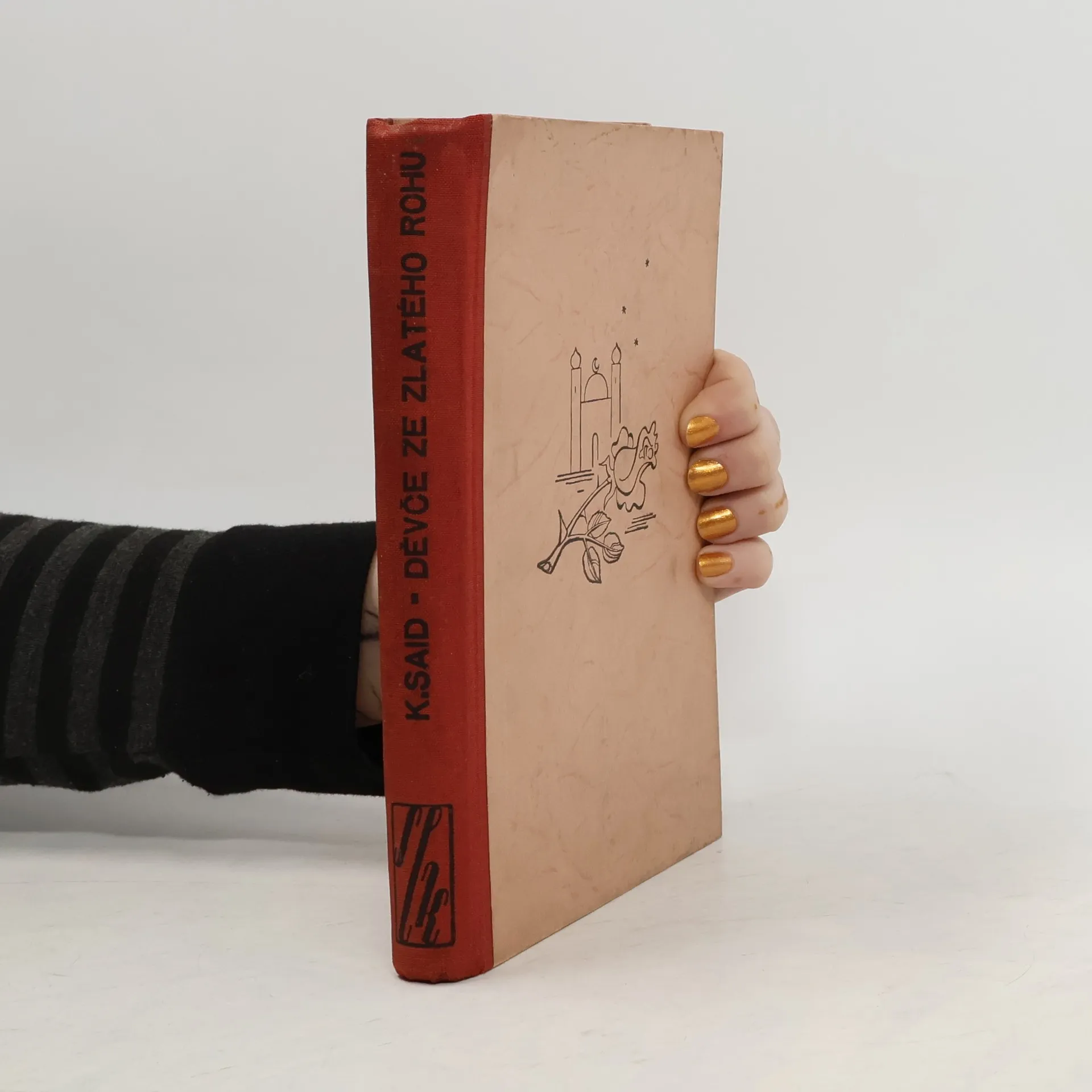
Kurban Said je pseudonym baronky Elfriede Leopoldine Ehrenfelsové, která knihu vydala pod tímto pseudonymem. Skutečným autorem byl pravděpodobně Lev Abramovič Nussimbaum (pseudonym Essad Bey), německy píšící spisovatel rusko–židovského původu, který v roce 1926 konvertoval k islámu. Román samotný je obrazem rozdílného vnímání a řazení životních hodnot a společenských pravidel „východní“ a „západní“ kultury. Na příběhu hlavní hrdinky Aziadé je tento rozpor zřetelně viditelný. Sama Aziadé je porovnává a je nucena ve svém životě řešit. Aziadé „stambulská princezna“, dcera bývalého ministra Osmanské říše Achmeda-paši, po zrušení sultanátu a rozpadu Osmanské říše odchází s otcem z Istanbulu do Berlína. Jejím manželem měl být osmanský princ Abd-ul-Kerim. Ale v Berlíně se seznámí s lékařem Hassou a stane se jeho ženou, z jejího pohledu a z pohledu jejího otce ženou nevěřícího. Aziadé, studentka, žije ve světě, kterému nerozumí a z hlediska své výchovy často nechápe postoje a chování svého manžela, jeho přátel a celé společnosti. Z toho vznikají rozpory a nedorozumění. Vzhledem k tomu, že autorem románu je pravděpodobně muž, je celý příběh dobře podaným pohledem ženy, muslimky, na tzv civilizovanou společnost, s četnými, v souvislosti s dějem, vloženými odkazy na historii a osobnosti Osmanské říše..