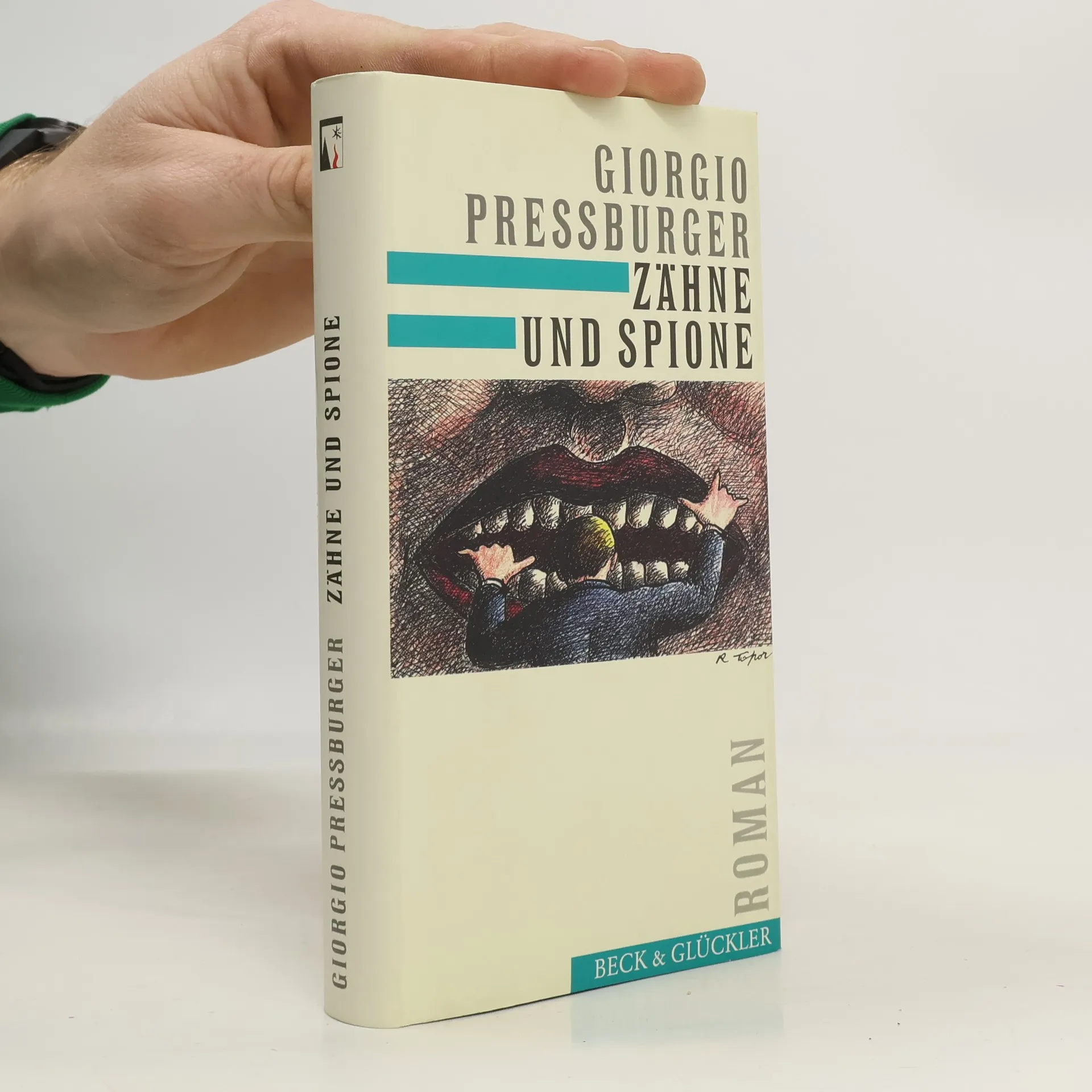
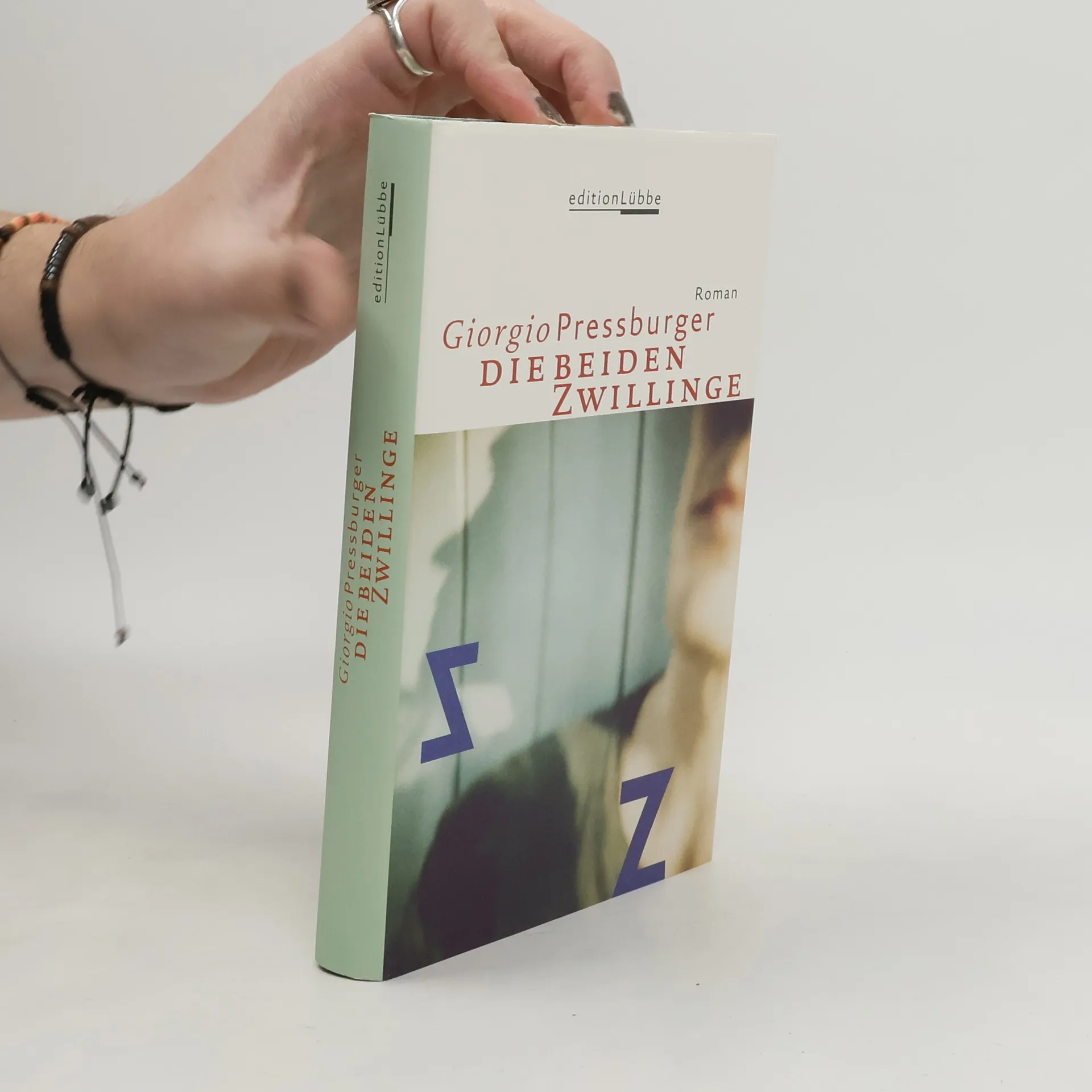
Edition Lübbe: Die beiden Zwillinge
- 221 pages
- 8 hours of reading



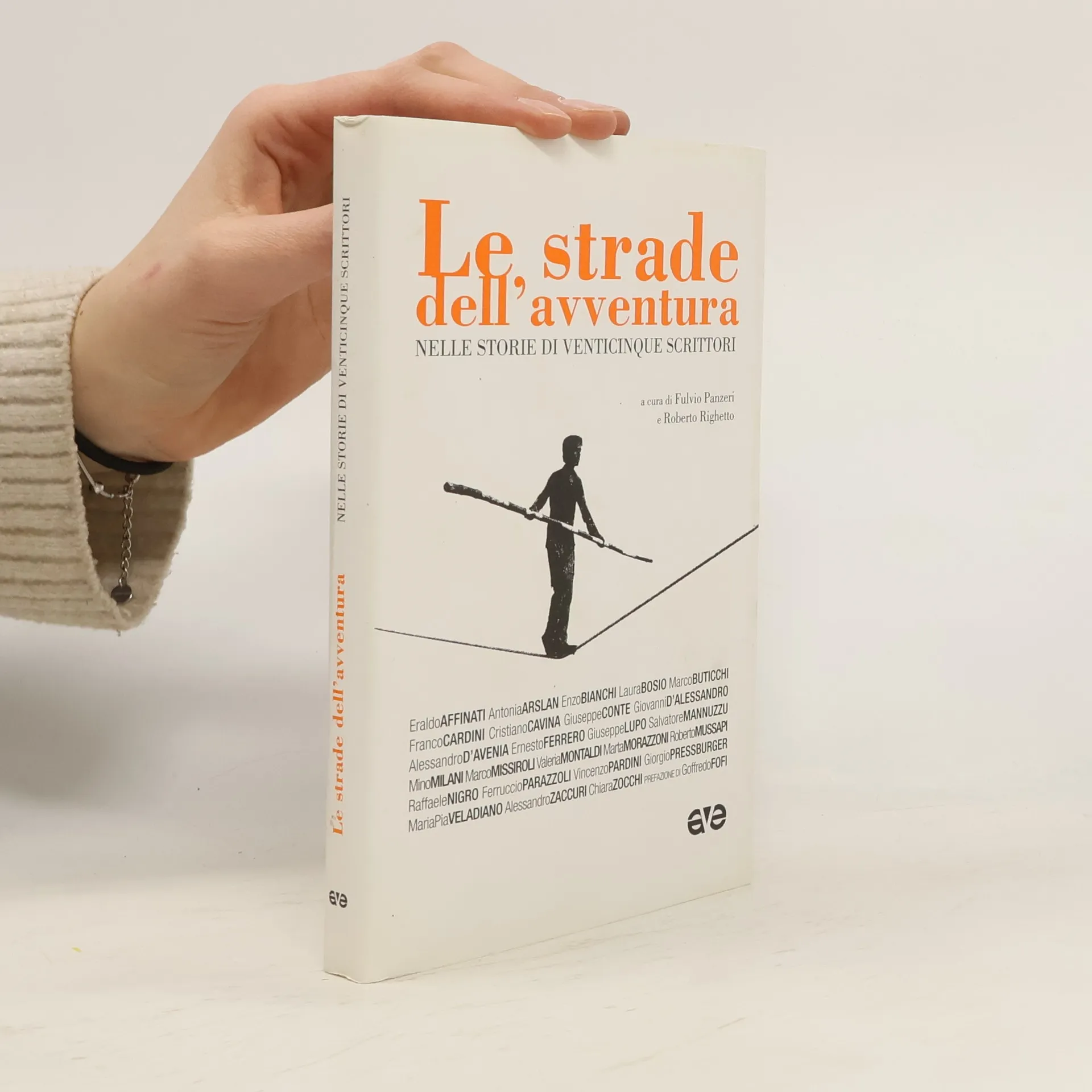

Che significato può avere la parola "avventura"? Il quotidiano Avvenire lo ha chiesto a venticinque tra i più importanti scrittori italiani di ognuno ha risposto scrivendo una storia in cui racconta la sua "idea" di avventura, sia nell'ottica classica del fortunato genere letterario, sia in quella di una dimensione più ampia, quella dell'avventura umana. Ne è nata, in collaborazione con l'Editrice AVE, questa "naturale" antologia in cui si confrontano scritture e stili diversi, e soprattutto tante idee per definire cos'è oggi l' scoperta di mondi e paesaggi lontani o fantascientifici; questione di memoria e ritorno all'età dell'oro dell'infanzia; scandaglio di percorsi metafisici o di sguardi interiori; lettura in chiave metaforica della realtà, con particolare attenzione alla figura del migrante, oltre alla rilettura di testi della classicità. Ne emerge un paesaggio vario con tanti luoghi visti o sognati, tante voci e tanti personaggi, ognuno alle prese con la propria avventura. Le storie sono Affinati, Arslan, Bianchi, Bosio, Buticchi, Cardini, Cavina, Conte, D'Alessandro, D'Avenia, Ferrero, Lupo, Mannuzzu, Milani, Missiroli, Montaldi, Morazzoni, Mussapi, Nigro, Parazzoli, Pardini, Pressburger, Veladiano, Zaccuri, Zocchi.
The Esterházys, one of Europe's most prominent aristocratic families, are closely linked to the rise and fall of the Hapsburg Empire. Princes, counts, commanders, diplomats, bishops, and patrons of the arts, revered, respected, and occasionally feared by their contemporaries, their story is as complex as the history of Hungary itself. Celestial Harmonies is the intricate chronicle of this remarkable family, a saga spanning seven centuries of epic conquest, tragedy, triumph, and near annihilation. Told by Péter Esterházy, a scion of this populous clan, Celestial Harmonies is dazzling in scope and profound in implication. It is fiction at its most awe-inspiring. This P.S. edition features an extra 16 pages of insights into the book, including author interviews, recommended reading, and more.
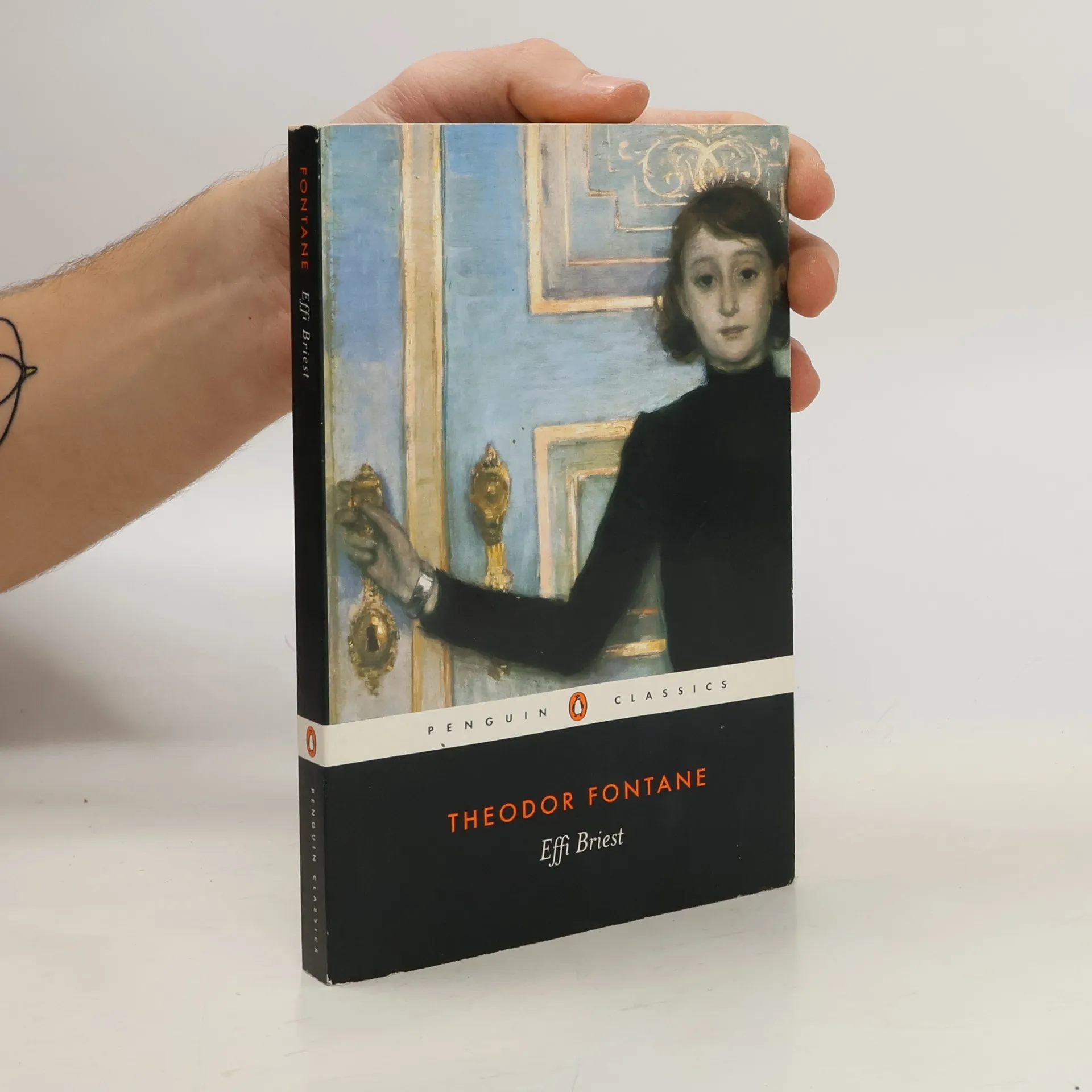
Unworldly young Effi Briest is married off to Baron von Innstetten, an austere and ambitious civil servant twice her age, who has little time for his new wife. Isolated and bored, Effi finds comfort and distraction in a brief liaison with Major Crampas, a married man with a dangerous reputation.
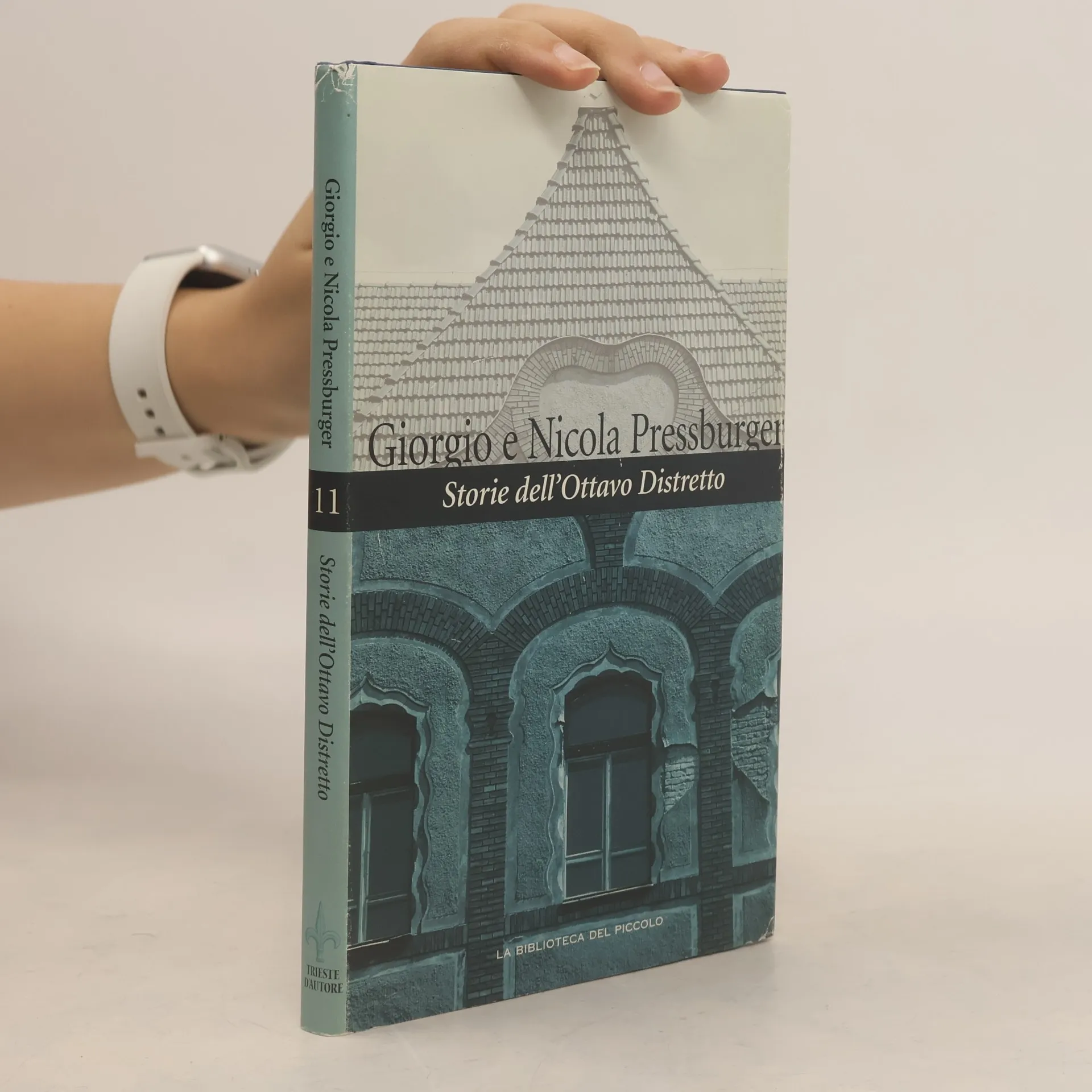
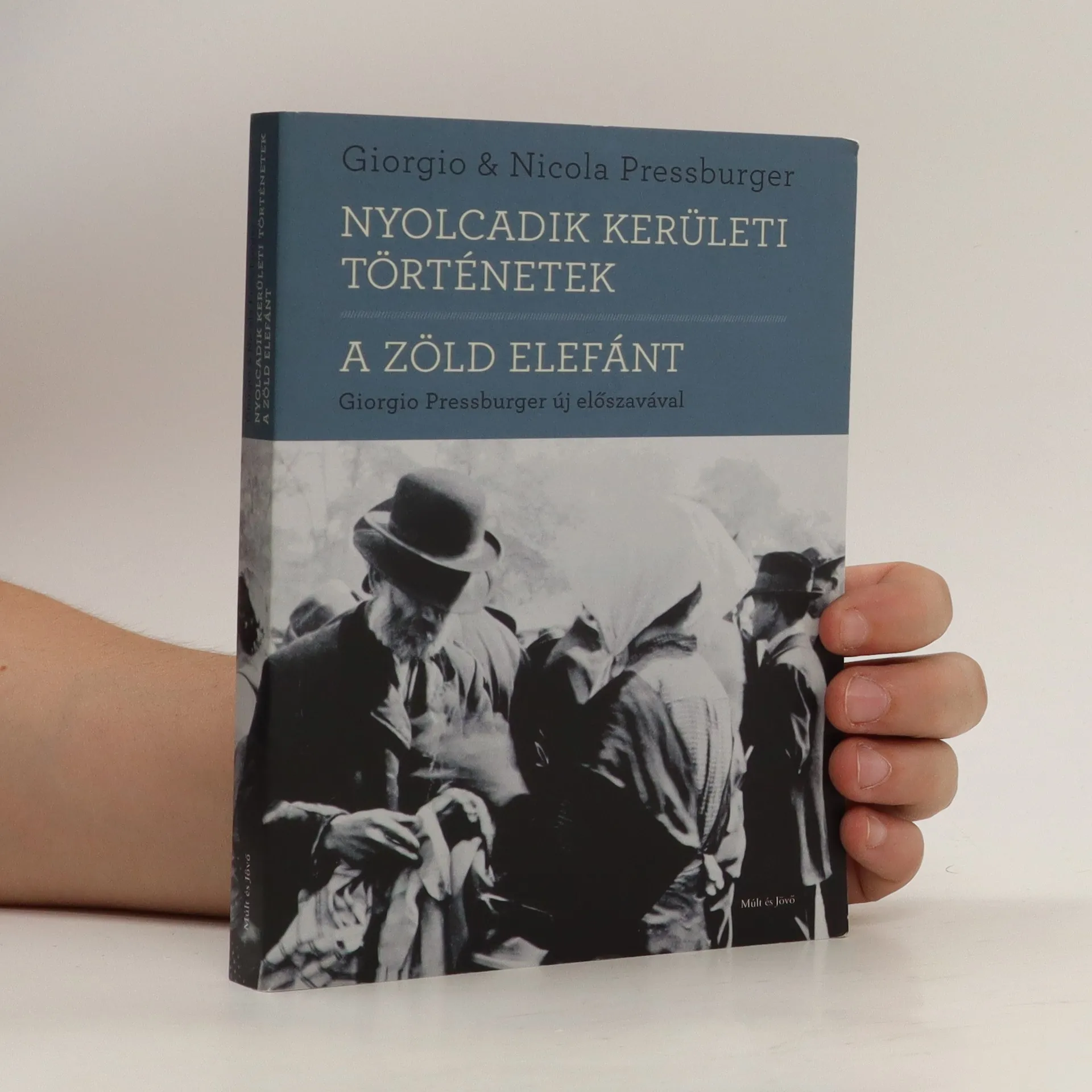
Il Signore, che egli sia benedetto, ci scaraventò nell'Ottavo Distretto, per mettere i nostri cuori alla prova. Chi resiste alla forza del Signore? I nostri occhi, finché poterono, rimasero fissi sulla sua sacra presenza. Fummo scherniti e tentati, e perdemmo la nostra lingua, e in mezzo a noi crebbe l'infelicità, e il denaro e la vita quotidiana fatta di affanni ci tolsero le nostre forze. Allora l'Eterno, per punirci, mandò sopra le nostre teste gli angeli sterminatori, i nostri padri furono resi schiavi peggio che in Babilonia e quando, sfiniti, non servirono più, vennero bruciati nelle camere a gas. Oh, rabbino, ti meravigli tu che dopo questa punizione molti avessero desistito a cooperare alla grande Opera del Signore, che egli sia benedetto, e fossero rimasti inerti e inutili come le mosche stordite? Eppure ciascuno di noi, nel suo piccolo, cercò poi di rianimarsi e riprendere in mano il proprio destino.
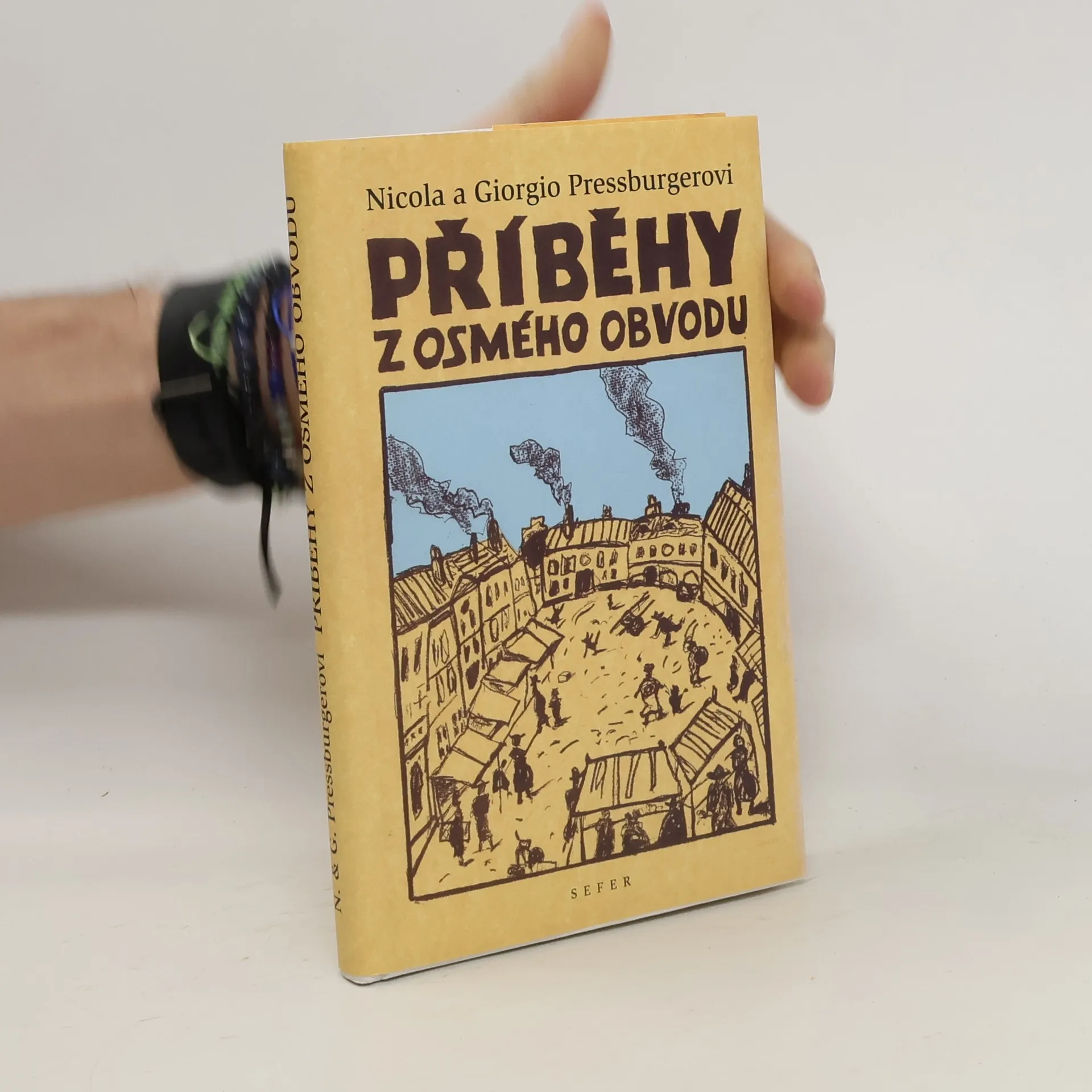
Příběhy italských židovských autorů, bratrů Pressburgerových tvoří vzpomínky na jejich rodnou čtvrť, osmý obvod v Budapešti, na zdejší židovské obyvatele a jejich osudy v době od první světové války až po rok 1956. Příběhy jsou psány s realistickou střídmostí a s citem pro zachycení dobové atmosféry