Mervyn Peake Book order (chronological)
Mervyn Peake was an English modernist writer, artist, poet, and illustrator. He is best known for a series of novels he originally conceived as a lengthy cycle following a protagonist from cradle to grave, though the unfinished cycle is now commonly but erroneously referred to as a trilogy. His surreal fiction was influenced by an early love for Charles Dickens and Robert Louis Stevenson. In addition to novels, he also wrote poetry, short stories for adults and children, and stage and radio plays.

The Craft of the Lead Pencil
- 72 pages
- 3 hours of reading
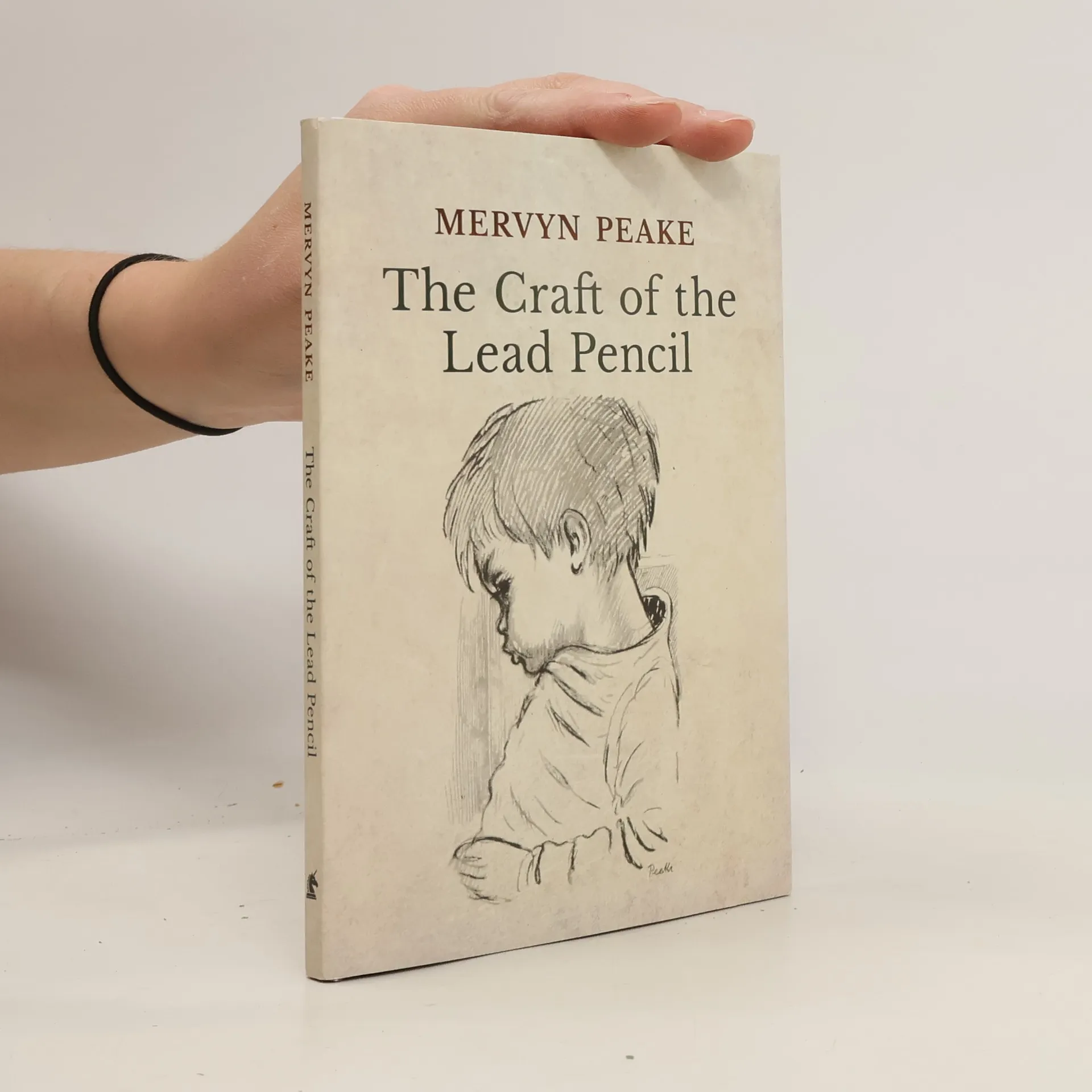
Originally published in 1946, this little treatise on the simple art of pencil drawing is the perfect antidote to the myriad 'how-to' books that fill the bookshelves.
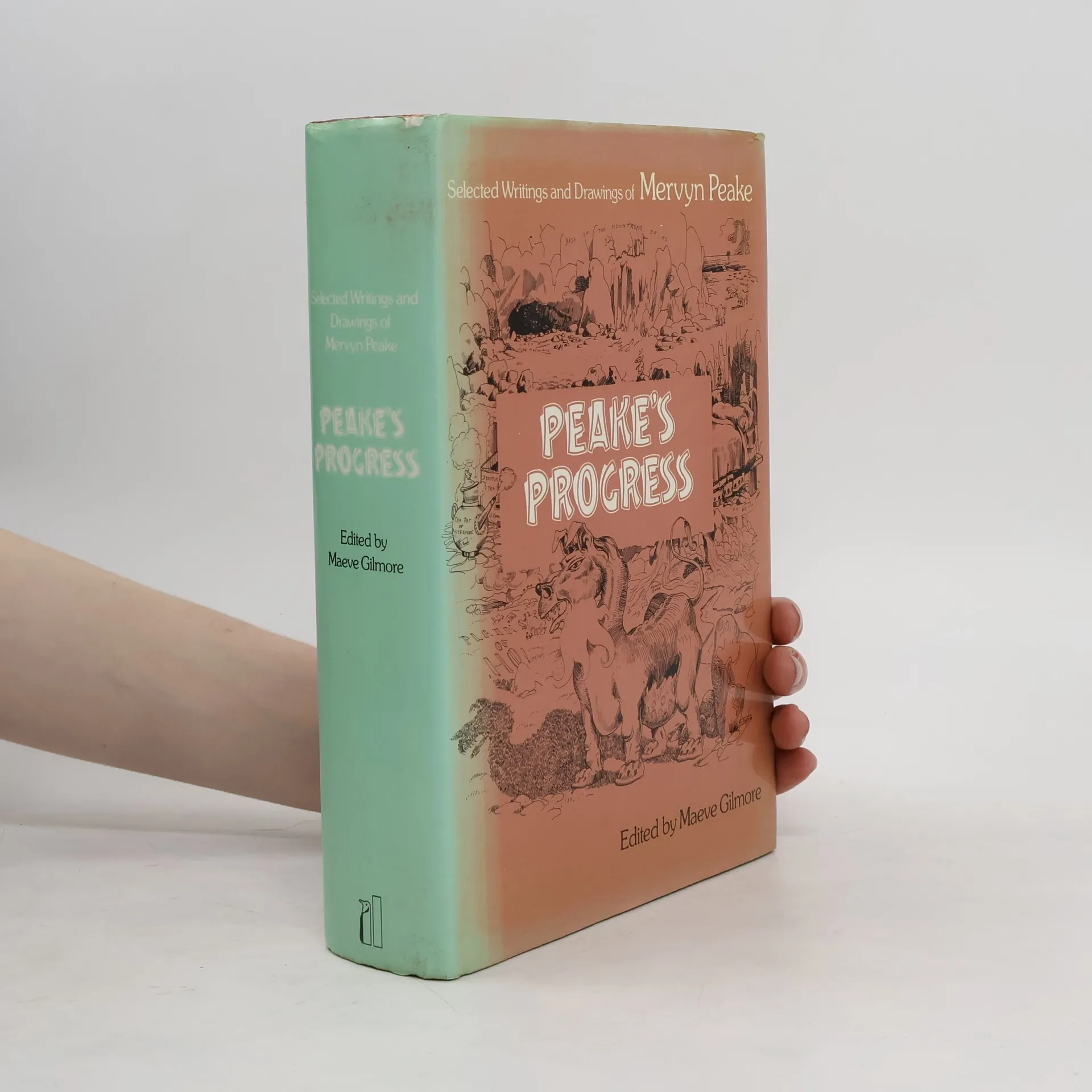
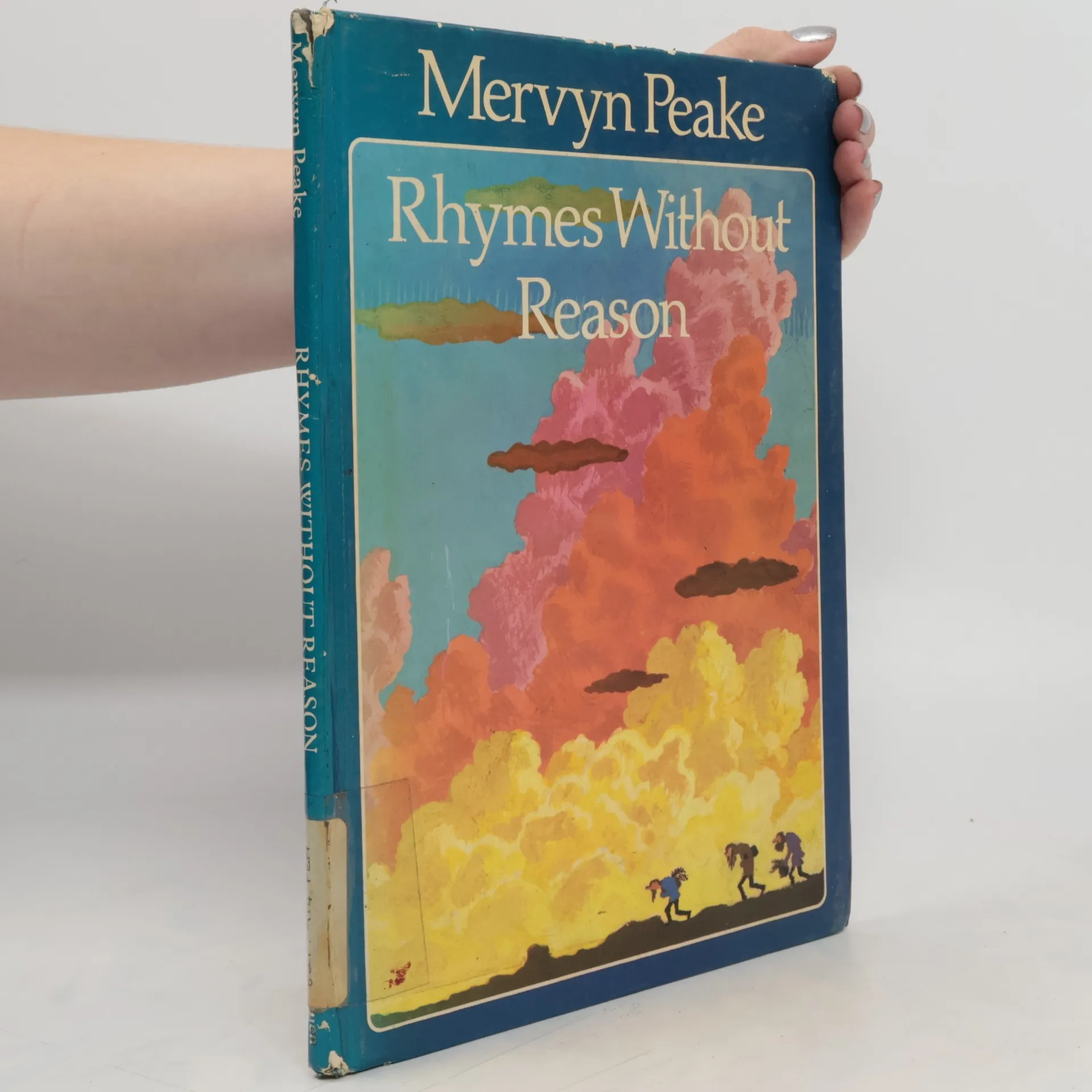
Showcasing another quirky side of the author best known for his monumental fantasy trilogy, Gormenghast, this collection contains pieces recently discovered by the Peake family From the macabre to the brilliantly off-beat, Mervyn Peake's nonsense verse can, like marzipan, be enjoyed by young and old alike. This collection of writings and drawings has been selected by his widow, Maeve Gilmore, and it introduces a bewitching gallery of characters and creatures rivalling the best of Lewis Carroll and Edward Lear--creatures such as the Dwarf of Battersea and Footfruit. Also included are never-before-seen illustrations to the poems not in previous editions. This treasure trove will delight new and old fans alike with its deceptively goofy, actually quite complex verse--it's quirky and comical, occasionally alarming, but always magical.
In Titus Awakes the 77th Earl of Groan leaves the crumbling castle of Gormenghast and finds the larger world even stranger than his birthplace. Using notes and the fragments he left behind, his wife, the painter and writer Maeve Gilmore, has created a richly imagined sequel that fans of The Gormenghast Trilogy will delight in.
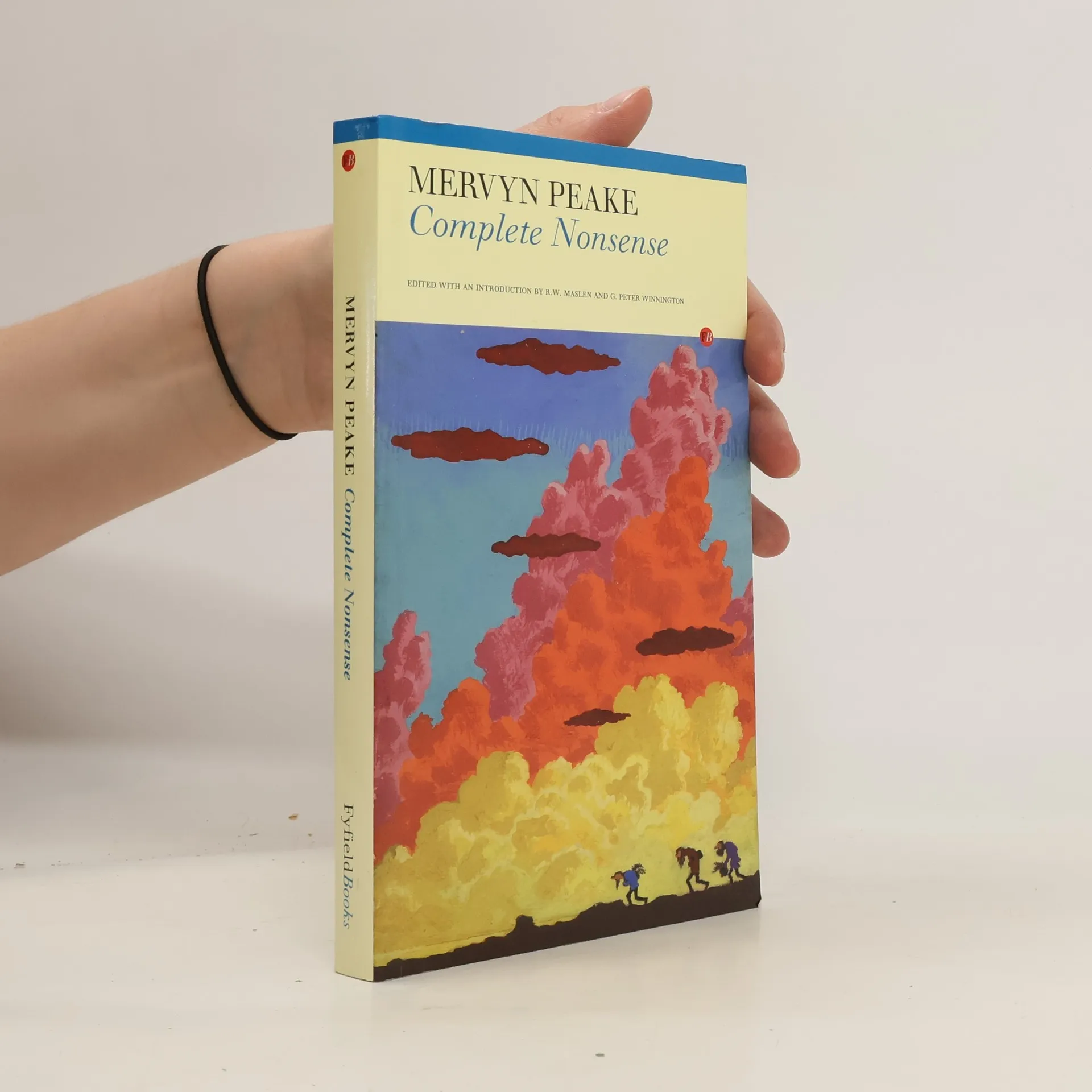
Complete Nonsense
- 320 pages
- 12 hours of reading
Mervyn Peake (1911-68) is one of the great English nonsense poets, in the tradition of Lewis Carroll and Edward Lear. His verses lead the reader into places where cause is cut free of effect and language takes on a giddy life of its own. This title contains the poems and illustrations previously published in Peake's Book of Nonsense (1972).
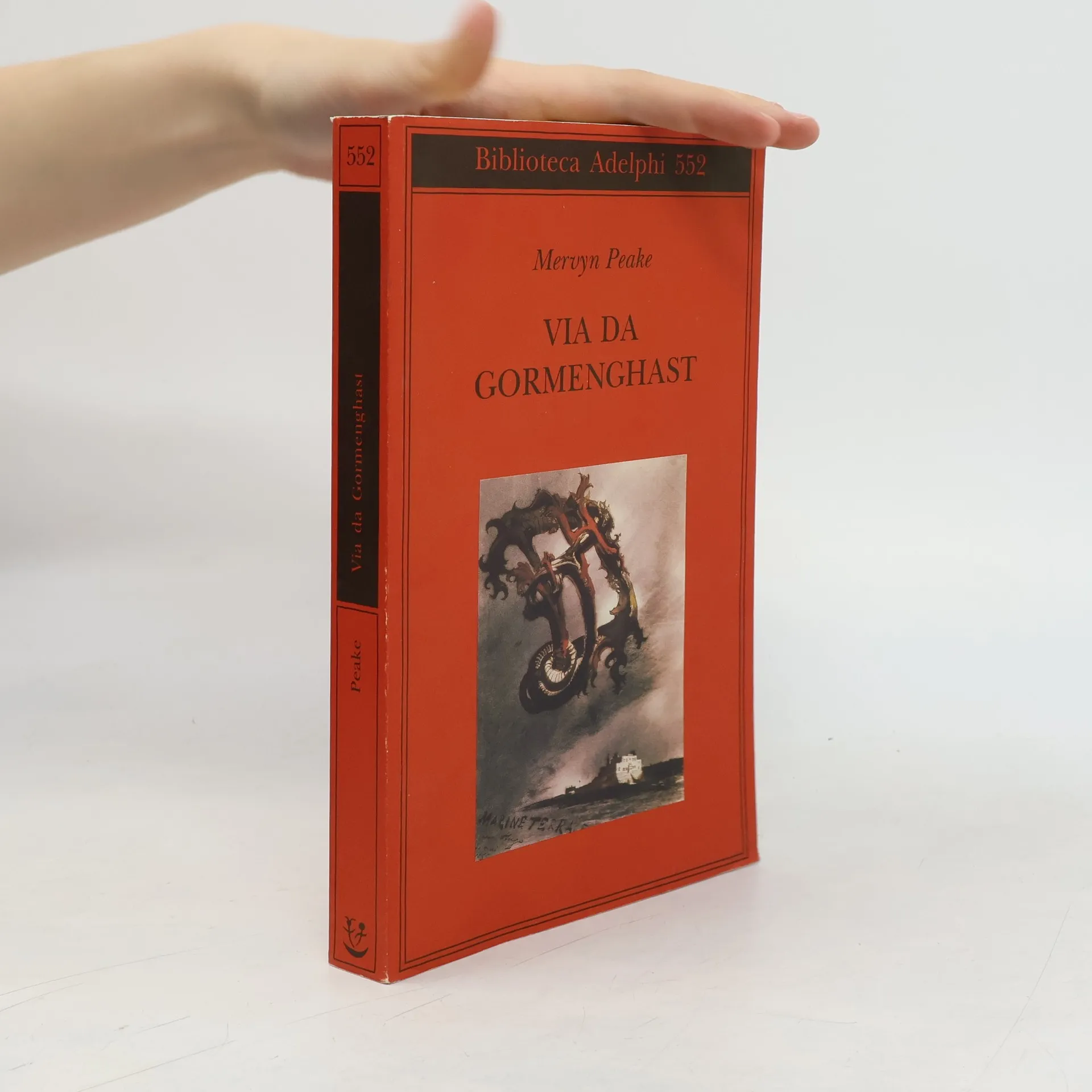
Biblioteca Adelphi - 552: Via da Gormenghast
- 329 pages
- 12 hours of reading
Alla fine del secondo pannello della trilogia, il giovane Tito, signore di Gormenghast, trova il coraggio di abbandonare un regno la cui bellezza è ormai deteriorata. Le parole della madre – «Non esiste un altrove. Tutto conduce a Gormenghast» – risuonano come una condanna sulla sua fuga. Scopre che un altrove esiste, ma è altrettanto corrotto dal Male: la città in cui giunge è dominata da un controllo poliziesco opprimente, con figure inquietanti e velivoli senza pilota che sorvolano il cielo. Qui, una vasta popolazione di reietti vive nei cunicoli del Sottofiume, privati della luce e della speranza. Tito realizza che oltre Gormenghast non c'è alcuna realtà comprensibile per lui, e la sua esistenza è inconcepibile per gli altri. Lontano dal suo regno, si confronta con l'ossessione del ricordo e la follia. Con l'aiuto di pochi alleati – Musotorto, Giuna, e altri transfughi – dovrà affrontare insidie e liberarsi da legami di amore e amicizia per scoprire l'unica verità che conta. Anche in questo terzo volume, la potenza visionaria di Peake sorprende, confermando le parole di C.S. Lewis: i suoi libri sono vere e proprie aggiunte alla vita, offrendo esperienze uniche e ampliando la gamma delle emozioni umane.
מתחיל בלידתו ומסתיים בחגיגות יום ההולדת הראשון של היורש לטירה הגדולה והמסורתית של גורמנגסט. ערפל גדול של רוע ואי-נוחות שזור מעל הטקסים הסטיליים של הטירה. שטירפייק הרשע שואף לנצל את הפערים בין הטקסים הפורמליים לצרכים הרגשיים של המשפחה השלטת לטובתו האישית.
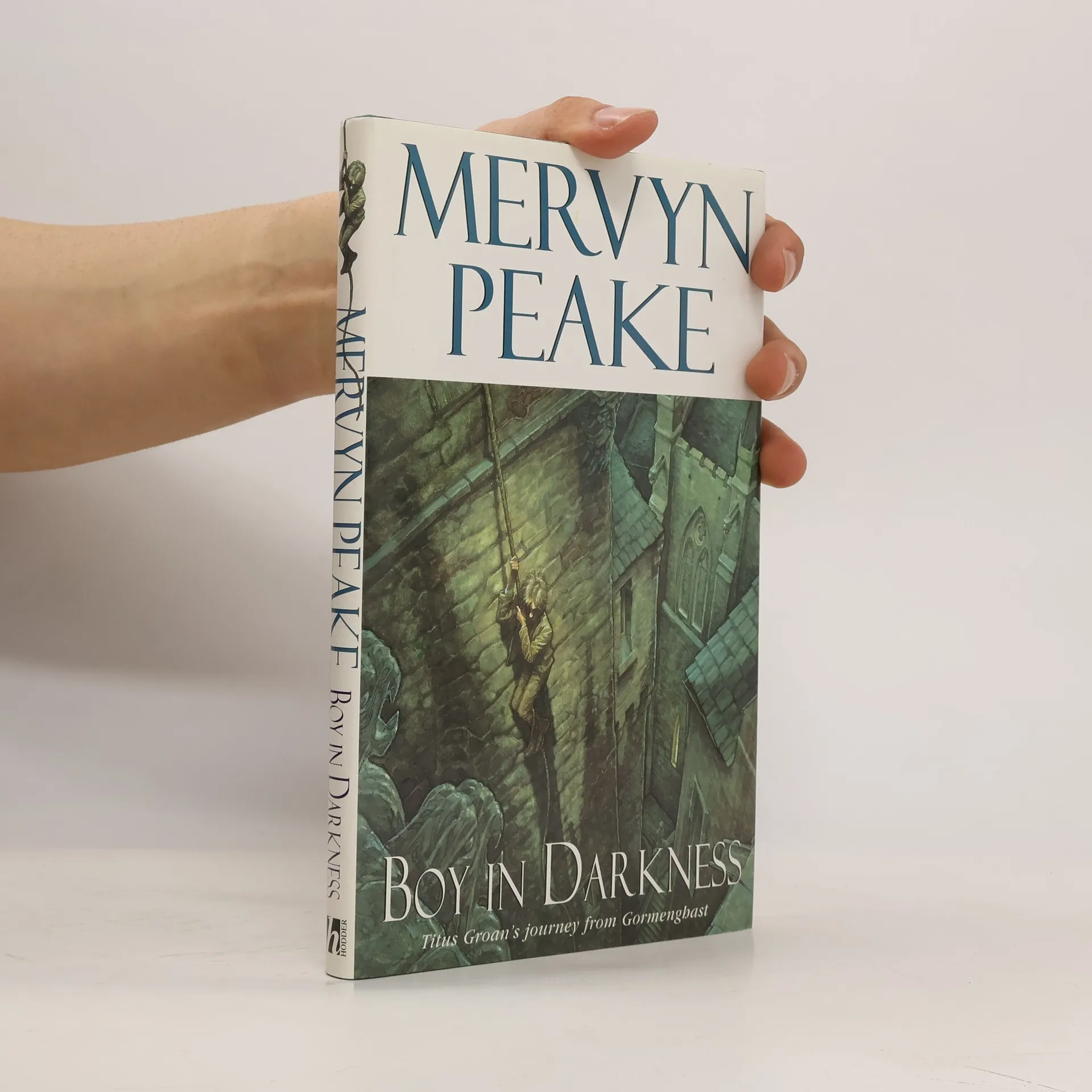
Boy in Darkness
- 128 pages
- 5 hours of reading
A story of the macabre and the chasms of the imagination. A gormenghast story. Older readers.
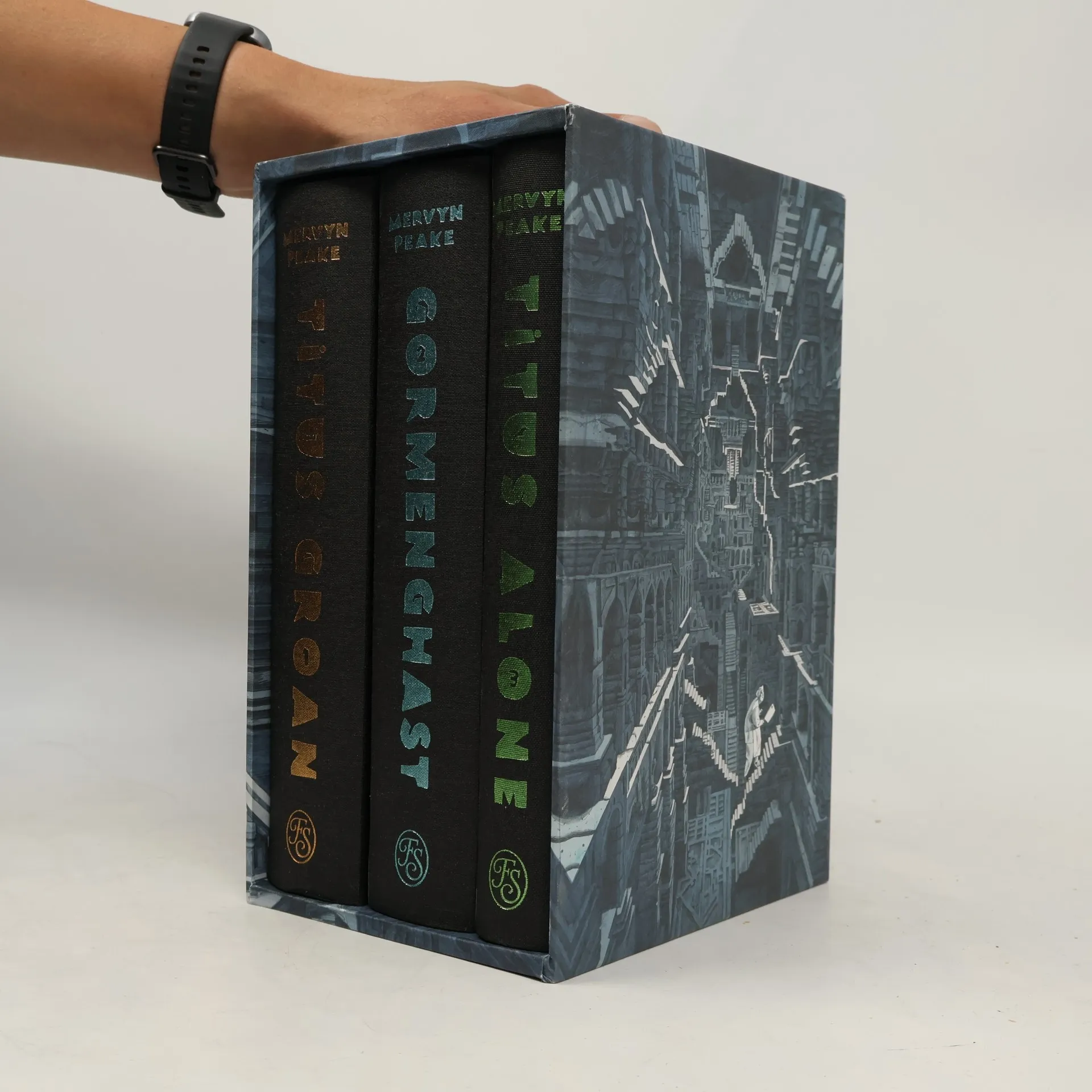
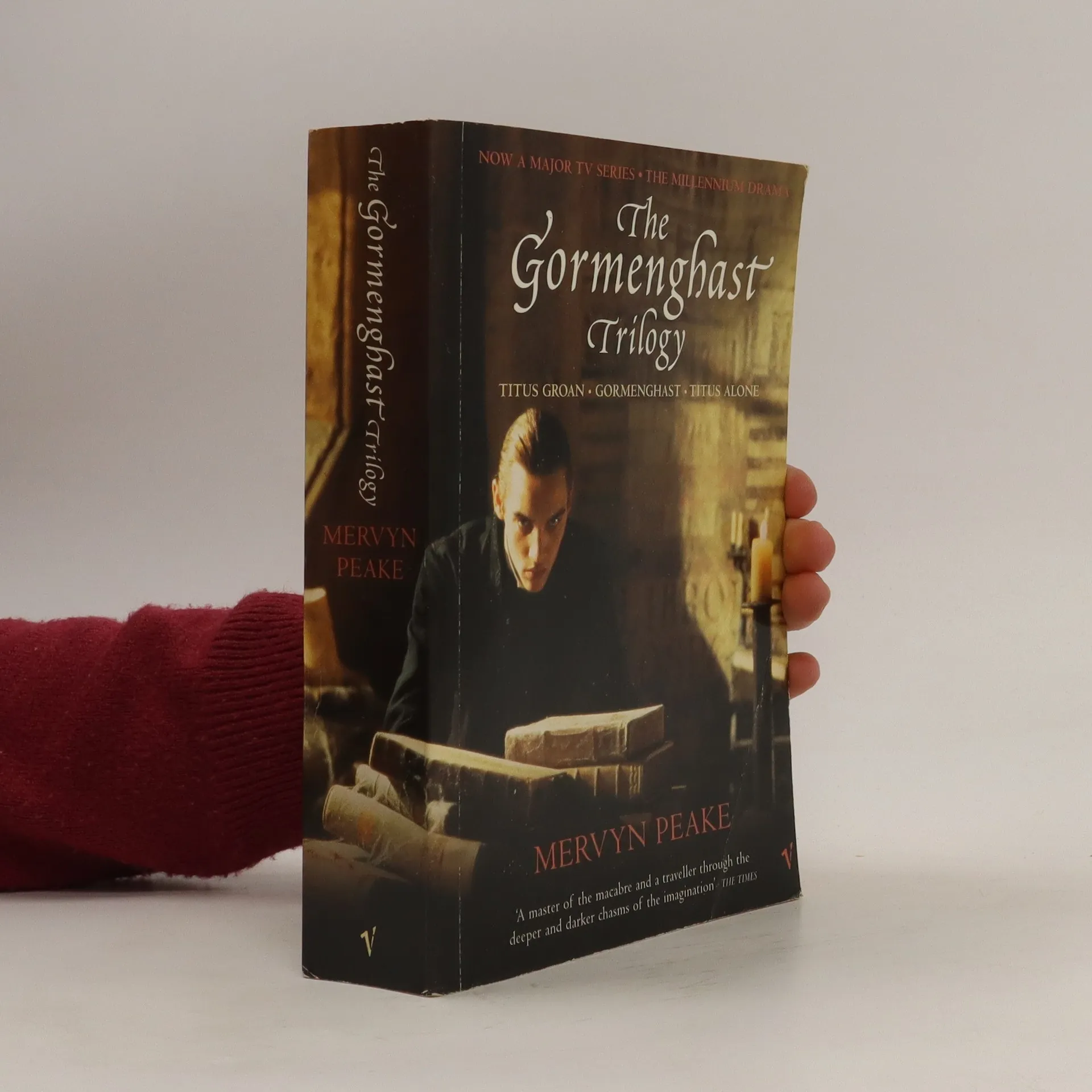
Gormenghast is the vast, crumbling castle to which the seventy-seventh Earl, Titus Groan, is lord and heir. Titus is expected to rule this gothic labyrinth of turrets and dungeons, and his eccentric and wayward subjects, according to strict age-old rituals, but things are changing in the castle. Titus must contend with treachery, manipulation and murder as well as his own longing for a life beyond the castle walls.
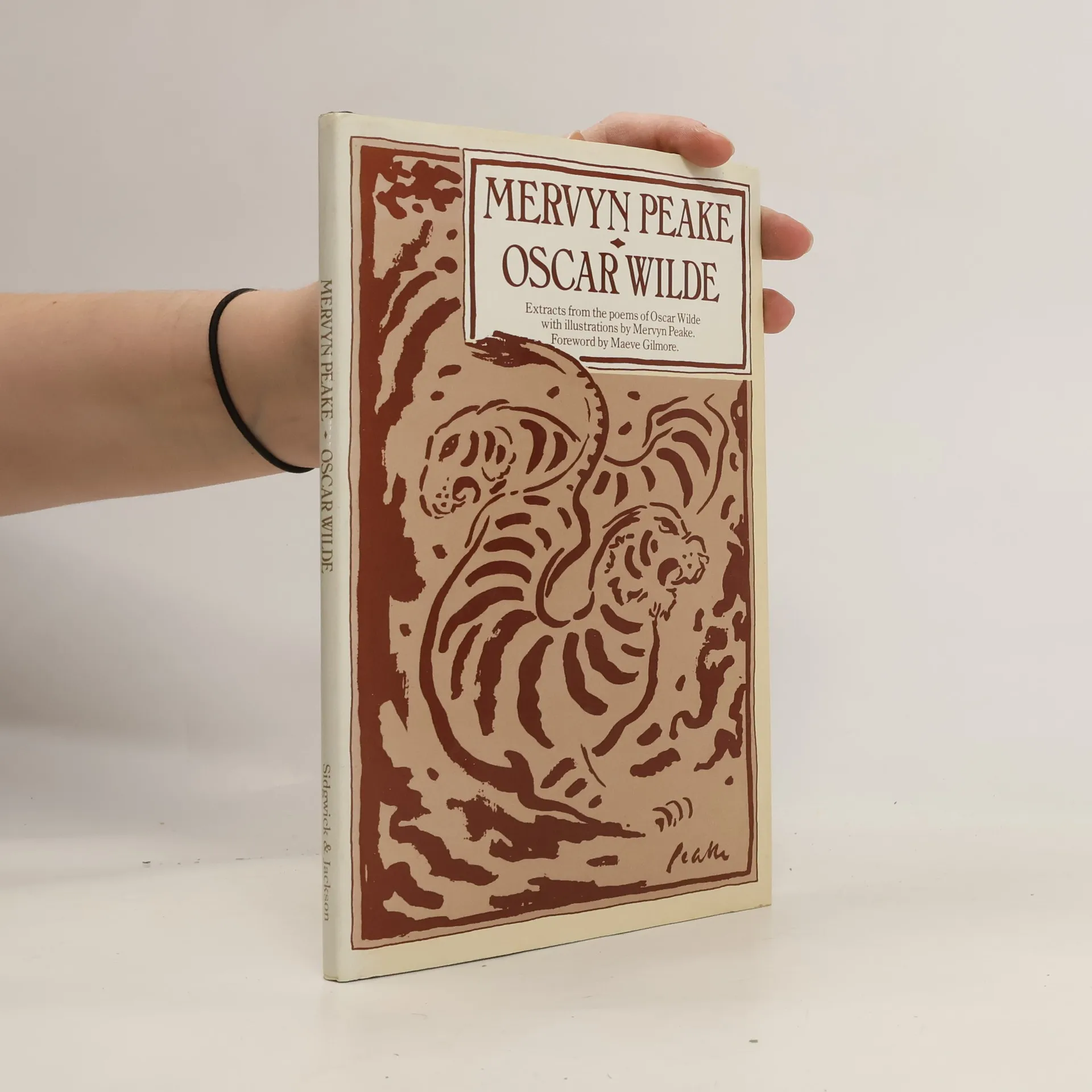
Mervyn Peake, Oscar Wilde
Extracts from the Poems of Oscar Wilde with Sixteen Illus. by Mervyn Peake ; and a Foreword by Maeve Gilmore
- 47 pages
- 2 hours of reading
Brilliant, disturbing, fantastical and addicitive, Mervyn Peake at one time or another during his brief life touched on almost every literary form. For the aficionado and for the first-time reader, this selection of his less well-known works offers a treasure trove. It includes a wealth of short stories, poems, nonsense verse and drawings - all of them adding new perspectives on this prolific and astonishingly original writer.
His dream worlds of nonsensical Wonderland and the back-to-front 'Looking Glass kingdom' depict order turned upside-down: a baby turns into a pig, time is abandoned at a disorderly tea-party and a chaotic game of chess makes a seven-year-old girl a Queen. But amongst the anarchic humour and sparkling word play, puzzles and riddles, are poignant moments of nostalgia for lost childhood
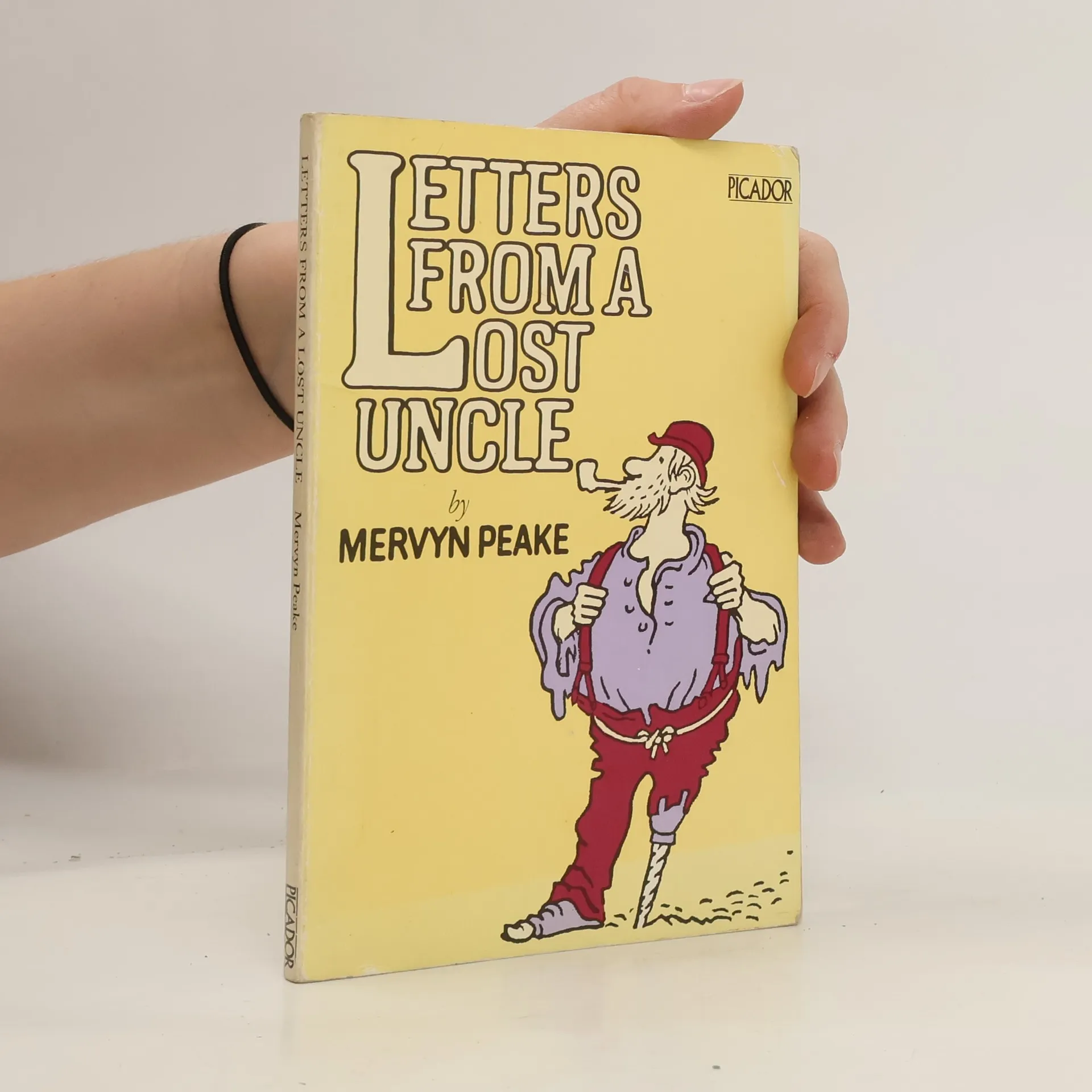
Letters from a Lost Uncle
- 128 pages
- 5 hours of reading
I am now many miles further to the North-East and am writing from a cave in a gaunt hillside. When Jackson and I sat down to rest we could see our footprints stretching back to the edge of the world. . . . Lost in the frozen polar wastes, an explorer huddles in his shelter, typing with freezing fingers the journal of his lonely, extraordinary exploits, preparing to send the story to the nephew he has never seen. With his only companion, the tortoise-like mutant Jackson, the Uncle has gone in search of his ambition and his destiny: the awesome and mysterious White Lion. Illustrated on every page with stunning, beautiful, eerie drawings, this edition has been completely re-originated form the original artwork. Reproduced here for the first time in full colour, Letters from a Lost Uncle is the triumphant product of a unique imagination and a distillation of all that is most powerful in the strange genius of Mervyn Peake.
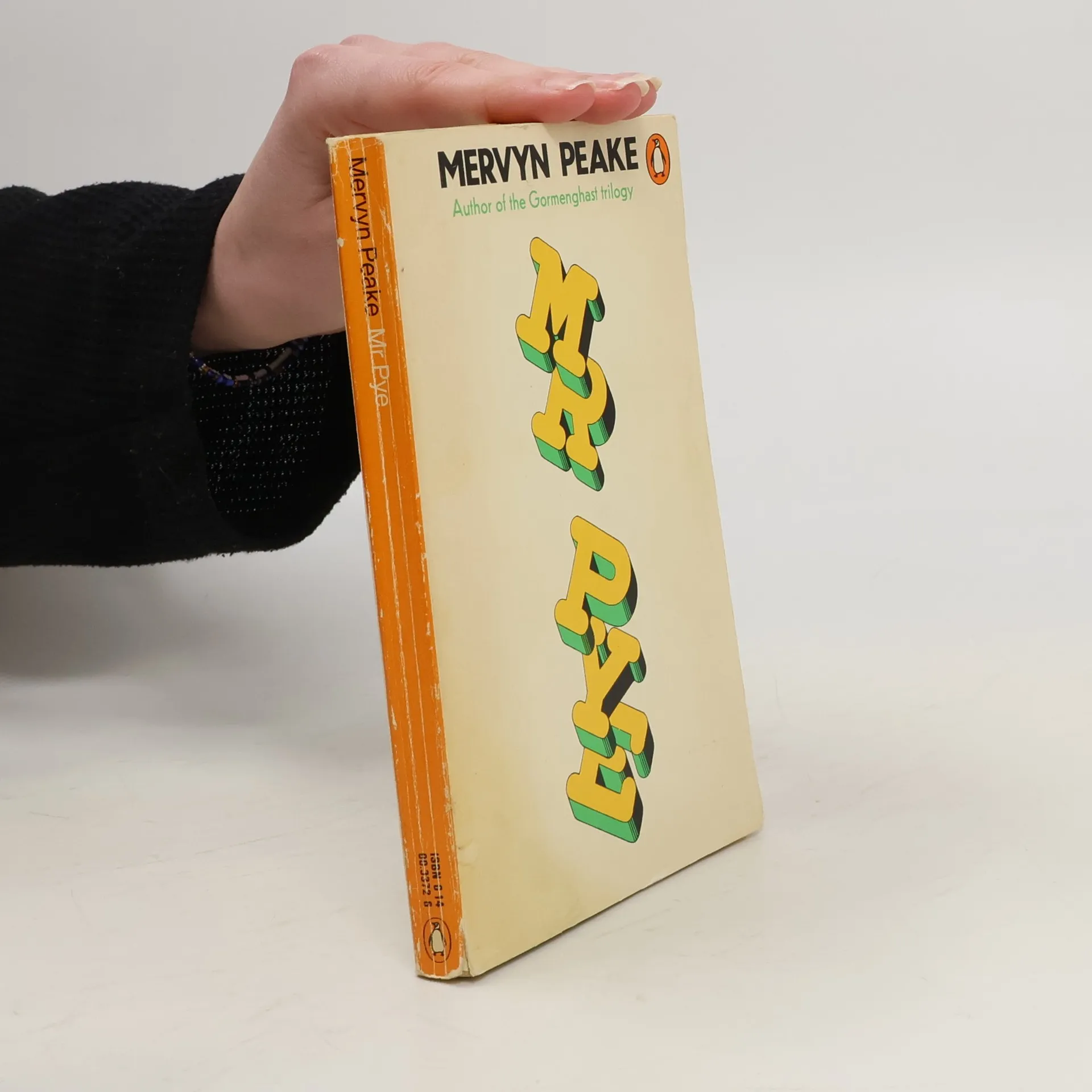
Mr Pye comes to the Island of Sark with a mission... Mr Pye, however, is prone to excess, and excess is very nearly his downfall. For when the struggle between good and evil becomes embarrassingly personalized Mr Pye finds it difficult to maintain the delicate balance. In his fight he finds invaluable help from Miss Dredger, his aggressively robust landlady, Thorpe, the archetypal seaport painter, and Tintagieu, wanton, blackhaired, five foot three inches of sex, but who still retaines the perfect innocence of a child. Mervyn Peake captures the essence of the closeknit community in the same masterly way he created the Gormenghast trilogy, and leads us to an understanding of the paradox of good and evil. Illustrated by the author.
Titus Alone
- 263 pages
- 10 hours of reading
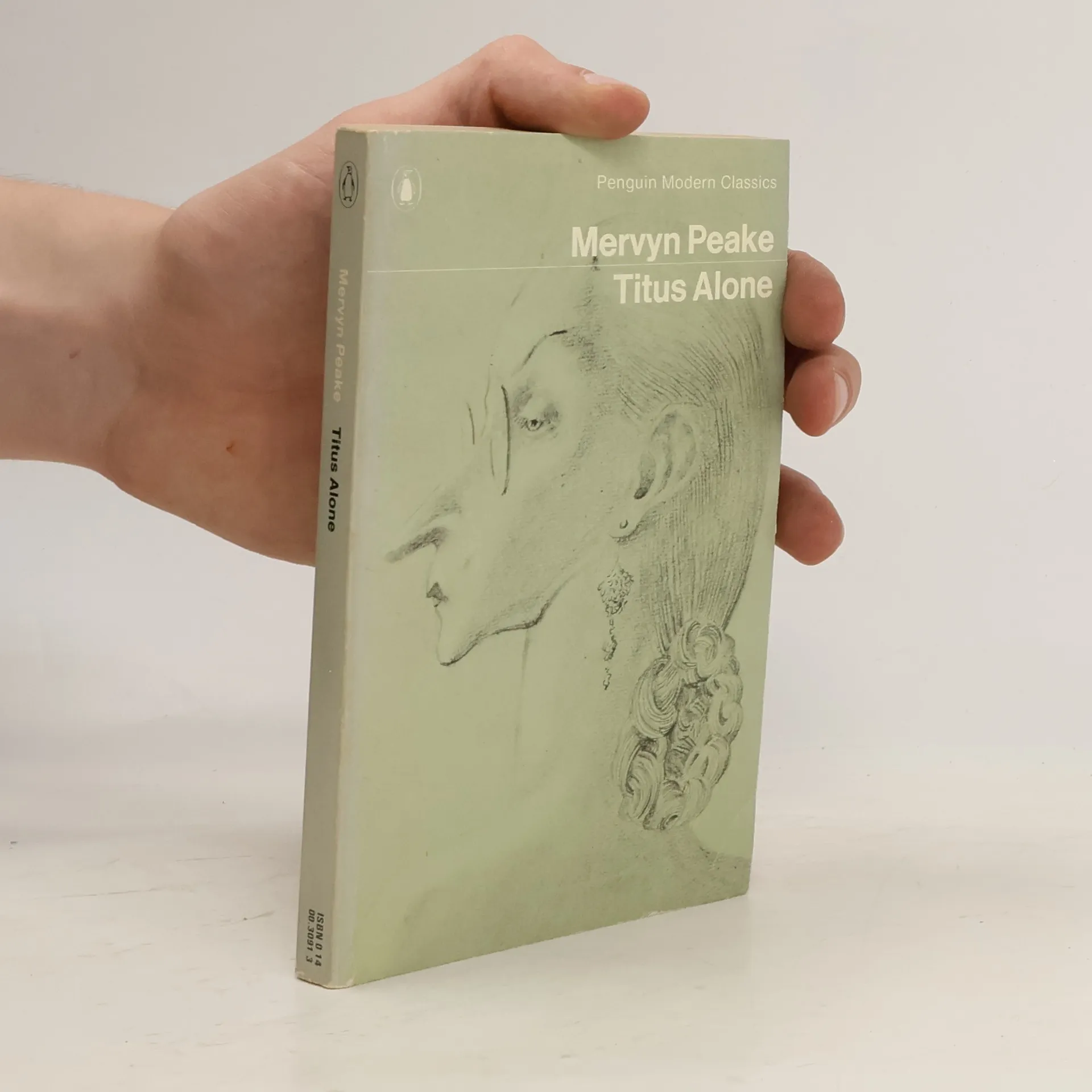
Titus, almost 20, flees oppressive Castle Rituals. Lost in a sandstorm, helped by Muzzlehatch owner of traveling zoo and his ex-lover Juno, stranded in big city, arrested for vagrancy, he longs for home. Nobody has heard of Gormenghast, few believe. Titus wants to prove it is real.
Gormenghast
- 511 pages
- 18 hours of reading
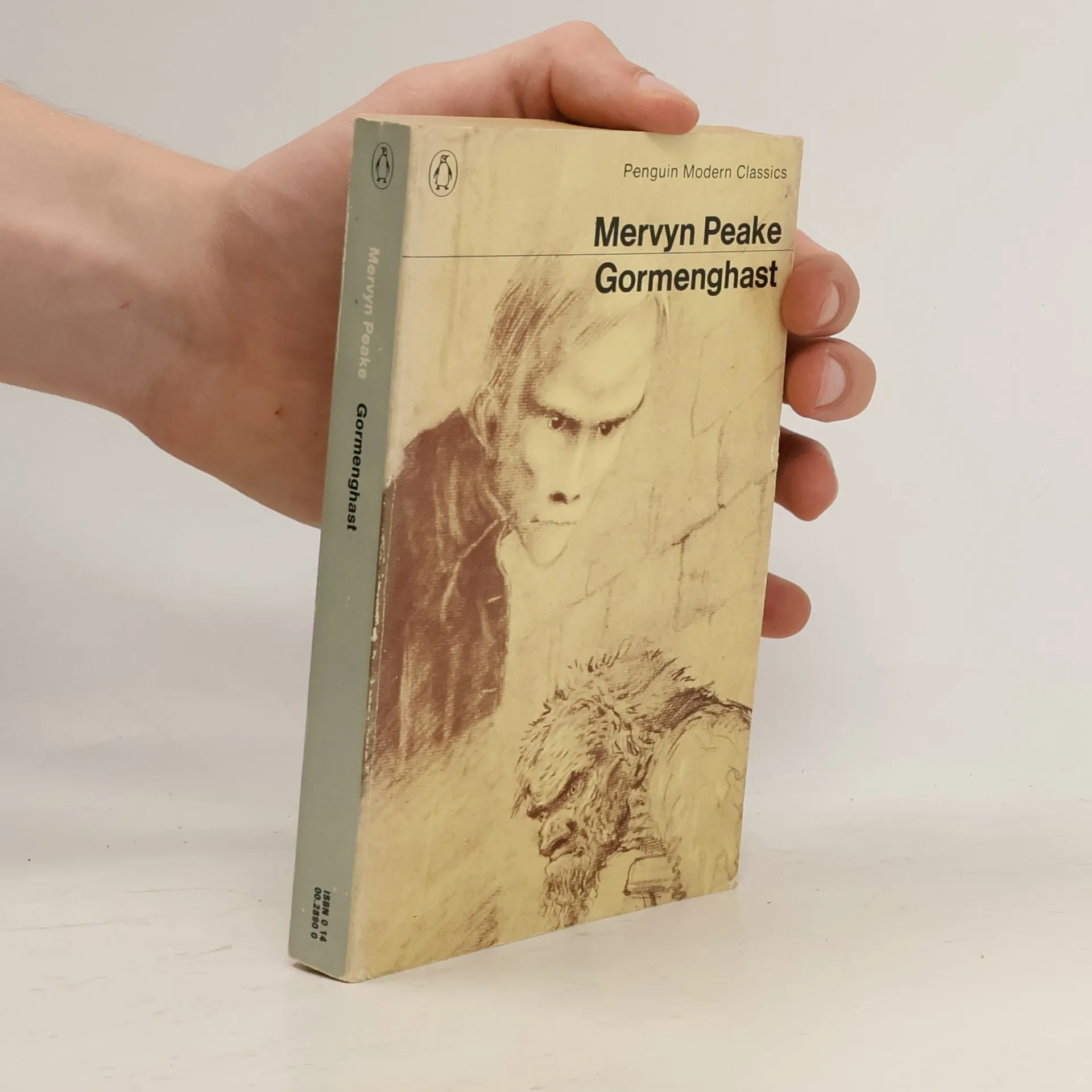
Titus Groan is seven years old. Lord and heir to the crumbling castle Gormenghast. A gothic labyrinth of roofs and turrets, cloisters and corridors, stairwells and dungeons, it is also the cobwebbed kingdom of Byzantine government and age-old rituals, a world primed to implode beneath the weight of centuries of intrigue, treachery, and death. Steerpike, who began his climb across the roofs when Titus was born, is now ascending the spiral staircase to the heart of the castle, and in his wake lie imprisonment, manipulation, and murder. Gormenghast is the second volume in Mervyn Peake’s widely acclaimed trilogy, but it is much more than a sequel to Titus Groan—it is an enrichment and deepening of that book. The Gormenghast Trilogy ranks as one of the twentieth century’s most remarkable feats of imaginative writing.
Titus Groan
- 506 pages
- 18 hours of reading
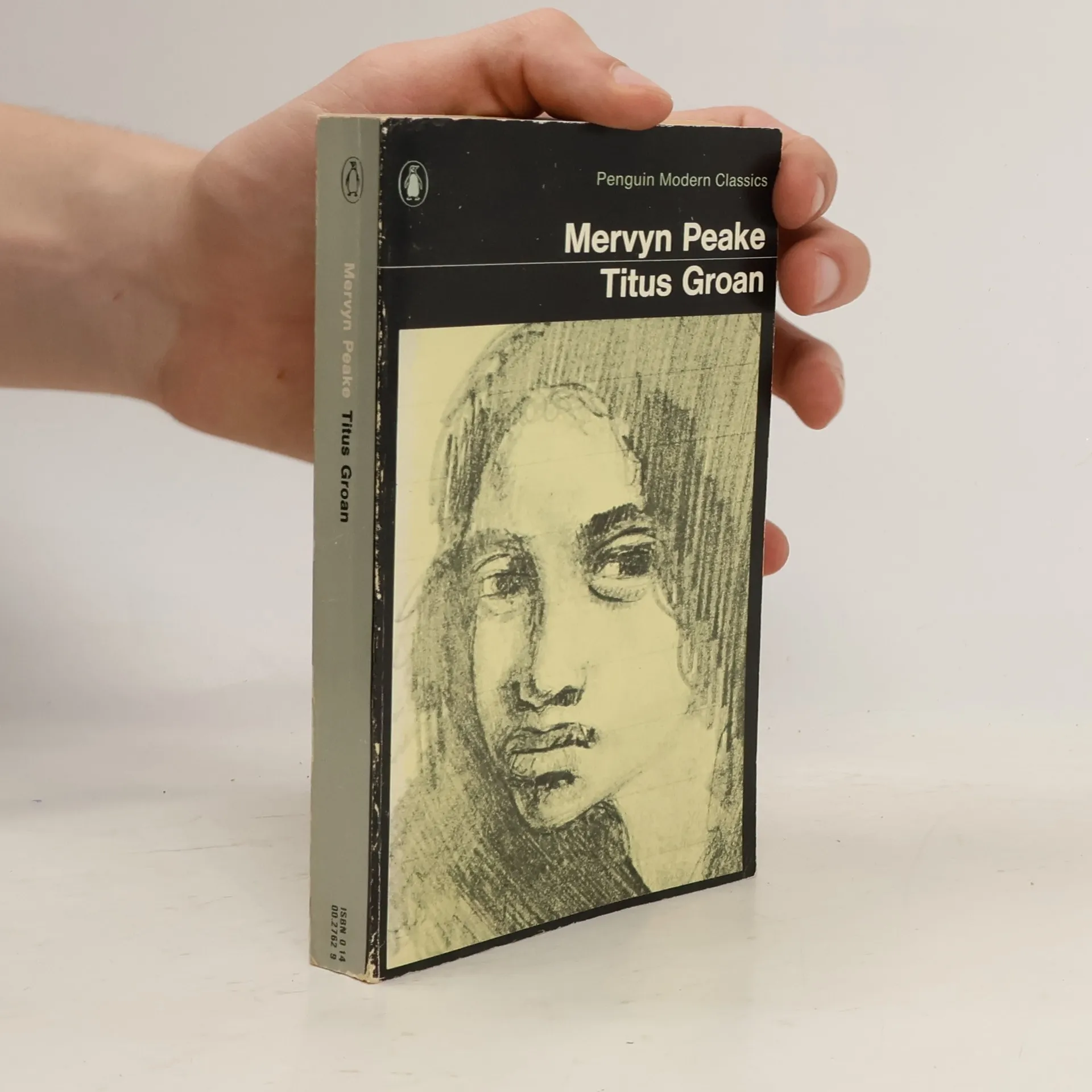
Stranger than fiction, larger than life, full of shades and echoes, Titus Groan is not merely one of the most brilliantly sustained flights of the imagination in modern English fiction, it is also a sustained piece of deadly irony. The characters are weird; the setting fantastic; everything about Mervyn Peake's masterpiece seems eccentric but for the stringent sense of reality which always seeps through the farcical, frightening antics in the mad castle of Gormenghast.