See through the eyes of the Brontes as you immerse yourself in their lives and landscapes, wandering the very same paths they each would have walked in search of the inspiration behind their novels and poetry. An 'imaginative and elegant trek through the landscape of the Brontes' Grazia
Michael Stewart Books
This author discovered a love for reading at a very young age, with his earliest literary memory being Winston Churchill's autobiography. As early as twelve years old, a short story of his was used as subject matter by an English study professor at Oxford, a highlight he recalls with fondness. Despite initially not pursuing writing as a career and instead venturing into the world of business, he has now returned to his lifelong passion later in life. With the support of his family, he is dedicated to writing, creating his own characters, and telling his own stories, finally fulfilling his creative calling.



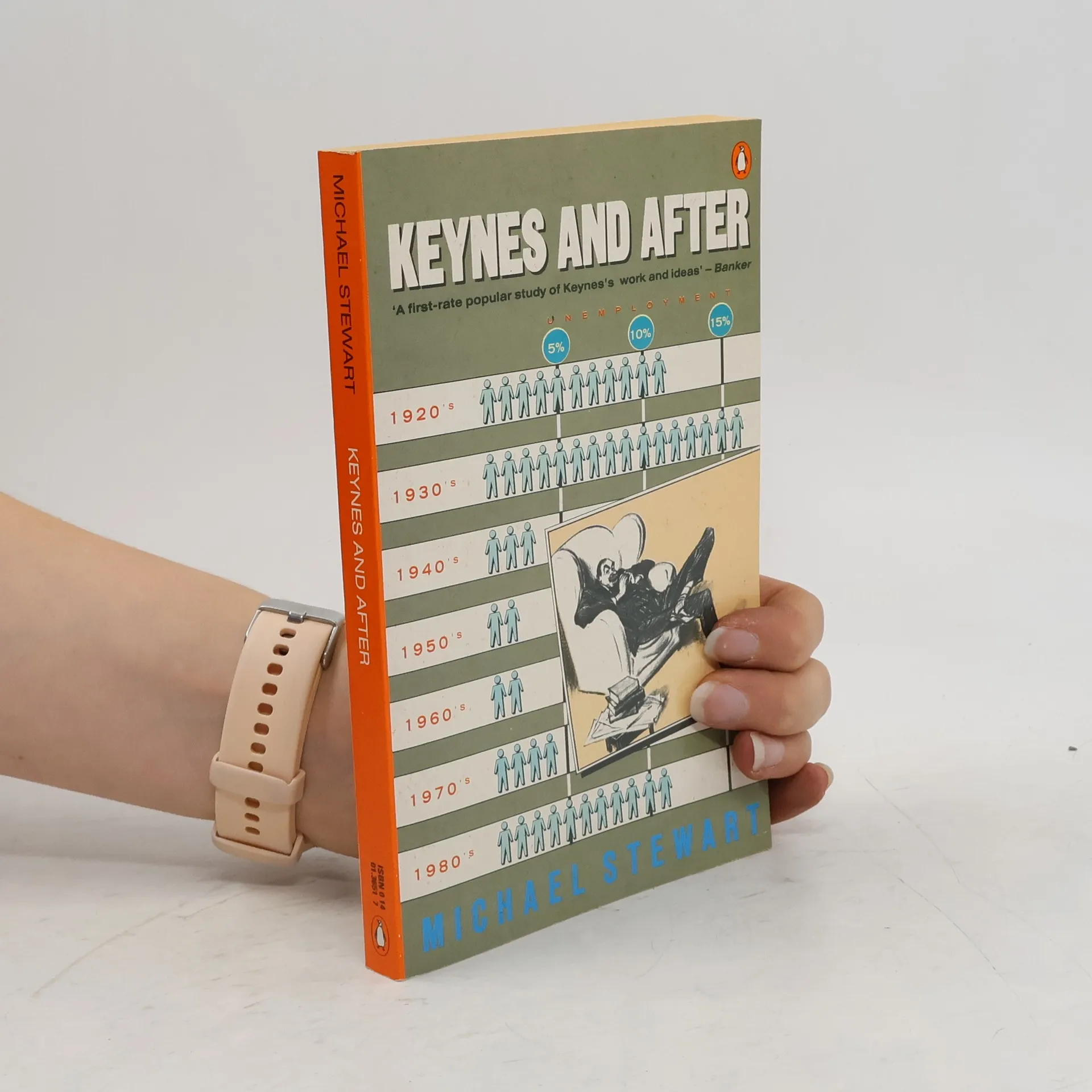
Keynes and After
- 240 pages
- 9 hours of reading
Keynes's ideas have revolutionized our lives. Before the publication of the General Theory, economists were on the touchline, passively watching the economy perform; now they are on the field as players, manipulating the conditions of economic life. Yet Keynes was not merely a theoretical economist. During both wars he was probably the most important figure at the Treasury, and the modern International Monetary Fund is partly his creation. Since the 1930s millions of people who have never heard of Keynes's work have owed their livelihood to his ideas and policies. But if we are all Keynesians now, are our problems the by-products of the Keynesian system? Can his ideas, which have banished the spectre of international recession, cope with the difficulties of an inflationary world? Is full employment threatened by a shortage of international liquidity, and is persistent unemployment in the U.S. an indication that Keynesian theory cannot answer the problems of automation? Are rising prices inevitable, and why is Britain constantly running into balance-of-payments crises? These questions are posed and answered this this new Pelican by Michael Stewart, whose clear and straightforward account of Keynes's life and ideas and of their status in the modern world should be a boon to intelligent people of any age and educational level.
Blindsight
- 339 pages
- 12 hours of reading
From the New York Times bestselling master of medical thrillers comes a shocking story of medical conspiracy. Today, organ transplants are common miracles of science. But if the supply cannot meet the demand, how far will people go to find donors? Dr. Laurie Montgomery, a forensic pathologist, learns the terrifying answer when she investigates a series of fatal “overdose” of young professionals. Some crimes are beyond comprehension. But seeing is believing... With pulse-pounding suspense and a thought-provoking exploration of medical ethics, this gripping tale takes readers on a thrilling journey through the dark side of modern medicine.
Prodigy
- 384 pages
- 14 hours of reading
Greater love hath no man.. That, at least, was what genetic researcher Jake Chalmers told himself, and his wife Alex, when he did everything in his power to ensure their daughter Sophie would be exceptional in every way, a prodigy. Especially after what had gone wrong with their first child, Danny. Jake was determined that Sophie would prove to be the genius he had hoped for. But what happens when feelings seem to take second place to intellect in a child's life? What happens when that child's closest emotional bond is suddenly and finally ruptured? And what happens when the basis of the so-far-successful experiment begins to go tragically, frighteningly wrong? As Sophie grows to realise the full, sometimes unforeseen potential of her prodigious talent, Prodigy raises itself to levels of almost unbearable tension, in a story of a love that goes too far, then goes terribly wrong.
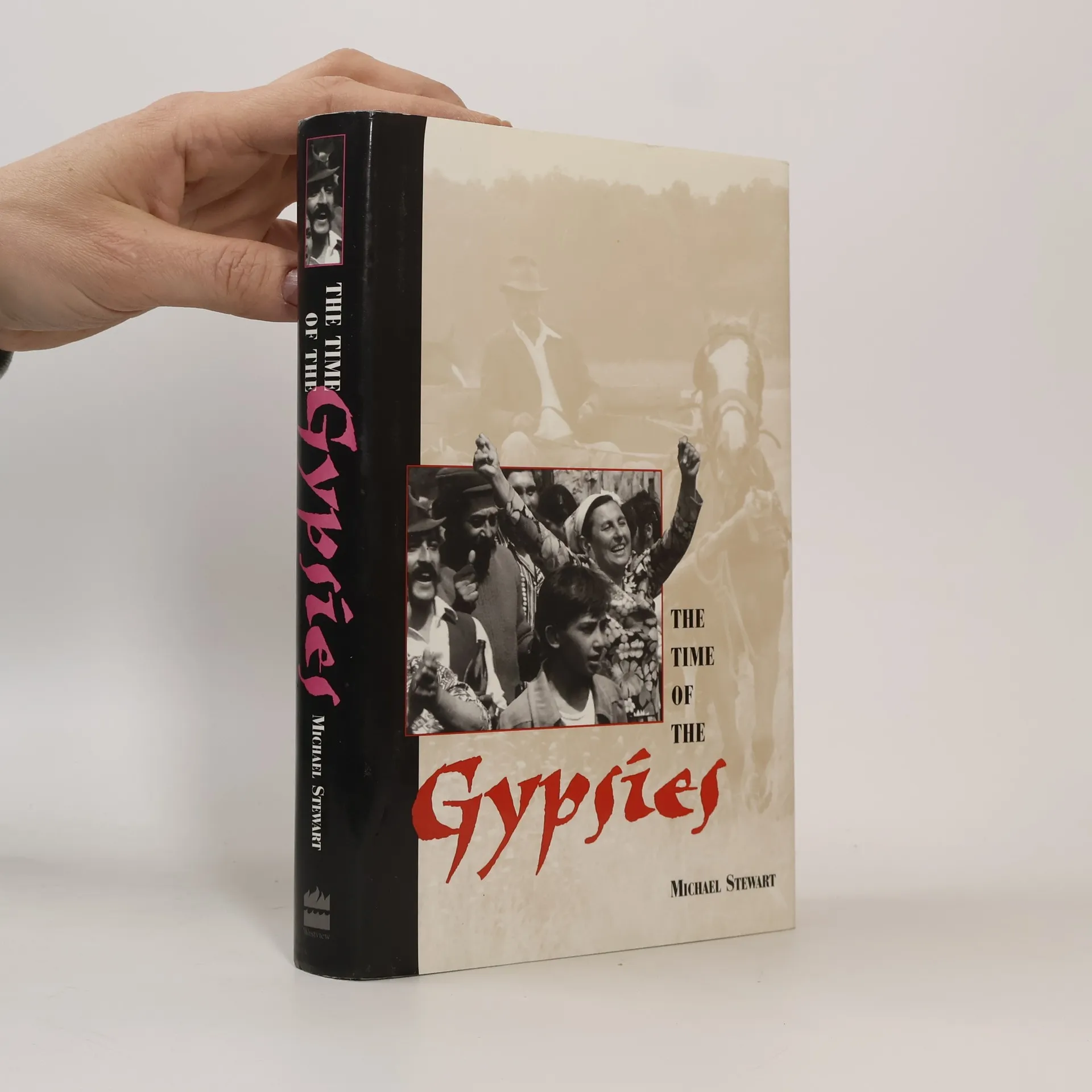
The Time of the Gypsies
- 320 pages
- 12 hours of reading
Until 1989, Communist policy in Eastern Europe aimed to assimilate Gypsies into the working class. Since then, they have become scapegoats in the post-communist era, facing increased violence and discrimination. In the first six years after communism, more Gypsies suffered from racist attacks than in all of World War II. Today, they are marginalized, feared, and often hated, reminiscent of the historical treatment of Jews. The narrative focuses on the Rom, a group of Gypsies who resist assimilation and strive to maintain their cultural identity. It explores the roots of cultural diversity in modern society and the fear that such differences can provoke. Central to the book is the author's eighteen months of immersion in a Gypsy settlement, where he observes the celebration and reinvention of their culture, often dismissed by outsiders as primitive or uncivilized. As the only journalist to have lived within this community and learned their language, the author shares his journey of discovery, revealing insights into their way of life. Seemingly trivial events, like a Gypsy woman sitting on his hat, become key to understanding how this unique people, without a homeland and distinct from other diasporas, have managed to thrive.
Grace
- 352 pages
- 13 hours of reading
Grace Holmwood sees things: bright lights, the image of her dead twin, even the Virgin Mary. But when Grace becomes pregnant while still a virgin, the prospect of an immaculate conception unearths a secret long buried in the village--a secret well known to Dr. Leonard Grigson, a specialist in the effects of radiation on the brain.
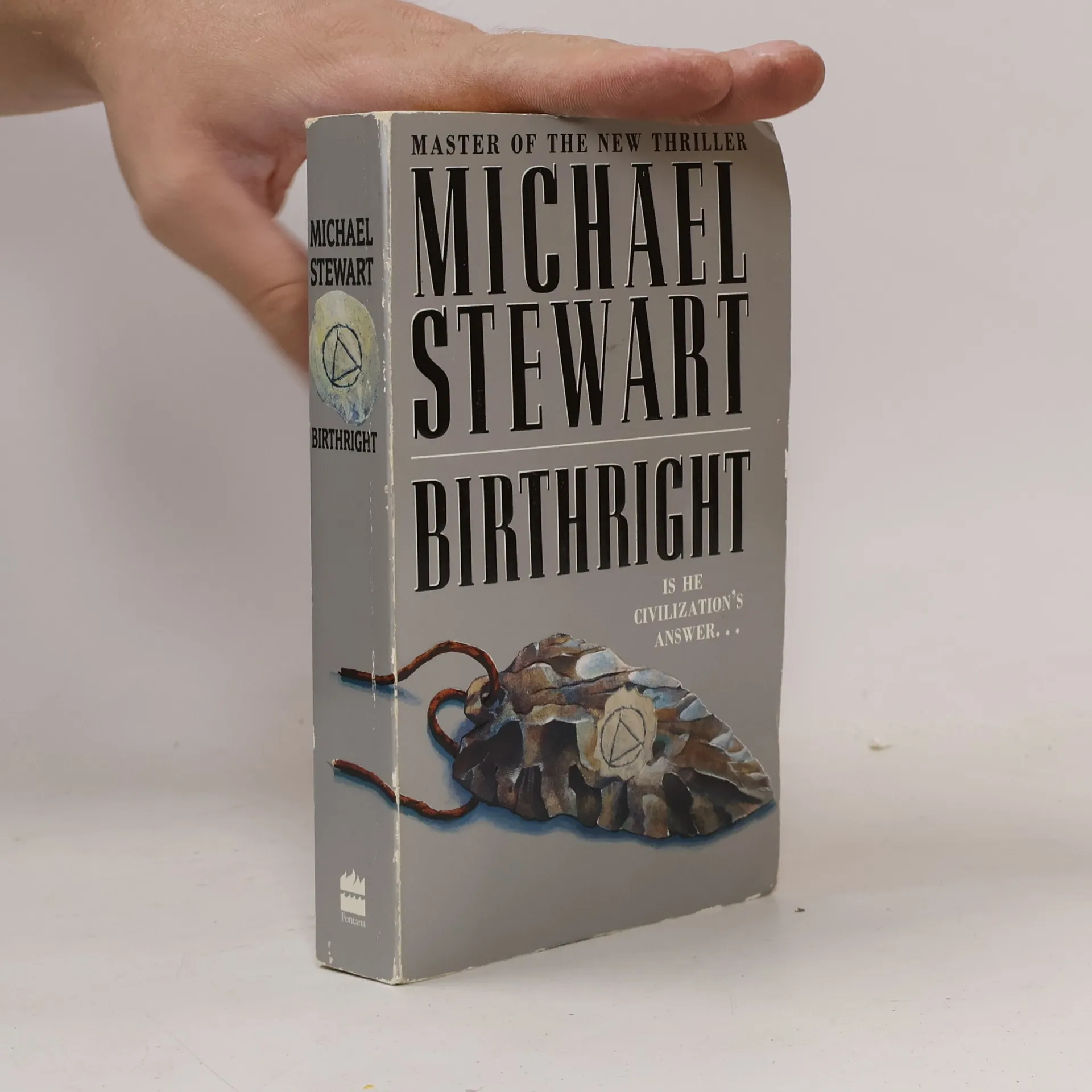
Birthright
- 416 pages
- 15 hours of reading
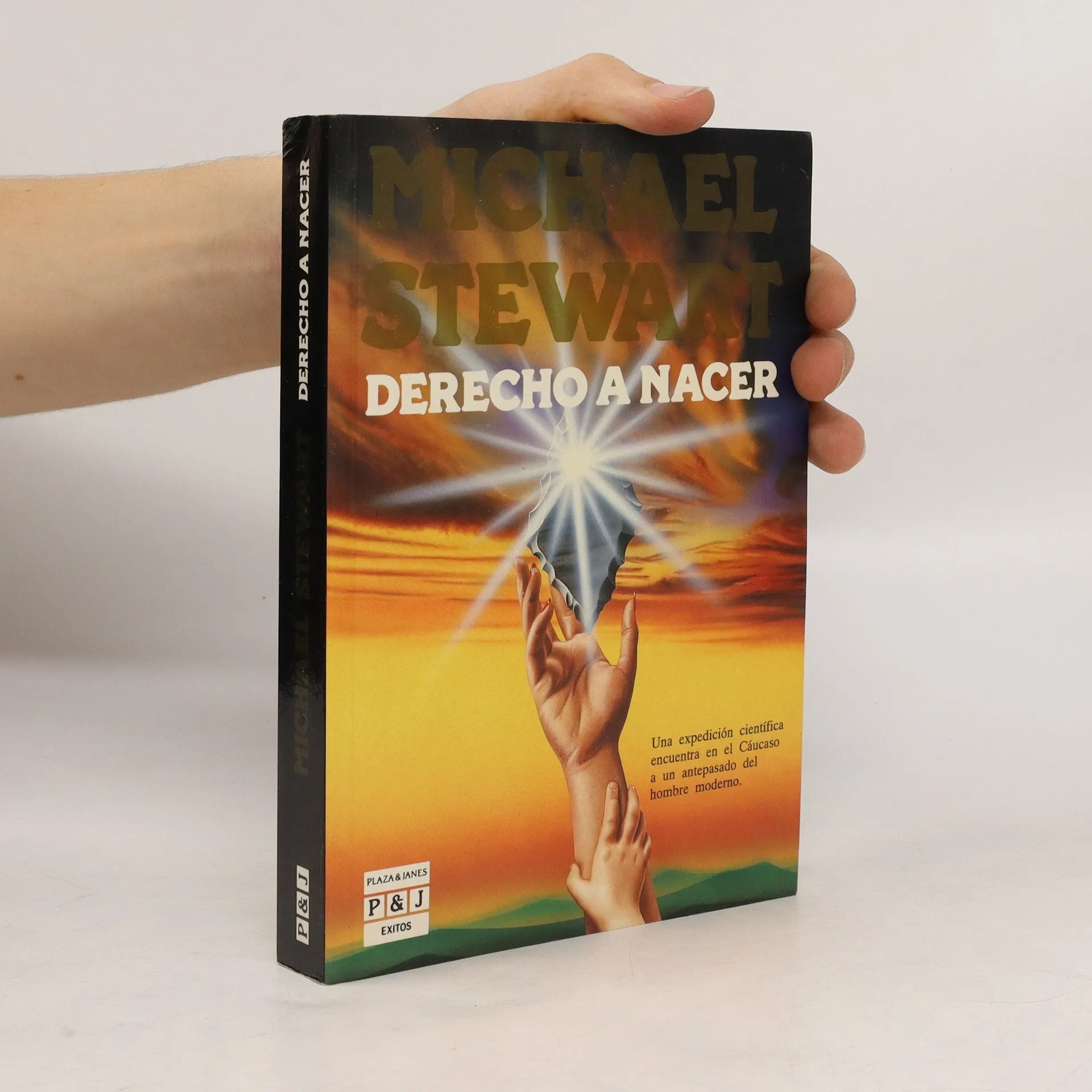
When noted Harvard anthropologist Sam Wendell discovers a Neanderthal boy still living in southern Asia, he is certain the discovery will launch him into instant fame. But after Sam dies in a car accident, the young boy, Adam, ends up being adopted by Sam's widow Julia, and living in suburban Boston where his strange behavior draws more than passing interest, especially from the neighbors. Sam's former mistress, Max, herself an anthropologist, befriends Julia and decides that Adam will be her scientific find - but first she must give the Neanderthal his birthright: the genetic material that makes humans more civilized than cave dwellers - or does it?
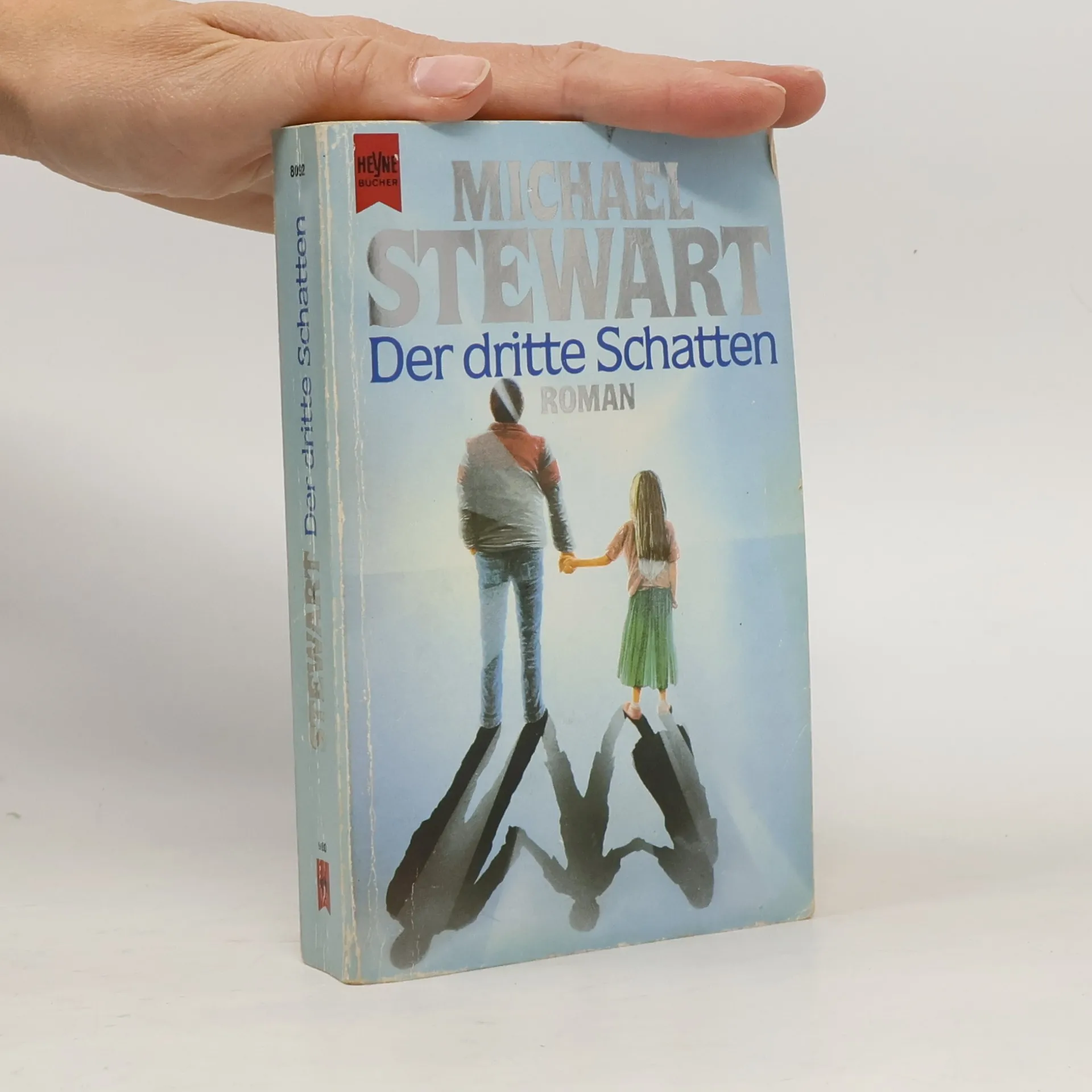
Der dritte Schatten
- 429 pages
- 16 hours of reading
Der Affe im Menschen. Roman zum gleichnamigen Film.
- 316 pages
- 12 hours of reading
Während er für die Abschlussprüfungen lernt, nimmt der querschnittsgelähmte Allan Mann einige Pillen, die die Lernfähigkeit seines Primatenbegleiters erhöhen sollen, und bald beginnen der Mann und sein Affe, sich überlappende Träume zu haben.
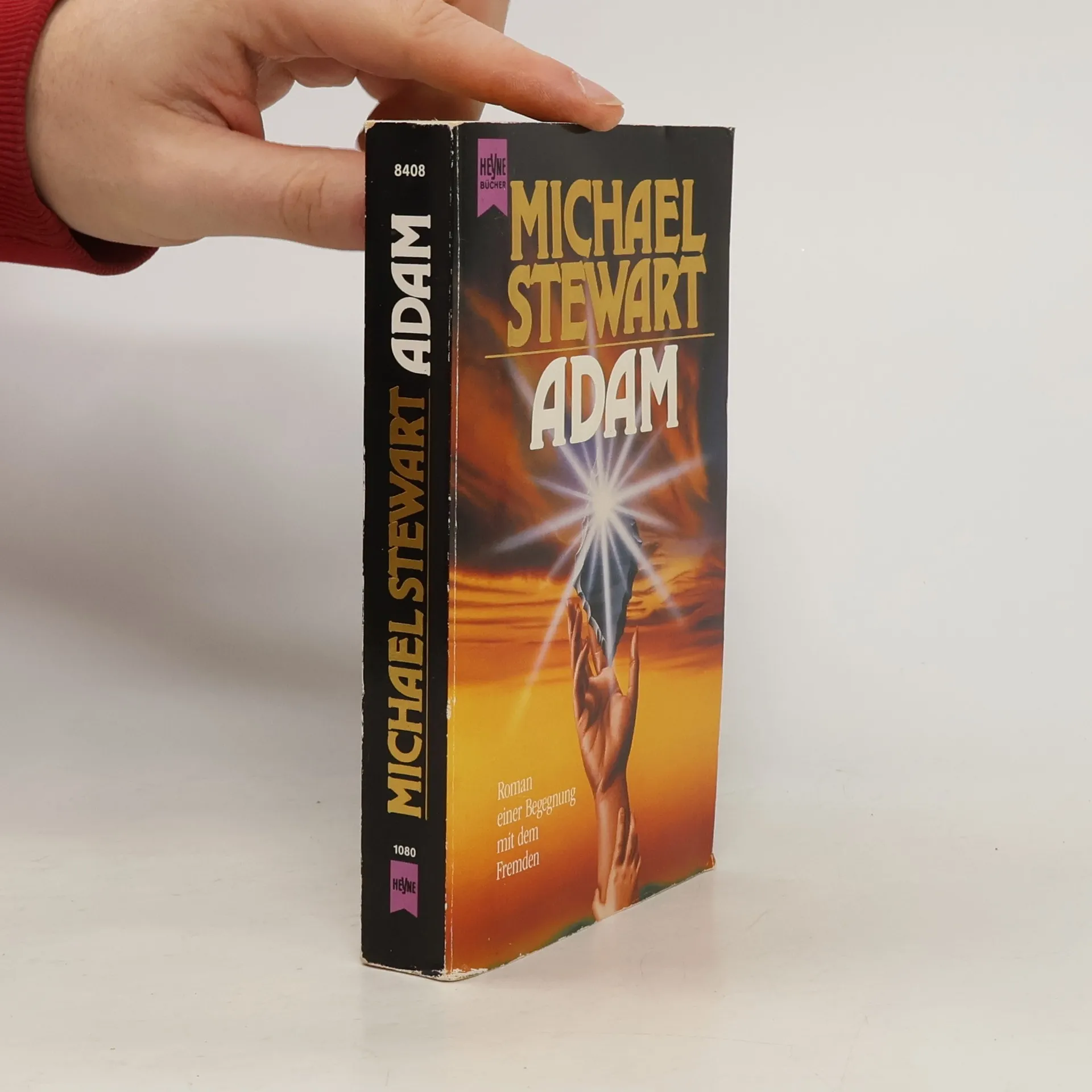
Adam
- 446 pages
- 16 hours of reading
Derecho a nacer
- 384 pages
- 14 hours of reading
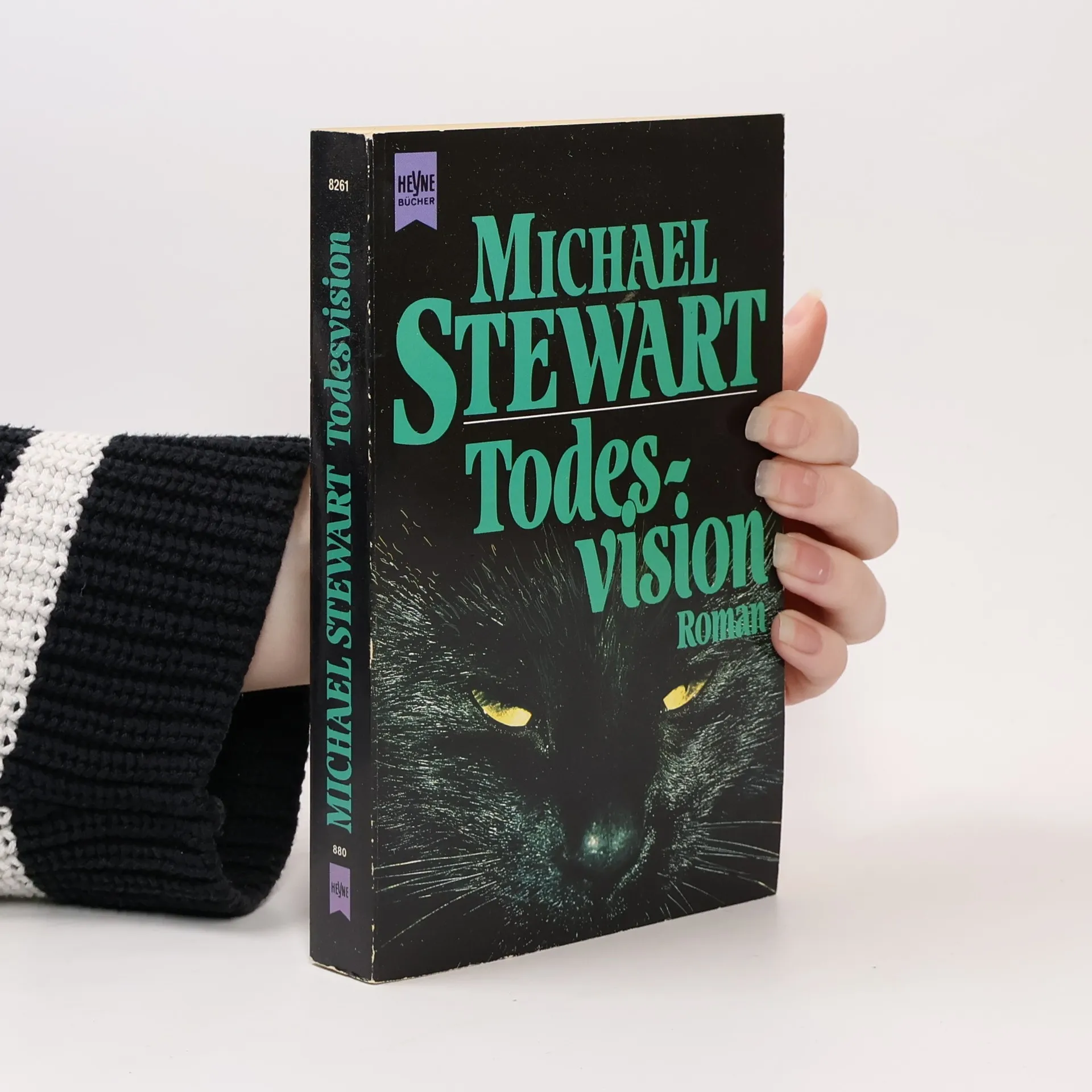
Todesvision
- 346 pages
- 13 hours of reading
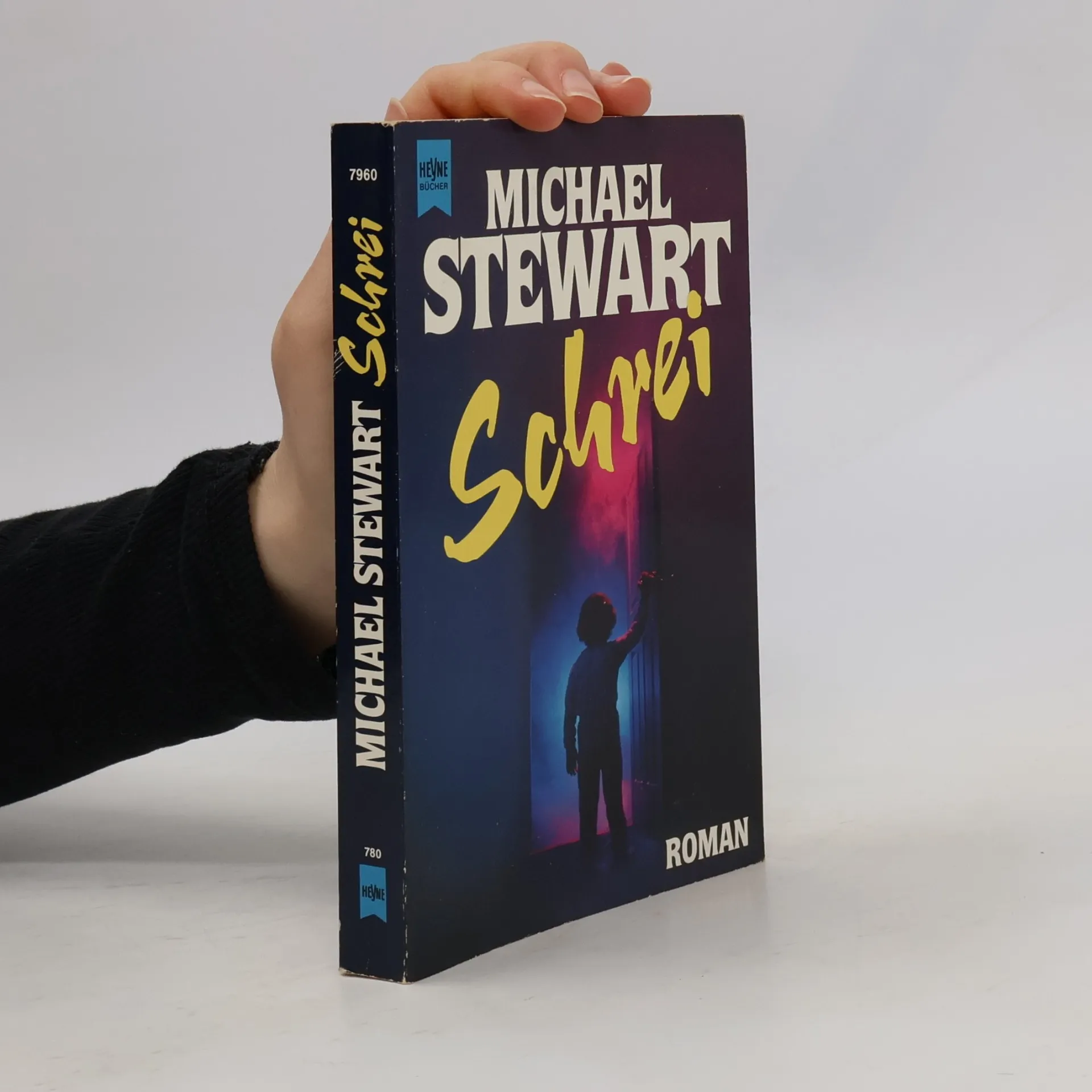
Schrei
- 283 pages
- 10 hours of reading
Die Bemühungen, Jonathans scheinbar gespaltene Persönlichkeit durch fortschrittliche Gehirnforschung zu heilen, verschlimmern die Situation nur und vereinen die Zwillingswelten des kleinen Jungen von Gut und Böse in einem erschreckenden Übel.
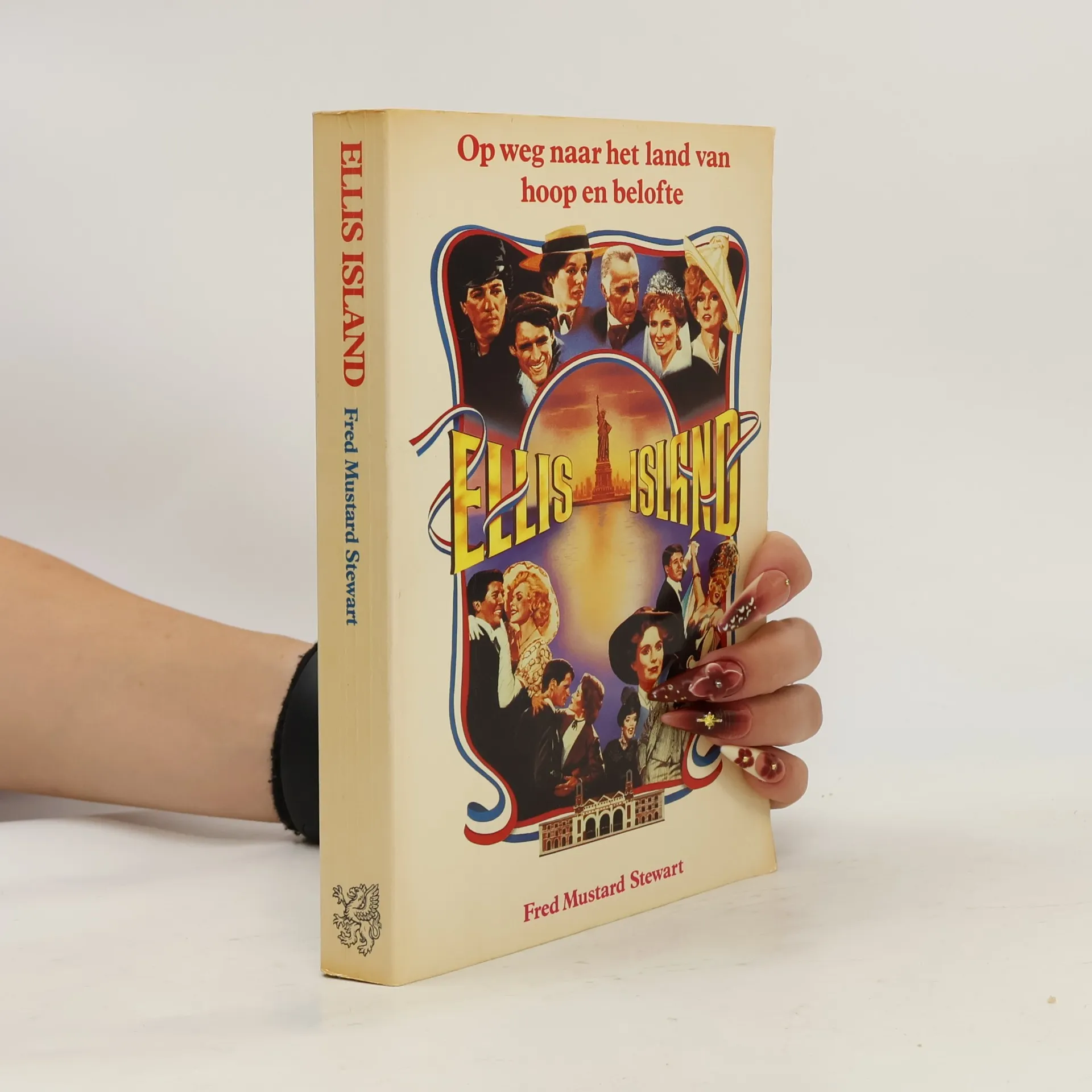
Beschrijving van de lotgevallen van een aantal immigranten in Amerika aan het begin van de 20e eeuw, waar nieuwe inzichten op velerlei terrein ontstaan.